Robin Hood: the cheapest route into a Seven (1980s-2006)
Robin Hood built the cheapest Lotus-Seven-style kit cars in Britain, famously a car on the road from one budget kit and a single scrap Ford donor, with an unusual folded stainless-steel construction. A guide to the models, the stainless monocoque story, the GBS succession, and the things to check before buying one.
Part of: British kit cars and component cars, the full guide
At a glance
- Years
- 1980s-2006
- Body styles
- Lotus-Seven-style open roadster, kit-built
- Engines
- Ford Cortina, then Sierra running gear
- Production
- Britain's highest-volume Seven-style kit maker, over 500 kits a year at its mid-1990s peak
- Values
- £2,000-£3,500 for a usable car; £4,000-£6,500 for a well-built one
- Construction
- Folded stainless-steel monocoque, later a round-tube spaceframe
- Succeeded by
- Great British Sports Cars (GBS)
The makers
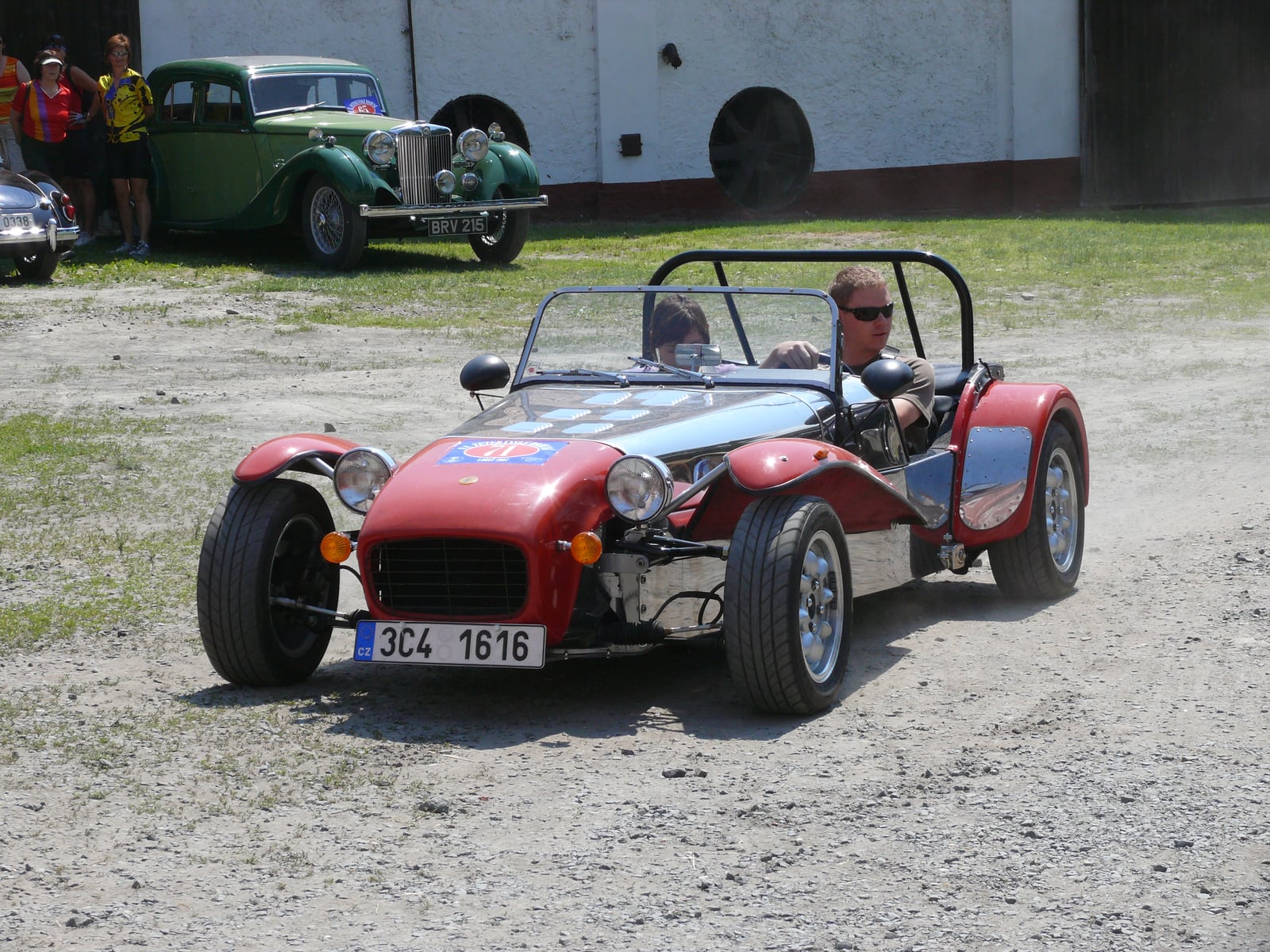
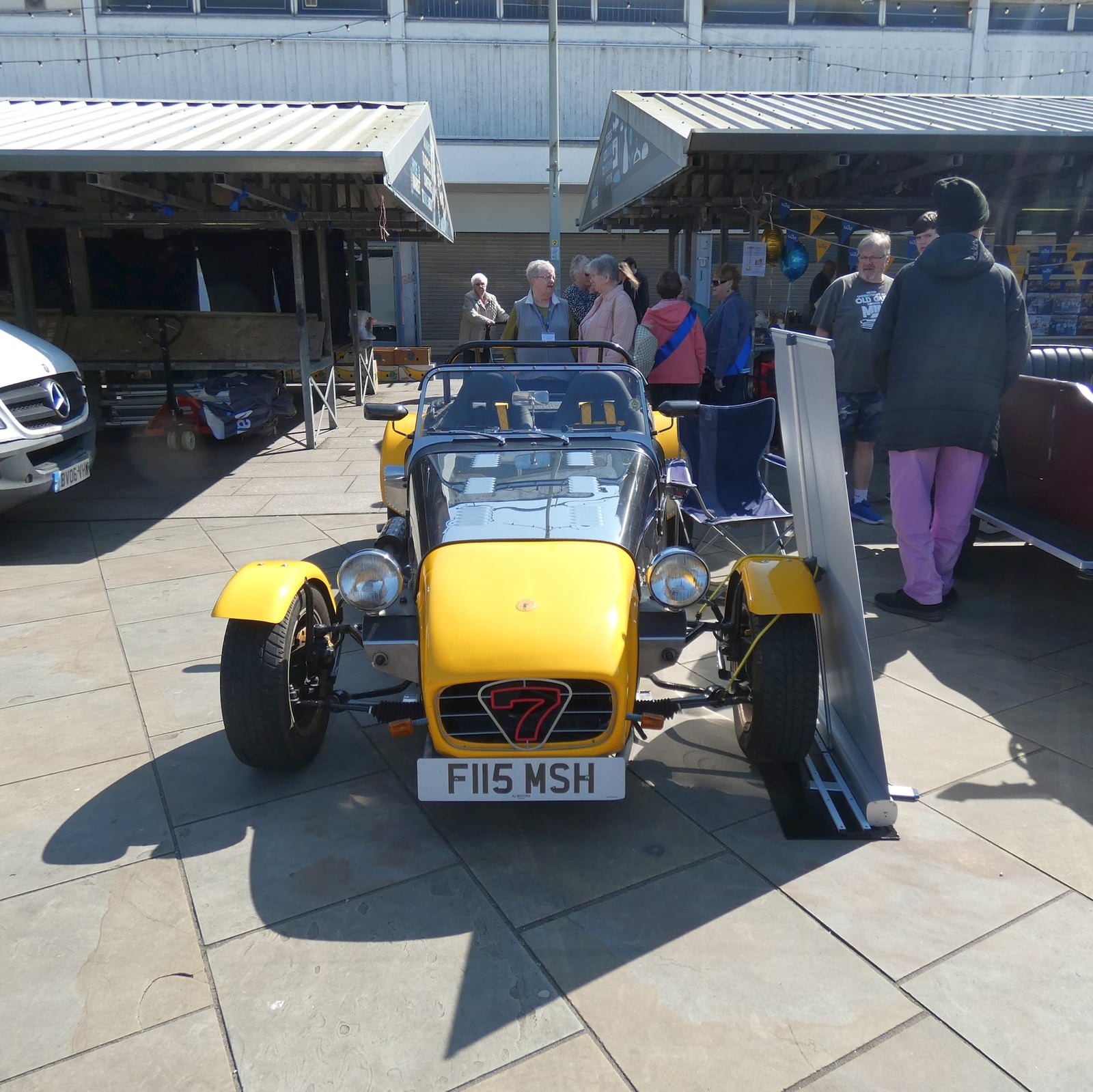
Robin Hood (Robinhood kit cars, as buyers often type it) built the cheapest way ever to put a Lotus-Seven-style car on your driveway. The pitch was famous in the kit-car world: one budget kit, one cheap donor, often a fifty-pound Ford Sierra that had just failed its MOT, and a road-legal sports car at the end of it. At its mid-1990s peak Robin Hood was turning out more than five hundred kits a year, almost certainly the highest-volume Seven-style maker in Britain, and it did it with an idea no rival used: a body and chassis folded out of stainless steel.
Robin Hood sits at the budget end of Britain’s kit-car story, the same end as Dutton a decade earlier. It is worth being honest about the era: where the component-car GTs are 1960s and 1970s period classics, most Robin Hoods are 1990s and 2000s cars, so this is more a piece of recent kit-car history than vintage motoring. But the cars are a genuine part of the British self-build tradition, and the lineage is still alive today.
The budget-Seven idea
Robin Hood Engineering was set up by Richard Stewart in Nottinghamshire in the early 1980s, first in Sherwood and later in a large factory at Mansfield Woodhouse. It did not start with Sevens at all: the early business was Ferrari Daytona replica body kits, draped over donors like the Rover SD1 and the Triumph TR7. The Seven-style cars that made the name came later, and with them the formula that defined the company: one kit plus one donor equals a car on the road, at a price that undercut every rival in the class.
That formula came with a legal footnote. After Caterham took action, Robin Hood agreed not to use the word Seven in its marketing, nor the famous green-with-yellow-nose colour scheme, which is why its cars are always called Seven-style rather than Sevens. The point was never to be a Caterham, though. The point was to be the cheapest car of roughly that shape that anyone could build in a garage.

The stainless-steel oddity
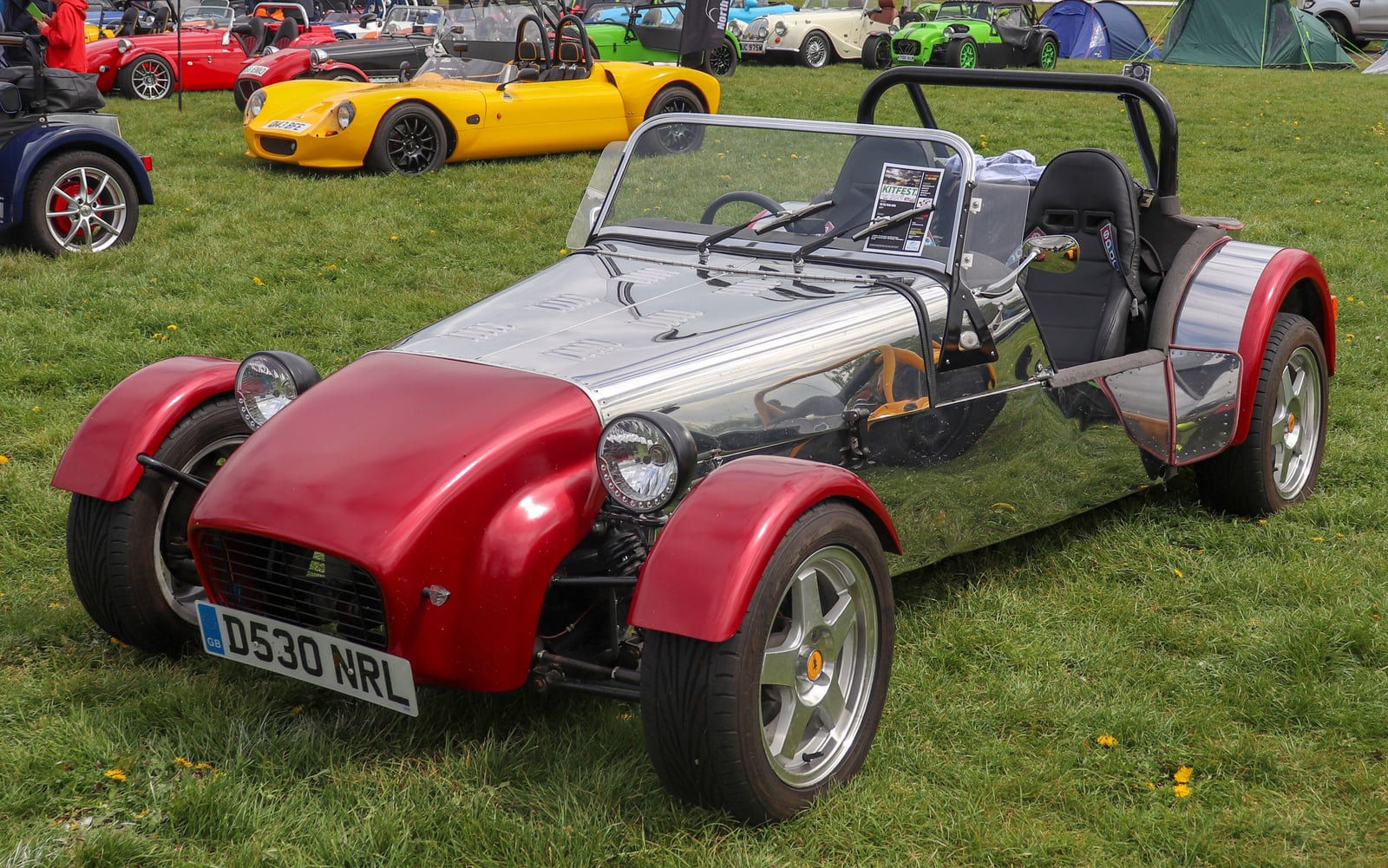
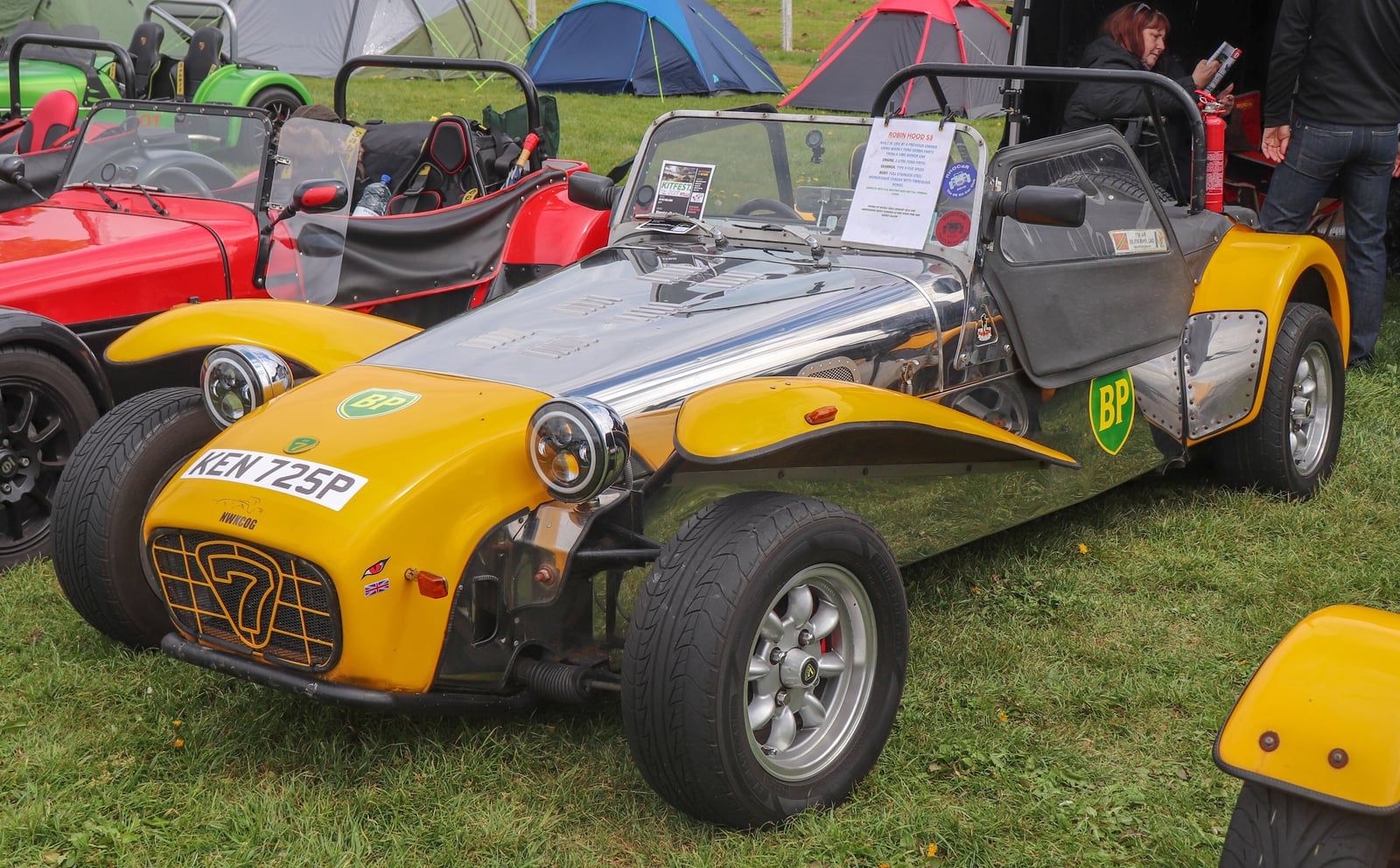
The thing that really set the early Robin Hood apart was how it was made. Every other Seven-style kit was built on a tubular spaceframe. Robin Hood instead folded and welded stainless-steel sheet into a monocoque tub, which the company marketed as cheaper to produce and, being stainless, rust-proof. It is the design signature of the early cars, and, as it turned out, the source of their main cautionary tale.
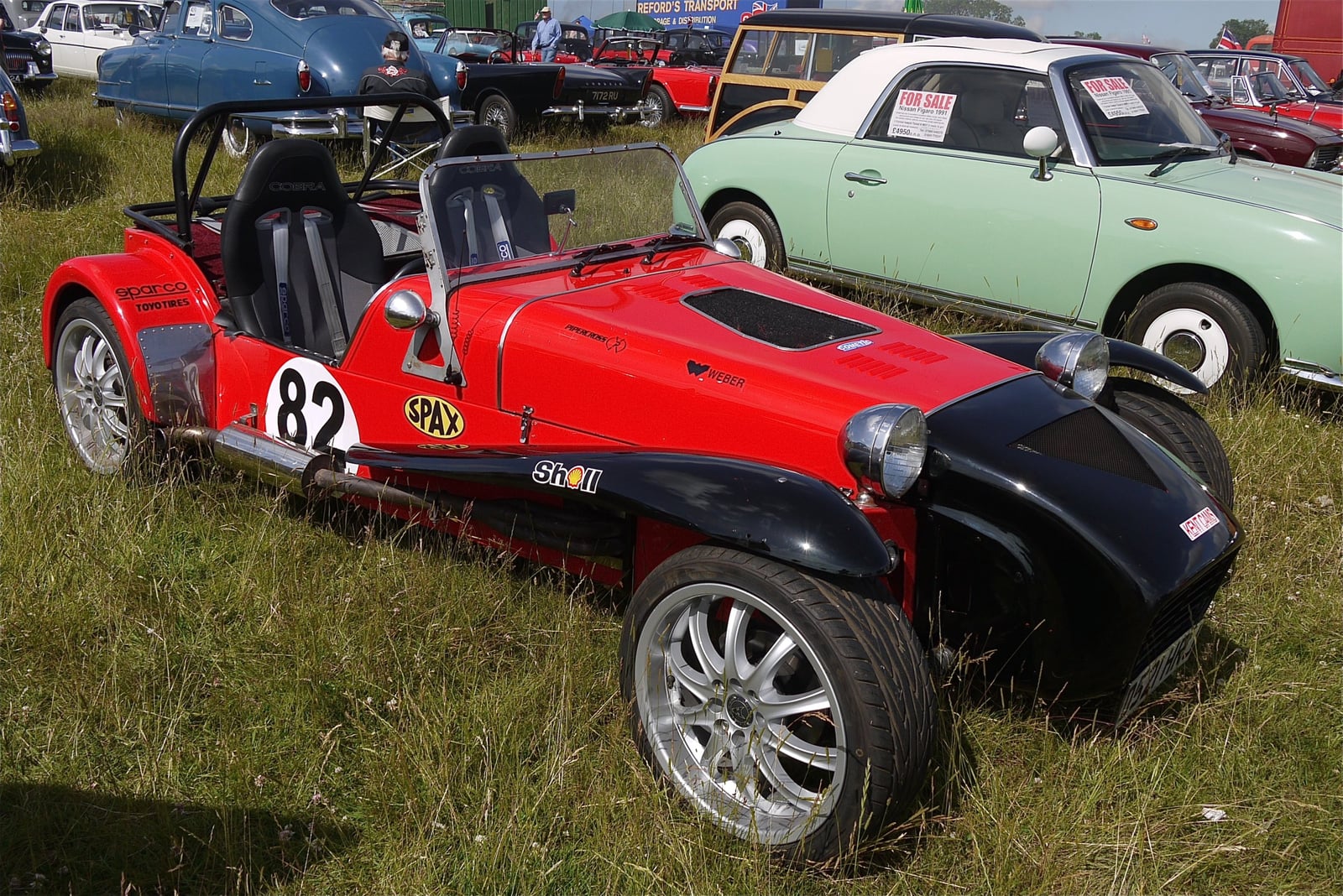
The early stainless-monocoque cars carried the S7 name and evolved through their donors: a Triumph Dolomite at first, then the Ford Cortina, then the Ford Sierra as the 1990s went on, with variants like the Exmo and the Series 3 along the way. In 1998 and 1999, with the new Single Vehicle Approval regime looming, Robin Hood changed tack and launched the 2B, which abandoned the stainless monocoque for a more conventional round-tube spaceframe built around a single Sierra donor. The 2B came in several forms, and the distinction matters to a buyer: the original sliding-pillar front suspension was widely disliked, while the later wishbone versions, the 2B Wishbone and 2B Plus, are the ones to have. The cheapest tier of all was the Project 2B, a self-source kit for the most budget-conscious builders, of which a couple of hundred were collected in the closing months of 1999 alone.
Engines were whatever the builder fancied, since these were self-builds. Ford Pinto and CVH units from the donor were the staple, with the two-litre Vauxhall a popular performance swap and the odd Sierra V6 for the ambitious.

Reputation, and the end
Robin Hood’s reputation is genuinely mixed, and it is fairer to the cars to say so. They were cheap, accessible and hugely popular, and they built a large and knowledgeable community. They were also engineered to a price, and because every car was assembled at home, the build quality of any given example ranges from very good to genuinely poor. A Robin Hood is only as good as the person who built it.
The arrival of the Single Vehicle Approval test in 1998 made building and registering a kit harder and chilled the whole market, and Robin Hood’s sales declined with it. In 2006 Richard Stewart sold the company’s assets to Great British Sports Cars, also in Nottinghamshire, which developed the design into the GBS Zero and still builds it today, to good reviews in the mainstream press. So the Robin Hood name has gone, but the line is unbroken: the modern GBS Zero is the direct descendant of the budget Robin Hood kit.
Buying guide: what to look for
The biggest risk with a Robin Hood is not the car, it is the paperwork. These are self-builds, and a car needs the right registration to be worth anything. An unregistered or part-built car should be treated as a liability, not a bargain, because getting it through the Individual Vehicle Approval test and registered, without the donor and parts receipts that prove its origins, can cost more than the car is worth. Check the V5C, the history of how it was registered, and whether it carries an age-related plate or a Q-plate before anything else.
On the early stainless-monocoque cars, inspect the tub itself. Stainless can suffer fatigue cracking at the stressed corners of a folded and welded structure, and the factory acknowledged a few early cases, so look closely at the corners and welds. And do not assume “stainless” means rust-free: these cars mix metals and use mild-steel components and panels in places, which corrode like anything else, so check the joints and fasteners. On the 2B, the simple advice is to favour the wishbone cars and be wary of the original sliding-pillar front suspension, which handles poorly. The donor mechanicals, by contrast, are the easy part: cheap, plentiful Ford and Vauxhall parts mean the running gear is simple to keep going. The owners’ club is the sensible first stop before buying, since its members have put hundreds of these cars through approval and know exactly what to look for.

What they are worth
Robin Hoods are cheap, and the figure is really a verdict on the build and the paperwork. An unfinished project or an unregistered car is worth little, often a few hundred pounds, and again, an unregistered one is a liability rather than a find. A running, registered car of average build sits between roughly £2,000 and £3,500, and a genuinely well-built, sorted example with a good engine might reach £4,000 to £6,500. Anything much dearer than that advertised as a Robin Hood is almost certainly a mislabelled listing rather than a real value. These are, deliberately, cheap cars, which was always the whole point.
Owners’ club and parts
The marque club, RHOCaR, grew out of the original Robin Hood owners’ register and is the practical hub for the cars, with a long history of helping members through the approval and registration process. Parts come through specialist kit-spares suppliers and through Great British Sports Cars, which supports the lineage, while the donor mechanicals are simply Ford and Vauxhall parts available everywhere. The community forums are the real knowledge base for anyone building, buying or running one.
How the Robin Hood changed
- Early 1980sRichard Stewart's Robin Hood Engineering starts in Nottinghamshire, first with Ferrari Daytona replica bodies over SD1 and TR7 donors.
- Late 1980sThe Seven-style S7 arrives with its folded stainless monocoque, evolving through Dolomite, then Cortina donors.
- Mid-1990sThe peak: over 500 kits a year on fifty-pound Sierra donors, the highest-volume Seven-style maker in Britain.
- 1998The Single Vehicle Approval test chills the whole kit market.
- 2006The business passes on, succeeded by Great British Sports Cars.
Robin Hood: what to check before you buy
Paperwork, the biggest risk
- Check the V5C and the history of how the car was registered
- Age-related plate or Q-plate, before anything else
- An unregistered or part-built car is a liability, not a bargain
- IVA without donor and parts receipts can cost more than the car is worth
The stainless tub
- Fatigue cracking at the stressed corners of the folded, welded structure
- Look closely at corners and welds; the factory acknowledged early cases
- Mixed metals and mild-steel components mean stainless is not rust-free
- Later round-tube spaceframe cars are a different structure with different checks
The build
- Every car was assembled at home, from very good to genuinely poor
- A Robin Hood is only as good as the person who built it
- Donor Ford mechanicals check like any Cortina or Sierra
- The owners' community is large, knowledgeable and the best pre-purchase resource
What the Robin Hood sells for at auction
The Robin Hood comes to auction only occasionally: 18 recorded sales since 2011, typically making between £3,000 and £4,566 . With so few sales, treat any single result as a data point rather than a market price.
- £3,000Lotus 7 Replica
- £2,0162B
- £3,0002B
- £4,000Robin Hood
- £4,104S7
Thin evidence. Only 18 recorded sales: read the figures as a sketch of the market, not a price. Based on 18 sold results from public classic car auctions (2011 to 10 August 2026). Sold prices, not asking prices, and not a valuation: condition, history and specification vary from car to car. Inflation-adjusted figures use the ONS CPIH index, in 2025 money.
Related
Robin Hood is one of Britain’s kit cars, at the cheapest, most accessible end of the tradition. It belongs to the era of Britain’s classic cars of the 1980s and the 1990s, more recent than the period component-car GTs but part of the same self-build story.
More photos