Ginetta G15: the Imp-powered baby GT the taxman killed (1968–1974)
The Ginetta G15 was a tiny, light, rear-engined glass-fibre coupe built by the Walklett brothers in Essex around the all-alloy Hillman Imp engine, sold in kit form to dodge purchase tax, and the most successful of the classic Ginettas before the 1973 VAT change ended it. A guide to the history, the cars, what to look for, and what they are worth.
Built 1967–1974 11 recorded sales

At a glance
- Years
- 1968–1974 (shown 1967)
- Body styles
- Two-door glass-fibre coupe
- Drivetrain
- Rear engine, rear-wheel drive
- Engines
- 875cc Hillman Imp Sport alloy four; 998cc option
- Power
- Around 50 to 55 bhp (875cc); 65 to 70 bhp (998cc)
- Top speed
- Around 95 to 100 mph (up to roughly 115 mph for the 998cc)
- Production
- Around 800 built
- Assembly
- Witham, Essex (later Sudbury, Suffolk)
- Designer
- Ivor Walklett
- Values
- Project £2,000-£6,000; good £8,000-£13,000; excellent £13,000-£18,000+
- Construction
- Glass-fibre body bolted to a steel tubular chassis
- Donor
- Hillman Imp Sport engine and transaxle
The makers
The Ginetta G15 is the affordable, rear-engined baby GT that the taxman killed. A tiny, light, glass-fibre coupe built by four brothers in a small Essex workshop, powered by the same all-alloy Hillman Imp engine that sat behind the driver in the Clan Crusader, it was the most commercially successful of the classic Ginettas and one of the best-selling Imp-based specials ever made. It was selling well when the 1973 tax change closed the loophole that made it affordable, and within a year it was gone.
The G15 is part of Britain’s kit and component-car story, and a near-perfect parable of it: a genuinely good little car, built to be bought as a box of parts to dodge purchase tax, ended almost overnight when that tax advantage disappeared.
The Walklett brothers’ cottage industry
Ginetta was founded in 1958 by four brothers, Bob, Ivor, Trevers and Douglas Walklett, who had started out as agricultural engineers. Bob ran the business, Ivor designed the cars, Trevers handled the styling and moulding, and Douglas looked after the mechanical and electrical side. It was a true cottage industry, building lightweight sports and racing cars by hand, and by the time of the G15 it was based at Witham in Essex, later moving to a larger factory at Sudbury in Suffolk as the model’s success funded the expansion.
The G15 was Ivor Walklett’s design, shown as a prototype at the 1967 London Motor Show and in production from the summer of 1968. It sat in the middle of the Ginetta range, between the earlier, lighter, Ford-engined G4 that had made the marque’s name and the bigger front-engined G21 above it. The G15 was the volume seller, the car that put Ginetta on more driveways than any of its other classics.
What the car was
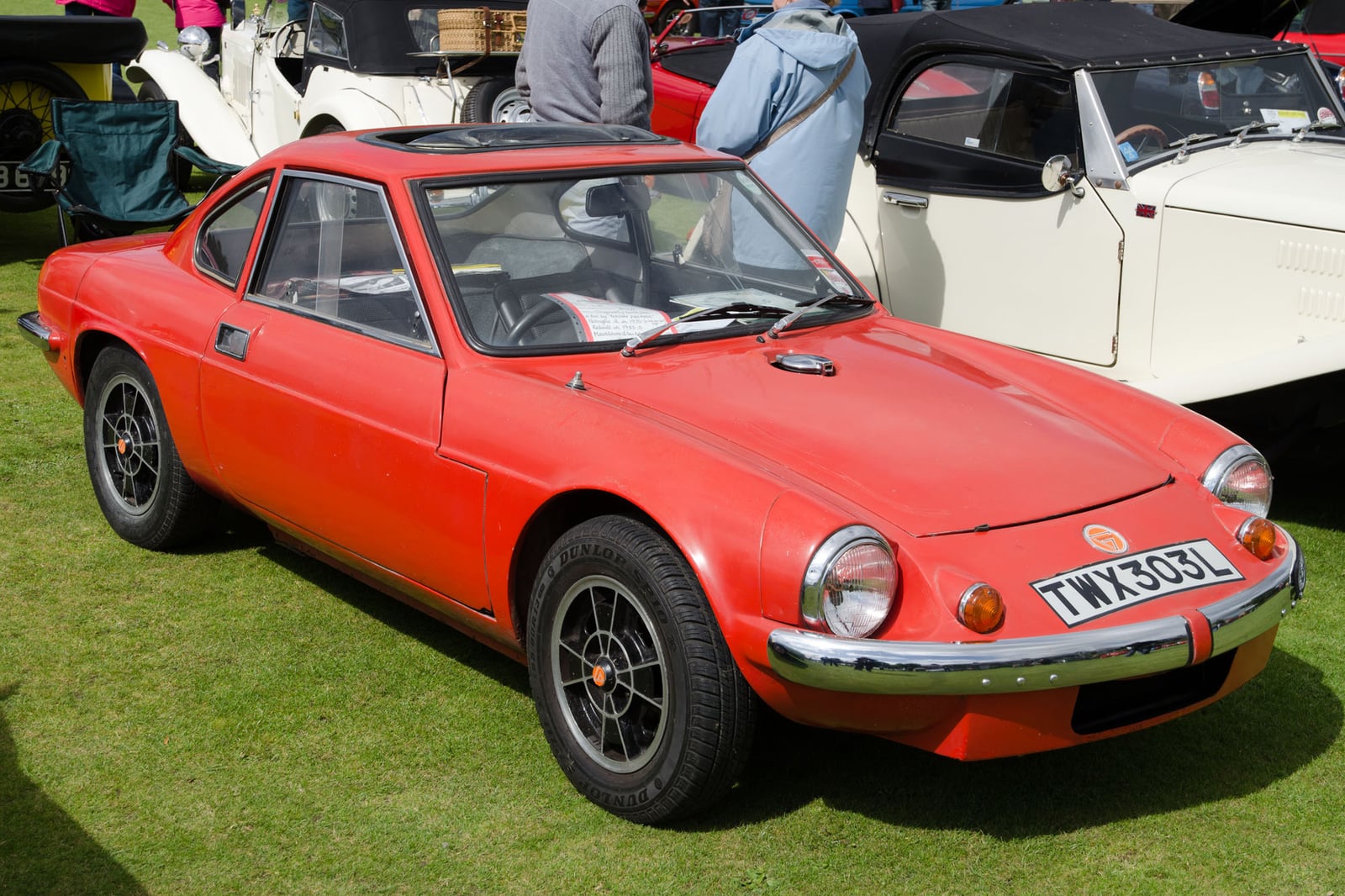
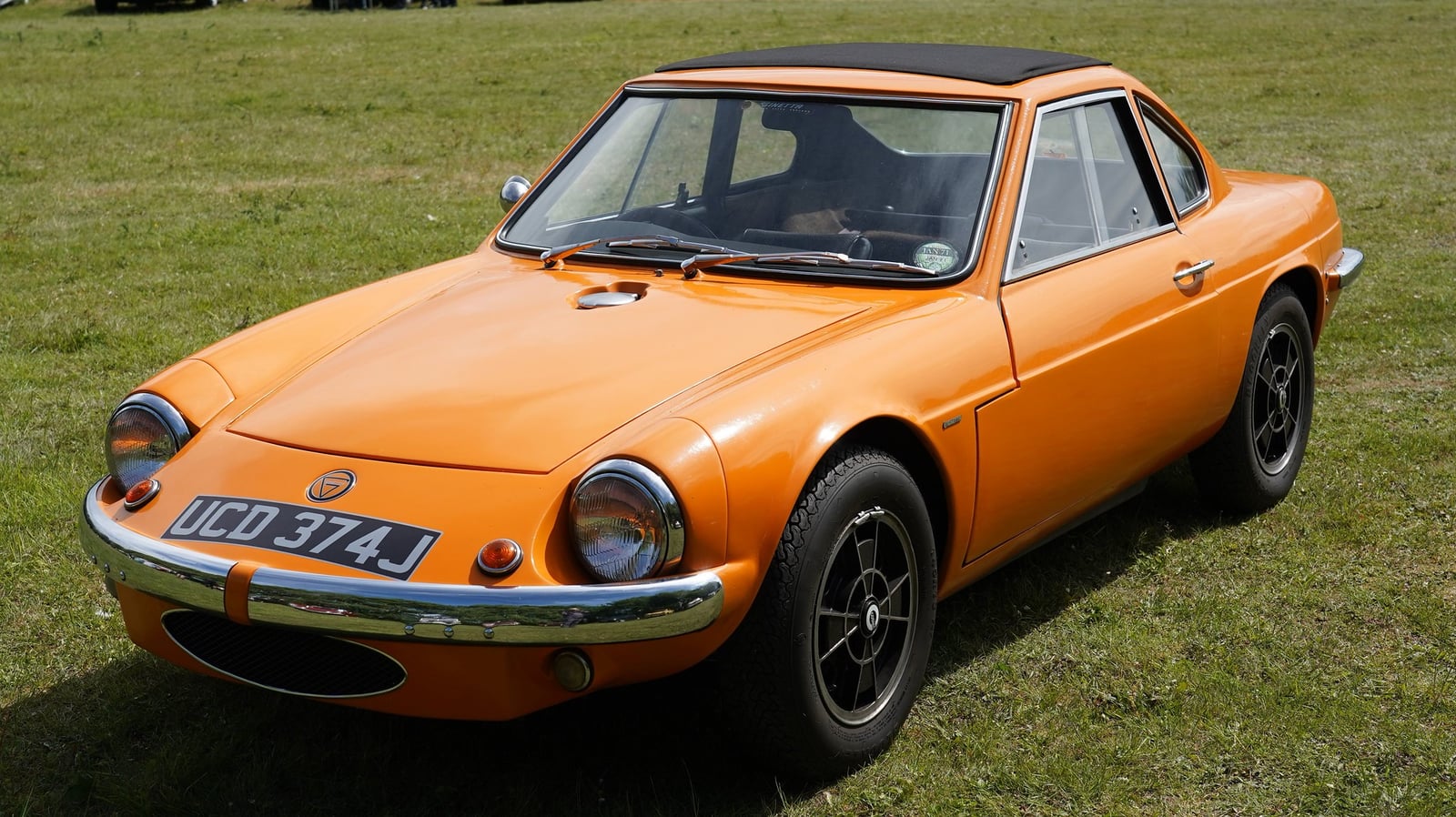
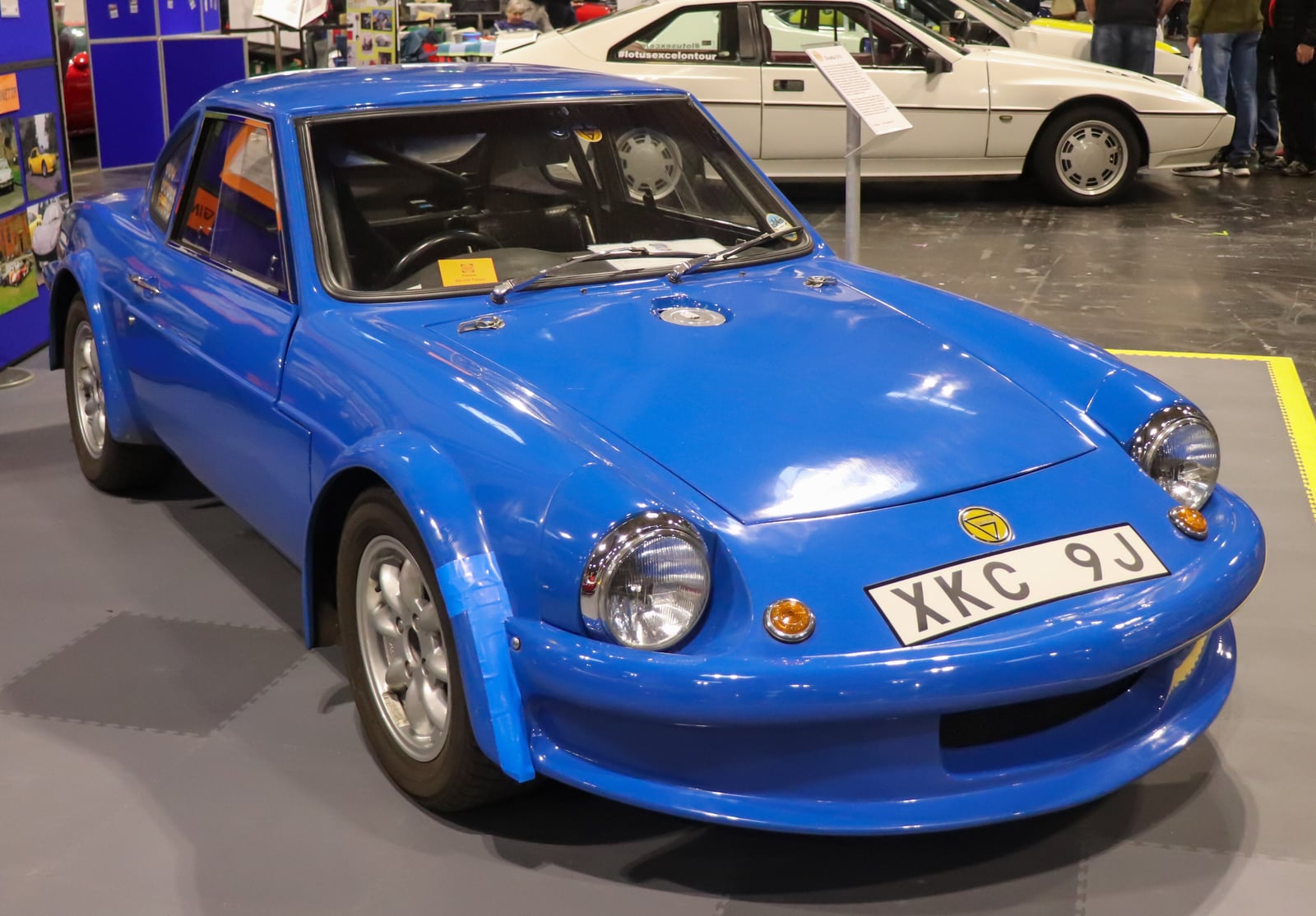
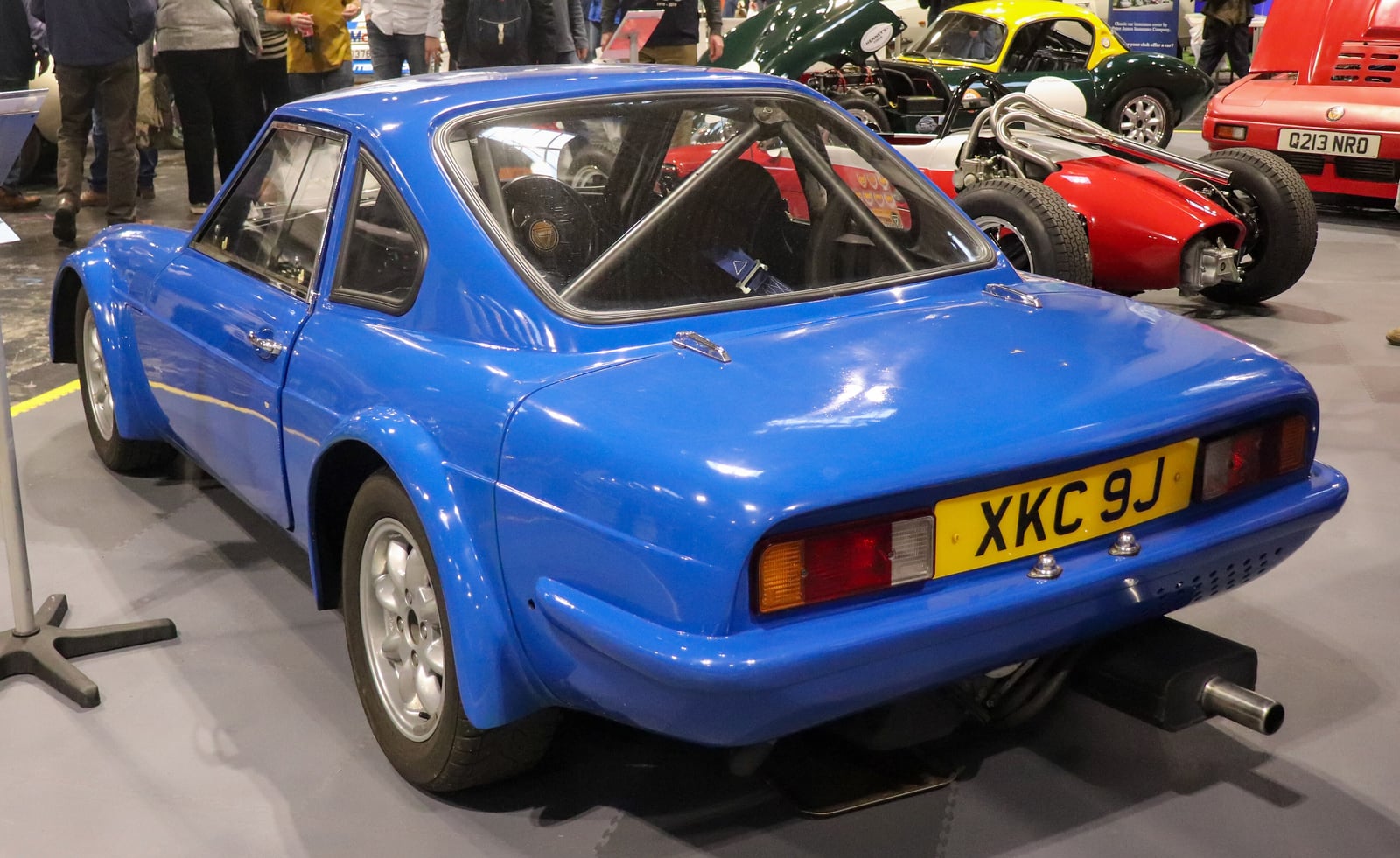
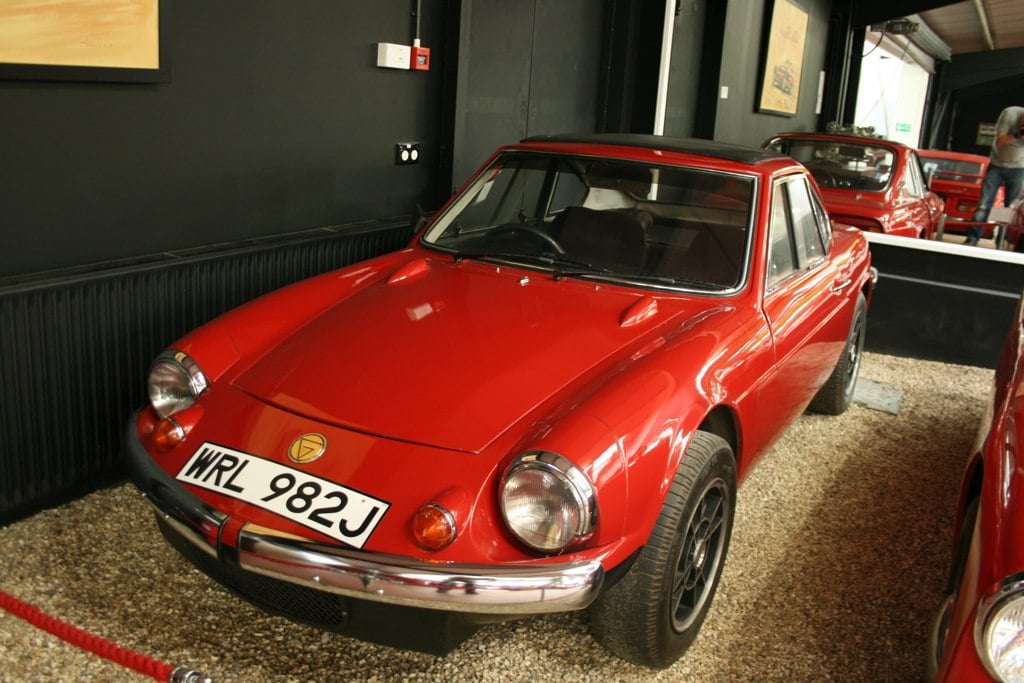
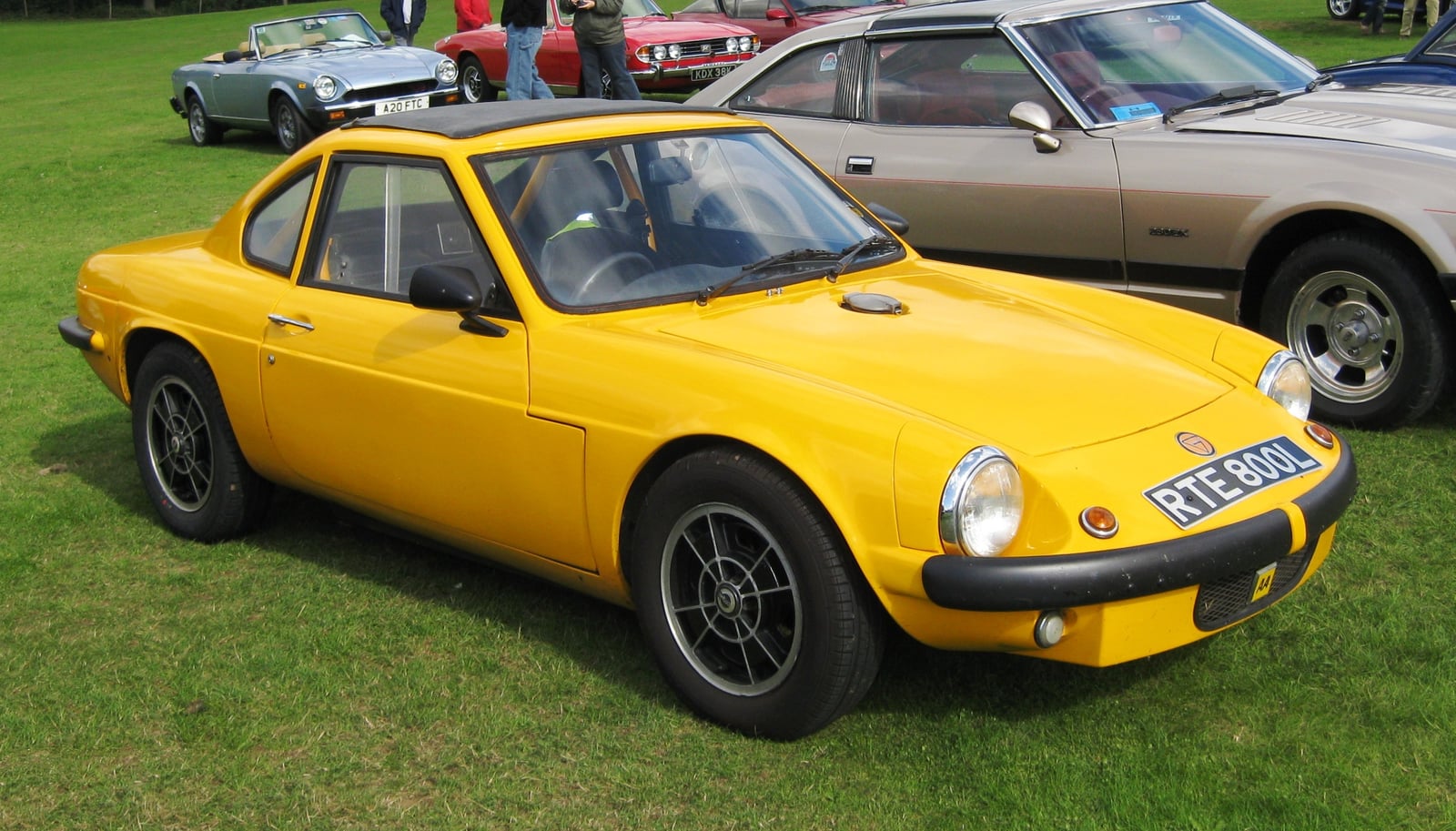
The G15 is a small two-seat coupe with a glass-fibre body bolted to a steel tubular chassis, the engine mounted in the tail driving the rear wheels. The all-aluminium 875cc Imp Sport engine, supplied along with its transaxle by the Rootes Group, sat behind the cabin and made the car beautifully balanced and very light, around 560 kg. With about 51 bhp it would reach the mid-nineties and return close to 40 mpg, and a period road test recorded 0 to 60 mph in 12.9 seconds, brisk for well under a litre in 1968. The rear-engined layout gave it the light, tail-led handling that made the most of so little power.
The marks, and the cooling fix
The G15 changed in detail across its life, and the most useful change came right at the start. The first cars kept the Imp’s radiator in the tail, behind the engine, where it could not shift enough heat, and they ran hot. After only around fifteen cars Ginetta moved the radiator to the front, a cross-flow unit with an electric Wood Jeffries fan plumbed the length of the car, and the overheating that plagued so many rear-engined designs was largely cured. It is the one thing worth knowing before you look at an early car: the rear-radiator originals are a curiosity, and the front-radiator cars are the ones to own.
After that the changes were refinements. The next cars gained a revised dashboard with Smiths and AC instruments and better seats on an improved tubular frame; the 1970 cars brought larger rear quarter-light windows that lifted the cramped early cabin, and the steel wheels with alloy trim gave way to proper Cosmic or Minilite alloys. Like every small maker, Ginetta raided the wider British parts bin to keep the price down, down to Morris Marina door handles on the later cars. The 998cc car was sold as the G15S, a £100 option that fitted the larger Rootes Rallye Imp engine and lifted power to around 65 bhp, enough to turn a frugal little coupe into a genuinely quick one.

How the taxman killed it
The G15 lived and died by the purchase-tax loophole. Sold in kit form, it escaped purchase tax and could be had for around £800, against well over £1,000 built up. On 1 April 1973 VAT replaced purchase tax and was applied to component cars, and the advantage vanished. From that point every G15 had to be sold fully factory-built and drive-away, and the price jumped to around £1,395. A small 875cc car suddenly looked expensive, and against the backdrop of 1970s inflation and the oil crisis, demand fell away. The last G15 left the factory in May 1974, after around 800 had been built, making it comfortably the best-selling classic-era Ginetta.
It is worth being clear, because the badge still exists, that this is a period classic and nothing to do with the modern Ginetta. Today’s Ginetta builds contemporary racing cars near Leeds, and is the same business only by a long line of succession after the company was sold in 2005. The G15 belongs entirely to the cottage-industry era of the Walklett brothers and the Earls Court Motor Show stand.

Buying guide: what to look for
The glass-fibre body does not rot, but the steel tubular chassis underneath it does, and that is the big structural check. Look carefully at the suspension mounting points and anywhere water collects, because hidden chassis corrosion is the main thing that turns a cheap G15 into an expensive one. On the body itself, check for star cracks, crazing, stress cracks and signs of filler or poor past repairs, and remember that because these were kit-built cars, panel fit and gaps reflect the quality of the original build as much as anything.
The Imp engine is the mechanical weak point to understand. The alloy unit is well known for cooling trouble, which is exactly why the radiator moved from the rear to the front early in the G15’s life, so check for head-gasket issues, water-pump wear, corrosion in the alloy waterways and a healthy, ideally upgraded cooling system. Overheating in traffic is the classic complaint. The rear-engined layout gives the car its light, tail-happy charm but check the Imp trailing-arm rear suspension for wear, and look over the period wiring, which is another known weak spot. As with any kit car, the quality of the original build and the completeness of the paperwork matter more than usual, so buy on a careful inspection rather than on the badge.
The good news is parts. Mechanically the G15 leans entirely on the Hillman Imp, so engines, gearboxes, suspension and cooling parts are shared with a well-supported classic and remain obtainable. It is the Ginetta-specific glass-fibre panels and trim that are the harder items, and those come through the club network.

What they are worth
The G15 is rare, with only a couple of hundred or so left on UK roads, and it trades thinly, so values are soft and condition-led. As a working guide, a project or needs-work car sits roughly between £2,000 and £6,000, a good usable example between about £8,000 and £13,000, and an excellent or fully restored car, especially a 998cc, between roughly £13,000 and £18,000 or a little above. Recent results bear that out, with a tidy 1970 car making around £6,600 at auction in early 2025 and sound cars advertised in the £9,000 to £12,000 range. The very best are rare enough that the occasional car sits higher.
Owners’ club and parts
The Ginetta Owners Club is the marque club and supports the G15 with glass-fibre panels made from the original moulds and a model-history archive, though it does not run a general spares service because it covers so many different Ginettas. For the mechanical side, the Imp Club and its spares network are the key resource, since the engine, gearbox and running gear are shared with the Hillman Imp. Between the two, mechanical parts are obtainable and bodywork is the specialist end.
Key dates for the Ginetta G15
- 1958Four Walklett brothers, agricultural engineers, found Ginetta: Bob running it, Ivor designing, Trevers styling, Douglas on the mechanicals.
- 1967Ivor Walklett's G15 prototype shows at the London Motor Show.
- 1968Production begins at Witham, Essex: Imp Sport engine and transaxle in the tail, glass-fibre body on a steel tubular chassis.
- 1970The radiator moves from rear to front, answering the Imp engine's cooling weakness; success funds the move to Sudbury.
- 1973VAT closes the kit-car tax loophole.
- 1974Production ends at around 800 cars.
Before you buy a Ginetta G15
The chassis, the big structural check
- Suspension mounting points, carefully
- Anywhere water collects on the steel tubes
- Hidden chassis corrosion is what turns a cheap G15 expensive
- The body unbolts, which makes proper repair feasible
The body
- Star cracks, crazing and stress cracks
- Filler and poor past repairs
- Panel fit and gaps reflect the original kit build as much as anything since
- Ginetta-specific glazing and trim are the hunts
The Imp engine
- Head-gasket issues, water-pump wear and corrosion in the alloy waterways
- A healthy, ideally upgraded cooling system; overheating in traffic is the classic complaint
- Front-radiator cars answer the worst of it, so know which layout you are viewing
- The 998cc option adds real pace and the same care requirements
What the Ginetta G15 sells for at auction
The Ginetta G15 comes to auction only occasionally: 11 recorded sales since 2007, typically making between £5,062 and £10,290 . With so few sales, treat any single result as a data point rather than a market price.
- £5,625G15
- £6,600G15
- £10,948G15
- £9,632G15
- £3,375G15
Thin evidence. Only 11 recorded sales: read the figures as a sketch of the market, not a price. Based on 11 sold results from public classic car auctions (2007 to 10 August 2026). Sold prices, not asking prices, and not a valuation: condition, history and specification vary from car to car.
Related
The Ginetta G15 is one of Britain’s kit and component cars. Its closest relative is the Clan Crusader, another tiny, light, Imp-powered glass-fibre coupe killed by the same 1973 tax change. For the wider period it belongs to, see British classic cars of the 1970s.
More photos