Gilbern: the only car ever built in Wales (1959–1973)
Gilbern was the only series-production car ever wholly built in Wales, a glass-fibre grand tourer that grew from a Pontypridd butcher's loft into a proper V6 GT. A guide to the GT, Genie and Invader, the butcher-and-engineer story, the royal owner, what to look for when buying, and what they are worth.
Built 1959–1973 15 recorded sales

At a glance
- Years
- 1959–1973
- Body styles
- Glass-fibre coupe, estate and rare convertible on a steel chassis
- Engines
- Four-cylinder Coventry Climax, BMC and MG (GT); Ford 3.0 Essex V6 (Genie, Invader)
- Production
- Just over 1,000 in total across the GT, Genie and Invader
- Assembly
- Llantwit Fardre, near Pontypridd, Wales
- Values
- GT around £8,000 for a project to £25,000 excellent; the V6 Invader from a few thousand to around £16,000
- Models
- GT (1959), Genie (1966), Invader (1969–1973)
- Notable
- The only series-production car ever wholly built in Wales
The makers
Gilbern is the answer to a good pub question: name a car built in Wales. It is the only series-production car ever wholly built there, and its story is one of the most charming in British motoring, a glass-fibre grand tourer that began in the loft above a butcher’s shop near Pontypridd and grew into a genuine V6 GT good enough that a future king bought one. It built just over a thousand cars in fourteen years and then, like so many of Britain’s kit and component-car makers, was finished off by the 1973 tax change.
A butcher and a German engineer
The name says it all once you know the trick: Gil from Giles Smith, a local butcher, and Bern from Bernard Friese, a German engineer who knew glass-fibre moulding. The two met, found they shared an interest in building a car, and in 1959 set up Gilbern Sports Cars at Llantwit Fardre near Pontypridd. The very first car was built in the loft above Smith’s slaughterhouse, which is about as good an origin story as any British marque can claim. Production proper moved to a former colliery site nearby, and the company set about doing something no other firm has managed before or since: building complete cars, from scratch, in Wales.
Like most small makers of the time, the firm sold its cars mainly in component form to dodge purchase tax, though the bodies were supplied trimmed and painted, so its cars were always a cut above the build-it-in-a-shed kit. Through its life the company passed through several owners, including a slot-machine firm and then the leisure group Mecca, before returning to private hands, but the cars stayed recognisably Gilbern throughout: a one-piece glass-fibre body bonded and riveted to a square-section steel-tube chassis.

The cars: GT, Genie and Invader
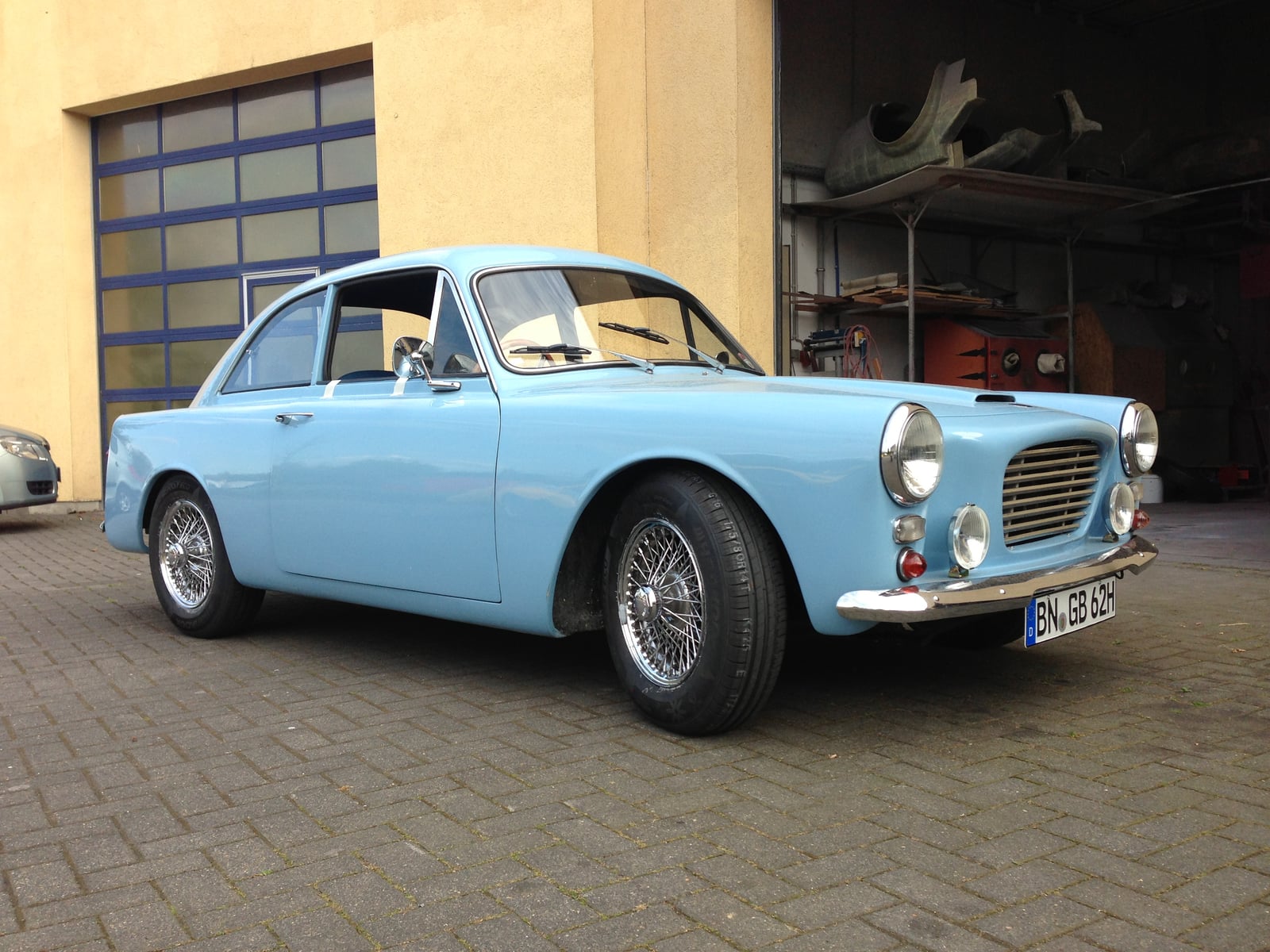
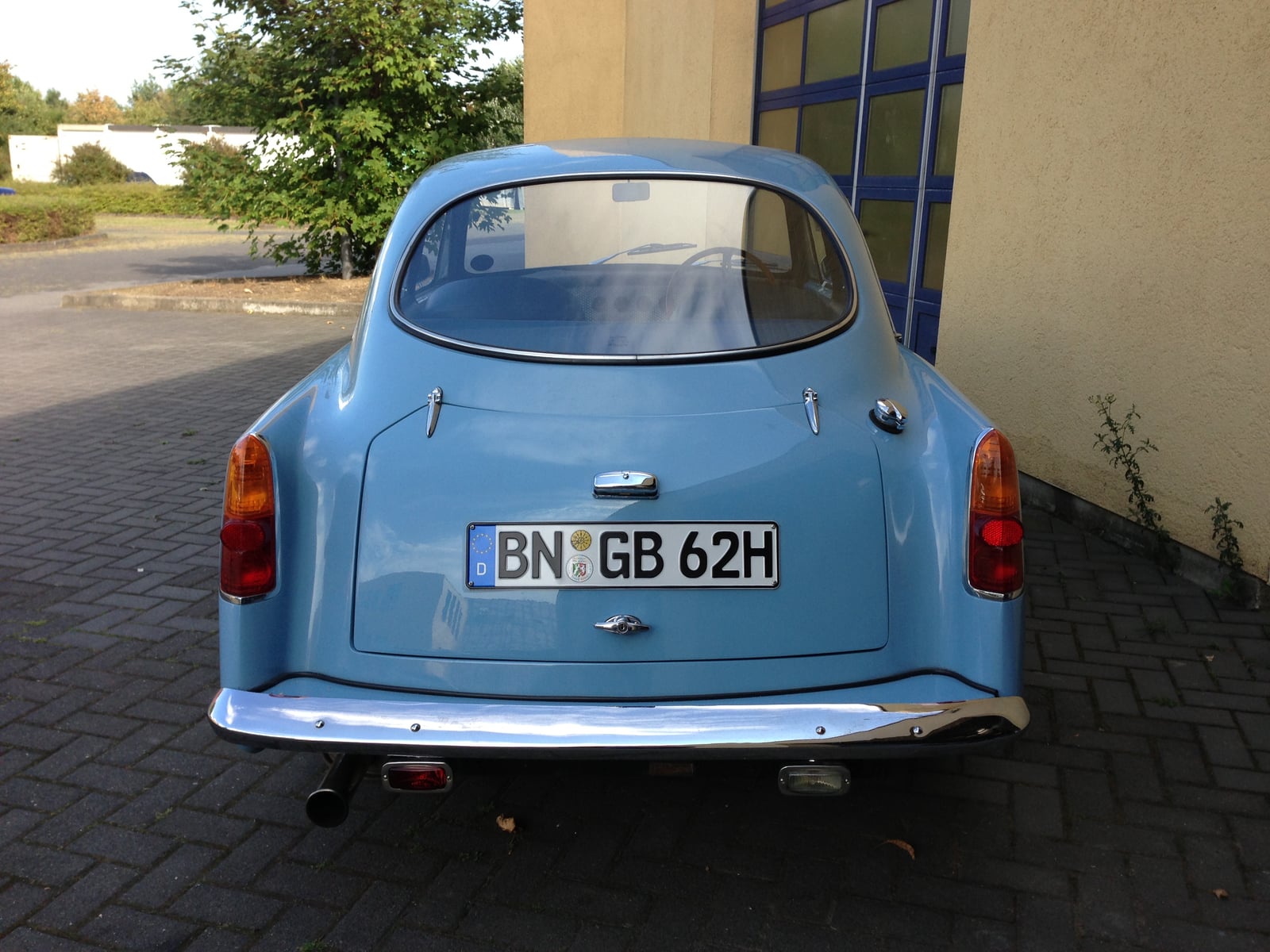
The GT, built from 1959 to 1967, was the first and smallest of them. It used a succession of four-cylinder engines over its life, starting with a supercharged BMC unit and a Coventry Climax option and moving to the MG B-series, and it established the marque as a credible maker of compact glass-fibre coupes. Around 280 were built, and a good GT is now the most valuable of all the Gilberns.
The Genie, from 1966, was a step up in size and pace, powered by the Ford Essex V6 in 2.5 and 3.0 litre forms, the 3.0 making around 136 bhp. It used running gear drawn from the MG world, with MGB front suspension and an Austin-Healey-derived rear axle, and turned the company into a maker of proper grand tourers rather than small sports coupes. Around 197 were built, and the Genie is now the rare one, the bridge between the four-cylinder GT and the definitive Invader.
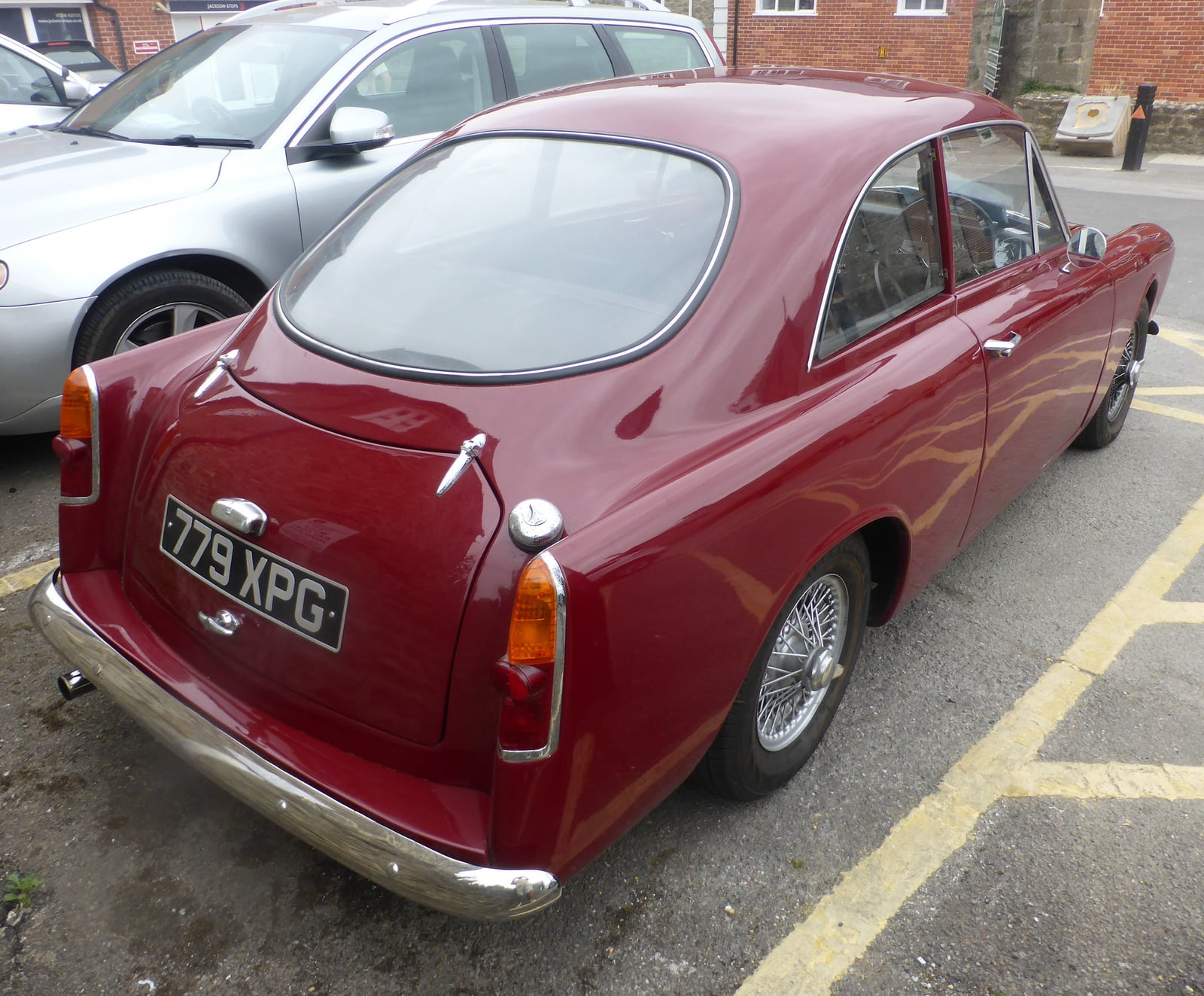
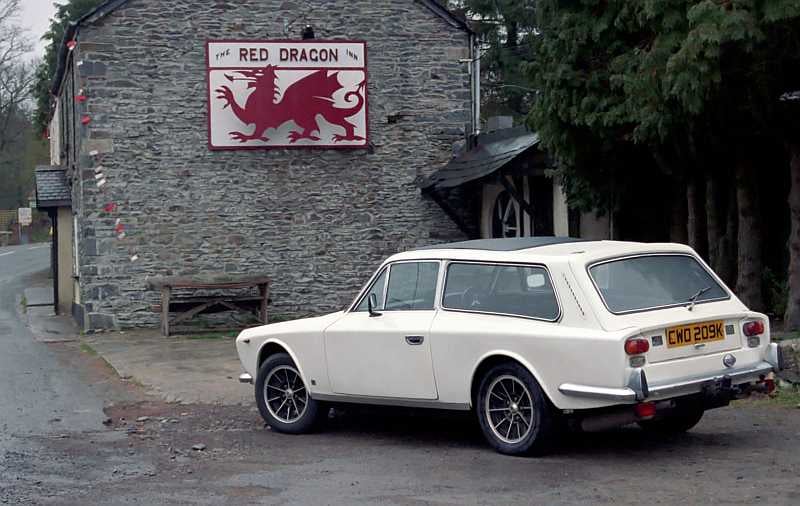
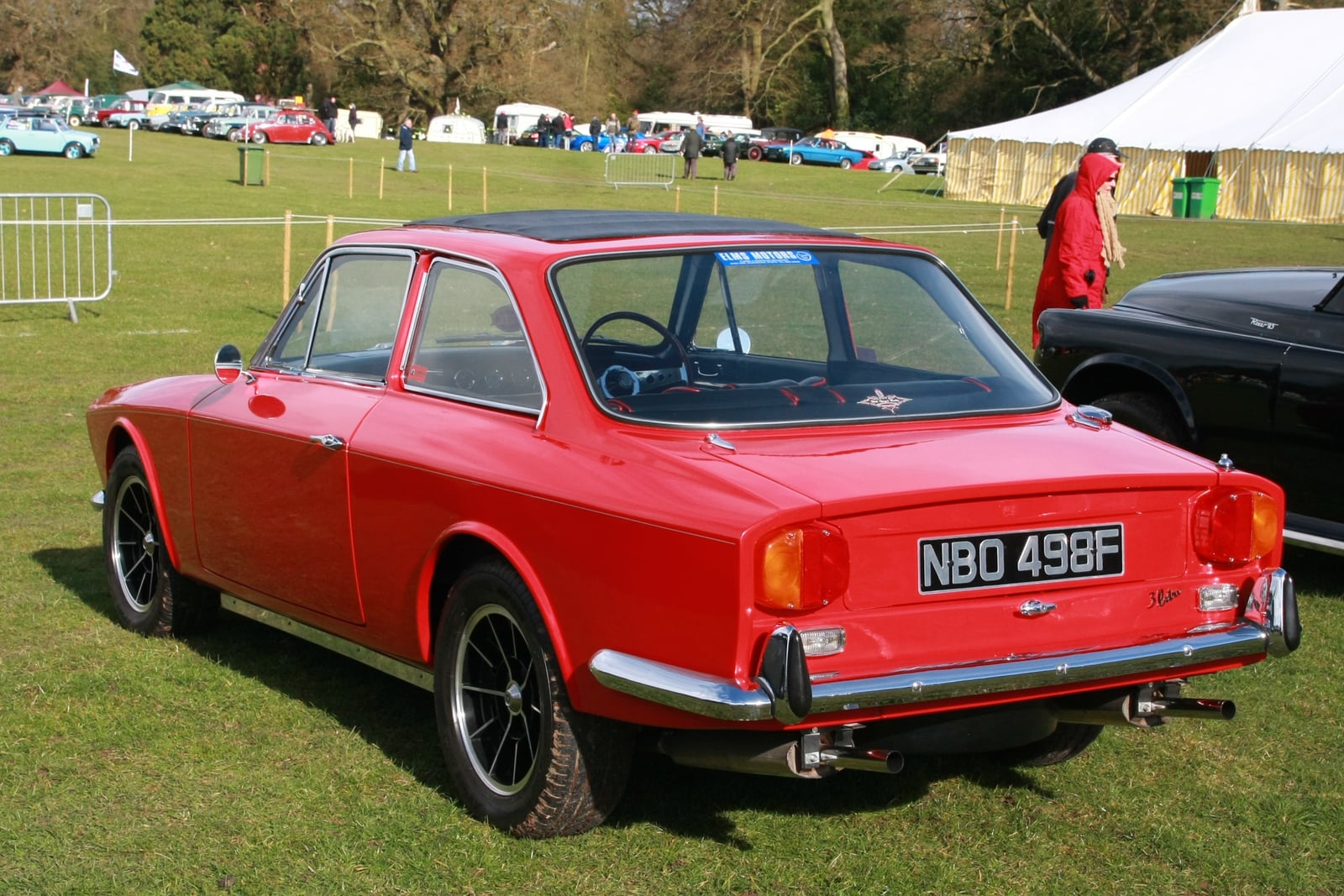
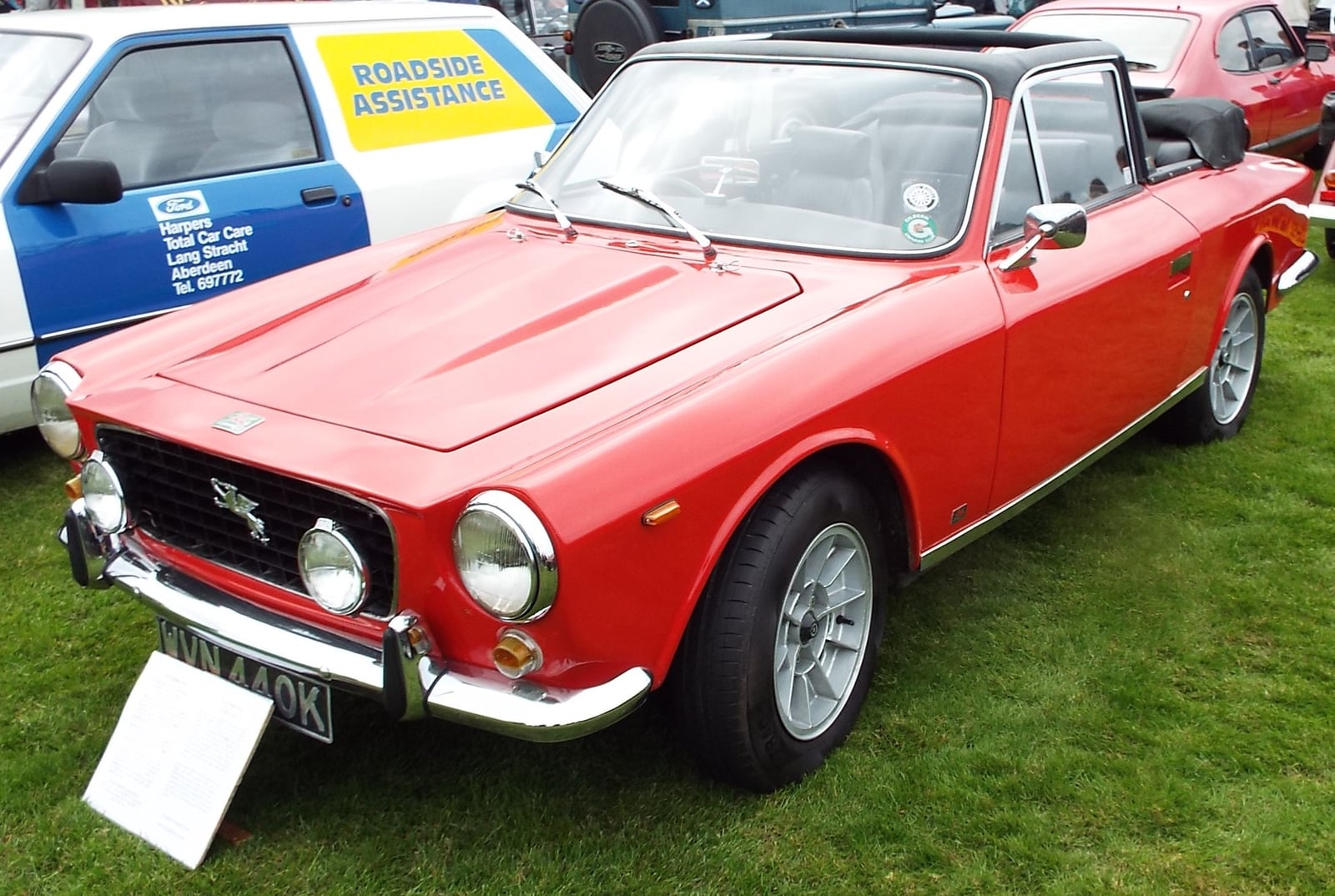
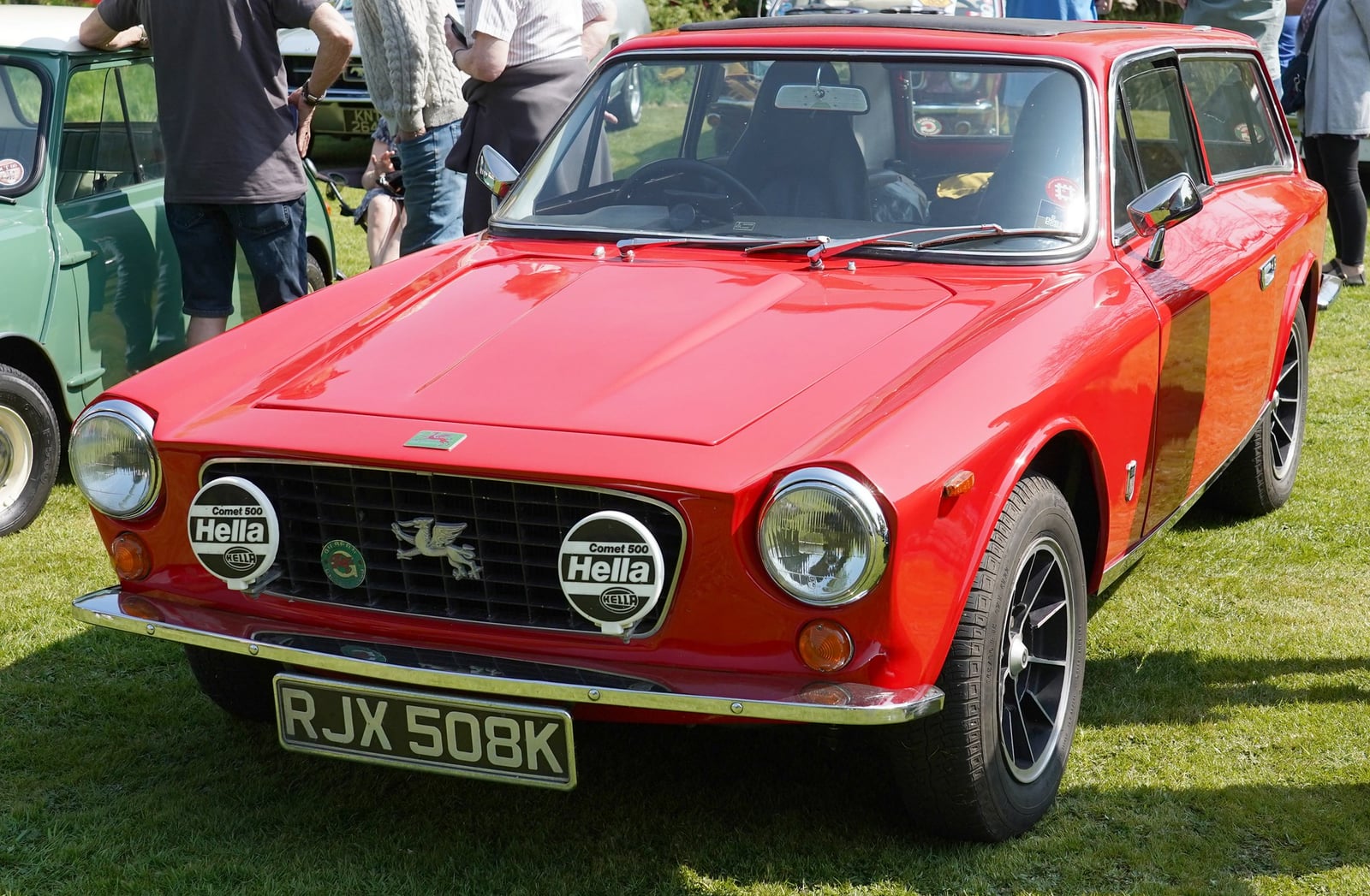
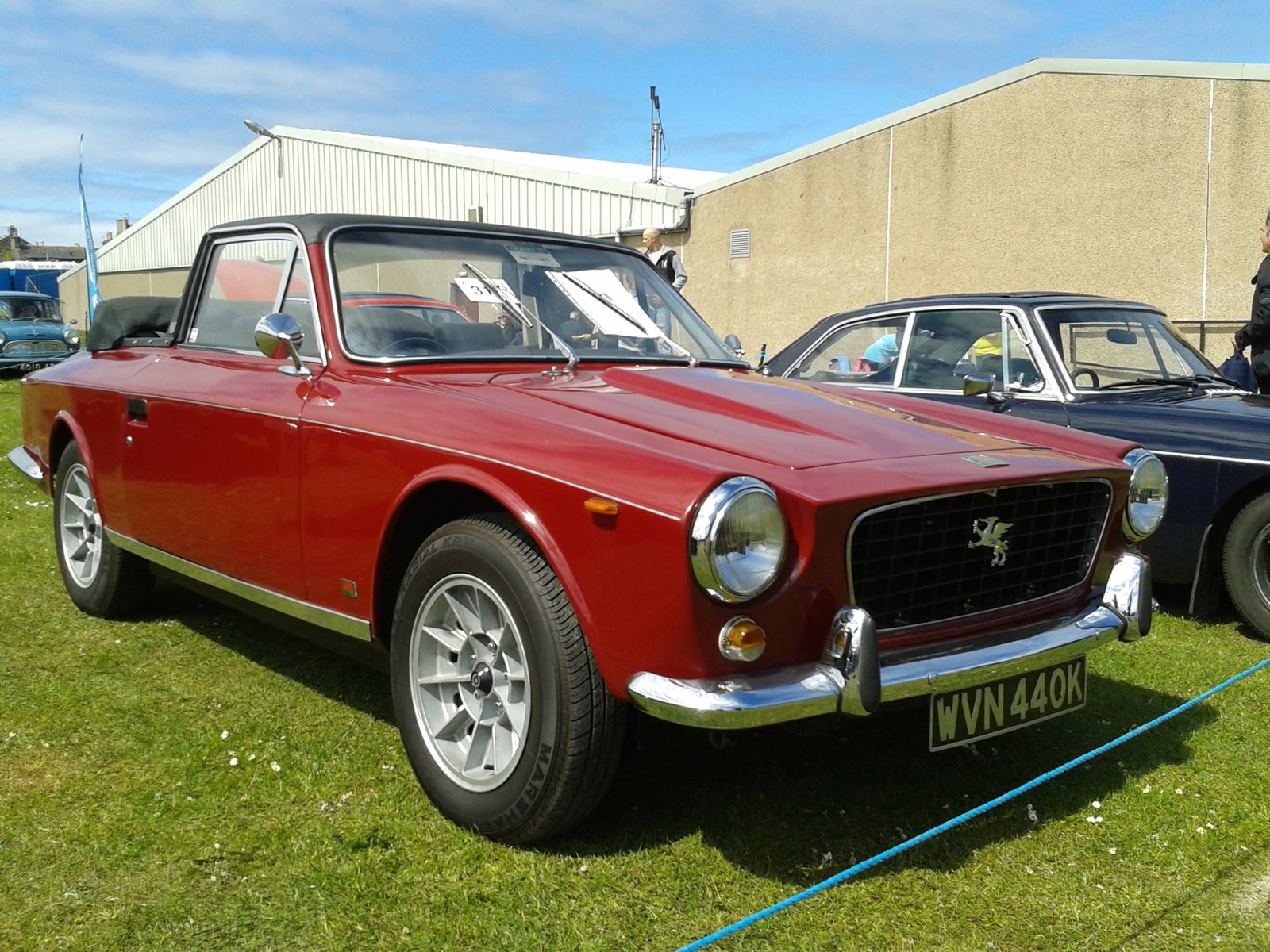
The Invader, from 1969, was the developed Genie: better built, better equipped, and the car most people picture when they think of the marque. Still on the 3.0 Essex V6, it ran through three marks. The Mk I and Mk II refined the chassis and trim, the Mk II in particular stiffening the front structure after the Genie had shown a tendency to crack there. There was also a handsome and now very rare Invader estate, of which only around a hundred were made. The final Invader Mk III of 1972 to 1973 was the most thoroughly developed of all, abandoning the BMC-derived running gear for an all-Ford set-up based on the Cortina, with a wider track and flared arches, but it was factory-built only and expensive. In total around 603 Invaders of all kinds were built, taking the marque’s lifetime production to just over a thousand cars.

The royal owner, and the end
Gilbern’s most famous customer was Prince Charles, now King Charles, who took on a Gilbern Genie in the late 1960s. The story, as the owners’ club tells it, is that he kept it only about six weeks before being nudged back towards an MG, which makes him the marque’s most famous and most fleeting owner. It is a neat illustration of where Gilbern sat: a small Welsh maker whose cars were good enough to attract a future king, but never quite established enough to keep him.
The end came in 1973. Gilbern had always relied on the kit-form tax advantage, and when VAT replaced purchase tax that year and was applied to component cars, the advantage vanished. The expensive, factory-built-only Invader Mk III arrived into the teeth of the 1973 oil crisis, a thirsty V6 grand tourer at exactly the wrong moment, and a company that had already passed through several owners and spent heavily on development ran out of road. The company went into receivership in 1973. An unusually high proportion of the cars survive, somewhere around 500 to 600, roughly half of all those built. Few small British marques have kept so many of their cars on the road, which says a good deal about how much the surviving owners value them.

Buying guide: what to look for
The glass-fibre body hides a steel chassis, and the chassis is the big check. Rot collects in the sills, the outriggers, and the chassis uprights just ahead of the rear wheels, and on the saloon the top rail just below the parcel shelf can rot straight through. Because the body is bonded and riveted to the chassis, look for any movement or “shakes” in the structure forward of the bulkhead, which is a sign the bond is failing. On the body itself, check for cracks and crazing, particularly around the saloon’s boot hinge, and on the Mk III remember that the doors are awkward to shut properly from new, so poor gaps may be original rather than evidence of a shunt.
The Ford Essex 3.0 V6 in the Genie and Invader is a rugged engine, but it has one notorious weakness: the fibre camshaft timing gear, which can strip. The fix is cheap and well known, an alloy replacement gear for around the price of a tank of fuel, and it is worth confirming a car has had it done. Budget for unleaded valve seats if the heads have not been converted. The running gear varies by model: the earlier cars use MG-derived front suspension and rear axles that MG specialists can supply, while the Mk III’s all-Ford set-up includes a Ford Atlas rear axle that is genuinely hard to source, a real ownership consideration on that model. Many owners fit a five-speed gearbox in place of the original four-speed and overdrive.

What they are worth
Gilbern trades thinly, so a handful of sales can swing the averages, and the figures below are condition-led guides rather than firm prices. The GT is the most valuable, running from around £8,000 to £12,000 as a project, £15,000 to £18,000 for a good car, and £20,000 to £25,000 for an excellent one. The V6 Invader saloon is the affordable way into the marque, with projects from a few thousand pounds, good cars around £8,000 to £11,000, and the best around £14,000 to £16,000. The rare Genie and the scarce Invader estate sit between the two, the estate in particular commanding a premium for its rarity. As ever with a low-volume marque, condition and history matter far more than the badge.
Owners’ club and parts
The Gilbern Owners Club is the marque authority, with several hundred members worldwide and a well-stocked spares operation that ships internationally, and it is the practical first stop for any buyer. Mechanical parts are eased considerably by the Ford and MG lineage of the running gear, since the Essex V6 and the Cortina, Capri and MG donor parts are widely available; it is the marque-specific body and chassis items that rely on the club.
The Gilbern in dates
- 1959Giles Smith, a butcher, and Bernard Friese, a German engineer who knew glass-fibre, build the first car in the loft above Smith's slaughterhouse at Llantwit Fardre.
- 1959The GT begins its run: supercharged BMC, Coventry Climax and then MG B-series power, around 280 built.
- 1966The Genie steps up to the Ford Essex V6 on MGB front suspension.
- 1969Prince Charles takes on a Genie, and keeps it about six weeks before being nudged back to an MG.
- 1969The Invader refines the V6 formula in coupe, estate and rare convertible forms.
- 1973VAT ends the kit-form tax advantage and the only Welsh car maker closes, at just over 1,000 cars.
Gilbern: what to check before you buy
The chassis, the big check
- Sills, outriggers and the chassis uprights just ahead of the rear wheels
- On the saloon, the top rail just below the parcel shelf can rot straight through
- Movement or shakes forward of the bulkhead means the body-to-chassis bond is failing
- The bonded-and-riveted construction makes chassis repair a body-off consideration
Body
- Cracks and crazing, particularly around the saloon's boot hinge
- Mk III doors were awkward to shut from new, so poor gaps may be original
- Gilbern-specific glazing and trim need the owners' club
- Panel fit tells the car's history, read against the model's known quirks
Engine
- The Essex V6's fibre camshaft timing gear can strip; confirm the alloy replacement is fitted
- The fix costs around a tank of fuel, so its absence is negotiation material
- GT four-cylinders follow their MG and Climax donor networks
- The GT is the most valuable Gilbern; the Invader the usable V6 entry
What the Gilbern sells for at auction
The Gilbern comes to auction only occasionally: 15 recorded sales since 2016, typically making between £6,719 and £12,432 . With so few sales, treat any single result as a data point rather than a market price.
- £12,298Invader
- £7,000Genie
- £2,600Invader
- £7,312Genie
- £8,100Invader
Thin evidence. Only 15 recorded sales: read the figures as a sketch of the market, not a price. Based on 15 sold results from public classic car auctions (2016 to 10 August 2026). Sold prices, not asking prices, and not a valuation: condition, history and specification vary from car to car.
Related
Gilbern is one of Britain’s kit and component cars, and one of its most ambitious, a true grand tourer rather than a budget sports car. The smaller Ginetta G15 and Clan Crusader took the same component-car idea in miniature. It belongs to the same era as the rest of Britain’s classic cars of the 1960s and the 1970s.
More photos