1960s
-
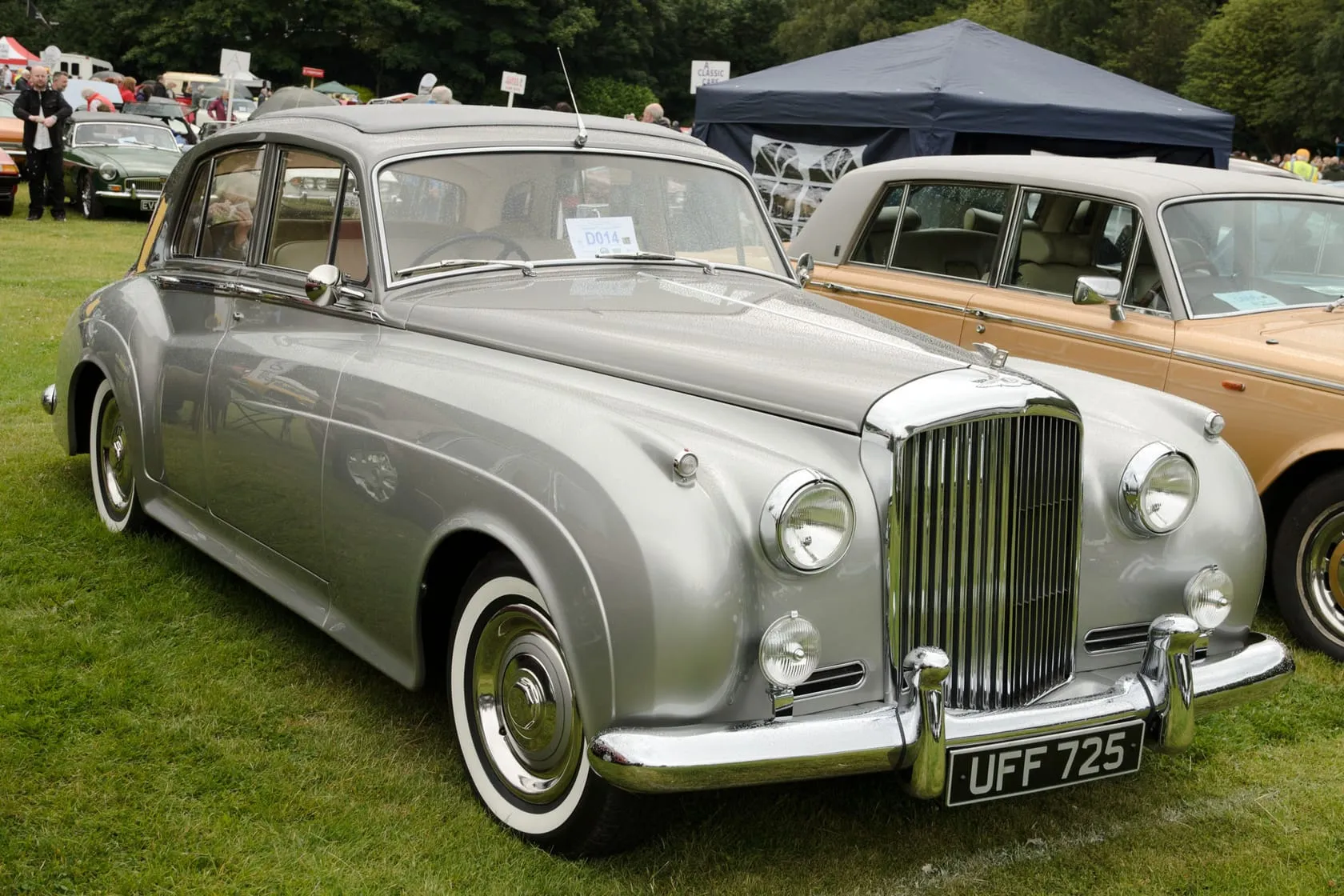 Bentley S-series: the quiet twin with the beautiful secrets (1955–1965)
The S-series was the Silver Cloud in discreet dress, and its Continental and Flying Spur versions were some of the most beautiful Bentleys ever built. A guide to S1, S2 and S3, the coachbuilt aristocracy, and what to check before buying.
-
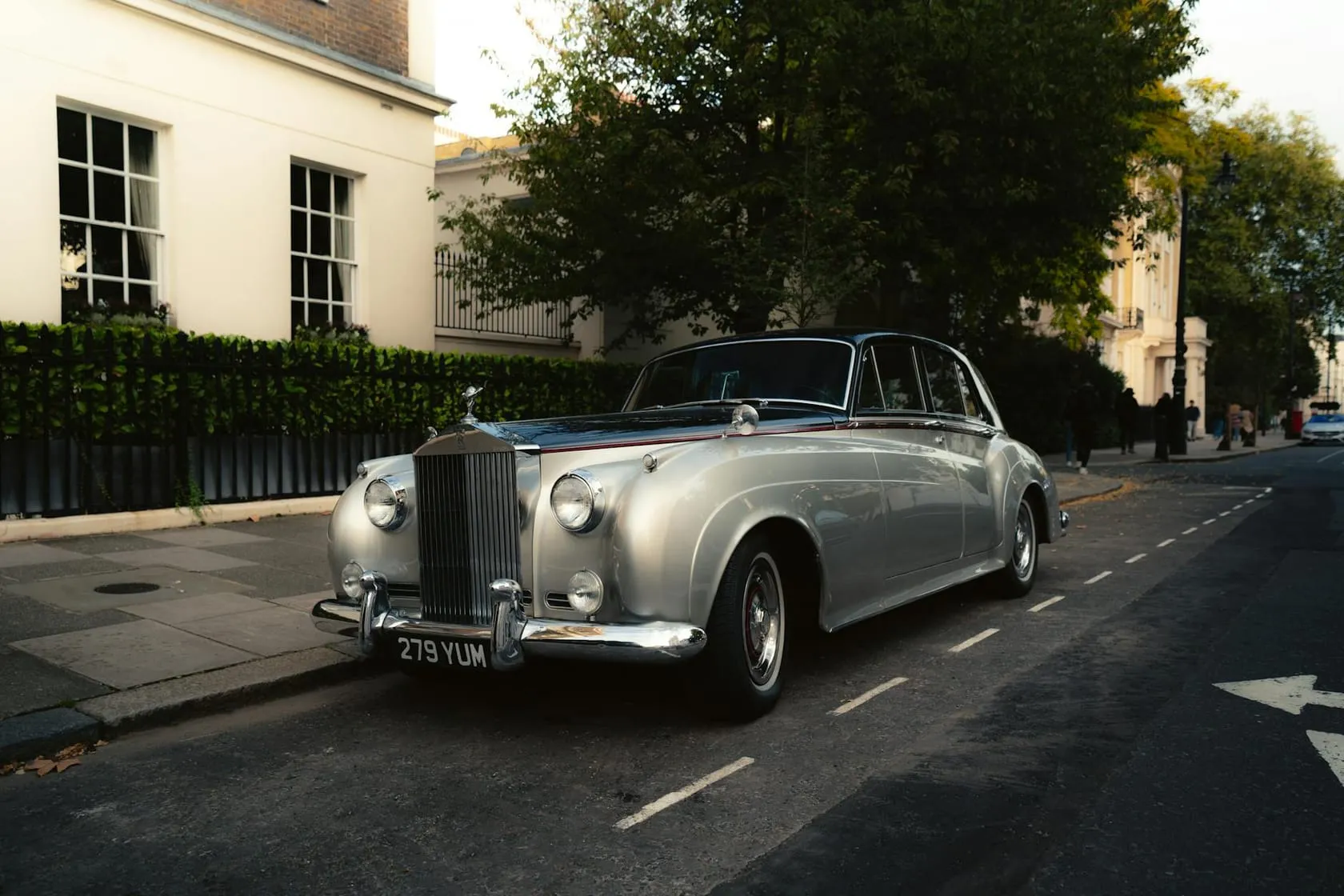 Rolls-Royce Silver Cloud: the last and loveliest of the old school (1955–1966)
The Silver Cloud closed the separate-chassis age with the most beautiful standard body Rolls-Royce ever wore, gained a V8 heart along the way, and became the definitive image of the classic Rolls. A guide to Clouds I, II and III, the coachbuilt cars, and what to check before buying one.
-
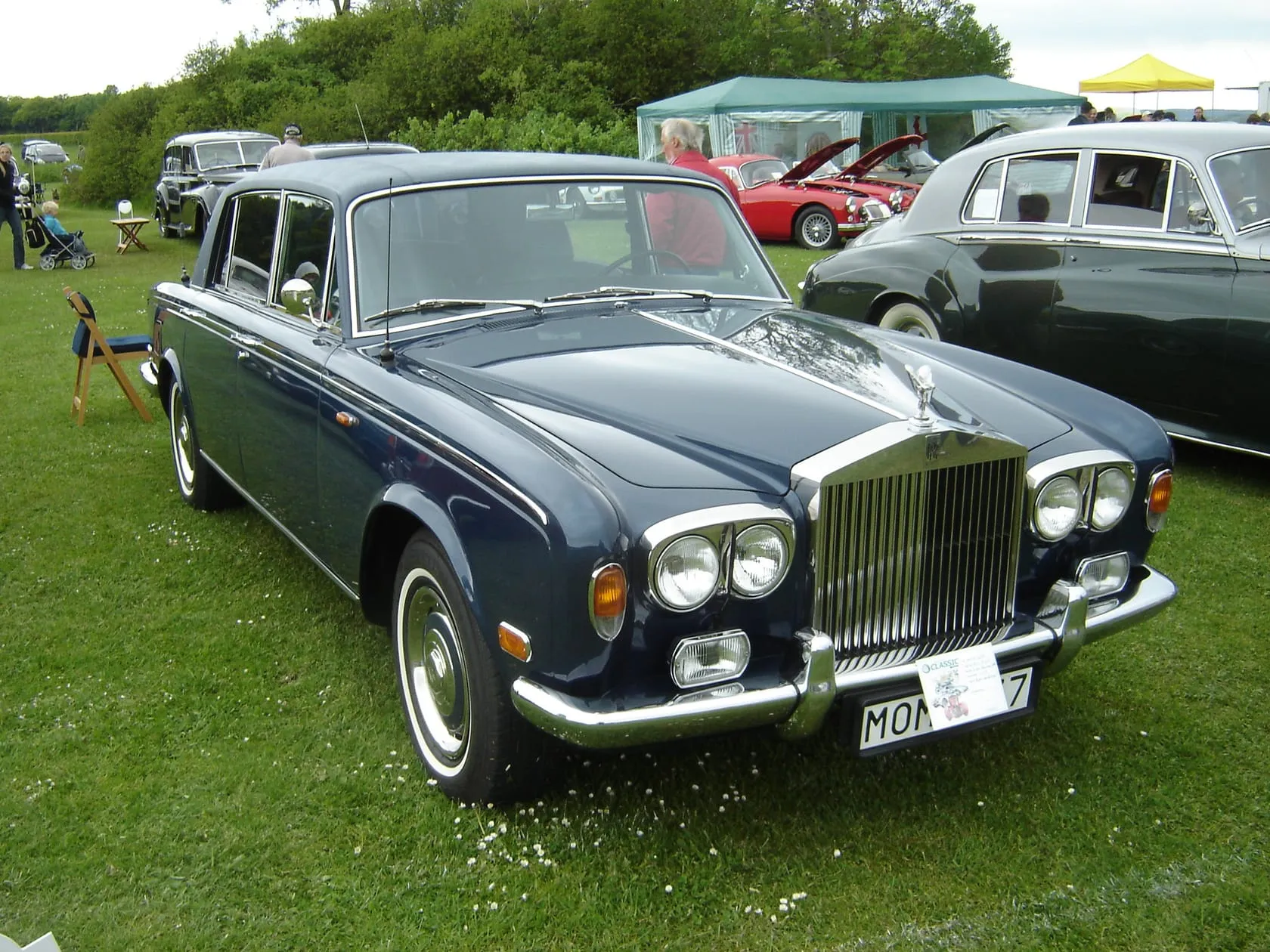 Rolls-Royce Silver Shadow: the ten-thousand-pound best car in the world (1965–1980)
The Silver Shadow modernised Rolls-Royce in one leap and sold 30,000 copies, which is why it is now the most affordable grand luxury car in the hobby, and the most dangerous bargain. A guide to the Shadow I and II, what the hydraulics demand, and what to check before buying one.
-
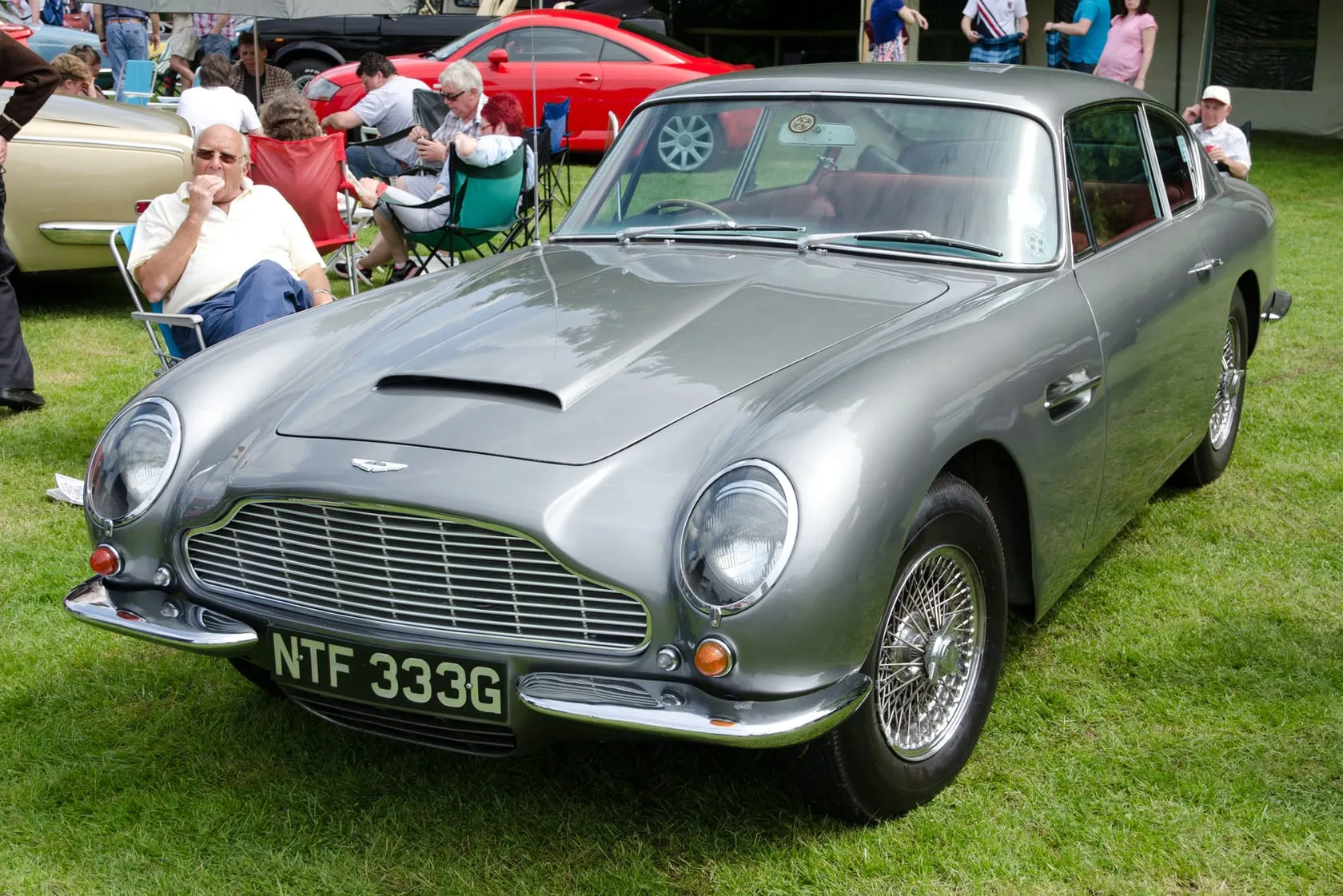 Aston Martin DB6: the grown-up Aston the market finally noticed (1965–1971)
The DB6 stretched the sainted DB line into its most usable form, four real seats, a Kamm tail and the first Volante badge, and spent decades in its siblings' shadow before collectors caught on. A guide to the Mk1 and Mk2, the Volantes, and what to check before buying.
-
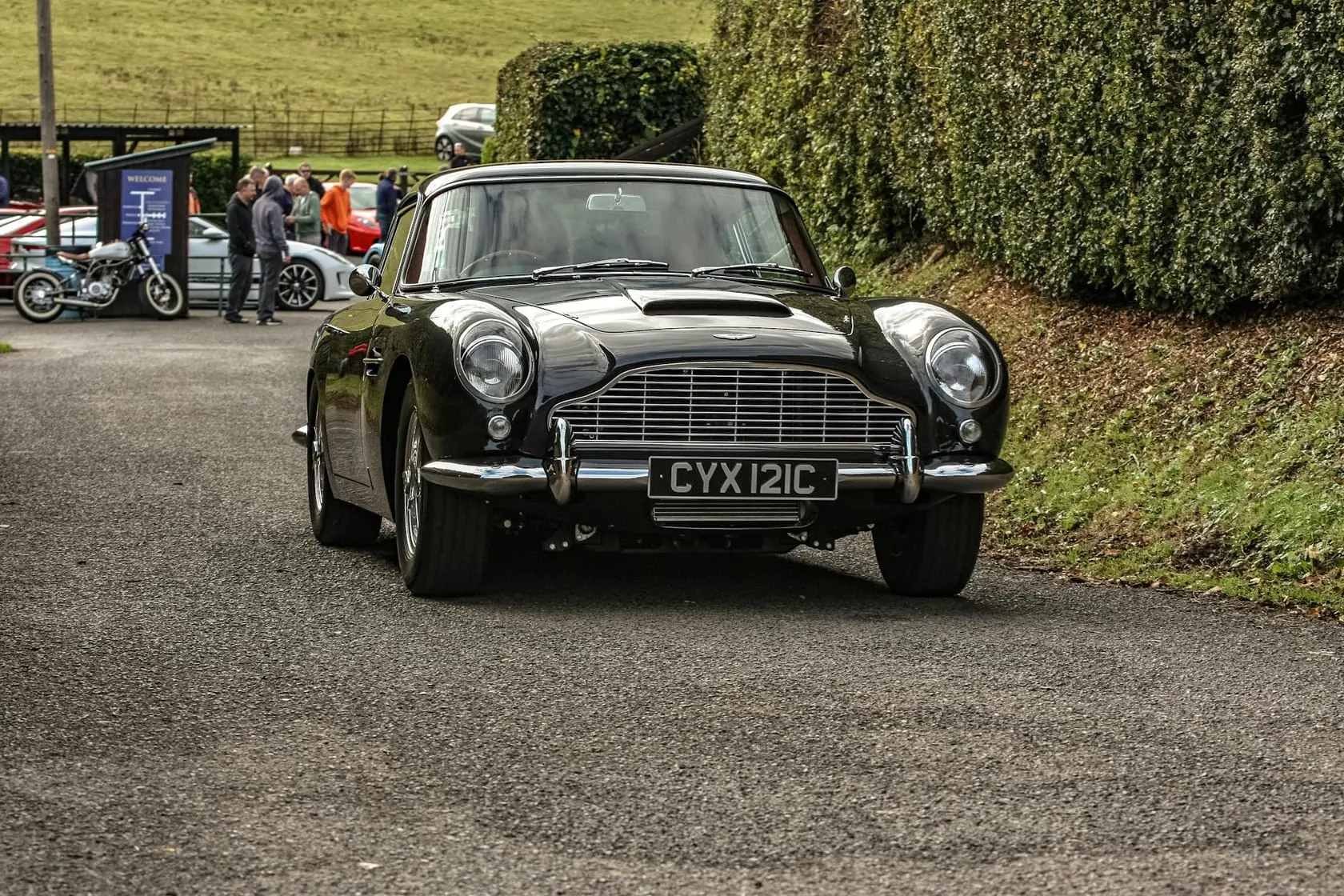 Aston Martin DB5: the most famous car in the world (1963–1965)
The DB5 refined the DB4 into 4.0 litres of hand-built glamour, and then Goldfinger made it cinema's most famous car and fixed its silhouette in global culture forever. A guide to the 1,059 cars built, the Bond story, buying checks and what half a million pounds actually buys.
-
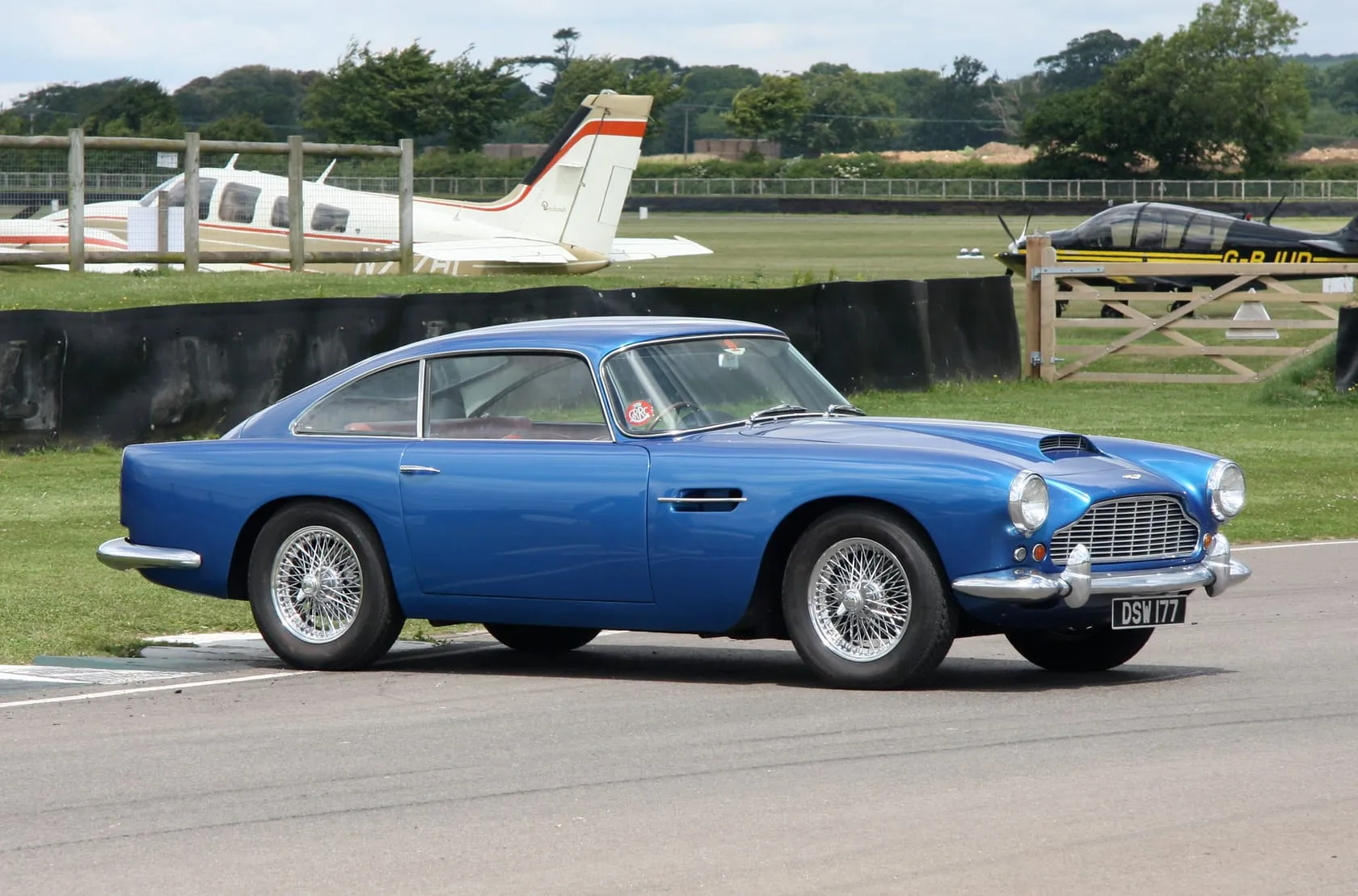 Aston Martin DB4: the car that made Newport Pagnell immortal (1958–1963)
The DB4 brought Touring of Milan's Superleggera construction and Tadek Marek's new six together into the first of the great Newport Pagnell Astons, and its GT and Zagato versions became some of the most valuable British cars ever made. A guide to the whole DB4 family, and what to check before buying.
-
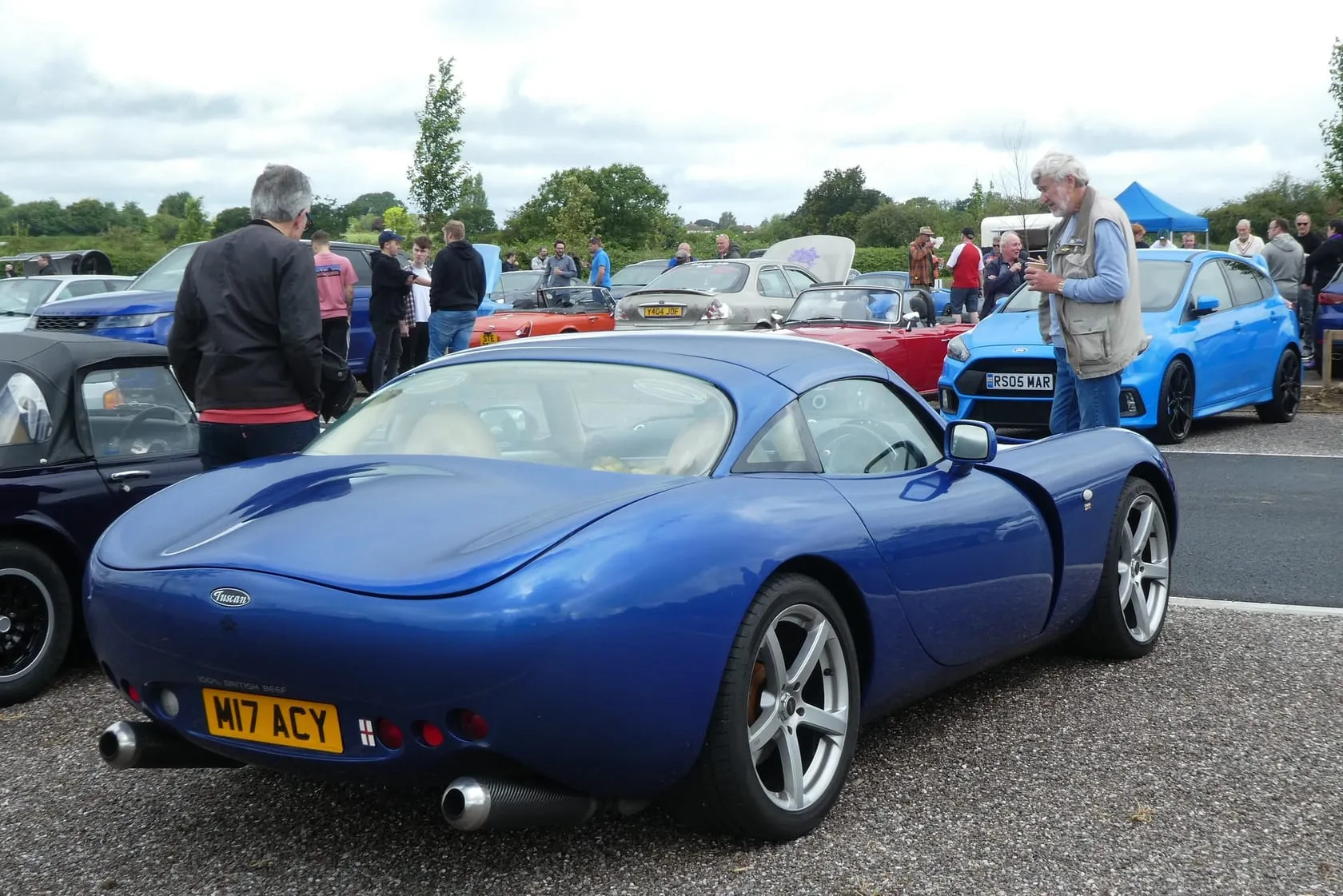 TVR Tuscan: two eras of Blackpool at full volume (1967–1971, 1999–2006)
The Tuscan name bookends TVR's story, first on the V8 and V6 cars that steadied the sixties company, then on the Speed Six that defined its final flourish, all curves, keyless doors and a screaming straight six. A guide to both eras, buying checks and values.
-
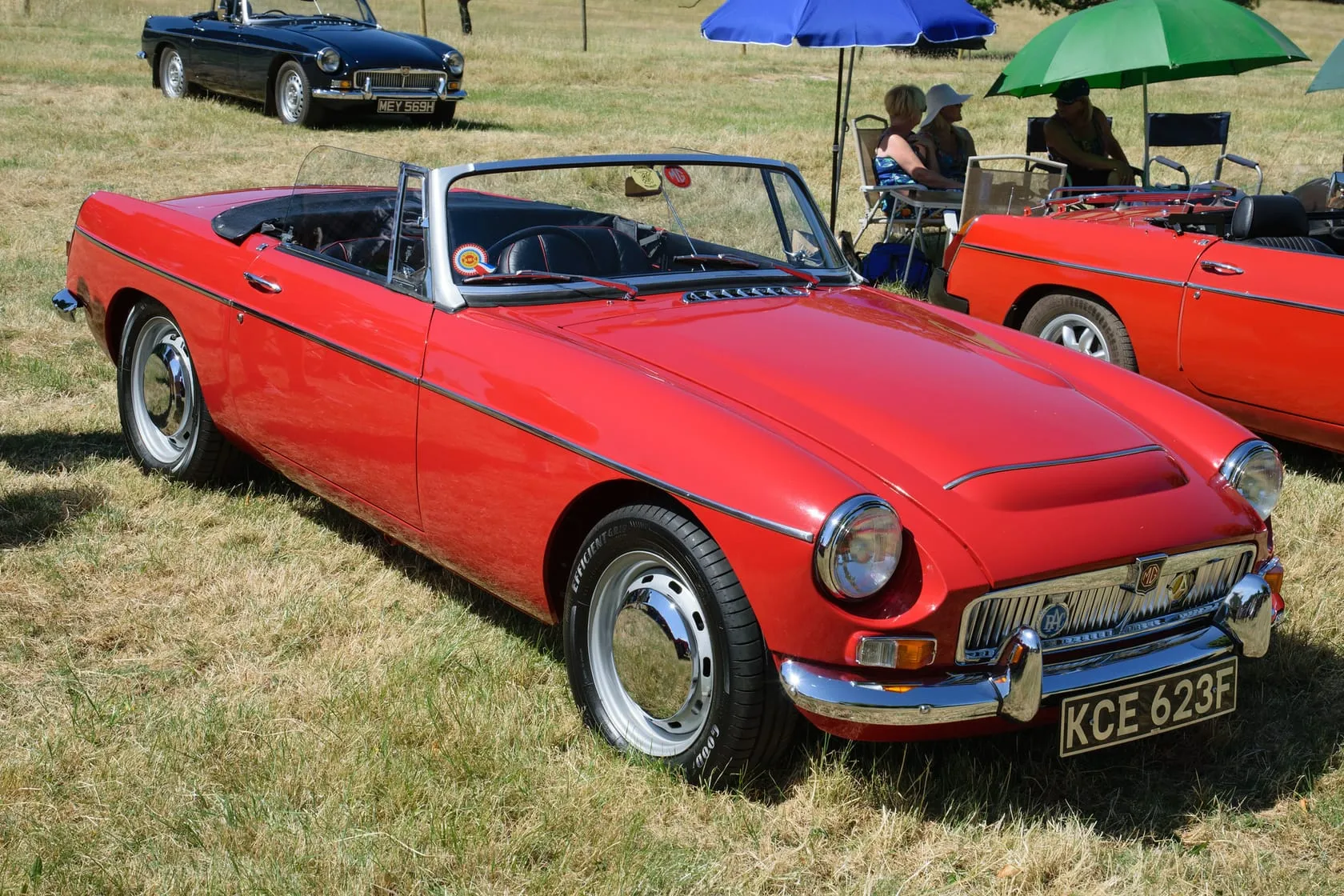 MGC values: roadster over GT, double the MGB, half the Healey, and the GTS in a class of its own
The six-cylinder MG sits between the MGB below it and the Austin-Healey 3000 it replaced. MGC values from 261 recorded auction sales, the roadster premium over the GT, what the University Motors Specials and the Sebring GTS cars make, and why the MGC has come down by nearly half in real terms since 2017.
-
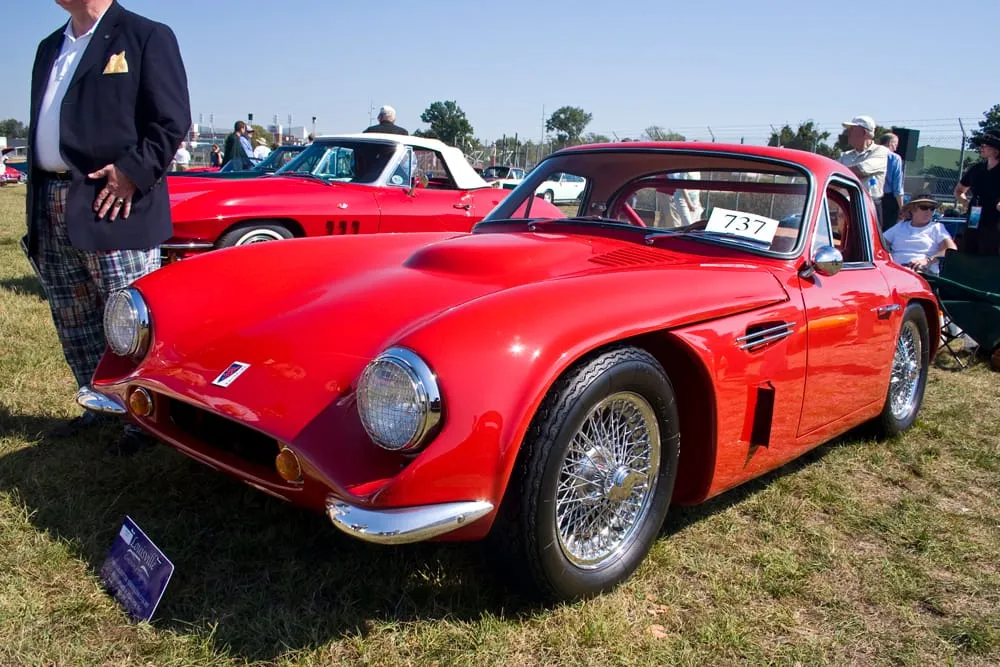 TVR Griffith: the name Blackpool saved for its wildest cars (1963–2002)
Twice in TVR's history the Griffith name meant the same thing, the biggest V8 Blackpool could find in the smallest car that would hold it, first with Ford muscle in 1963 and again with Rover power in 1991. A guide to both eras, the unbuilt 2017 revival, buying checks and values.
-
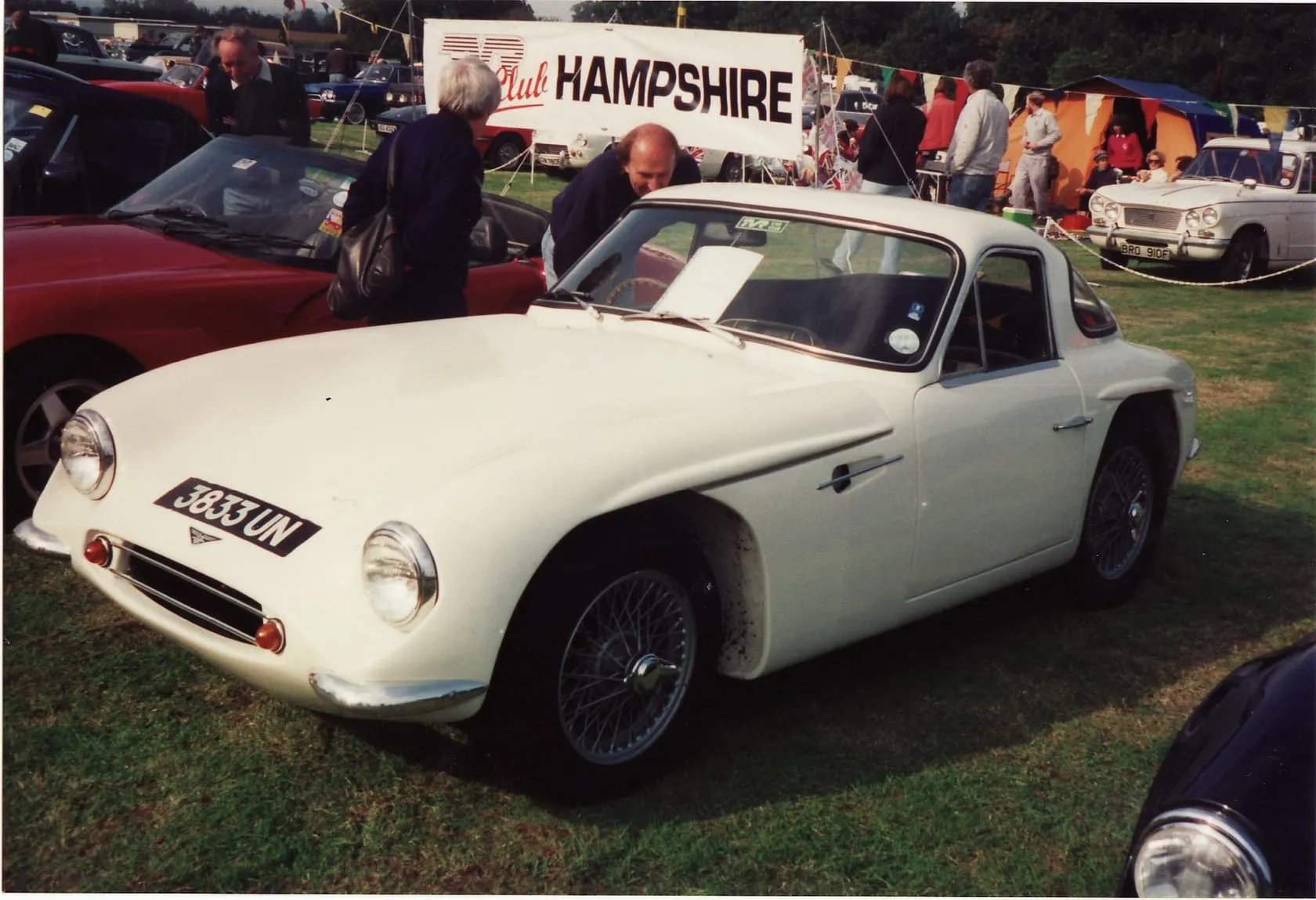 TVR Grantura and Vixen: where Blackpool learned to build sports cars (1958–1973)
The Grantura was TVR's first real production car, a stubby glassfibre coupe that taught Blackpool its trade, and the Vixen that grew from it carried the recipe to 1973. A guide to both families, the marks and engines, buying checks and values.
-
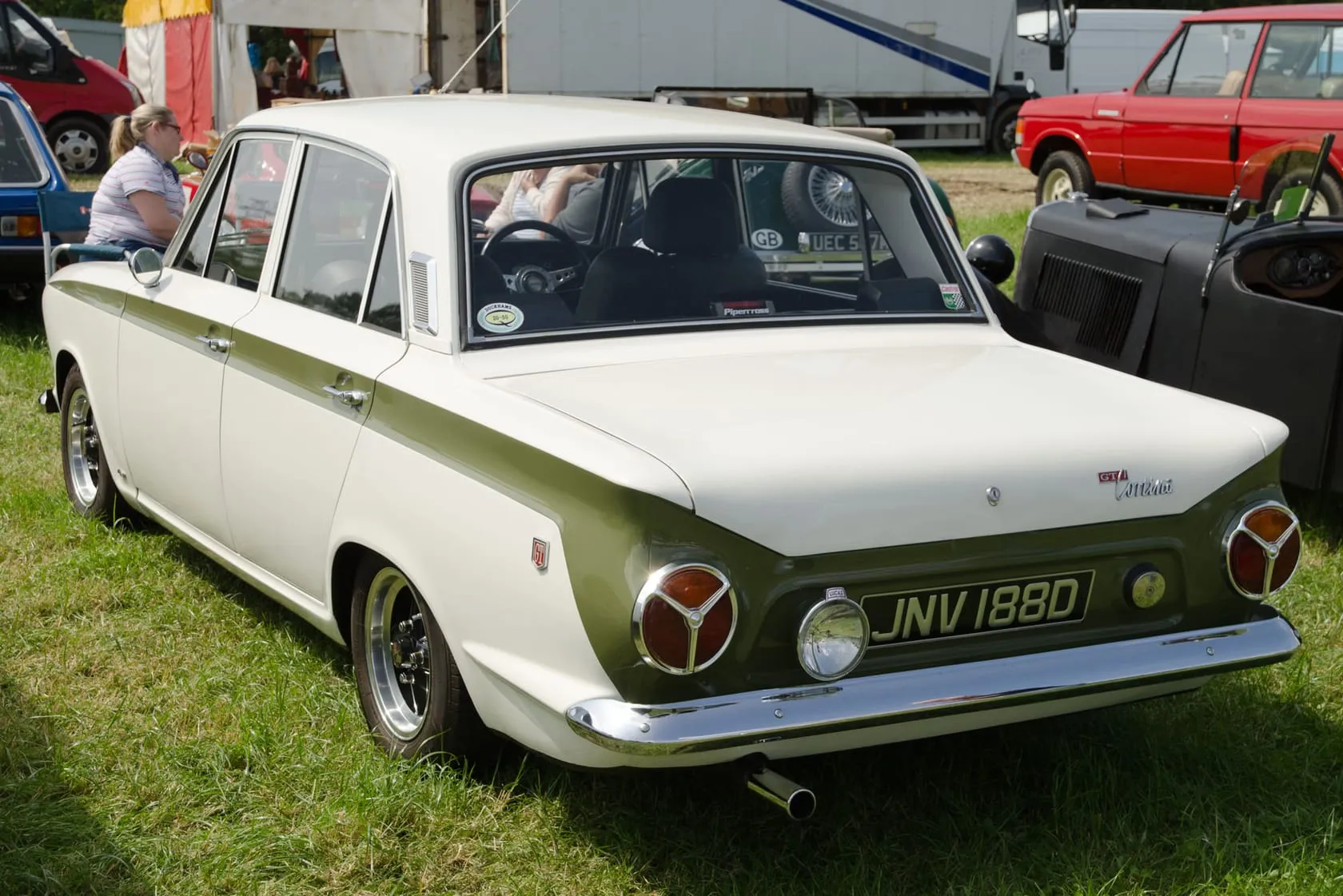 Ford Cortina values: the Lotus at three times a saloon, the Mk1 GT and 1600E next, and the ordinary Cortina at hatchback money
A Lotus Cortina sells for three times an ordinary saloon and a Competition car for six. Ford Cortina values across 469 recorded auction sales, what the Mk1 GT, the Mk2 1600E and the Mk3 2000E make, why the Mk4 and Mk5 are the cheapest, and why the yearly figures say more about which cars came to sale than about prices.
-
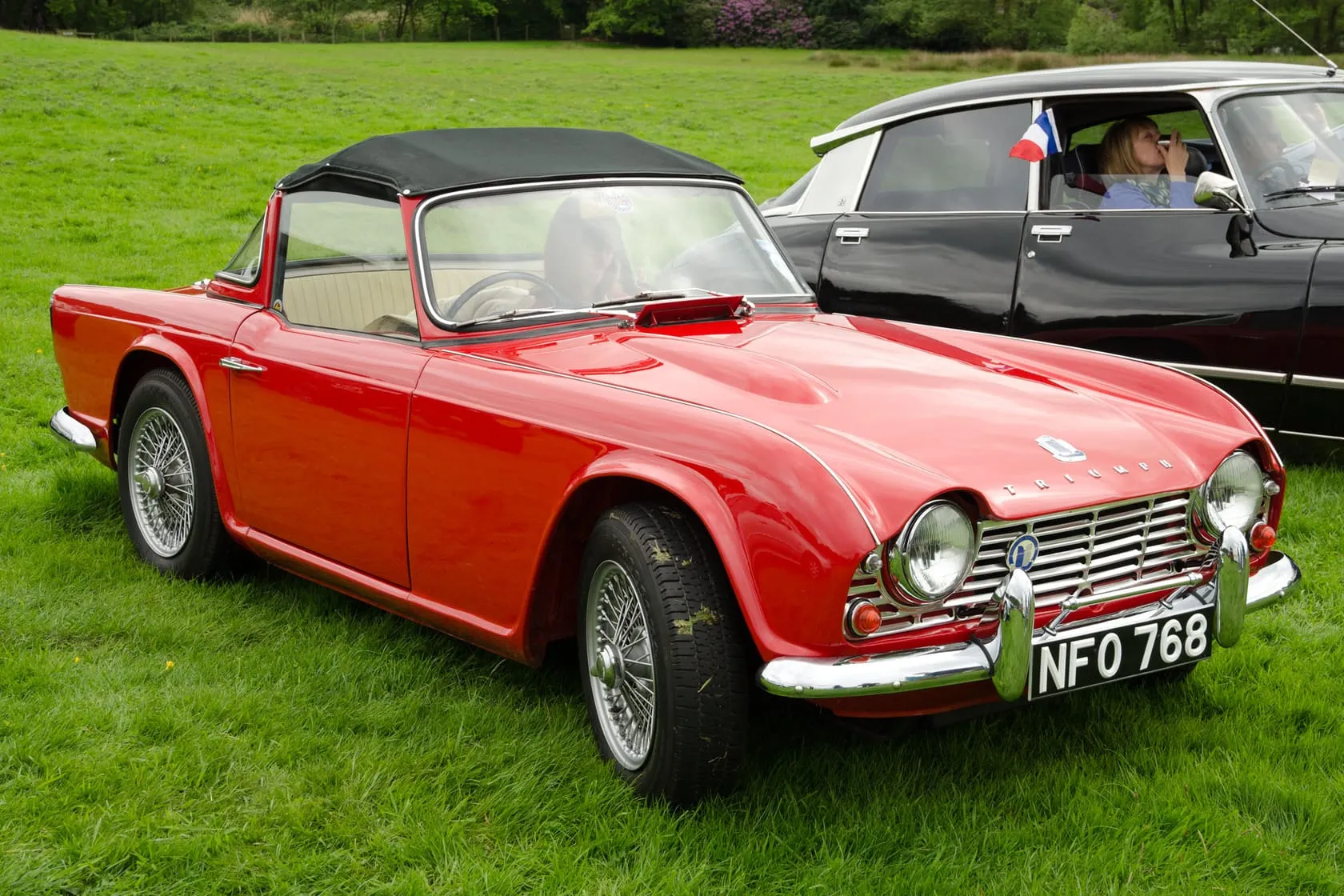 Triumph TR4 values: the TR4A premium, Surrey tops and wires, the TR5 above and the TR6 below, and a market that has halved
The TR4 now sells for more than the TR6 and less than the TR5. Triumph TR4 prices from 479 recorded auction sales, why the independent-rear TR4A commands only a little more, what the Surrey top, overdrive and a home-market history add, and why the Michelotti TR has lost half its value in real terms since 2016.
-
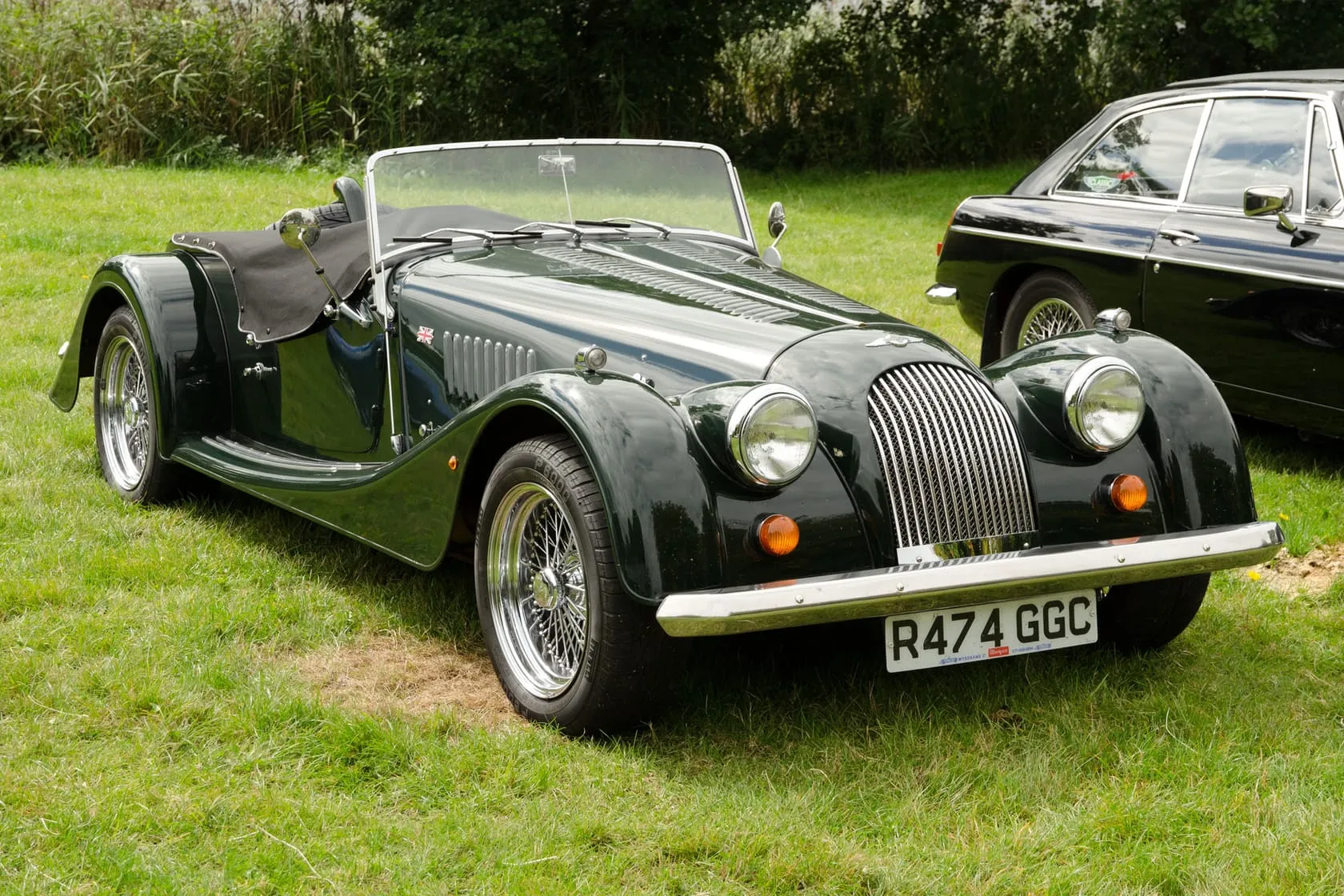 Morgan Plus 8: a Rover V8 in a vintage suit (1968–2004)
The Morgan Plus 8 dropped the all-alloy Rover V8 into an ash-framed thirties silhouette and created one of the fastest-accelerating British cars of its day, a recipe Malvern kept cooking for thirty-six years. A guide to the V8 Morgans, the 2012 revival, buying checks and values.
-
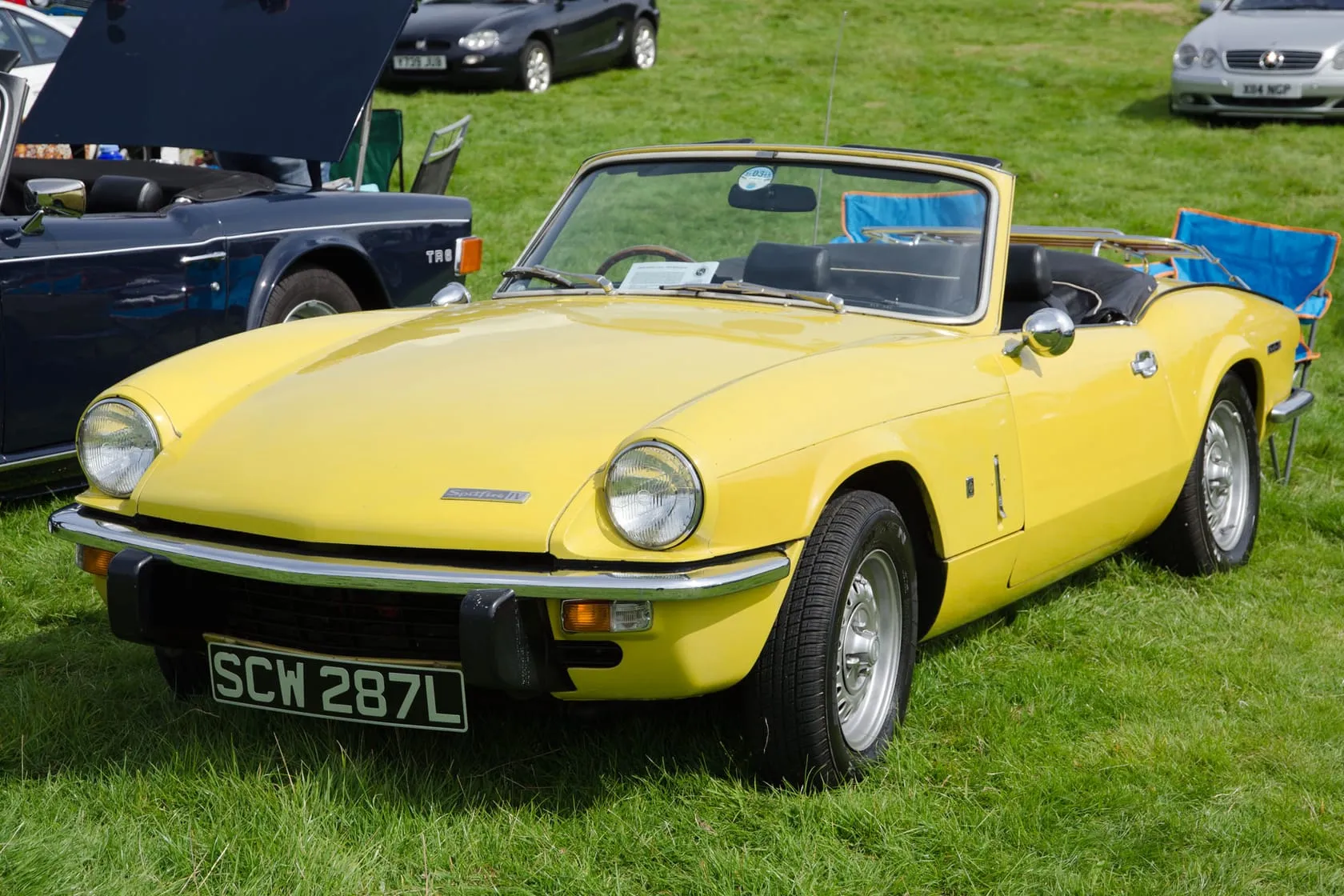 Triumph Spitfire values: Mk1 and Mk2 at nearly double the 1500, the Mk3 between, and the cheapest open Triumph there is
The early Mk1 and Mk2 sell for nearly double the 1500, and the Mk4 for least of all. Triumph Spitfire values across 487 recorded auction sales, how it compares with the MG Midget and the Sprite, what moves a Spitfire price, and why the cheapest open Triumph has slipped by a third in real terms since 2022.
-
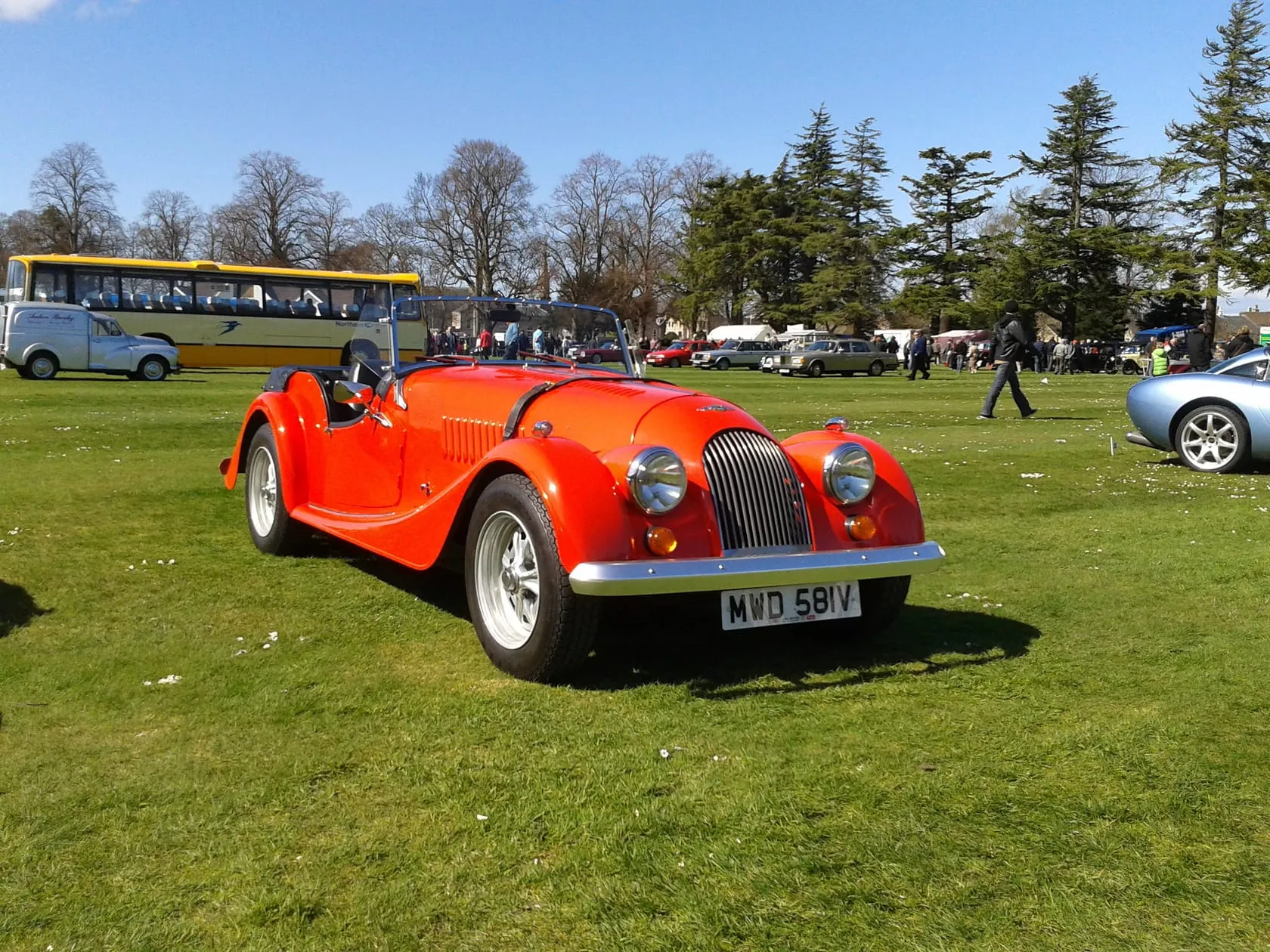 Morgan 4/4: the longest-running car name in the world (1936–2018)
The Morgan 4/4 stayed in production for eighty-two years, the longest run of any car nameplate anywhere, changing engines with the decades while the ash-framed car around them barely changed at all. A guide to the series, the Ford years, buying checks and values.
-
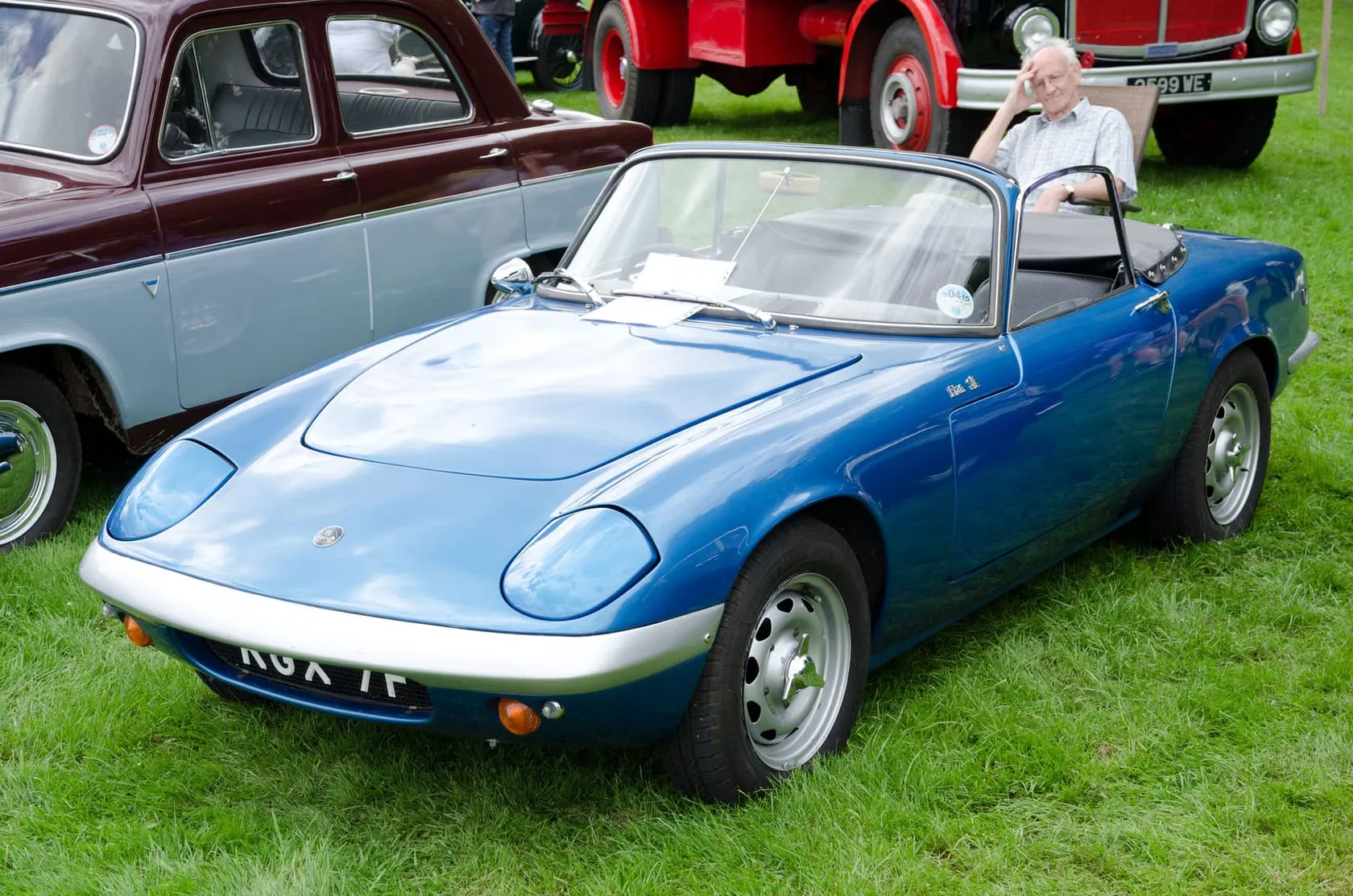 Lotus Elan values: Sprint over S4, two-seater over +2, the 26R apart, and fifteen years of standing still
Fifteen years standing still in cash is two-fifths gone in real terms. Lotus Elan prices from 498 recorded auction sales, why the Sprint sells for a third more than the earlier two-seaters and the +2 for a third less, what a 26R racer and the Emma Peel car made, and where the front-drive M100 sits.
-
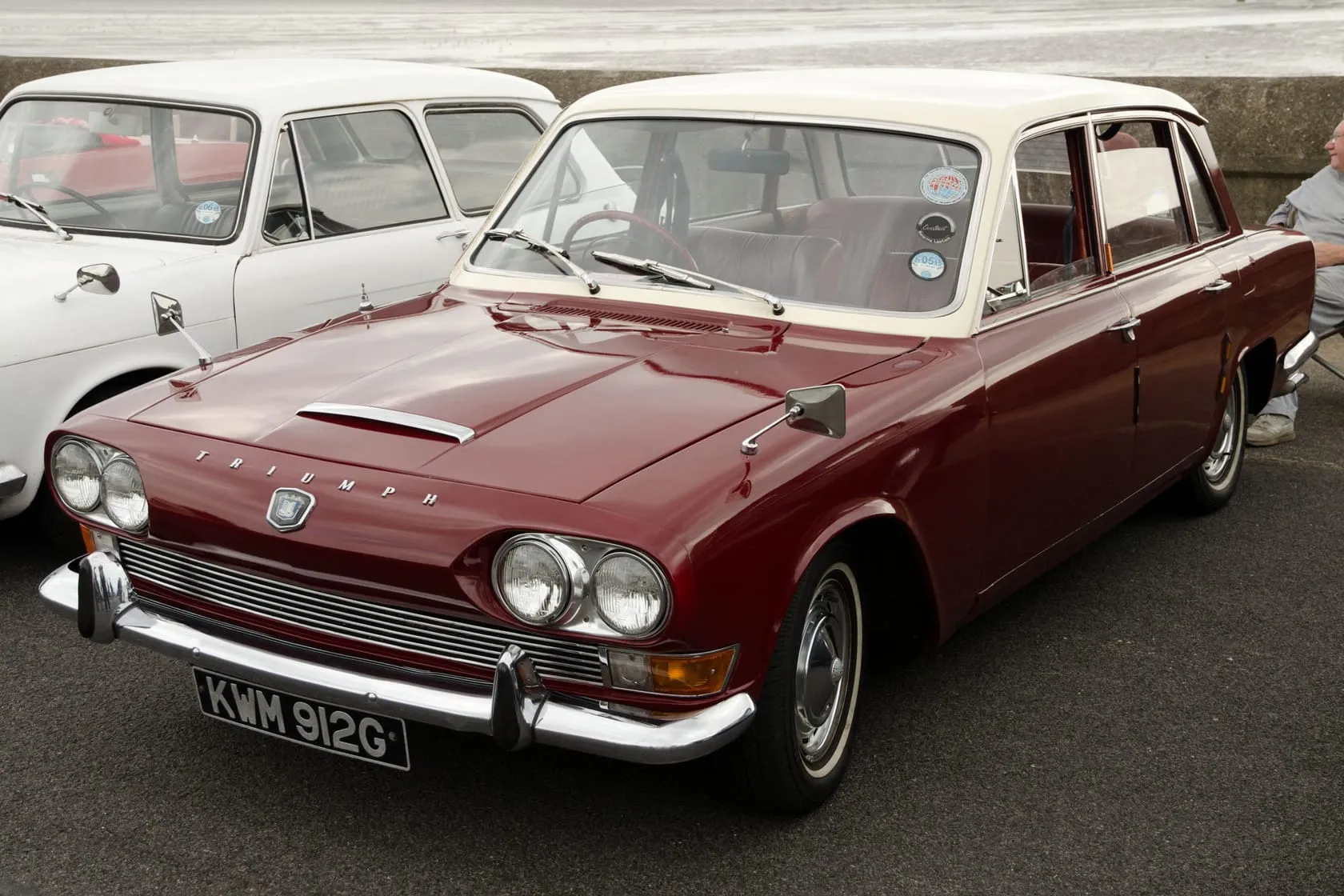 Triumph 2000 and 2500: the six-cylinder saloons that invented a class (1963–1977)
The Triumph 2000 launched in the same October week as its great Rover rival and between them they invented the British executive saloon. A guide to the Michelotti 2000 and 2500 family, the pioneering PI, the estates and rally cars, buying checks and values.
-
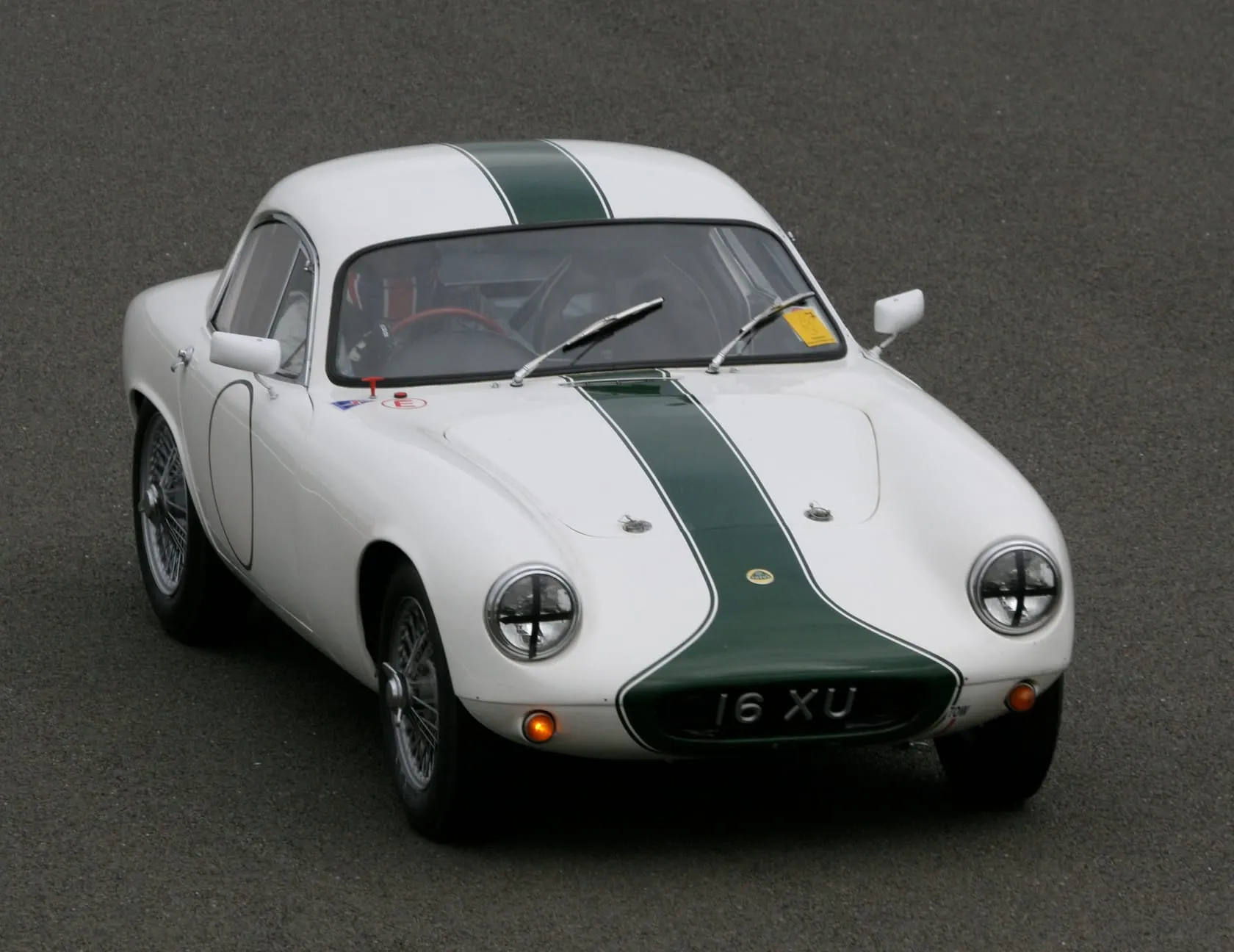 Lotus Elite: the glassfibre jewel that raced on air (1957–1963)
The Lotus Elite was the world's first glassfibre monocoque, a 660-kilogram coupe that cut through the air like nothing else in 1957 and won its class at Le Mans six years running. A guide to the Type 14, the Climax engine, the racing record, buying checks and values.
-
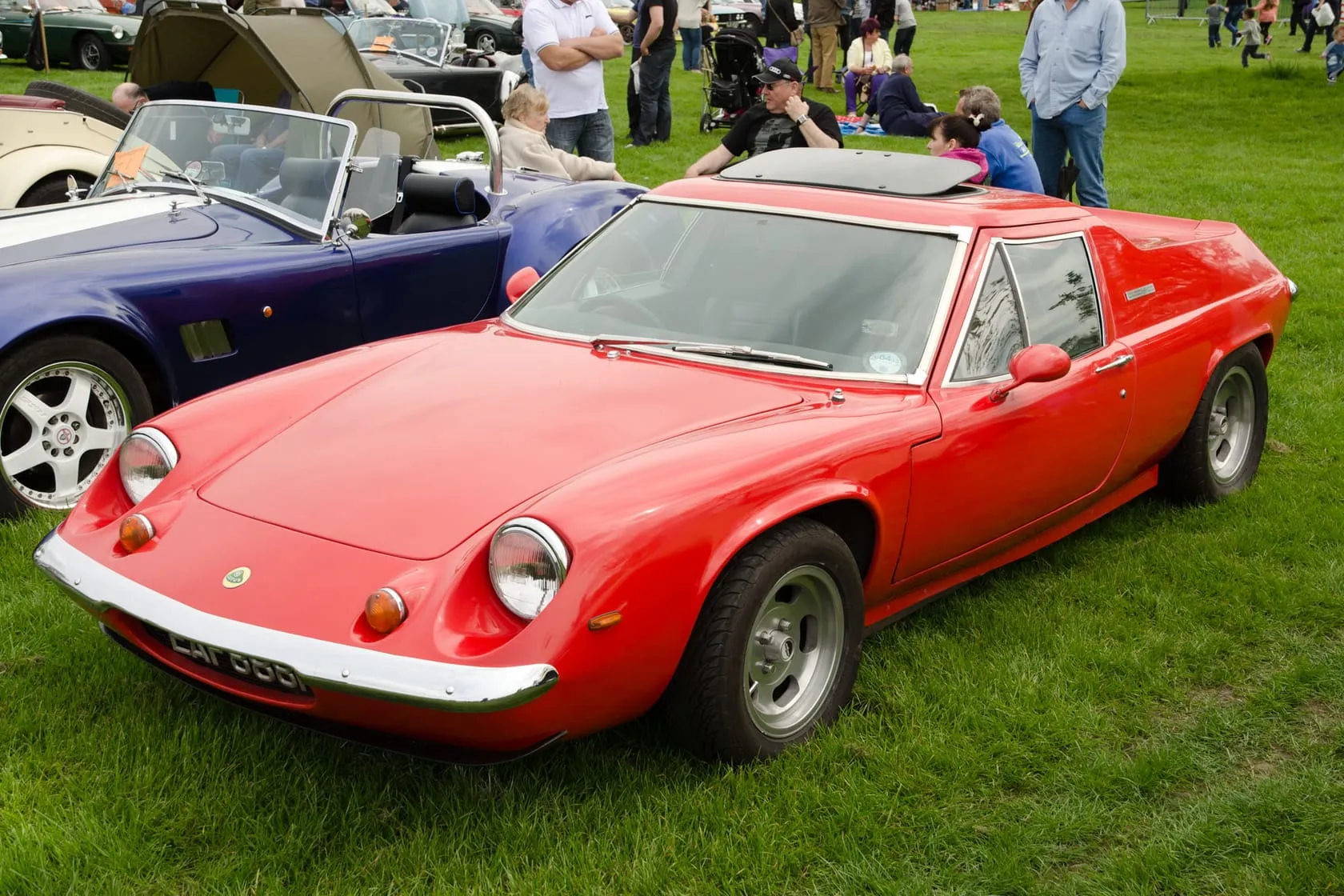 Lotus Europa: the bread van that beat the supercars to mid-engines (1966–1975)
The Lotus Europa put a mid-mounted engine in a road car years before the supercar establishment, wrapped it in a shape mocked as a bread van and gave it handling nothing at the price approached. A guide to the S1, S2, Twin Cam and Special, buying checks and values.
-
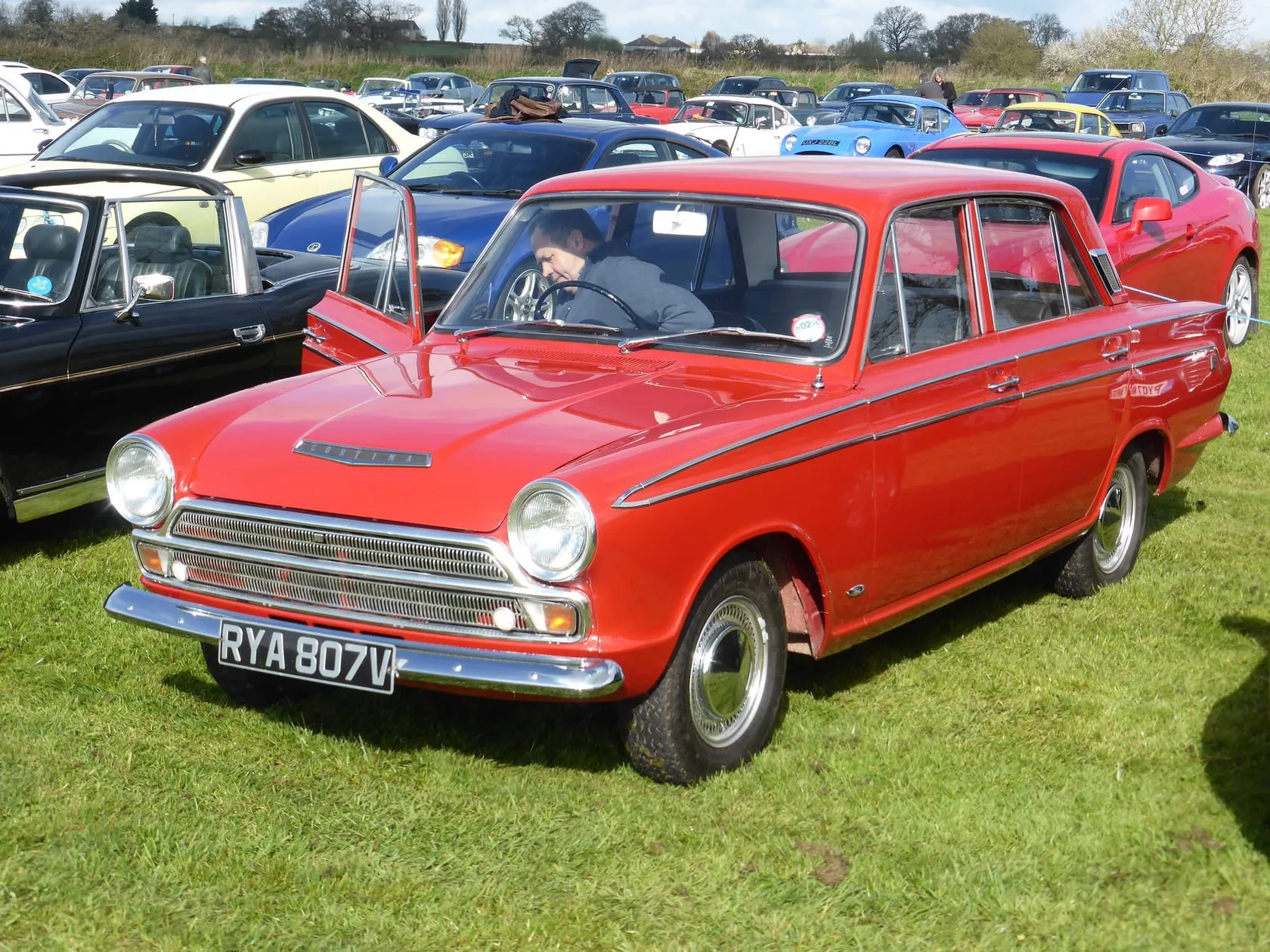 Ford Cortina Mk1: the car Britain bought every seven minutes (1962–1966)
The Ford Cortina Mk1 was engineered to a weight target, priced to destroy the competition and sold a million in four years, the fastest any British Ford had managed. A guide to the original Cortina, the GT and Lotus versions, the Safari win, buying checks and values.
-
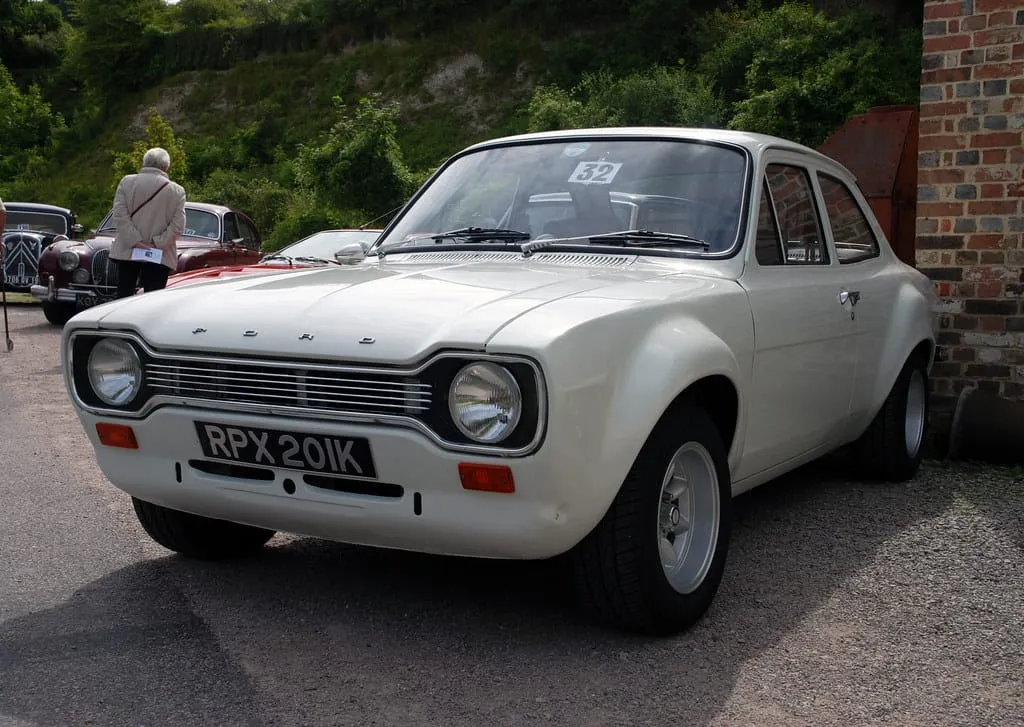 Ford Escort Mk1: the car that won everything and started everything (1968–1974)
The Ford Escort Mk1 replaced the Anglia, won the World Cup Rally and the Safari, spawned the Twin Cam, RS1600 and Mexico, and became the most valuable ordinary Ford ever made. A guide to the dogbone-grille original, the fast versions, the 2026 continuation and what survivors cost.
-
 Land Rover Lightweight: the military family, from Airportable to 101 (1968–1984)
The Land Rover Lightweight was built to be slung under a helicopter, stripped and narrowed until a Series Land Rover could fly. A guide to the Airportable half-ton, the 101 Forward Control and the wider military family, ex-MOD buying checks and what to know before owning one.
-
 Austin-Healey Sprite values: the Frogeye at double the Spridget, the Sebring premium, and a market off its 2022 peak
A Frogeye Mk I sells for more than double the Mk II, III and IV that followed. Sprite prices from 636 recorded auction sales, what a Sebring Sprite and its replicas make, how the Sprite compares with the MG Midget it shares everything with, and why Sprite values have fallen by a third in real terms since 2022.
-
 MG Midget values: the cheapest MG sports car, chrome over rubber, and a market back where it started
The chrome-bumper Mk III sells for more than the rubber-bumper 1500, and the early cars more still. MG Midget values from 693 recorded auction sales, what the Sprite badge does to the same car, what moves a Midget price, and why it is cheaper in real terms today than in 2014.
-
 Austin Maxi: the five-door pioneer Britain forgot to thank (1969–1981)
The Austin Maxi gave Britain its first five-door hatchback and five-speed gearbox in one 1969 package, then spent twelve years being mocked for the details while rivals copied the idea. A guide to the Maxi story, the E-series engines and that gearchange, the World Cup Rally cars, buying checks and values.
-
 Land Rover Series II and IIA values: the 88 and 109 level, the IIA premium, and a market that has halved
The IIA sells for more than the II, and the 109 for no more than the 88. Land Rover Series II and IIA values across 747 recorded auction sales, what station wagons, early cars and unrestored ones make, where the American bidders have taken the top of the market, and why the Series II has lost half its value in real terms since 2021.
-
 Austin 1800: the Landcrab that won rallies sideways (1964–1975)
The Austin 1800 scaled Issigonis packaging up to family-Rover size, earned the Landcrab nickname for its wide stance, won Car of the Year and then astonished everyone by thriving in marathon rallies. A guide to the Austin, Morris and Wolseley versions, the S and the rally cars, buying checks and values.
-
 Ford Cortina 1600E: the executive Cortina everyone wanted (1967–1970)
The Ford Cortina 1600E dressed the Mk2 in lowered suspension, Rostyle wheels and a walnut-and-sports-seats cabin, inventing the affordable executive express and outliving its era as the most loved Cortina of all. A guide to the 1600E and the Mk2 family around it, buying checks and values.
-
 Jaguar Mk2 values: 3.8 over 3.4 over 2.4, the restomod premium, and a market back to 2010 prices
The 3.8 premium is a quarter, not double. Jaguar Mk2 prices from 867 recorded auction sales, what the 3.4 and 2.4 make, what the Coombs cars and the Vicarage and Beacham restomods sell for, and why the Mk2 is cheaper in real terms than it was fifteen years ago.
-
 Triumph Vitesse: the Herald with a six-cylinder heart (1962–1971)
The Triumph Vitesse dropped a smooth six into the Herald's bolt-together chassis, wore a four-lamp slant-eyed face and became Britain's most affordable six-cylinder convertible. A guide to 1600 and 2-Litre, the swing-axle saga and its Mk2 cure, saloon versus convertible, buying checks and values.
-
 Vauxhall Viva: three generations of Britain's other small car (1963–1979)
The classic Vauxhall Viva was Luton's answer to the small-Ford decades, three generations from the boxy HA to the coke-bottle HB and long-lived HC, over 1.5 million sold. A guide to HA, HB and HC, the Brabham and GT quick ones, how it differs from the 2015 city car, buying checks and values.
-
 Lotus Cortina: the saloon Jim Clark drove on three wheels (1963–1970)
The Lotus Cortina put Colin Chapman's twin-cam engine into Ford's family saloon and created the touring-car legend of the 1960s, Jim Clark cornering it on three wheels in every archive reel. A guide to Mk1 and Mk2, the racing record, originality traps and values.
-
 Morris Minor values: the Traveller premium, the £350 saloon, and 948 sold prices
The one classic whose value has hardly moved in twenty years. Morris Minor prices across 948 recorded auction sales, why a Traveller sells for double a saloon, what the convertibles and the Minor Million make, and what the sills and the wood do to the figure.
-
 Classic Mini Cooper values: 1960s against 1990s, the S premium, and what a replica is worth
The median is a 1990s Rover Cooper price, not a 1960s car. Classic Mini Cooper values from 1,101 recorded auction sales, what a genuine 1960s Cooper S makes, the Mk I premium, what a replica sells for against the real thing, and why provenance matters more here than on any other small British car.
-
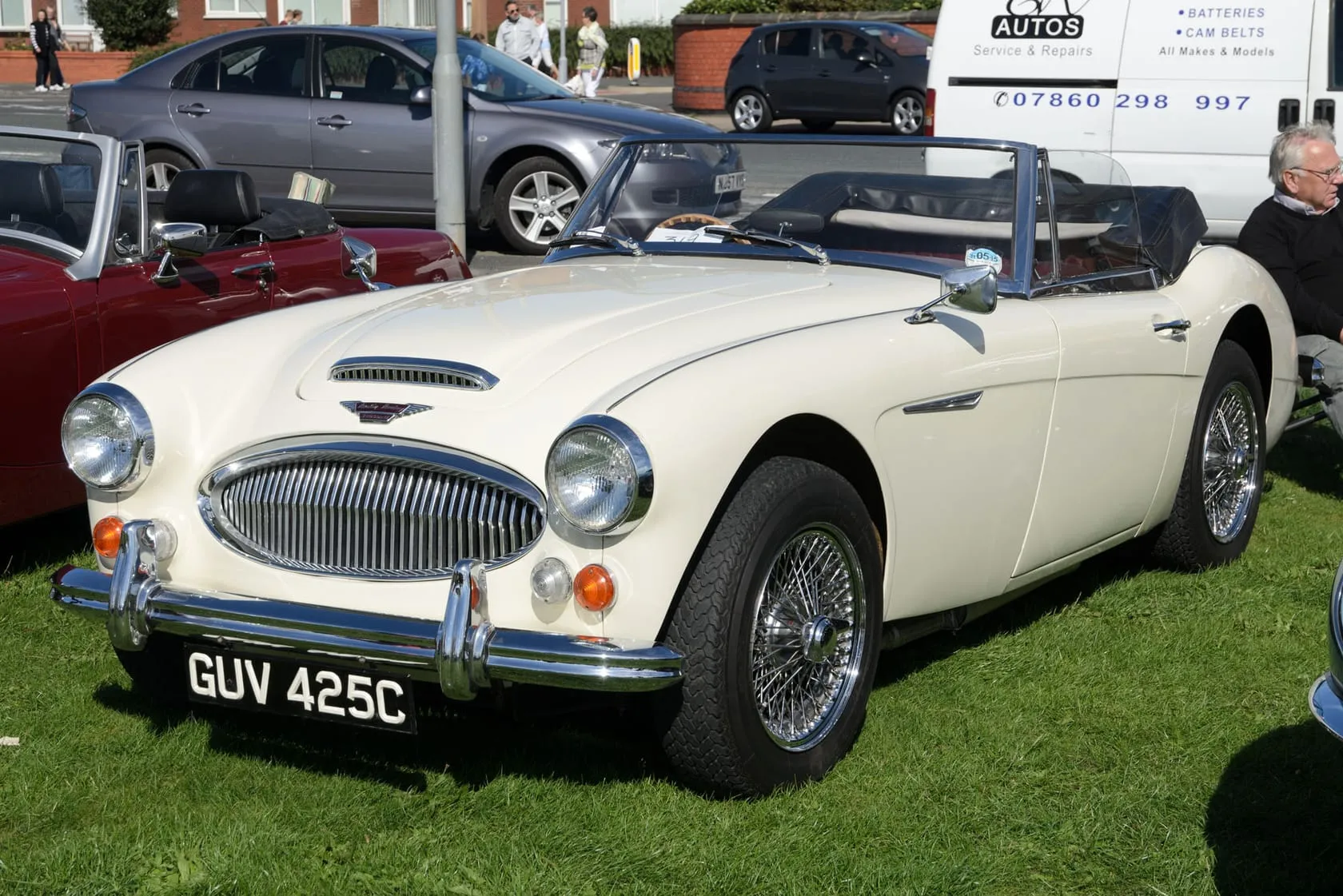 Austin-Healey 3000 values: the BJ8, the two-seaters, and a decade of drifting prices
The Mk III BJ8 leads the table and the rare two-seaters beat it. Austin-Healey 3000 values from 1,184 recorded auction sales, what a works history is worth, what the chassis and the shut lines do to the price, and why the Big Healey has lost nearly half its value in real terms since 2013.
-
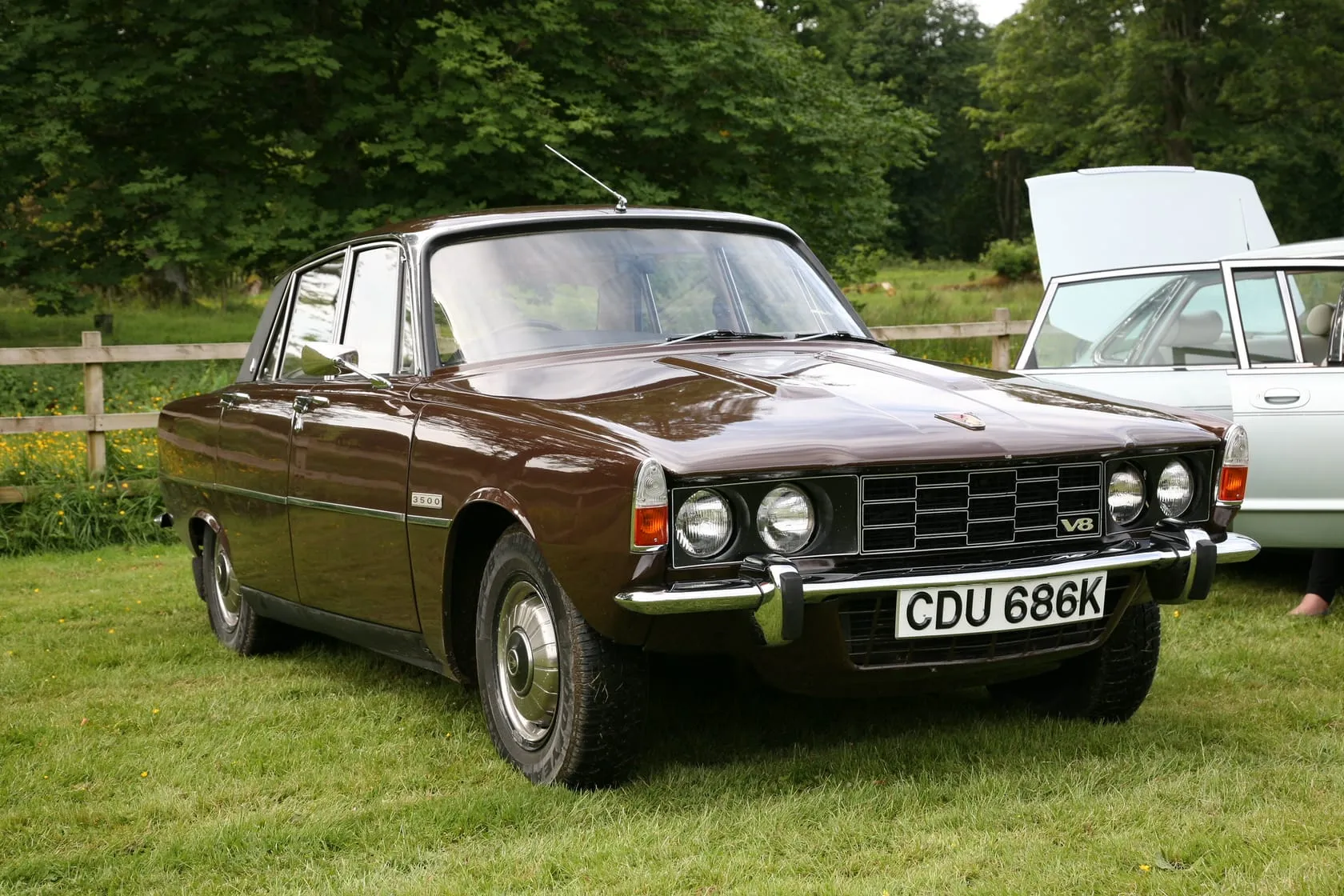 Rover P6: the first Car of the Year, and still the clever one (1963–1977)
The Rover P6 rethought the executive saloon from its skeleton outward, won the first European Car of the Year award as the 2000, and gained the V8 to become the 3500. A guide to the base-unit engineering, 2000 to 3500S, what the advanced design asks of buyers, and values.
-
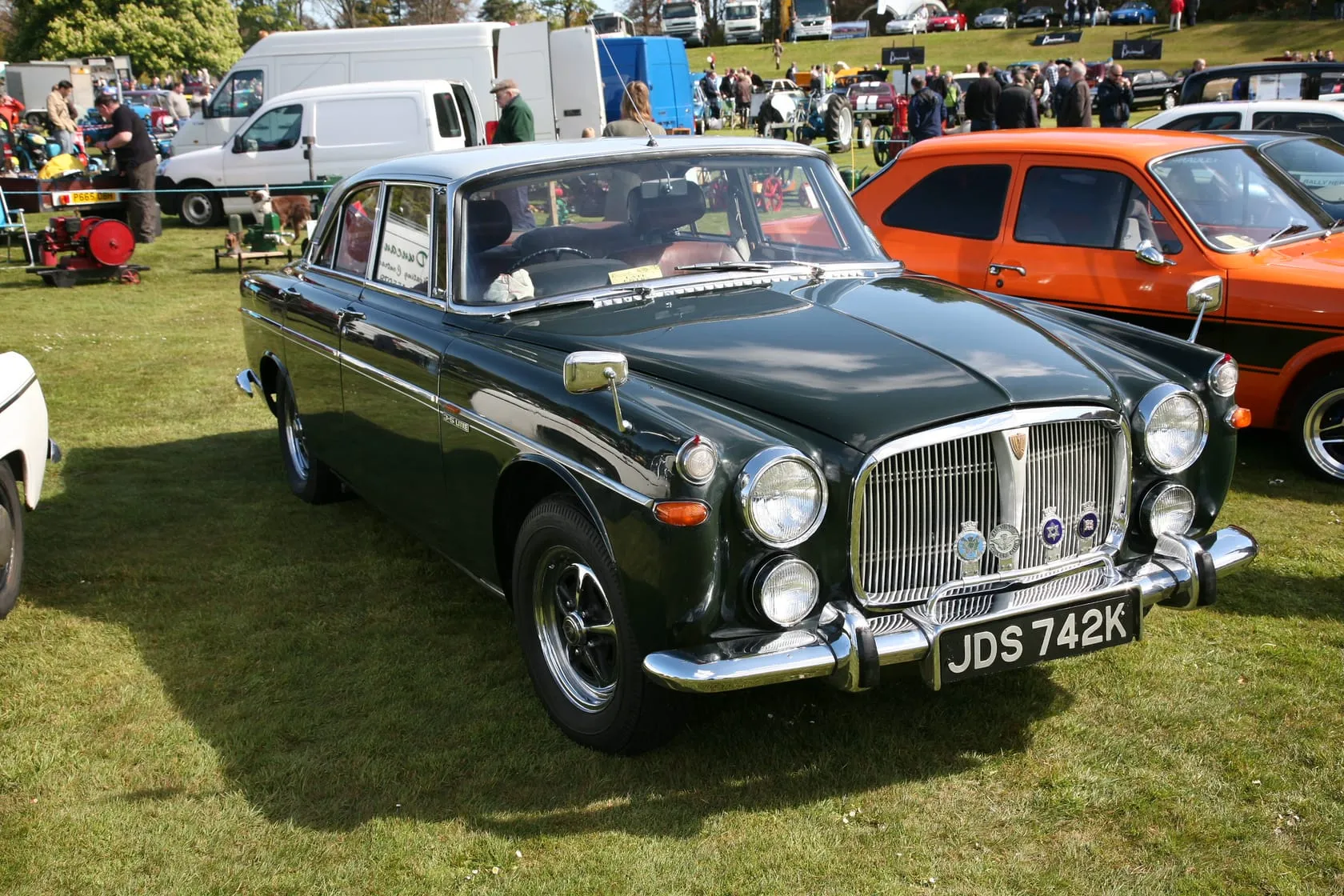 Rover P5 and P5B: the car that ran the country (1958–1973)
The Rover P5 was Britain's establishment car, the 3-Litre saloon and coupe that carried ministers and monarchs, transformed in 1967 by the Buick-derived V8 into the P5B. A guide to saloon and coupe, the state-fleet story, the V8's arrival, buying checks and values.
-
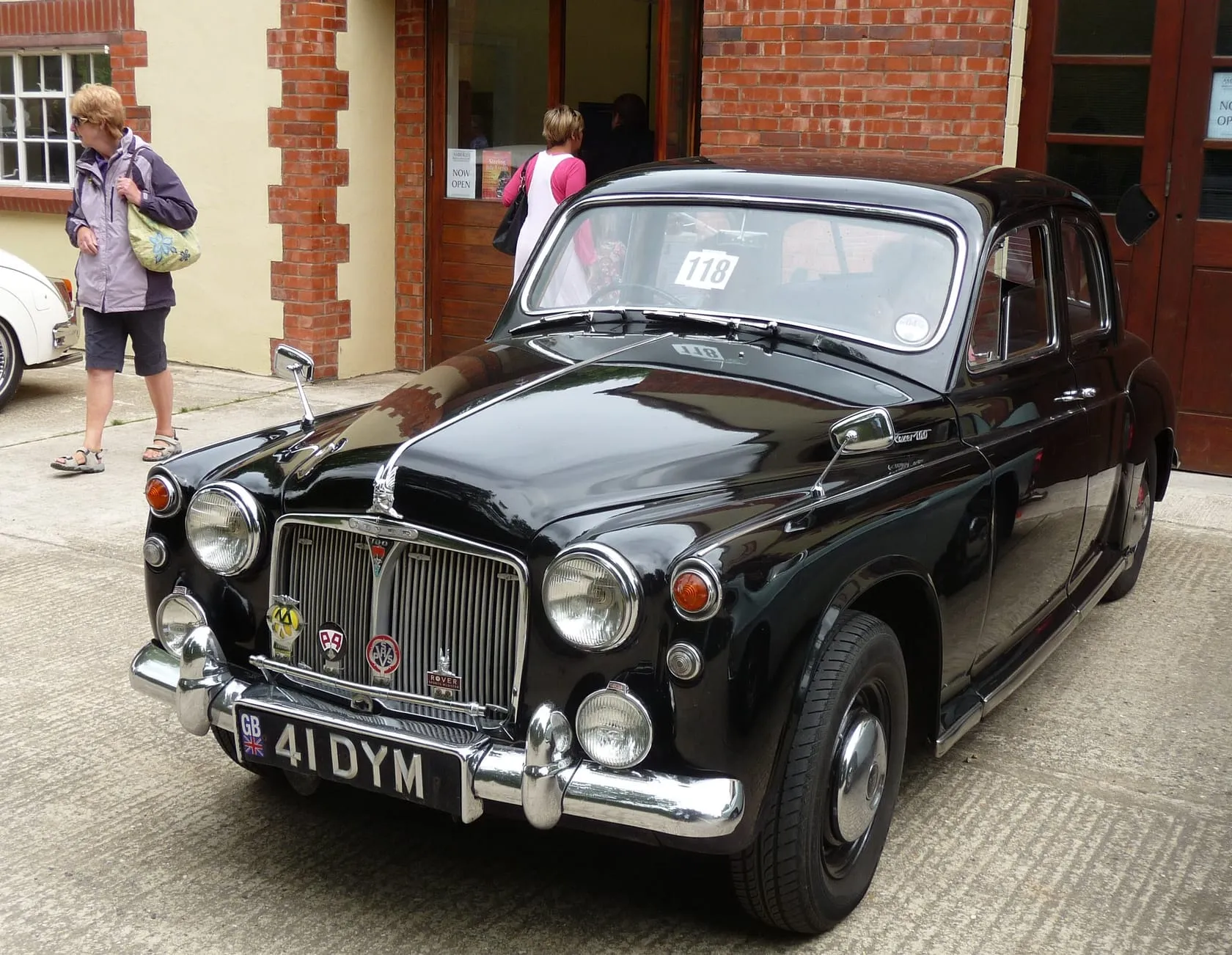 Rover P4: fourteen years of Auntie (1949–1964)
The Rover P4 was the dignified saloon Britain's professionals trusted for fourteen years, from the Cyclops-eyed 75 of 1949 through the 60, 90, 105 and the final 95 and 110. A guide to the Auntie Rovers, the numbers decoded, the gas-turbine connection, buying checks and values.
-
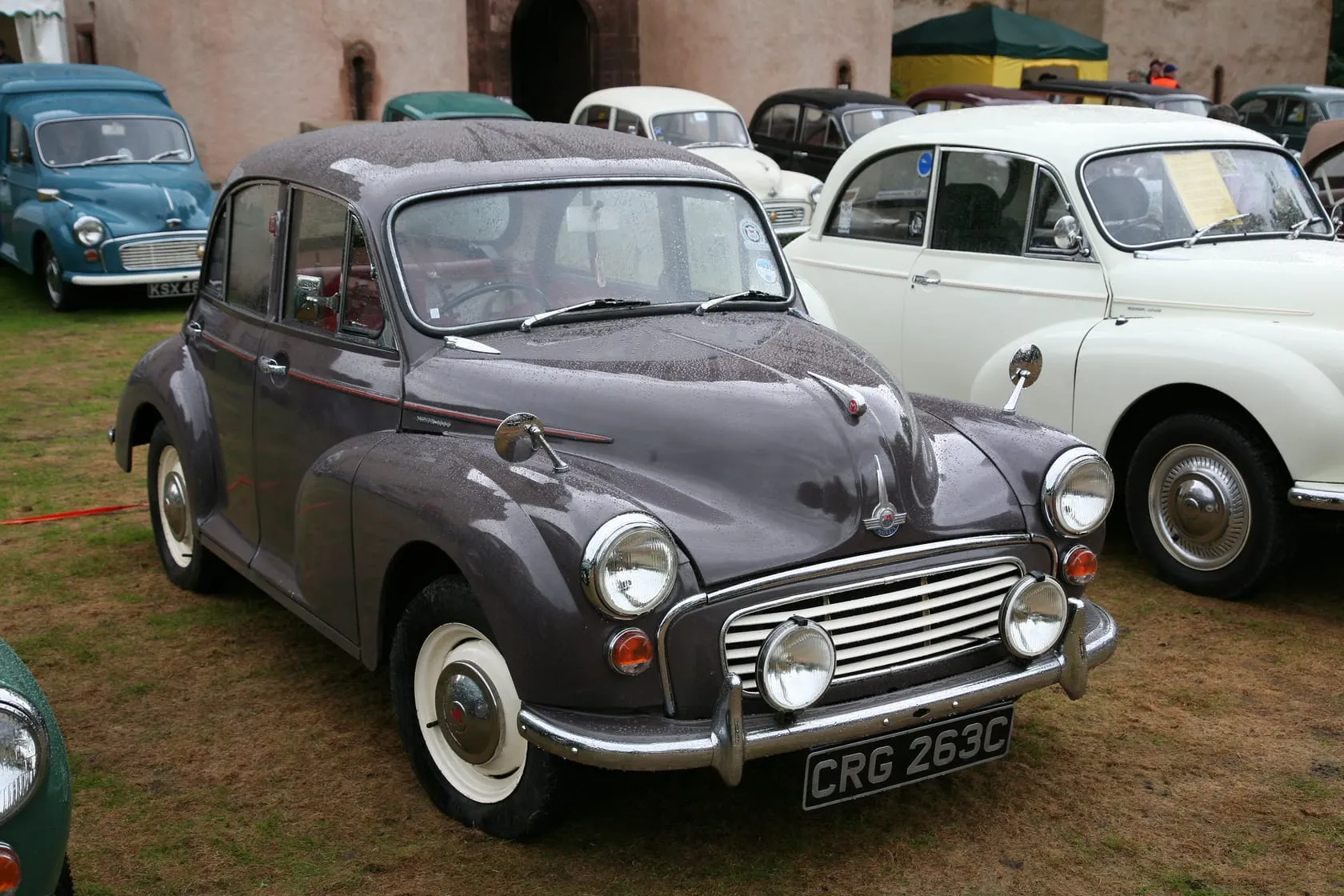 Morris Minor: a million of the best-loved car Britain ever made (1948–1971)
The Morris Minor was the first British car to sell a million, Issigonis's people's car built for twenty-three years as saloon, convertible, wood-framed Traveller and van. A guide to the Series MM, Series II and Minor 1000, the bodies decoded, why it remains the easiest classic to own, and what to check before buying one.
-
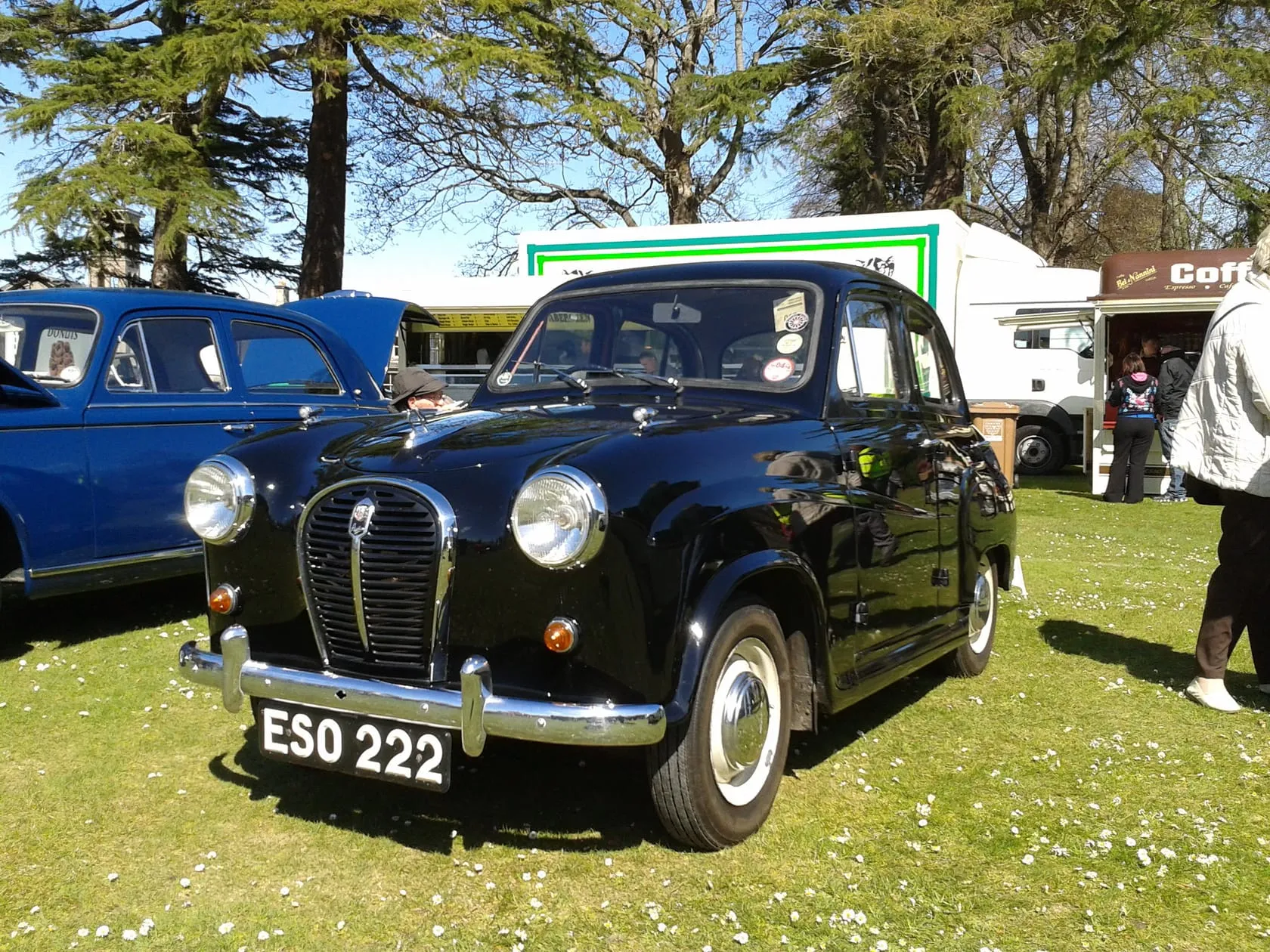 Austin A30 and A35: the little Austin that raced everything (1951–1968)
The Austin A30 was Longbridge's answer to the Morris Minor and its first unitary car, launched as the New Austin Seven; the improved A35 became one of the definitive small cars of the 1950s and, later, a giant-killing historic racer. A guide to both cars, the vans and Countrymen, the racing scene, and what to check before buying one.
-
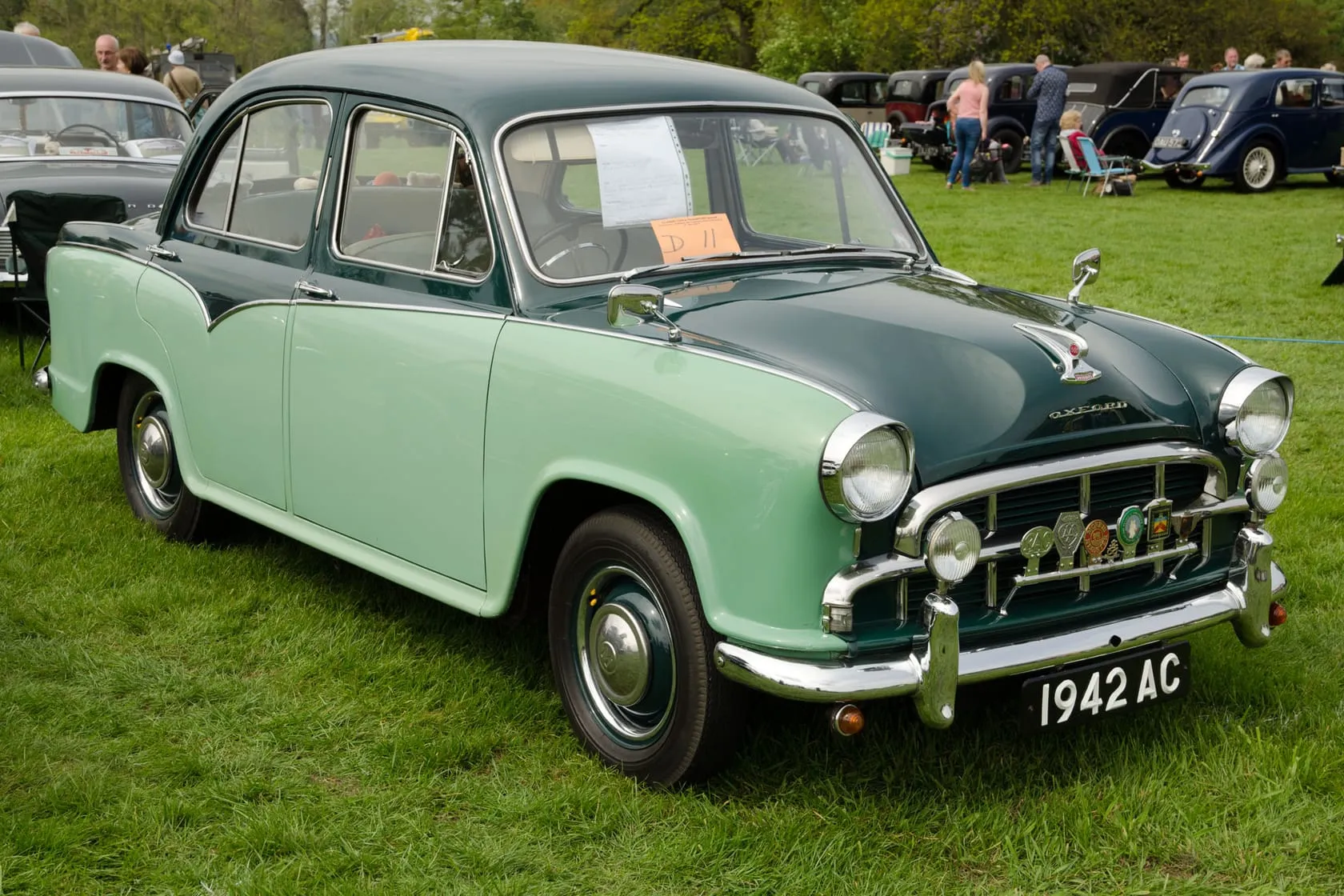 Morris Oxford: six generations of the sensible middle (1913–1971)
The Morris Oxford name spanned the whole life of its maker, from the 1913 Bullnose that founded the company to the Farina saloons that became India's Hindustan Ambassador. A guide to the Bullnose, the MO, the Series cars and the Farinas, what to look for when buying, and what an Oxford costs today.
-
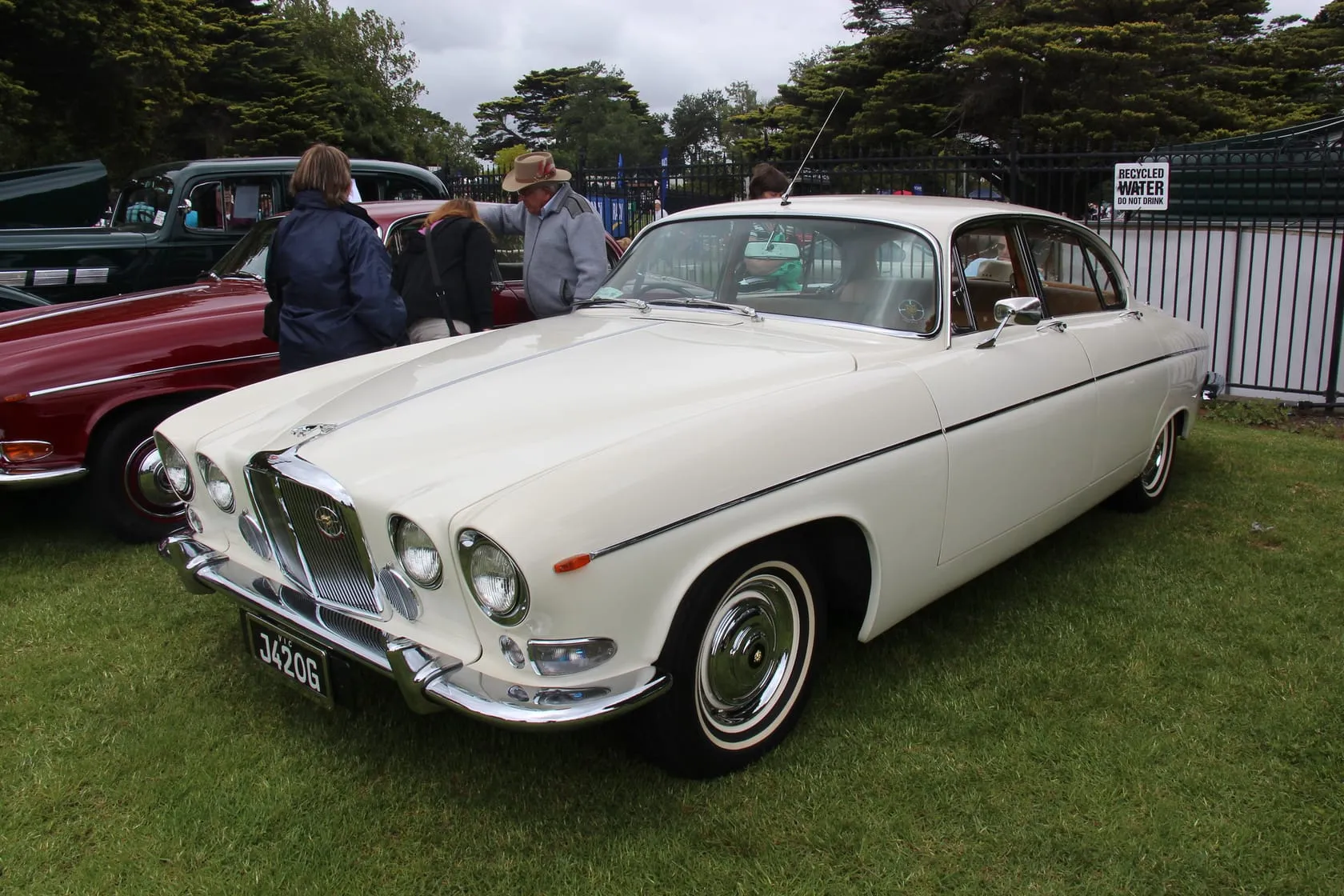 Jaguar Mk X and 420G: the biggest Jaguar of them all (1961–1970)
The Jaguar Mk X was the widest car Britain had ever put into production, an E-Type-engined limousine-sized saloon built for America that became the 420G in 1966. A guide to the Mk 10 and 420G, the confusingly-named compact 420, what they are like to run, and what to check before buying one.
-
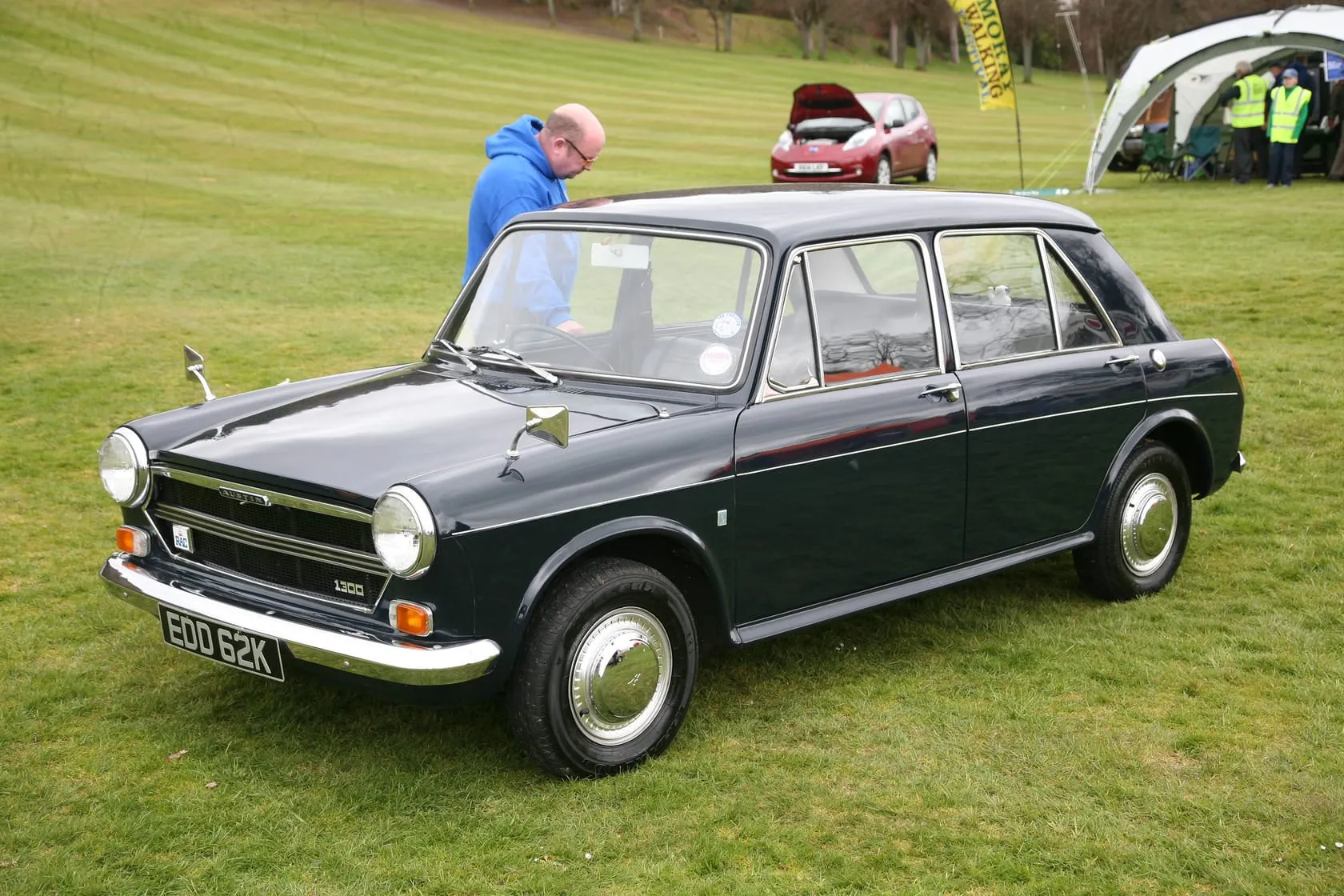 Austin and Morris 1100/1300: the best-seller Britain forgot (1962–1974)
The BMC 1100 and 1300 outsold every other car in Britain for most of a decade, wearing Austin, Morris, MG, Riley, Wolseley and Vanden Plas badges, then vanished from the roads and from memory. A guide to the ADO16 family, the badges decoded, the Hydrolastic ride, what survives, buying checks and values.
-
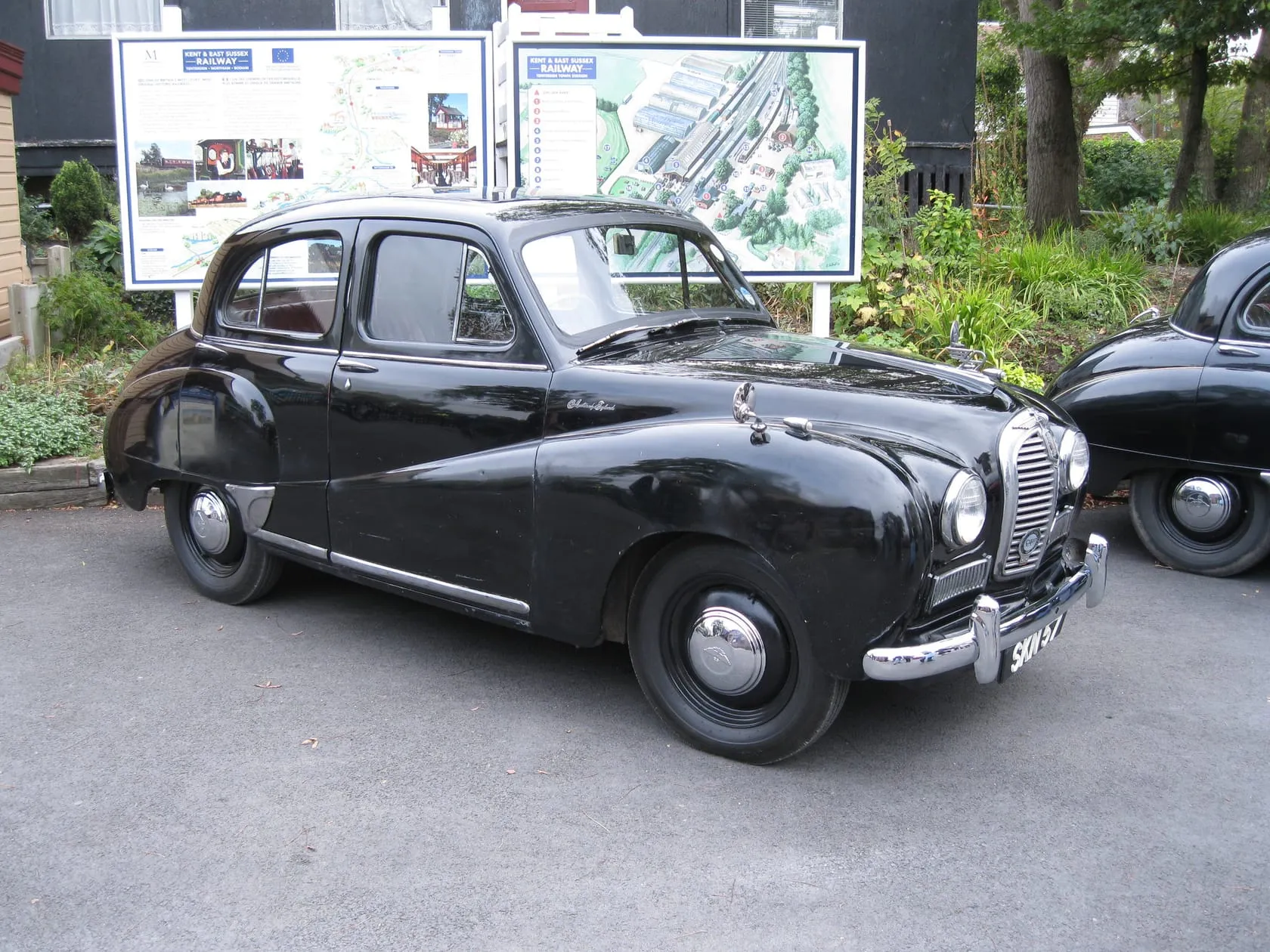 Austin A40: from Devon to Farina, the small Austin that kept reinventing itself (1947–1967)
The Austin A40 badge covered twenty years of small Austins, the export-drive Devon, the rounded Somerset, the Jensen-bodied Sports and the Farina that quietly invented the modern hatchback shape. A guide to the whole family, buying checks and values.
-
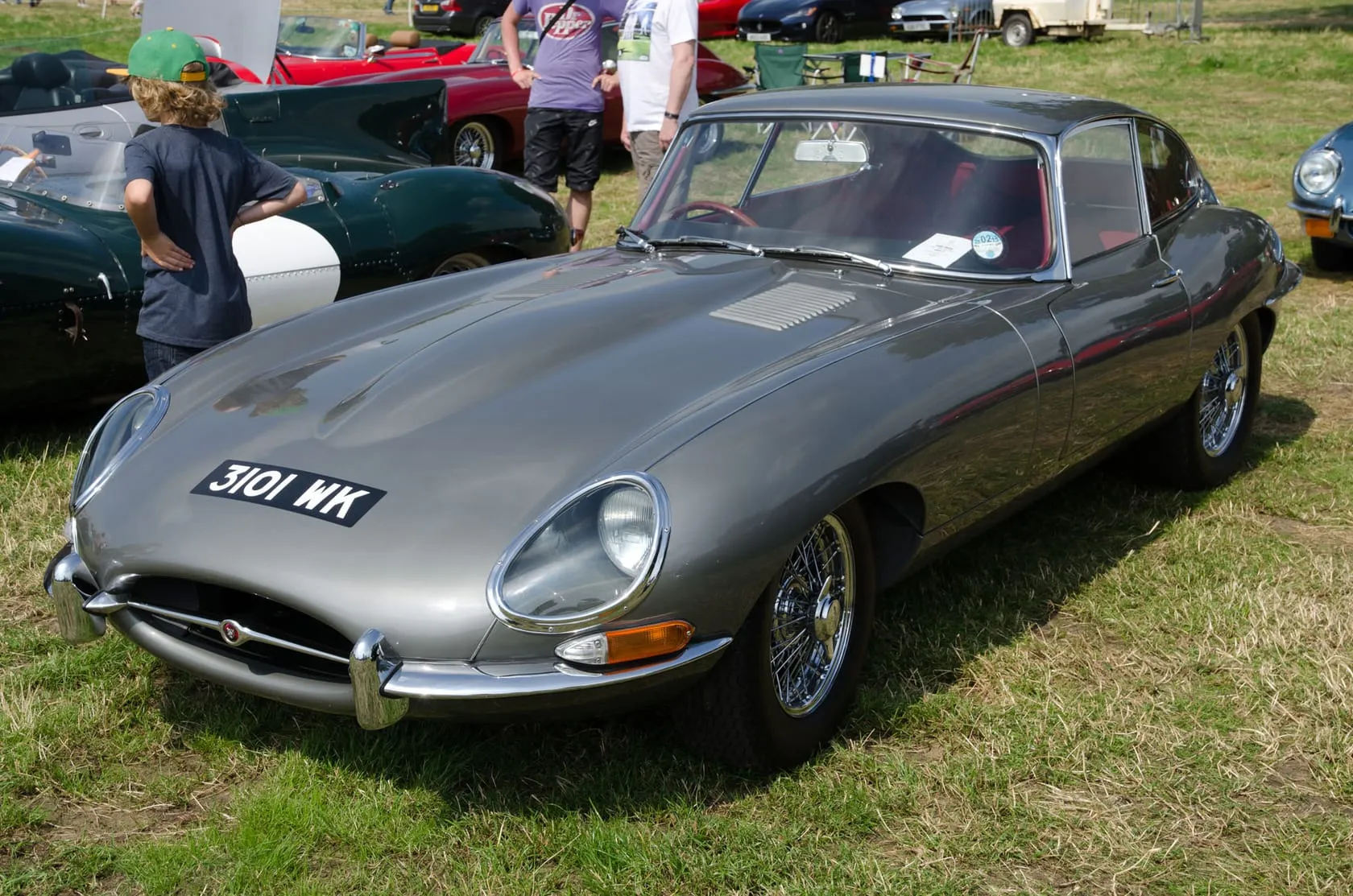 Jaguar E-Type Series 1: the original of the most beautiful car (1961–1968)
The Series 1 is the E-Type as Geneva first saw it, covered headlamps, slender bumpers and the 150 mph legend, and it is the generation the collector market prizes above all. A guide to the 3.8 and 4.2 cars, flat floors and 2+2s, buying checks and what the deepest E-Type market pays.
-
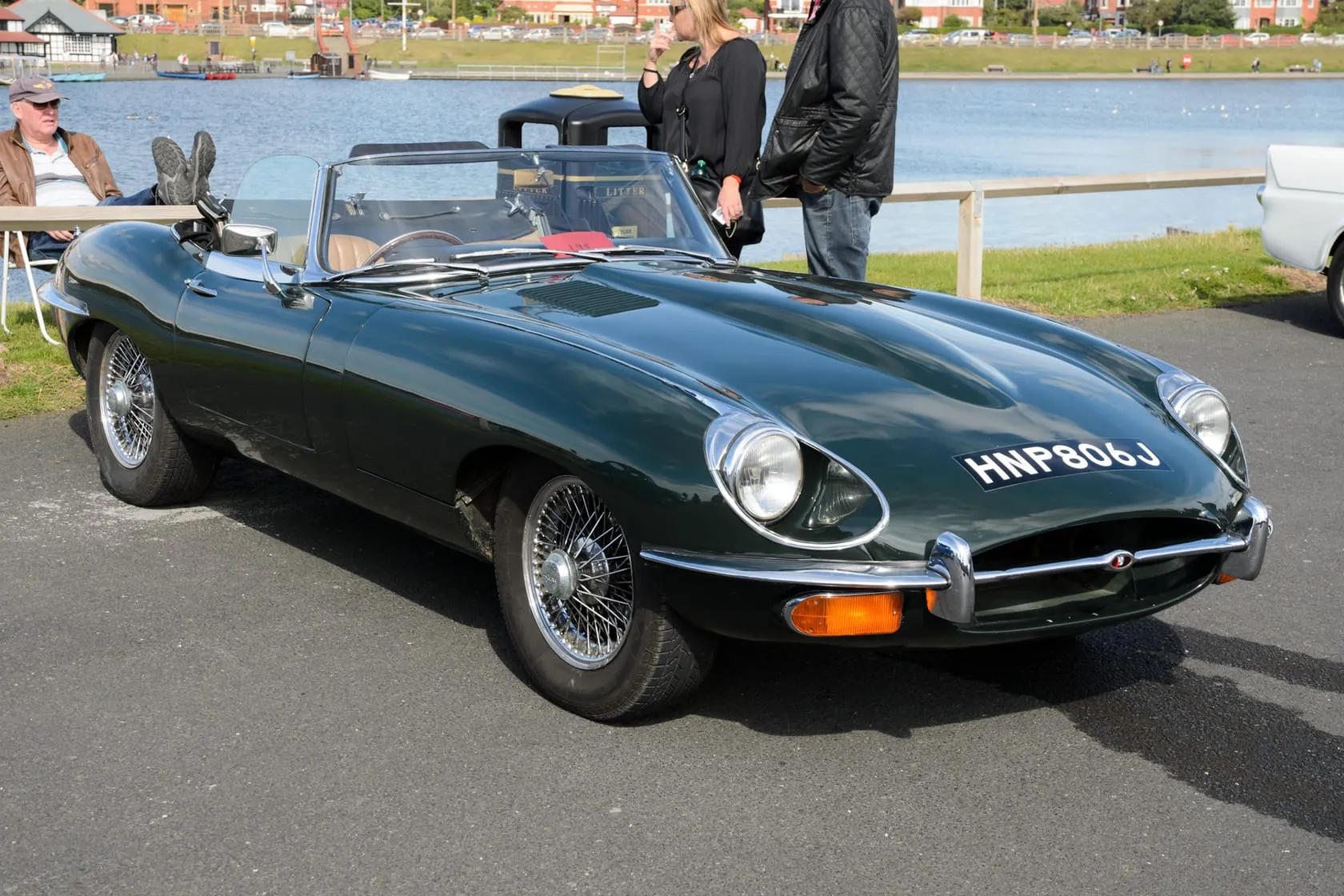 Jaguar E-Type Series 2: the sensible one, and the shrewd way in (1968–1971)
The Series 2 is the E-Type that American regulators redrew, open headlamps, bigger mouth, better brakes and cooling, and it remains the most usable route into six-cylinder E-Type ownership. A guide to what changed, why collectors rate it below the Series 1, and the buying checks that matter.
-
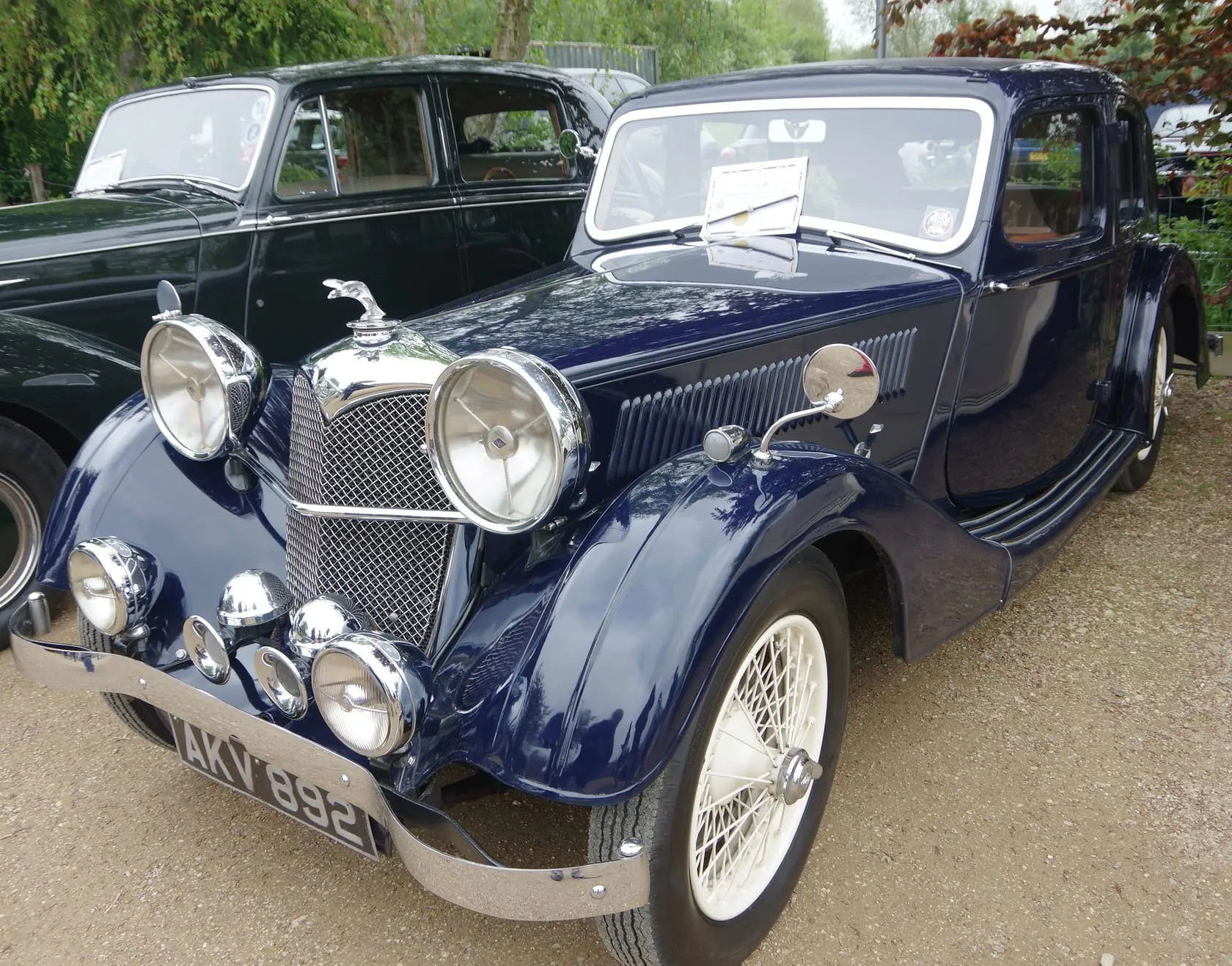 Riley Kestrel: one name, two lives (1933–1938 and 1965–1969)
Riley used the Kestrel name twice, first on the streamlined fastback saloons of the 1930s with their twin-cam engines, then on the walnut-trimmed 1965 version of the BMC 1100/1300. A guide to both Kestrels, the sporting pre-war cars, the badge-engineered finale, and what each costs today.
-
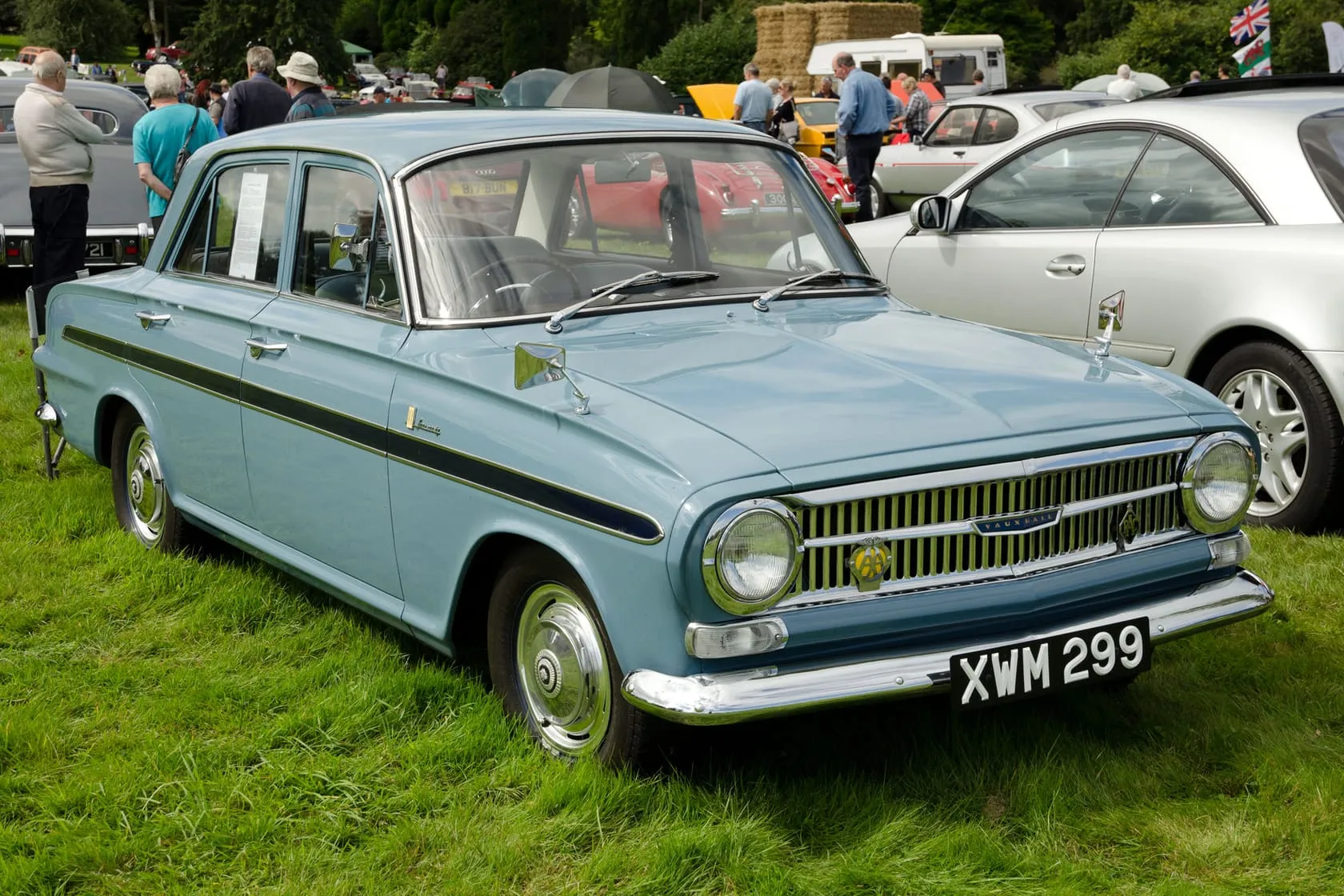 Vauxhall VX4/90: the Victor in a sharp suit (1961–1978)
The VX4/90 was Luton's sporting saloon formula, twin carburettors, front discs and a flash of colour on the family Victor, running through four generations from 1961 to 1978. A guide to the FB, FC, FD and FE cars, what survives, buying checks and values.
-
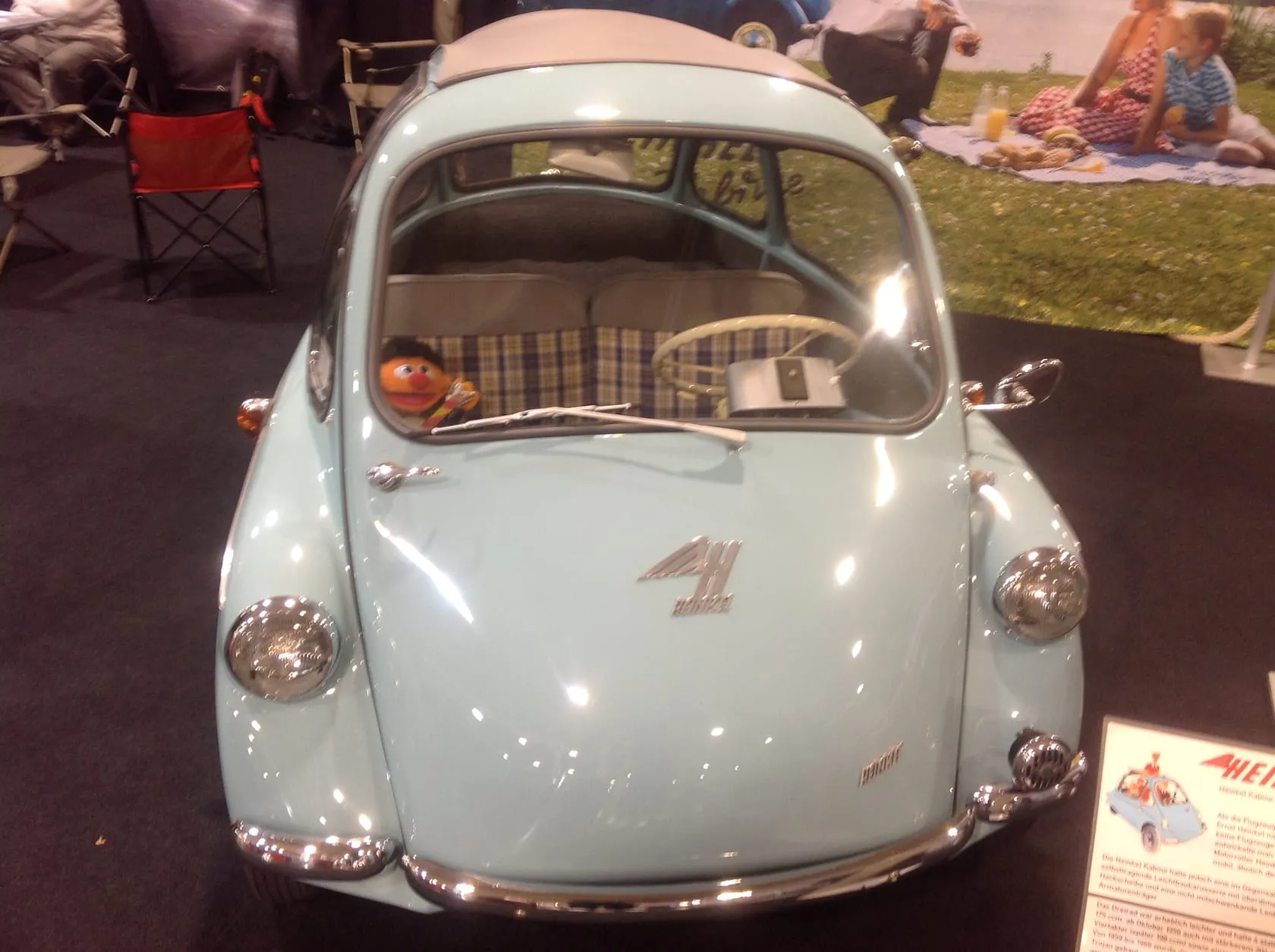 Heinkel Kabine and Trojan 200: the bubble car Britain built in Croydon (1956–1965)
The Heinkel Kabine was the aircraft-maker's bubble car, lighter and nimbler than the rival Isetta, and from 1960 it became an honorary British classic as the Trojan 200, built under licence in Croydon. A guide to the Kabine and Trojan story, how it differs from an Isetta, what to check, and what one costs today.
-
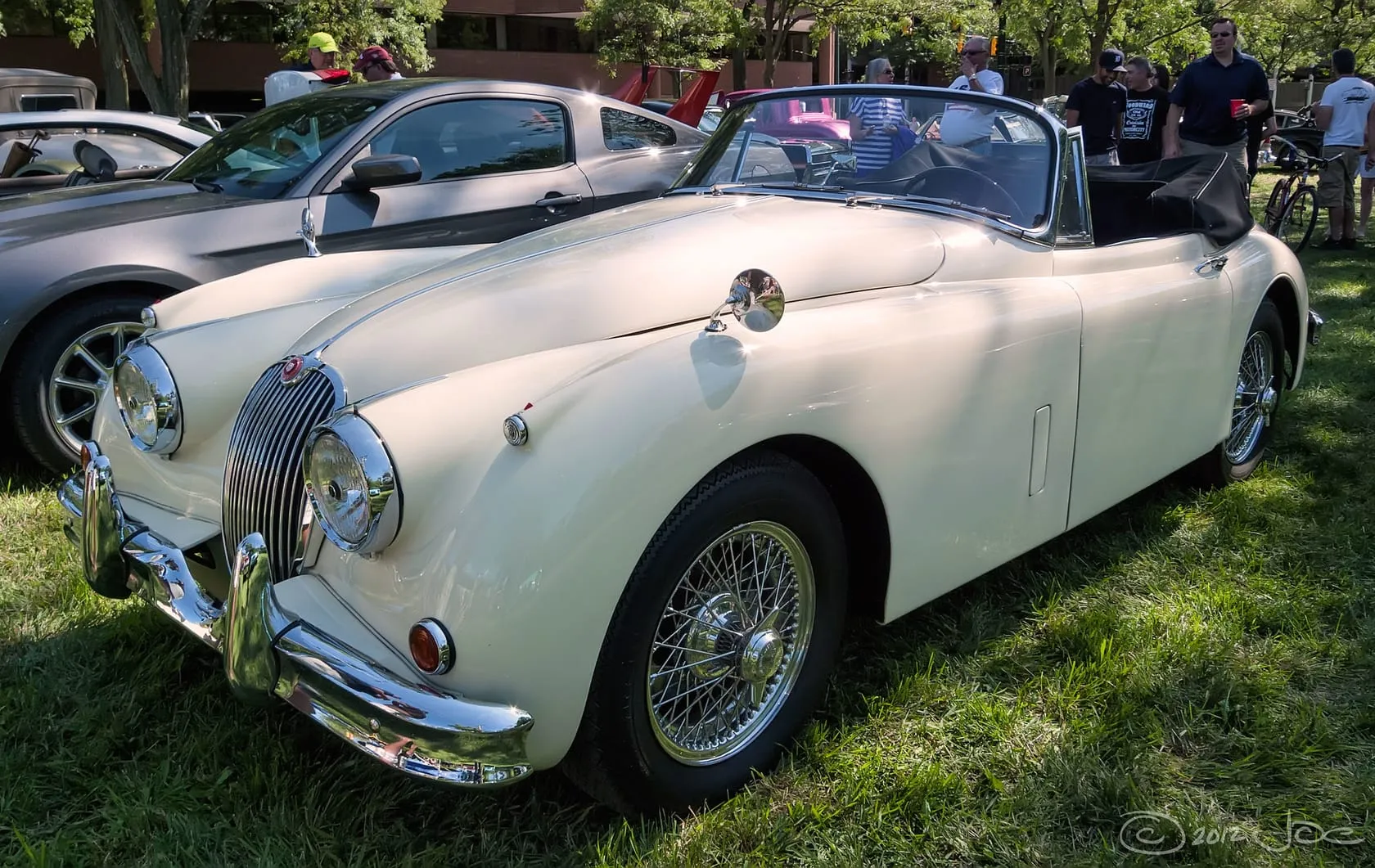 Jaguar XK150: disc brakes, wider shoulders and the last of the line (1957–1961)
The Jaguar XK150 closed the XK story with four-wheel disc brakes, a wider modern body and, in 3.8 S form, the pace that previewed the E-Type. A guide to the 3.4 and 3.8 cars, the S models, how the 150 differs from the XK140, what to check when buying, and what one costs today.
-
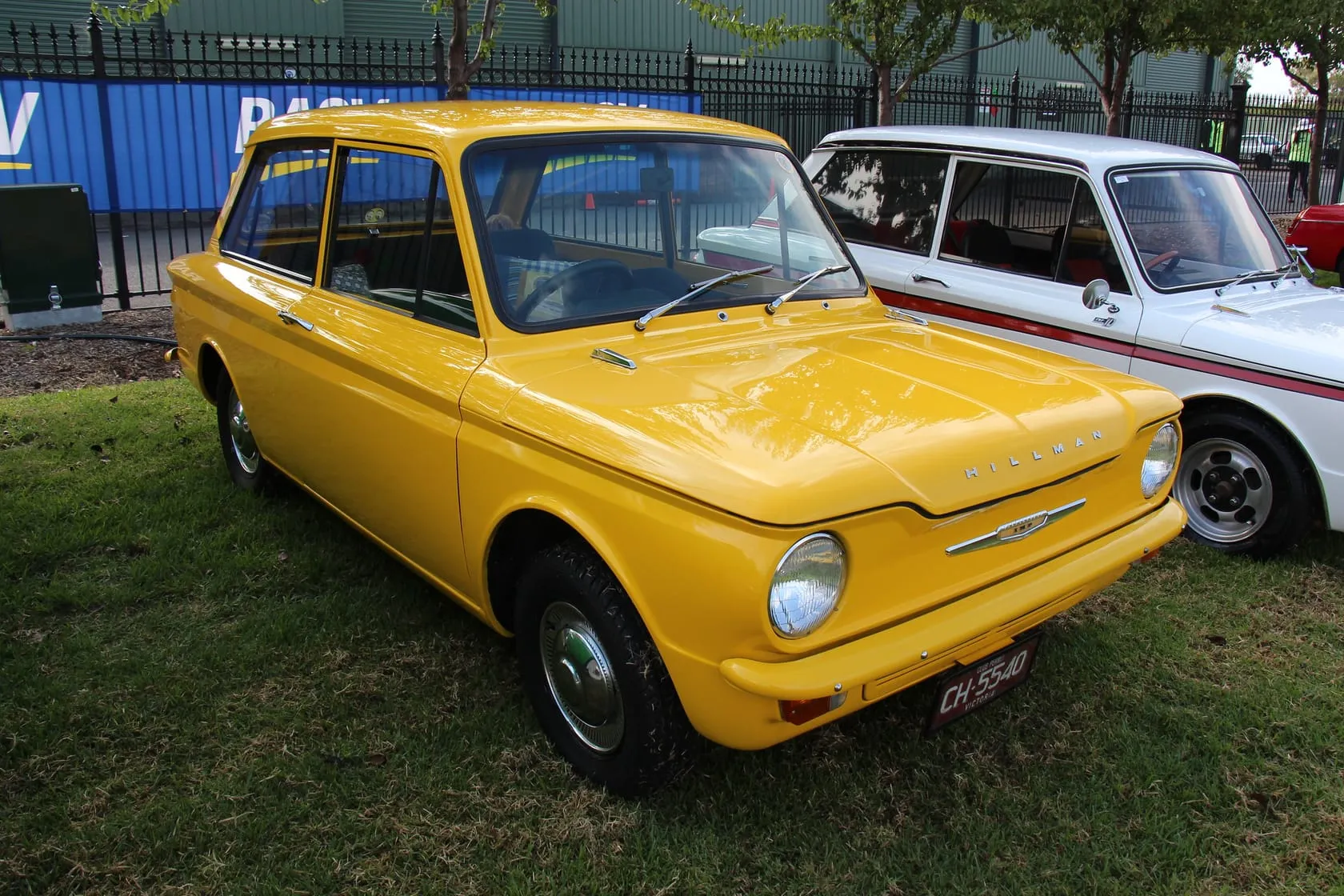 Hillman Imp: the rear-engined gamble that took on the Mini (1963–1976)
A rear-engined small saloon with an all-aluminium overhead-cam engine, built in a brand-new Scottish factory, the Imp was Rootes' brave answer to the Mini. A guide to why it was brilliant, why it struggled, the Sport, Stiletto and Chamois versions, its giant-killing motorsport record, and what an Imp costs today.
-
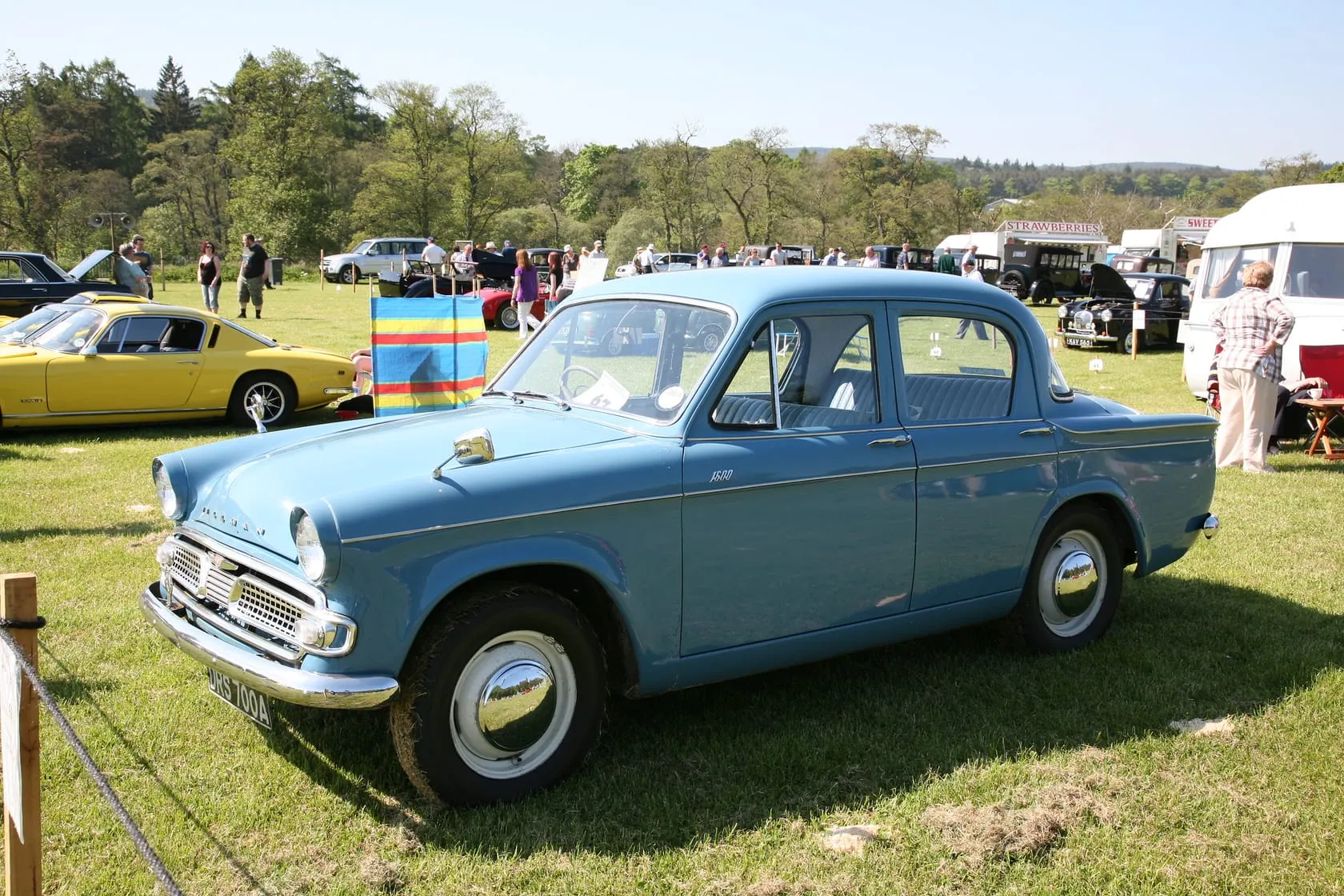 Hillman Minx: four decades of Britain's dependable family car (1932–1970)
Nearly forty years of bread-and-butter family car, from the sidevalve saloons of the 1930s through the crisp Loewy-styled Audax Series cars to the last New Minx of 1970. A guide to the Minx generations, the Super Minx and the badge-engineered cousins, what to look for when buying, and what a Minx is worth today.
-
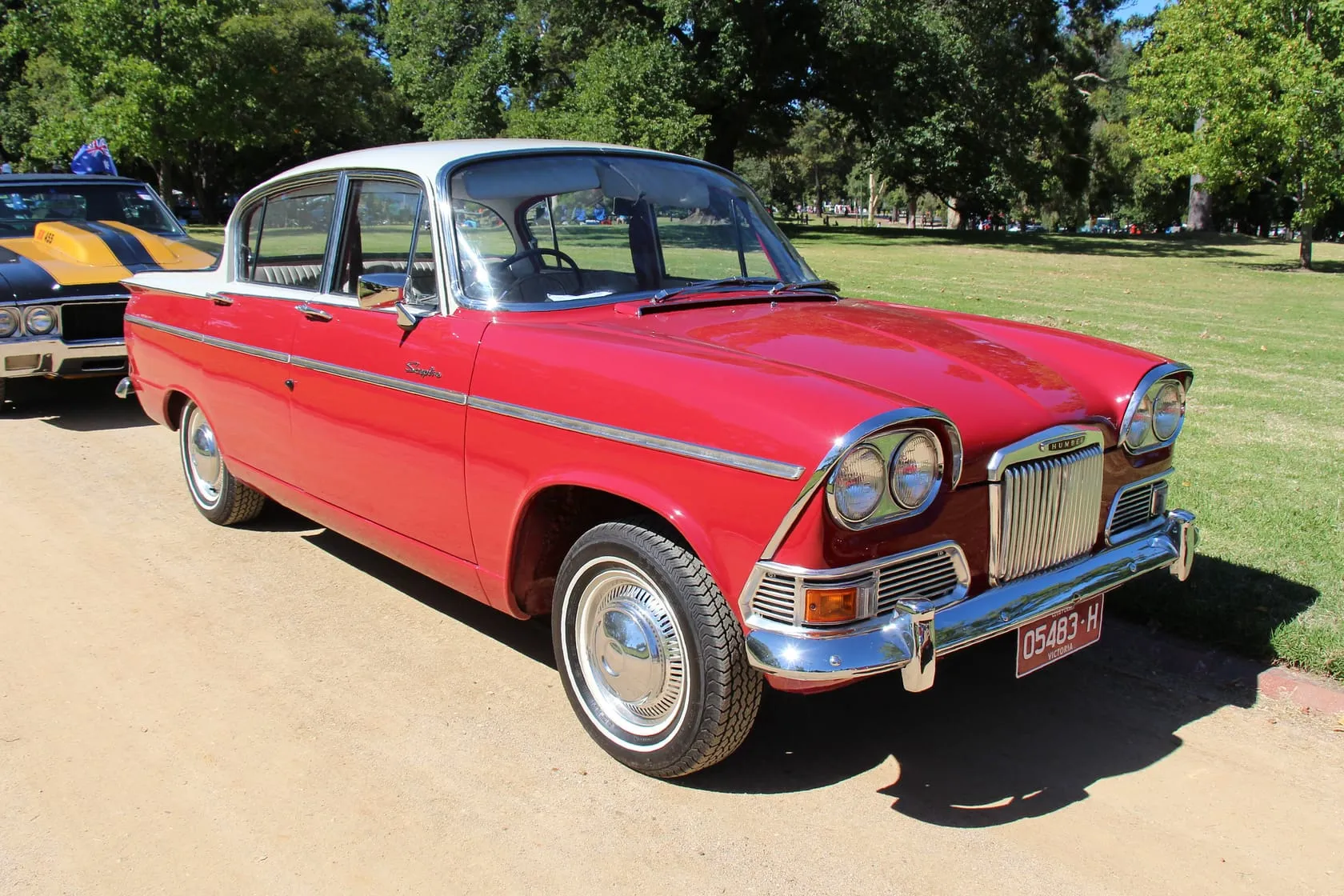 Humber Sceptre: the last and best-loved small Humber (1963–1976)
A wood-and-leather flagship built on humble family-car bones, the Sceptre ran through three marks from 1963 to 1976 and carried the Humber name into retirement. A guide to the Mk I, II and III, what made a Sceptre special, what to check when buying, and what one is worth today.
-
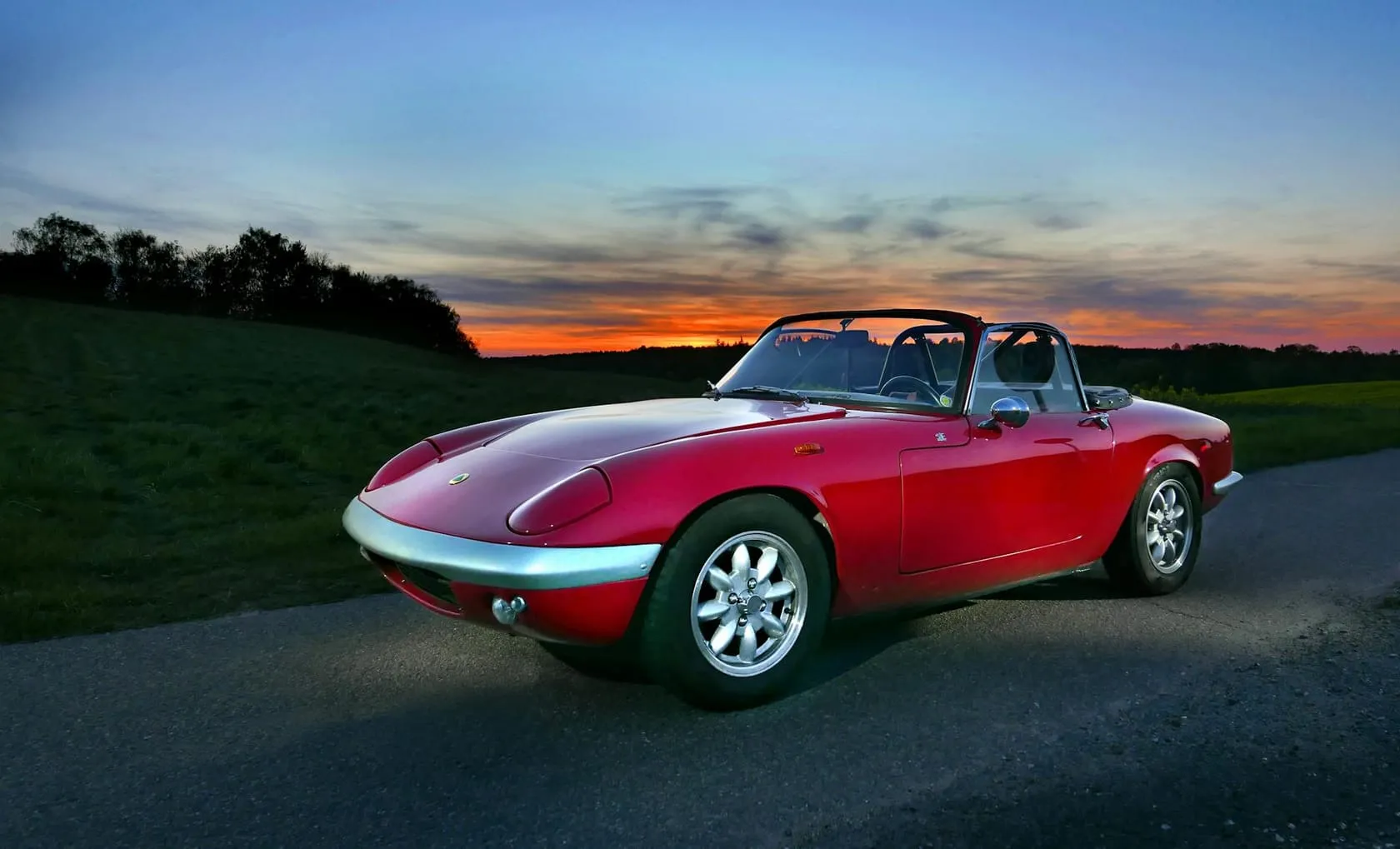 Lotus Elan: 700 kilograms that changed what a sports car had to be (1962–1973)
The Lotus Elan paired a steel backbone chassis with a glassfibre body and the twin-cam engine, weighed barely 700 kilograms, and redefined sports-car handling for good. A guide to the S1 to Sprint, the +2 four-seater, the Emma Peel fame, what to check on chassis and twin-cam, and what an Elan costs today.
-
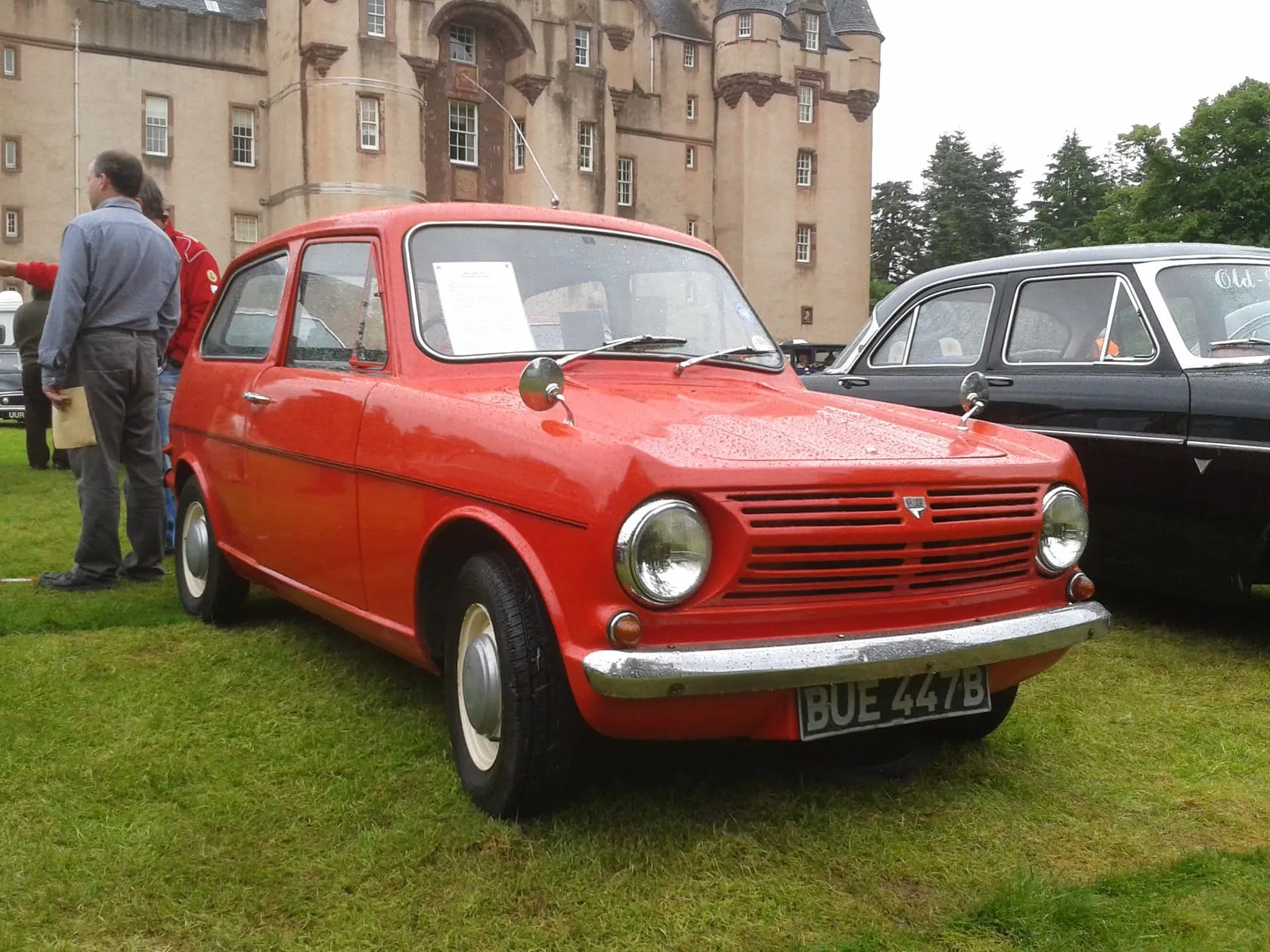 Reliant Rebel: the four-wheeled Reliant nobody expected (1964–1974)
The Reliant Rebel was Tamworth's quiet experiment with a fourth wheel, a tough glassfibre small saloon and estate built in tiny numbers around the company's all-aluminium engine. A guide to why the Rebel existed, how it drove, the Kitten that continued the idea, what to check when buying, and what one costs today.
-
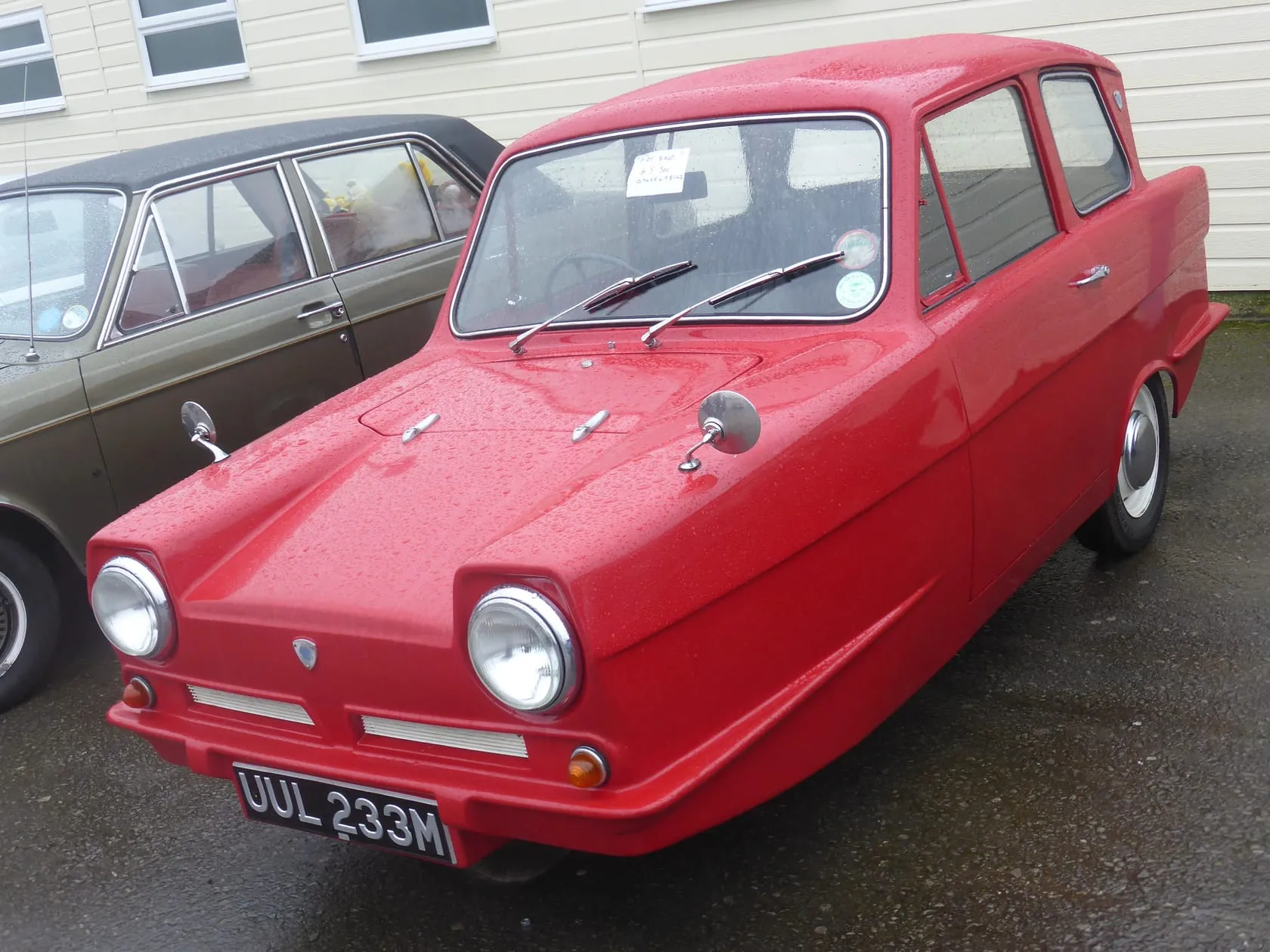 Reliant Regal: the three-wheeler that carried Britain's tradesmen, and the Trotters (1953–1973)
The Reliant Regal put post-war Britain's motorcyclists and tradesmen on three weather-proof wheels, and its Supervan became the most famous van in the country in Only Fools and Horses. A guide to the Regal's twenty years, the alloy-engined 3/25 and 3/30, the Supervan and the television fame, what to check, and what a Regal costs.
-
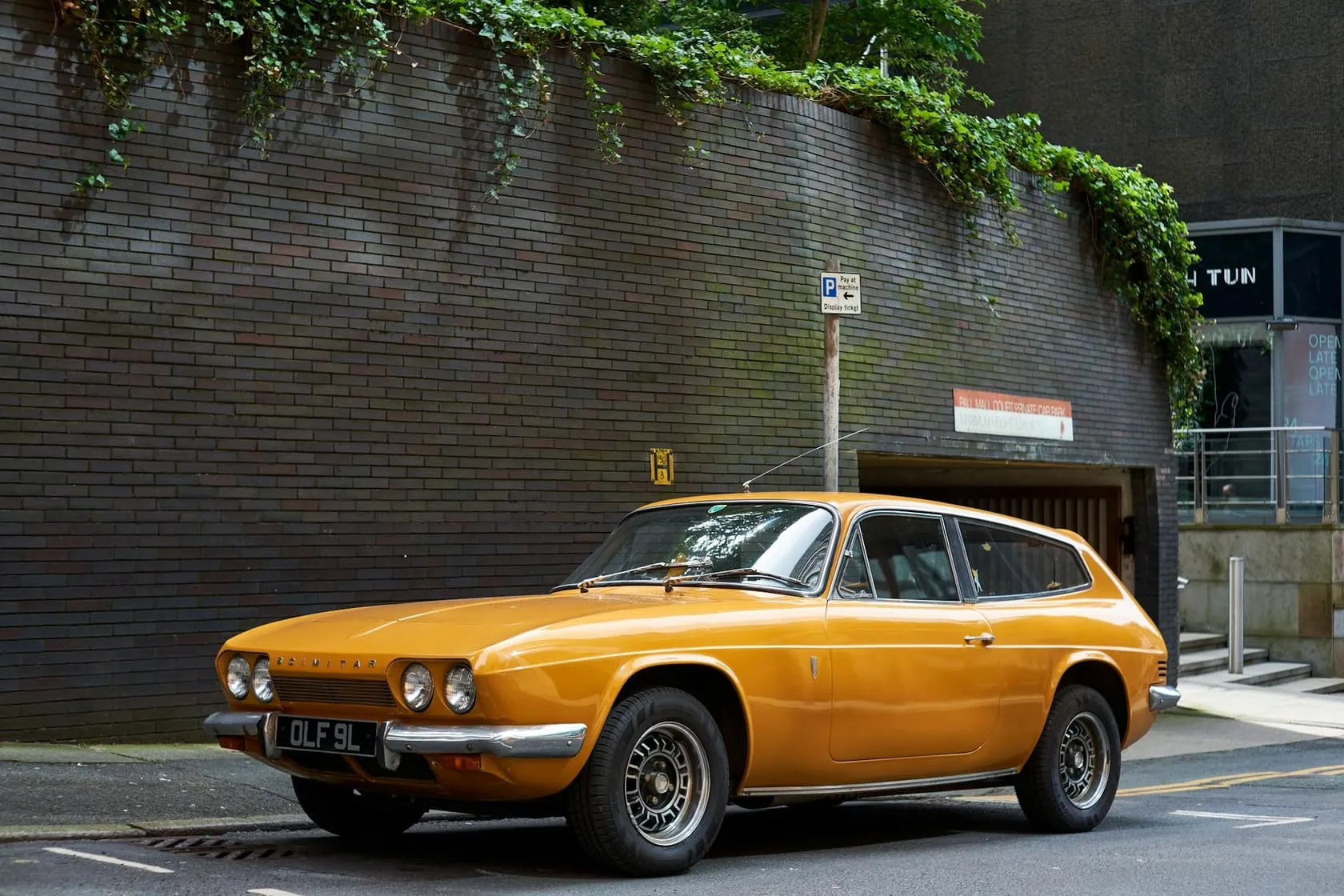 Reliant Scimitar: the sporting estate that invented its own class (1964–1986)
The Reliant Scimitar grew from a handsome Ford-powered glassfibre coupe into the GTE, the car that invented the sporting estate and counted Princess Anne among its most loyal owners. A guide to the Sabre before it, the GT, GTE and GTC, the Middlebridge revival, what to check when buying, and what a Scimitar is worth.
-
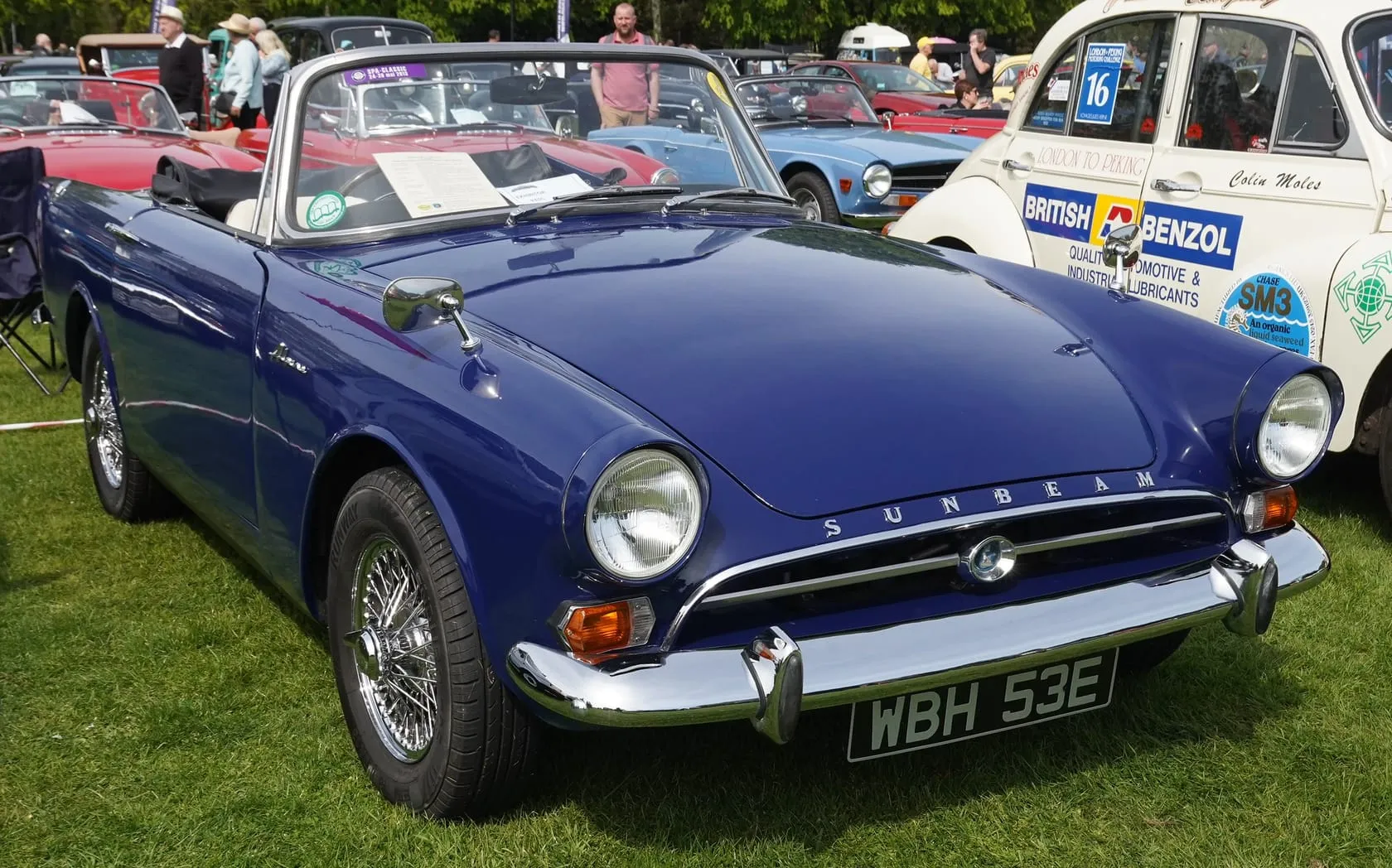 Sunbeam Alpine: the civilised British sports car (1959–1968)
Comfortable, well-equipped and genuinely a sports car, the Alpine evolved through five Series from 1959 to 1968 and put James Bond behind its wheel before he ever drove an Aston. A guide to the Series I to V, the Harrington fastbacks, what to look for when buying, and what an Alpine is worth.
-
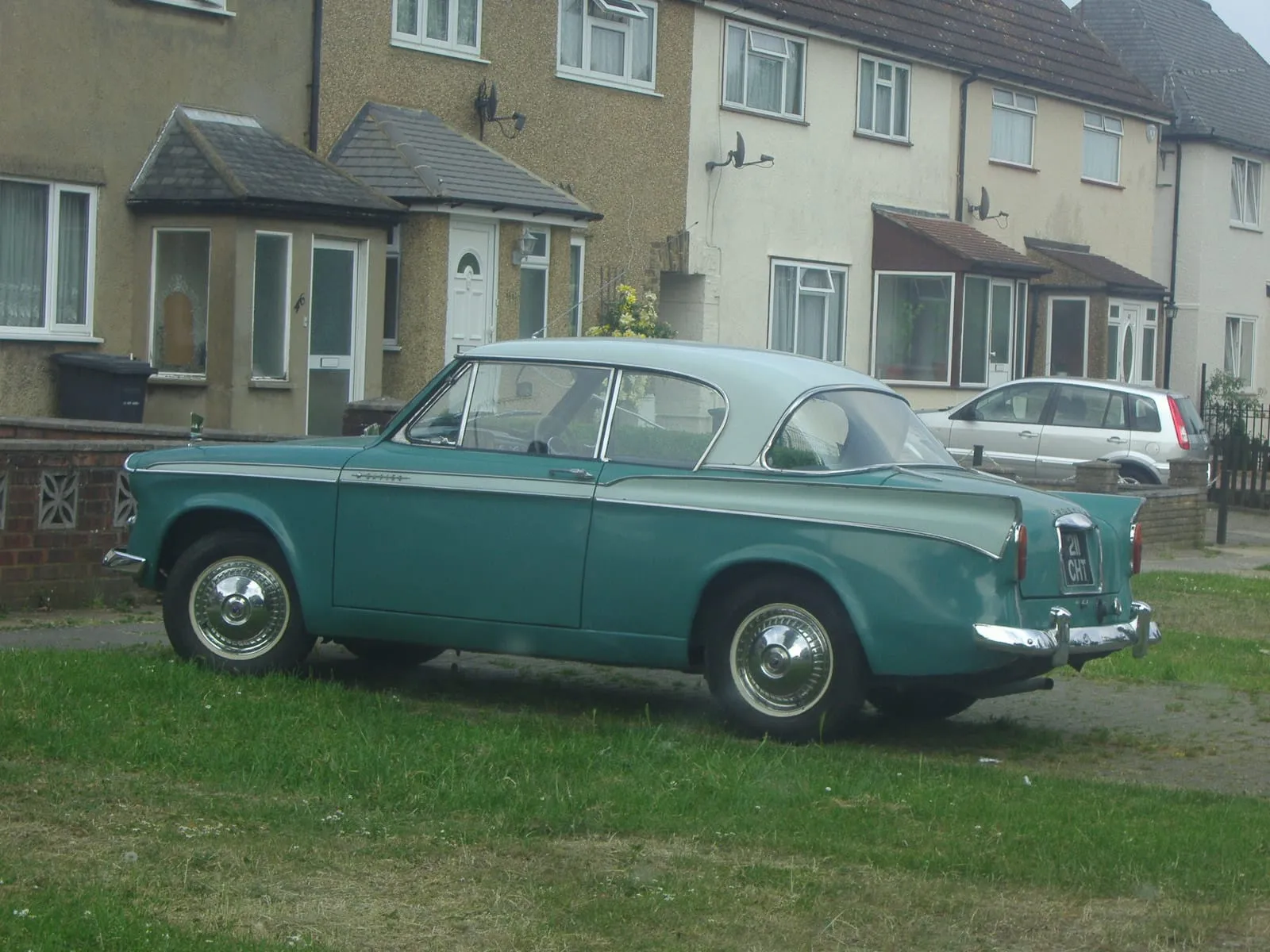 Sunbeam Rapier: two shapes, five Series and a rally-winning streak (1955–1976)
Two decades of sporting saloon-coupe, first as the rally-winning two-door Series cars of 1955 to 1967, then as the sleek fastback of 1967 to 1976 with the Holbay-tuned H120 at its head. A guide to both generations, the competition record, what to look for, and what a Rapier costs today.
-
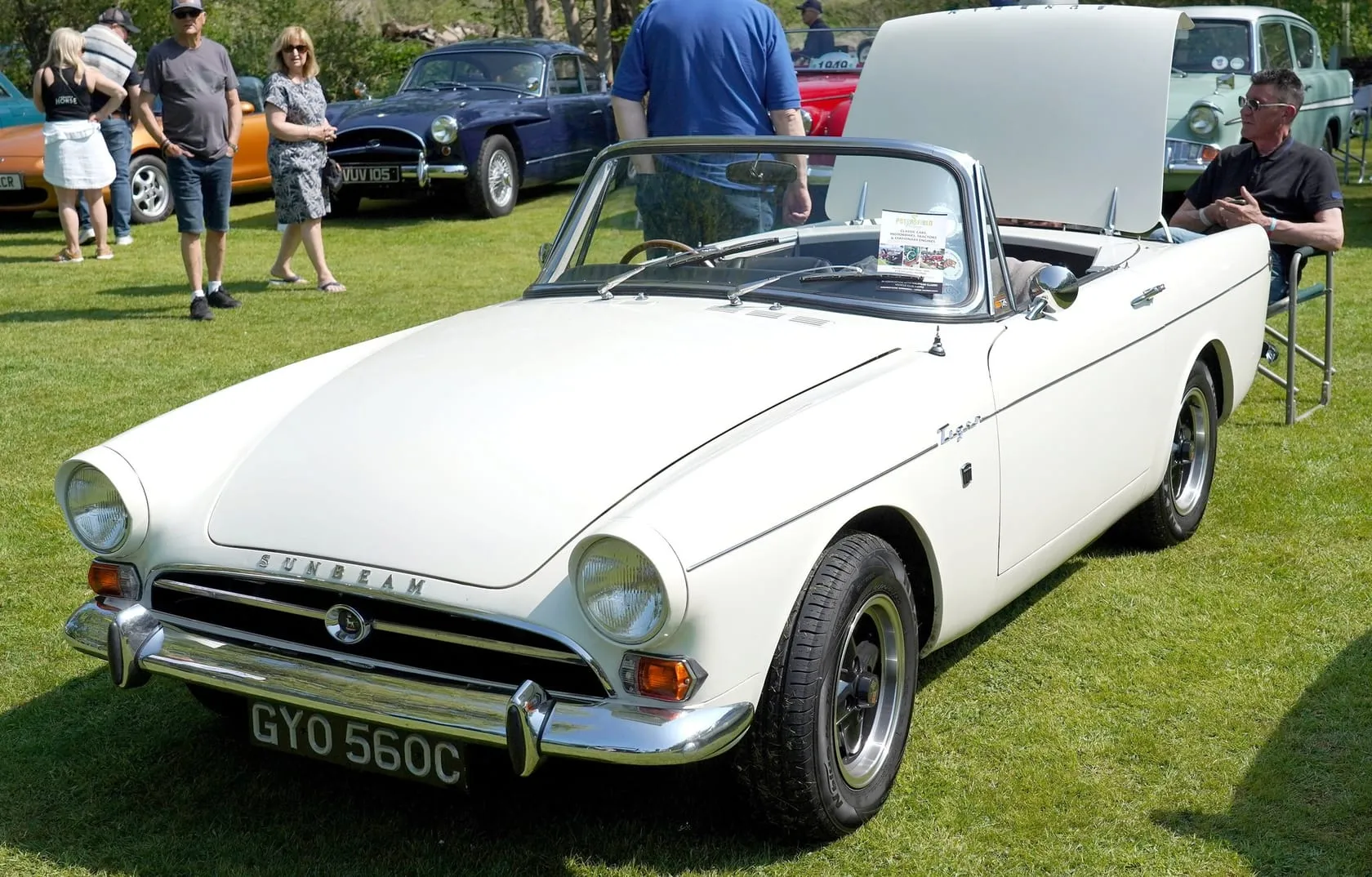 Sunbeam Tiger: a Ford V8 in the Alpine's polite suit (1964–1967)
The Sunbeam Tiger dropped a Ford V8 into the Alpine's body, an idea developed with Carroll Shelby's workshop and built for Rootes by Jensen in West Bromwich. A guide to the Mk I and rare Mk II, how the Tiger differs from an Alpine, why authentication matters so much, and what genuine cars are worth.
-
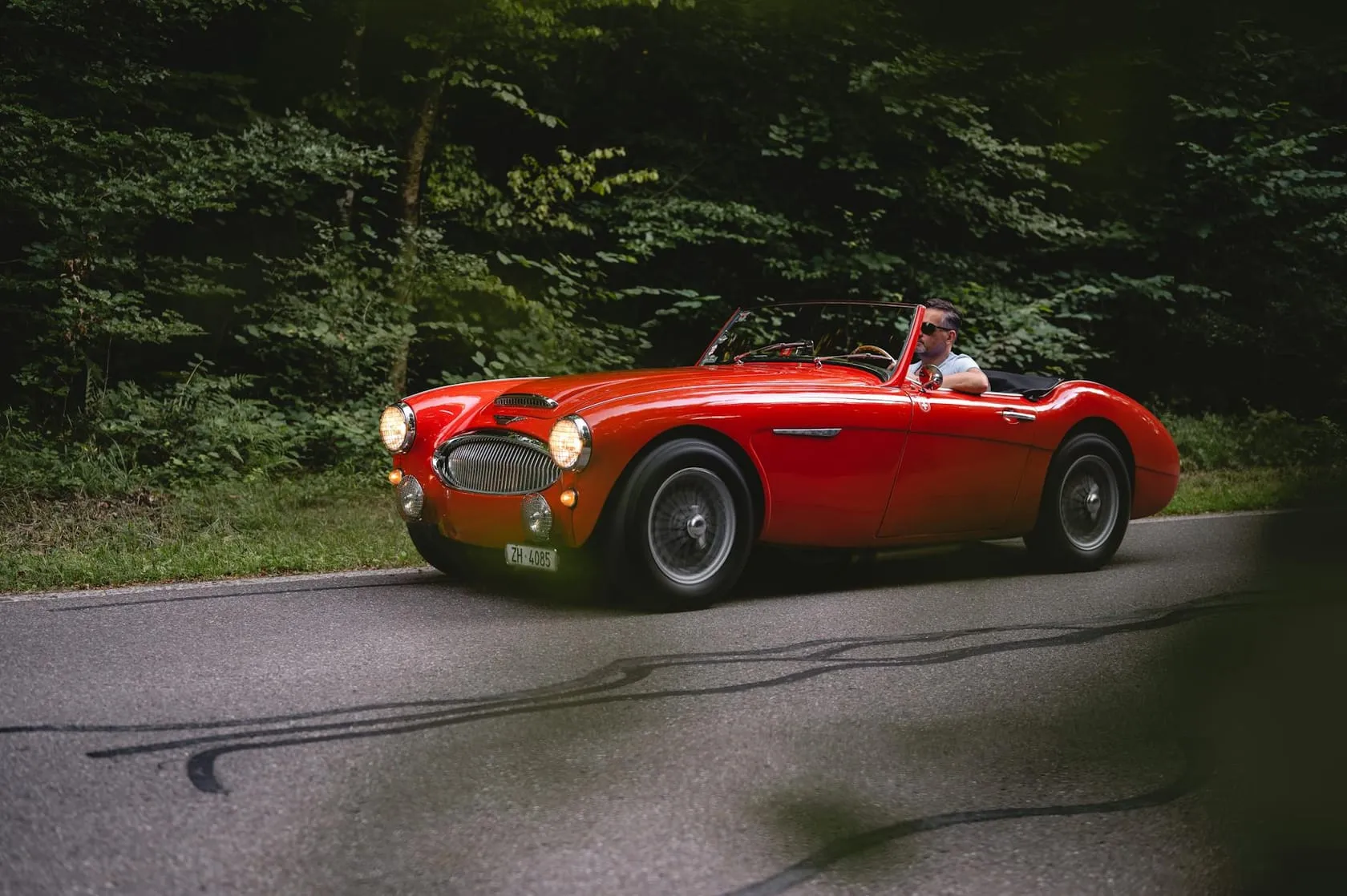 Austin-Healey 3000: the Big Healey (1959–1967)
The Austin-Healey 3000, the "Big Healey", is the muscular six-cylinder sports car that defined the marque and built its rally reputation. A guide to the Mk I, II and III, the wind-up-window BJ7 and the prized Mk III BJ8, the works rally cars, and what to look for when buying.
-
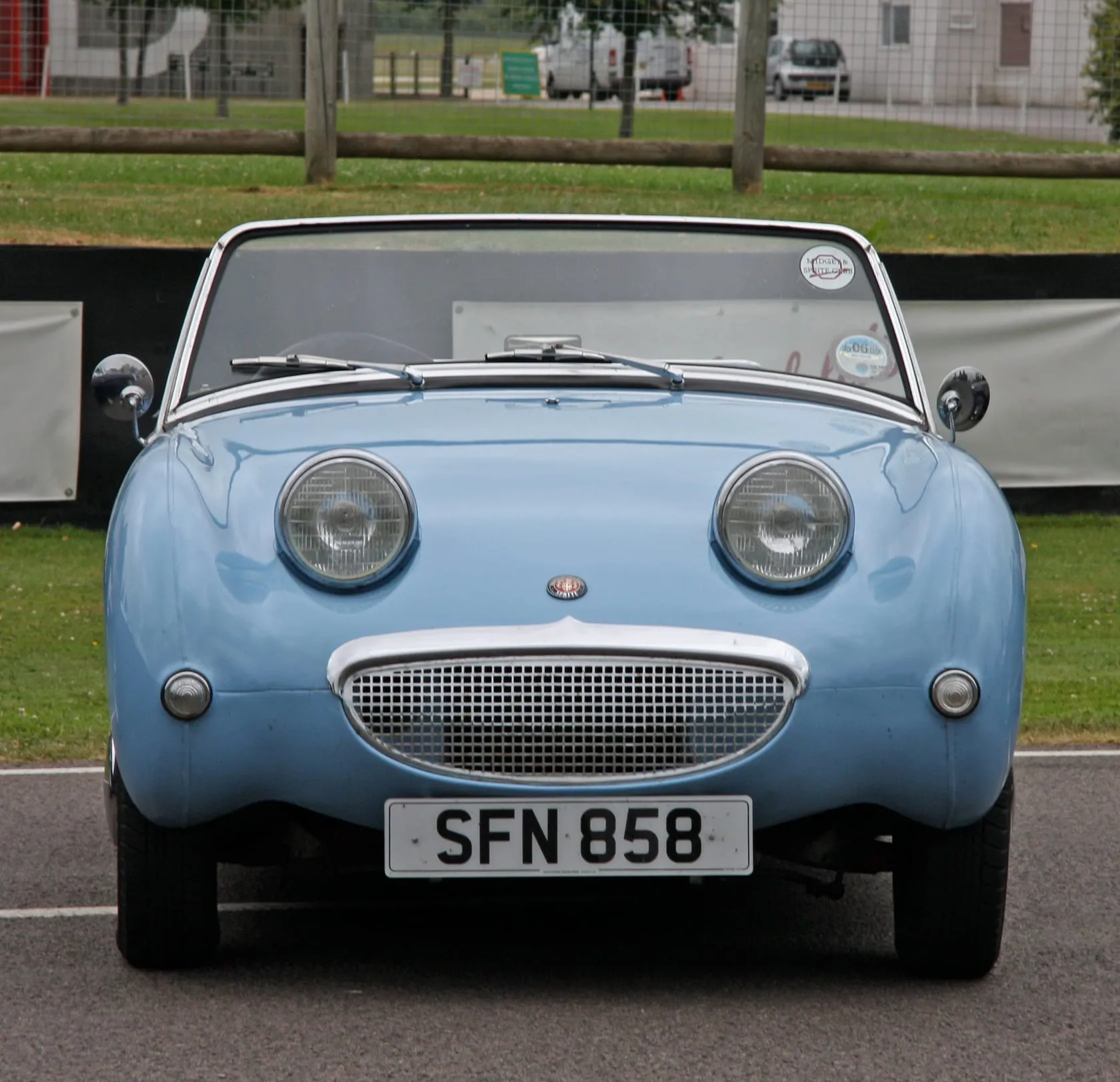 Austin-Healey Sprite: the Frogeye and the Spridget (1958–1971)
The Austin-Healey Sprite, and above all its bug-eyed first version the Frogeye, is one of the most loveable and affordable classic sports cars there is. A guide to the Frogeye Mk I, the later Spridget cars shared with the MG Midget, the Sebring racers, and what to check before buying one.
-
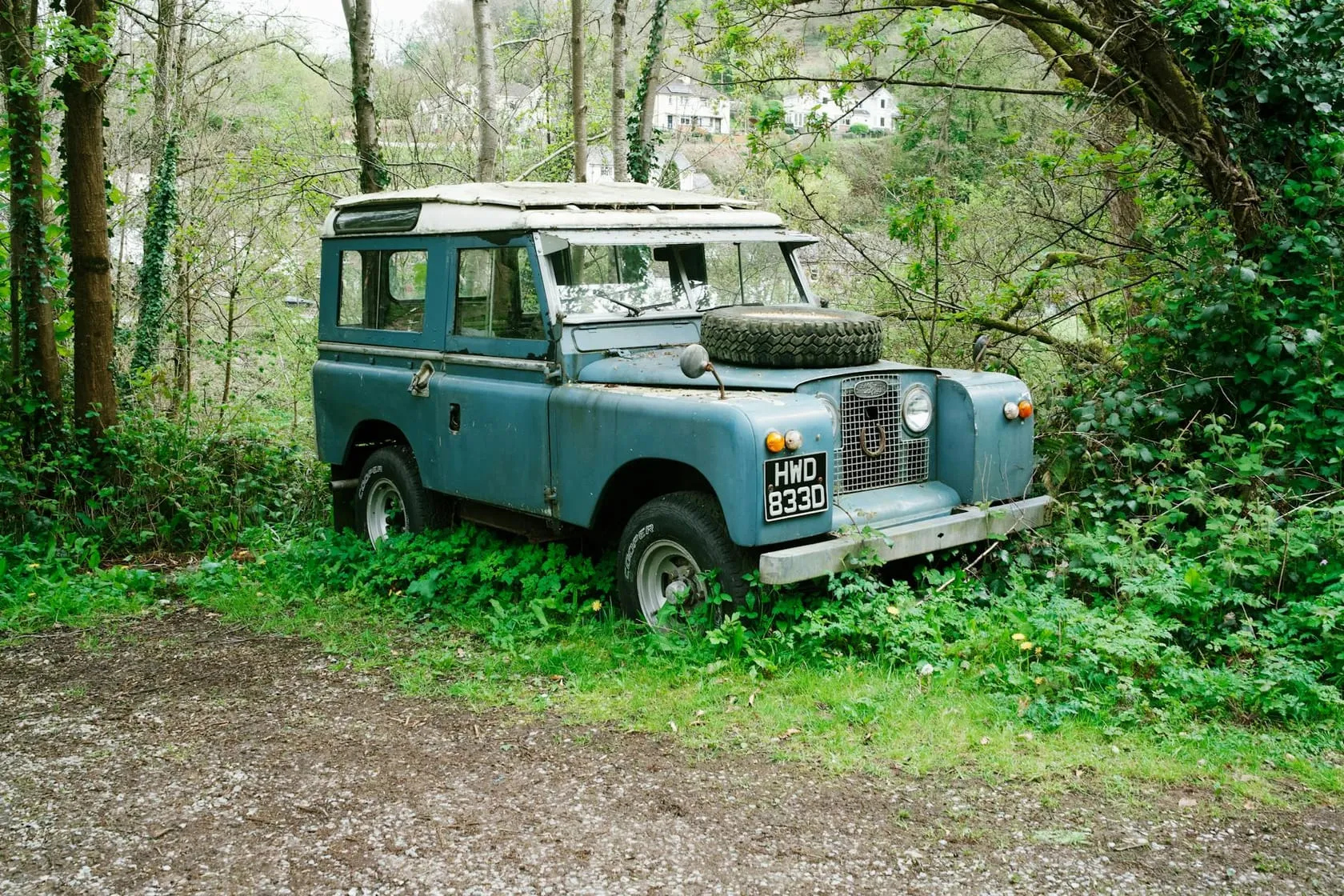 Land Rover Series II and IIA: the definitive working Land Rover (1958–1971)
The Land Rover Series II and IIA gave the marque its enduring 2.25 engine and its familiar barrel-side shape, and the IIA is widely held to be the toughest Series of all. A guide to the 88 and 109 inch cars, the engines, the famous headlamp move to the wings, and what to look for when buying one.
-
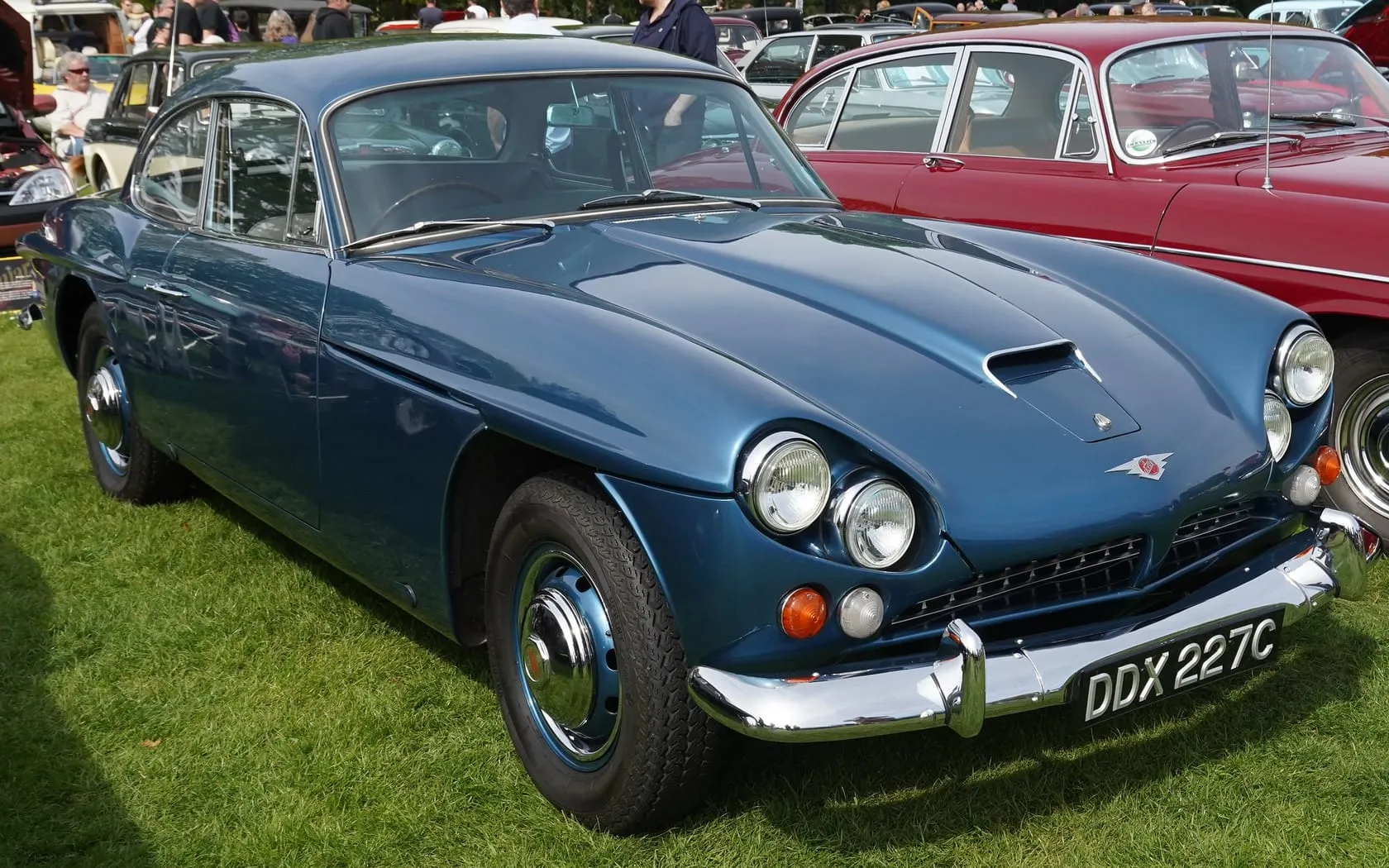 Jensen CV8: the fibreglass Chrysler-V8 bruiser (1962–1966)
The Jensen CV8 was a fibreglass-bodied four-seat grand tourer with a big Chrysler V8 and a famously divisive slanted-headlamp face, and one of the fastest four-seaters of its day. A guide to the Mk I to Mk III, its place between the 541 and the Interceptor, and what they are worth.
-
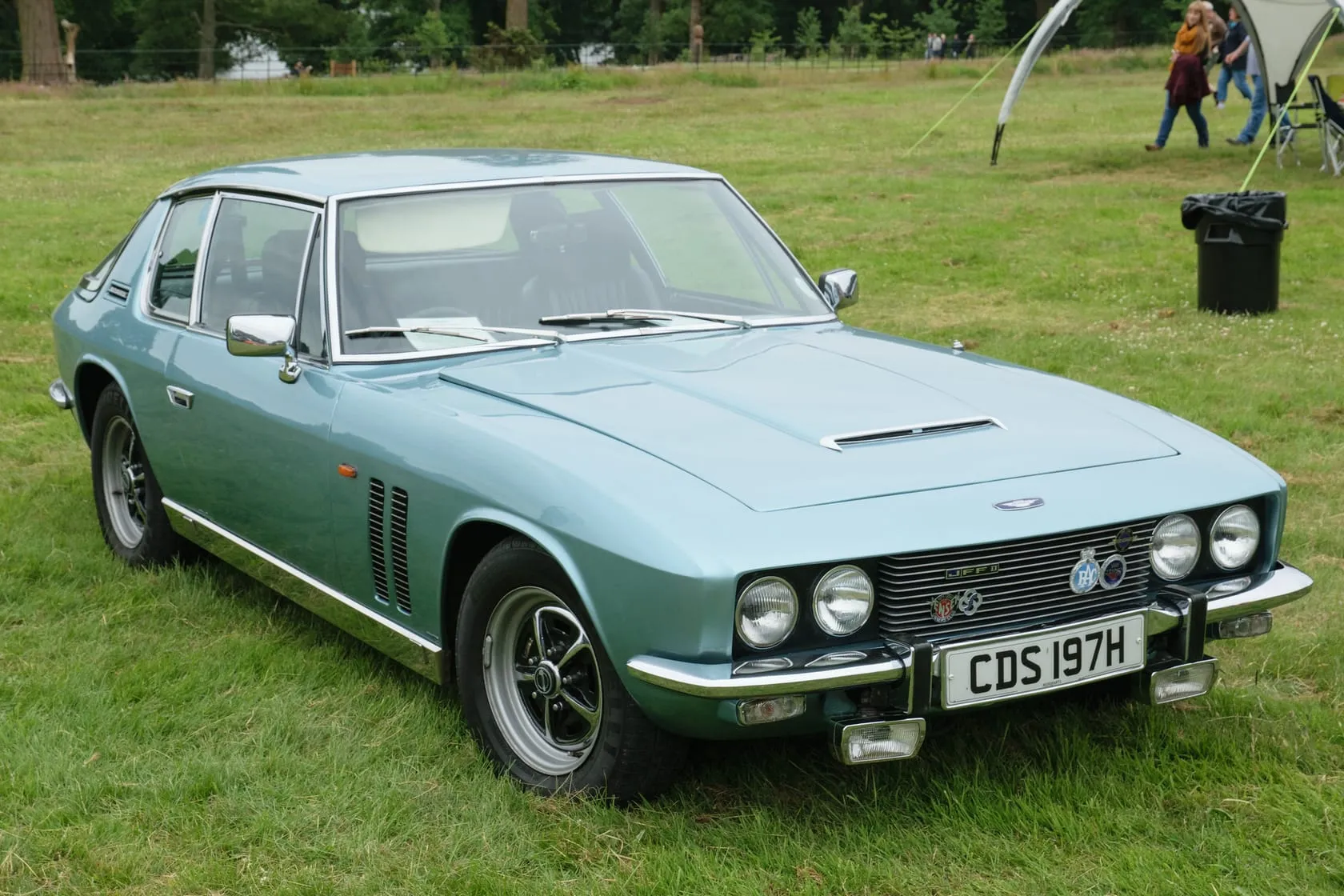 Jensen FF: the first four-wheel-drive production car (1966–1971)
The Jensen FF was the four-wheel-drive sister of the Interceptor and a genuine engineering landmark, widely regarded as the first four-wheel-drive production car and the first fitted with anti-lock brakes. A guide to the Ferguson Formula system, how to tell an FF from an Interceptor, and what they are worth.
-
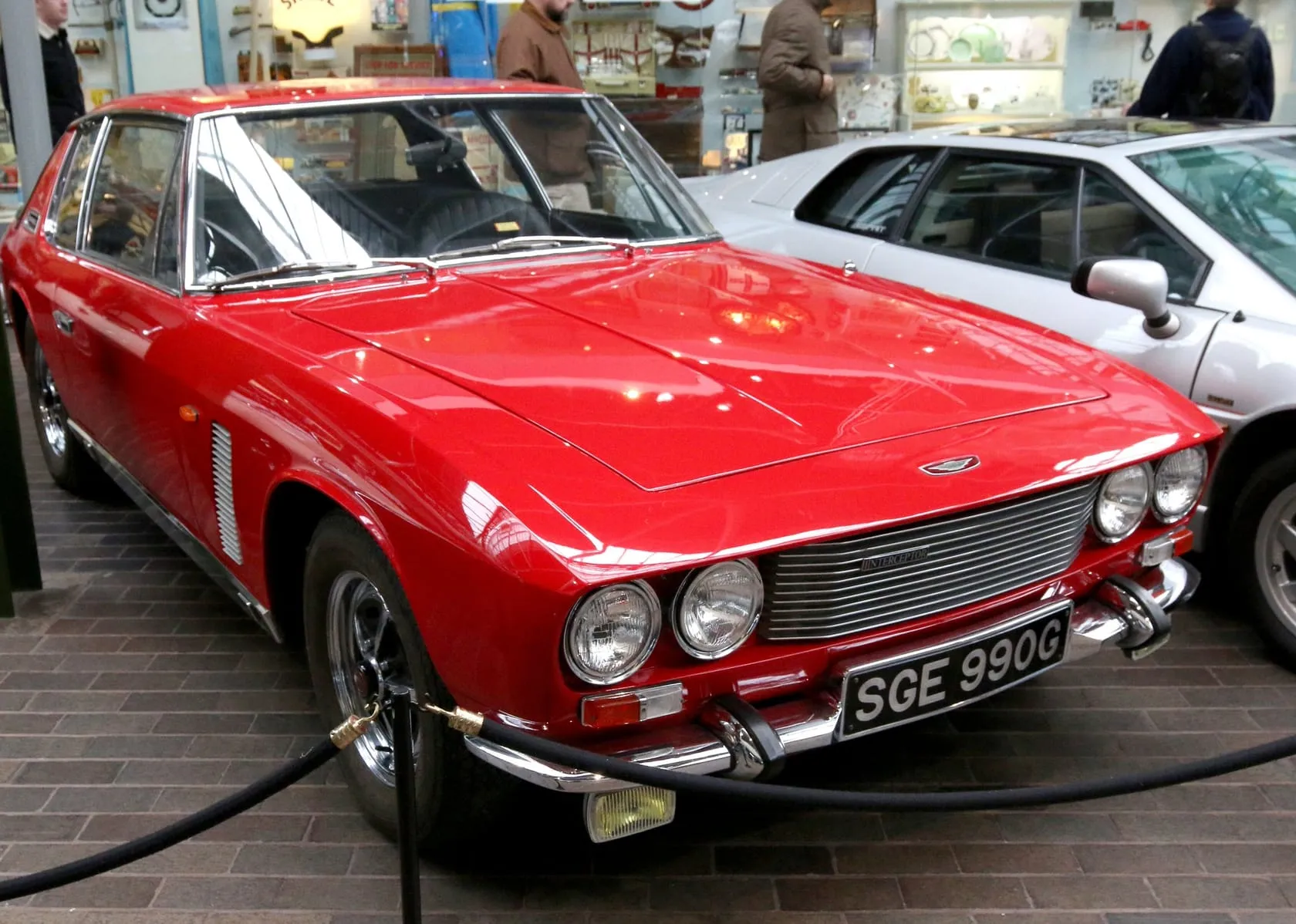 Jensen Interceptor: the Anglo-Italian V8 grand tourer (1966–1976)
The Jensen Interceptor paired Italian styling and a hand-built West Bromwich body with a big Chrysler V8, and its wraparound glass hatch made it one of the most distinctive British grand tourers. A guide to the Mk I to Mk III, the SP and convertible, what to look for, and what they are worth.
-
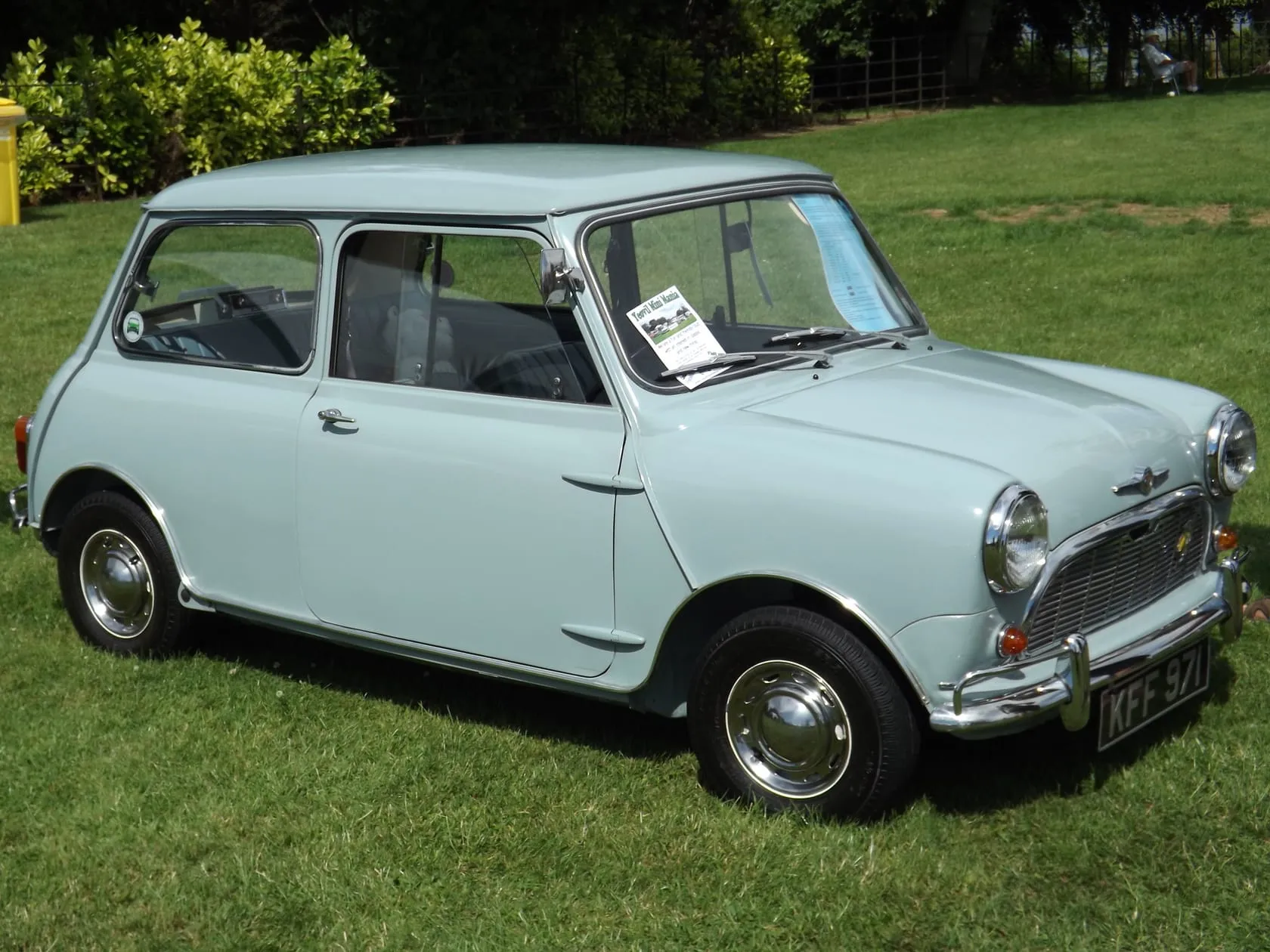 Classic Mini: the British car that reinvented the small car (1959–2000)
The classic Mini was the most influential small car ever built and one of the best-loved British classics of all. Alec Issigonis's 1959 design put four people in a ten-foot car, won the Monte Carlo Rally and ran for forty-one years. A guide to the standard Mini, the Cooper, the Clubman, the Traveller, the Moke and the rest, what they are like to own, and what they are worth.
-
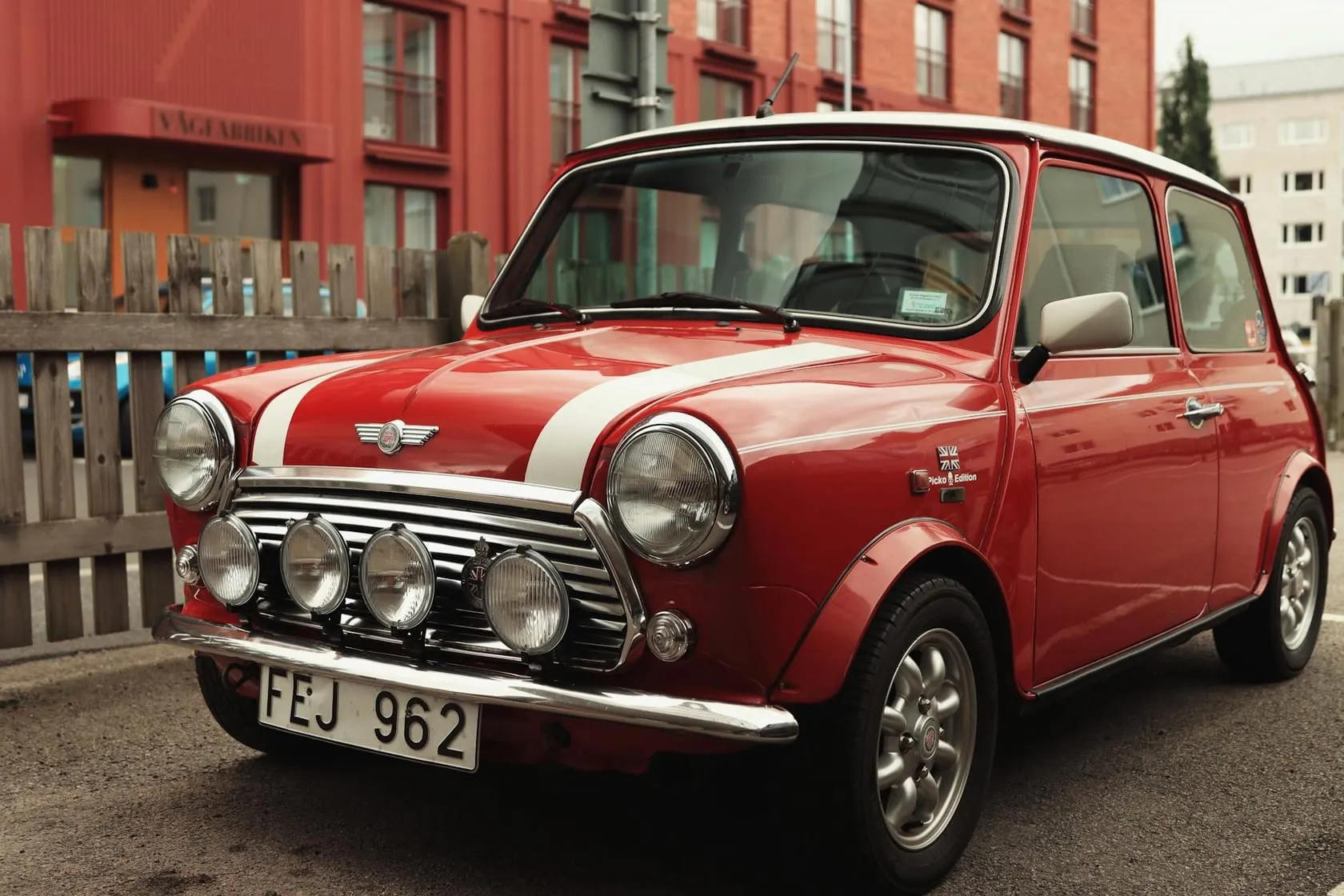 Mini Cooper and Cooper S: the giant-killer that won the Monte (1961–2000)
The Mini Cooper turned Alec Issigonis's economy car into a giant-killer, and the Cooper S won the Monte Carlo Rally three times. A guide to the 1960s Cooper and Cooper S, the 1990s revival, how to tell a genuine car from a clone, and what to look for when buying one.
-
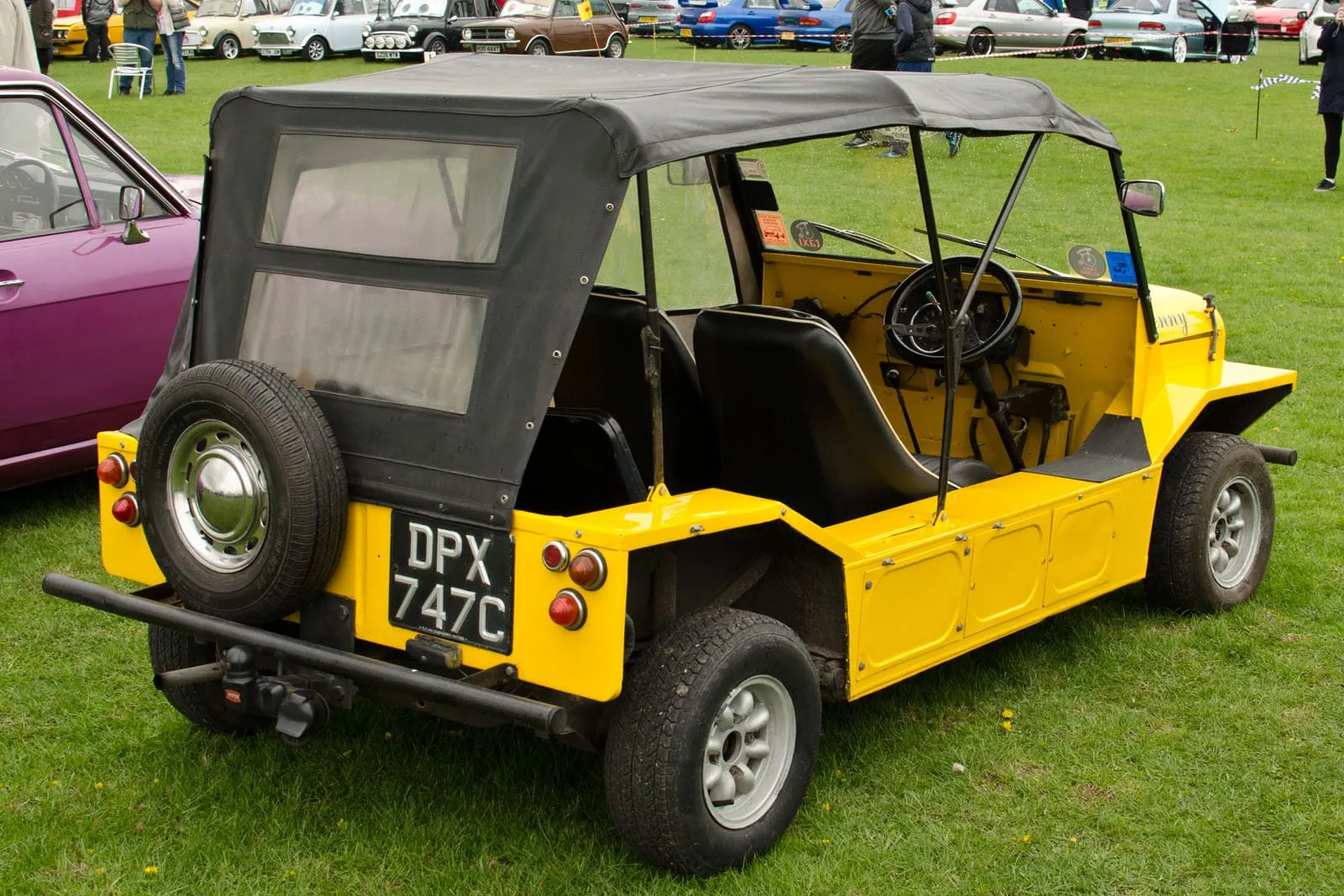 Mini Moke: the doorless Mini that went to the beach (1964–1993)
The Mini Moke began as a failed military vehicle and became a doorless, open-topped fun car beloved on beaches and film sets. A guide to the British, Australian and Portuguese Mokes, its screen fame, and what to look for when buying one.
-
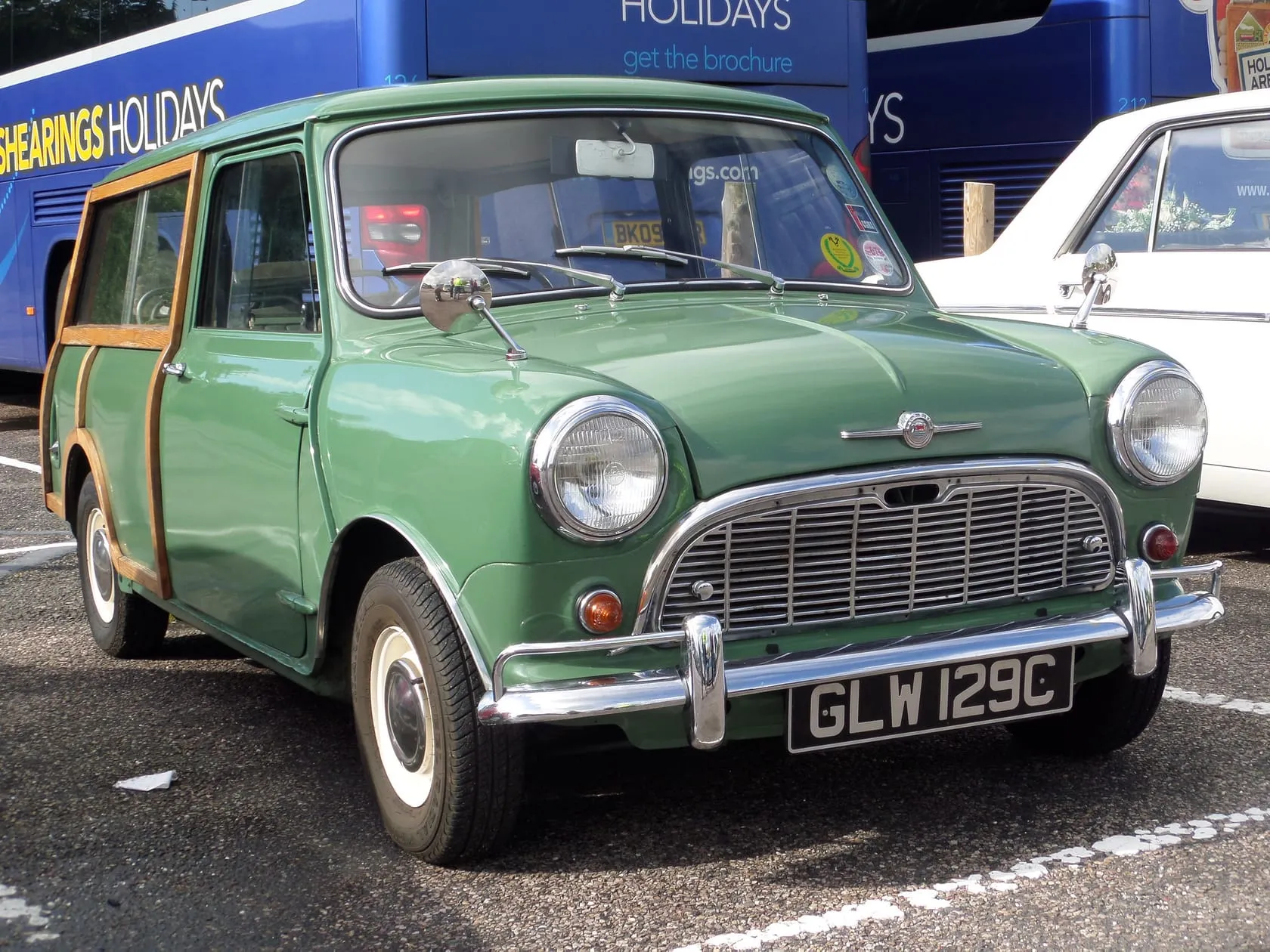 Mini Traveller and Countryman: the woody Mini estate (1960–1969)
The Mini Traveller and its Austin Countryman twin were the estate versions of the Mini, the early ones framed in decorative timber like a miniature Morris Minor Traveller. A guide to the woody Mini, the Traveller and Countryman badges, what to look for, and what they are worth.
-
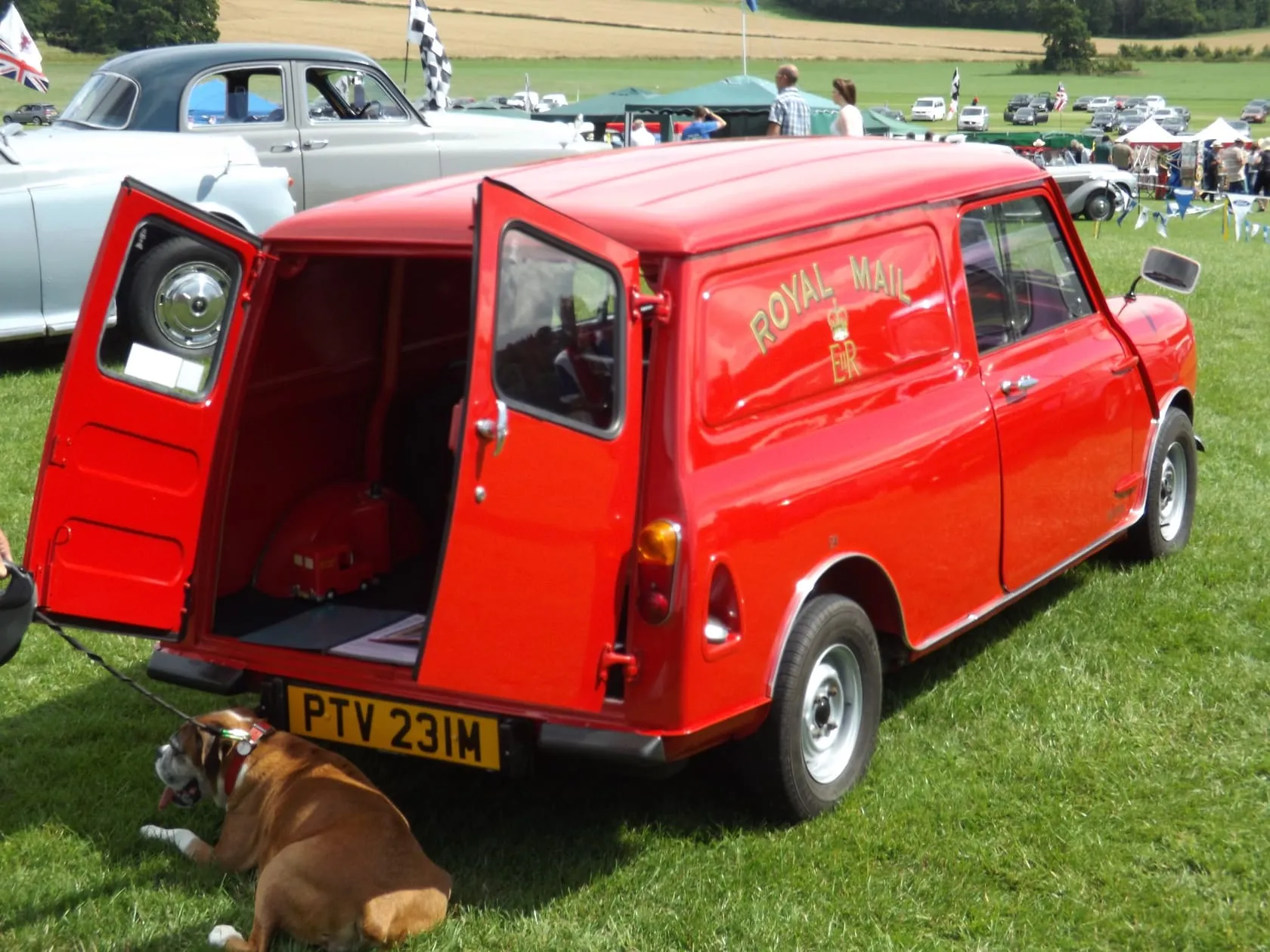 Mini Van and Pick-up: the working Minis (1960–1983)
The Mini Van and Mini Pick-up were the commercial members of the Mini family, cheap, economical workhorses built on the longer estate wheelbase that sold by the hundred thousand. A guide to the van and the pick-up, why they survived so long, what to look for, and what they are worth now.
-
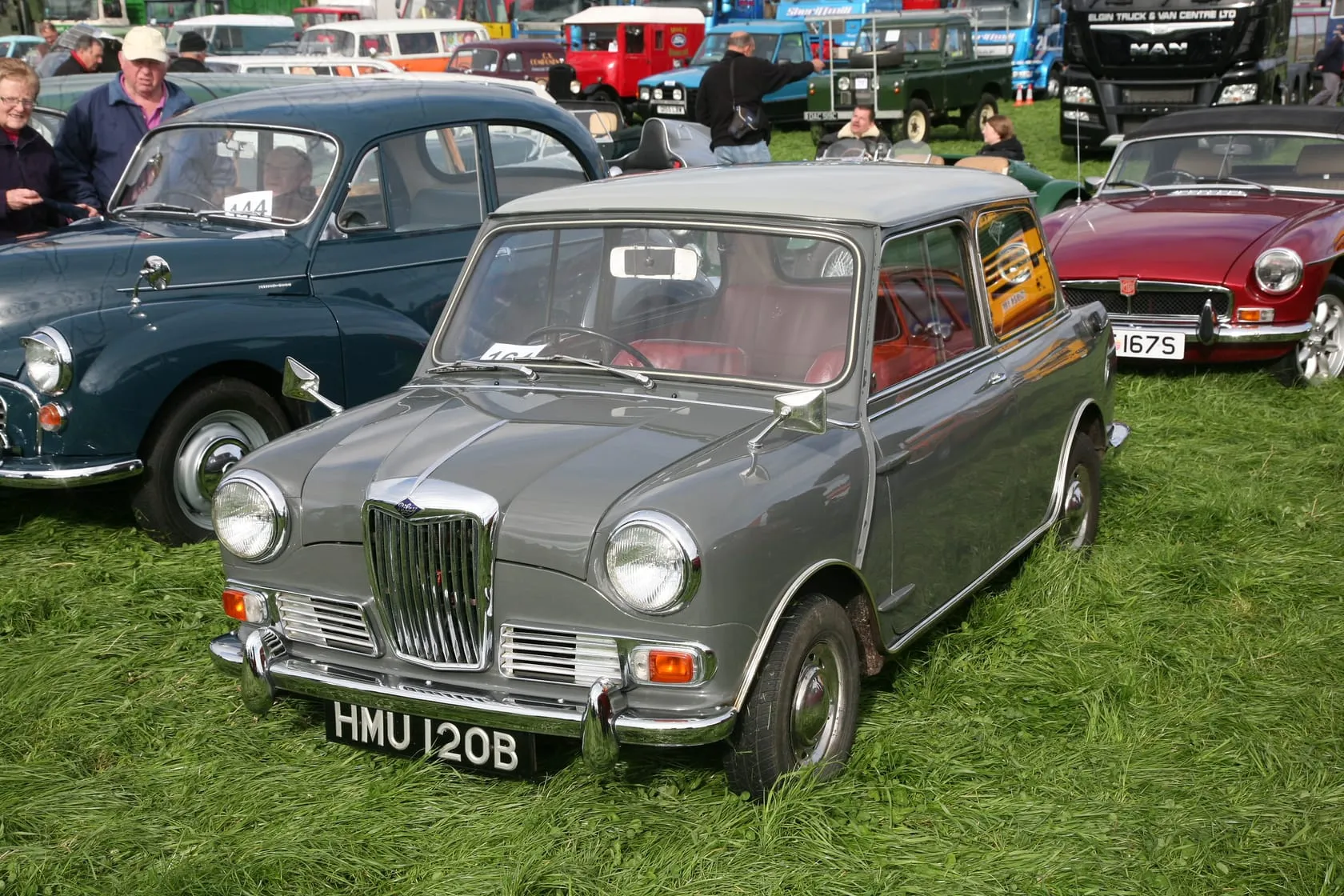 Riley Elf and Wolseley Hornet: the luxury Minis (1961–1969)
The Riley Elf and Wolseley Hornet were the upmarket Minis, the same little car given a longer boot, a traditional grille and a walnut-trimmed cabin. A guide to the two badge-engineered luxury Minis, how they differ, what to look for, and what they are worth.
-
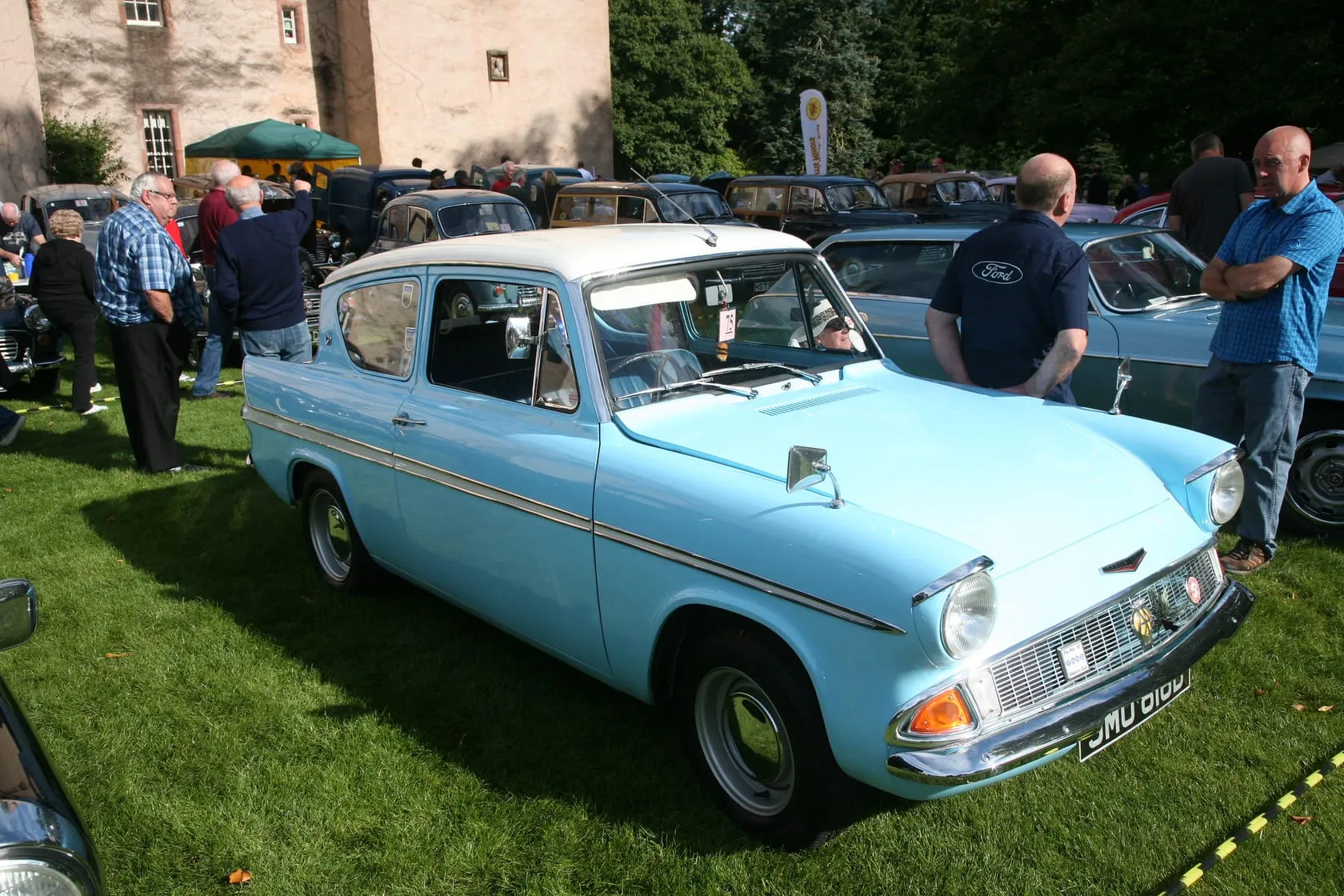 Ford Anglia 105E: the small Ford with the backwards window (1959–1967)
The Ford Anglia 105E put more than a million British families on the road, and is remembered for two things, its reverse-rake rear window and, decades later, its starring role as the flying car in Harry Potter. A guide to the 105E and 123E, the first of the Kent engines, what they are like to own, and what they are worth.
-
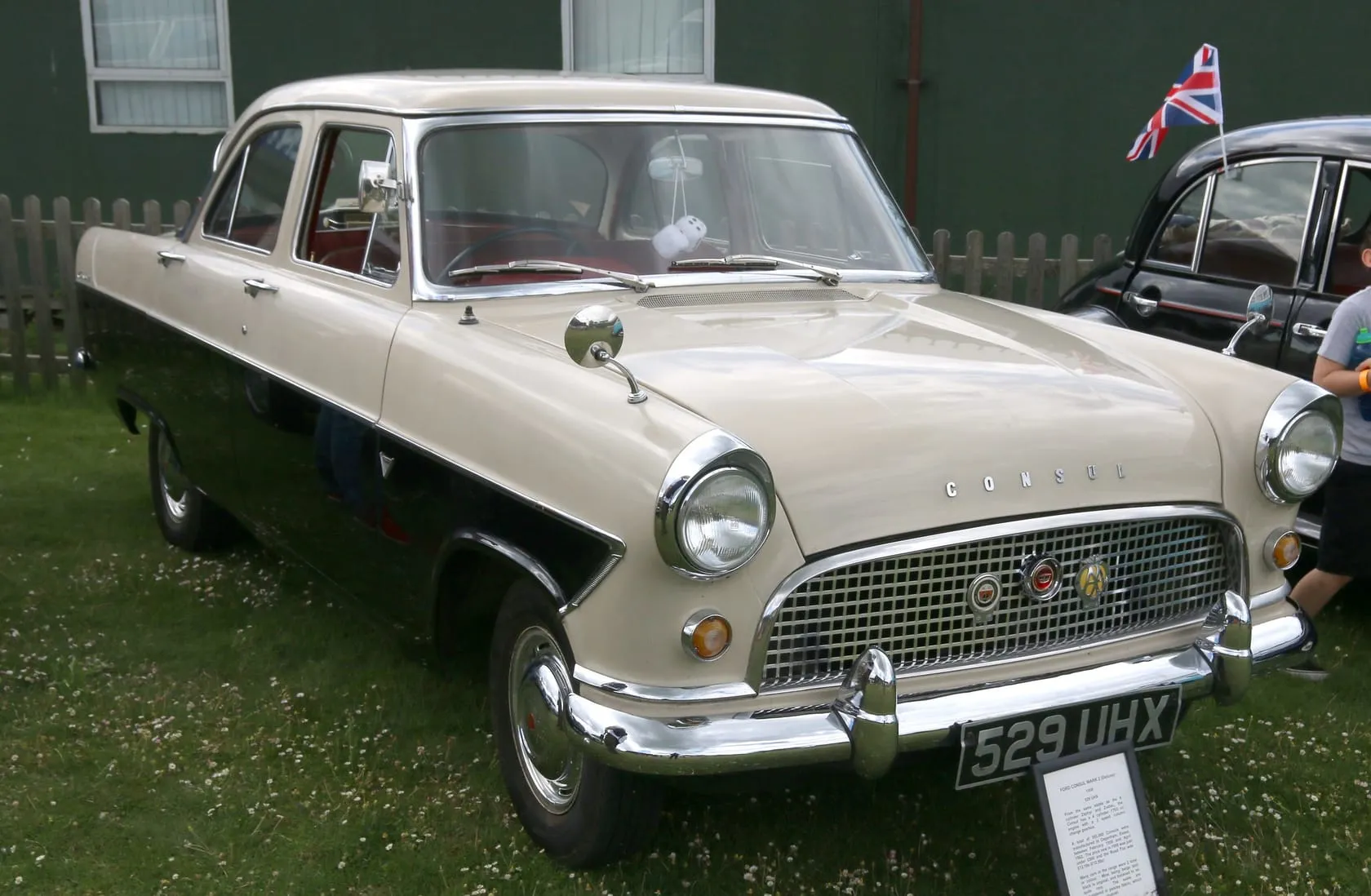 Ford Consul: the modern Ford that started a dynasty (1951–1962)
The Ford Consul was the four-cylinder base of Ford of Britain's big-saloon range, and with its Zephyr sister it was the first British Ford built with modern unitary construction. A guide to the Mk1 and Mk2 Consul, the Three Graces, the later use of the Consul name, what to look for and what they are worth.
-
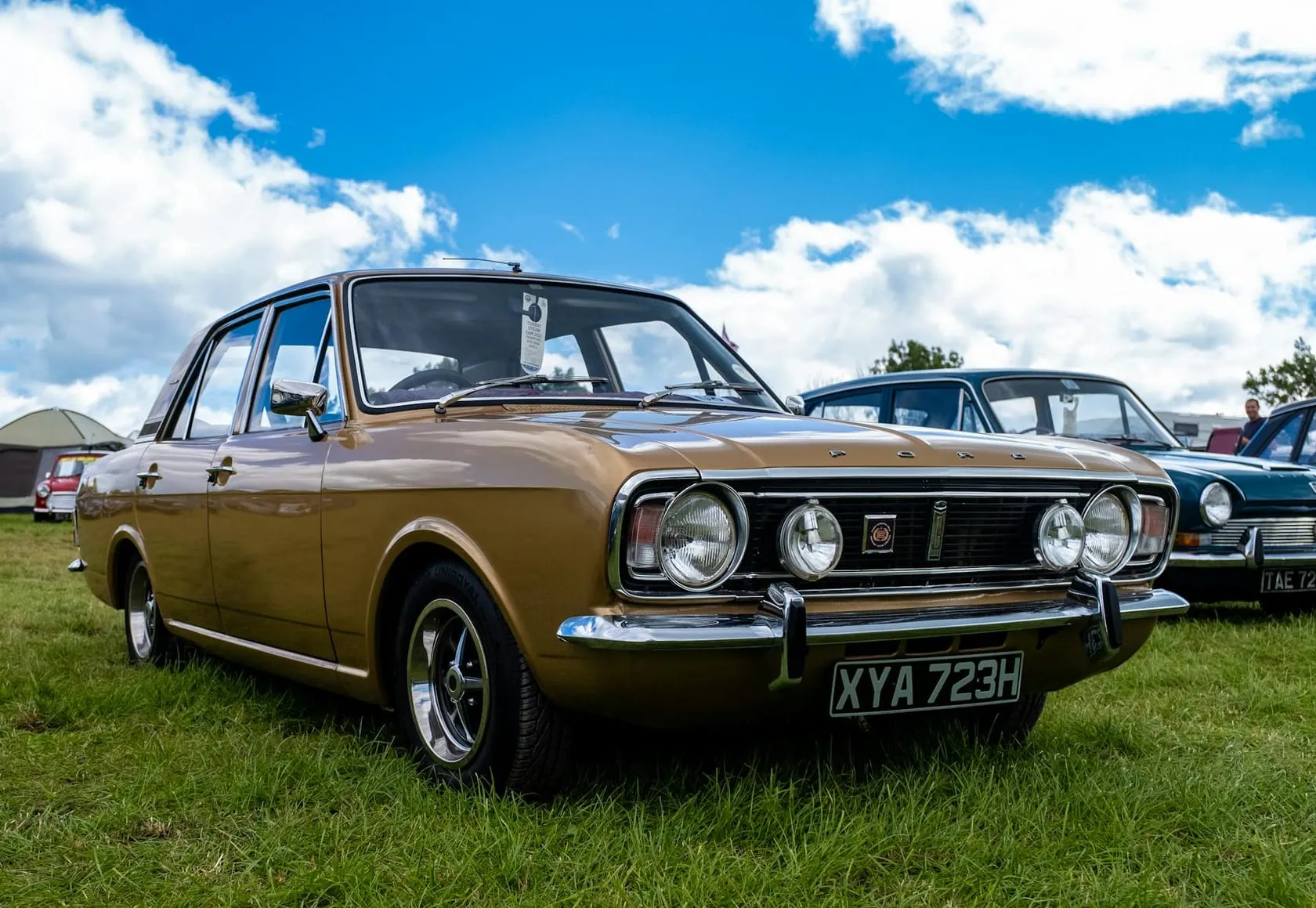 Ford Cortina: Britain's best-selling car of the 1960s and 70s (1962–1982)
The Ford Cortina was Britain's best-selling car for much of the 1960s and 70s, five generations of family saloon that defined the company car park and the family driveway, from the sporting Lotus Cortina to the everyday GLs. A guide to the Mk1 to Mk5, how the generations differ, the fast Cortinas, and what to check before buying one.
-
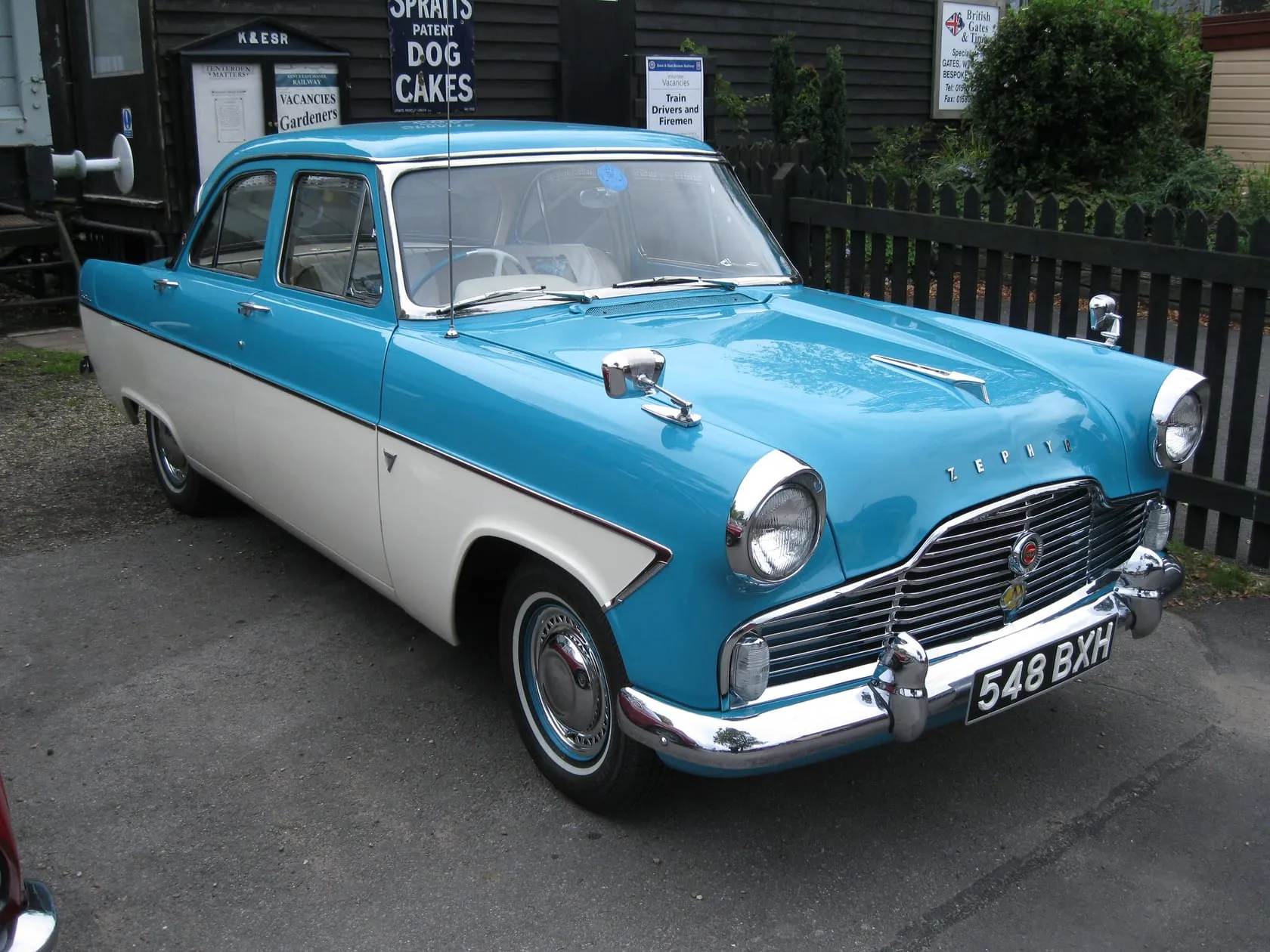 Ford Zephyr: the six-cylinder Ford that policed Britain (1950–1972)
The Ford Zephyr was the six-cylinder heart of Ford of Britain's big-saloon range, quick and spacious for its day, and famous as the patrol car of the BBC series Z-Cars. A guide to the four generations from the finned Three Graces to the big V6 Mk4, how it relates to the Consul and Zodiac, what to look for, and what they are worth.
-
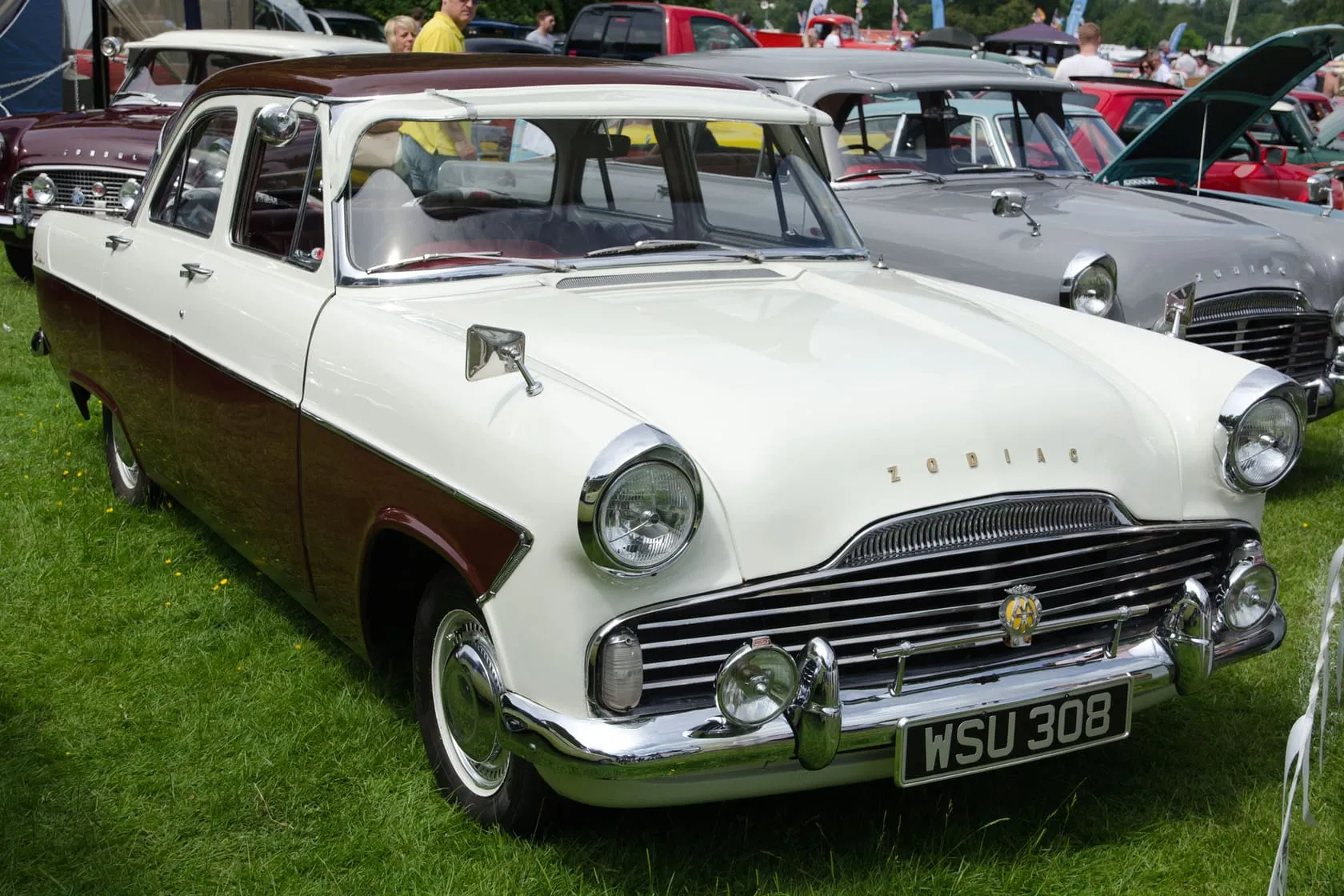 Ford Zodiac: Dagenham's affordable luxury car (1953–1972)
The Ford Zodiac was the top of Ford of Britain's big-saloon range, the upmarket, six-cylinder flagship above the Consul and Zephyr. From the finned Mk2 to the huge V6-engined Mk4, it offered American-style space and brightwork at a British price. A guide to the four generations, what to look for, and what they are worth.
-
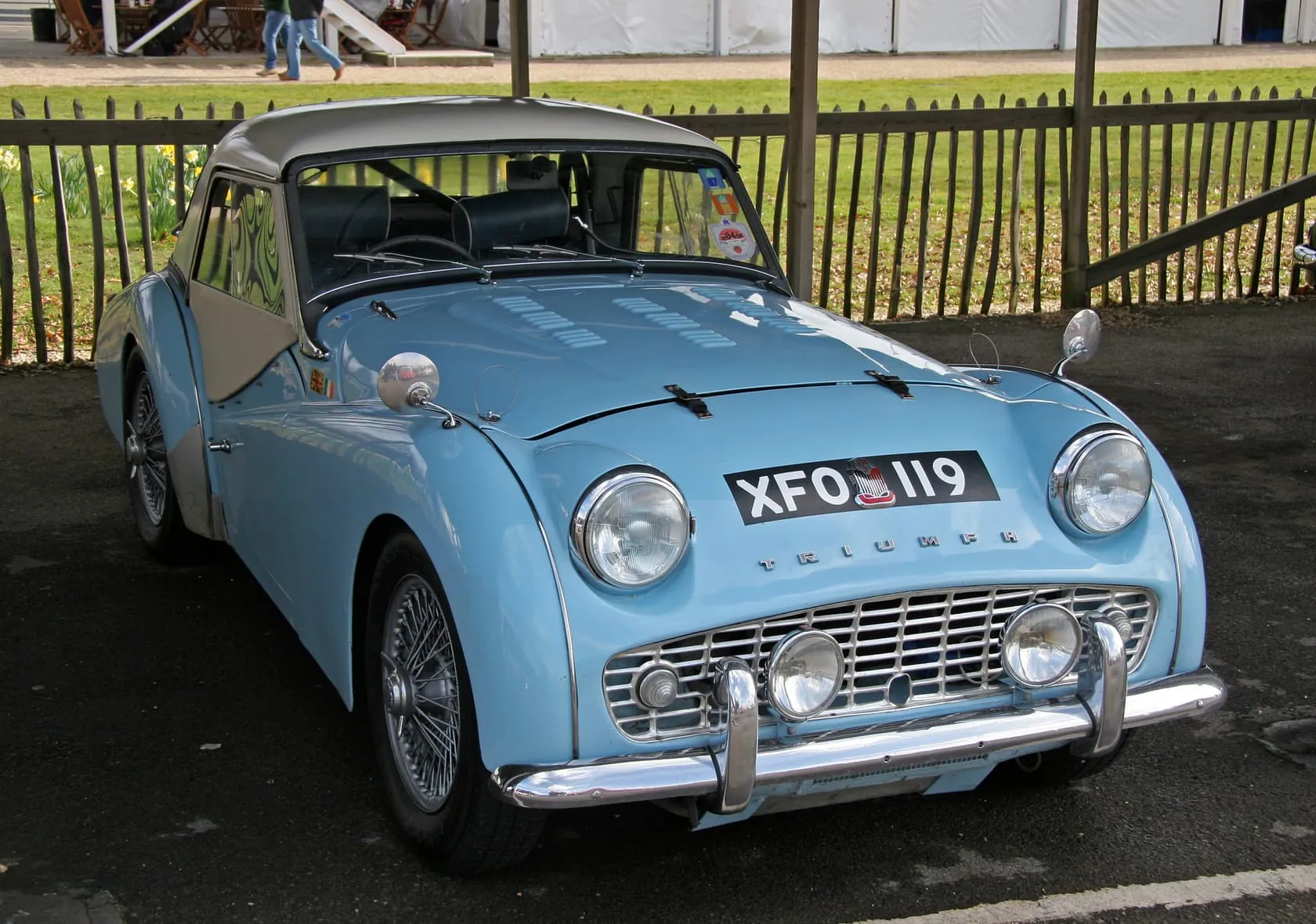 Triumph TR3: the first British car with disc brakes (1955–1962)
The Triumph TR3 was the rugged side-screen sports car that made Triumph's name in America, and in 1956 it became the first British series-production car fitted with front disc brakes. A guide to telling the TR3, TR3A and TR3B apart, what they are like to drive, and what to check when buying.
-
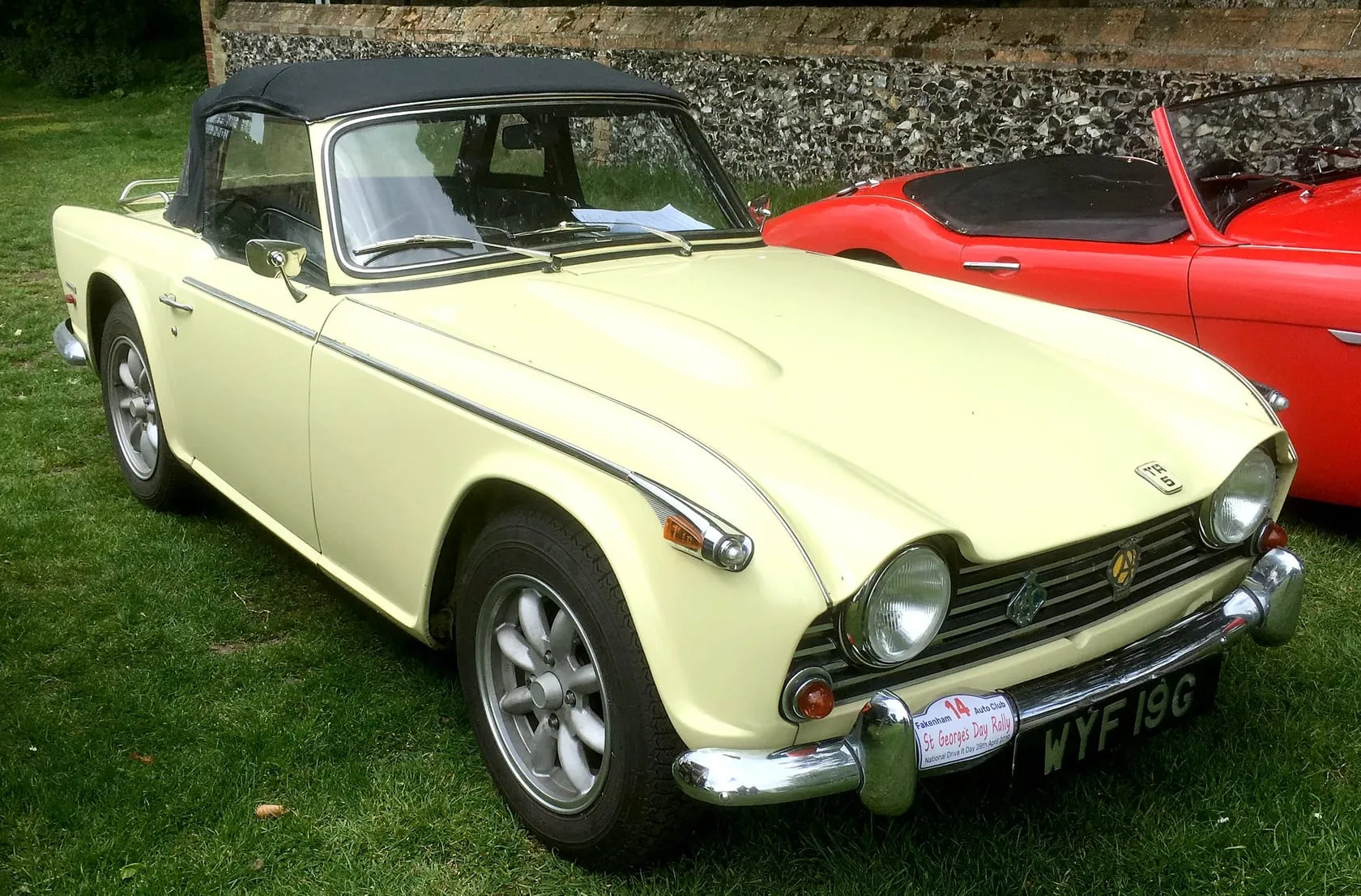 Triumph TR5: the rare fuel-injected six (1967–1968)
The Triumph TR5 was built for barely a year and only 2,947 were made, which makes it the rarest of the mainstream TRs and one of the most valuable. It was the first six-cylinder TR, with 150 bhp from a Lucas fuel-injected 2.5-litre straight-six wrapped in the familiar TR4 body. A guide to the TR5 versus the American TR250, what to look for, and what they are worth.
-
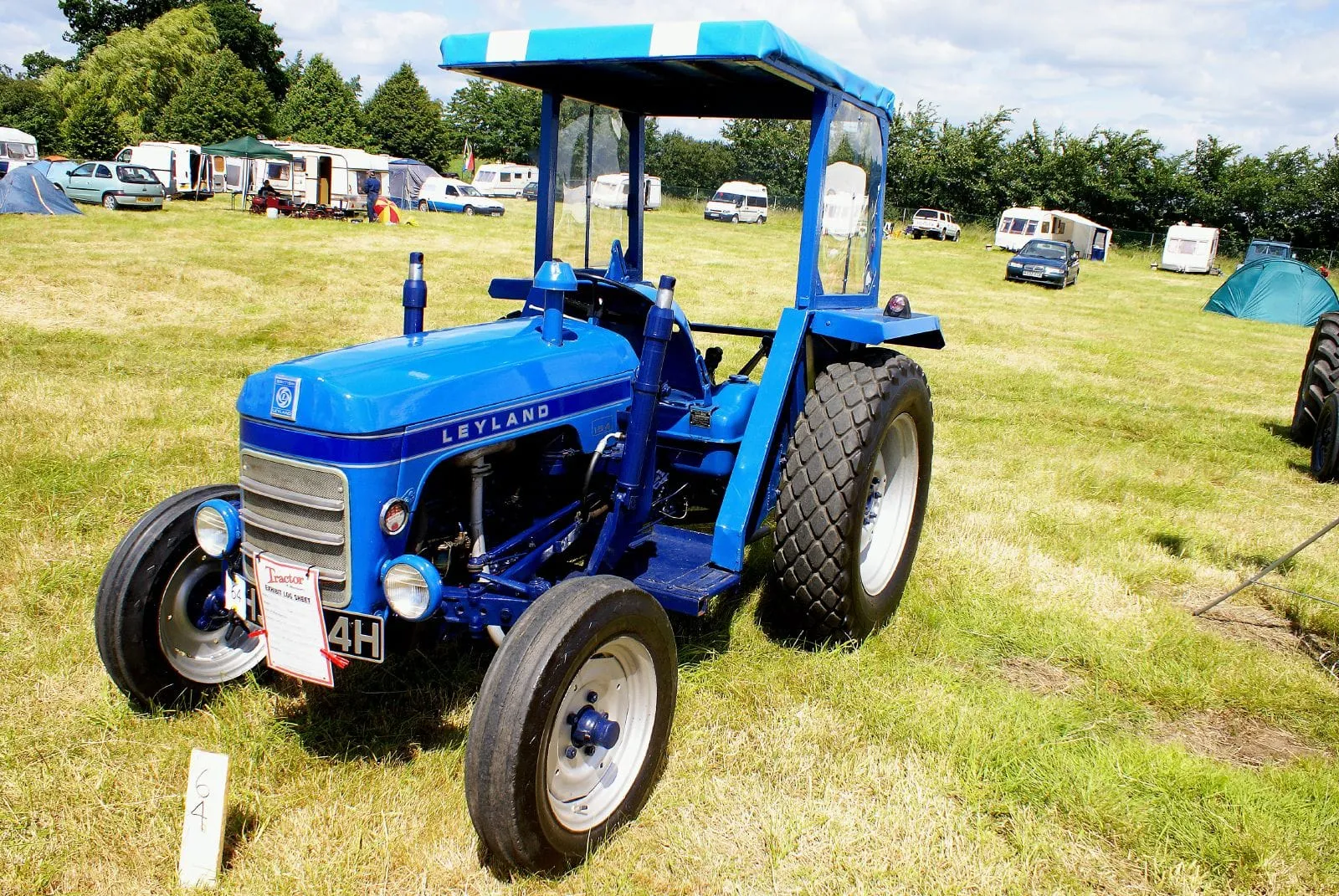 Leyland tractors: the famous blue tractors from Bathgate
The blue Leyland tractors grew straight out of the orange Nuffields in 1969 and were built at Bathgate in Scotland until 1982. A guide to the old Leyland tractors worth knowing, from the compact 154 to the synchro models and the big 2100, the British Leyland story, what to look for when buying, and what a vintage Leyland is worth.
-
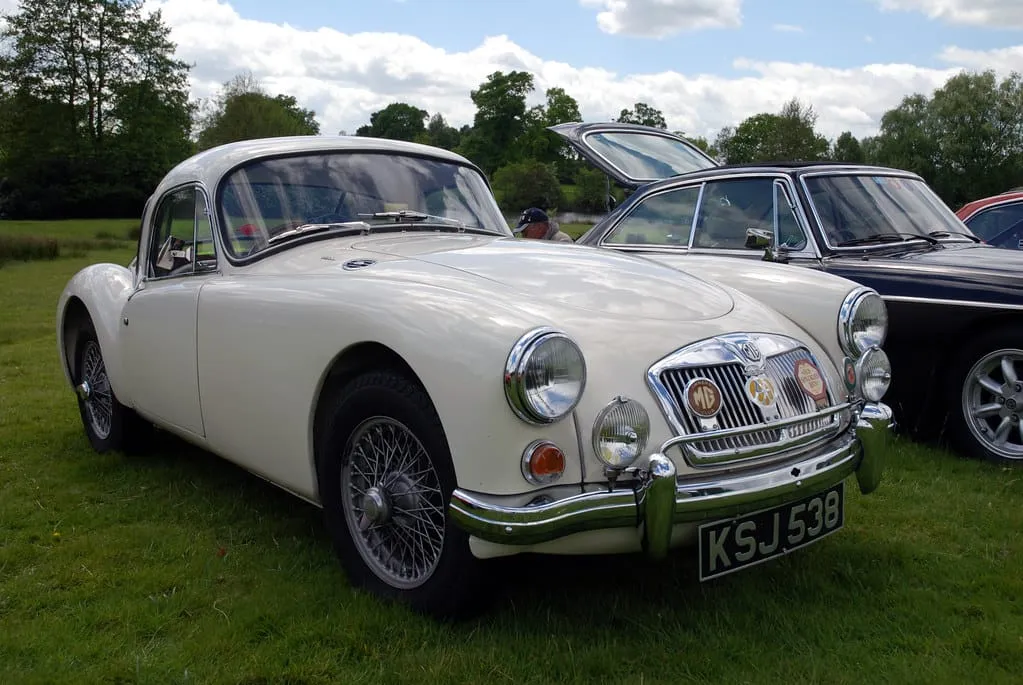 MG MGA: 100,000 built, almost all for export, and the prettiest MG of all (1955–1962)
The MG MGA was the sleek, aerodynamic sports car that swept away MG's upright pre-war look, sold over a hundred thousand almost entirely for export, and remains the prettiest of the affordable classic MGs. A guide to the 1500, 1600 and 1600 MkII pushrod cars, the rare and troubled Twin Cam, and what to look for when buying one.
-
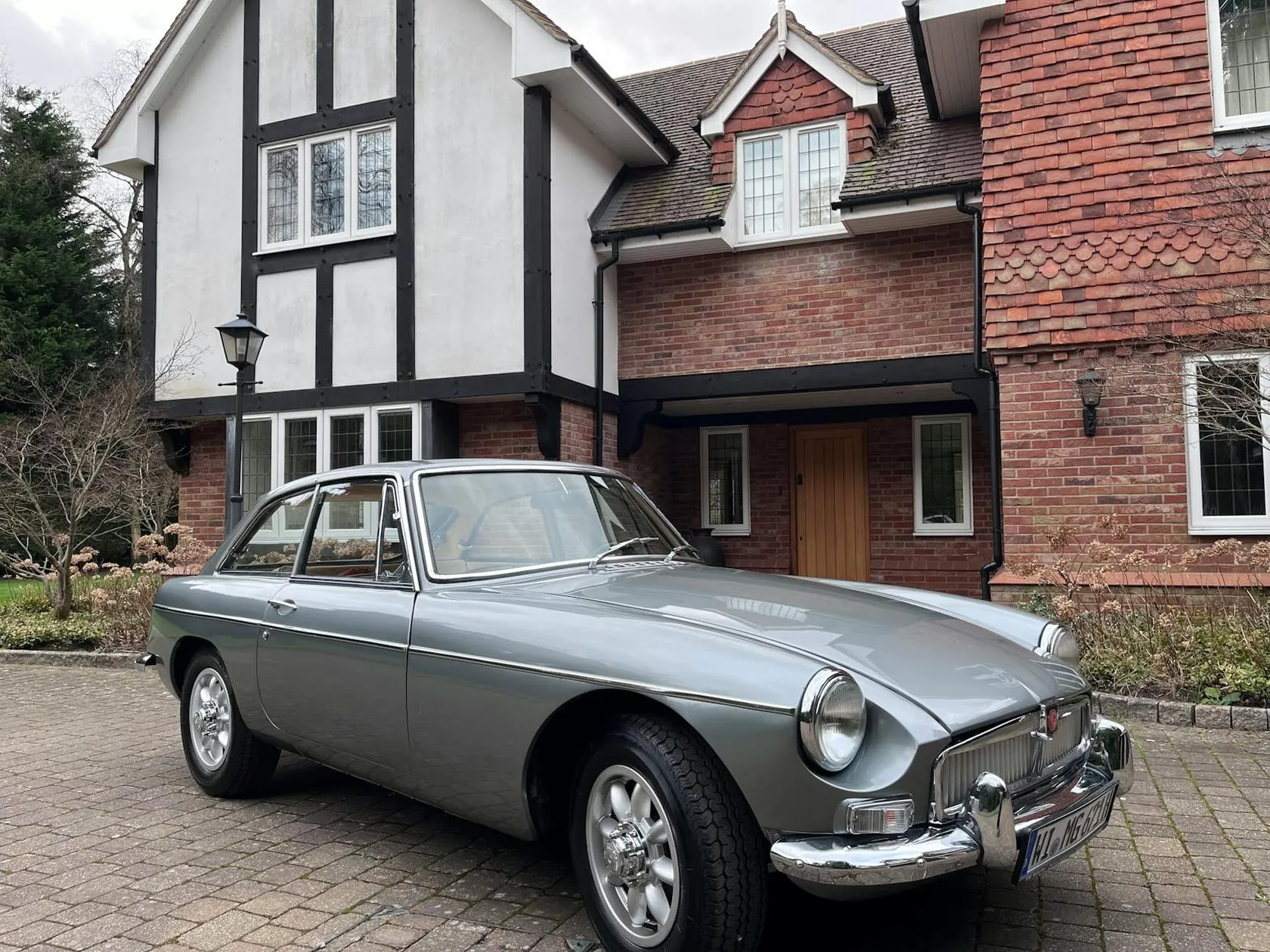 MG MGB GT: Pininfarina looks and a hatchback, for roadster money (1965–1980)
The MG MGB GT added a handsome Pininfarina-styled fastback roof and a practical hatchback to the MGB, making a refined 2+2 that is one of the most underrated classics there is, and the rare MGB GT V8 gave it real pace. A guide to how the GT differs from the roadster, the V8, and what to watch for when buying.
-
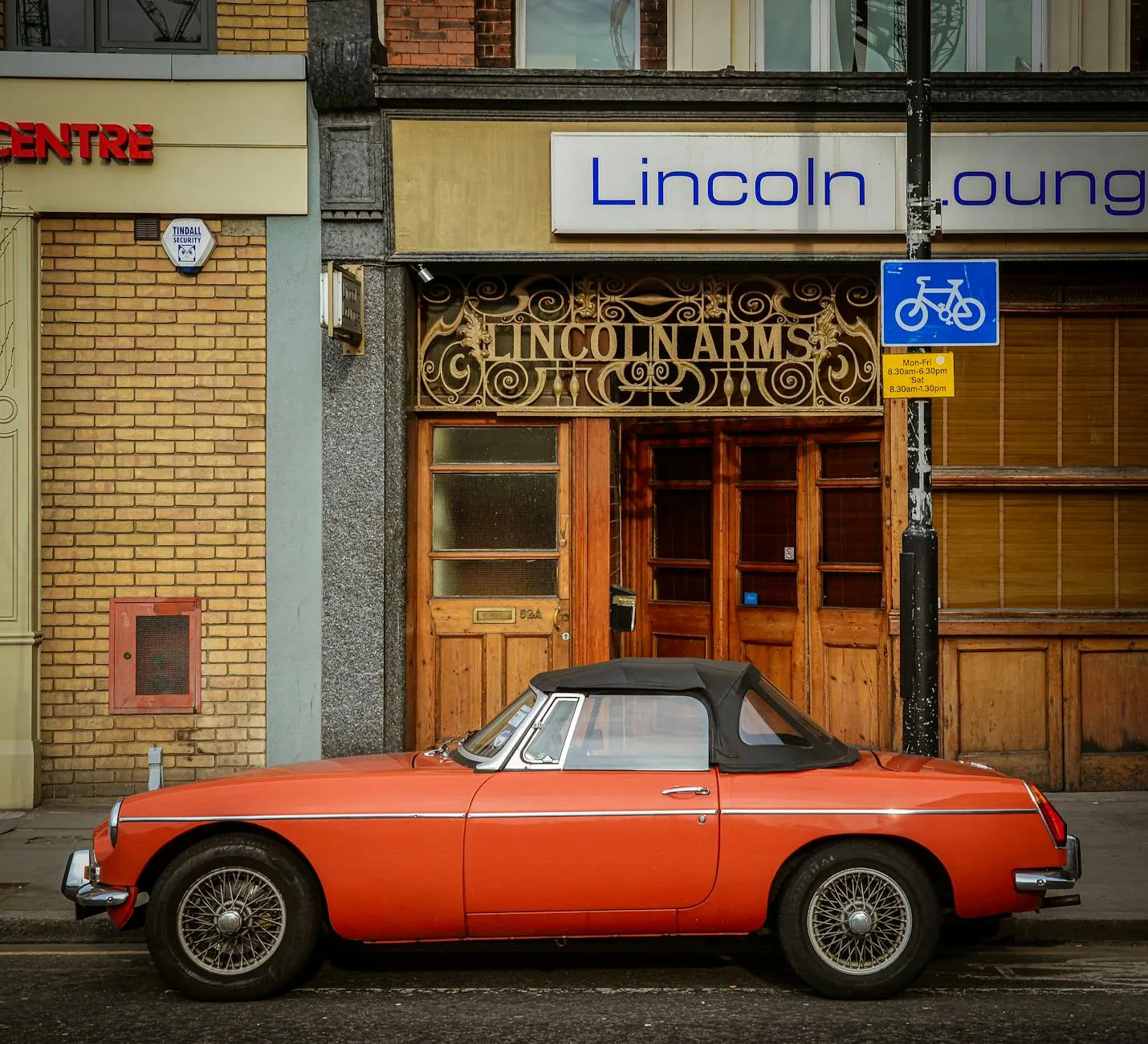 MG MGB: over half a million built, and still the easiest classic to own (1962–1980)
The MG MGB was the modern monocoque roadster that sold more than half a million and became, for years, the best-selling sports car in the world. A guide to the 1.8-litre B-series, the three-bearing and five-bearing engines, the all-important chrome-bumper versus rubber-bumper divide, and the checks that matter before buying one.
-
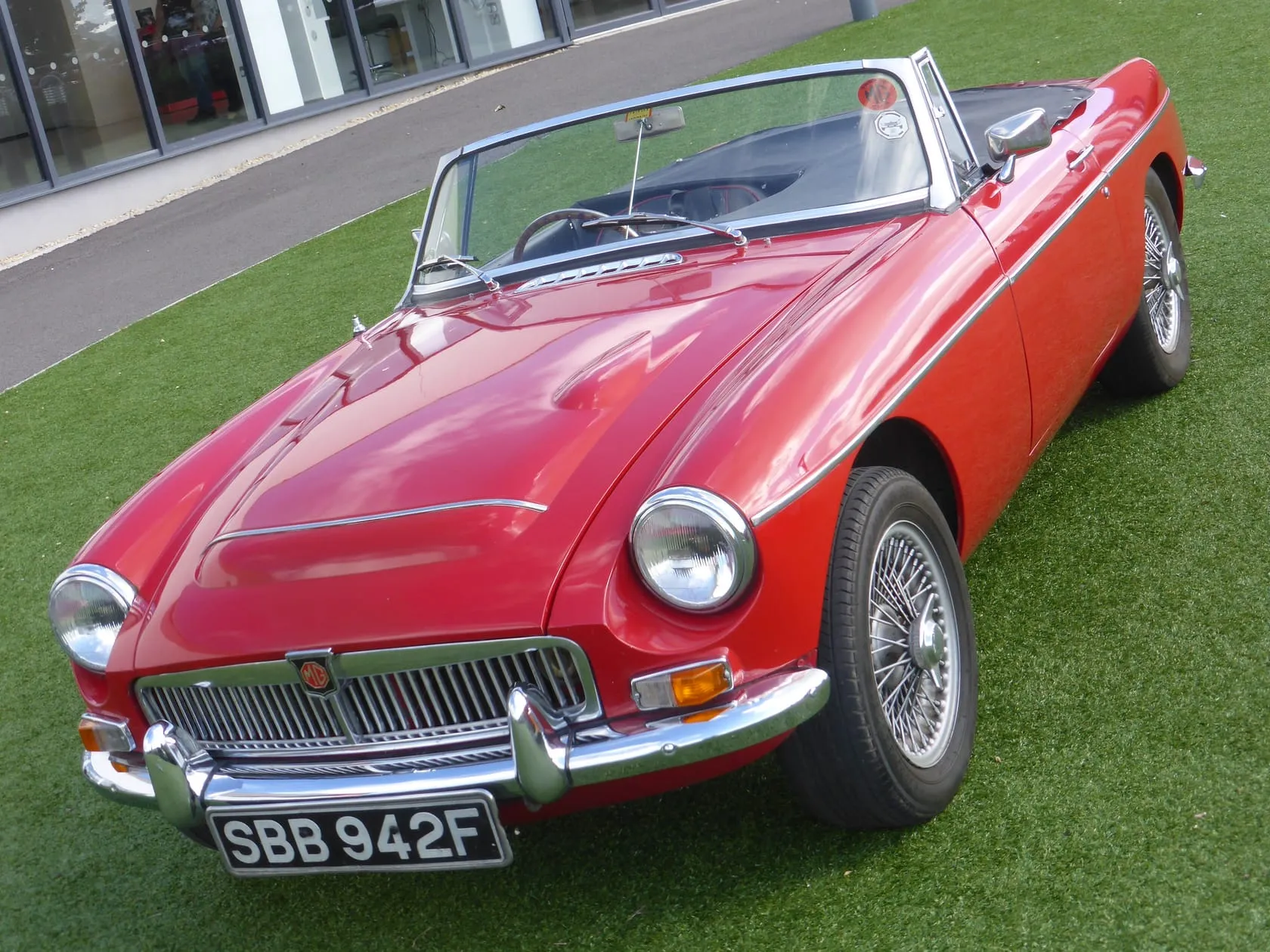 MG MGC: an MGB with a straight-six, and a reputation it never deserved (1967–1969)
The MG MGC was the MGB given a 3.0-litre straight-six, conceived as a replacement for the big Austin-Healey 3000 and damned in period for nose-heavy handling. A guide to the redesigned six-cylinder engine, the truth about the handling reputation, the roadster and GT, what to look for when buying, and why a sorted MGC is now a sought-after grand tourer.
-
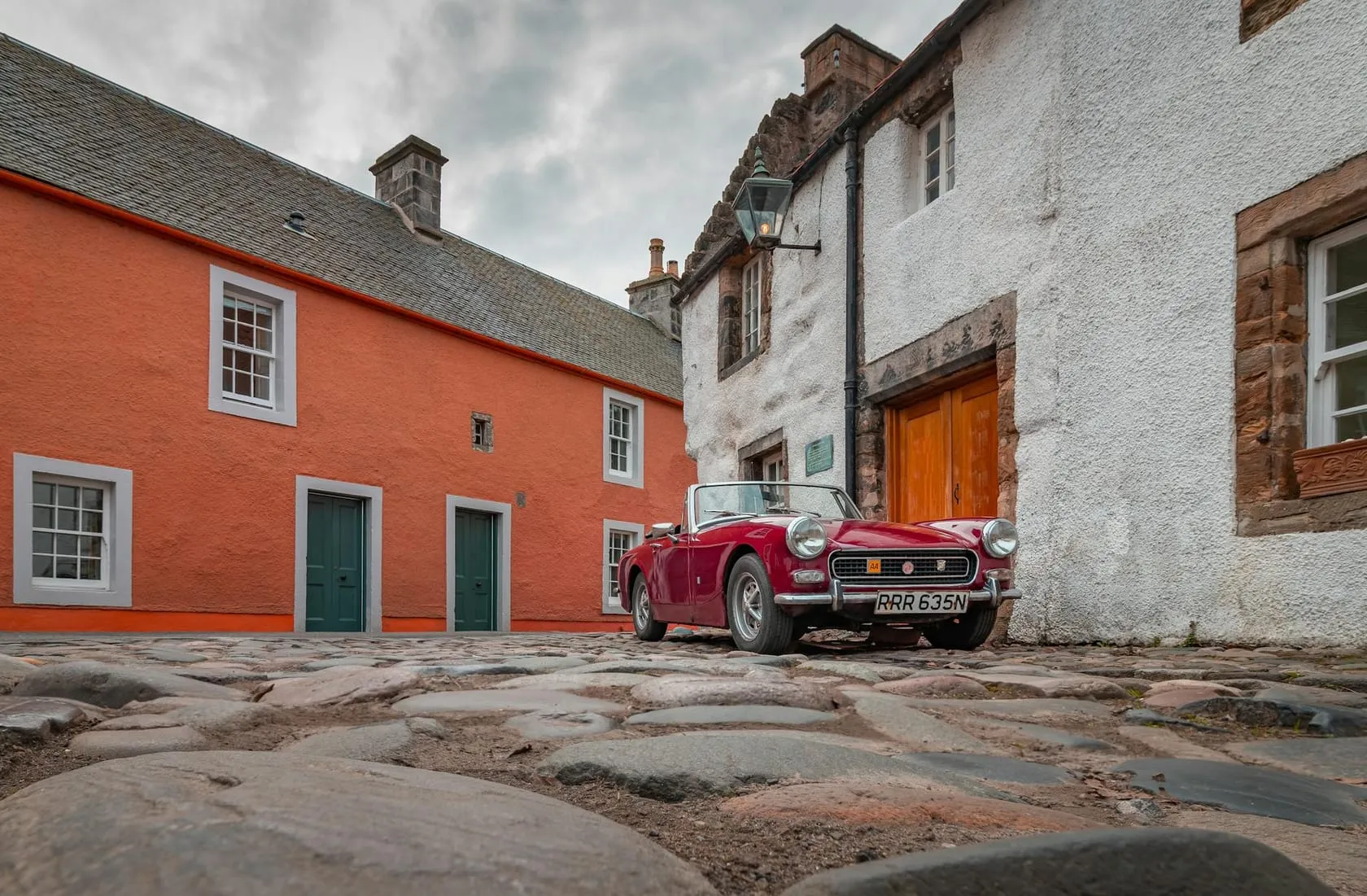 MG Midget: a Sprite in MG clothing, and the cheapest way into the marque (1961–1979)
The MG Midget was the tiny, nimble, affordable roadster built alongside its near-identical twin the Austin-Healey Sprite, and the cheapest way into classic MG ownership. A guide to the marks and engines, the curious 1500 that used a Triumph engine, the chrome and rubber bumper cars, the round and square arches, and what to look for when buying.
-
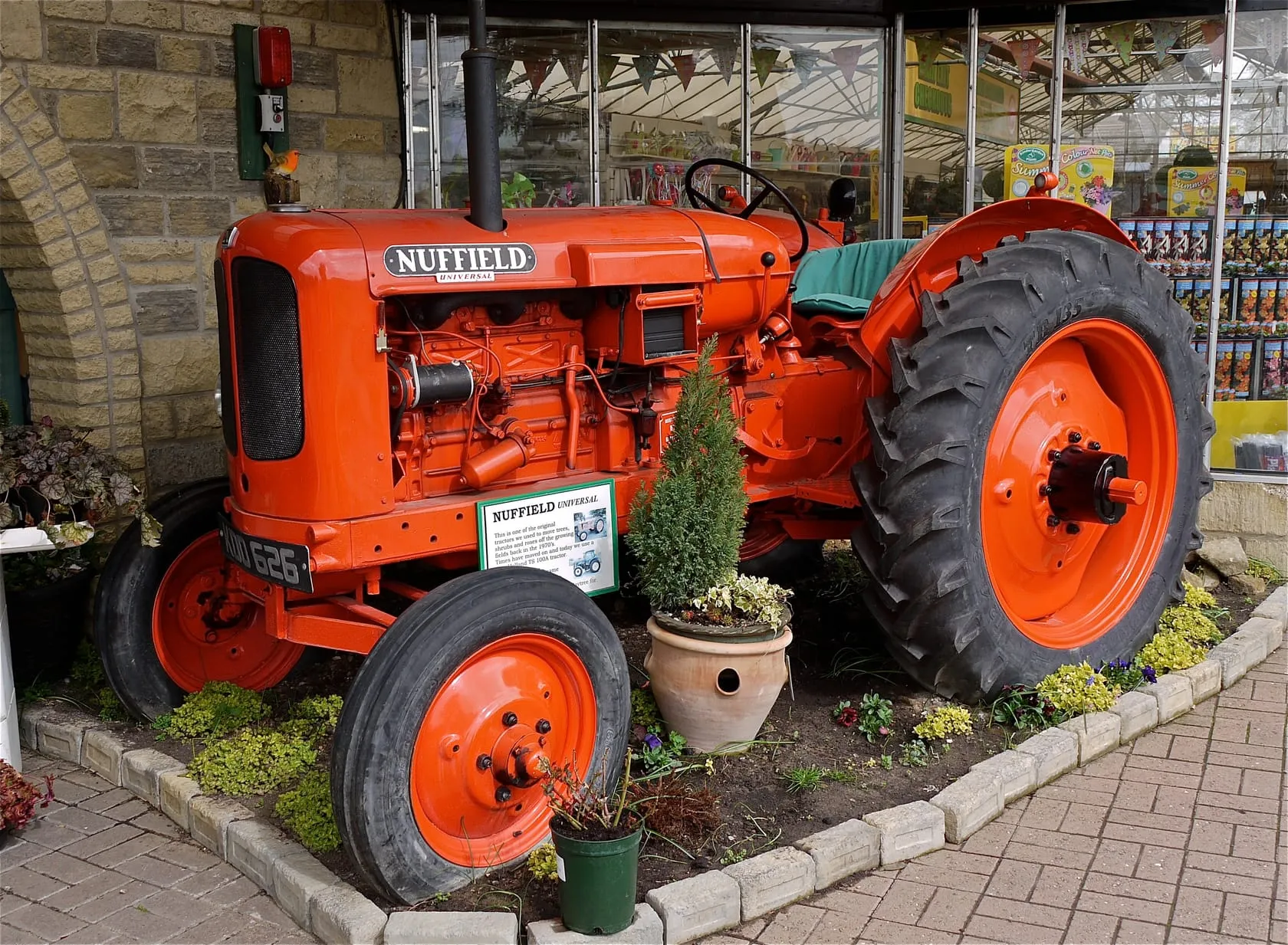 Nuffield tractors: the orange tractors built by the makers of Morris cars
Nuffield built bright orange tractors from 1948, made by the Morris car empire under Lord Nuffield himself. A guide to the old Nuffield tractors worth knowing, from the Universal M3 and M4 to the ten-speed 10/60 and the 4/65, the move to Bathgate, what to look for when buying, and what a vintage Nuffield is worth.
-
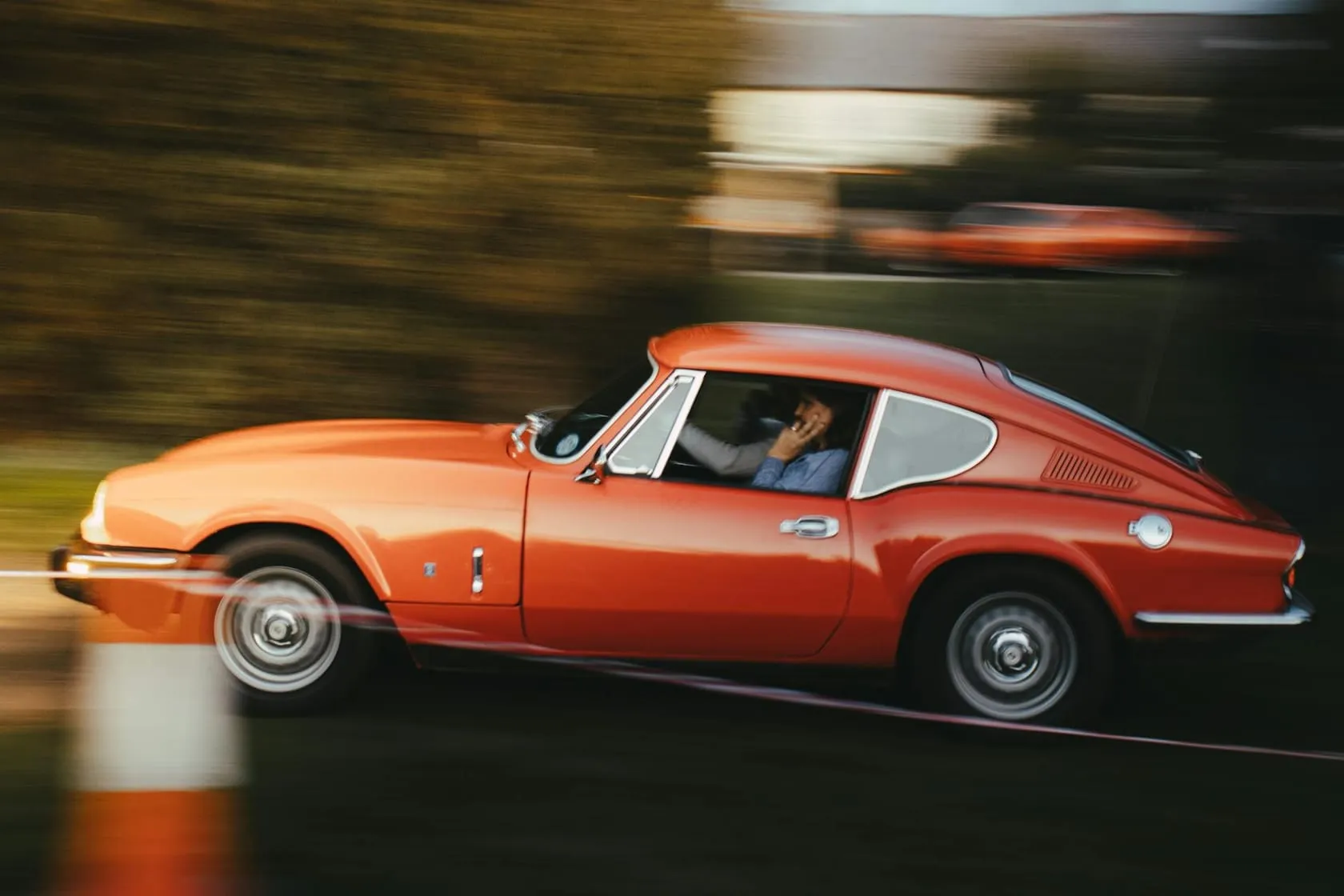 Triumph GT6: the poor man's E-Type (1966–1973)
The Triumph GT6 was a handsome six-cylinder fastback coupe on the Spitfire platform, nicknamed the baby E-Type, whose tricky swing-axle handling was famously cured by the Rotoflex rear suspension of the Mk2. A guide to the three marks, the handling saga, the Rotoflex fix, and what to look for when buying one.
-
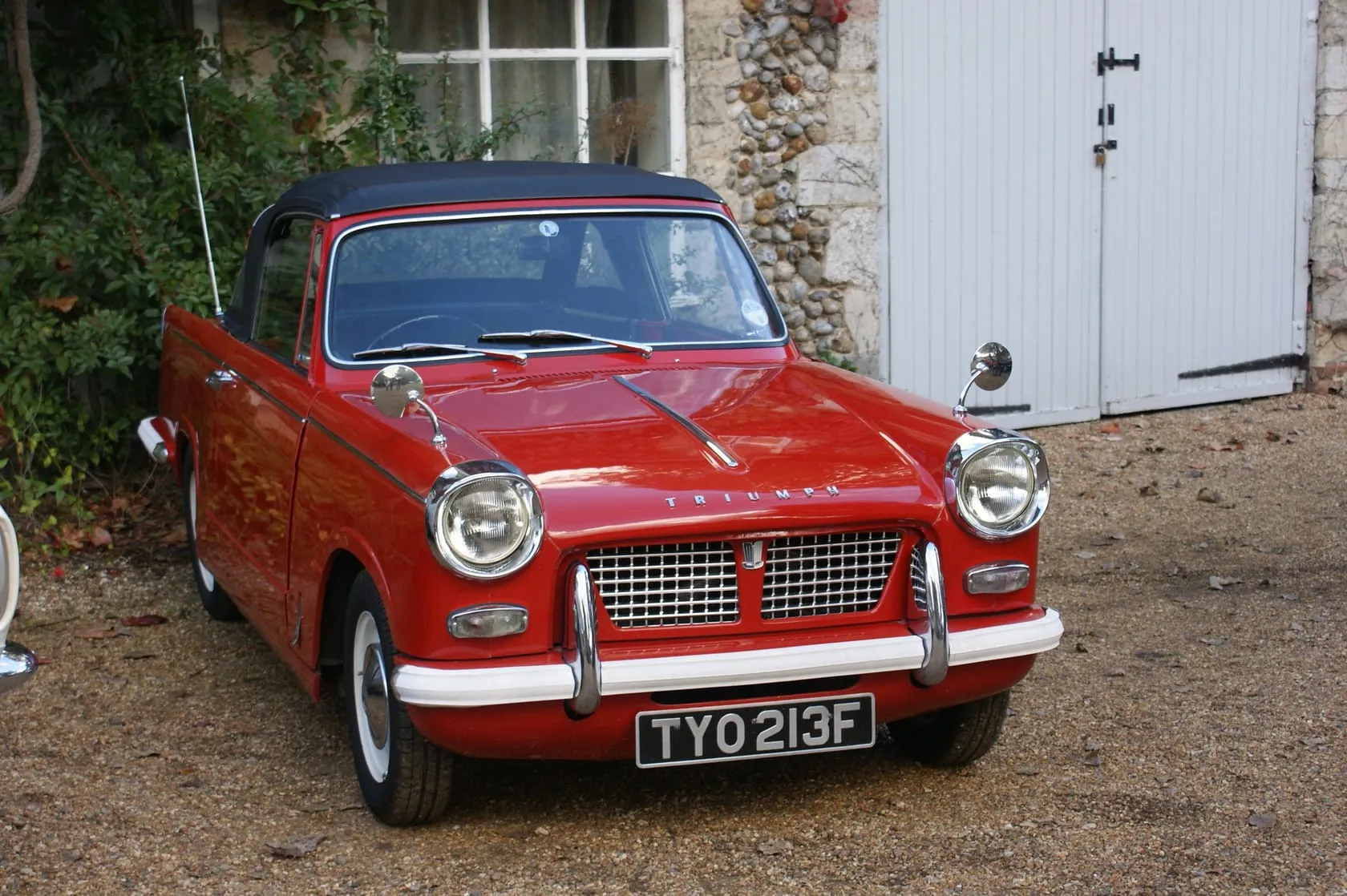 Triumph Herald: a bolt-together chassis that saved Standard-Triumph (1959–1971)
The Triumph Herald was the charming, infinitely fixable small car whose separate bolt-together chassis, born of a body-supply crisis, saved Standard-Triumph and spawned the Spitfire, Vitesse and GT6. A guide to the 948, 1200, 12/50 and 13/60, the famous turning circle and tilt-forward bonnet, what to look for, and what they are worth.
-
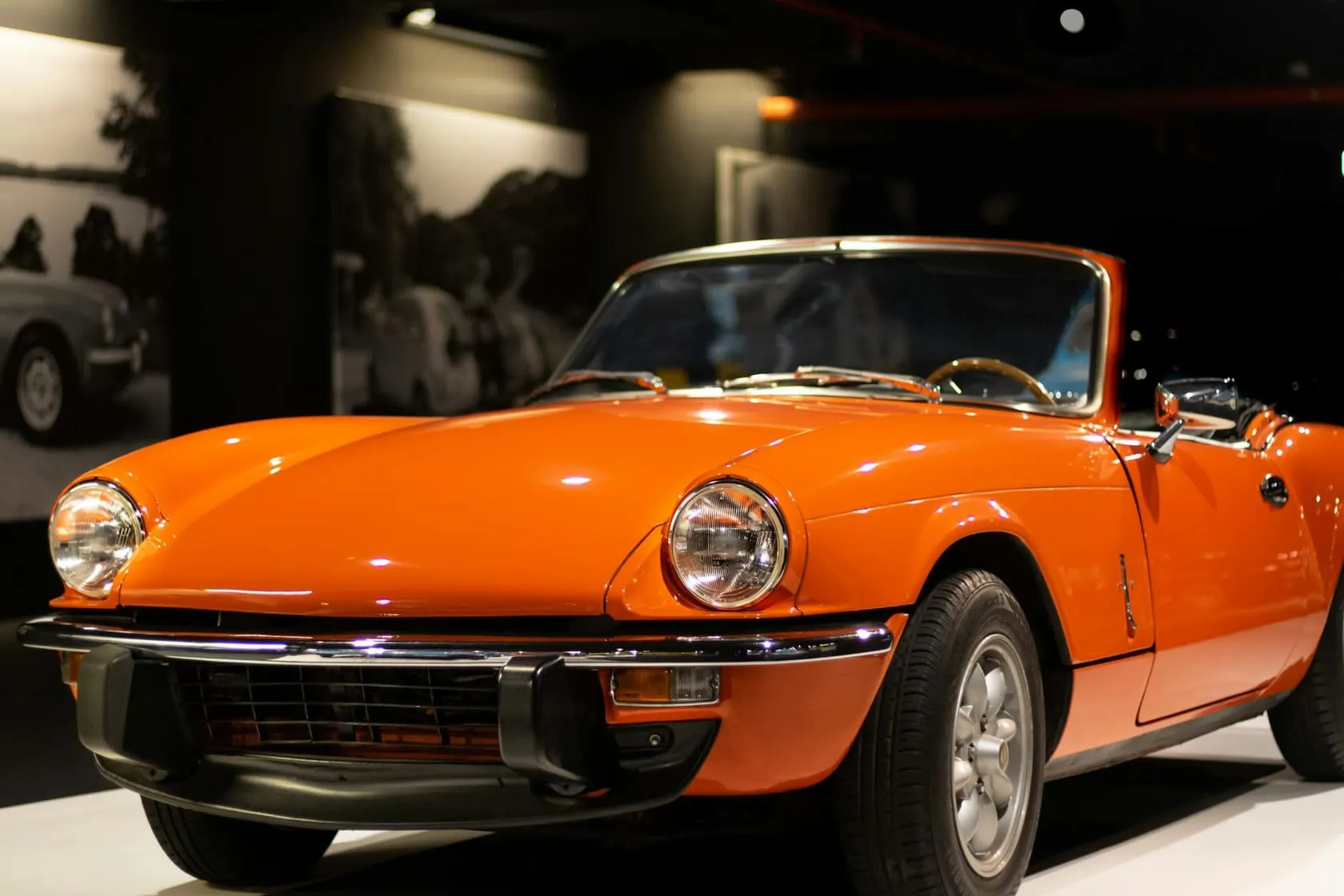 Triumph Spitfire: a real roadster on a shortened saloon chassis (1962–1980)
The Triumph Spitfire was the affordable open sports car that put a real roadster within reach of ordinary buyers, an MG Midget rival with a forward-tilting bonnet and a tight turning circle. A guide to the five marks, the swing-axle handling and its fix, what to look for, and why it is still one of the cheapest ways into classic British sports-car ownership.
-
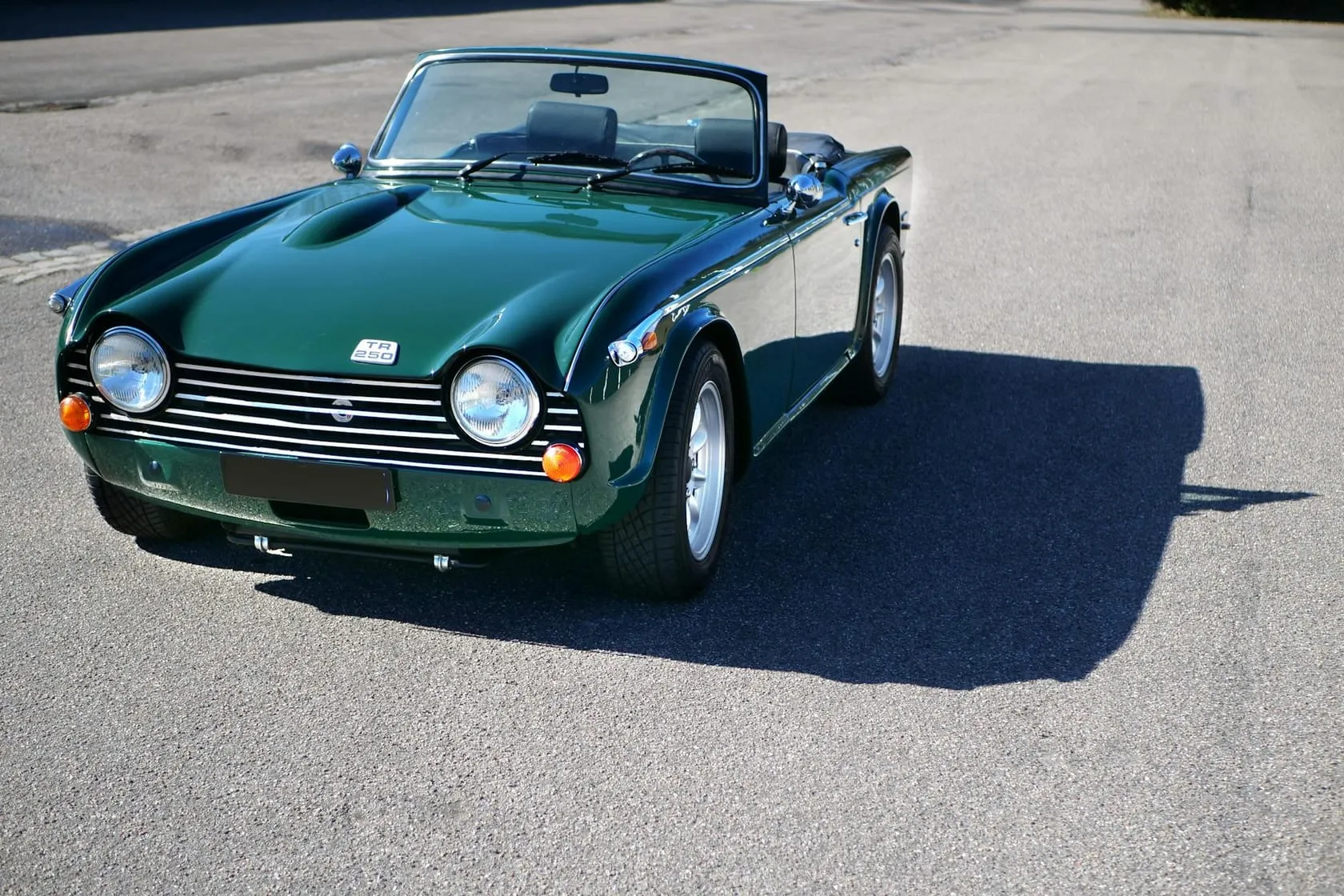 Triumph TR4: a crisp Michelotti body on proven TR mechanicals (1961–1967)
The Triumph TR4 brought modern Michelotti styling, rack-and-pinion steering and the clever Surrey-top removable roof to the rugged TR sports-car line, and the TR4A added independent rear suspension. A guide to the two cars, their place in the TR story, and what to look for when buying one.
-
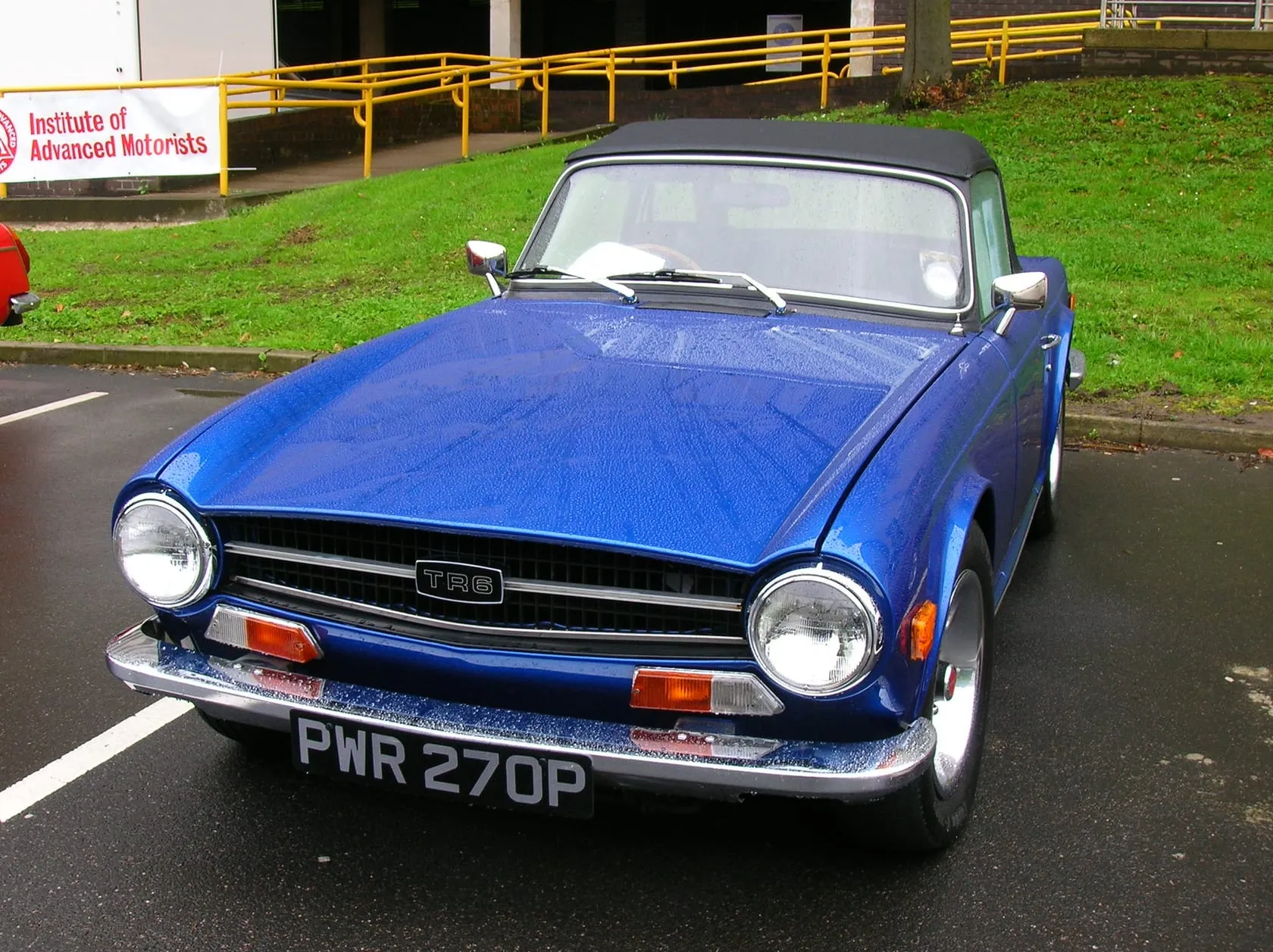 Triumph TR6: the last of the hairy-chested roadsters (1968–1976)
The Triumph TR6 was the best-selling TR and the last of the traditional separate-chassis British sports cars, a muscular Karmann-restyled roadster with a 2.5-litre straight-six and, on home-market cars, Lucas fuel injection. A guide to the PI-versus-carburettor cars, the CP and CR distinction, and the buying checks that matter most.
-
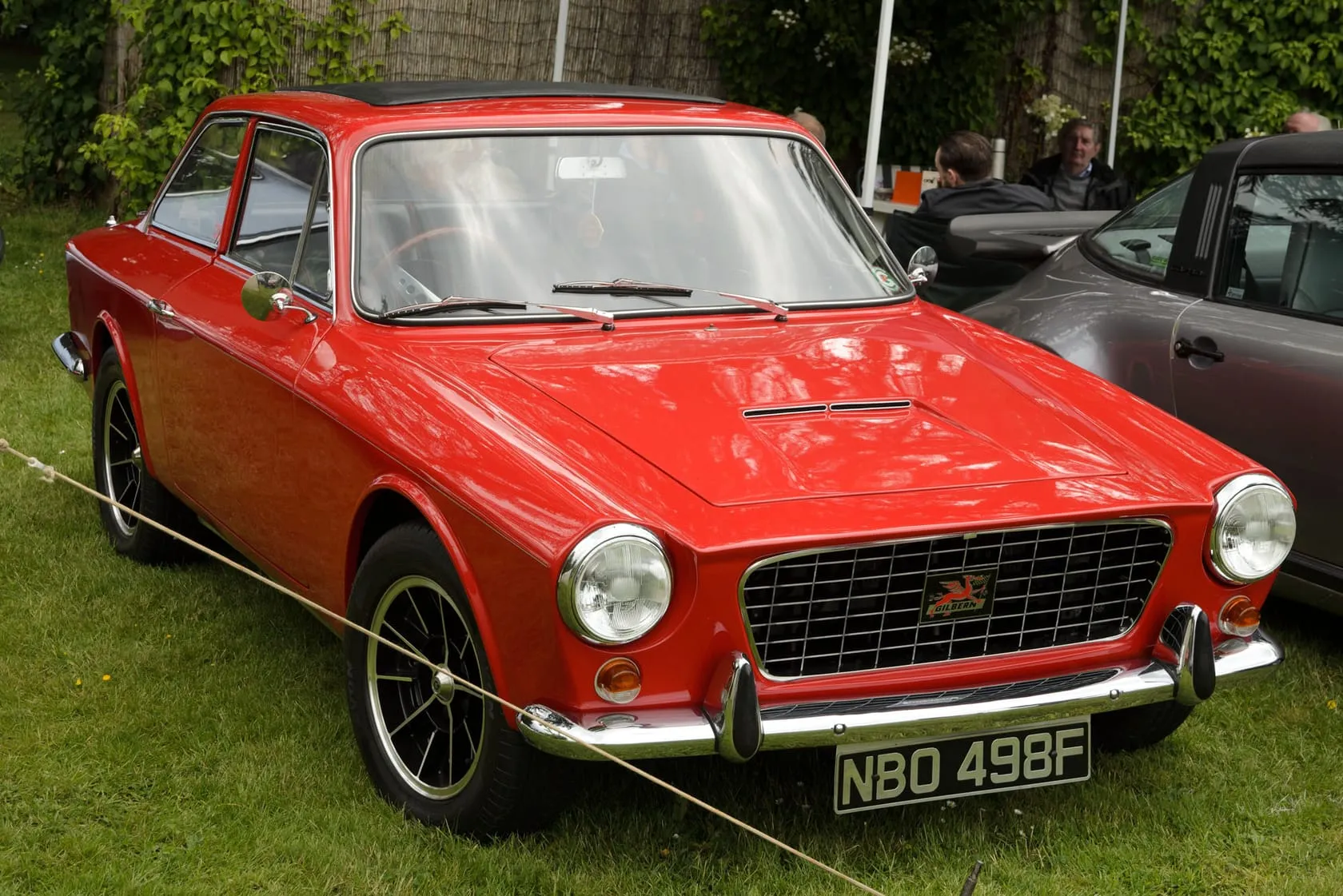 Gilbern: the only car ever built in Wales (1959–1973)
Gilbern was the only series-production car ever wholly built in Wales, a glass-fibre grand tourer that grew from a Pontypridd butcher's loft into a proper V6 GT. A guide to the GT, Genie and Invader, the butcher-and-engineer story, the royal owner, what to look for when buying, and what they are worth.
-
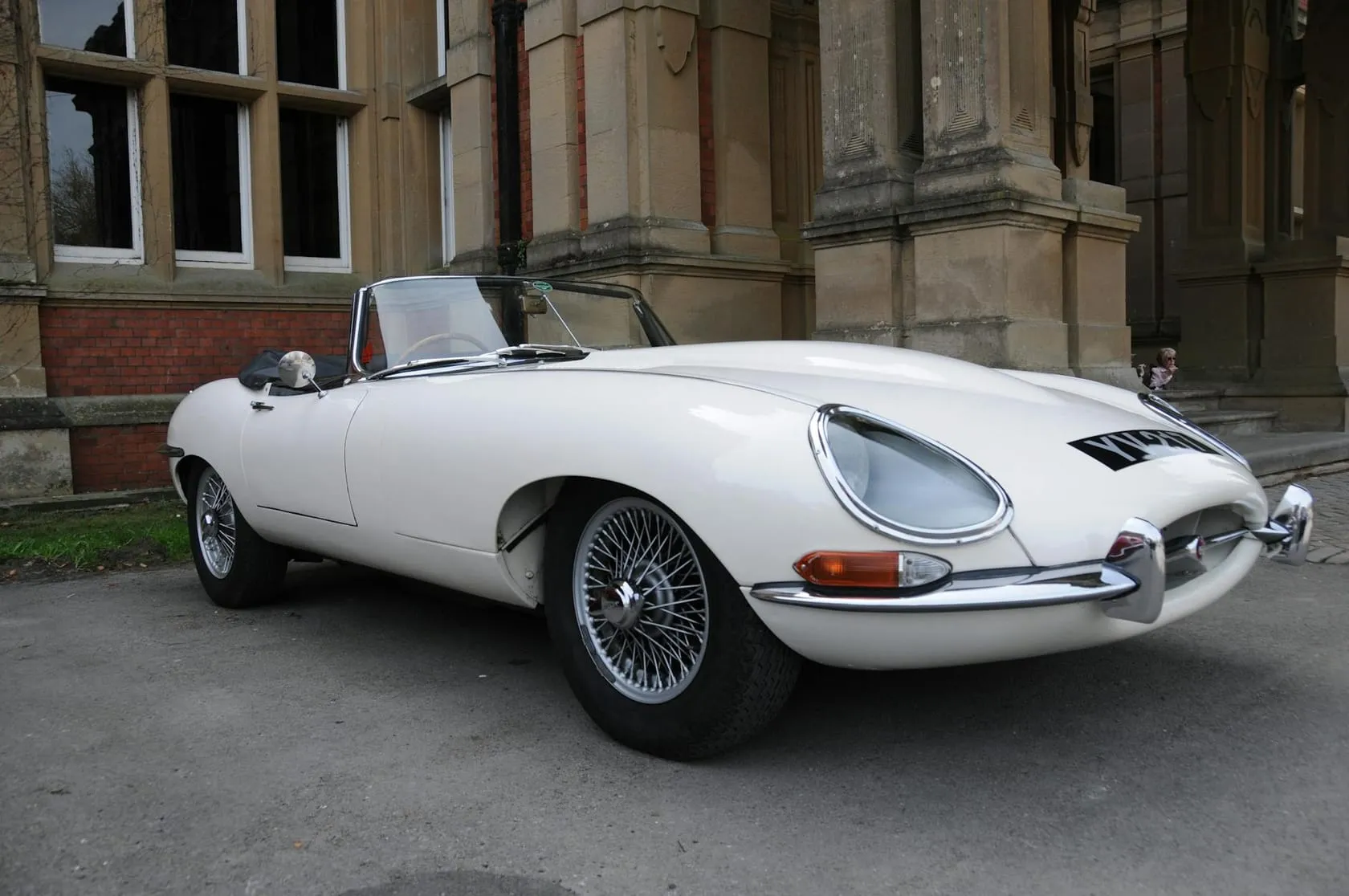 Jaguar E-Type (1961–1975): the complete guide to the series
The Jaguar E-Type was the most beautiful car of its age and one of the fastest, and it ran from the covered-headlamp Series 1 to the V12 Series 3 across fourteen years. The development story, the differences between the series, the myths sorted from the facts, and what the survivors are like to buy now.
-
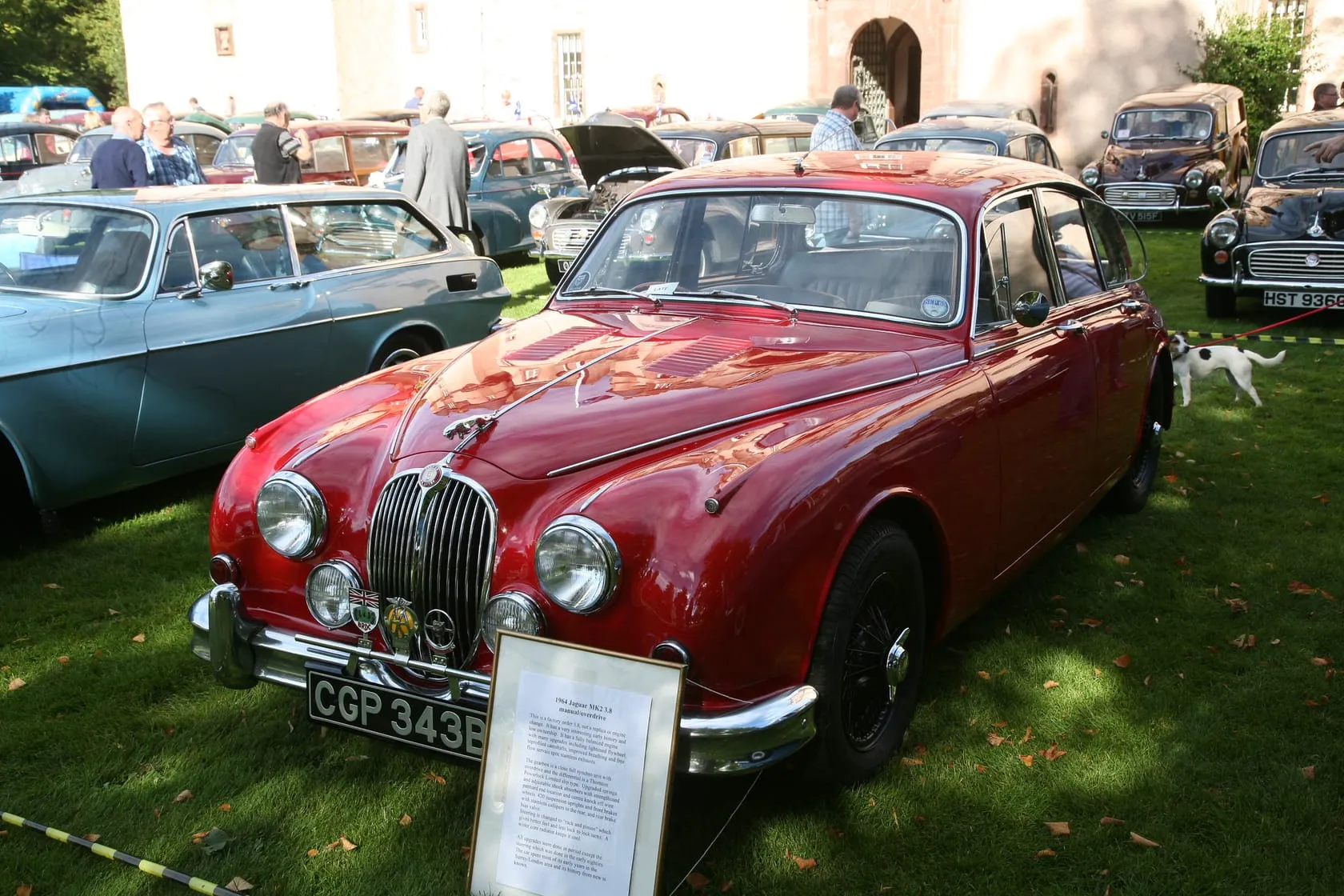 Jaguar Mk2 (1959–1967): grace, space, pace and the gentleman's express
The Mk2 was the compact sports saloon that, in 3.8 form, would see off most sports cars of its day, and it became the definitive 1960s Jaguar, beloved of bank managers, getaway drivers and saloon racers alike. The engines, the Coombs racers, the run-out cars, and what to look for when buying one.
-
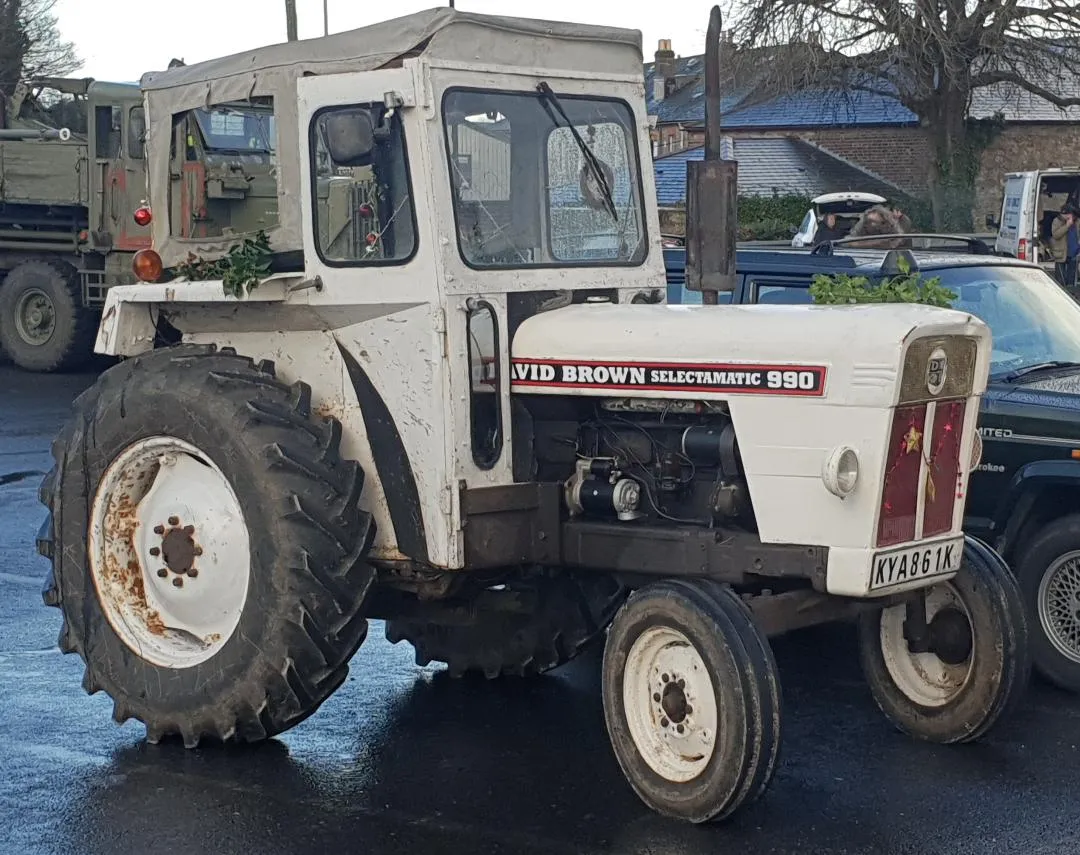 David Brown tractors: the gear-makers who also built Aston Martin
David Brown built well-engineered classic tractors at Meltham in Yorkshire from the 1936 Ferguson-Brown to the Selectamatic range, and the same company owned Aston Martin, giving the DB in DB5 its initials. The history, the Cropmaster, Implematic and Selectamatic models, the Aston Martin connection, what to look for when buying, and values.
-
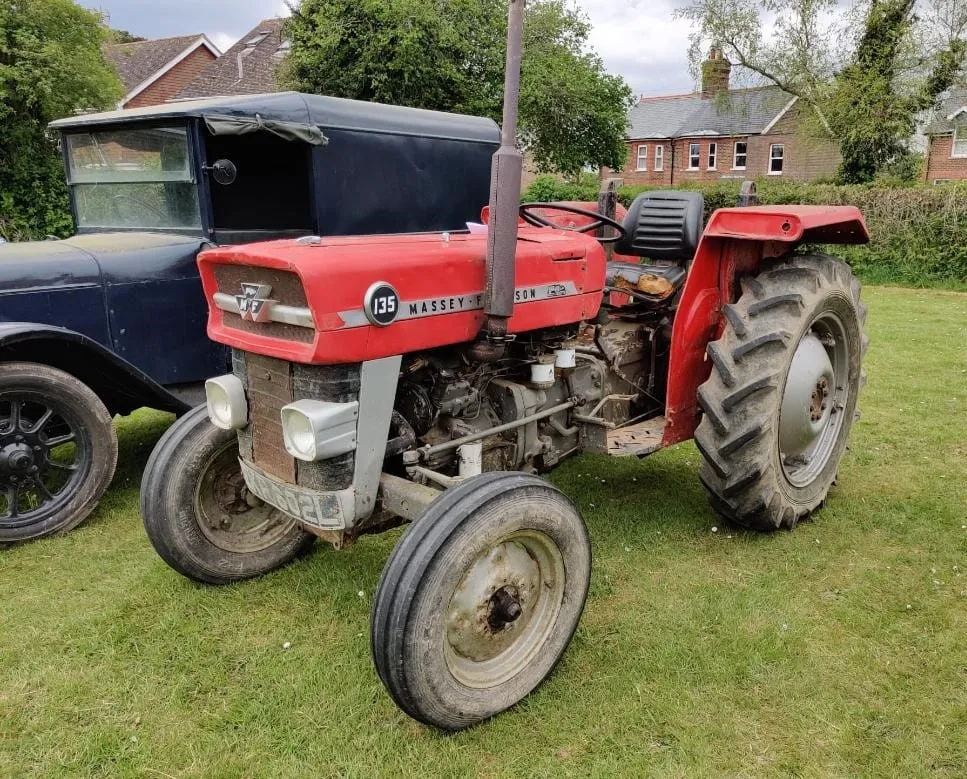 Massey Ferguson 135: the classic tractor everyone knows
The Massey Ferguson 135 is the most recognisable classic tractor in Britain, over 400,000 built at Coventry from 1964, simple, tough, and still working farms and shows today. Its history, the Perkins and Continental engines, the Multi-Power transmission, what to check when buying, and what a good one is worth.
-
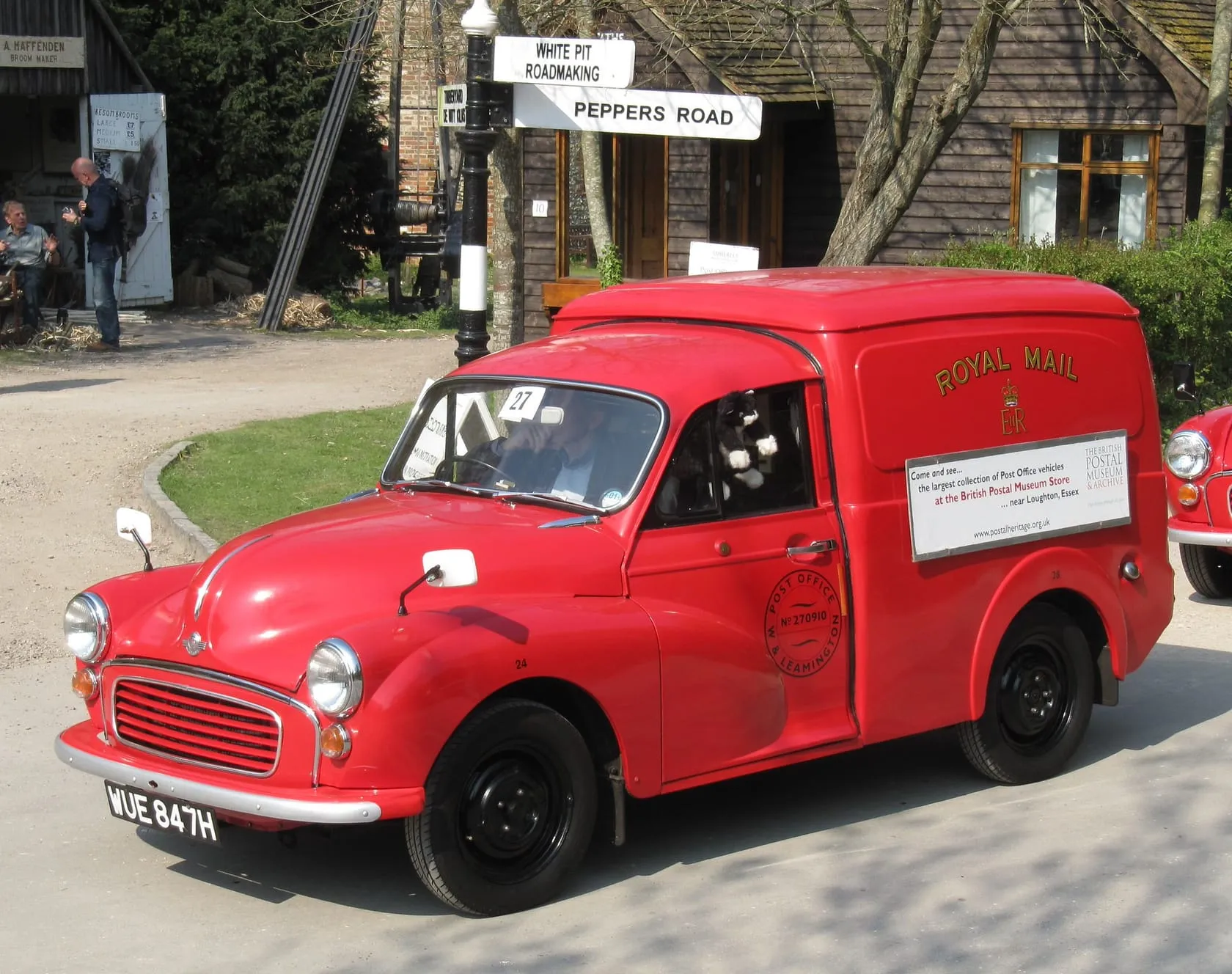 Morris Minor van: the Post Office classic
The Morris Minor van was the small delivery van of post-war Britain and the face of the Post Office fleet. Its history, the famous GPO vans with their rubber wings, the variants and engines, and what a clean original is worth today.
-
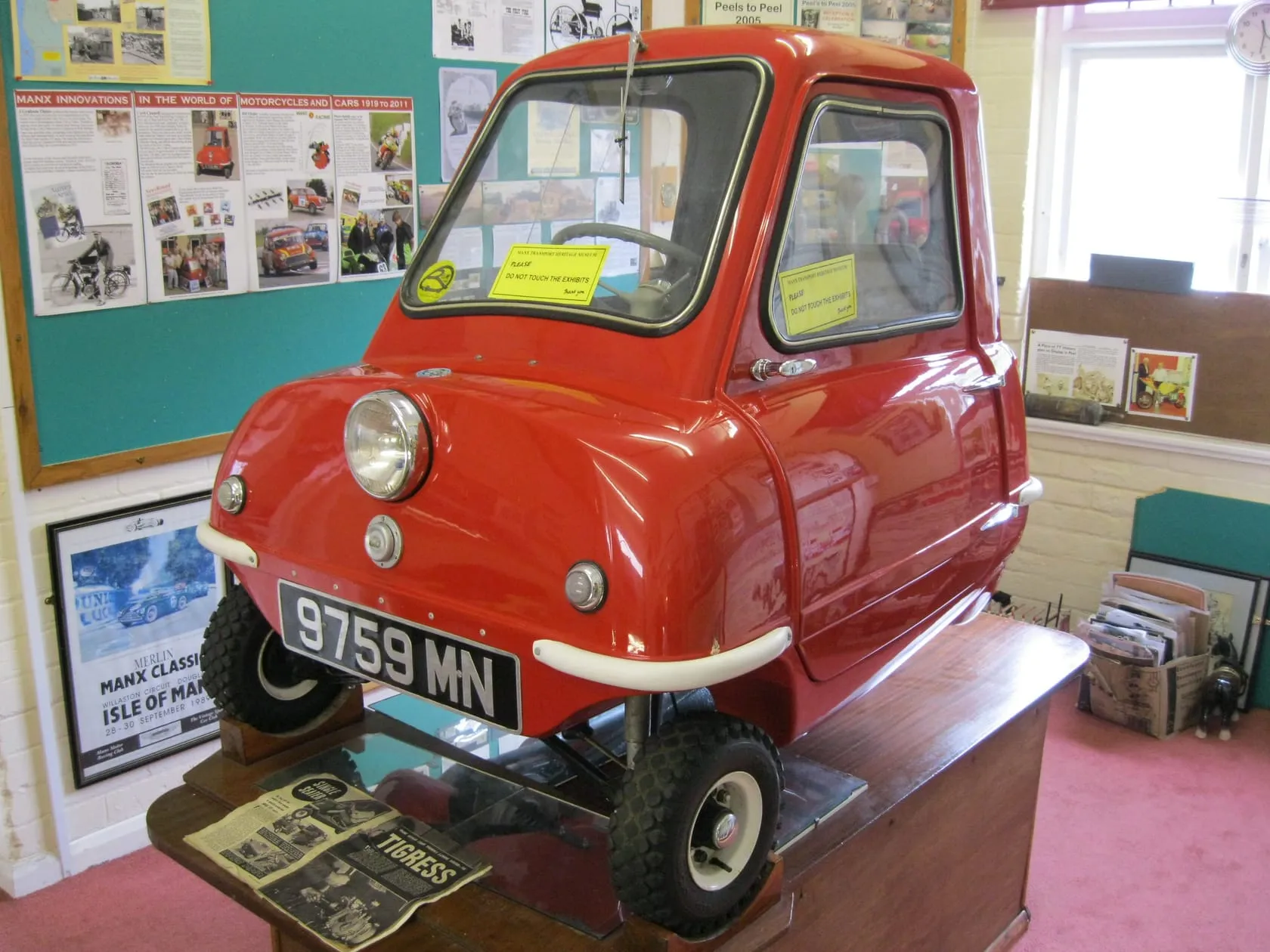 Peel P50: the smallest production car ever made
The Peel P50 is the smallest production car ever made, a single-seat three-wheeler built on the Isle of Man in the early 1960s with a 49cc engine and no reverse gear. Its history, what it is like to use, the modern revival, and why genuine originals are now five-figure collectors' cars.
-
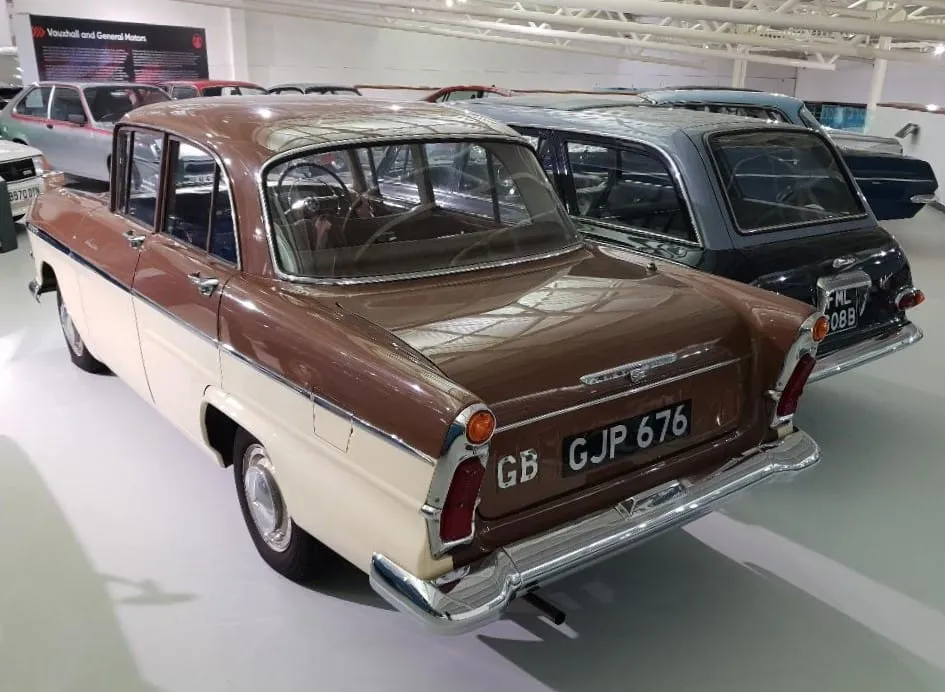 Vauxhall Victor: nineteen years and five generations of family Vauxhall (1957–1976)
The Vauxhall Victor ran for nineteen years and five generations, from the wraparound-windscreen F-type to the slant-four FE estate. A guide to the lineage, what to look for, what they're worth, and why so few survived.
-
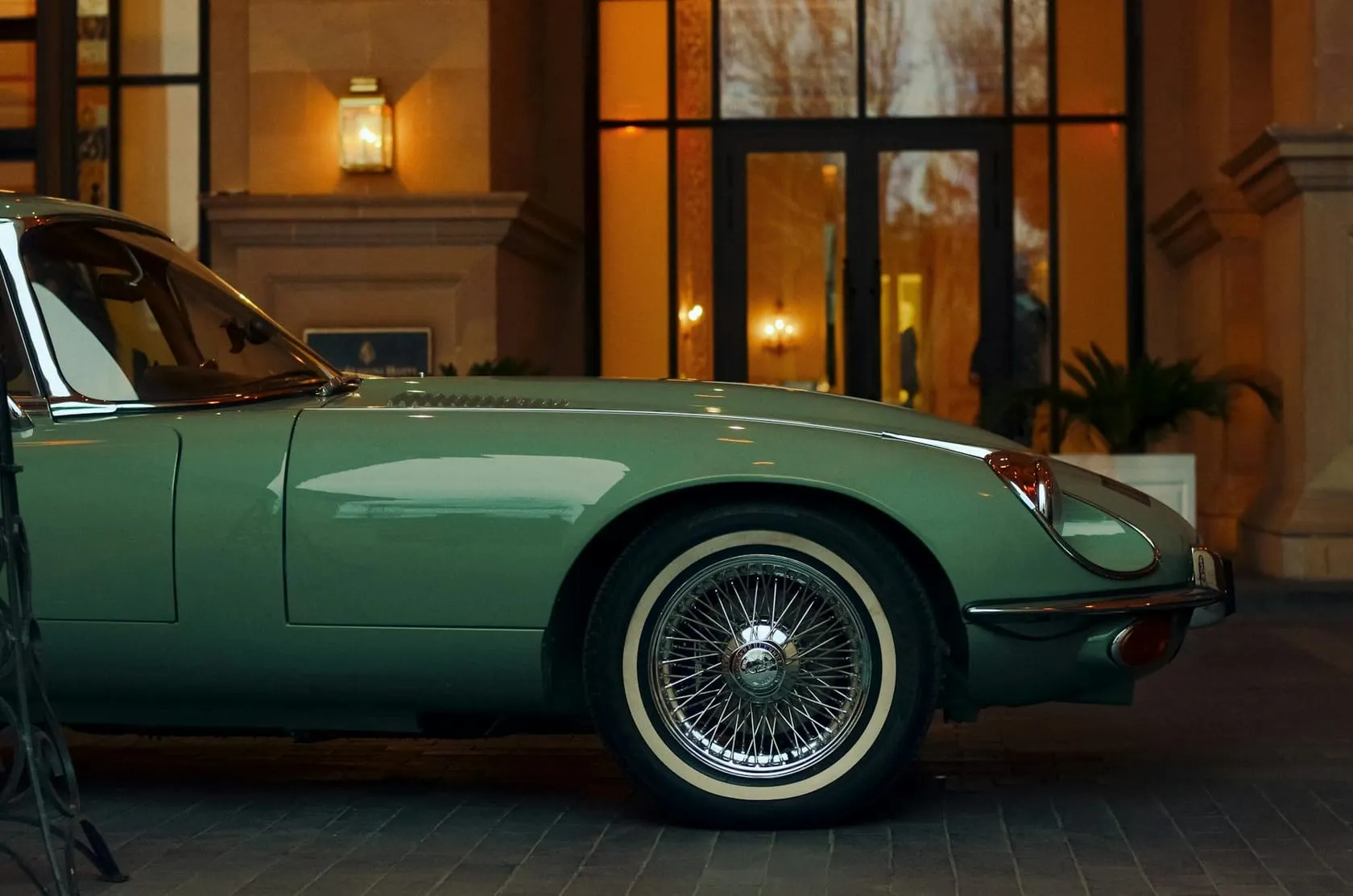 British classic cars of the 1960s
Britain's high-water mark as a car maker, the British cars of the 1960s running from the Mini and the E-Type to the Cortina, the DB5, and the export boom that briefly made it the world's sports-car factory.