David Brown tractors: the gear-makers who also built Aston Martin
David Brown built well-engineered classic tractors at Meltham in Yorkshire from the 1936 Ferguson-Brown to the Selectamatic range, and the same company owned Aston Martin, giving the DB in DB5 its initials. The history, the Cropmaster, Implematic and Selectamatic models, the Aston Martin connection, what to look for when buying, and values.
Built 1936–1988

At a glance
- Years
- 1936–1988
- Production
- Built in smaller numbers than Massey Ferguson or Fordson
- Assembly
- Meltham, near Huddersfield, Yorkshire
- Values
- A Selectamatic 990 from around £1,000-£3,000 running; earlier Cropmasters and a 1936 Ferguson-Brown worth substantially more
- Range
- Ferguson-Brown, Cropmaster, Implematic, Selectamatic 770/880/990/1200
- Notable
- Same David Brown owned Aston Martin; the DB in DB5 is his initials
The tractors
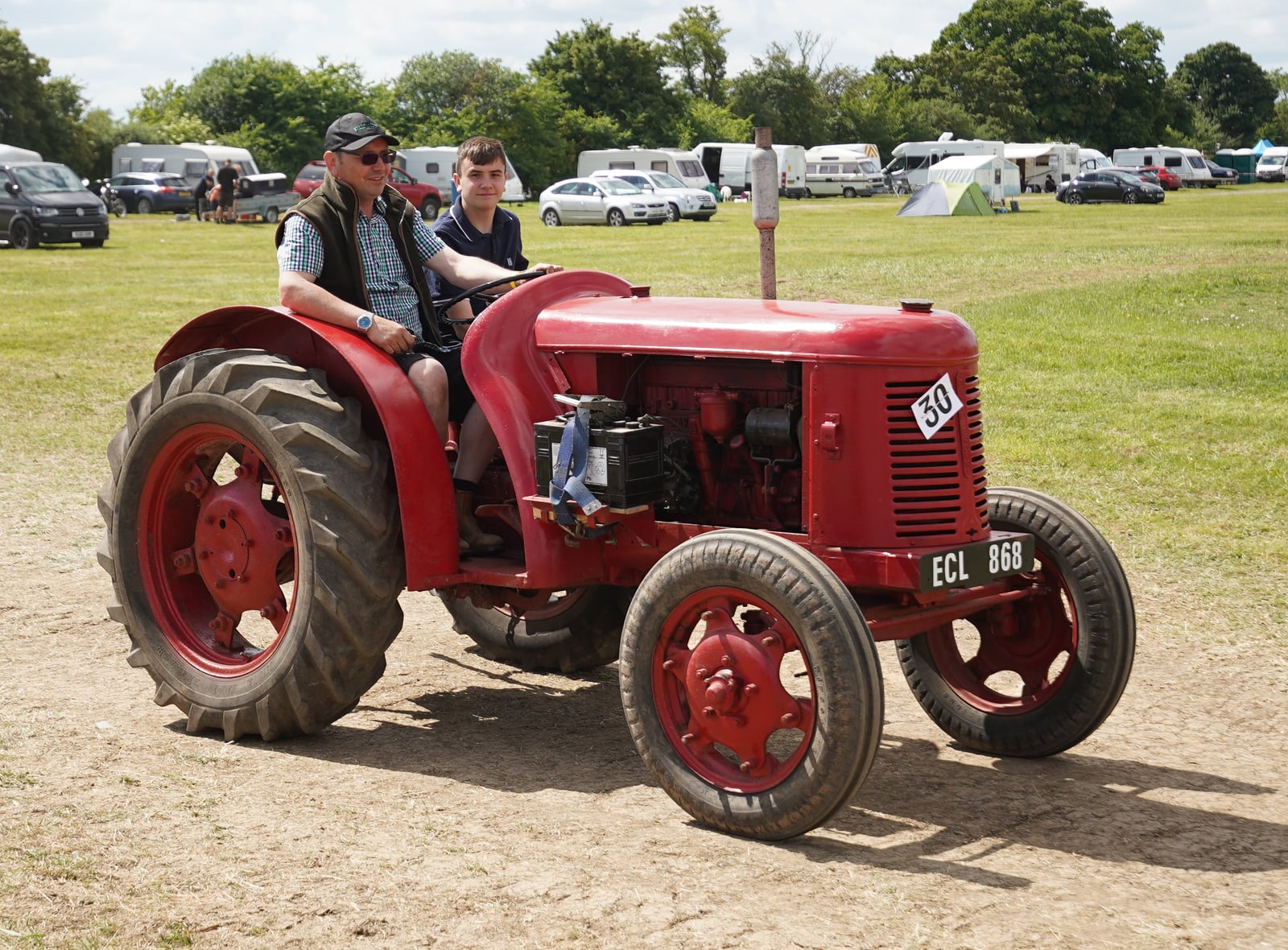
David Brown is the thinking enthusiast’s classic tractor. Where Massey Ferguson and the Fordson Major sold in their hundreds of thousands, David Brown built in smaller numbers and built them well, a Yorkshire firm of precision gear-makers who applied that engineering care to tractors. And then there is the fact that surprises everyone who hears it: the same David Brown company owned Aston Martin, and the DB in DB5 stands for David Brown.
From gears to tractors
David Brown and Sons was founded in Huddersfield in 1860 and made its name in gears, becoming one of the country’s leading manufacturers of precisely machined gearing by the turn of the century. That expertise in transmissions is the thread that runs through everything the company later did, in tractors and in cars alike.
The move into tractors came in 1936, and it came through Harry Ferguson. Ferguson had the revolutionary three-point hydraulic system but needed someone to build a tractor around it, and David Brown was the engineering partner. The result was the Ferguson-Brown Type A, of which around 1,350 were made. But the two men disagreed, chiefly over price and design direction, and the partnership broke up. Ferguson went on to build his own Ferguson tractors; David Brown decided to build his own as well.

The David Brown tractors
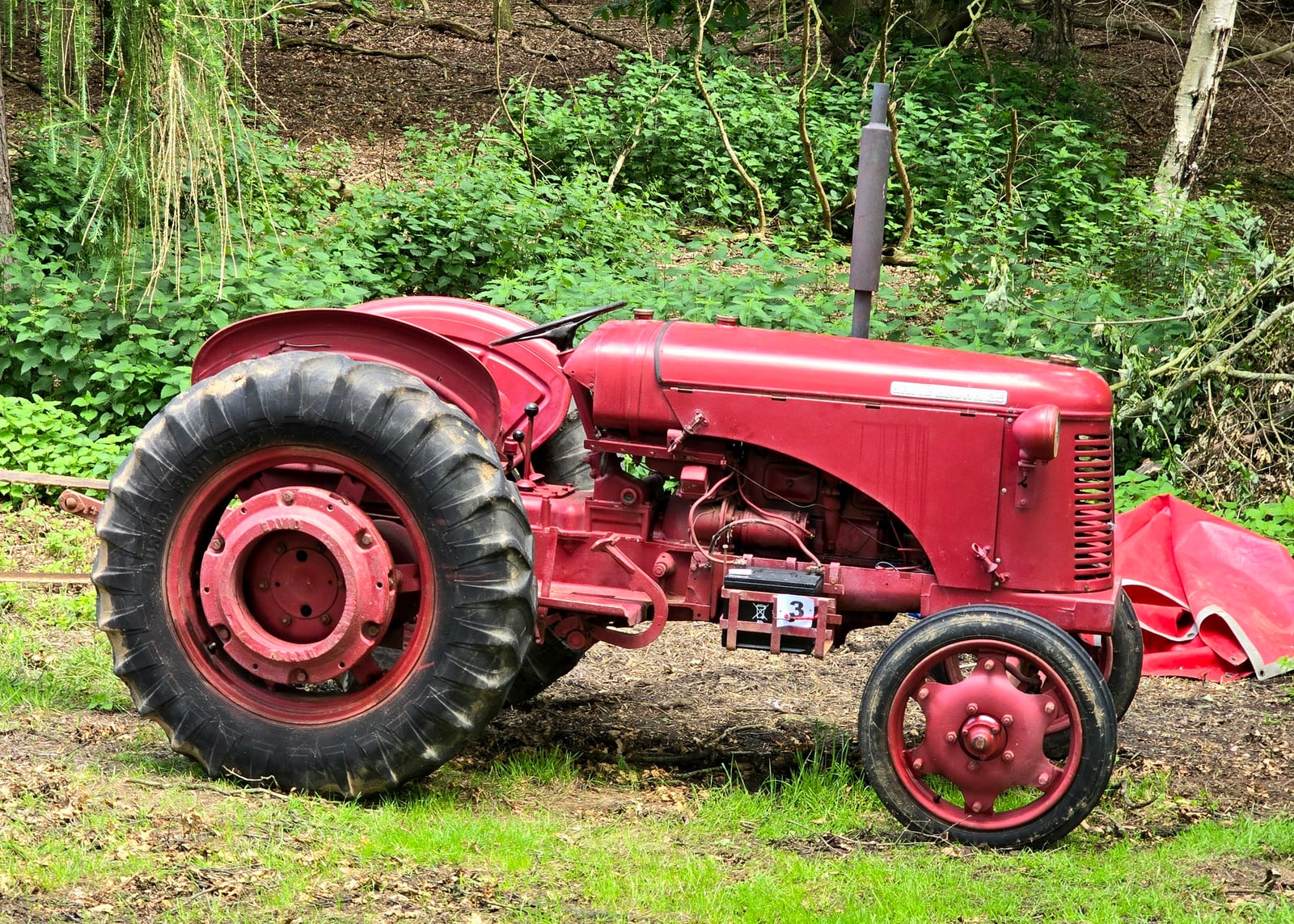
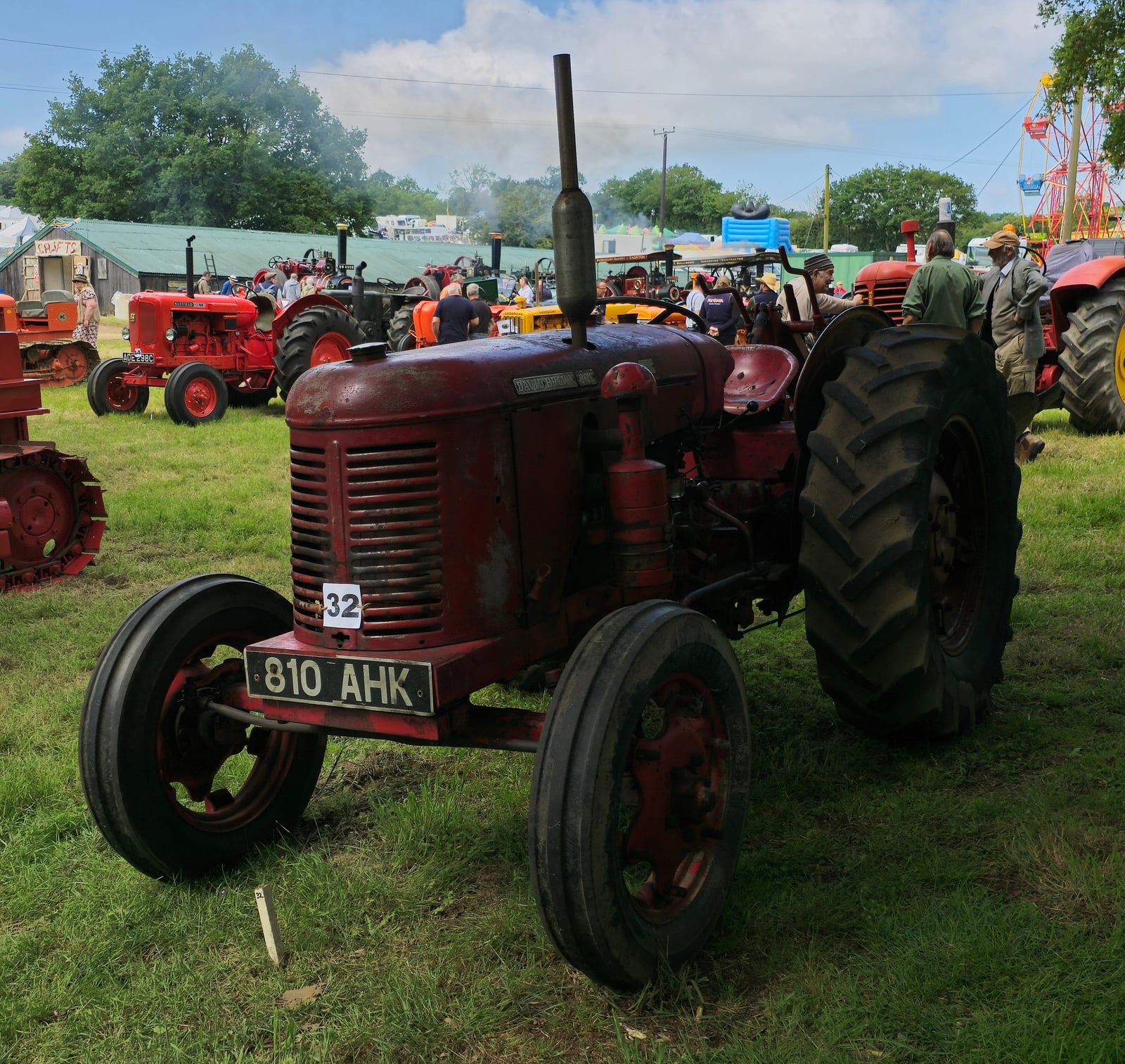
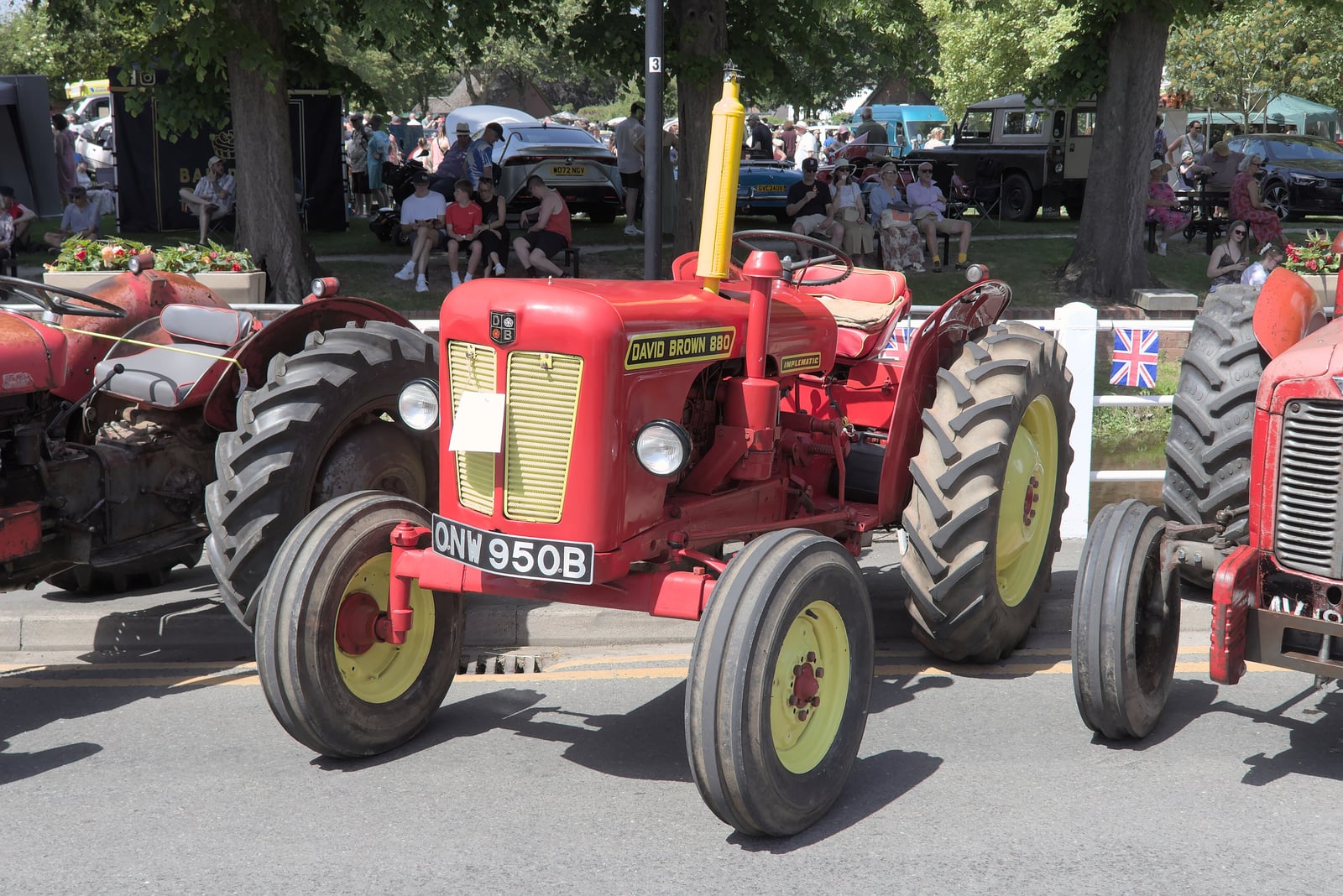
Freed from Ferguson, David Brown launched the VAK1 at the 1939 Royal Show, a heavier and more powerful tractor than the little Ferguson-Brown, and more than 7,700 were sold through the war years. After the war came the Cropmaster, built from 1947, a popular and well-made tractor that established David Brown as a serious name in its own right.
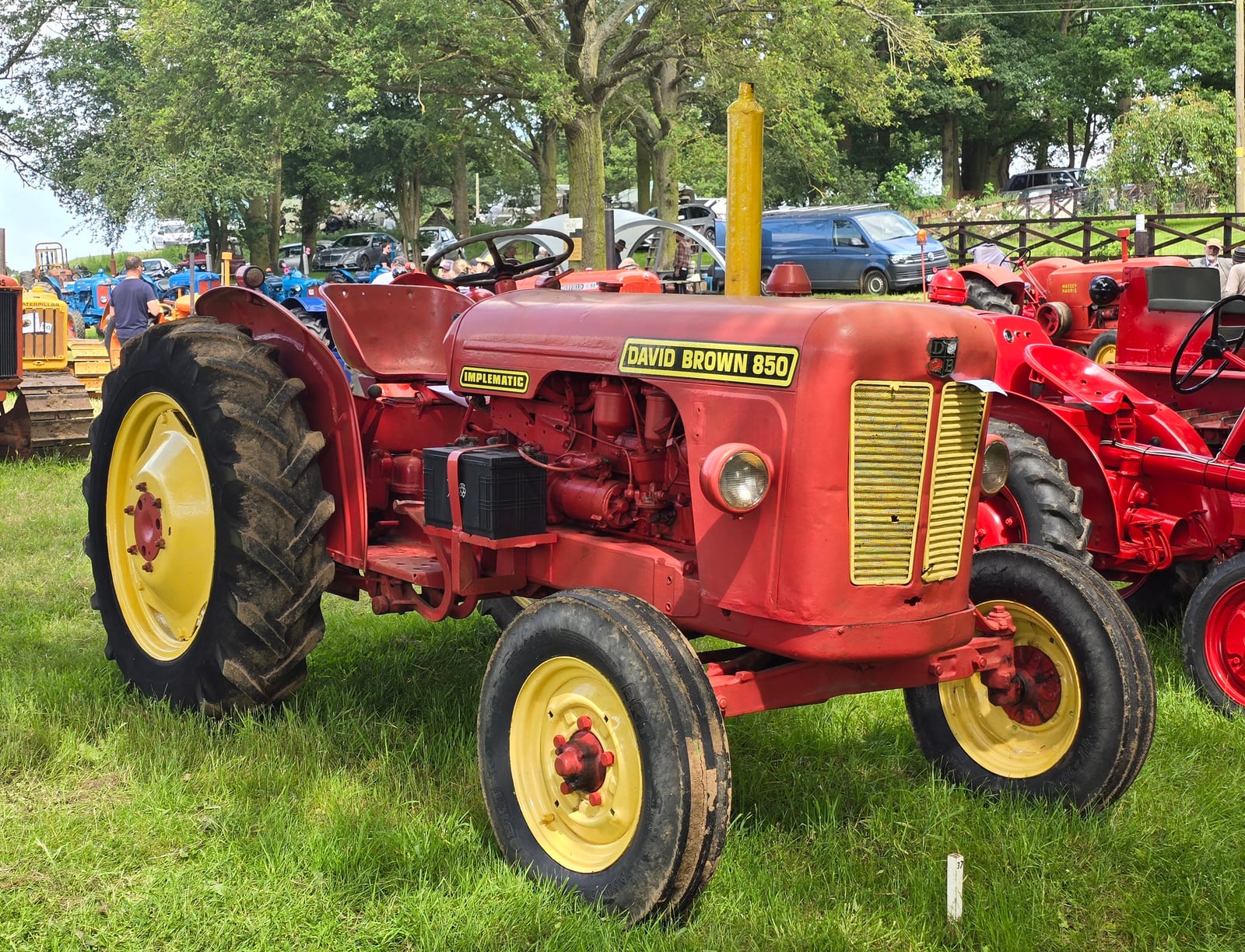
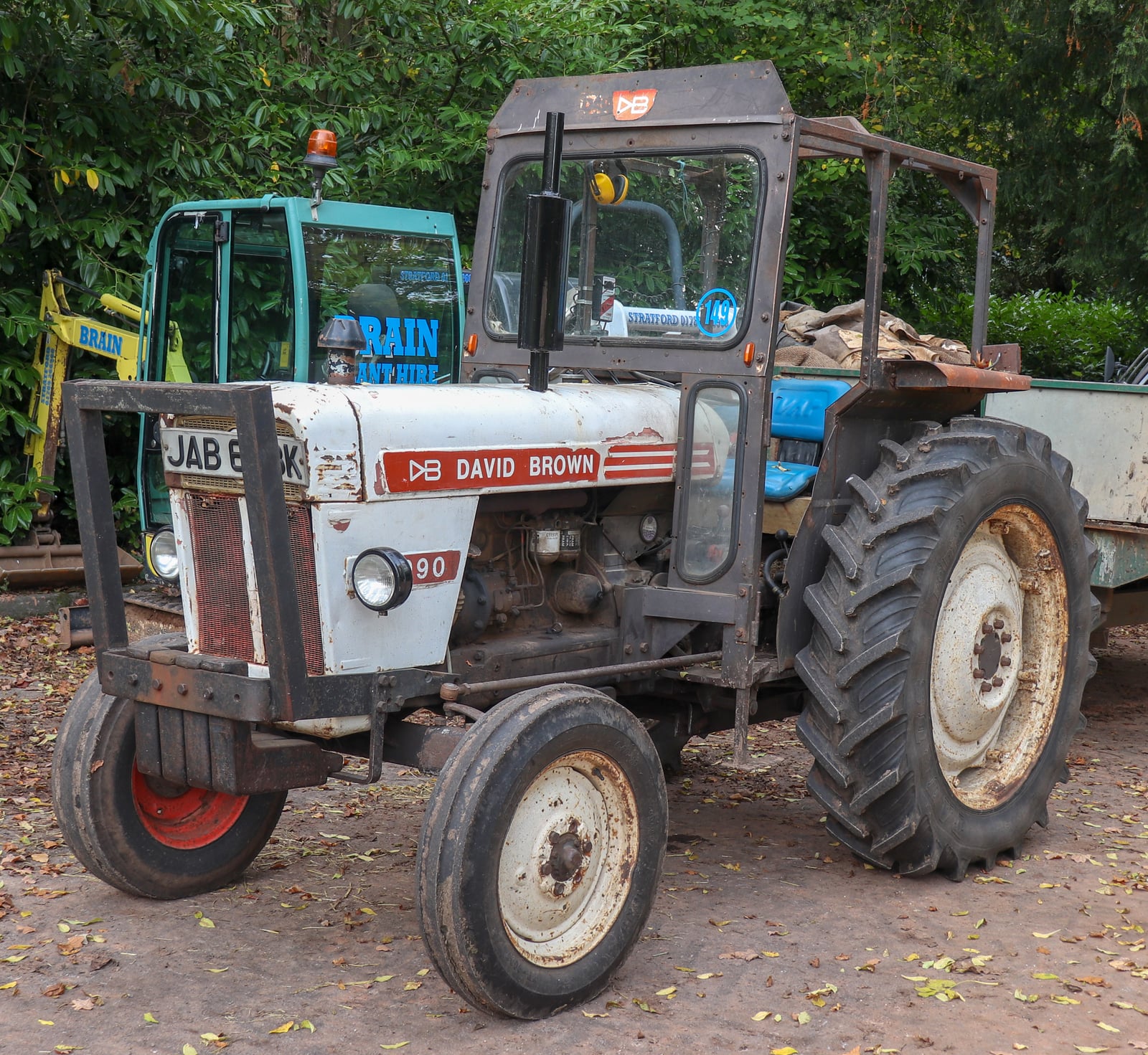
Through the 1950s and 1960s the company built a steady, well-engineered range. The Implematic models arrived at the end of the 1950s, and in 1965 came the Selectamatic range, the 770, 880, 990, and 1200, named after their clever single-lever hydraulic system. The Selectamatic 990 in particular became one of the most familiar of all David Browns and is a common and affordable classic today. The Synchromesh models of the 1970s continued the line until Tenneco, the American owner of Case, bought the tractor business in 1972. The David Brown name carried on, increasingly alongside Case badging, until the last of the line ended in 1988.

The Aston Martin connection
It is worth telling properly, because it is so improbable. In 1947, while building tractors at Meltham, David Brown bought the struggling sports-car maker Aston Martin, reportedly answering a newspaper advertisement, for around £20,500. The following year he bought Lagonda for its fine six-cylinder engine. He combined the two and built the run of cars that made Aston Martin famous: the DB2, DB4, DB5, and DB6, every one carrying his initials, the DB5 going on to become the most famous car in the world through its association with James Bond.
Brown ran Aston Martin for a quarter of a century before selling it, along with Lagonda, in 1972. So the same Yorkshire engineering company, in the same years, was building grey Selectamatic tractors for the farm and silver DB5s for the screen. Few firms have ever spanned such a range, and the gear-making expertise that underpinned the tractors served the cars just as well.

Buying a David Brown
For most buyers the entry point is a Selectamatic, usually a 990, which is common enough to be affordable and well enough supported to be practical. The earlier and rarer models, a Cropmaster, a VAK1, and above all a genuine 1936 Ferguson-Brown, are collector pieces worth far more and bought with more care.
Whichever model, the checks are the familiar ones. The engine should start cleanly, run without heavy smoke, and hold oil pressure. The hydraulics are central, especially on a Selectamatic, where the whole selling point was the hydraulic system, so work through its functions and make sure the lift is firm. David Brown’s gear-making heritage means the transmissions are generally strong, but listen for whine and check for play in the back axle. Then the usual: clutch, brakes, steering, and tinwork. Parts and club support are good for the popular models, less so for the rarest, so factor that into a restoration project.

What they are worth
In broad terms, a running Selectamatic such as a 990 sits roughly between £1,000 and £3,000 depending on condition, which makes a usable classic David Brown one of the more affordable ways into the hobby. Earlier and rarer machines, a good Cropmaster or a genuine Ferguson-Brown, climb well beyond that and are bought by collectors who value the history. As ever, a sound engine and working hydraulics matter far more than fresh paint.

Why David Brown is special
David Brown tractors reward the owner who cares about engineering. They were built thoughtfully, by a company that understood transmissions better than almost anyone, and they carry a story no other tractor can match: the same firm, in the same Yorkshire works, built the tractor in the field and the Aston Martin in the film. For many enthusiasts that combination, quiet quality plus an extraordinary back story, is exactly the appeal.

The David Brown timeline
- 1936Harry Ferguson needs someone to build a tractor around his three-point system, and the Ferguson-Brown Type A results, around 1,350 built before the partnership breaks up.
- 1947The Cropmaster establishes David Brown as a serious name in its own right; the same year, David Brown answers a newspaper advertisement and buys Aston Martin for around £20,500.
- 1948He buys Lagonda for its six-cylinder engine, and the DB line of Aston Martins follows.
- 1965The Selectamatic range, 770 to 1200, arrives with its single-lever hydraulic system; the 990 becomes the familiar face.
- 1972Tenneco, owner of Case, buys the tractor business; the name carries on alongside Case badging.
- 1988The last of the line ends at Meltham.
Buying checklist: the David Brown in front of you
The familiar checks
- The engine should start cleanly, run without heavy smoke and hold oil pressure
- Clutch, brakes, steering and tinwork
- Listen for transmission whine and check for back-axle play, though the gears are the strong suit
- Buy mechanical condition over cosmetics, as with any classic tractor
Hydraulics, central on a Selectamatic
- Work through the single-lever system's functions
- The lift should be firm and hold a load
- The hydraulic system was the whole selling point, so a tired one undoes the tractor
- Implematic and earlier systems differ; know which you are testing
Which model
- The Selectamatic 990 is the practical entry
- Cropmasters, VAK1s and above all a genuine Ferguson-Brown are collector pieces
- Parts support is good for the popular models, less so for the rarest
- Factor rarity into any restoration project honestly
Related
David Brown is one of Britain’s classic and vintage tractors. For the best-known British classic tractor of all, see the Massey Ferguson 135, and for the practical side of running an older machine, see owning and running a classic tractor.
More photos