Ferguson TE20: the little grey Fergie that changed farming
The Ferguson TE20, the "little grey Fergie", is the tractor that brought Harry Ferguson's three-point hydraulic system to the world. Over half a million built in Coventry from 1946. Its history, the Ford handshake and the famous lawsuit, the petrol, TVO and diesel engines, what to check when buying, and what one is worth.
Built 1946–1956 15 recorded sales

At a glance
- Years
- 1946–1956
- Engines
- Continental, then Standard petrol/TVO four; diesel (TEF20)
- Production
- 517,651 built; around two-thirds exported
- Assembly
- Banner Lane, Coventry (some assembled in France)
- Designer
- Harry Ferguson
- UK survivors
- Survives in large numbers
- Values
- A few hundred to £1,500 running; £1,500-£3,000 tidy; more for the diesel TEF20
- Variants
- TE20/TEA20 petrol, TED20 TVO, TEF20 diesel
- Innovation
- Brought the Ferguson three-point hydraulic linkage to the world
The tractors
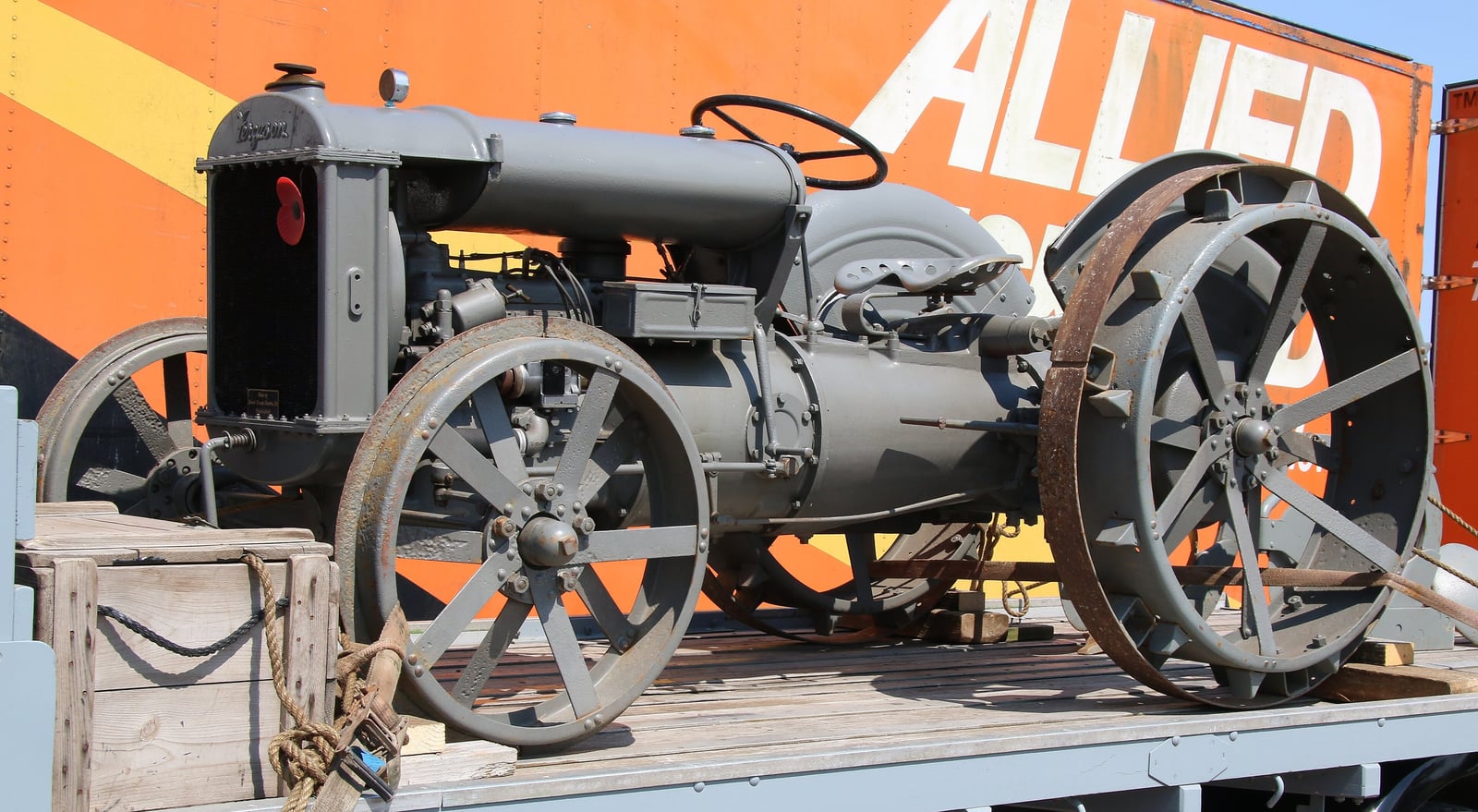
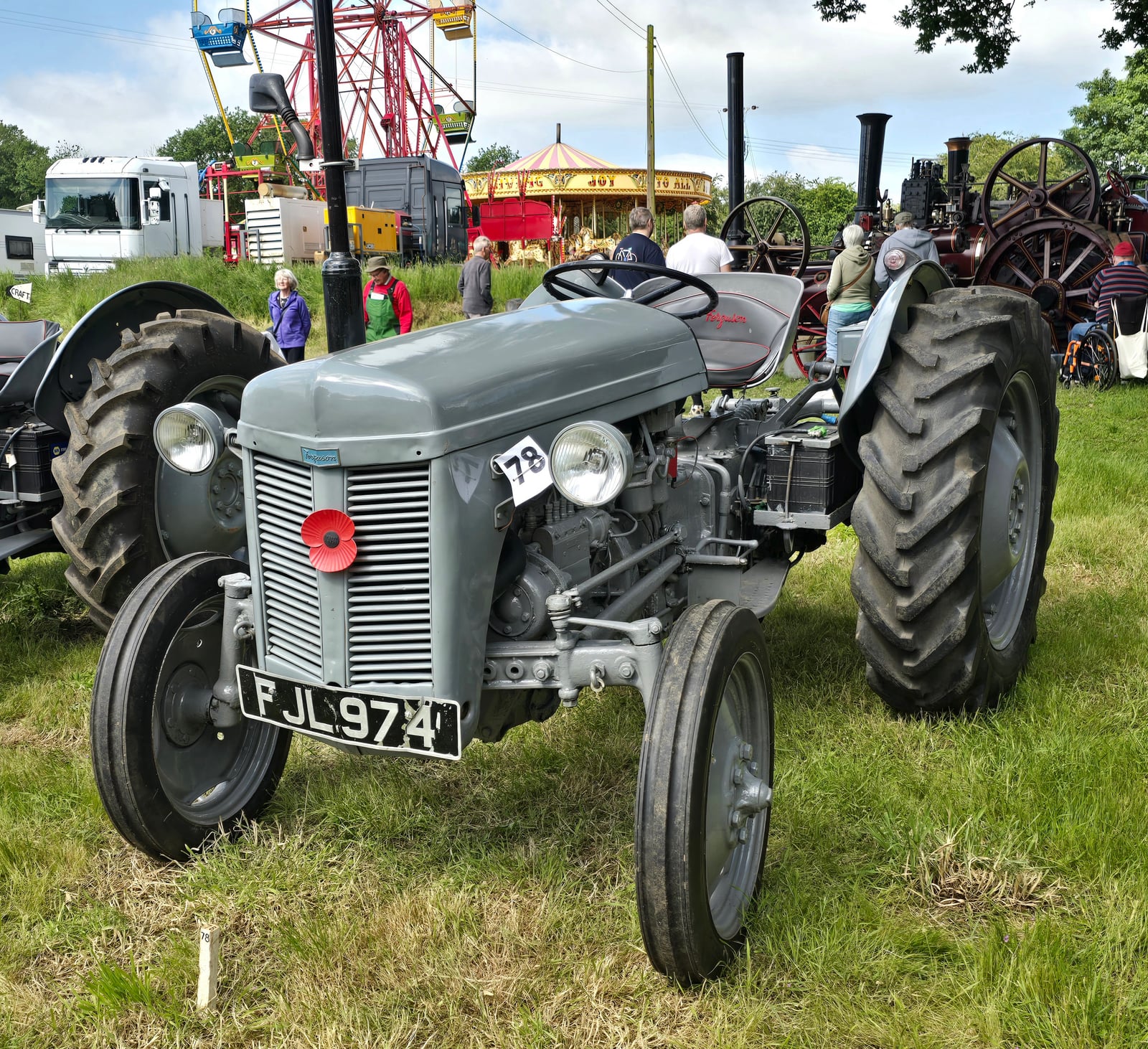
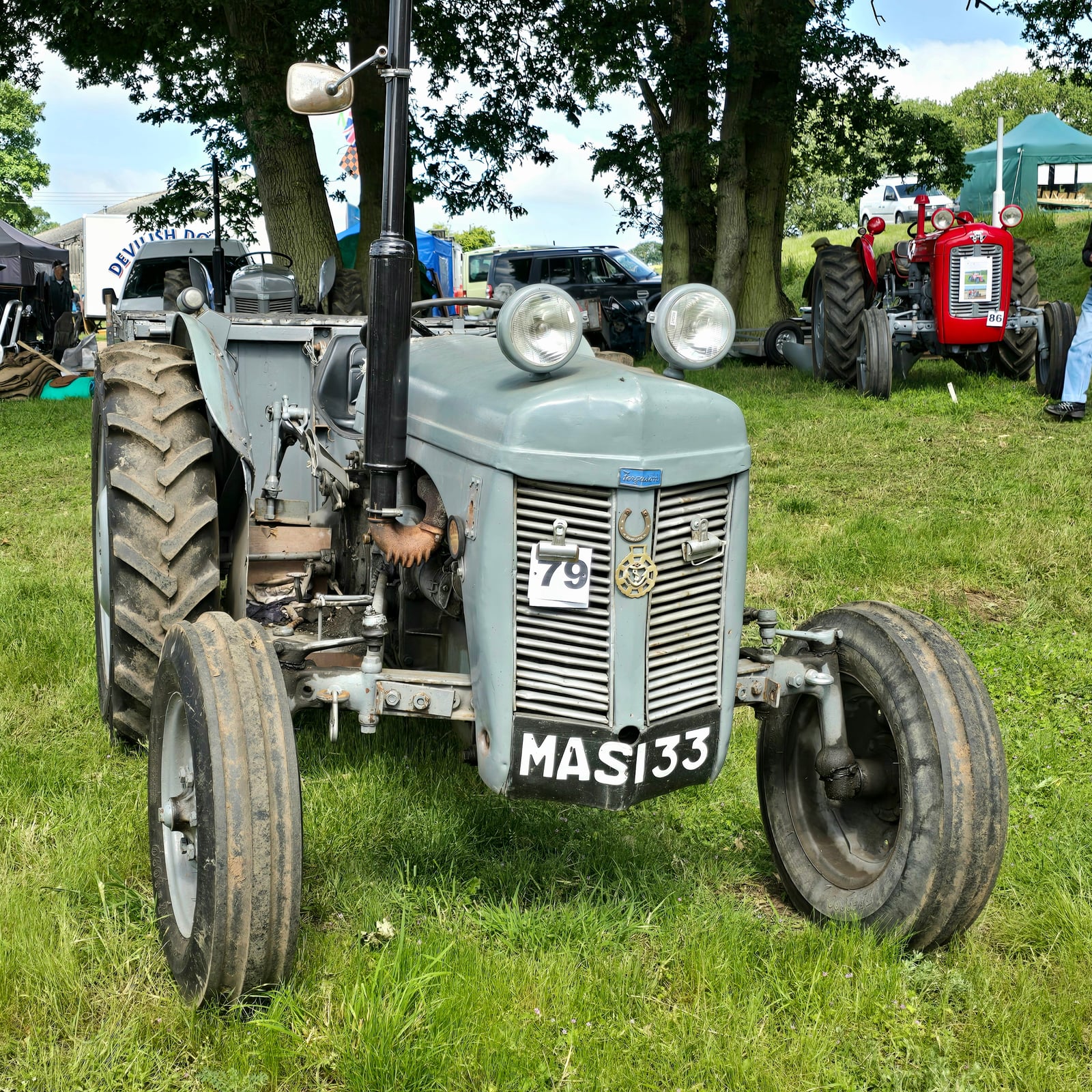
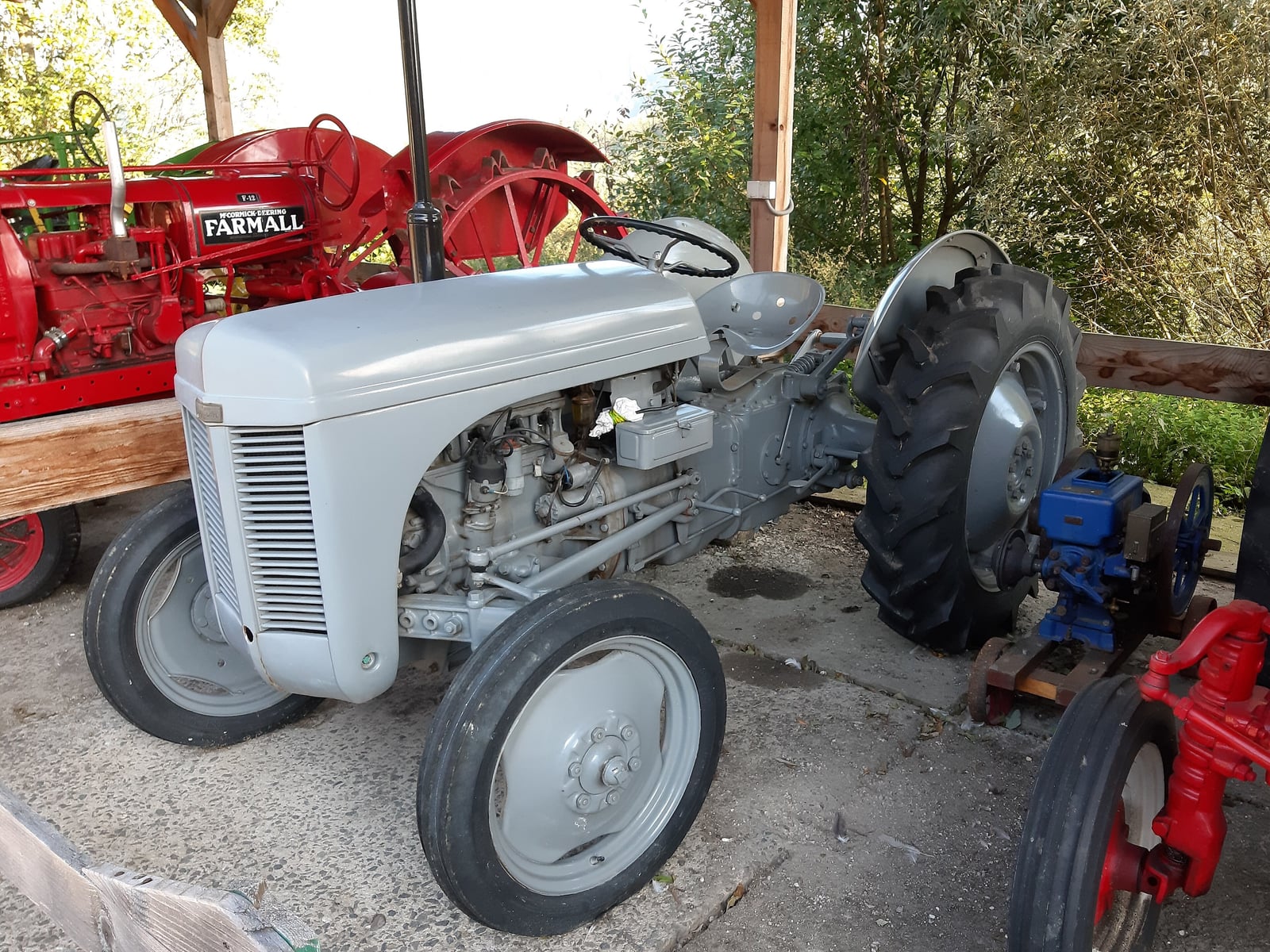
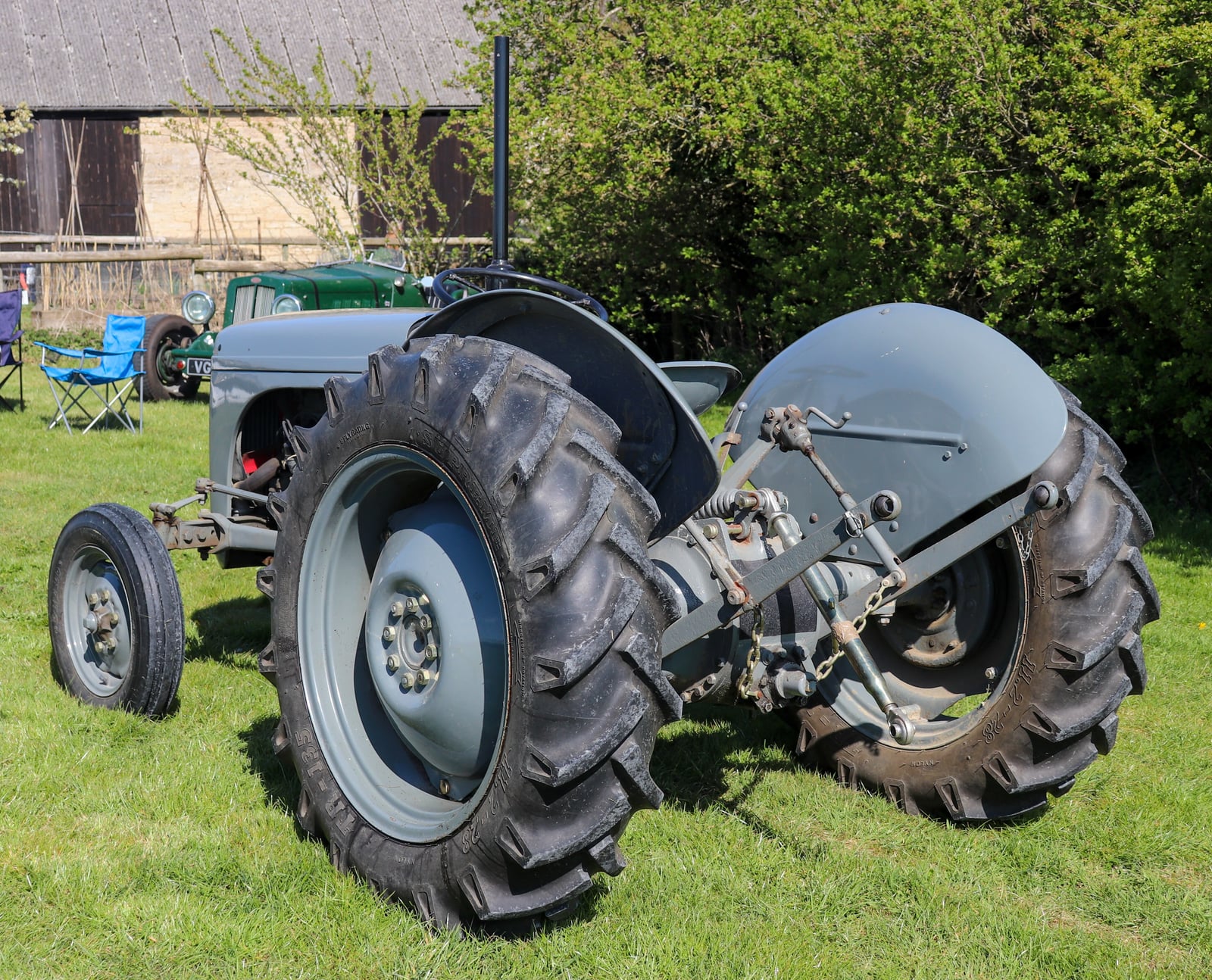
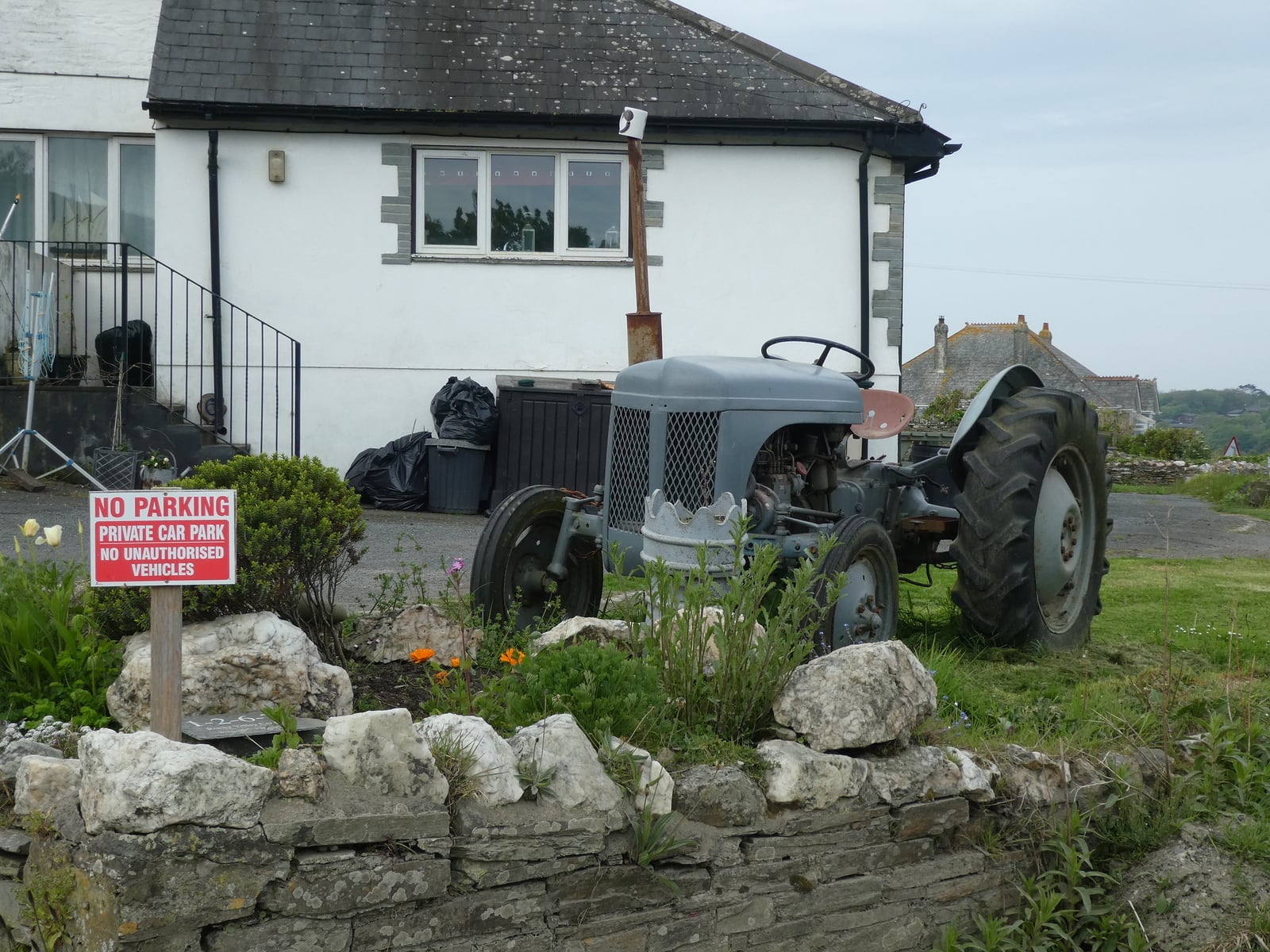
The Ferguson TE20 is one of the most important machines Britain ever built, and it does not look like it. It is small, light, painted a single modest grey, and gentle to drive. But the “little grey Fergie”, as everyone calls it, carried an idea that changed farming across the entire world, and it did so in such numbers and at such a price that it put a genuinely modern tractor within reach of the ordinary small farm for the first time.
That idea was the Ferguson System: the three-point hydraulic linkage that lets a tractor carry its implement and control the depth and pull automatically. Almost every tractor built since uses a version of it, and the TE20 is the machine that brought it to the world.
Harry Ferguson’s idea
Harry Ferguson, an engineer from County Down, spent years solving a problem that had killed people. Early tractors simply dragged their ploughs behind them, and when the plough hit an obstruction the tractor could rear up and over backwards onto its driver. Ferguson’s answer was to mount the implement directly to the tractor on three points and let hydraulics control it, sensing the load and adjusting automatically. The result was safer, the implement and tractor worked as one, and a small light tractor could now do the work of a much heavier one.
He demonstrated it to Henry Ford in the United States in 1938, and the two men agreed, on a handshake and nothing more, to build it together. The Ford-Ferguson 9N of 1939 was the result, and around 300,000 were built in America through to 1947. Then Ford ended the agreement. Ferguson came home, set up his own production in Coventry, and built his own version, the TE20. He also sued Ford in the United States for using his patented system, a case that ran for years and was eventually settled in his favour. The grey Fergie was, in part, Harry Ferguson proving he did not need anyone else to build his tractor.

Built in Coventry, sold to the world
The TE20, the name stood for Tractor, England, model 20, was built at the Banner Lane factory in Coventry from 1946 to 1956. Production reached 517,651, around two-thirds of them exported, with several thousand more assembled in France. It is no exaggeration to say the Fergie mechanised the small British farm and a good deal of the rest of the world besides.
Its fame ran beyond agriculture. A small fleet of modified TE20s carried Sir Edmund Hillary’s party to the South Pole on the Commonwealth Trans-Antarctic Expedition in 1958, the first vehicles to be driven there overland, which tells you something about how tough and dependable the little tractor was.

Petrol, TVO and diesel
Over its ten-year run the TE20 used several engines, and which one a tractor has is the first thing to establish. The earliest tractors used an American Continental petrol engine; Ferguson soon switched to a Standard Motor Company unit, built alongside the tractor in Coventry.
Most TE20s are petrol or TVO. TVO, tractor vapourising oil, was a cheap low-grade fuel taxed lightly for farm use: the engine started on petrol, then switched to TVO once warm. It made sense when farm fuel was costed carefully, and many survivors are TVO tractors. From the early 1950s a diesel version, the TEF20, was offered, and the diesel is the most sought-after today for its economy and pulling character. The model codes follow the engine: TE20 and TEA20 for petrol, TED20 for TVO, TEF20 for diesel.

What to check when buying
A Fergie is a simple machine and a forgiving one to own, but age and farm life leave their marks. Test the hydraulics first and hardest: the three-point linkage is the entire point of the tractor, so it should lift firmly and hold a load without sinking. A weak, slow, or leaking lift is the most important fault to find, because it goes to the heart of what the tractor is.
On the engine, look for clean starting, steady oil pressure, and no heavy smoke once warm. On a petrol or TVO tractor check the ignition and, on TVO, that the dual-fuel system is complete and works as intended; many TVO tractors have been converted to run on petrol alone, which is fine but worth knowing. The Standard engine is durable but not immortal, so a tractor that has clearly worked hard for seventy years may be due attention.
Beyond that, the usual checks apply: clutch, brakes, steering, back axle, and tinwork. Originality is prized, but parts supply is excellent, helped by an active club scene and specialists who can supply almost anything, so a sympathetic restoration is entirely realistic.

What they are worth
In broad terms, a complete running petrol or TVO Fergie sits anywhere from a few hundred pounds to around £1,500, a tidy and well-presented usable example runs roughly £1,500 to £3,000, and a properly restored tractor or a desirable diesel can be worth considerably more. As always with tractors, working hydraulics, honest history, and a sound engine count for far more than fresh paint.

Why the Fergie matters
The little grey Fergie is the tractor every other tractor copied. It brought a genuinely modern, safer, more capable machine to farms that could never have afforded one before, it did the work of something much larger, and it did so in numbers that reshaped agriculture. For the collector it is small, simple, affordable, and endlessly supported, and it carries more history per ton than almost anything else in the field. It is, quite simply, where the modern tractor begins.

Ferguson TE20: what changed and when
- 1938Harry Ferguson demonstrates his three-point hydraulic system to Henry Ford, and the handshake agreement produces the Ford-Ferguson 9N.
- 1946Ford ends the agreement; Ferguson sets up at Banner Lane, Coventry, and builds the TE20, Tractor England model 20, suing Ford in America and eventually winning.
- 1947The Standard Motor Company engine replaces the early American Continental unit.
- 1951The diesel TEF20 joins the petrol and TVO models.
- 1956Production ends at 517,651, around two-thirds exported.
- 1958Modified TE20s carry Hillary's party overland to the South Pole, the first vehicles driven there.
What to check on a Ferguson TE20
Hydraulics, first and hardest
- The three-point linkage should lift firmly and hold a load without sinking
- A weak, slow or leaking lift is the most important fault to find
- The linkage is the entire point of the tractor
- Draft control should respond as Ferguson intended
Engine, by fuel
- Clean starting, steady oil pressure and no heavy smoke once warm
- On TVO, that the dual-fuel system is complete and works, or that a petrol conversion is declared
- The diesel TEF20 carries a premium
- Early Continental-engined tractors are their own collector niche
The rest
- Clutch, brakes, steering, back axle and tinwork
- Working hydraulics, honest history and a sound engine count for more than fresh paint
- Parts supply is excellent, so sympathetic restoration is realistic
- Originality is prized and the club scene knows the details
What the Ferguson TE20 sells for at auction
The Ferguson TE20 comes to auction only occasionally: 15 recorded sales since 2011, typically making between £1,852 and £2,255 . With so few sales, treat any single result as a data point rather than a market price.
- £1,904TE20
- £2,180TE20
- £1,500TE20
- £10,082TE20
- £2,725TE20
Thin evidence. Only 15 recorded sales: read the figures as a sketch of the market, not a price. Based on 15 sold results from public classic car auctions (2011 to 10 August 2026). Sold prices, not asking prices, and not a valuation: condition, history and specification vary from car to car.
Related
The Ferguson TE20 is one of Britain’s classic and vintage tractors. For the Massey Ferguson that grew directly out of it and became the best-known classic tractor of all, see the Massey Ferguson 135. For the Yorkshire firm that built Harry Ferguson’s very first tractors before the two men fell out, see David Brown.
More photos