Fordson Major: the big, simple Ford that ploughed Britain
The Fordson Major is the heavyweight British classic tractor, built by Ford at Dagenham from the post-war E27N to the diesel New Major, Power Major and Super Major of 1952 to 1964. Its history, the engines, the difference between the E27N and the New Major, what to check when buying, and what one is worth.
Built 1945–1964

At a glance
- Years
- 1945–1964
- Engines
- Side-valve petrol/TVO or Perkins P6 diesel (E27N); Ford 4D diesel/petrol (New Major)
- Power
- Around 45 hp (P6 diesel); up to around 52 hp (Power Major)
- Assembly
- Dagenham
- Values
- From a few hundred (project); £1,500-£3,500 tidy diesel New/Power Major; more for a Super Major
- Models
- E27N (1945–1952); New Major, Power Major and Super Major (E1A, 1952–1964)
The tractors
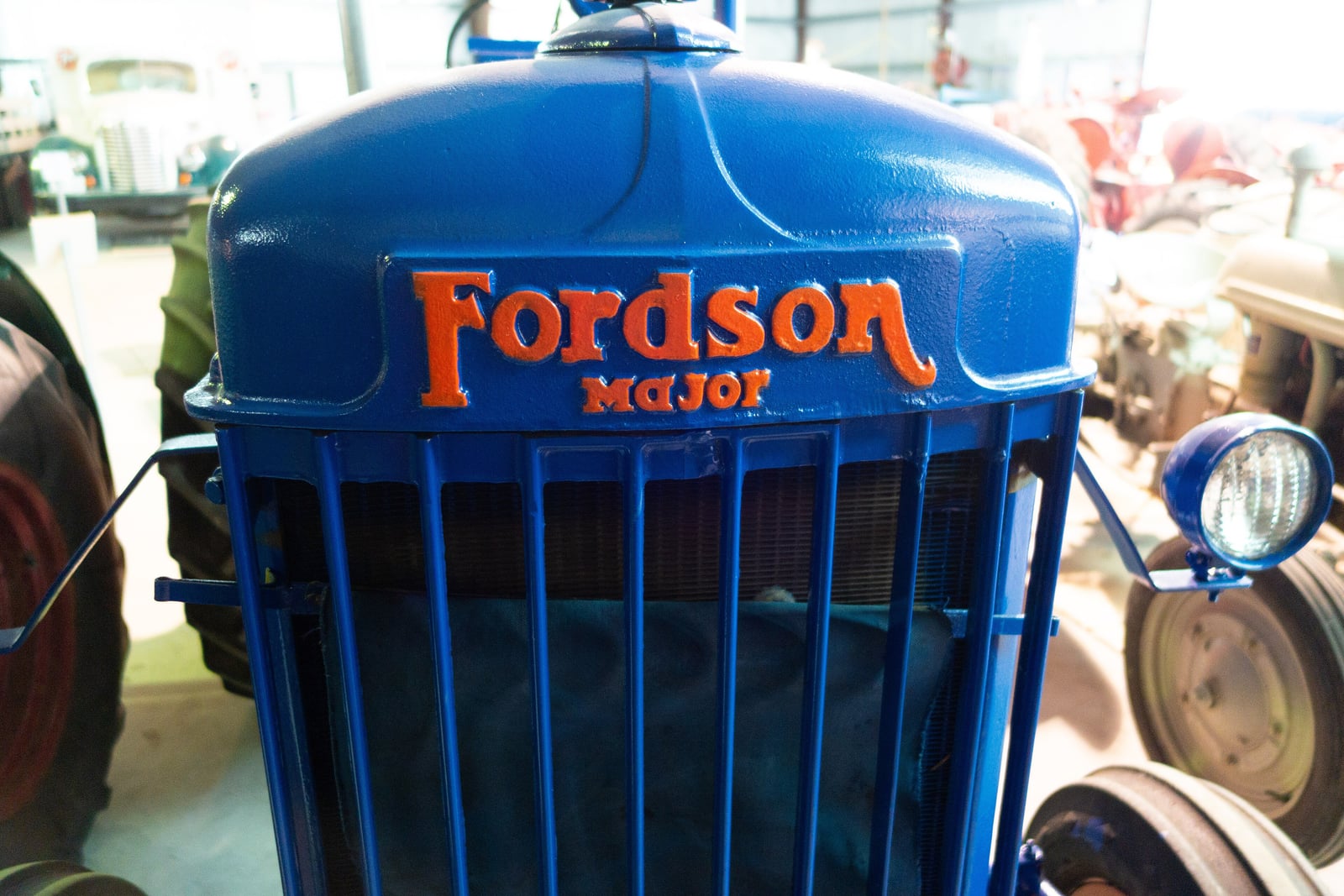
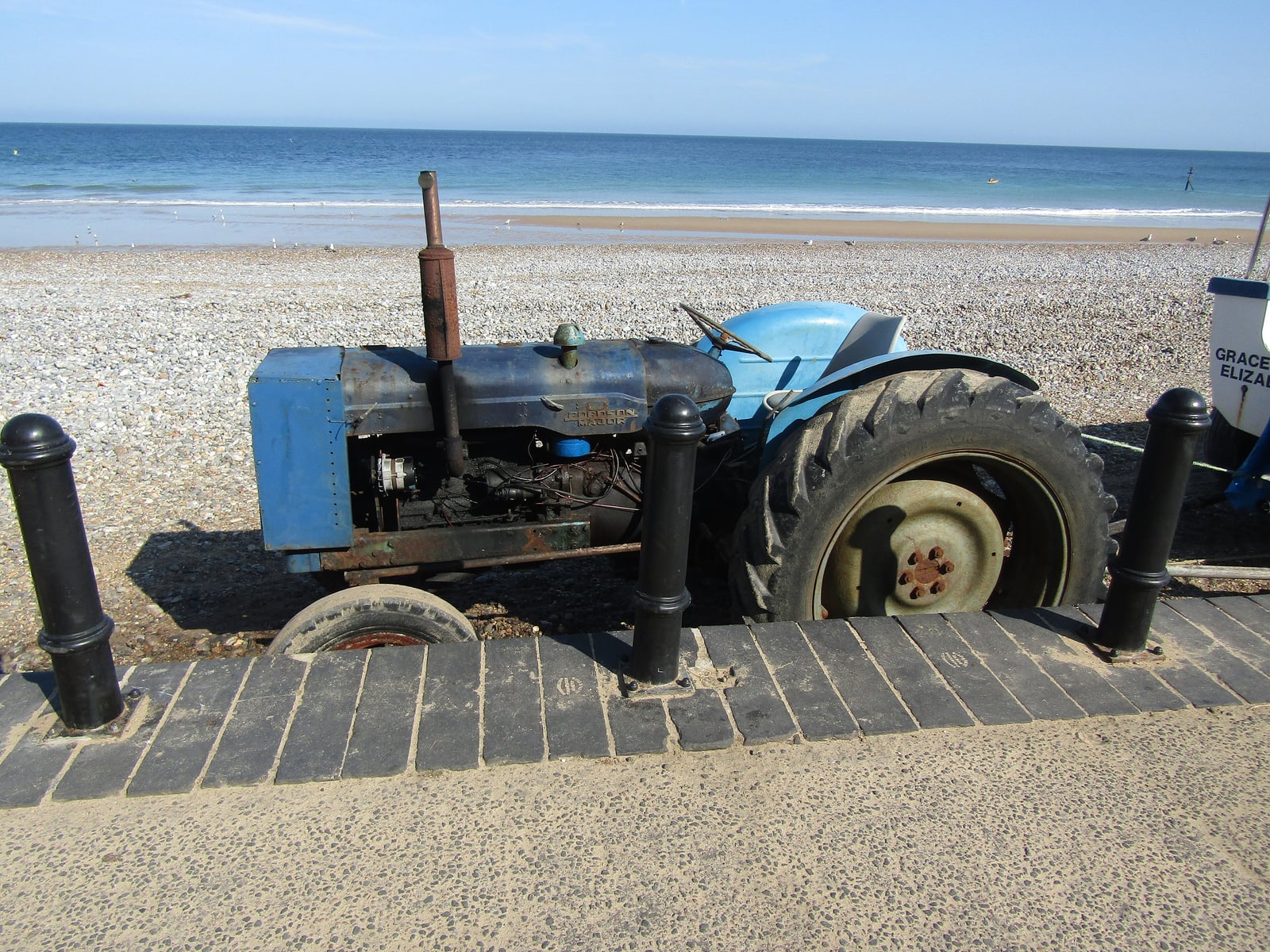
If the Massey Ferguson 135 is the small tractor everyone knows and the Ferguson TE20 is the clever one that changed farming, the Fordson Major is the heavyweight: a big, tall, immensely strong Ford that did the heavy ploughing on the larger British farm. Where the Fergie was light and subtle, the Major was simple and mighty, and for decades it was the tractor that broke the ground before anything else could work it.
It was built by Ford at Dagenham in two quite different forms that share a name, and the later diesel versions in particular are among the most respected of all British classic tractors.
Two tractors called Major
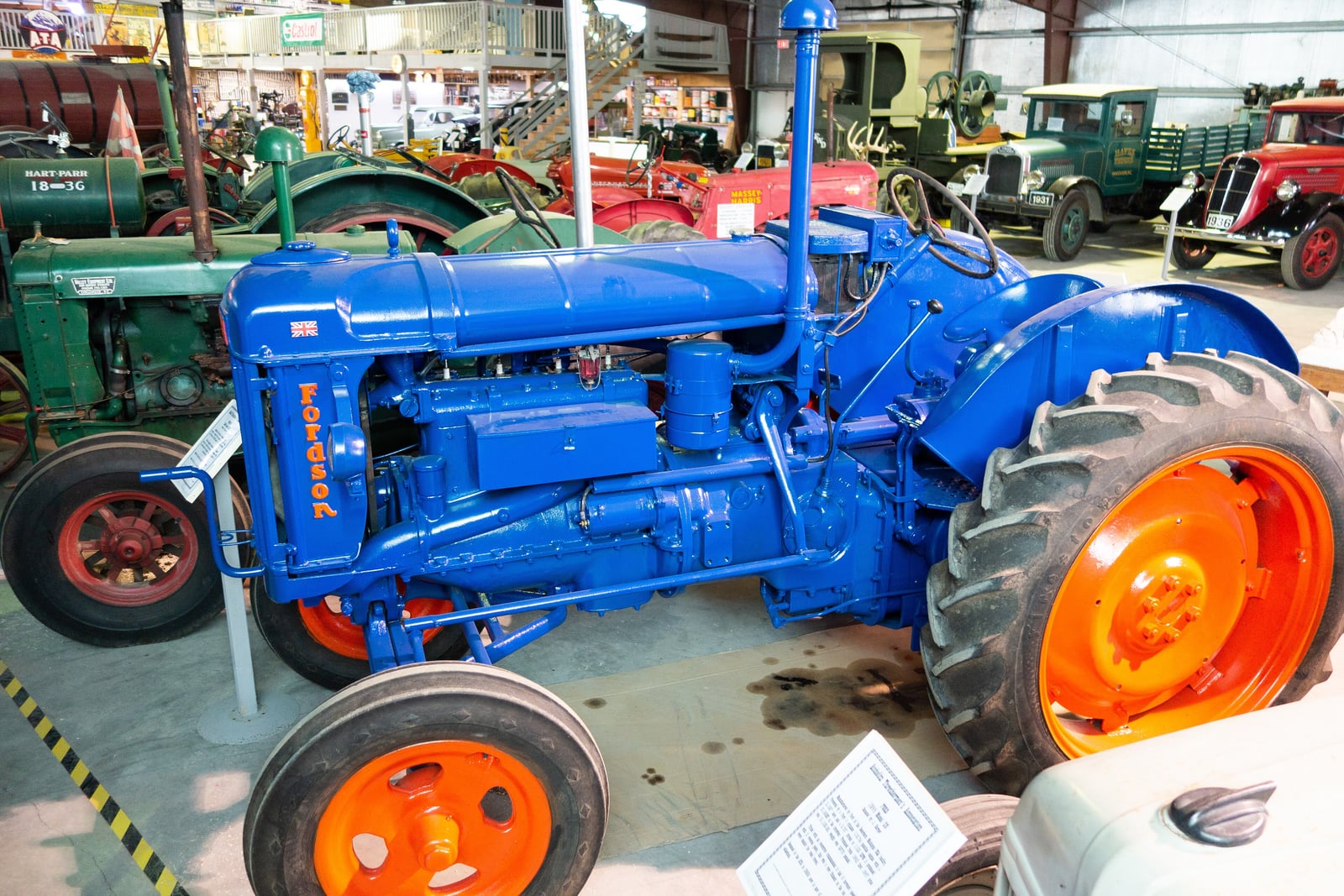
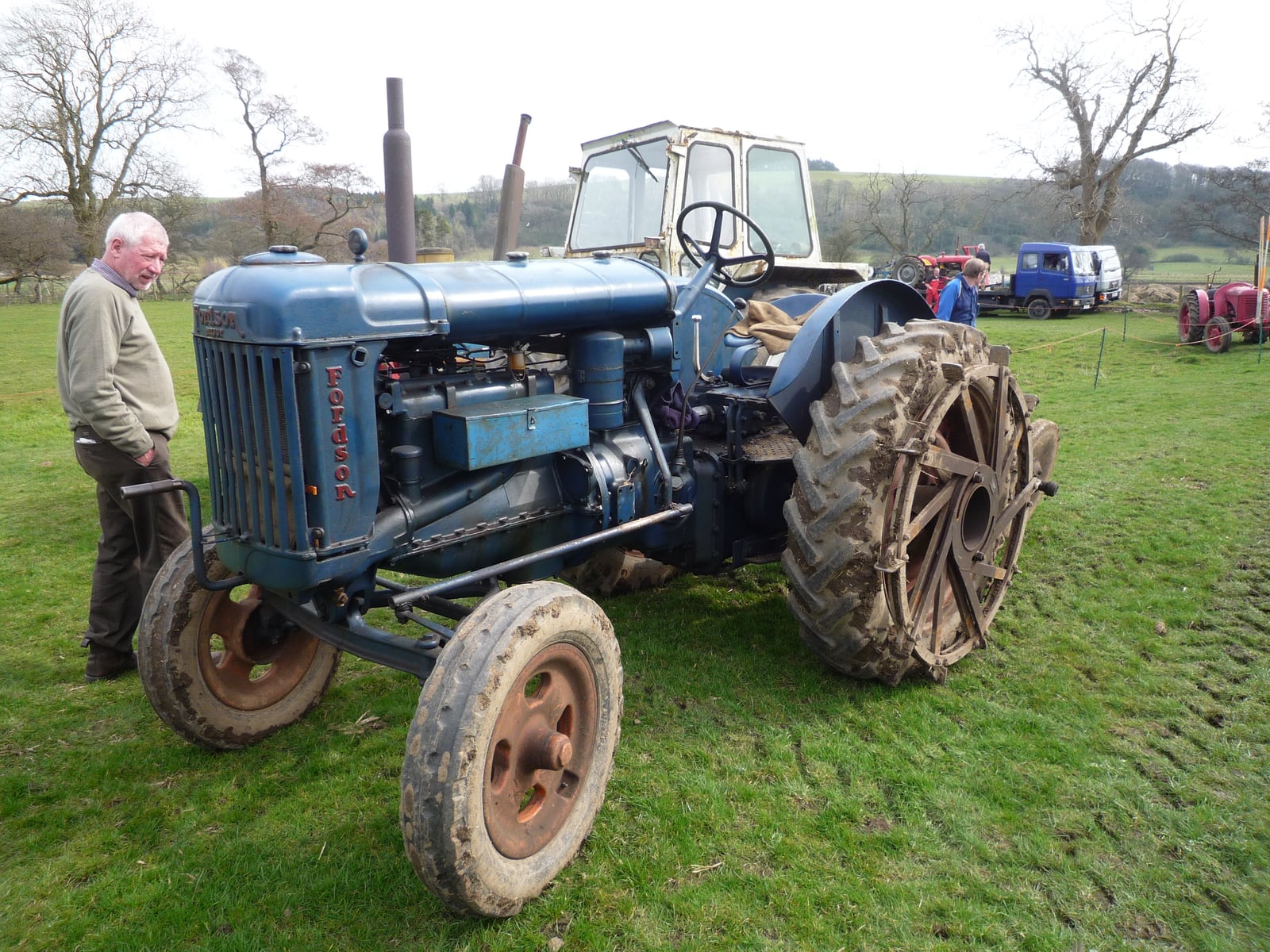
The first is the E27N Fordson Major, built from 1945. It appeared because the post-war farm needed a more capable tractor and Ford had not yet been able to design an all-new one, so the E27N took the proven mechanicals of the old Fordson Model N, added a new rear end with a proper differential, and offered a power take-off and hydraulic lift. Its original engine was the old side-valve Ford unit running on petrol or vapourising oil, which left it underpowered, so from 1948 Ford offered a Perkins P6 diesel of around 45 horsepower from the factory, and that diesel transformed the tractor. The E27N is tall, narrow, and unmistakably of its era.
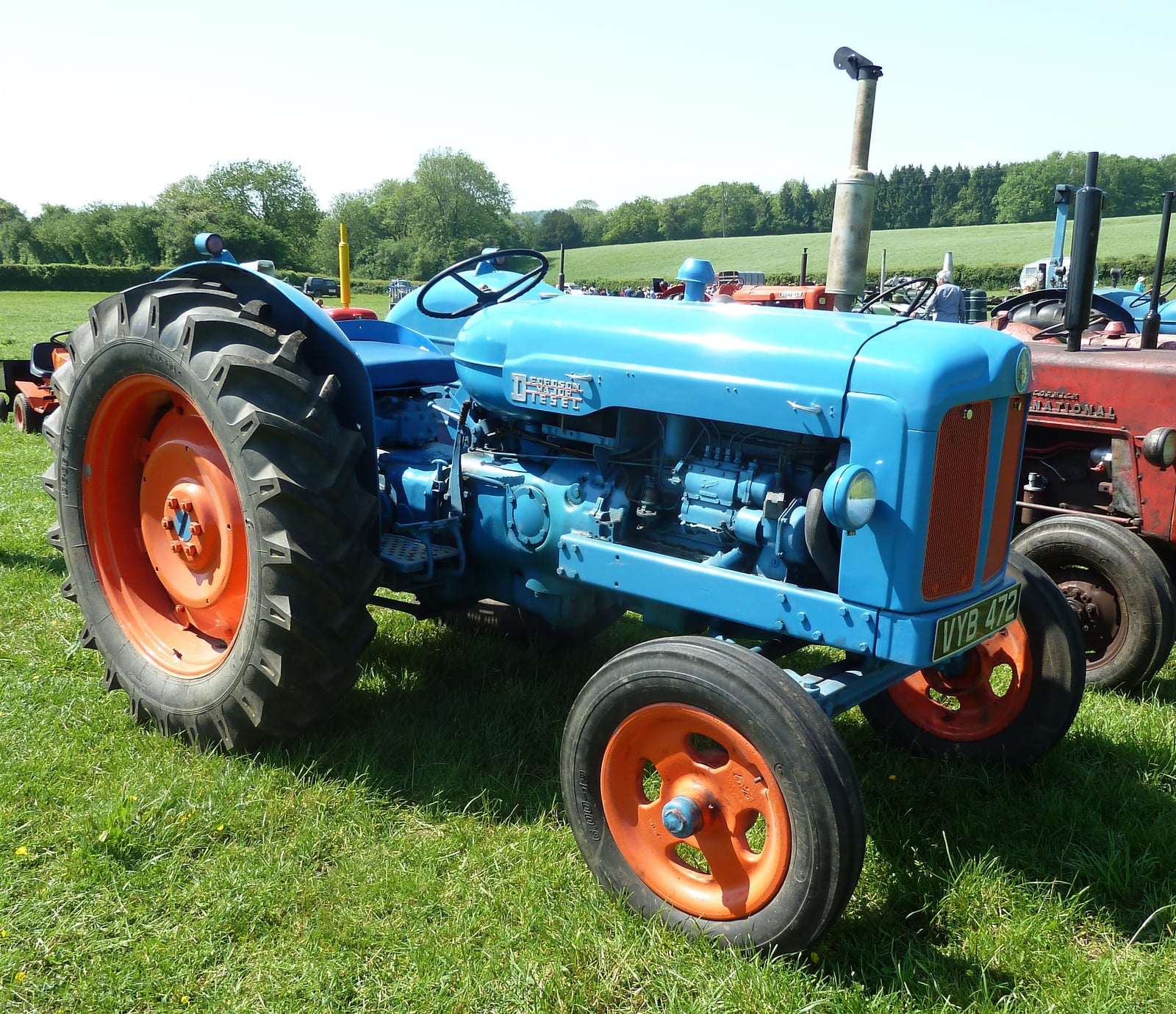
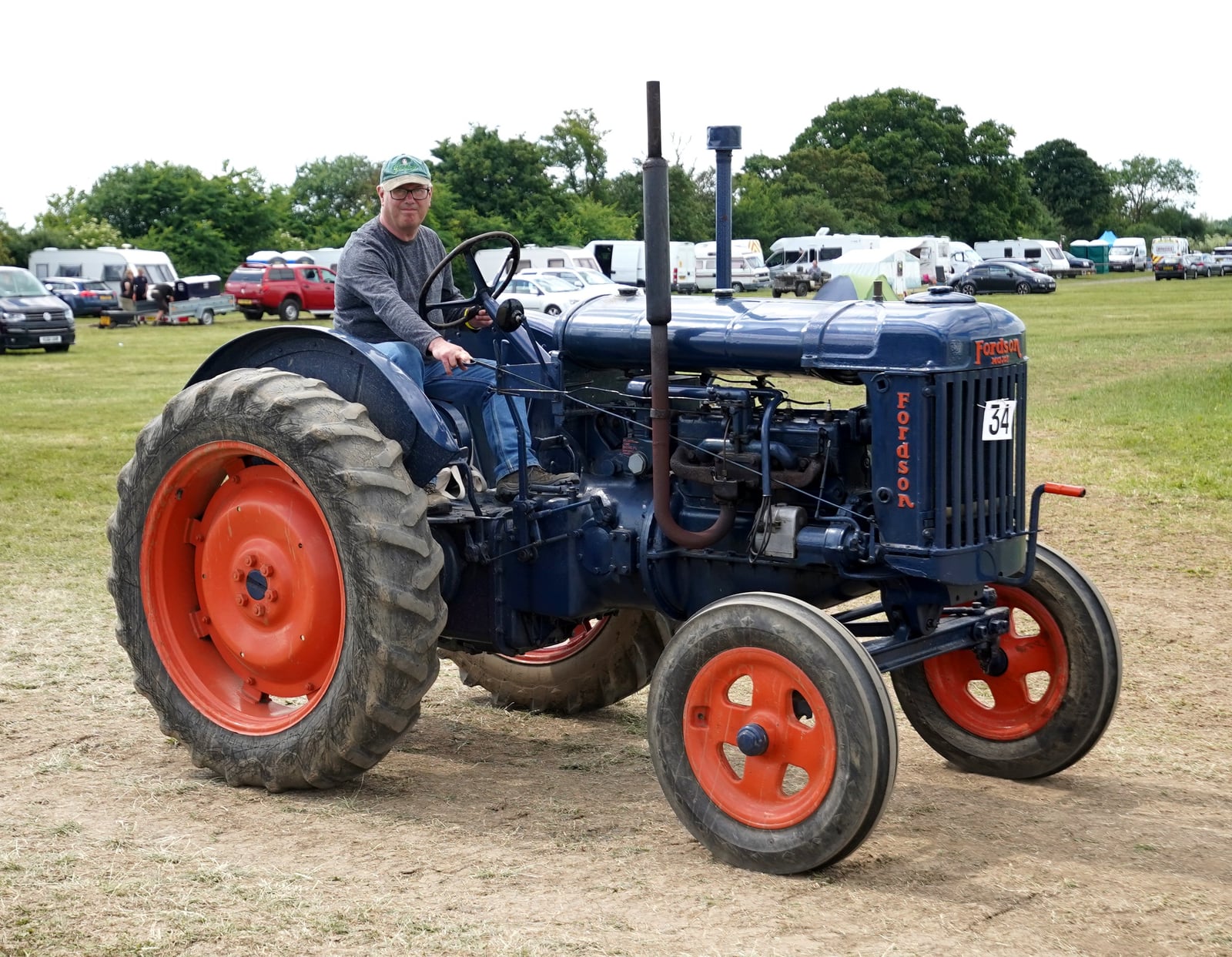
The second is the New Major, model E1A, of 1952. This was the all-new tractor Ford had been waiting to build, with the company’s own modern 4D engine available as a diesel, a petrol, or a petrol-kerosene unit. It was a far better machine: smoother, more powerful, and properly engineered as a whole. In 1958 the Power Major raised output to around 52 horsepower and added live hydraulics, and in 1960 the Super Major added a differential lock, disc brakes, and weight-transfer hydraulics. These later diesel Majors were good enough to be exported to the United States badged as Fords, the first British Fordsons sent there since before the war.

The engines
For the New Major and its developments, the engine to have is the Ford 4D diesel: a big, slow-revving, four-cylinder unit that pulls hard, lasts well, and is the reason the Major earned its reputation as a workhorse. The petrol and petrol-kerosene options exist but are far less common in Britain and less sought-after.
On the E27N, the original petrol or vapourising-oil engine is the authentic fitment, but a great many E27Ns were fitted with the Perkins P6 diesel, either from the factory after 1948 or by conversion later, and a diesel E27N is generally the more usable and more valued tractor.

What to check when buying
The Fordson Major is mechanically simple and immensely strong, which is much of its appeal, but these are old and hard-worked machines. Start with the engine: a sound diesel should start cleanly, run without heavy smoke once warm, and hold good oil pressure. A diesel that has done a lifetime of ploughing may be tired, and while the 4D is straightforward to rebuild, it is still a cost to factor in.
Test the hydraulics and lift, particularly on a Power Major or Super Major where live hydraulics and weight transfer are part of the appeal, and on the Super Major check that the differential lock works. Look over the back axle and final drives for wear, check the clutch and the brakes (disc brakes on the Super Major, drums earlier), and inspect the tinwork and the tall bonnet for rot and damage. As with any classic tractor, parts supply is good and a sympathetic restoration is realistic, so buy on mechanical condition rather than on cosmetics.

What they are worth
In broad terms, a rough but complete E27N or New Major can be found from a few hundred pounds, a tidy running diesel New Major or Power Major sits roughly between £1,500 and £3,500, and a well-restored Super Major, or a genuinely good early E27N, can be worth more. A sound diesel engine, working hydraulics, and honest history matter far more than which precise model badge the tractor wears.

Why the Major endures
The Fordson Major is the tractor that did the hard work, and that is exactly why it is loved now. It is big enough to be impressive, simple enough to understand, strong enough to still earn its keep, and cheap enough to be an accessible classic. A diesel New Major or Super Major remains a genuinely useful machine as well as a handsome one, which is the combination the vintage-tractor world prizes most.

Key dates for the Fordson Major
- 1945The E27N Major stretches the old Model N mechanicals with a proper differential, power take-off and hydraulic lift.
- 1948The factory Perkins P6 diesel of around 45 hp transforms the E27N.
- 1952The all-new E1A New Major arrives with Ford's own 4D engine in diesel, petrol and petrol-kerosene forms.
- 1958The Power Major raises output to around 52 hp and adds live hydraulics.
- 1960The Super Major adds a differential lock, disc brakes and weight-transfer hydraulics, good enough to be exported to America as a Ford.
- 1964Production ends as the worldwide Ford 1000-series takes over.
Before you buy a Fordson Major
Engine
- A sound diesel starts cleanly, runs without heavy smoke once warm and holds good oil pressure
- A lifetime of ploughing tires an engine; factor a 4D rebuild honestly
- E27N buyers should prize the Perkins P6 diesel over the side-valve
- Petrol and TVO versions need their fuel systems complete
Hydraulics and transmission
- Test the lift, especially on Power and Super Majors where live hydraulics are part of the appeal
- On a Super Major, check the differential lock works
- Back axle and final drives for wear
- Clutch, and brakes: discs on the Super Major, drums earlier
The rest
- Tinwork and the tall bonnet for rot and damage
- Buy on mechanical condition rather than cosmetics
- E27N and E1A are quite different machines sharing a name; know which you are pricing
- American-export Ford-badged Majors surface and are the same tractor
Related
The Fordson Major is one of Britain’s classic and vintage tractors, the big and simple end of the breed. For the paperwork and the practicalities of keeping an older machine on the road, see owning and running a classic tractor.
More photos