Land Rover Series I: the aluminium original (1948–1958)
The Land Rover Series I is the spartan, aluminium-bodied original that started it all in 1948. A guide to the 80, 86 and 88 inch cars, the petrol and diesel engines, the early freewheel four-wheel drive, what to look for when buying, and why the earliest cars are now so valuable.
Built 1948–1958

At a glance
- Years
- 1948–1958
- Body styles
- Soft-top, pickup, hard-top and station wagon; 80in, then 86/107in, then 88/109in
- Drivetrain
- Selectable four-wheel drive, two-speed transfer box
- Engines
- 1.6 and 2.0 petrol four-cylinder; 2.0 diesel from 1957
- Power
- Around 50 to 52 bhp
- Top speed
- Around 55 to 60 mph
- Production
- The original Land Rover; built at Solihull 1948–1958
- Assembly
- Solihull, Warwickshire
- Designer
- Maurice Wilks
- Values
- Project under £15,000, good £20,000-£32,000, the best early 80in and Tickford cars £50,000 and up
- Construction
- Separate steel chassis, hand-formed Birmabright aluminium body
- The collector's one
- Early 1948–49 80in cars and the coachbuilt Tickford station wagon
The models
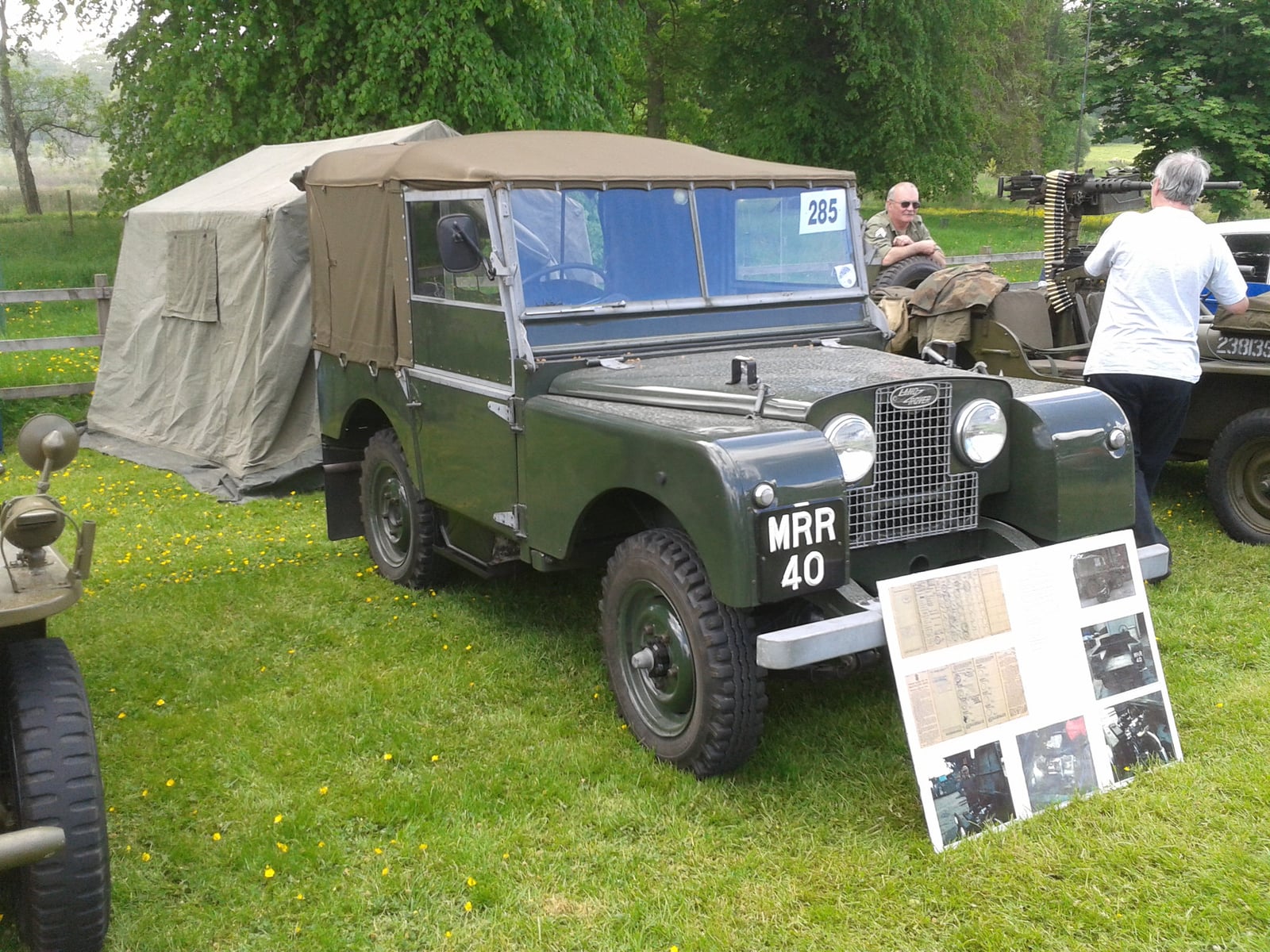
The Land Rover Series I (the Series One Land Rover, as owners write it out) is where it all began: the spartan, aluminium-bodied original of 1948 that grew from a stop-gap farm vehicle into one of the most important designs in motoring history. Slow, basic and utterly honest, it is now a genuinely collectible classic, and the earliest cars have become valuable in a way their makers could never have imagined.
It is the first chapter of the Land Rover story, the vehicle that every later Series and Defender descends from, and a piece of post-war British history you can still drive.
The vehicle that started it all
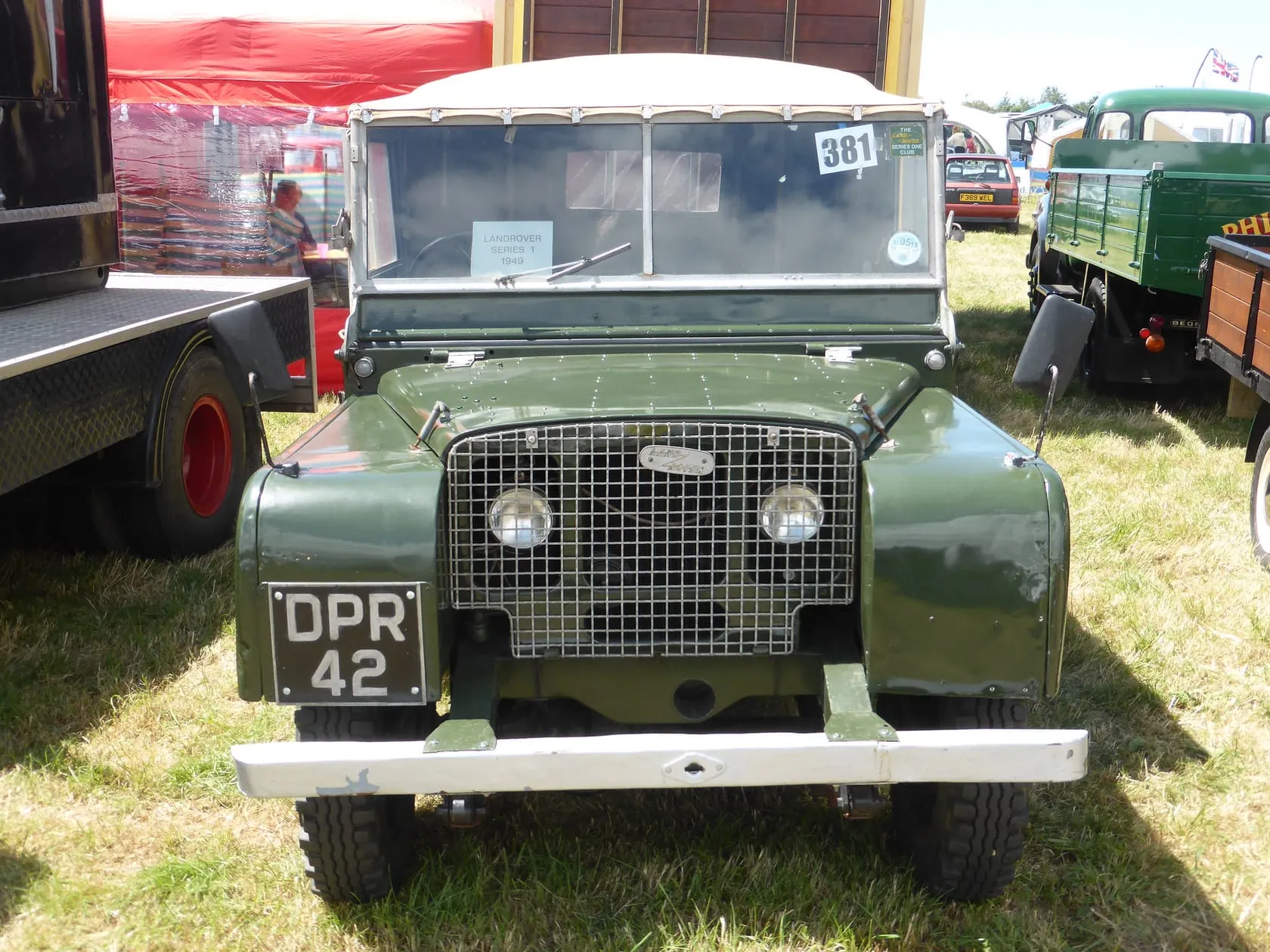
The Series I was the work of Maurice Wilks of the Rover Company, who wanted a British answer to the war-surplus Jeep he used on his farm. Launched at the Amsterdam Motor Show on 30 April 1948, it was conceived as a low-cost, export-earning stop-gap to keep Rover’s Solihull factory busy in austerity Britain. Steel was rationed, so the body was hand-formed from Birmabright, a corrosion-resistant aluminium alloy that happened to be cheap and plentiful after the war, and the first cars wore leftover aircraft-cockpit green paint.
It was as basic as a vehicle could be. Doors, a heater, a passenger seat cushion and a spare wheel were extras, and the whole thing was built around a simple separate steel chassis with a four-cylinder petrol engine and a power take-off for farm machinery. Nobody expected it to outlive the Rover saloons it was meant to subsidise.

The 80, 86 and 88 inch cars
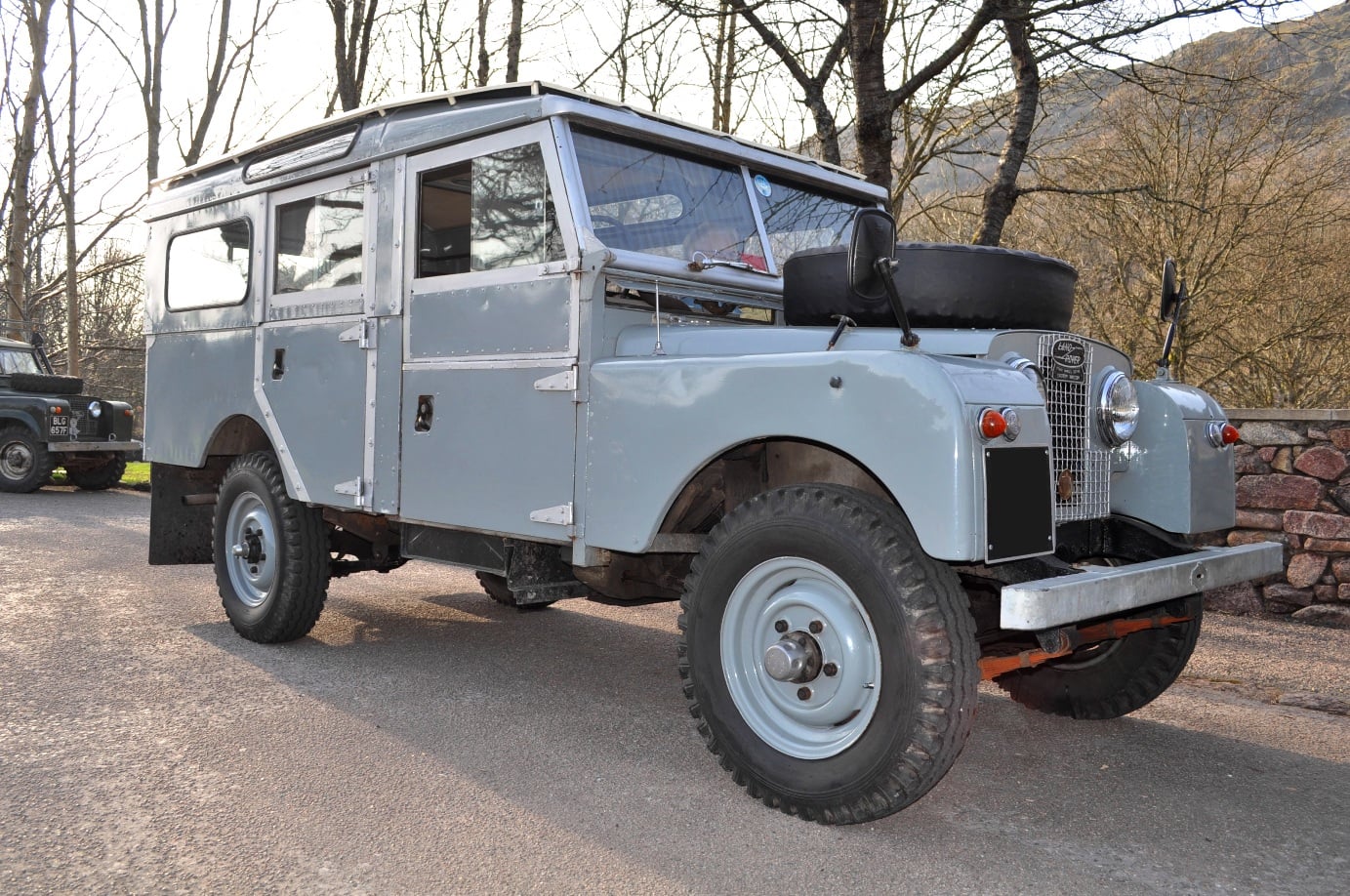
The Series I grew steadily through its decade. It started on an 80-inch wheelbase (1948–1953), then gained a longer 86-inch short-wheelbase car and a new 107-inch long-wheelbase model in 1953–54, before settling on the 88-inch and 109-inch wheelbases from 1956 that would define the Land Rover for decades. Bodies ran from the basic open soft-top and pickup to the hard-top van and the seven-seat station wagon, including the rare, coachbuilt Tickford station wagon on the early 80-inch chassis.

Engines and four-wheel drive
The original 1.6-litre petrol four of around 50 bhp gave way to a larger 2.0-litre petrol in 1952, and a 2.0-litre diesel arrived in 1957, one of the first high-speed road diesels in a production vehicle. All used a four-speed gearbox with a two-speed transfer box and no synchromesh on the lower gears, so they need a deliberate, unhurried driving style.
The four-wheel-drive system changed early. The first cars used a freewheel that let the front axle disengage on the overrun, with a footwell ring-pull to lock it in; from about 1952 a simpler dog clutch took over, giving the selectable four-wheel drive that became standard Land Rover practice. It is worth knowing that the Series I did not have factory free-wheeling front hubs; those are a popular later aftermarket fitting.

What it is like to own
A Series I is an experience rather than a means of transport. It is slow, noisy and physical to drive, with vague steering and modest brakes, and it rewards patience over haste. But it is also wonderfully simple and tactile, immensely characterful, and surprisingly capable off road for so old a design. As the founding Land Rover it carries a weight of history that makes the modest performance entirely beside the point.

Buying guide: what to look for
The body is aluminium and does not rust, but everything structural is steel and does. The priorities are the chassis, especially the front dumb irons, spring hangers, outriggers and rear crossmember, and the steel bulkhead and footwells, which trap water and corrode. A replacement galvanised chassis is available and durable, but it affects originality, so on an early car provenance and matching numbers matter a great deal. Check for bodged repairs, confirm the engine, gearbox and axles are correct for the year, and remember that on these cars originality is one of the biggest single value drivers.

Where the Series I sits in the market
The Series I has become a sought-after early classic, with the earliest 1948-49 80-inch cars and the coachbuilt Tickford station wagon at the top of its range and, above everything, the factory’s own Series I Reborn cars, the ground-up restorations sold by Land Rover Classic from 2016 that trade at a level no privately restored car quite matches. Condition, originality and a sound chassis drive the figure far more than cosmetics. The full record, 421 recorded sales by wheelbase, the 80-inch premium and what the market has done since its 2021 peak, is on the page covering Land Rover Series I values.
In the wider story the Series I is the foundation of everything Land Rover became. For the period it belongs to, see British classic cars of the 1940s and 1950s.

Owners’ clubs and parts
The Series I is supported by a dedicated register for the earliest cars as well as the general Land Rover clubs, and parts supply is good for so old a vehicle, with most mechanical and many body parts remanufactured. For the practical detail of keeping one on the road, see our guide to Land Rover parts and restoration.

The Series I in dates
- 30 April 1948Launched at the Amsterdam Motor Show as a low-cost export earner: an 80-inch chassis, a 1.6-litre four, leftover aircraft-cockpit green paint, and doors as extras.
- 1952A 2.0-litre petrol replaces the 1.6, and a simpler dog clutch replaces the original freewheel four-wheel-drive system.
- 1953The 86-inch and 107-inch wheelbases arrive, including the rare coachbuilt Tickford station wagon on the early chassis.
- 1956The 88-inch and 109-inch wheelbases settle the dimensions that define the Land Rover for decades.
- 1957A 2.0-litre diesel arrives, one of the first high-speed road diesels in a production vehicle.
- 1958The Series II takes over; from 2016 the factory's own Series I Reborn restorations set the top of the market.
Series I: what to check before you buy
The steel, which is what rots
- The chassis: front dumb irons, spring hangers, outriggers and rear crossmember
- The steel bulkhead and footwells, which trap water and corrode
- Check for bodged repairs everywhere the steel meets the aluminium
- A galvanised replacement chassis is durable but affects originality
Originality, the value driver
- Provenance and matching numbers matter a great deal on an early car
- Confirm the engine, gearbox and axles are correct for the year
- Factory free-wheeling front hubs never existed on a Series I; those are aftermarket
- Early 80-inch cars and Tickford wagons lead the market, with the factory Reborn cars above everything
Driving reality
- No synchromesh on the lower gears asks a deliberate, unhurried style
- Around 50 bhp and 55 to 60 mph flat out
- The first cars used a footwell ring-pull to lock the freewheel
- An experience rather than a means of transport, and priced as one
Related
The Series I is the original Land Rover, the ancestor of the later Series II and IIA, Series III and Defender. For the wider period it belongs to, see British classic cars of the 1940s and 1950s.
More photos