Massey Ferguson 135: the classic tractor everyone knows
The Massey Ferguson 135 is the most recognisable classic tractor in Britain, over 400,000 built at Coventry from 1964, simple, tough, and still working farms and shows today. Its history, the Perkins and Continental engines, the Multi-Power transmission, what to check when buying, and what a good one is worth.
Built 1964–1979

At a glance
- Years
- 1964–1979
- Engines
- Perkins AD3.152 2.5L 3-cyl diesel; AG3.152 petrol; Continental 4-cyl petrol
- Power
- Around 45 hp (diesel); around 37 hp (Continental petrol)
- Production
- 413,153 built at Coventry (1965–1979), plus earlier production
- Assembly
- Banner Lane, Coventry
- UK survivors
- Survives in very large numbers
- Values
- A few hundred to £1,500 (runner); £2,000-£4,000 tidy; more restored
- Transmission
- 6-speed (8-speed optional); optional Multi-Power two-speed splitter
The tractors
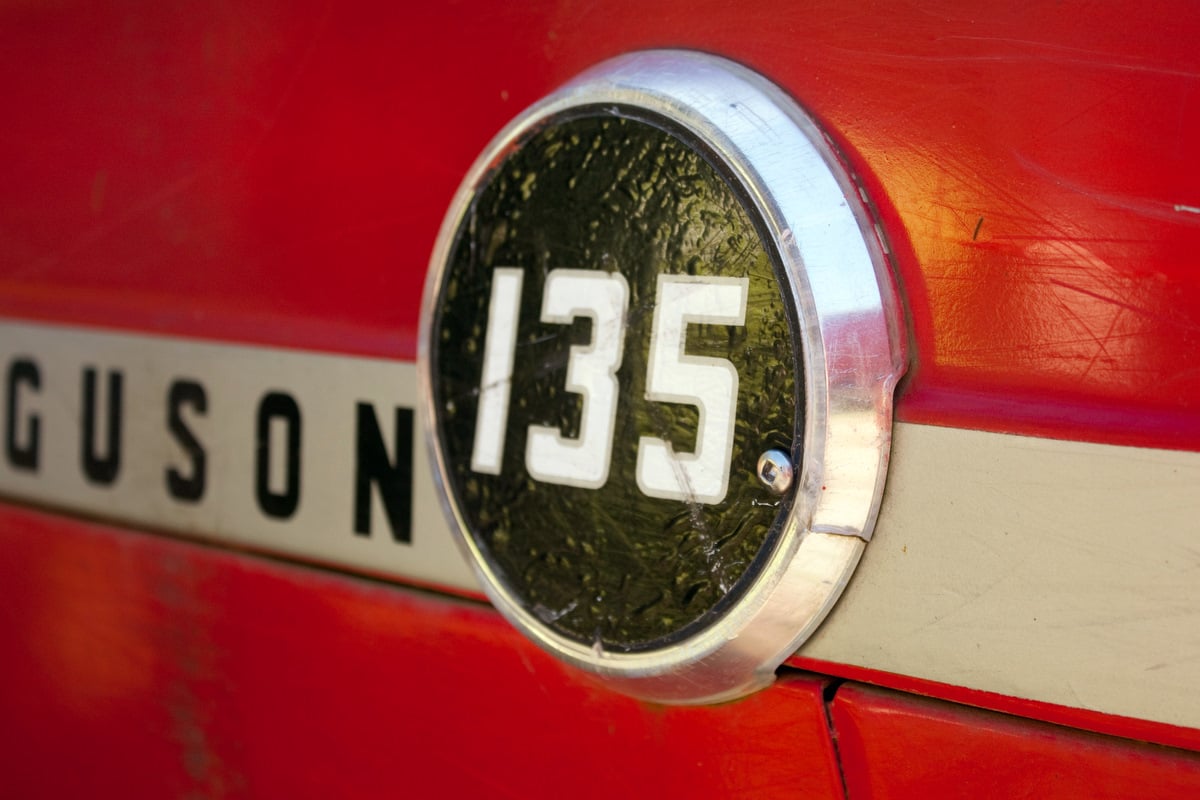
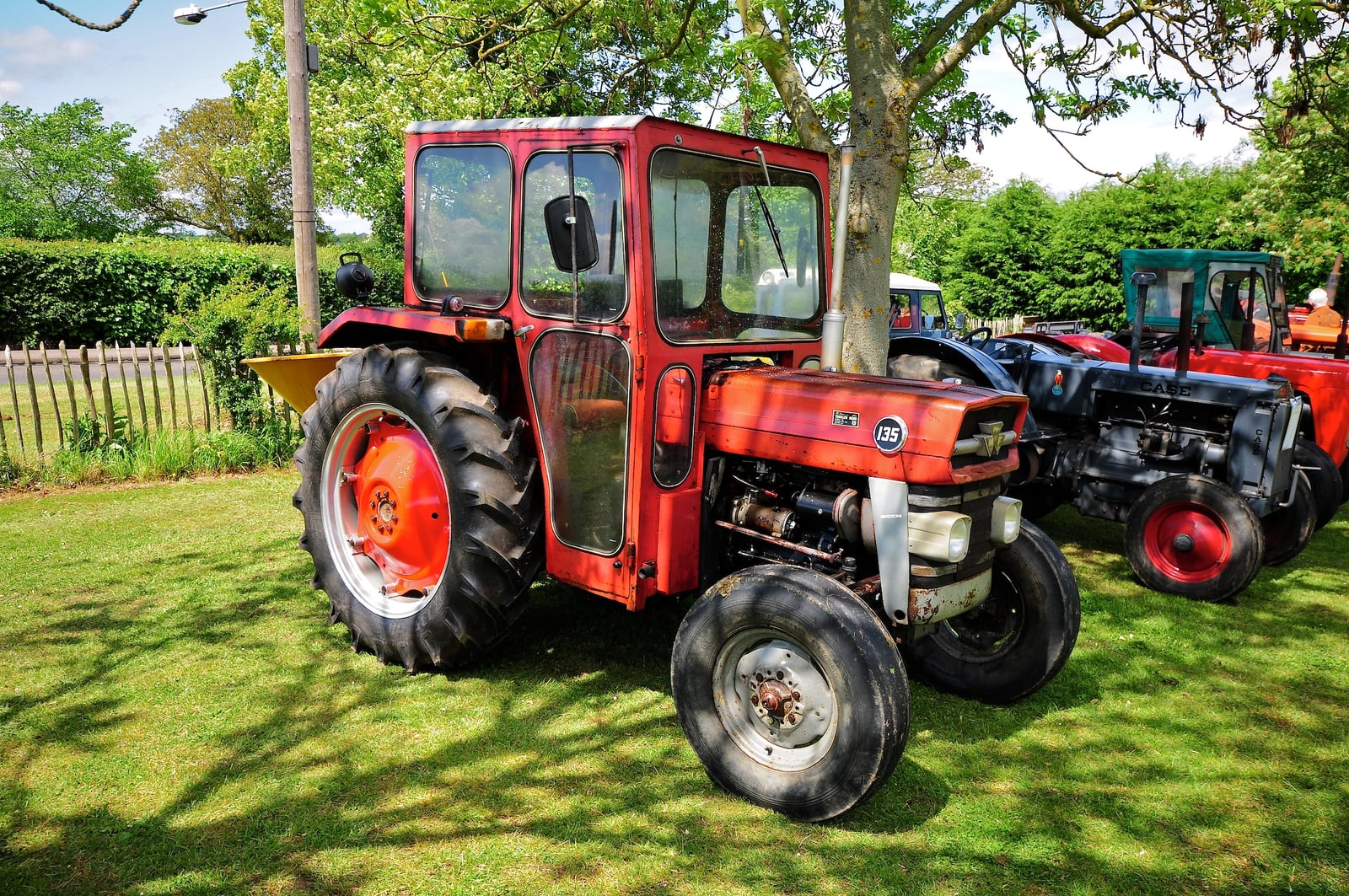
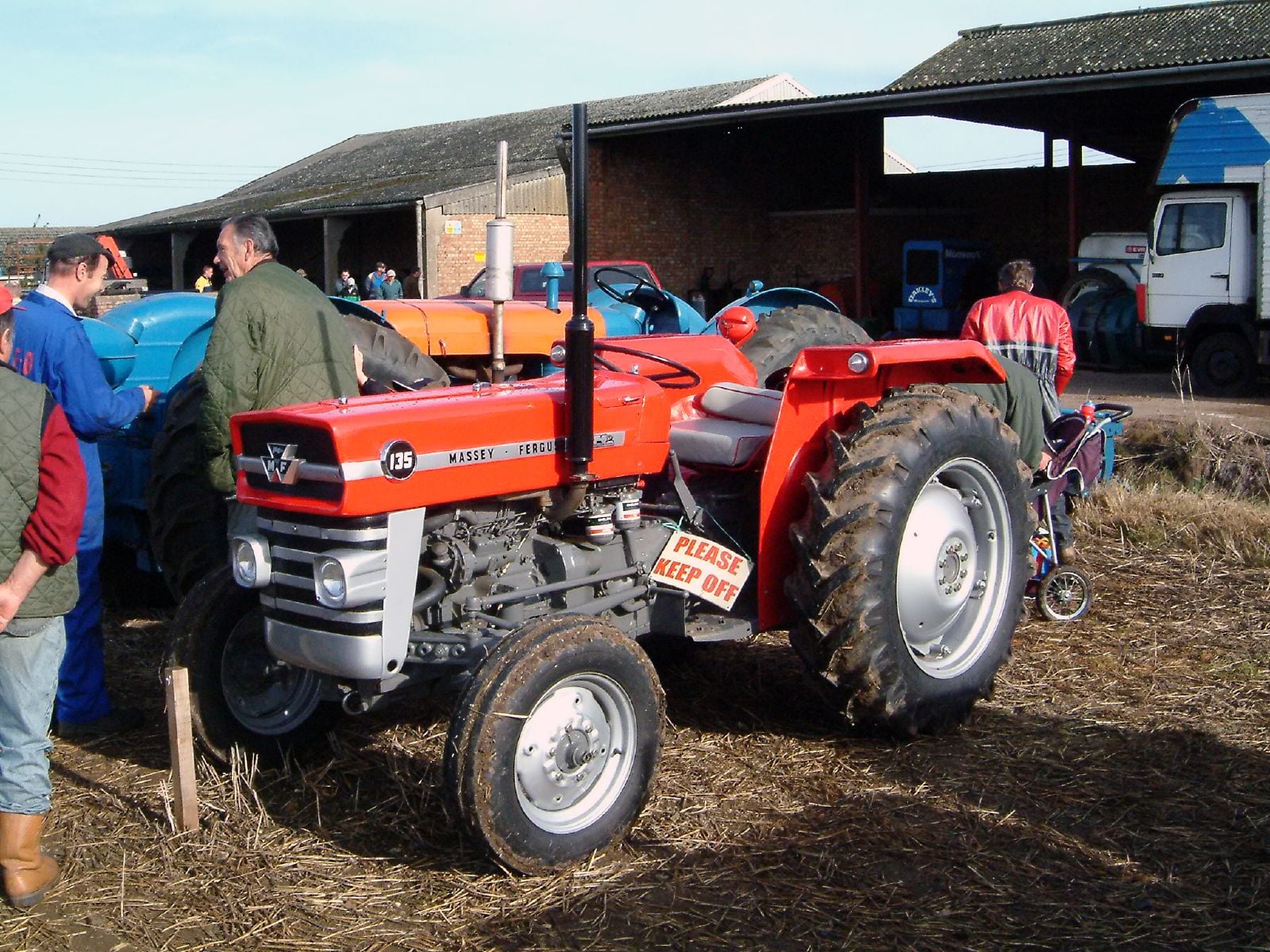
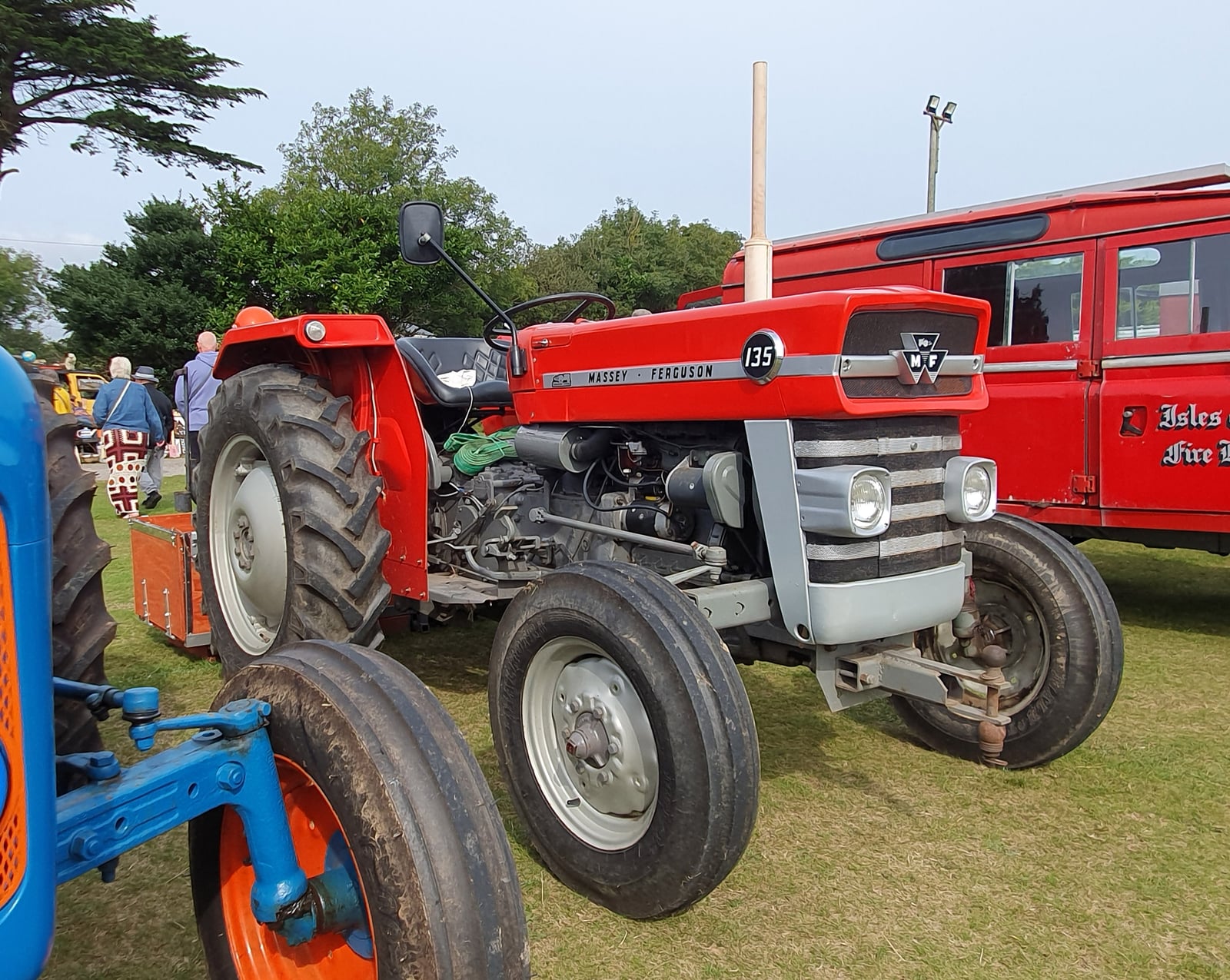
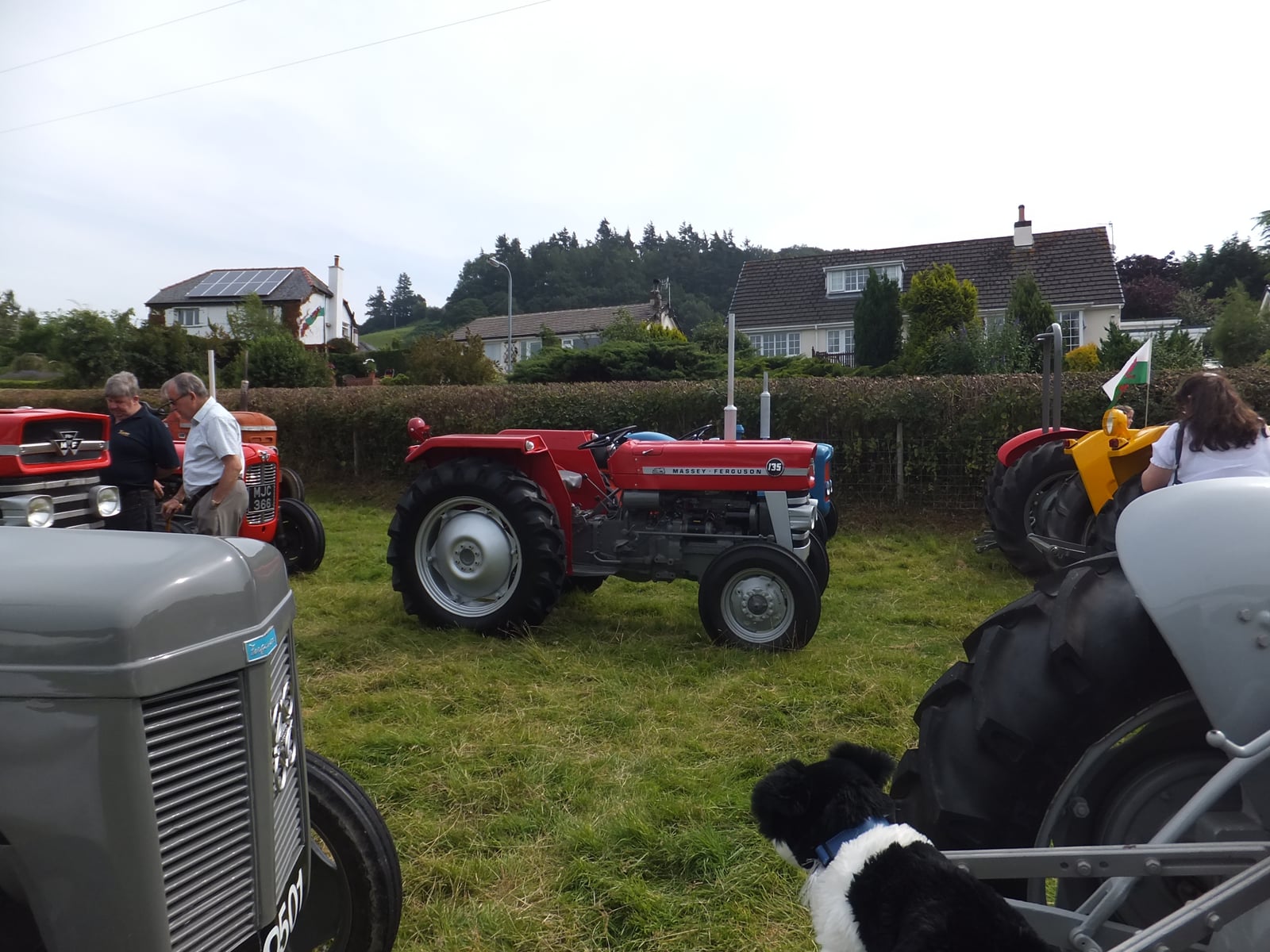
The Massey Ferguson 135 is, for most people in Britain, simply what a tractor looks like. It is the small grey-and-red Massey that worked the farm, sat in the corner of the yard, taught a generation to drive, and turns up today at every show, ploughing match, and farm sale in the country. More 135s were built than almost any other tractor, they were made to be simple and almost unbreakable, and so many survive that it is now the classic tractor most people buy first.
It is also a genuinely good machine, not merely a familiar one. Behind the friendly looks is the British engineering that changed farming, the Ferguson three-point linkage, wrapped around a Perkins diesel engine that will run more or less forever.
Where the 135 came from
The 135 was launched in 1964 as the first of Massey Ferguson’s new “100” series, replacing the much-loved Ferguson 35 (the “Grey-Gold” Fergie) that had carried the Ferguson System through the late 1950s. It kept everything that had made the 35 good, the compact size, the light weight, the brilliant hydraulics, and modernised it: a stronger engine, a roomier platform, and the squared-off grey-and-red styling that became the face of the marque.
It was built in enormous numbers at Massey Ferguson’s Banner Lane plant in Coventry, the same factory that had turned out the Ferguson TE20 before it. Coventry records account for 413,153 tractors between 1965 and 1979 alone, and the 135 was sold all over the world, which is why it remained in British production into the late 1970s long after newer models had arrived above it. When it was finally replaced by the 235, it had become one of the best-known tractors ever made.

The engines
The engine that matters to a British buyer is the Perkins AD3.152, a 2.5-litre three-cylinder diesel of around 45 horsepower. It is one of the great farm engines: simple, frugal, and so long-lived that a worn-out example is usually the result of decades of neglect rather than any fault of its own. The vast majority of British 135s have it, and it is the single biggest reason the model is so easy to live with.
There were alternatives. A petrol version of the same Perkins three- cylinder (the AG3.152) was offered, and the early tractors and most of those sold in North America used a Continental four-cylinder petrol engine of around 37 horsepower. A British buyer will occasionally meet a petrol 135, but the diesel is the default, the more economical choice, and the one with the deepest parts supply.

Gearboxes and Multi-Power
The standard 135 has a six-speed gearbox (six forward, two reverse), with an eight-speed arrangement also available. The option worth understanding is Multi-Power, a two-speed splitter that lets the driver change between a high and a low ratio within each gear on the move, without the clutch, giving twelve forward speeds. It is genuinely useful for matching engine speed to the job.
Multi-Power is also the one part of the 135 that earns a note of caution. It works on hydraulic pressure, and on a tractor that has been neglected it can slip, lose drive in the high range, or stop working altogether. None of this is terminal, the system can be sorted, but it is the first thing to test on any Multi-Power tractor and a useful bargaining point if it is not behaving.

What to check when buying
The good news is that there is no need to rescue a bad 135. So many were built that a patient buyer can find a sound one, so condition matters far more than originality on the rare or valuable variants.
On the engine, look for clean starting and no heavy blue or white smoke once warm, healthy oil pressure, and no sign that overheating has been a recurring problem. The Perkins diesel is tough, but a lifetime of farm work can still wear one out, and a top-end or full rebuild, while straightforward, is money.
Test the hydraulics properly: the three-point linkage should lift firmly and hold a load without sinking, because a weak or leaking lift is a common fault and the linkage is the whole point of the tractor. If Multi-Power is fitted, work through both ranges in several gears and make sure drive is positive in each. Check the clutch, the brakes (often neglected), and the back axle and final drives for the whine or play that signals wear.
The tinwork, bonnet, grille, and mudguards rusts and dents but is widely reproduced, so a scruffy but mechanically sound tractor is a better buy than a shiny one hiding a tired back end. Above all, confirm the basic things work, because a 135 that drives, lifts, and stops is a usable tractor, and a usable tractor is the whole appeal.

What they are worth
In broad terms, and condition is everything, a tired but complete runner starts at a few hundred pounds to around £1,500, a genuinely tidy and usable 135 sits roughly between £2,000 and £4,000, and a fully restored or genuinely low-hours example climbs well beyond that. Originality, working hydraulics, a sound Multi-Power if fitted, and honest history all add value; a non-running project or a tractor with a damaged back axle sits at the bottom.
Because the model is so common, the sensible approach is to buy the best you can find rather than the cheapest, and to treat a running, lifting, stopping tractor as the baseline rather than the bonus.

Why the 135 is the one to have
For anyone coming to classic tractors for the first time, the 135 is hard to better. It is cheap to buy, simple to understand, supported by an enormous parts industry and a large, friendly owner community, and small enough to store and move easily. It is also useful: people still cut paddocks, move trailers, and work smallholdings with them, which means a 135 earns its keep in a way a more delicate classic cannot.
It is, in short, the tractor that does everything the classic-tractor hobby is supposed to do, which is exactly why it is the one everybody knows.

The Massey Ferguson 135 in dates
- 1964Launched as the first of the 100 series, modernising the Grey-Gold Ferguson 35 with a stronger engine and the squared grey-and-red styling.
- 1965Banner Lane begins the run that Coventry records at 413,153 tractors.
- 1968Multi-Power's two-speed splitter offers twelve forward speeds without the clutch.
- 1979The 235 finally replaces it, one of the best-known tractors ever made.
Massey Ferguson 135: what to check before you buy
Engine
- Clean starting and no heavy blue or white smoke once warm
- Healthy oil pressure and no recurring overheating
- The Perkins is tough, but a lifetime of farm work still wears one out
- The diesel is the default and the one with the deepest parts supply; petrol 135s are the occasional exception
Hydraulics and transmission
- The three-point linkage should lift firmly and hold a load without sinking
- Where Multi-Power is fitted, work through both ranges in several gears and confirm positive drive
- Clutch, and the often-neglected brakes
- Back axle and final drives, for the whine or play that signals wear
The sensible approach
- Tinwork rusts and dents but is widely reproduced
- A scruffy but mechanically sound tractor beats a shiny one hiding a tired back end
- Buy the best you can find rather than the cheapest
- A running, lifting, stopping tractor is the baseline, not the bonus
Related
The Massey Ferguson 135 is one of Britain’s classic and vintage tractors. For registration, tax, insurance and the rest of the practical side, see owning and running a classic tractor.
More photos