MG MGB: over half a million built, and still the easiest classic to own (1962–1980)
The MG MGB was the modern monocoque roadster that sold more than half a million and became, for years, the best-selling sports car in the world. A guide to the 1.8-litre B-series, the three-bearing and five-bearing engines, the all-important chrome-bumper versus rubber-bumper divide, and the checks that matter before buying one.
Built 1962–1980

At a glance
- Years
- 1962–1980
- Body styles
- Two-door open sports car (roadster)
- Drivetrain
- Front engine, rear-wheel drive
- Engines
- 1798cc B-series four-cylinder, twin SU carburettors
- Power
- Around 95 bhp (chrome-bumper cars)
- Top speed
- Around 105 mph
- Trim levels
- MkI, MkII, MkIII; chrome-bumper and rubber-bumper cars
- Production
- About 387,000 roadsters (over 512,000 including the GT)
- Assembly
- Abingdon, Oxfordshire
- Designer
- Don Hayter and the MG team
- Values
- Chrome-bumper project £1,500-£4,000; good £7,000-£10,000; excellent £18,000-£27,000 (rubber-bumper cars less)
- Construction
- Monocoque (unitary) body, a first for a mainstream MG sports car
- The key divide
- Chrome-bumper cars (1962–1974) versus rubber-bumper cars (1974–1980)
The models
More than half a million MGBs left Abingdon between 1962 and 1980, and for years no sports car in the world sold better. That is the whole story of the car in one fact: for the price of a modest saloon, MG gave drivers a proper two-seat roadster that was modern, reliable and easy to live with, and they bought it by the hundred thousand. Few cars have introduced more people to classic motoring, and a good one still does the job today.
The MGB is the heart of the classic MG range, the model that defines the marque. It was built to one idea, an affordable, usable sports car, and it held to that idea for eighteen years.
A modern monocoque sports car
The MGB arrived in 1962 as a clean break from the cars before it. Where the MGA it replaced had a separate chassis, the new car used a modern monocoque, or unitary, bodyshell, in which the body itself provides the strength. That made it stiffer, roomier and more modern than its predecessor, and more modern than separate-chassis rivals like the big Triumph TRs of the day. It mattered then, and it matters now to a buyer: on a monocoque car the structure is the bodyshell, so rust in the shell is a structural problem, not a cosmetic one.
Built at Abingdon throughout its life, the car used simple, proven running gear: an independent coil-sprung front end, and at the back a live rear axle on leaf springs. It never had independent rear suspension, a common misconception. None of it was exotic, and that is exactly why the car was cheap to buy, cheap to fix and almost indestructible in service.

Engines and the marks
Every car used the 1798cc BMC B-series four-cylinder, with twin SU carburettors on home-market cars and around 95 bhp in chrome-bumper form. The single most useful thing for a buyer to know about the engine is the change from a three-bearing to a five-bearing crankshaft in late 1964. The early three-bearing engine revs a little more freely and is prized by purists of the earliest cars, but the five-bearing unit that followed is the stronger and more oil-tight, and is the one to have for everyday use.
The car ran through three broad marks. The MkI (1962–1967) includes the earliest and most collectable cars, the 1962–64 “pull-handle” models with external door handles and the three-bearing engine. The MkII of 1967 brought the important mechanical improvements: an all-synchromesh gearbox, with synchromesh on first gear at last, and a stronger rear axle. The MkIII, from 1972, brought interior and trim changes. Overdrive was an option throughout but fitted to fewer than one car in five, so an overdrive car is worth seeking out and carries a small premium.

Chrome bumper or rubber bumper
The defining division in the MGB world is between chrome-bumper and rubber-bumper cars, and it shapes both the look and the value.
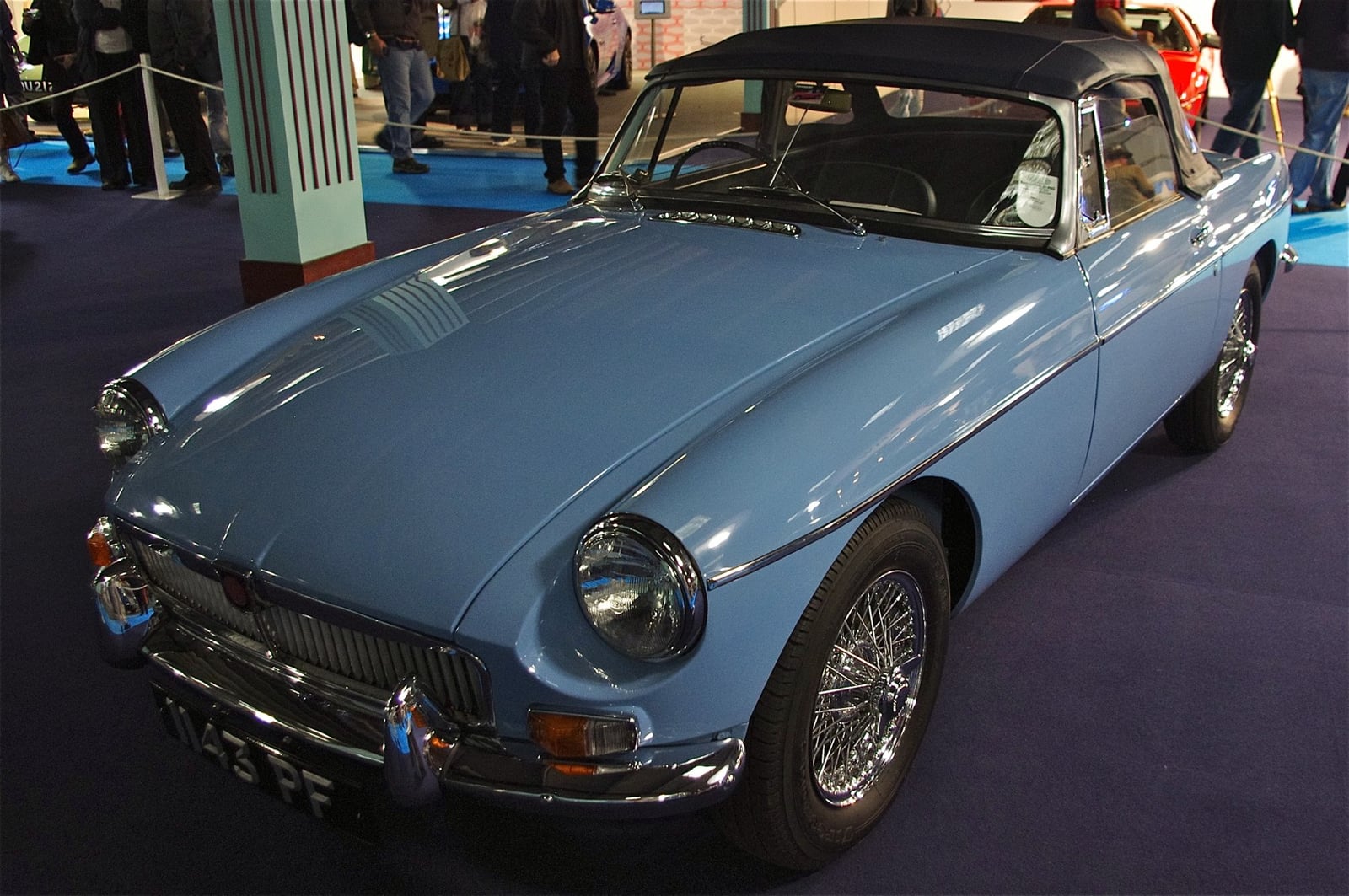
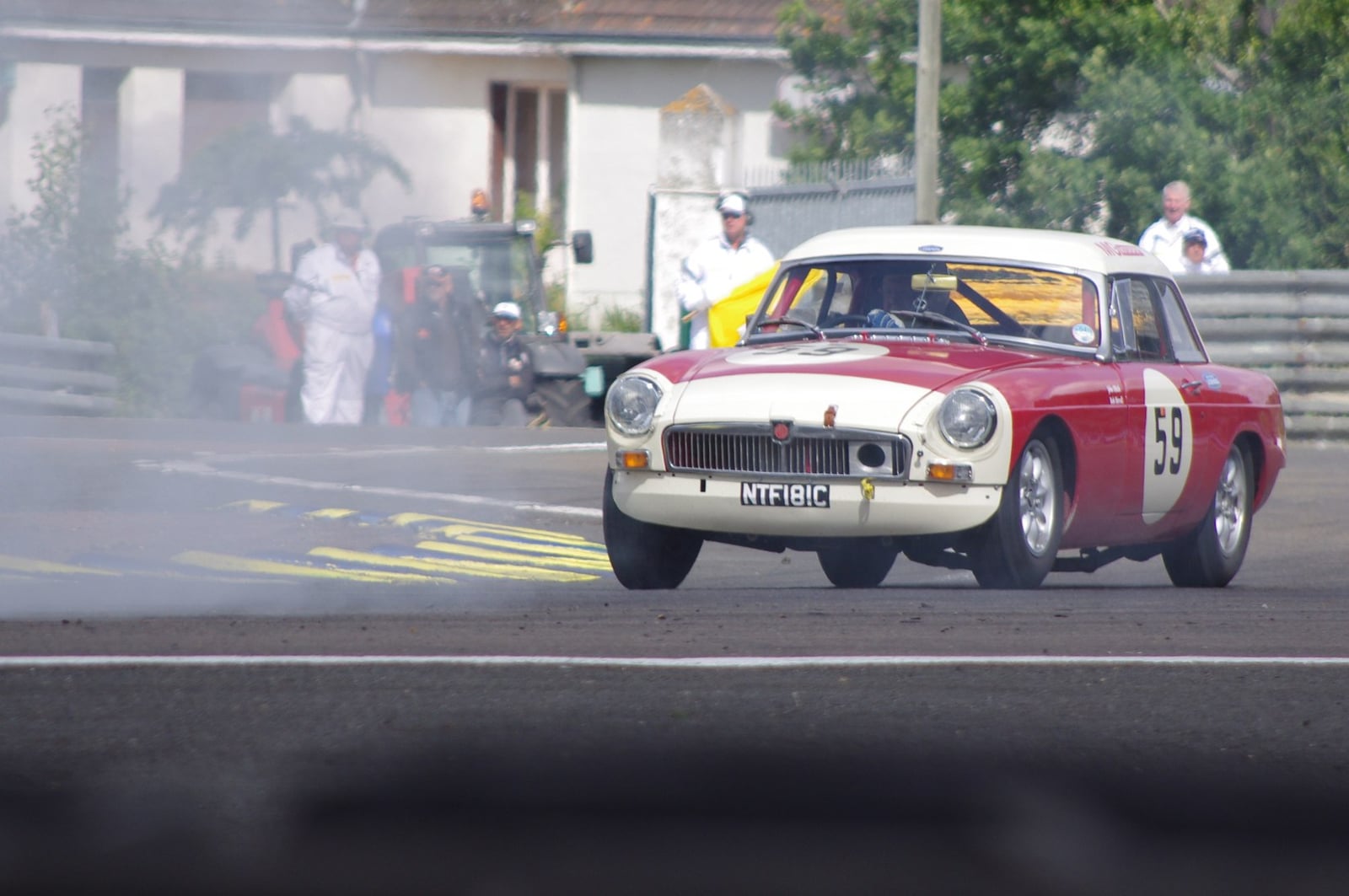
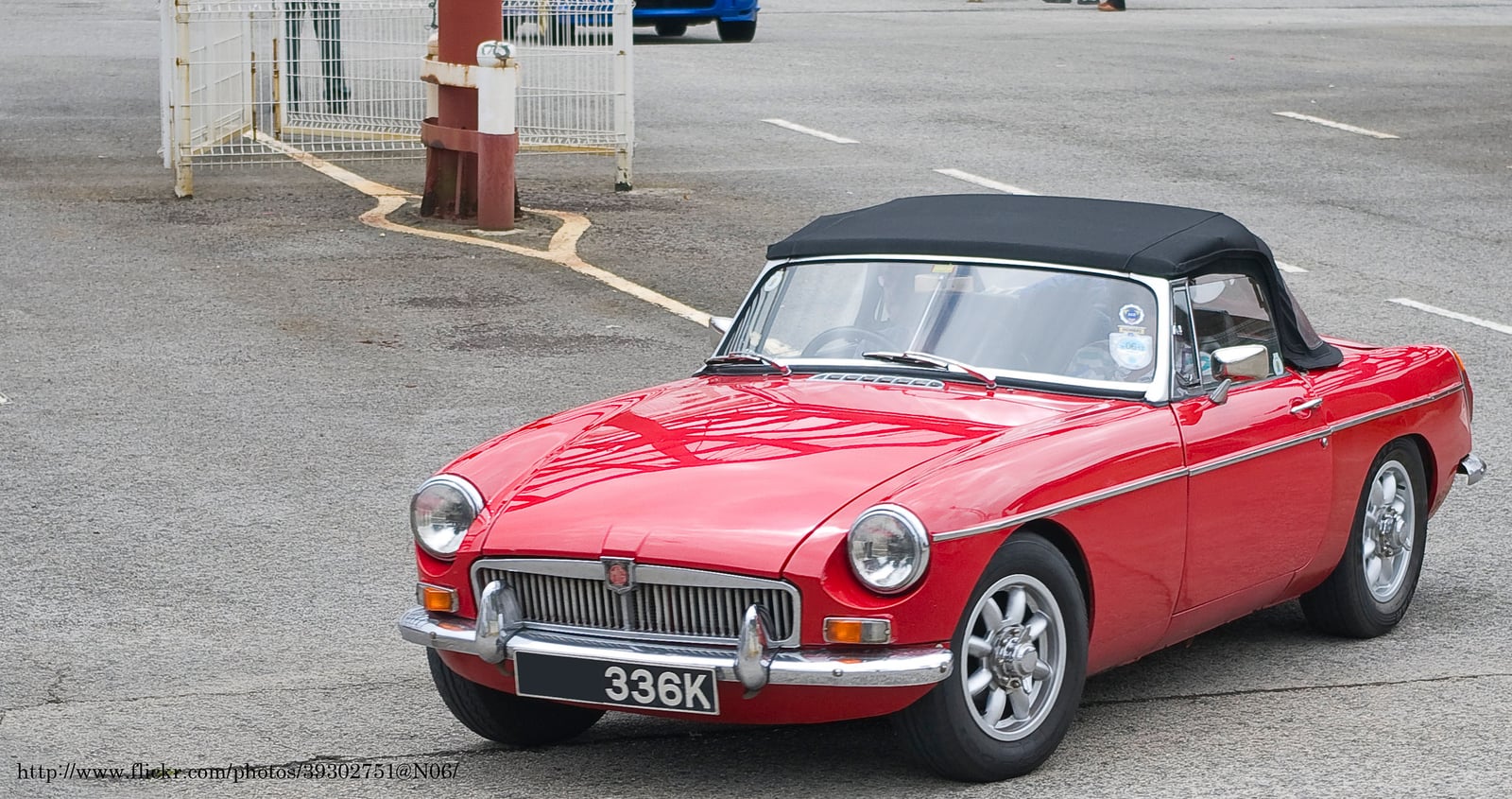
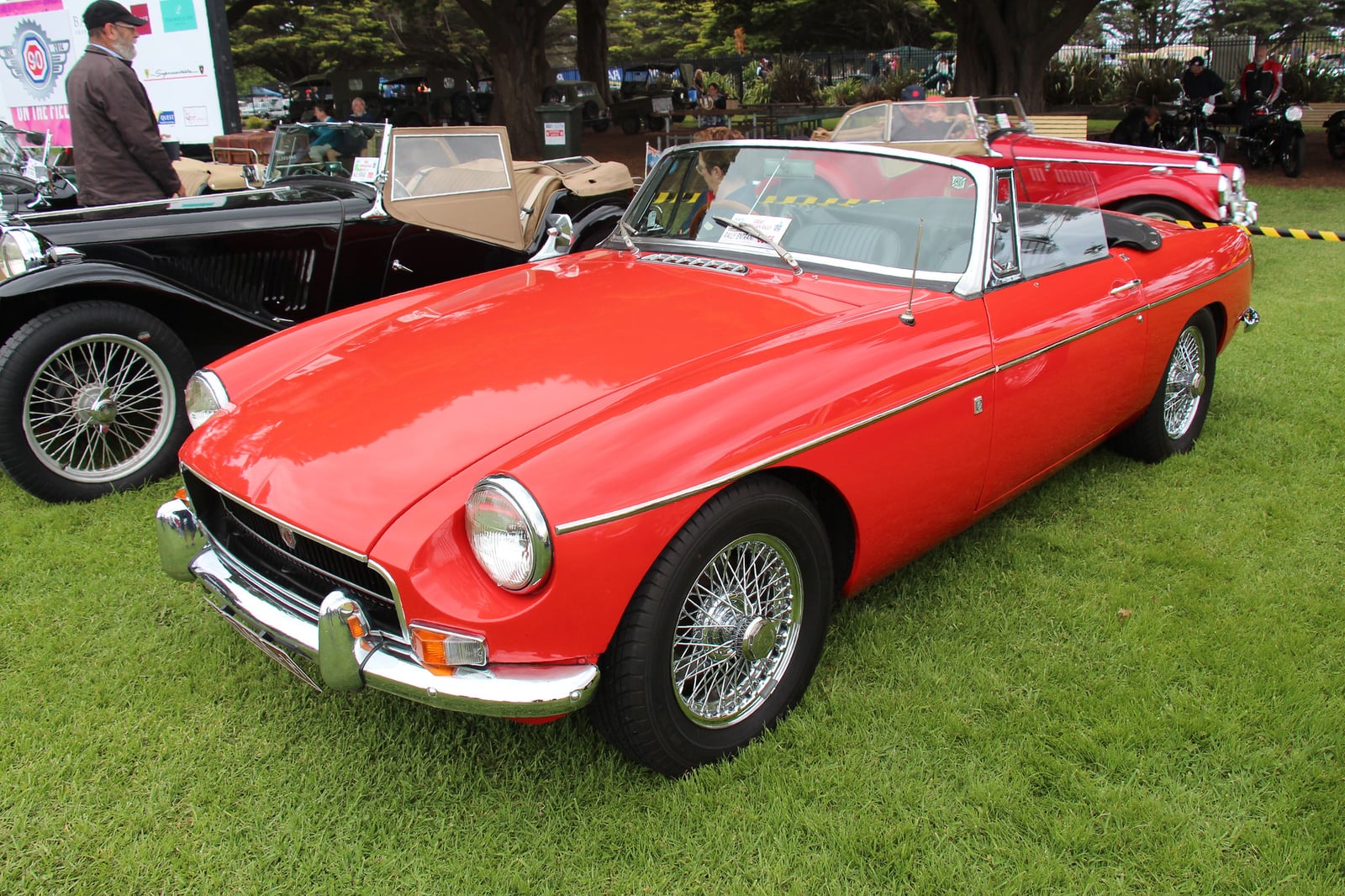
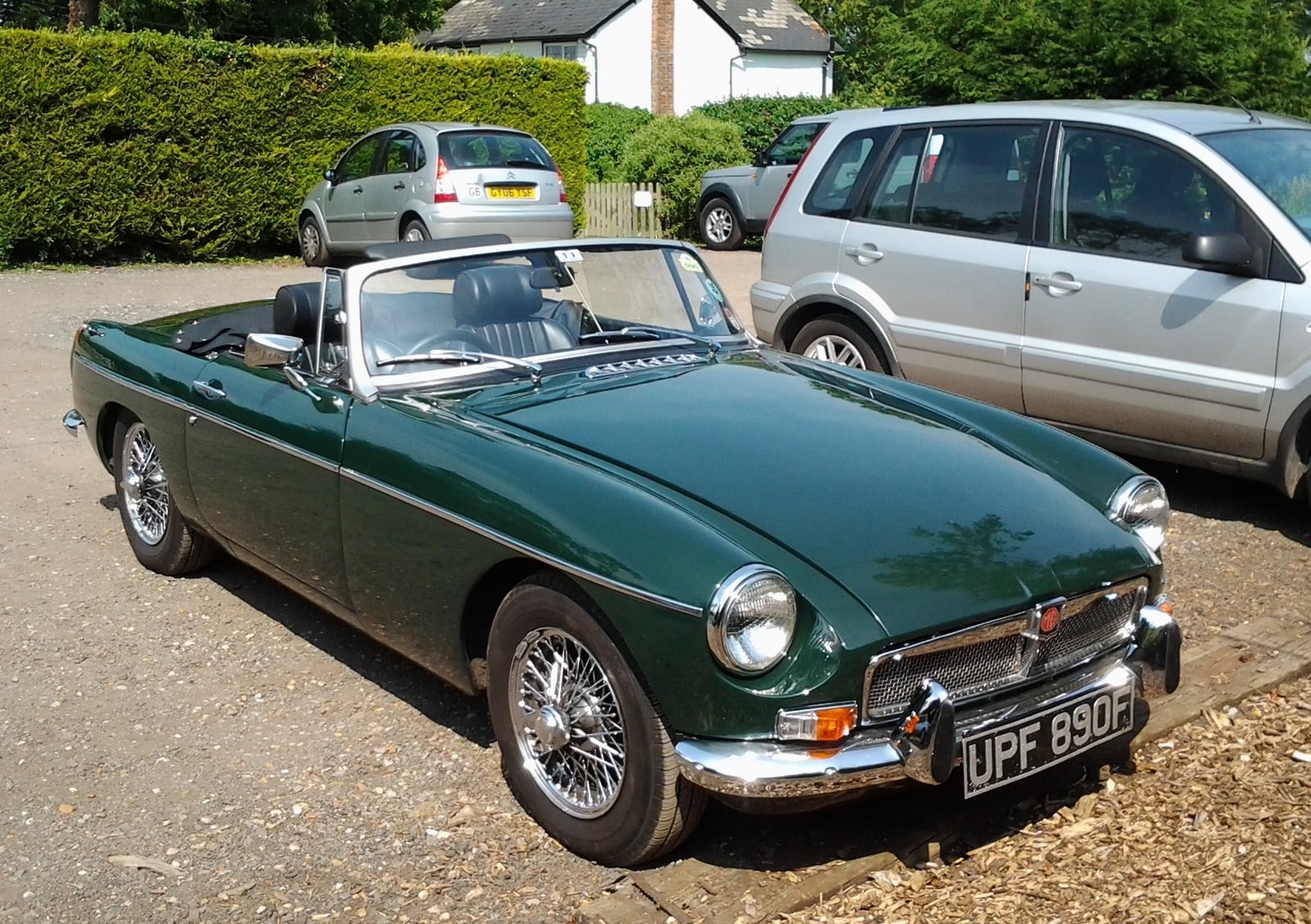
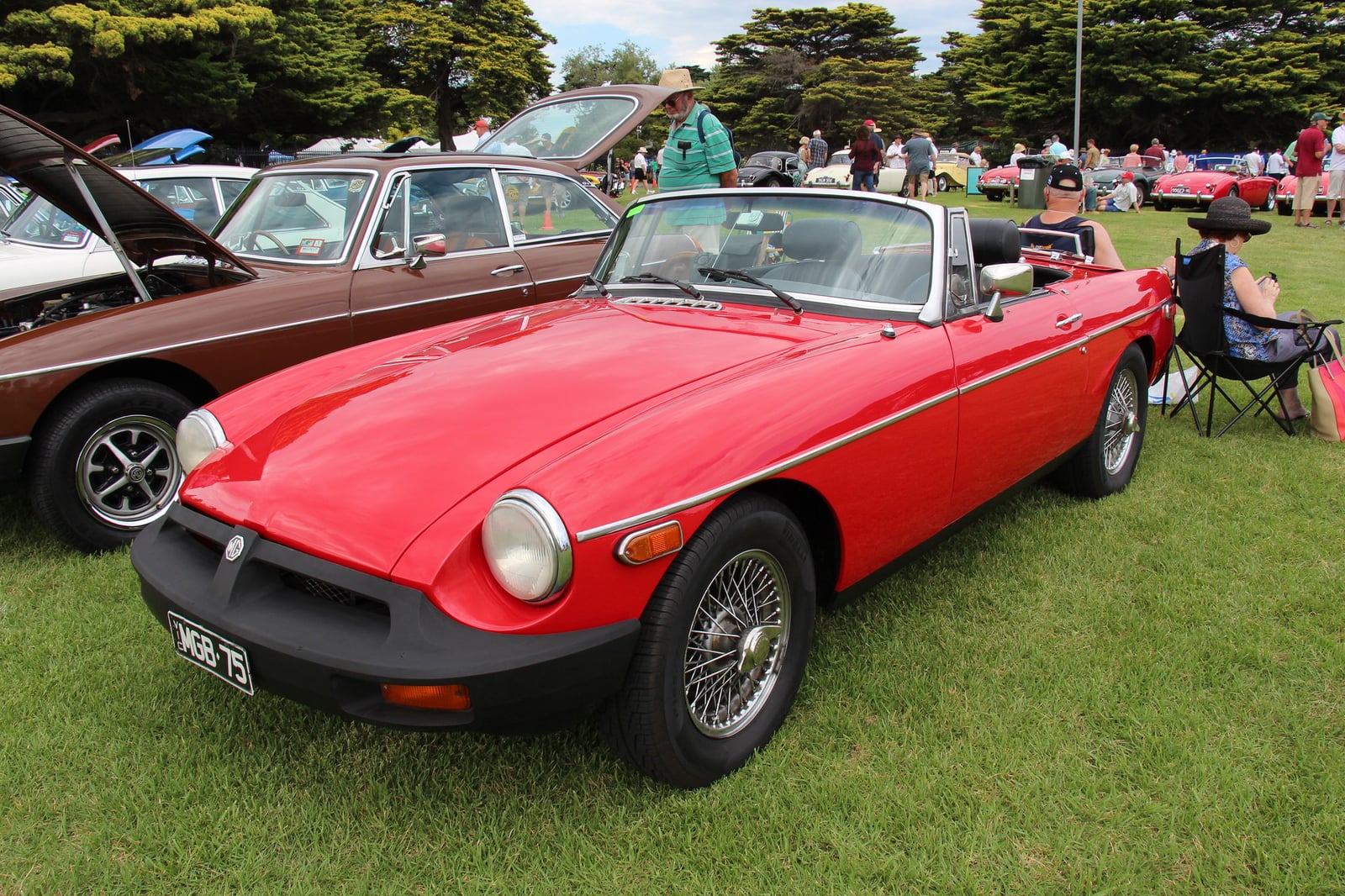
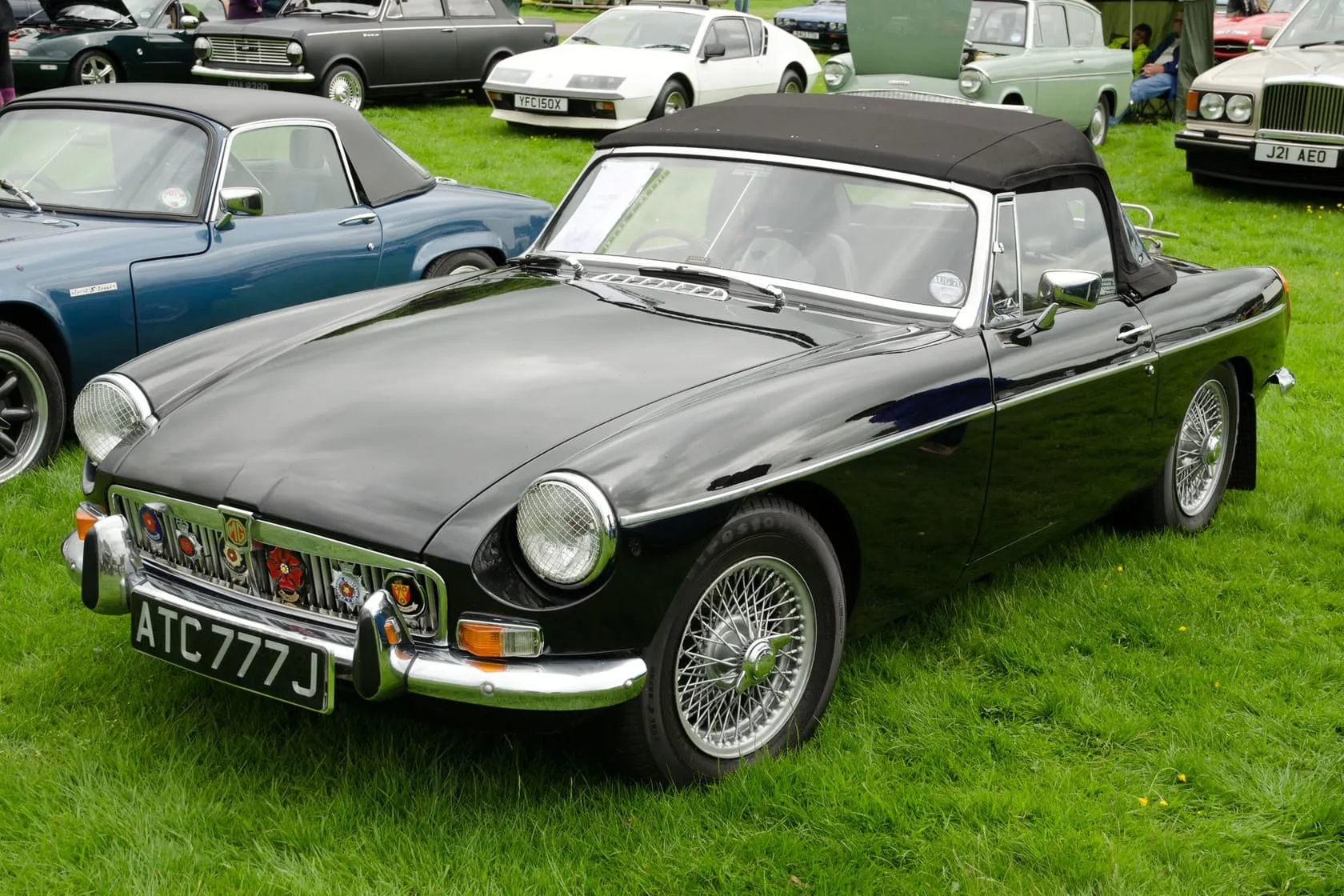
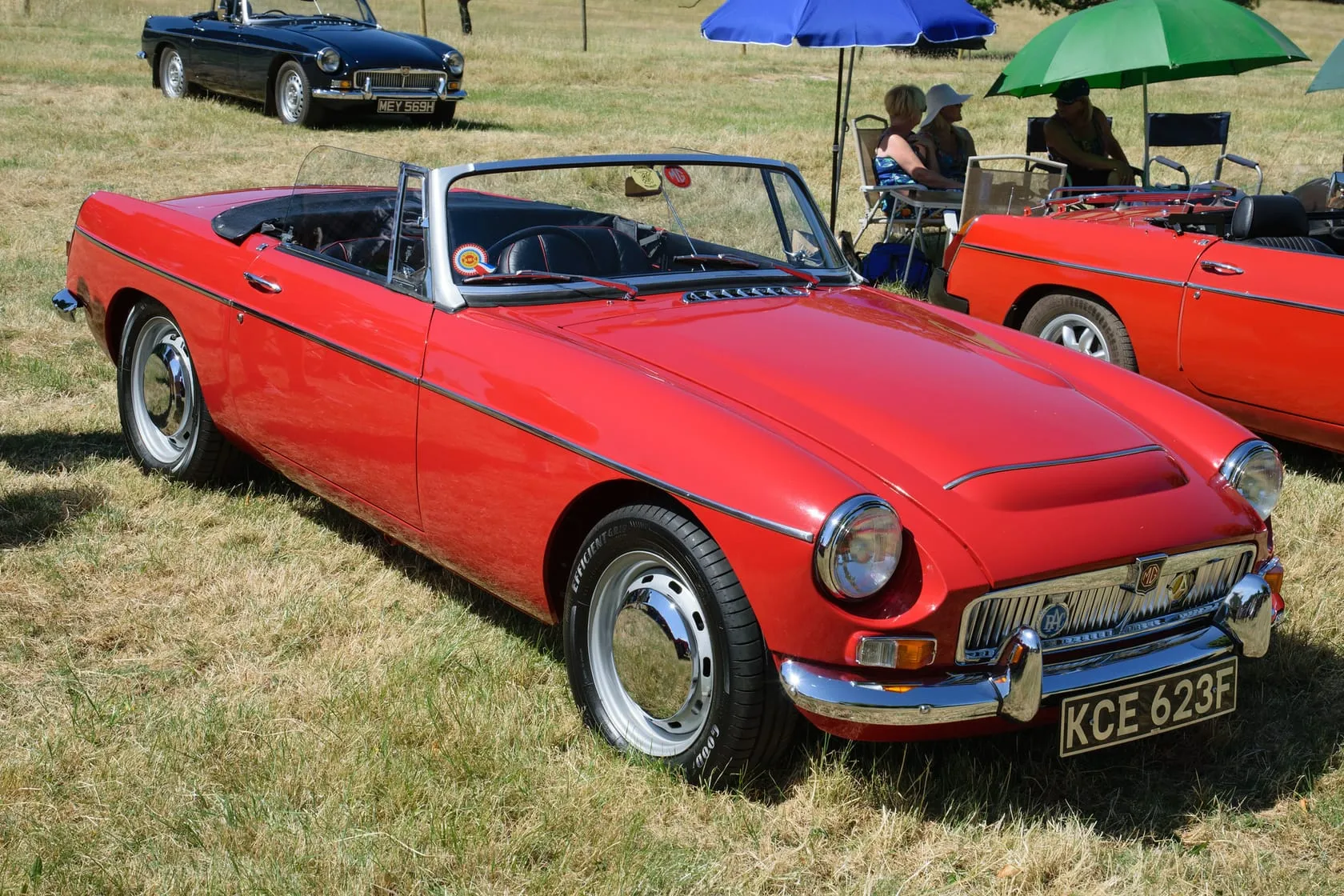
Chrome-bumper cars, built from 1962 to 1974, have the slim chrome bumpers, the lower stance and the classic original lines. From late 1974 the car gained the large black polyurethane-covered impact bumpers needed to meet American crash regulations, and to suit US bumper-height rules the whole car was raised about an inch. That raised ride height, rather than the weight of the bumpers themselves, is what softened the handling and gave rubber-bumper cars their slightly maligned reputation. Many owners simply lower a rubber-bumper car back down, which restores most of the original feel.
The rubber-bumper era also produced the collectible send-off: the 1980 Limited Edition roadsters, bronze with gold side stripes and a front spoiler, the last MGBs built and now the most sought-after rubber-bumper cars (auction listings show the LE trading at a clear premium over standard late roadsters).
One caution on specification: the strangled single-carburettor, catalytic converter set-up that crippled the power of later cars was a US-market change to meet emissions rules. Home-market rubber-bumper cars kept their twin SU carburettors and far more of their performance, so do not assume a UK car is as slow as the American press of the day complained. Chrome cars are the more valuable and sought-after; rubber-bumper cars are the affordable way in, and converting one to the chrome-bumper look is a common, widely accepted modification.

What it is like to own
The appeal of an MGB is its sheer usability. It is quick enough to keep up with traffic, comfortable enough for a long weekend away, simple enough to maintain on a driveway, and supported like no other classic when something does need replacing. It is not a fast car by modern standards, but it is a genuine wind-in-the-hair roadster with light controls and an easy, friendly nature, and on a sorted car with overdrive it is a relaxed long-distance companion. For many owners it is the only classic they ever need.

Buying guide: what to look for
Because the car is a monocoque, rust is the overriding concern, and it is structural. The single most important area is the sills, which are a complex multi-layer structure that stiffens the whole car. Beware a shiny outer sill hiding a rotten inner sill and membrane beneath; sagging doors and uneven gaps are the warning sign. Check the floors, the jacking points and the castle rails and outriggers, all of which are structural.

On the body, the front wings rot at their lower rear corners where they meet the sill and footwell, around the headlamp bowls and along the top ledge where mud collects. Check the rear wheel arches, the front chassis legs, the boot floor and the battery boxes behind the seats, where spilled acid eats the metal. Complete galvanised bodyshells exist, but at a price that can write off a cheap rotten car, so buy on structure first.
Mechanically the news is good. The B-series engine is tough; check for healthy oil pressure and listen for rumbles, especially on a high-mile three-bearing car. Make sure the synchromesh works and, if fitted, that the overdrive engages cleanly. Expect tired lever-arm dampers and perished bushes, and check that the front king-pins have been greased rather than left to seize. None of it is expensive next to bodywork.
Where it sits in the market
It remains a genuinely affordable classic. A chrome-bumper roadster runs from a couple of thousand pounds as a project to around £7,000 to £10,000 for a good car and £18,000 to £27,000 for the best, with the earliest “pull-handle” cars at the top for their rarity; rubber-bumper cars are cheaper at every level and the sensible budget entry point. The full picture, from 1,831 recorded sales, is on the page covering how much an MGB is worth: the chrome-bumper premium, what a V8 conversion does to the price, and why the typical car has got cheaper in real terms since 2020.
In the wider story the MGB is the affordable British sports car made permanent, the open MG that put two-seat motoring within reach. Its practical sibling, the MGB GT, added a fastback roof and a hatchback, while the smaller Midget sat below it as the cheapest way into the marque. Its great rival was the muscular Triumph TR6, a bigger, six-cylinder roadster that appealed to a different sort of buyer.
Owners’ clubs and parts
The MG Owners’ Club and the MG Car Club are the two long-established clubs, between them offering spares, technical help, dating and events. Parts supply for the MGB is the best of any British classic: body panels, chassis sections, trim, mechanical and electrical parts are all available new or remanufactured, and complete galvanised Heritage bodyshells are made on the original tooling. It is a large part of why the MGB is such a practical car to own.
The MGB in dates
- 1962Launched with a modern monocoque body in place of the MGA's separate chassis, on a 1,798cc B-series with twin SUs and about 95 bhp.
- 1964The three-bearing crankshaft gives way to the stronger, more oil-tight five-bearing unit.
- 1967The MkII brings an all-synchromesh gearbox, with synchromesh on first at last, and a stronger rear axle.
- 1972The MkIII brings interior and trim changes.
- Late 1974Polyurethane impact bumpers arrive for American crash rules, and the whole car is raised about an inch to suit US bumper-height regulations.
- 1980The bronze-and-gold Limited Edition roadsters close production, and are now the most sought-after rubber-bumper cars.
MGB: what to check before you buy
Structure, which is the bodyshell
- The sills: a complex multi-layer structure, and a shiny outer can hide a rotten inner and membrane
- Sagging doors and uneven gaps are the warning sign
- Floors, jacking points, castle rails and outriggers, all structural
- Front chassis legs and the boot floor
Body
- Front wings at their lower rear corners where they meet the sill and footwell
- Around the headlamp bowls and along the top ledge where mud collects
- Rear wheel arches
- Battery boxes behind the seats, where spilled acid eats the metal
Mechanical, which is the good news
- Healthy oil pressure, and listen for rumbles on a high-mileage three-bearing car
- Check the synchromesh works and, if fitted, that overdrive engages cleanly
- Expect tired lever-arm dampers and perished bushes
- Confirm the front king-pins have been greased rather than left to seize
Related
The MGB is one of the classic MGs, and the affordable roadster that defines the marque. Its closed sibling, the MGB GT, added a fastback roof and a hatchback, and below it sat the smaller, cheaper MG Midget. For the wider period it belongs to, see British classic cars of the 1960s and 1970s.
More photos
Frequently asked questions
What is the difference between a chrome-bumper and a rubber-bumper MGB?
Is the MG MGB reliable?
Why are classic MGBs so affordable?
Related across themes


More from MG

MG MGB GT: Pininfarina looks and a hatchback, for roadster money (1965–1980)

MG Midget: a Sprite in MG clothing, and the cheapest way into the marque (1961–1979)

MG MGA: 100,000 built, almost all for export, and the prettiest MG of all (1955–1962)


