Triumph GT6: the poor man's E-Type (1966–1973)
The Triumph GT6 was a handsome six-cylinder fastback coupe on the Spitfire platform, nicknamed the baby E-Type, whose tricky swing-axle handling was famously cured by the Rotoflex rear suspension of the Mk2. A guide to the three marks, the handling saga, the Rotoflex fix, and what to look for when buying one.
Built 1966–1973 215 recorded sales

At a glance
- Years
- 1966–1973
- Body styles
- Two-door fastback coupe
- Drivetrain
- Front engine, rear-wheel drive
- Engines
- 1998cc straight-six
- Power
- 95 bhp (Mk1), 104 bhp (Mk2 and Mk3, UK)
- Top speed
- Around 106 to 112 mph
- Trim levels
- Mk1, Mk2 (GT6+ in the US), Mk3
- Production
- 40,926
- Assembly
- Canley, Coventry
- Designer
- Giovanni Michelotti
- Values
- Project £1,500-£5,000; good £8,000-£12,000; excellent £12,000+ (early Rotoflex cars most prized)
- Based on
- The Spitfire platform, with a 2.0-litre straight-six
- Nickname
- The poor man's E-Type
The models
No classic GT has spent as long being underrated as the handsome, six-cylinder Triumph GT6. Built on the Spitfire platform but given a smooth 2.0-litre straight-six and a graceful fastback roof, it earned the nickname “the poor man’s E-Type” and lived up to more of the comparison than its price suggested. Its reputation was nearly ruined by a handling flaw and then rescued by a clever fix, and the result is one of the most appealing affordable classic GTs there is.
The GT6 is part of the classic Triumph range, the upmarket six-cylinder sibling of the Spitfire, slotting between the small open sports cars and the big TR roadsters.
A six-cylinder roof on a Spitfire
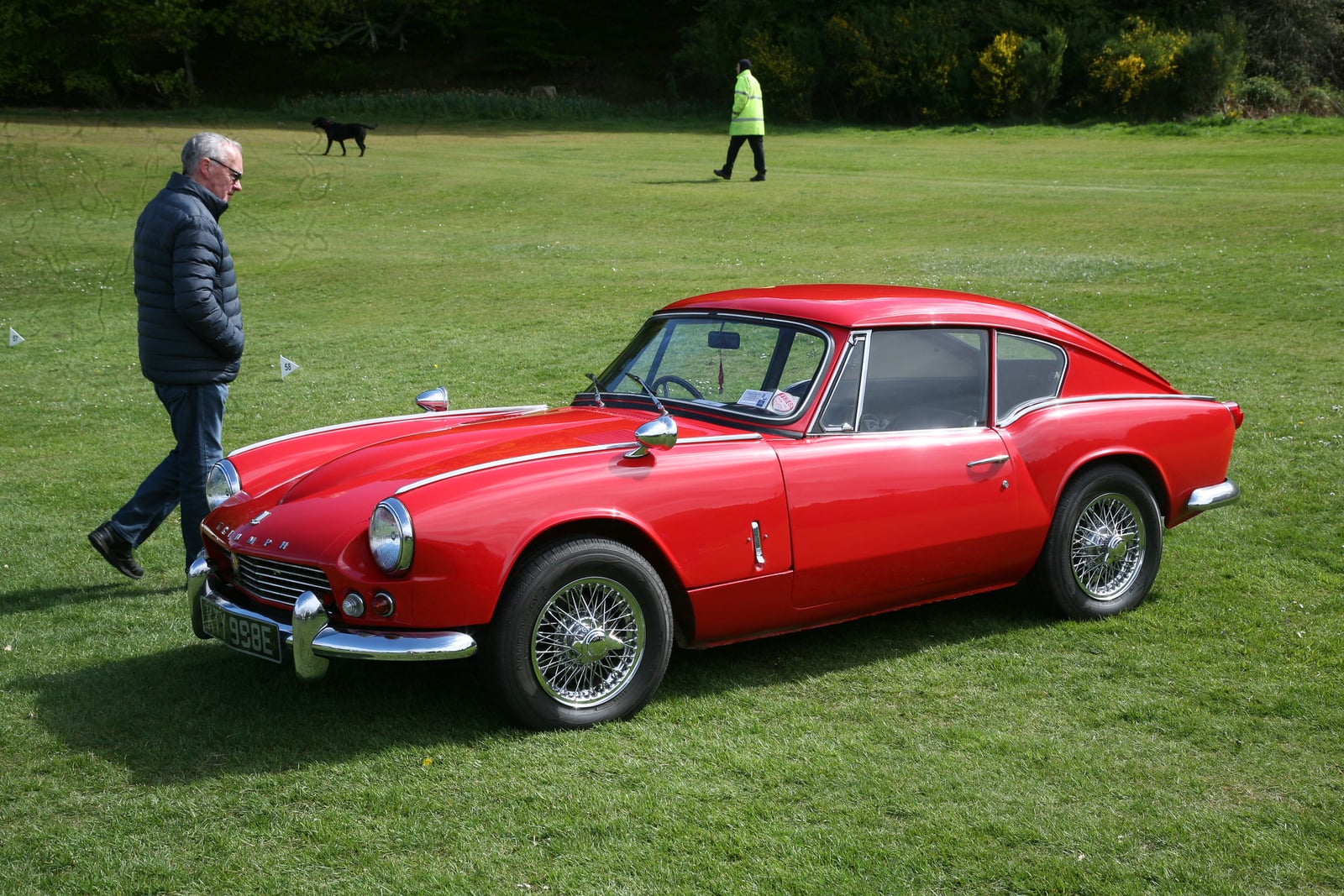
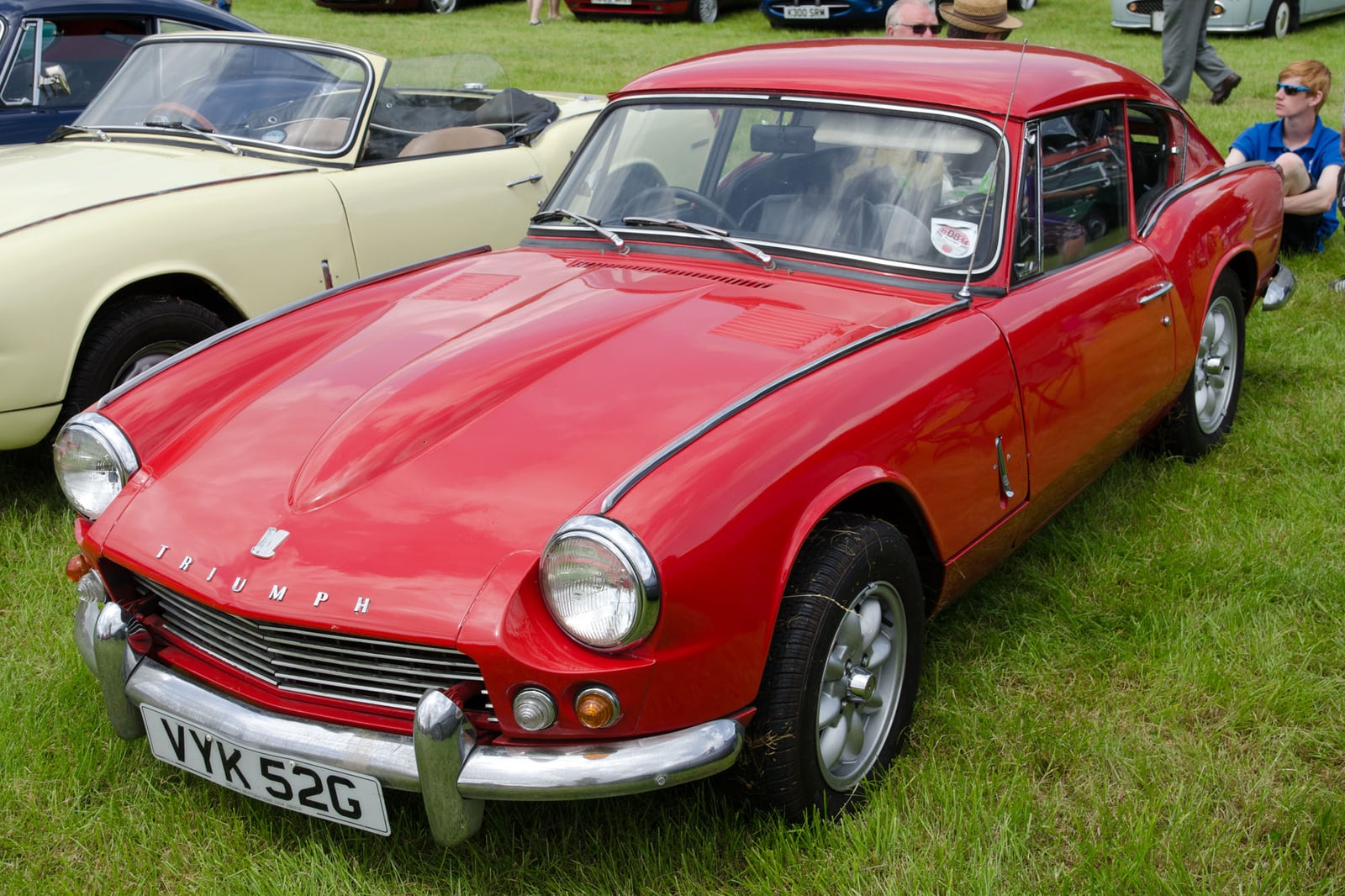
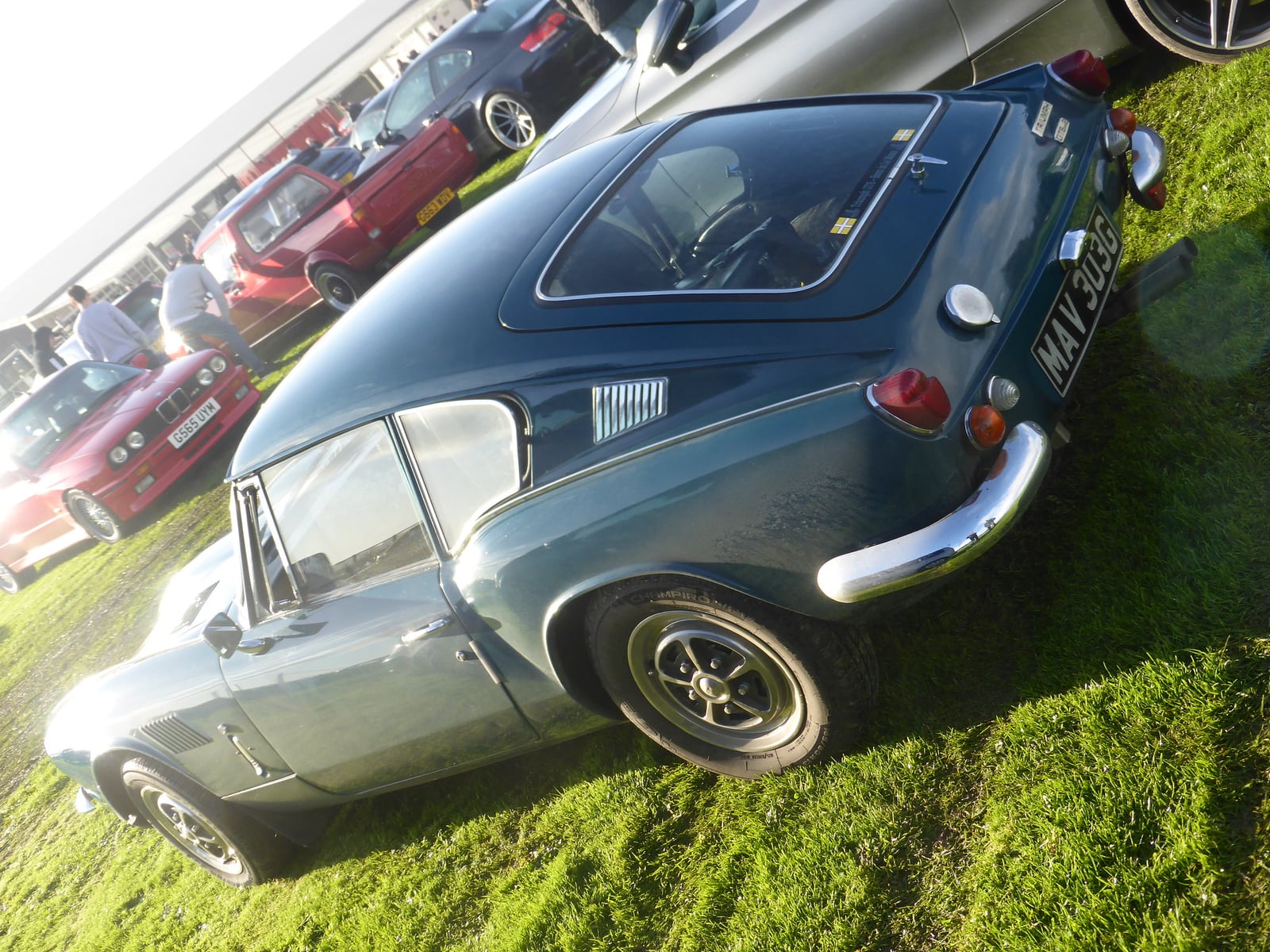
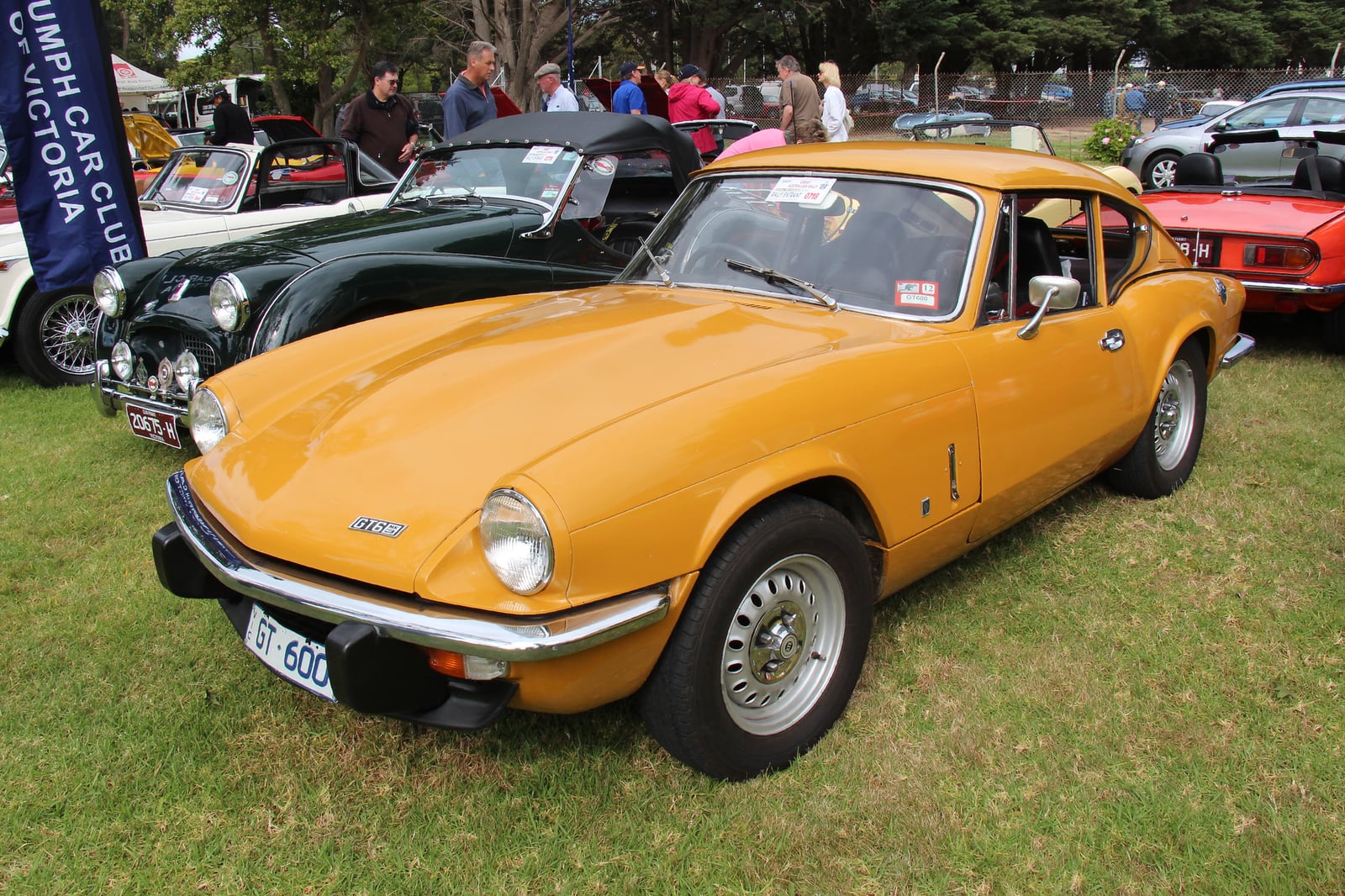
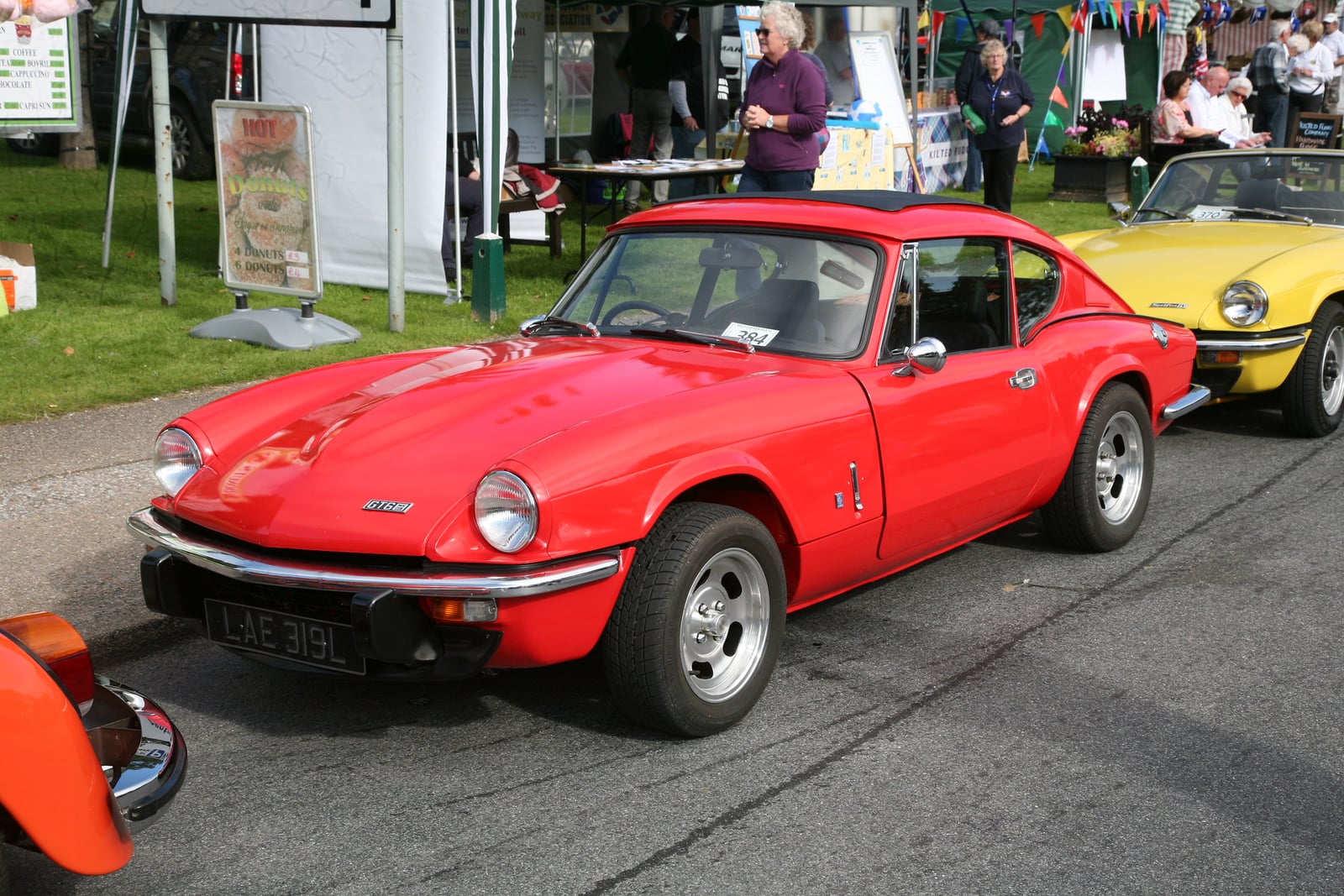
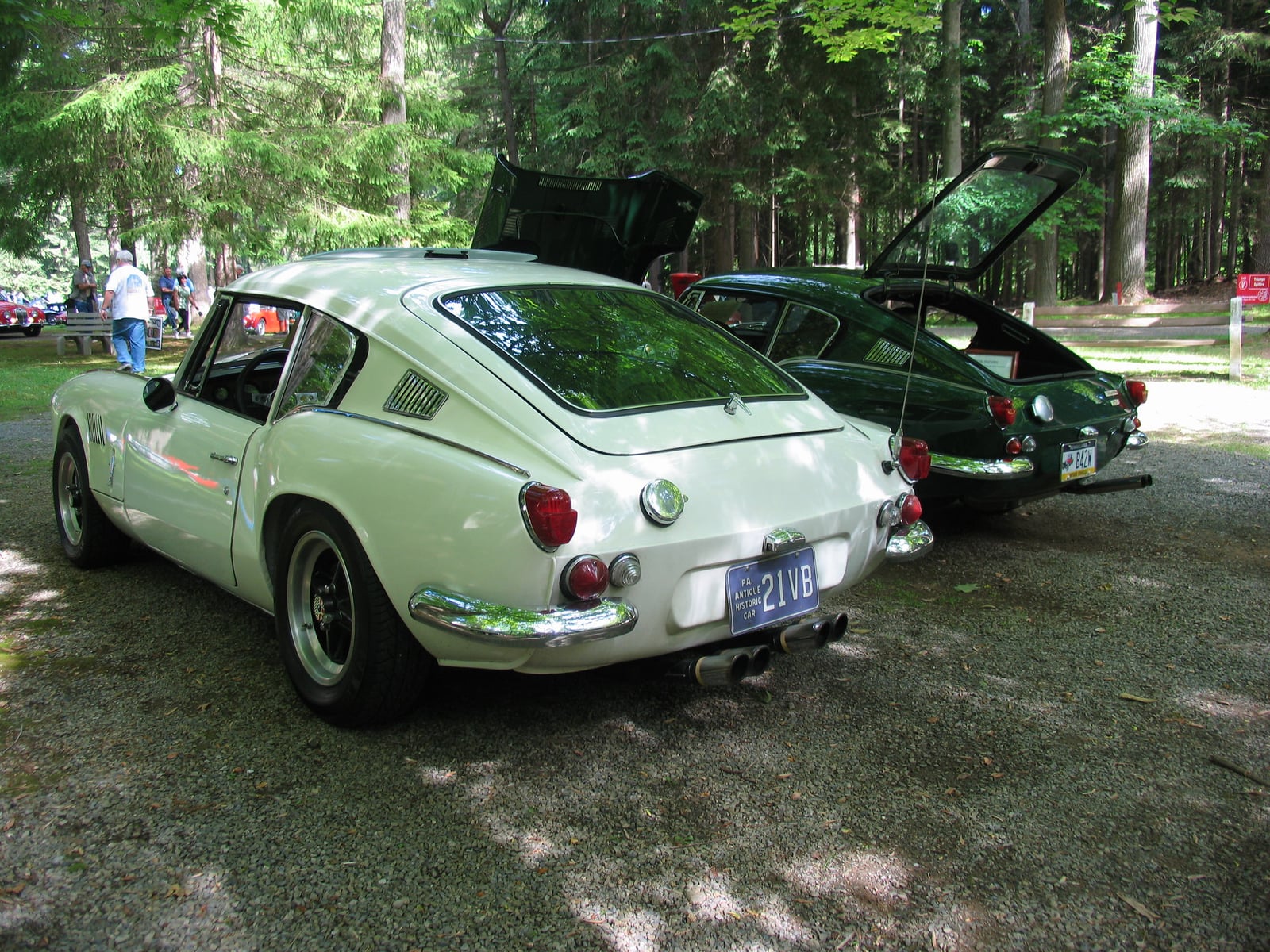
The GT6 arrived in 1966, designed by Giovanni Michelotti as a fastback coupe developed from his Spitfire, with roots in the aerodynamic fastback Spitfires that had raced at Le Mans. Underneath it used the Spitfire’s separate chassis and transverse-leaf rear suspension, but in place of the Spitfire’s four-cylinder engine it carried the 2.0-litre Triumph straight-six shared with the 2000 saloon and the TR5 and TR6 family. That gave it real pace and a smoothness the four-cylinder car could not match, and the long fastback with its opening rear hatch gave it the look of a scaled-down Jaguar E-Type. Around 40,926 were built at Canley over seven years.

The handling saga, and the Rotoflex fix
The GT6’s story is dominated by its rear suspension. The Mk1 inherited the Spitfire’s swing-axle layout, but the six-cylinder car’s extra weight and power made its bad habits worse: under hard cornering the rear could tuck under and change camber sharply, and the press criticised it heavily.
Triumph’s answer, on the Mk2 of 1968, is one of the better listened-to-the-critics stories in British motoring. The Mk2 gained a properly engineered rear suspension with reversed lower wishbones and flexible Rotoflex rubber driveshaft couplings, giving something close to double-wishbone geometry. It transformed the car, curing the swing-axle vices and turning the GT6 into a genuinely fine-handling GT. The Mk2 also gained a better cylinder head and more power.
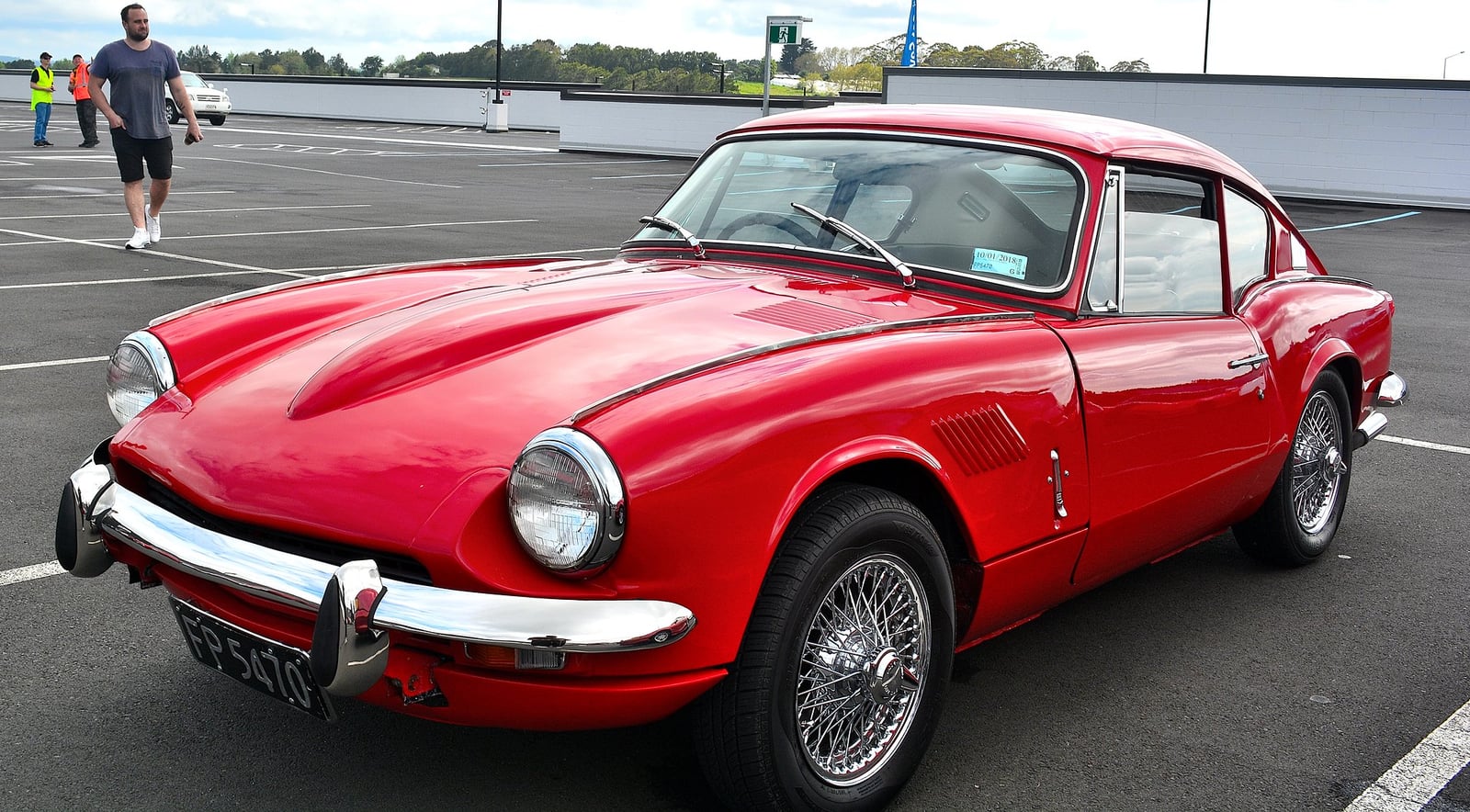
The Mk3 of 1970 brought the restyled Spitfire Mk4 body with its cut-off tail and is the fastest GT6, good for around 112 mph. The one caveat for enthusiasts is that late Mk3 cars reverted to the cheaper swing-spring rear as a cost saving; it works well, but the earlier Mk2 and early Mk3 Rotoflex cars are the prized ones to drive.

Living with one
The GT6 is a more serious car to own than the Spitfire. The straight-six is wonderfully smooth and torquey and long-lived, but it leaks oil and rattles on a cold start until the oil circulates, and the whole car is heavier and more complex than the four-cylinder Spitfire. Its real weak point is the drivetrain: the differential and universal joints work hard against the six’s torque, and the Rotoflex couplings on the better cars perish over time and must be replaced in pairs. None of it is a deal-breaker, but it makes the GT6 a car to buy carefully rather than casually.

Buying guide: what to look for
The GT6 rusts in the same places as the Spitfire and a few of its own. On the body, check the structural sills and floorpans, the wheel arches, the chassis outriggers, the door bottoms, the A-posts and screen pillars, the double-skinned leading edge of the roof at the windscreen, and the panel between the rear lights, which is GT6-specific and not reproduced, making it a real headache if it has rotted. A leaking brake master cylinder strips paint off the bulkhead and starts rot beneath it.

Mechanically, listen for differential and universal-joint whine, the GT6’s drivetrain being its weakness, and check the condition of the Rotoflex couplings on the cars that have them. The six itself is durable; a spin-on oil-filter conversion cures the cold-start rattle. Parts supply is good and improving, though a few body panels are scarce, so buy on the soundness of the structure.
Where the GT6 sits in the market
The GT6 remains conspicuously cheap for what it is, and cheaper than it was three years ago. The scarce Mk1 and Mk2 lead, the plentiful Mk3 follows a few thousand behind, and overdrive is the option that earns its money on any of them. The full record, 215 recorded sales with the early cars above the common one and close to half the real value given back since 2021, is on the page covering what a GT6 sells for. For a genuinely handsome six-cylinder GT with E-Type echoes, it is one of the last real bargains.
In the wider story the GT6 is Triumph’s attempt to offer grand-touring style and six-cylinder smoothness on a budget, a cult underdog whose reputation was made and nearly unmade by the swing-axle saga and then rescued by the Rotoflex Mk2.

Owners’ clubs and parts
The Triumph Sports Six Club and Club Triumph cover the GT6 as part of the small-chassis Triumph family, with technical support and spares. Most mechanical and body parts are available new through the marque specialists, the main exception being a few GT6-specific panels, while second-hand chassis are cheap and plentiful.
GT6: the short history
- 1966Launched as a Michelotti fastback on the Spitfire's chassis, with the 2.0-litre Triumph six in place of the four, and roots in the Le Mans fastback Spitfires.
- 1966The Mk1 inherits the Spitfire's swing-axle rear, whose bad habits the six's extra weight and power make worse; the press criticises it heavily.
- 1968The Mk2 answers with reversed lower wishbones and Rotoflex driveshaft couplings, near double-wishbone geometry, plus a better cylinder head and more power.
- 1970The Mk3 adopts the restyled Spitfire Mk4 body with its cut-off tail and becomes the fastest GT6 at around 112 mph.
- 1972Late Mk3 cars revert to the cheaper swing-spring rear as a cost saving.
- 1973Production ends at 40,926 cars.
The GT6 viewing checklist
Body
- Structural sills and floorpans, wheel arches and the chassis outriggers
- Door bottoms, A-posts and screen pillars
- The double-skinned leading edge of the roof at the windscreen
- The panel between the rear lights, which is GT6-specific and not reproduced
Drivetrain, the weak point
- Listen for differential and universal-joint whine
- Check the condition of the Rotoflex couplings on the cars that have them, and budget to replace in pairs
- A leaking brake master cylinder strips paint off the bulkhead and starts rot beneath it
- The six itself is durable; a spin-on oil-filter conversion cures the cold-start rattle
Which mark
- Mk1 cars are swing-axle and the ones the press criticised
- Mk2 and early Mk3 Rotoflex cars are the prized ones to drive
- Late Mk3 swing-spring cars work well but are the cost-saving version
- Overdrive is the option that earns its premium on any of them
What the GT6 sells for at auction
In 2025 the median GT6 sold for £10,358 across 26 sales, much where it was in 2024. In real terms, typical GT6 prices were down about 36% over the five years to 2025, once inflation is accounted for.
| Variant | Sold | Typical range | Median |
|---|---|---|---|
| GT6 Mk III | 142 | £7,366 - £16,672 | £10,692 |
| GT6 Mk I | 34 | £11,041 - £19,268 | £13,909 |
| GT6 Mk II | 33 | £8,239 - £18,400 | £13,590 |
Show the year-by-year mediansHide the year-by-year medians
| Year | Sold | Median | In 2025 money |
|---|---|---|---|
| 2026 (so far) | 15 | £9,720 | |
| 2025 | 26 | £10,358 | £10,358 |
| 2024 | 26 | £10,202 | £10,594 |
| 2023 | 29 | £16,417 | £17,617 |
| 2022 | 23 | £12,982 | £14,867 |
| 2021 | 24 | £15,634 | £19,332 |
| 2020 | 20 | £12,756 | £16,165 |
| 2019 | 10 | £13,026 | £16,676 |
| 2018 | 7 | £14,350 | £18,682 |
| 2017 | 7 | £11,385 | £15,165 |
| 2016 | 7 | £11,211 | £15,318 |
| 2015 | 9 | £8,438 | £11,644 |
- £8,800GT6 Mk III
- £26,952GT6 Mk III
- £27,000GT6 Mk I
- £8,720GT6
- £11,232GT6 Mk III
Strong evidence. 215 recorded sales and a dozen or more a year: the median and the range are well founded. Based on 215 sold results from public classic car auctions (2004 to 10 August 2026). Sold prices, not asking prices, and not a valuation: condition, history and specification vary from car to car. Inflation-adjusted figures use the ONS CPIH index, in 2025 money.
Related
The GT6 is one of the classic Triumphs, built on the same platform as the Triumph Spitfire and nicknamed for its resemblance to the Jaguar E-Type. For the wider period it belongs to, see British classic cars of the 1960s and the 1970s.
More photos