Triumph
-
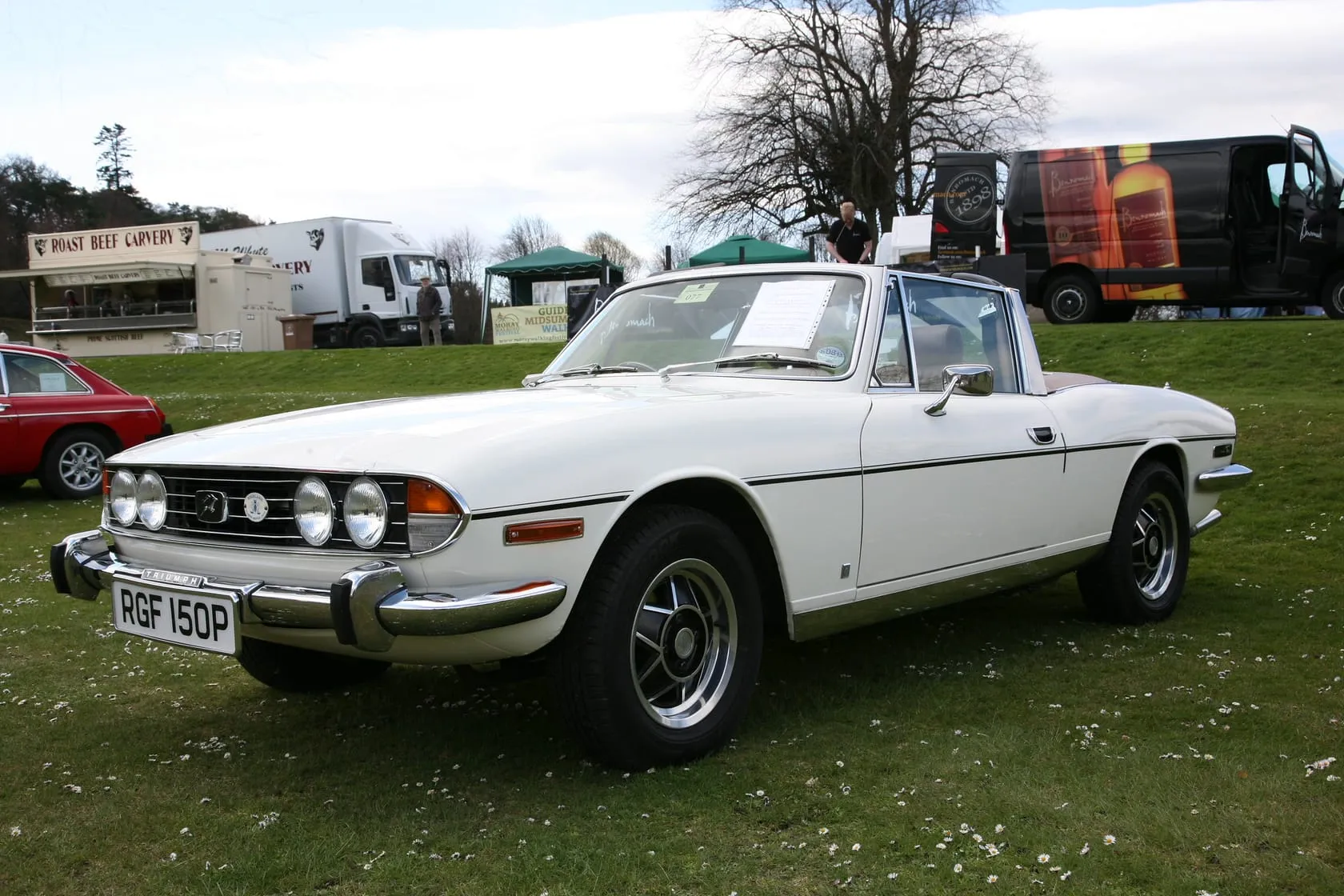 Jaguar XJS vs Triumph Stag: two British grand tourers with a reputation to live down
A V12 coupe and a V8 convertible, both born in the 1970s, both once dismissed as unreliable, and both now priced within a few hundred pounds of each other at auction. Which reputation was deserved, what was fixed, and which is the better car to buy in 2026.
-
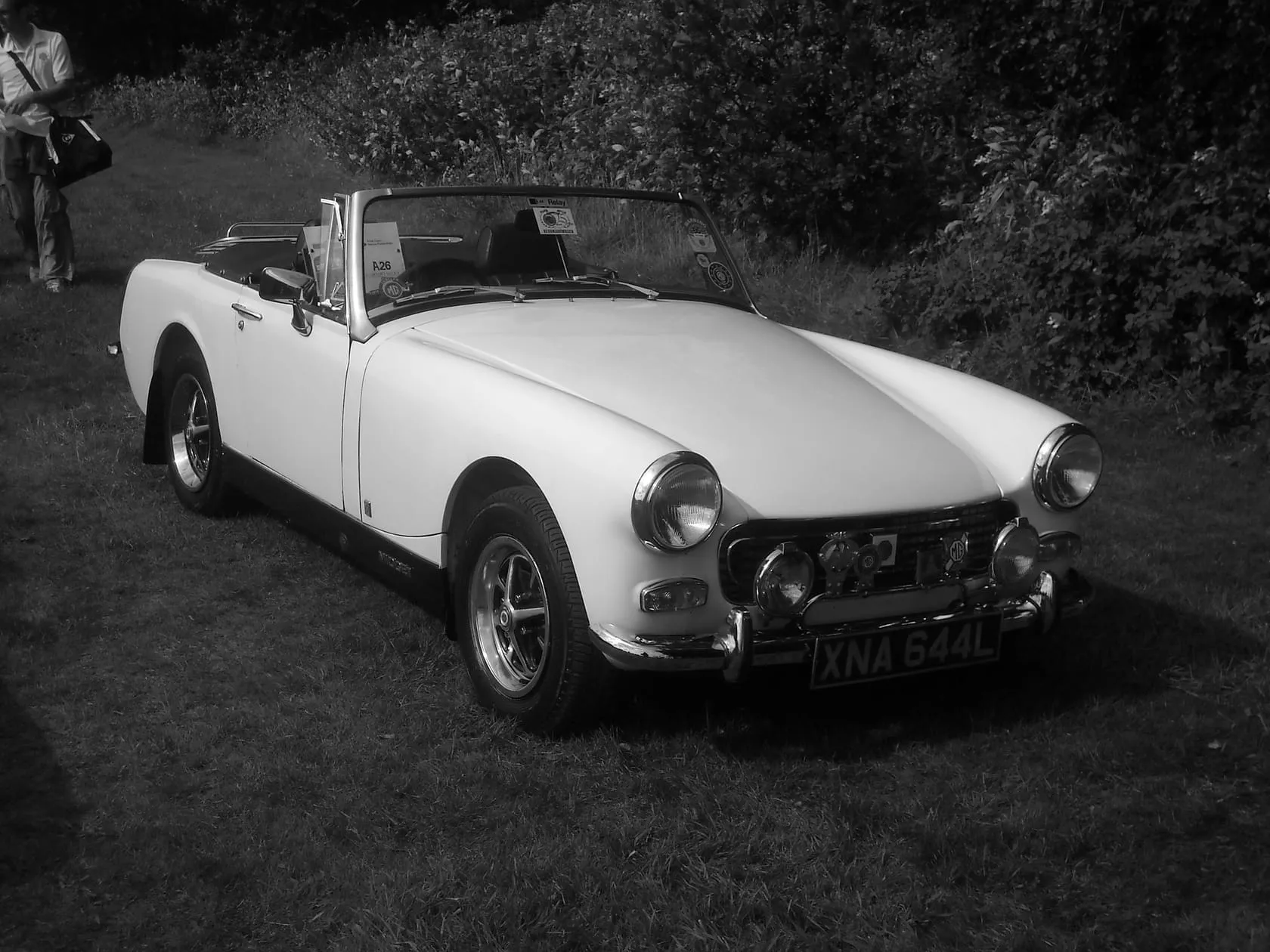 Triumph Spitfire vs MG Midget: the cheapest way into a British sports car, compared
Two small roadsters built to the same brief, sold against each other for eighteen years, and in their final form sharing the same engine. Backbone chassis against monocoque, swing axle against live axle, and which is the better first classic at under £6,000.
-
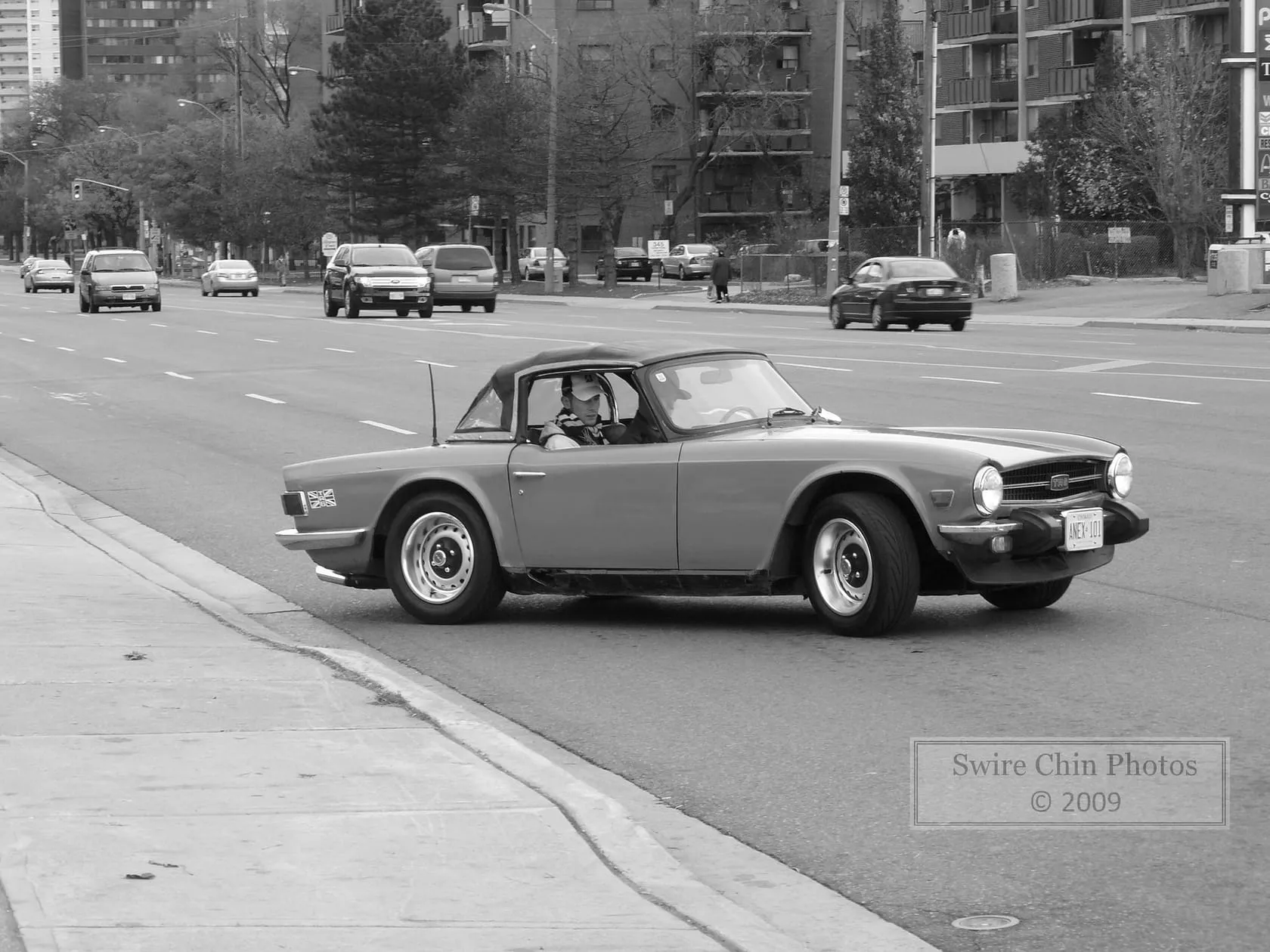 MGB vs Triumph TR6: the two British roadsters everybody cross-shops, compared on the numbers
One sold half a million, the other sold ninety thousand and costs nearly twice as much. Four cylinders against six, Abingdon against Canley, and what four thousand auction results say about which is the better buy today.
-
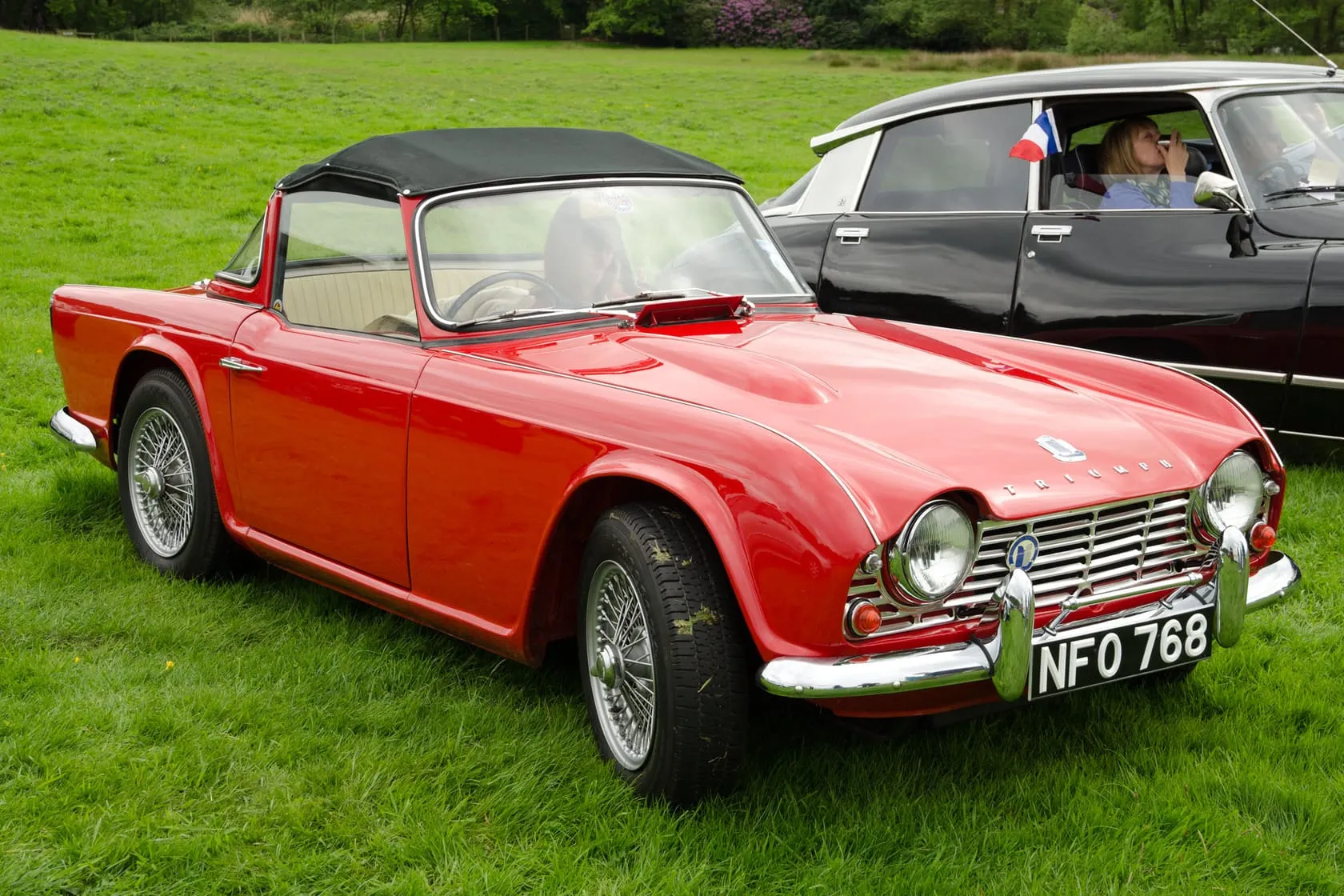 Triumph TR4 values: the TR4A premium, Surrey tops and wires, the TR5 above and the TR6 below, and a market that has halved
The TR4 now sells for more than the TR6 and less than the TR5. Triumph TR4 prices from 479 recorded auction sales, why the independent-rear TR4A commands only a little more, what the Surrey top, overdrive and a home-market history add, and why the Michelotti TR has lost half its value in real terms since 2016.
-
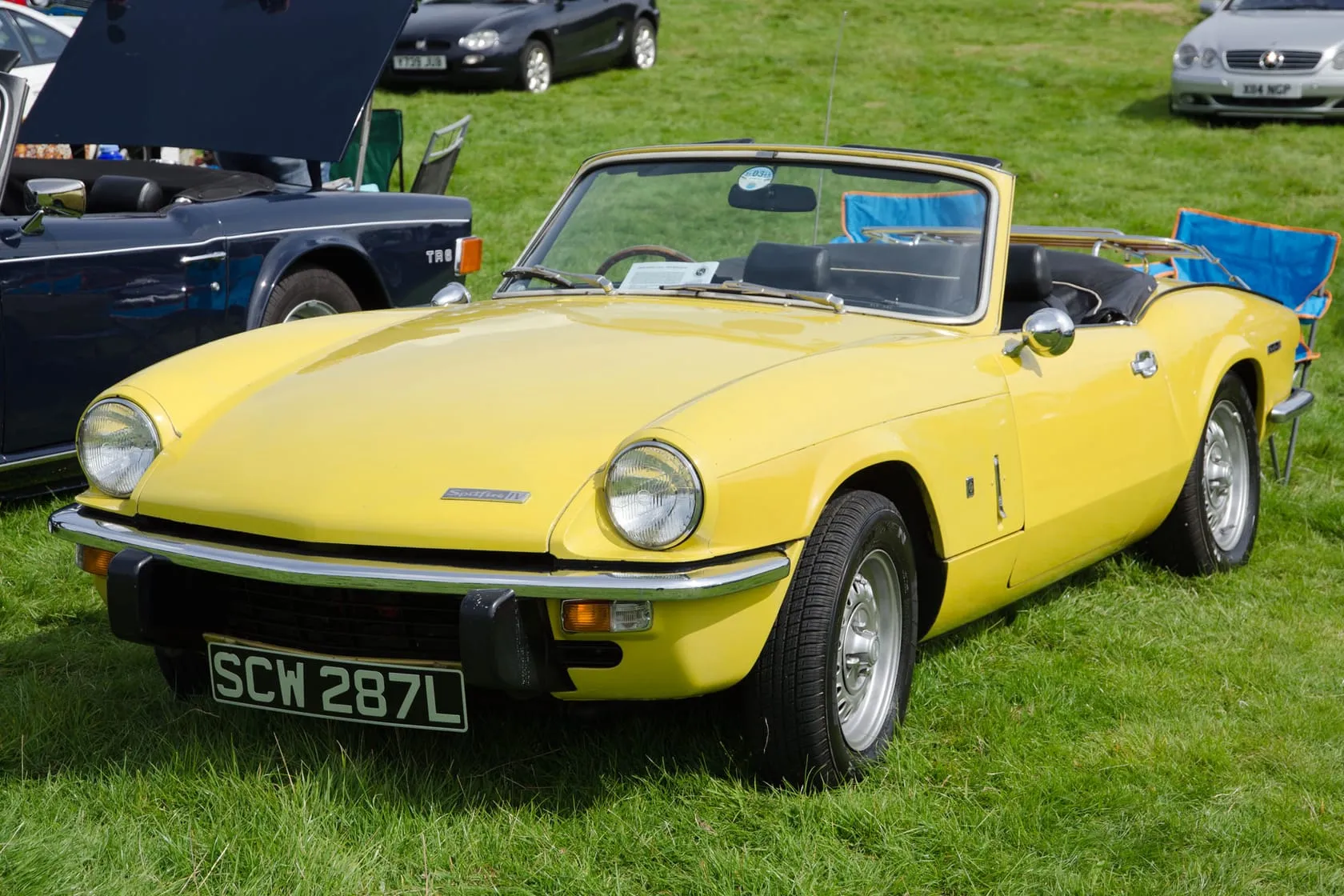 Triumph Spitfire values: Mk1 and Mk2 at nearly double the 1500, the Mk3 between, and the cheapest open Triumph there is
The early Mk1 and Mk2 sell for nearly double the 1500, and the Mk4 for least of all. Triumph Spitfire values across 487 recorded auction sales, how it compares with the MG Midget and the Sprite, what moves a Spitfire price, and why the cheapest open Triumph has slipped by a third in real terms since 2022.
-
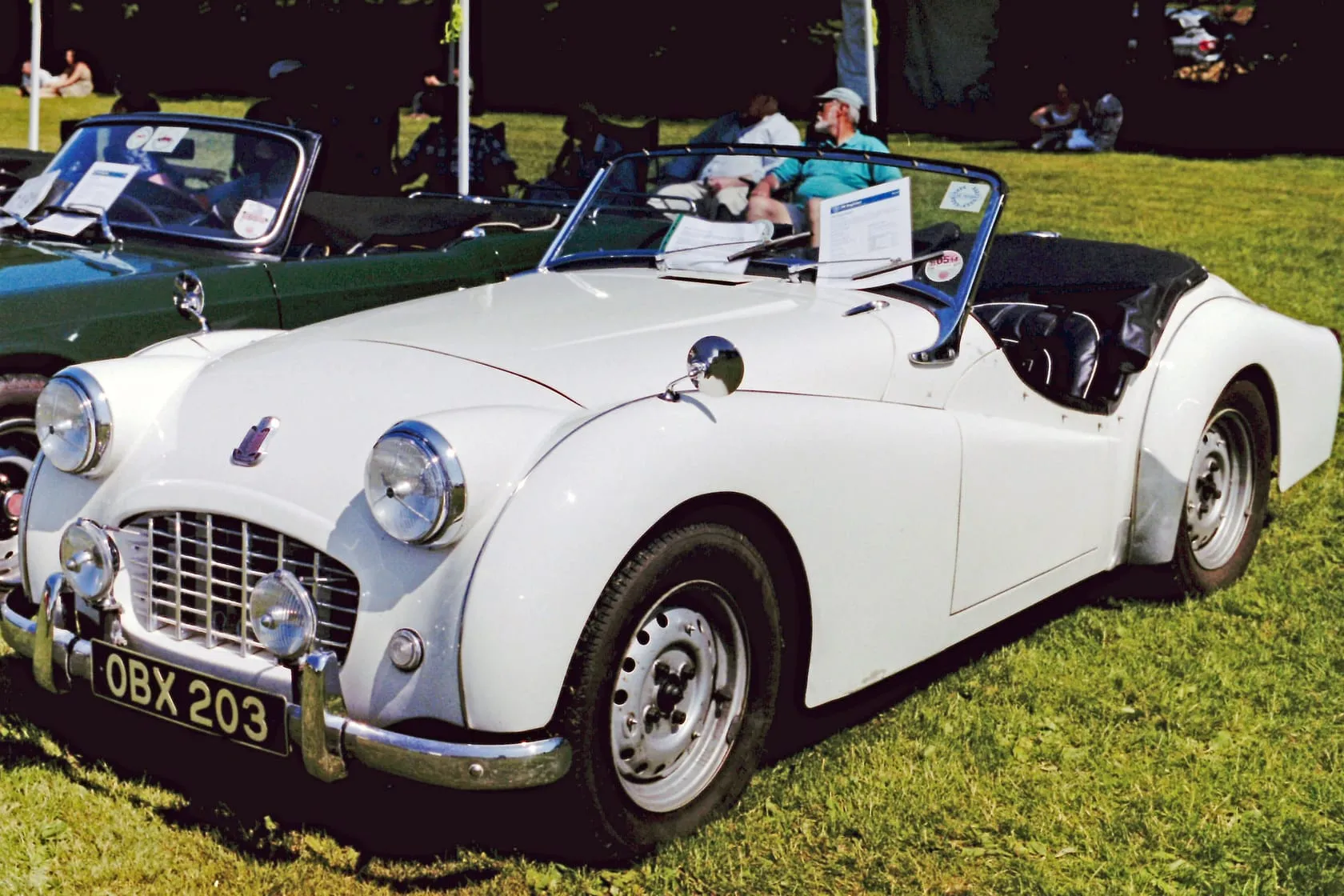 Triumph TR3 values: TR3B over TR3A over TR3, the works cars apart, and a market back to 2010 prices
The late TR3B sells for more than the TR3A, and the early small-mouth car for a little less. Triumph TR3 values across 490 recorded auction sales, what the works cars made, how the TR3 compares with the TR2, TR4 and MGA, and why it is cheaper in real terms than it was fifteen years ago.
-
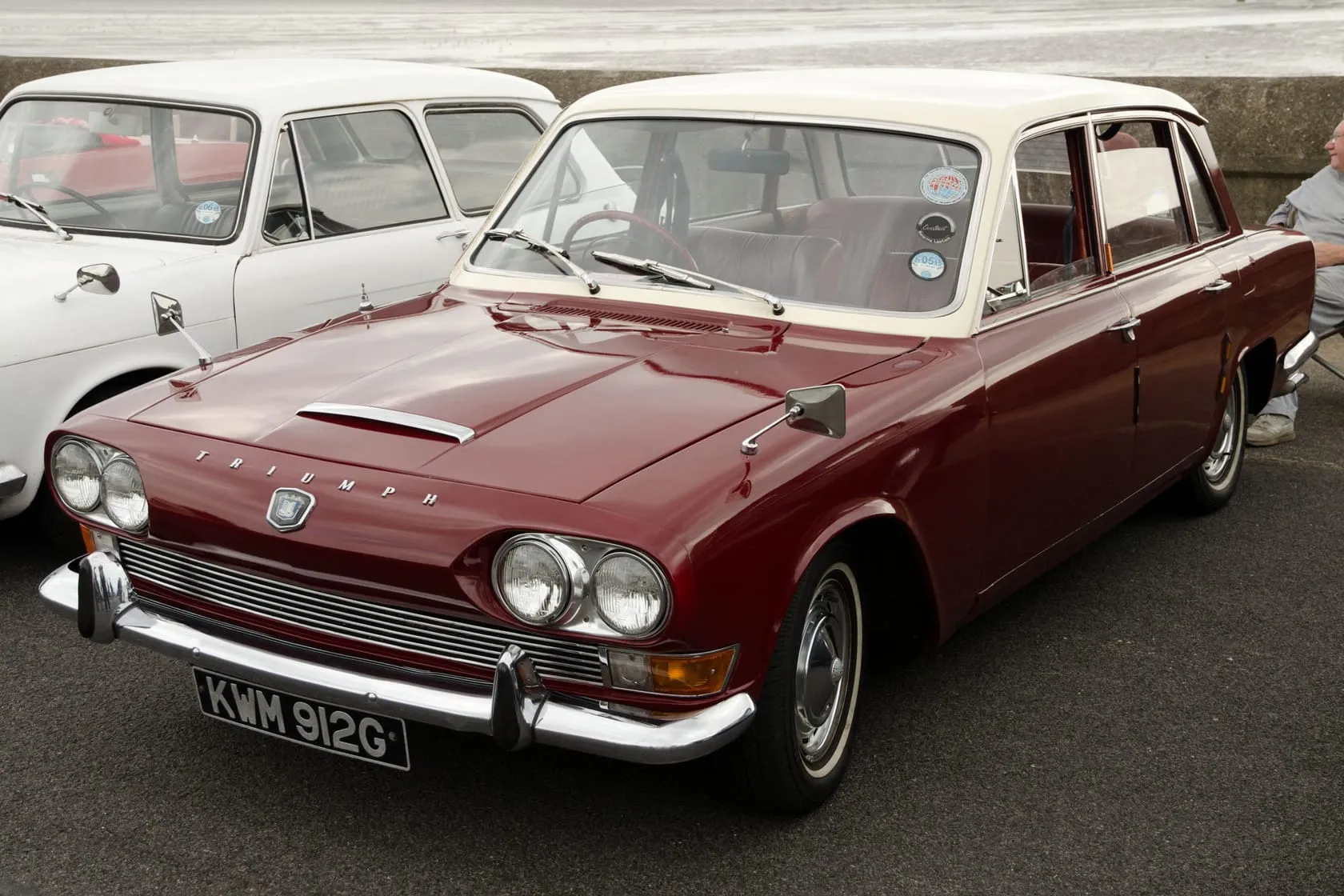 Triumph 2000 and 2500: the six-cylinder saloons that invented a class (1963–1977)
The Triumph 2000 launched in the same October week as its great Rover rival and between them they invented the British executive saloon. A guide to the Michelotti 2000 and 2500 family, the pioneering PI, the estates and rally cars, buying checks and values.
-
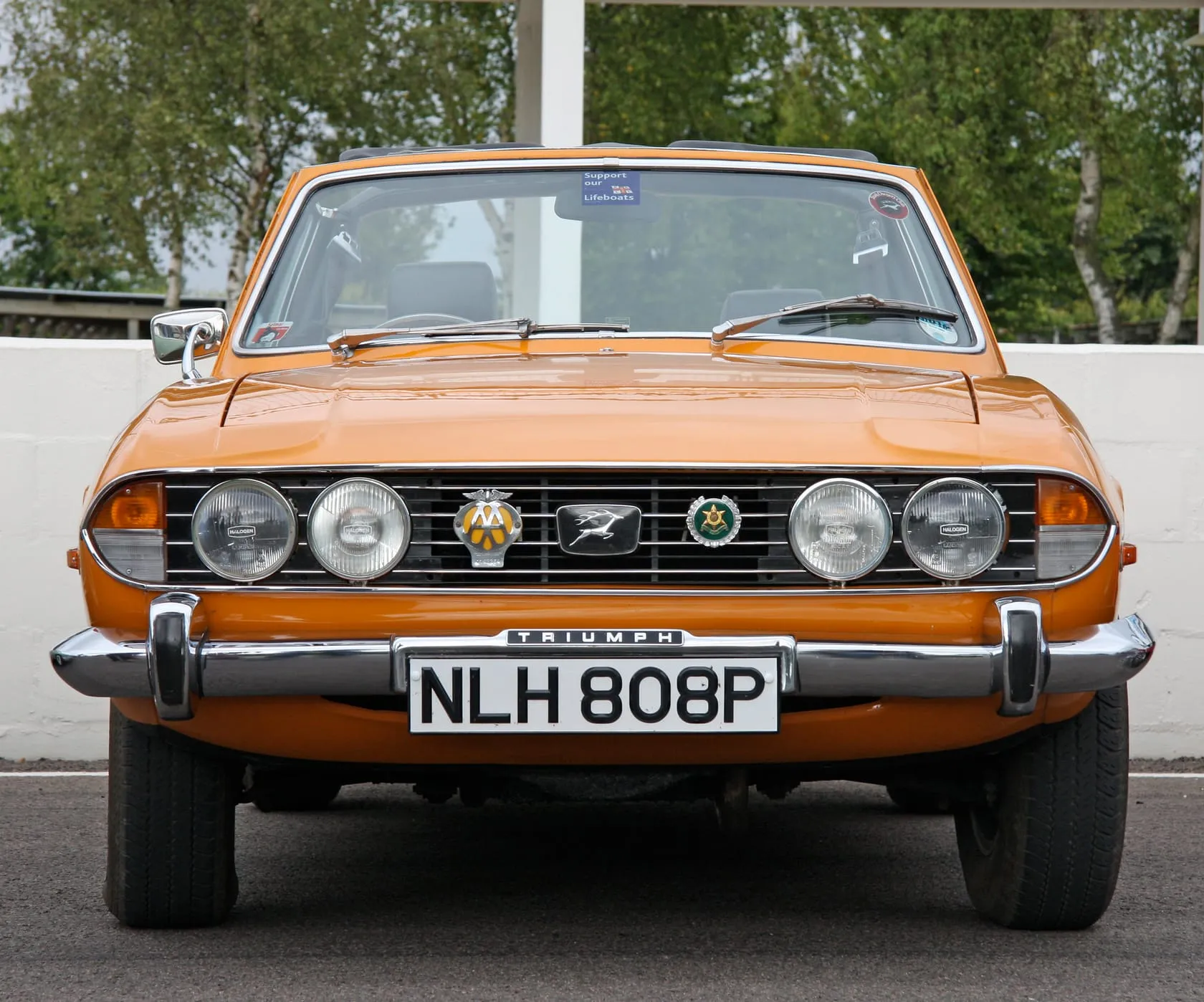 Triumph Stag values: Mk2 over Mk1, manual level with automatic, the original-engine premium, and a market down by half
An original Triumph V8 against a Rover engine swap is the question this record answers. Triumph Stag prices from 530 recorded auction sales, why the Mk2 sells above the Mk1 and a manual no more than an automatic, what the hardtop and the history add, and why the Stag has lost nearly half its value in real terms since 2018.
-
 Triumph Mayflower: the watch-charm Rolls-Royce that dared to be different (1949–1953)
The Triumph Mayflower shrank razor-edge limousine styling onto a ten-horsepower small car, aimed it at America and became one of the most argued-about shapes in British motoring. A guide to the little razor-edge, its transatlantic gamble, buying checks and values.
-
 Triumph Renown: razor-edge grandeur on a Vanguard chassis (1949–1954)
The Triumph Renown dressed sturdy Vanguard mechanicals in coachbuilt razor-edge styling that looked like a Bentley at a fifth of the price. A guide to the razor-edge saloons, the 1800 that started it, the rare limousine, buying checks and values.
-
 Triumph Roadster: dickey seats, Bergerac and the last of a breed (1946–1949)
The Triumph Roadster of 1946 carried the last production dickey seat in the world, borrowed its engines from Jaguar and the Vanguard, and found lasting fame as Bergerac's car. A guide to the 1800 and 2000 Roadsters, the television legend, buying checks and values.
-
 Triumph Vitesse: the Herald with a six-cylinder heart (1962–1971)
The Triumph Vitesse dropped a smooth six into the Herald's bolt-together chassis, wore a four-lamp slant-eyed face and became Britain's most affordable six-cylinder convertible. A guide to 1600 and 2-Litre, the swing-axle saga and its Mk2 cure, saloon versus convertible, buying checks and values.
-
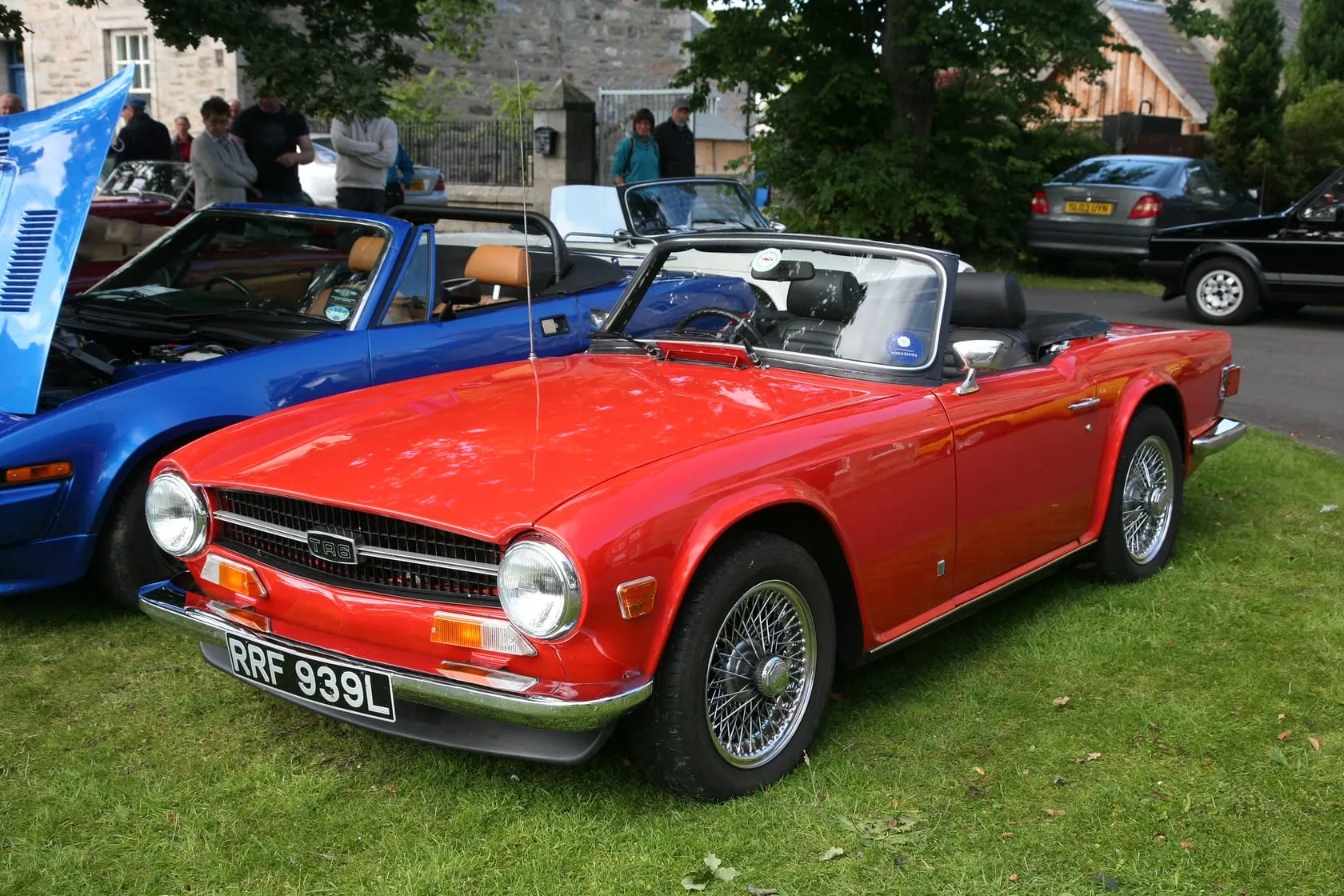 Triumph TR6 values: injection over carburettor, and what 1,280 sold prices say
A home-market fuel-injection car sells above the American carburettor cars that dominate the record. Triumph TR6 values from 1,280 recorded auction sales, what the chassis and the Lucas system do to the price, and why the TR6 has given back a third of its pandemic gains.
-
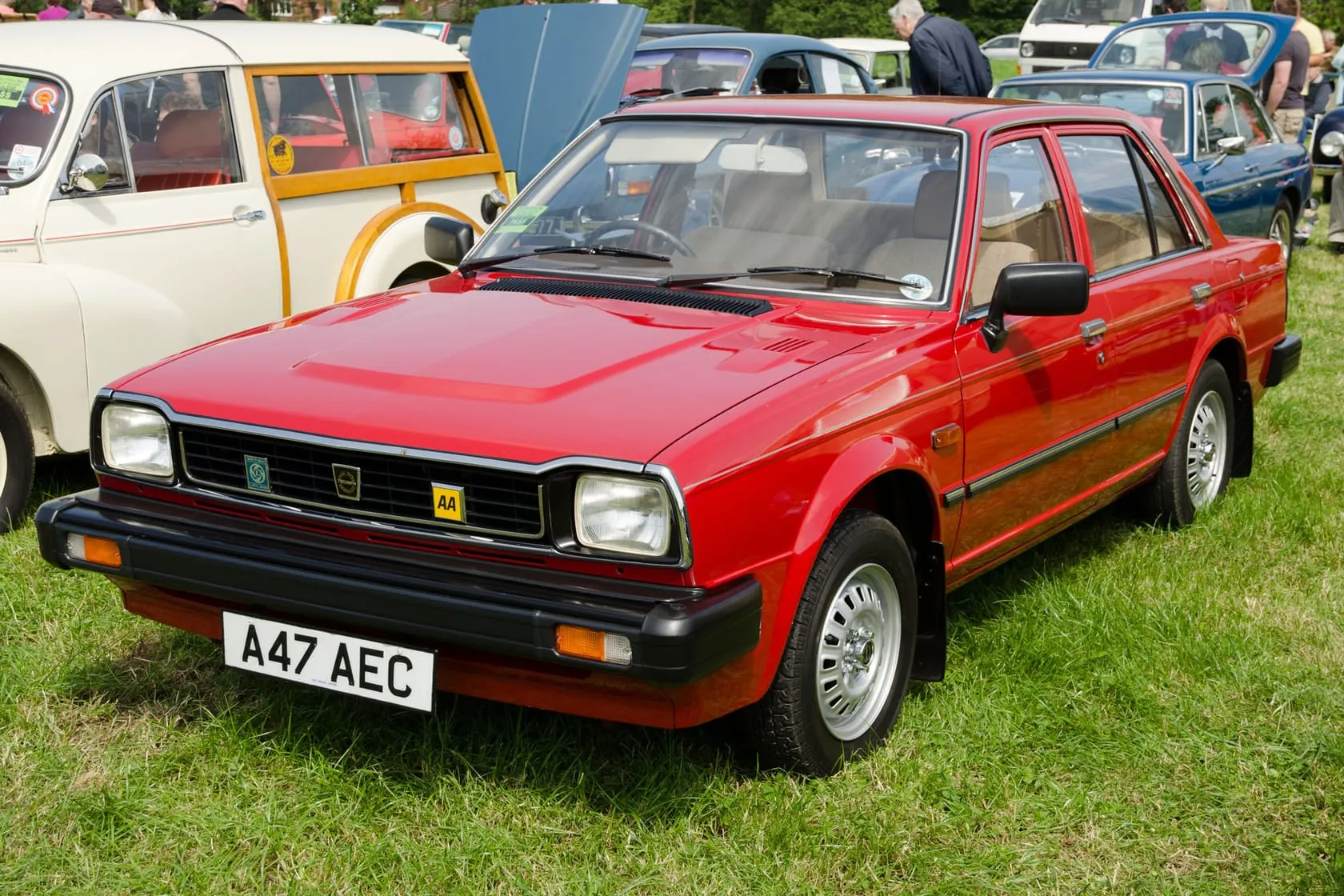 Triumph Acclaim: the Honda handshake that ended a marque (1981–1984)
The Triumph Acclaim was a Honda Ballade built by British Leyland at Cowley, the deal that began the Honda-Rover era and the last car ever to wear the Triumph badge. A guide to the Acclaim's unlikely story, the trims and Triomatic, why so few survive, buying checks and values.
-
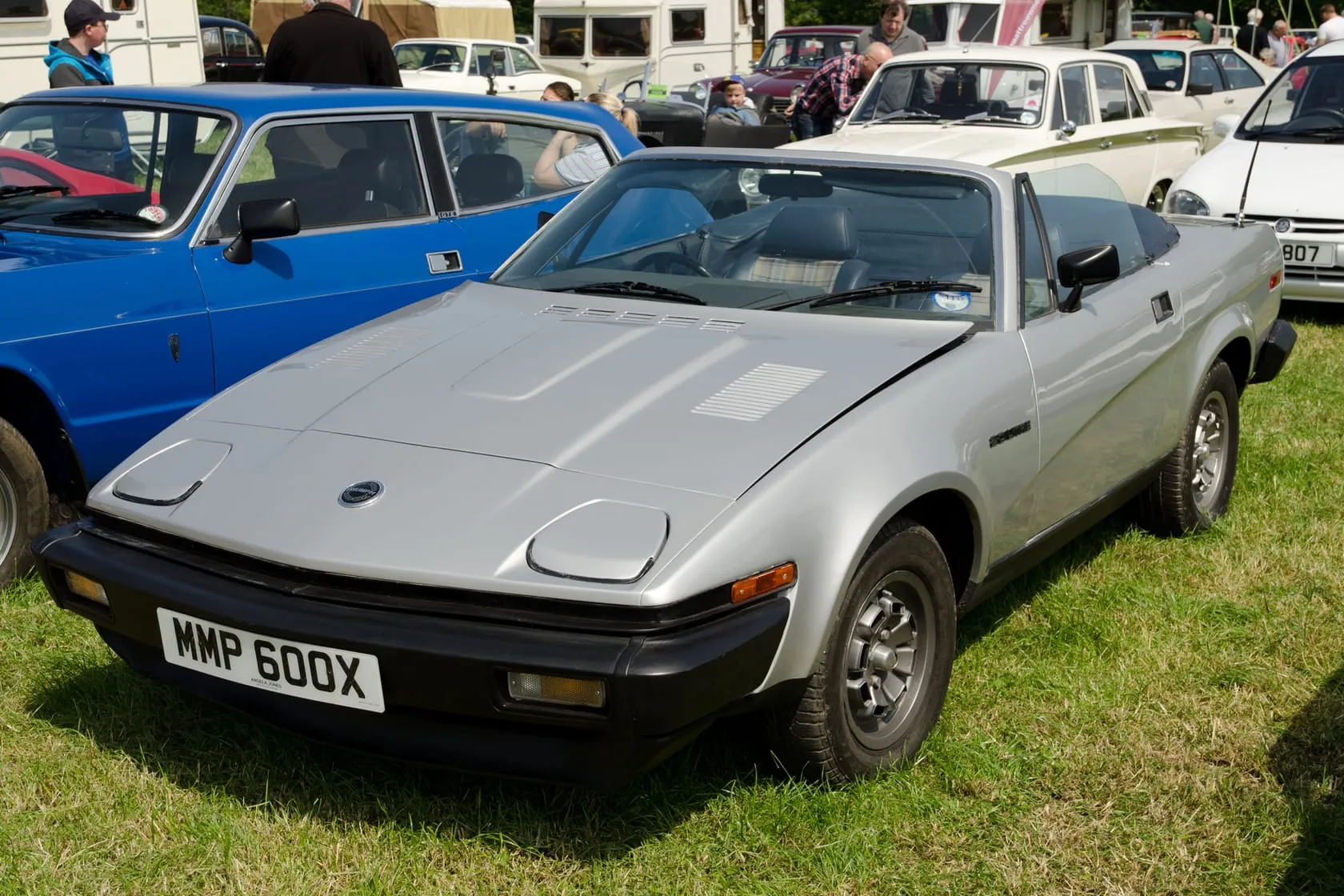 Triumph TR7 and TR8: the wedge that ended the line (1975–1981)
The Triumph TR7 dropped the TR formula for a sharp Harris Mann wedge and became the best-selling TR of all, and the Rover-V8 TR8 gave the line its farewell muscle. A guide to coupe and convertible, the factories and the quality story, the rare TR8, and what to check before buying one.
-
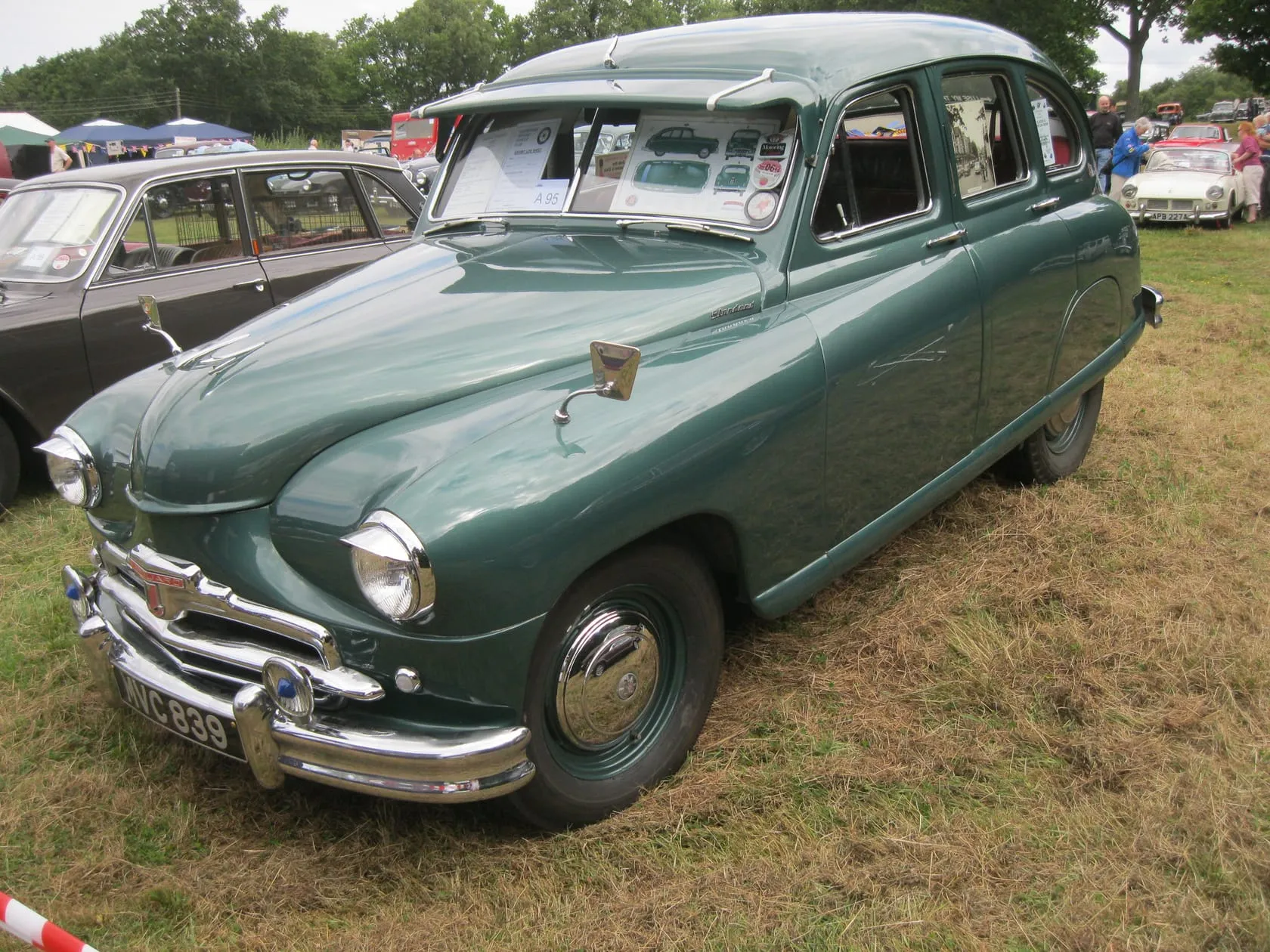 Standard Vanguard: one car for the whole world, and the engine that powered everything (1947–1963)
The Standard Vanguard was post-war Britain's one-model gamble, a beetle-backed export machine whose wet-liner engine also powered the Ferguson tractor and the Triumph TR sports cars. A guide to the three phases, the Standard name's fate, the Triumph connection, what to check when buying, and what a Vanguard costs today.
-
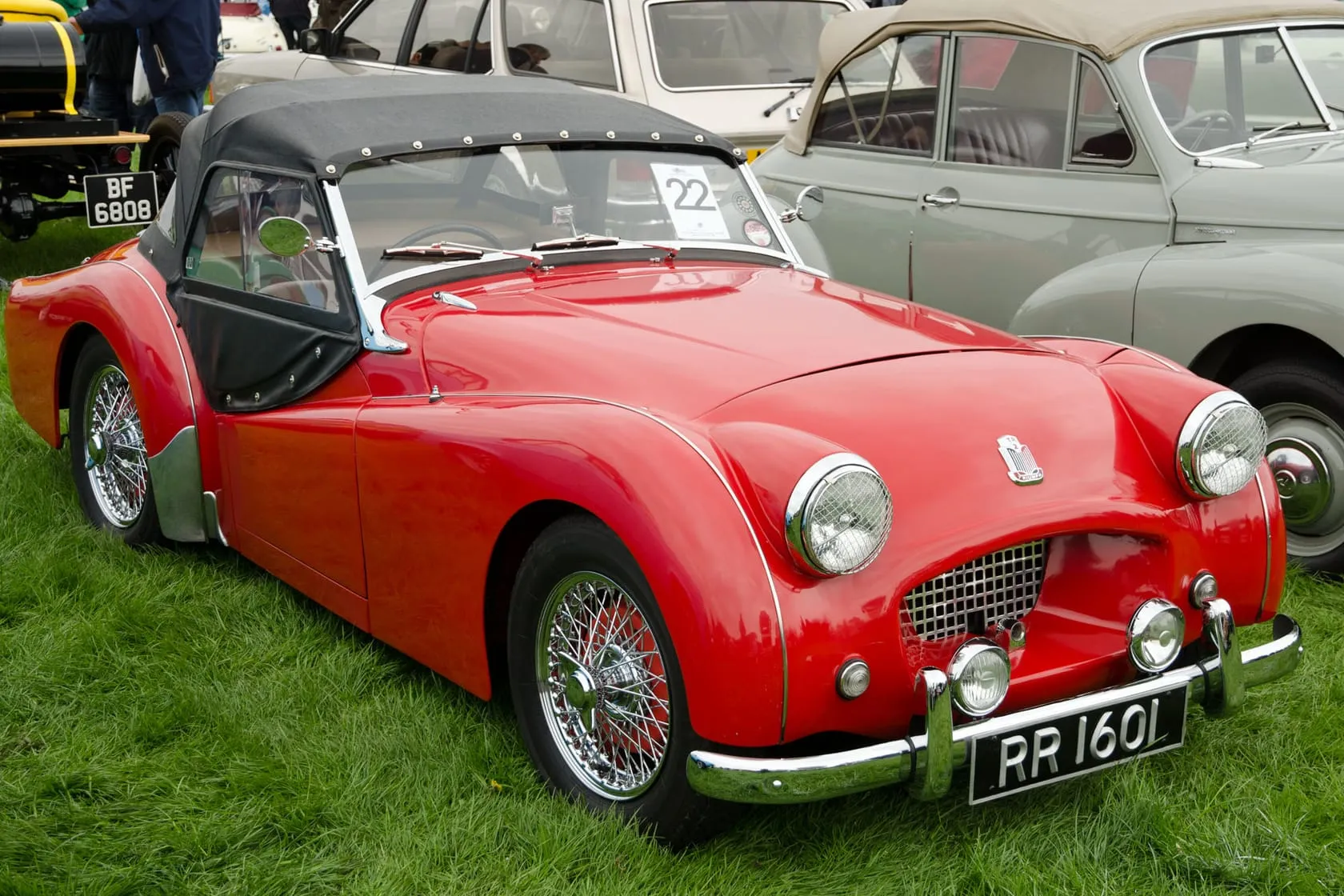 Triumph TR2: the cheap 100 mph sports car that started the line (1953–1955)
The Triumph TR2 launched the TR sports-car line in 1953 and made its name on a single claim, that it was the cheapest production car of its day able to top 100 mph. A rugged, basic, separate-chassis roadster with a torquey Standard four, it is now the rarest and most vintage-feeling of the side-screen TRs. A guide to the long-door and short-door cars, owning one, and values.
-
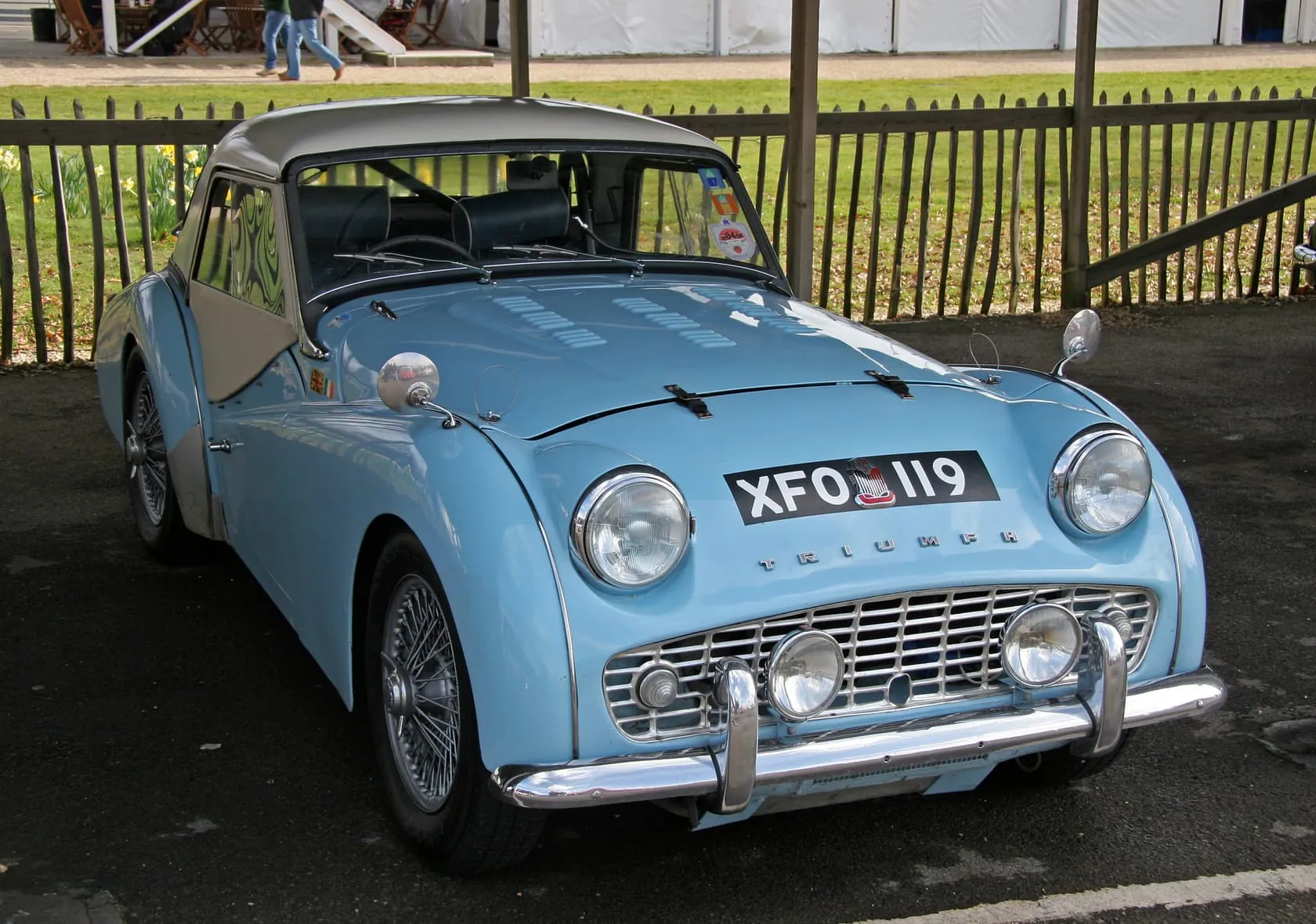 Triumph TR3: the first British car with disc brakes (1955–1962)
The Triumph TR3 was the rugged side-screen sports car that made Triumph's name in America, and in 1956 it became the first British series-production car fitted with front disc brakes. A guide to telling the TR3, TR3A and TR3B apart, what they are like to drive, and what to check when buying.
-
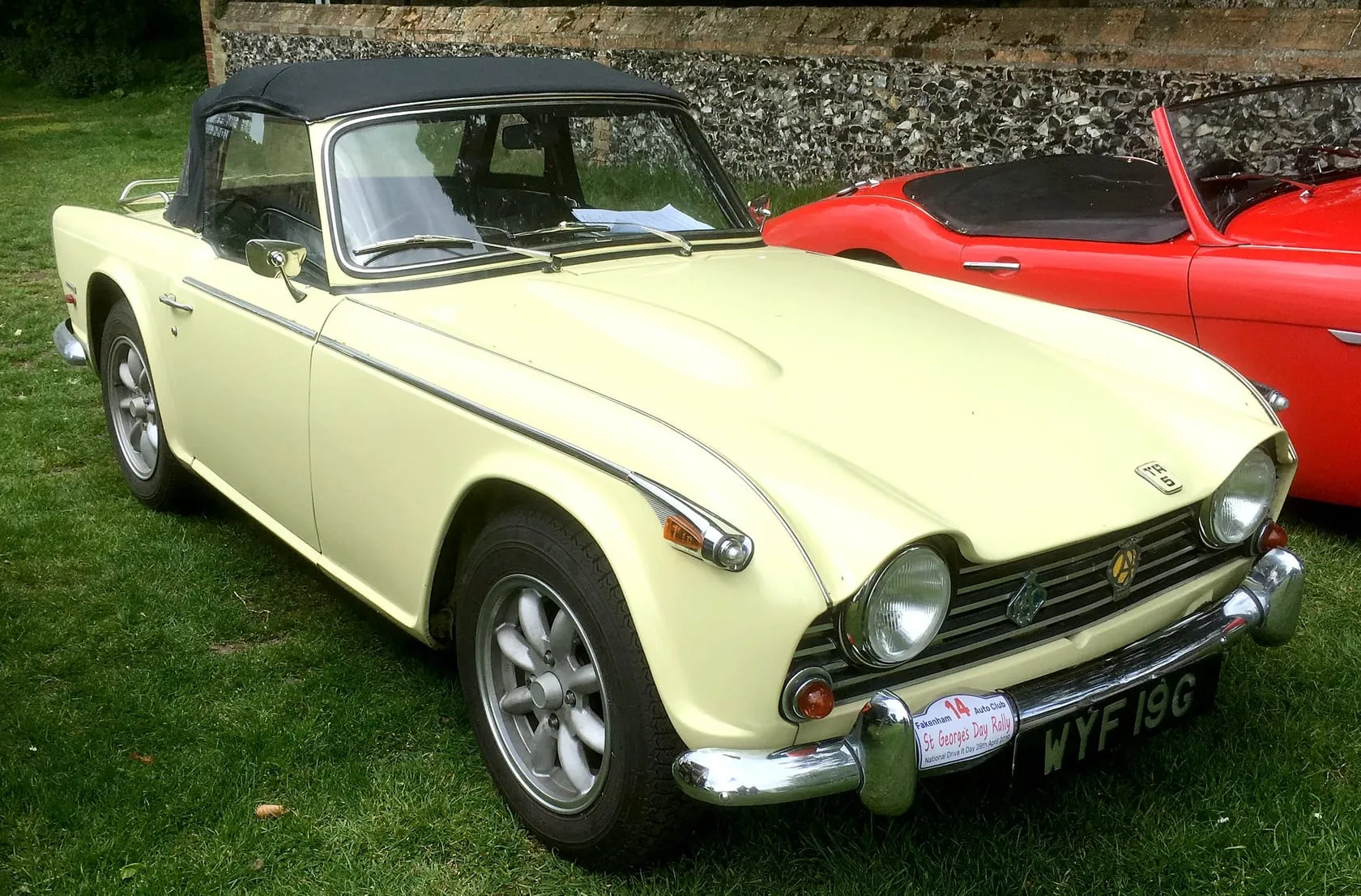 Triumph TR5: the rare fuel-injected six (1967–1968)
The Triumph TR5 was built for barely a year and only 2,947 were made, which makes it the rarest of the mainstream TRs and one of the most valuable. It was the first six-cylinder TR, with 150 bhp from a Lucas fuel-injected 2.5-litre straight-six wrapped in the familiar TR4 body. A guide to the TR5 versus the American TR250, what to look for, and what they are worth.
-
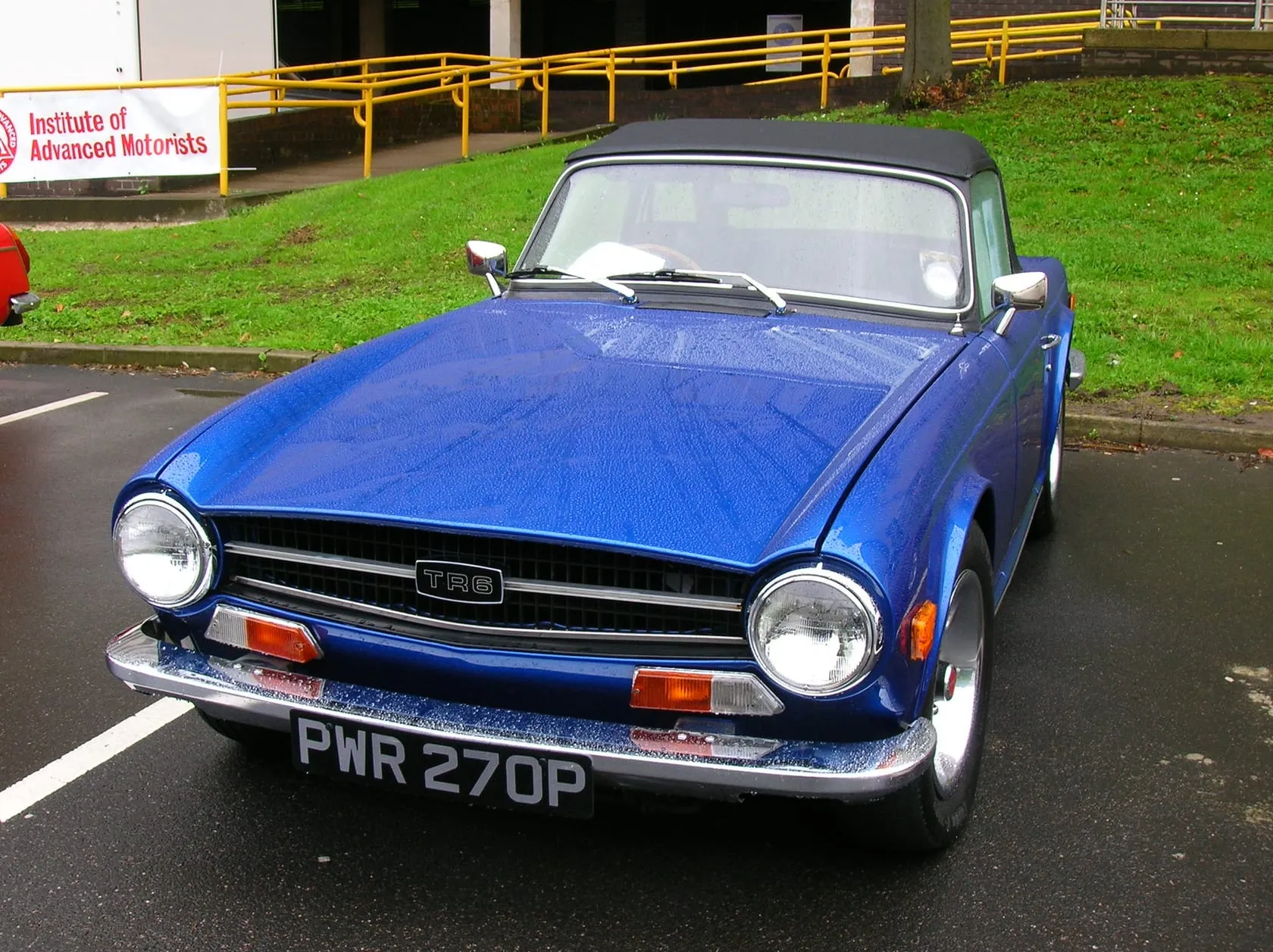 Which Triumph TR to buy: the TR2 to TR6 compared
The classic Triumph TR roadsters run from the side-screen TR2 of 1953 to the muscular TR6 of the 1970s, and they are very different cars to live with. A plain-English guide to the differences between the TR2, TR3, TR4, TR4A, TR5 and TR6, what each is like to own, what they cost, and how to choose the right one.
-
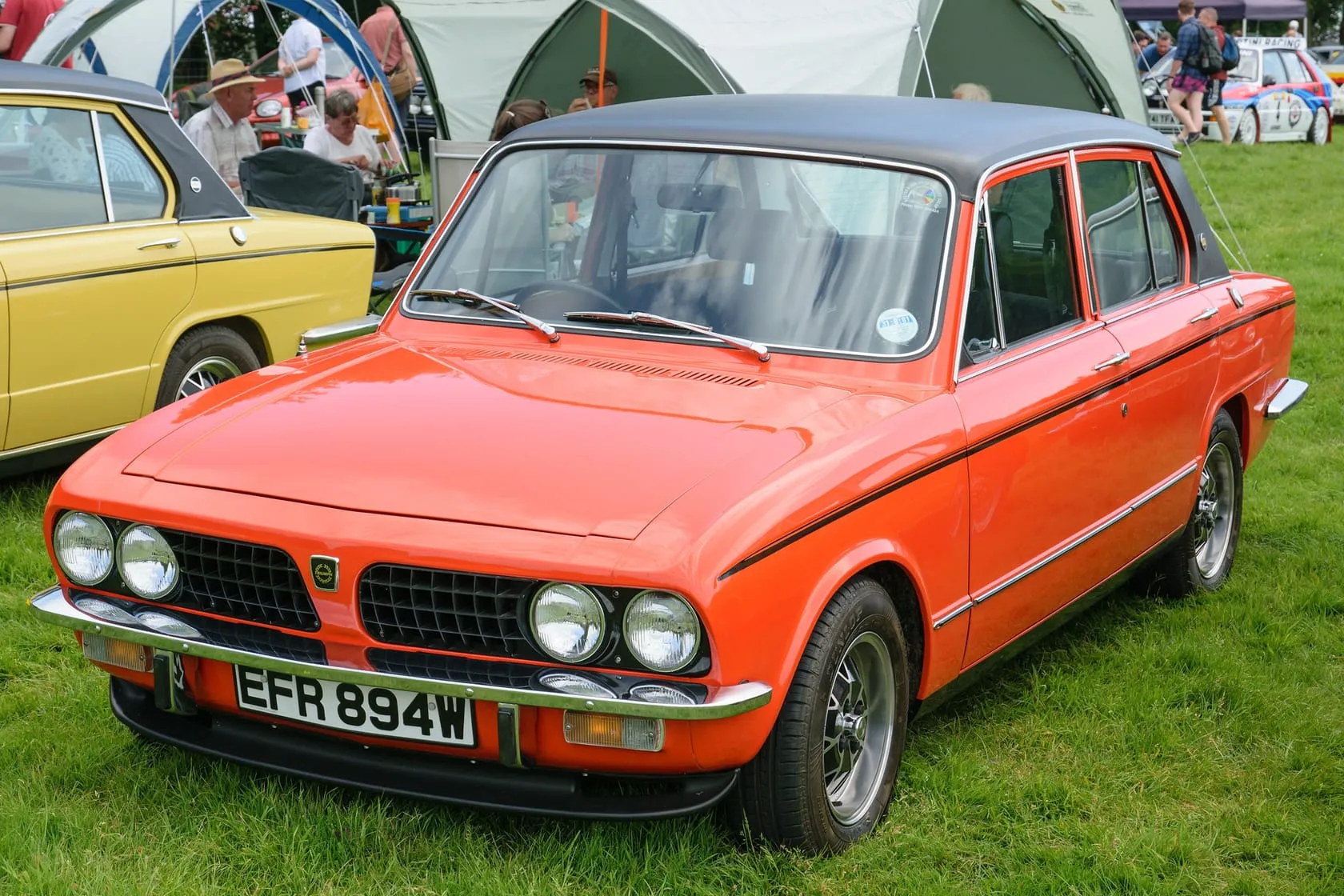 Triumph Dolomite Sprint: the 16-valve saloon that beat the world (1973–1980)
The Triumph Dolomite Sprint was British Leyland's answer to the BMW 2002, a compact sporting saloon whose clever single-cam 16-valve engine reached the mass market a decade ahead of the rest, and the first British car with alloy wheels as standard. A guide to the engineering, the racing success, what to look for when buying, and what they are worth.
-
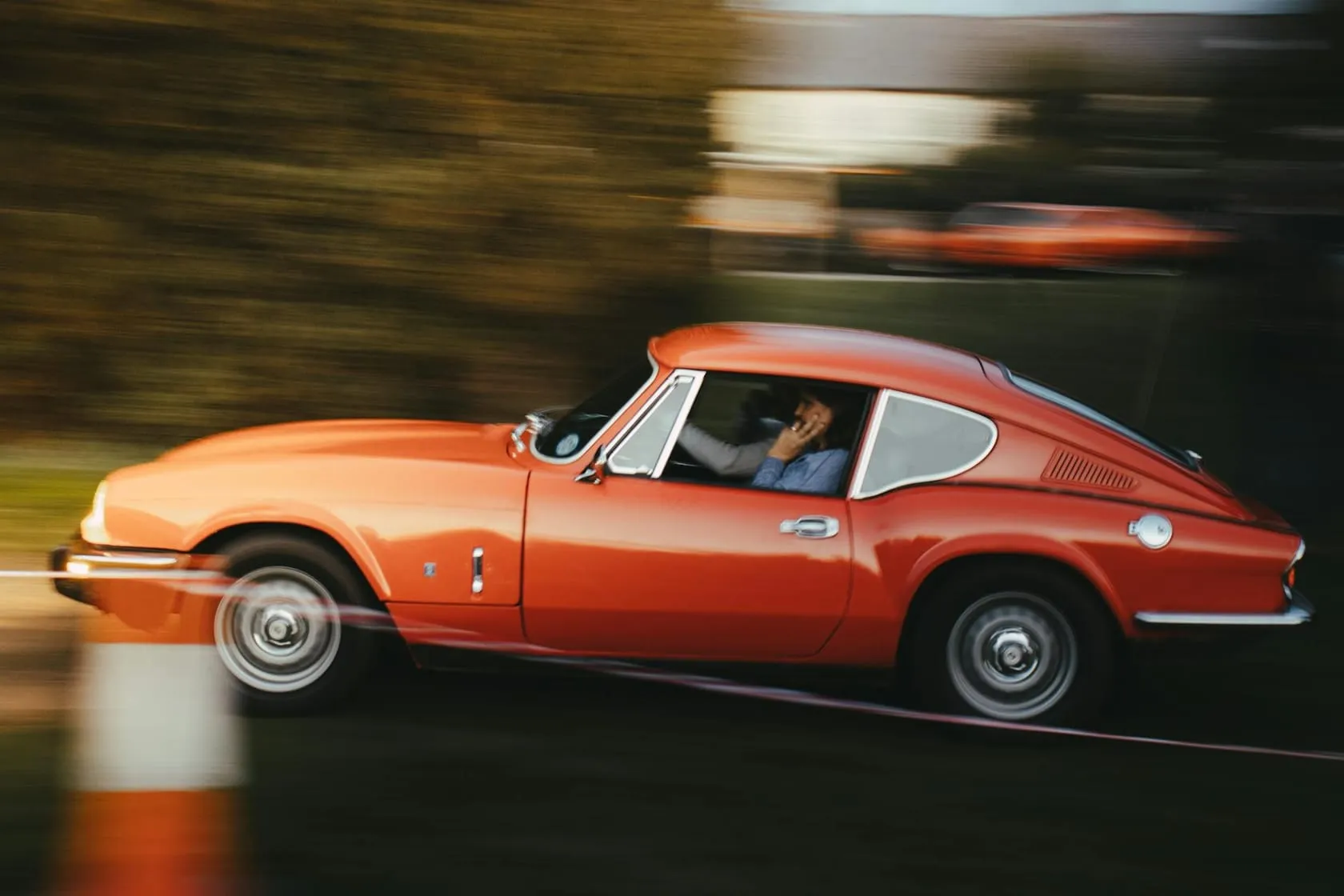 Triumph GT6: the poor man's E-Type (1966–1973)
The Triumph GT6 was a handsome six-cylinder fastback coupe on the Spitfire platform, nicknamed the baby E-Type, whose tricky swing-axle handling was famously cured by the Rotoflex rear suspension of the Mk2. A guide to the three marks, the handling saga, the Rotoflex fix, and what to look for when buying one.
-
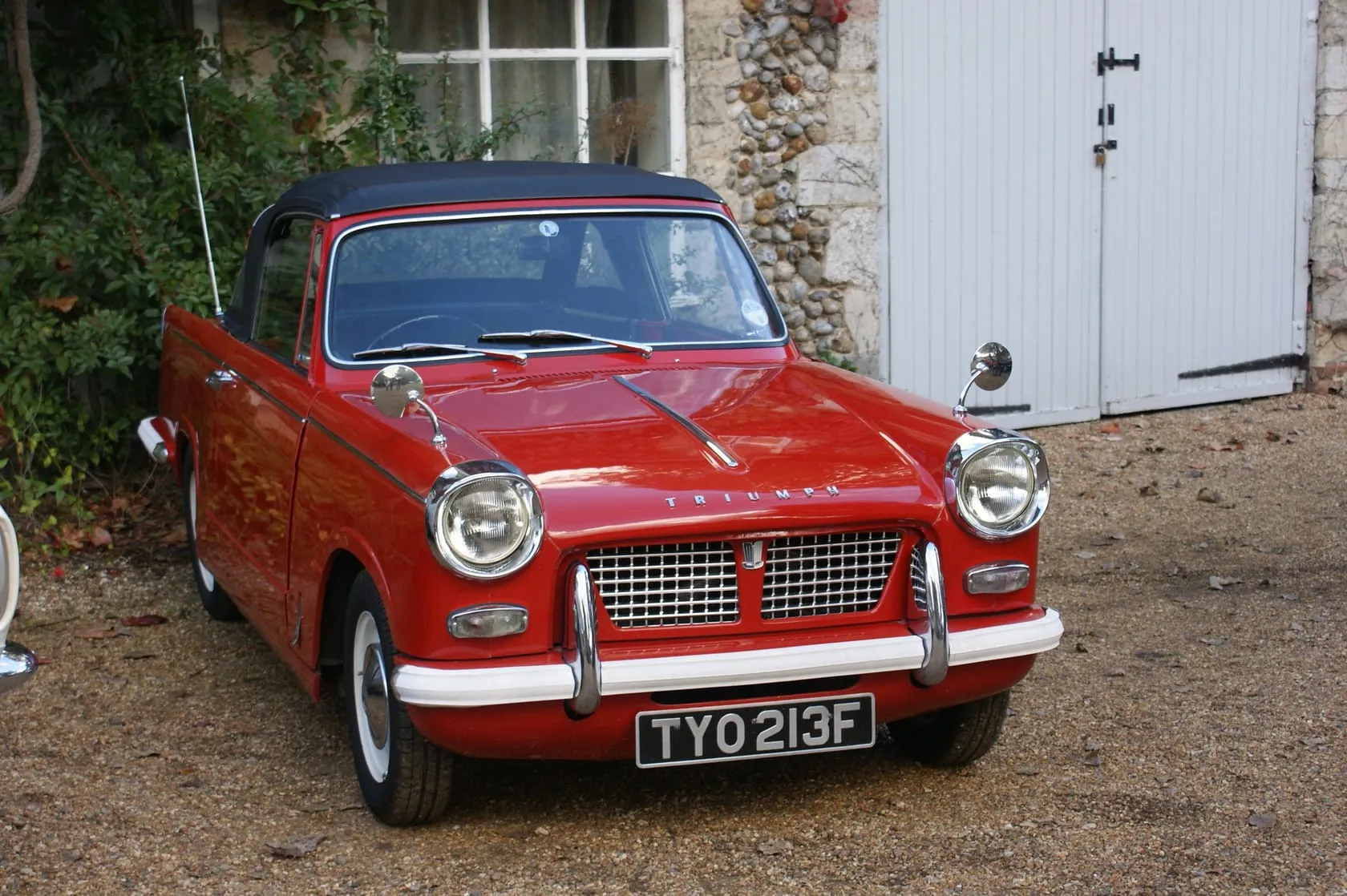 Triumph Herald: a bolt-together chassis that saved Standard-Triumph (1959–1971)
The Triumph Herald was the charming, infinitely fixable small car whose separate bolt-together chassis, born of a body-supply crisis, saved Standard-Triumph and spawned the Spitfire, Vitesse and GT6. A guide to the 948, 1200, 12/50 and 13/60, the famous turning circle and tilt-forward bonnet, what to look for, and what they are worth.
-
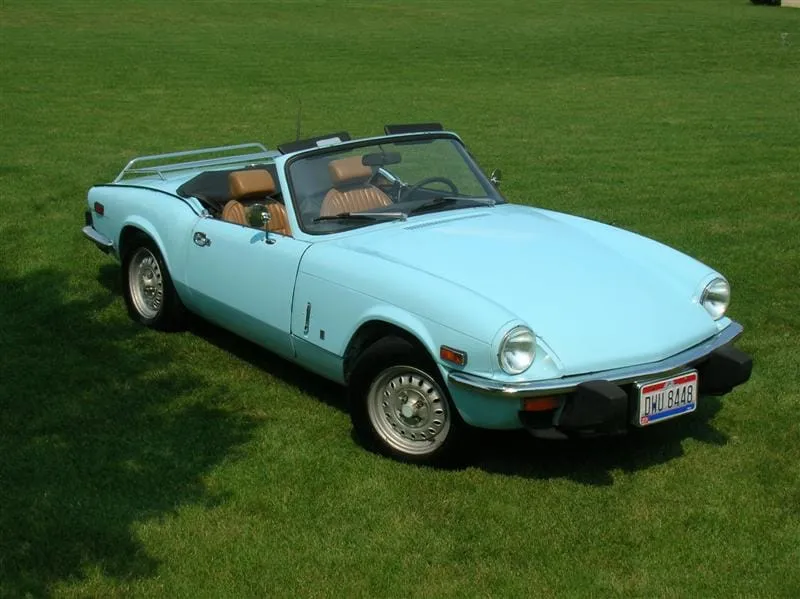 Triumph parts, specialists and restoration: keeping a classic Triumph on the road
One of the best reasons to own a classic Triumph is how well it is supported. A practical guide to Triumph parts availability by model, the kinds of specialists and club spares schemes that serve the marque, what restoration involves for the separate-chassis cars and the trickier engines, and how the cars are insured.
-
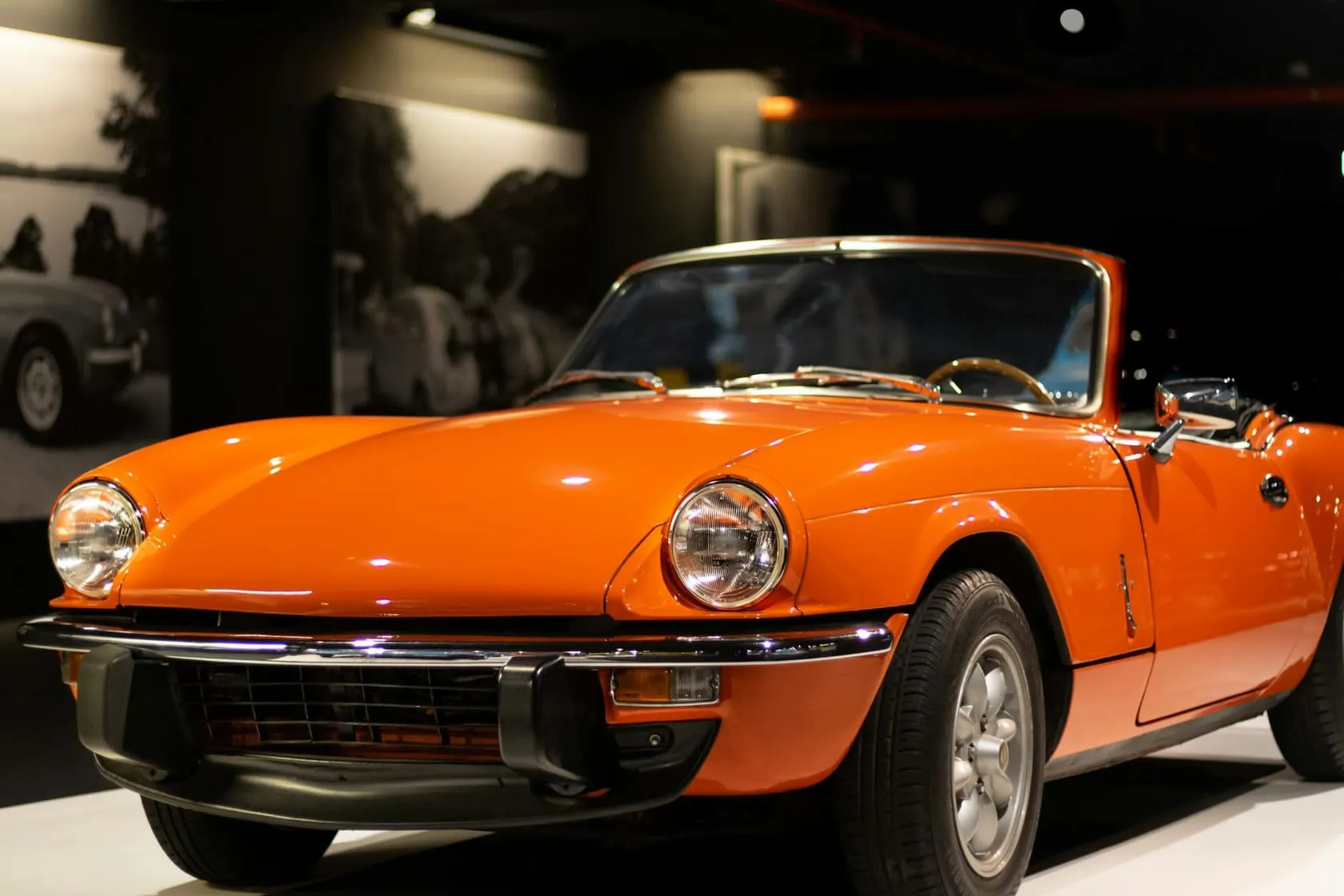 Triumph Spitfire: a real roadster on a shortened saloon chassis (1962–1980)
The Triumph Spitfire was the affordable open sports car that put a real roadster within reach of ordinary buyers, an MG Midget rival with a forward-tilting bonnet and a tight turning circle. A guide to the five marks, the swing-axle handling and its fix, what to look for, and why it is still one of the cheapest ways into classic British sports-car ownership.
-
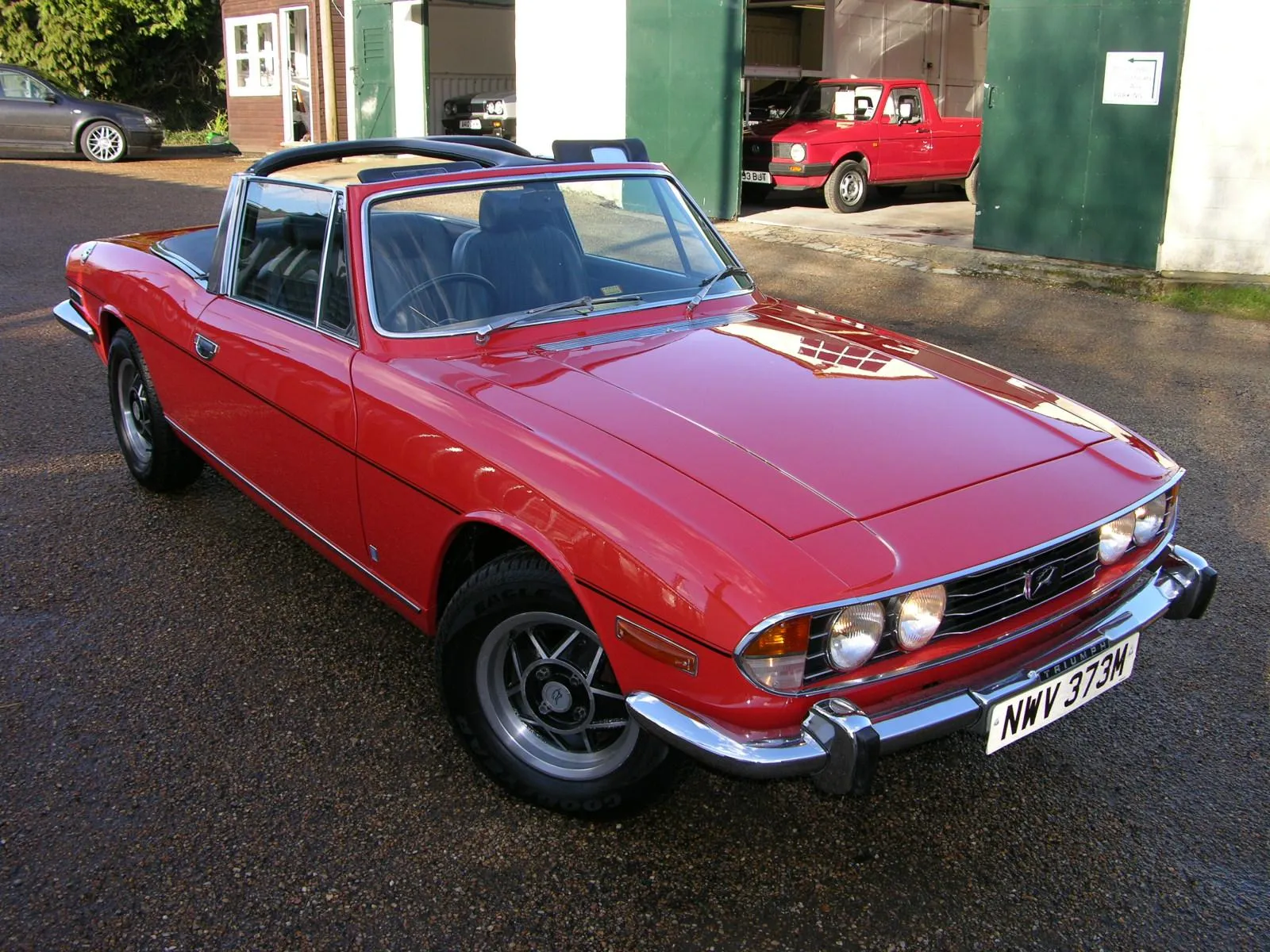 Triumph Stag: the V8 grand tourer that lived down its reputation (1970–1977)
The Triumph Stag was a glamorous Michelotti-styled 2+2 convertible with a bespoke 3.0-litre V8, conceived to rival the Mercedes SL but undone by a notorious cooling problem. A guide to the engine saga and why it overheated, what a properly sorted car is like, and what to look for when buying one now the reputation has been rehabilitated.
-
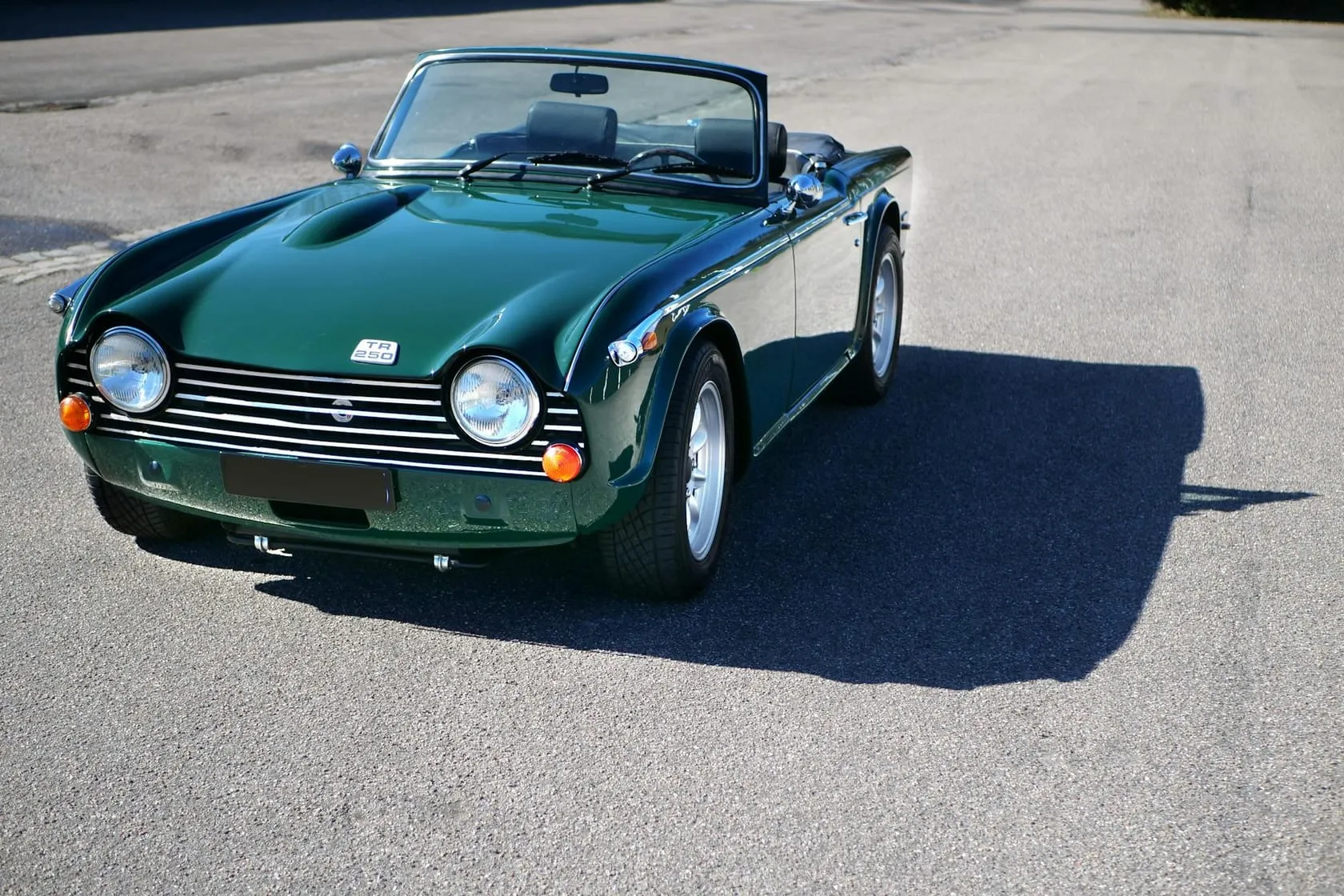 Triumph TR4: a crisp Michelotti body on proven TR mechanicals (1961–1967)
The Triumph TR4 brought modern Michelotti styling, rack-and-pinion steering and the clever Surrey-top removable roof to the rugged TR sports-car line, and the TR4A added independent rear suspension. A guide to the two cars, their place in the TR story, and what to look for when buying one.
- Triumph TR6: the last of the hairy-chested roadsters (1968–1976)
The Triumph TR6 was the best-selling TR and the last of the traditional separate-chassis British sports cars, a muscular Karmann-restyled roadster with a 2.5-litre straight-six and, on home-market cars, Lucas fuel injection. A guide to the PI-versus-carburettor cars, the CP and CR distinction, and the buying checks that matter most.
-
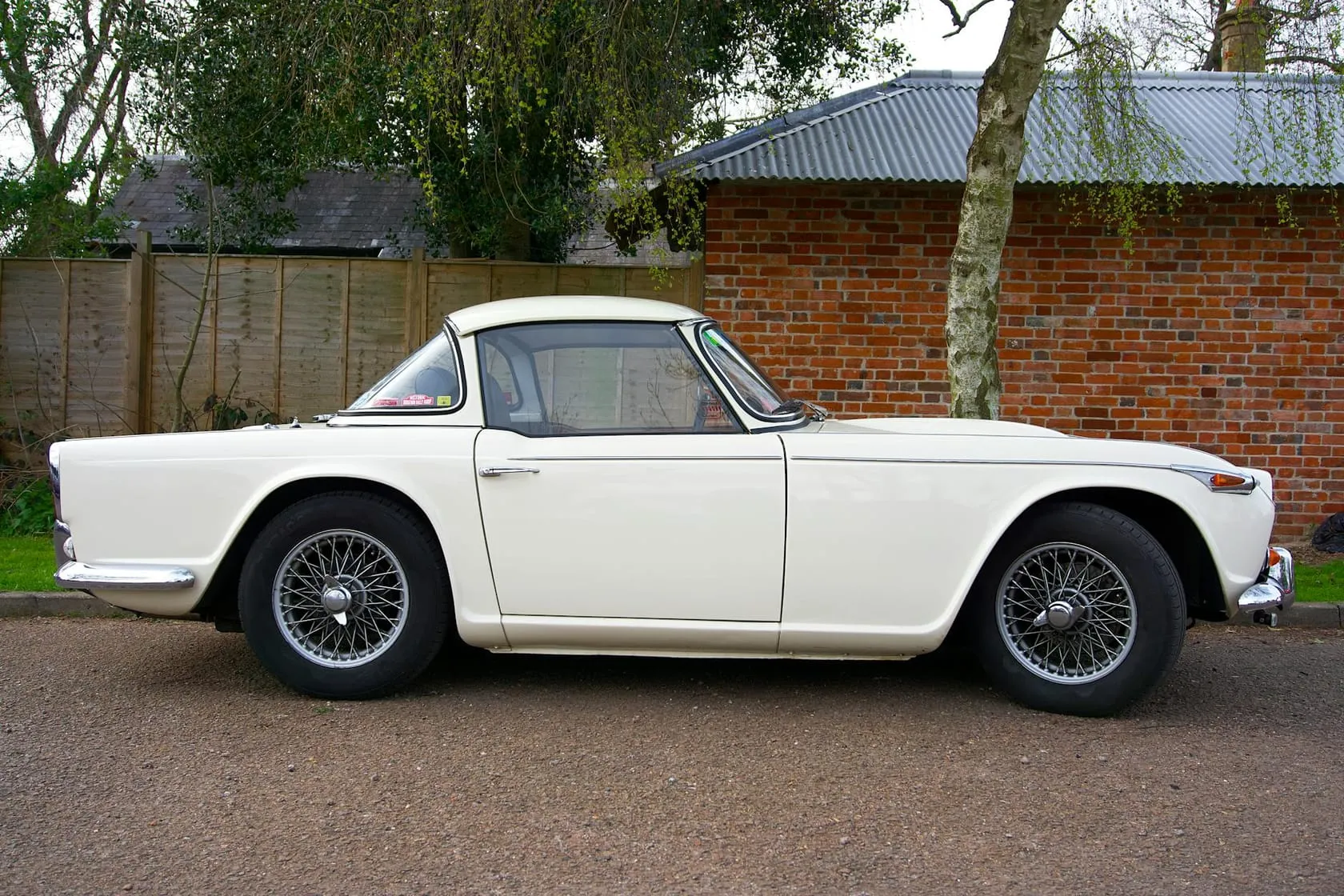 Triumph: the marque that made British sports cars affordable
Triumph put sports-car motoring within reach of ordinary British drivers, from the cheap-and-cheerful Spitfire and Herald to the muscular TR sports cars, the V8 Stag and the clever Dolomite Sprint. A guide to the classic Triumphs worth knowing, the marque's Coventry-to-British-Leyland story, and why a good one is one of the friendliest ways into classic ownership.
-
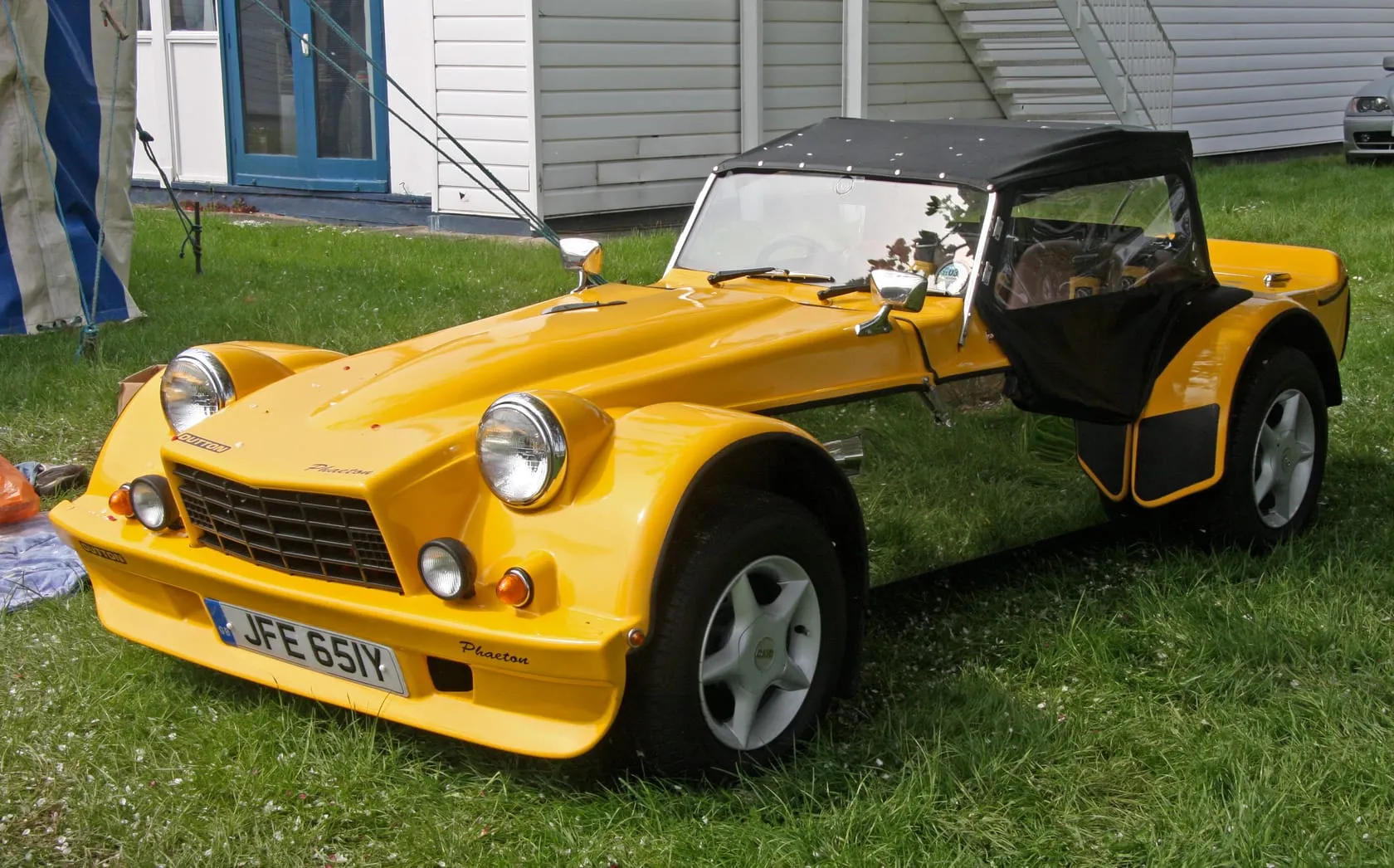 Dutton: the biggest kit-car maker in the world (1970–1989)
Dutton was reckoned the most prolific kit-car maker in the world, building cheap glass-fibre sports cars and estates on Triumph and then Ford Escort running gear, and once beat Ford in the High Court for the right to keep calling one of its cars the Sierra. A guide to the models, the famous lawsuit, what to look for when buying, and what they are worth.