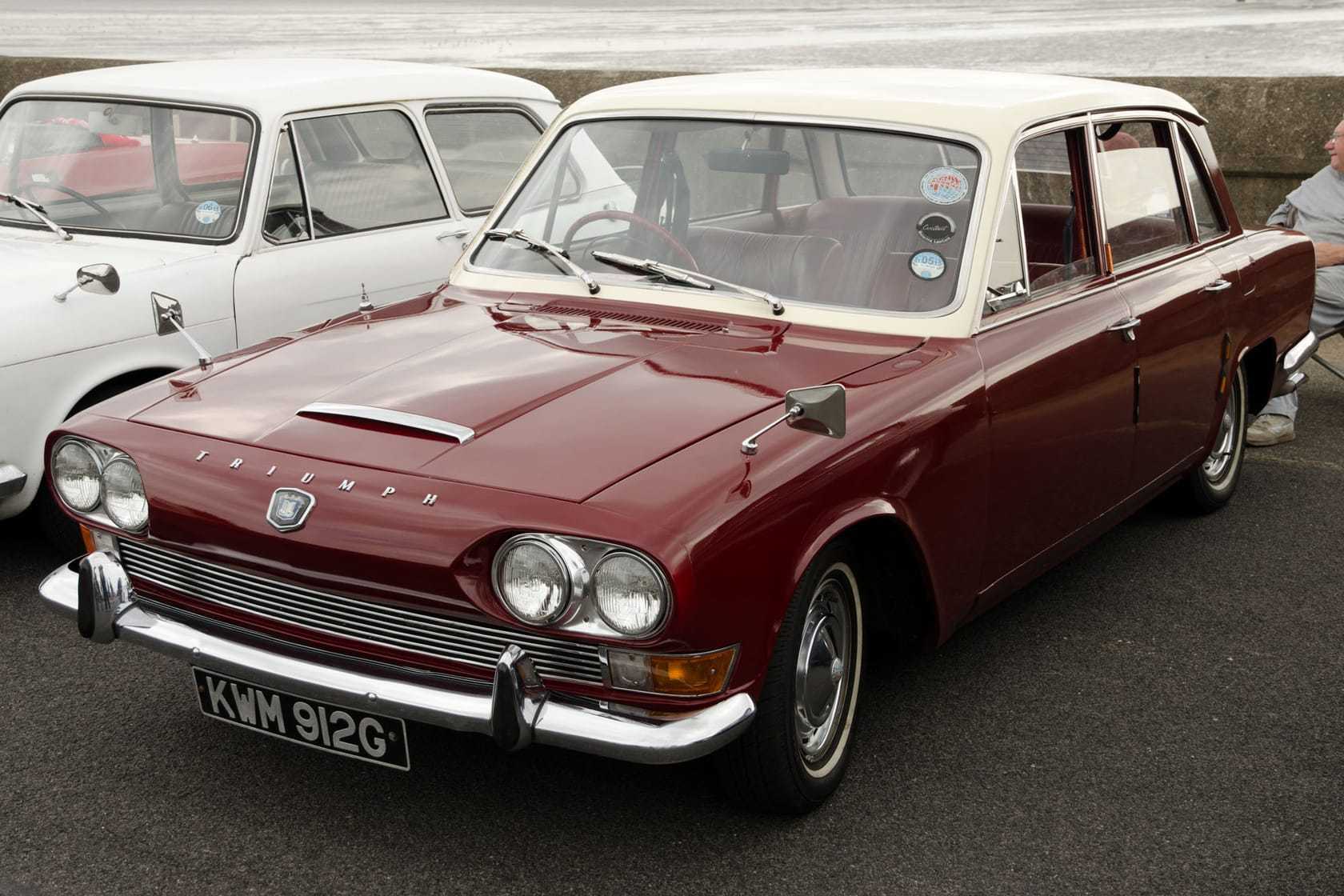
Triumph 2000 and 2500: the six-cylinder saloons that invented a class (1963–1977)
At a glance
- Years
- 1963–1977
- Body styles
- Four-door saloon; estate
- Drivetrain
- Front engine, rear-wheel drive; all-independent suspension
- Engines
- 1998cc straight six; 2498cc six (PI injection or carburettors)
- Power
- 90 bhp (2000) to 132 bhp (2.5 PI)
- Top speed
- Around 95-107 mph
- Trim levels
- 2000, 2000 TC, 2.5 PI, 2500 TC, 2500S; Mk2 from 1969
- Production
- About 316,000 all types
- Assembly
- Canley, Coventry
- Designer
- Giovanni Michelotti
- Values
- Usable from around £3,000; good cars £5,000-£9,000; PIs, 2500S and estates beyond
- The launch
- October 1963, the same week as the Rover 2000: the executive class began twice at once
- The first
- The 2.5 PI was among the first mass-made British saloons with fuel injection
The models
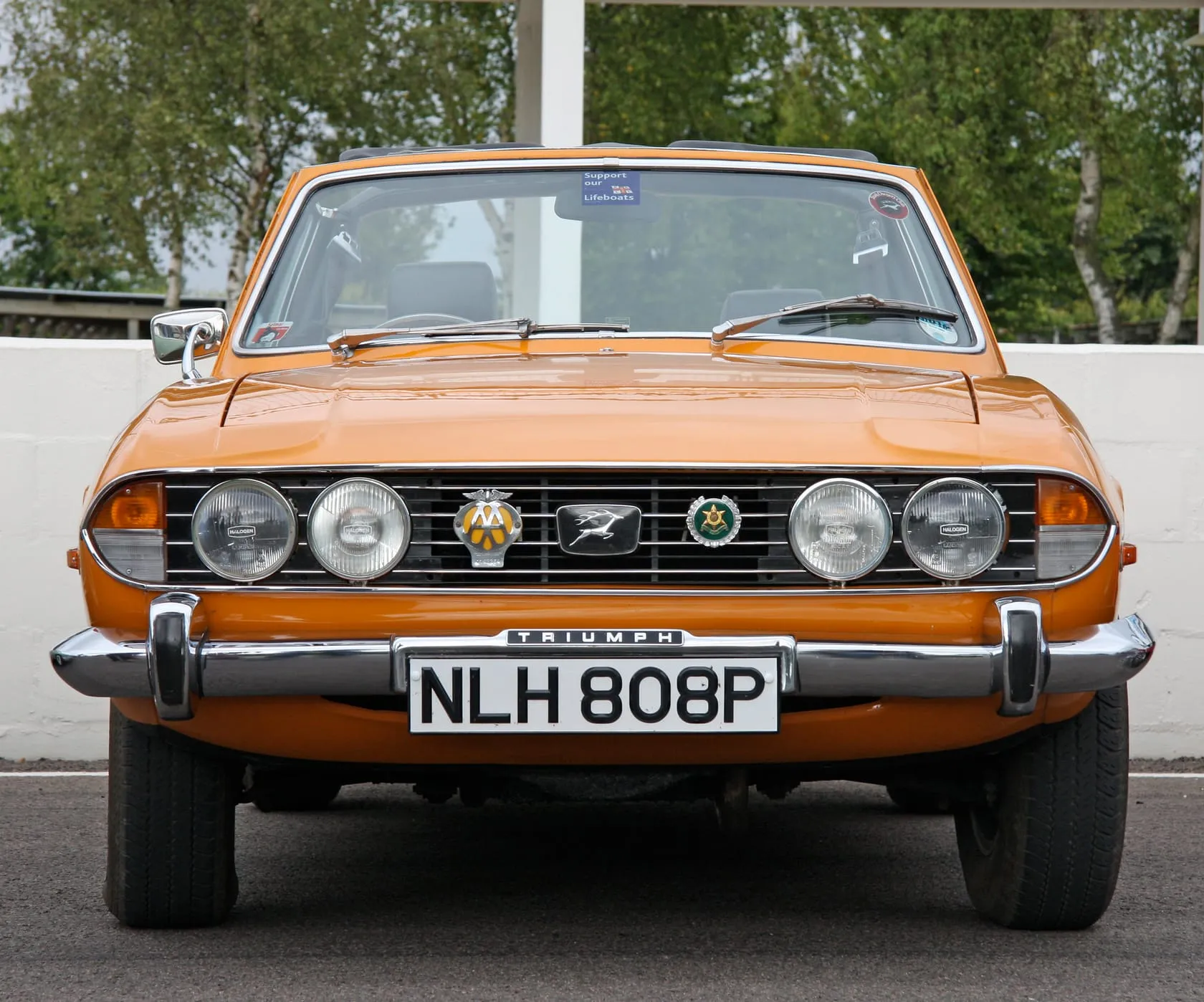
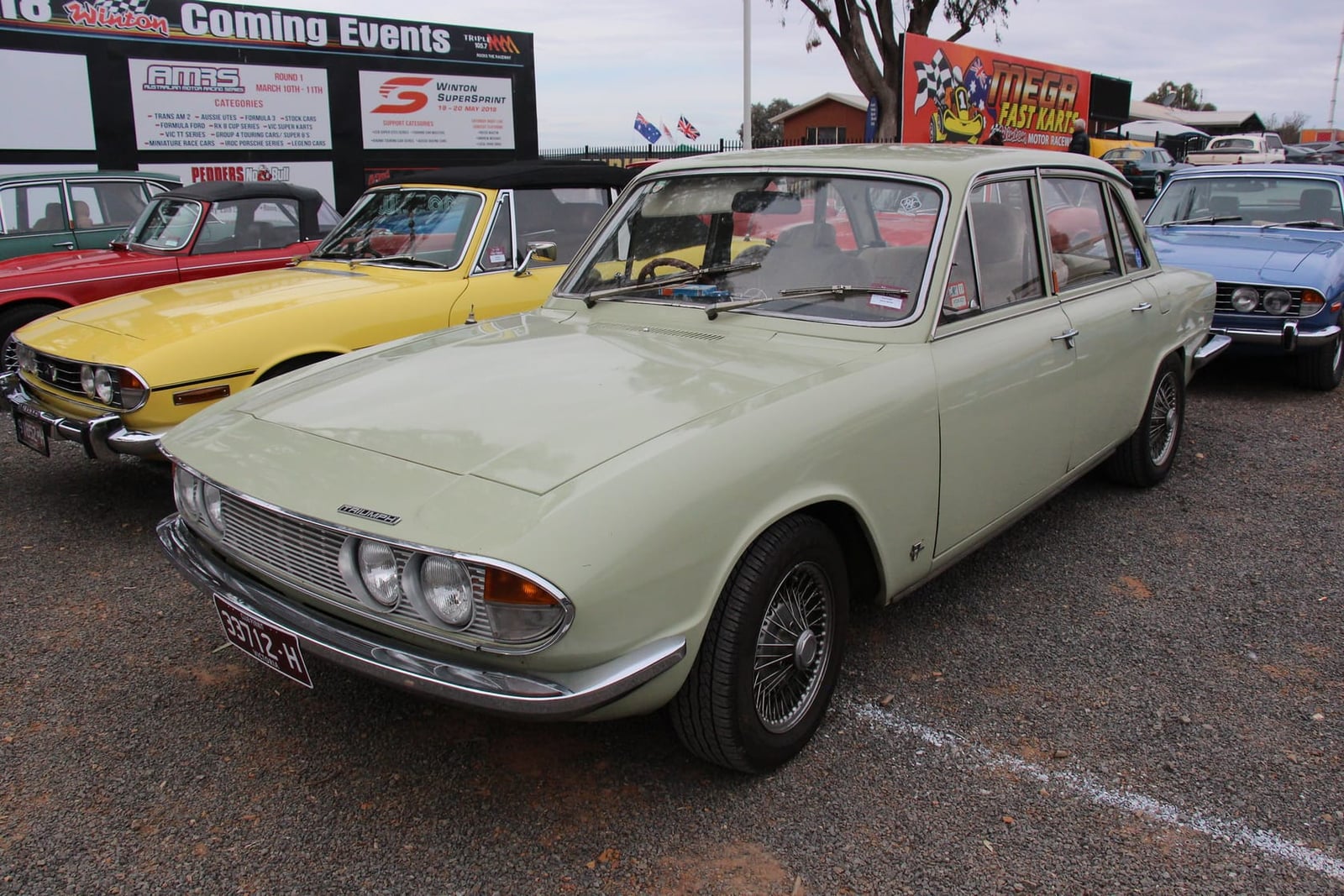
In a single October week of 1963, British motoring gained an entirely new class twice over: Triumph launched its 2000 and Rover its own 2000, two-litre saloons for the rising professional, and the executive car was born with a rivalry built in. Triumph’s entry brought Michelotti’s Italian tailoring and a silky straight six the rival could not answer, and over fourteen years the Triumph 2000 and its 2500 descendants sold about 316,000 cars, pioneered fuel injection for the British mass market and finished second in the toughest rally on earth.
The week the executive car was born
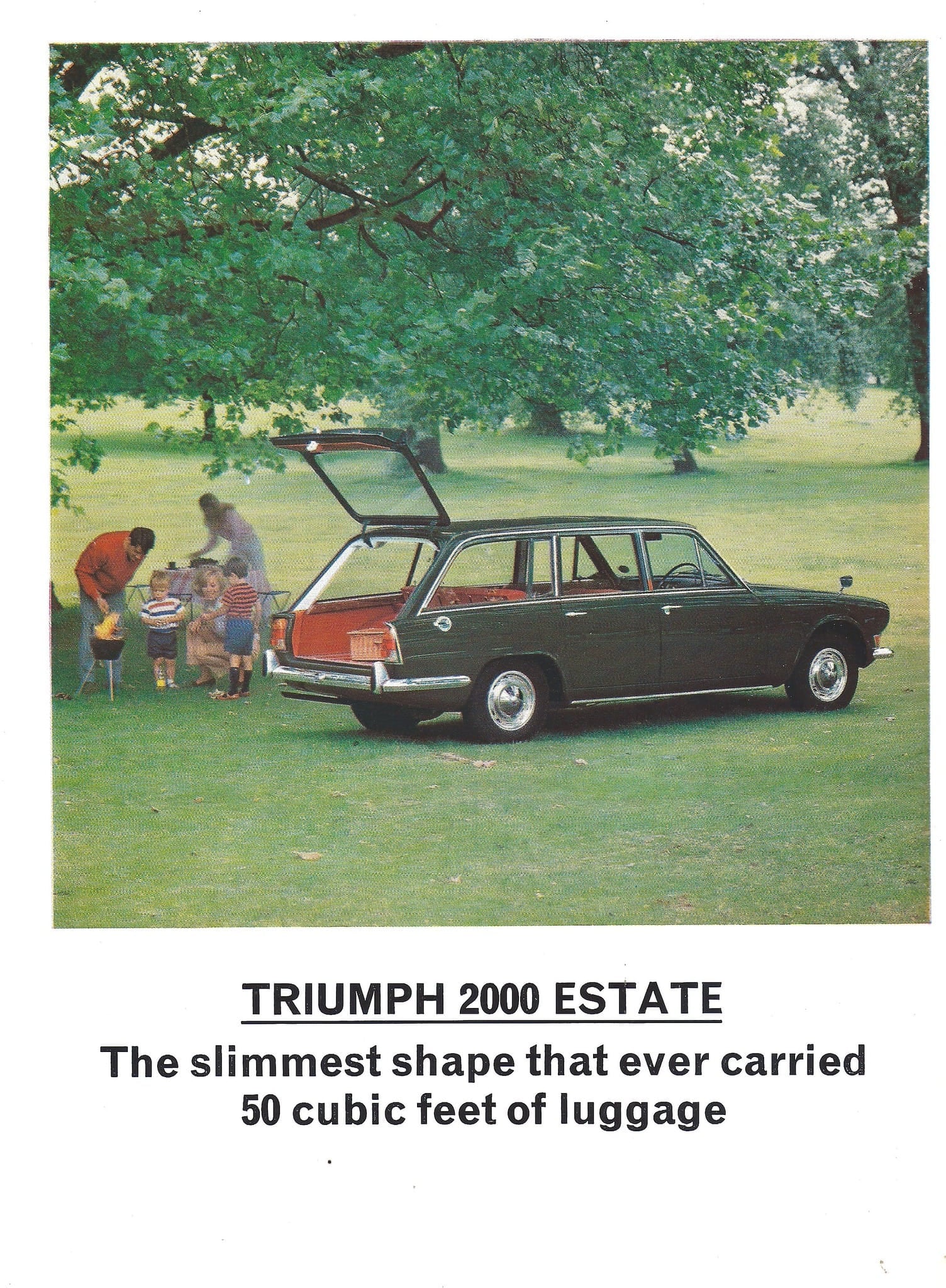
The 2000 replaced the ageing Standard Vanguard, taking its 1998cc six and civilising it into something new: a compact luxury saloon with all-independent suspension, front discs, and Giovanni Michelotti’s crisp styling, priced for the manager rather than the magnate. Launched into the same headlines as Rover’s radical 2000, it matched its rival’s safety-first engineering with smoothness and lightness of touch, and the two split the new executive class between them for a decade. The estate that followed added shooting-brake practicality nothing German offered at the money.

PI: injection before its time
In 1968 Triumph dropped in the 2498cc six with Lucas mechanical fuel injection to create the 2.5 PI, among the first mass-produced British saloons to carry injection, and suddenly the executive express had 132 bhp and sports-car pace. The system’s appetite for careful setup built a mixed period reputation, and many cars were later converted to carburettors, the factory itself offering the twin-carb 2500 TC and finally the well-equipped 2500S. The works took 2.5 PIs to the marathons, and Brian Culcheth drove one to second overall on the 1970 London to Mexico World Cup Rally, the family’s finest sporting hour.

Mk2: the Innsbruck years
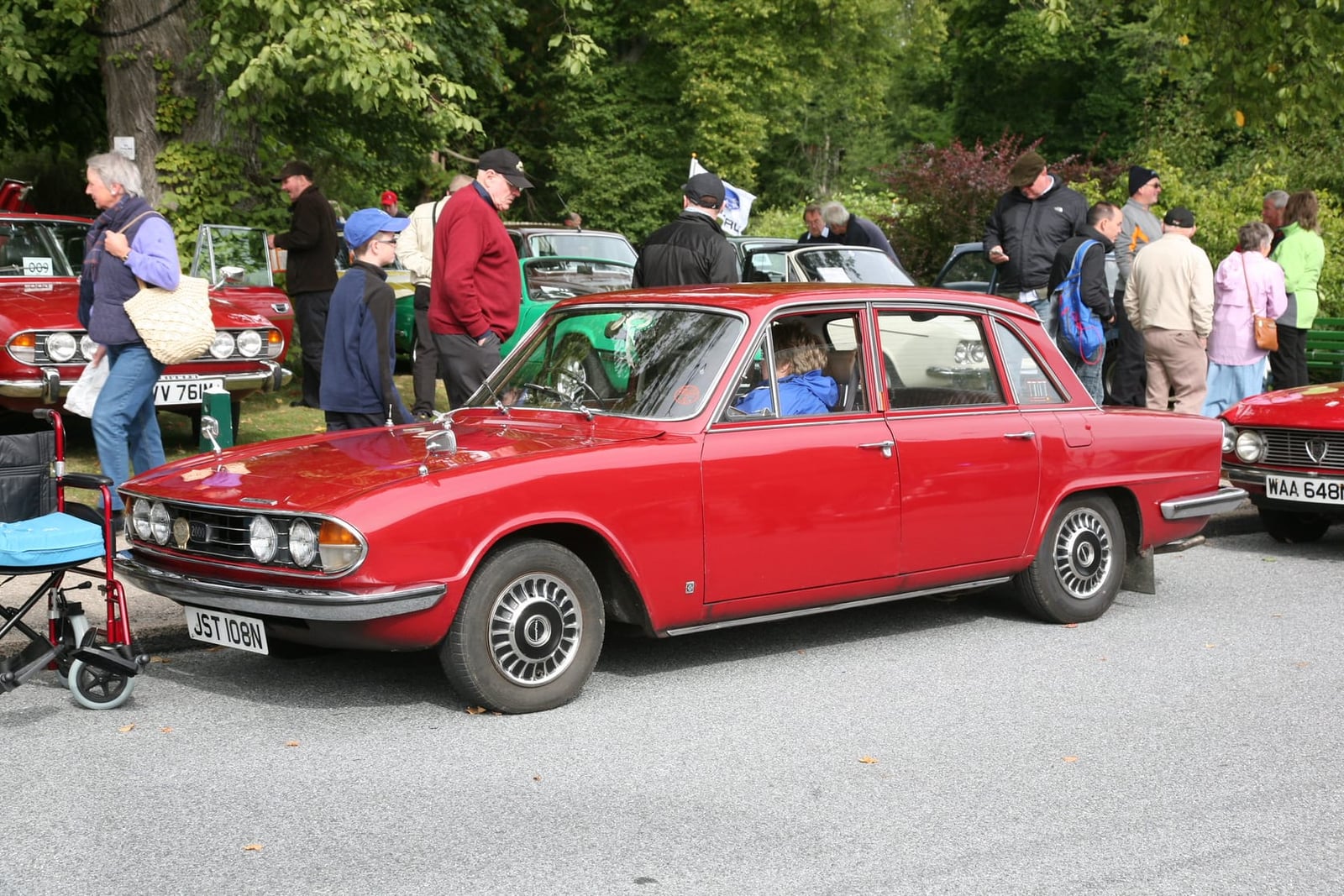
The 1969 Innsbruck facelift gave the family its second act: a longer nose and tail in the visual language of the Stag, a modernised cabin, and running gear carried forward largely untouched because little needed touching. The Mk2 2000, TC, 2.5 and 2500 variants carried the range to 1977, when the Rover SD1 succeeded both sides of the old rivalry at once, taking its six-cylinder engines from Triumph. The Mk2s are today’s accessible entry to the family, and the last 2500S cars, with overdrive and alloys standard, are the collector’s pick of the seventies range.

Which one: 2000, PI, 2500 or estate
The family offers a clear ladder. A Mk2 2000 saloon is the gentle entry, plentiful, cheap and mechanically the simplest. The TC versions add useful pace without injection complexity. A sorted 2.5 PI is the enthusiast’s summit, quickest and most historically interesting, provided the Lucas system has had informed care or an honest conversion is priced accordingly. The 2500S closes the range as the best-equipped production car of the family, and the estates, long, handsome and genuinely useful, carry premiums earned by decades of antique-dealer and family service. Mk1s of any flavour now add scarcity value on top, the earliest cars having thinned badly.

What a 2000 is like to drive
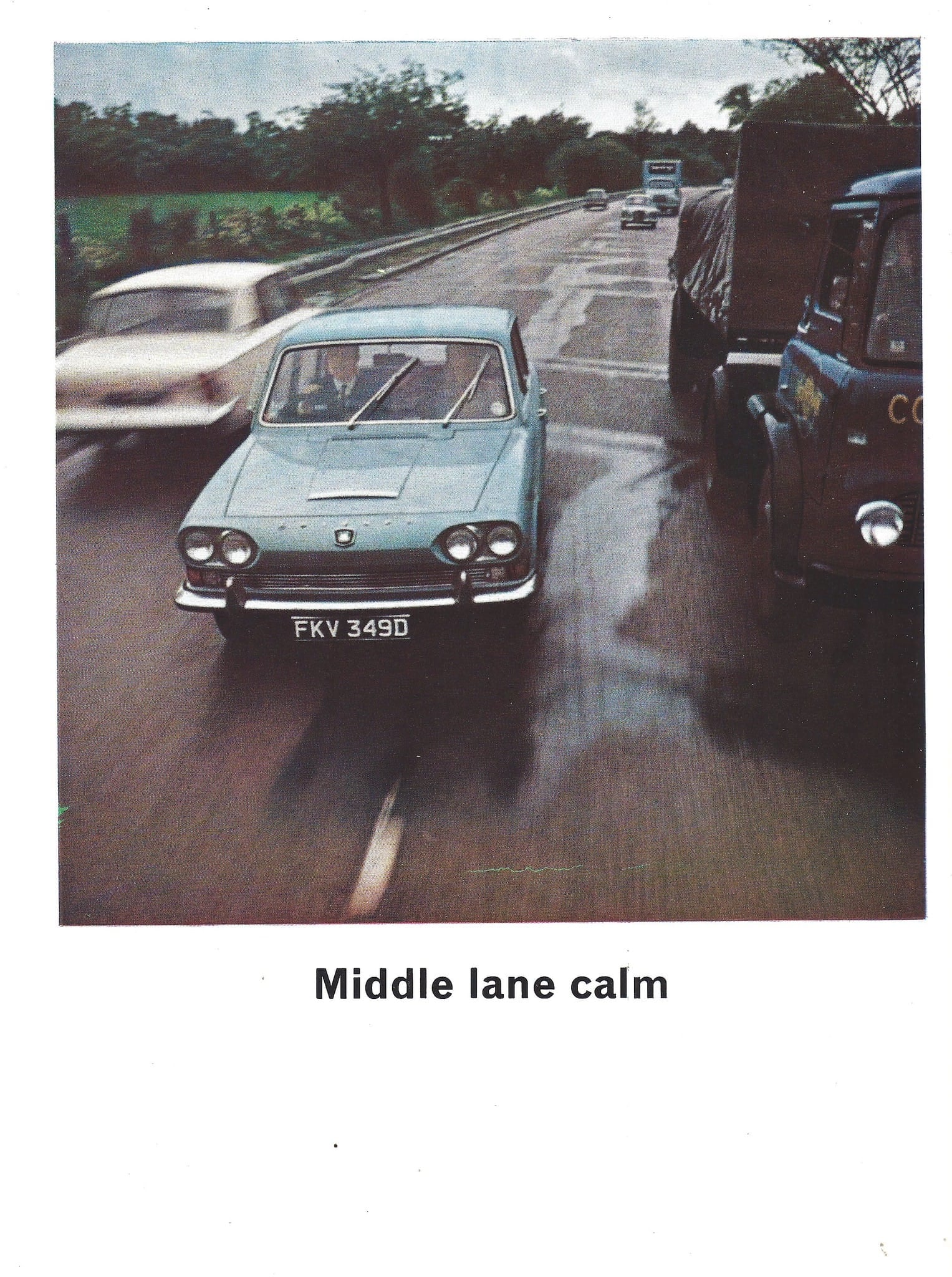
The straight six defines everything about the car: turbine-smooth where its four-pot rivals thrummed, pulling a light body with unstressed ease, overdrive versions loping at motorway speeds. The all-independent suspension rides gently, the driving position is airy with fine visibility, and the PI adds real urgency when sorted. Nothing about the car demands heroics; its talent is covering ground with a civility that still reads as modern, which is exactly what its first owners paid for and why the register club’s cars still tour Europe without drama.

Buying a Triumph 2000 or 2500 today
Rust rules: sills, floors, wheelarches, front valances and the rear suspension mounting areas all want inspection, and solid structure outranks every mechanical consideration because the running gear is durable and supported. PI injection rewards the informed buyer, buy a sorted system or a documented conversion, not a mystery. Interior wood and correct trim are the hunts; estates command practical premiums. The register club’s knowledge of survivors is excellent, and shared parts with the Vitesse and the wider six-cylinder Triumph world keep bills gentle.

Values: executive class at starter money
Seventy-three measured sales at a £4,600 median make the big Triumphs one of the cheapest smooth-six classics in the hobby: usable cars from £3,000, good ones £5,000 to £9,000, PIs, 2500S and estates above. That buys the car that co-founded the executive class, with a World Cup Rally podium in the family album, at less than half the money of its old Rover rival among 1960s saloons. The quiet appreciation has already begun; the smart buying window is now.

More photos
How the 2000 / 2500 changed
- Oct 1963Launched in the same week as the Rover 2000, inventing the executive class twice at once, on the Vanguard's 1,998cc six civilised into a compact luxury saloon.
- 1965The estate follows, adding shooting-brake practicality nothing German offered at the money.
- 1968The 2.5 PI arrives with Lucas mechanical fuel injection and 132 bhp, among the first mass-produced British saloons to carry injection.
- 1969The Innsbruck facelift gives a longer nose and tail in the Stag's visual language, and a modernised cabin.
- 1970Brian Culcheth takes a works 2.5 PI to second overall on the London to Mexico World Cup Rally, the family's finest sporting hour.
- 1974The twin-carburettor 2500 TC and the well-equipped 2500S answer the injection system's mixed reputation.
- 1977Production ends at about 316,000 cars; the Rover SD1 succeeds both sides of the old rivalry, taking its six-cylinder engines from Triumph.
Buying checklist: the 2000 / 2500 in front of you
Rust, which rules
- Sills, floors and wheelarches
- Front valances and the rear suspension mounting areas, which are structural
- Solid structure outranks every mechanical consideration on this car
- Mk1 cars have thinned badly, so a solid early one carries scarcity value on top
Injection, or its absence
- Buy a sorted Lucas PI system or a documented conversion, never a mystery
- Many PIs were converted to carburettors; an honest conversion should be priced accordingly
- TC versions add useful pace without the injection complexity
- The 2500S closes the range with overdrive and alloys standard, and is the collector's pick
Trim and body style
- Interior wood and correct trim are the hunts on every version
- Estates carry practical premiums earned by decades of antique-dealer and family service
- The register club's knowledge of survivors is excellent and worth consulting first
- Overdrive is worth seeking out and worth paying for on any of them
What the Triumph 2000 sells for at auction
In 2025 the median Triumph 2000 sold for £5,178 across 9 sales, 13% up on 2024. In real terms, typical Triumph 2000 prices were down about 11% over the five years to 2025, once inflation is accounted for.
| Variant | Sold | Typical range | Median |
|---|---|---|---|
| 2000 Saloon | 35 | £3,080 - £6,158 | £4,500 |
| 2500 | 17 | £2,812 - £8,640 | £5,217 |
| 2000 Estate | 6 | £3,094 - £5,018 | £4,013 |
Show the year-by-year mediansHide the year-by-year medians
| Year | Sold | Median | In 2025 money |
|---|---|---|---|
| 2026 (so far) | 8 | £5,106 | |
| 2025 | 9 | £5,178 | £5,178 |
| 2024 | 11 | £4,600 | £4,777 |
| 2023 | 5 | £6,500 | £6,975 |
| 2022 | 7 | £5,091 | £5,830 |
| 2021 | 6 | £7,056 | £8,725 |
| 2020 | 6 | £4,606 | £5,837 |
| 2018 | 4 | £10,146 | £13,210 |
| 2017 | 3 | £6,100 | £8,125 |
- £6,6002000 Saloon
- £3,9782000 Saloon
- £1,7602000 Saloon
- £5,7122000 Saloon
- £4,2562000 Saloon
Reasonable evidence. 73 recorded sales: enough for the range to mean something, though a few unusual cars can still move a single year's median. Based on 73 sold results from public classic car auctions (2004 to 10 August 2026). Sold prices, not asking prices, and not a valuation: condition, history and specification vary from car to car. Inflation-adjusted figures use the ONS CPIH index, in 2025 money.