Which Triumph TR to buy: the TR2 to TR6 compared
The classic Triumph TR roadsters run from the side-screen TR2 of 1953 to the muscular TR6 of the 1970s, and they are very different cars to live with. A plain-English guide to the differences between the TR2, TR3, TR4, TR4A, TR5 and TR6, what each is like to own, what they cost, and how to choose the right one.
Part of: Triumph, the marque that made British sports cars affordable
The models
The Triumph TR roadsters are one of the great runs of affordable British sports cars, but they are not all the same car. The line stretches from the rugged, side-screen TR2 of 1953 to the muscular, six-cylinder TR6 of the 1970s, and a TR2 and a TR6 feel almost a generation apart to drive and to own. This guide explains the differences in plain English and helps you choose the right one.
It is worth saying first what these cars have in common. Every classic TR, from the TR2 to the TR6, shares the same basic recipe: a separate chassis, a front engine driving the rear wheels, two seats, and an open body with no luxuries. That formula is why they are simple, rugged and well supported. What changes across the range is the body, the engine and how civilised the car is to live with.
The side-screen cars: TR2 and TR3
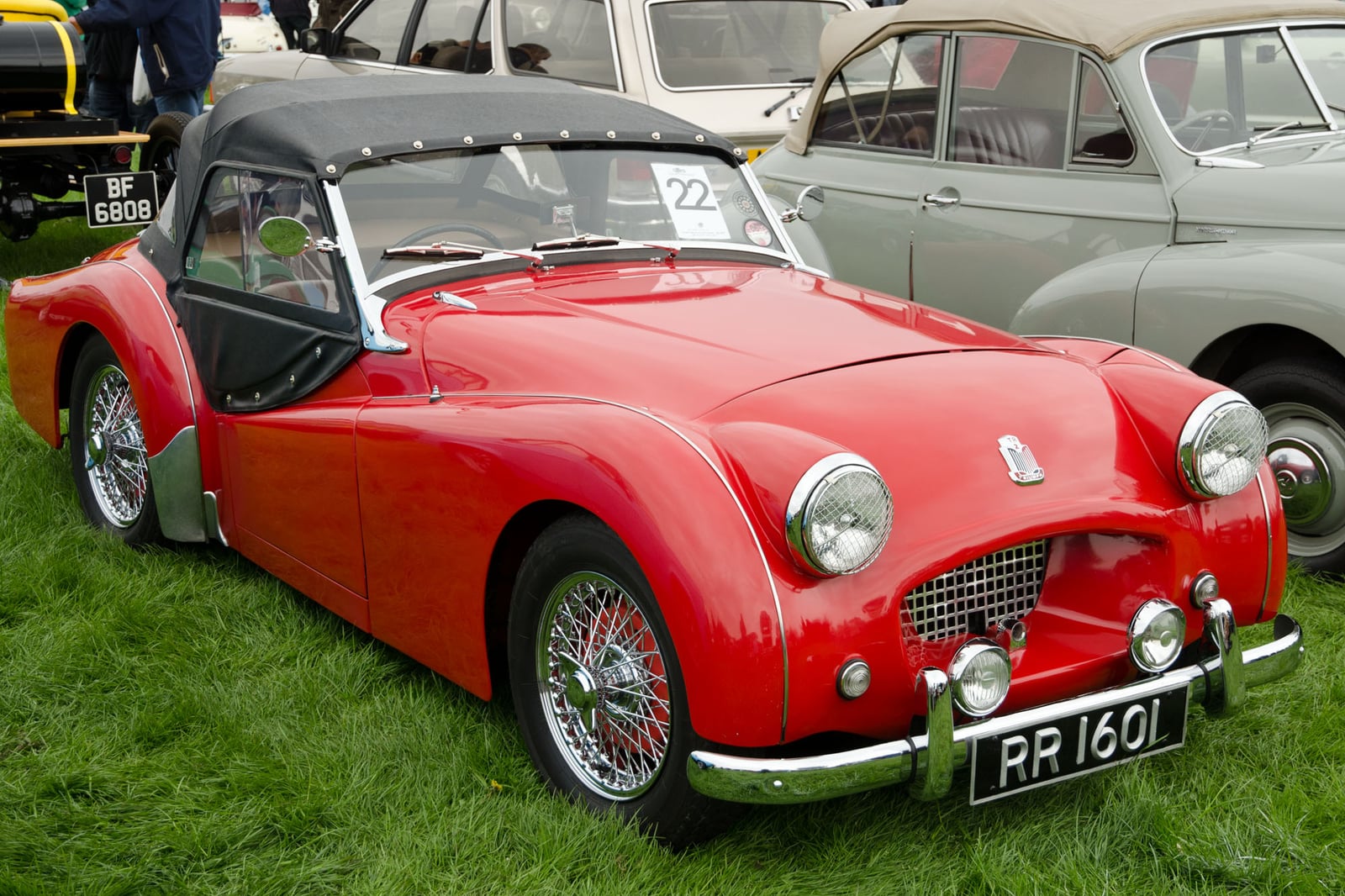
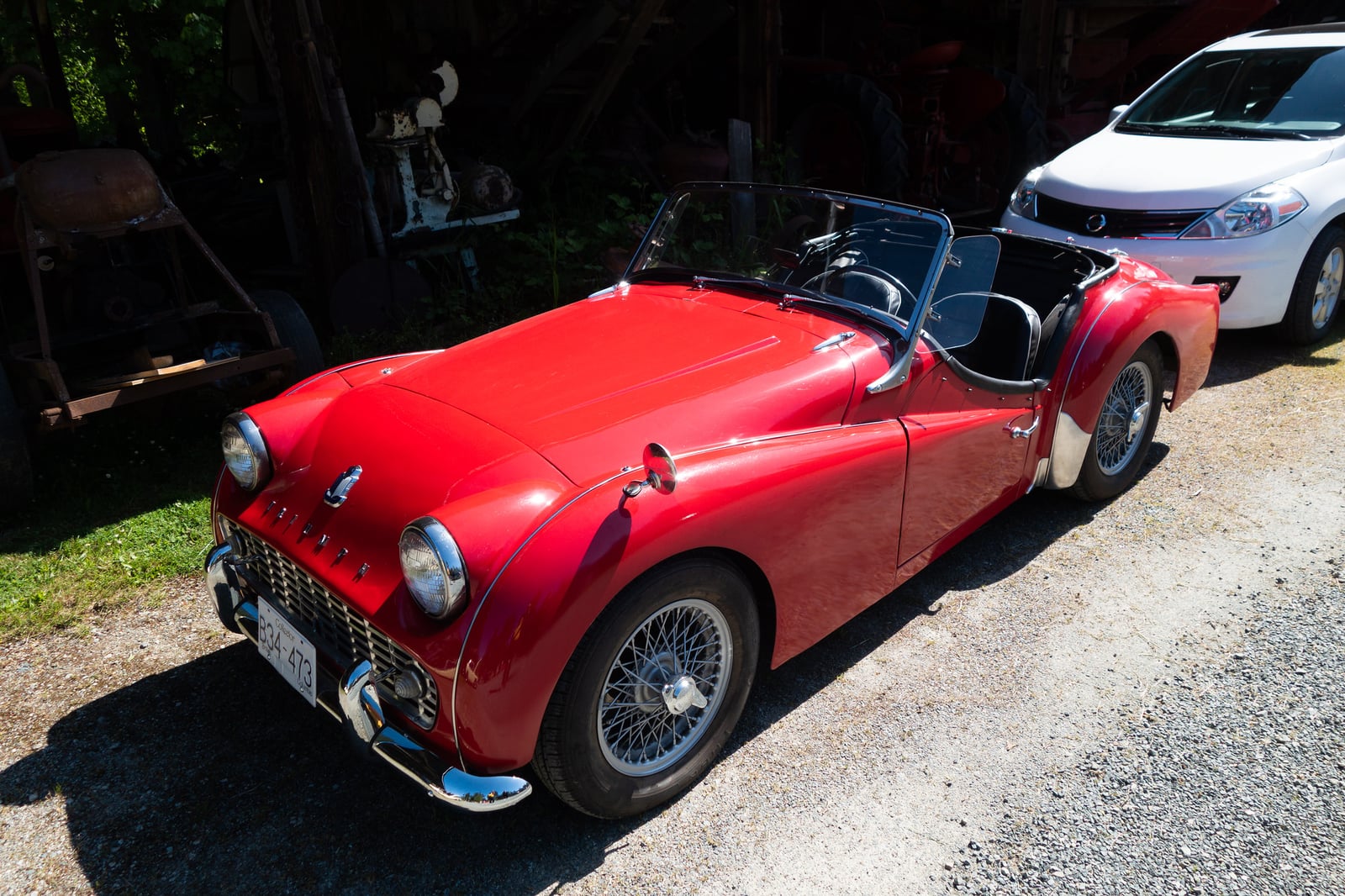
The earliest TRs are the side-screen cars, so called because the side windows are removable plastic screens that clip into the cutaway doors rather than winding down. These are the most vintage-feeling Triumphs.
The TR2 (1953–55) started it all and made its name as the cheapest production car of its day able to top 100 mph. The TR3 (1955–62) refined it and, in 1956, became the first British production car with front disc brakes. Both use a torquey 2-litre four, both are basic and characterful, and both are now genuinely collectable. The TR2 is the rarest and most vintage; the TR3, especially the common wide-mouth TR3A, is the easiest side-screen car to find and the natural entry point to the breed.

The Michelotti cars: TR4 and TR4A
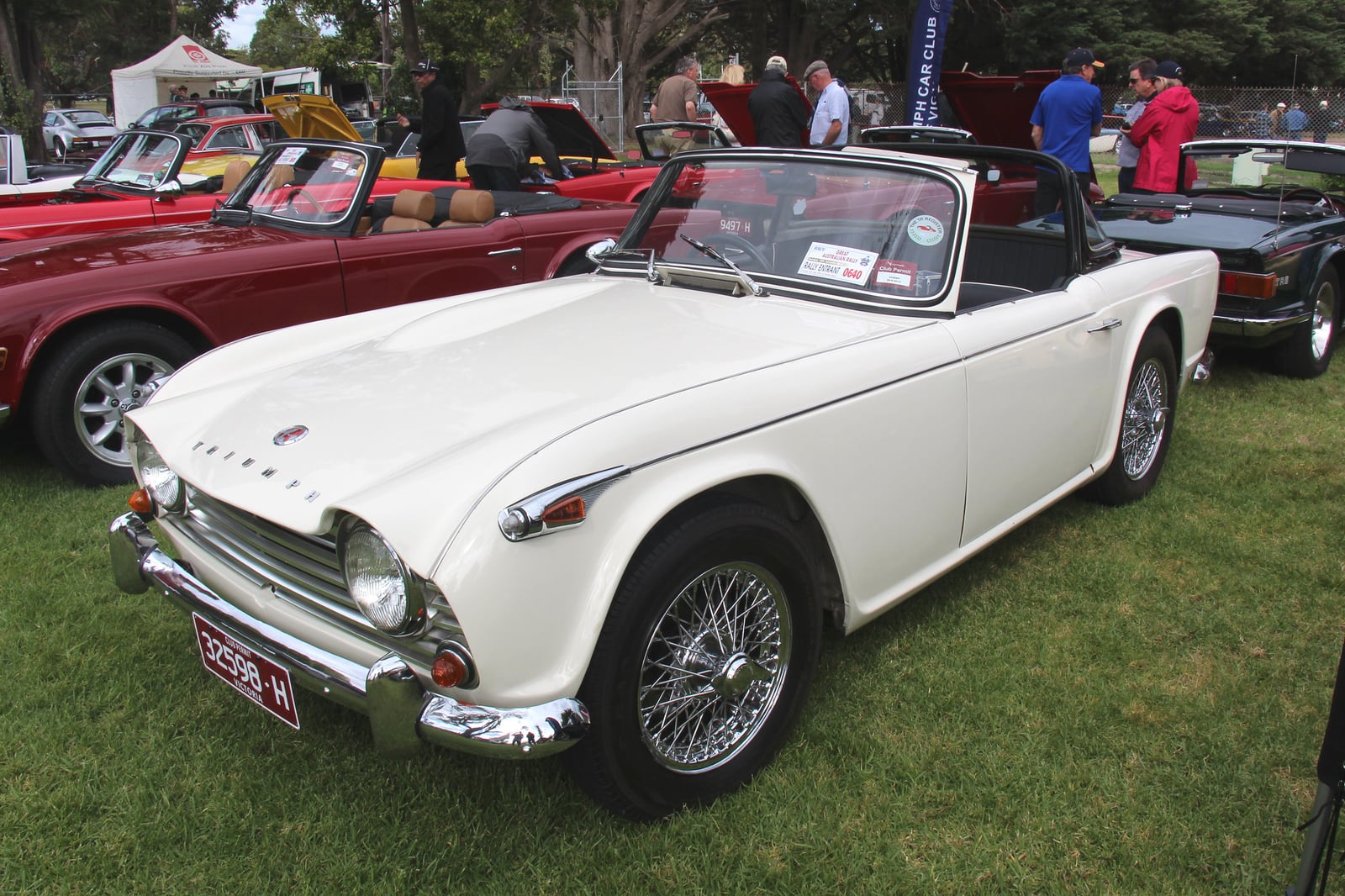
In 1961 the TR4 modernised the formula. The Italian designer Giovanni Michelotti gave it a crisp new body with wind-up windows, a proper heater and wind-down door glass, a huge step in everyday civilisation over the side-screen cars, while keeping the same four-cylinder mechanicals beneath.
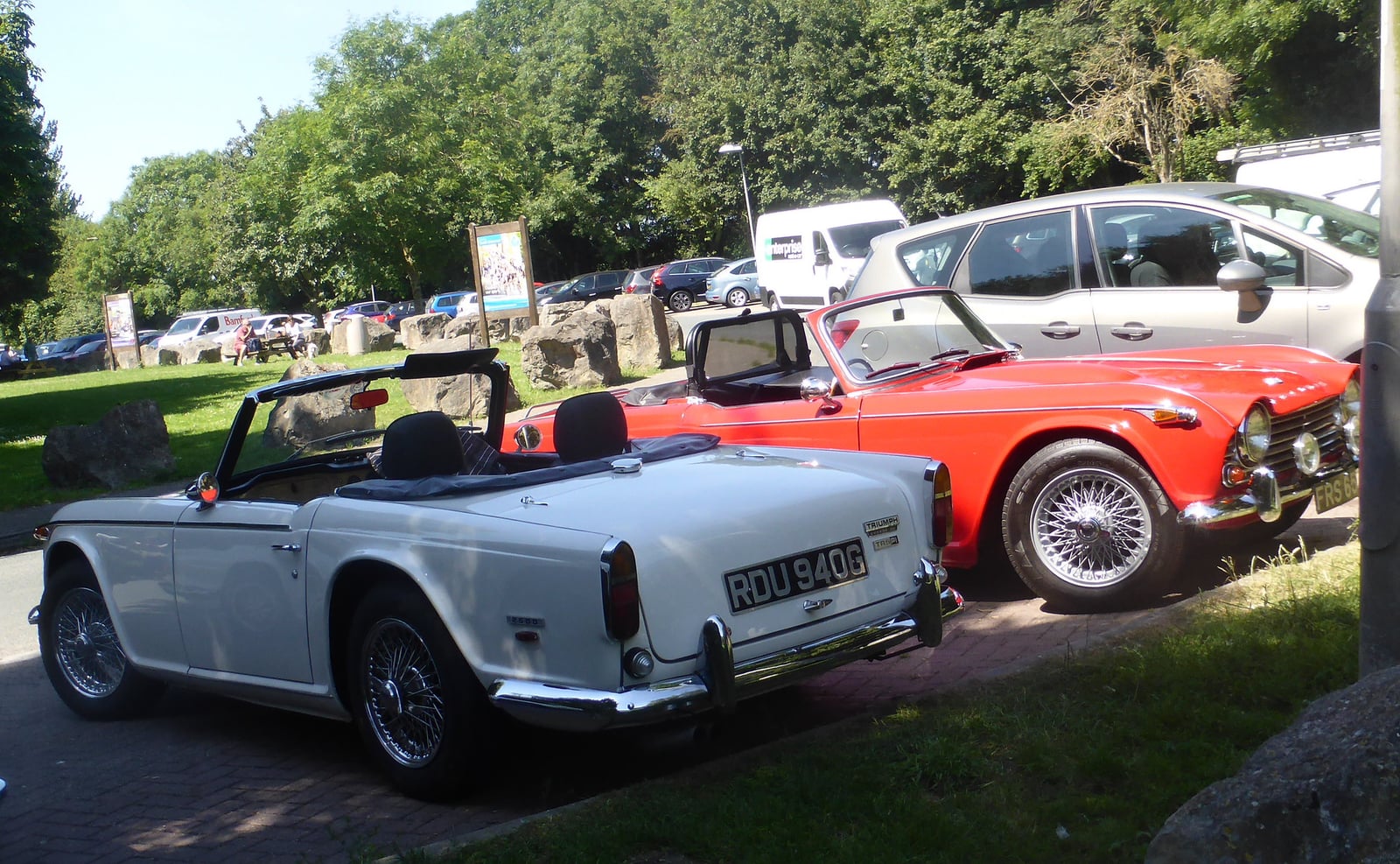
The TR4A that followed added the single most important under-skin change of the range: independent rear suspension, which transformed the ride and handling. Together the TR4 and TR4A are the sweet spot for anyone who wants the traditional four-cylinder character with modern comforts, usually at a lower price than the six-cylinder cars.

The six-cylinder cars: TR5 and TR6
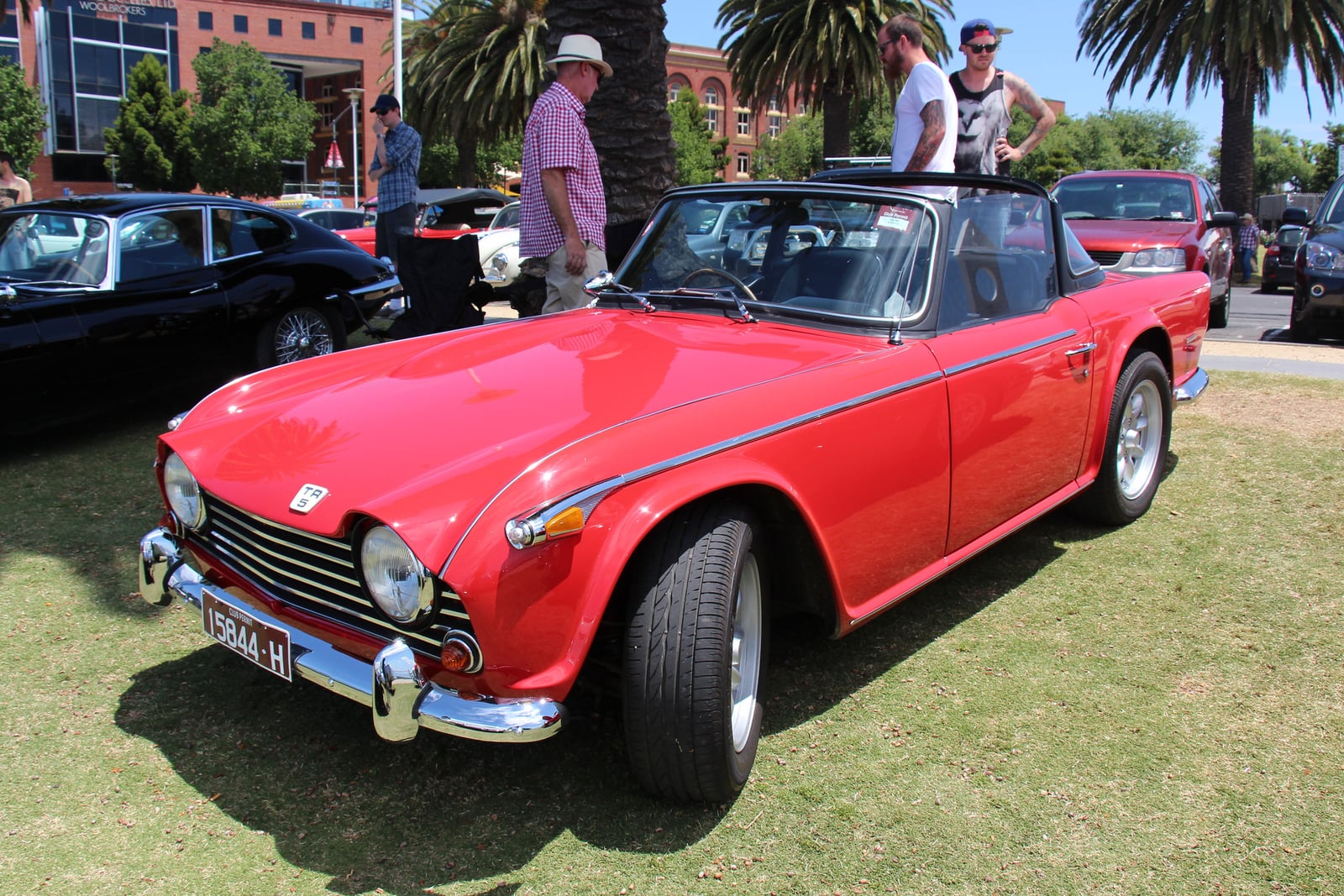
The last classic TRs swapped the four for a 2.5-litre straight-six, and this is where the performance lives. The rare TR5 (1967–68) came first, with Lucas fuel injection, 150 bhp and the existing TR4A body, a quiet 120 mph car of which only 2,947 were built, which makes it the rarest and most valuable mainstream TR.
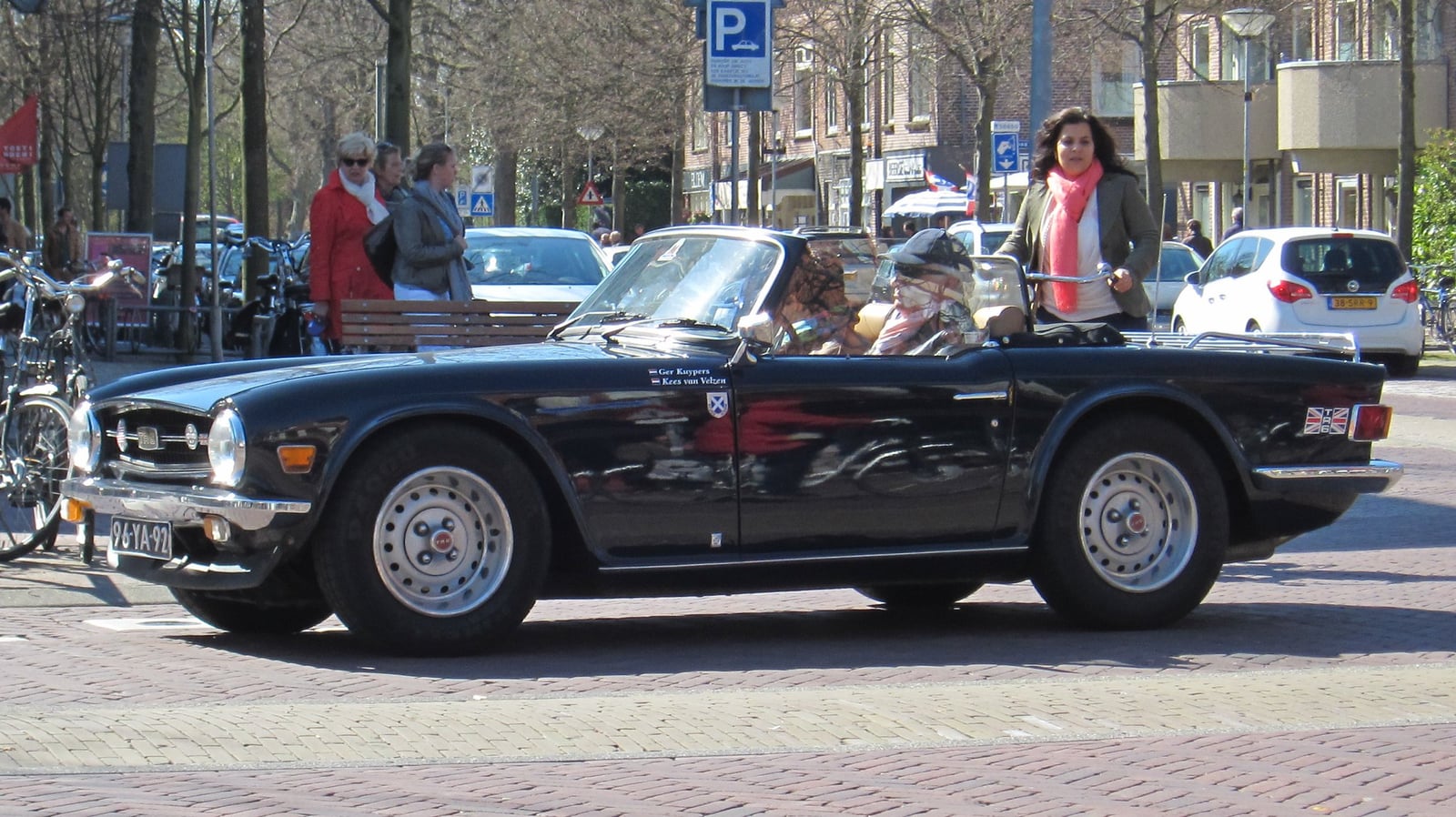
The TR6 (1968–76) took that injected six, wrapped it in a square-jawed Karmann restyle, and became the best-selling TR of all and the last of the traditional separate-chassis British sports cars. For most buyers the TR6 is the obvious six-cylinder choice: muscular, usable and superbly supported for parts.

How to choose
A few simple questions usually point to the right car:
- On a budget, and want the full experience? A four-cylinder TR4 or TR4A gives you a usable, modern-bodied TR for less than the sixes.
- Want a true 1950s vintage feel? The side-screen TR2 or TR3, with the TR3A the easiest to find.
- Want six-cylinder muscle and easy ownership? The TR6, the most numerous and best-supported of all.
- Want rarity and investment? The fuel-injected TR5, the scarce car that collectors prize most.
- Driving an American import? Many US-market cars are the carburettor TR250 (the TR5’s American sister) or federal TR6s, which are more affordable but less powerful than home-market injection cars.
Across every model, the advice is the same: the separate chassis is the thing that makes or breaks a TR, so buy the soundest, most honest car you can rather than the cheapest, whichever model you choose.
So which TR is best?
There is no single answer, which is part of the appeal. The TR6 is the default recommendation for usability and value, the TR3 is the characterful classic, the TR4A is the under-rated sweet spot, and the TR5 is the collector’s prize. Decide on your budget and how you will actually use the car, and the range almost chooses for you.
More photos