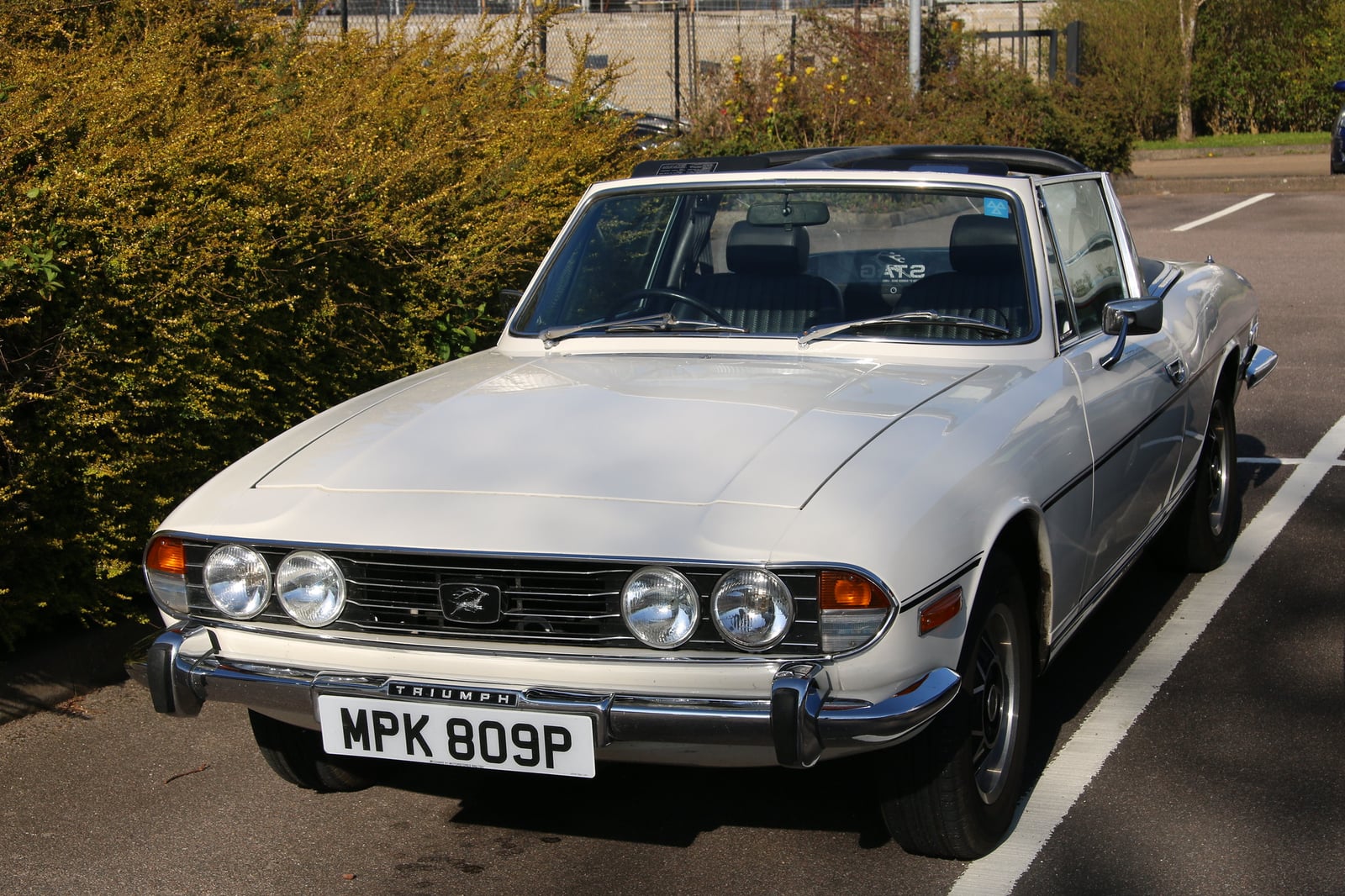
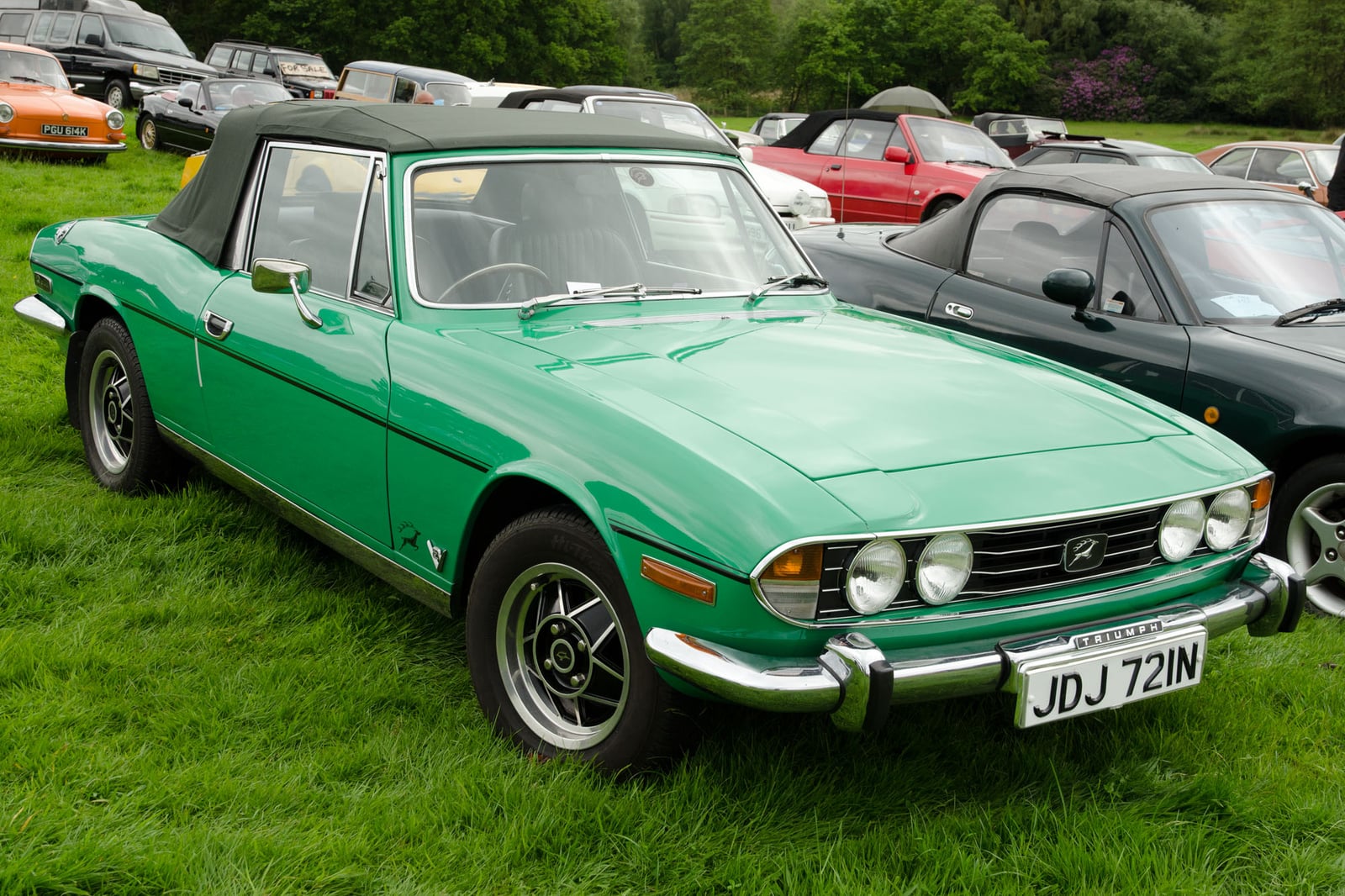
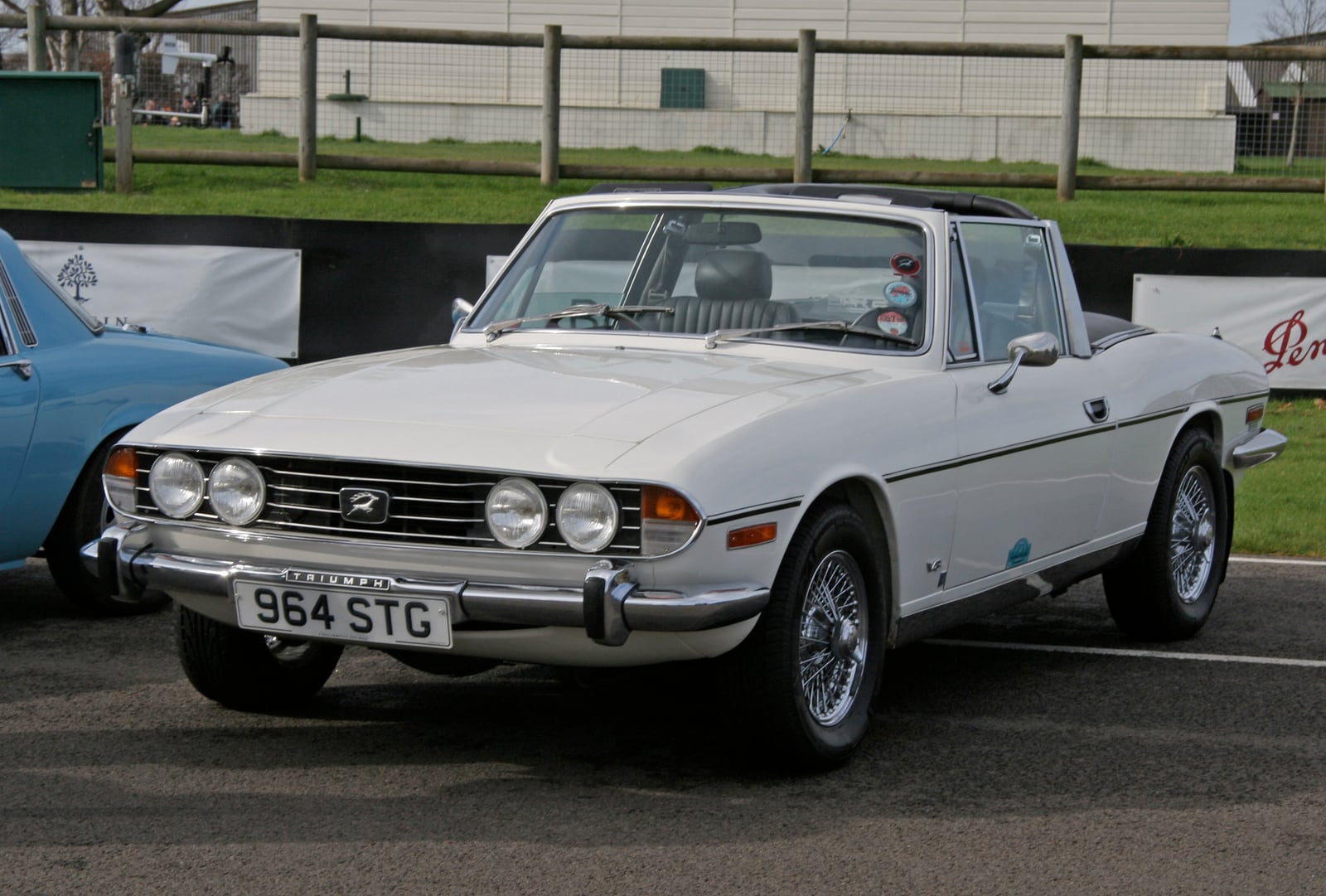
Triumph Stag: the V8 grand tourer that lived down its reputation (1970–1977)
The Triumph Stag was a glamorous Michelotti-styled 2+2 convertible with a bespoke 3.0-litre V8, conceived to rival the Mercedes SL but undone by a notorious cooling problem. A guide to the engine saga and why it overheated, what a properly sorted car is like, and what to look for when buying one now the reputation has been rehabilitated.
Built 1970–1977

At a glance
- Years
- 1970–1977
- Body styles
- Two-door 2+2 convertible with T-bar roll hoop and removable hardtop
- Drivetrain
- Front engine, rear-wheel drive
- Engines
- 2997cc Triumph V8
- Power
- Around 145 bhp
- Top speed
- Around 115 to 120 mph
- Trim levels
- Four-speed manual with overdrive, or three-speed automatic
- Production
- Just under 26,000
- Assembly
- Canley, Coventry
- Designer
- Giovanni Michelotti
- UK survivors
- Around 92 per cent of survivors keep the original Triumph V8
- Values
- Project £1,500-£8,000; good £10,000-£16,000; excellent £18,000-£25,000; concours £30,000+
- Engine note
- Bespoke Triumph V8 from the same modular engine family as the Dolomite slant-four
- Reputation
- Notorious early cooling and overheating problems; reliable when properly sorted
The models
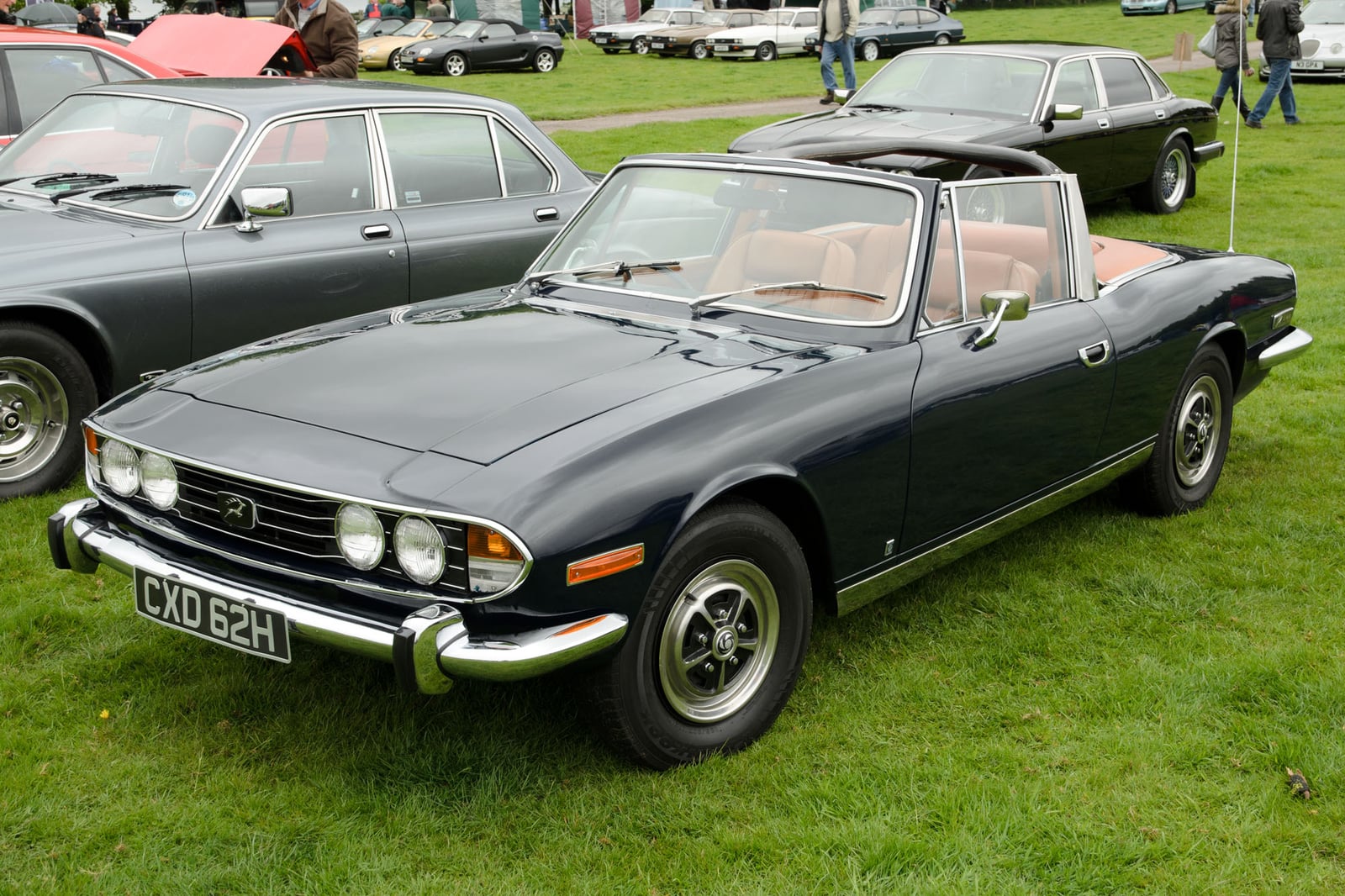
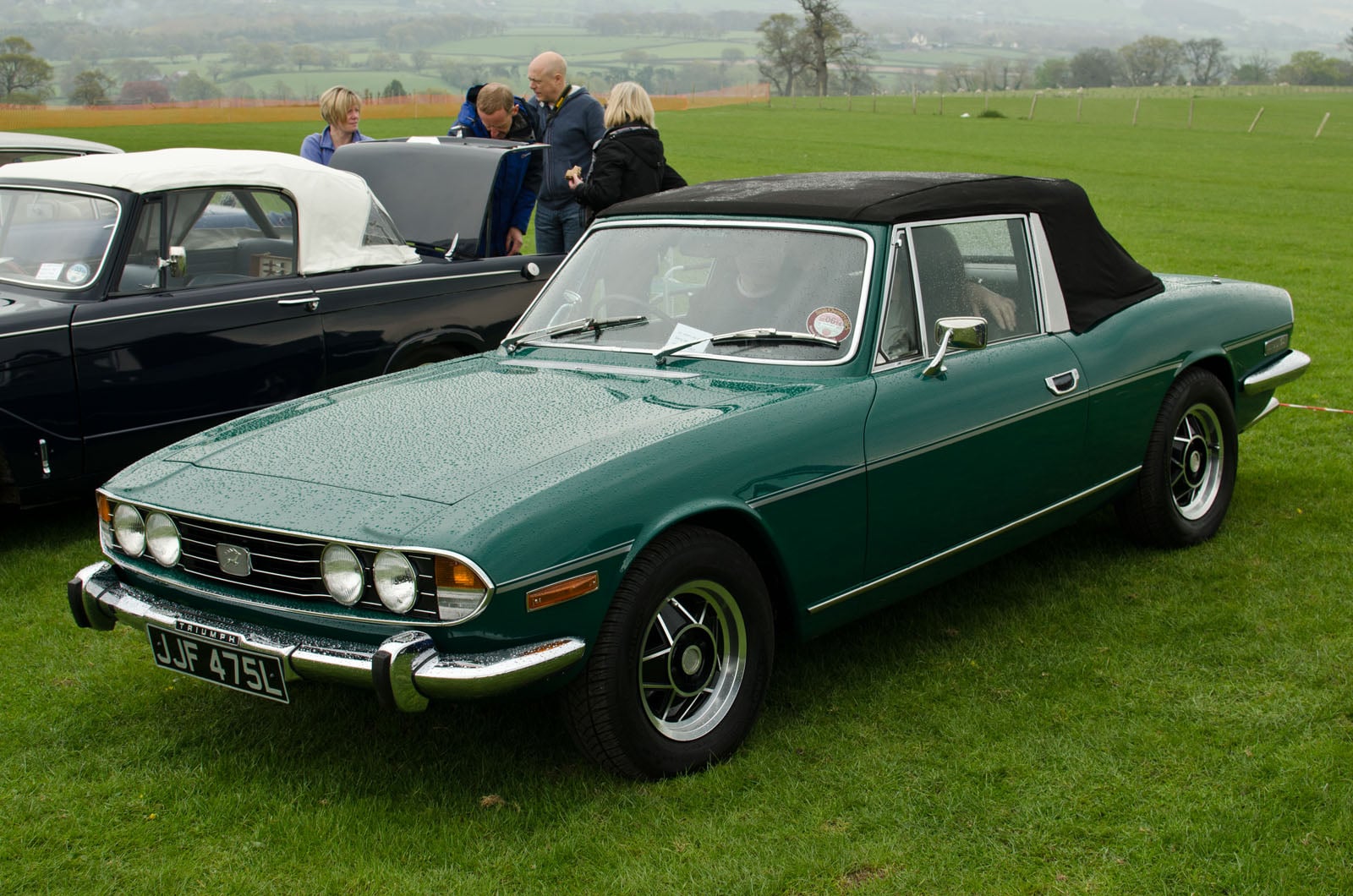
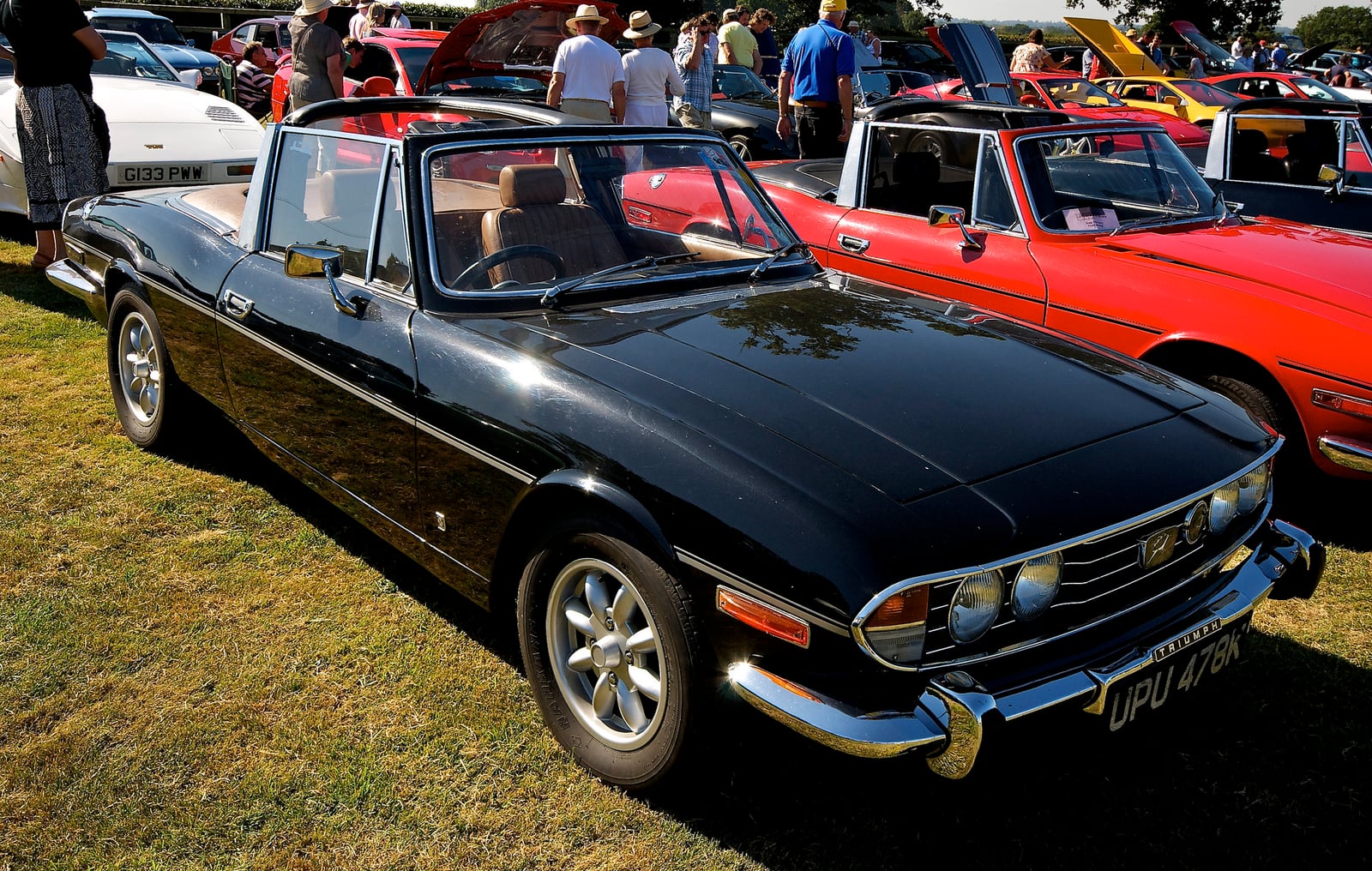
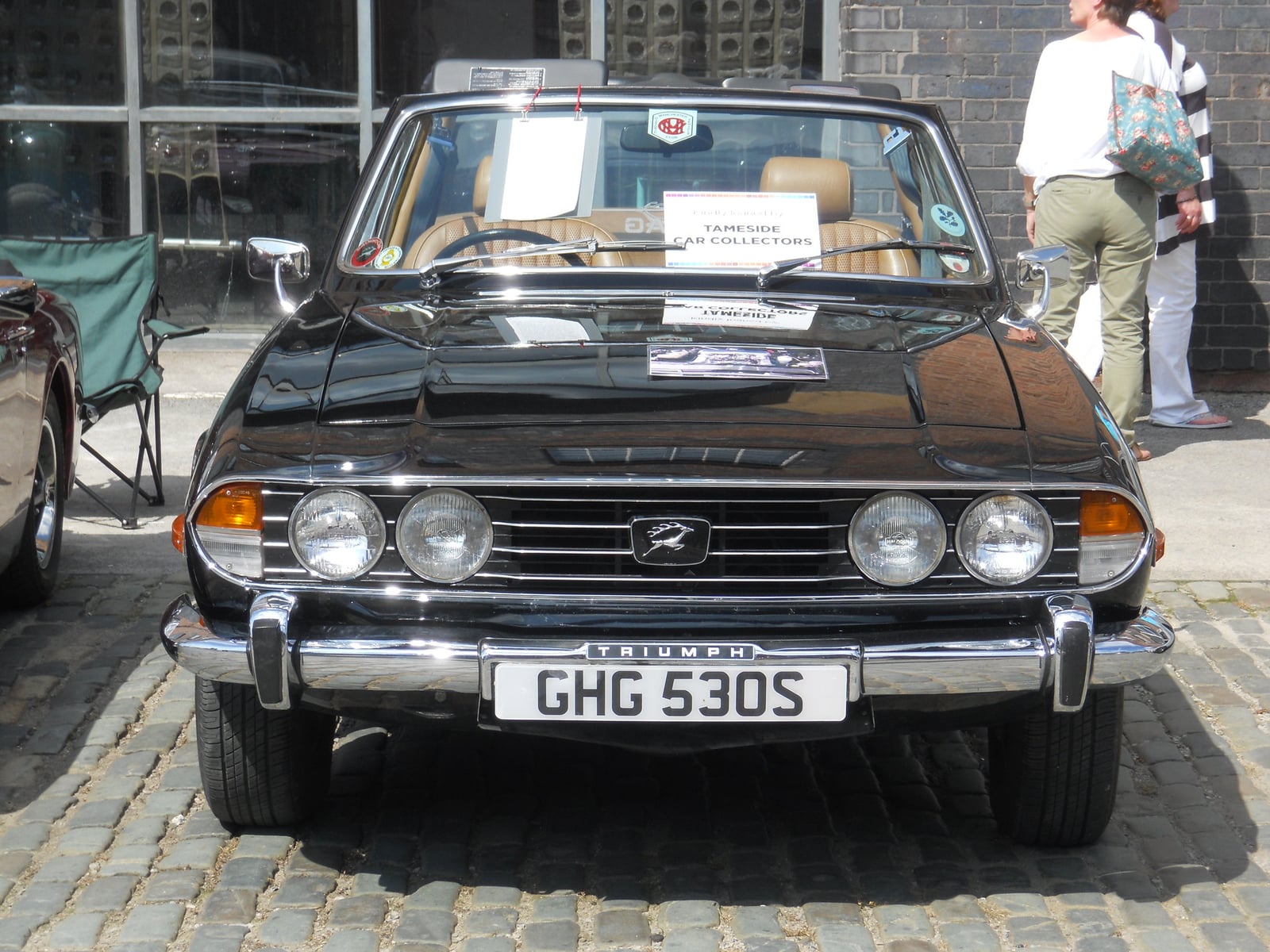
The Triumph Stag should have been one of the great British grand tourers. A glamorous Michelotti-styled 2+2 convertible with a bespoke 3.0-litre V8, a distinctive T-bar roll hoop and a removable hardtop, it was conceived to take on the Mercedes-Benz SL at a fraction of the price. Instead it became a byword for British Leyland engineering gone wrong, undone by a cooling system so troublesome the car earned the nickname “the Triumph Snag”. Decades on, with its faults understood and a deep specialist network behind it, the Stag has been rehabilitated into one of the most charismatic and sought-after affordable classics of its era.
The Stag is part of the classic Triumph range and its most glamorous model, a genuine four-seat V8 convertible from a maker better known for small sports cars.
A show car that became a production model
The Stag began as a styling exercise. Giovanni Michelotti, Triumph’s long-standing designer, built a show car on a pre-production Triumph 2000 saloon and showed it to the company’s engineering director, Harry Webster, who liked it enough to put it into production. It was launched in June 1970, built at Canley, and aimed at exactly the gap Mercedes filled: a stylish, fast, usable open four-seater for cross-Channel touring. On looks and concept it succeeded completely. It was the engineering beneath that let it down.

The engine, and why it overheated
The heart of the Stag is its 3.0-litre V8, a bespoke Triumph engine that is one of the more misunderstood units in British motoring. It is often described as two Dolomite four-cylinder engines joined together, but that has the history backwards: the V8 and the Dolomite slant-four came from a single modular engine programme designed to share tooling, and the V8 actually reached production first. They are close relatives, not one made from two of the other.
That shared-tooling decision is the root of the Stag’s troubles. So the V8 could use the same machining line as the four-cylinder engine, its water pump ended up mounted high in the block, above the radiator filler, which made the cooling system hard to fill and bleed and prone to trapping air. On top of that, early engines left casting sand in the coolant passages, the cast-iron block and aluminium heads suffered electrolytic corrosion that silted up the radiator if the coolant was neglected, the late decision to enlarge the bore to reach 3.0 litres left the cylinder walls thin, and the cylinder-head studs sat at two different angles, which exerted sideways forces that warped the heads when they got hot. The single-row timing chains could also stretch and fail in under 25,000 miles, with catastrophic results. Owner neglect, skipped coolant changes and ignored temperature gauges, did the rest.
The result was a car that overheated, warped its heads and blew its gaskets, and a reputation that wrecked its commercial chances. It was sold in America only from 1971 to 1973 before being quietly withdrawn, partly because of the warranty disaster and partly because it would not have met the coming 1974 US crash regulations.

The car it is today
None of that need trouble a modern owner, which is the great turnaround in the Stag’s story. The faults are now thoroughly understood, and a car fitted with an uprated radiator, an electric fan, the correct corrosion-inhibited coolant and a sensible chain-replacement schedule runs reliably and makes a wonderful, charismatic classic. With around 145 bhp it is a relaxed rather than rapid car, good for around 115 to 120 mph, and at its best as a manual-with-overdrive cruiser. The V8’s burble, the four usable seats and the open-top glamour are exactly what Michelotti intended, and a sorted Stag delivers it.

Buying guide: what to look for
There are two things to assess: the engine and the bodyshell, and the bodyshell will usually cost more to put right.
On the engine, establish first whether the car keeps its original Triumph V8 or has had a swap. Then check that the cooling system has been uprated, watch the temperature gauge sit stable on the test drive, ask for evidence of timing-chain replacement, and look for any sign of head-gasket trouble such as mayonnaise under the oil filler. A specialist or club inspection is genuinely worth it on a Stag.
On the body, the A-posts behind the trim are the key tell; if they are rotten, the rest usually is too. Then check the sills, floors, front valance, wheel arches and the rear chassis and axle-mounting area. The shell is the expensive part of any restoration, so buy on its condition.

Where the Stag sits in the market
The market rewards originality: an original-engine car is worth markedly more than an equivalent engine-swapped one, and a well-kept Triumph Stag automatic suits the car’s grand-touring character and sells for no less than a manual on the record. The Stag is widely seen as still slightly undervalued for what it offers; the full record, 530 recorded sales, what the original engine, the Mk2 and the hardtop actually add, and what the market has done since 2018, is on the page covering Triumph Stag values.
In the wider story the Stag is the British grand tourer that should have rivalled the Mercedes SL and was instead sunk by British Leyland-era engineering and the reputation that followed. Its rehabilitation, from “Snag” to sought-after classic, is one of the better second acts in British motoring, and it remains a strikingly affordable way into open-top V8 ownership.

Owners’ club and parts
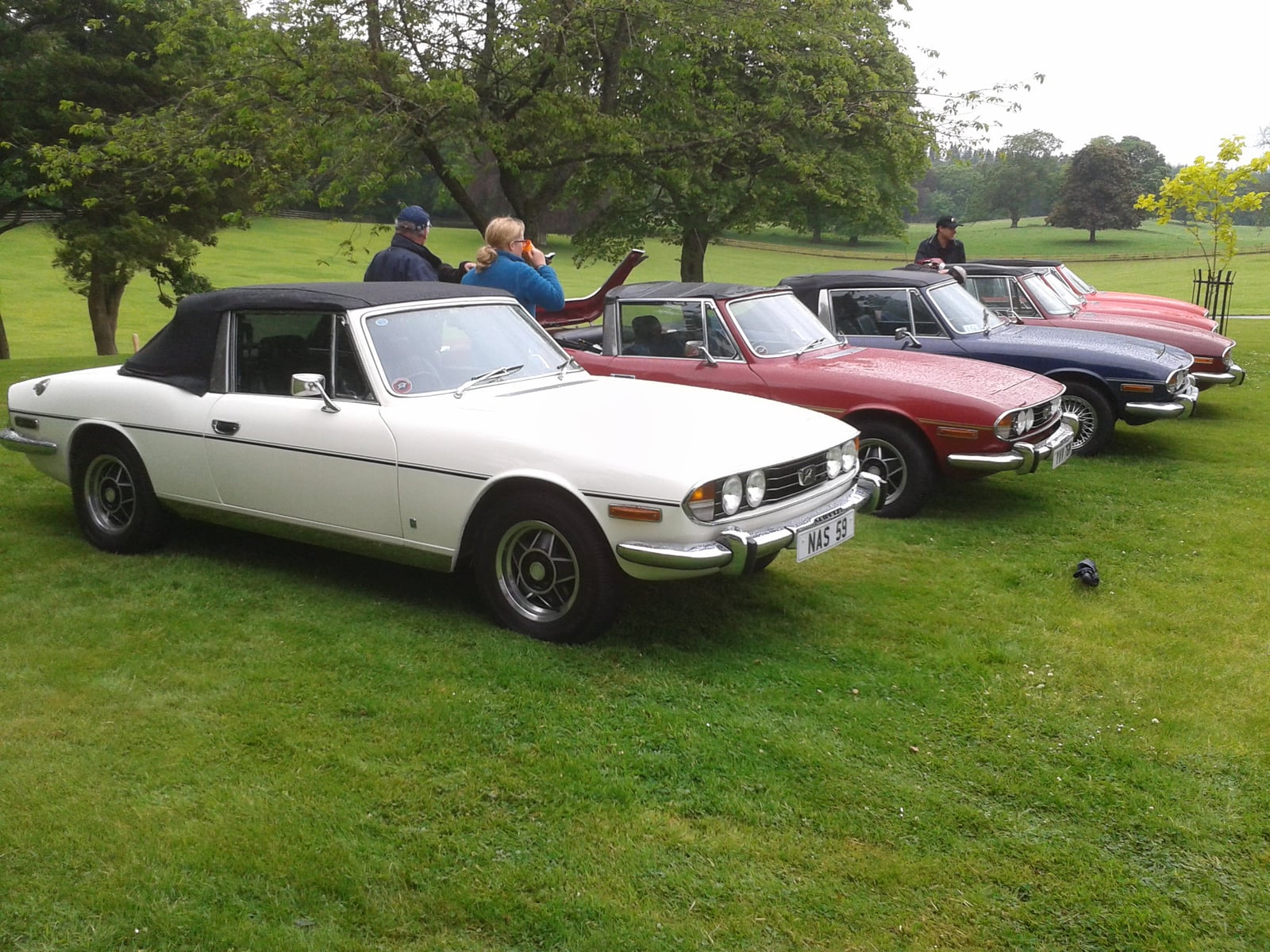
The Stag Owners Club is the central authority on the car, with technical support, a buyer’s guide and an active community, and it is the reason a modern Stag can be reliable: the uprated cooling kits and engine fixes that cure the original faults are mature and widely available. Mechanical, trim and body parts are all well supported.
The Stag timeline
- 1966Michelotti builds a show car on a pre-production Triumph 2000 saloon; engineering director Harry Webster likes it enough to put it into production.
- June 1970Launched at Canley with a bespoke 3.0-litre V8 from the same modular programme as the Dolomite slant-four, which the V8 actually reached production before.
- 1971American sales begin, and last only until 1973 before quiet withdrawal, partly a warranty disaster and partly the coming 1974 US crash regulations.
- 1973The Mk2 arrives with detail revisions.
- 1977Production ends at just under 26,000 cars.
Buying checklist: the Stag in front of you
The engine
- Establish first whether the car keeps its original Triumph V8 or has had a swap
- Check the cooling system has been uprated, and watch the gauge sit stable on the test drive
- Ask for evidence of timing-chain replacement
- Look for mayonnaise under the oil filler or any other sign of head-gasket trouble
The bodyshell, which usually costs more
- The A-posts behind the trim are the key tell: if they are rotten, the rest usually is too
- Sills, floors and the front valance
- Wheel arches and the rear chassis and axle-mounting area
- The shell is the expensive part of any restoration, so buy on its condition
Specification and provenance
- An original-engine car is worth markedly more than an equivalent engine-swapped one
- The automatic suits the car's grand-touring character and sells for no less than a manual
- Manual-with-overdrive cars are the cruiser's pick
- A specialist or club inspection is genuinely worth it on a Stag
Related
The Stag is one of the classic Triumphs, and shares its engine family with the Triumph Dolomite Sprint. It belongs to the British Leyland era and to the classic cars of the 1970s.
More photos