Austin Princess: the wedge that should have been a hatchback (1975–1981)
The Princess was Harris Mann's other wedge, a front-drive Hydragas-suspended family car that BL forgot to give a hatchback. A guide to the 18-22 launch confusion, the Princess 2, the Ambassador handover, what to look for, and what they're worth.
Built 1975–1981 14 recorded sales

At a glance
- Years
- 1975–1981
- Body styles
- Four-door saloon (separate boot)
- Drivetrain
- Front-wheel drive (transverse engine)
- Engines
- 1.8 B-series four; 2.2 E-series six; 1.7/2.0 O-series four
- Power
- 82-110 bhp
- Trim levels
- HL, HLS (1800 and 2200)
- Production
- Around 230,000 wedge Princesses (plus 43,000 Ambassadors)
- Assembly
- Cowley, Oxford
- Designer
- Harris Mann
- UK survivors
- Around 800-1,200 Princesses and Ambassadors on the DVLA register
- Values
- £2,000-£7,500; 2200 HLS to around £8,000
- Suspension
- Hydragas, front and rear
- Launch
- Launched as the Austin/Morris/Wolseley 18-22 before becoming the Princess
The cars
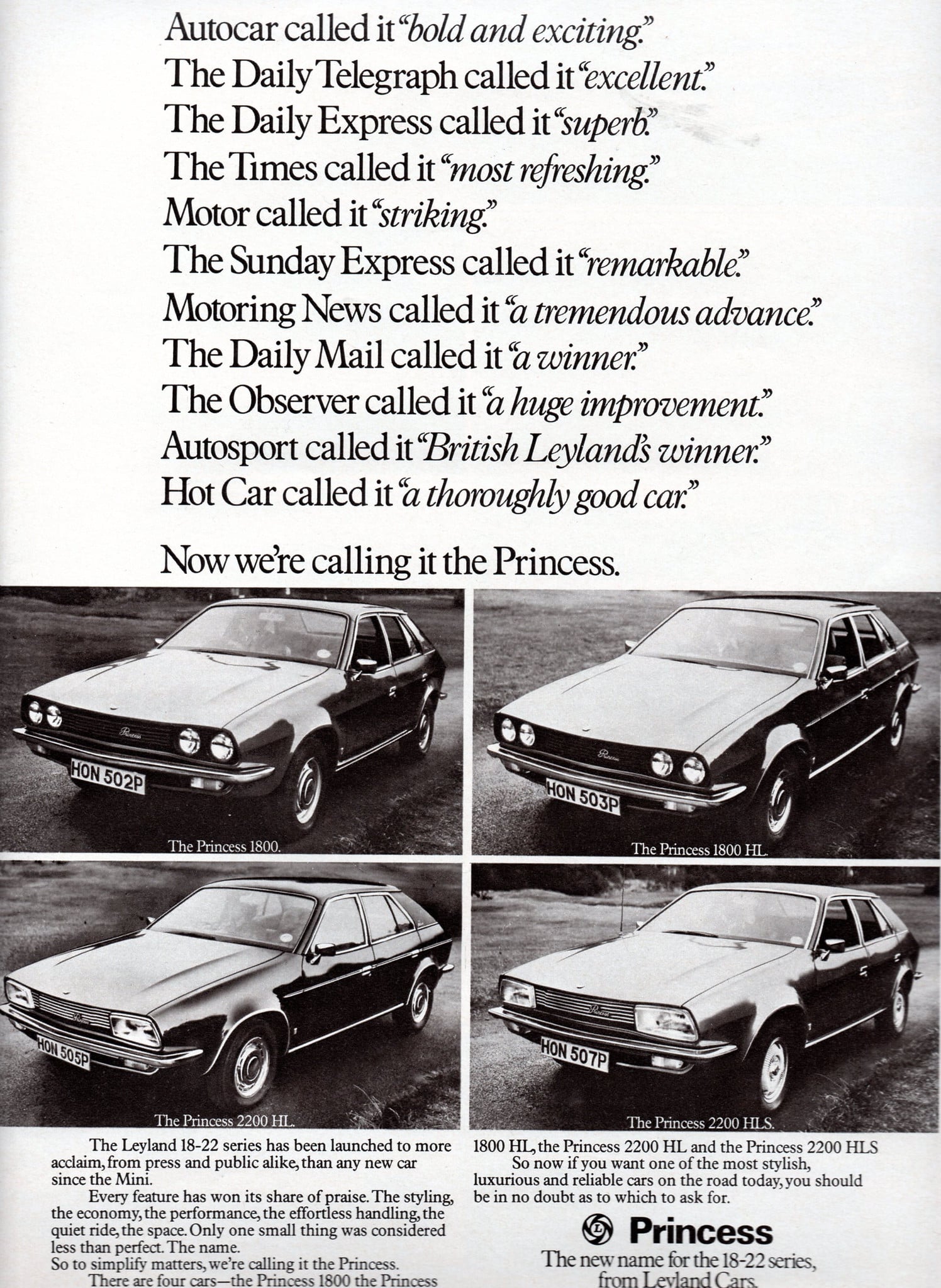
The Princess name covers two completely different British cars and two completely different markets. The first is the Vanden Plas Princess limousine, a coachbuilt Austin-derived luxury car produced in small numbers from 1947 until 1968, owned by mayors, funeral directors, and the upper end of British provincial society. The second is the wedge-shaped Harris Mann front-drive family car of 1975 to 1981, sold in much bigger numbers, designed to compete with the Cortina and the Marina, and is the Princess most people now mean when they say the word.
The wedge Princess is the one this guide is centred on. It is also the more interesting of the two because it sat at the centre of one of British Leyland’s clearest commercial mistakes. The car was designed with a wedge profile that screamed hatchback, given brilliant interior packaging and Hydragas suspension, then sold with a separate boot lid because BL’s product planners thought the hatchback segment was a passing fashion. It was not.
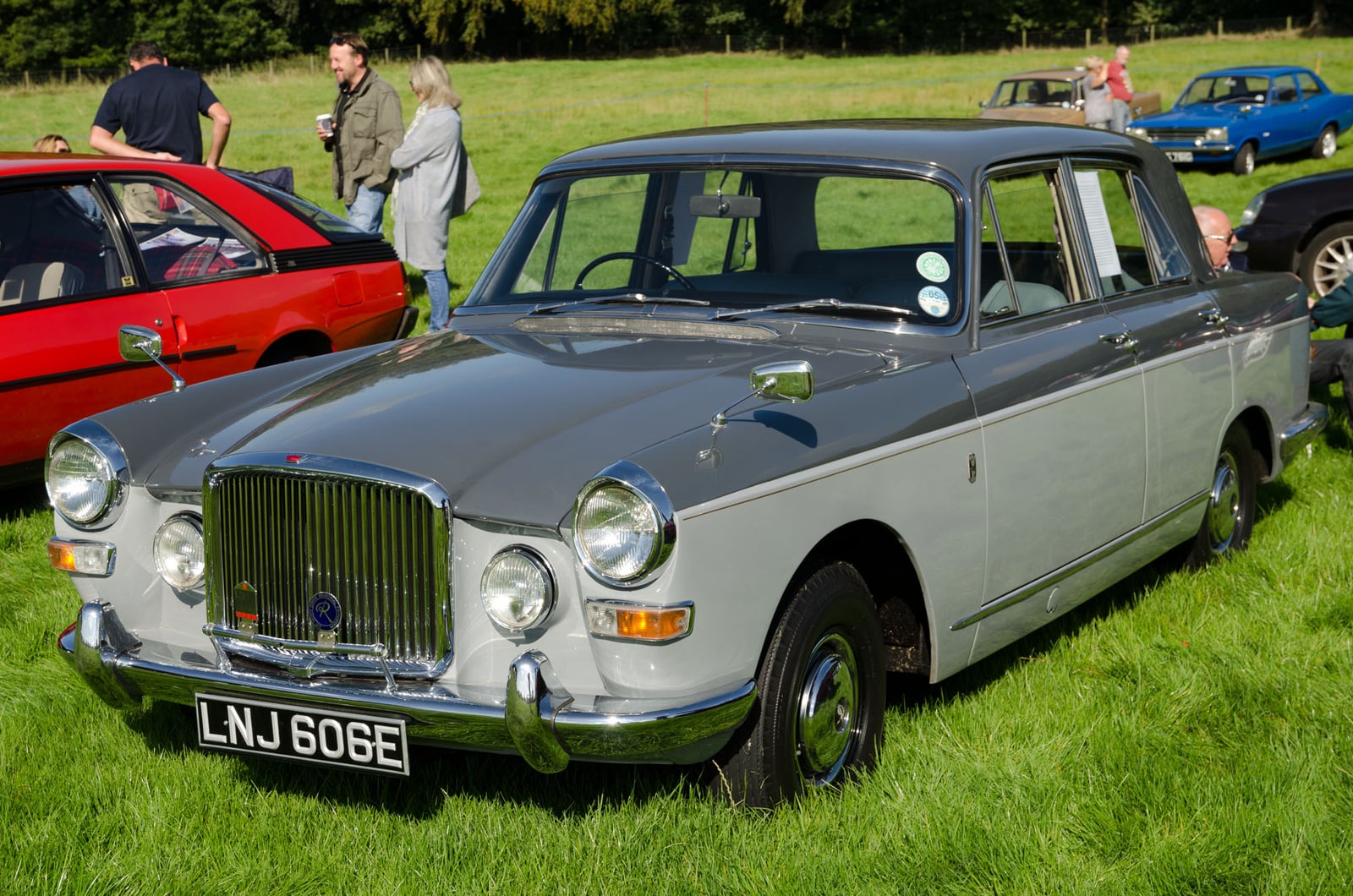
The Vanden Plas Princess origins
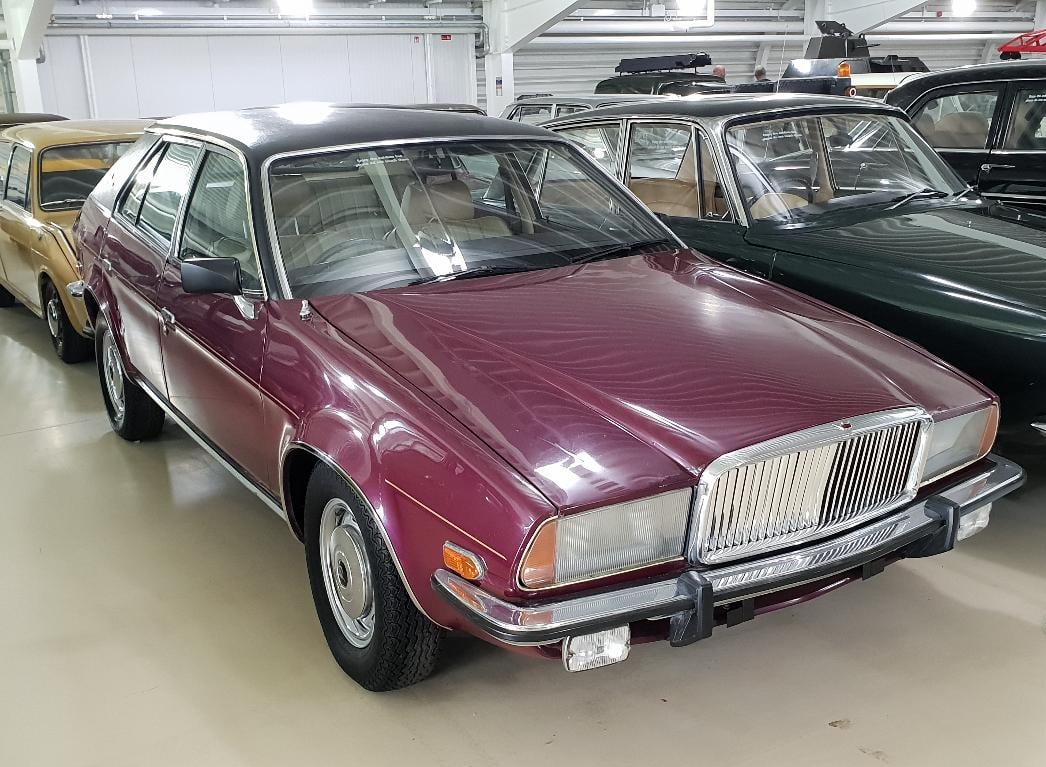
Before the wedge, the Princess name belonged to Austin’s coachbuilt prestige line. The Austin A135 Princess of 1947 was the first of the line, a luxury saloon built by Vanden Plas using the 4-litre Austin straight-six engine. The line ran through the Princess II, III, and IV through the 1950s, the Princess 3-litre saloon based on the Austin A99 Westminster from 1959 to 1961, and the Princess 4-litre Limousine, a long-wheelbase coachbuilt limo that ran from 1952 right through to 1968. The 4-litre Limousine was the standard British mayoral car for two decades.
The most interesting late variant was the Princess R of 1964 to 1968, which used a 4-litre straight-six engine supplied by Rolls-Royce (the FB60 unit), automatic transmission, and Vanden Plas trim. Only 6,555 Princess Rs were built and they are now collected separately from the rest of the line. The Princess limousine traditions ended in 1968 when the Vanden Plas operation was reorganised under British Leyland.
When the wedge arrived in 1975, the Princess name was free to be re-used, and BL chose to apply it to what had been the BL 18-22 Series.

The 1975 launch and the 18-22 confusion
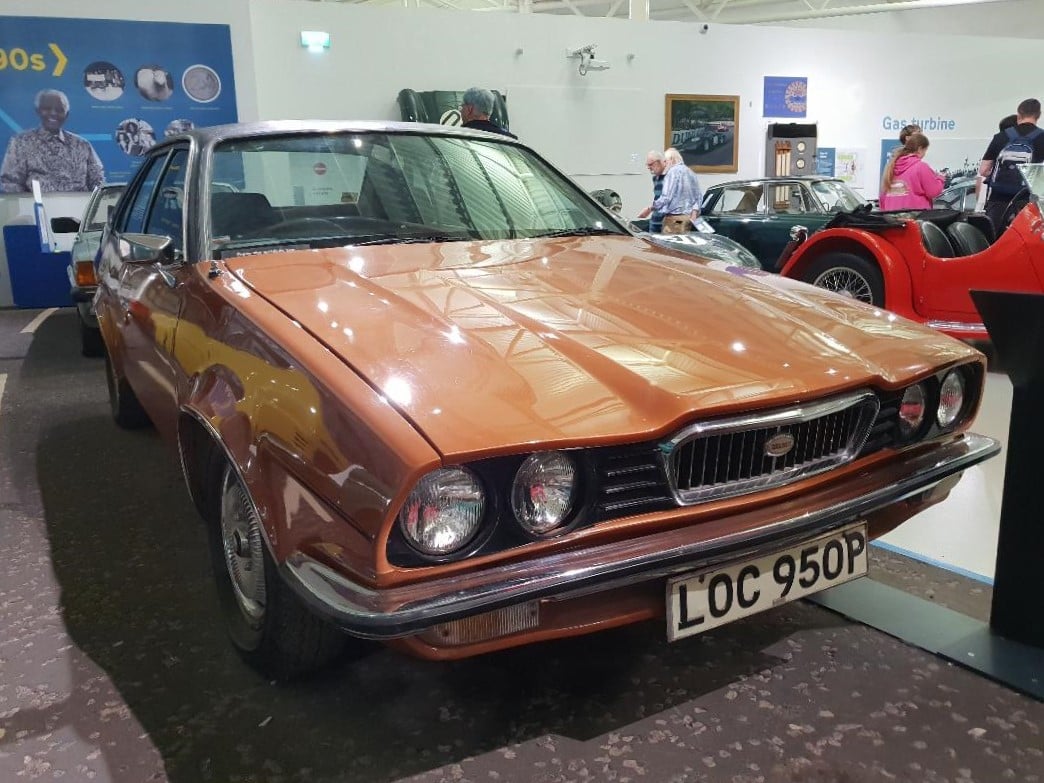
The wedge Princess was developed under the codename ADO71 from 1972 onwards. The body styling came from Harris Mann’s team at Longbridge, the same team that had styled the Allegro of 1973 and would go on to style the TR7 of 1975. Mann had been pushing wedge-form aerodynamics across the BL range and the Princess was the largest car to receive the treatment.
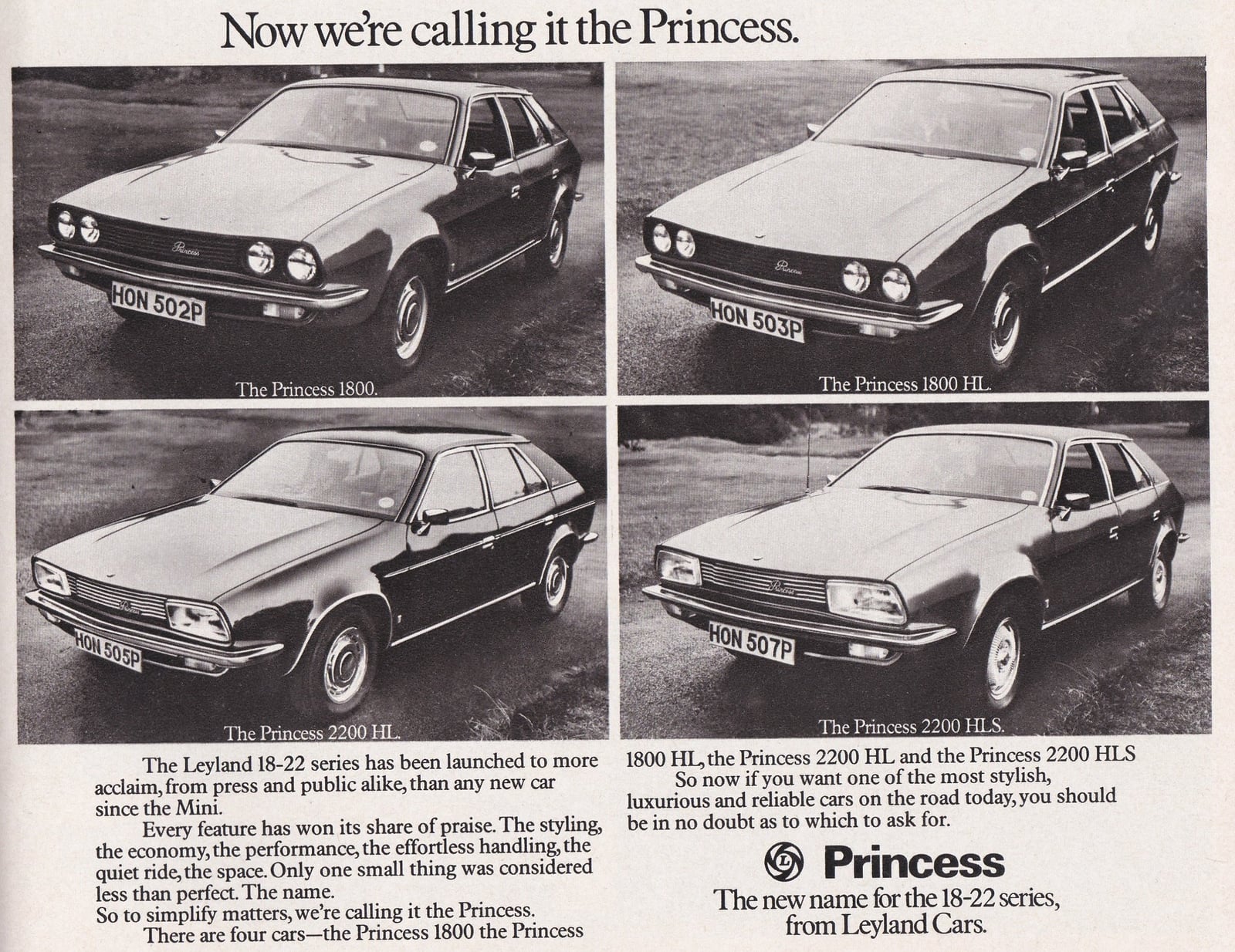
The launch in March 1975 was confused. BL chose to launch the car simultaneously under three different marque names: Austin 18-22, Morris 18-22, and Wolseley 18-22, each with its own front-end trim and badge work, all using the same body, the same Hydragas suspension, the same engines, and the same production line at Cowley. The reasoning was that BL wanted to honour the dealer franchise structures inherited from the pre-merger marque networks. The result was confusion in showrooms and a product line that took six months to settle.
In October 1975, BL re-launched the car as the Princess, dropping the Austin, Morris, and Wolseley badges and making Princess a marque in its own right. The 18-22 cars built in those first six months are now the scarcest variants of the wedge line and the ones the market values most.
Mechanically the car was front-wheel drive with transverse engines, Hydragas suspension front and rear (the gas-and-fluid successor to the BMC Hydrolastic system on earlier cars), and the BL E-series and B-series engines mounted ahead of the gearbox. The packaging was exceptional. The Princess had more interior space than the Cortina and the Granada in a shorter overall length, and the Hydragas suspension gave the car the smooth ride that became the model’s marketing emphasis.
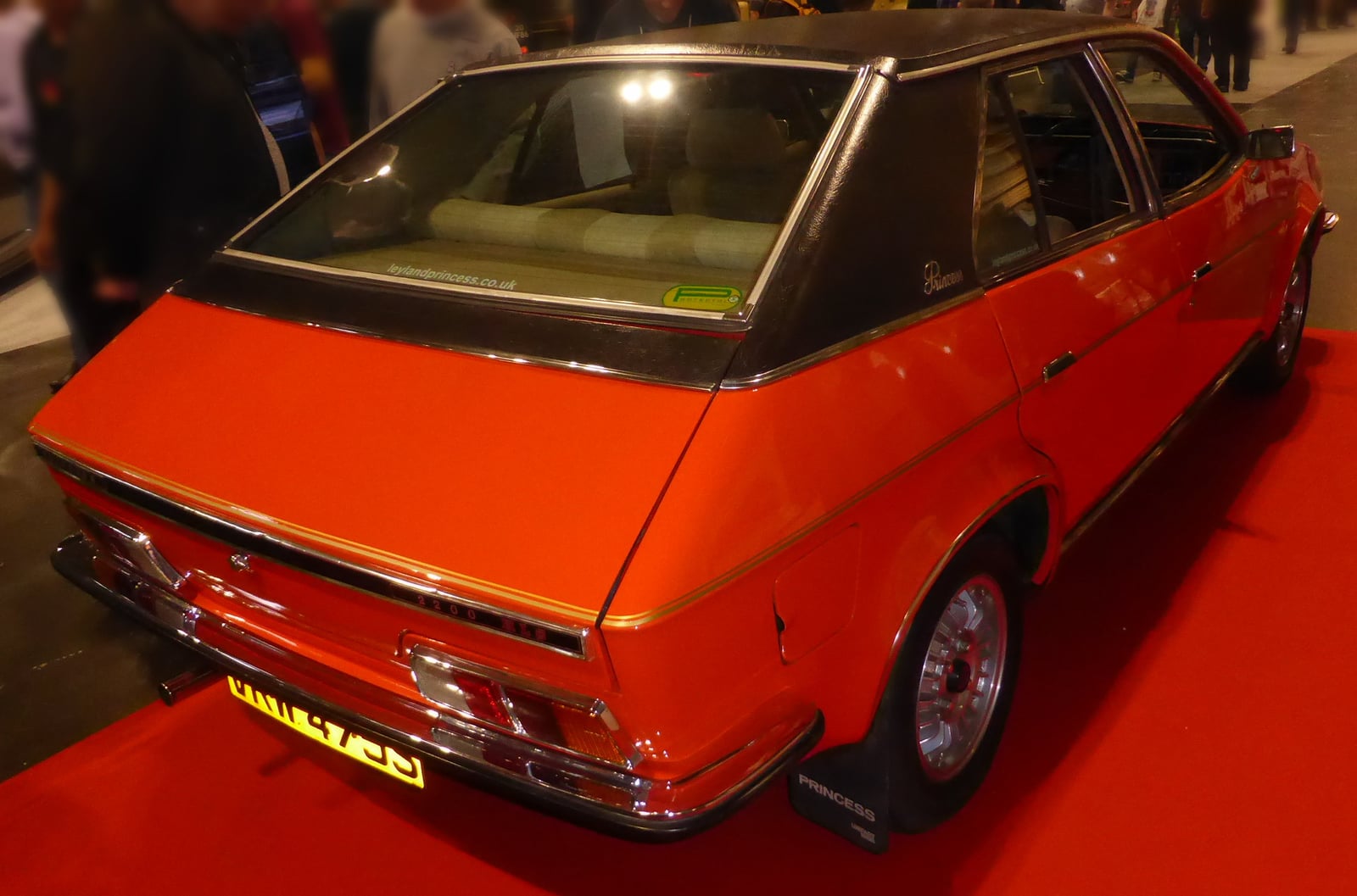
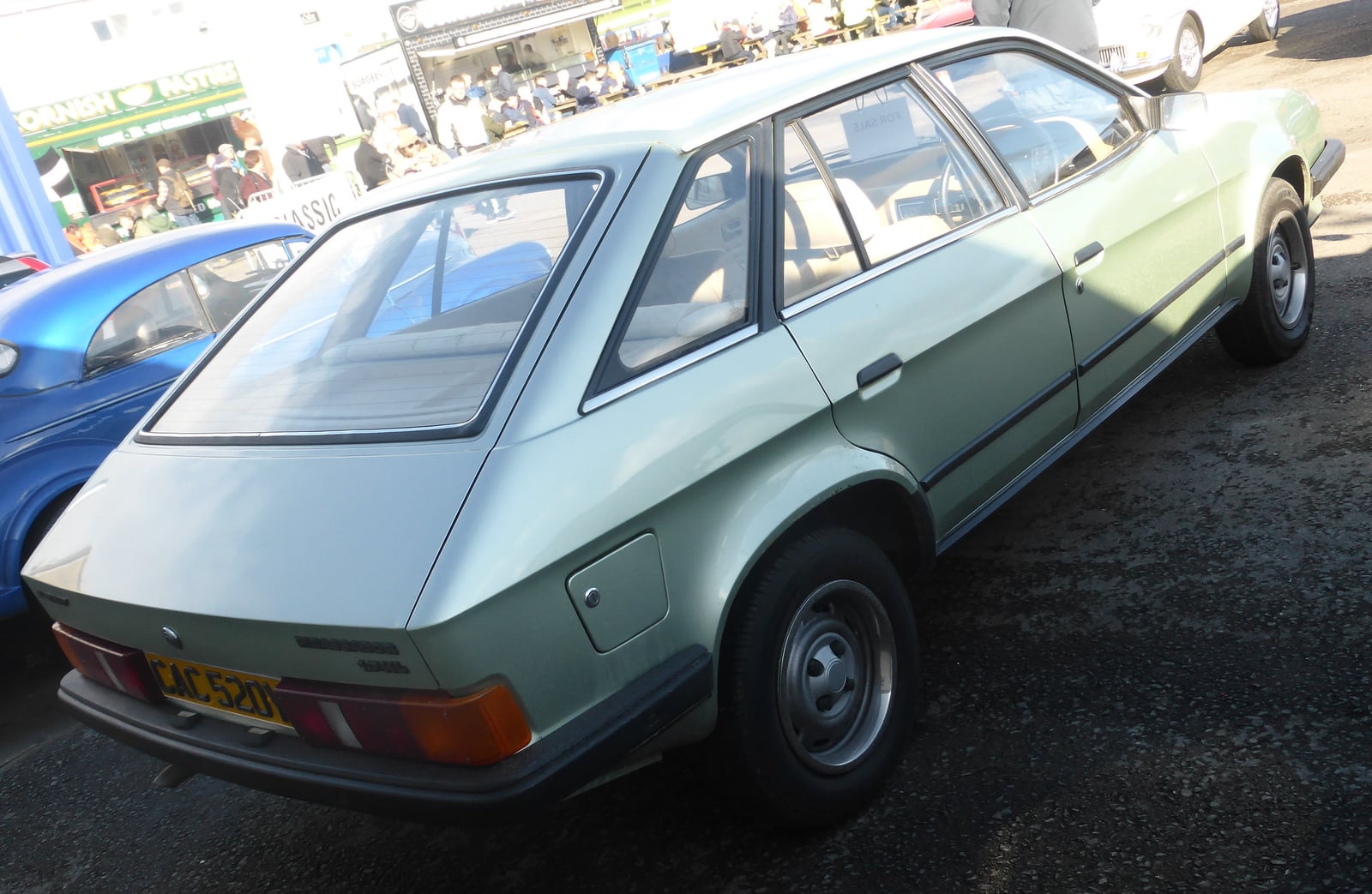
The Princess was a saloon with a separate boot, however, not a hatchback. The wedge profile suggested otherwise, but the tailgate was a conventional bootlid. This single decision is the main reason the Princess underperformed against the Cortina Mk4 and the Cavalier Mk1 commercially through the late 1970s.
Engines and mechanicals
Across the production run the Princess offered:
- 1798cc B-series OHV four (1975–1978): 82 to 90 bhp. The same proven unit as the MGB and Marina 1.8.
- 2227cc E-series OHC straight-six (1975–1978): 110 bhp. The smooth in-line six developed for the Maxi and ADO17.
- 1695cc O-series OHC four (1978–1981 on Princess 2): 87 bhp. The new BL overhead-cam unit that replaced the B-series.
- 1993cc O-series OHC four (1978–1981 on Princess 2): 93 bhp. The larger O-series four that effectively replaced the E-series six on most of the range.
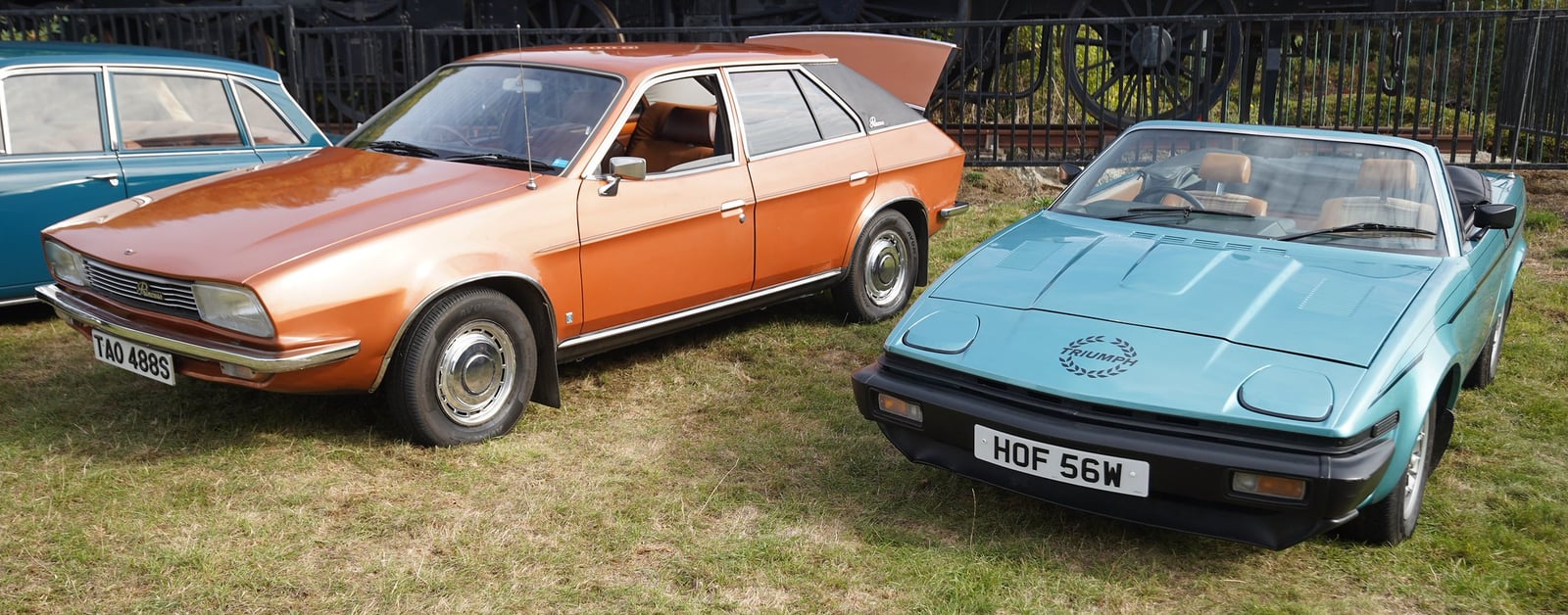
Trim hierarchy ran from HL (basic) through HLS (mid) to the 1800 HL/HLS, 2200 HL/HLS variants. The 2200 HLS was the flagship through the mid-1970s and is the variant the market prefers today.
The gearbox was a four-speed manual on most cars, with a three-speed Borg-Warner automatic optional. The Princess had a transverse-engine front-wheel-drive layout, with the gearbox mounted under the engine in the BMC manner. Service access for the gearbox is awkward, which has scared off some restorers and kept survival rates lower than they should be for the rest of the mechanical package.
The Princess 2 and the Ambassador handover
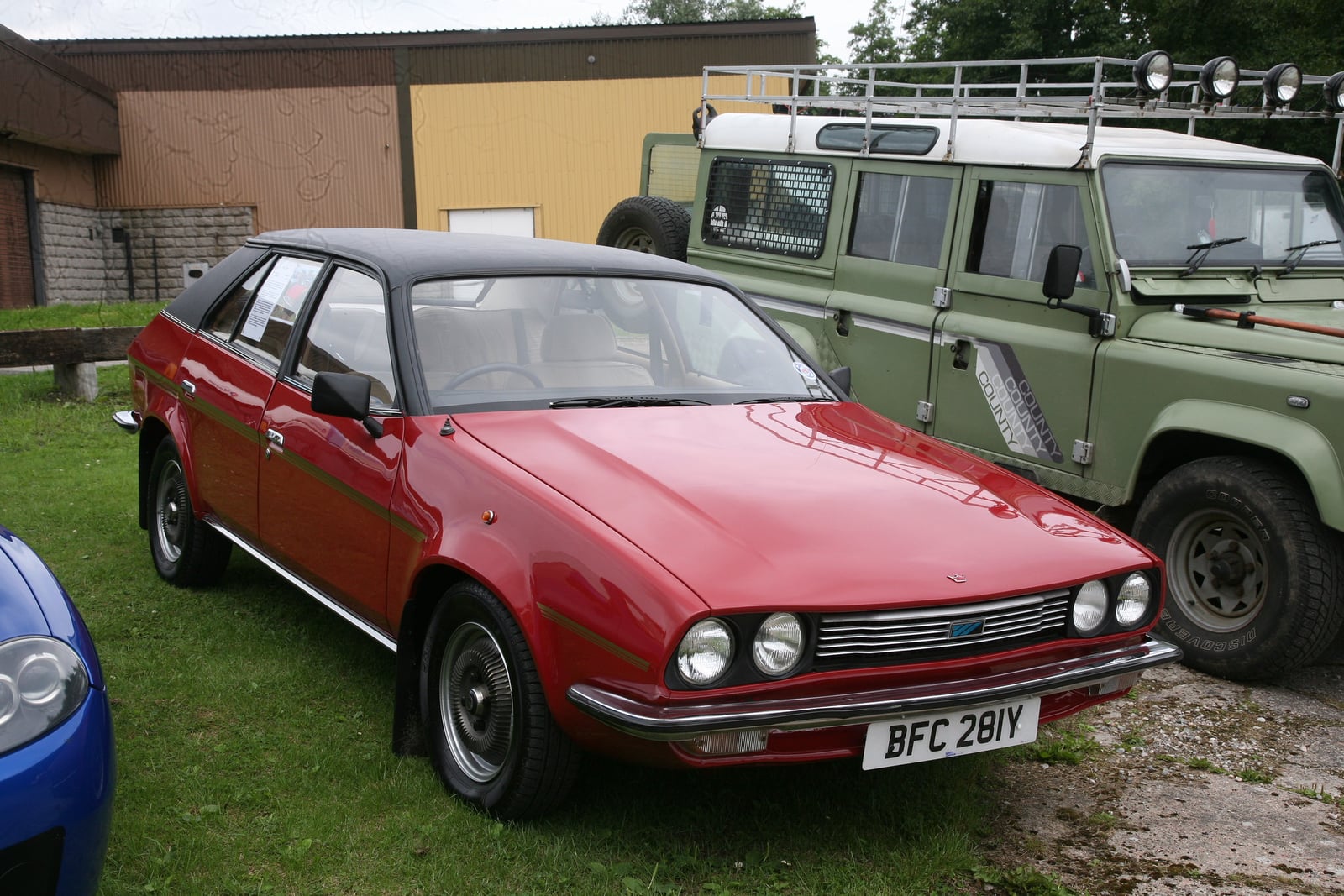
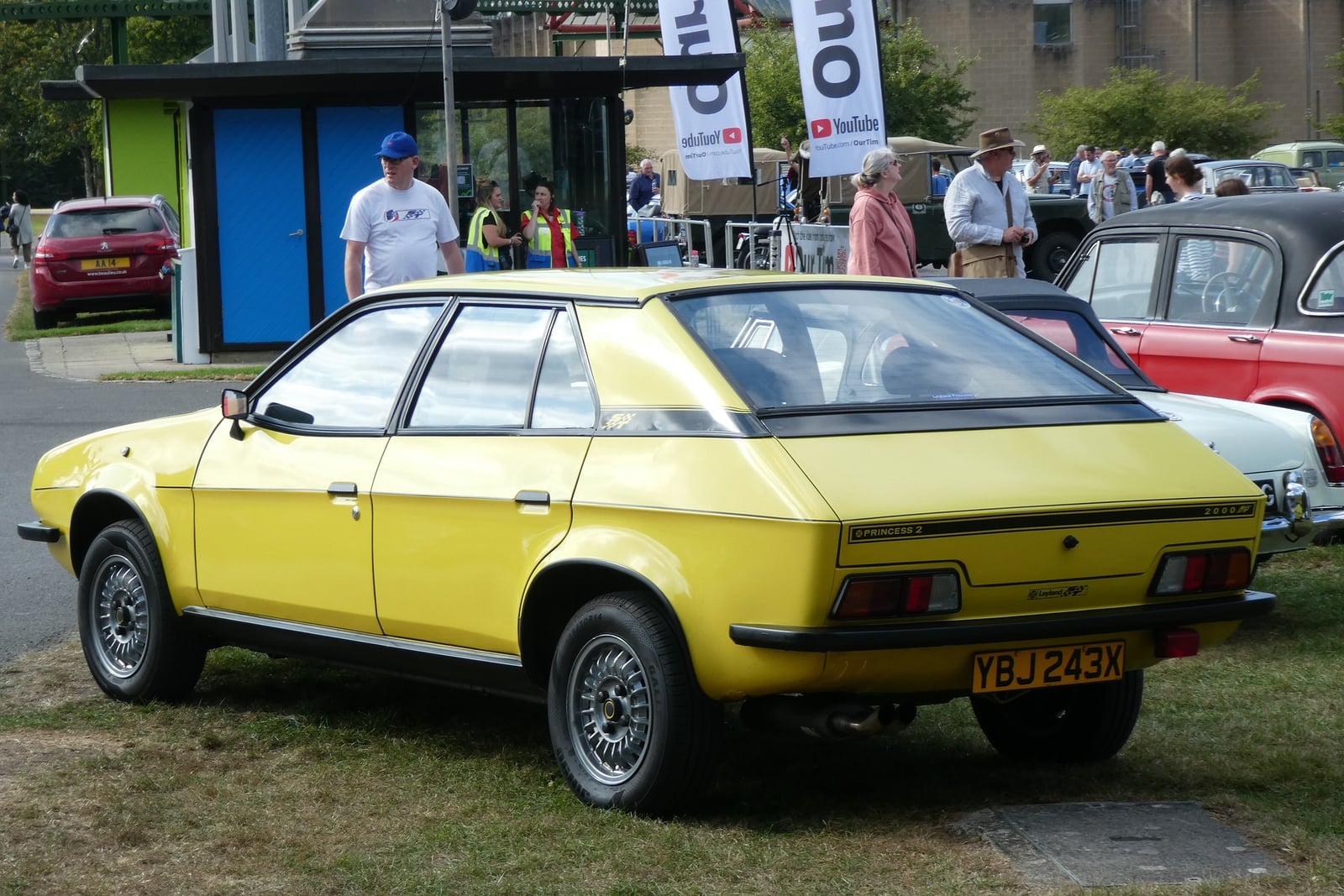
The Princess 2 arrived in July 1978 with the new O-series engines replacing the older B-series 1.8 and the E-series 2.2. The body, the Hydragas suspension, and the basic packaging all carried over. The Princess 2 ran until 1981.
The Austin Ambassador replaced the Princess in March 1982 with the critical change BL should have made in 1975: a proper hatchback. The Ambassador used the Princess body modified to incorporate a rear tailgate over the boot opening, a redesigned rear pillar, new bumpers, and revised trim. The mechanicals were broadly carried over from the late Princess 2, with the same O-series engines and the same Hydragas suspension.
The Ambassador ran for just over two years, from 1982 to 1984, in much smaller numbers (around 43,000 built) than the Princess, because by 1982 the segment was being competed for by the new Cavalier Mk2 and the Granada Mk2, and the Ambassador’s underlying platform was already seven years old. The Ambassador is the car the Princess should always have been, arriving five years too late.

Buying guide: what to look for
The Princess rusts in the standard 1970s family-car places: sills, rear wheel arches, floor pans, front suspension turrets, boot floor, door bottoms, and around the windscreen and rear window surrounds. The Princess-specific traps are at the rear, where the Hydragas suspension mounting points can corrode from inside the rear inner wing, and at the front, where the subframe mounting bolts to the bulkhead and traps moisture against the floor pan.
The Hydragas suspension is the system most buyers are nervous about. It should not be. The system is durable and well- understood, the only routine service issue being slow gas leaks that drop the ride height over years. The Hydragas system can be re-pumped at any garage with the right kit; specialists like Hydrolastic & Hydragas Services in Birmingham have been running the trade since the systems were new. The fluid is shared with the Hydrolastic cars of the 1960s and supply is no problem.
Mechanically the engines are durable. The B-series 1.8 is the MGB unit and is well-supported. The E-series 2.2 is rare but shares head and cam parts with the Maxi 1750. The O-series 1.7 and 2.0 are the same units used in the Marina late-model, the Maestro, and the Montego, and parts are plentiful. The gearbox is the awkward part of the package. It is mounted under the engine and removal requires lifting the engine out. The synchros wear on second gear first, like the Marina. A noisy gearbox is not a deal-breaker but factor in the labour cost of any future rebuild.
Trim and interior parts are the bigger restoration challenge. The seat material, the dash cap, and the door cards are all period-specific to the Princess and not interchangeable with other BL cars. The owners’ club spares scheme covers most of these items but in limited stock.
Current Austin Princess price and value range
The wedge Princess market is quieter than the Marina market but the prices are similar, partly because the Princess survived in slightly higher numbers and partly because the styling has aged better than it did in period.
- Princess 1800 HL / HLS (1975–1978): £2,500 to £5,500.
- Princess 2200 HLS (1975–1978): £3,500 to £7,500. The flagship of the original range and the variant the market prefers.
- Original 18-22 Series (Austin, Morris, or Wolseley badged, March-October 1975): £3,500 to £8,000. Rarity drives the premium.
- Princess 2 1.7 HL (1978–1981): £2,000 to £4,500.
- Princess 2 2.0 HLS (1978–1981): £2,500 to £5,500.
- Austin Ambassador (1982–1984): £1,500 to £4,000 for the saloon. The L Vanden Plas trim with the 2.0 HE engine sits at the top of the bracket.
For the earlier Vanden Plas Princess line, the Princess 4-litre Limousine of 1952 to 1968 trades £15,000 to £40,000 in good condition depending on history and trim. The Princess R with the Rolls-Royce engine is the most valuable of the limousine line and can pass £45,000 with provenance.
Owners’ clubs and parts supply
The Princess and Ambassador Owners’ Club is the model-specific organisation for the wedge cars, covering 1975–1984 across all variants. It runs a spares scheme, holds the chassis-number records, and maintains a Hydragas-pumping network of trusted specialists.
The Vanden Plas Owners’ Club covers the earlier Princess limousine line plus the Vanden Plas Allegro, the Vanden Plas Princess 1300, and the Vanden Plas Rover SD1.
Mechanical parts are well supplied because the engines and running gear share with so many other BL cars. The B-series parts come through MGB channels. The E-series 2.2 is rarer but shares head and cam parts with the Maxi. The O-series engines share with the Maestro and Montego. Hydragas system fluid and service equipment are stocked by the club spares scheme and by the few remaining BMC suspension specialists. Body panels are the bottleneck, especially the wedge-specific rear quarter panels and the unique front grille assemblies that distinguish the 18-22 launch variants.
Where the Princess sits in the British motoring story
The Princess is the British family saloon that explains how BL’s product planning machinery worked in the mid-1970s. The engineering was good: the Hydragas suspension was a genuine advance, the front-wheel-drive packaging was efficient, and the E-series six and the later O-series fours were competitive engines. The styling was bold, even brave. The interior space was class-leading. And then the product planners decided that the British family car market wanted a saloon with a separate boot, when every competitor was moving the other way, and the Princess never recovered the launch ground it lost to the Cortina Mk4 and the Cavalier Mk1.
The 1982 Ambassador conversion was BL’s admission of the mistake. The hatchback BL should have built in 1975 finally arrived seven years late, ran for two years, and is now scarce. The Princess itself has aged into a cult car. The wedge styling reads better now than it did in period, and Hydragas suspension feels modern in a way nothing on the road today quite replicates. A clean 2200 HLS is one of the more interesting British classics under £8,000.

Key dates for the Princess
- March 1975Launched simultaneously as the Austin, Morris and Wolseley 18-22, three badges on one Cowley-built wedge, to honour dealer networks and confuse showrooms.
- Oct 1975Relaunched as the Princess, a marque in its own right; the six-month 18-22 cars become the scarcest variants.
- 1975The 2200 HLS flagship carries the E-series six; the B-series 1.8 covers the volume.
- July 1978The Princess 2 brings the new O-series 1.7 and 2.0 engines.
- 1981Princess production ends at around 230,000 wedges.
- March 1982The Ambassador finally adds the hatchback the shape always promised, five years too late, and lasts two years at around 43,000 cars.
Before you buy a Princess
Rust
- Sills, rear arches, floor pans and front suspension turrets
- Boot floor, door bottoms and both screen surrounds
- The Hydragas mounting points, corroding from inside the rear inner wing
- The front subframe mounting at the bulkhead, which traps moisture against the floor pan
Mechanical
- Hydragas is durable; slow gas leaks that drop ride height are the routine issue
- The under-engine gearbox wears its second-gear synchro first, and a rebuild means engine-out labour
- B-series is the MGB unit; O-series parts are plentiful; the E-series six shares head and cam parts with the Maxi 1750
- A noisy gearbox is not a deal-breaker, but price the labour honestly
Trim and version
- Princess-specific interior parts are the bigger restoration challenge
- The 2200 HLS is the market's preferred variant
- 18-22 badged cars from the first six months are the scarce collector pieces
- The Vanden Plas-era coachbuilt Princesses and the Rolls-engined Princess R are a separate collecting world
What the Princess sells for at auction
The Princess comes to auction only occasionally: 14 recorded sales since 2009, typically making between £2,775 and £4,533 . With so few sales, treat any single result as a data point rather than a market price.
- £3,102Ambassador
- £5,400Princess
- £5,100Princess
- £2,700Princess
- £3,195Princess
Thin evidence. Only 14 recorded sales: read the figures as a sketch of the market, not a price. Based on 14 sold results from public classic car auctions (2009 to 10 August 2026). Sold prices, not asking prices, and not a valuation: condition, history and specification vary from car to car.
Related across British family saloons
The other 1970s British family cars in this cohort sit alongside the Princess: the Vauxhall Victor (1957–1976), the Vauxhall Chevette (1975–1984), the Hillman Avenger (1970–1981), and the Morris Marina (1971–1980). For the wider context on these five cars as a group, see Britain’s troubled 1970s family saloons. For the broader period (the Ambassador ran into 1984), see British classic cars of the 1970s and British classic cars of the 1980s.
More photos