Vauxhall Chevette: the shovel-nose hatchback that beat Ford to it (1975–1984)
The Vauxhall Chevette was Britain's best-selling hatchback for parts of 1978, the rally homologation HS won the 1979 British Rally Championship, and almost all of them are now scrapped. A guide to the variants, the HS, what to look for, and what they're worth.
Built 1975–1984 42 recorded sales

At a glance
- Years
- 1975–1984
- Body styles
- Three-door hatchback, two/four-door saloon, estate, van
- Drivetrain
- Rear-wheel drive
- Engines
- 1.3 OHV four; 2.3 16-valve slant-four (HS/HSR)
- Power
- 58 bhp (1.3) to 135 bhp (HS)
- Top speed
- Around 90 mph (1.3); 117 mph (HS)
- Trim levels
- L, GL, GLS; HS and HSR (rally homologation)
- Production
- Around 415,000 built
- Assembly
- Luton
- Designer
- Wayne Cherry
- UK survivors
- Around 1,500-2,000 on the DVLA register; 150-200 HS/HSR remain
- Values
- Standard hatch £3,000-£7,000; HS £30,000-£55,000, HSR £70,000-£90,000
- Rally
- HS won the 1979 British Open Rally Championship (Pentti Airikkala)
The models
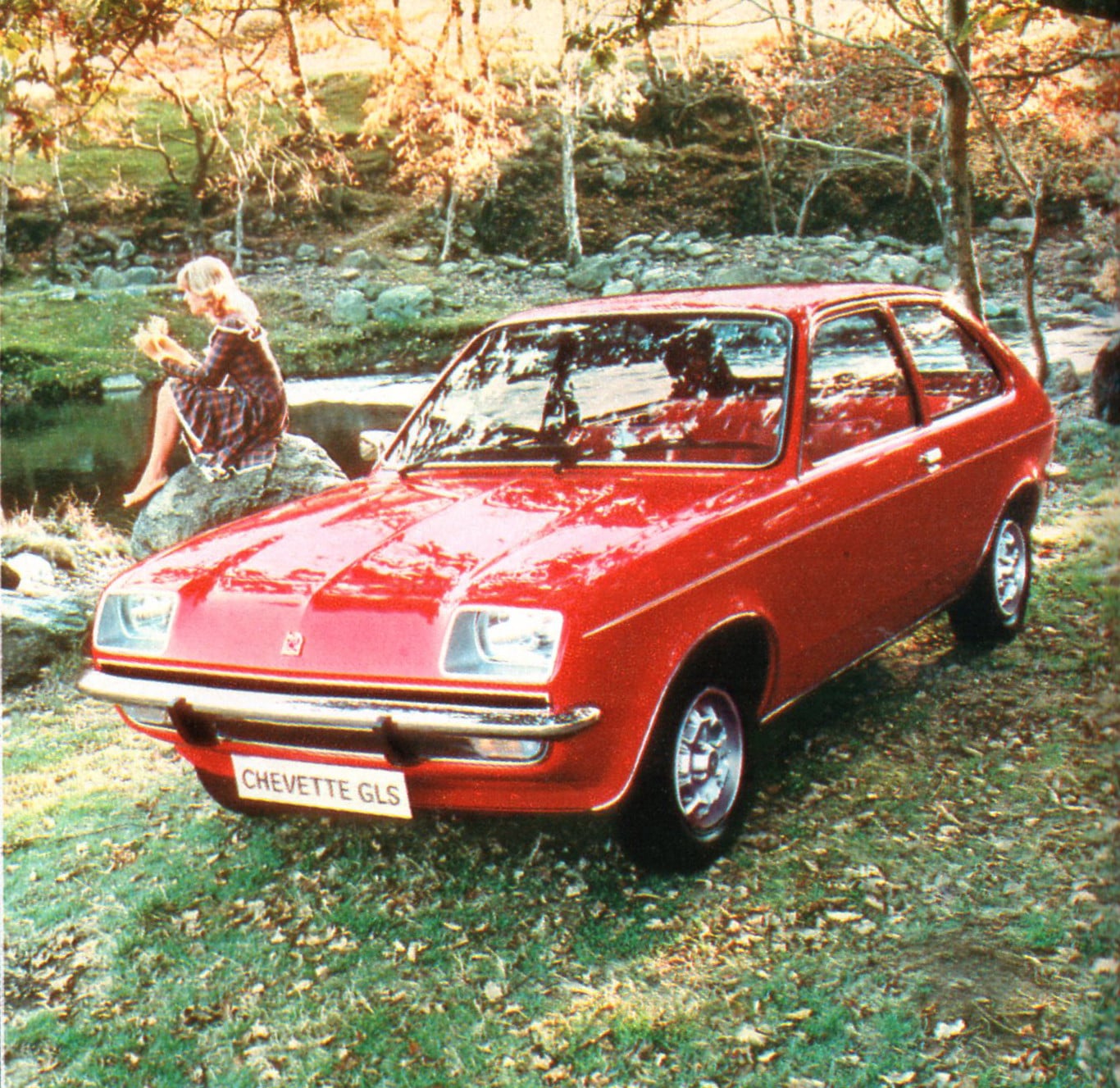
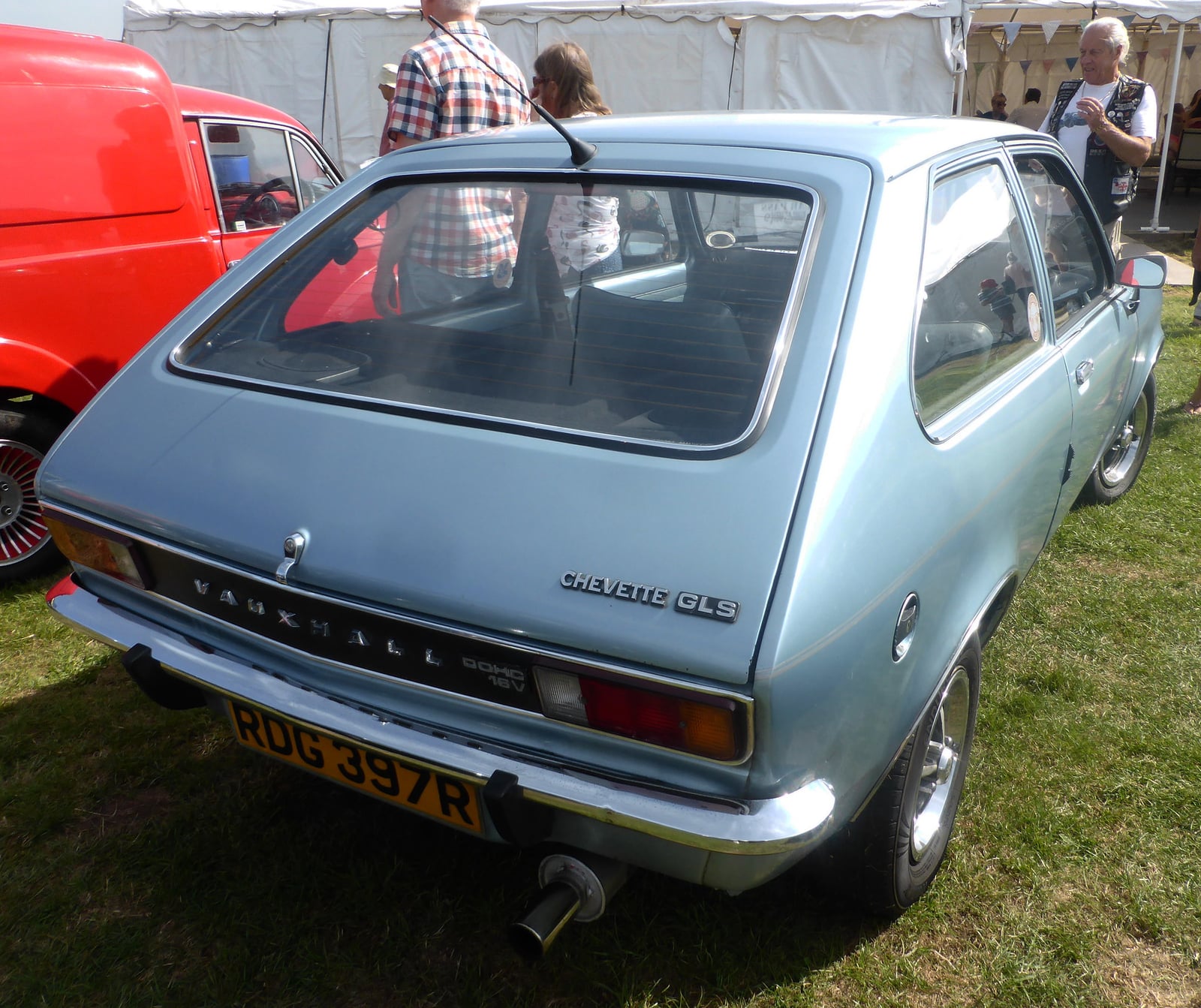
No British classic is remembered so lopsidedly as the Vauxhall Chevette: celebrated for one car and forgotten for the other 99 per cent of its production run. The car that gets remembered is the Chevette HS, the silver and red rally homologation special that Pentti Airikkala drove to the 1979 British Open Rally Championship. The 99 per cent that gets forgotten is the standard 1.3-litre Chevette hatchback, the unglamorous family car that briefly made Vauxhall the top- selling hatchback brand in Britain during 1978, and which has almost entirely been scrapped in the four decades since.
Both stories are worth knowing. The HS is a serious bit of British rally history. The standard car is a useful piece of Vauxhall hatchback engineering, the first hatchback Vauxhall sold in the UK, and a car that beat the Ford Fiesta to the small-family-hatchback market by a clear twelve months. Today the Chevette occupies the strange middle ground of being a car most people over 50 remember seeing every day and most people under 40 have never knowingly seen at all.
Where the Chevette came from
The Chevette was Vauxhall’s version of the GM “T-Car”, a global small-car platform also used by the Opel Kadett C in Germany, the Holden Gemini in Australia, the Isuzu Gemini in Japan, the Chevrolet Chevette in the United States, the Pontiac Acadian in Canada, and several others. The shared mechanical platform kept the development costs low. Each market got its own bodywork adjustments and a national badge.
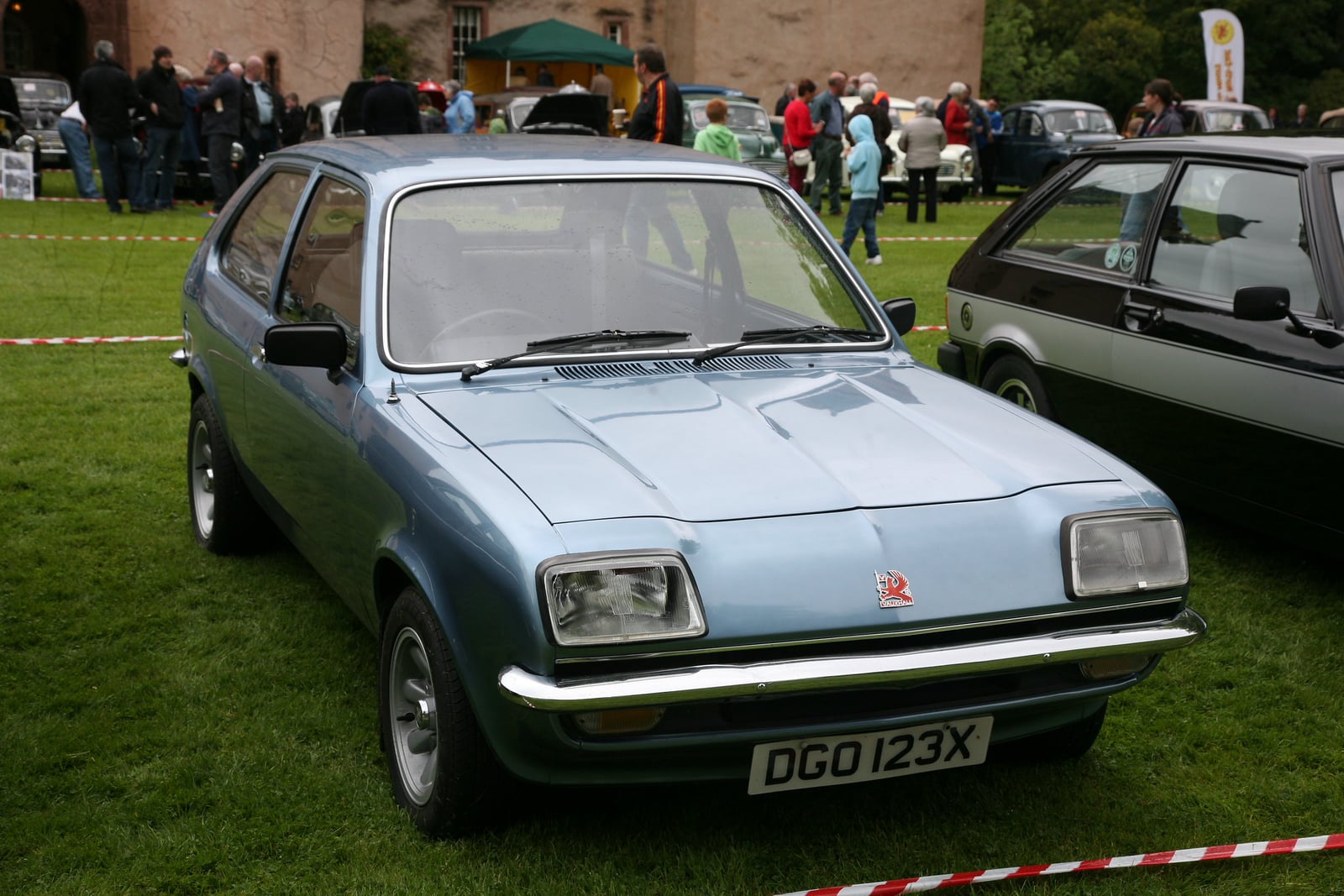
The Luton bodywork was the work of Vauxhall’s design office under Wayne Cherry, an American designer who had run Vauxhall styling since 1970 and would go on to lead GM Design worldwide. The Chevette’s most distinctive feature was its front end. The “shovel-nose” droop-snoot grille set the car apart from the more conventional flat-fronted Kadett C, and was the styling cue Vauxhall would carry across the Cavalier, the Magnum, and the later Carlton in the same period. The shape was British, even when the platform underneath was German.
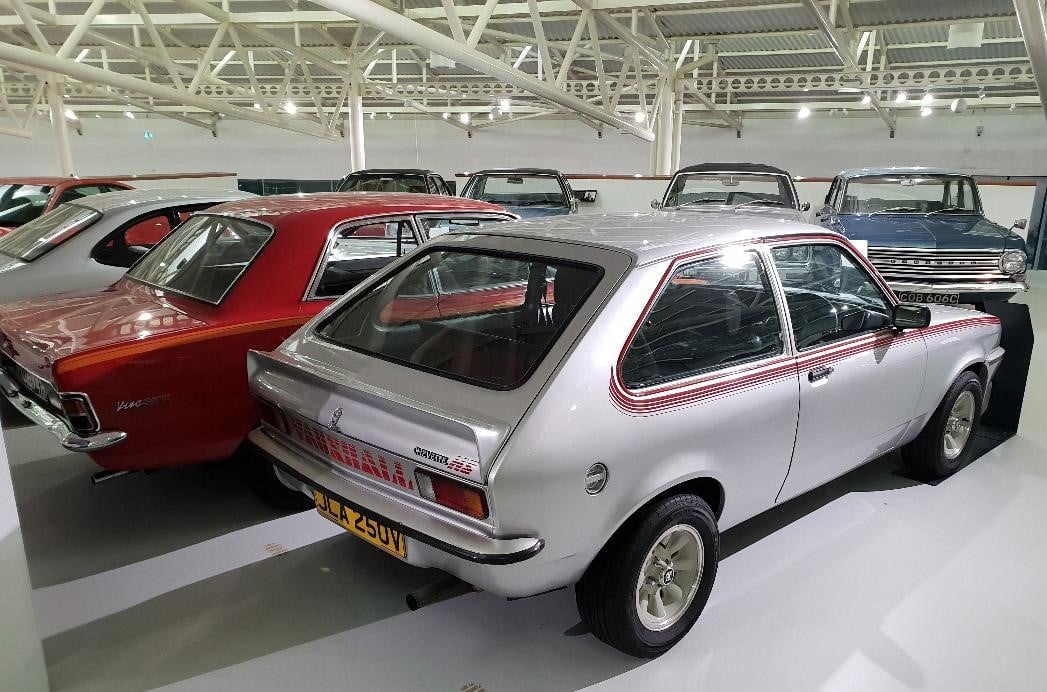
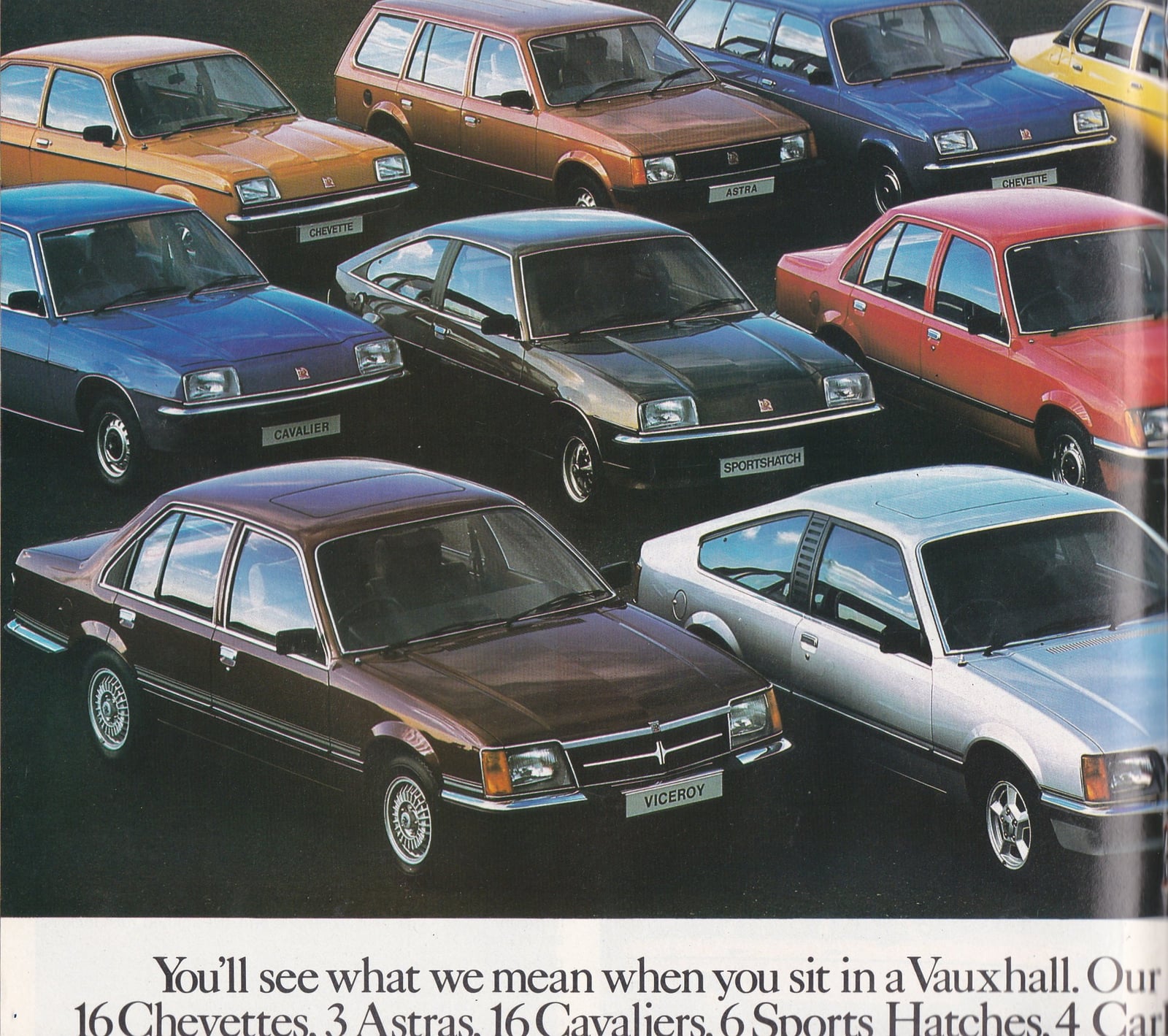
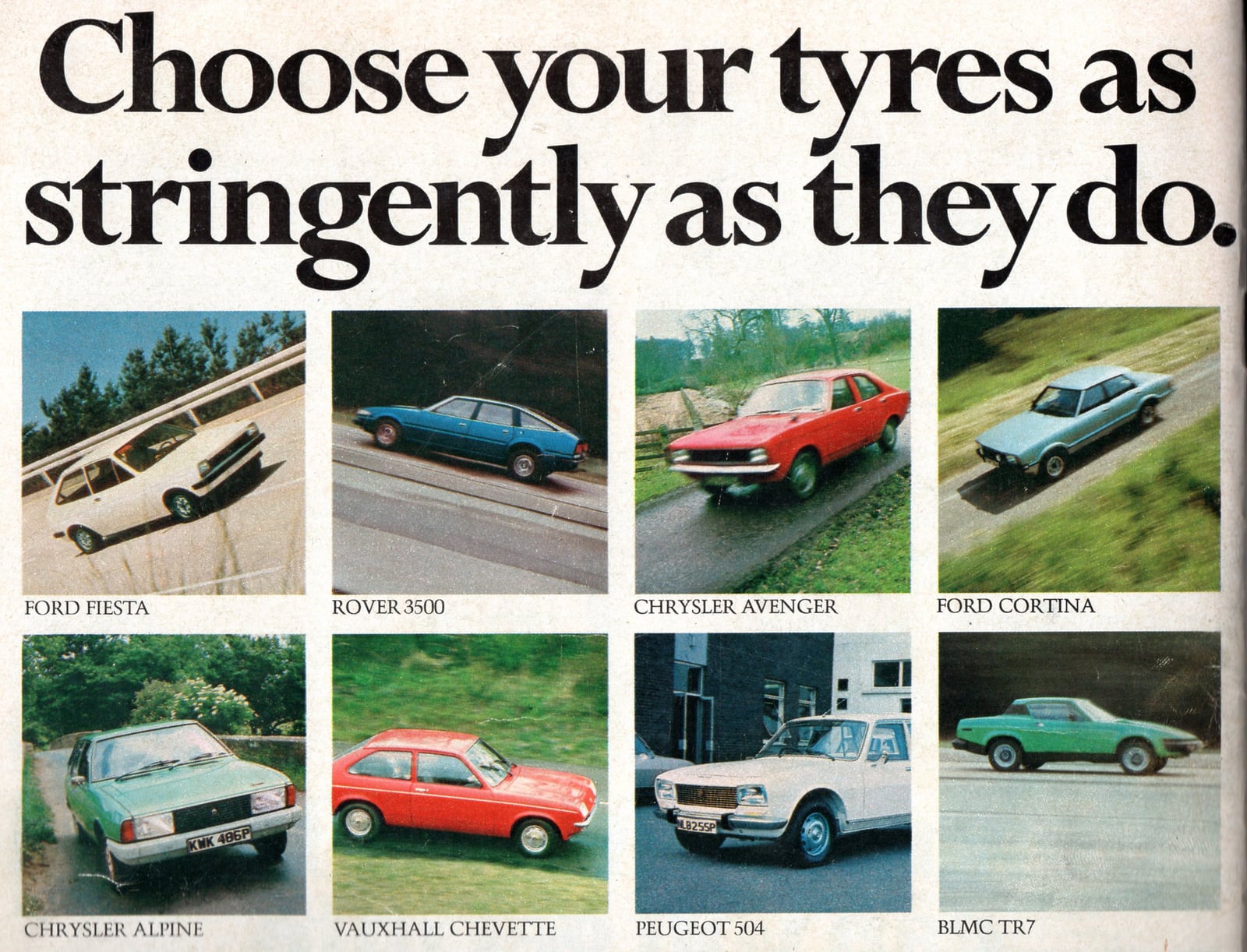
Launched in March 1975 with the strapline “Vauxhall whatever- shaped-you-want-it Chevette”, the car arrived first as a three- door hatchback only, with the Vauxhall Chevette saloon (in two and four-door forms), the estate, and the panel van joining the range across 1976. The hatch sold the bulk of the volume. By 1978 the Chevette was Britain’s best-selling new car for several months, helped by the Ford Fiesta’s late arrival in the segment and by Leyland’s deepening production troubles with the Allegro.
The engine and the mechanicals
Under the bonnet of the standard Chevette was Vauxhall’s long- running OHV pushrod 1256cc four-cylinder engine, a unit that traced its lineage back to the HA Viva of 1963 and that Vauxhall kept developing through the late 1970s. In Chevette tune the 1.3 made 58 brake horsepower, with twin-Stromberg-carb GL and GLS variants making slightly more from 1977. Top speed was around 90 mph, 0-60 in 17 seconds, which placed the car squarely on the fuel-economy side of the period market rather than the performance side.
The gearbox was a four-speed manual on standard cars, with a GM-sourced three-speed automatic available as an option. The suspension was conventional MacPherson struts at the front, a live rear axle on coil springs, with disc brakes at the front and drums at the rear. The package was nothing exotic but it held up reasonably well over the model’s nine-year run.
The HS and the HSR: the rally specials
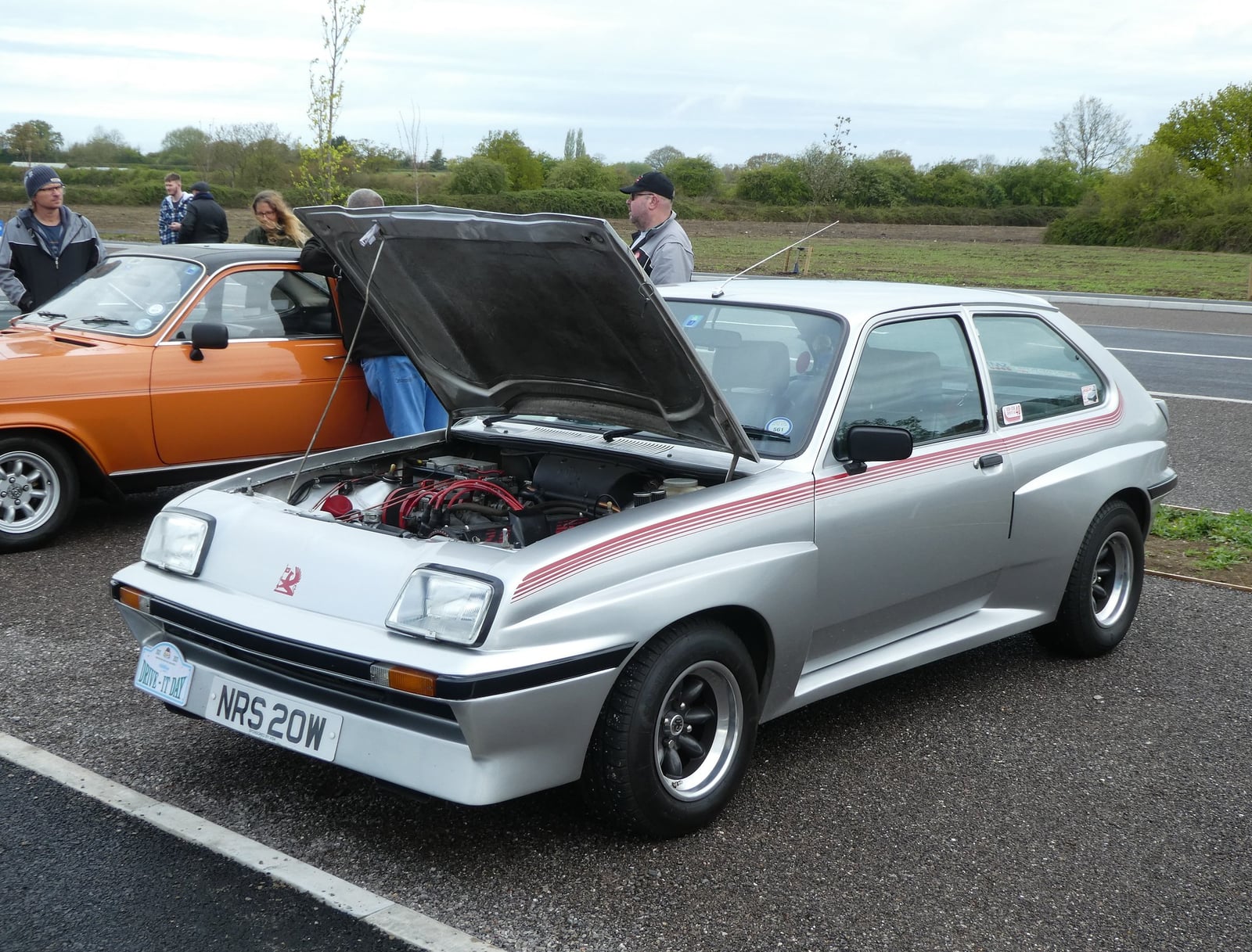
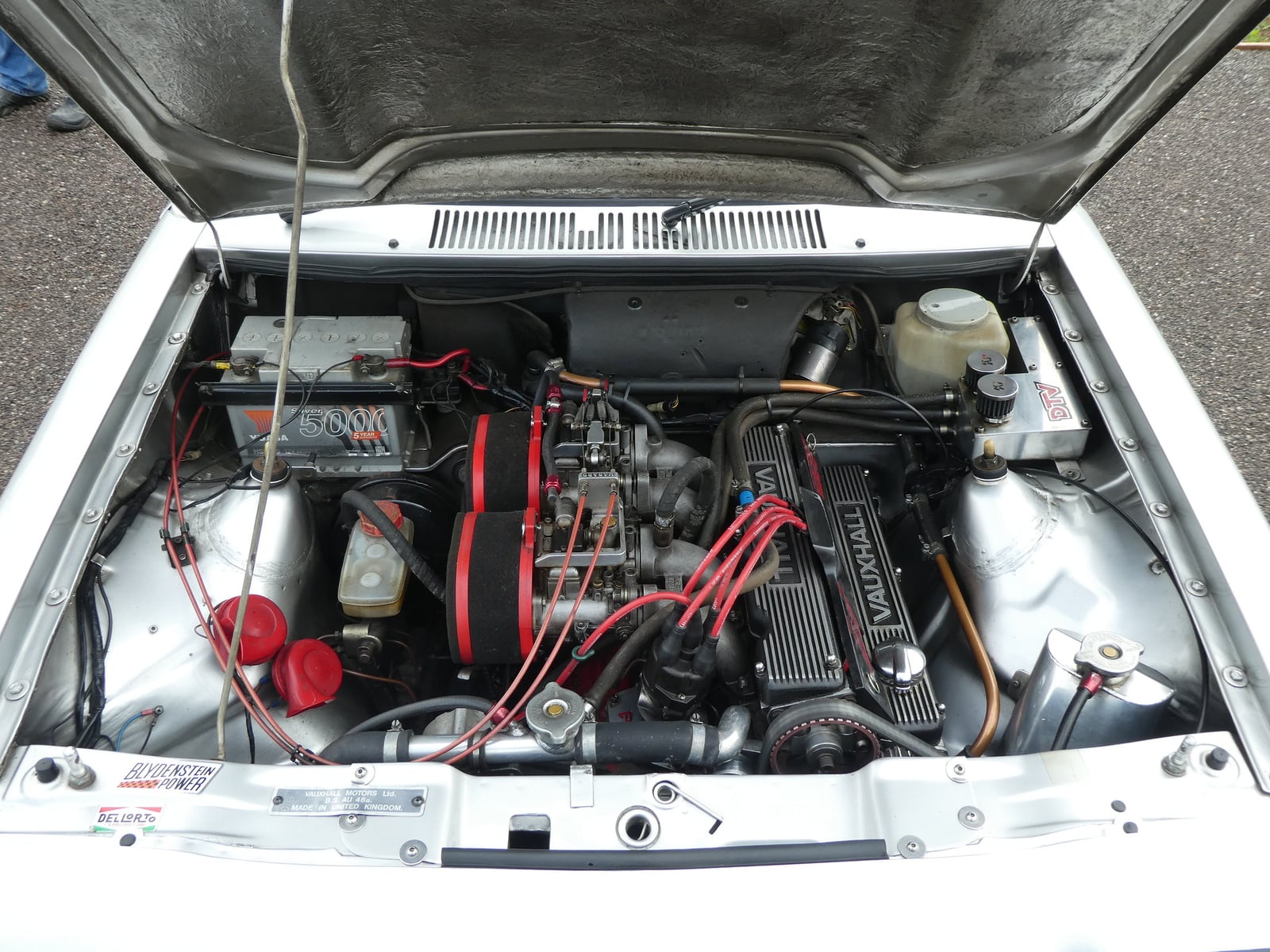
The Chevette HS arrived in October 1976 as Vauxhall’s homologation special for Group 4 rallying, and it is the variant the car is now best remembered for. The HS used the Chevette bodyshell but dropped in the 2279cc slant-four engine from the Victor FE, fitted with a sixteen-valve Vauxhall-designed cylinder head, twin Stromberg carburettors, and a Getrag five-speed gearbox. The result was 135 brake horsepower, a top speed of 117 mph, and a 0-60 time of just under nine seconds, in a car weighing under a tonne.
The sixteen-valve head was Vauxhall’s own design, conceived by Vauxhall Engineering in the early 1970s for the slant-four and revived for the rally programme rather than bought in from Lotus, a common misconception. With limited capacity at Luton, the homologation batch of heads was cast and machined by Cosworth, and the works rally cars ran Lotus heads only as a stopgap until enough Vauxhall heads were available to satisfy the FIA’s homologation rules.
Vauxhall built around 400 HSs over the production run, just enough to meet the FIA’s 400-unit homologation requirement, and the factory team campaigned them with Pentti Airikkala, Tony Pond, and later Jimmy McRae in the British Open Rally Championship. Airikkala won the 1979 championship outright, beating works Ford Escorts in the process, which remains the high water mark for Vauxhall in British rallying.
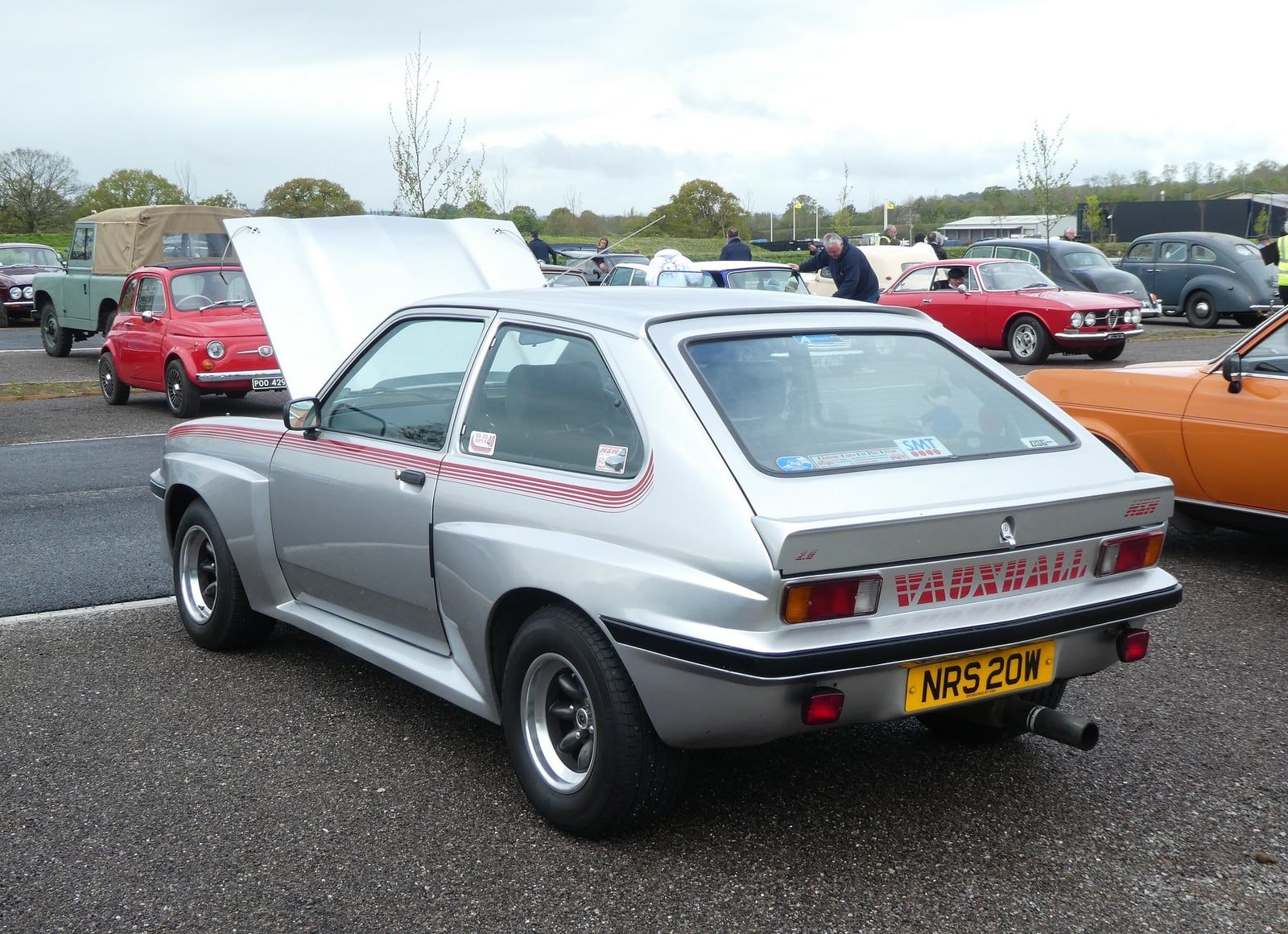
The HSR followed in late 1979 as a further-developed version. Around 50 HSRs were built. The HSR used a fibreglass front and rear, plastic side windows, a wider track, and revised suspension geometry, all aimed at the next round of rally regulations. By 1980 Group 4 was being phased out in favour of Group B and the HSR programme ended. The HSR is now the rarest factory Chevette variant and the most valuable.
Both HS and HSR were sold to private buyers as well as competition teams, and the surviving cars are now well-documented through the Chevette HS Register. A genuine HS has matching numbers on the shell, engine, and gearbox; an HSR has the additional fibreglass panels and the wider arches. Replicas built up from standard Chevette hatchbacks are not uncommon, so provenance matters.

Body styles and trim levels
The Chevette ran in six body styles across its production:
- Three-door hatchback (1975–1984): the original and the best-seller by a wide margin.
- Four-door saloon (1976–1983): added to give Vauxhall a conventional saloon competitor against the Escort Mk2 and the Marina. Sold in much smaller numbers than the hatch but continued alongside it into the early 1980s under L, GL, and GLS trim.
- Two-door saloon (1976–1979): the rarest of the standard body styles. Few survive.
- Three-door estate (1976–1984): genuinely useful load- carrier on a small footprint, popular as a tradesman’s alternative to the Escort estate.
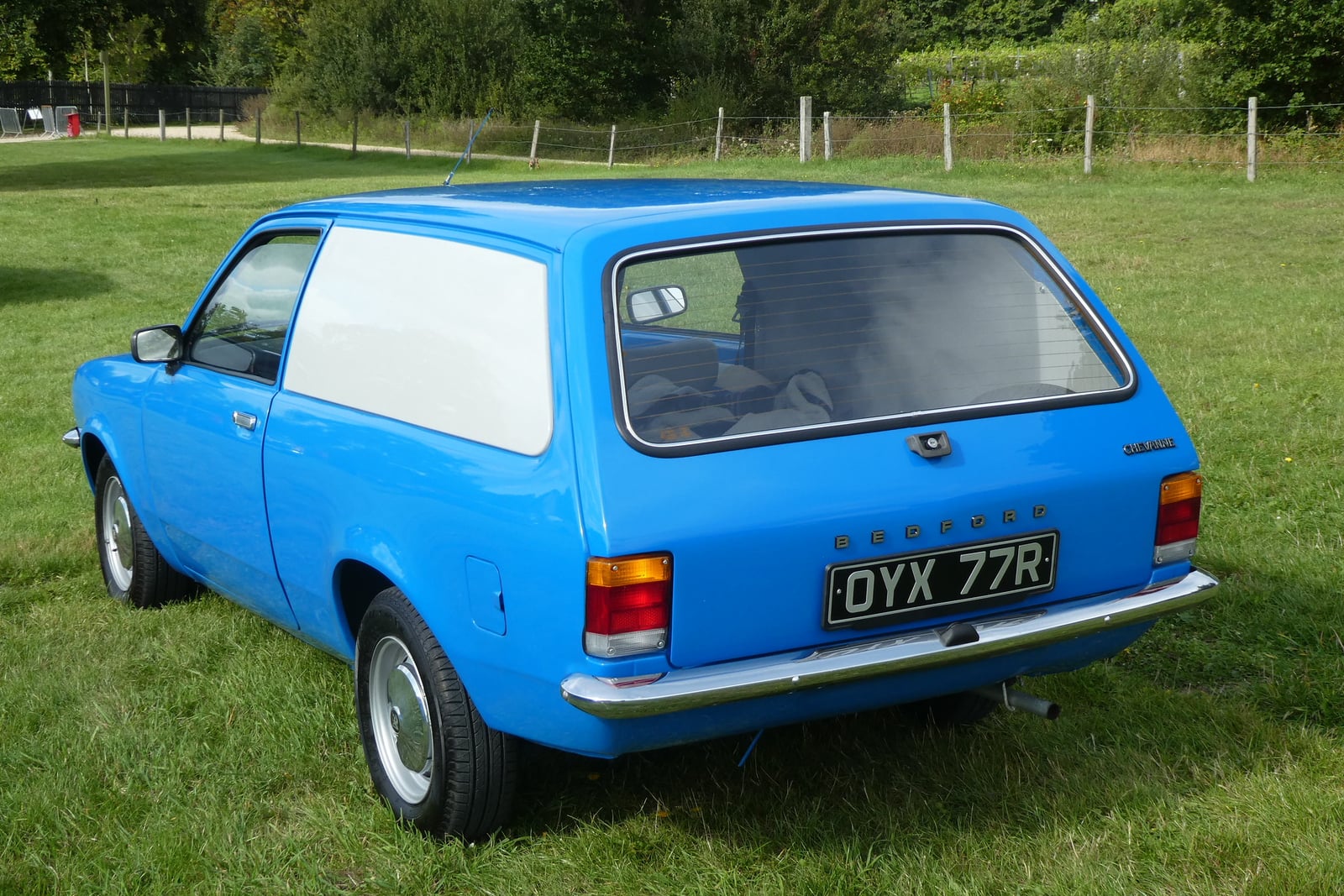
- Panel van (1977–1984): the estate without rear side windows, fleet-sold to small businesses and the Post Office.
- HS and HSR three-door hatch (1976–1980): the rally homologation variants, covered above.
Trim levels were L (basic), L Saloon, GL (vinyl seats, cloth inserts, brighter trim), GLS (the top trim with overdrive on later cars, twin headlights, badge work). Special editions appeared from 1979 onwards: the Sun Hatch, the Black Magic, and the Sport, none mechanically different from the GL but each with their own paint and trim packages aimed at the dealer brochure.

Buying guide: what to look for
The Chevette rusts in the places every late-1970s British family car rusts: sills, rear wheel arches, floor pans, front suspension turrets, bottom corners of the doors, around the windscreen surround, and underneath the bonnet at the front of the front wings. The hatch’s tailgate corners are an additional weak point because the rubber seals collected water. Pay particular attention to the rear suspension mounting points, where corrosion is an MOT failure and can be costly to put right. None of this is catastrophic if caught early and most surviving Chevettes have already had at least one round of welding by now. The question is whether the welding was done properly and what condition the underseal is now in.
Mechanically the standard 1.3 is very tough. The OHV pushrod engine will run to 150,000 miles or more on regular oil changes, and head gaskets are not a common failure point. The four-speed gearbox is durable. The rear axle is shared with the HC Viva and parts are available. The clutch is a 30-minute job in the driveway for anyone who has done a Cortina before.
On the HS, additional concerns. The 2.3 slant-four shares its service requirements with the FE Victor and needs cambelt changes every five years. The Getrag gearbox is durable but expensive to rebuild if it does fail. The sixteen-valve head is a specialist service item and the gaskets are not stocked off the shelf. Any HS should come with documented engine history, ideally a Vauxhall Heritage certificate or a Chevette HS Register confirmation of the shell and engine numbers.
Current Vauxhall Chevette price and value range
The market splits cleanly into standard cars and the HS/HSR.
Standard Chevette L and GL hatches in usable condition sit between £3,000 and £7,000, with low-mileage concours examples reaching £8,000 to £10,000. The four-door saloon and the three-door estate command a small premium, around £4,000 to £8,000 for good examples, because they are now genuinely rare. The Black Magic and Sport special editions add roughly 15 to 25 per cent over the equivalent GL.
The Chevette HS sits in a different bracket. A documented original HS in good order is £30,000 to £55,000 at current auction prices, and the very best are now passing £60,000. The HSR is rarer and can reach £70,000 to £90,000 in top condition with original rally provenance. Replicas built up from standard shells trade much lower, typically £12,000 to £20,000, and should be priced and described as replicas rather than genuine HS cars. Provenance is the whole game on these.
Owners’ clubs and parts supply
Two clubs cover the Chevette today. The Vauxhall Driver Owners’ Club is the broader Vauxhall organisation and runs the largest Chevette-specific section. The Chevette HS Register is the authority on the rally homologation cars and maintains the chassis and engine number records used to verify originality on HS and HSR examples.
Mechanical parts supply for the standard 1.3 cars is reasonable. The pushrod engine shared so much with the HC Viva and the HA Viva before it that service items remain available. Body panels are the bottleneck, especially the hatch tailgates and the estate rear panels, which the clubs occasionally arrange to re-manufacture in small batches.
Parts supply for the HS is a specialist game. The Vauxhall-designed sixteen-valve head, the Getrag gearbox internals, and the fibreglass HSR panels are all rare-parts territory. Anyone running an HS regularly should expect to know the specialist suppliers by name.
Where the Chevette sits in the British motoring story
The Chevette matters for two reasons that pull in opposite directions. The standard car was the moment Vauxhall got into the small-family-hatchback game ahead of Ford, briefly held the sales lead with a sensible 1.3-litre rear-drive hatchback, and proved that the right car at the right price could outsell Leyland and Dagenham at home. The HS was the moment Vauxhall’s competition department took the same car and built a Group 4 rally weapon that beat the works Escorts on home soil.
The Chevette was also the last mainstream small Vauxhall built on the older British-engineered foundations of the Viva tradition. The Astra Mk1 that replaced it from 1979 was a rebadged Opel Kadett D and ran on a front-wheel-drive layout that broke fully with the Chevette’s pushrod-engine rear-drive heritage. The Chevette was the end of an era and most people did not realise that at the time.

Chevette: the short history
- March 1975Launched as Britain's version of GM's global T-Car, with Wayne Cherry's shovel-nose front setting it apart from the Kadett C.
- 1976Saloon, estate and van join the range; in October the HS homologation special appears with the 2.3 slant-four and a sixteen-valve head.
- 1978The Chevette is Britain's best-selling new car for several months, helped by the Fiesta's late arrival and Leyland's troubles.
- 1979Pentti Airikkala drives the HS to the British Open Rally Championship.
- 1980The evolution HSR carries the rally programme on.
- 1984Production ends at around 415,000 cars.
The Chevette viewing checklist
Rust
- Sills, rear arches, floor pans and front suspension turrets
- Door corners, windscreen surround and under the front of the front wings
- The hatch's tailgate corners, where the rubber seals collected water
- Rear suspension mounting points: corrosion there is an MOT failure and costly
Welding history
- Most survivors have had at least one round of welding by now
- The question is whether it was done properly, and what the underseal now hides
- Judge repairs from underneath, not from the paint
- The DVLA register holds only 1,500 to 2,000 cars, so patience is part of the price
Mechanical and variant
- The 1.3 OHV four is very tough, and the four-speed box durable
- The rear axle is shared with the HC Viva
- A genuine HS or HSR needs its homologation history proved, at £30,000-plus money
- The sixteen-valve head was Vauxhall-designed and Cosworth-machined, not Lotus, whatever the seller says
What the Chevette sells for at auction
| Variant | Sold | Typical range | Median |
|---|---|---|---|
| Chevette | 14 | £3,232 - £10,630 | £5,806 |
| Chevette HS | 14 | £12,365 - £28,500 | £15,160 |
| Chevette L | 9 | £2,990 - £5,200 | £3,150 |
| Chevette HSR | 5 | £64,125 - £75,000 | £67,500 |
Show the year-by-year mediansHide the year-by-year medians
| Year | Sold | Median | In 2025 money |
|---|---|---|---|
| 2025 | 8 | £12,350 | £12,350 |
| 2023 | 4 | £17,530 | £18,811 |
| 2022 | 8 | £6,344 | £7,265 |
| 2021 | 6 | £8,507 | £10,519 |
| 2011 | 3 | £64,125 | £94,543 |
- £3,250Chevette
- £29,300Chevette HS
- £14,000Chevette
- £32,625Chevette HS
- £9,810Chevette
Thin evidence. Only 42 recorded sales: read the figures as a sketch of the market, not a price. Based on 42 sold results from public classic car auctions (2006 to 10 August 2026). Sold prices, not asking prices, and not a valuation: condition, history and specification vary from car to car. Inflation-adjusted figures use the ONS CPIH index, in 2025 money.
Related across British family saloons
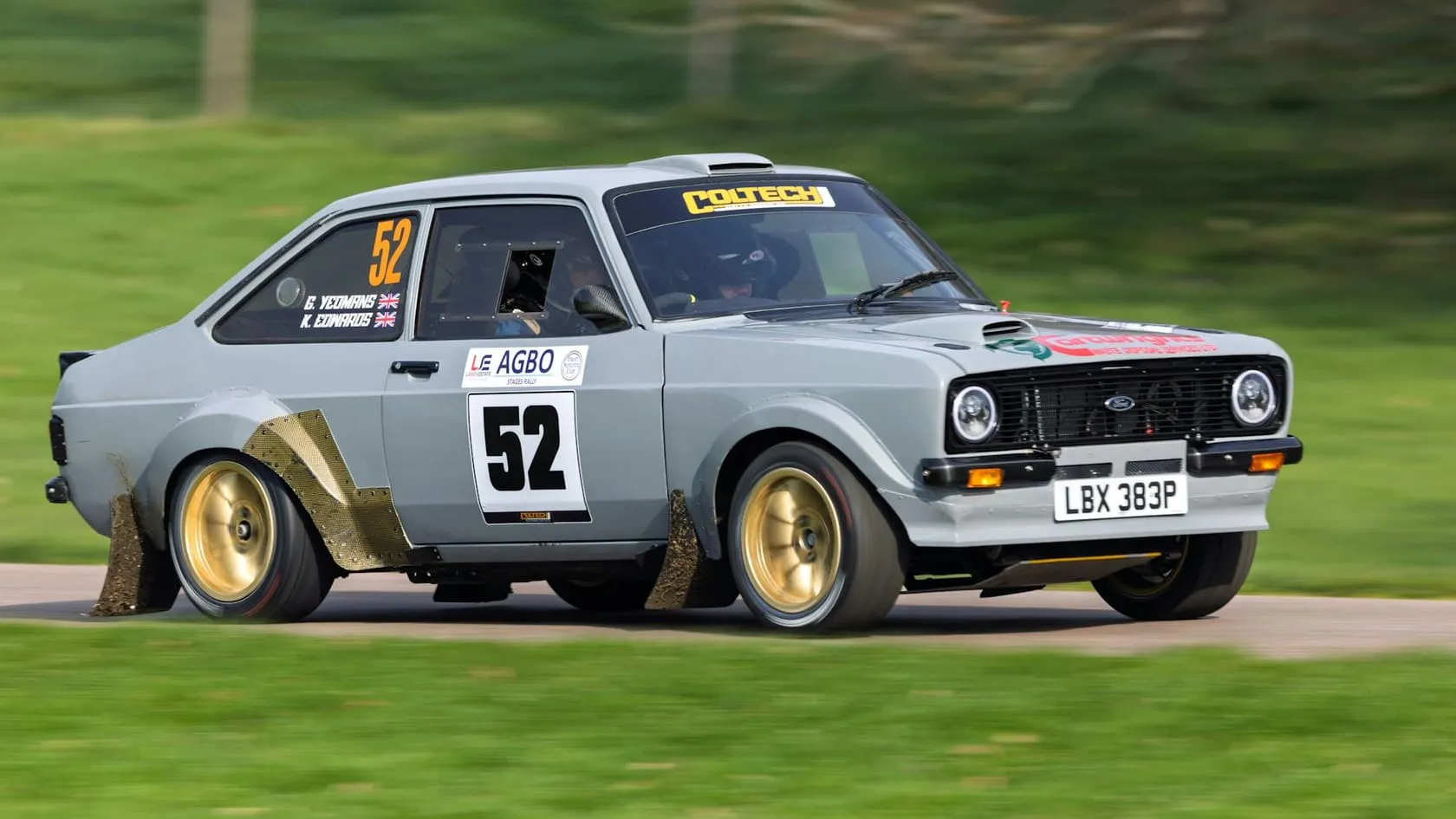
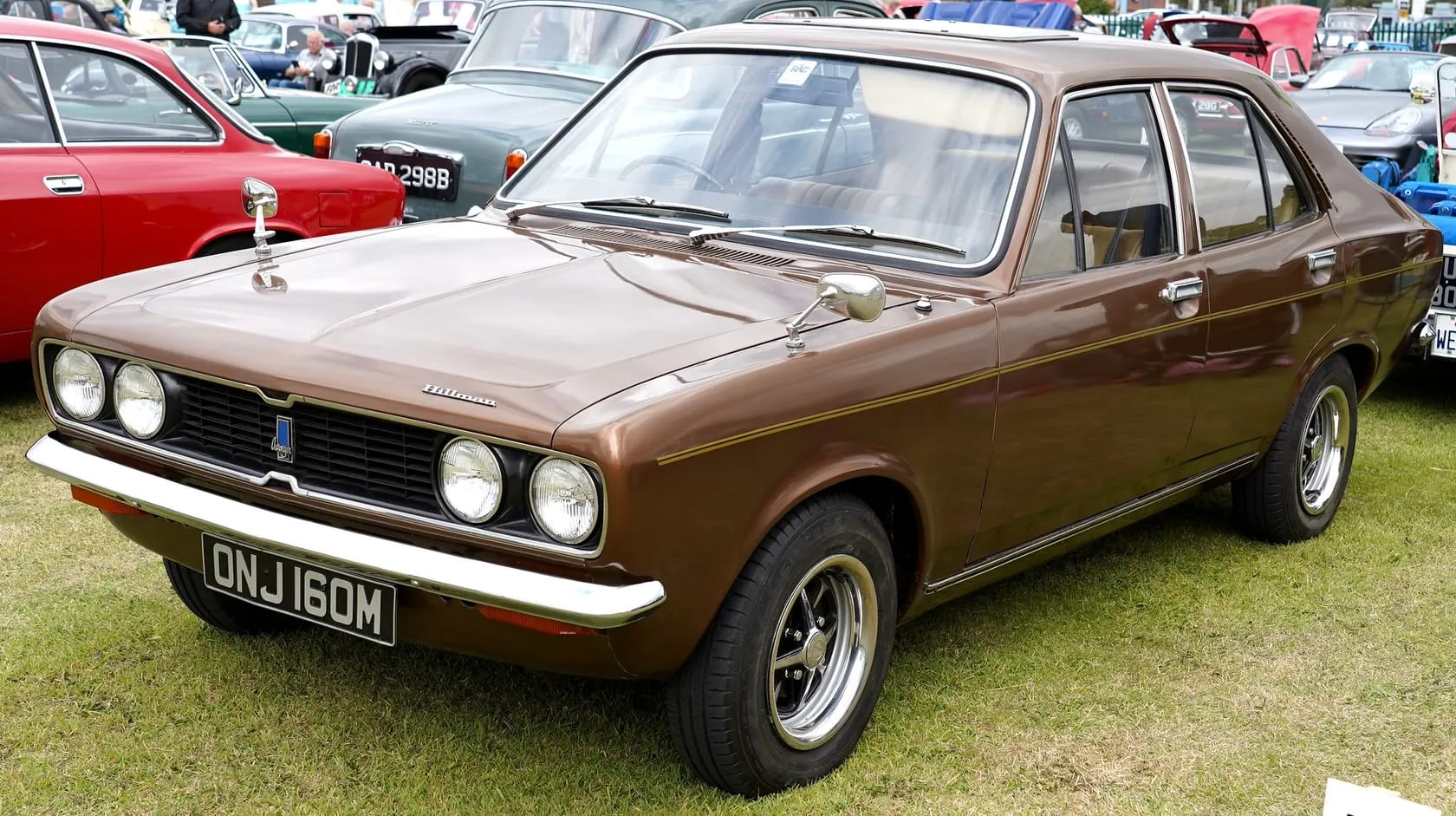
The other 1970s British family cars in this cohort sit alongside the Chevette in spirit: the Hillman Avenger (1970–1981), the Morris Marina (1971–1980), and the Austin Princess (1975–1981). The Vauxhall Victor (1957–1976) was the larger Vauxhall the Chevette sat below in the late-1970s range. For the wider context on these five cars as a group, see Britain’s troubled 1970s family saloons. For the broader period (the Chevette ran into 1984), see British classic cars of the 1970s and British classic cars of the 1980s.
More photos
Frequently asked questions
How many Vauxhall Chevettes are left?
Was the Vauxhall Chevette a good car?
What years was the Vauxhall Chevette made?
How much is a Chevette worth?
What is the most expensive Chevette ever sold at auction?
How often does a Chevette come up for sale?
Related across themes
More from Vauxhall

Vauxhall Viva: three generations of Britain's other small car (1963–1979)

Vauxhall Nova: the supermini that raised a generation (1983–1993)

Vauxhall Victor: nineteen years and five generations of family Vauxhall (1957–1976)


