Austin FX4: the black cab that drove for forty years (1958–1997)
The FX4 served London for four decades under Austin, Carbodies and LTI badges, became the most recognisable British vehicle on earth, and retired as the Fairway in 1997. A guide to the black cab's history, the conditions of fitness that shaped it, buying checks and values.
Built 1958–1997 36 recorded sales
At a glance
- Years
- 1958–1997
- Body styles
- Four-door taxi with open luggage platform beside the driver
- Drivetrain
- Front engine, rear-wheel drive
- Engines
- 2.2 and 2.5 Austin diesels; 2.2 petrol; Land Rover and Nissan diesels in later cars
- Power
- Around 55-80 bhp by era
- Top speed
- Around 65-80 mph
- Trim levels
- Trade specification throughout; the Fairway Driver the refined finale
- Production
- Around 75,000 across all makers
- Assembly
- Carbodies, Coventry
- Designer
- Austin and Carbodies with the London conditions of fitness as co-author
- Values
- Working-life survivors from around £4,000; good cabs £7,000-£14,000; the best restored examples beyond £18,000
- The turning circle
- The famous 25-foot turning circle, written into London law, shaped the whole design
- The run
- Thirty-nine years in production, from Macmillan's Britain to the eve of the Millennium
The models
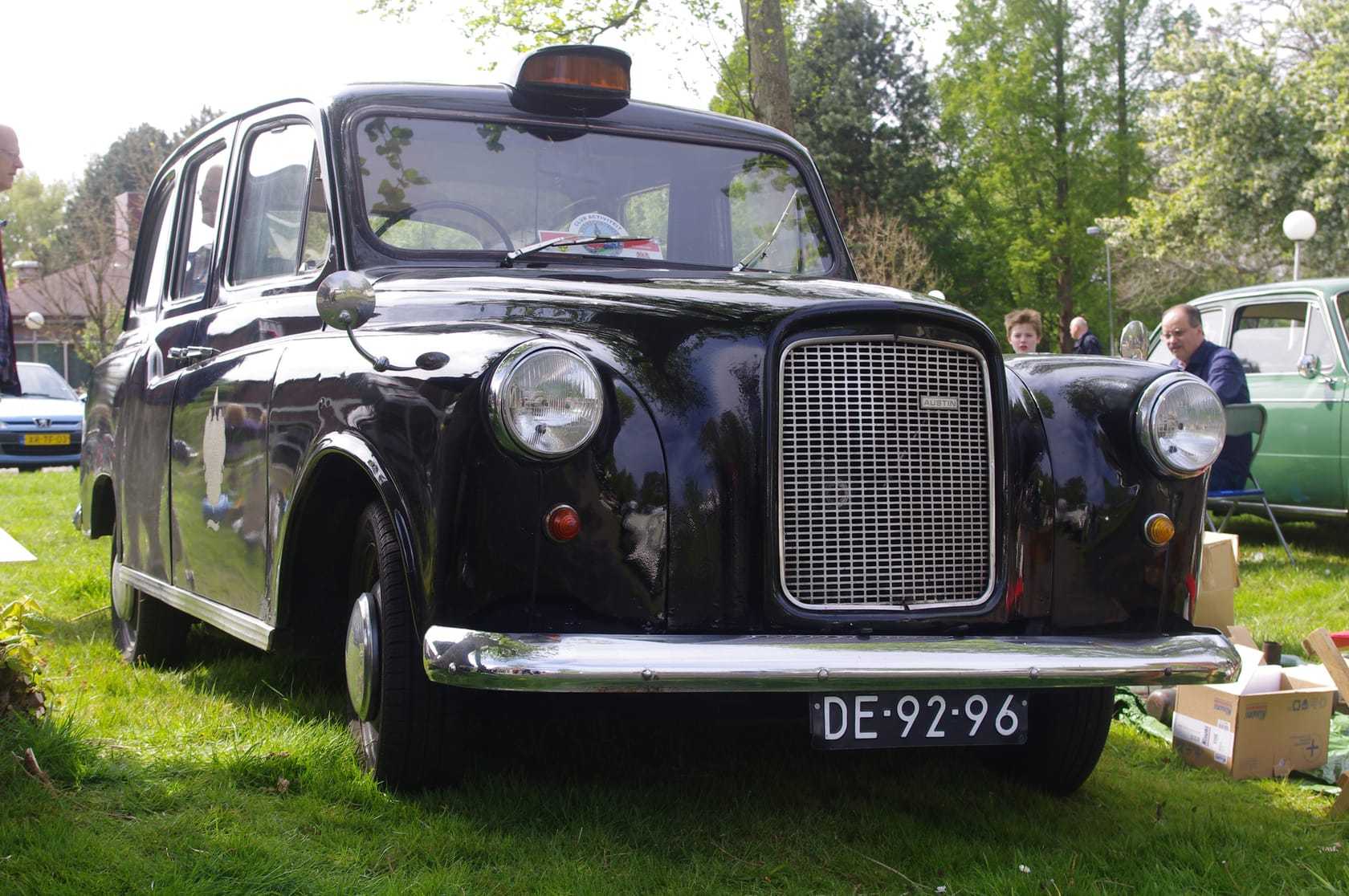
No British vehicle is more recognised on earth, and few were designed less by stylists: the Austin FX4 was shaped by London taxi law, built by a Coventry coachbuilder, and kept in production for thirty-nine years because nothing better could pass the same rules. Launched in 1958 under the Austin badge and retired in 1997 as the LTI Fairway Driver, the black cab outlived every single car it ever queued beside at the lights, and its survivors now trade as the most photographed, most usable icon in the whole classic world.
Designed by regulation
The FX4’s co-author was the rulebook: London’s Conditions of Fitness demanded the famous 25-foot turning circle, generous headroom, in period, for hats, and a partitioned cabin with the driver’s luggage platform open to the kerb. Austin and Carbodies engineered a separate-chassis diesel saloon around those demands, handsome entirely by accident and indestructible by plain commercial necessity, since a cab off the road earned nobody anything. The result out-manoeuvred every car in London, seated five behind the partition with luggage riding up front beside the driver, and proved so fit for purpose that serious replacement attempts kept failing for four decades while the old design simply carried on earning.

Austin, Carbodies, LTI: the long relay
The cab outlasted its parents: Austin’s 2.2 diesel launched it in 1958 and the marque badge survived British Leyland’s chaos until 1982, when Carbodies of Coventry, the coachbuilder that had assembled every FX4 from the start, took the project over entirely, trading from 1985 as London Taxis International. The FX4R’s Land Rover engine disappointed the trade badly, the FX4S of 1985 steadied things with sensible revisions, and the 1989 Fairway’s Nissan 2.7 diesel finally gave the old shape the durable heart it had always deserved, carrying it to a dignified 1997 retirement after around 75,000 cabs.

The icon at work
Fame came from ubiquity: every film that needed London in one shot hired an FX4, every tourist photographed one, and the trade worked them around the clock in double shifts at mileages ordinary cars never see, 300,000 on an original engine being unremarkable and half a million far from unknown. Beyond London the cab served provincial ranks in every British city, embassies bought them for unmistakable Britishness, exports carried the shape from Tokyo to New York, and a niche trade in private FX4s, hearse conversions and promotional cabs kept Carbodies busy on the side. The FX4 became shorthand for the city itself, which no marketing department ever planned or could have bought.
Famous fares: the cab on screen
The FX4’s screen career outran most film stars: it carried every fictional detective, spy and tourist through fifty years of London-set cinema and television, played itself in everything from Bond films to sitcoms, and became the establishing shot that said London before a line was spoken. Museums keep examples as social history, advertising has borrowed the silhouette endlessly, and a working survivor still gets photographed at every red light by visitors who have never seen one outside a film. That fame gives the FX4 something rare in the classic world: universal recognition without a single sporting laurel, earned entirely by showing up for work every day for four decades.
What an FX4 is like to drive
The experience is pure working London: a leisurely diesel idle, feather-light steering at parking speeds thanks to that enormous lock, a driving position high and upright behind the half-cab partition, and the party-trick U-turn that astonishes every first-time owner. Pace is honest rather than brisk, 65 to 80 mph by era with the Fairway’s Nissan unit the strongest, the ride is firm in the traditional trade manner, and the turning circle makes town driving, three-point turns and impossible parking spaces genuinely effortless in a way no other classic can offer. Passengers, of course, get the best seats, sliding division, jump seats and all, which is exactly how the whole design intended it, and every journey ends with someone asking for a photograph.

Buying an FX4 today
Every cab lived a hard life, so structure beats odometer: chassis outriggers, sills, floors, door bottoms and the luggage platform want thorough inspection, and a cab with recent trade maintenance history beats a prettier unknown. The Fairway and Fairway Driver are the usability picks with the Nissan diesel’s durability and parts supply; early Austin-badged cabs carry the collector premium and the sixties survivors real rarity, because the trade scrapped its tools without sentiment once their plates expired. Meters, division glass and period fittings add value when present and are hunts when missing. The London Vintage Taxi Association holds the knowledge, and wedding, film and tour work can genuinely help a cab pay its way. At 36 measured sales and a £7,500 median, honest cabs start near £4,000 and the best pass £18,000: icon status, still at working prices.

More photos
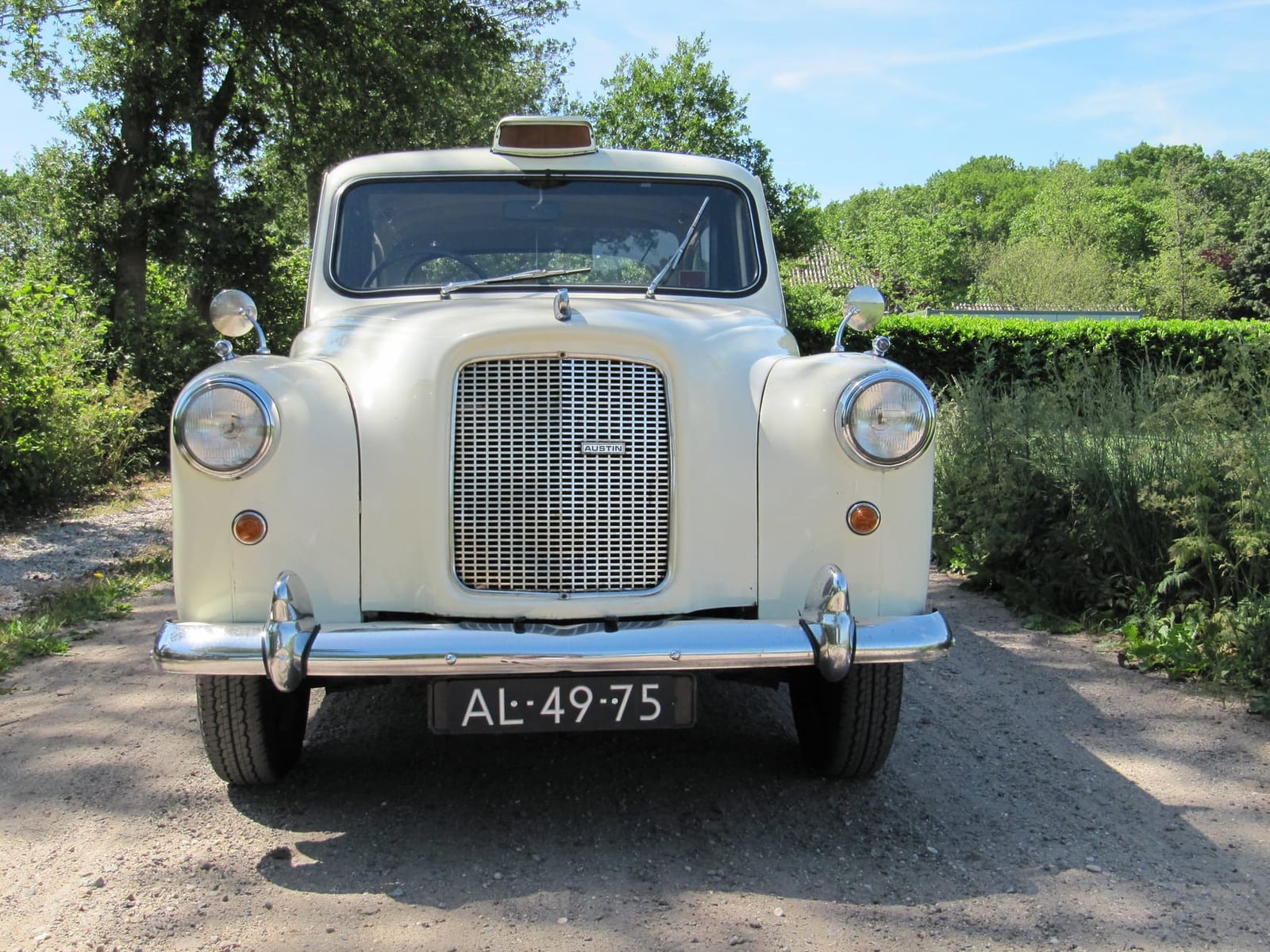
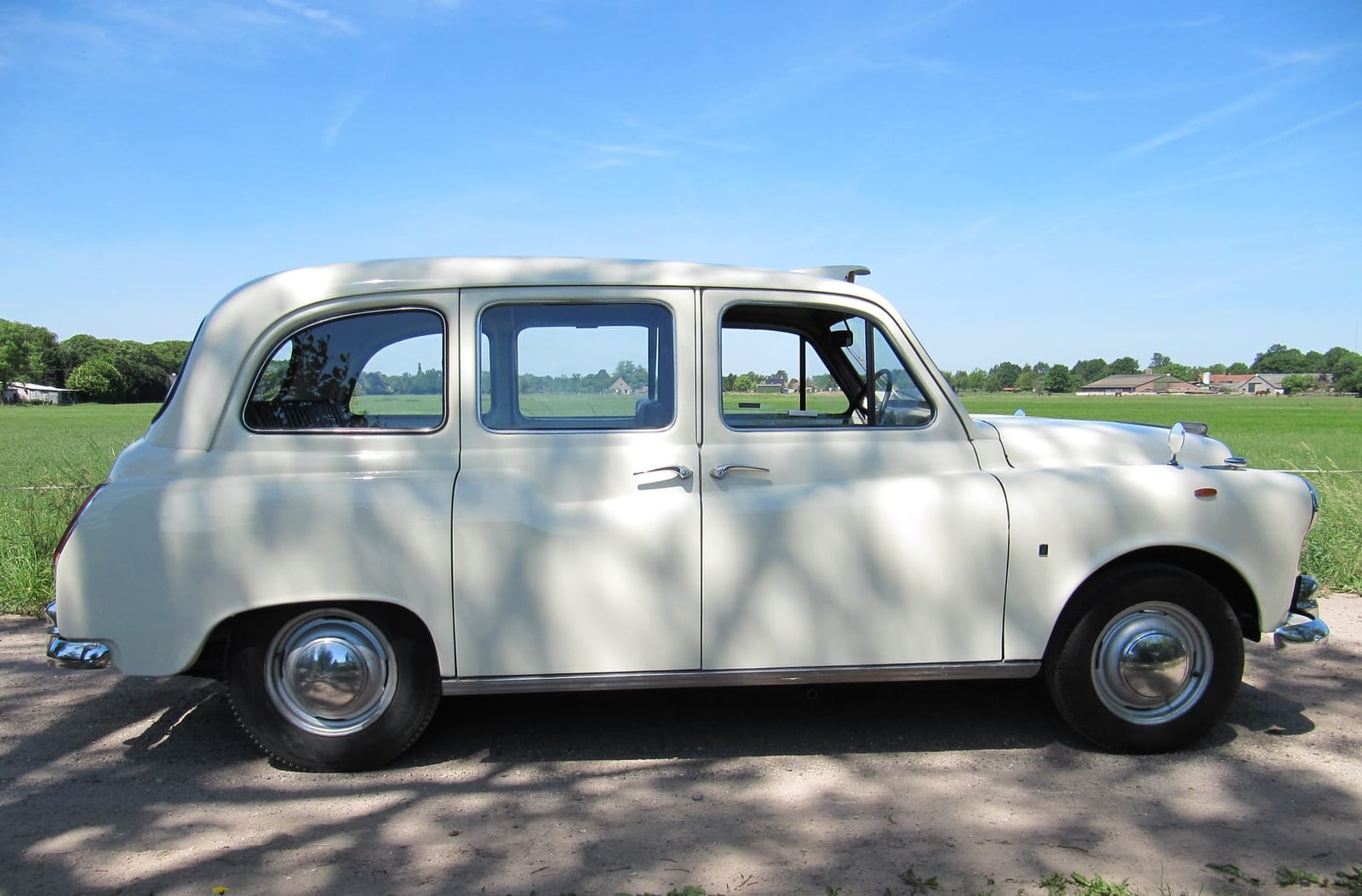
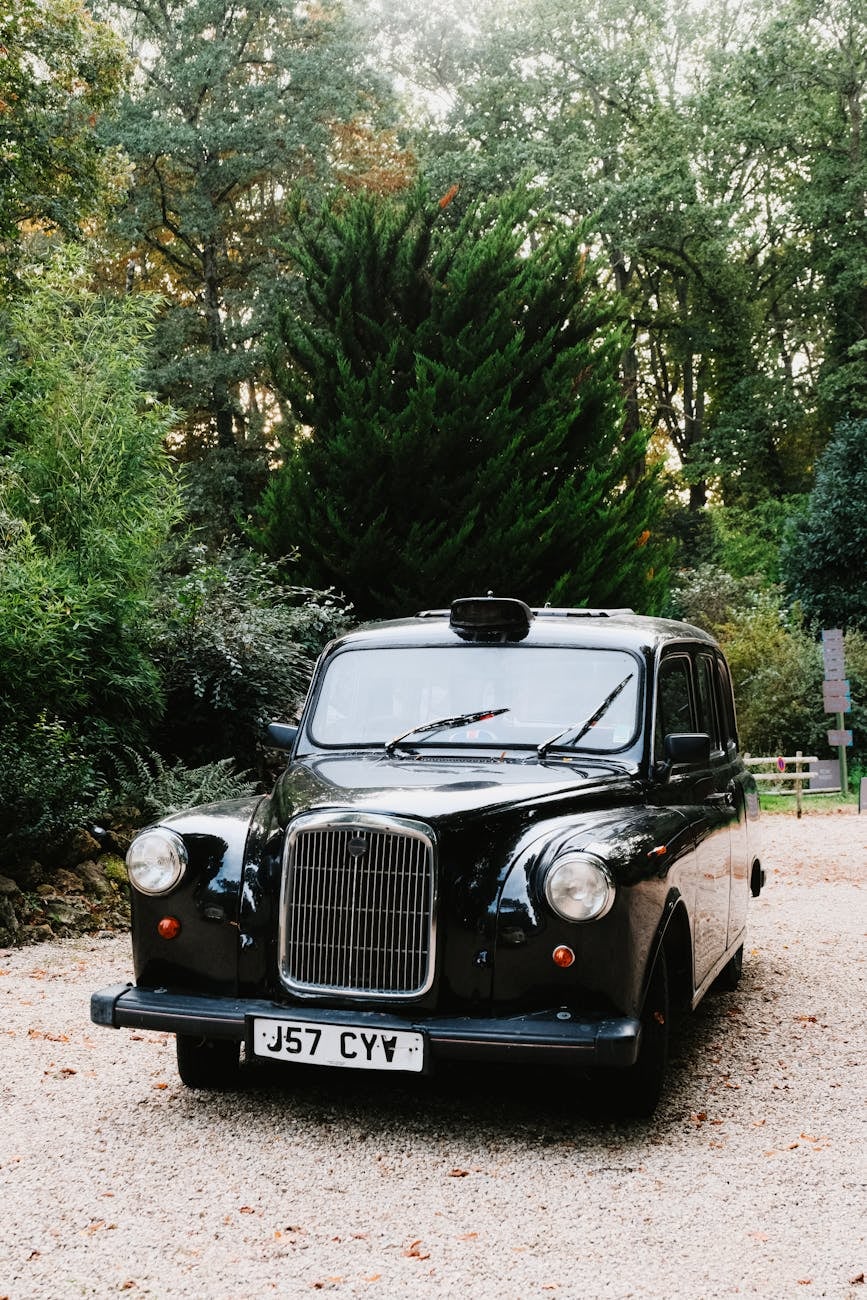
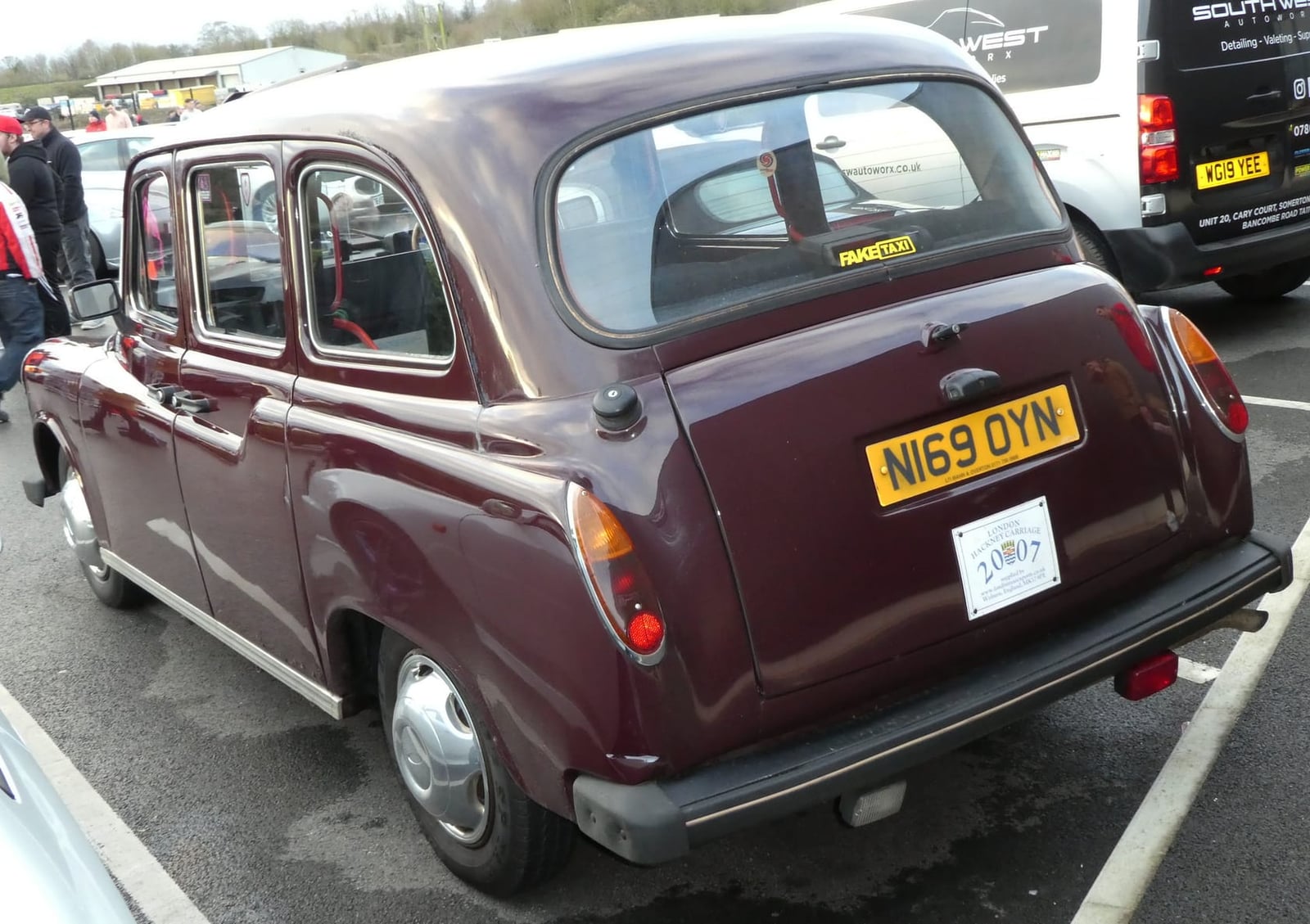
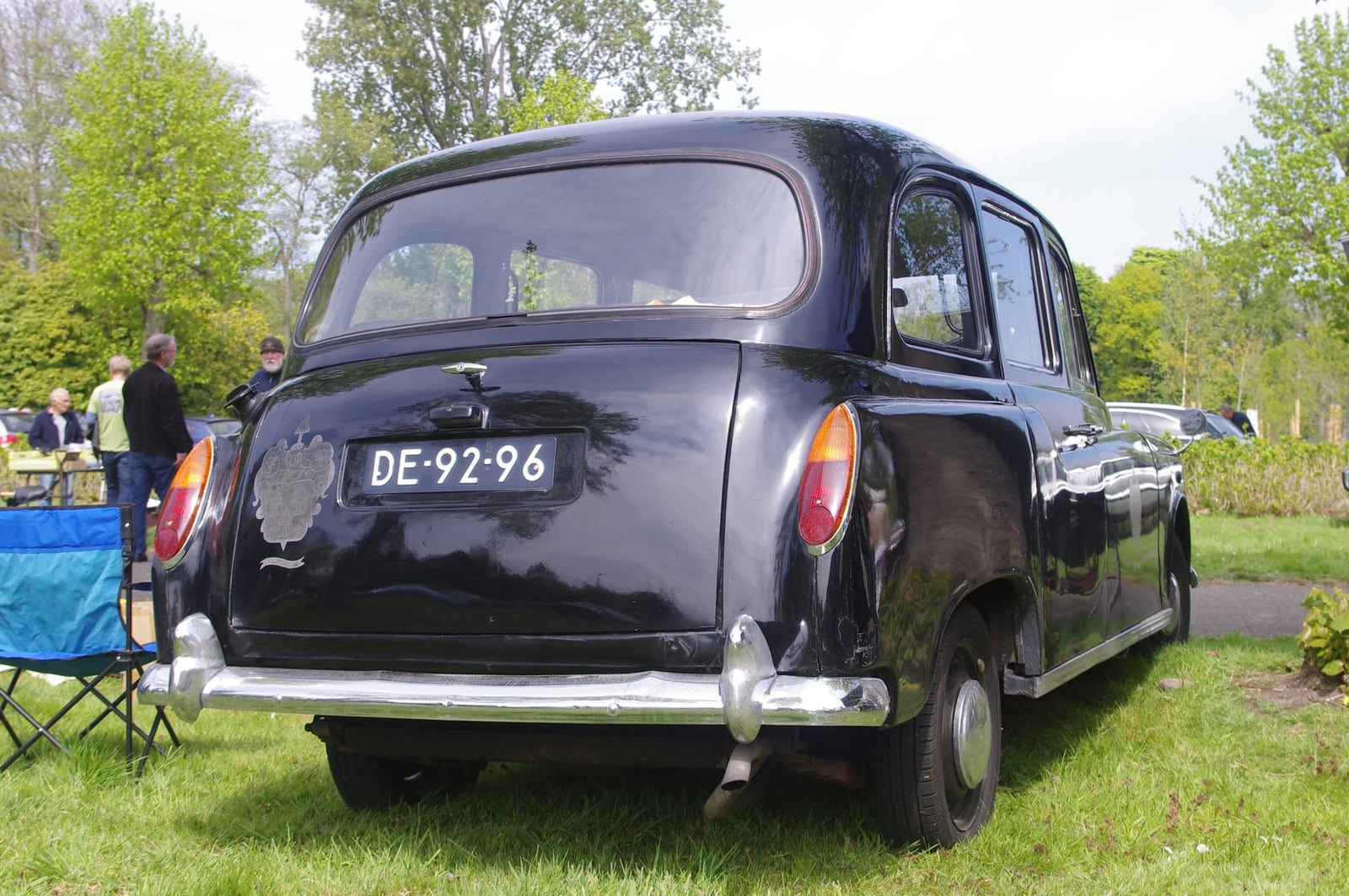
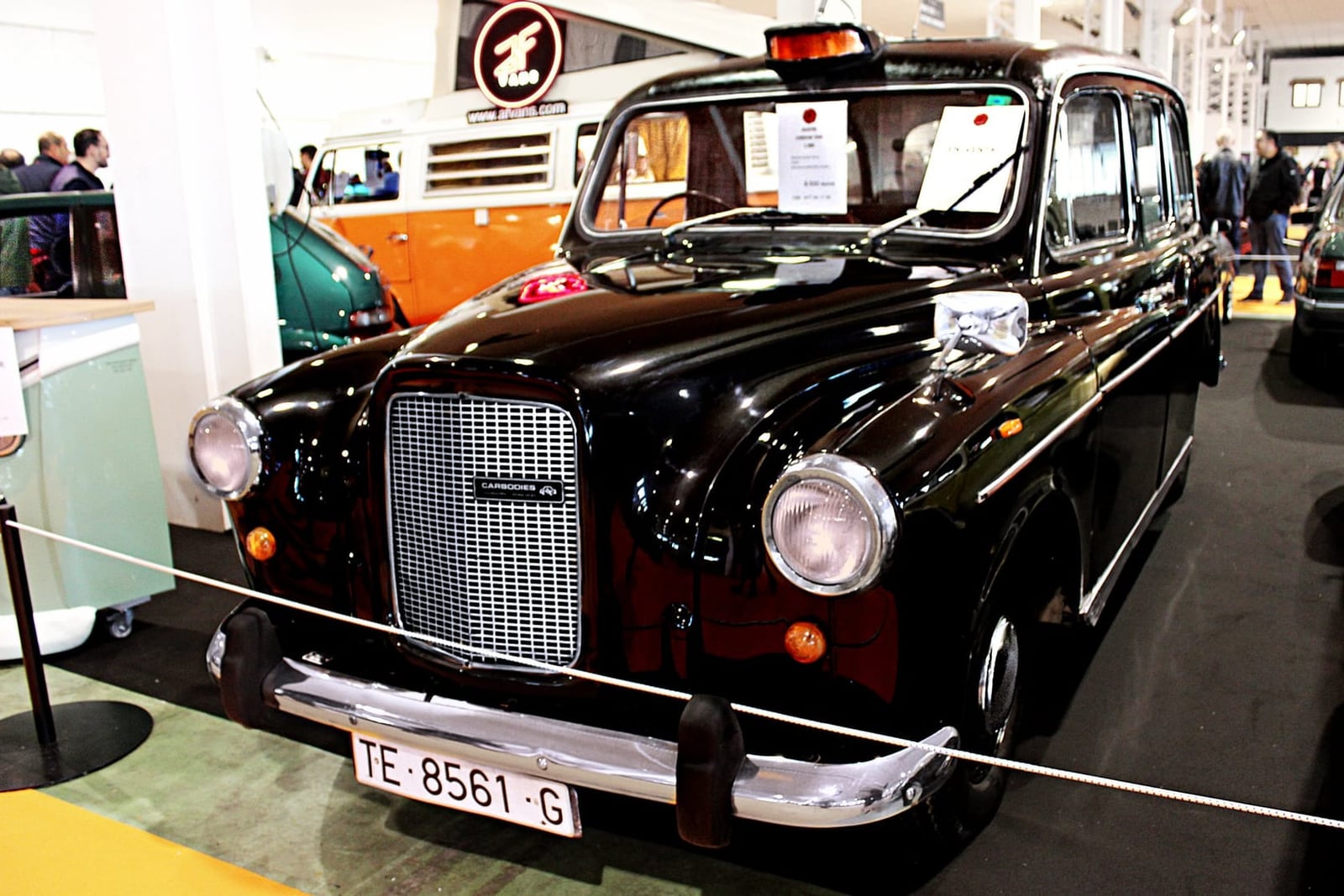
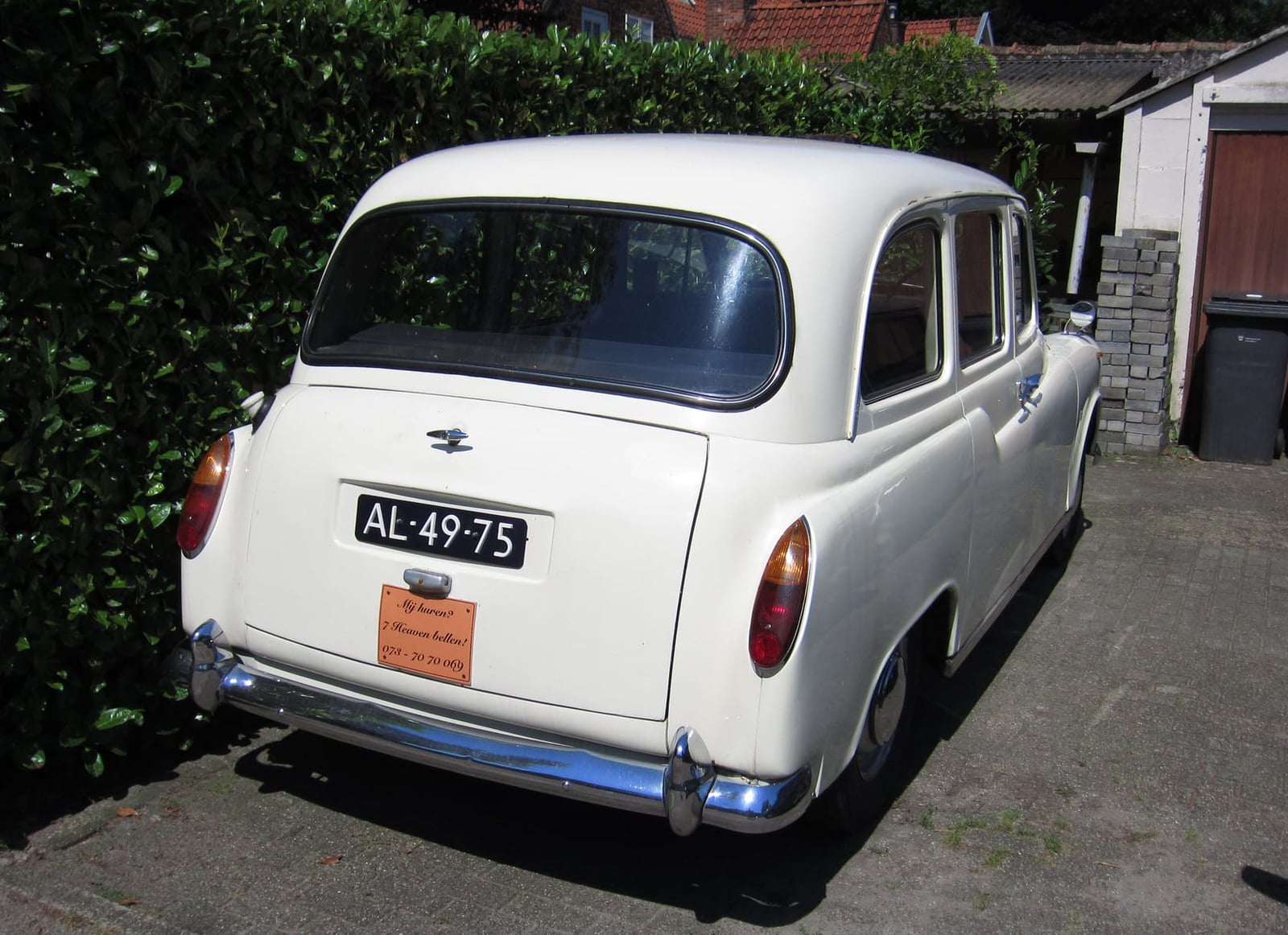
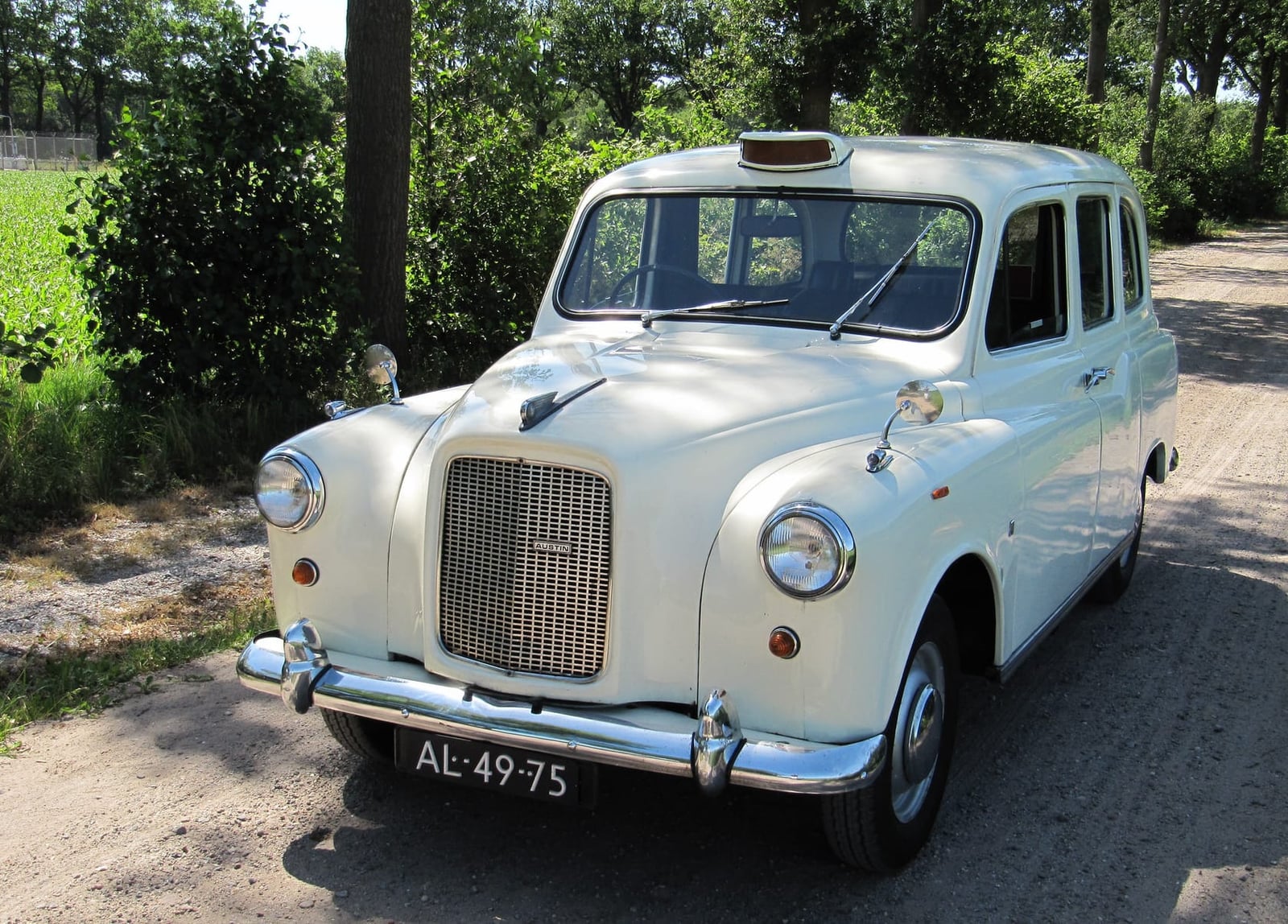
FX4 taxi: the short history
- 1958Launched under the Austin badge with a 2.2 diesel, engineered by Austin and Carbodies around London's Conditions of Fitness: a 25-foot turning circle, headroom for hats and an open luggage platform.
- 1982Carbodies of Coventry, which had assembled every FX4 from the start, takes the project over entirely; the FX4R's Land Rover engine disappoints the trade.
- 1985Carbodies trades as London Taxis International; the FX4S steadies things with sensible revisions.
- 1989The Fairway's Nissan 2.7 diesel finally gives the old shape the durable heart it deserved.
- 1997Production ends after thirty-nine years and around 75,000 cabs, with the refined Fairway Driver as the finale.
FX4 taxi: what to check before you buy
Structure, which beats the odometer
- Chassis outriggers, sills and floors
- Door bottoms and the open luggage platform beside the driver
- A cab with recent trade maintenance history beats a prettier unknown
- Every survivor lived a hard life, so judge by evidence rather than appearance
Which era
- Fairway and Fairway Driver are the usability picks, on the Nissan diesel's durability and parts supply
- The FX4R's Land Rover engine is the one the trade disliked
- Early Austin-badged cabs carry the collector premium
- Sixties survivors are genuinely rare, because the trade scrapped its tools without sentiment
Fittings and provenance
- Meters, division glass and period fittings add value when present
- The London Vintage Taxi Association holds the knowledge
- Private FX4s, hearse conversions and promotional cabs exist and are priced separately
- A plate history tells you how hard the cab actually worked
What the Austin FX4 sells for at auction
| Variant | Sold | Typical range | Median |
|---|---|---|---|
| FX4 | 19 | £3,536 - £12,246 | £6,154 |
| Taxi | 17 | £5,837 - £22,400 | £8,000 |
Show the year-by-year mediansHide the year-by-year medians
| Year | Sold | Median | In 2025 money |
|---|---|---|---|
| 2025 | 3 | £8,000 | £8,000 |
| 2024 | 3 | £6,154 | £6,390 |
| 2022 | 4 | £10,838 | £12,411 |
| 2021 | 3 | £3,432 | £4,244 |
| 2018 | 3 | £6,918 | £9,006 |
| 2017 | 3 | £5,011 | £6,675 |
| 2014 | 3 | £31,360 | £43,451 |
| 2013 | 3 | £2,662 | £3,741 |
- £10,202Taxi
- £3,360FX4
- £8,000Taxi
- £6,154FX4
- £29,250FX4
Thin evidence. Only 36 recorded sales: read the figures as a sketch of the market, not a price. Based on 36 sold results from public classic car auctions (2009 to 10 August 2026). Sold prices, not asking prices, and not a valuation: condition, history and specification vary from car to car. Inflation-adjusted figures use the ONS CPIH index, in 2025 money.