Austin 1800: the Landcrab that won rallies sideways (1964–1975)
The Austin 1800 scaled Issigonis packaging up to family-Rover size, earned the Landcrab nickname for its wide stance, won Car of the Year and then astonished everyone by thriving in marathon rallies. A guide to the Austin, Morris and Wolseley versions, the S and the rally cars, buying checks and values.
Built 1964–1975 23 recorded sales

At a glance
- Years
- 1964–1975
- Body styles
- Four-door saloon; Australian utility versions
- Drivetrain
- Front engine, front-wheel drive, transverse; Hydrolastic suspension
- Engines
- 1798cc B-series; 2227cc six (2200)
- Power
- Around 80 bhp to 110 bhp
- Top speed
- Around 90-104 mph
- Trim levels
- Austin/Morris 1800, 1800 S, Wolseley 18/85; 2200 six-cylinder versions
- Production
- Around 386,000 all versions
- Assembly
- Longbridge and Cowley; assembled in Australia and elsewhere
- Designer
- Alec Issigonis; styling with Pininfarina input
- Values
- Usable from around £3,500; good cars £6,000-£10,000; S versions and rally tributes beyond
- The nickname
- Landcrab: the wide, low stance said it, and owners adopted it with pride
- The surprise
- Second on the 1968 London-Sydney Marathon, giant-killing the rally world
The models
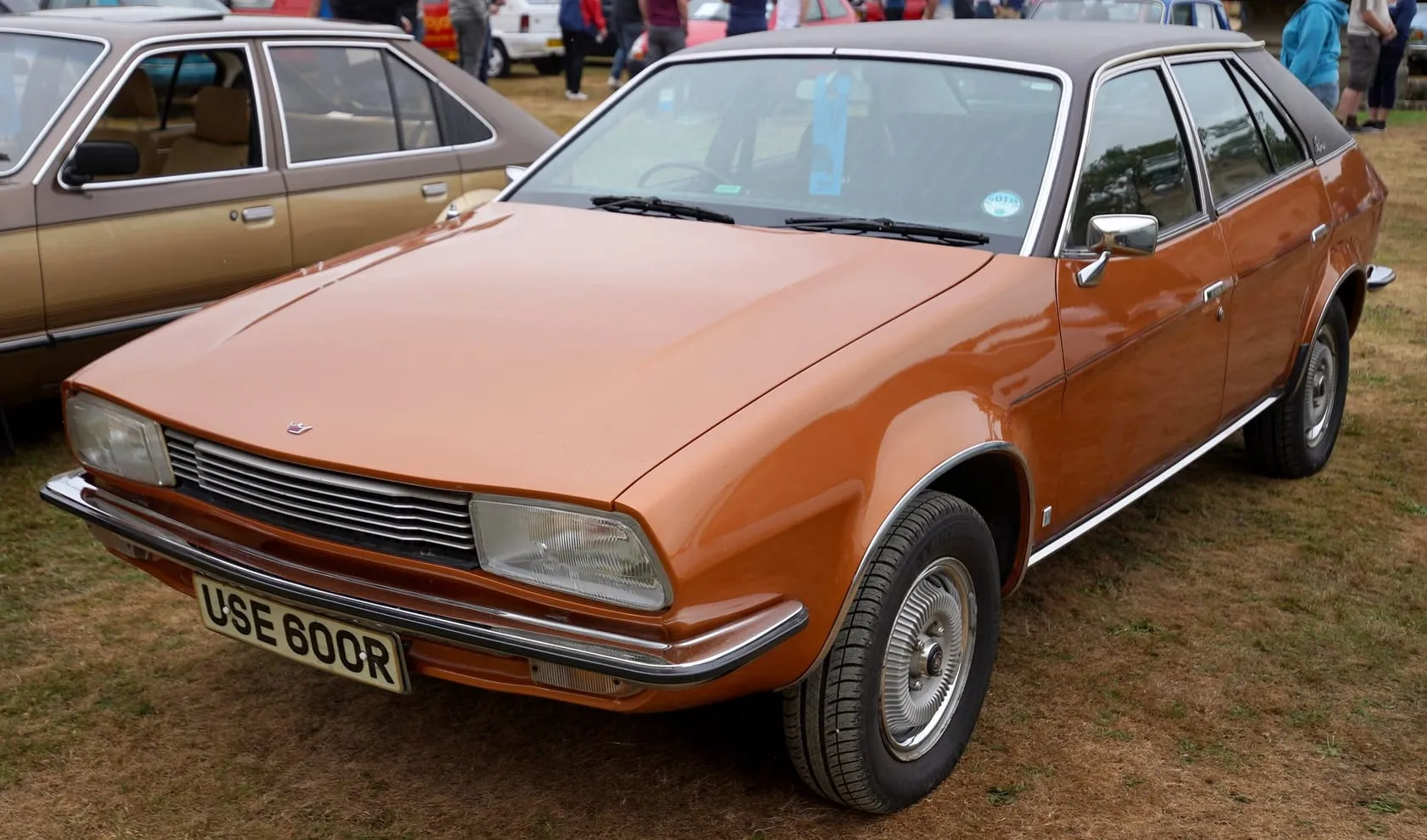
Alec Issigonis followed the Mini and the 1100 family with his biggest thought yet: the Austin 1800 of 1964 stretched transverse-engine, front-drive packaging to family-Rover size, won European Car of the Year, and picked up the most affectionate nickname in Austin history, the Landcrab. Then, against every expectation, the odd-looking spaceship went marathon rallying and nearly won. Survivors are rare, cheap and quietly brilliant.
Issigonis scales up
The ADO17 recipe repeated the master’s tricks at scale: B-series engine turned sideways, gearbox in the sump, front-wheel drive, Hydrolastic fluid suspension, and a structure of exceptional stiffness wrapped in styling that even Pininfarina’s input couldn’t make conventional. The payoff was width and space, a cabin vaster than cars a class above, and roadholding that flattered any driver. The 1965 Car of the Year jury saw the engineering; the buying public mostly saw the odd proportions, and sales settled at steady rather than stellar, around 386,000 over eleven years.

Three badges and the S
BMC’s badge machinery served the Landcrab in the usual way: Austin and Morris 1800s for the two dealer networks, and the Wolseley 18/85 adding walnut, better seats and the glowing grille badge for traditionalists. The 1968 1800 S brought twin carburettors and 96 bhp for the driver who noticed the chassis deserved more, and 1972’s 2200 versions added a silky 2.2-litre six across all three badges for the final years, the quietest and quickest Landcrabs of all and the rarest survivors today.

The Landcrab in Australia: utes and Kimberleys
No market took the 1800 to heart like Australia. Local assembly at Zetland turned out saloons tuned for outback distances, the unique 1800 utility gave farmers a front-wheel-drive workhorse nothing else offered, and when the British car wound down, Australia developed the design into the six-cylinder X6 Kimberley and Tasman of 1970, restyled Landcrabs with the new E-series six that Britain never sold. The Australian cars are prized curiosities on the UK scene now, the ute above all, and their existence says something the home market missed: judged purely as engineering for hard use, the Landcrab was among the toughest cars BMC ever made.

Marathons: the Landcrab goes rallying
The Landcrab’s second act astonished everyone. Its structural toughness and unburstable running gear suited the era’s marathon rallies perfectly: Paddy Hopkirk hustled a works 1800 to second overall on the 1968 London-Sydney Marathon, beaten only by a Hillman Hunter, and the 1970 London-Mexico World Cup Rally saw 1800s again running with distinction across the world’s worst roads. The image of the big front-driver scuttling sideways through the outback became club legend, and rally-tribute Landcrabs remain a celebrated build tradition.

What a Landcrab is like to drive
The 1800 drives like a Mini that ate its greens: the same front-drive security and flat cornering scaled up, Hydrolastic smothering rough surfaces whole, and straight-line stability at speed that period road testers openly marvelled at. The unassisted steering is heavy at parking pace (the S and later cars eased it), the gearchange is long of throw but positive, the cabin is a lounge with a flat floor and armchair seats, and the B-series thrums along at 70 with unstressed ease. The 2200 six adds a smoothness that makes the last cars the connoisseur’s choice for touring. Nothing else of its era feels engineered quite like it, which is precisely the appeal now: this is what a British family saloon looked like when the country’s boldest engineer was given a clean sheet and no marketing department worth the name.

Buying an Austin 1800 today
Scarcity shapes everything: view any solid car seriously, because the next may be seasons away. Rot attacks sills, floors, subframe mounts and rear valances; Hydrolastic units need specialist regassing but rarely fail outright; B-series mechanicals are cheap and everywhere. Trim, especially Wolseley wood and correct seats, is the hunt. The Landcrab club knows the survivor population individually and is the honest route to the good cars; documented S versions and Wolseleys deserve their premiums.

Values: engineering at scrap-metal prices no longer
Twenty-three measured sales at an £8,900 median show the quiet climb: usable cars from £3,500, good ones £6,000 to £10,000, the best and the rally-flavoured beyond. That remains modest for a Car of the Year with marathon-rally history and Issigonis engineering throughout. Among 1960s saloons, nothing offers more innovation per pound, the club scene is one of the friendliest in the hobby, and the nickname alone guarantees the best conversations at any show. Buy the best-bodied car within reach and the Landcrab will look after the rest, exactly as its engineer intended.

More photos


How the 1800 Landcrab changed
- 1964ADO17 launches: B-series turned sideways, gearbox in the sump, front-wheel drive, Hydrolastic suspension and a structure of exceptional stiffness.
- 1965European Car of the Year, for engineering the buying public mostly saw as odd proportions.
- 1967The Wolseley 18/85 adds walnut, better seats and the glowing grille badge for traditionalists.
- 1968The twin-carburettor 96 bhp 1800 S arrives; Paddy Hopkirk takes a works 1800 to second overall on the London-Sydney Marathon.
- 1970Australia develops the design into the six-cylinder X6 Kimberley and Tasman that Britain never sold; 1800s run the London-Mexico World Cup Rally.
- 1972The 2.2-litre six arrives across all three badges: the quietest and quickest Landcrabs, and the rarest survivors today.
- 1975Production ends at around 386,000 cars over eleven years.
1800 Landcrab: what to check before you buy
Structure
- Sills, floors, subframe mounts and rear valances
- Scarcity means a solid shell outranks a good specification every time
- Buy the best-bodied car within reach; the mechanicals are the cheap part
- Rally-tribute builds are a celebrated tradition, so check what is original underneath
Suspension and running gear
- Hydrolastic units need specialist regassing but rarely fail outright
- B-series engines are cheap and everywhere, so a tired one is not a deal-breaker
- The gearchange is long of throw but should be positive, not vague
- Later cars and the S eased the heavy unassisted steering; confirm which you have
Badge, trim and provenance
- Austin, Morris and Wolseley versions differ in trim, and Wolseley wood is the hardest to replace
- Documented S versions and Wolseleys deserve their premiums; undocumented ones do not
- 2200 six-cylinder cars are the connoisseur's touring choice and the scarcest
- Australian-assembled cars and the 1800 utility are prized curiosities here, and quite different underneath
What the Austin 1800 Landcrab sells for at auction
- £2,9121800
- £9,5001800
- £2,1601800
- £3,3481800
- £8,4001800
Thin evidence. Only 23 recorded sales: read the figures as a sketch of the market, not a price. Based on 23 sold results from public classic car auctions (2007 to 10 August 2026). Sold prices, not asking prices, and not a valuation: condition, history and specification vary from car to car.