Vauxhall Nova: the supermini that raised a generation (1983–1993)
Vauxhall's first supermini taught a generation to drive, fed the nineties modifying boom that consumed most of the survivors, and gave Colin McRae his rallying start. A guide to the 1983–93 Nova, the GTE and SR, buying checks and a fast-rising market.
Built 1983–1993 41 recorded sales
At a glance
- Years
- 1983–1993 in the UK
- Body styles
- Three and five-door hatchback; two and four-door saloon
- Drivetrain
- Front engine, front-wheel drive
- Engines
- 993cc to 1598cc petrol; 1.5 diesel
- Power
- 45-100 bhp by variant
- Top speed
- Around 84-115 mph
- Trim levels
- Merit, L, GL, Luxe, SR, GTE and GSi
- Production
- About 500,000 UK sales from Corsa A production
- Assembly
- Zaragoza, Spain
- Designer
- GM Europe under the Opel studios
- Values
- Projects from around £1,500; good cars £4,000-£9,000; the best GTE/GSi beyond £15,000
- The rite of passage
- First car to a generation of eighties and nineties learners
- The alumnus
- Colin McRae's early rallying ran through a Nova Sport
The models
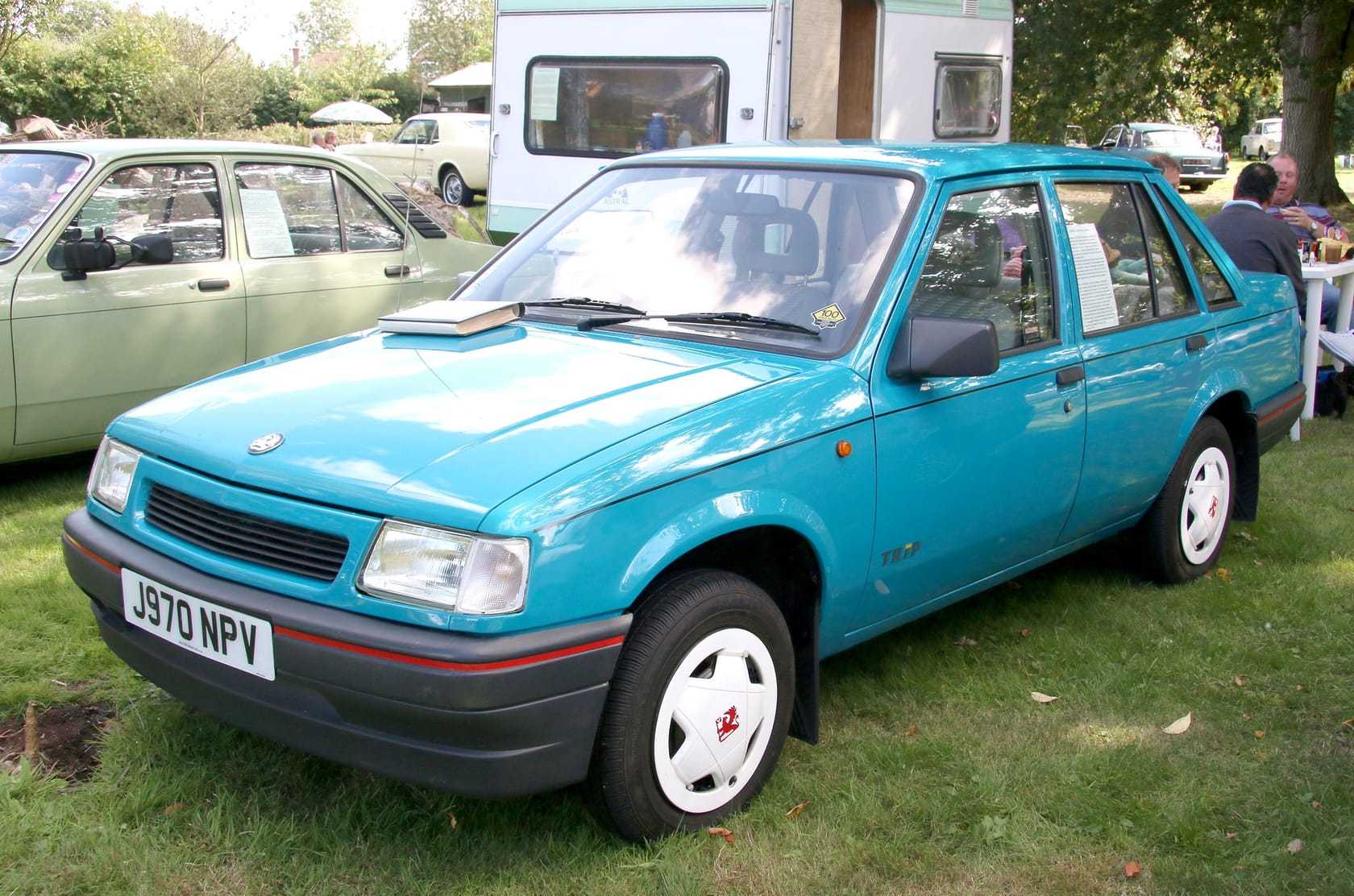
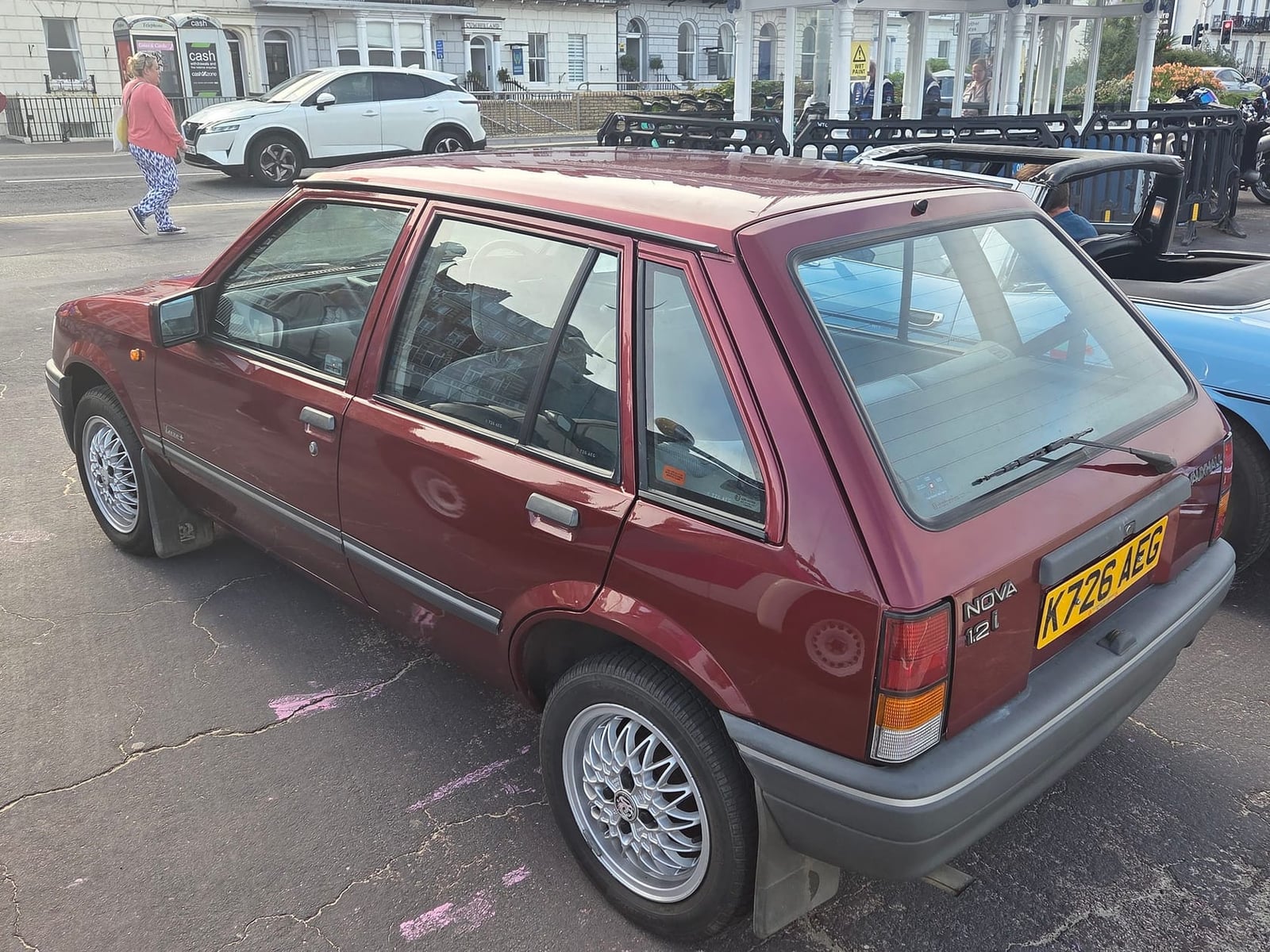
Ask a British driver of a certain age about their first car and the odds favour this one. The Vauxhall Nova, Vauxhall’s name for the Spanish-built Opel Corsa A, sold roughly half a million copies from 1983 to 1993, taught a generation to drive, and then fed almost its entire population to the modifying boom and the scrapyard. The survivors have crossed from banger to classic with remarkable speed, and the market now prices the Nova’s rarity like it means it.
Britain learns to drive in a Nova
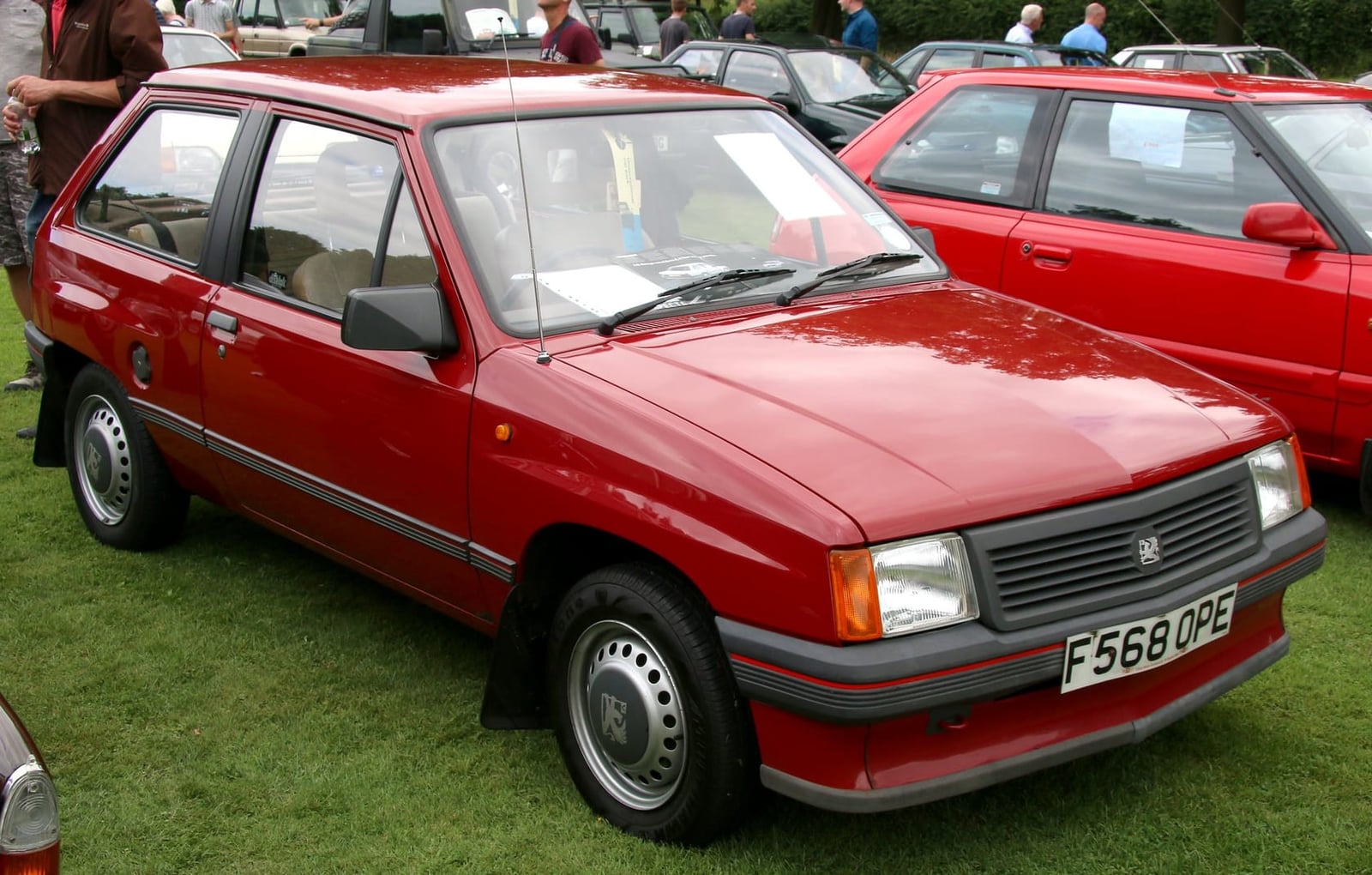
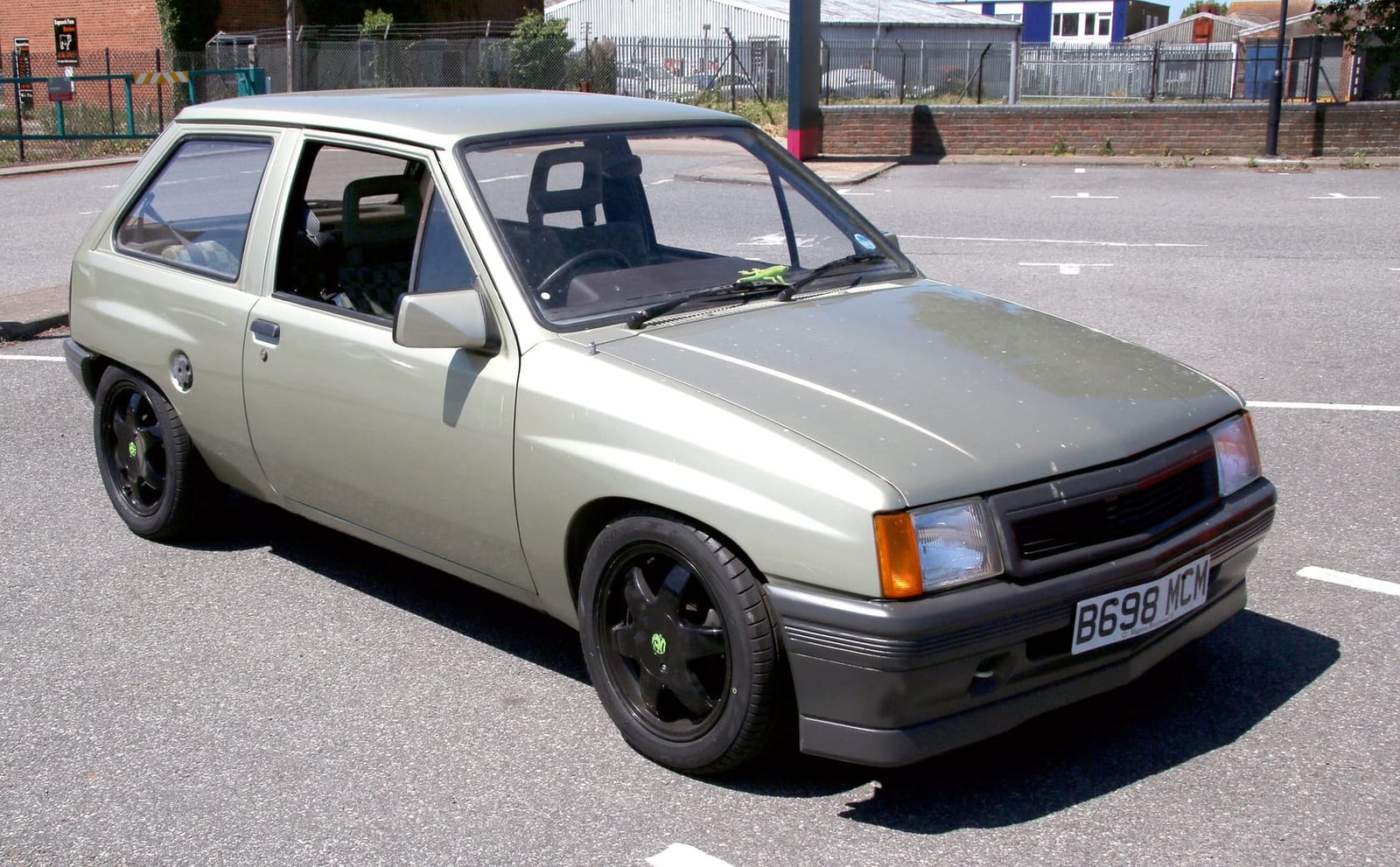
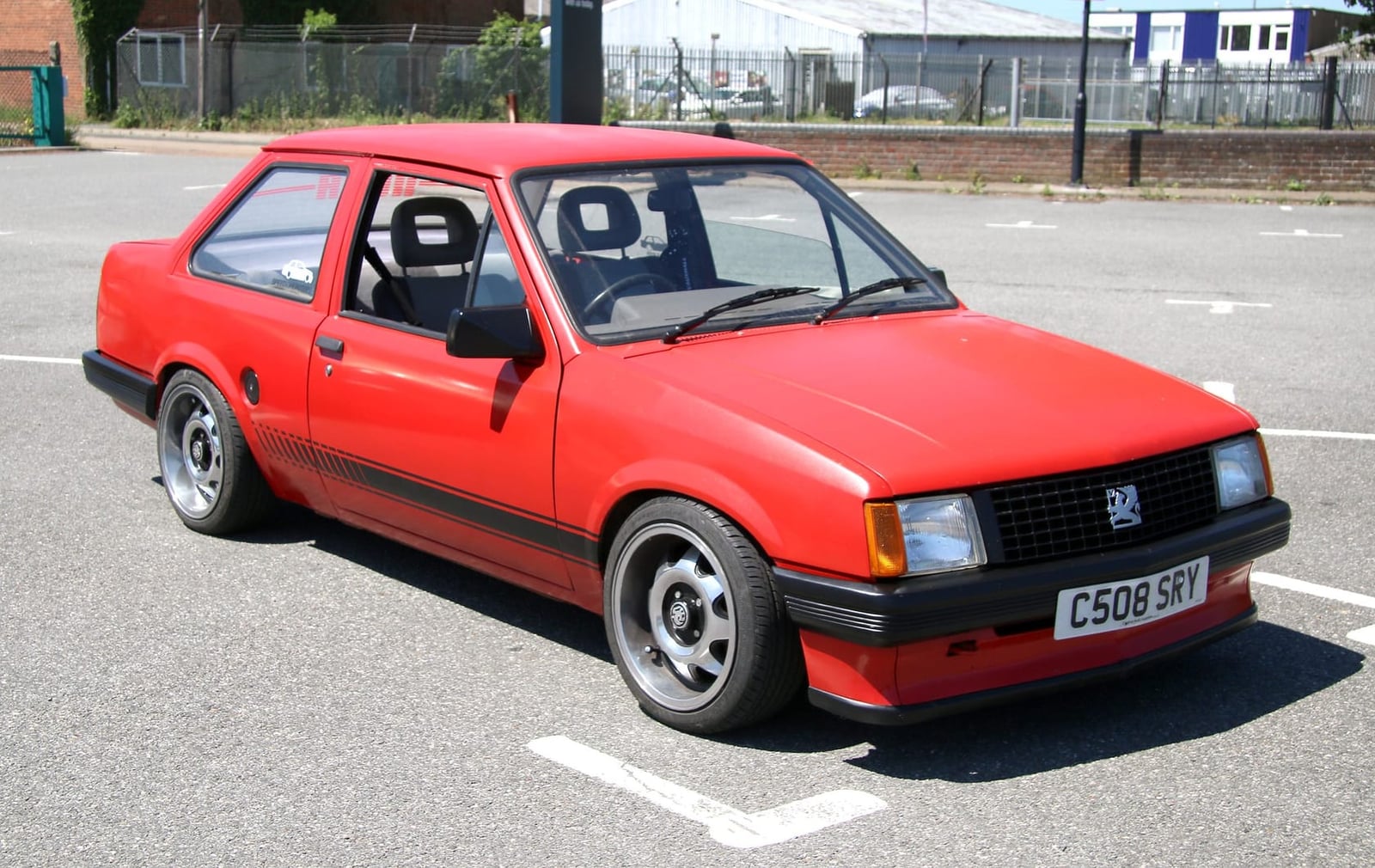
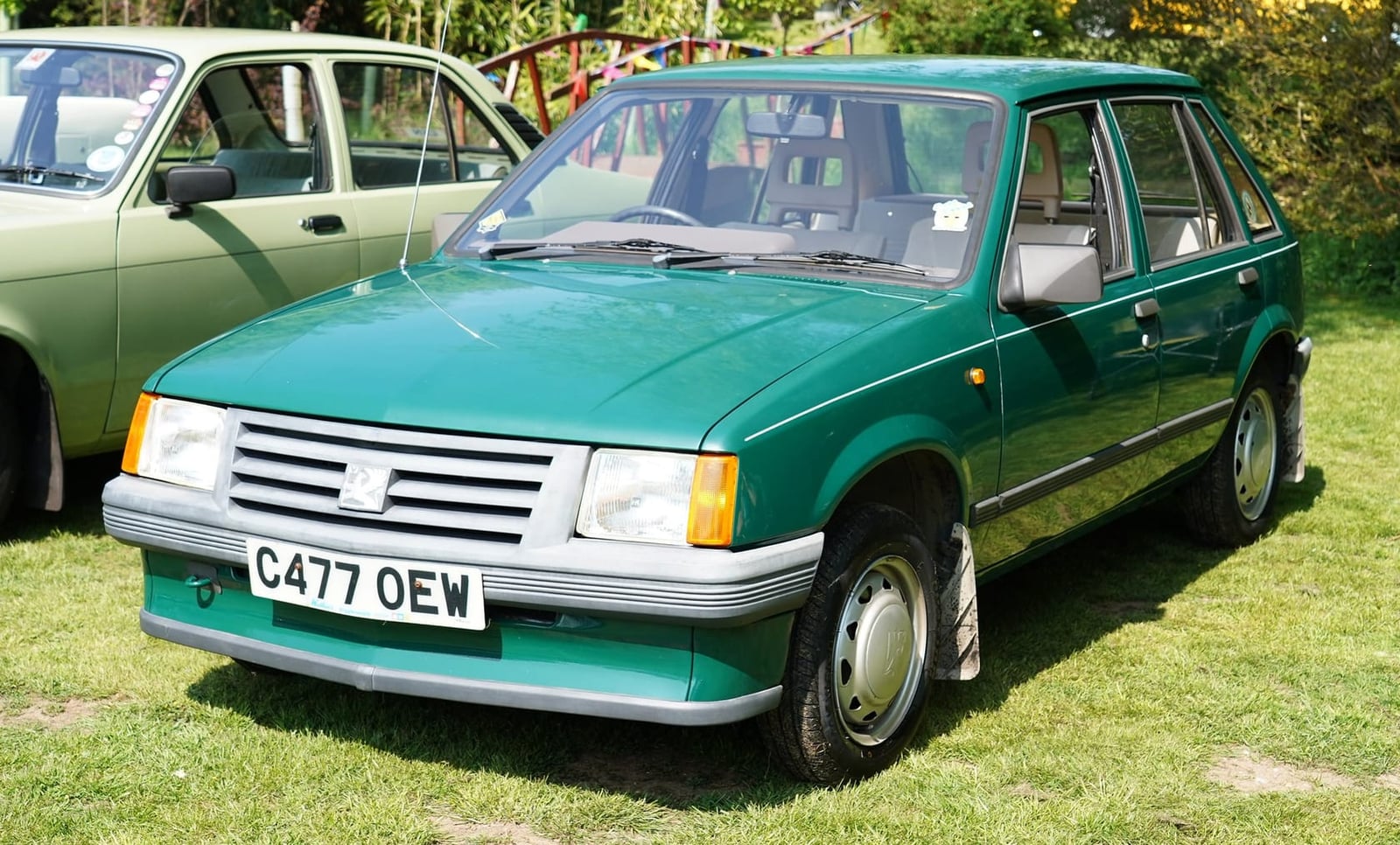
The Nova was Vauxhall’s first supermini, arriving in 1983 to fight the Fiesta and Metro with crisp GM engineering, a choice of three or five-door hatchback and the often-forgotten two and four-door booted saloons, and engines from a 993cc starter four through the 1.2 and 1.3 volume sellers to eventual 1.6 pace, with a diesel for the frugal. Cheap to buy, cheap to insure in base form and simple to fix at home with ordinary tools, it became driving-school, first-car and second-car furniture in every town in the country, succeeding the Chevette in the affections of exactly the buyers the Viva had once owned. Few cars were ever more ordinary, which is precisely why so few remain.

GTE, GSi and the hot Nova
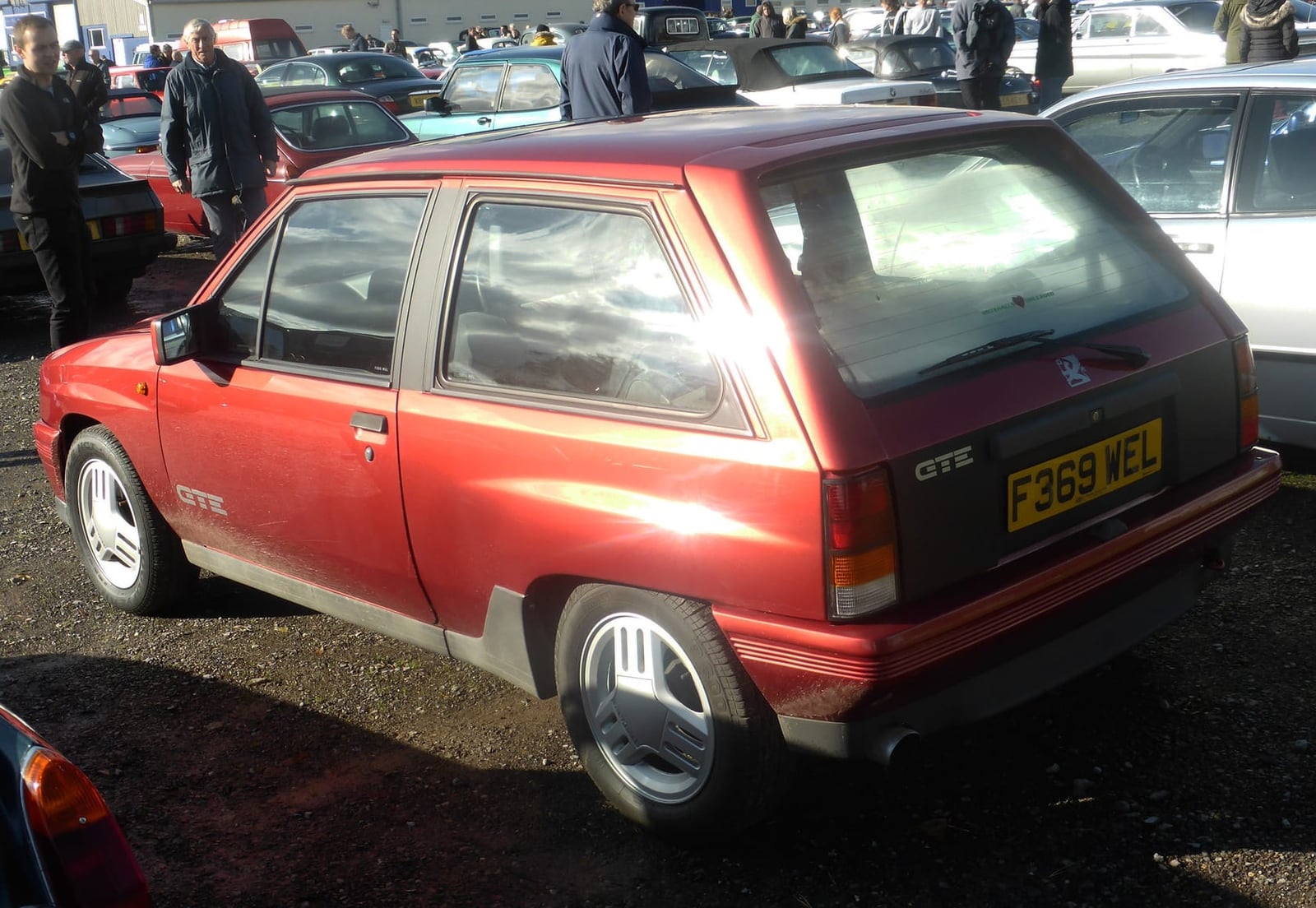
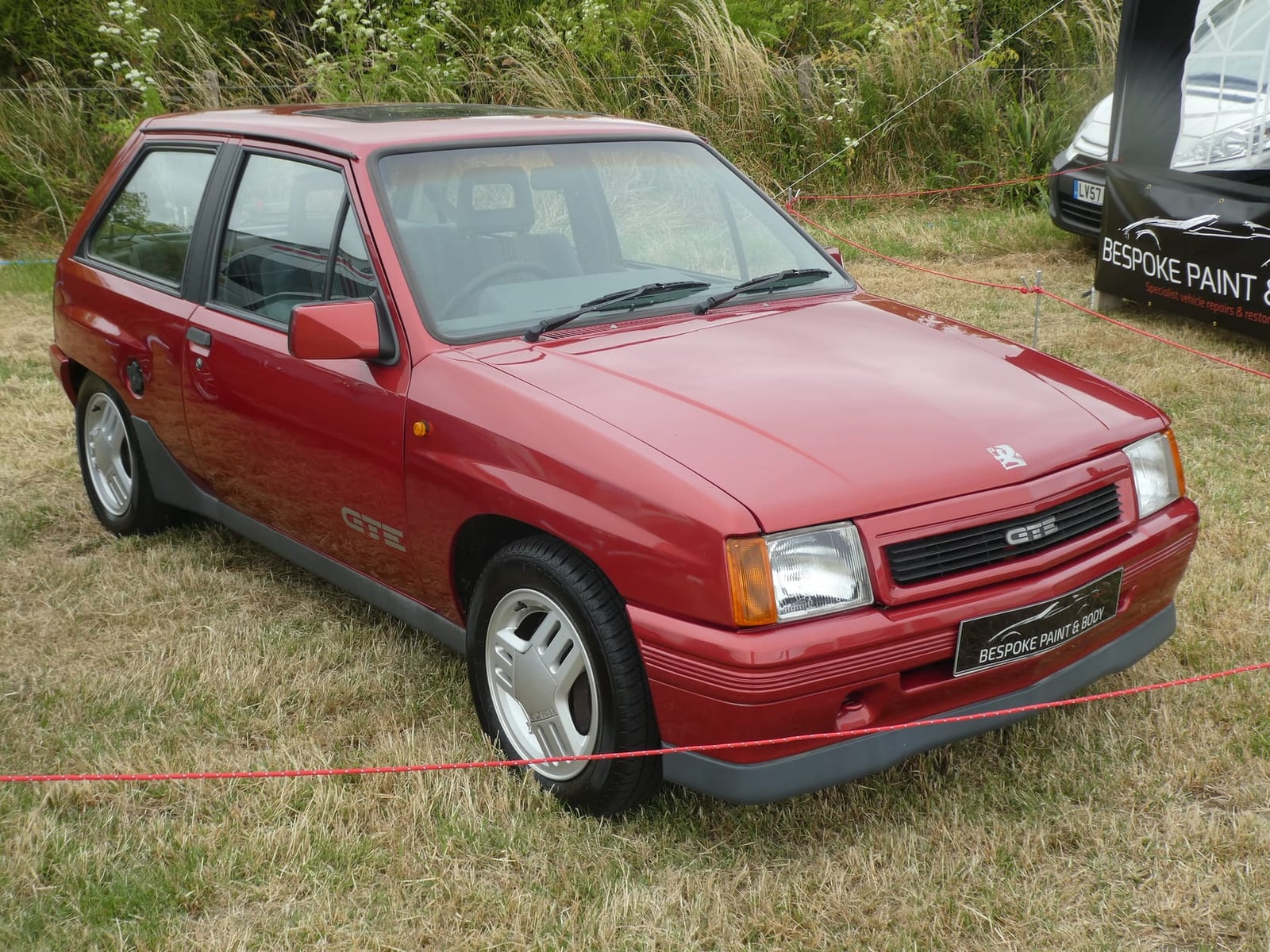
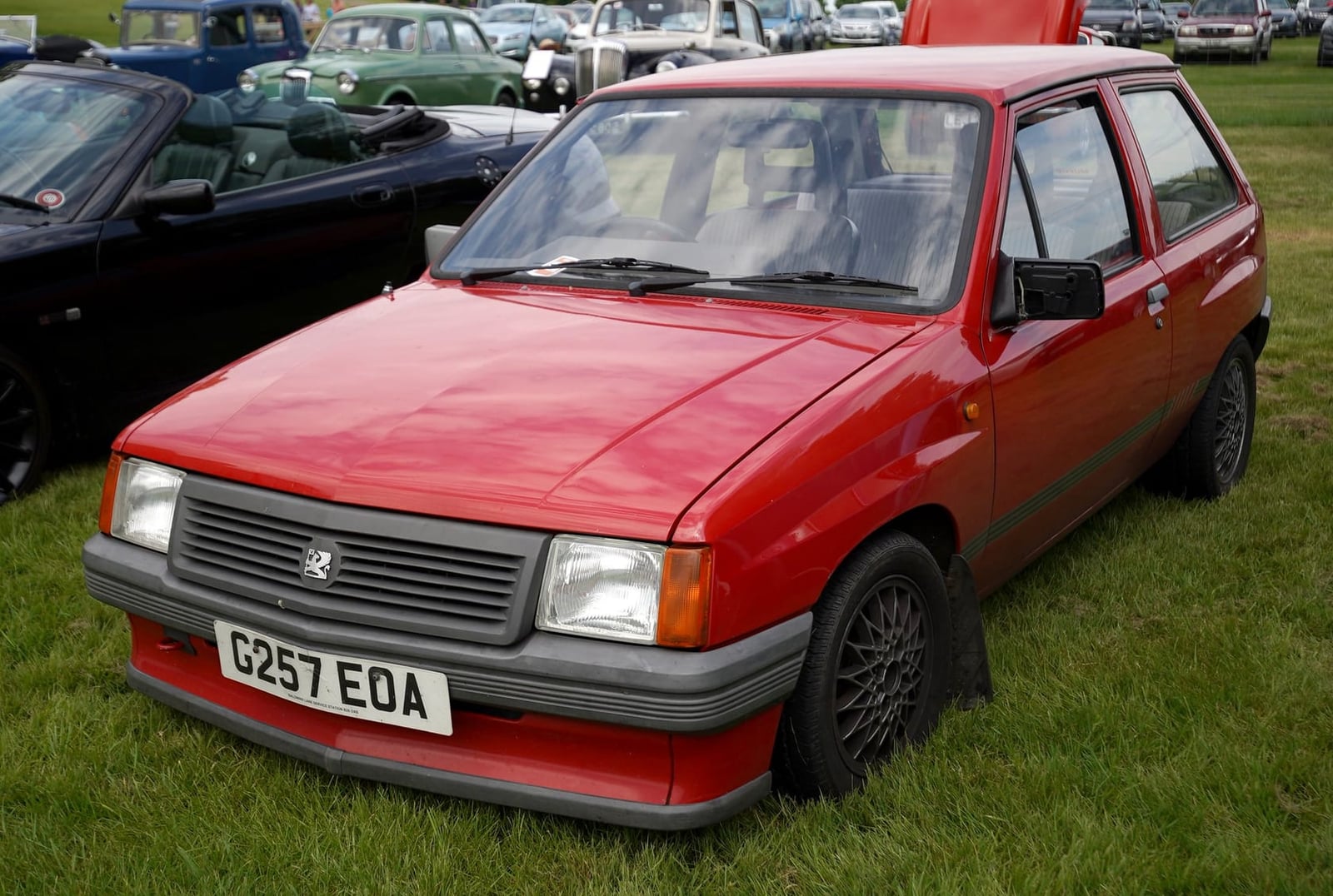
The 1988 GTE gave the range its legend: a 1.6 injection four making around 100 bhp in a shell under a tonne, good for sub-nine-second sprints and enormous teenage desire, renamed GSi with the 1990 facelift that also softened the range’s crisp original lines. Below it the SR offered the look with gentler insurance, red stripes and sports seats doing the work the engine did not, and period brochures pitched the pair at exactly the young buyers whose insurance quotes would soon become a national joke. The hot Novas became the modifying era’s favourite raw material, which destroyed most and made unmolested survivors the model’s blue chips today, trading multiples above the sensible versions their owners once ignored.

The rallying school
The Nova earned a competition pedigree out of all proportion to its price: the Nova Sport fed homologation rallying, one-make series filled club grids, and a young Colin McRae ran his early events in one before the world knew his name. Rallycross, autotests and grassroots stages still field Novas today, and the motorsport lane gives the model a collector story its supermini rivals mostly lack, with period competition cars and honest replicas both finding ready buyers.

From banger to classic: the survivor story
The Nova’s passage through worthlessness was faster and harsher than most: by the late nineties clean examples cost three figures, the modifying scene consumed them by the thousand, and insurance economics wrote off anything bent, so the national fleet collapsed within a decade of production ending. The corner turned in the 2010s as the first-car generation reached buying age and nostalgia, show classes filled with restored and survivor Novas, and the raffle-site economy began treating GTEs as headline prizes. Today the population is measured in low thousands across every variant, base cars are scarcer than hot ones because nobody thought to save them, and the model has completed the classic-car cycle’s classic arc, ubiquity to extinction to reverence, quicker than almost any car of its era.
What a Nova is like to drive
Lightness is the whole character: barely 800 kilograms in base form, thin pillars, instant steering and an eagerness that makes 45 bhp feel busy and the GTE feel genuinely quick even now, with a chassis balance that rewards commitment far beyond what a shopping car owed anybody. Gearchanges are short and mechanical, visibility is a lost art demonstrated, and parking takes half the space modern superminis demand. The ride is firm, the cabin plastics are entirely honest about their decade, and everything mechanical responds like the simple, well-sorted and easily fixed GM engineering it is. As a first classic it teaches the same lessons it taught learners in 1985, cheaply, clearly and with more charm than its reputation ever admitted.
Buying a Nova today
Rust decides everything: sills, arches, floors, scuttles and screen surrounds want close inspection, because the metal was never generous and most survivors carry history. Originality is the value driver, so unmodified cars, base models included, deserve their premiums, and reversing period modifications rarely pays. Mechanical parts flow through the Corsa network easily and cheaply; trim, badges, lamps and glass are the hunts that fill the owner forums, and complete donor cars have become too valuable to break. At 41 measured sales and a £5,900 median, solid cars trade from £4,000 and the best GTEs beyond £15,000, thin auction volumes reflecting scarcity rather than indifference, and the direction has been one way for years: the first-car generation is buying its youth back, and the supply it is bidding on can only shrink.

More photos
The Nova in dates
- 1983Vauxhall's first supermini arrives as the British Corsa A, in three and five-door hatchback and the often-forgotten two and four-door saloons.
- 1983 onwardsEngines run from a 993cc starter four through the 1.2 and 1.3 volume sellers, with a diesel for the frugal.
- 1988The GTE gives the range its legend: a 1.6 injection four at around 100 bhp in a shell under a tonne.
- 1990A facelift softens the crisp original lines and renames the hot car GSi.
- 1993UK sales end at about 500,000 cars.
- 2010sThe first-car generation reaches buying age, show classes fill with survivors, and the population settles at low thousands across every variant.
Before you buy a Nova
Rust, which decides everything
- Sills, arches and floors
- Scuttles and screen surrounds, where the thin metal shows first
- The metal was never generous, so most survivors carry history
- Complete donor cars have become too valuable to break, so repair sections are the harder find
Originality
- Unmodified cars, base models included, deserve their premiums
- Reversing period modifications rarely pays
- Hot Novas were the modifying era's favourite raw material, which makes unmolested ones the blue chips
- Base cars are now scarcer than hot ones, because nobody saved them
Parts and provenance
- Mechanical parts flow through the Corsa network easily and cheaply
- Trim, badges, lamps and glass are the hunts that fill the owner forums
- Period competition cars and honest replicas both find ready buyers
- Thin auction volumes reflect scarcity rather than indifference
What the Nova supermini sells for at auction
In 2025 the median Nova supermini sold for £5,675 across 8 sales, 15% down on 2024. In real terms, typical Nova supermini prices were down about 32% over the five years to 2025, once inflation is accounted for.
Show the year-by-year mediansHide the year-by-year medians
| Year | Sold | Median | In 2025 money |
|---|---|---|---|
| 2026 (so far) | 3 | £5,376 | |
| 2025 | 8 | £5,675 | £5,675 |
| 2024 | 9 | £6,696 | £6,953 |
| 2023 | 6 | £14,059 | £15,087 |
| 2022 | 6 | £4,014 | £4,598 |
| 2020 | 4 | £6,552 | £8,302 |
- £17,900Nova
- £5,376Nova
- £3,000Nova
- £15,750Nova
- £3,000Nova
Thin evidence. Only 41 recorded sales: read the figures as a sketch of the market, not a price. Based on 41 sold results from public classic car auctions (2007 to 10 August 2026). Sold prices, not asking prices, and not a valuation: condition, history and specification vary from car to car. Inflation-adjusted figures use the ONS CPIH index, in 2025 money.
Frequently asked questions
Is a Vauxhall Nova the same as an Opel Corsa?
Why are Vauxhall Novas so rare now?
What is the difference between the Nova GTE and GSi?
Did Colin McRae really rally a Vauxhall Nova?
How much is a Vauxhall Nova worth?
What is the most expensive Nova supermini ever sold at auction?
How often does a Nova supermini come up for sale?
Related across themes
More from Vauxhall

Vauxhall Victor: nineteen years and five generations of family Vauxhall (1957–1976)

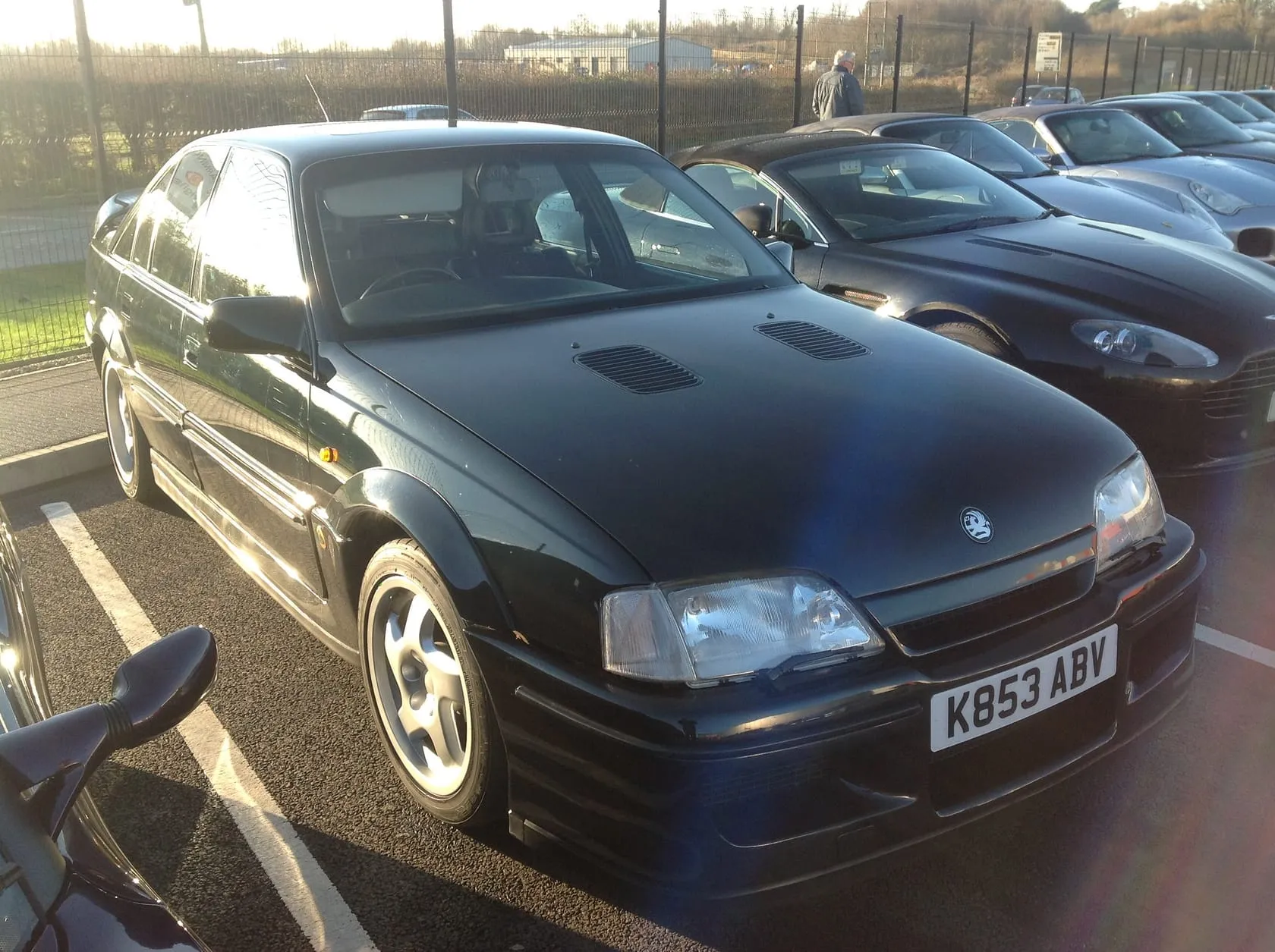
Vauxhall Carlton: Luton's last big saloon, the Car of the Year and the GSi 3000 (1978–1994)

Vauxhall Astra GTE: Ellesmere Port's hot hatchback, from the Mk1 to the 16v red-top (1983–1991)


