Aston Martin Lagonda: the wedge that saved the company (1976–1990)
William Towns drew a paper-flat wedge, the factory gave it the world's first digital dashboard, and the deposits it took at Earls Court helped keep Aston Martin alive. A guide to the 1976–90 Lagonda, its four series, the Rapide backstory, buying checks and values.
Built 1976–1990 103 recorded sales
At a glance
- Years
- 1976–1990 (wedge); 645 built
- Body styles
- Four-door saloon; a handful of estate and limousine conversions
- Drivetrain
- Front engine, rear-wheel drive
- Engines
- 5340cc V8, carburettors then fuel injection from 1986
- Power
- Around 280-300 bhp, undisclosed in period
- Top speed
- Around 140 mph
- Trim levels
- Series 2 (1976–85), Series 3 injection (1986), softened Series 4 (1987–90)
- Production
- 645 wedges; 55 earlier Rapides
- Assembly
- Newport Pagnell
- Designer
- William Towns
- Values
- Projects from around £20,000; good cars £35,000-£70,000; the best Series 2 beyond £100,000
- The gamble
- First production car with an all-digital instrument panel
- The rescue
- Earls Court 1976 deposits helped fund the company through its darkest year
The models
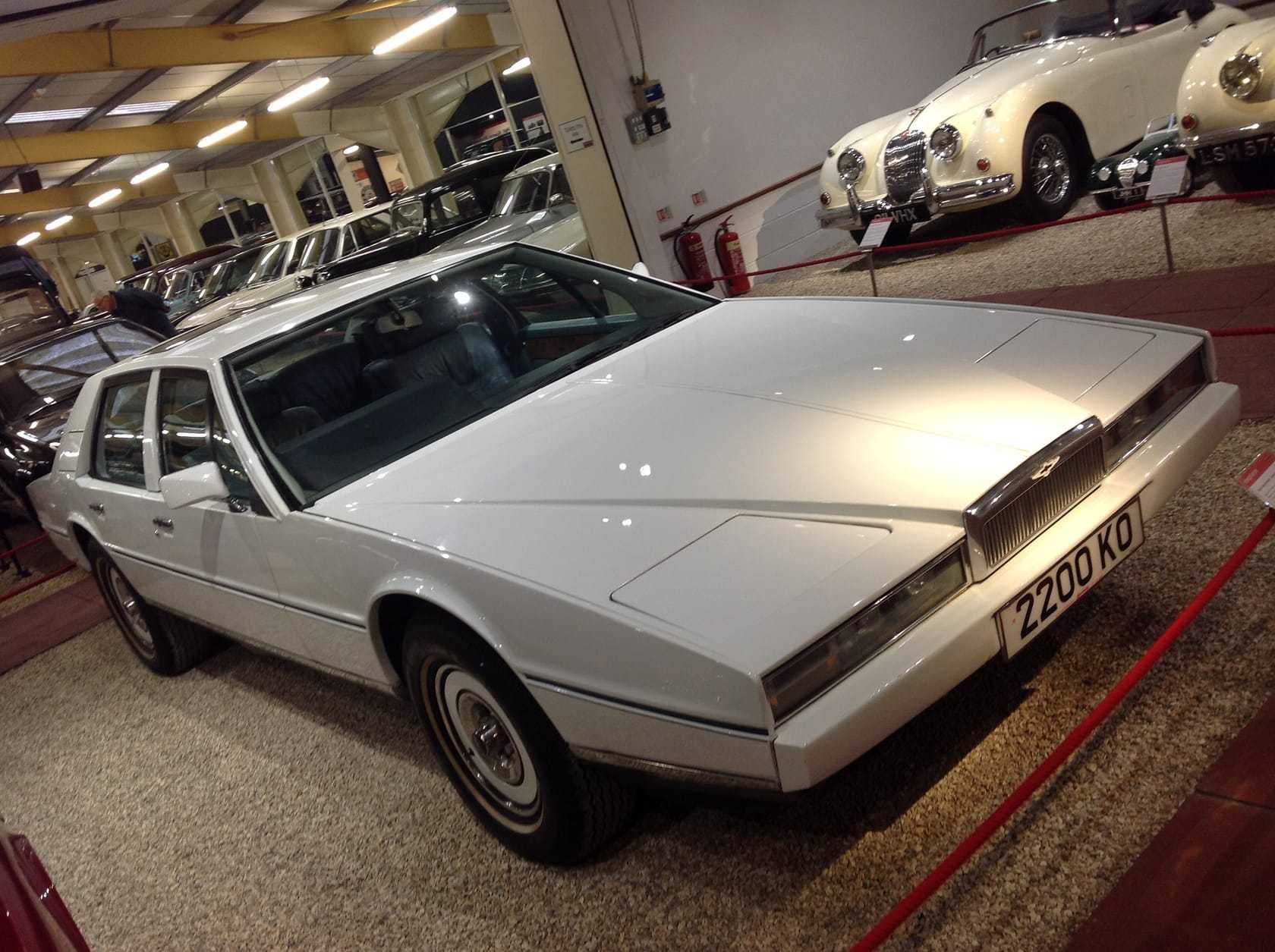
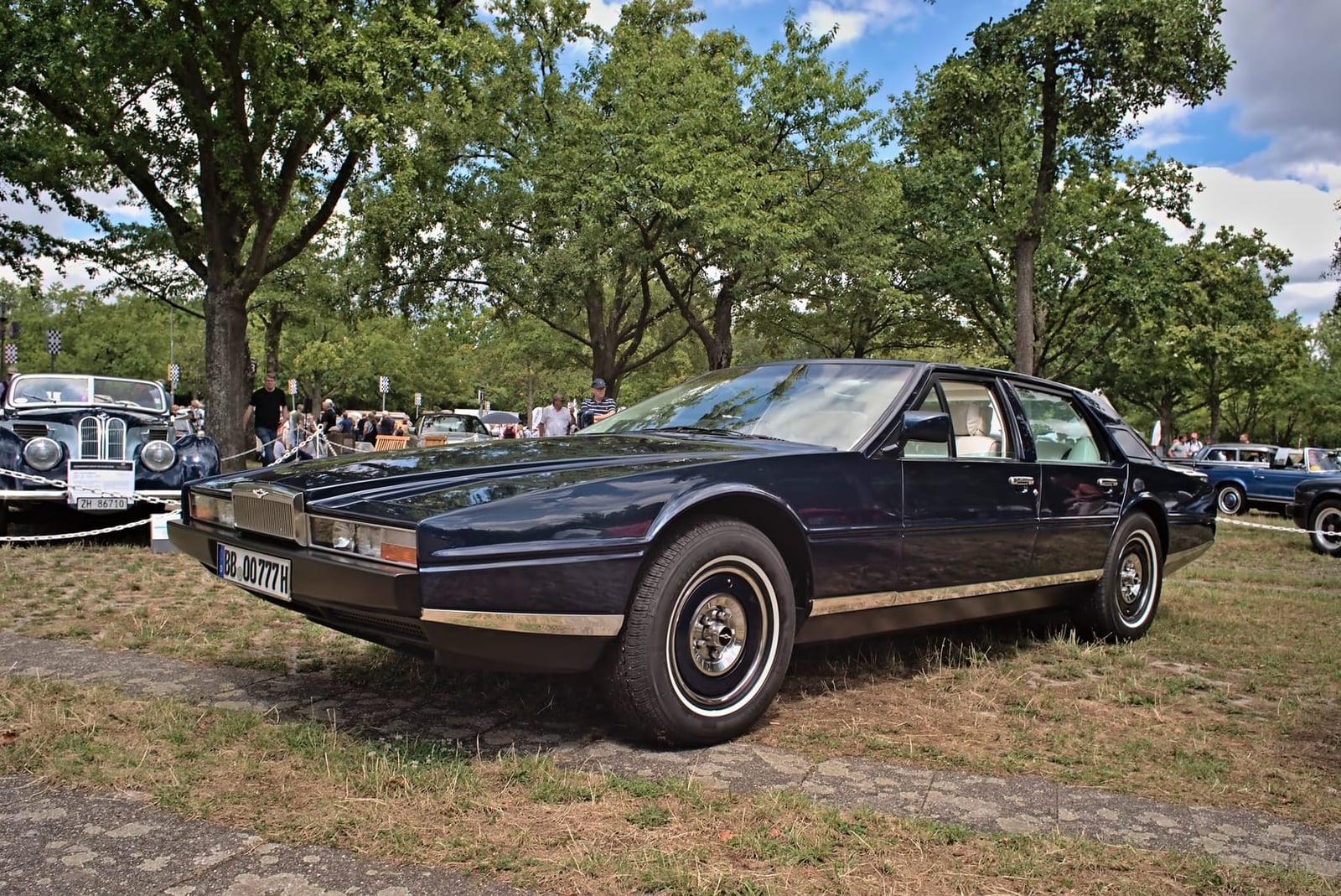
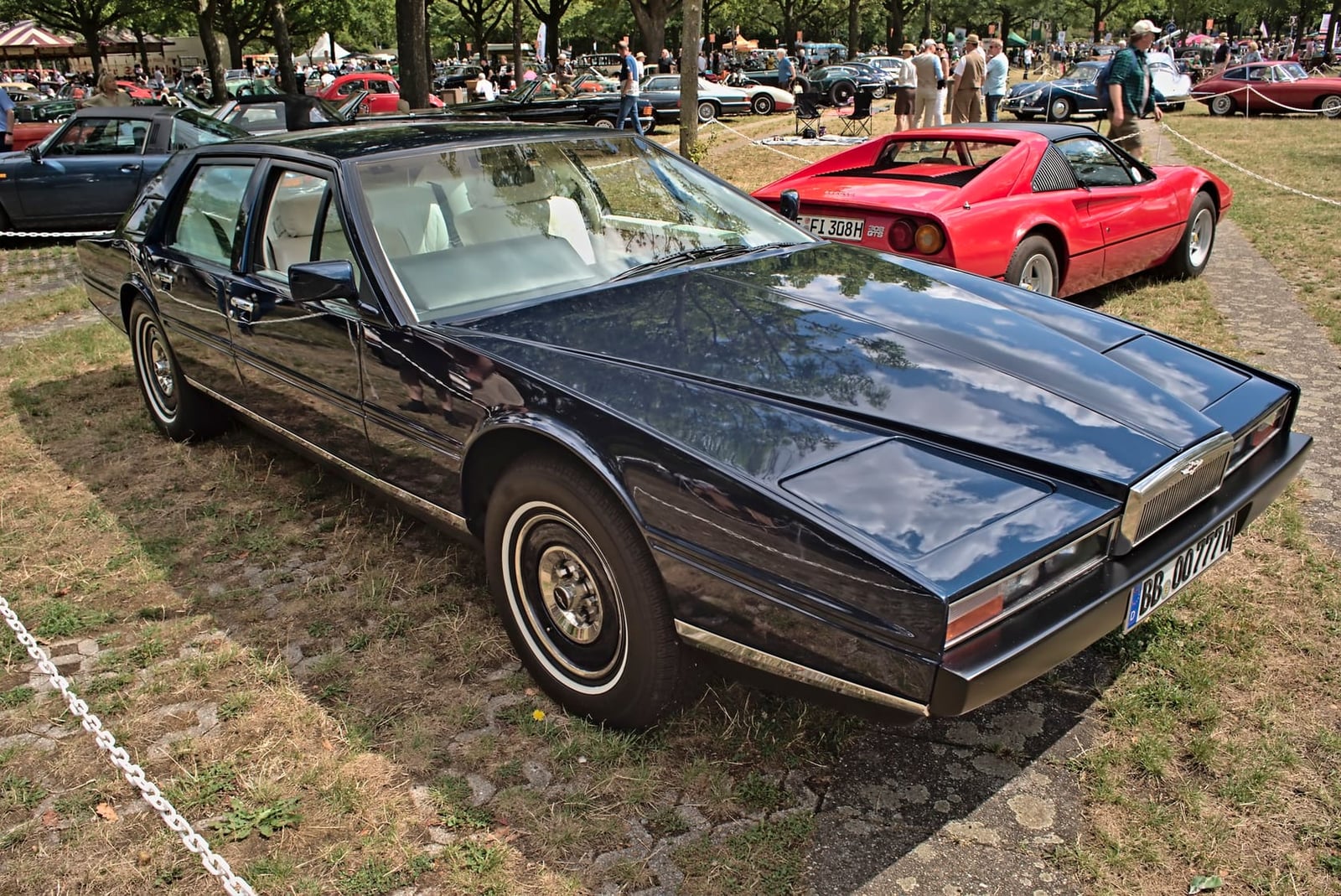
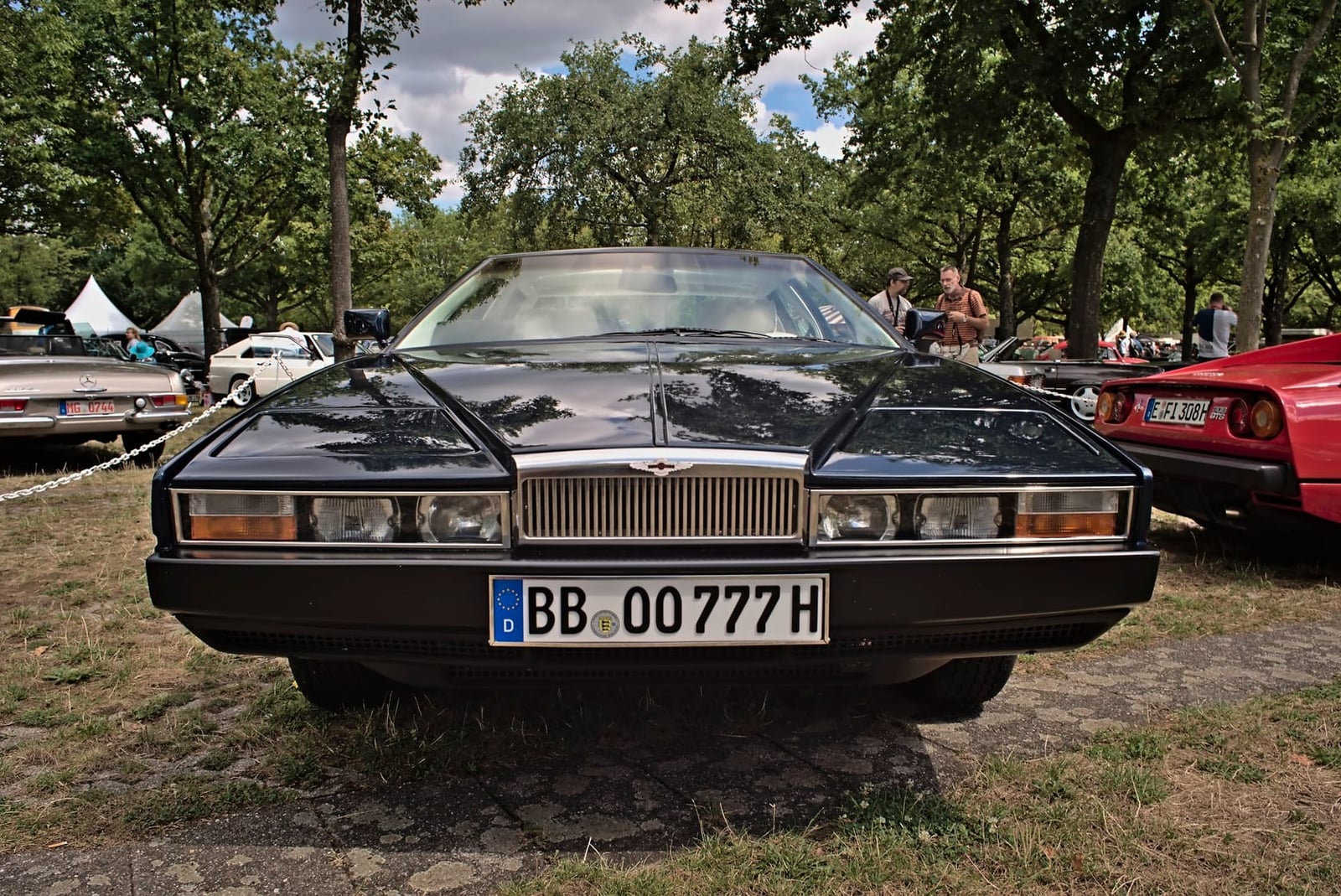
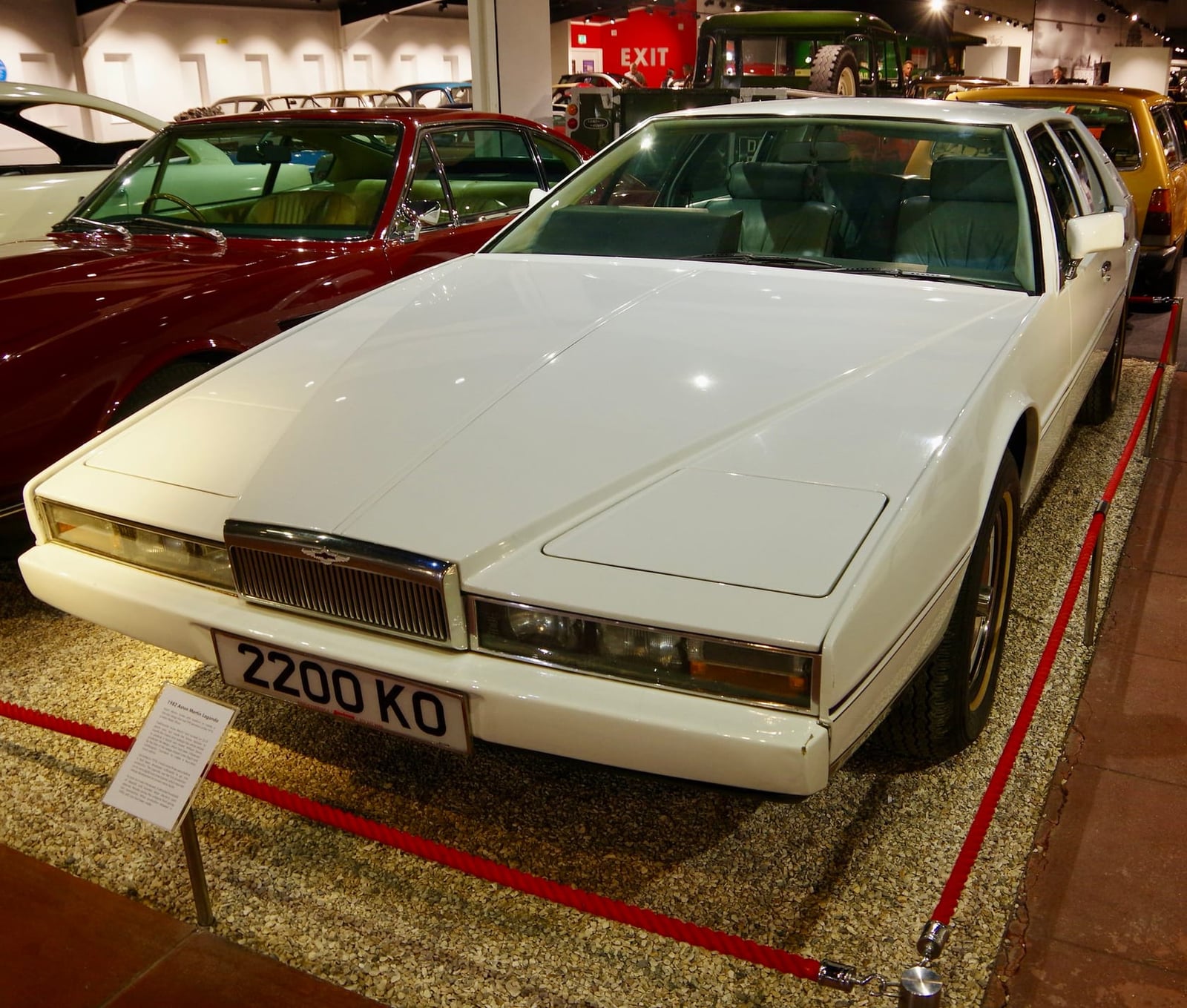
In October 1976 a company fresh out of receivership unveiled a five-metre paper-flat wedge with a television screen for a dashboard, and the crowds at Earls Court decided Aston Martin deserved to live. William Towns’s Aston Martin Lagonda took deposits on the stand at the company’s lowest ebb, gave the world its first digital production dashboard, and spent fourteen years as the strangest, grandest four-door Britain made. The wedge has now outlived every joke ever told about it, and its market is finally, firmly saying so.
Earls Court, 1976: the rescue wedge
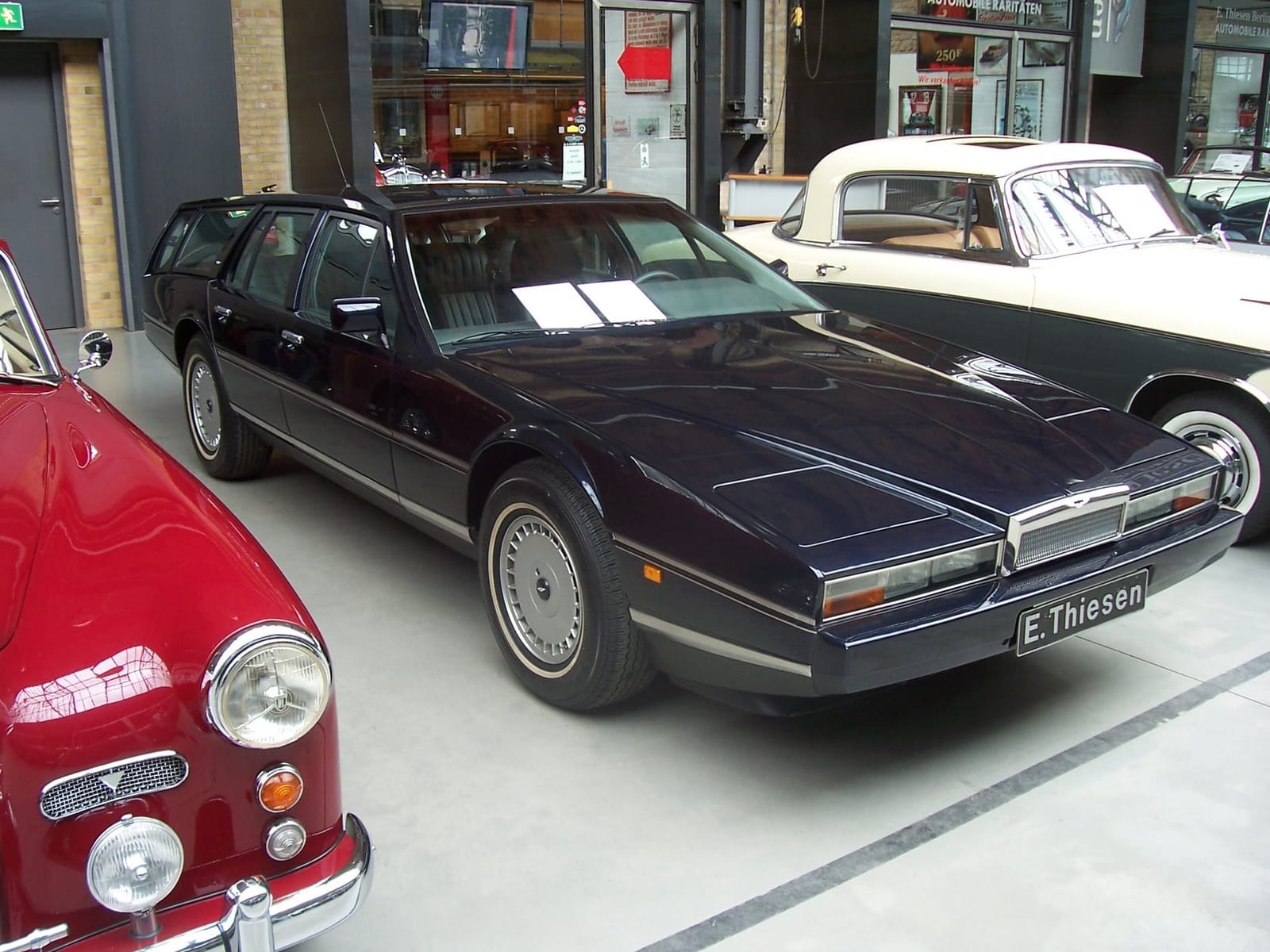
The timing was the story: Aston Martin had passed through receivership in 1975, and the new owners needed a sensation, so Towns folded one out of flat planes in a matter of months. The Lagonda’s show debut brought headlines and deposit-backed orders when both were oxygen, and by the time deliveries began in 1978 the order book leaned heavily on Middle Eastern royal households with the patience and purses the car demanded. It was the company flagship until 1990, 645 hand-built at Newport Pagnell, every one a small diplomatic event.

The digital gamble
The dashboard made the wedge a time traveller: cathode- ray instruments and touch-sensitive controls, the first all-digital panel in any production car, announced years before the rest of the industry dared. The electronics also nearly sank it, with development reportedly swallowing multiples of the original budget and reliability in service becoming the model’s defining joke. Later series moved through vacuum-fluorescent and cathode-ray revisions without ever quite conquering the gremlins, which is why working original displays are today’s single most valuable feature on any car offered for sale.
Series 1 to 4, and the Rapide before
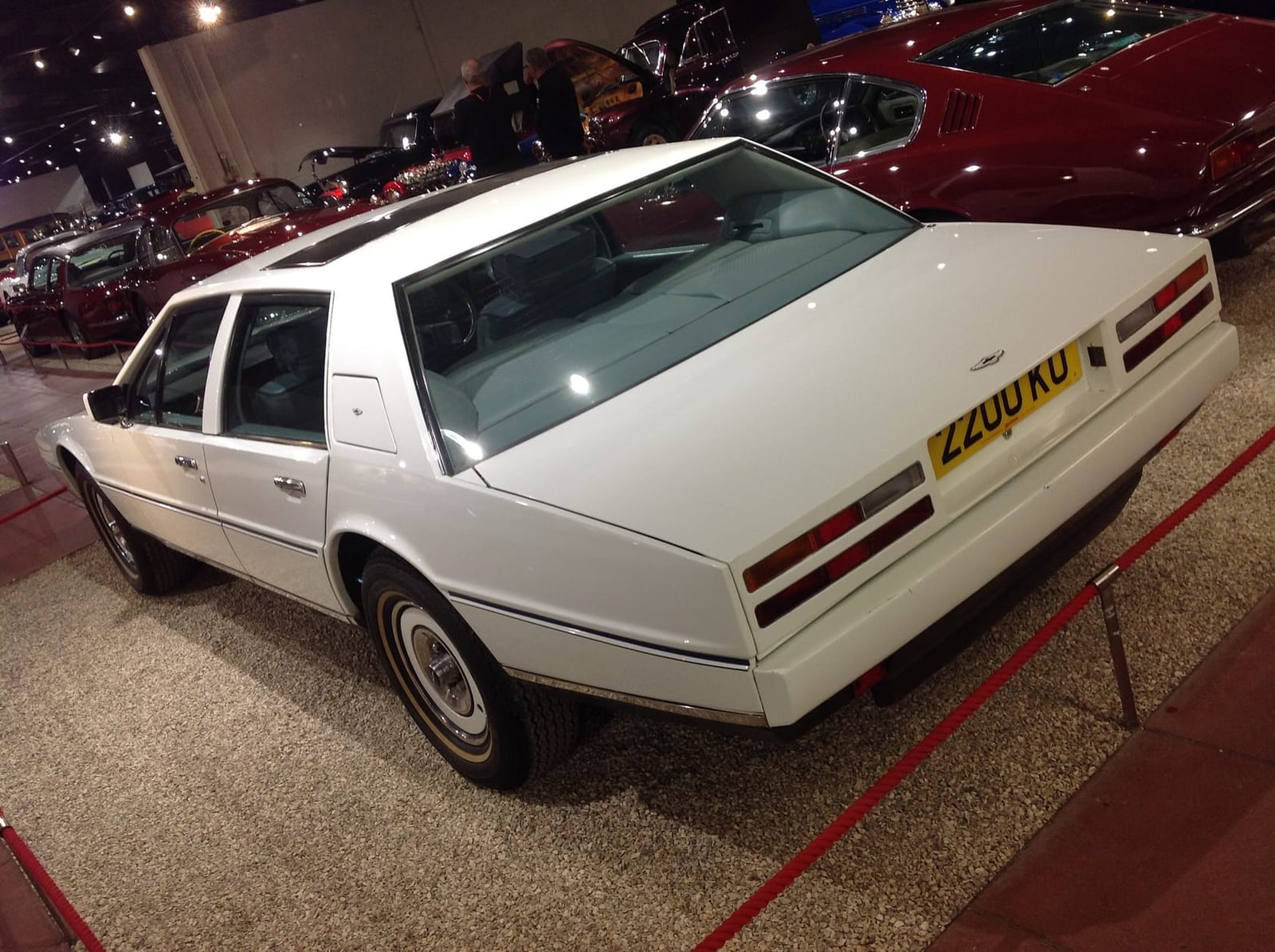
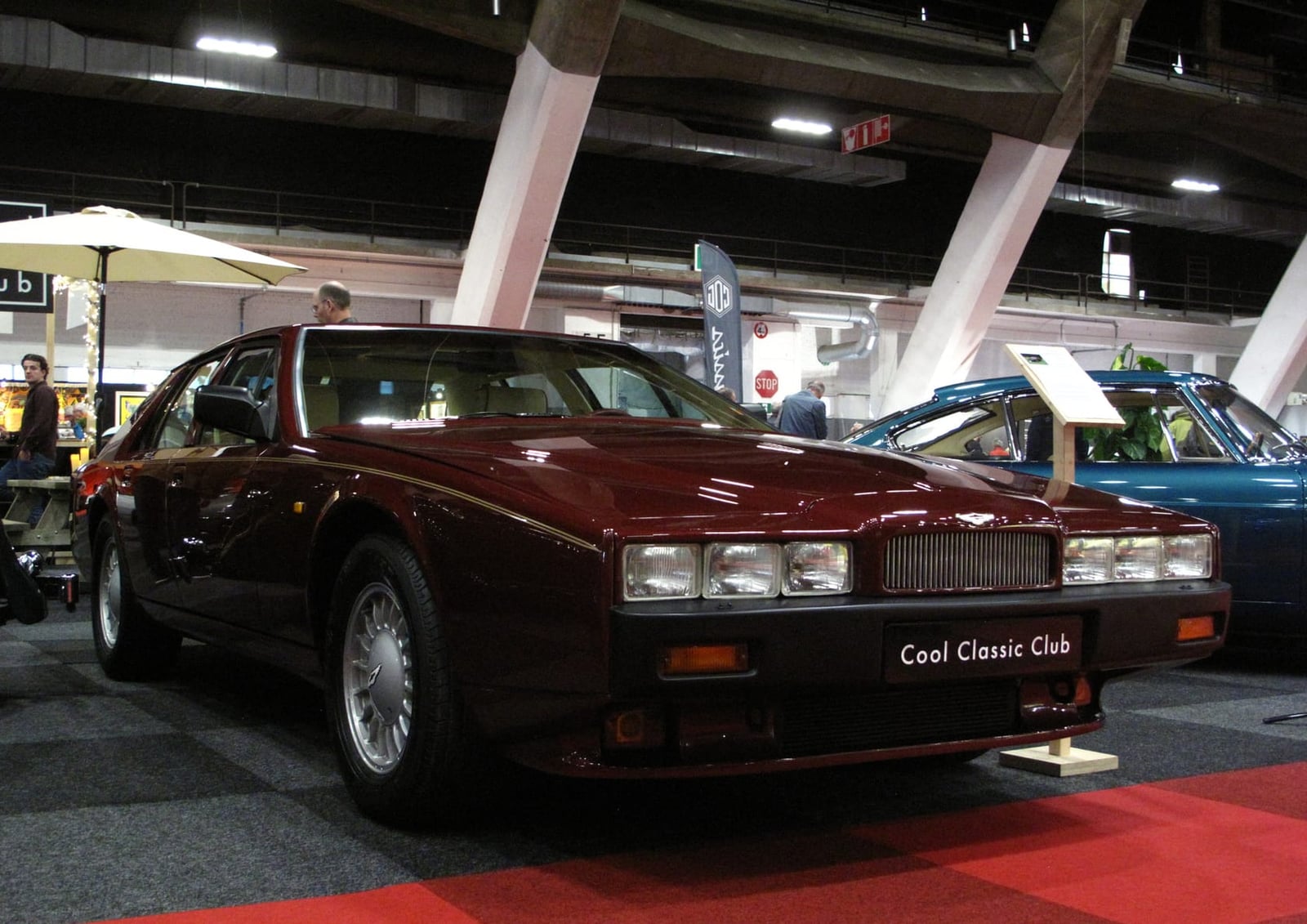
The taxonomy matters to buyers: seven 1974–75 Series 1 cars were DBS-based saloons before the wedge, the true Towns car arrived as the Series 2 of 1976–85, fuel injection made the 1986 Series 3, and the 1987–90 Series 4 softened the edges literally, rounding the creases and fixing the pop-up lamps. Before them all stood the Lagonda Rapide of 1961–64, 55 four-door grand tourers on DB4 foundations that revived the name David Brown had bought in 1947. The purest wedges, and the market’s clear favourites, remain the crisp, sharp-edged early Series 2 cars.

The royal flagship years
The customer list explained the car: Middle Eastern royal and government households took a large share of production, ordering in twos and threes with specification sheets that kept Newport Pagnell’s trimmers inventing, and a scattering of estates, limousines and armoured conversions grew from the standard saloon for owners who wanted even more of it. In Britain the wedge became the choice of the determinedly individual, and its newsreel appearances, gliding into palace forecourts and grand-hotel sweeps, did more for Aston Martin’s eighties image than any advertising the company could afford. Flagship duty only ended in 1990 when the Virage generation took over the V8 line, and no four-door Aston followed for another two decades.
What a Lagonda is like to drive
Behind the theatre sits familiar muscle: the V8 family’s 5.3-litre engine, carburetted then injected, moving the long saloon with lazy force to a 140 mph gait, automatic transmission and soft springing tuning it for continents rather than corners. The driving position is pure spaceship, the bonnet vanishes from view entirely, and the car cruises with a long-legged composure its reputation never mentions, motorways dispatched in silence with four adults and their luggage genuinely accommodated. Owners report the same conversion arc every time: bought for the looks, kept for the way it covers ground, and forgiven its instruments somewhere around the third long run.

Buying a Lagonda today
Electronics first, always: a documented, functioning instrument set, or evidence of a quality specialist conversion, moves value more than mileage, and rewiring horrors consume budgets whole. Then the standard Newport Pagnell checklist: aluminium panels over steel frame want corrosion inspection at every joint, V8 servicing history matters, and the factory records and owners club know most of the 645 individually. Series 2 purity carries the premium; Series 4 usability suits drivers. Buy the best electrics you can find and the rest is manageable.

Values: the wedge gets the last laugh
One hundred and twenty-two measured sales at a £39,000 median price the Lagonda at a fraction of its two-door siblings: projects from £20,000, good cars £35,000 to £70,000, and the finest early cars past £100,000 with the direction firmly upward as the eighties generation reaches its collecting years and the wedge’s television fame introduces it to another one. Restoration economics still favour buying the best car available rather than improving a cheap one. The Rapide trades separately on 55-car rarity. For presence per pound nothing at Newport Pagnell comes close, and the wedge’s long joke era is ending exactly the way its keepers always said it would.
More photos
How the Lagonda changed
- 1961The Lagonda Rapide revives the name David Brown bought in 1947: 55 four-door grand tourers on DB4 foundations, built to 1964.
- 1974Seven DBS-based Series 1 saloons precede the wedge.
- Oct 1976William Towns' wedge debuts at Earls Court months after receivership, taking deposit-backed orders when both headlines and cash were oxygen.
- 1978Deliveries begin, the order book leaning heavily on Middle Eastern royal households; the first all-digital instrument panel in any production car reaches customers.
- 1986Fuel injection makes the Series 3.
- 1987The Series 4 softens the edges literally, rounding the creases and fixing the pop-up lamps.
- 1990Production ends at 645 wedges as the Virage generation takes over; no four-door Aston follows for two decades.
Lagonda: what to check before you buy
Electronics, first and always
- A documented, functioning instrument set, or evidence of a quality specialist conversion
- Working original displays are the single most valuable feature on any car offered
- Rewiring horrors consume budgets whole, so buy the best electrics you can find
- Series 2, 3 and 4 used different display technologies; know which you are looking at
Structure and mechanicals
- Aluminium panels over a steel frame: inspect corrosion at every joint
- V8 servicing history, at the same standard the two-door cars demand
- The factory records and owners club know most of the 645 individually
- Carburettor and injected cars differ; injection arrives with the 1986 Series 3
Series and provenance
- Crisp early Series 2 cars are the purest wedges and the market's clear favourites
- Series 4 usability suits drivers rather than collectors
- Estates, limousines and armoured conversions exist and are priced individually
- The 1961 to 1964 Rapide trades separately on 55-car rarity
What the Lagonda sells for at auction
In real terms, typical Lagonda prices were down about 27% over the five years to 2025, once inflation is accounted for.
Show the year-by-year mediansHide the year-by-year medians
| Year | Sold | Median | In 2025 money |
|---|---|---|---|
| 2026 (so far) | 7 | £43,604 | |
| 2025 | 4 | £36,262 | £36,262 |
| 2024 | 7 | £72,875 | £75,672 |
| 2023 | 5 | £39,116 | £41,975 |
| 2022 | 9 | £52,681 | £60,332 |
| 2021 | 4 | £53,671 | £66,367 |
| 2020 | 4 | £39,341 | £49,854 |
| 2019 | 8 | £58,492 | £74,878 |
| 2018 | 4 | £45,619 | £59,391 |
| 2017 | 8 | £37,478 | £49,922 |
| 2016 | 4 | £71,022 | £97,039 |
| 2015 | 6 | £59,702 | £82,389 |
| 2014 | 5 | £29,017 | £40,204 |
| 2013 | 4 | £15,397 | £21,637 |
| 2012 | 5 | £25,300 | £36,369 |
| 2011 | 3 | £25,639 | £37,801 |
| 2010 | 7 | £21,173 | £32,429 |
| 2009 | 3 | £24,091 | £37,822 |
- £90,000Lagonda
- £42,908Lagonda
- £43,604Lagonda
- £33,824Lagonda
- £356,588Lagonda
Reasonable evidence. 103 recorded sales: enough for the range to mean something, though a few unusual cars can still move a single year's median. Based on 103 sold results from public classic car auctions (2002 to 10 August 2026). Sold prices, not asking prices, and not a valuation: condition, history and specification vary from car to car. Inflation-adjusted figures use the ONS CPIH index, in 2025 money.