Rolls-Royce Camargue: the Pininfarina outsider (1975–1986)
Britain's most expensive car at launch, styled by Pininfarina and built in a run of just 531, the Camargue was the most controversial Rolls-Royce of its century and has grown into a cult. A guide to the 1975–86 coupe, its engineering, buying checks and values.
Built 1975–1986 85 recorded sales
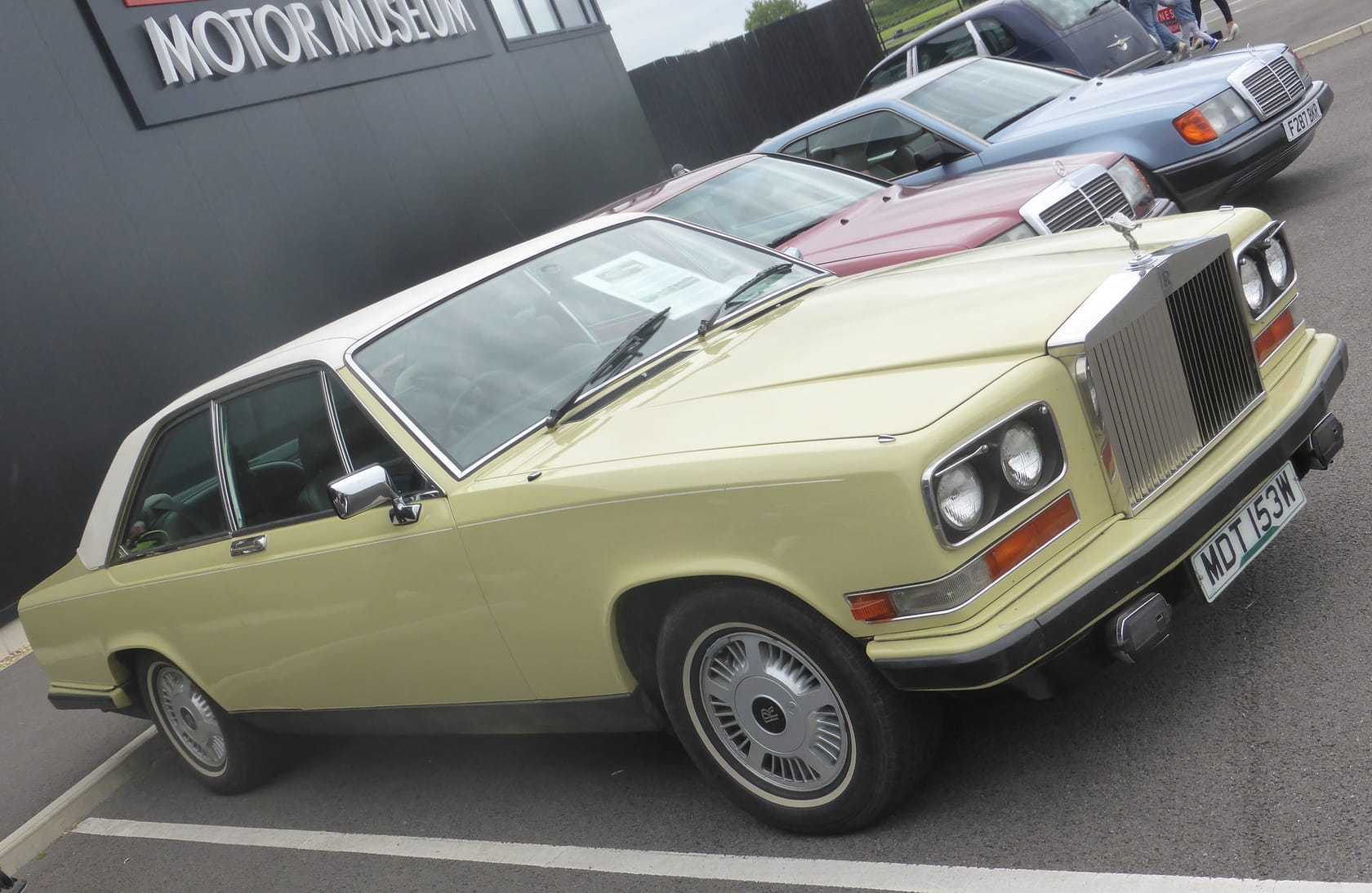
At a glance
- Years
- 1975–1986
- Body styles
- Two-door four-seat coupe
- Drivetrain
- Front engine, rear-wheel drive; monocoque
- Engines
- 6750cc V8
- Power
- Undisclosed, in the house tradition; roughly 220 bhp
- Top speed
- Around 120 mph
- Trim levels
- One lavish specification; late cars with Silver Spirit running gear
- Production
- 531
- Assembly
- London and Crewe
- Designer
- Paolo Martin at Pininfarina
- Values
- Projects from around £15,000; good cars £30,000-£55,000; the best beyond £70,000
- The price tag
- At £29,250 in 1975 it was the most expensive production car in the world
- The first
- The first post-war Rolls-Royce styled by an outside house
The models
Just 531 Camargues left Rolls-Royce’s books in eleven years, and none of its cars that century was argued about harder. Drawn by Paolo Martin at Pininfarina over Silver Shadow bones and launched in 1975 as the most expensive production car in the world, the Rolls Royce Camargue has travelled the full arc from scandal to cult: the car the faithful once disowned is now the one the crowd walks over to see.
The most expensive car in the world
The numbers made headlines before the styling did: £29,250 in March 1975, nearly fifty per cent above the Corniche and roughly ten times a family saloon, a deliberate statement that the two-door flagship stood above everything, rivals included. Build pace matched the positioning, about one car a week through Mulliner Park Ward’s London works and later Crewe, and the price kept its supremacy for most of the production run. Rolls-Royce never repeated the experiment of a standalone flagship coupe, which leaves the Camargue alone at its altitude in the company’s whole post-war story.

The Pininfarina gamble
Handing the house style to Turin was heresy of the first order: Martin drew a crisp, slab-flanked wedge-era coupe, the radiator canted slightly forward, the glasshouse airy and the details rigorously modern, and tradition-minded buyers gasped at the departure from Crewe’s curves. The argument has never fully settled, which is the point: the Camargue is the only post-war Rolls styled outside the company, and five decades on the outsider looks increasingly like the boldest single decision the marque took between the Shadow’s launch and the present day, which is exactly how cult cars are made.

Engineering under the argument
Beneath the debate sat proven metal: the Shadow’s monocoque platform, self-levelling suspension and 6.75 V8, tuned marginally for the flagship, with the Corniche donating its floorpan and late cars adopting Silver Spirit running gear. The genuine world first rode inside: split-level automatic air conditioning, eight years in development, serving different temperatures to face and feet automatically, the most sophisticated climate system any car had carried. It remains the Camargue’s quiet claim on history, whatever the styling arguments conclude.
Eleven years at the top of the range
The Camargue held its perch through a turbulent decade for its maker: launched under the newly independent Rolls-Royce Motors in 1975, it outlasted the Shadow that donated its bones, carried on above the Silver Spirit generation from 1980, and bowed out in 1986 with a final run of specification updates and a dozen last cars for America. Production never hurried, 531 cars in eleven years, and the flagship never had a successor: when the Camargue retired, the idea of a bespoke coupe priced above everything else retired with it, until the modern era revived the concept at Goodwood. That vacancy is part of today’s collecting case, because the Camargue remains the only car of its kind Crewe ever made.
What a Camargue is like to drive
The Camargue drives like the Shadow family at its most relaxed: silent V8 surge, feather-light controls, a ride tuned for boulevards and a two-door cabin of hide and veneer that treats four adults to first-class travel. It is a cruiser without sporting pretence, happiest sweeping between towns with the climate system doing its invisible work, and its size shrinks less than the saloons’ does, so it rewards planning in old streets. Performance is ample rather than urgent, seventy is a murmur, and the car’s whole character argues for the scenic route. Owners prize exactly this unhurried manner, and the rarity means every fuel stop collects conversations the commonplace classics never start.

Buying a Camargue today
Mechanical risk is the manageable part, because running gear is shared with the Shadow and Spirit families and the specialist network knows it intimately: hydraulics, brake spheres and service history are the first checks. The model-specific perils are body and trim, unique panels, scarce brightwork and that complex air conditioning, so completeness matters more than cosmetics, and a documented car with working systems is worth every premium. Left-hand-drive cars outnumber right, because America and the Gulf took most of the run, so UK-supplied examples carry their own scarcity value on top of the model’s. The registers know most of the 531 individually; buy with their verdict, a specialist inspection and a working-systems demonstration, and the ownership is no harder than a Shadow’s with twice the occasion.

Values: the cult forms
Eighty-five measured sales at a £33,600 median show the re-rating under way: projects from £15,000, good cars £30,000 to £55,000, exceptional examples pressing past £70,000, all for a car outnumbered by the pre-war Phantom III. The heretic has become the connoisseur’s conversation piece, and the rarity mathematics suggest the direction of travel, because nothing this scarce with a story this good stays argumentative money forever.
More photos
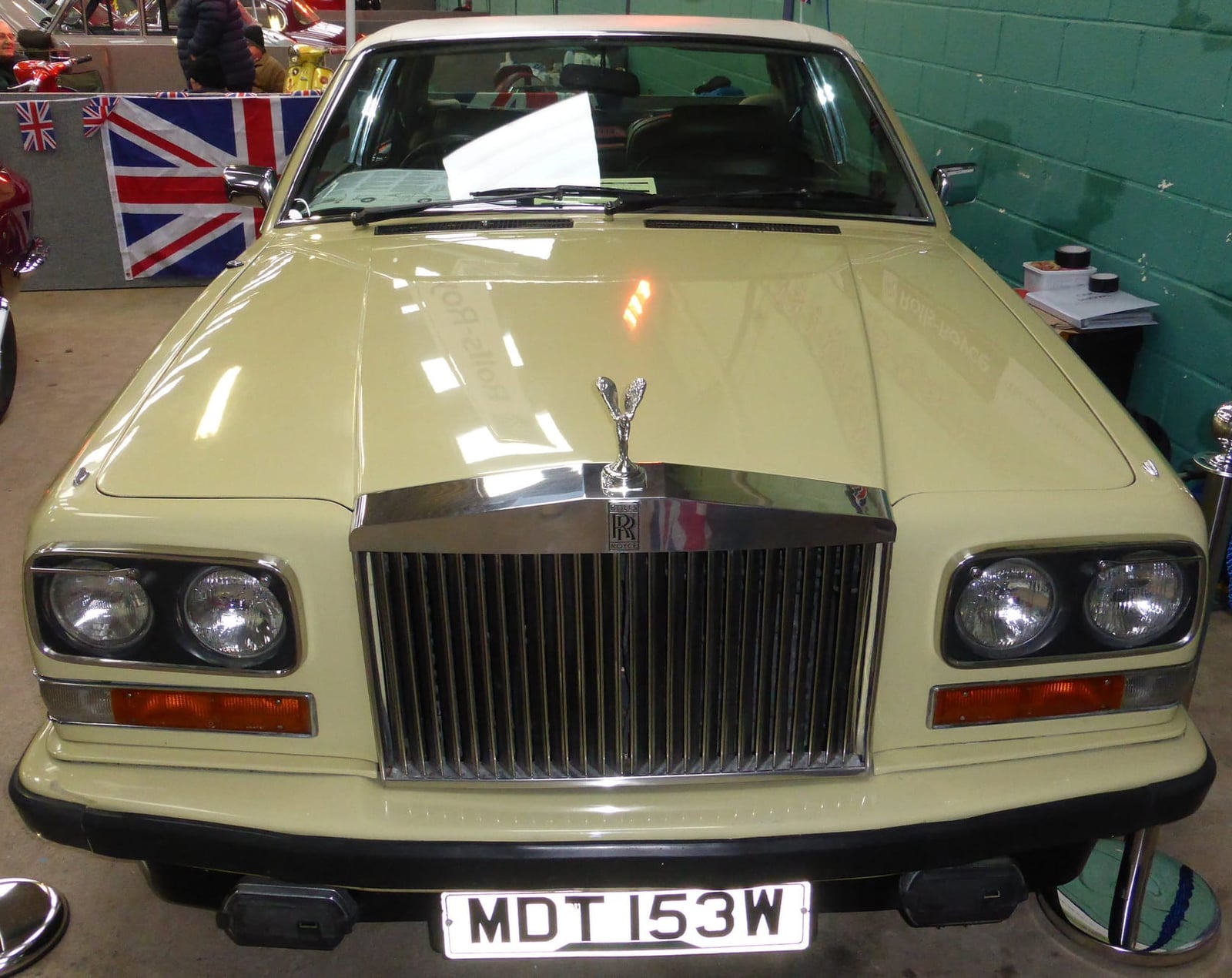
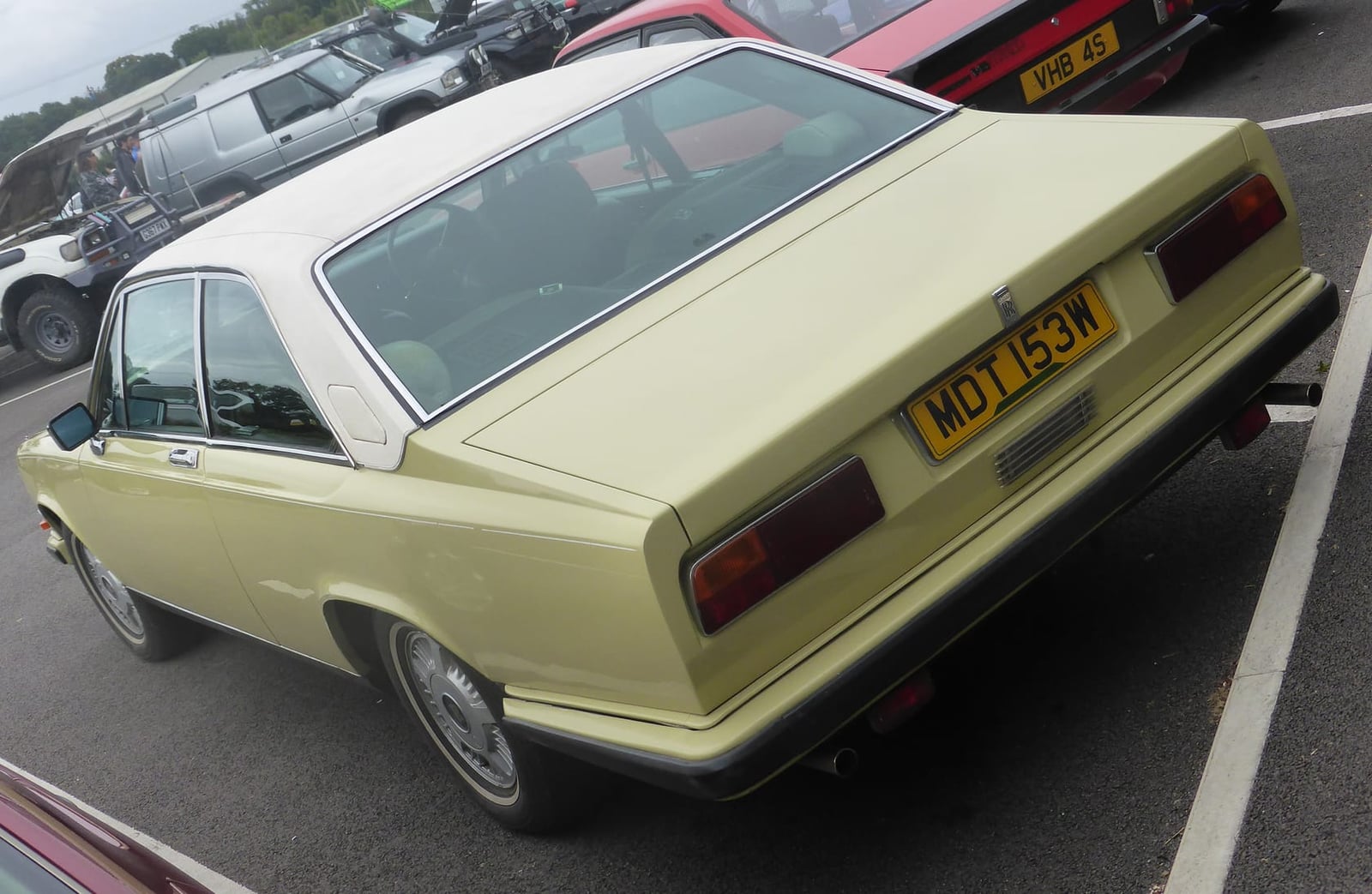
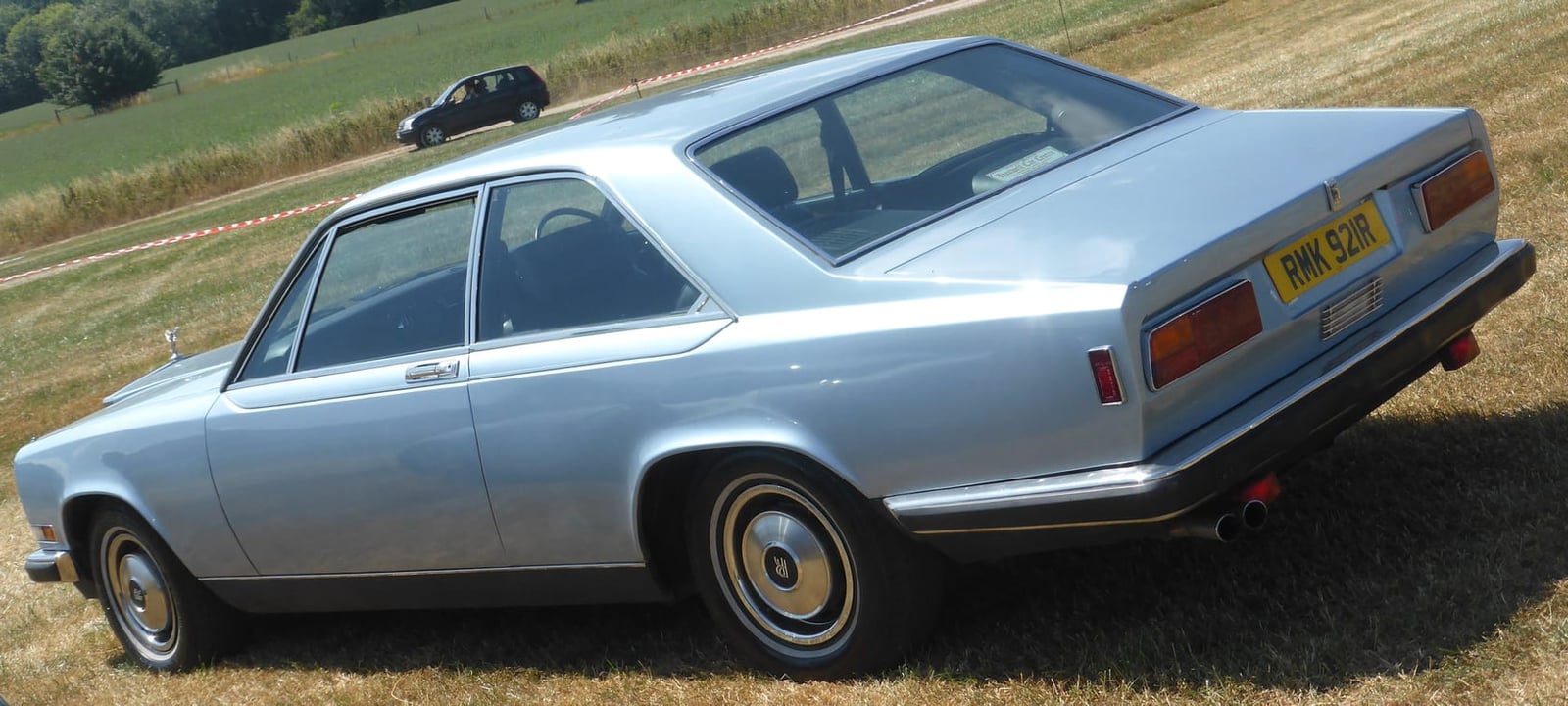
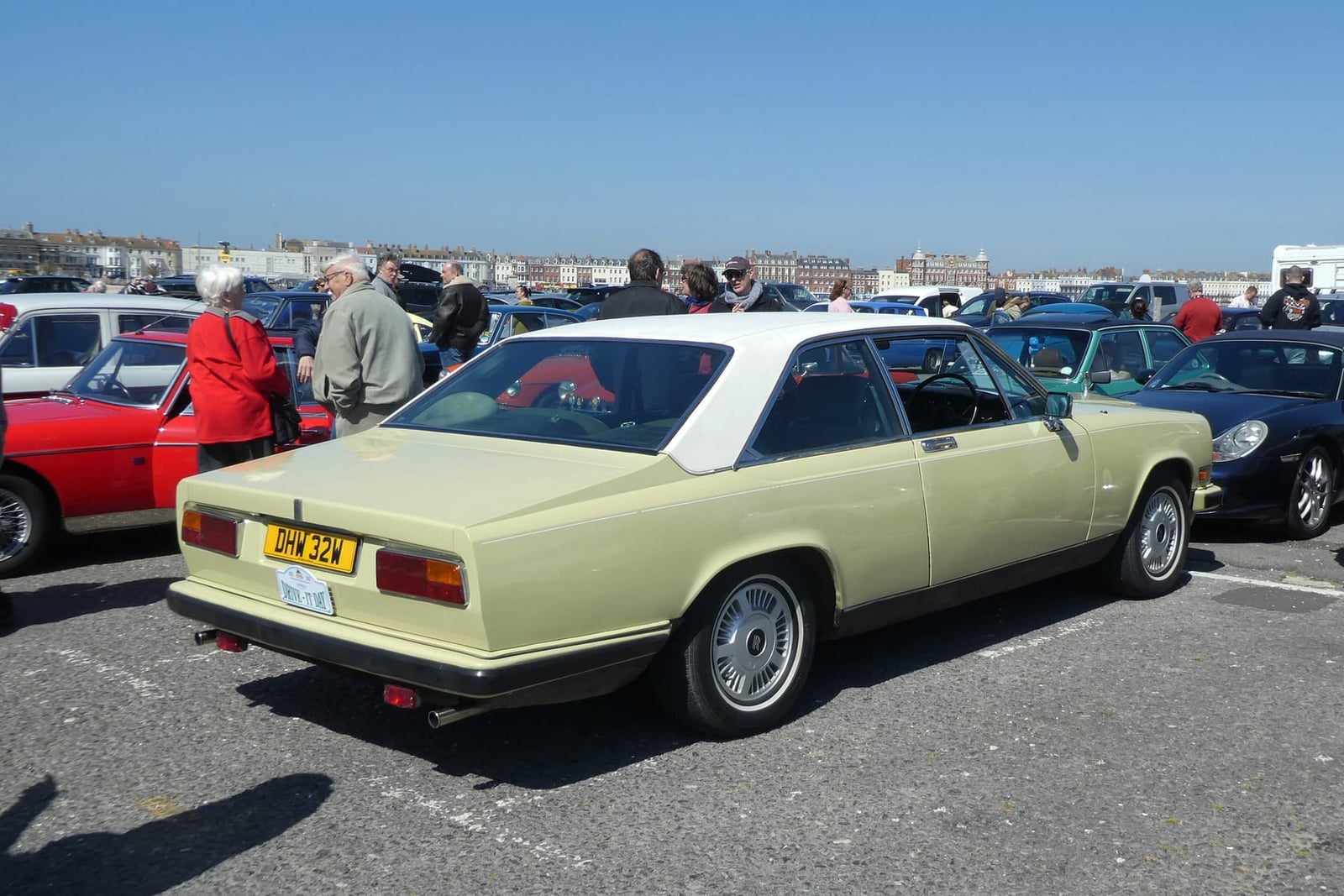
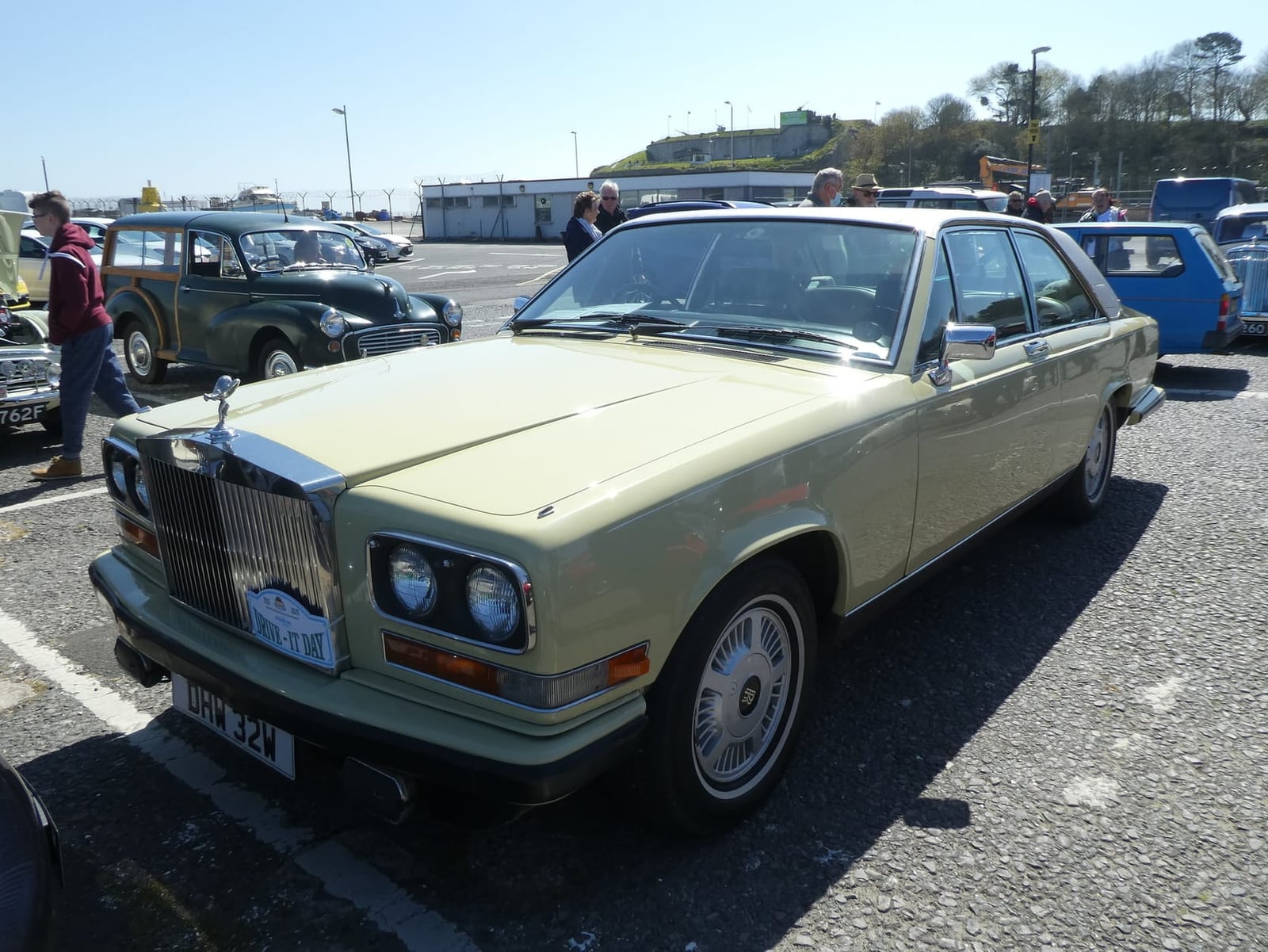
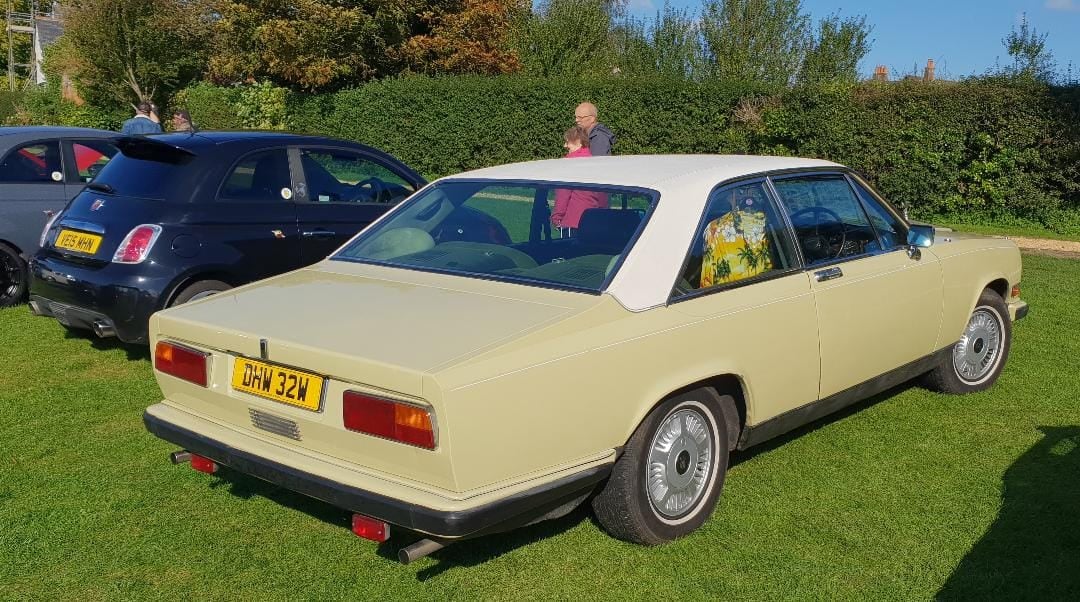
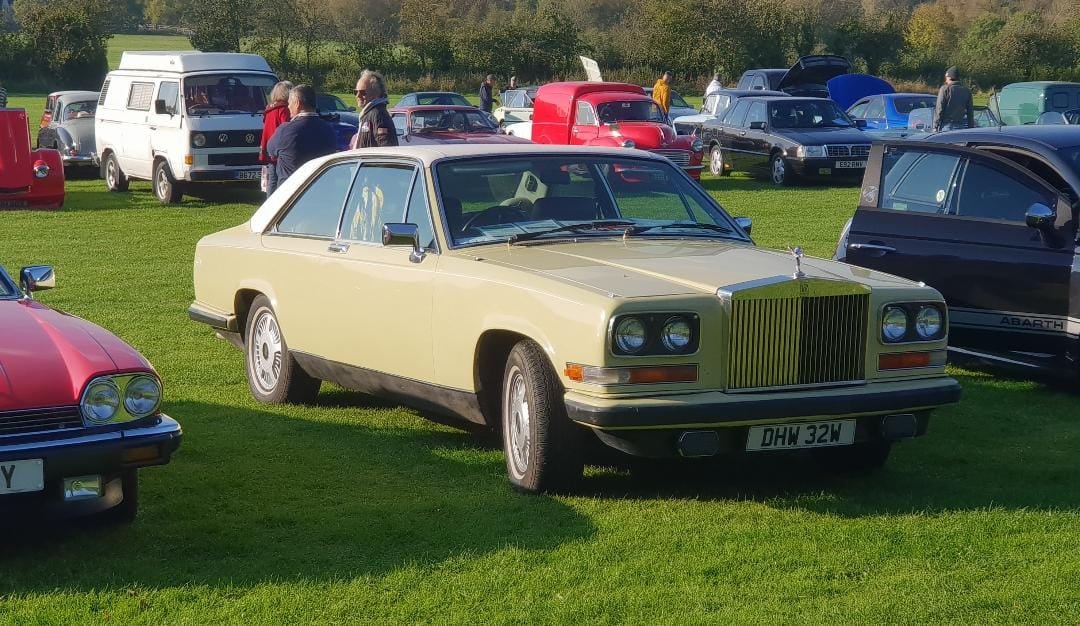
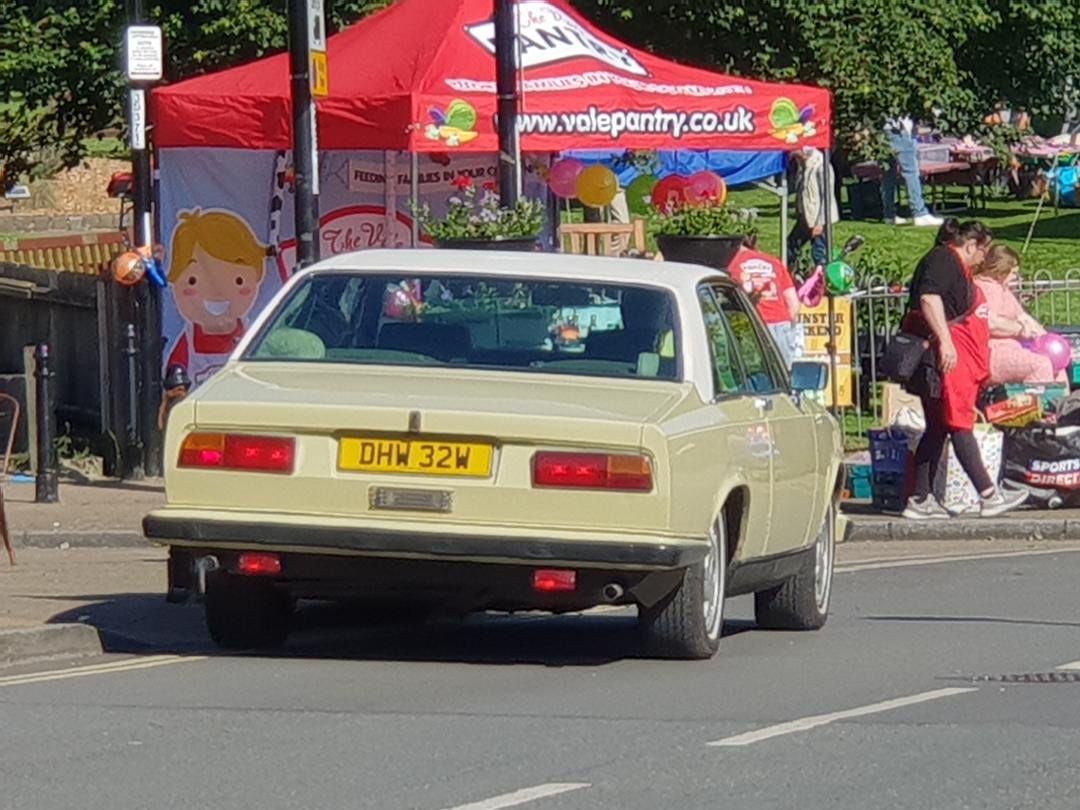
The Camargue timeline
- March 1975Launched at £29,250, the most expensive production car in the world, nearly fifty per cent above the Corniche.
- 1975Paolo Martin's crisp, slab-flanked wedge-era coupe with its forward-canted radiator scandalises tradition-minded buyers.
- 1975 onwardsBuild runs at about one car a week through Mulliner Park Ward's London works and later Crewe.
- 1980The Camargue outlasts the Shadow that donated its bones and carries on above the new Silver Spirit generation.
- 1985Late cars adopt Silver Spirit running gear.
- 1986Production ends at 531 cars with a final run of specification updates and a dozen last cars for America; no successor follows.
What to check on a Camargue
Model-specific perils
- Unique panels, which are effectively unobtainable
- Scarce brightwork, so completeness matters more than cosmetics
- The split-level air conditioning: ask for a working-systems demonstration, not a description
- A documented car with working systems is worth every premium it asks
Shared mechanicals
- Hydraulics and brake spheres, exactly as on a Shadow
- Service history first, since the running gear itself is well understood
- Late cars use Silver Spirit running gear and differ from early ones
- The specialist network knows the mechanical side intimately, which makes it the manageable risk
Provenance
- The registers know most of the 531 individually; buy with their verdict
- UK-supplied right-hand-drive cars carry scarcity value on top of the model's own
- A specialist inspection is worth its fee at every price point in this market
- Rarity outnumbers even the pre-war Phantom III, which is the collecting argument in one line
What the Camargue sells for at auction
In real terms, typical Camargue prices were down about 32% over the five years to 2025, once inflation is accounted for.
Show the year-by-year mediansHide the year-by-year medians
| Year | Sold | Median | In 2025 money |
|---|---|---|---|
| 2025 | 3 | £33,111 | £33,111 |
| 2024 | 3 | £46,881 | £48,680 |
| 2023 | 13 | £39,473 | £42,358 |
| 2022 | 15 | £37,872 | £43,372 |
| 2021 | 7 | £33,569 | £41,510 |
| 2020 | 6 | £38,604 | £48,919 |
| 2019 | 5 | £52,875 | £67,688 |
| 2017 | 4 | £35,002 | £46,624 |
| 2016 | 5 | £27,600 | £37,711 |
| 2014 | 3 | £32,625 | £45,203 |
| 2010 | 3 | £21,700 | £33,236 |
| 2009 | 3 | £19,550 | £30,693 |
| 2007 | 3 | £20,641 | £34,195 |
- £27,456Camargue
- £49,011Camargue
- £31,720Camargue
- £33,111Camargue
- £26,853Camargue
Reasonable evidence. 85 recorded sales: enough for the range to mean something, though a few unusual cars can still move a single year's median. Based on 85 sold results from public classic car auctions (1998 to 10 August 2026). Sold prices, not asking prices, and not a valuation: condition, history and specification vary from car to car. Inflation-adjusted figures use the ONS CPIH index, in 2025 money.
Frequently asked questions
Who designed the Rolls-Royce Camargue?
Why was the Camargue so expensive?
What is special about the Camargue's air conditioning?
How many Rolls-Royce Camargues were built?
How much is a Rolls-Royce Camargue worth?
What is the most expensive Camargue ever sold at auction?
How often does a Camargue come up for sale?
Related across themes


More from Rolls-Royce

Rolls-Royce Silver Shadow: the ten-thousand-pound best car in the world (1965–1980)

Rolls-Royce Silver Cloud: the last and loveliest of the old school (1955–1966)

Rolls-Royce Corniche: the coachbuilt survivor that outlived its makers (1971–1995)

Rolls-Royce Silver Spirit and Silver Spur: the last Crewe bargain (1980–1999)
Recently added

Rolls-Royce Silver Wraith and Silver Dawn: the coachbuilt swansong (1946–1959)

The Derby Bentleys: the silent sports car (1933–1940)

The vintage Bentleys: 3 Litre to Blower, the cars of the Bentley Boys (1921–1931)
