Rolls-Royce Silver Ghost: the car that invented the best car in the world (1906–1925)
The 40/50hp Silver Ghost earned Rolls-Royce its best-car-in-the-world title with silence, smoothness and a 14,371-mile trial without an involuntary stop, then served empires, armies and Lawrence of Arabia. A guide to the veteran flagship, the Springfield cars, and the buying realities.
Built 1906–1926 203 recorded sales
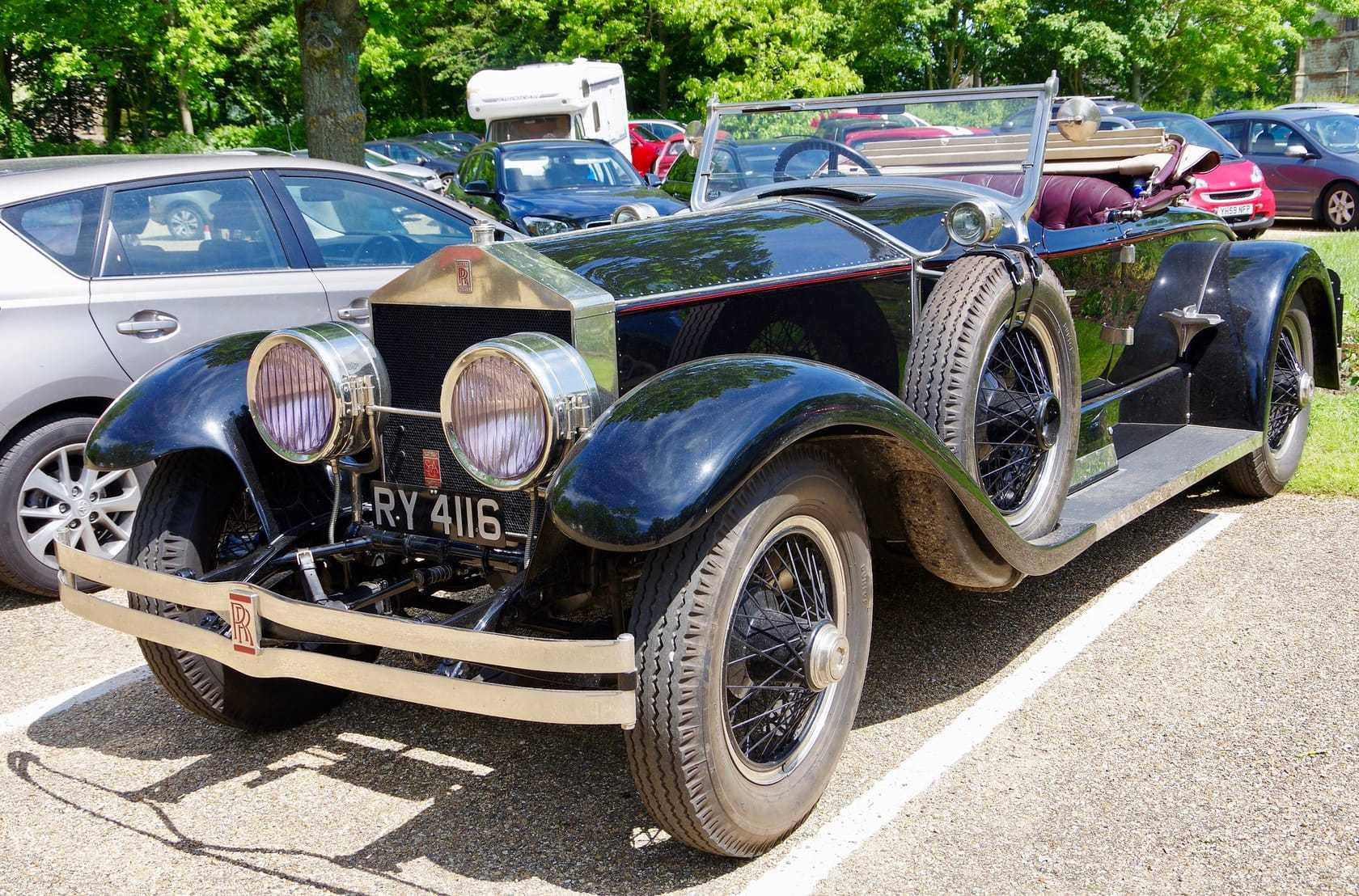
At a glance
- Years
- 1906–1925 (UK); to 1926 in America
- Body styles
- Coachbuilt to order: tourers, landaulettes, limousines, skiffs and armoured cars
- Drivetrain
- Front engine, rear-wheel drive; separate chassis
- Engines
- 7036cc, then 7428cc side-valve six
- Power
- Around 48-80 bhp across the run
- Top speed
- Around 60-80 mph by body and era
- Trim levels
- Chassis only; bodies by Barker, Hooper and the great houses
- Production
- 7,874 including 1,701 Springfield cars
- Assembly
- Cooke Street Manchester, then Derby; Springfield for America
- Designer
- Henry Royce
- Values
- Drivable cars from around £120,000; good examples £180,000-£350,000; the earliest and finest far beyond
- The trial
- 14,371 miles under RAC observation in 1907 without an involuntary stop
- The war record
- Ghost armoured cars served everywhere, including under Lawrence in Arabia
The models
Every claim Rolls-Royce ever made rests on one car. The 40/50hp of 1906, named Silver Ghost after its famous silver-clad demonstrator, proved itself with a 14,371-mile trial without an involuntary stop, collected the best-car-in-the-world verdict from an astonished press, and then spent eighteen years and a world war demonstrating that the verdict was engineering fact. The Rolls-Royce Silver Ghost is where the legend begins, and its market remains the veteran movement’s gold standard.
AX201 and the 15,000-mile proof
Henry Royce’s 40/50hp six was designed for silence and permanence, and the company proved it theatrically: the 1907 demonstrator AX201, silver-painted with silvered fittings and christened Silver Ghost, ran 15,000 miles including 14,371 under official RAC observation without an involuntary stop, a feat that redefined what reliability meant. Later demonstrations piled on, the London-Edinburgh run completed entirely in top gear among them, and the Alpine Trial teams of 1913 added mountains to the proof. The press’s best-car-in-the-world verdict attached itself permanently, and AX201 survives as possibly the most valuable car in existence.

A chassis for the coachbuilders
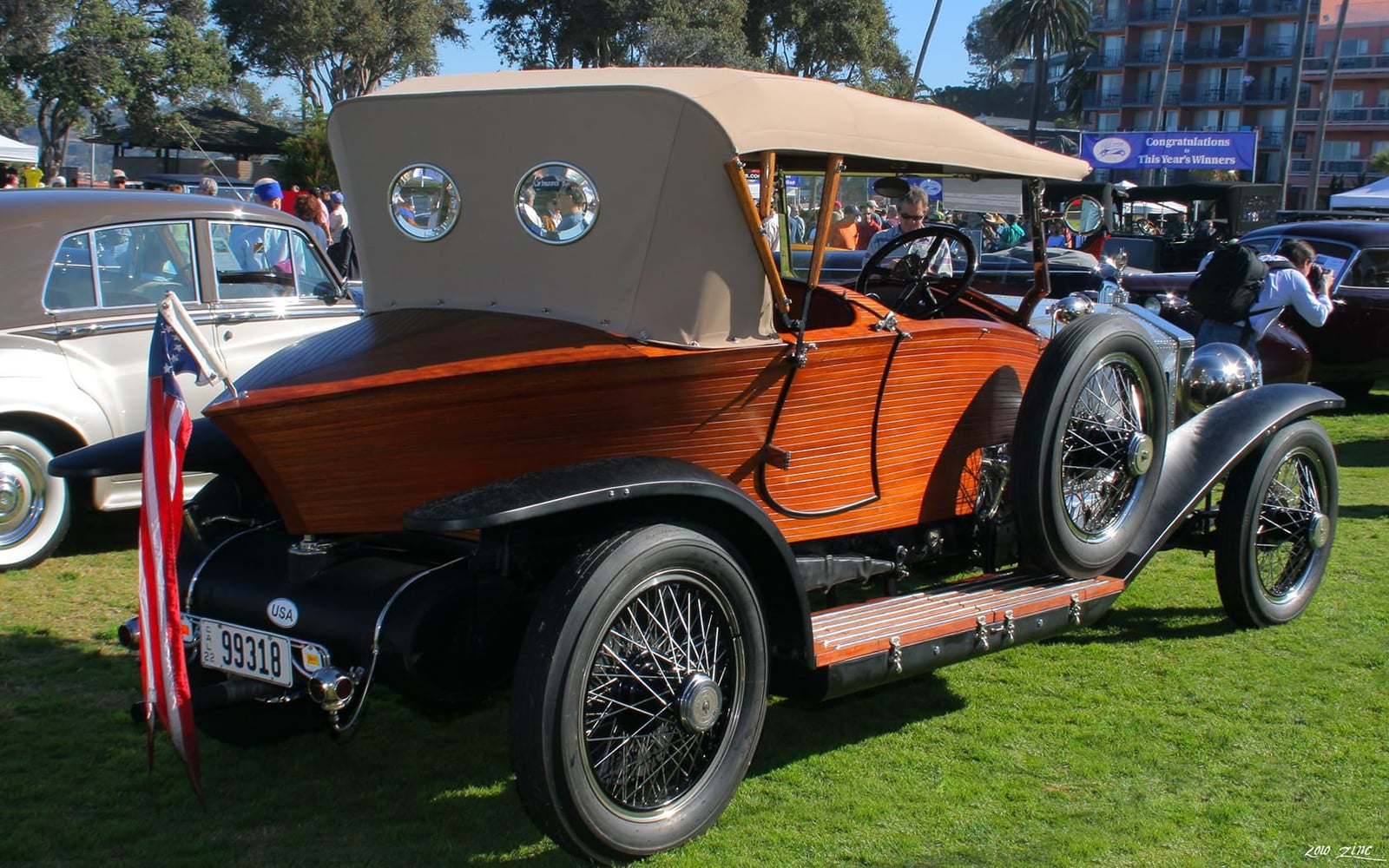
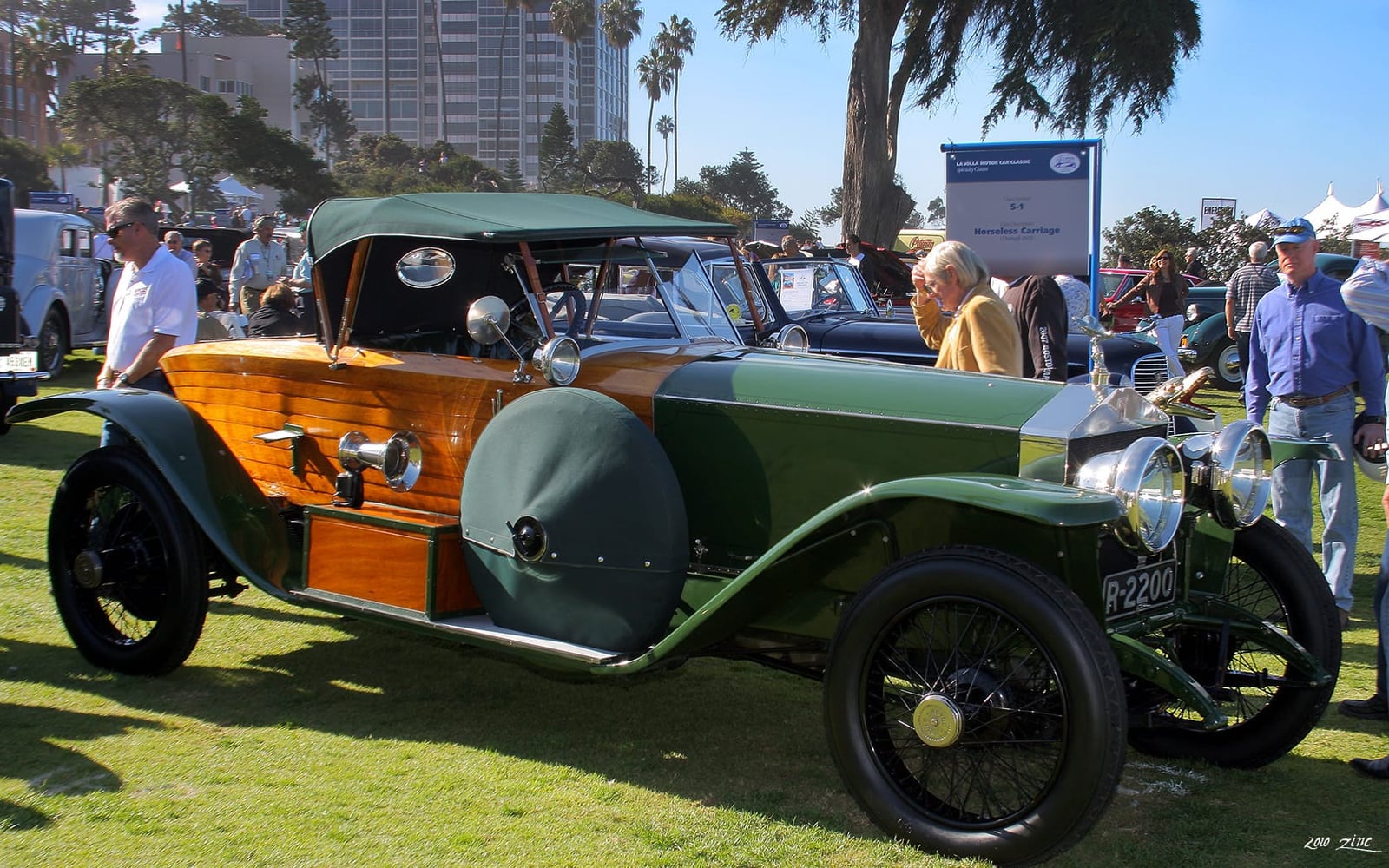
Rolls-Royce built the Ghost as a rolling chassis and the age’s great coachbuilders did the rest: Barker and Hooper above all, with every house of consequence represented across tourers, landaulettes, limousines, sporting skiffs in varnished timber, and shooting cars for the estates. No two Ghosts are quite alike, which makes the surviving population, 7,874 built in all, a museum of Edwardian and vintage coachbuilding, and coachwork provenance as central to value as the chassis number. The registers document survivors individually, often with unbroken histories a century long.

War service and the Lawrence legend
The Ghost’s toughness earned military immortality: armoured car bodies went onto the chassis from 1914, serving in France, at Gallipoli, across Africa and in the desert campaigns where Lawrence of Arabia famously valued his Rolls-Royce squadron above rubies. Chassis that had carried duchesses carried Vickers guns instead and simply kept running, some for decades of colonial service afterward. No luxury car before or since has carried an equivalent combat record, and the war years hardened the legend into history.
Alpine Eagles and the sporting Ghosts
The best car in the world could also be the quickest over the worst roads: stung by a single failure on the Katschberg pass in 1912, Royce sent a strengthened, higher-geared works team back to the 1913 Alpine Trial, swept the honours, and put the resulting Continental specification into the catalogue, known ever since by its nickname of Alpine Eagle. The London-Edinburgh cars, named for the 1911 top-gear run, carried the same sporting flavour with lightened bodies and raised compression. Both variants lead the modern market, because they pair the Ghost’s engineering with the pace to run today’s veteran events properly, and a sporting Ghost climbing an Alpine pass on a centenary retracement remains one of the old-car world’s great sights.
Springfield: the American Ghosts
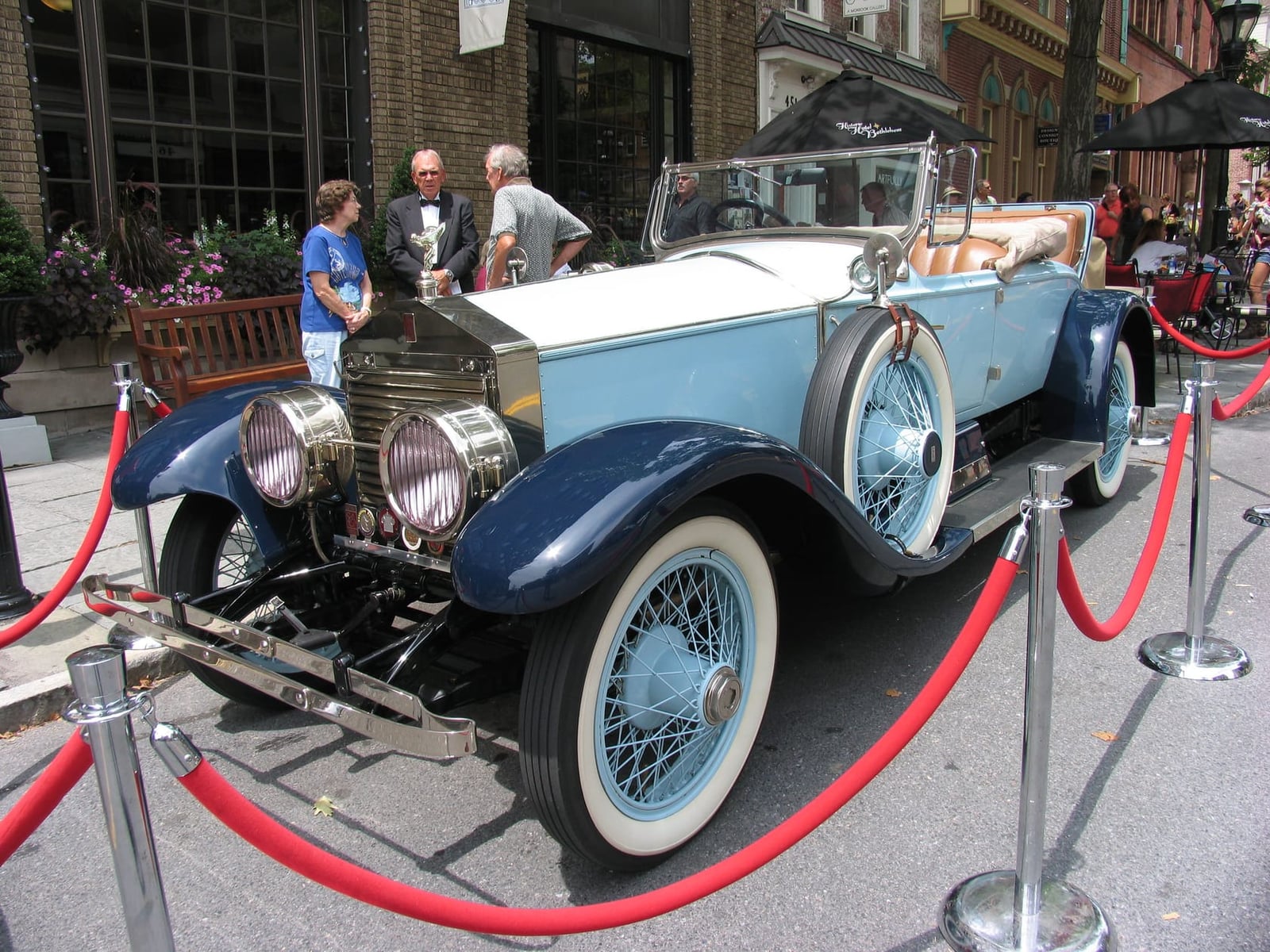
Demand across the Atlantic justified a factory: from 1921 Rolls-Royce of America built Ghosts at Springfield, Massachusetts, 1,701 cars with progressively American specification, left-hand drive, local electrics, and coachwork from houses like Brewster, continuing to 1926, beyond the British cars. Springfield Ghosts carry their own registers, their own following and their own gentler pricing, which makes them today’s sensible door into Ghost ownership, with the transatlantic story as a bonus rather than a discount’s cause.

What a Ghost is like to drive
Driving a Ghost is Edwardian motoring at its absolute summit: the vast side-valve six pulls from walking pace in near silence, the controls, ignition and mixture levers, gate change, demand period technique that owners describe as conversation rather than difficulty, and the chassis rides with a composure that shames cars decades younger. Sixty miles an hour feels stately; the engineering feels eternal. Brakes are the one period reality that demands respect and planning, rear-wheel only until late in the run, and every new owner learns to read the road a furlong further ahead. Veteran events, the Alpine commemorations and the Ghost Club’s tours keep these cars genuinely driven across continents, exactly as built to be, and the club’s touring calendar is half the reason to own one.

Buying a Silver Ghost today
Ghost buying is scholarship: chassis and engine numbers verified against the registers, coachwork history documented, originality weighed against a century of sensible evolution, and the specialist houses’ opinions worth their fees many times over. Mechanical parts can be made, this world remakes anything, but originality cannot, so unmolested cars command the premiums. Springfield examples anchor the accessible end; Edwardian cars, sporting specifications and original open coachwork lead the seven-figure tier, with later tourers and formal bodies between. At 203 measured sales and a £226,000 median, the market is deeper than the model’s age suggests, liquid at every level, and utterly unsentimental about documentation: the registers know these cars individually, and a Ghost whose story cannot be told sells for a fraction of one whose story can.
On money, the largest single gap in the record is geographical: the American-built Springfield cars sell for barely half a Derby-built one, and Barker coachwork adds around two thirds. The full record, 203 recorded sales in the thinnest annual market on this site, is on the page covering what a Silver Ghost sells for.
More photos
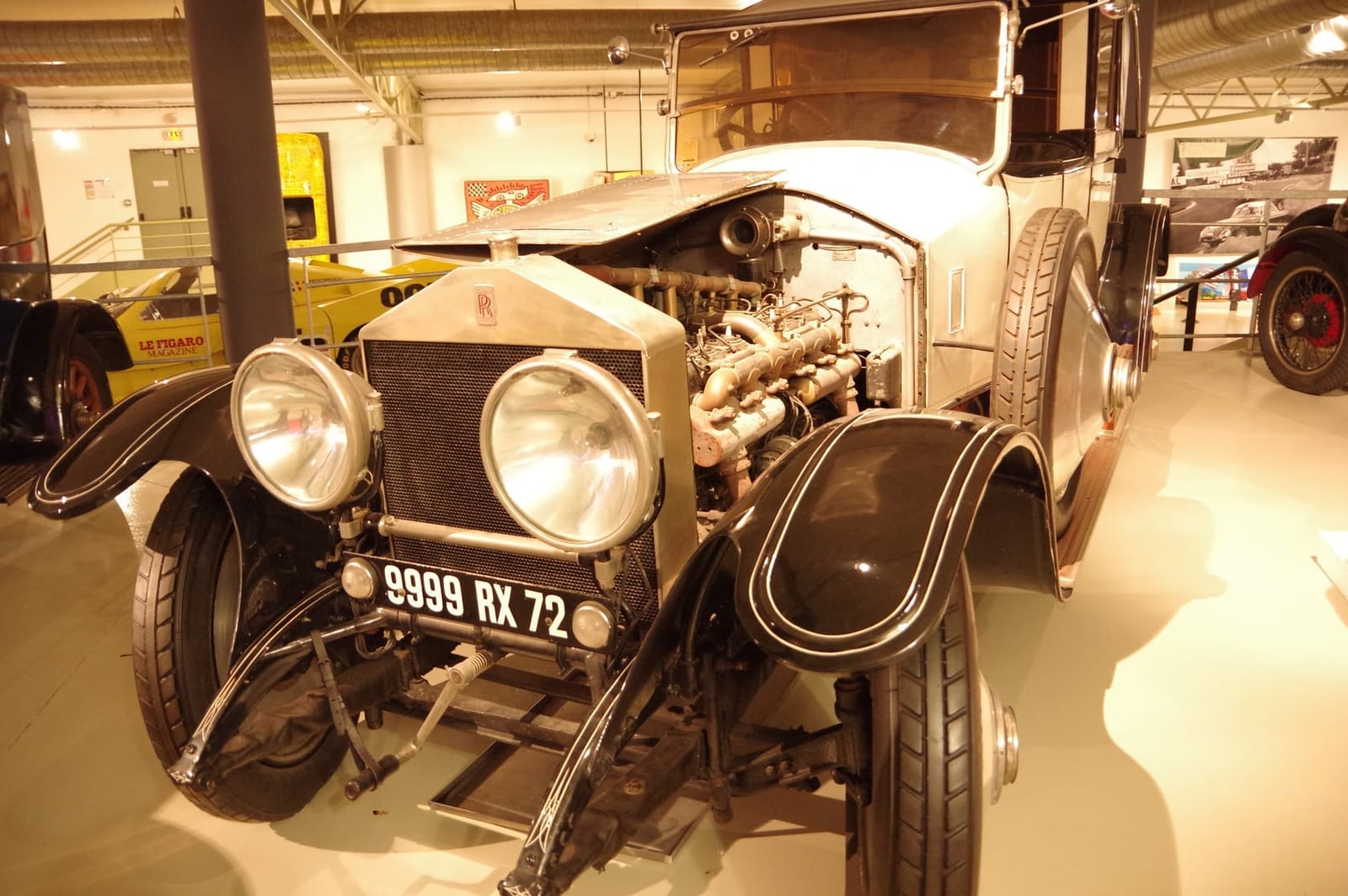
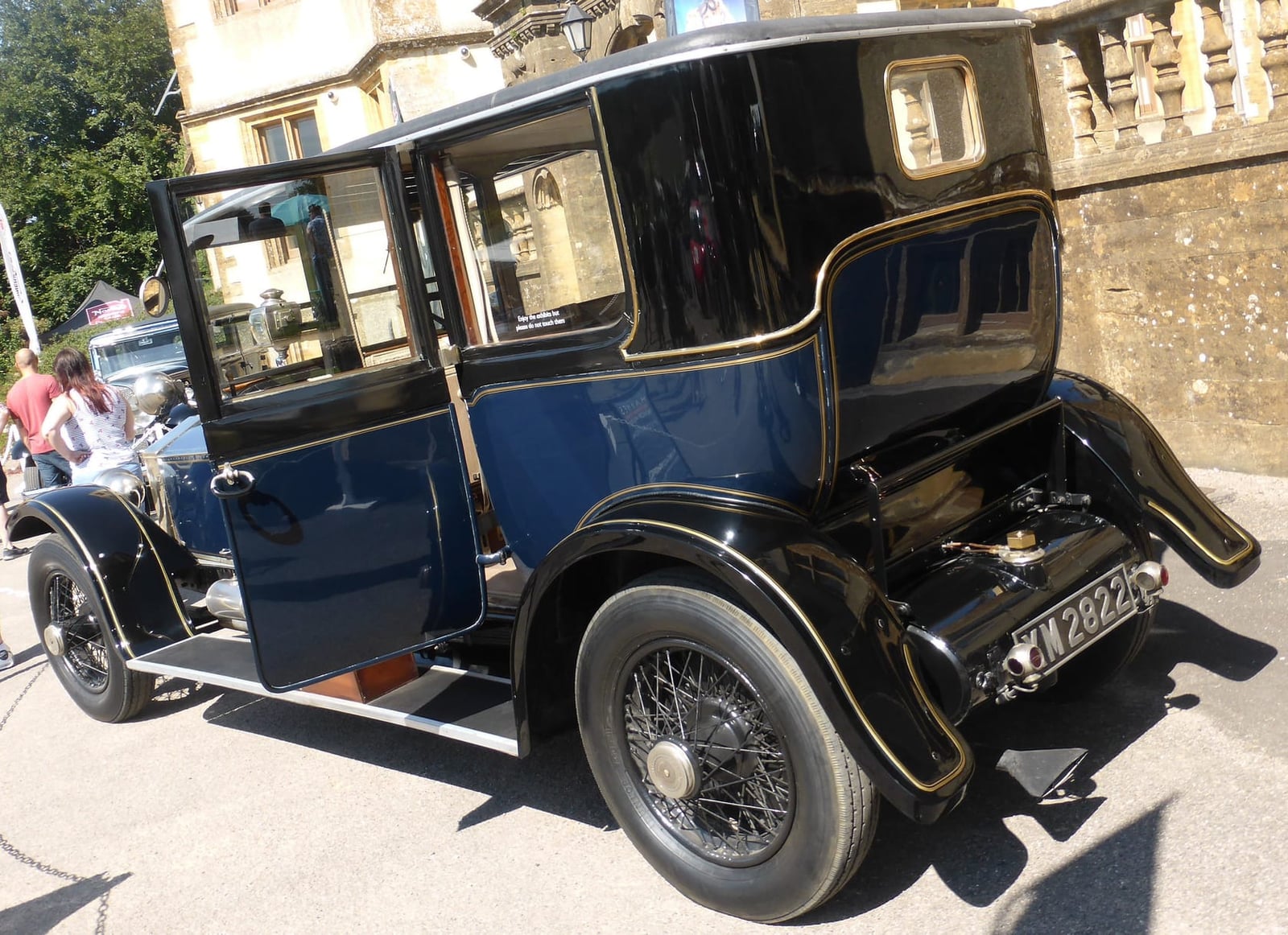
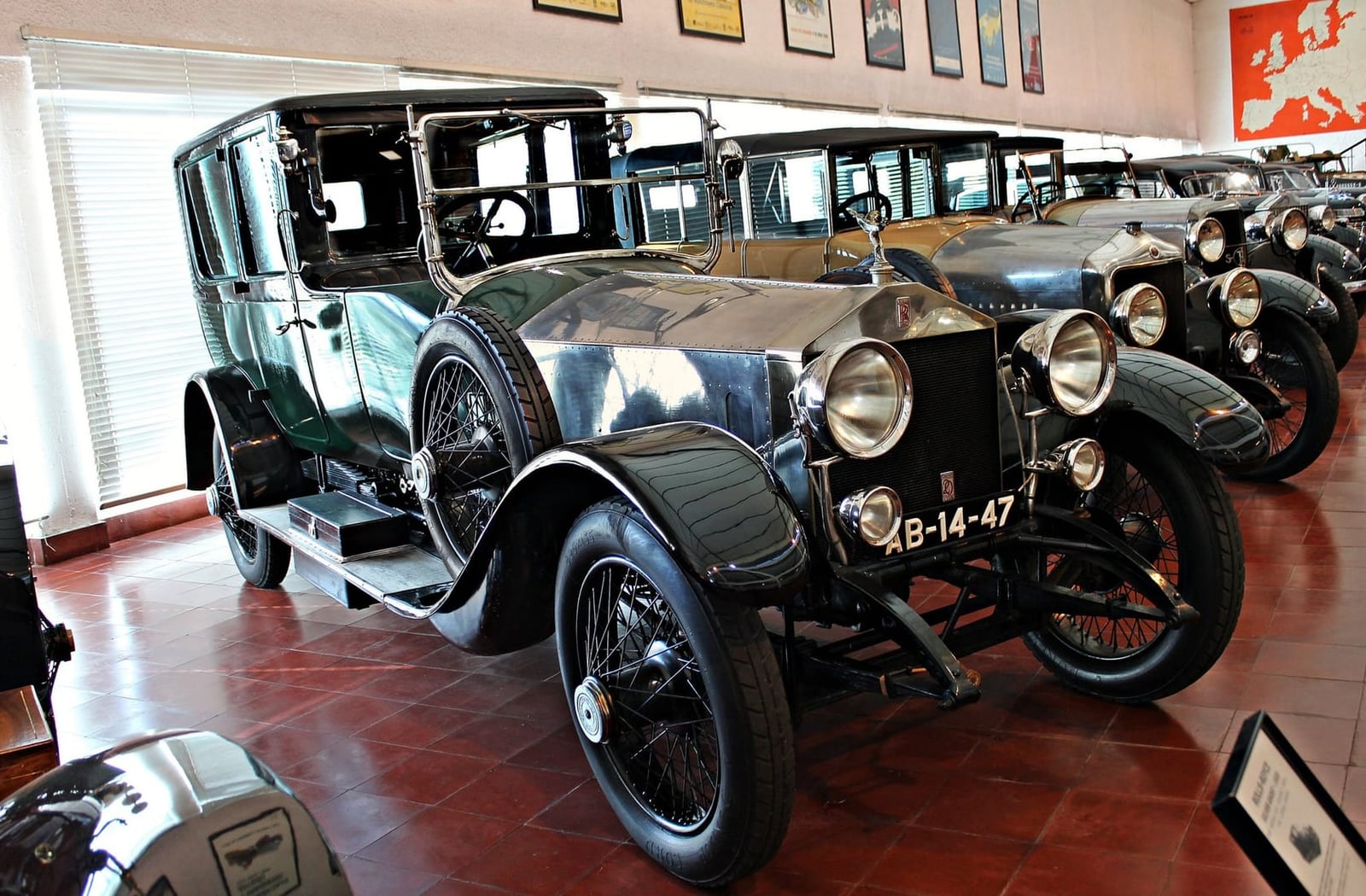
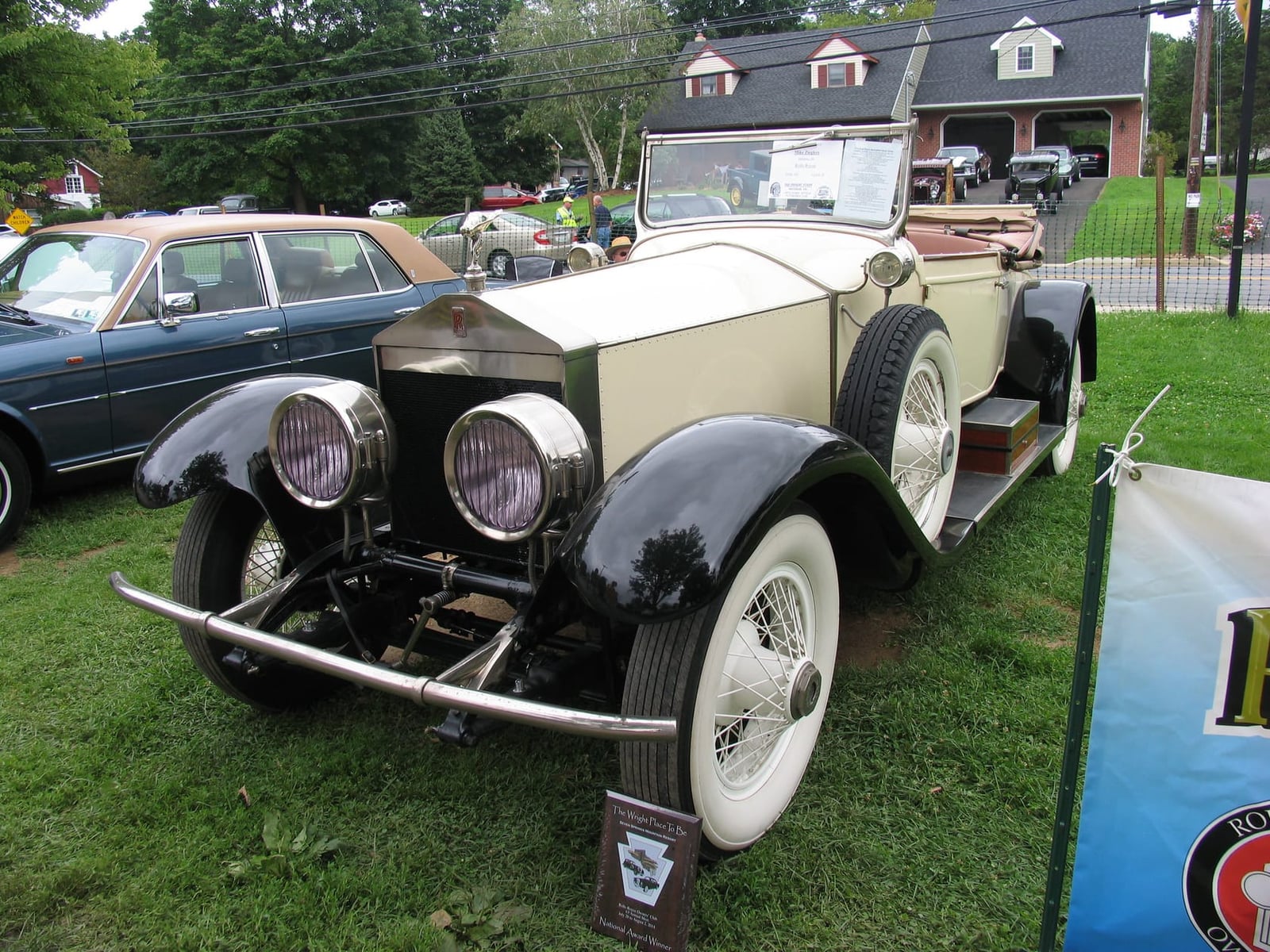
Silver Ghost: the short history
- 1906The 40/50hp arrives, designed by Henry Royce for silence and permanence.
- 1907The silver-painted demonstrator AX201 runs 15,000 miles, 14,371 of them under RAC observation, without an involuntary stop, and the best-car-in-the-world verdict attaches permanently.
- 1911The London to Edinburgh run is completed entirely in top gear, and lends its name to a sporting specification.
- 1913A strengthened, higher-geared works team sweeps the Alpine Trial, and the resulting Continental specification becomes known as the Alpine Eagle.
- 1914Armoured car bodies go onto the chassis, serving in France, at Gallipoli, across Africa and with Lawrence in the desert.
- 1921Rolls-Royce of America begins building Ghosts at Springfield, Massachusetts, eventually 1,701 cars to 1926.
- 1925British production ends at 7,874 cars in all.
The Silver Ghost viewing checklist
Scholarship, which is the purchase
- Chassis and engine numbers verified against the registers
- Coachwork history documented, since bodies were built to order by the great houses
- Originality weighed against a century of sensible evolution
- The specialist houses' opinions are worth their fees many times over
Specification and origin
- Springfield-built cars sell for barely half a Derby-built one and are the accessible door in
- Barker coachwork adds around two thirds to the price
- Alpine Eagle and London-Edinburgh specifications lead the market, because they can run today's events properly
- Edwardian cars and original open coachwork lead the seven-figure tier
Mechanical reality
- Mechanical parts can be made; this world remakes anything
- Brakes are rear-wheel only until late in the run, and are the period reality to plan around
- Ignition and mixture levers and a gate change ask period technique, described by owners as conversation rather than difficulty
- 7,036cc and 7,428cc engines both appear across the run; confirm which is fitted
What the Silver Ghost sells for at auction
In 2025 the median Silver Ghost sold for £177,066 across 10 sales, 6% up on 2024. In real terms, typical Silver Ghost prices were down about 35% over the five years to 2025, once inflation is accounted for.
| Variant | Sold | Typical range | Median |
|---|---|---|---|
| Silver Ghost | 150 | £113,090 - £410,559 | £229,942 |
| Silver Ghost Barker | 15 | £318,185 - £497,228 | £376,478 |
| Silver Ghost Springfield | 9 | £105,764 - £158,631 | £120,818 |
| Silver Ghost Merrimac | 7 | £150,050 - £220,872 | £192,853 |
Show the year-by-year mediansHide the year-by-year medians
| Year | Sold | Median | In 2025 money |
|---|---|---|---|
| 2026 (so far) | 4 | £77,856 | |
| 2025 | 10 | £177,066 | £177,066 |
| 2024 | 11 | £167,261 | £173,680 |
| 2023 | 8 | £257,942 | £276,797 |
| 2022 | 8 | £313,367 | £358,877 |
| 2021 | 7 | £138,000 | £170,645 |
| 2020 | 9 | £214,633 | £271,987 |
| 2019 | 8 | £284,810 | £364,599 |
| 2018 | 7 | £94,891 | £123,537 |
| 2017 | 14 | £228,140 | £303,894 |
| 2016 | 7 | £249,894 | £341,439 |
| 2015 | 15 | £231,484 | £319,448 |
| 2014 | 12 | £153,146 | £212,190 |
| 2013 | 11 | £208,601 | £293,146 |
| 2012 | 9 | £357,031 | £513,232 |
| 2011 | 7 | £292,604 | £431,403 |
| 2010 | 8 | £188,784 | £289,148 |
| 2009 | 6 | £372,116 | £584,209 |
| 2008 | 9 | £170,900 | £273,599 |
| 2007 | 18 | £464,932 | £770,235 |
| 2006 | 5 | £261,547 | £443,409 |
| 2003 | 4 | £261,074 | £469,730 |
| 2001 | 3 | £146,750 | £271,468 |
- £55,432Silver Ghost
- £37,125Silver Ghost
- £254,013Silver Ghost
- £100,280Silver Ghost
- £331,250Silver Ghost Barker
Reasonable evidence. 203 recorded sales: enough for the range to mean something, though a few unusual cars can still move a single year's median. Based on 203 sold results from public classic car auctions (2001 to 10 August 2026). Sold prices, not asking prices, and not a valuation: condition, history and specification vary from car to car. Inflation-adjusted figures use the ONS CPIH index, in 2025 money.
Frequently asked questions
Why is it called the Silver Ghost?
What made the Silver Ghost the best car in the world?
Did the Silver Ghost really go to war?
What are Springfield Silver Ghosts?
How much does a Silver Ghost sell for?
What is the most expensive Silver Ghost ever sold at auction?
How often does a Silver Ghost come up for sale?
Related across themes

More from Rolls-Royce

Rolls-Royce Silver Shadow: the ten-thousand-pound best car in the world (1965–1980)

Rolls-Royce Silver Cloud: the last and loveliest of the old school (1955–1966)

Rolls-Royce Corniche: the coachbuilt survivor that outlived its makers (1971–1995)

Rolls-Royce Silver Spirit and Silver Spur: the last Crewe bargain (1980–1999)
Recently added

Aston Martin DB2: where the DB legend learned to walk (1950–1959)

Bentley Turbo R: the blown Bentley that saved the badge (1985–1999)

Bentley S-series: the quiet twin with the beautiful secrets (1955–1965)
