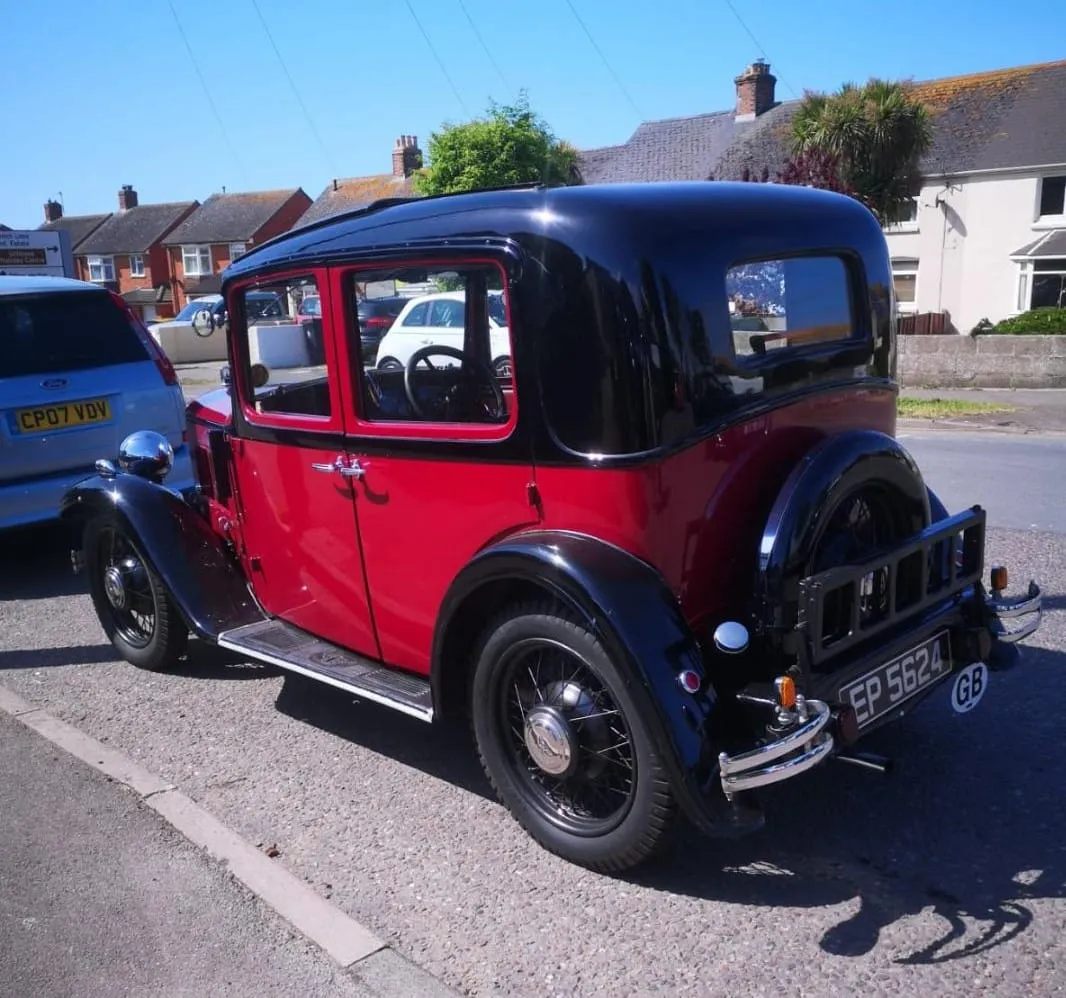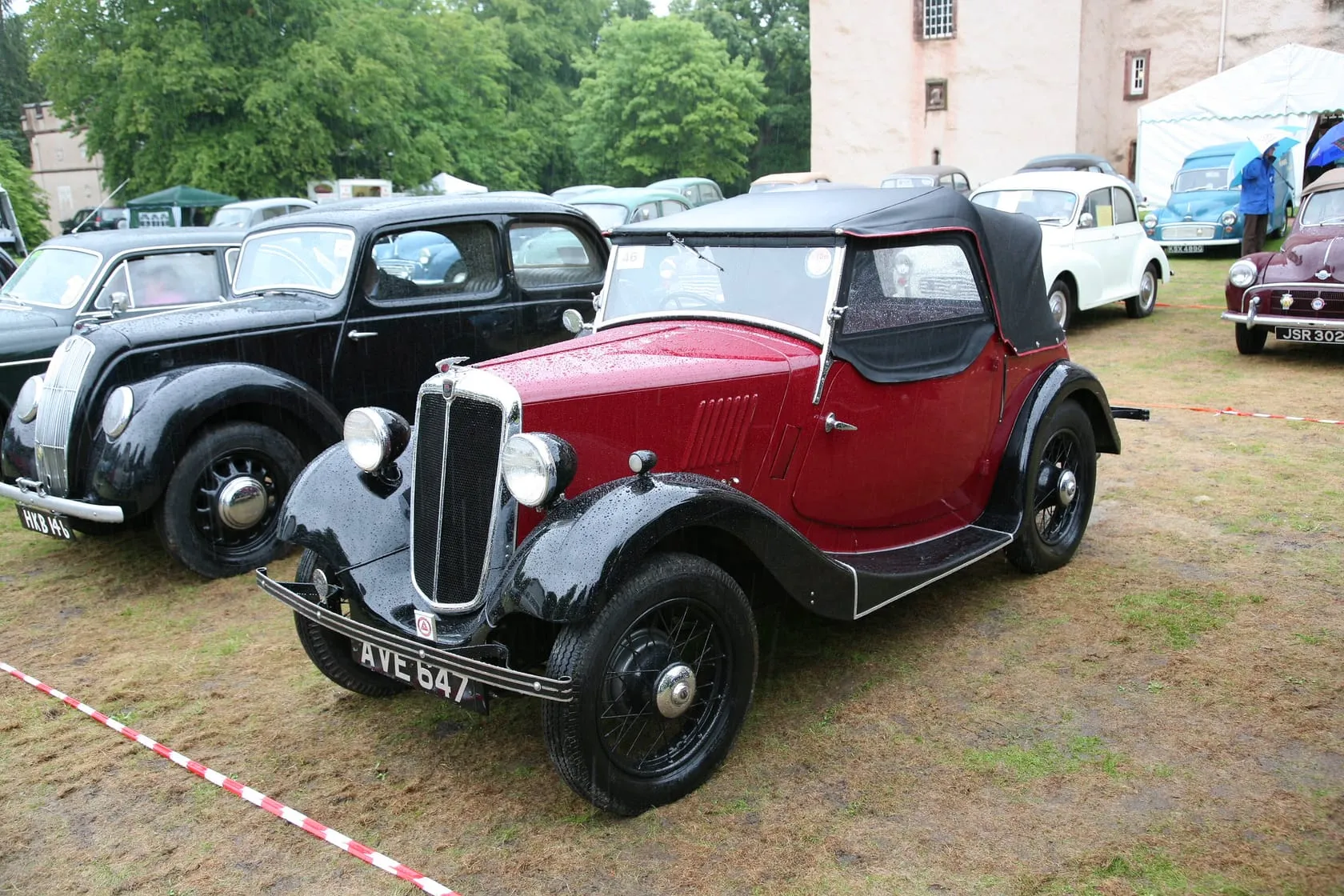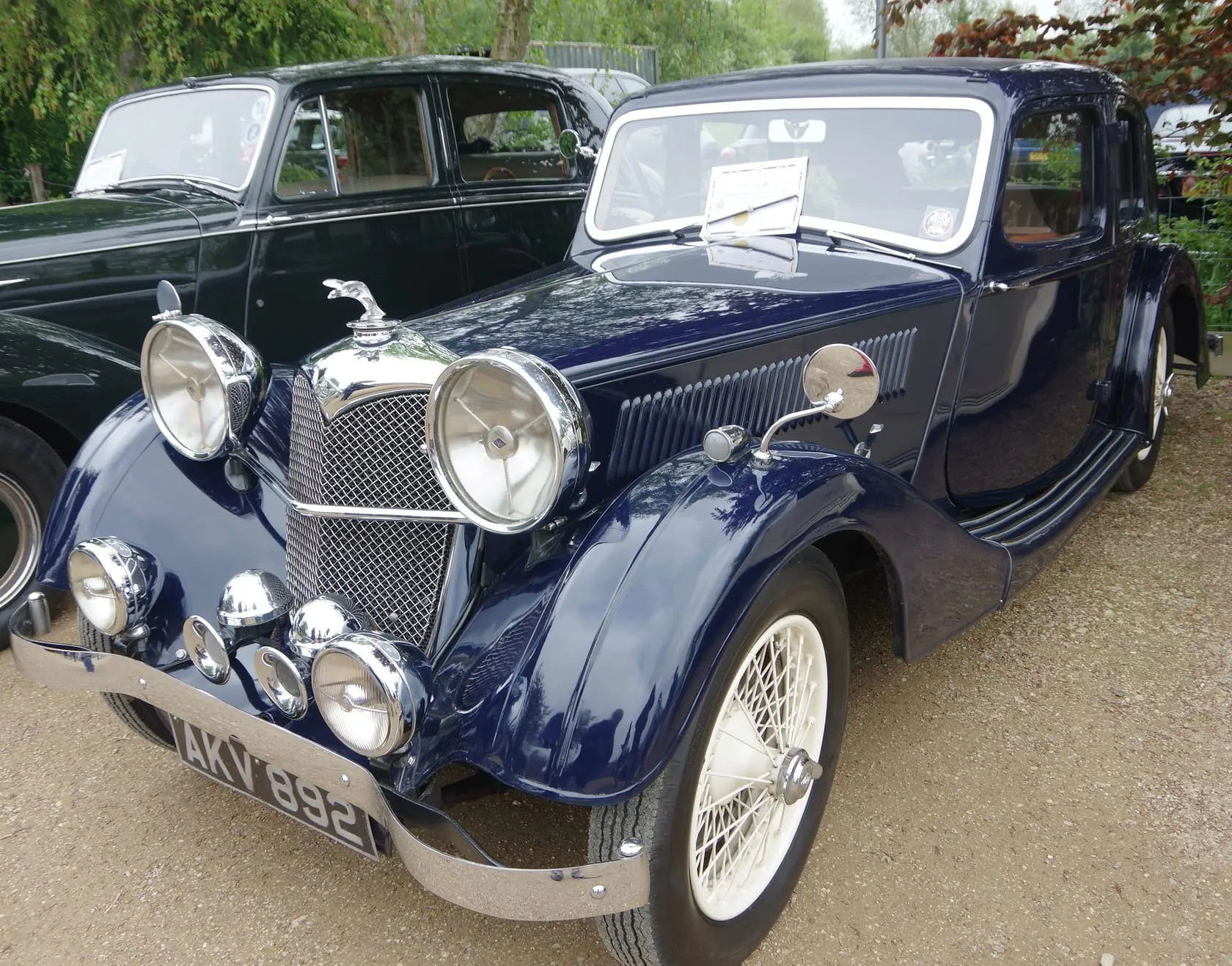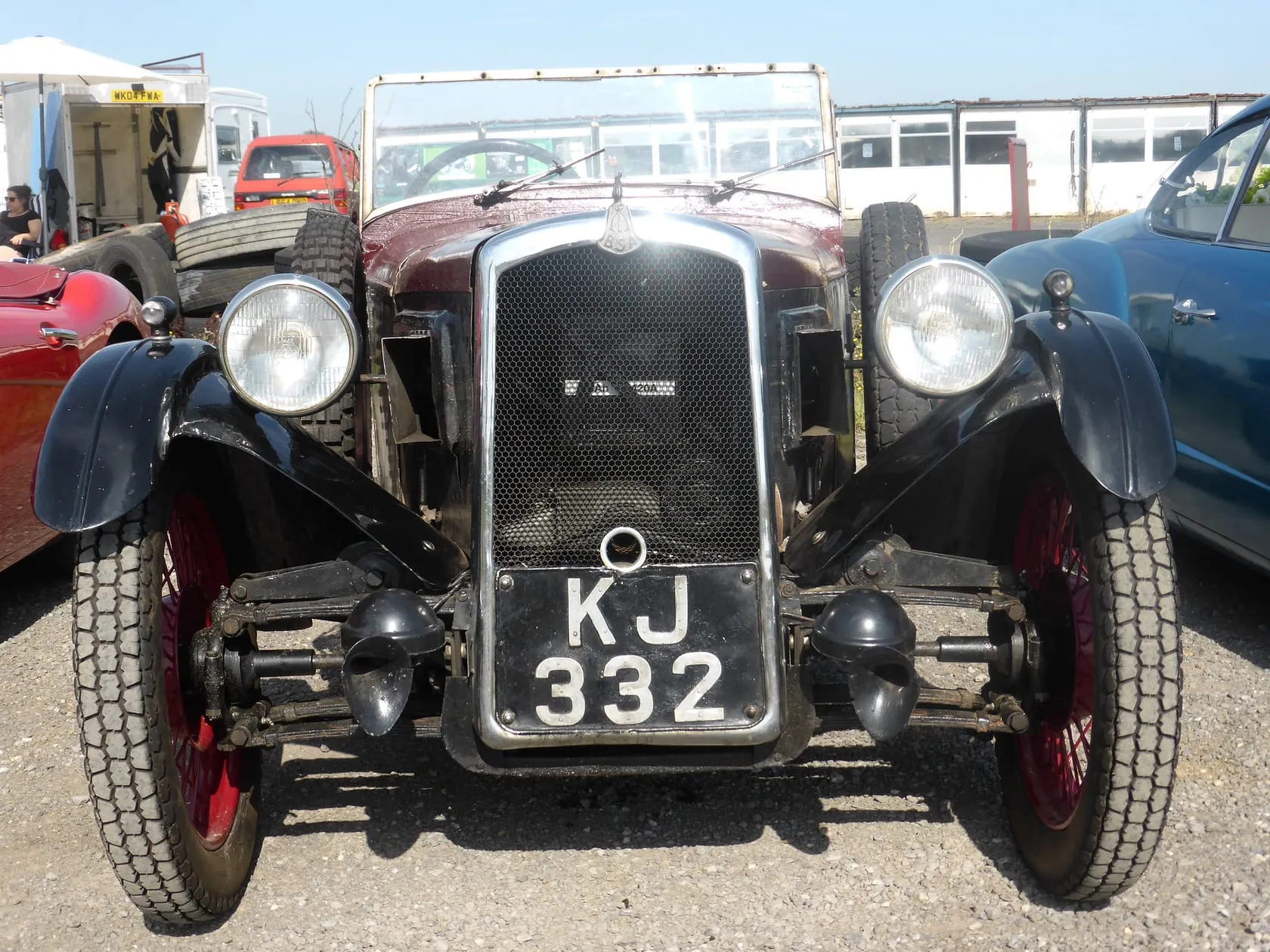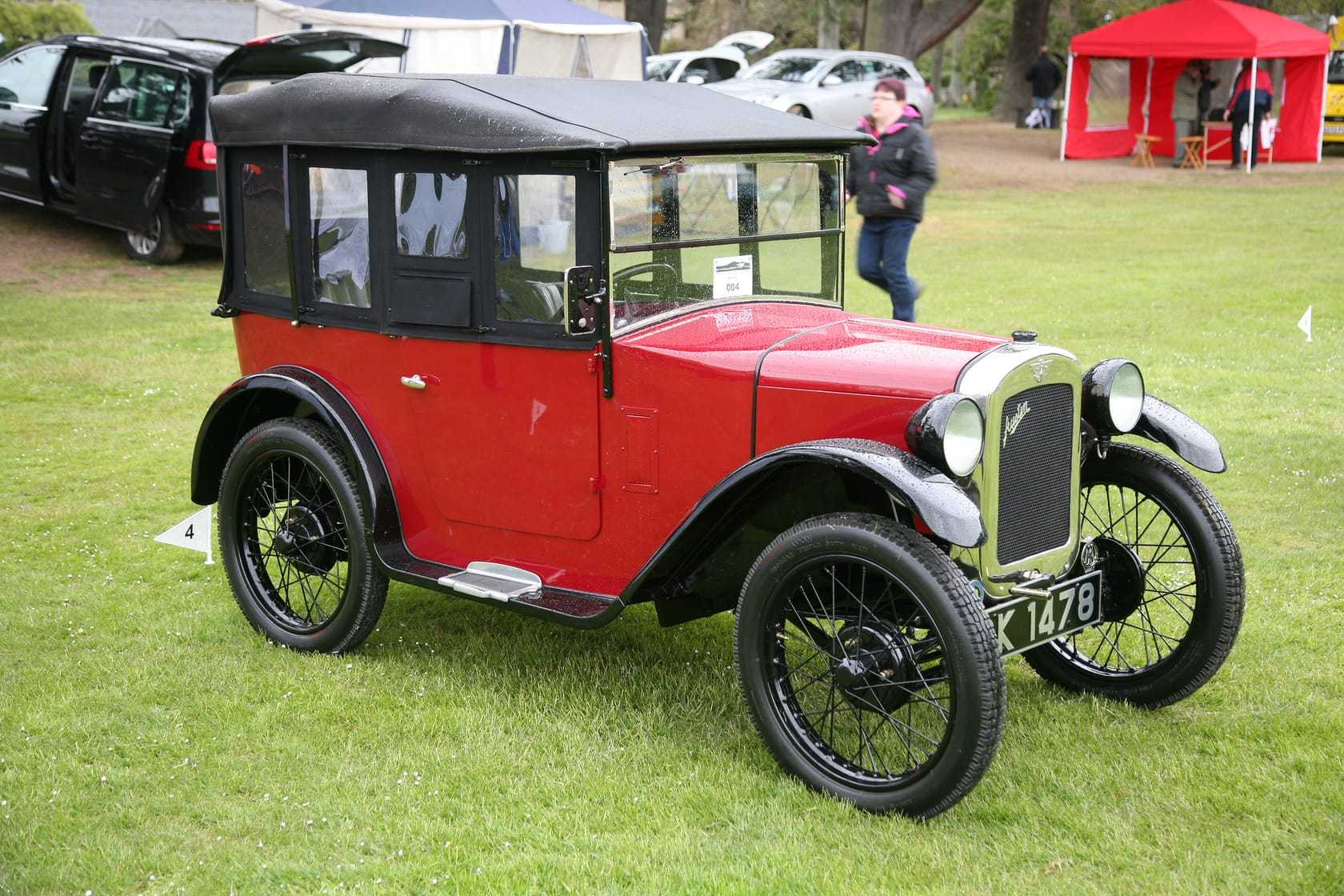
Austin Seven values: Chummy over Ruby, the Ulster and Swallow premiums, and a pre-war market that has halved
What the Austin Seven sells for at auction
In 2025 the median Austin Seven sold for £6,600 across 51 sales, 6% down on 2024. In real terms, typical Austin Seven prices were down about 39% over the five years to 2025, once inflation is accounted for.
| Variant | Sold | Typical range | Median |
|---|---|---|---|
| Seven | 208 | £5,182 - £11,330 | £7,350 |
| Seven Chummy | 70 | £9,734 - £14,619 | £11,250 |
| Seven Ruby | 70 | £3,574 - £6,606 | £4,877 |
| Seven Big | 23 | £2,345 - £5,562 | £4,256 |
| Seven Opal | 20 | £7,224 - £9,148 | £7,990 |
| Seven Box | 19 | £3,368 - £5,550 | £4,860 |
| Seven Nippy | 15 | £8,500 - £13,293 | £10,296 |
| Seven Replica Ulster | 15 | £11,758 - £19,323 | £15,120 |
| Seven RP | 11 | £5,000 - £6,906 | £5,962 |
| Seven Ulster | 10 | £17,046 - £29,100 | £24,188 |
| Seven RN | 10 | £5,003 - £7,814 | £6,274 |
| Seven Swallow | 10 | £13,058 - £23,148 | £19,116 |
Show the year-by-year mediansHide the year-by-year medians
| Year | Sold | Median | In 2025 money |
|---|---|---|---|
| 2026 (so far) | 21 | £4,600 | |
| 2025 | 51 | £6,600 | £6,600 |
| 2024 | 54 | £7,000 | £7,269 |
| 2023 | 52 | £7,287 | £7,820 |
| 2022 | 42 | £8,295 | £9,500 |
| 2021 | 53 | £10,410 | £12,873 |
| 2020 | 36 | £8,552 | £10,838 |
| 2019 | 35 | £7,425 | £9,505 |
| 2018 | 31 | £11,000 | £14,321 |
| 2017 | 28 | £9,709 | £12,933 |
| 2016 | 22 | £9,288 | £12,690 |
| 2015 | 10 | £7,622 | £10,519 |
| 2014 | 9 | £8,970 | £12,428 |
| 2013 | 17 | £8,050 | £11,313 |
| 2012 | 16 | £10,338 | £14,860 |
| 2011 | 6 | £6,975 | £10,284 |
| 2010 | 5 | £14,375 | £22,017 |
| 2009 | 5 | £10,350 | £16,249 |
| 2008 | 5 | £7,875 | £12,607 |
| 2007 | 12 | £2,790 | £4,622 |
| 2006 | 3 | £4,025 | £6,824 |
| 2005 | 10 | £4,601 | £7,997 |
| 2004 | 7 | £2,127 | £3,773 |
- £3,080Seven Ruby
- £9,520Seven Chummy
- £1,437Seven Box
- £10,296Seven Nippy
- £16,800Seven Chummy
Strong evidence. 533 recorded sales and a dozen or more a year: the median and the range are well founded. Based on 533 sold results from public classic car auctions (2001 to 10 August 2026). Sold prices, not asking prices, and not a valuation: condition, history and specification vary from car to car. Inflation-adjusted figures use the ONS CPIH index, in 2025 money.
The Seven is the car that put Britain on wheels, and Austin Seven values are the cheapest route into pre-war motoring on this site: 533 recorded sales since 2001, about 50 a year lately, at a median of £7,900, with the middle half between £5,150 and £11,750. Four in five of the cars offered find a buyer. The spread runs from a £620 project to £41,200 for a genuine Ulster, and the record covers every kind of Seven there was, from the 1920s Chummy through the box saloons and the Ruby to the factory sports cars, the coachbuilt Swallow and the hundreds of specials built on its chassis since.
The Austin Seven model guide covers the car, the many bodies, the industry it seeded and what to check. This page is about the money, and about a market that has been falling in real terms for most of a decade.
Chummy over Ruby, and the sports cars on top
The variant table on this page runs by body rather than by year, and the order is the vintage movement’s own. The Chummy, the open four-seat tourer of 1923 to 1932, leads the standard cars at a median of £11,250 across 70 recorded sales; the Opal, the 1930s two-seat tourer, sits at £8,000; the plain “Seven” the source never narrowed, 208 sales at £7,350, is mostly saloons and tourers of every year; the RN and RP saloons of 1931 to 1934 sit at £6,000 to £6,300; and the box saloons and the Ruby of 1934 to 1939, the most numerous Seven of all, sit at £4,900, with the larger Big Seven of 1937 to 1939 the cheapest of everything at £4,250. The Chummy’s premium over the Ruby is more than double at the median and wider at the top, where a restored early Chummy reaches £20,000 and a Ruby rarely passes £8,000; the market pays for the vintage date, the open body and the original idea.
Above the standard cars are the sports cars and the coachbuilt ones. The Nippy, the factory sports two-seater of 1934 to 1937, sits at £10,300 across 15 sales; the Swallow, the Seven bodied by William Lyons’ Swallow Sidecar Company before it became Jaguar, at £19,100 across ten; and the Ulster, the works-style sports car of 1929 to 1931, at £24,200 across the ten genuine cars, with the record sale of £41,200 in 2021. The Ulster replicas and the specials built on Seven chassis, 15 in the record at £15,100, sell on the quality of their build and the honesty of their description, and a special with competition history sells on that.

What moves the price of an Austin Seven
What the car is, before anything else. A century of rebodying, specialing and reassembly from parts means that a Seven’s identity is its value: the chassis number, the engine and the body checked against the registers, a Chummy that is a Chummy and not a saloon with a tourer body, an Ulster with a provable history and a Swallow with its Swallow body. The Austin Seven clubs keep the registers and can tell a buyer what most cars are, and a car with a known history and a club record sells above one without.
Then the wood and the frame. The saloons and tourers are ash-framed and the frames rot at the door pillars and the sills, taking the door fit with them; the A-frame chassis cracks at the front and rusts at the rear, and a car on a sound frame with tight doors and honest panel gaps sits in the upper half of its range whatever the paint. The engine, the gearbox and the back axle are simple, cheap and supported by specialists who can supply nearly everything, and move the price least. Originality counts with the vintage movement, the right registration number counts with everyone, and mileage means nothing on a car that has been rebuilt at least once.

Half the value it had in 2018
The chart shows a long, uneven fall. The yearly median was around £9,300 to £11,000 from 2016 to 2018, dipped to £7,400 in 2019 on more ordinary cars, recovered to £10,400 in 2021, and has fallen every year since: £8,300 in 2022, £7,300 in 2023, £7,000 in 2024 and £6,600 in 2025, with the 2026 figure so far lower still. Restated in today’s money the Seven has lost about half its value since 2018 and since 2021, and a Ruby is cheaper in real terms than it was in 2005.
The sample explains part of it: the online auctions have brought more Rubies, more box saloons and more projects into the record than the catalogued sales ever did, and a median built on those is lower than one built on restored Chummies. The rest is the market for pre-war cars generally, whose buyers are the oldest in the hobby and leaving it fastest, and whose successors want something that will keep up with modern traffic. The Chummies, the Ulsters and the Swallows have held up better than the saloons; the ordinary Ruby, which is much of the record, has not, and a sound one is now the cheapest pre-war car in regular supply.

Where Sevens change hands
The Seven is a British car in a British record. The regional sale rooms, from the Midlands to the south-west, the vintage specialists and the online platforms all trade them, and a single fortnight in late July and early August 2026 shows the whole range: a box saloon at £1,440 at a Yorkshire sale, a Ruby at £3,080 and a Chummy at £9,520 at a Herefordshire one, a Nippy at £10,300 at a Surrey sale and another Chummy at £16,800 in June. The Ulsters and the Swallows pass through the specialist vintage auctions and the clubs at prices above the recorded range. Whether a recorded price includes the buyer’s premium varies by sale, which is one more reason to read the usual range rather than any single result.

Insuring, restoring, selling
For an agreed-value policy a good Chummy belongs in the upper half of its range and a Ruby around its median; an Ulster or a Swallow is insured on its identity. On restoration the arithmetic is blunt: a professional reframe and retrim costs more than any standard Seven is worth, so the project is for the owner who wants to do the work, and the sensible buy is the car someone else has finished, which at today’s prices costs less than the parts. If you are selling, the spring is the season, the club’s confirmation of what the car is sells it, and the honest expectation for an ordinary saloon is its median, not the figure a restored Chummy fetched in 2021.
Related
The Seven is the ancestor of every small British car and the chassis under the first Jaguars and the first Lotus; its rival in period was the Morris Minor of 1928, and its successor in spirit the post-war Morris Minor, which sells for about a third less. For the decades, see British classic cars of the 1920s and 1930s. For how all the figures on this site are compiled, see what classic cars sell for.