British classic cars of the 1920s
The decades
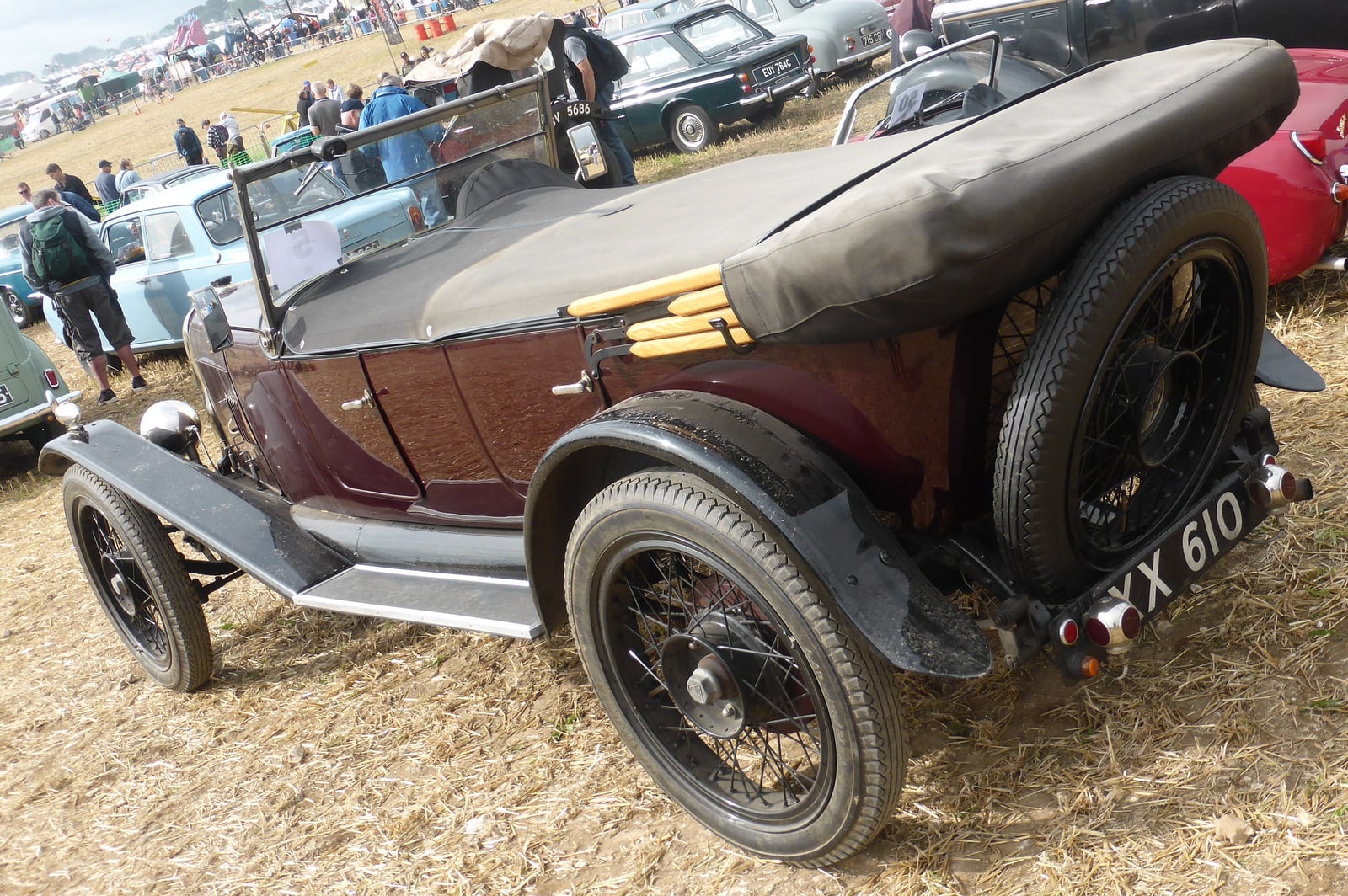
The 1920s are the vintage years, the decade when the motor car began to move from a rich man’s possession towards something a great many more people could own. It opened in the aftermath of the First World War, with cars still costly and the roads thin of traffic, and it closed with the Austin Seven everywhere and the Depression about to break. In between came some of the most characterful cars Britain ever built.
It was a decade of extremes. At one end, William Morris and Herbert Austin drove prices down with mass production and the brilliant little Austin Seven; at the other, Bentley and Rolls-Royce built some of the finest and fastest cars in the world, and the Bentley Boys carried British green to victory at Le Mans. Running through it all was a sporting and record-breaking spirit, from Brooklands to the land-speed record, that gave the vintage era its lasting glamour.
The Austin Seven kills the cyclecar
The single most important British car of the decade arrived in 1922. Before the Austin Seven, cheap motoring meant the cyclecar: crude, flimsy, often three-wheeled contraptions with motorcycle engines and belt drive. Herbert Austin’s answer was to shrink a proper car rather than build up a motorcycle, and the result was a genuine four-cylinder machine, with brakes on all four wheels, at a price that undercut the cyclecars on value if not always on price.
It worked completely. The cyclecar makers were swept away within a few years, and the Austin Seven created the market for the small, cheap, real car that would define British motoring for decades. It is the car that carried the 1920s into the 1930s, and a great deal of what followed grew from it.

The Bullnose Morris and mass production
If Austin owned the bottom of the market, Morris owned the middle. William Morris, the future Lord Nuffield, built his cars at Cowley near Oxford using American-style production methods and bought-in components, and he repeatedly cut prices to chase volume. The result was the Bullnose Morris, the Cowley and Oxford models named for their distinctive rounded radiators, and by the mid-1920s Morris was Britain’s largest car maker, building a large share of all the cars in the country.
It was at Morris’s Oxford sales arm, Morris Garages, that another name was quietly born. From the mid-1920s a young sales manager named Cecil Kimber began building sportier-bodied versions of the Morris cars, and those specials grew into MG. The volume saloon and the sports car that sprang from it both trace to the same Cowley roots.

The wider industry, and the makers the decade ate
Austin and Morris were the winners of a fight that involved dozens of firms, most of them now forgotten. Clyno of Wolverhampton was briefly Britain’s third-largest car maker in the mid-1920s by matching Morris on price model for model; the strategy left no margin for error, and the company collapsed in 1929. Singer, which had built its name on light cars, took the third-place slot and held it at the end of the decade. Around them, Standard, Humber, Rover and a long tail of smaller concerns fought for the middle of the market, while Trojan sold a deliberately crude utility car on solid tyres to buyers who wanted transport with no pretensions at all.
The pattern that mattered was consolidation. Mass production kept cutting prices, every price cut killed another undercapitalised maker, and the industry that entered the decade with scores of manufacturers left it dominated by a handful. It was the first great sorting of British car making, and it set the shape, a few volume firms plus a fringe of specialists, that the industry kept for the next half century.
Bentley and the Le Mans years
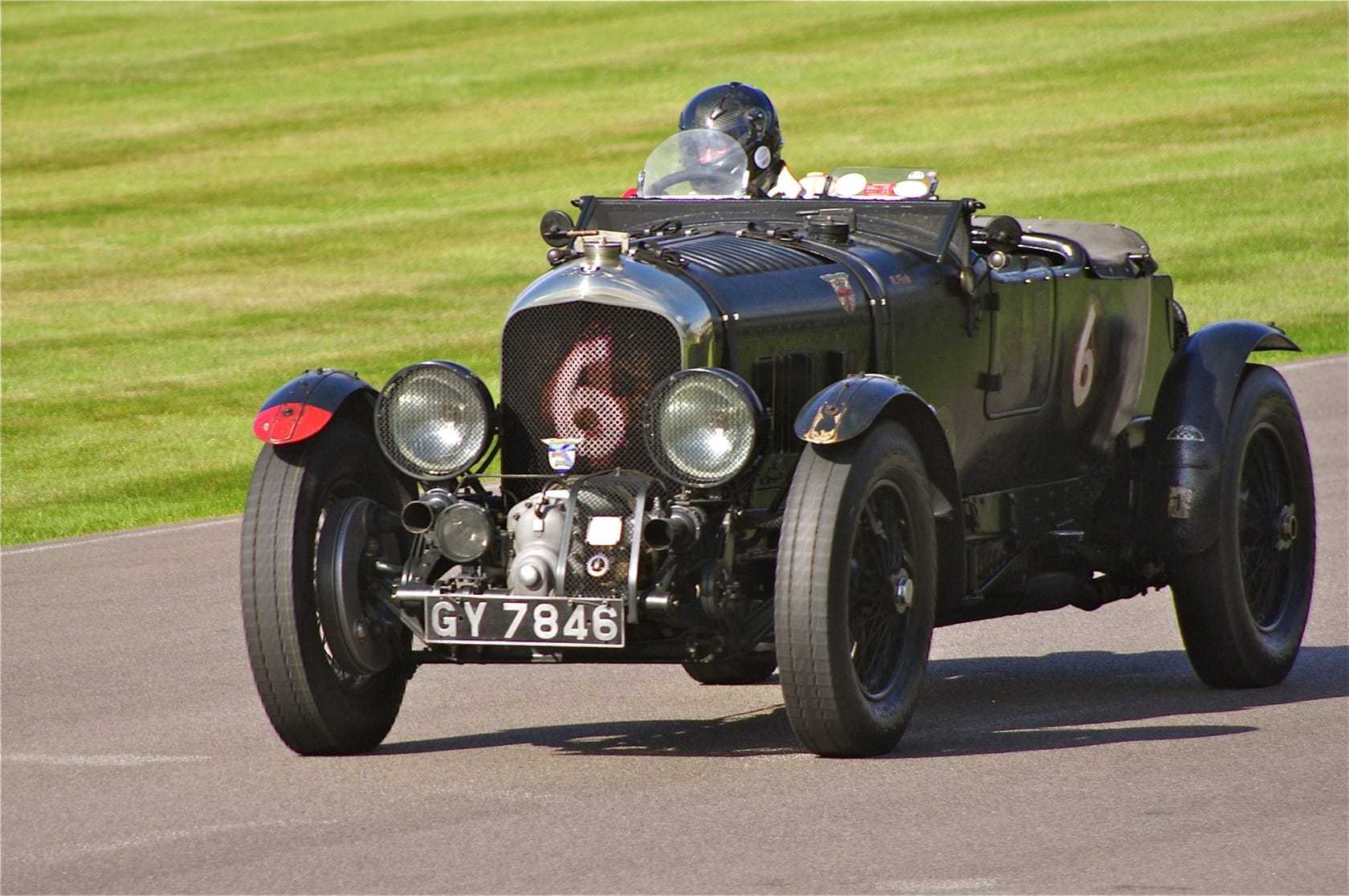
At the opposite end of the market, W.O. Bentley built cars for going fast and lasting. Bentley Motors, founded in 1919, made its name with big, heavy, superbly engineered sporting cars: the 3 Litre, the 4.5 Litre, the supercharged “Blower”, and the 6.5 Litre Speed Six. Ettore Bugatti is supposed to have called them the fastest lorries in the world, and he did not mean it kindly, but the cars answered on the track.
Bentley won the Le Mans 24 Hours in 1924 and then four times in a row from 1927 to 1930, driven by the wealthy amateurs the press called the Bentley Boys. It was the defining British competition story of the decade. The cars were never profitable enough, though, and Bentley collapsed in 1931 and was bought by Rolls-Royce, but the vintage Bentleys remain among the most valuable and revered of all British cars.

Rolls-Royce and the carriage trade
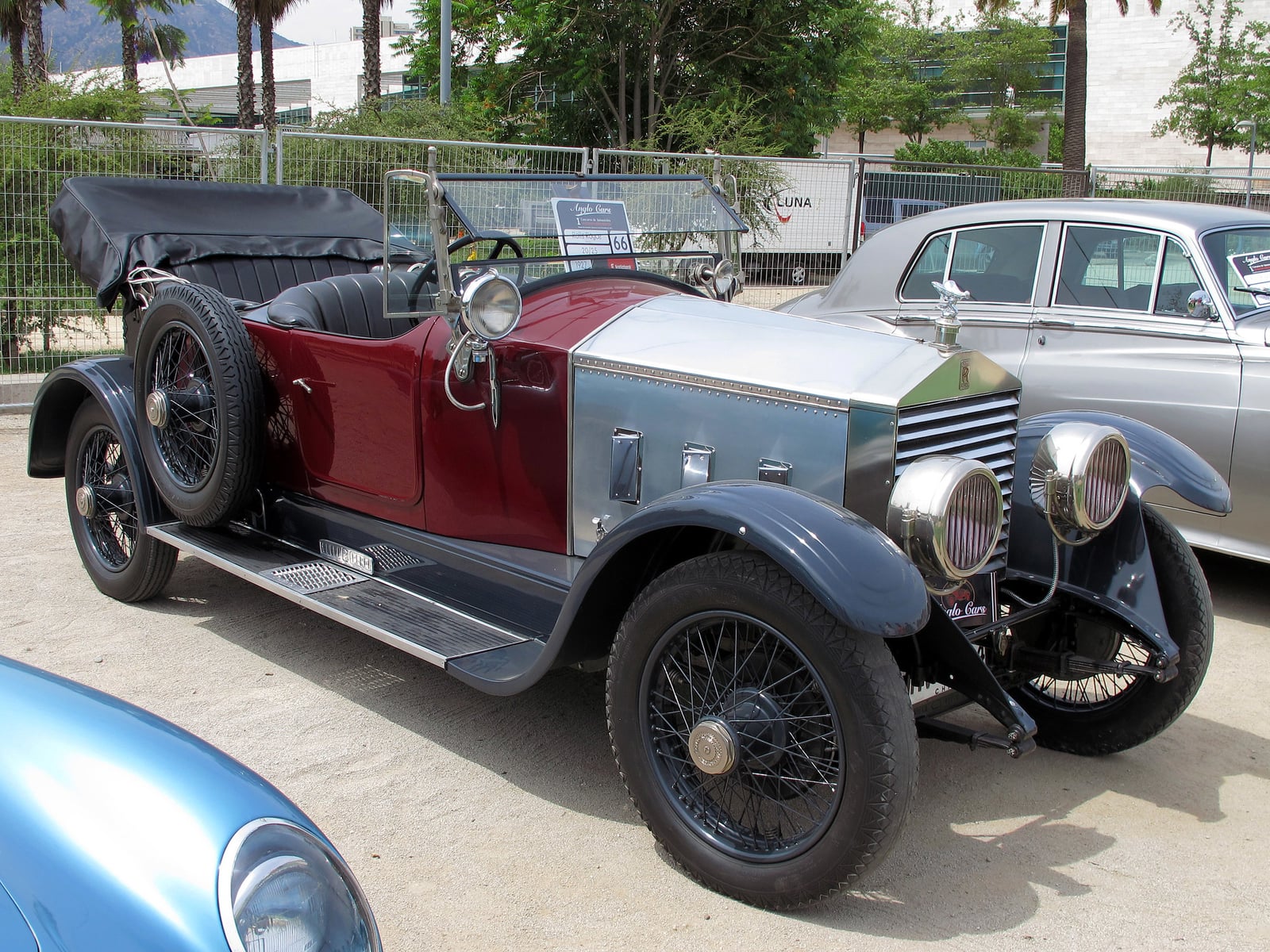
Above even Bentley sat Rolls-Royce, building what it was happy to let others call the best car in the world. The Silver Ghost, which had made the firm’s reputation before the war, ran on until 1925, when the Phantom I replaced it at the top of the range. Below the great cars came the smaller Twenty of 1922, the “owner-driver” Rolls-Royce aimed at those who would drive themselves rather than employ a chauffeur.
These were chassis sold to be bodied by the coachbuilders, and the 1920s were near the height of that trade. A Rolls-Royce of the period is as much a piece of coachbuilding as of engineering, and no two are quite alike. The carriage trade that clothed them would last into the 1930s before the economics of the steel body began to end it.

The vintage sports cars
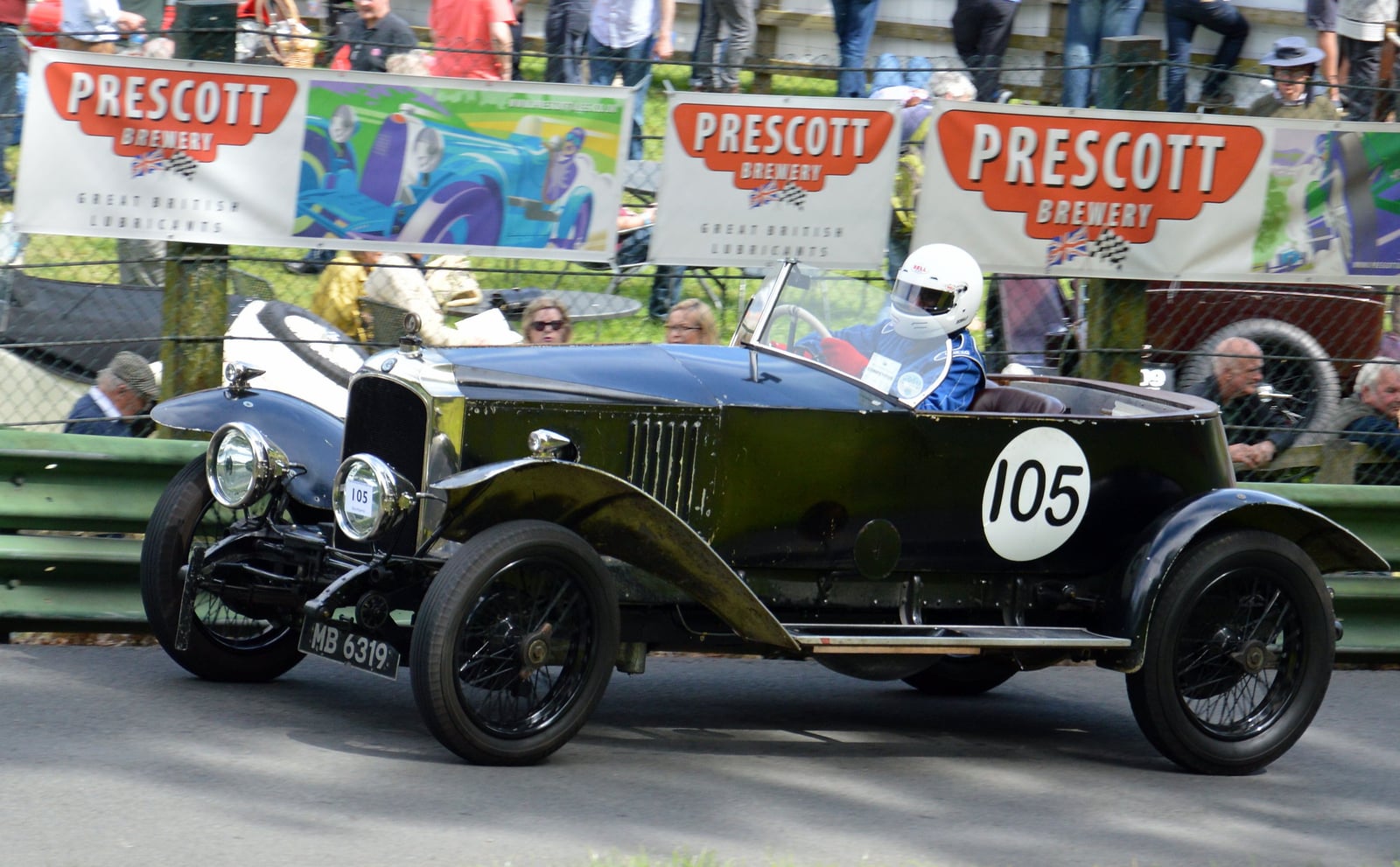
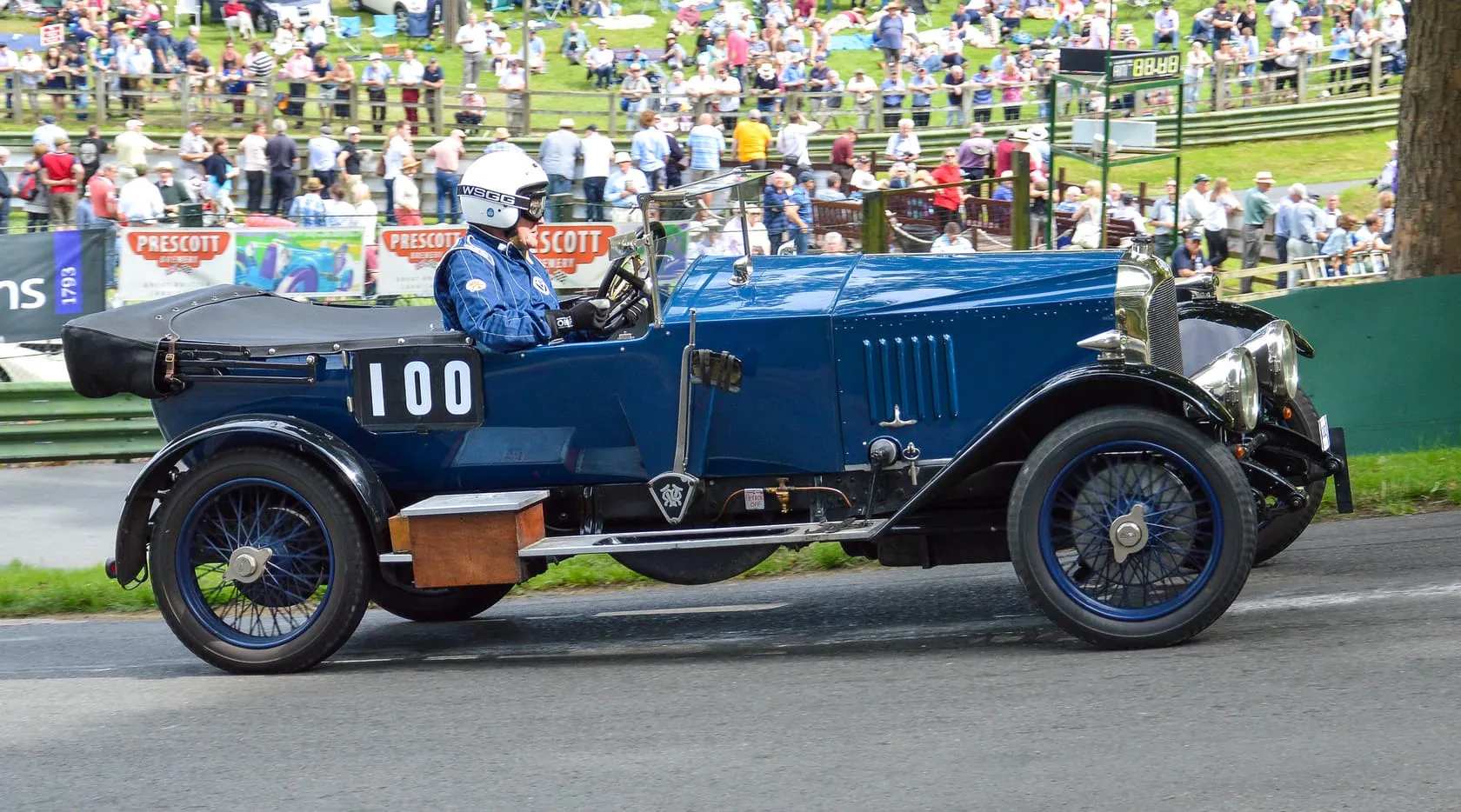
Between the baby cars and the grandees lay the great vintage sports cars, and Britain built some of the best. The Vauxhall 30-98 was a fast, simple tourer capable of nearly 100 mph, a genuine rival to the early Bentleys. The Alvis 12/50 was the sporting light car of the decade, quick, well-made and a winner on the track. And the Riley Nine of 1926, with its clever hemispherical-head engine, was a small sports saloon so good it set the template for British sporting cars into the 1930s.
Around them clustered names that defined the era: Frazer Nash, with its fierce chain-driven sports cars; AC and Lea-Francis; and the young Aston Martin, building tiny numbers of fast, light machines. These were cars for enthusiasts, made in small numbers, and they are the heart of the vintage movement today.

Speed, Grand Prix and records
The 1920s were a golden age of British speed, and Sunbeam led it. A Sunbeam became the first British car to win a Grand Prix, the 1923 French Grand Prix, a landmark in a sport the Continental makers had owned. The same firm then dominated the land-speed record: in 1927 Henry Segrave drove the vast twin-engined Sunbeam 1000HP past 200 mph for the first time, on the sand at Daytona Beach.
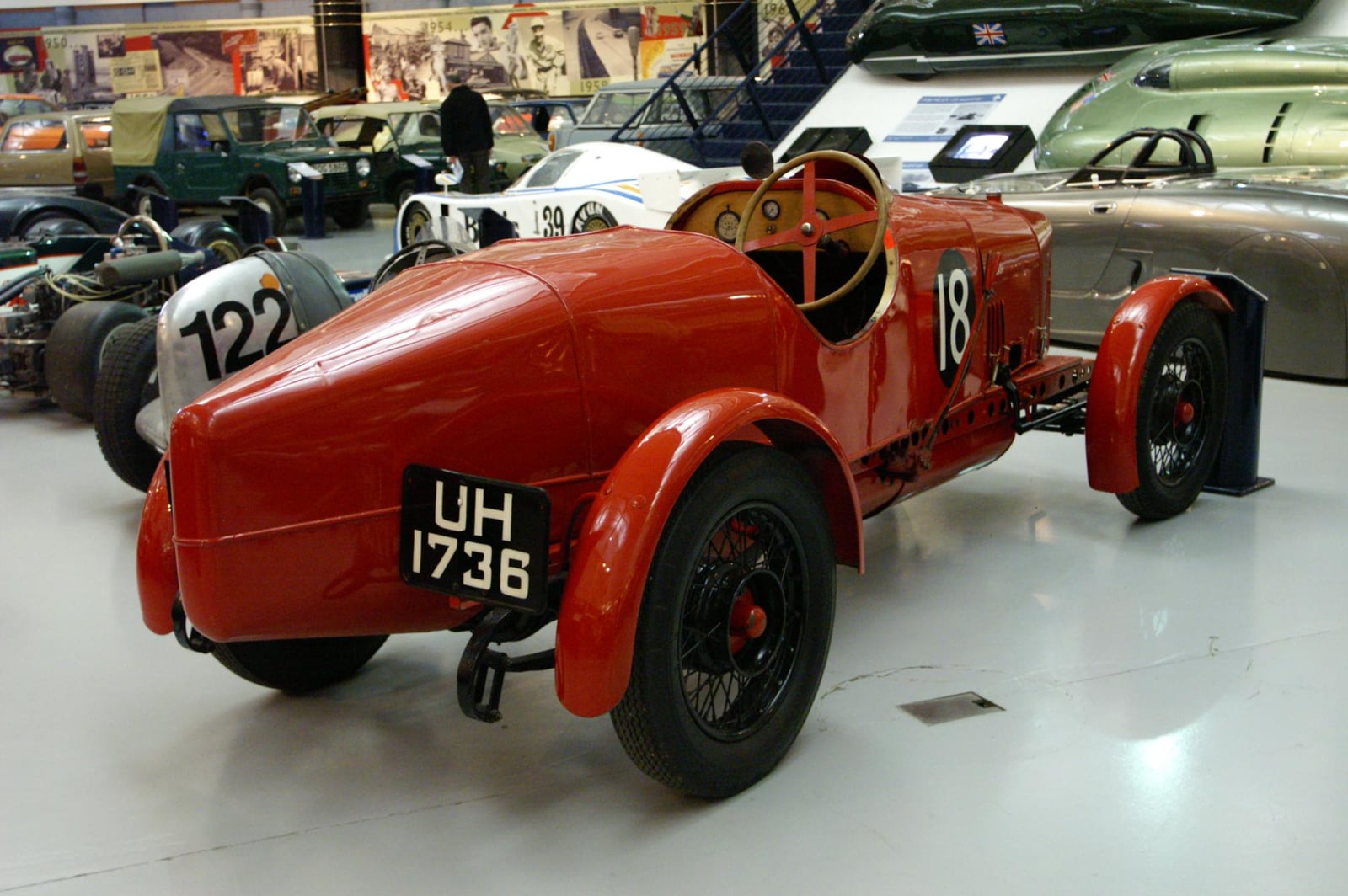
Closer to home, the banked Brooklands track in Surrey was the centre of British motorsport, where production-based racers and outright specials ran flat out, and Malcolm Campbell began the series of Bluebird record cars that would carry his name through the 1930s. The glamour of all this speed sold the ordinary cars beneath it, exactly as it would for the rest of the classic era.

What made the 1920s distinctive
The 1920s is the decade the car stopped being only a luxury and started, slowly, to become something more. The Austin Seven and the Bullnose Morris drove that change from below, putting real cars within reach of people who had never owned one, while at the top Bentley and Rolls-Royce built machines of a quality the industry would rarely match again. The two ends of the market, the cheap car for the many and the bespoke car for the few, were both at their most vivid.
It was also the last full decade before the Depression and before the steel body and the modern saloon began to standardise the car. Vintage motoring, with its hand controls, its coachbuilt bodies and its hands-on character, belongs to these years, which is why the 1920s remain a world apart for enthusiasts. Read on to the 1930s, when the Austin Seven’s revolution matured and the affordable car came fully of age, or step back to the question of which cars count as British classics in the first place.

More photos