The vintage Bentleys: 3 Litre to Blower, the cars of the Bentley Boys (1921–1931)
The Cricklewood Bentleys won Le Mans five times in eight years, gave the world the Blower and the Speed Six, and bankrupted their maker building the 8 Litre masterpiece. A guide to the W.O. era, the Bentley Boys legend, buying realities of the marque's grandest era.
Built 1921–1931 218 recorded sales
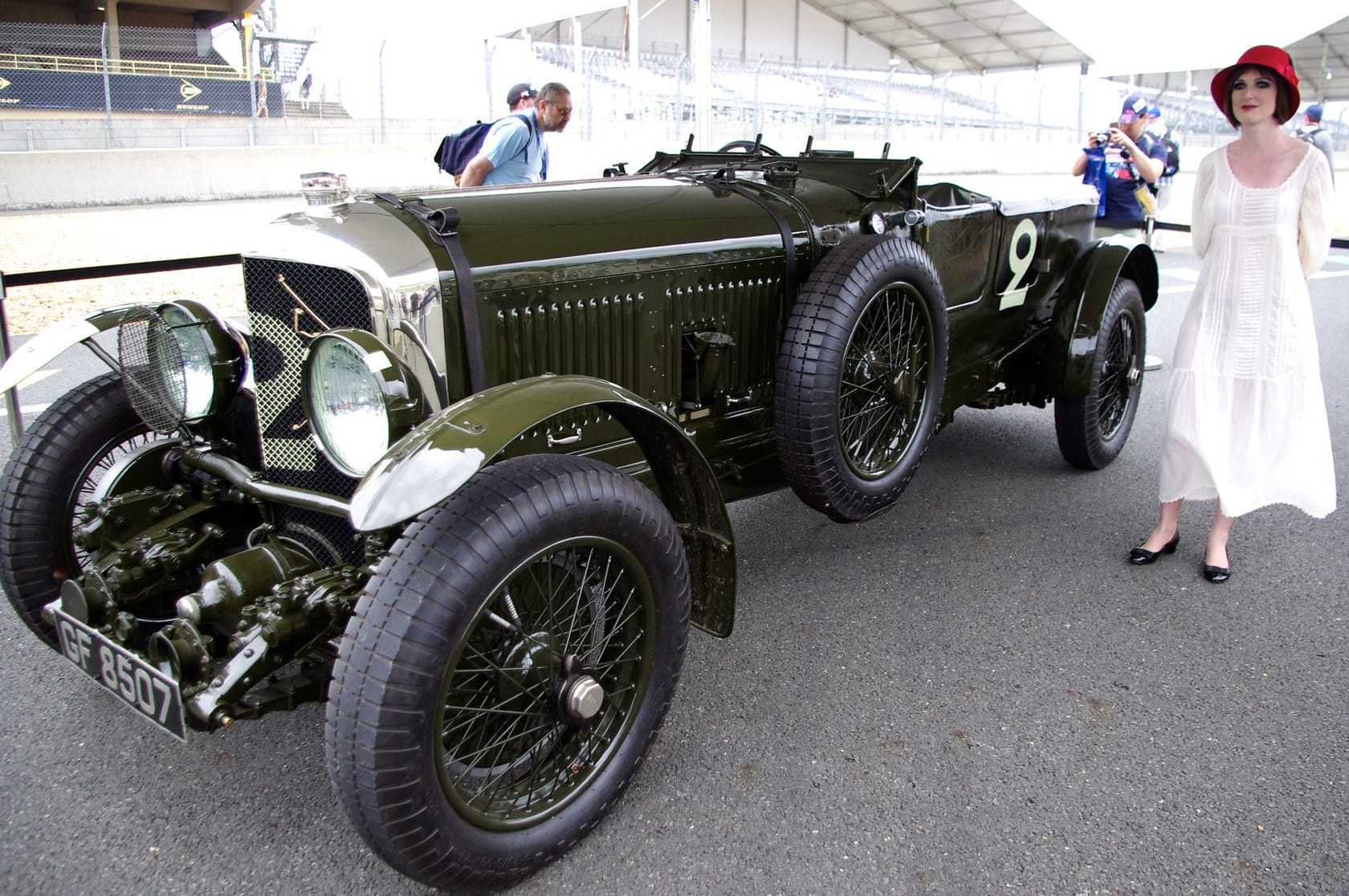
At a glance
- Years
- 1921–1931
- Body styles
- Coachbuilt: Vanden Plas tourers above all, plus saloons and specials
- Drivetrain
- Front engine, rear-wheel drive; separate chassis
- Engines
- 2996cc four; 4398cc four (55 supercharged); 6597cc six; 7982cc six
- Power
- Around 70 bhp (3 Litre) to 240 bhp (racing Blowers)
- Top speed
- Around 80-125 mph by model and tune
- Trim levels
- Speed models, Le Mans specification, Vanden Plas coachwork
- Production
- About 3,050 total: 1,622 3 Litres, 720 4½s (55 Blowers), 545 sixes, 100 8 Litres
- Assembly
- Cricklewood, north London
- Designer
- W.O. Bentley
- Values
- 3 Litres from around £180,000; 4½s £350,000-£700,000; Blowers, Speed Sixes and 8 Litres in the millions
- The record
- Le Mans wins in 1924, 1927, 1928, 1929 and 1930
- The paradox
- W.O. opposed the Blower that became his marque's most famous car
The models
For one decade a factory in Cricklewood built the fastest lorries in Europe, Ettore Bugatti’s jibe, and the fact that everyone repeats it fondly tells you who won the argument. W.O. Bentley’s 3 Litre, 4½ Litre, Speed Six and 8 Litre won Le Mans five times in eight years, gave the twenties its most glamorous heroes, and created in the Blower Bentley the most famous Bentley of all. The vintage cars now trade at the summit of the British market, and their world has never stopped racing.
Five wins in eight years
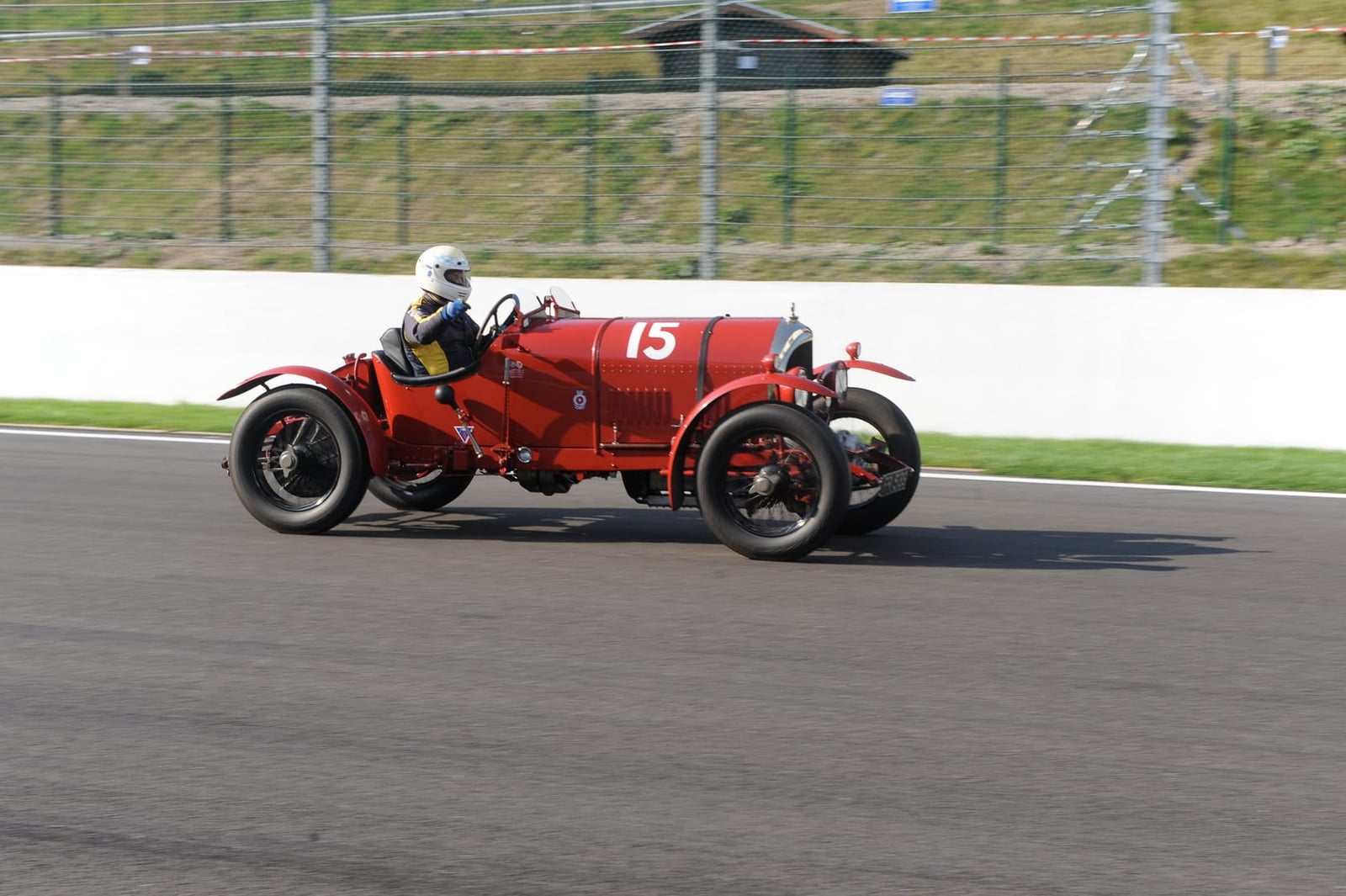
The 3 Litre established everything: fast, strong and unburstable per W.O.’s creed, it won Le Mans in 1924 and again in 1927 through the White House crash epic, Davis and Benjafield nursing the battered Old No. 7 home past newer, faster rivals in the race’s first great legend. The 4½ Litre took 1928 in Barnato’s hands, and the Speed Six, W.O.’s big six at full development, delivered the imperial phase: 1929 and 1930, Barnato aboard for both, three consecutive wins for the diamond heir who also bankrolled the company. Five wins in eight years fixed British racing green in the world’s imagination and made the winged B eternal.

Birkin, Paget and the Blower gamble
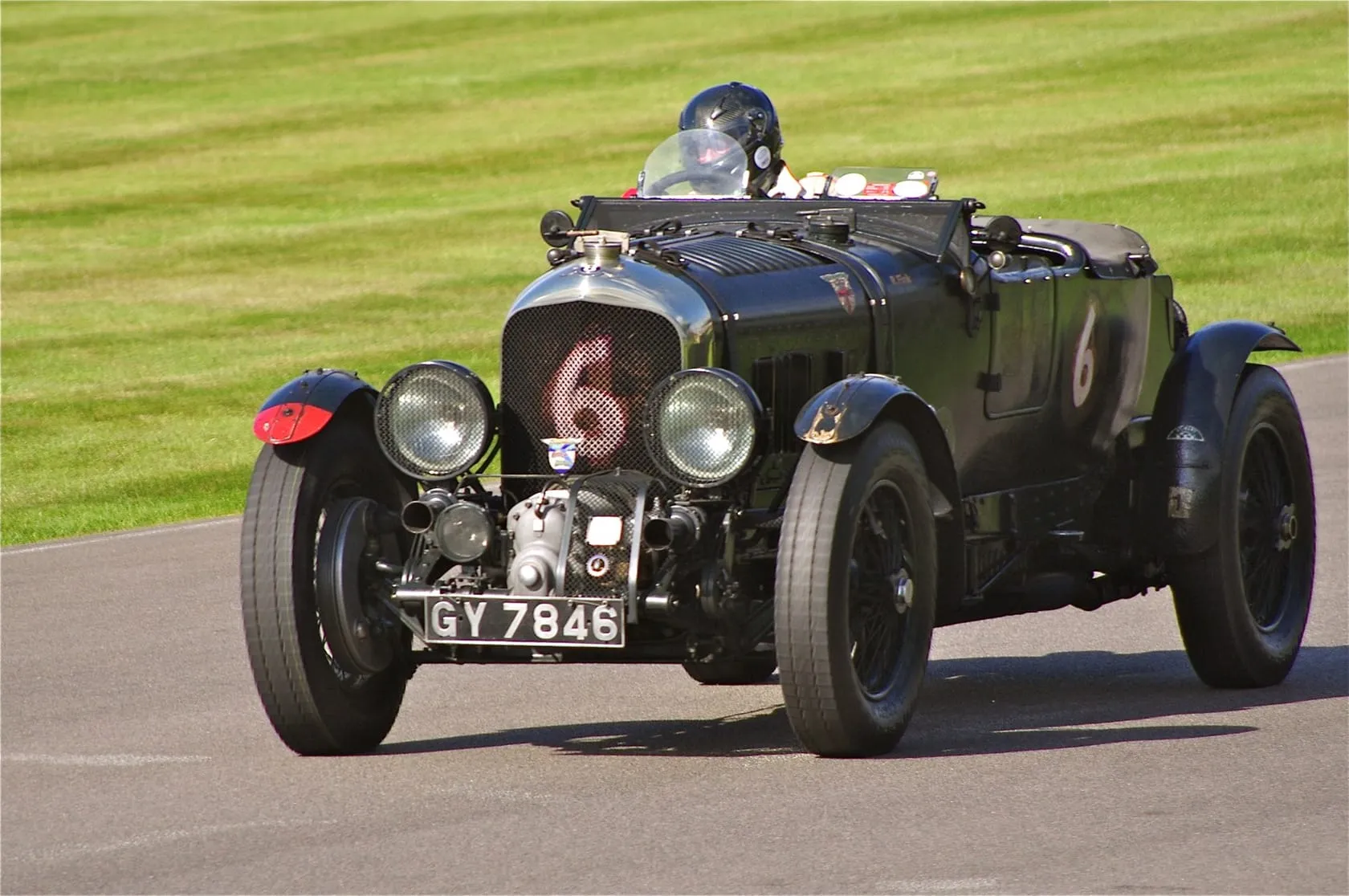
The Blower was heresy that became scripture: Tim Birkin, fastest and most romantic of the Bentley Boys, believed supercharging the 4½ would beat the Speed Six, and with the Hon. Dorothy Paget’s money built the 55-car run over W.O.’s objections, the Amherst Villiers blower worn ahead of the radiator like a challenge. It never won Le Mans; it led it heroically, broke records at Brooklands, and seized the legend anyway. Ian Fleming later put Bond in one, and originals now trade in the millions, with the modern factory’s continuation run only confirming the aura.

Barnato, the Blue Train and the style
The Bentley Boys made the cars half the story: Barnato’s 1930 wager that his Speed Six could beat the Blue Train express from Cannes to his London club, won with time to spare, remains motoring’s best anecdote, and the set’s Mayfair flats, Brooklands weekends and Le Mans triumphs defined an era’s glamour that the marque has traded on ever since. Kidston flew, Benjafield doctored, Davis wrote, and all of them raced with a style the sport has never quite recovered. Behind the style stood W.O.’s final masterpiece, the 8 Litre of 1930, one hundred colossal chassis that out-Roycd Rolls-Royce and helped bankrupt the company into the receiver’s hands by 1931, when Rolls-Royce bought its rival and the Cricklewood decade closed.

What a vintage Bentley is like to drive
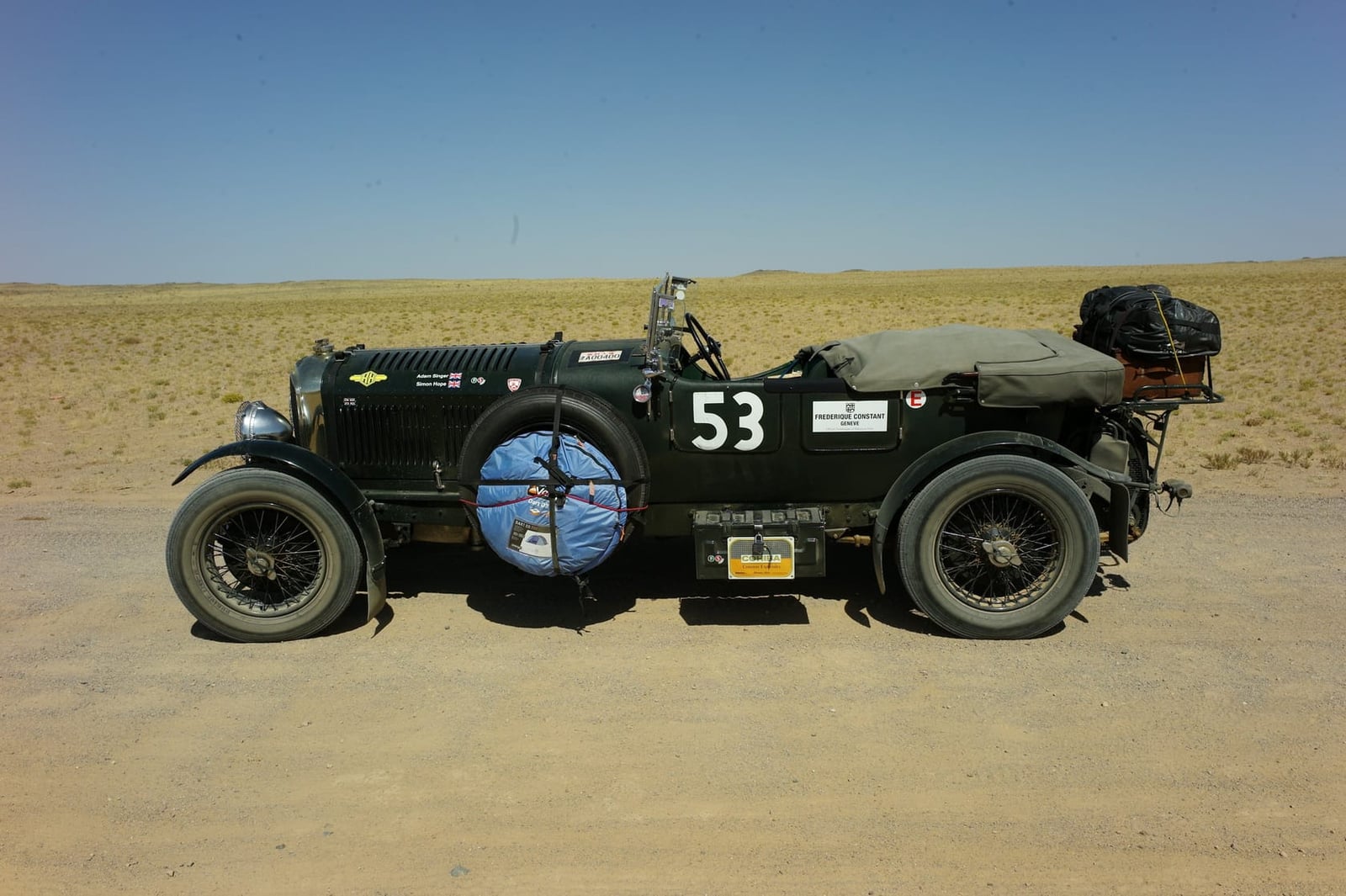
Everything is big: the wheel, the gearing, the outside handbrake, the four-cylinder cars’ thunder and the sixes’ effortless surge, managed through a crash box that rewards learned technique and a chassis that steers heavy, true and alive. First acquaintance is physical work; fluency arrives within a weekend and turns the effort into the appeal. Speed builds with intent rather than ease, and a 4½ at pace on a modern road remains a genuine event for every sense. The vintage Bentley world drives hard, Benjafields club races, continental tours, Peking to Paris included, and a car with sporting patina stands taller in it than any static restoration.

Specials, rebodies and continuations
A century of hard use built the market’s most layered hierarchy: most surviving tourers wear later or replica-pattern open bodies, honestly priced below original coachwork, while chassis rebuilt into sporting specials over the decades occupy their own well-understood tier, valued on the quality of the work and the completeness of the original car beneath. Above them sit the untouched originals and the period team cars; alongside them, the modern factory’s continuation Blowers and Speed Sixes, built to period drawings at seven-figure prices, which have confirmed rather than diluted the originals’ standing. None of this is deception, because the registers document every car’s construction history line by line; it is simply a market where the same badge can price across two orders of magnitude, and where knowing exactly which layer a car occupies is the whole game.
Buying into the W.O. era
This is registry country: chassis, engine and body histories are documented car by car and argued over in print, rebodies (most survivors wear later or replica Vanden Plas-style tourers) are priced distinctly from original coachwork, and period competition history multiplies everything, Team Car provenance most of all, with Le Mans miles the market’s rarest currency. Specials and continuation cars occupy honest separate tiers. The specialist houses and the Bentley Drivers Club hold the knowledge, and no purchase at these values should move without them. At 218 measured sales and a £345,000 median, 3 Litres from £180,000 to Blowers in the millions, the vintage market is the British hobby’s summit, and it prices scholarship accordingly.
On money, the Cricklewood cars are priced almost entirely by engine size, from a 3 Litre tourer to the 8 Litre, and more of them fail to find a buyer than any other car on this site. The full record, 218 recorded sales, is on the page covering what a vintage Bentley sells for.
More photos
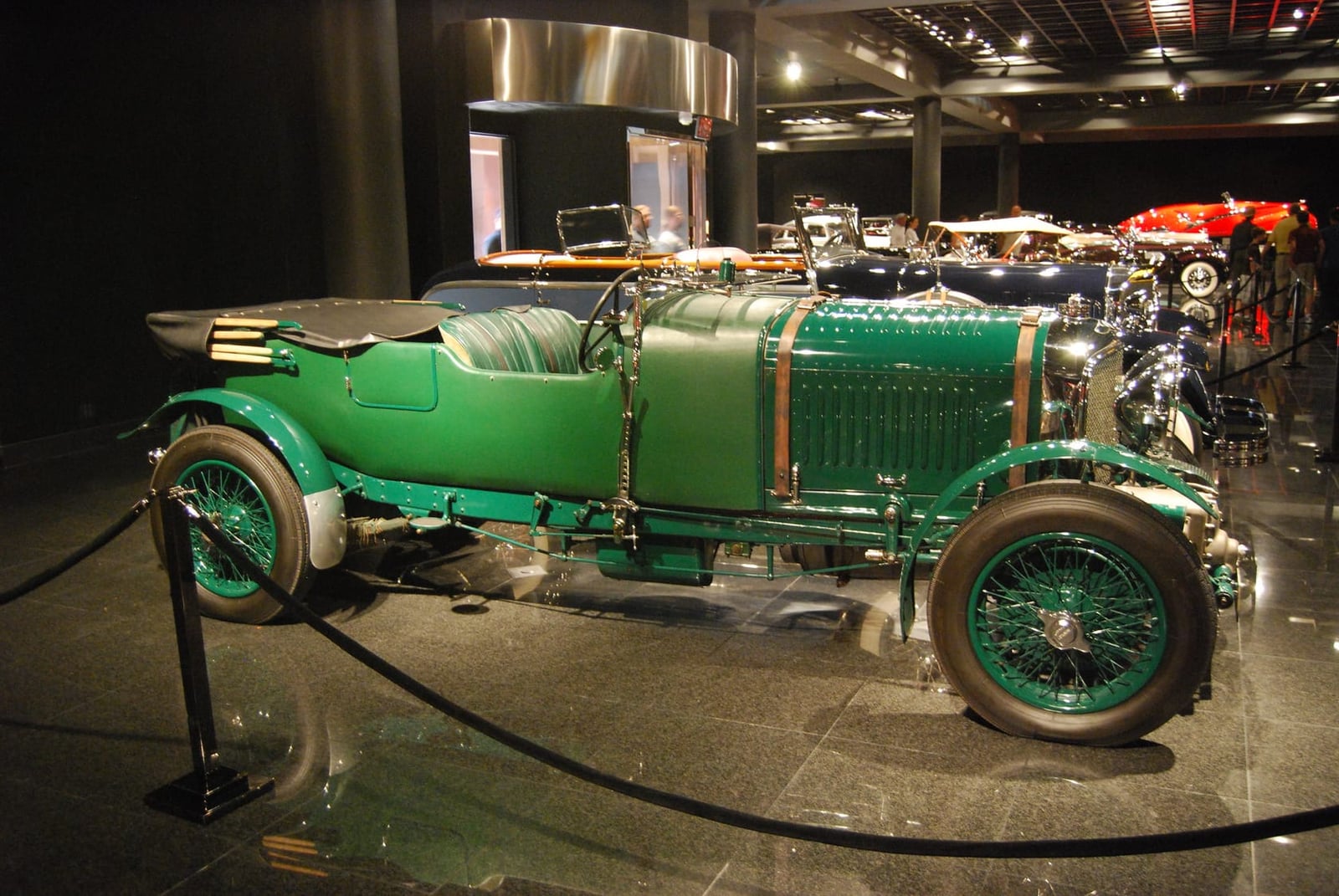
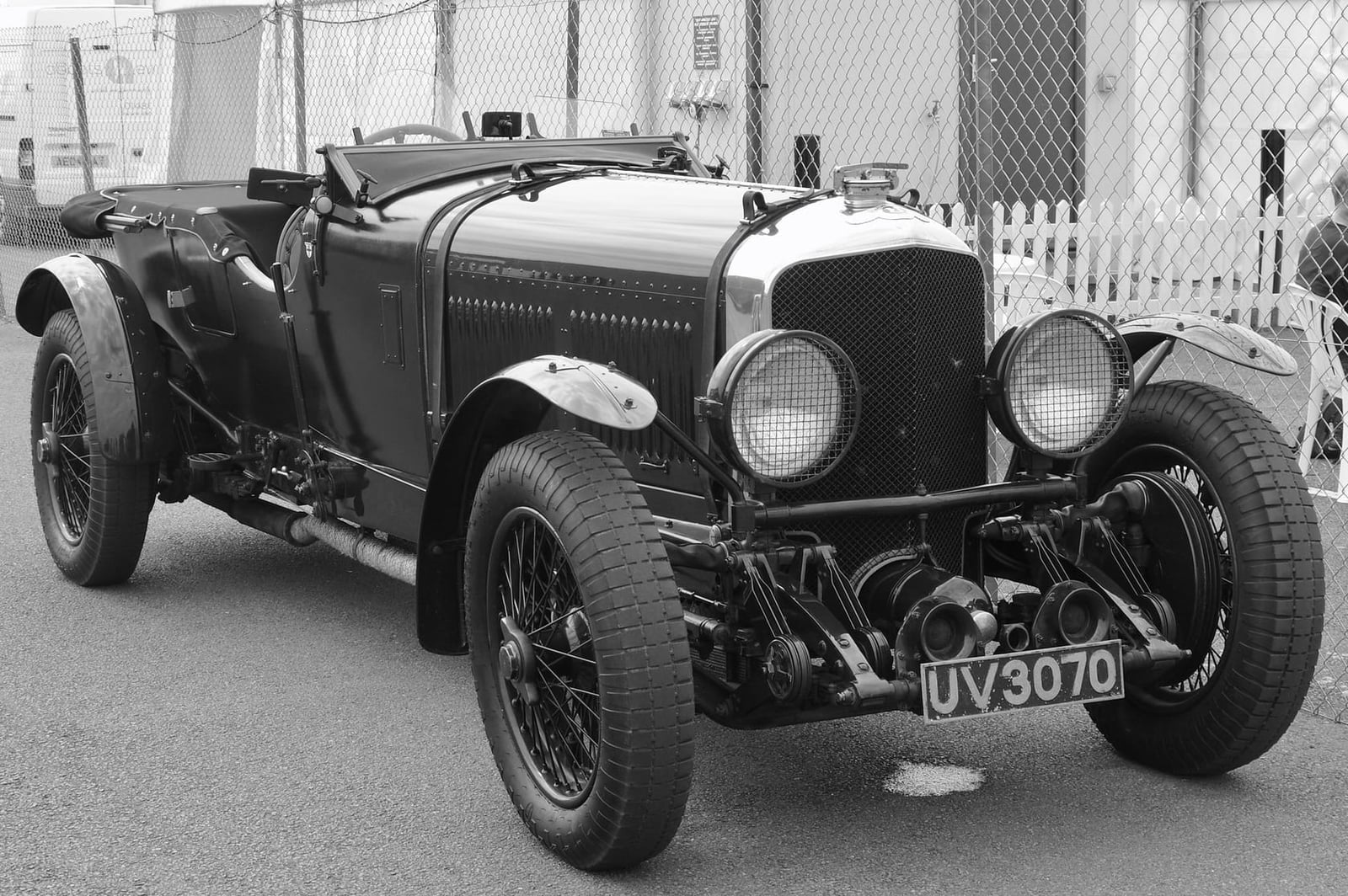
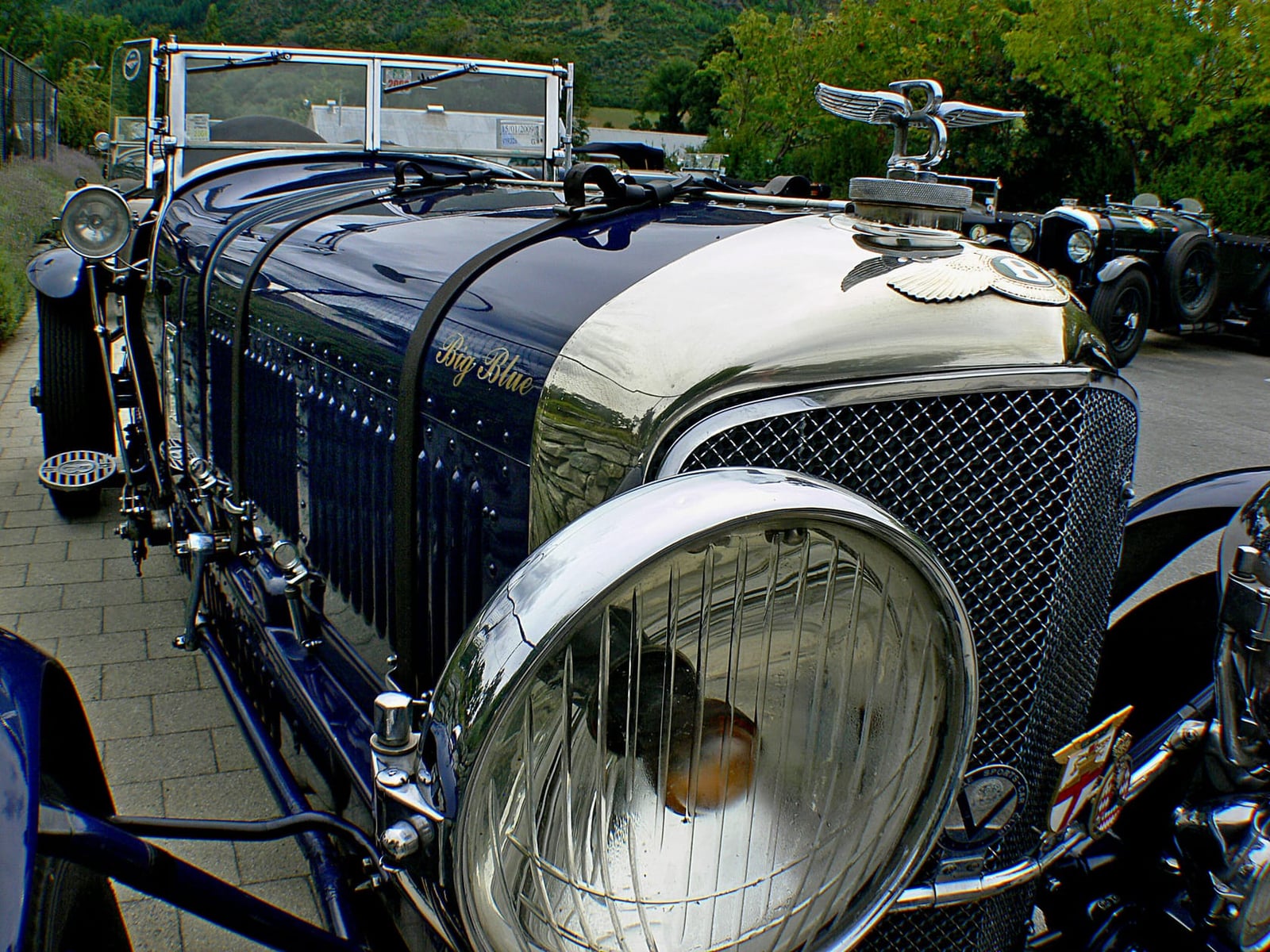
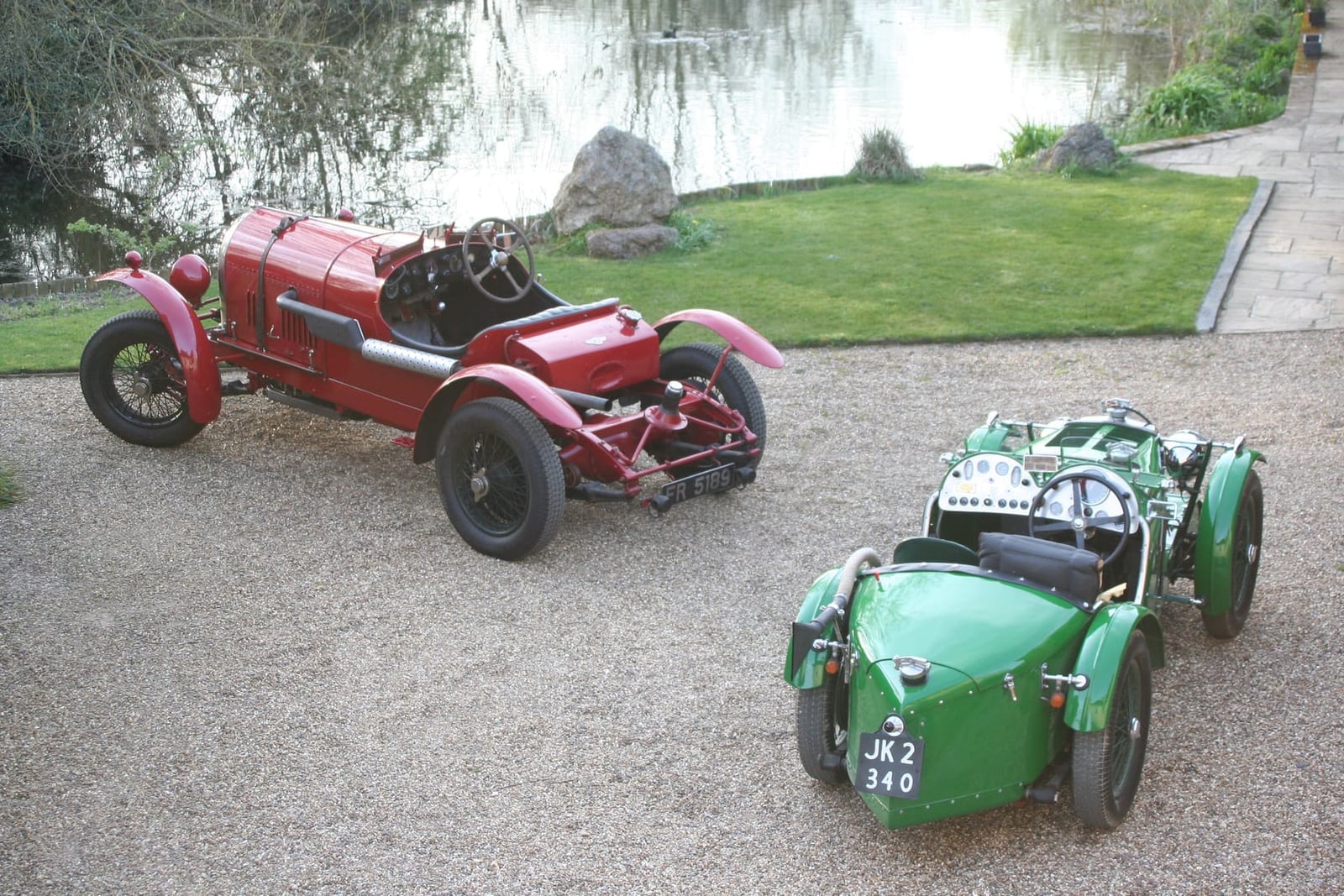
Vintage (Cricklewood): what changed and when
- 1921The 3 Litre establishes W.O.'s creed of fast, strong and unburstable.
- 1924The first Le Mans win.
- 1927Davis and Benjafield nurse the battered Old No. 7 home through the White House crash epic, the race's first great legend.
- 1928The 4½ Litre wins Le Mans in Barnato's hands.
- 1929The Speed Six wins Le Mans, and again in 1930, giving Barnato three consecutive victories; Birkin and the Hon. Dorothy Paget build the 55-car Blower run over W.O.'s objections.
- 1930Barnato's Speed Six beats the Blue Train express from Cannes to his London club; the 8 Litre arrives, one hundred colossal chassis that out-Royce Rolls-Royce.
- 1931The receiver arrives and Rolls-Royce buys its rival, closing the Cricklewood decade after about 3,050 cars.
What to check on a Vintage (Cricklewood)
Which layer the car occupies
- Most surviving tourers wear later or replica-pattern open bodies, honestly priced below original coachwork
- Chassis rebuilt into sporting specials occupy their own well-understood tier
- Untouched originals and period team cars sit at the top
- Modern factory continuations are a separate market and have confirmed rather than diluted the originals
Provenance
- Chassis, engine and body histories are documented car by car and argued over in print
- Period competition history multiplies everything; Team Car provenance most of all
- Le Mans miles are the market's rarest currency
- The specialist houses and the Bentley Drivers Club hold the knowledge; no purchase should move without them
Model and mechanicals
- 3 Litre, 4½ Litre, Speed Six, 8 Litre and 4 Litre are priced almost entirely by engine size
- Only 55 Blowers were built, and the supercharger is worn ahead of the radiator
- The crash box rewards learned technique; fluency arrives within a weekend
- Sporting patina is an asset in this world, not a defect
What the Vintage Bentley sells for at auction
In 2025 the median Vintage Bentley sold for £323,625 across 14 sales, 48% up on 2024. In real terms, typical Vintage Bentley prices were down about 7% over the five years to 2025, once inflation is accounted for.
| Variant | Sold | Typical range | Median |
|---|---|---|---|
| 3 Litre Speed Model | 34 | £180,921 - £286,000 | £225,146 |
| 4.5 Litre | 32 | £319,300 - £624,284 | £448,848 |
| 3 Litre Tourer | 29 | £146,142 - £215,702 | £168,168 |
| 8 Litre | 21 | £497,968 - £779,900 | £627,000 |
| 4.5 Litre Vanden Plas | 20 | £381,612 - £614,986 | £476,232 |
| 6.5 Litre | 17 | £371,250 - £577,240 | £460,000 |
| Speed Six | 14 | £301,386 - £1,346,419 | £538,043 |
| 3 Litre | 12 | £104,250 - £246,092 | £122,518 |
| 4.5 Litre Le Mans | 10 | £430,160 - £1,681,772 | £697,500 |
Show the year-by-year mediansHide the year-by-year medians
| Year | Sold | Median | In 2025 money |
|---|---|---|---|
| 2026 (so far) | 10 | £238,896 | |
| 2025 | 14 | £323,625 | £323,625 |
| 2024 | 9 | £218,500 | £226,885 |
| 2023 | 14 | £566,523 | £607,933 |
| 2022 | 11 | £438,750 | £502,469 |
| 2021 | 18 | £454,250 | £561,707 |
| 2020 | 7 | £273,700 | £346,837 |
| 2019 | 16 | £402,200 | £514,875 |
| 2018 | 7 | £652,666 | £849,697 |
| 2017 | 8 | £441,198 | £587,697 |
| 2016 | 12 | £365,962 | £500,028 |
| 2015 | 12 | £465,000 | £641,700 |
| 2014 | 6 | £219,625 | £304,300 |
| 2013 | 9 | £527,685 | £741,553 |
| 2012 | 14 | £394,318 | £566,833 |
| 2011 | 13 | £149,625 | £220,601 |
| 2010 | 8 | £426,574 | £653,355 |
| 2009 | 3 | £194,000 | £304,573 |
| 2008 | 5 | £448,636 | £718,234 |
| 2007 | 9 | £221,500 | £366,951 |
| 2006 | 5 | £343,534 | £582,404 |
| 2005 | 6 | £181,902 | £316,153 |
- £393,7504.5 Litre Vanden Plas
- £252,5003/4.5 Litre Vanden Plas
- £103,5003 Litre Speed Model
- £345,2004.5 Litre Vanden Plas
- £225,2923 Litre Speed Model
Strong evidence. 218 recorded sales and a dozen or more a year: the median and the range are well founded. Based on 218 sold results from public classic car auctions (1999 to 10 August 2026). Sold prices, not asking prices, and not a valuation: condition, history and specification vary from car to car. Inflation-adjusted figures use the ONS CPIH index, in 2025 money.
Frequently asked questions
What is a Blower Bentley?
Who were the Bentley Boys?
Why did Bentley go bankrupt in 1931?
Which vintage Bentley won Le Mans?
How much does a Vintage Bentley sell for?
What is the most expensive Vintage Bentley ever sold at auction?
How often does a Vintage Bentley come up for sale?
Related across themes
More from Bentley


Recently added

Rolls-Royce 20/25 and the small-horsepower cars: grandeur for the merely wealthy (1922–1939)

Rolls-Royce Phantom I, II and III: the coachbuilt age at full majesty (1925–1939)

Rolls-Royce Silver Ghost: the car that invented the best car in the world (1906–1925)
