Rolls-Royce 20/25 and the small-horsepower cars: grandeur for the merely wealthy (1922–1939)
The small-horsepower Rolls-Royces, the 20hp, the 20/25 and the 25/30, brought the best car in the world to the professional classes and became the most successful pre-war models of all. A guide to the owner-driver Rolls, its coachwork variety, and what to check before buying.
Built 1922–1939 524 recorded sales
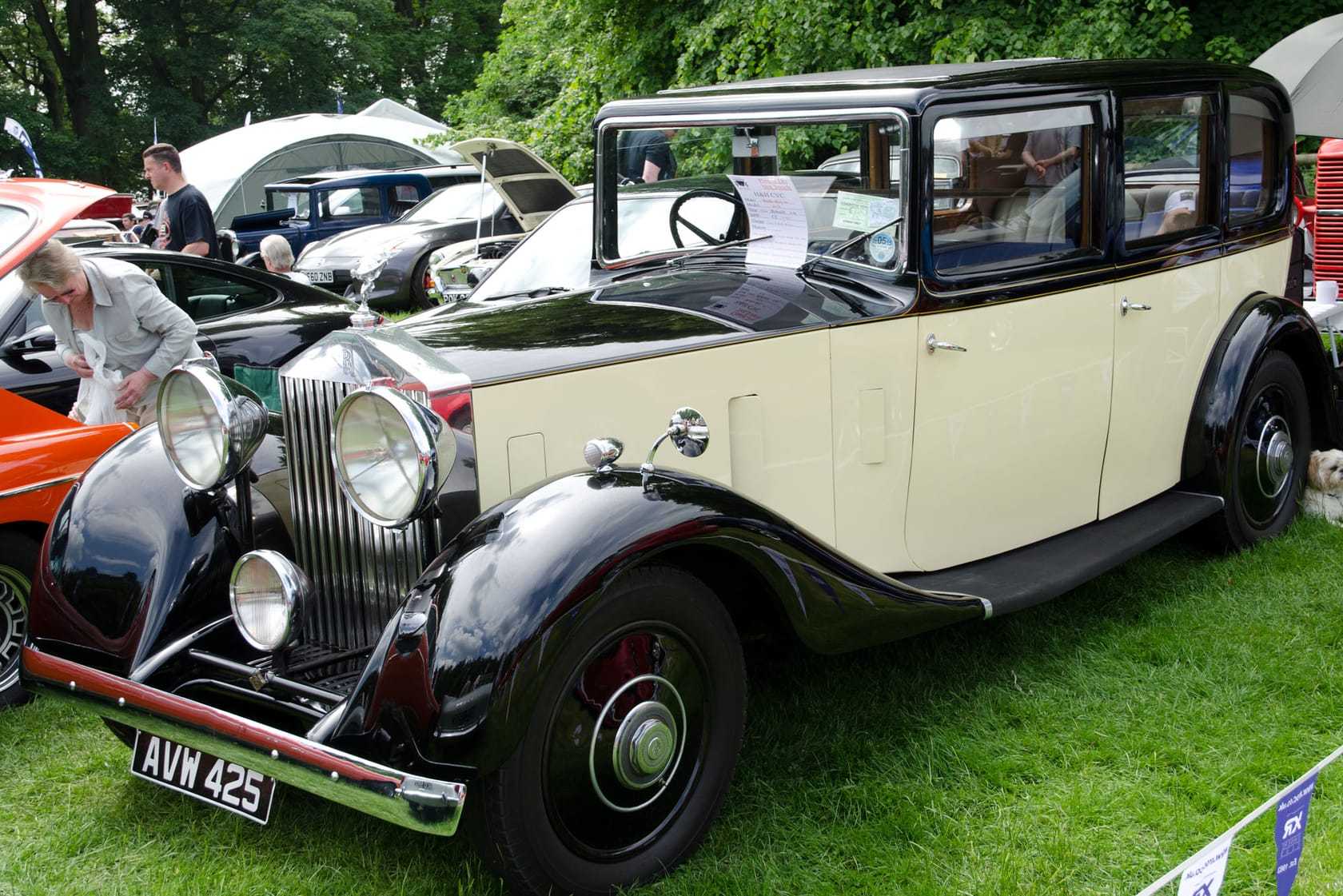
At a glance
- Years
- 1922–1939
- Body styles
- Coachbuilt to order: saloons, limousines, tourers, dropheads and doctors coupes
- Drivetrain
- Front engine, rear-wheel drive; separate chassis
- Engines
- 3127cc six (20hp); 3669cc (20/25); 4257cc (25/30)
- Power
- Around 50-115 bhp across the family
- Top speed
- Around 60-80 mph by model and body
- Trim levels
- Chassis only; bodies from every British house, Park Ward and Hooper especially
- Production
- 2,940 (20hp), 3,827 (20/25), 1,201 (25/30)
- Assembly
- Derby
- Designer
- Henry Royce (the 20hp his post-war owner-driver brief)
- Values
- Usable saloons from around £18,000; good cars £25,000-£45,000; tourers and dropheads beyond
- The brief
- A Rolls-Royce the owner could drive himself: the marque's first compact
- The record
- The 20/25 was the best-selling Rolls-Royce of the entire pre-war era
The models
Not every Rolls-Royce customer employed a chauffeur, and Henry Royce built for the rest: the 20hp of 1922 began the small-horsepower line that brought the best car in the world to the doctor, the solicitor and the squire, growing through the Rolls Royce 20/25, the pre-war company’s best seller, to the 25/30 of 1936. The small cars carried the same engineering religion at two-thirds the money, and they remain the gentlest door into pre-war Rolls-Royce ownership today.
The 20hp: Royce goes compact
The post-war market wanted a Rolls-Royce its owner could drive, and the 1922 20hp answered: a 3.1-litre overhead- valve six in a compact chassis, unhurried by design and utterly refined by religion, priced well under the 40/50 flagships. Purists grumbled at three speeds and a central change, soon corrected to four and the right hand, and 2,940 were built to 1929 wearing everything from doctors coupes to little limousines. The formula, full Rolls-Royce quality at approachable scale, never changed thereafter.

The 20/25: the pre-war best seller
Enlarged to 3.7 litres in 1929, the 20/25 became the company’s inter-war workhorse: 3,827 cars through 1936, more than any pre-war model, serving exactly the clientele Royce imagined and quite a few chauffeurs besides. Pace rose as coachwork fattened, synchromesh and refinements arrived year by year, and the registers today document a survivor population of remarkable depth. The 25/30 of 1936 completed the growth at 4.3 litres, sharing its enlarged six with the sporting sister marque’s cars from the same works, before the Wraith modernised the line in 1938, and together the family defines sensible pre-war grandeur.
Every coachbuilder, every body
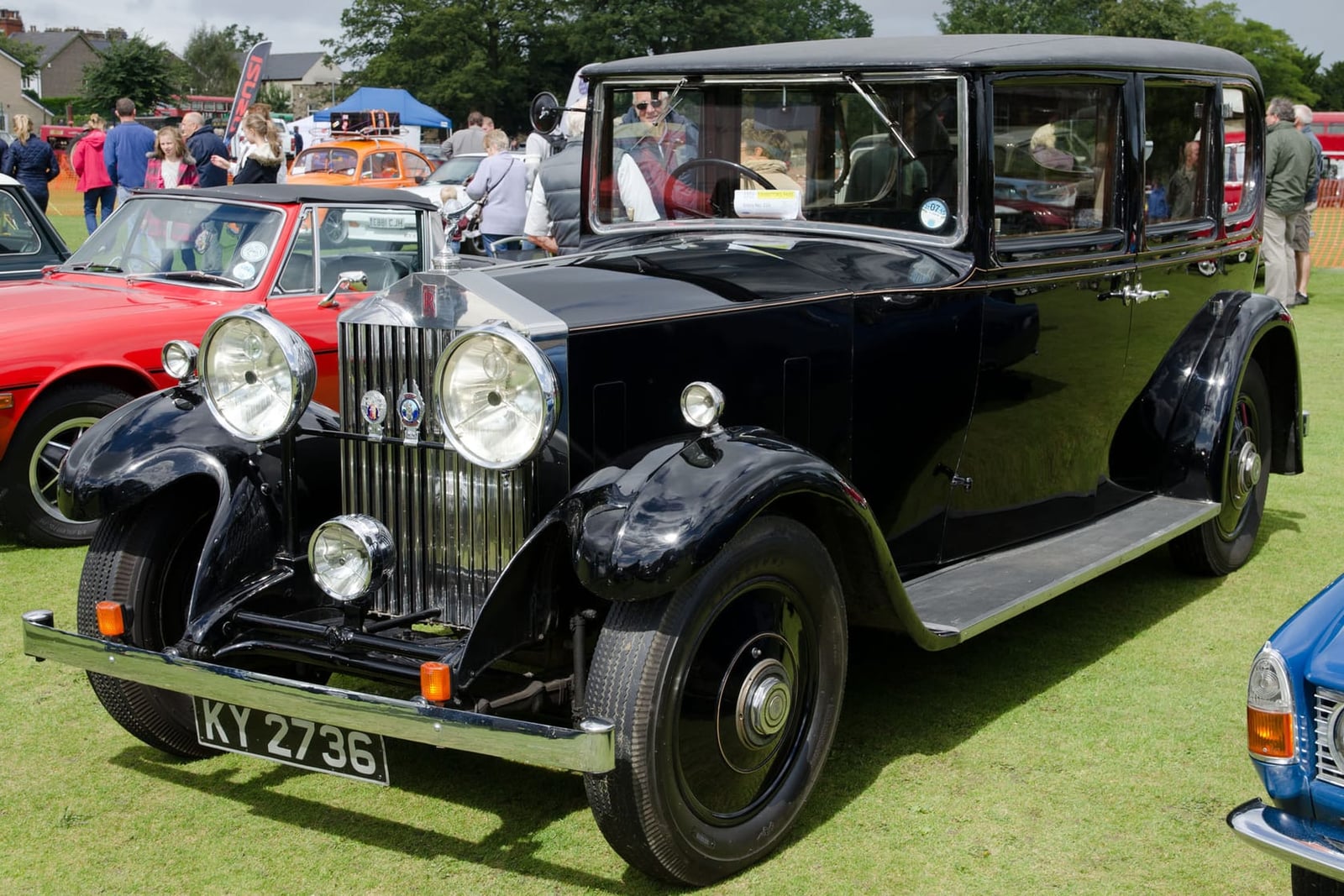
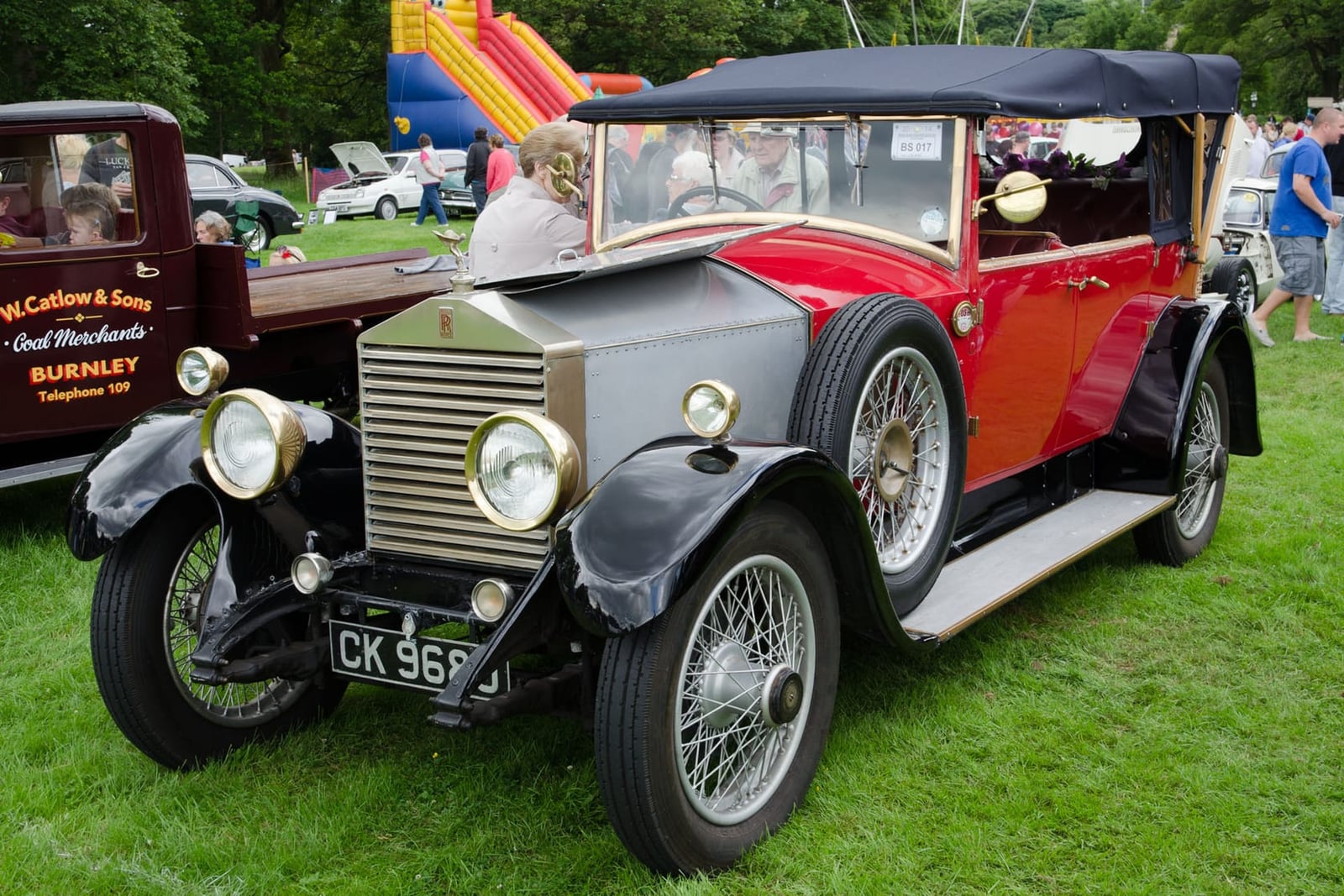
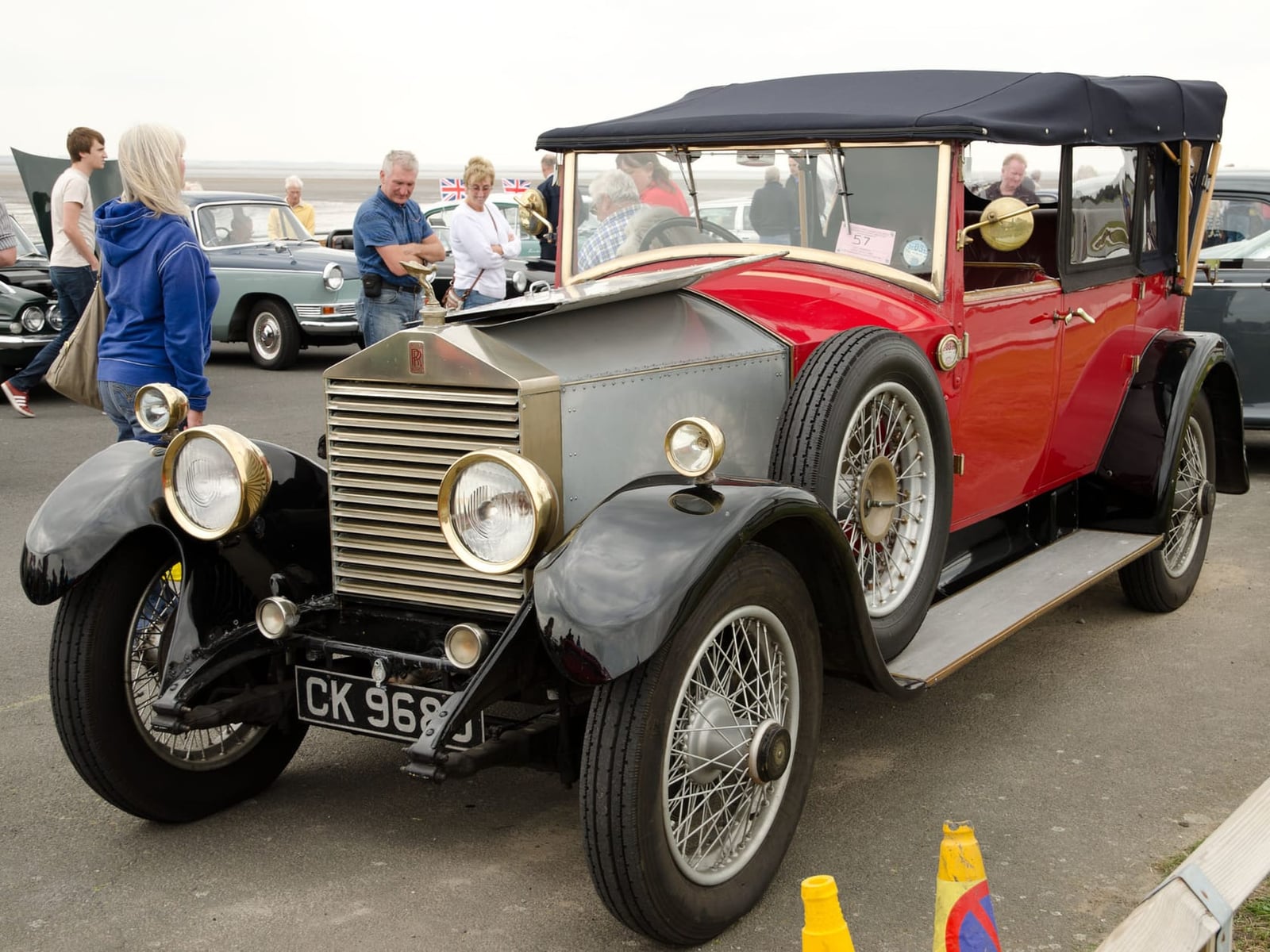
The small chassis democratised the coachbuilt age: Park Ward, Hooper, Thrupp & Maberly and the great houses dressed thousands, while provincial builders like Caffyns of Eastbourne served their counties, producing saloons, sedancas, tourers, dropheads and the beloved doctors coupes. No catalogue existed; every car was an order. That variety is the family’s collecting joy today, and its market logic: the body sets the price, from accessible formal saloons to the open coachwork that leads every auction, with the Phantoms’ economics repeated at friendlier numbers.

What a small-horsepower Rolls is like to drive
The small cars drive as their buyers hoped: the sixes pull with silken, unhurried elasticity, the controls reward period technique without demanding heroics, and the chassis rides with the house composure at a scale that suits modern roads far better than the flagships. Sixty is a contented cruise, seventy possible late in the family, and the owner-driver brief shows in every control weight. The pre-war touring scene runs on these cars, and a well-sorted 20/25 will cross a country in a day with ceremony intact.

Buying into the family today
Coachwork rules: ash-framed bodies want expert structural assessment, restoration outruns values, and sound original cars are therefore the only sensible buys, verified against the registers that know most survivors. Mechanical parts and knowledge flow through outstanding clubs, the 20 Ghost Club and the marque’s technical network serving the family devotedly. Closed cars offer extraordinary engineering per pound; tourers and dropheads carry the premiums; doctors coupes charm everyone. Buy body, history and registers’ verdict together, exactly as with the family’s larger siblings.
Running one today
Ownership is more approachable than the radiator suggests: the small sixes are willing, patient engines that thrive on regular use and careful lubrication, most consumable parts can be had or made through the marque network, and the technical literature is deep enough that a competent home mechanic can handle routine care. Thirst in the low teens and stately gearing set the touring rhythm rather than limit it, and insurance and storage, not mechanical attrition, are the real budget lines. The wedding-trade past that once dented the family’s image has faded into its opposite: survivors that worked for their living tend to come with continuous histories, and the clubs’ events give the family the active social calendar that keeps values honest and cars exercised. A 20/25 used monthly is a happier machine than one embalmed, and the market has learned to pay accordingly.
Where the small Rolls sits in the market
This is the accessible pre-war Rolls market. For hand-built Derby engineering wearing bespoke coachwork, the closed cars in particular remain among the great value positions in the entire pre-war world, and the family’s club support makes the ownership as approachable as the price. The full record, 524 recorded sales with the earliest 20hp the dearest of the three and a famous coachbuilder often lowering rather than raising the figure, is on the page covering what a 20/25 sells for. Buyers who choose on structure and history rather than gloss consistently do best here, exactly as they do across every corner of the coachbuilt pre-war world built on the same Derby engineering.
More photos
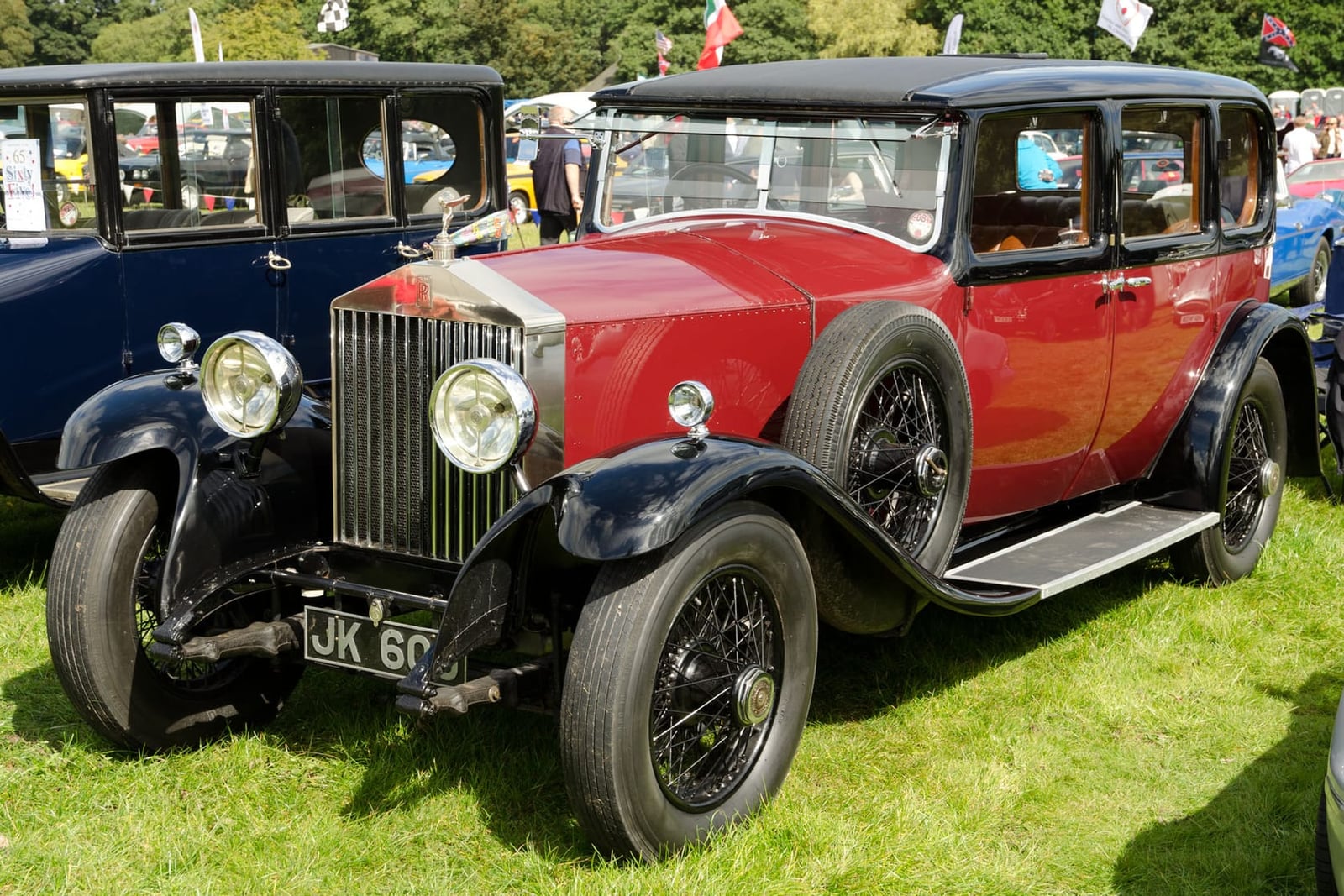
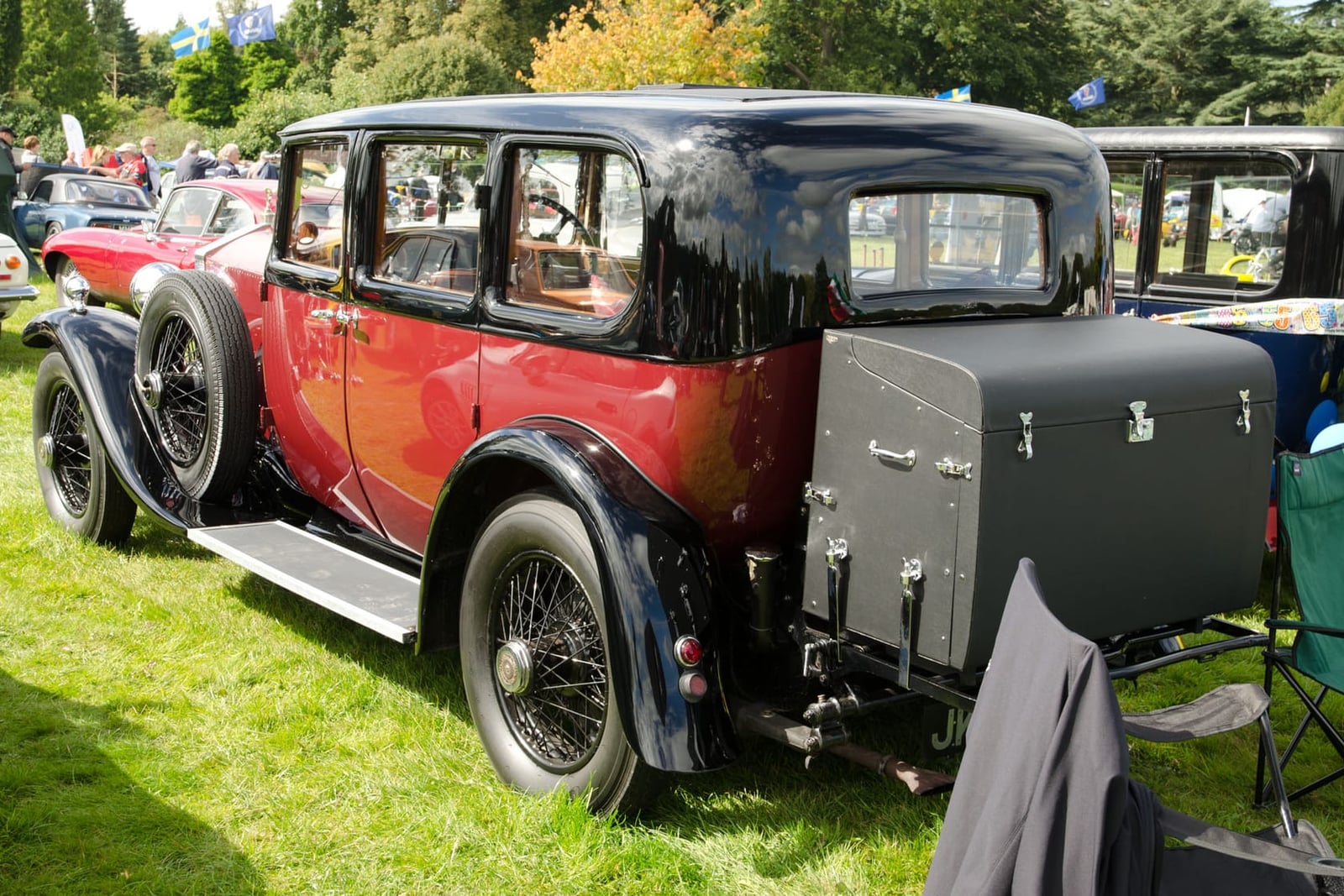
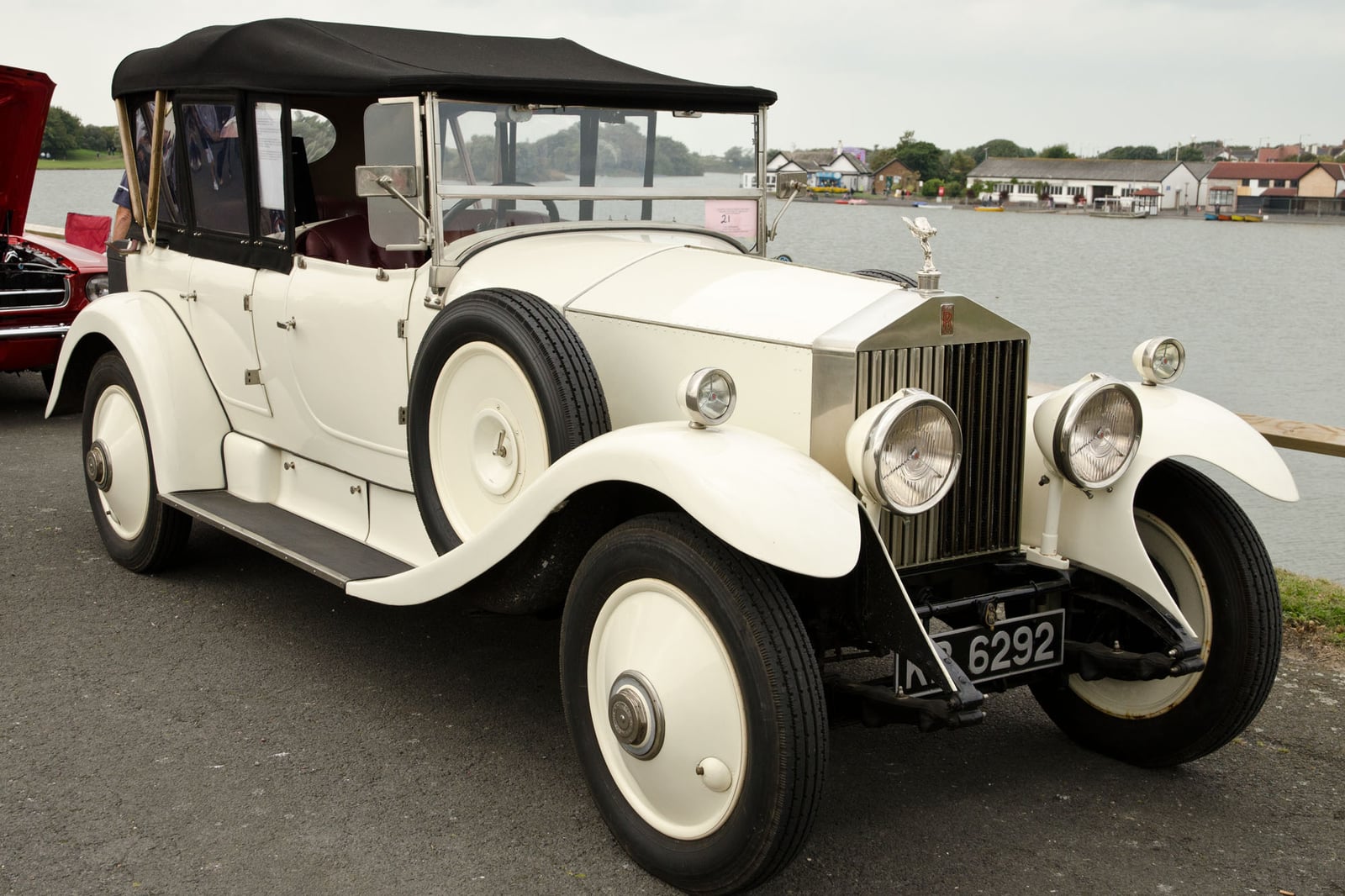
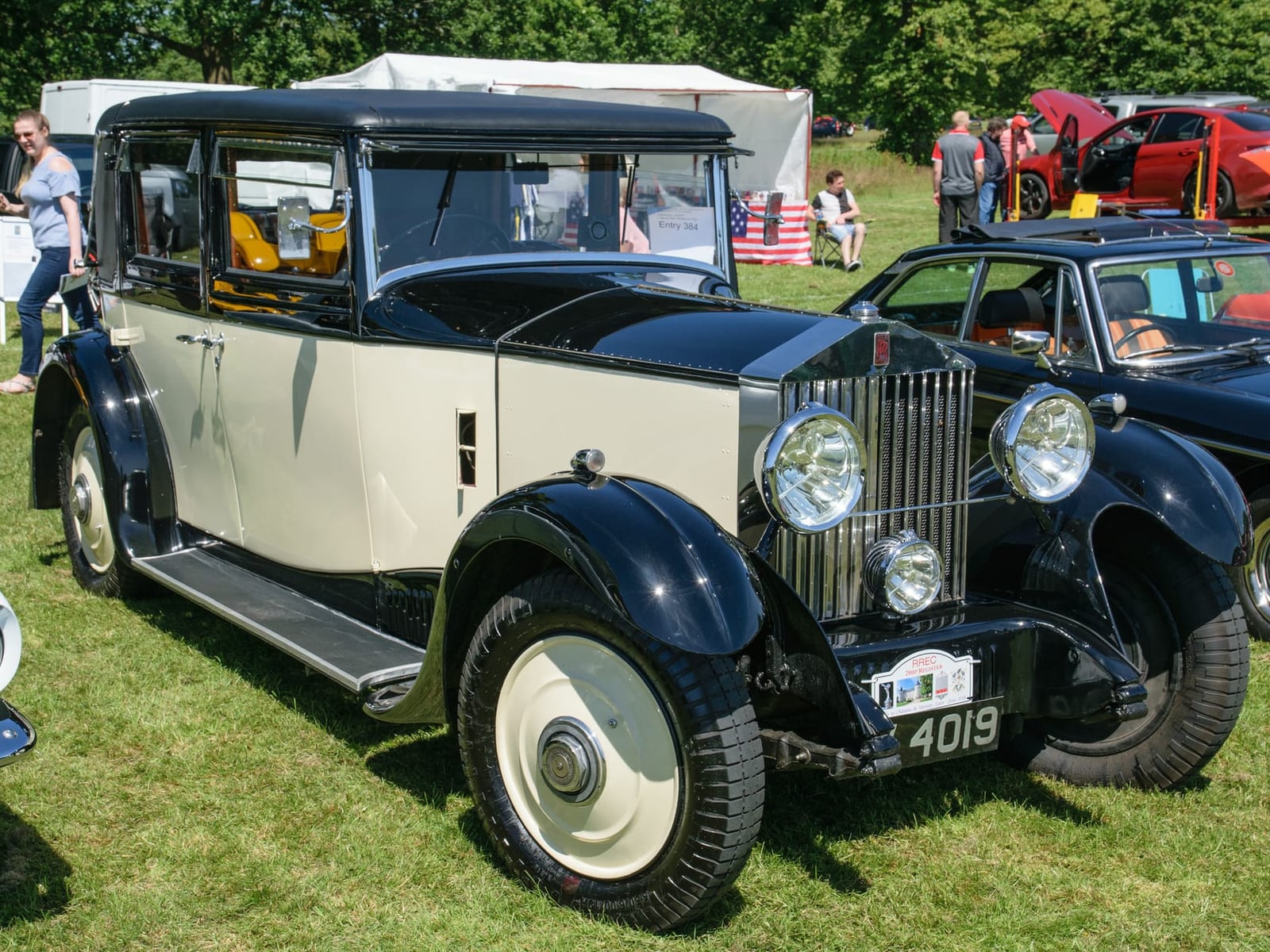
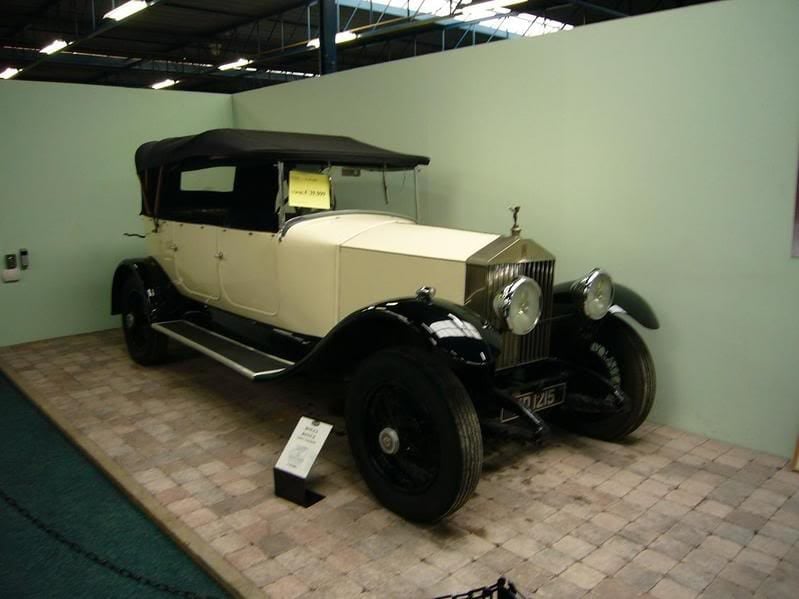
The 20/25 family in dates
- 1922The 20hp answers a post-war market that wanted a Rolls-Royce its owner could drive: a 3.1-litre overhead-valve six in a compact chassis.
- 1925Three speeds and a central change give way to four and a right-hand change, correcting the purists' main grumble.
- 1929Enlarged to 3.7 litres as the 20/25, which becomes the company's inter-war workhorse.
- 1932Synchromesh and year-by-year refinements arrive as pace rises to match fattening coachwork.
- 1936The 25/30 completes the growth at 4.3 litres, sharing its enlarged six with the sporting sister marque from the same works.
- 1938The Wraith modernises the line; total production stands at 2,940 20hp, 3,827 20/25 and 1,201 25/30.
Before you buy a 20/25 family
Coachwork, which rules
- Ash-framed bodies want expert structural assessment before anything mechanical
- Restoration outruns values, so sound original cars are the only sensible buys
- Verify against the registers, which know most survivors
- Buy body, history and the registers' verdict together
Mechanical
- The small sixes are willing and patient, and thrive on regular use
- Careful lubrication is the whole maintenance religion on these cars
- Most consumable parts can be had or made through the marque network
- Confirm which engine is fitted: 3,127cc, 3,669cc and 4,257cc all appear across the family
Body style and history
- Closed formal saloons are the accessible entry
- Tourers and dropheads carry the premiums and lead every auction
- Doctors coupes charm everyone and are priced accordingly
- Cars that worked for their living often come with continuous histories, which the market now rewards
What the Rolls-Royce 20/25 sells for at auction
In 2025 the median Rolls-Royce 20/25 sold for £20,615 across 40 sales, 6% down on 2024. In real terms, typical Rolls-Royce 20/25 prices were down about 48% over the five years to 2025, once inflation is accounted for.
| Variant | Sold | Typical range | Median |
|---|---|---|---|
| 20/25 | 183 | £20,568 - £42,238 | £29,250 |
| 20hp | 102 | £23,519 - £45,000 | £31,192 |
| 25/30 | 76 | £16,120 - £38,981 | £24,522 |
| 20/25 Park Ward | 16 | £22,500 - £32,141 | £26,942 |
| 20/25 Hooper | 15 | £12,066 - £25,074 | £21,000 |
| 20/25 Barker | 12 | £21,736 - £36,499 | £27,998 |
| 20/25 Shooting Brake | 12 | £31,410 - £49,810 | £34,508 |
| 20/25 Thrupp & Maberly | 12 | £18,476 - £55,183 | £27,938 |
| 25/30 Hooper | 8 | £17,672 - £25,926 | £20,910 |
| 20/25 Freestone & Webb | 6 | £38,271 - £72,934 | £52,254 |
| 20hp Park Ward | 6 | £28,000 - £40,260 | £30,244 |
| 20hp Hooper | 5 | £21,951 - £33,488 | £30,375 |
Show the year-by-year mediansHide the year-by-year medians
| Year | Sold | Median | In 2025 money |
|---|---|---|---|
| 2026 (so far) | 23 | £17,496 | |
| 2025 | 40 | £20,615 | £20,615 |
| 2024 | 29 | £21,951 | £22,793 |
| 2023 | 33 | £27,500 | £29,510 |
| 2022 | 33 | £30,350 | £34,758 |
| 2021 | 32 | £32,201 | £39,818 |
| 2020 | 21 | £31,050 | £39,347 |
| 2019 | 21 | £32,469 | £41,565 |
| 2018 | 29 | £35,112 | £45,712 |
| 2017 | 19 | £32,200 | £42,892 |
| 2016 | 20 | £30,525 | £41,707 |
| 2015 | 20 | £42,888 | £59,185 |
| 2014 | 21 | £34,500 | £47,801 |
| 2013 | 29 | £29,147 | £40,960 |
| 2012 | 21 | £33,350 | £47,941 |
| 2011 | 20 | £29,248 | £43,121 |
| 2010 | 20 | £35,050 | £53,684 |
| 2009 | 13 | £29,250 | £45,922 |
| 2008 | 22 | £23,862 | £38,202 |
| 2007 | 11 | £24,188 | £40,071 |
| 2006 | 11 | £37,800 | £64,084 |
| 2005 | 15 | £24,930 | £43,329 |
| 2004 | 14 | £30,662 | £54,388 |
| 2001 | 3 | £23,500 | £43,472 |
- £11,00025/30
- £13,72820/25 Thrupp & Maberly
- £9,52020/25 Barker
- £16,25020hp
- £7,75020hp
Strong evidence. 524 recorded sales and a dozen or more a year: the median and the range are well founded. Based on 524 sold results from public classic car auctions (1995 to 10 August 2026). Sold prices, not asking prices, and not a valuation: condition, history and specification vary from car to car. Inflation-adjusted figures use the ONS CPIH index, in 2025 money.
Frequently asked questions
What is the difference between the 20hp, 20/25 and 25/30?
Why were they called the small Rolls-Royces?
Are small-horsepower Rolls-Royces really affordable?
What should I check when buying a 20/25?
How much does a Rolls-Royce 20/25 sell for?
What is the most expensive Rolls-Royce 20/25 ever sold at auction?
How often does a Rolls-Royce 20/25 come up for sale?
Related across themes
More from Rolls-Royce

Rolls-Royce Silver Shadow: the ten-thousand-pound best car in the world (1965–1980)

Rolls-Royce Silver Cloud: the last and loveliest of the old school (1955–1966)

Rolls-Royce Corniche: the coachbuilt survivor that outlived its makers (1971–1995)

Rolls-Royce Silver Spirit and Silver Spur: the last Crewe bargain (1980–1999)
Recently added

Rolls-Royce Phantom I, II and III: the coachbuilt age at full majesty (1925–1939)

Rolls-Royce Silver Ghost: the car that invented the best car in the world (1906–1925)

Aston Martin DB2: where the DB legend learned to walk (1950–1959)
