Riley Kestrel: one name, two lives (1933–1938 and 1965–1969)
Riley used the Kestrel name twice, first on the streamlined fastback saloons of the 1930s with their twin-cam engines, then on the walnut-trimmed 1965 version of the BMC 1100/1300. A guide to both Kestrels, the sporting pre-war cars, the badge-engineered finale, and what each costs today.
Built 1933–1969 25 recorded sales
At a glance
- Years
- 1933–1938; name revived 1965–1969
- Body styles
- Pre-war fastback sports saloons; 1960s four-door saloon
- Drivetrain
- Front engine, rear-wheel drive (pre-war); front-wheel drive (1965–69)
- Engines
- 1087cc Nine and 1496cc 12/4 twin-cam fours; 1098cc and 1275cc A-series
- Power
- Around 32 bhp to 52 bhp (pre-war); 55 bhp to 65 bhp (1100/1300)
- Trim levels
- Kestrel Nine, 12/4, Sprite-engined specials; Kestrel 1100, 1300, Mk II
- Production
- A few thousand pre-war; around 21,000 ADO16 Kestrels
- Assembly
- Coventry (pre-war); Longbridge and Cowley (1965–69)
- Designer
- Riley drawing office (fastbacks); Pininfarina-influenced ADO16
- Values
- Pre-war cars from around £14,000; 1960s Kestrels usable from £3,000
- The engine that mattered
- The pre-war twin-cam four inspired a generation of British engine designers
- The last Riley
- The Kestrel name died with the marque itself in 1969
The models
Riley named its cars after birds of prey, and none flew twice like the Kestrel. In the 1930s the Riley Kestrel was the most daring shape in the Coventry firm’s range, a true fastback saloon with a twin-cam heart; in 1965 the name returned on the walnut-lined Riley version of BMC’s 1100/1300, and died with the marque itself four years later. Two entirely different cars, one thread of meaning: the sporting gentleman’s compact, done Riley’s way.
The fastback Rileys of the 1930s
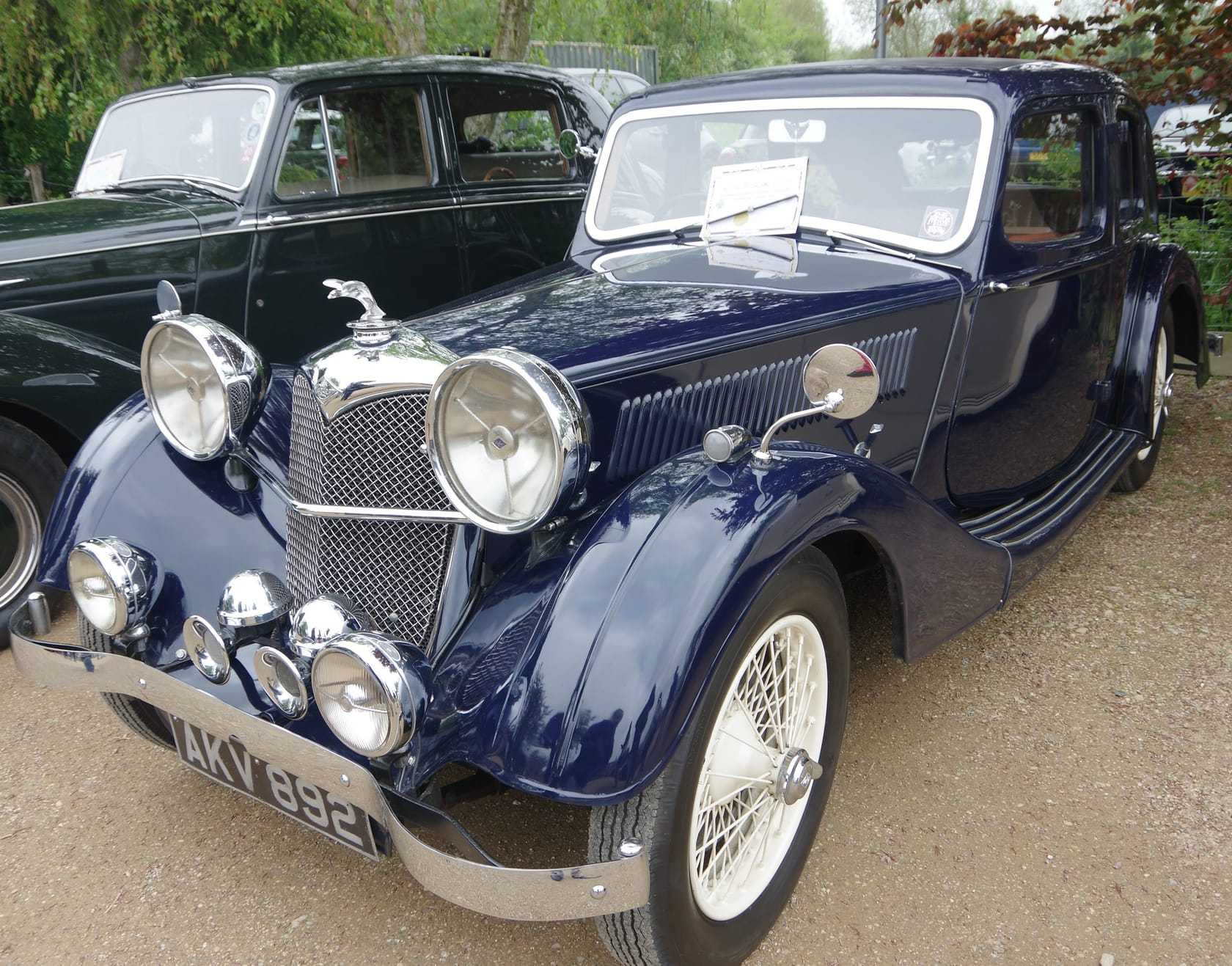
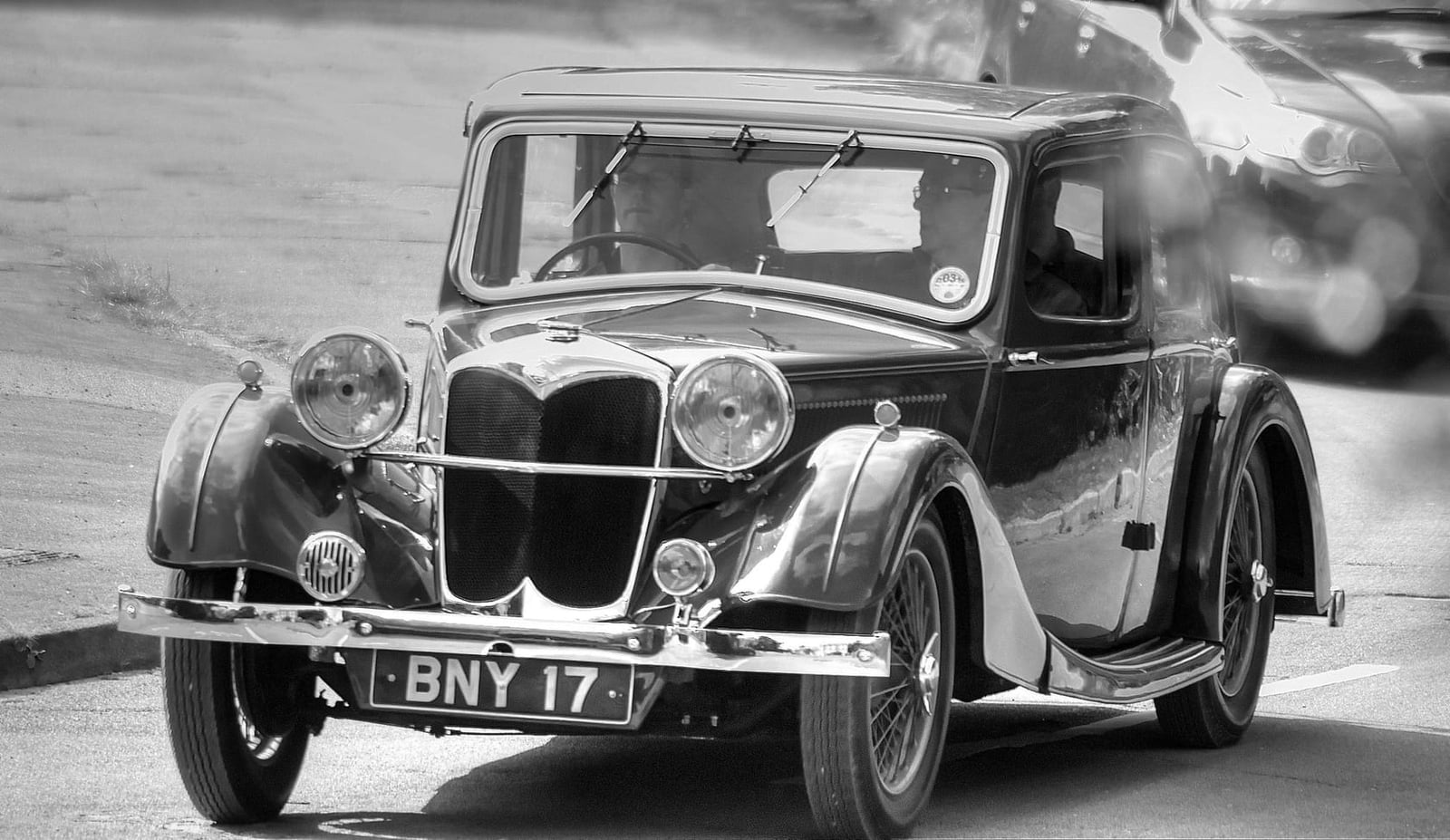
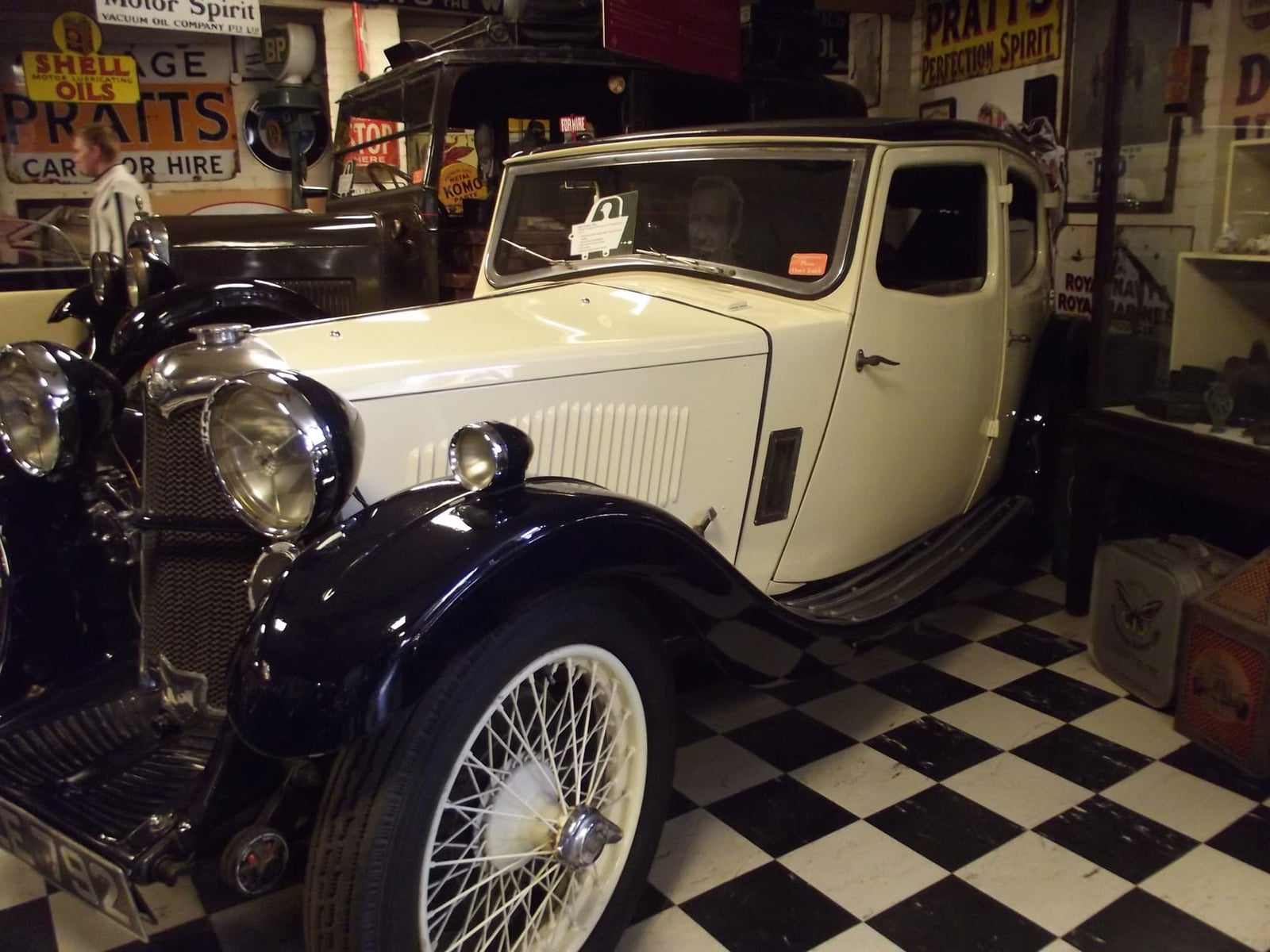
The original Kestrel arrived in 1933 as the streamlined member of Riley’s range, its swept tail and raked screen making most rivals look Edwardian. Underneath sat Riley’s brilliant small chassis in Nine (1,087cc) and later 12/4 (1,496cc) forms, many with the Wilson preselector gearbox that let a driver snap between ratios like a racing mechanic. The fastback bodies were light, the road manners genuinely sporting, and the whole package sat a class above its price in engineering ambition, which was always Riley’s way until the money ran out: the firm hit receivership in 1938 and was bought personally by Lord Nuffield, folding Coventry’s sporting marque into the Morris family for the rest of its life.

The engine and the racing blood
What made every pre-war Kestrel matter was Percy Riley’s engine: a four-cylinder with high-set twin camshafts and hemispherical combustion chambers, giving deep breathing and easy tuning that kept Rileys on the grids at Brooklands, in the TT and at Le Mans throughout the decade. Kestrel saloons themselves rallied and raced, and stripped specials on Kestrel bones still compete in vintage events today. That engine’s architecture echoed through British engineering for twenty years; the family resemblance in later high-performance fours was no accident. The Kestrel body itself helped: lighter and slipperier than the upright Monaco saloons, it was the shape tuners chose when a Nine or 12/4 was bound for competition, and period photographs of club events show Kestrels wearing race numbers as naturally as headlamps.


The name returns: Kestrel 1100 and 1300
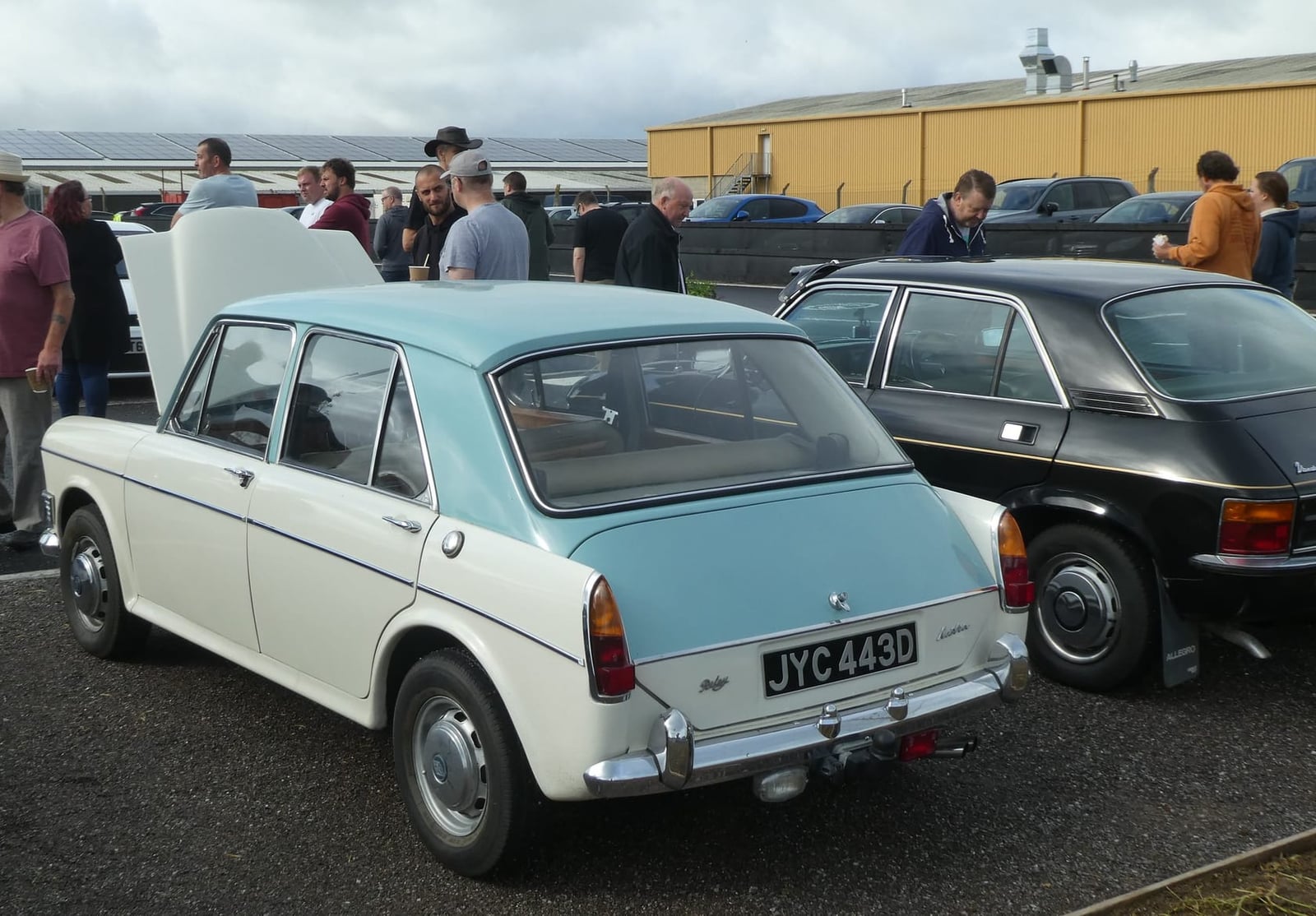
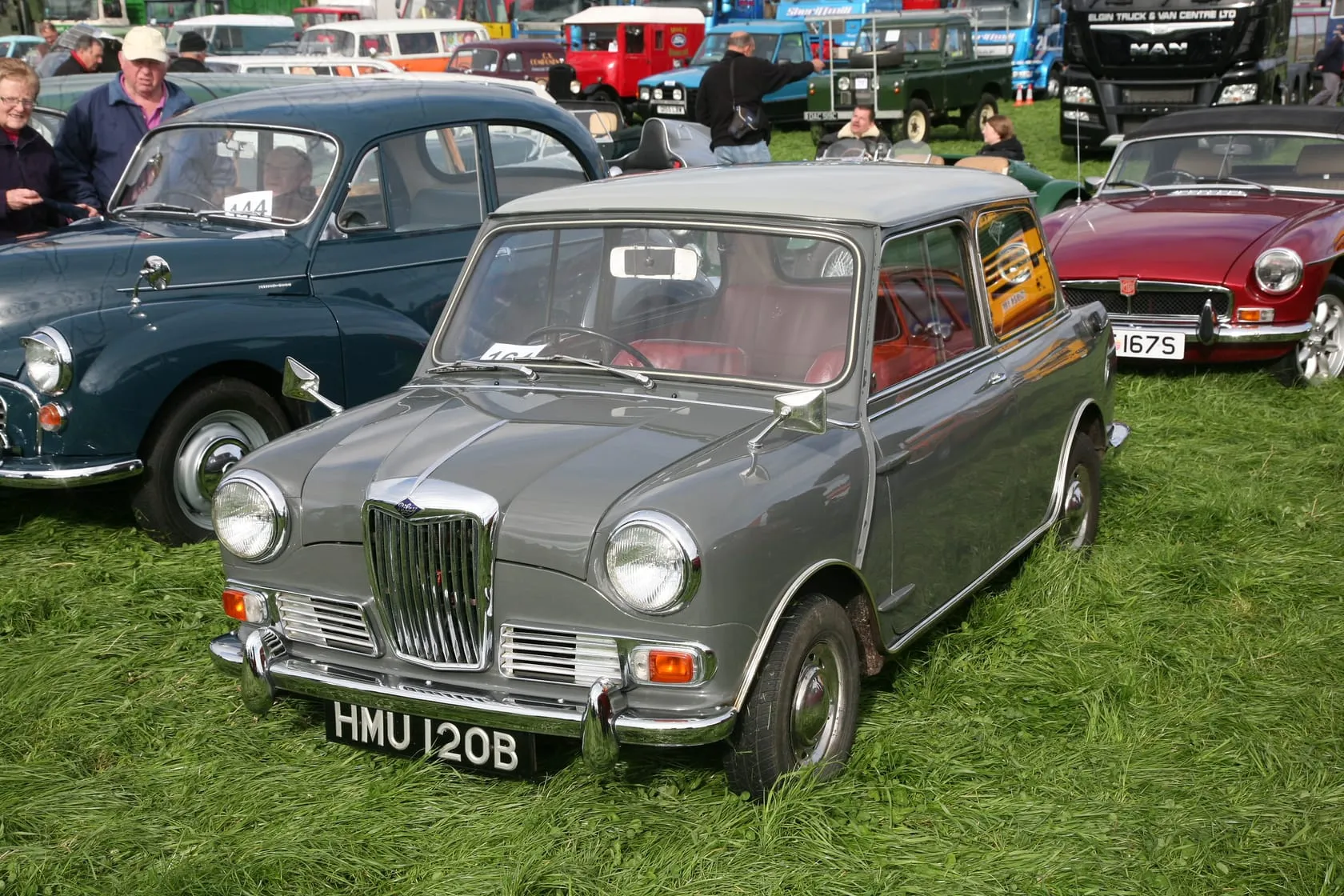
When BMC dressed its front-drive 1100 in Riley clothes in 1965, the Kestrel name came out of retirement. The recipe was the familiar ADO16 one, Issigonis packaging, Hydrolastic suspension, A-series power, but the Riley wore the plushest cabin of the standard range: full walnut fascia, twin carburettors on most versions, and the blue diamond badge on a traditional grille. The 1275cc Kestrel 1300 and Mk II followed before the end came in 1969, when British Leyland retired the Riley marque altogether. Its sister car, the Riley Elf, tells the same story one size down.

Which Kestrel to buy today
The two Kestrels offer different classic lives. The pre-war fastback is proper vintage-adjacent motoring, preselector gearboxes, sporting histories, the strong Riley club world, at £14,000 to £30,000 depending on chassis and condition, with specials and competition cars beyond. The ADO16 Riley Kestrel is the budget path: £3,000 to £9,000 buys the walnut-lined version of Britain’s 1960s best-seller, rarer than any equivalent Austin or MG version, with the same easy A-series ownership. Both reward the same buyer instinct: choose completeness and identity over shine, because trim and badges are each car’s scarce currency.
Confusion between the two is part of the buying landscape, and worth turning to advantage. Auction houses and classifieds list both simply as a Riley Kestrel, so pre-war searches surface 1960s cars and vice versa; patient buyers who look past the mislabelling occasionally find a fastback priced by someone expecting ADO16 money. Check the year before the badge, and the register records before either.

Buying checks, briefly
On pre-war cars the priorities are identity and structure: verify chassis and engine against the Riley registers, since saloon-to-special conversions were common; check the ash frame under the fastback body; and budget honestly for preselector gearbox expertise. On the 1965–69 cars it is the standard ADO16 list, subframe mounts, sills, floor pans, Hydrolastic condition, plus the Riley-specific trim hunt: that walnut dashboard and the badge set are the pieces that stall restorations. In both cases the club networks, among the most devoted in the country, are the buyer’s best insurance.

The Kestrel’s place
Few names carry the whole arc of a British marque like this one: engineering glory in the 1930s, genteel badge-craft at the end, extinction in 1969. The pre-war Kestrel belongs with the great cars of the 1930s on any show field, the ADO16 version is one of the friendliest ways into 1960s ownership, and its post-war sibling story continues with the Riley RM, the last cars built as true Rileys.

More photos
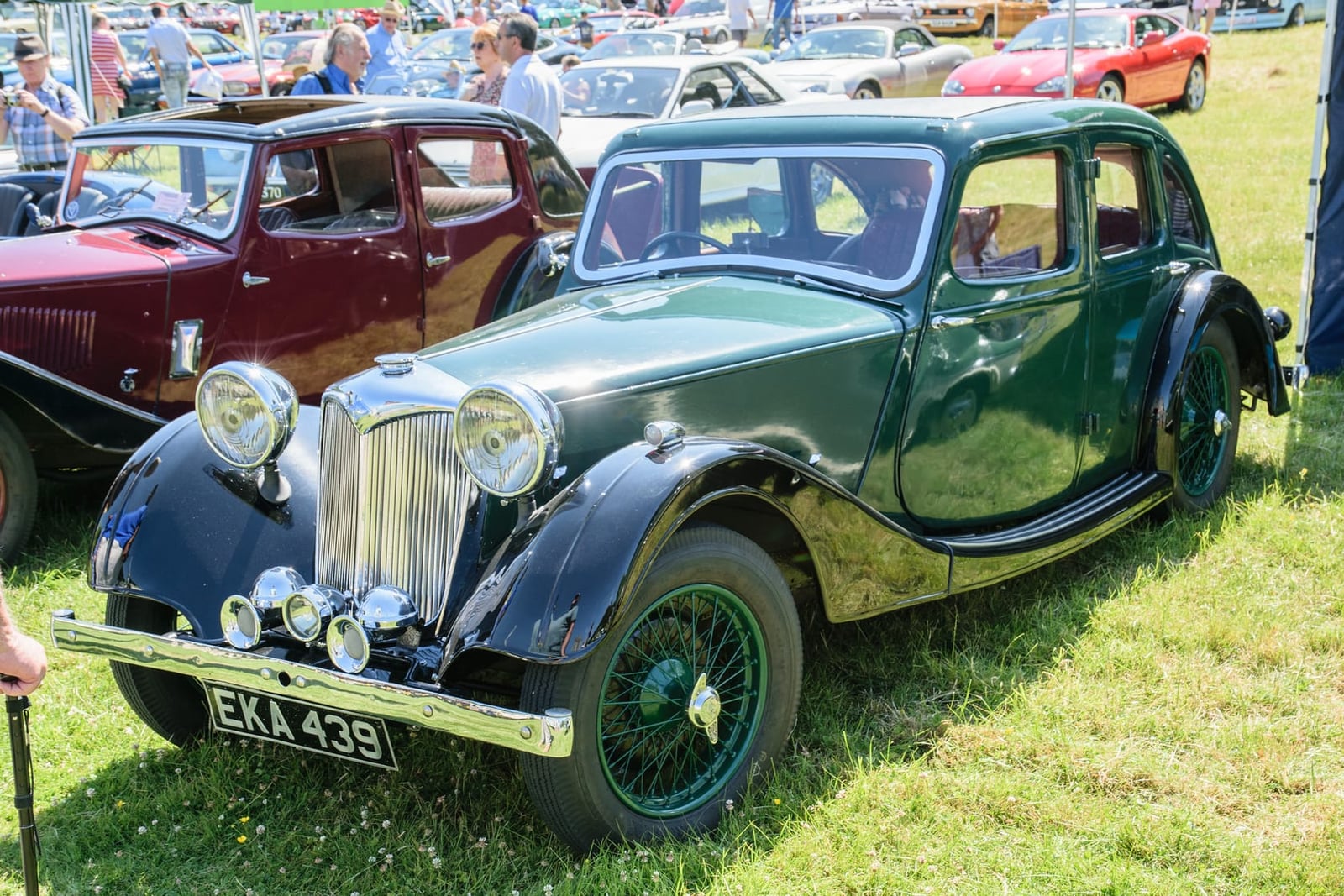
Riley Kestrel: what changed and when
- 1933The original Kestrel arrives as the streamlined Riley: swept tail, raked screen, Nine and later 12/4 twin-cam chassis, many with the Wilson preselector.
- 1930sKestrel saloons rally and race, and the light fastback body is the shape tuners choose for competition.
- 1938Riley hits receivership and Lord Nuffield buys the firm personally, folding it into the Morris family.
- 1965The name returns on the Riley version of BMC's 1100, walnut and badge-craft on Pininfarina-influenced bones.
- 1969The Kestrel name dies with the Riley marque itself, after around 21,000 ADO16 Kestrels.
What to check on a Riley Kestrel
Pre-war cars: identity and structure
- Verify chassis and engine against the Riley registers, since saloon-to-special conversions were common
- The ash frame under the fastback body
- Budget honestly for preselector gearbox expertise
- Stripped specials on Kestrel bones still compete, which keeps the conversion pressure on
1960s cars: the ADO16 list
- Subframe mounts, sills and floor pans
- Hydrolastic condition
- The rot points are the Austin 1100's, unchanged by the badge
- Mechanical parts are shared BMC hardware and cheap
The Riley-specific hunt
- The walnut dashboard and the badge set stall restorations
- Riley trim is scarcer than Wolseley, let alone Austin or Morris
- The club networks are the buyer's best insurance in both eras
- Two different cars, one thread: buy the one whose era suits you
What the Riley Kestrel sells for at auction
| Variant | Sold | Typical range | Median |
|---|---|---|---|
| Kestrel | 8 | £5,005 - £9,318 | £6,555 |
| 9 Kestrel | 6 | £9,488 - £12,581 | £12,225 |
| 12/4 Kestrel | 5 | £7,988 - £14,833 | £9,844 |
- £5,292Kestrel
- £15,25015/6 Kestrel
- £3,30012/4 Kestrel
- £23,00015/6 Kestrel
- £9,84412/4 Kestrel
Thin evidence. Only 25 recorded sales: read the figures as a sketch of the market, not a price. Based on 25 sold results from public classic car auctions (2004 to 10 August 2026). Sold prices, not asking prices, and not a valuation: condition, history and specification vary from car to car.
Frequently asked questions
What is a Riley Kestrel?
What made pre-war Rileys special?
Is the Riley Kestrel 1100 just a badge-engineered Austin?
How much is a Riley Kestrel worth?
What happened to the Riley marque?
What is the most expensive Riley Kestrel ever sold at auction?
How often does a Riley Kestrel come up for sale?
Related across themes
More from Morris


Recently added

Bentley S-series: the quiet twin with the beautiful secrets (1955–1965)

Rolls-Royce Silver Spirit and Silver Spur: the last Crewe bargain (1980–1999)

Rolls-Royce Corniche: the coachbuilt survivor that outlived its makers (1971–1995)
