Morris Oxford: six generations of the sensible middle (1913–1971)
The Morris Oxford name spanned the whole life of its maker, from the 1913 Bullnose that founded the company to the Farina saloons that became India's Hindustan Ambassador. A guide to the Bullnose, the MO, the Series cars and the Farinas, what to look for when buying, and what an Oxford costs today.
Built 1913–1971 108 recorded sales
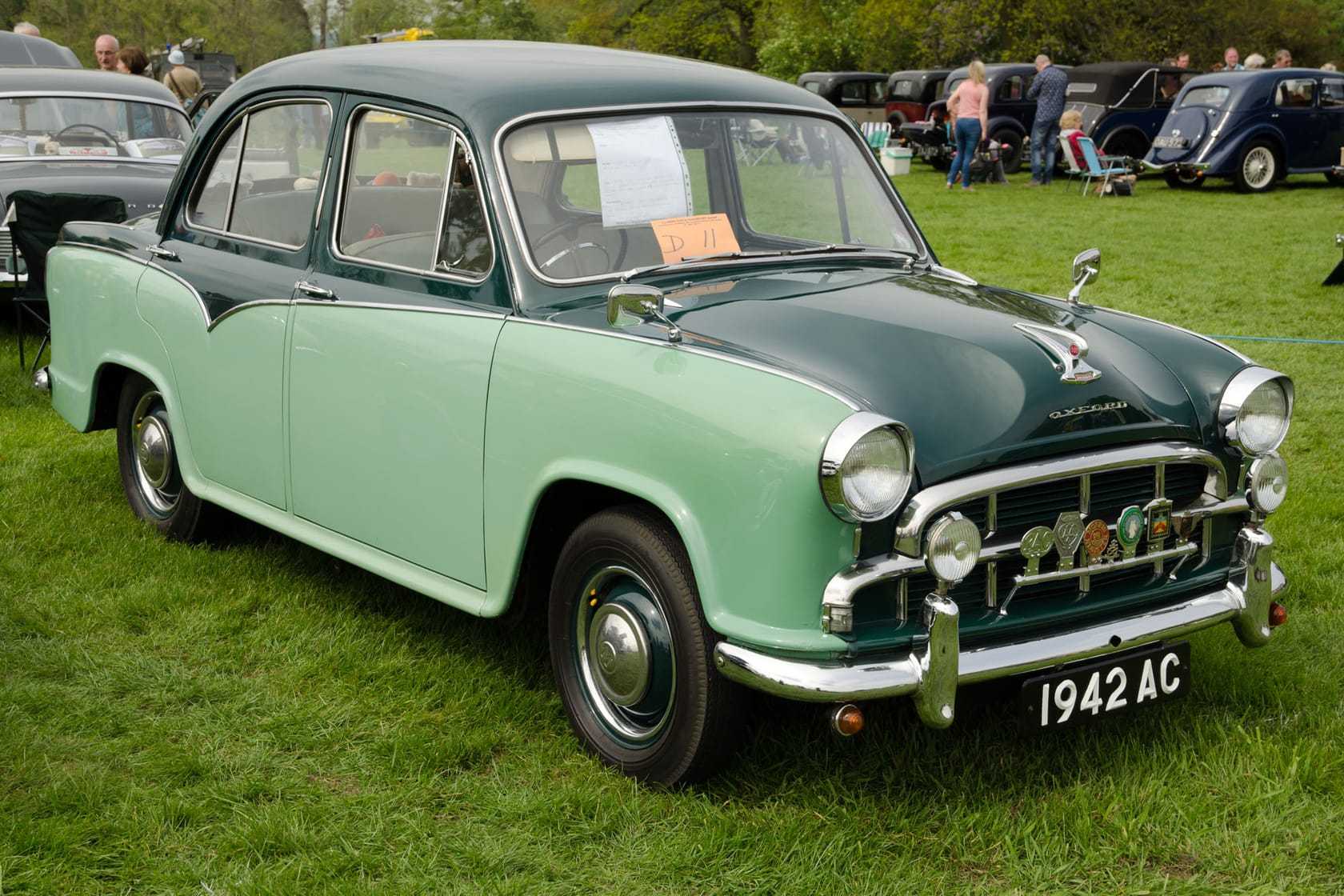
At a glance
- Years
- 1913–1971 (in six distinct generations)
- Body styles
- Saloons, tourers, Traveller estates; van and pick-up derivatives
- Drivetrain
- Front engine, rear-wheel drive
- Engines
- 1018cc Bullnose four to 1622cc B-series
- Power
- Around 16 bhp (Bullnose) to 61 bhp (Farina)
- Trim levels
- Bullnose and Flatnose; MO; Series II, III and IV; Farina Series V and VI
- Production
- Around 870,000 post-war Oxfords; Bullnose production made Morris Britain's biggest carmaker
- Assembly
- Cowley, Oxford
- Designer
- W. R. Morris's drawing office; Farina styling by Pininfarina
- Values
- Post-war cars usable from around £4,000; good cars £7,000-£12,000; Bullnoses well beyond
- The name
- Named for the city where William Morris built his first car in 1913
- The afterlife
- The Series III became India's Hindustan Ambassador, built until 2014
The models
No name in the Morris story works harder than Oxford. It opened the company’s account in 1913 on the radiator of the Bullnose, returned on five more generations across six decades, and ended up, via Calcutta, as the longest-serving British car design in the world. The Morris Oxford was never anyone’s dream car; it was the car Britain actually used, which is precisely its charm now.
Bullnose beginnings
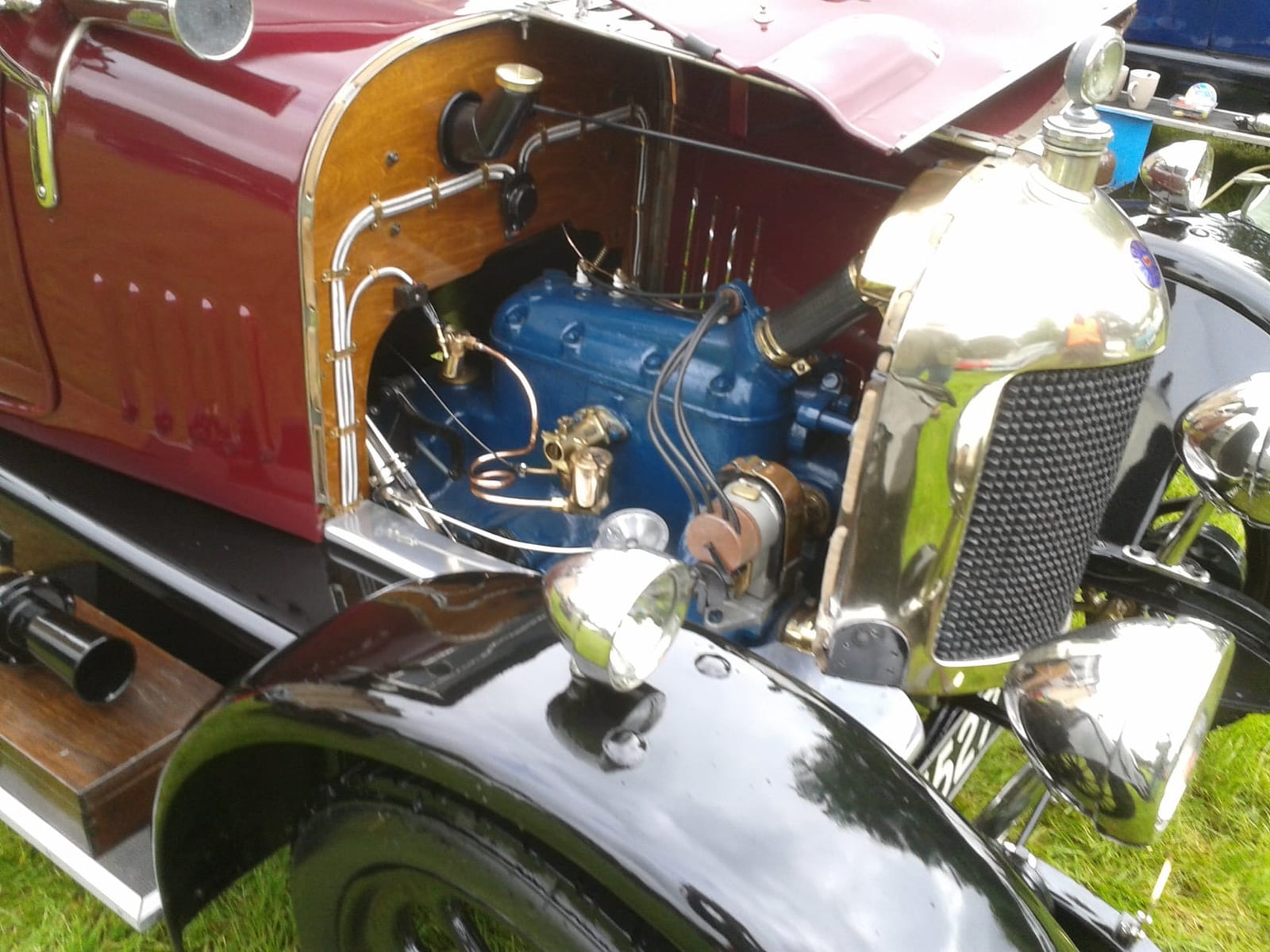
The first Oxford of 1913 was William Morris’s founding act: assembled at Cowley from bought-in parts, named for the city, and priced to undercut everything comparable. With its round “Bullnose” radiator it and its cheaper Cowley sibling carried Morris to the top of British carmaking by the mid-1920s, before the Flatnose redesign saw the vintage era out. Those early cars are a collecting world of their own today, trading well above their post-war descendants and anchoring the marque’s centenary events.

The MO: Minor thinking, family size
The Oxford name returned in 1948 on the MO, the Minor’s big brother: the same modern unitary thinking and styling language scaled up to family size, with a 1476cc sidevalve four and, from 1952, Britain’s wood-framed estate fashion in the Traveller. It shared its stand at Earls Court with the Morris Minor and never escaped its sibling’s shadow, but it sold steadily and its survivors have the same friendly, ash-framed appeal.

Series II to IV: the B-series workhorse
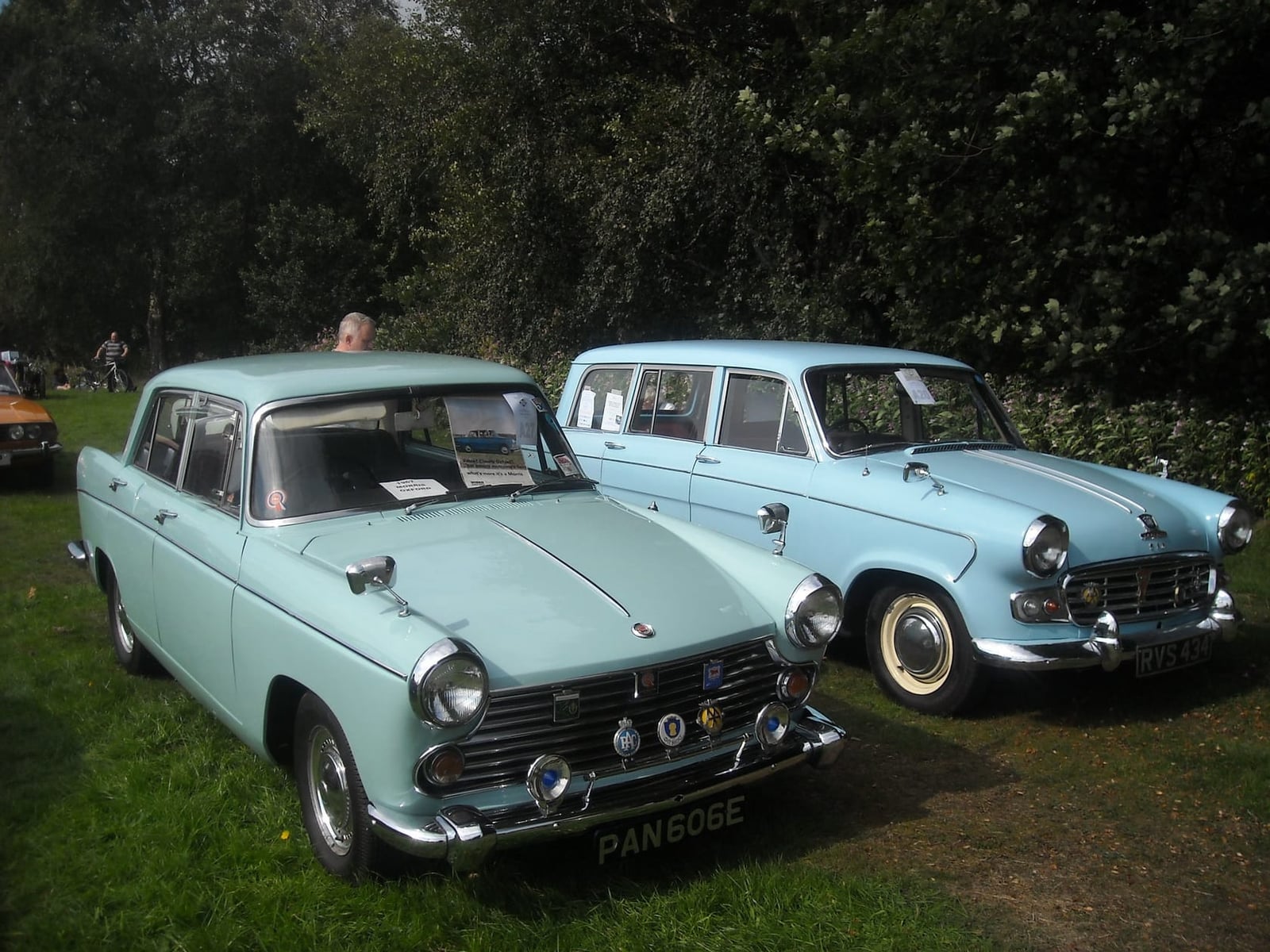
The 1954 Series II brought the B-series engine and a plumper body, evolving through Series III and the rare Series IV estate form to the end of the 1950s. This is the definitive working-Oxford era: driving-school car, taxi, commercial traveller’s mile-eater, all patience and no glamour. It is also the generation that emigrated: Hindustan Motors of Calcutta bought the Series III tooling, and from 1958 built it as the Ambassador, India’s own car for half a century and the Oxford’s astonishing afterlife.

The Farina Oxfords
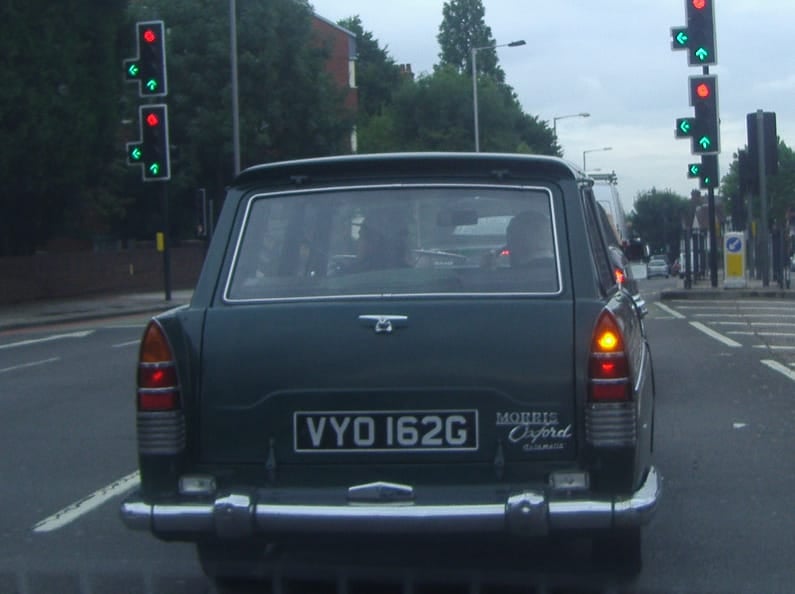
For 1959 Pininfarina dressed BMC’s mid-sized cars in crisp Italian tailoring, and the Oxford Series V (and from 1961 the tidier Series VI) wore the sharpest version of it. Under the fins sat the same 1622cc B-series dependability, shared with the badge-engineered Austin Cambridge built alongside; diesel versions served the taxi trade. The Farina Oxford soldiered to 1971, the last car to carry the name, and handed Cowley’s mid-market slot to the Marina.

The Oxford overseas
Cowley exported the Oxford everywhere the map was pink and beyond. Australia assembled Series cars locally, New Zealand and Ireland built them from kits, and diesel Farinas served taxi ranks from Cyprus to Hong Kong. The great emigration, though, was Indian: the Ambassador made the Series III the default car of an entire subcontinent, and repatriated Ambassadors occasionally appear in Britain wearing Oxford identities for the curious. That worldwide career explains why parts turn up in odd corners of the world and why the model’s survivors carry number plates from everywhere.

What an Oxford is like to drive
Every post-war Oxford drives the same honest way: unstressed B-series torque, forgiving soft springing, steering that asks big-wheel patience, and brakes that reward planning. The Farinas cruise happily at 60 and suit modern A-roads best; the MO is gentler and more vintage in feel. Nothing about an Oxford is sporting and nothing about it is difficult, which made it the driving-school favourite of its day and makes it one of the least intimidating classics to run now.

Buying a Morris Oxford today
Structure decides everything on a Morris Oxford of any era: sills, floors, spring hangers and wing edges rot on all generations, and the MO adds the Traveller’s ash frame to the checklist, with door fit the quick tell for a shell that has sagged. Mechanical parts are a non-issue, shared with half of BMC production and cheap; brightwork, badges and interior trim are the genuine hunts, so complete cars beat shiny ones. Club support spans every era, and the overlap with Cambridge and Ambassador parts networks helps more than buyers expect. Values are gentle enough that the best car affordable is always the right buy.

Values and where the Oxford sits
Post-war Oxfords trade £4,000 to £7,000 usable and £7,000 to £12,000 good, Travellers above saloons, with the vintage Bullnoses in another bracket entirely. That is modest money for a car whose name bookends the whole Morris story, and the survivor count means an Oxford now turns more heads at a show than cars worth five times as much. As a first classic from the 1950s, little is friendlier; as a piece of the company’s history, from founding Bullnose to final Farina, nothing is more central to the Cowley story.

More photos
Key dates for the Oxford
- 1913William Morris's founding act: the Bullnose Oxford, assembled at Cowley from bought-in parts and priced to undercut everything comparable.
- 1926The Flatnose redesign sees the vintage era out, with Morris top of British carmaking.
- 1948The MO returns the name as the Minor's big brother, with a wood-framed Traveller from 1952.
- 1954The Series II brings the B-series engine, evolving through Series III and IV as the definitive working Oxford.
- 1959The Farina Series V joins the corporate family; the Series III tooling ships to Calcutta to become the Hindustan Ambassador.
- 1971UK production ends at around 870,000 post-war Oxfords; the Ambassador carries the design to 2014.
Before you buy an Oxford
Structure, which decides everything
- Sills, floors, spring hangers and wing edges on all generations
- The MO Traveller's ash frame
- Door fit is the quick tell for a shell that has sagged
- The best car affordable is always the right buy at these values
Trim, the genuine hunt
- Brightwork, badges and interior trim are what stop restorations
- Complete cars beat shiny ones
- Farina cars share trim logic with the Cambridge family
- Bullnose and Flatnose cars are a separate pre-war collecting world
Mechanical
- B-series and sidevalve units are cheap and shared across BMC
- The Cambridge and Ambassador parts networks overlap usefully
- Nothing mechanical should decide against a structurally sound car
- Ambassador-sourced parts fit more than sceptics expect, and the trade knows it
What the Morris Oxford sells for at auction
In 2025 the median Morris Oxford sold for £3,916 across 10 sales, 53% down on 2024. In real terms, typical Morris Oxford prices were down about 11% over the five years to 2025, once inflation is accounted for.
| Variant | Sold | Typical range | Median |
|---|---|---|---|
| Oxford | 48 | £3,080 - £9,212 | £5,782 |
| Oxford Bullnose | 21 | £9,000 - £12,938 | £10,338 |
| Oxford 13.9 | 7 | £6,785 - £15,173 | £11,666 |
| Oxford MO | 7 | £2,734 - £3,904 | £3,300 |
| Oxford Series VI | 7 | £4,828 - £9,088 | £7,000 |
| Oxford Series II | 5 | £1,998 - £3,774 | £3,712 |
Show the year-by-year mediansHide the year-by-year medians
| Year | Sold | Median | In 2025 money |
|---|---|---|---|
| 2026 (so far) | 5 | £4,032 | |
| 2025 | 10 | £3,916 | £3,916 |
| 2024 | 10 | £8,303 | £8,622 |
| 2023 | 8 | £7,182 | £7,708 |
| 2022 | 12 | £5,462 | £6,256 |
| 2021 | 14 | £9,546 | £11,804 |
| 2020 | 10 | £3,472 | £4,399 |
| 2019 | 4 | £14,552 | £18,629 |
| 2018 | 7 | £10,640 | £13,852 |
| 2017 | 5 | £10,080 | £13,427 |
| 2015 | 4 | £6,690 | £9,232 |
| 2014 | 4 | £8,325 | £11,535 |
| 2007 | 3 | £8,050 | £13,336 |
| 2004 | 3 | £3,712 | £6,584 |
- £3,248Oxford MO
- £405Oxford
- £7,280Oxford
- £4,032Oxford MO
- £11,025Oxford Series VI
Reasonable evidence. 108 recorded sales: enough for the range to mean something, though a few unusual cars can still move a single year's median. Based on 108 sold results from public classic car auctions (2004 to 10 August 2026). Sold prices, not asking prices, and not a valuation: condition, history and specification vary from car to car. Inflation-adjusted figures use the ONS CPIH index, in 2025 money.
Frequently asked questions
What is a Morris Oxford?
Is the Hindustan Ambassador really a Morris Oxford?
How much is a Morris Oxford worth?
How many Morris Oxfords are left?
What is the difference between the Morris Oxford and the Morris Cowley?
What is the most expensive Morris Oxford ever sold at auction?
How often does a Morris Oxford come up for sale?
Related across themes


More from Morris


Recently added

Bentley S-series: the quiet twin with the beautiful secrets (1955–1965)

Rolls-Royce Silver Spirit and Silver Spur: the last Crewe bargain (1980–1999)

Rolls-Royce Corniche: the coachbuilt survivor that outlived its makers (1971–1995)
