Morris Eight: the best-seller that saved Cowley (1935–1948)
The Morris Eight was Cowley's answer to Ford's Model Y and became Britain's best-selling car of the late 1930s, running from the Series I to the post-war Series E. A guide to the series, the tourers and vans, what to check when buying, and what a Morris Eight costs today.
Built 1935–1948 148 recorded sales
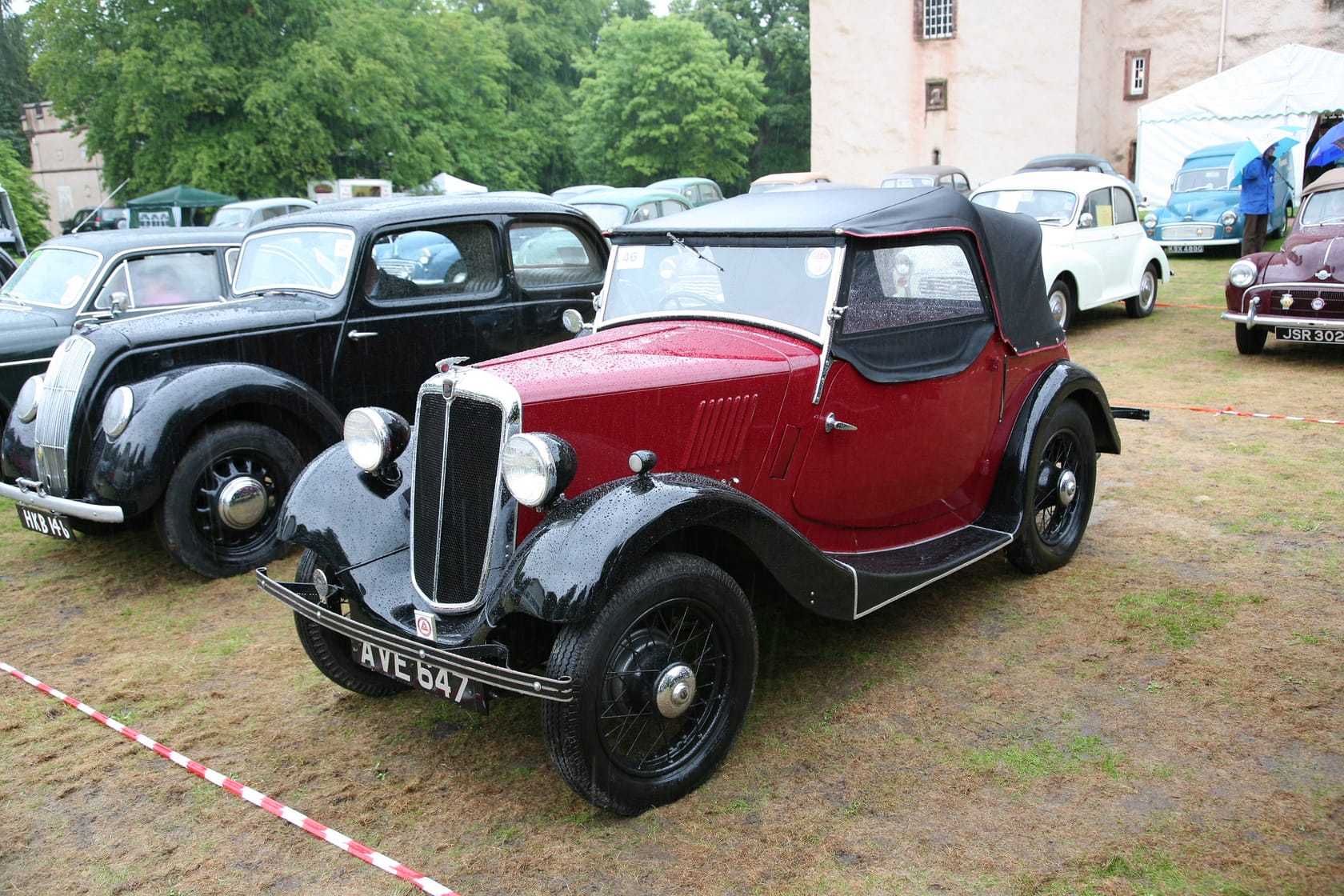
At a glance
- Years
- 1935–1948
- Body styles
- Two and four-door saloons, two and four-seat tourers, vans
- Drivetrain
- Front engine, rear-wheel drive
- Engines
- 918cc side-valve four
- Power
- Around 23 bhp to 29 bhp
- Top speed
- Around 58 mph
- Trim levels
- Series I, Series II, Series E; saloon, tourer and van
- Production
- Around 360,000 across all series
- Assembly
- Cowley, Oxford
- Designer
- Morris Motors drawing office
- Values
- Usable from around £4,000; good cars £6,000-£11,000; the open tourers beyond
- The achievement
- Britain's best-selling car of the late 1930s, past 250,000 by the war
- The successor
- Replaced in 1948 by the Morris Minor, which inherited its buyers by the million
The models
Britain’s best-selling car of the late 1930s was not a Ford or an Austin but the Morris Eight, the small saloon Cowley built to stop the Model Y and ended up building 360,000 times. It rescued Morris’s market lead, banked the fortune Lord Nuffield later gave away, and handed its loyal buyers straight to the Minor in 1948. For today’s owner it offers the friendliest pre-war motoring there is: simple, slow, sociable and cheap.
Cowley answers Ford
The early 1930s hurt Morris. Ford’s £100 Model Y arrived in 1932 and took the bottom of the market almost overnight, while Austin’s Seven and Ten squeezed from the other side. The Morris Eight of 1935 was the counter-attack: a conventional 918cc side-valve saloon that matched Ford’s price bracket while offering more equipment, hydraulic brakes against Ford’s cables, and better trim than anything so cheap had a right to carry. Buyers responded exactly as Cowley hoped, and by the outbreak of war more than a quarter of a million Eights had found homes, making it the best-selling British car of the late 1930s.

Series I to Series E
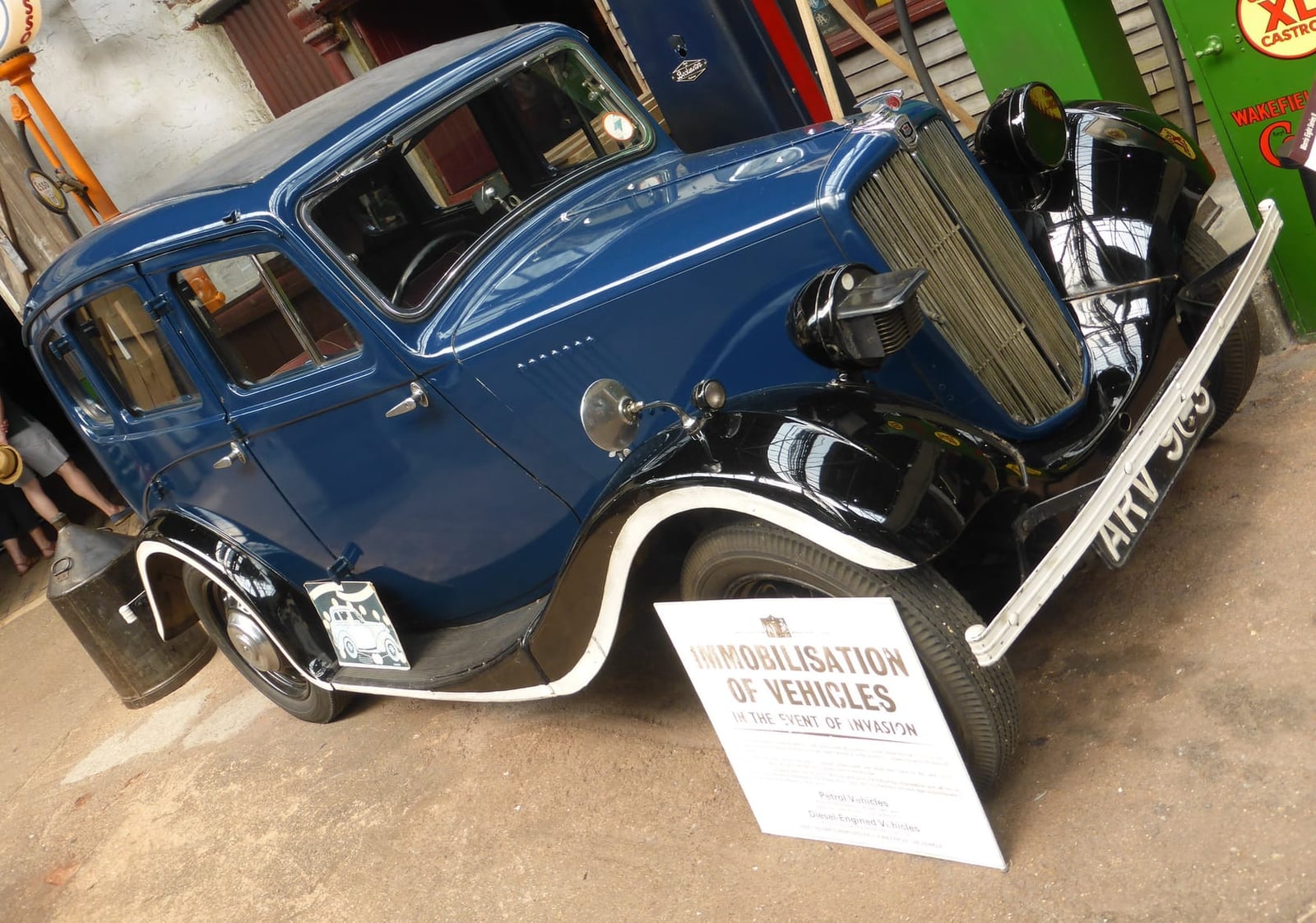
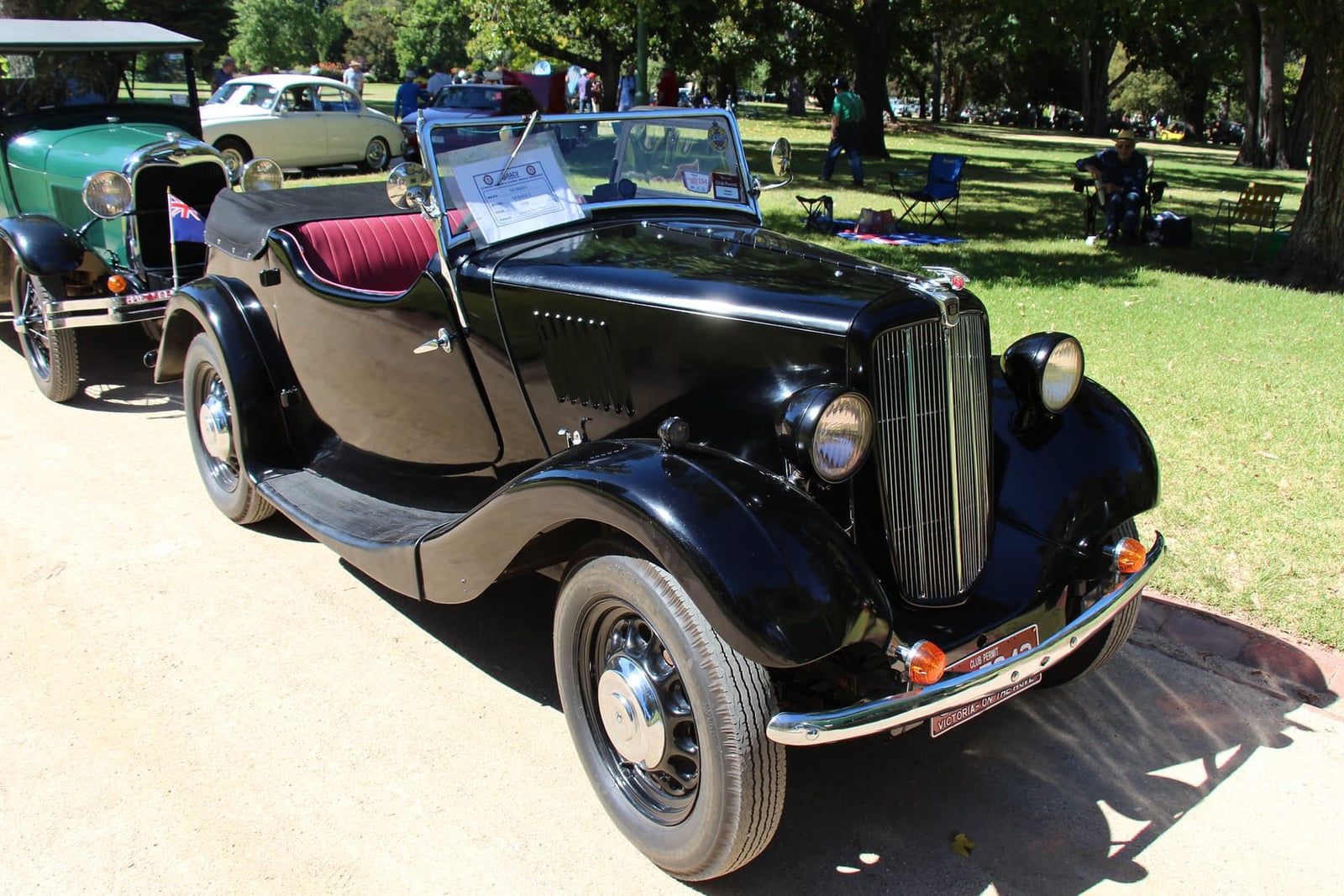
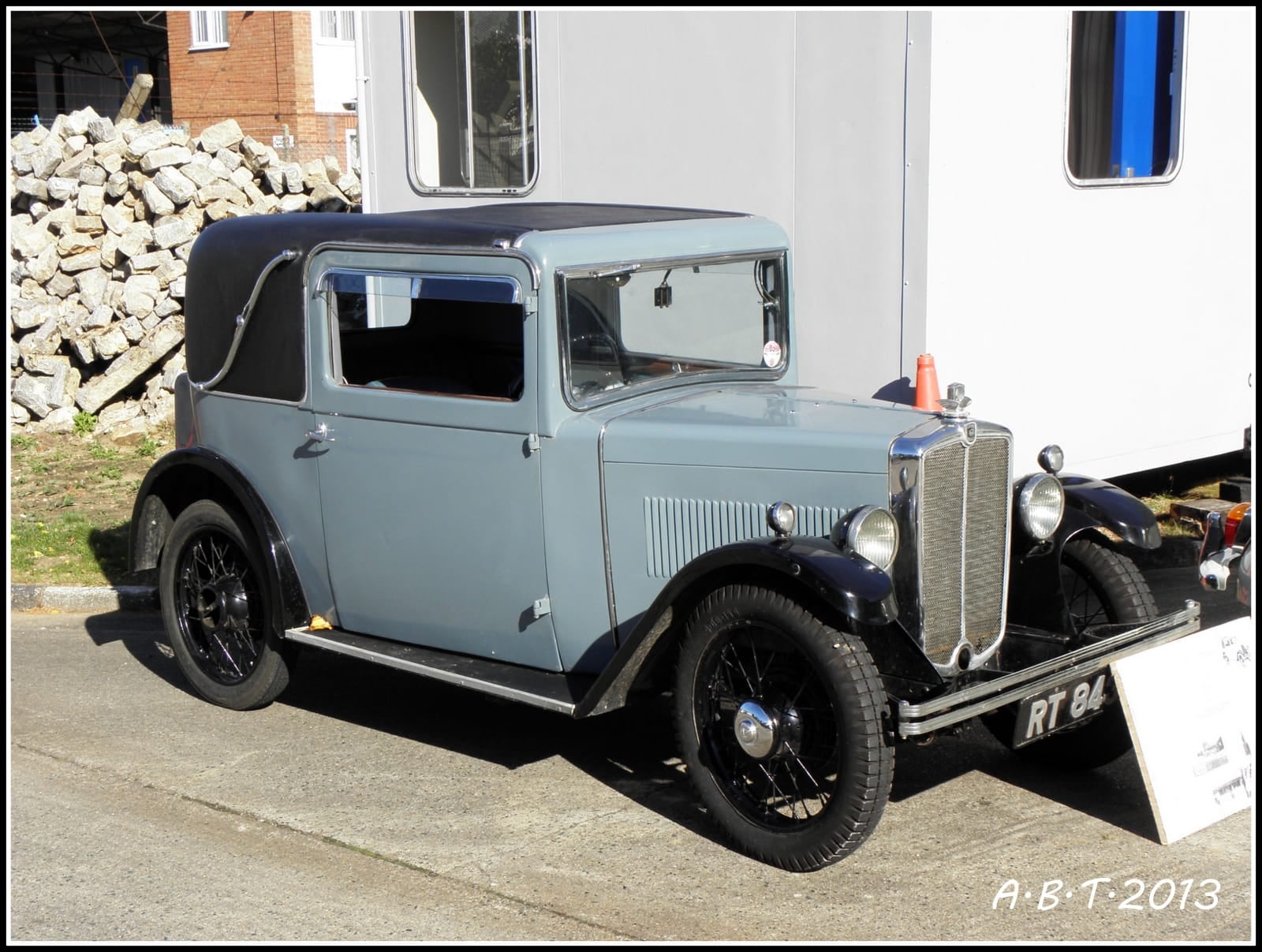
The Eight ran in three clear steps. The Series I of 1935 and the lightly revised Series II of 1937 share the upright, running-board look and the three-speed gearbox; the easiest tell is the Series II’s easy-clean pressed wheels and painted grille shell. The Morris Eight E Series of late 1938 (Series E in factory language, listed both ways ever since) was the proper restyle: a waterfall grille, headlamps faired into the wings, running boards deleted and a four-speed gearbox, with power up to 29 bhp. The E carried Morris through the war years and, remarkably, on to 1948, when the Minor inherited both its factory and its public. Wolseley’s Eight, a chrome-grilled overhead-valve cousin, gave the same car a brief life upmarket.

Saloons, tourers and working Eights
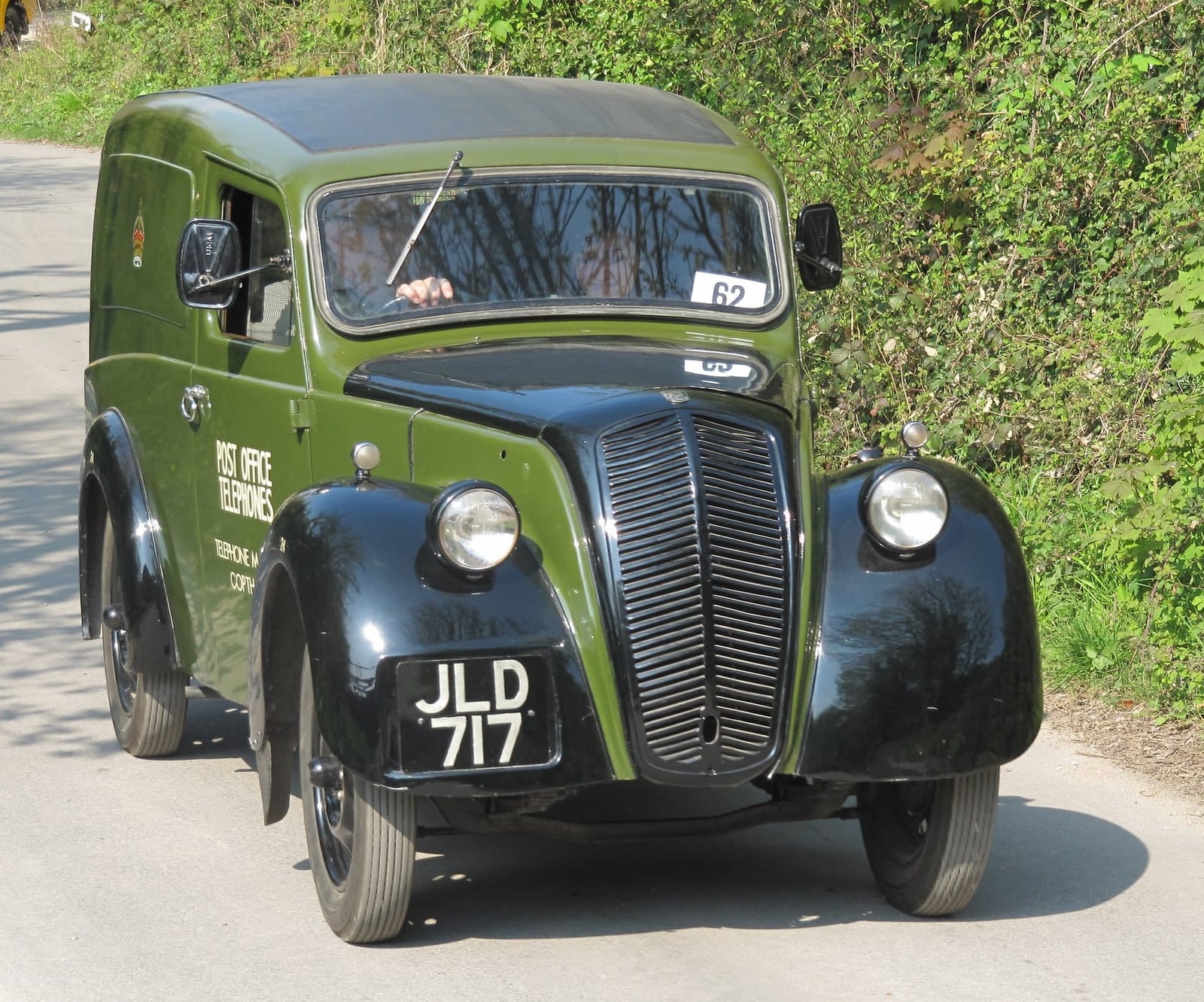
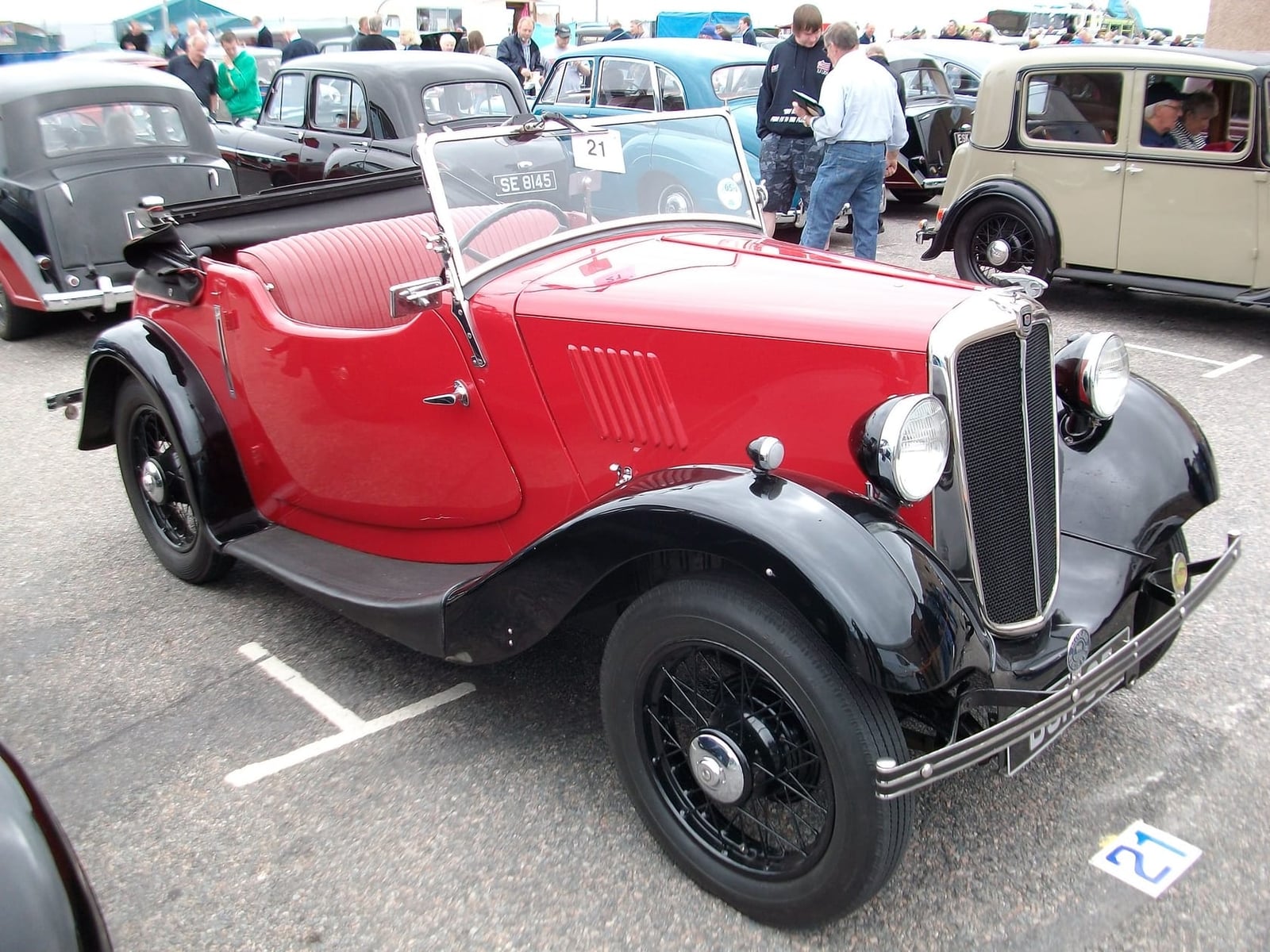
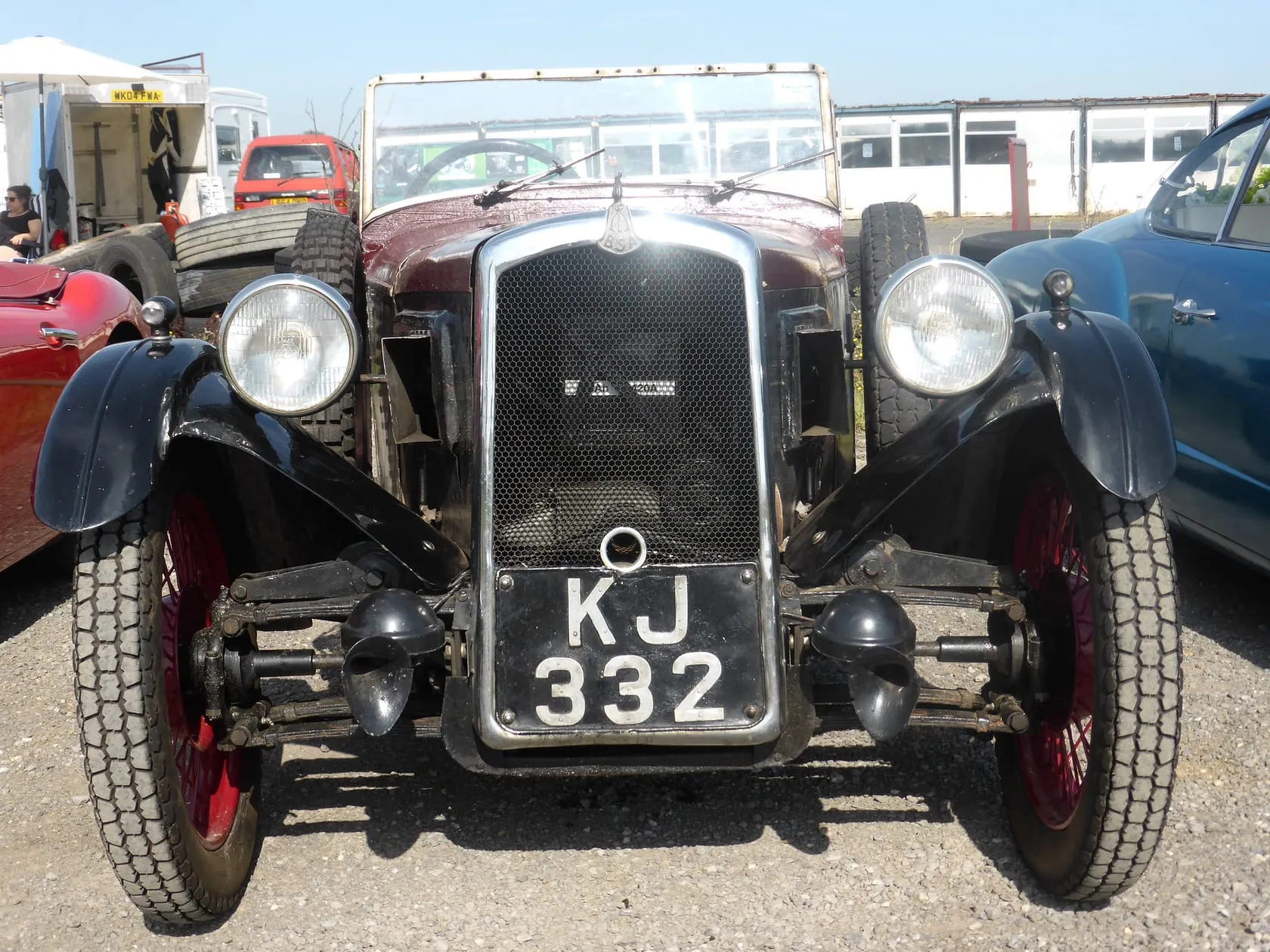
Most Eights were two or four-door saloons, but the range ran wider, and the rarities lead today’s market. The four-seat tourer offered open motoring at saloon money; the pretty two-seater with its rakish screen is now the collector’s pick; and van versions served grocers, the GPO and wartime utility roles by the thousand. Wartime Eights soldiered in military drab as staff runabouts, and post-war export Es reached markets from Ireland to Australia. Survival patterns follow use: saloons remain plentiful by pre-war standards, tourers survive in the hundreds, and honest vans are genuinely scarce, prized by the same collectors who chase working classics.

What a Morris Eight is like to drive
Expectations set correctly, an Eight charms. The side-valve four starts easily, idles with a gentle thresh and pulls the light body to a 45 mph cruise without strain; 58 mph arrives eventually, downhill sooner. The three-speed change is unhurried but obedient, the hydraulic brakes, a genuine advantage over the rival Ford, pull up square, and the ride on those tall tyres deals with bad surfaces better than many moderns. It is motoring at the pace of its era, best enjoyed on the B-roads the car was built for, where its all-round competence explains half a million pre-war sales better than any specification sheet.

Buying a Morris Eight today
Eights are honest cars to inspect. Bodies rot where steel meets the timber-framed rear sections on early saloons, so probe sills, door bottoms and the boot floor; tourers add hood condition and the authenticity question, since saloon-to-tourer conversions exist and a genuine open car carries a premium worth verifying through the registers. Mechanically the side-valve is long-lived and cheap to rebuild, parts support through the clubs and autojumble network is excellent, and nothing on the car defeats home maintenance. The strong club scene, one of Britain’s oldest one-model communities, is the buyer’s best friend: use its knowledge before money moves.

Values and where the Eight sits
The Morris Eight remains one of the great bargains of pre-war motoring: usable saloons from around £4,000, good cars £6,000 to £11,000, tourers beyond that but rarely silly, and even the best cars cheaper than a middling Austin Seven Ulster. That pricing buys entry to the whole pre-war world, rallies, runs and the particular pleasure of a car that ordinary Britain actually drove. Running costs stay in proportion: modest insurance on agreed value, tax and MOT exemption under the historic-vehicle rules for every car in the range, and fuel thirst in the high thirties per gallon at the speeds the car prefers. Alongside its Longbridge rival the Austin Ten, it tells the true story of 1930s motoring better than any exotic, and the cars of the 1930s give that story its full context.

More photos
The Morris Eight in dates
- 1932Ford's £100 Model Y takes the bottom of the market almost overnight, and Cowley starts planning the answer.
- 1935The Series I Eight arrives: a 918cc side-valve saloon at Ford's price with hydraulic brakes and better trim than anything so cheap had a right to.
- 1937The Series II brings easy-clean pressed wheels and a painted grille shell.
- 1938The Series E restyle: waterfall grille, faired-in headlamps, running boards deleted, a four-speed box and 29 bhp.
- 1939More than a quarter of a million sold by the outbreak of war, Britain's best-selling car of the late 1930s.
- 1948The Minor inherits the factory and the public after around 360,000 Eights.
Morris Eight: what to check before you buy
Body
- Probe sills, door bottoms and the boot floor
- Steel meets timber framing in the rear sections of early saloons, and that junction is where rot starts
- Tourers add hood condition to the list
- Vans are genuinely scarce and worked hardest
Authenticity
- Saloon-to-tourer conversions exist; verify a genuine open car through the registers
- The two-seat tourer with its rakish screen is the collector's pick
- Series I, II and E differ visibly, so date the car from its details
- The Wolseley Eight cousin is a separate, brief upmarket line
Mechanical
- The side-valve is long-lived and cheap to rebuild
- Parts support through the clubs and autojumble network is excellent
- Three-speed boxes on Series I and II, four-speed on the E
- Nothing on the car defeats home maintenance
What the Morris Eight sells for at auction
In 2025 the median Morris Eight sold for £5,100 across 13 sales, 32% up on 2024. In real terms, typical Morris Eight prices were down about 16% over the five years to 2025, once inflation is accounted for.
| Variant | Sold | Typical range | Median |
|---|---|---|---|
| Eight | 96 | £3,672 - £8,360 | £5,665 |
| Eight Series I | 24 | £4,779 - £8,052 | £5,845 |
| Eight Series E | 18 | £2,848 - £4,780 | £3,388 |
| Eight Series II | 10 | £3,259 - £8,080 | £3,828 |
Show the year-by-year mediansHide the year-by-year medians
| Year | Sold | Median | In 2025 money |
|---|---|---|---|
| 2026 (so far) | 15 | £4,872 | |
| 2025 | 13 | £5,100 | £5,100 |
| 2024 | 14 | £3,850 | £3,998 |
| 2023 | 15 | £5,500 | £5,902 |
| 2022 | 24 | £6,290 | £7,203 |
| 2021 | 16 | £6,686 | £8,268 |
| 2020 | 6 | £4,767 | £6,041 |
| 2019 | 8 | £7,533 | £9,643 |
| 2018 | 4 | £6,519 | £8,487 |
| 2017 | 11 | £4,612 | £6,143 |
| 2016 | 10 | £6,637 | £9,068 |
| 2005 | 5 | £1,912 | £3,323 |
- £2,968Eight Series E
- £2,654Eight
- £590Eight
- £18,271Eight
- £3,400Eight
Reasonable evidence. 148 recorded sales: enough for the range to mean something, though a few unusual cars can still move a single year's median. Based on 148 sold results from public classic car auctions (2004 to 10 August 2026). Sold prices, not asking prices, and not a valuation: condition, history and specification vary from car to car. Inflation-adjusted figures use the ONS CPIH index, in 2025 money.
Frequently asked questions
What is a Morris Eight?
How much is a Morris Eight worth?
What was the top speed of a Morris Eight?
What is the difference between a Morris Eight Series I, Series II and Series E?
Was the Morris Eight a success?
What is the most expensive Morris Eight ever sold at auction?
How often does a Morris Eight come up for sale?
Related across themes

More from Morris


Recently added

Bentley S-series: the quiet twin with the beautiful secrets (1955–1965)

Rolls-Royce Silver Spirit and Silver Spur: the last Crewe bargain (1980–1999)

Rolls-Royce Corniche: the coachbuilt survivor that outlived its makers (1971–1995)
