Wolseley Hornet and Hornet Special: the six that swarmed the thirties (1930–1936)
The Wolseley Hornet squeezed an overhead-cam six into a small saloon, and the bare Hornet Special chassis fed a whole industry of thirties coachbuilders and sporting specials. A guide to the 1930–36 cars, the Daytonas and Swallows, buying checks and values.
Built 1930–1936 34 recorded sales
At a glance
- Years
- 1930–1936
- Body styles
- Factory saloons, coupes and tourers; Special chassis bodied by outside coachbuilders
- Drivetrain
- Front engine, rear-wheel drive; separate chassis
- Engines
- 1271cc, later 1378cc and 1604cc overhead-cam six
- Power
- Around 32-50 bhp by tune
- Top speed
- Around 60-75 mph; more in sporting tune
- Trim levels
- Saloon, Occasional Four coupe, tourers; twin-carburettor Special
- Production
- Around 32,000 Hornets; roughly 2,300 Special chassis
- Assembly
- Ward End, Birmingham
- Designer
- Wolseley engineering under the Morris empire
- Values
- Saloons from around £8,000; tourers and coupes £12,000-£20,000; the best coachbuilt Specials beyond £30,000
- The trick
- A tiny overhead-cam six in a Minor-sized chassis, the smallest six of its day
- The legacy
- The Special chassis fed Swallow, Eustace Watkins and the coachbuilt sports-car trade
The models
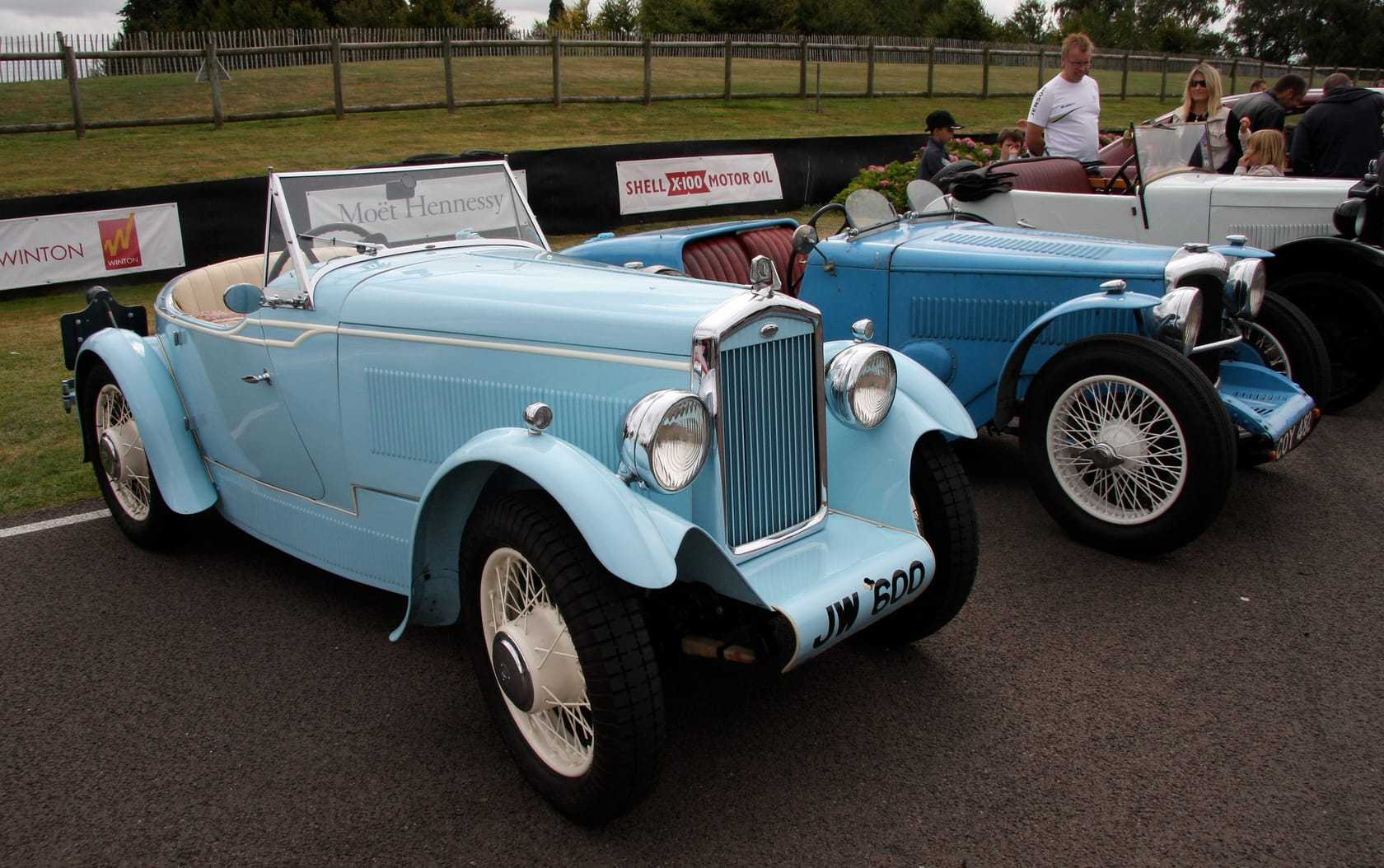
In 1930 Wolseley played a card nobody expected from Nuffield’s sensible marque: it squeezed a tiny overhead-cam six into a chassis the size of a Morris Minor and called it the Hornet. The saloon version sold in the tens of thousands, but the masterstroke was the bare Wolseley Hornet Special chassis of 1932, which fed a whole industry of coachbuilders and turned the little six into one of the defining affordable sports cars of the pre-war decade. The survivors are a club-supported delight, busy every season on runs and trials, and still startling value for coachbuilt pre-war sport.
Six cylinders in a small suit
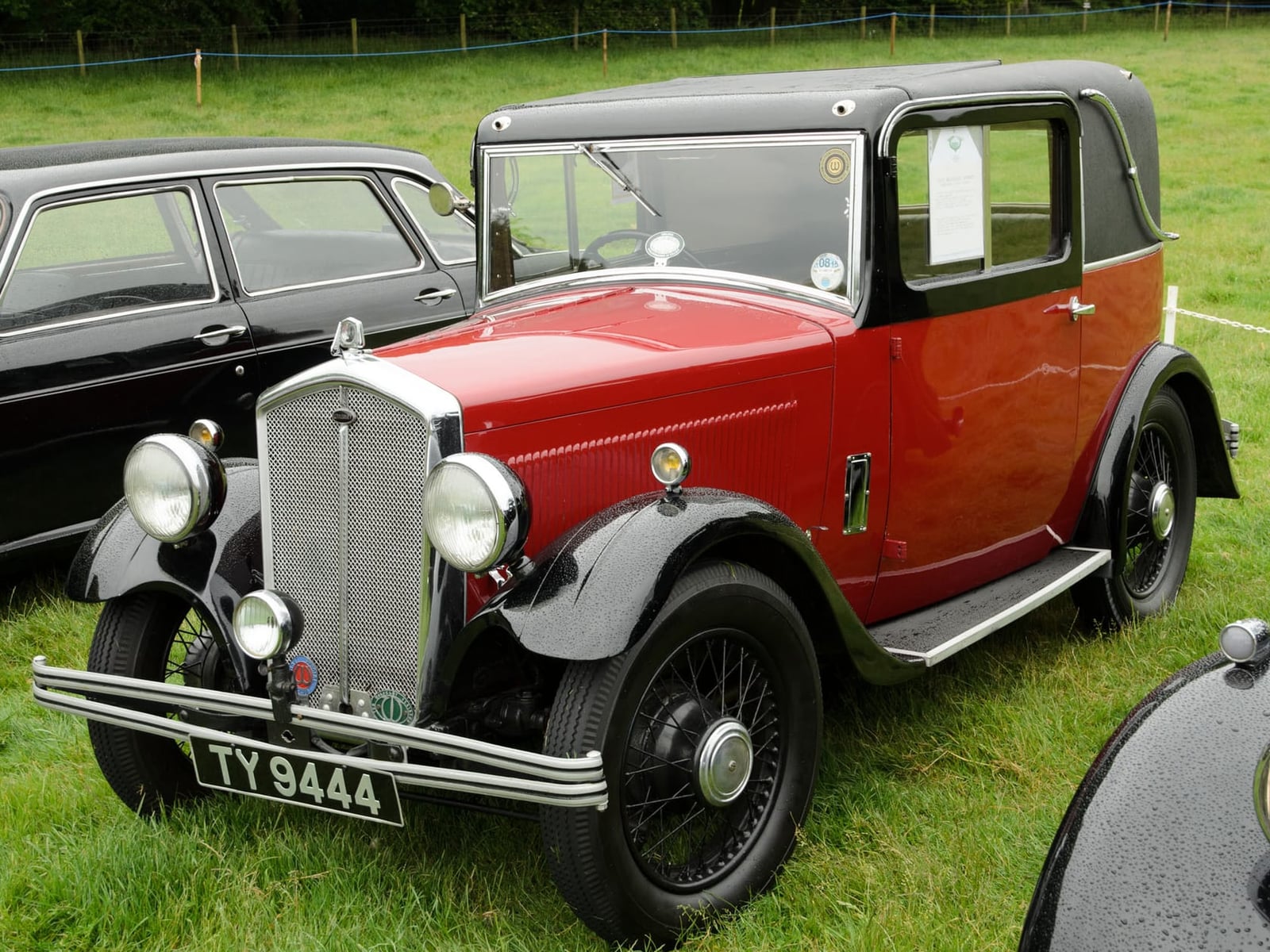
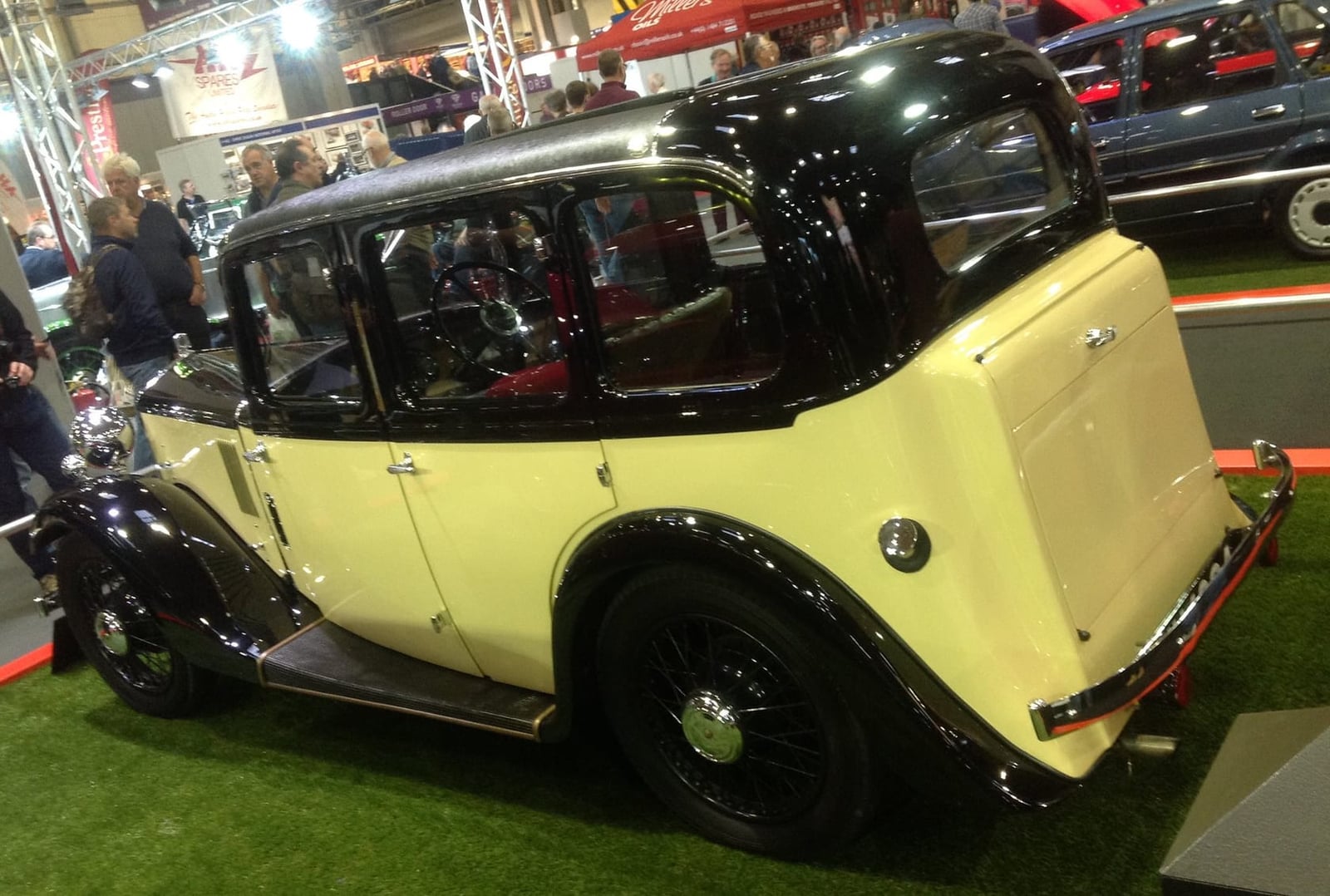
The Hornet’s engine made the whole idea work: a 1271cc overhead-cam six from the same engineering lineage that supplied the sporting MGs of the era, spinning with a silkiness no small four could match. Wolseley mounted it in a light chassis scarcely bigger than a Morris Minor’s, making the Hornet the smallest six-cylinder car on the British market and a minor sensation at its 1930 launch, and sold it as saloons, tourers and the charming Occasional Four coupe with its dickey seat. Around 32,000 found buyers through 1935, the engine growing to 1378cc and finally 1604cc as coachwork gained weight and buyers asked for pace, before the restyled New Hornet and then the Fourteen closed the line in 1936 and Wolseley returned to its sensible knitting.
The Special: a chassis for the trade
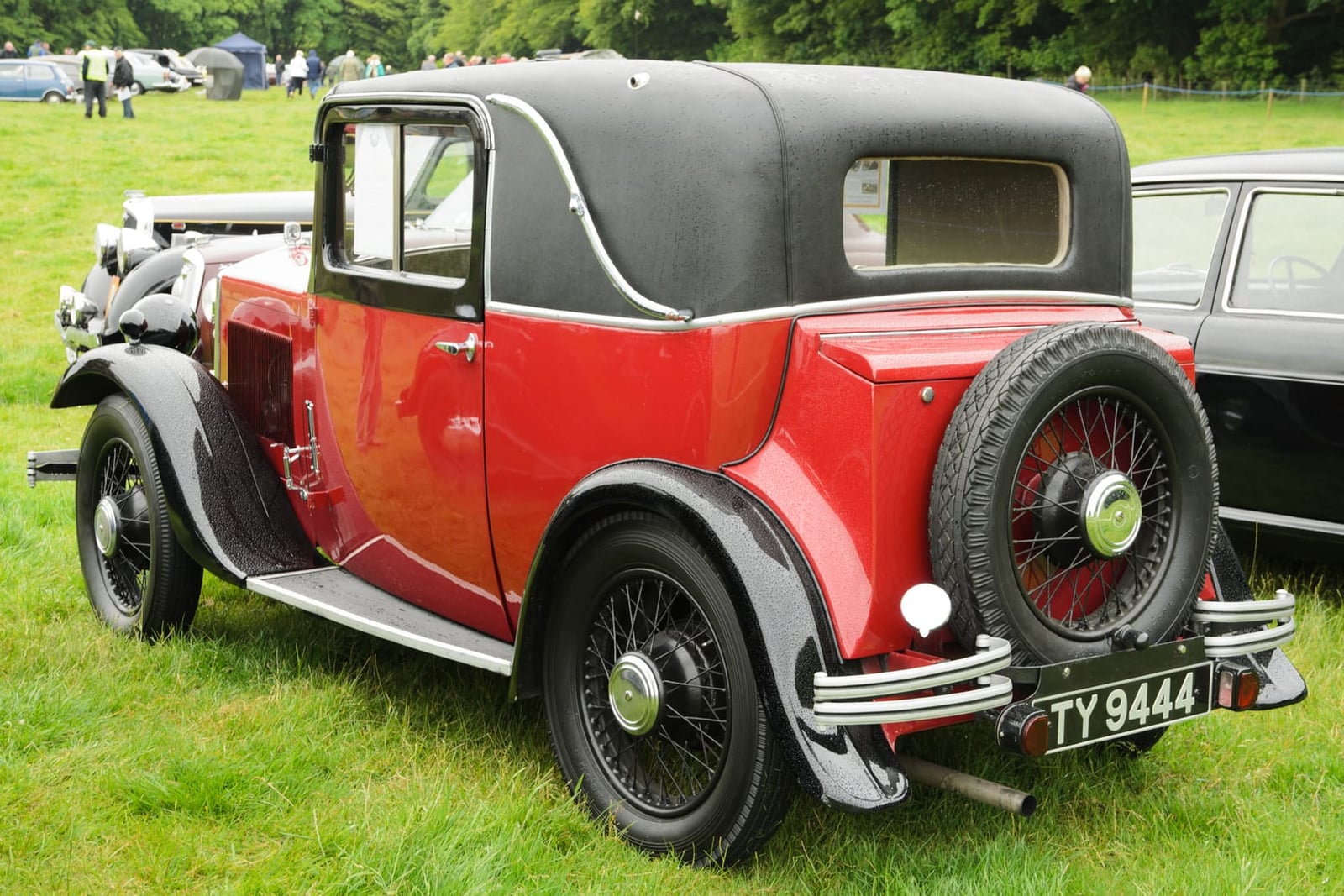
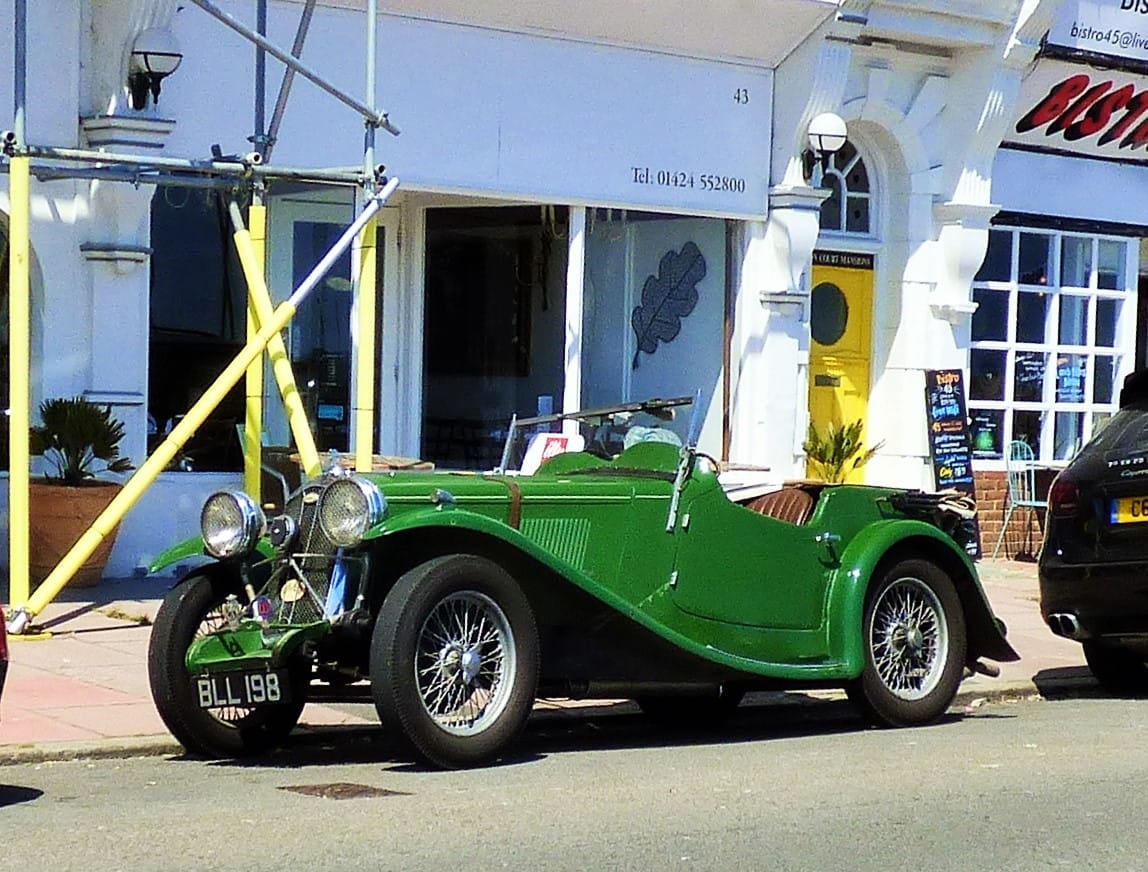
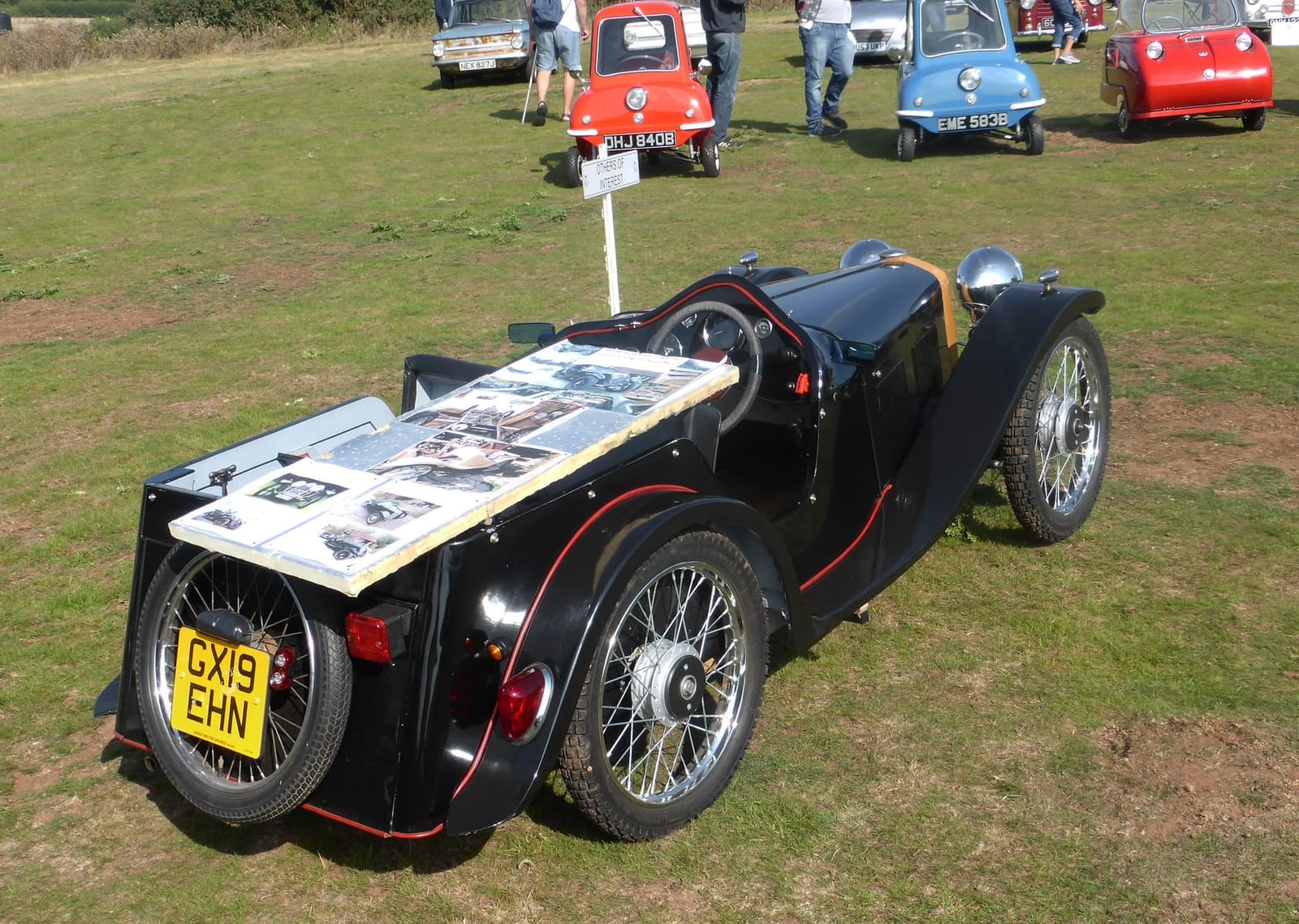
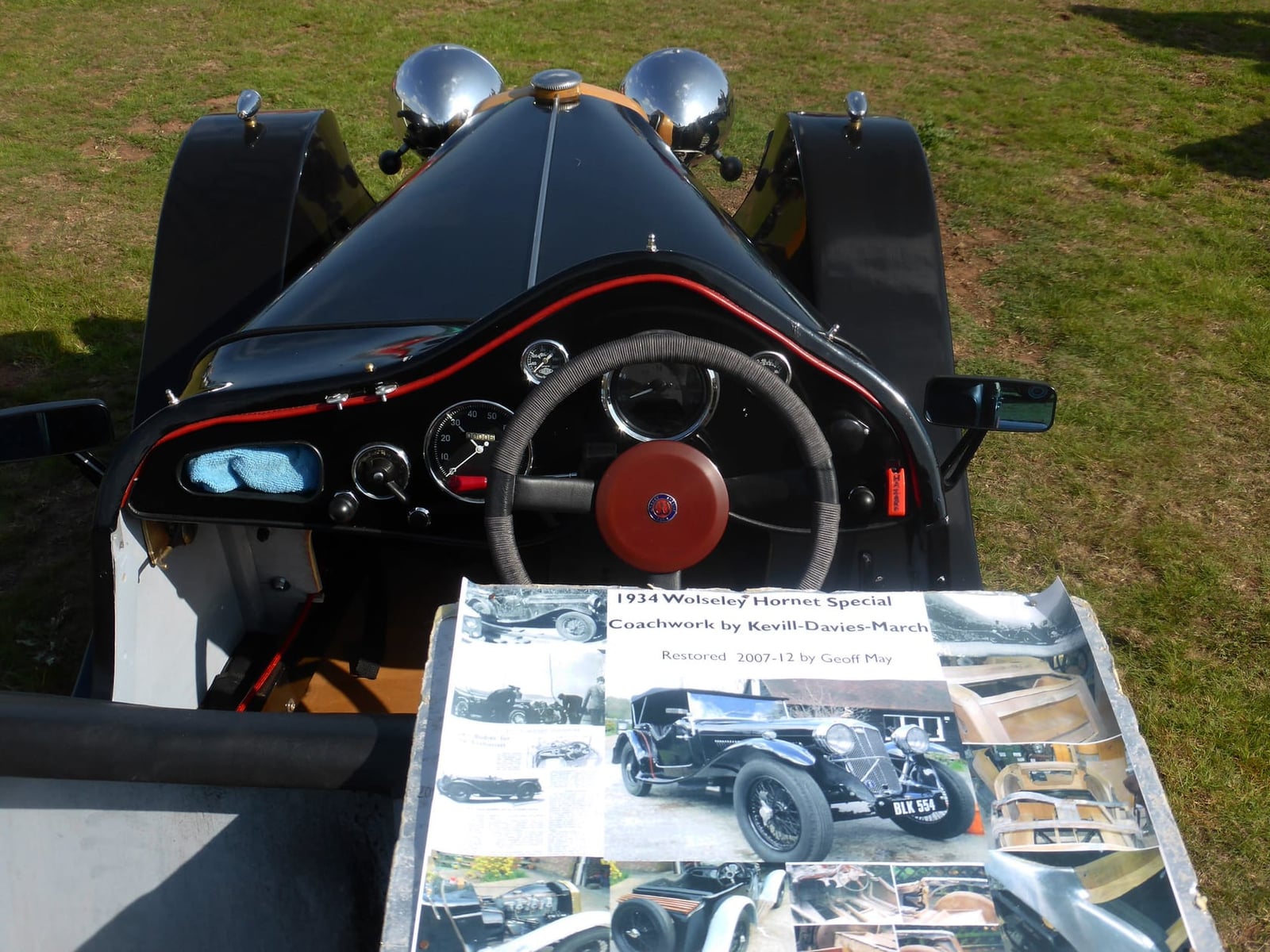
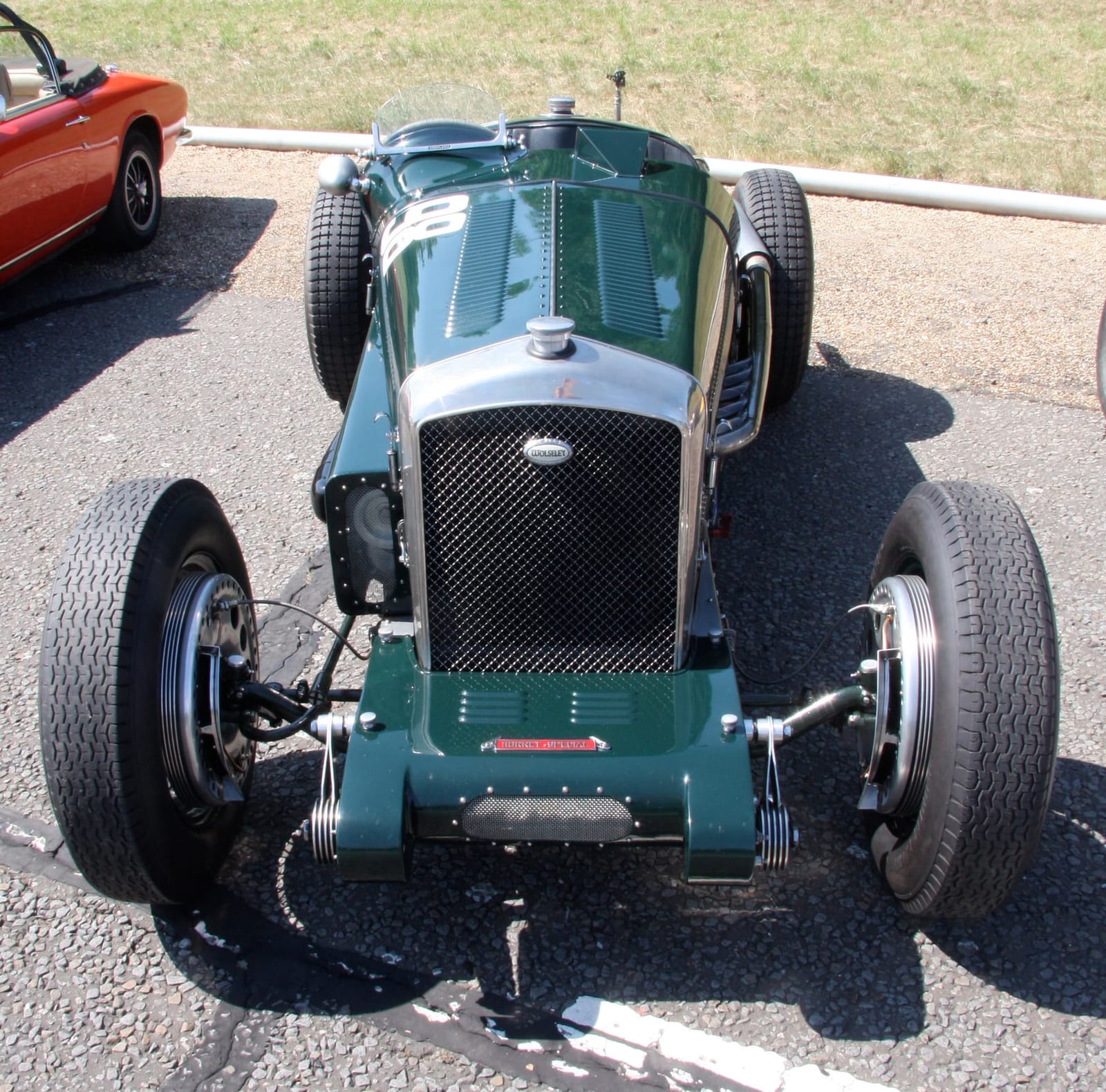
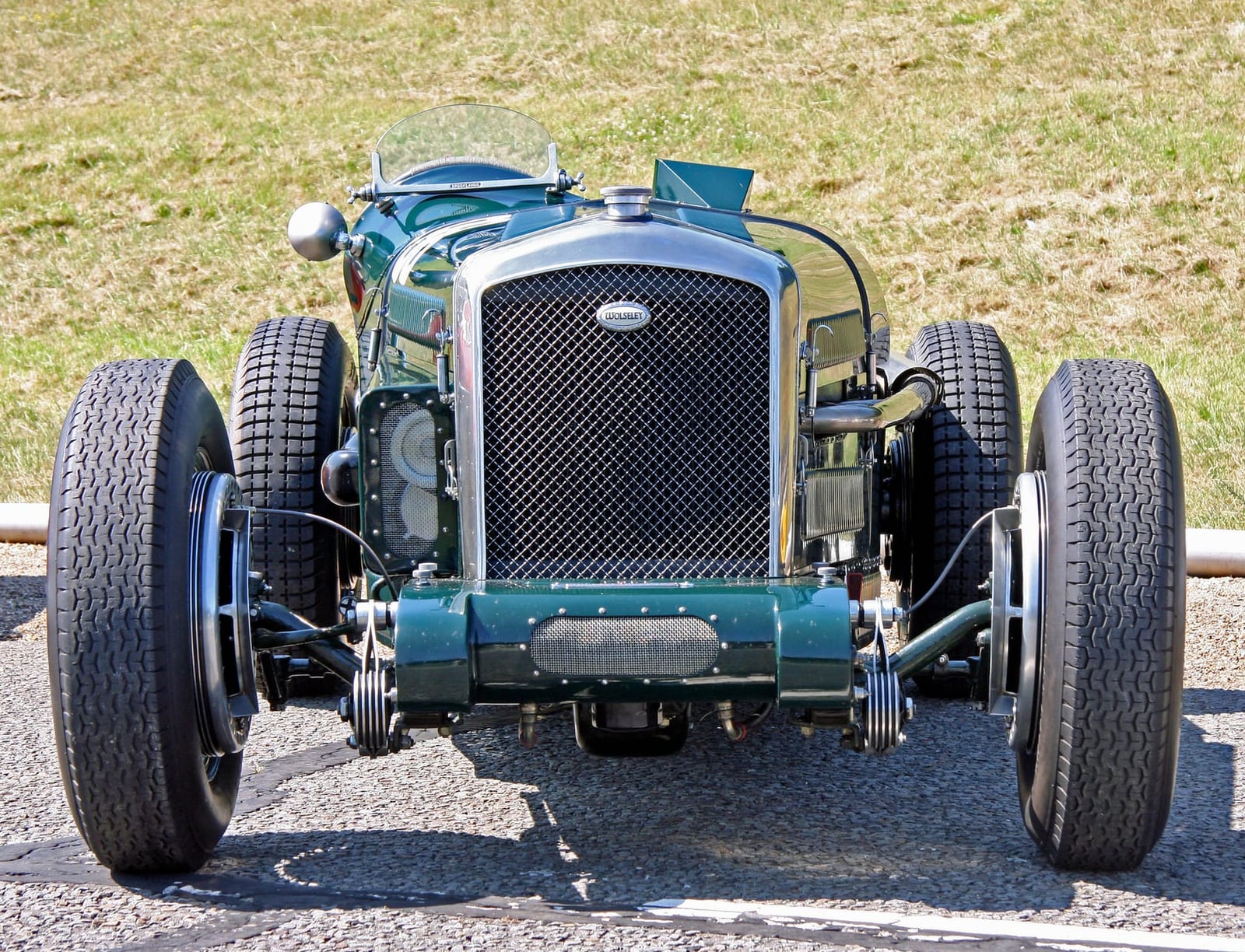
The 1932 Hornet Special was the era’s kit of dreams: a lowered chassis with the six on twin carburettors, supplied deliberately without a body to Britain’s coachbuilders. London dealer Eustace Watkins answered with the Daytona, the definitive and most copied Hornet sports body; William Lyons’ Swallow concern, on its way to becoming Jaguar, dressed Hornets with typical flair; and a dozen smaller houses followed. Around 2,300 Special chassis were built, every one bodied as an individual commission, and the registers that document them, chassis by chassis and body by body, are the collector market’s backbone today, because ninety years of rebuilds have made provenance the whole game.

Brooklands, trials and the sporting record
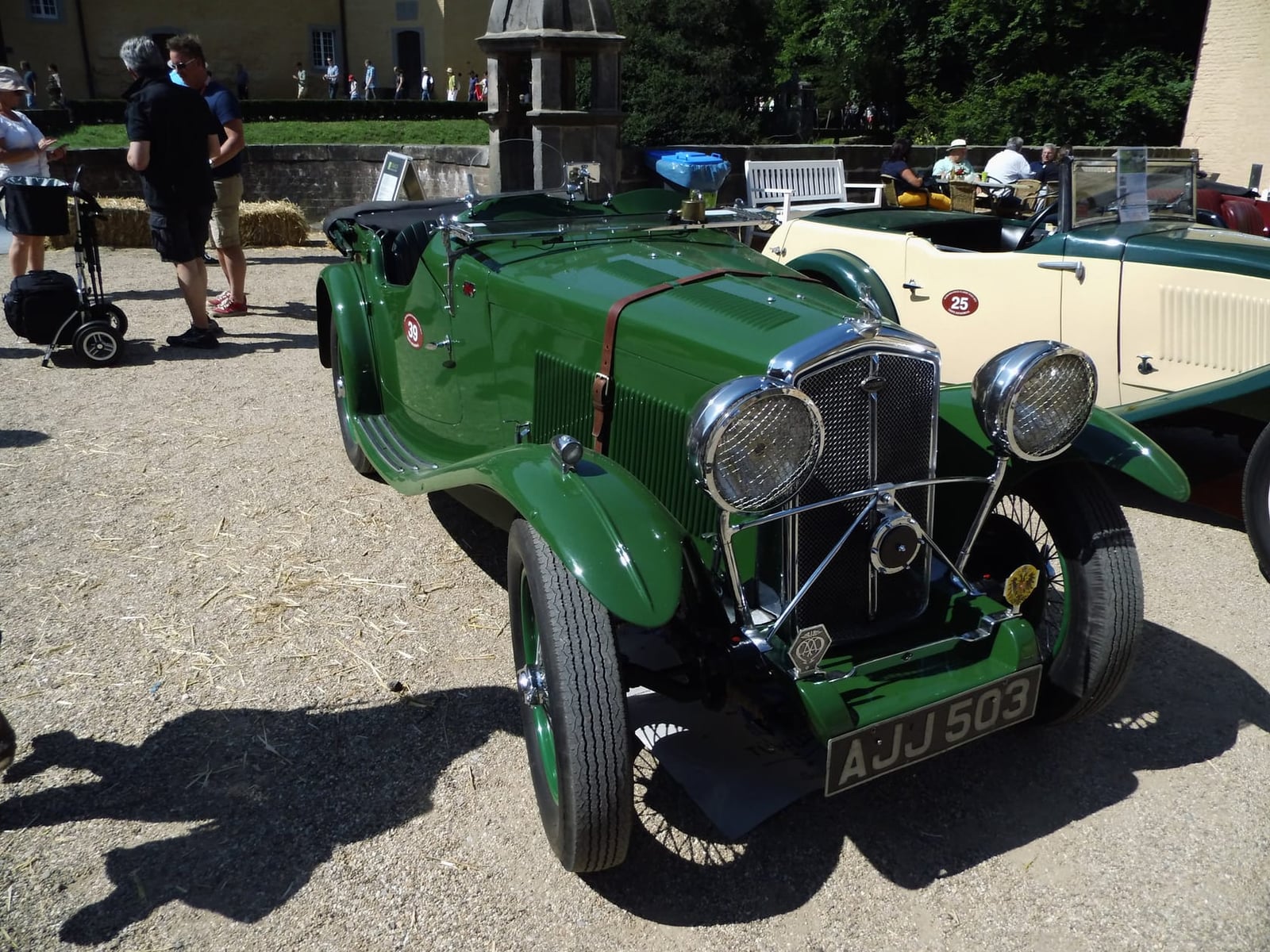
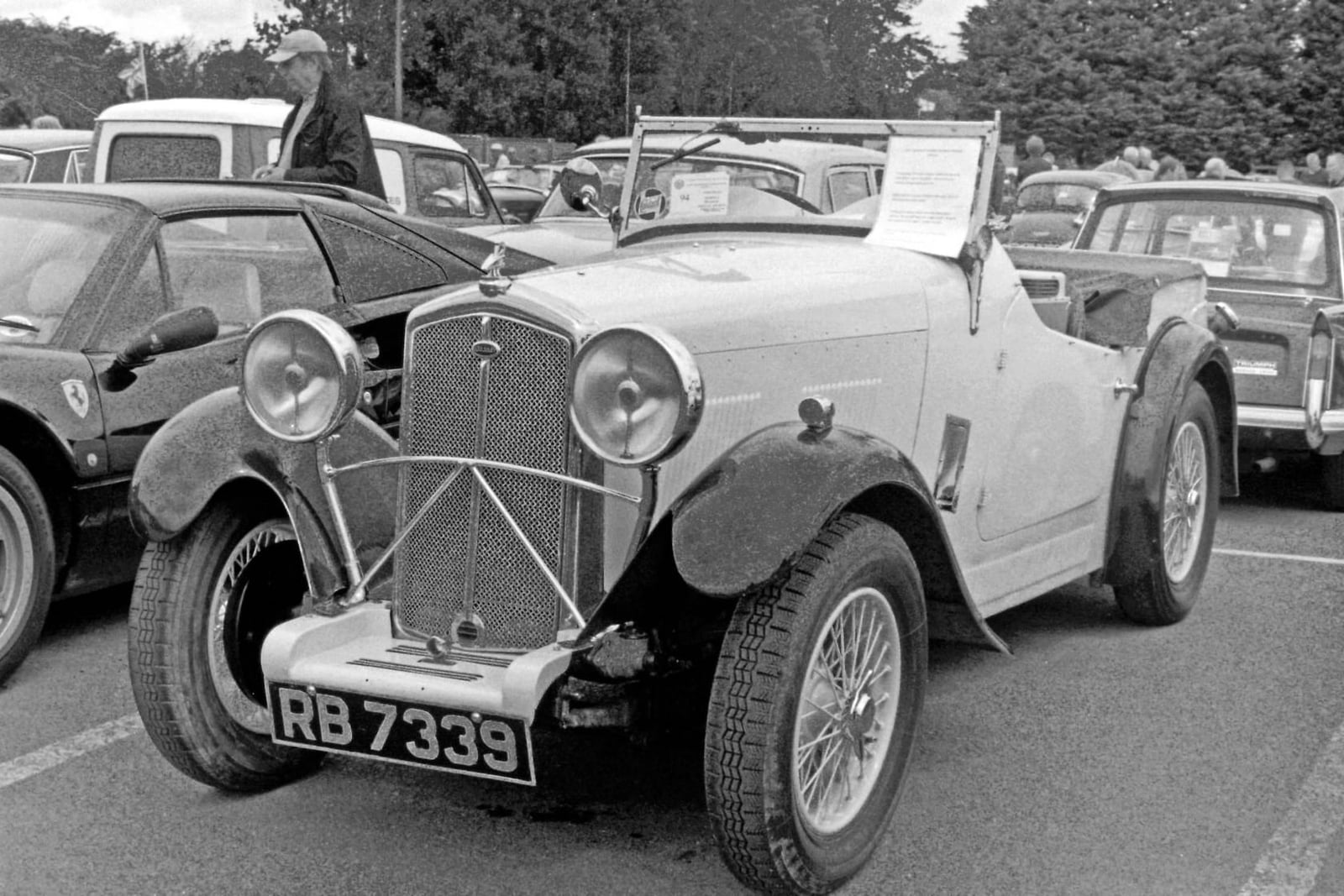
The Specials earned their name at the weekends: Hornets ran at Brooklands, swarmed the great trials, and gave thousands of young drivers their first taste of competition at prices MG could barely match. Single-seat and stripped two-seat racers survive in the Vintage Sports-Car Club world, still campaigning, and the model’s sporting patina, badge bars, aero screens, period accessories, remains part of its charm. It was never the fastest thing of its decade; it was the most attainable way in, which mattered more, and the trials photographs of mud-plastered Hornets climbing impossible Gloucestershire lanes remain some of the thirties’ most cheerful motoring images.

The overhead-cam family tree
The Hornet sits in one of the thirties’ most productive engineering bloodlines: Wolseley’s overhead-cam expertise, refined through the twenties under the Morris empire, supplied the architecture behind the small sporting engines that powered the era’s MG Midgets and Magnettes, and the Hornet’s six belongs to the same school of thinking. That kinship shows in how the cars behave, revvy, smooth and eager beyond their capacity, and it explains why the Hornet Special could credibly race the same weekend fields as its more famous Abingdon cousins at a friendlier price. When enthusiasts call the Hornet the poor man’s Magnette they mean it as geography, not insult: the two grew from the same street of ideas, and the Wolseley wore the family engine first.
What a Hornet is like to drive
The six defines the experience: smooth, eager and happier at revs than any small four of its day, pulling the light chassis to 60-75 mph depending on body and tune, with the Special’s twin-carburettor urge adding genuine sporting pace. Controls ask period technique, the ride is firm and honest, and the whole car feels half a class more sophisticated than its size suggests, exactly the trick Wolseley intended. A sorted Special on a summer road run is thirties motoring at its most charming, brisk enough to keep station with the modern traffic and small enough to enjoy lanes the bigger vintage cars fill.

Buying a Hornet today
Coachwork and identity lead the buying checklist: ash-framed bodies want careful structural inspection, Special authenticity deserves verification against the Wolseley Hornet Special Club’s records, because sporting bodies have migrated between chassis for ninety years, and matching engines add value. Mechanical parts are supported through the club network, the overhead-cam six rewards careful oiling of its camshaft drive above all, and barn finds and long-stored projects still surface often enough to keep entry prices honest. At 34 measured pre-war sales and a £17,500 median, saloons start near £8,000 and the best coachbuilt Specials run past £30,000: a genuine coachbuilt thirties sports car for hot-hatch money, with the glowing badge included.

More photos
Key dates for the Hornet & Special
- 1930Launched with a 1,271cc overhead-cam six in a chassis scarcely bigger than a Morris Minor's, making it the smallest six-cylinder car on the British market.
- 1932The Hornet Special arrives as a lowered chassis with the six on twin carburettors, deliberately supplied without a body.
- 1932 onwardsEustace Watkins answers with the Daytona, the definitive Hornet sports body; William Lyons' Swallow concern dresses Hornets on its way to becoming Jaguar.
- 1933The engine grows to 1,378cc as coachwork gains weight.
- 1934A 1,604cc six tops the range.
- 1935The restyled New Hornet arrives; around 32,000 Hornets and roughly 2,300 Special chassis have been built.
- 1936The Fourteen closes the line and Wolseley returns to its sensible knitting.
Before you buy a Hornet & Special
Identity, which is the whole game
- Verify Special authenticity against the Wolseley Hornet Special Club's records
- Sporting bodies have migrated between chassis for ninety years
- Matching engines add value and should be confirmed, not assumed
- Every Special chassis was bodied as an individual commission, so no two are alike
Coachwork
- Ash-framed bodies want careful structural inspection
- Factory saloons, Occasional Four coupes and tourers are quite different propositions
- Eustace Watkins Daytona bodies are the definitive and most copied sports style
- Sporting patina, badge bars, aero screens and period accessories, is part of the charm rather than a defect
Mechanical
- The overhead-cam six rewards careful oiling of its camshaft drive above all
- Mechanical parts are supported through the club network
- 1,271cc, 1,378cc and 1,604cc engines all appear; confirm which is fitted
- Twin-carburettor Special tune is what separates the sporting cars from the saloons
What the Hornet Special sells for at auction
Show the year-by-year mediansHide the year-by-year medians
| Year | Sold | Median | In 2025 money |
|---|---|---|---|
| 2025 | 5 | £8,800 | £8,800 |
| 2024 | 4 | £11,000 | £11,422 |
| 2021 | 5 | £20,812 | £25,735 |
| 2013 | 3 | £29,250 | £41,105 |
| 2010 | 3 | £20,125 | £30,824 |
- £6,609Hornet
- £16,312Hornet
- £6,500Hornet
- £8,800Hornet
- £9,281Hornet
Thin evidence. Only 34 recorded sales: read the figures as a sketch of the market, not a price. Based on 34 sold results from public classic car auctions (2007 to 10 August 2026). Sold prices, not asking prices, and not a valuation: condition, history and specification vary from car to car. Inflation-adjusted figures use the ONS CPIH index, in 2025 money.
Frequently asked questions
What is a Wolseley Hornet Special?
Is this the same Wolseley Hornet as the 1960s car?
What engine does the Hornet use?
Did Swallow really body Wolseley Hornets?
How much is a Wolseley Hornet worth?
What is the most expensive Hornet Special ever sold at auction?
How often does a Hornet Special come up for sale?
Related across themes
Recently added

Aston Martin DB7 values: a V12 Aston for hot-hatch money, and still falling

Daimler V8 250: the sweetest-engined Mk2 of them all (1962–1969)

Rolls-Royce Silver Shadow values: a Rolls for Fiesta money, and why that is the trap
