Aston Martin DB7 values: a V12 Aston for hot-hatch money, and still falling
A V12 Aston Martin for hot-hatch money, measured across 665 recorded auction sales. What a DB7 is worth by badge, why the supercharged six sells well below the V12 Vantage, and why the model has lost three fifths of its real value since 2017.
Built 1994–2004
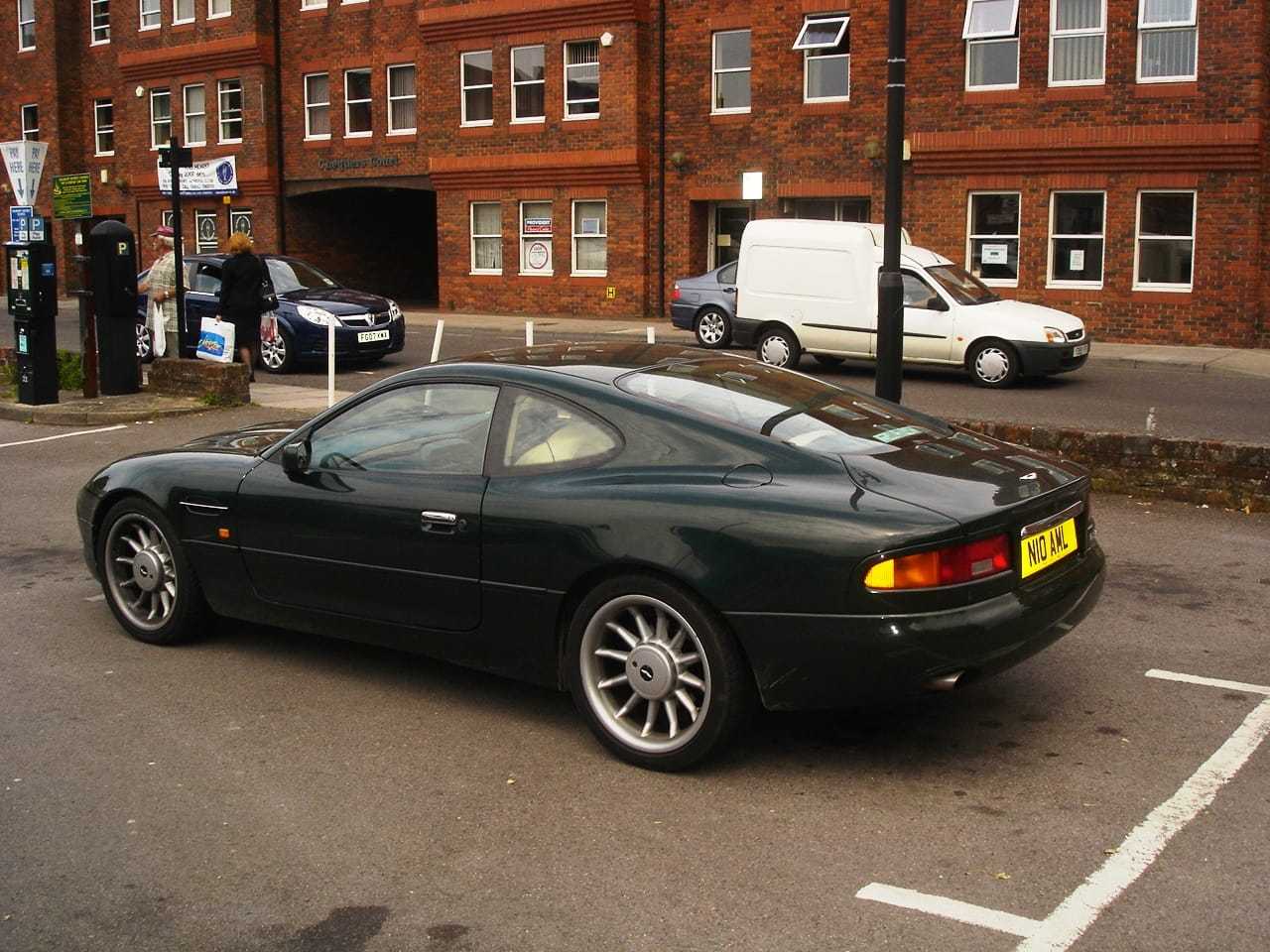
What the Aston Martin DB7 sells for at auction
In 2025 the median Aston Martin DB7 sold for £16,556 across 71 sales, 21% down on 2024. In real terms, typical Aston Martin DB7 prices were down about 37% over the five years to 2025, once inflation is accounted for.
| Variant | Sold | Typical range | Median |
|---|---|---|---|
| DB7 Vantage Volante | 189 | £20,812 - £31,853 | £25,996 |
| DB7 Vantage | 180 | £17,534 - £28,592 | £22,834 |
| DB7 | 165 | £12,375 - £20,250 | £16,080 |
| DB7 Volante | 78 | £19,256 - £27,350 | £22,750 |
| DB7 GT | 23 | £35,638 - £55,690 | £45,280 |
| DB7 Zagato | 16 | £161,229 - £284,520 | £214,398 |
| DB7 GTA | 14 | £23,532 - £39,597 | £32,909 |
Show the year-by-year mediansHide the year-by-year medians
| Year | Sold | Median | In 2025 money |
|---|---|---|---|
| 2026 (so far) | 64 | £18,056 | |
| 2025 | 71 | £16,556 | £16,556 |
| 2024 | 67 | £21,059 | £21,867 |
| 2023 | 63 | £21,440 | £23,007 |
| 2022 | 75 | £22,627 | £25,913 |
| 2021 | 51 | £22,525 | £27,853 |
| 2020 | 39 | £20,864 | £26,439 |
| 2019 | 35 | £23,408 | £29,966 |
| 2018 | 33 | £26,400 | £34,370 |
| 2017 | 36 | £32,335 | £43,072 |
| 2016 | 29 | £30,404 | £41,542 |
| 2015 | 27 | £26,130 | £36,059 |
| 2014 | 16 | £24,486 | £33,927 |
| 2013 | 15 | £24,486 | £34,410 |
| 2012 | 11 | £19,500 | £28,031 |
| 2011 | 13 | £25,878 | £38,153 |
| 2010 | 5 | £21,505 | £32,938 |
| 2009 | 7 | £23,625 | £37,090 |
| 2006 | 4 | £53,750 | £91,124 |
- £26,532DB7 Vantage Volante
- £14,571DB7 Vantage
- £13,936DB7 Vantage
- £11,647DB7 Vantage Volante
- £21,001DB7 Vantage
Strong evidence. 665 recorded sales and a dozen or more a year: the median and the range are well founded. Based on 665 sold results from public classic car auctions (2003 to 10 August 2026). Sold prices, not asking prices, and not a valuation: condition, history and specification vary from car to car. Inflation-adjusted figures use the ONS CPIH index, in 2025 money.
The DB7 is the cheapest way to own a V12 Aston Martin, and it has been getting cheaper for eight years. Aston Martin DB7 values sit at a median of £22,739 across 665 recorded sales, with the middle half between £17,010 and £30,269, which puts a Callum-shaped V12 grand tourer at the price of a well-specified hot hatch. Roughly three in four cars offered find a buyer, about 65 change hands a year, and the range runs from £2,748 to £359,900.
The Aston Martin DB7 guide covers the supercharged six, the V12 Vantage, the Zagato and what to check. This page is about the money, and about a decline that shows no sign of finishing.
Seven badges, from £16,000 to £214,000
The ordinary DB7 market is tighter than most on this site. The supercharged straight-six car sits at £16,080 across 165 recorded sales, the V12 Vantage at £22,834 across 180, the Volante at £22,750 across 78 and the Vantage Volante at £25,996 across 189. That is the whole volume market inside £10,000, and the pattern within it is simple: the V12 costs about 40% more than the six, and an open car costs a few thousand more than the equivalent coupe.
Above that sit the rarities. The GT at £45,280 across 23 sales and the GTA at £32,909 across 14 are the run-out performance cars. And then the Zagato at £214,398 across 16, roughly thirteen times an ordinary DB7 for what is mechanically a shortened Vantage with a Zagato body and a build run of 99.
The six-cylinder car deserves a word of its own. It is 165 of these sales and the cheapest route into the model by a wide margin, but the saving is smaller than it looks: the supercharger and its maintenance are the specific cost, and a cheap i6 with a thin history file is the most reliable way to spend the difference twice.

Eight years down, and three fifths of it gone
The yearly median reads £32,335 in 2017, £26,400 in 2018, £23,408 in 2019, £20,864 in 2020, £22,525 in 2021, £22,627 in 2022, £21,440 in 2023, £21,059 in 2024 and £16,556 in 2025, with 2026 at about £18,056 so far. Restated in today’s money the run is £43,072 down to £16,556: the DB7 has lost about three fifths of its real value in eight years.
Two things make that reading unusually solid. The sample is large and steady, 63 to 75 recorded sales in every recent year, so this is not a thin market wobbling. And there is no recovery year anywhere in the run, which distinguishes it from the mix-driven swings on other pages here. The DB7 was 7,000-odd cars, far more than any Aston before it, and the supply has simply arrived faster than the demand for it.
For a buyer that is straightforwardly good news, and it is worth saying so plainly rather than dressing a falling market up as an opportunity. You are buying more Aston Martin per pound every year. Just do not expect the money back.

What moves the price of a DB7
History, first and by a distance, because the running costs are large relative to the car. On the six-cylinder cars the supercharger’s service record is the document that matters; on the V12 it is coil packs, the cooling system and evidence the gearbox has been maintained rather than merely driven. A full file moves a DB7 to the top of its range more reliably than mileage or colour.
Then the structure, where the shared Jaguar XJS underpinnings show: sills, floors and the areas around the rear suspension mountings. And then specification. Manual cars are scarcer than automatics and sell above them, the GT and GTA carry genuine premiums, and a Zagato is priced entirely on its build number and paperwork rather than on anything you can assess by looking.
Where DB7s change hands
Almost entirely through the online platforms and specialist sales rather than the general rooms, because a £20,000 modern Aston needs an audience that knows what the service history is worth. The summer of 2026 shows the working range inside a fortnight: a V12 Vantage at £13,936 and another at £14,571 at the bottom, £21,001 in the middle, and a Vantage Volante at £26,532 at the top. The GTs, GTAs and Zagatos surface a few times a year at catalogued sales. Whether a recorded price includes the buyer’s premium varies by sale, which is one more reason to read the usual range rather than any single result.
Insuring, buying, selling
For an agreed-value policy the badge decides the figure: a six-cylinder car around £16,000, a V12 Vantage in the low twenties, a Volante a little above, and a GT, GTA or Zagato valued individually. On buying, the falling market means patience is cheap and haste is expensive, and the sensible purchase is the well-documented car at the top of its range rather than the cheap one at the bottom. If you are selling, the history file is the whole negotiation, and the market you are selling into is weaker than the one you bought in, which is worth accepting before setting a reserve.
Related
The DB7 replaced the V8, which sells for about three times as much, and was replaced by the DB9. Its underpinnings came from the Jaguar XJS, which is cheaper again. For the wider marque see Aston Martin, and for the period, British classic cars of the 1990s. For how all the figures on this site are compiled, see what classic cars sell for.
Frequently asked questions
How much is an Aston Martin DB7 worth?
Is the DB7 i6 cheaper than the V12 Vantage?
What is a DB7 Zagato worth?
Are Aston Martin DB7 prices falling?
Is a DB7 a good investment?
What should I check before buying a DB7?
What is the most expensive Aston Martin DB7 ever sold at auction?
How often does an Aston Martin DB7 come up for sale?
Related across themes
Recently added

Wolseley Hornet and Hornet Special: the six that swarmed the thirties (1930–1936)

Daimler V8 250: the sweetest-engined Mk2 of them all (1962–1969)

Rolls-Royce Silver Shadow values: a Rolls for Fiesta money, and why that is the trap
