Jaguar XJS values: convertible over coupé, V12 over six, and why it is still the cheapest big Jaguar
Cheaper in real terms than it was twenty years ago. Jaguar XJS values from 1,921 recorded auction sales, the convertible and V12 premiums, the run-out Celebration and the Lynx Eventer at the top, and what rust and a V12 plumbing job do to the price.
Built 1975–1996
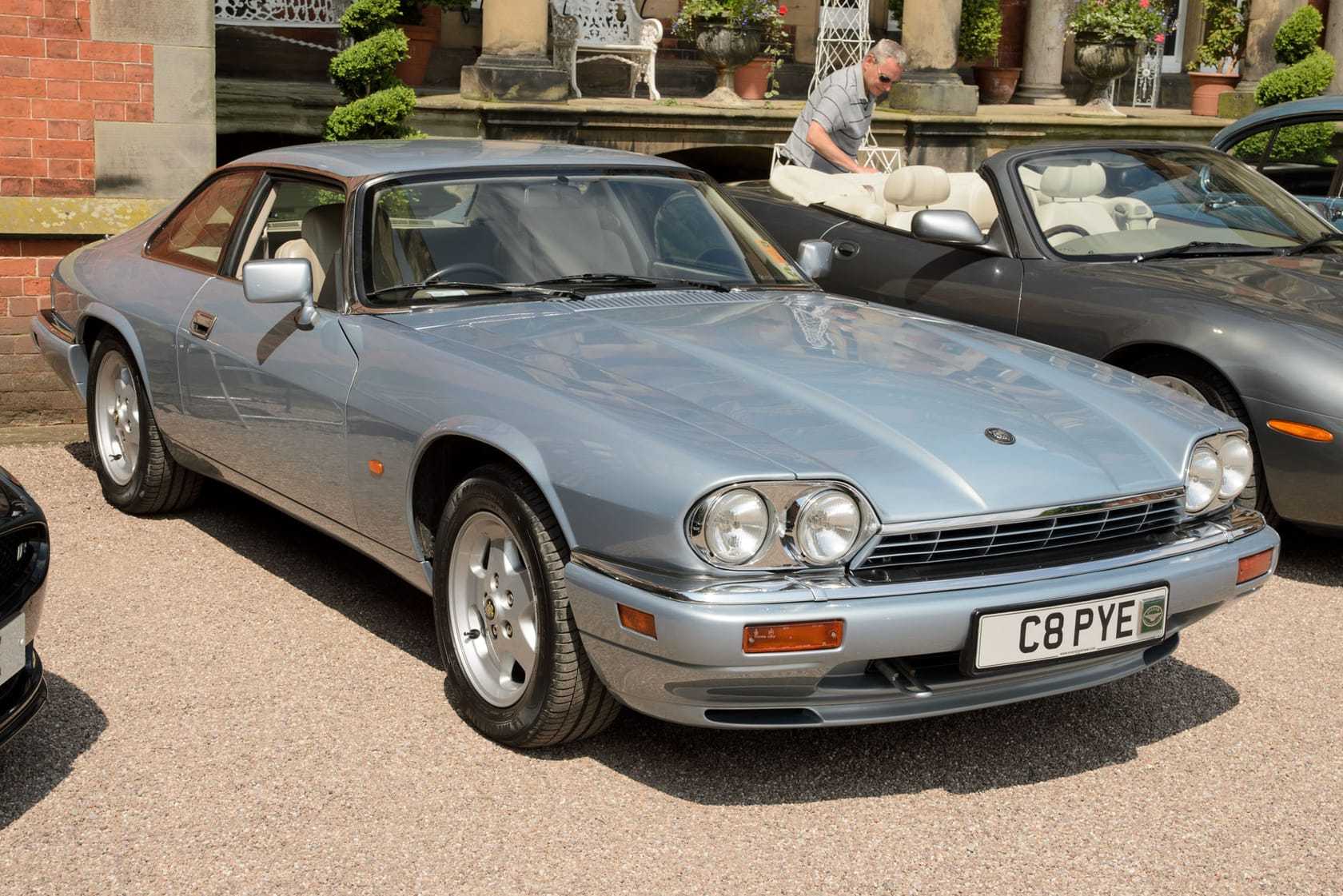
What the Jaguar XJS sells for at auction
In 2025 the median Jaguar XJS sold for £9,144 across 214 sales, 13% up on 2024. In real terms, typical Jaguar XJS prices were down about 34% over the five years to 2025, once inflation is accounted for.
| Variant | Sold | Typical range | Median |
|---|---|---|---|
| XJS Convertible | 690 | £6,777 - £14,243 | £10,006 |
| XJS Coupe | 480 | £3,950 - £10,956 | £6,192 |
| XJS Convertible V12 | 200 | £9,161 - £17,058 | £12,540 |
| XJS Coupe V12 | 98 | £5,304 - £15,162 | £9,900 |
| XJ-SC 5.3 | 67 | £5,501 - £10,159 | £7,061 |
| XJ-SC | 47 | £5,812 - £10,362 | £7,560 |
| XJS Convertible Celebration | 41 | £11,440 - £18,760 | £14,625 |
| XJ-SC 3.6 | 30 | £5,206 - £10,375 | £7,005 |
| XJS Hess & Eisenhardt | 8 | £8,269 - £13,748 | £10,321 |
| XJS Lynx Eventer | 6 | £31,338 - £46,435 | £40,825 |
Show the year-by-year mediansHide the year-by-year medians
| Year | Sold | Median | In 2025 money |
|---|---|---|---|
| 2026 (so far) | 148 | £8,575 | |
| 2025 | 214 | £9,144 | £9,144 |
| 2024 | 167 | £8,087 | £8,397 |
| 2023 | 179 | £10,934 | £11,733 |
| 2022 | 162 | £9,968 | £11,416 |
| 2021 | 196 | £11,714 | £14,486 |
| 2020 | 99 | £10,869 | £13,773 |
| 2019 | 138 | £9,204 | £11,782 |
| 2018 | 119 | £9,856 | £12,831 |
| 2017 | 102 | £8,008 | £10,667 |
| 2016 | 77 | £7,875 | £10,760 |
| 2015 | 53 | £7,185 | £9,915 |
| 2014 | 59 | £4,984 | £6,906 |
| 2013 | 56 | £5,850 | £8,220 |
| 2012 | 30 | £6,028 | £8,665 |
| 2011 | 18 | £5,288 | £7,797 |
| 2010 | 13 | £4,805 | £7,359 |
| 2009 | 22 | £4,948 | £7,768 |
| 2008 | 7 | £2,415 | £3,866 |
| 2007 | 21 | £5,000 | £8,283 |
| 2006 | 7 | £8,250 | £13,986 |
| 2005 | 14 | £5,401 | £9,387 |
| 2004 | 11 | £6,743 | £11,961 |
- £17,140XJS Convertible
- £5,765XJS Coupe
- £3,376XJS Coupe
- £10,517XJS Convertible
- £5,709XJS Convertible
Strong evidence. 1,921 recorded sales and a dozen or more a year: the median and the range are well founded. Based on 1,921 sold results from public classic car auctions (1994 to 10 August 2026). Sold prices, not asking prices, and not a valuation: condition, history and specification vary from car to car. Inflation-adjusted figures use the ONS CPIH index, in 2025 money.
The XJS was the Jaguar nobody wanted for twenty years, and XJS values still say so: 1,921 recorded sales since 1994, about 180 a year lately, at a median of £8,930, with the middle half of them between £5,500 and £13,500. That makes it the cheapest large Jaguar in the database by a wide margin, a twelve-cylinder grand tourer for the price of a good MGB. The spread runs from a £291 parts car to £159,000 for a competition car, and three-quarters of the cars offered find a buyer.
As with the E-Type, a large share of the record is left-hand-drive cars sold in North America, which was the XJS’s biggest market, so the figures describe a worldwide trade. The XJS model guide covers the cars themselves, the V12 and the six, the body styles and what to check. This page is about the money, which on an XJS is mostly about the body under the paint and the plumbing under the bonnet.
Convertible over coupé, V12 over six
The variant table on this page shows a hierarchy with two axes. The body comes first: the full convertible, introduced in 1988, has a median of £9,500 with the six and £12,500 with the V12, while the coupé sits at £6,200 and £9,900. In the same condition the open car is worth half as much again, which is unusual for a Jaguar and says a good deal about who buys an XJS. The XJ-SC cabriolet of 1983 to 1988, the targa-roofed halfway house built before Jaguar had a proper convertible, is rarer than either but sells with the coupés at about £7,000.
The engine comes second. The 5.3-litre V12, the engine the car was designed around, adds £3,000 to £4,000 over the 3.6 and 4.0 sixes in either body, a premium for character rather than for sense, since the six is the cheaper car to run by a distance. At the top of the standard range sit the 1996 Celebration cars, the run-out edition with its diamond-turned wheels and wood-rimmed steering wheel, at a median of £14,600, and the best late, low-mileage V12 convertibles above them.
Then there are the cars that were never standard. The Lynx Eventer, the estate-bodied conversion of which fewer than seventy were built, averages £40,800 across the six in the record, four times a coupé. The American Hess and Eisenhardt convertible conversions of the mid-1980s make about the same as a factory convertible. And the competition cars built from the XJ-S, the TWR touring-car machines and their relatives, reach six figures: the record sale in the data is £159,000 for one in 2020.

What moves the price of an XJS
Rust first, as on every Jaguar of the period, and the XJS rusts in places a valuer cannot see from the kerb: the rear wheel arches and the sills behind them, the floors and the boot floor, the front crossmember and the bottoms of the doors. A car with a sound shell and honest paint sits in the middle of its range; one with bubbling arches is a project whatever the engine, because the cost of proper body repair on an XJS outruns the value of most of them.
Second, the V12’s plumbing. The engine itself is durable, but its cooling system, its fuel injection and its electrics are expensive to put right and were neglected on cheap cars for decades, so a V12 with a recent, documented cooling and fuel overhaul is worth the whole of its premium and one without is worth less than a good six. Third, mileage and history, which matter more on an XJS than on older Jaguars because so many late cars were bought as company cars and kept: a 40,000-mile 4.0 convertible with a full file is a different market from a 140,000-mile one. Colour counts a little, with the dark metallics and the classic Jaguar reds ahead of the pastels; originality counts a little less, though a TWR body kit or a set of period alloys can add to the right car and subtract from the wrong one.

The rise, and the retreat since 2021
The chart shows a car that spent a long time at the bottom. The yearly median was £2,400 in 2008, at the depth of the XJS’s unfashionable years, and was still under £5,000 in 2014. Then it climbed, as the E-Type priced itself out of reach and buyers looked for the next Jaguar: £7,900 in 2016, £9,900 in 2018, and a peak of £11,700 in 2021. Since then it has slipped, to £8,100 in 2024 and £9,100 in 2025, and restated in today’s money the fall from the peak is more than a third. In real terms the XJS is cheaper now than it was in 2006.
Part of that is the sample again, the online platforms bringing more ordinary coupés into the record each year. Part is real: the affordable end of the classic market has softened since 2022, and the XJS sits squarely in it. The cars that held up are the ones the market was always going to want, the late convertibles and the low-mileage 4.0s; the six-cylinder coupés, which are most of the supply, have drifted back toward the prices of a decade ago. For a buyer that is the point. There is no cheaper way into a V12 Jaguar, and there has not been for years.

Where XJSs change hands
The bulk of the record is the online auctions, and the bulk of those are in North America: a single week in August 2026 produced five XJS sales there, from a £3,400 coupé to a £17,100 convertible. In Britain the traditional sale rooms see the projects, the estates and the occasional low-mileage survivor, while the good late cars pass through the specialists and the owners’ club at prices a little above the auction range. Whether a recorded price includes the buyer’s premium varies by sale, which is one more reason to read the usual range rather than any single result.

Insuring, fixing, selling
For an agreed-value policy the median for the variant is the honest figure for a sound car, and the upper half of the range for a late convertible with history. On restoration the arithmetic is as hard as on any Jaguar: a full body restoration costs more than any standard XJS is worth, so the cheap coupé with bubbling arches is rarely the bargain it looks, and the right car to buy is the one someone else has already spent the money on. If you are selling, the convertibles go in spring, the coupés whenever, and a V12 sells for its premium only with the cooling and fuel receipts on the table.
Related
The XJS succeeded the E-Type, whose sold prices sit an order of magnitude above it, and was replaced by the XK8, which now trades at similar money to a good XJS. The XJ6 saloons of the same years are the other cheap way into a V12-era Jaguar. For how all the figures on this site are compiled, see what classic cars sell for.
Frequently asked questions
How much is a Jaguar XJS worth?
Is the XJS convertible worth more than the coupé?
Are Jaguar XJS values going up?
Which Jaguar XJS is worth the most?
Is a V12 XJS worth more than a six-cylinder?
What is the most expensive Jaguar XJS ever sold at auction?
How often does a Jaguar XJS come up for sale?
Related across themes
More Jaguar values

Jaguar XK120 values: the alloy premium, roadster over coupé, and a market half what it was

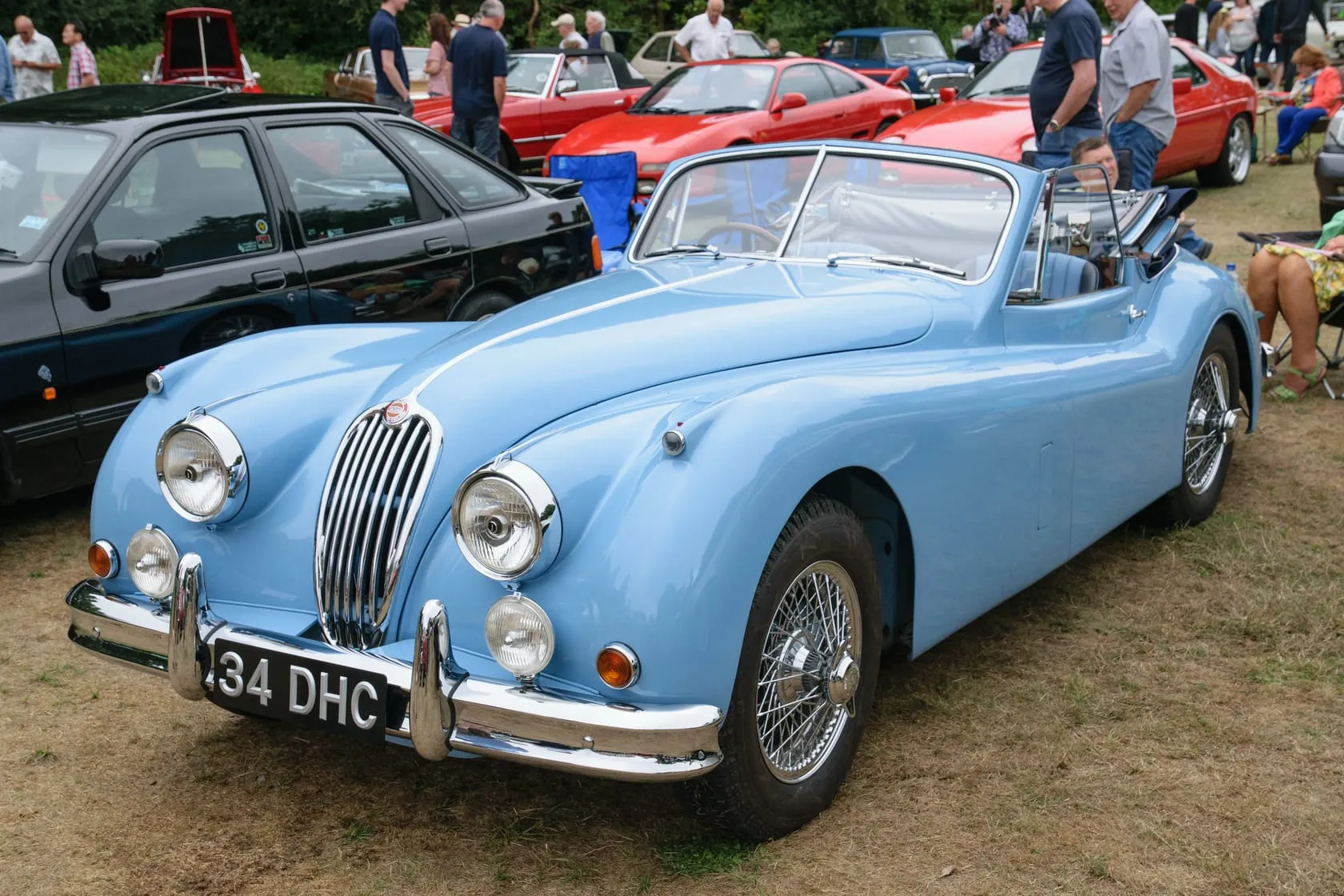
Jaguar XK140 values: the one XK where the drophead beats the roadster, and the cheapest of the three at the median

Jaguar XK150 values: the S premium, roadster over drophead over coupé, and a market that has halved since 2019

Jaguar E-Type values: what every series sells for, and why the price has fallen
Recently added

Bentley S-series: the quiet twin with the beautiful secrets (1955–1965)

Rolls-Royce Silver Spirit and Silver Spur: the last Crewe bargain (1980–1999)

Rolls-Royce Corniche: the coachbuilt survivor that outlived its makers (1971–1995)
