Triumph Stag values: Mk2 over Mk1, manual level with automatic, the original-engine premium, and a market down by half
What the Stag sells for at auction
In 2025 the median Stag sold for £8,447 across 72 sales, 12% down on 2024. In real terms, typical Stag prices were down about 42% over the five years to 2025, once inflation is accounted for.
Show the year-by-year mediansHide the year-by-year medians
| Year | Sold | Median | In 2025 money |
|---|---|---|---|
| 2026 (so far) | 45 | £9,430 | |
| 2025 | 72 | £8,447 | £8,447 |
| 2024 | 58 | £9,612 | £9,981 |
| 2023 | 48 | £10,480 | £11,246 |
| 2022 | 61 | £10,012 | £11,466 |
| 2021 | 77 | £11,000 | £13,602 |
| 2020 | 26 | £11,542 | £14,627 |
| 2019 | 24 | £11,545 | £14,779 |
| 2018 | 18 | £11,975 | £15,590 |
| 2017 | 23 | £10,000 | £13,320 |
| 2016 | 23 | £7,700 | £10,521 |
| 2015 | 10 | £12,880 | £17,774 |
| 2014 | 9 | £6,670 | £9,242 |
| 2012 | 4 | £6,202 | £8,916 |
| 2011 | 7 | £7,425 | £10,947 |
| 2010 | 5 | £7,475 | £11,449 |
| 2009 | 3 | £5,850 | £9,184 |
| 2008 | 3 | £7,442 | £11,914 |
| 2007 | 3 | £4,600 | £7,621 |
| 2006 | 6 | £3,688 | £6,252 |
- £10,136Stag
- £8,719Stag
- £9,000Stag
- £6,183Stag
- £1,380Stag
Strong evidence. 530 recorded sales and a dozen or more a year: the median and the range are well founded. Based on 530 sold results from public classic car auctions (2004 to 10 August 2026). Sold prices, not asking prices, and not a valuation: condition, history and specification vary from car to car. Inflation-adjusted figures use the ONS CPIH index, in 2025 money.
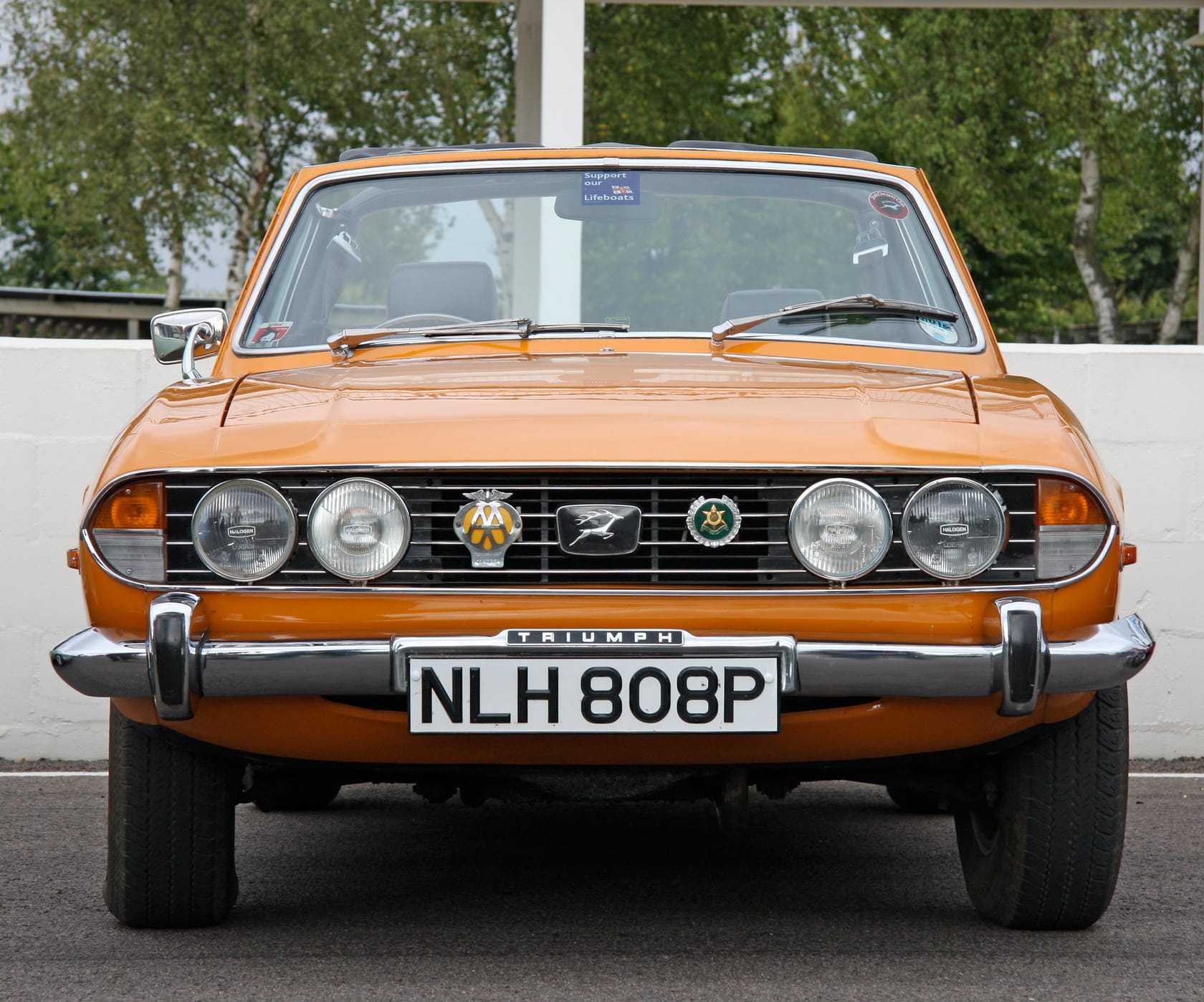
The Stag is the grand tourer that lived down its reputation, and Triumph Stag values are the record of that rehabilitation: 530 recorded sales since 2004, about 60 a year lately, at a median of £9,700, with the middle half between £6,800 and £13,400. Three-quarters of the cars offered find a buyer. The spread runs from a £250 project to £53,500 for the one-off fastback prototype, and most of the record is an ordinary Mk2 automatic with its hood up, sold in Britain to someone who remembers the car and has read that the engine can be made to work.
The Triumph Stag model guide covers the car, the V8 and why it overheated, the Mk1 and Mk2 and what to check. This page is about the money, and about a market that peaked in 2018 and has been slipping since.
Mk2 over Mk1, and manual level with automatic
The record lists every Stag under one name, so the breakdown comes from the cars’ dates and descriptions rather than a variant table, and it corrects two pieces of folklore. The first is that the early car is the valuable one: it is not. The Mk1 of 1970 to 1972, across the 137 sales the dates identify, has a median of about £8,600, and the Mk2 of 1973 to 1977, across 387, about £10,500, because the later car has the revised engine, the better trim and the alloy wheels, and because most buyers want the Stag that works rather than the Stag that came first. The second is that a manual-overdrive car carries a premium: across the sales where the gearbox is known, manuals sit at about £10,200 and automatics at £10,100, which is level, and the premium appears only among the restored cars at the top, where the collectors prefer three pedals.
What the market does pay for is the engine. A Stag with its original Triumph 3.0-litre V8, rebuilt to the modern specification with the cooling sorted and the receipts to prove it, sells for roughly a third more than the same car with a Rover V8, a Ford V6 or a Triumph six in its place, and the converted cars fill the bottom half of the record. Above everything sits the fastback prototype at £53,500, one car with a story, and the best restored standard Stags at £25,000 to £30,000, which is where the ceiling has been for a decade.

What moves the price of a Stag
The engine, then the body. The Triumph V8’s faults, the cooling, the timing chains, the cylinder-head studs and the water pump, are all understood and all curable, and a car with a documented rebuild by a Stag specialist sits in the upper half of its range; a car with an unrebuilt original engine sits at the bottom with the conversions, because the buyer is pricing in the work. Then the body, which rusts at the sills, the floors, the rear wings, the front wings around the headlamps, the boot floor and the windscreen surround, and whose T-bar hides rot in the roll-hoop mountings and the B-posts; a car with sound sills and a dry boot, with the receipts, is worth far more than a shiny one with filler.
Then the extras, which matter more on a Stag than on most classics because the car was sold as a grand tourer: the factory hardtop, a good hood, overdrive on a manual, the original alloy wheels, leather or good cloth and a period colour all add, and a long history file with the club’s involvement adds more. A Stag that has been modified for reliability, with an electric fan and a modern radiator, loses nothing; one with a bodykit or the wrong wheels loses with the enthusiasts who set the prices. Mileage, on a car that has usually been rebuilt at least once, barely registers.

Nearly half off since 2018
The chart shows a slow climb and a slower fall. The yearly median was around £6,000 to £7,500 through the early 2010s, when the Stag was the cheap way into a British V8, rose to £10,000 in 2017 and £12,000 in 2018, the peak, and held between £11,000 and £11,500 through 2021. It has slipped since: £10,000 in 2022, £10,500 in 2023, £9,600 in 2024 and £8,400 in 2025, with the 2026 figure so far about £9,400. Restated in today’s money the Stag has lost nearly half its value since 2018 and about a third since 2021.
The sample explains part of it: the record tripled in size in 2021 as the online auctions found the Stag, bringing the tired cars and the conversions into a record that had held mostly the restored ones, and a median built on those is a lower figure. The rest is the market for 1970s British cars generally, whose buyers are ageing and whose successors want something with a warranty. The good original-engine cars have held up better than the median; the converted cars and the projects have fallen furthest, and a Stag that needs its engine doing is cheaper in real terms than it has been since 2010.

Where Stags change hands
The Stag is a British car in a British record. The regional sale rooms, from the Midlands to Yorkshire and the borders, the Triumph specialists and the online platforms all trade them, and a single fortnight in late July and early August 2026 shows the range: Stags at £9,000 at a Yorkshire sale and £8,700 at a specialist auction, £10,100 at a Herefordshire sale, £6,200 on an American online platform and £1,380 at a general auction in the Midlands. The best restored cars pass through the specialists and the club at prices above the auction range. Whether a recorded price includes the buyer’s premium varies by sale, which is one more reason to read the usual range rather than any single result.

Insuring, restoring, selling
For an agreed-value policy a good original-engine Stag belongs in the upper half of its range and a restored one above it; a converted car sits at its own figure. On restoration the arithmetic is the engine’s: a specialist rebuild of the Triumph V8 costs a large fraction of the car’s value and adds roughly the same, so it pays on a sound car and not on a rotten one, and a full body restoration costs more than any Stag is worth. If you are selling, the spring is the season, the engine’s receipts are the first thing the buyer asks for, and the honest expectation for an ordinary Mk2 is its median, not the figure a restored manual fetched in 2018.
Related
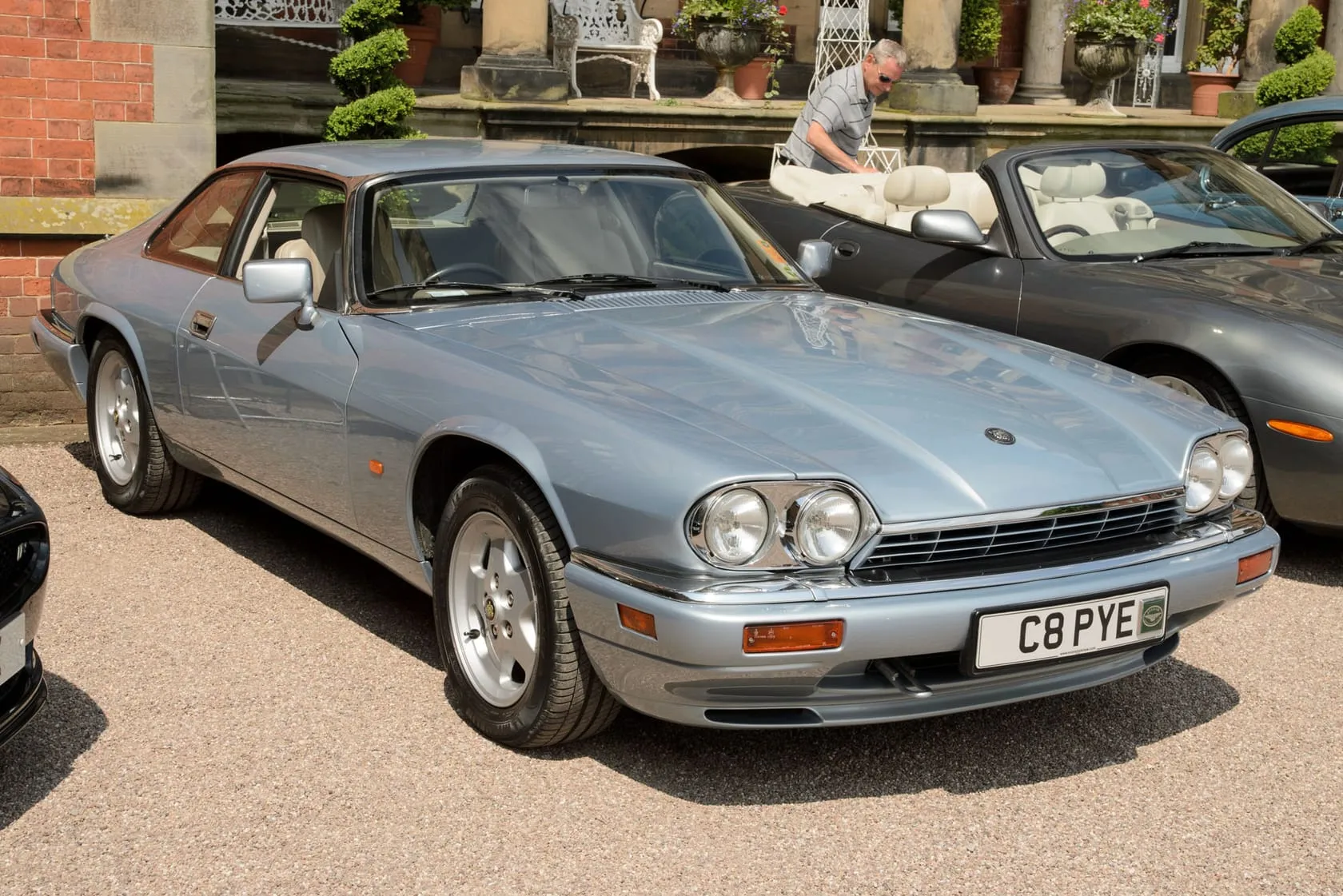
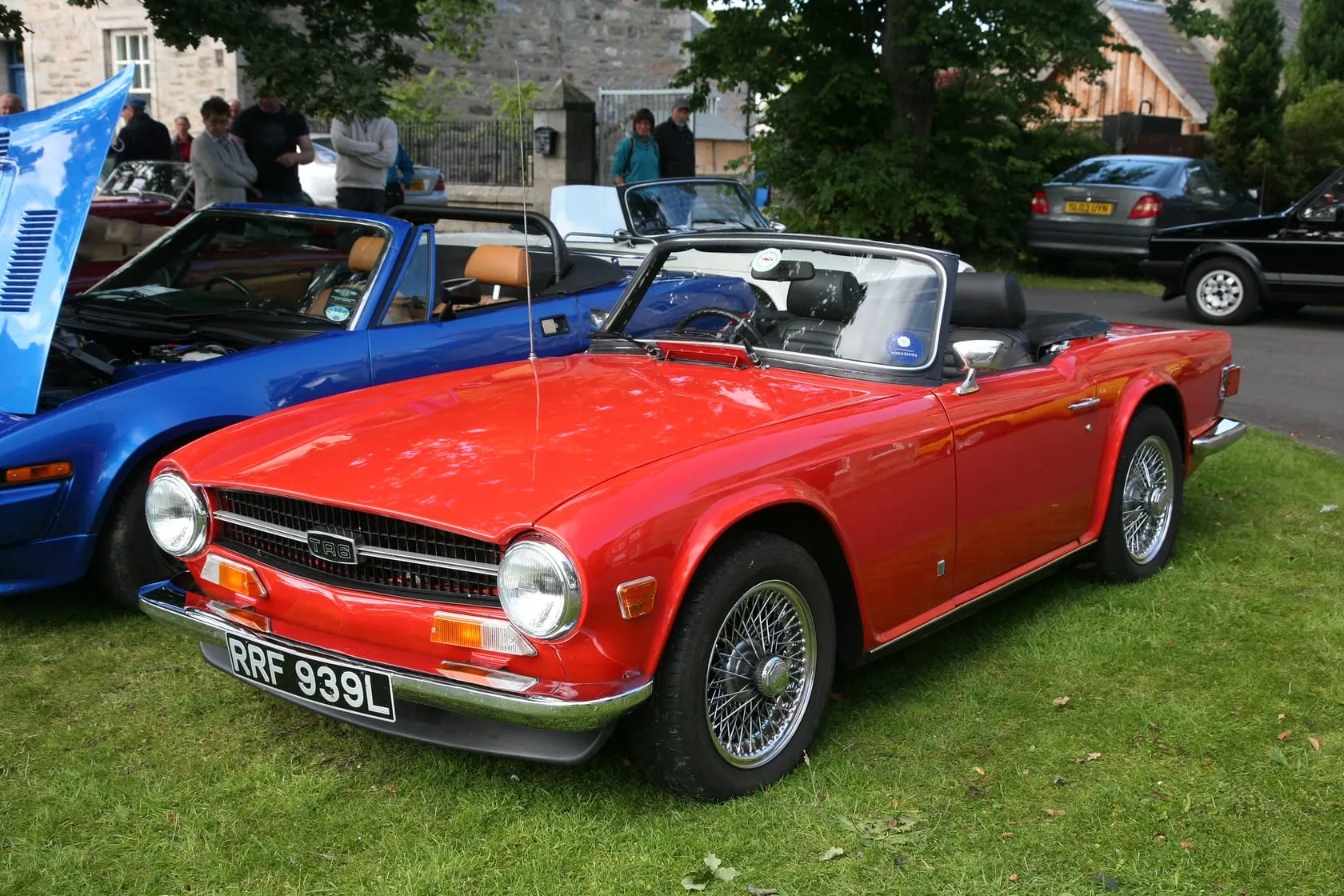
The Stag shares its showroom with the TR6, which sells for about half as much again, and its era with the Jaguar XJS, which sells for a little less; its rival in period was the Mercedes SL, which sells for several times more. For the decade, see British classic cars of the 1970s. For how all the figures on this site are compiled, see what classic cars sell for.