Triumph GT6 values: the early cars lead the common one, and half the money gone since 2021
The scarce Mk I and Mk II sell above the far more numerous Mk III. Triumph GT6 prices from 215 recorded auction sales, what the swing-axle question does to a price, and why the six-cylinder Spitfire has given up half its real value since 2021.
Built 1966–1973
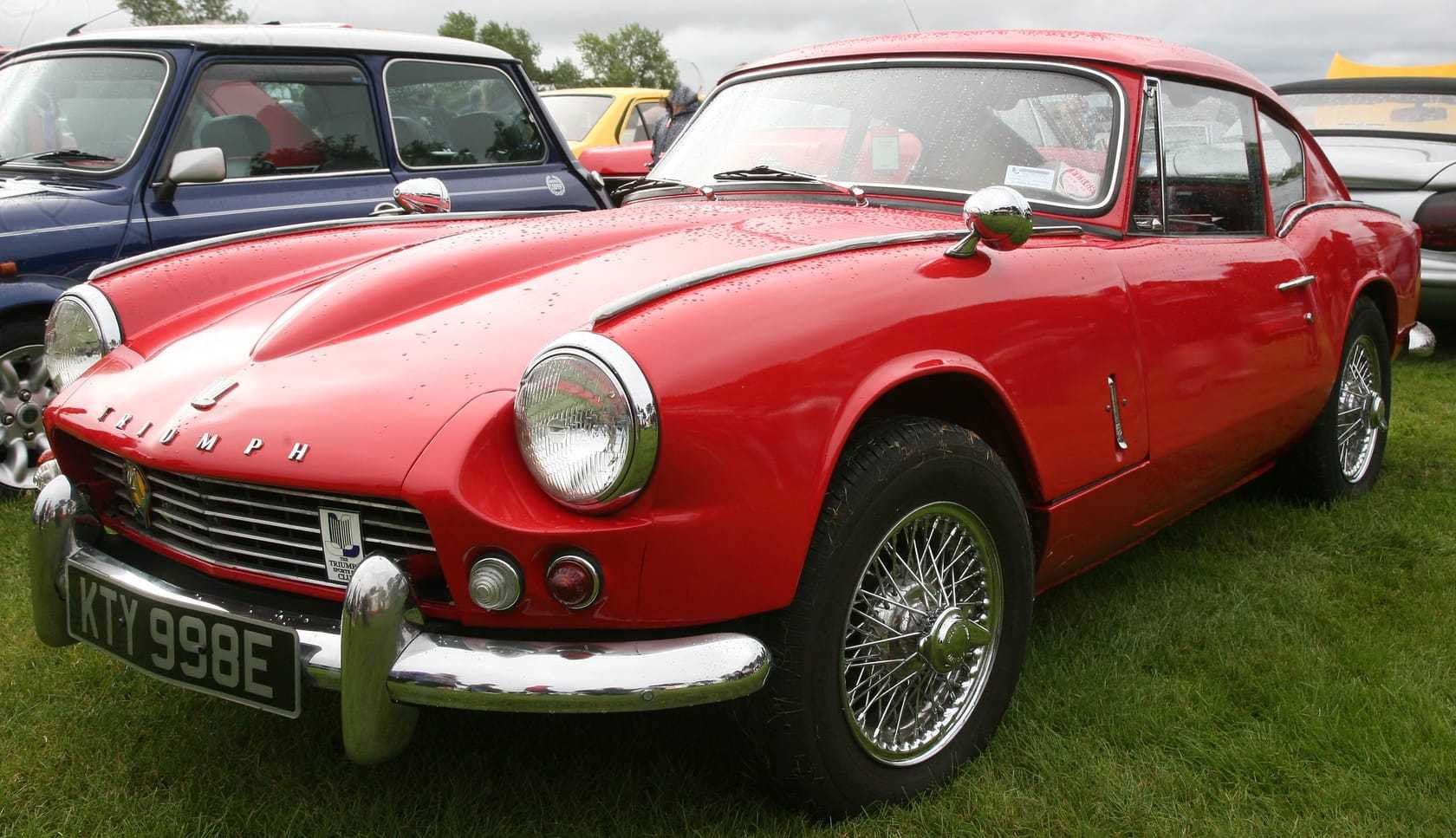
What the GT6 sells for at auction
In 2025 the median GT6 sold for £10,358 across 26 sales, much where it was in 2024. In real terms, typical GT6 prices were down about 36% over the five years to 2025, once inflation is accounted for.
| Variant | Sold | Typical range | Median |
|---|---|---|---|
| GT6 Mk III | 142 | £7,366 - £16,672 | £10,692 |
| GT6 Mk I | 34 | £11,041 - £19,268 | £13,909 |
| GT6 Mk II | 33 | £8,239 - £18,400 | £13,590 |
Show the year-by-year mediansHide the year-by-year medians
| Year | Sold | Median | In 2025 money |
|---|---|---|---|
| 2026 (so far) | 15 | £9,720 | |
| 2025 | 26 | £10,358 | £10,358 |
| 2024 | 26 | £10,202 | £10,594 |
| 2023 | 29 | £16,417 | £17,617 |
| 2022 | 23 | £12,982 | £14,867 |
| 2021 | 24 | £15,634 | £19,332 |
| 2020 | 20 | £12,756 | £16,165 |
| 2019 | 10 | £13,026 | £16,676 |
| 2018 | 7 | £14,350 | £18,682 |
| 2017 | 7 | £11,385 | £15,165 |
| 2016 | 7 | £11,211 | £15,318 |
| 2015 | 9 | £8,438 | £11,644 |
- £8,800GT6 Mk III
- £26,952GT6 Mk III
- £27,000GT6 Mk I
- £8,720GT6
- £11,232GT6 Mk III
Strong evidence. 215 recorded sales and a dozen or more a year: the median and the range are well founded. Based on 215 sold results from public classic car auctions (2004 to 10 August 2026). Sold prices, not asking prices, and not a valuation: condition, history and specification vary from car to car. Inflation-adjusted figures use the ONS CPIH index, in 2025 money.
The GT6 is the Spitfire with a straight six under a bulged bonnet, and the sale rooms treat it as the serious end of small Triumph ownership. Triumph GT6 values sit at a median of £11,385 across 215 recorded sales since 2004, with the middle half between £8,302 and £17,359. Four in five cars offered find a buyer and the spread runs from £1,242 to £49,801. The interesting part is not the headline but the order of the three marks, which is the opposite of what production numbers would suggest.
The Triumph GT6 guide covers the three marks, the swing-axle story and what to check before buying one. This page is about the money, and about a market that has given back most of a very good three years.
The scarce ones lead, and the common one carries the record
The Mk I sits at £13,909 at the median across 34 recorded sales, the Mk II at £13,590 across 33, and the Mk III at £10,692 across 142. So the two early cars sell about £3,000 above the later one, and between them they make up under a third of the record.
That is scarcity pricing, and it is worth reading carefully before acting on it. The Mk III is not the worse car. It has the restyled, Stag-influenced tail, and the later ones carry the revised rear suspension that answered the swing-axle criticism the Mk I earned. It is cheaper because there are more of them, and because collectors want the original shape. For a buyer who intends to drive rather than collect, that leaves the Mk III as both the better-sorted car and the cheaper one, which does not happen often in this hobby.
The Mk II is the quiet value in the table. It has the improved rear suspension and the Mk I’s cleaner lines, sells within £300 of a Mk I at the median, and produced the highest single sale in the record at £49,801.

Half the money gone since 2021
The chart runs £15,634 in 2021, £12,982 in 2022, £16,417 in 2023, £10,202 in 2024 and £10,358 in 2025, with 2026 at about £9,720 so far. Restated in today’s money the same run reads £19,332, £14,867, £17,617, £10,594 and £10,358, so the GT6 has lost close to half its real value in five years.
The GT6 rose hard in the 2020 to 2023 stretch when every affordable British sports car did, and it has given back more of that rise than most of its peers. On about 26 recorded sales a year the individual years are noisy and the 2023 figure in particular sits oddly high against 2022 and 2024, so read the shape rather than any single point. The shape is a market that peaked, corrected, and has now been flat at the lower level for two years.

What moves the price of a GT6
Structure, as always with a Triumph on a separate chassis, but with a particular list. The chassis outriggers and the bulkhead, the sills, the floors and the front valance are where the money goes, and on a car worth £11,000 at the median a chassis repair is a substantial fraction of the whole. The six is durable and the parts supply, shared with the Spitfire and the Vitesse, is among the best of any British classic, which means mechanical condition moves the price far less than body condition.
After that it is originality and specification. Overdrive adds real money, wire wheels and an original colour help, and a Mk I with its smooth bonnet and correct trim sits at the top of its range. A car converted from swing axles or fitted with a later rear end is worth what it is as an engineered car rather than as an original one, and the market prices the quality of the work rather than the idea of it.
Where GT6s change hands
The GT6 is a British car with an American tail. The regional and specialist British sale rooms carry the volume and the middle of the market, and the summer of 2026 shows the range: a Mk3 at £8,800 and another at £11,232 in Britain, against a Mk3 at £26,952 and a Mk I at £27,000 on the American online platforms in the same weeks. That split is the single most useful thing in the record for a seller: the best cars make substantially more across the Atlantic, and the ordinary ones do not travel. Competition cars trade outside this record entirely, on eligibility papers and history. Whether a recorded price includes the buyer’s premium varies by sale, which is one more reason to read the usual range rather than any single result.

Insuring, restoring, selling
For an agreed-value policy a good Mk3 belongs around £12,000 to £16,000 and a sorted Mk I or Mk II above that, with the median a poor guide because it mixes projects with restored cars. On restoration the arithmetic is the familiar one: a chassis and body rebuild costs more than the finished car makes, so buy structure and accept a tired interior. If you are selling a genuinely good car, the American platforms are where the £27,000 results in this record came from, and the difference is large enough to be worth the shipping quote.
Related
The GT6 is the six-cylinder Spitfire, which sells for about half as much, and shares its chassis with the Vitesse; the TR6 is the bigger, more expensive Triumph six above it. For the period, see British classic cars of the 1960s and 1970s. For how all the figures on this site are compiled, see what classic cars sell for.
Frequently asked questions
How much is a Triumph GT6 worth?
Which Triumph GT6 is worth the most?
Why is the Mk III GT6 cheaper than the earlier cars?
Are Triumph GT6 prices falling?
Is a GT6 a better buy than a Spitfire?
What is the most expensive GT6 ever sold at auction?
How often does a GT6 come up for sale?
Related across themes
More Triumph values

Triumph Spitfire values: Mk1 and Mk2 at nearly double the 1500, the Mk3 between, and the cheapest open Triumph there is

Triumph Stag values: Mk2 over Mk1, manual level with automatic, the original-engine premium, and a market down by half

Triumph TR3 values: TR3B over TR3A over TR3, the works cars apart, and a market back to 2010 prices


