Ford Fiesta Mk2: the facelift that kept Ford's small car selling (1983–1989)
The Fiesta Mk2 of 1983 was a careful facelift of the original, with new CVH engines, the first diesel Fiesta, a five-speed gearbox, the CTX automatic and a bodykitted XR2. The range from Popular to Ghia, the special editions, what rots and gets stolen, and Mk2 prices at auction.
Built 1983–1989 99 recorded sales
At a glance
- Years
- 1983–1989
- Body styles
- Three-door hatchback, three-door van
- Drivetrain
- Front-wheel drive
- Engines
- 957cc and 1.1 Valencia; 1.3, 1.4 and 1.6 CVH; 1.6 diesel
- Power
- About 44 hp in the 957cc car to 96 bhp in the XR2
- Trim levels
- Popular, Popular Plus, L, Ghia, 1.4S, XR2; Dash, Finesse, Holiday, Firefly, Festival and Bonus special editions
- Production
- Over two million Mk2s; Britain's second best-selling car in 1987
- Assembly
- Dagenham, Valencia, Cologne and Saarlouis
- UK survivors
- No reliable Mk2-only count; the DVLA's Fiesta sub-model names mix generations
- Values
- Around £6,500 median at auction; ordinary Fiestas near £2,600, XR2s near £10,000
The models
The original Fiesta had sold in millions by 1983, and Ford did not need to start again. It needed to keep the car ahead of the Austin Metro and the Vauxhall Nova while it planned a replacement. The Mk2, on sale in the late summer of 1983, did that with a new face, a range of new engines and, from 1984, a bodykitted XR2 that defined the small hot Ford for a generation.
A facelift, not a new car
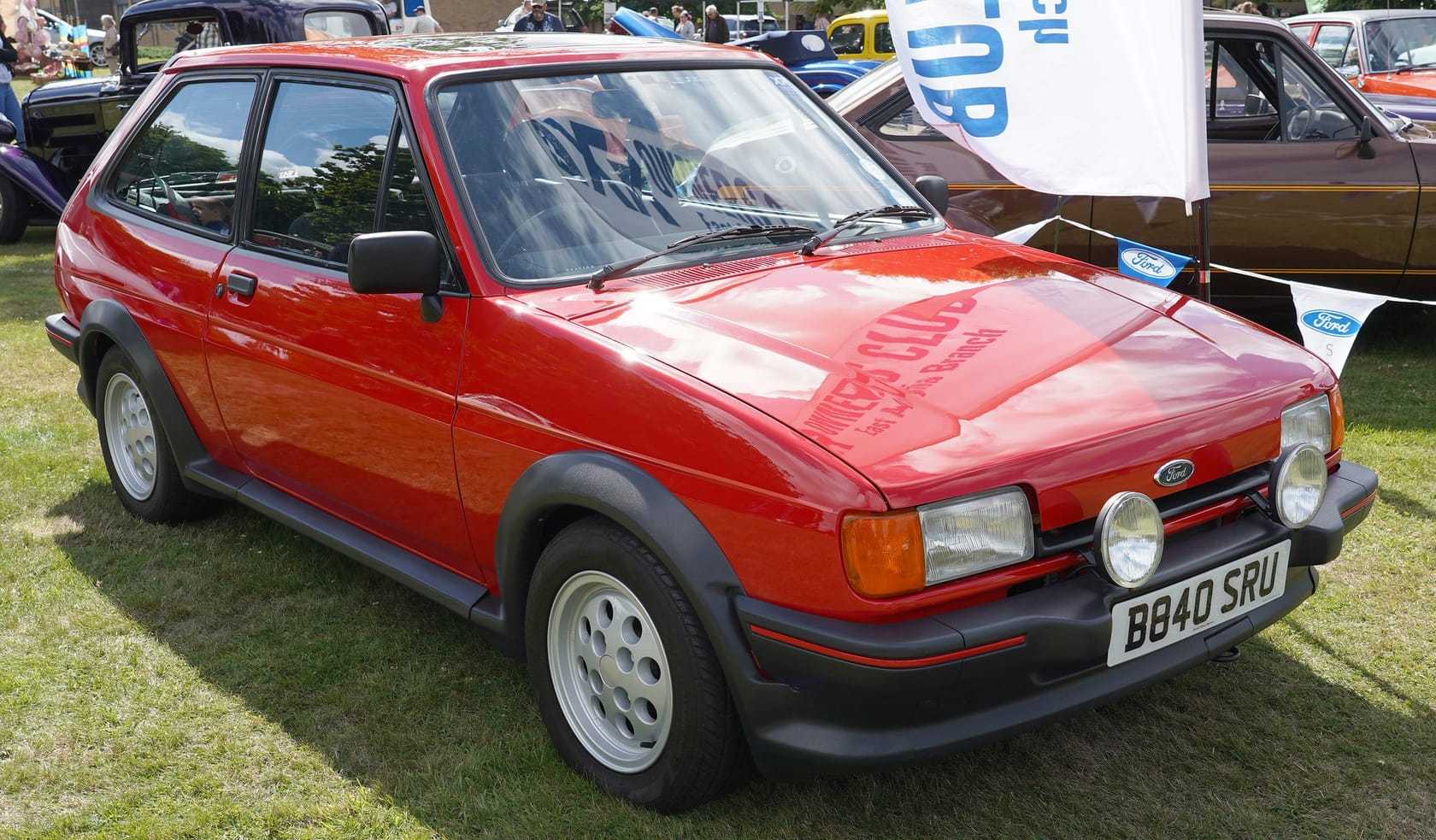
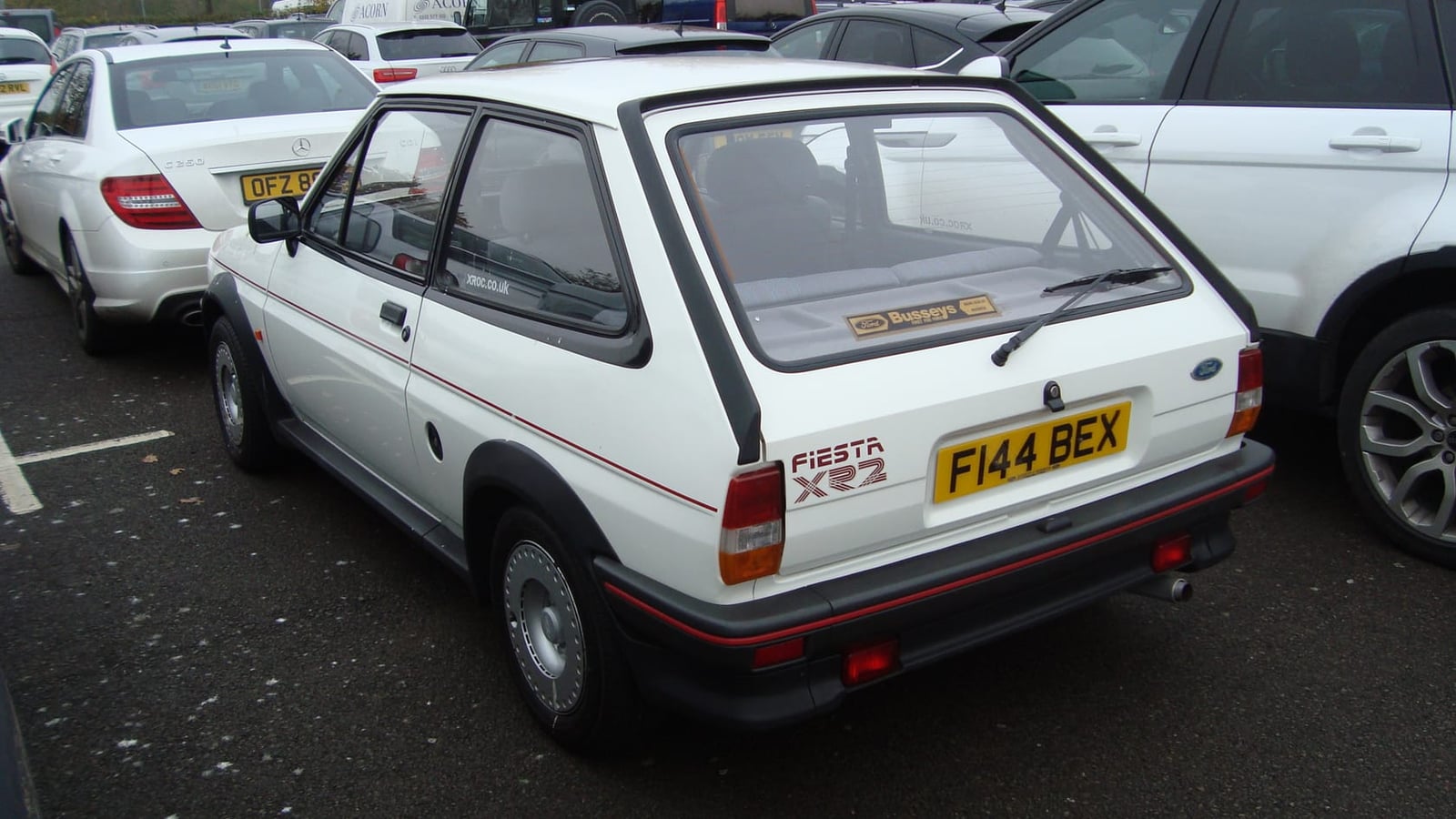
The Mk2 sat on the same platform as the Fiesta Mk1, and enthusiasts still argue about whether it deserves its own number. What changed was everything you looked at. Wraparound headlamps, a lower nose, new rear lights with reversing lamps and a standard rear fog lamp, a new tailgate and a new dashboard all arrived at once, and the drag coefficient fell slightly to 0.40.
Under the skin, the front track grew by 33mm to make room for a five-speed gearbox and the taller CVH engine, which is also why the bonnet line is fuller than before, and the steering and front brakes came from the Escort. The car was built at Dagenham, at Valencia in Spain and at Cologne and Saarlouis in Germany, as a three-door hatchback and a three-door van.

From Valencia to CVH
The launch engines were the 957cc and 1,117cc Valencia units, pushrod fours descended from the Kent, at about 44 and 50 horsepower. The modern overhead-cam CVH followed in 1984 as a 1.3 on the L and Ghia, with the new five-speed gearbox, and in early 1986 a lean-burn 1.4 at 74 horsepower replaced it. From 1986 the CVH engines were prepared to run on unleaded fuel.
The 1984 range also brought the first diesel Fiesta, a 1.6 at around 54 horsepower, offered on the Popular Plus and L. It was noisy and slow but cheap to run. In May 1987 the CTX automatic arrived on the 1.1 L and Ghia, a continuously variable transmission developed by Ford with Fiat and Van Doorne. It added more than two seconds to the 0 to 60 mph time and around a tenth to the price, and sold in small numbers.

Popular to Ghia, and the specials
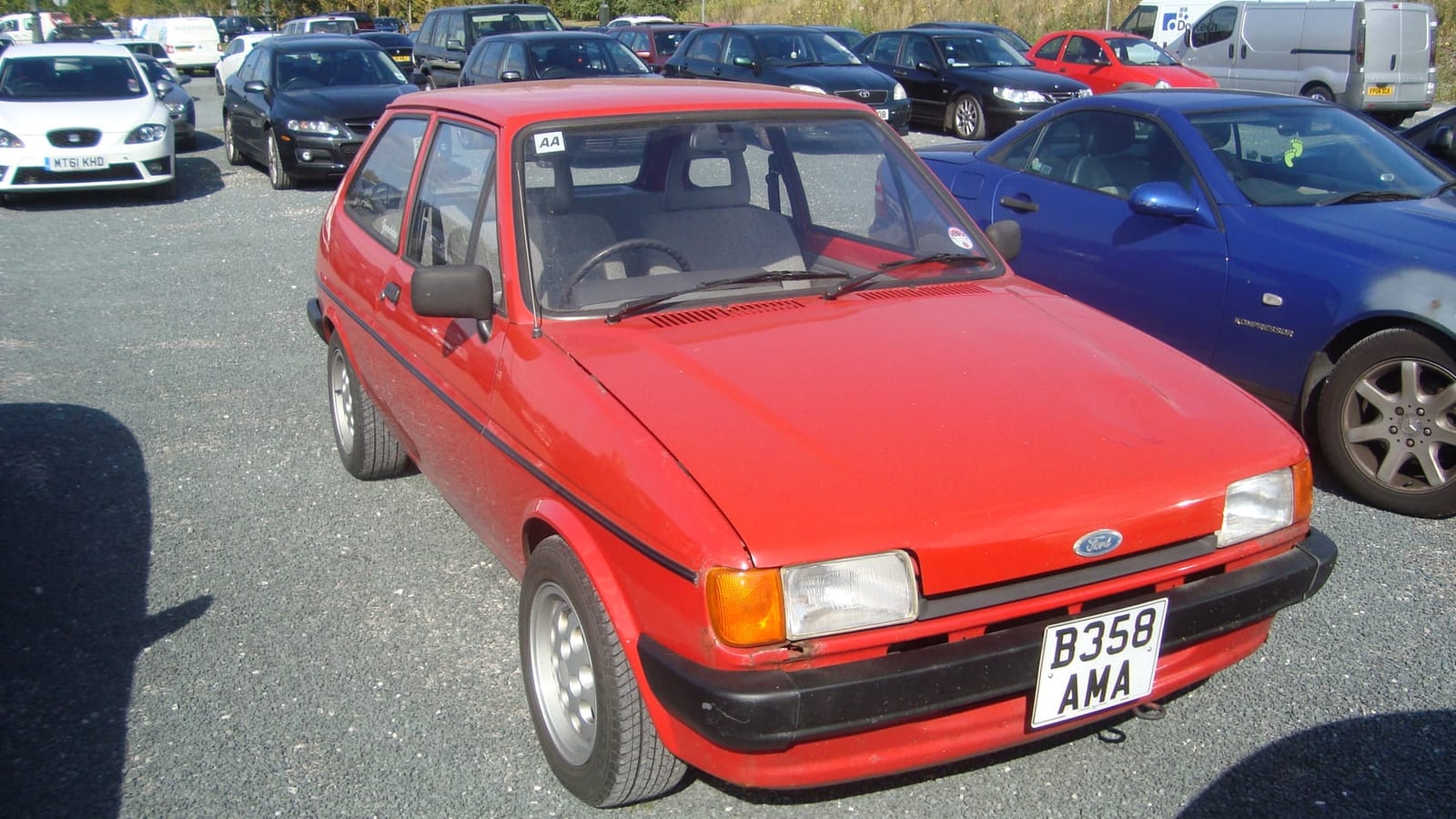
The trim ladder ran Popular, Popular Plus, L and Ghia. The Popular was as basic as a new car got in the 1980s: the 957cc engine, a four-speed gearbox, no passenger door mirror and no rear wiper unless you paid extra. The Ghia added the comforts, and the 1.4S packaged the lean-burn 1.4 with a sunroof, spotlights, a sports steering wheel and stripes.
Ford also ran a long series of time-limited special editions to keep showroom traffic moving, among them the Dash, the Finesse, the Holiday, the Firefly, the Festival and the Bonus. Those names still turn up on DVLA records and in the classifieds, and collectors of ordinary 1980s cars now seek them out.

The Mk2 XR2
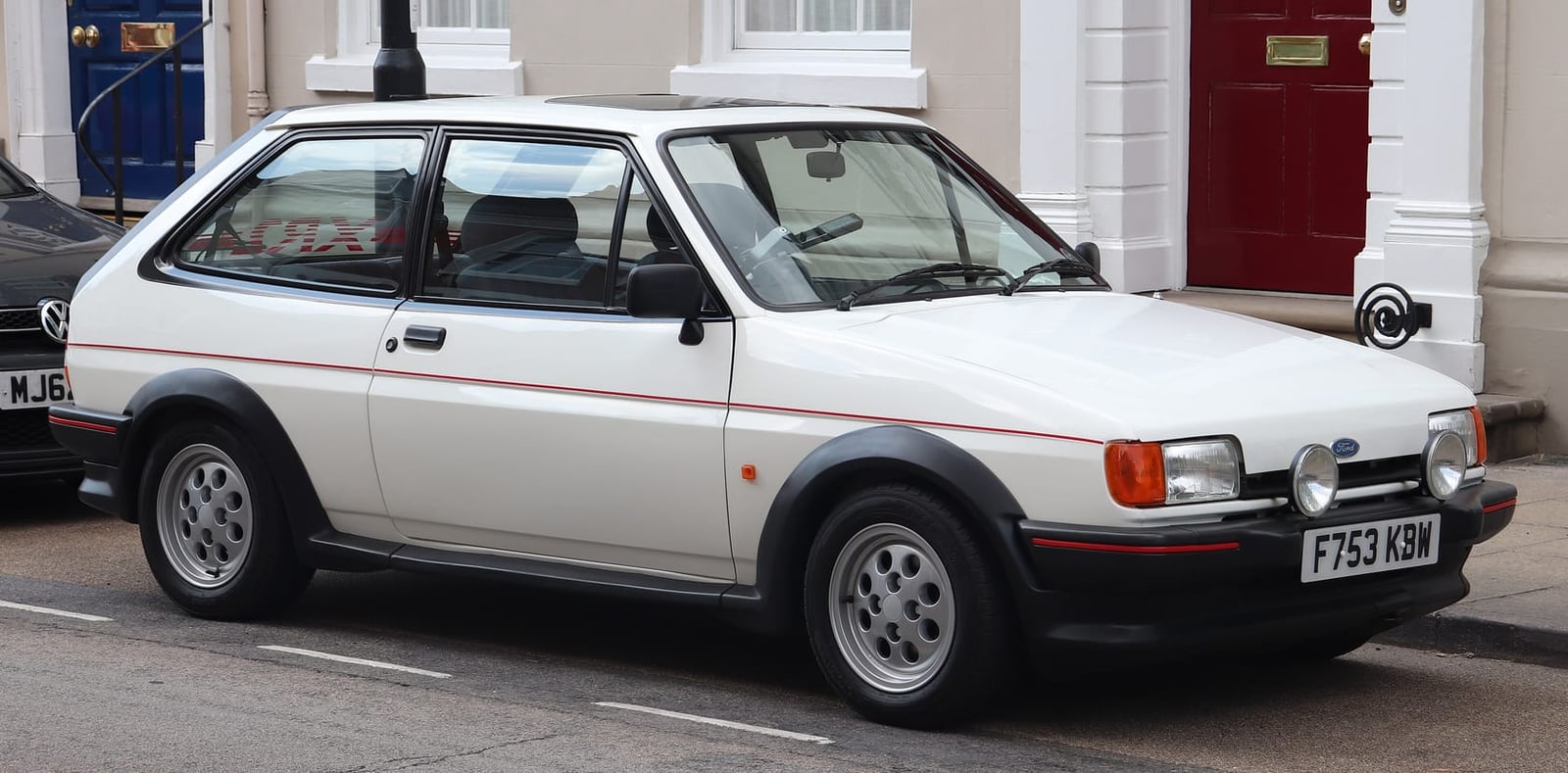
The XR2 returned in 1984 with the 1.6 CVH from the Escort XR3, running on a single carburettor at about 96 brake horsepower. Ford gave it bigger front and rear valances, wheel-arch extensions, side skirts and a rear spoiler, and the bodykit did more to set it apart than the engine did. Fuel injection stayed with the Escort XR3i. In November 1986 the XR2 moved to a lean-burn version of the engine, at much the same quoted power.
Ford claimed around 112 mph and a 0 to 60 mph time in the high eights, though independent tests did not always match it. Looking back in 2008, Auto Express found it dated but fun, with a stiff ride and a firm brake pedal, and much cheaper than a Golf GTI if rather slower.

Britain’s small car
The Mk2 was a fixture near the top of the British sales charts. Its best year was 1987, with more than 150,000 sold in Britain, second only to the Escort. Mk1 and Mk2 Fiestas together had passed 4.5 million by April 1989, when the bigger Mk3, the first Fiesta with five doors, took over. Most Mk2s were used hard as first cars, second cars and company runabouts, and scrapped without ceremony.

Buying a Fiesta Mk2 today
The owners’ guides agree on where to look. Rust starts in the rear arches and sills, and on an XR2 it hides behind the bodykit’s valances and skirts, so look underneath and lift what you can. The XR2’s other problem is identity. Many were stolen in period, and others have been reshelled or rebuilt, so check the chassis number against the V5C and the wheels and details against the build date before believing the badge.
CVH engines suffer from ageing ignition parts and carburettor problems that cause rough running; the pushrod Valencia engines are simpler. Pattern sills, wings, arches and panels are still made. The Fiesta Club of Great Britain and the XR Owners Club are the places to check a car, and the Project Bobcat register lists thousands of early Fiestas. There is no reliable count of Mk2s alone, because the DVLA’s sub-model names, such as XR2, Popular and Firefly, mix the generations.

Values: two markets in one
Ninety-nine recorded auction sales since 2016 put the Mk2 median near £6,500, with the middle half of the market between about £2,800 and £10,900 and nearly four cars in five offered actually selling. That average hides a split. Ordinary Fiestas sell at a median near £2,600, while sixty-two XR2s have sold at a median near £9,900. The record is £31,624 for an XR2 through Collecting Cars in June 2024.
More photos
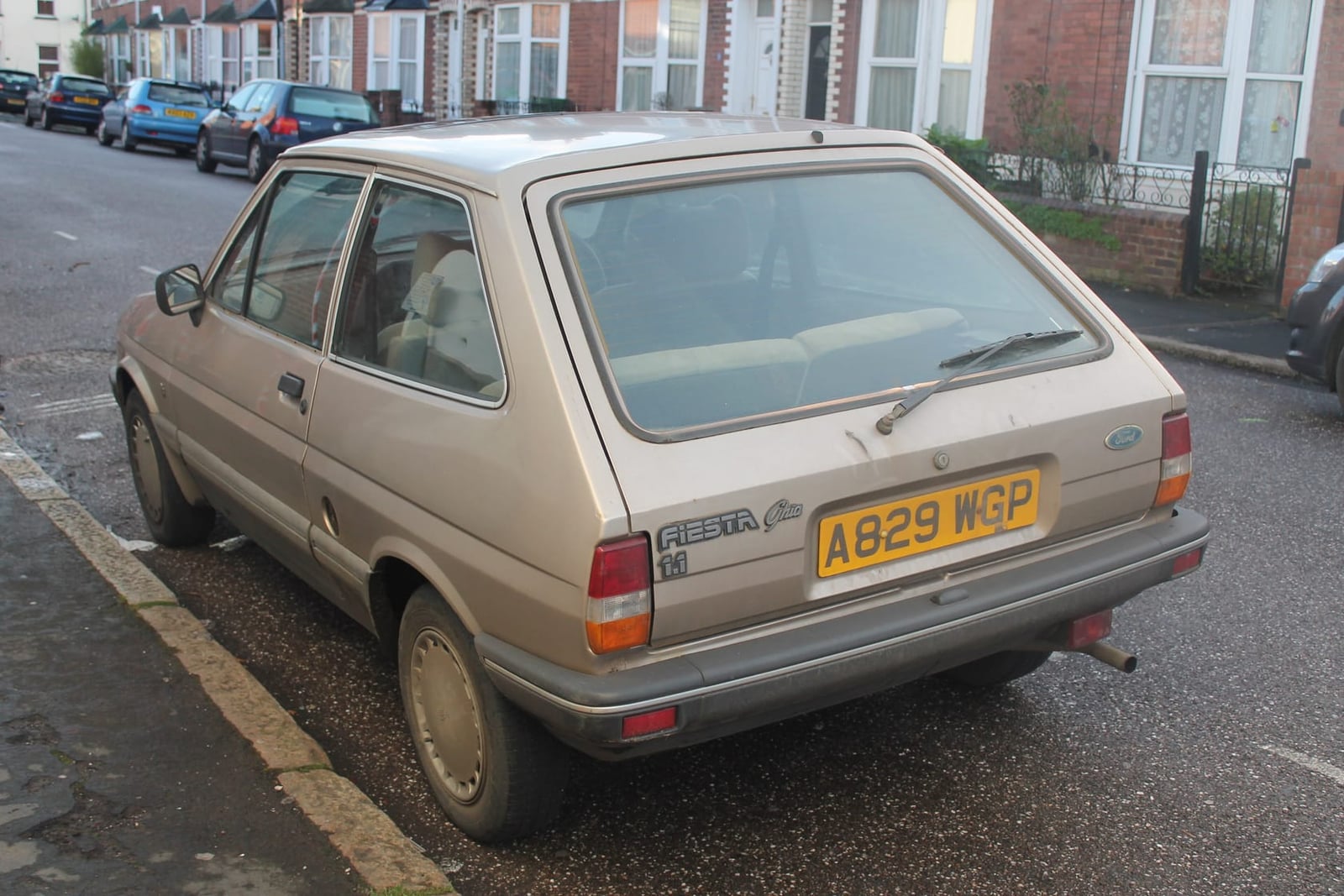
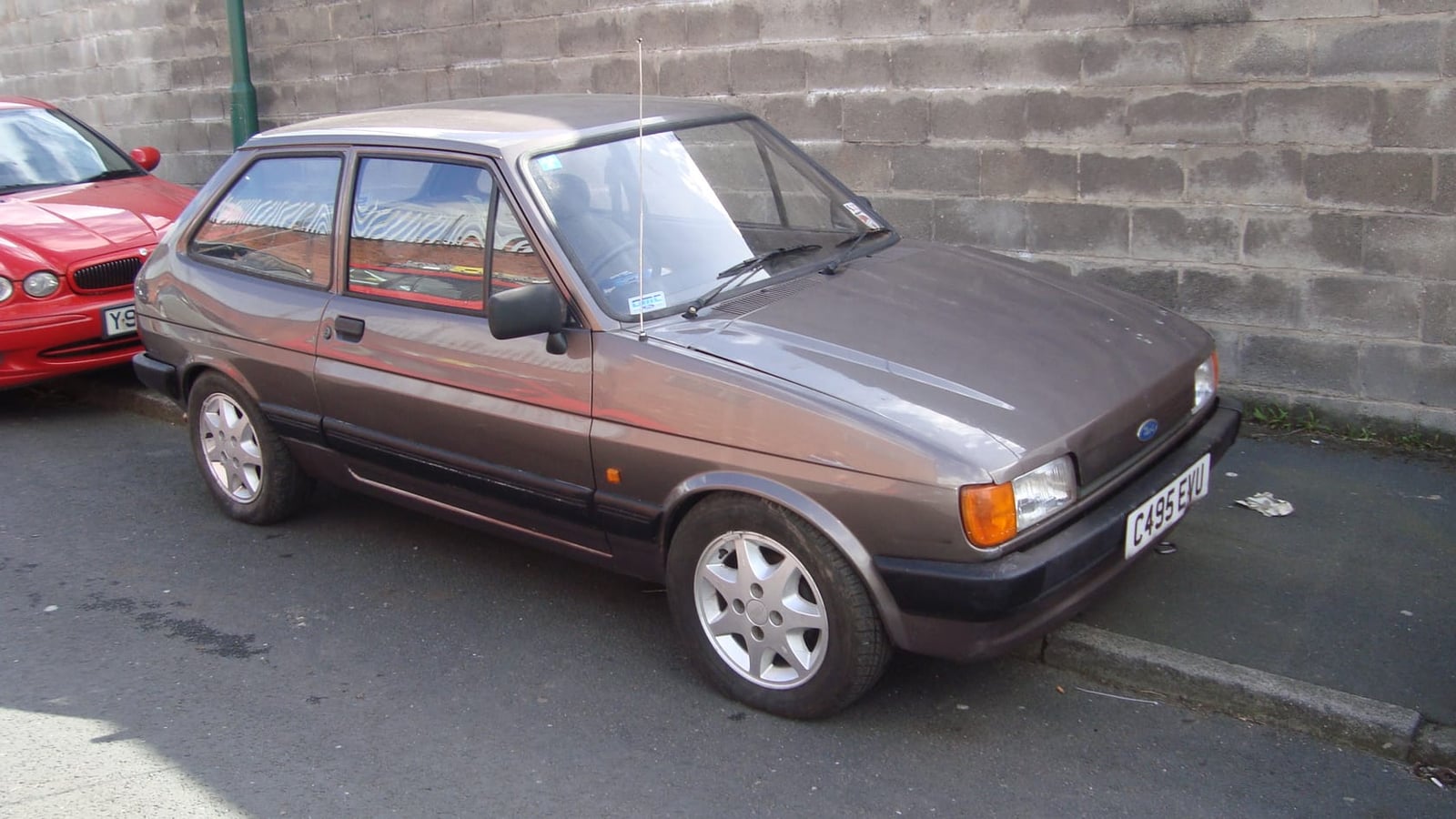
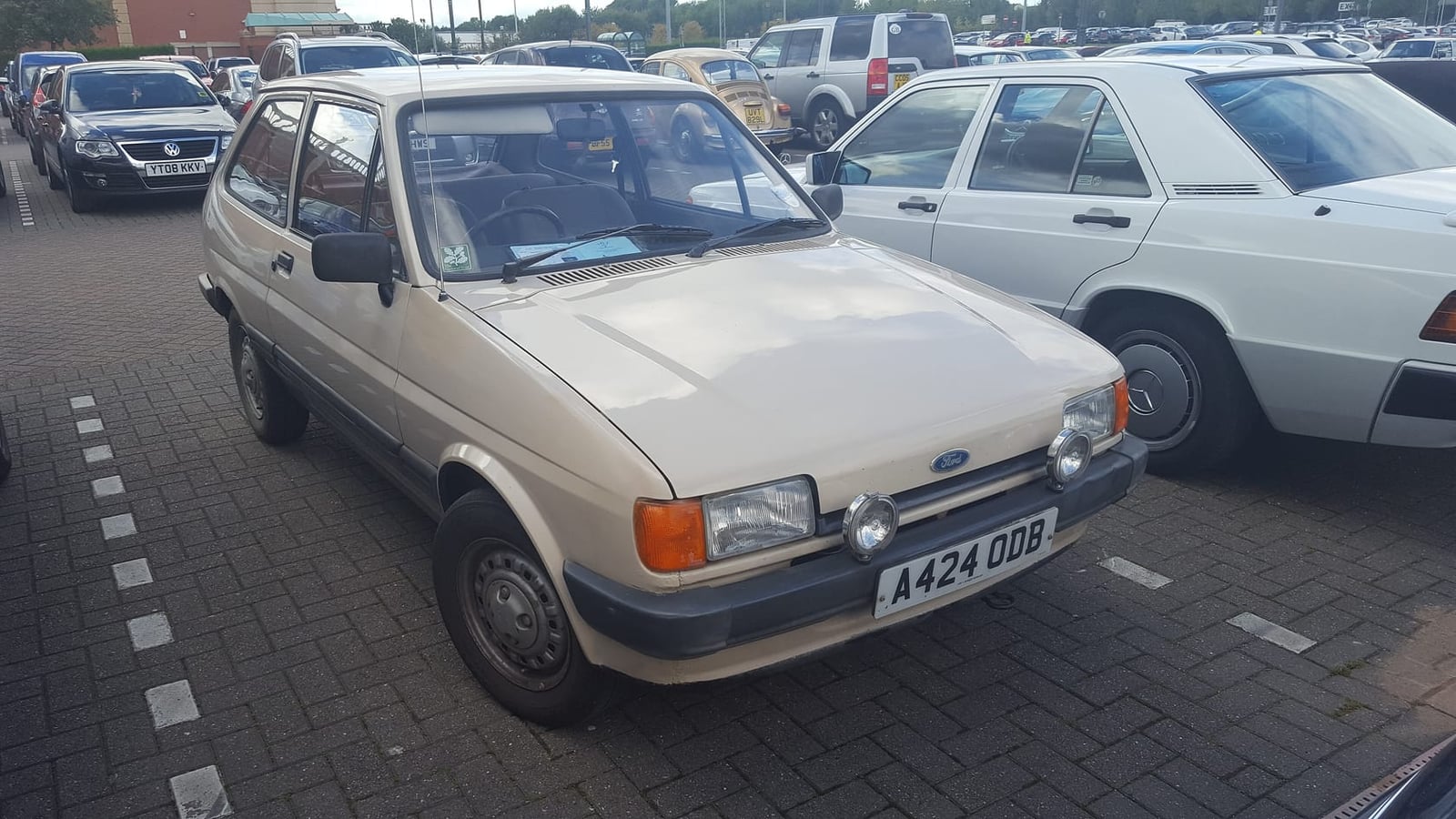
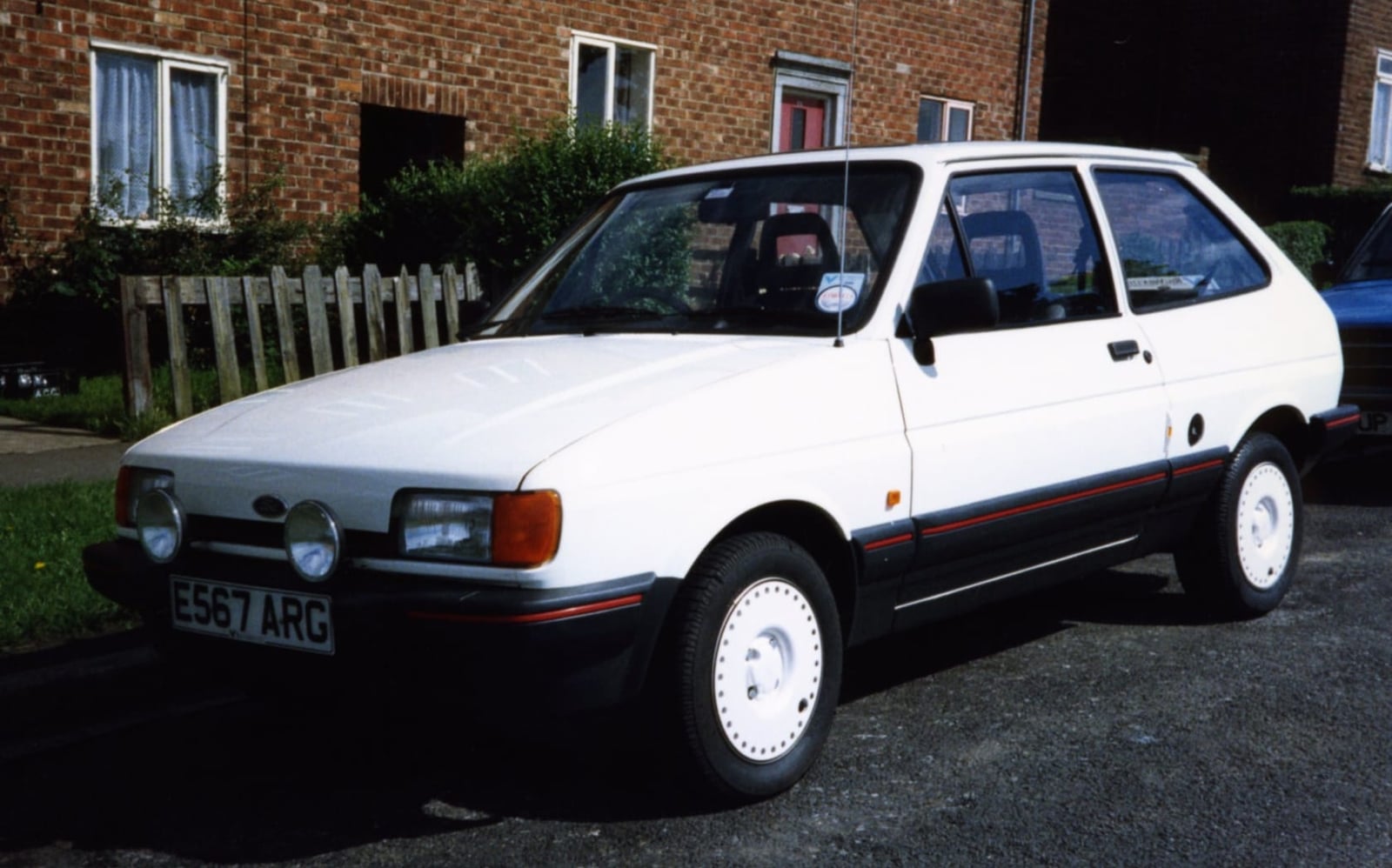
The Fiesta Mk2 in dates
- Late summer 1983The Mk2 arrives with a new front end, new rear lights and 957cc and 1.1 Valencia engines.
- 1984The 1.3 CVH, a five-speed gearbox, the first diesel Fiesta and the Mk2 XR2 join the range.
- 1986A lean-burn 1.4 CVH replaces the 1.3, the CVH engines are prepared for unleaded fuel, and the XR2 moves to the lean-burn 1.6 in November.
- May 1987The CTX continuously variable automatic arrives on the 1.1; 1987 is the Fiesta's best year in Britain, with over 150,000 sold.
- 1989The Mk3 replaces it.
Buying checklist: the Fiesta Mk2 in front of you
Bodywork
- Rear arches and sills, where owners' guides say rot starts
- On an XR2, lift the bodykit's edges where you can; rust hides behind the valances and skirts
Identity
- Check the chassis number against the V5C, and the wheels and details against the build date
- Many XR2s were stolen in period or have been reshelled, so the history matters as much as the condition
Engines
- CVH engines suffer from ageing ignition parts and carburettor problems that cause rough running
- The pushrod Valencia engines are simple and rarely give trouble
What the Fiesta Mk2 sells for at auction
In 2025 the median Fiesta Mk2 sold for £5,578 across 20 sales, 38% down on 2024.
| Variant | Sold | Typical range | Median |
|---|---|---|---|
| Fiesta XR2 | 62 | £6,596 - £13,415 | £9,914 |
| Fiesta | 37 | £1,951 - £3,960 | £2,600 |
Show the year-by-year mediansHide the year-by-year medians
| Year | Sold | Median | In 2025 money |
|---|---|---|---|
| 2026 (so far) | 10 | £7,667 | |
| 2025 | 20 | £5,578 | £5,578 |
| 2024 | 14 | £8,996 | £9,341 |
| 2023 | 21 | £5,300 | £5,687 |
| 2022 | 13 | £12,000 | £13,743 |
| 2021 | 7 | £2,312 | £2,859 |
| 2019 | 4 | £2,188 | £2,800 |
| 2018 | 3 | £3,410 | £4,439 |
| 2016 | 5 | £3,262 | £4,457 |
- £6,200Fiesta XR2
- £2,600Fiesta
- £9,538Fiesta XR2
- £9,000Fiesta XR2
- £9,828Fiesta XR2
Reasonable evidence. 99 recorded sales: enough for the range to mean something, though a few unusual cars can still move a single year's median. Based on 99 sold results from public classic car auctions (2016 to 10 August 2026). Sold prices, not asking prices, and not a valuation: condition, history and specification vary from car to car. Inflation-adjusted figures use the ONS CPIH index, in 2025 money.
Frequently asked questions
How much is a Ford Fiesta Mk2 worth?
Is the Fiesta Mk2 a different car from the Mk1?
Was the Mk2 Fiesta XR2 fuel injected?
When was the Ford Fiesta Mk2 made?
Did the Fiesta Mk2 have a diesel or an automatic?
What is the most expensive Fiesta Mk2 ever sold at auction?
How often does a Fiesta Mk2 come up for sale?
Related across themes
More from Ford

Ford Mondeo ST220: the last great fast Ford saloon, and the ST200 before it (1999–2007)

Ford Focus RS: Mk1, Mk2 and Mk3, the RS500, and the ST170 that came first (2002–2018)

Ford Cortina: Britain's best-selling car of the 1960s and 70s (1962–1982)

Ford Granada: the executive Ford from The Sweeney to Cosworth (1972–1994)
Recently added

What a MINI Cooper S R53 sells for, with the Works cars at twice the money

Ford Capri Mk3: four headlamps and eight more years (1978–1986)

What a Jaguar XK8 or XKR sells for: below the XJS it replaced, and the cheapest it has ever been
