Ford Mondeo ST220: the last great fast Ford saloon, and the ST200 before it (1999–2007)
The Ford Mondeo ST220 put a 223 bhp 3.0 V6, a six-speed gearbox and Recaro seats into the Mk3 Mondeo and turned a rep's saloon into a car worth keeping. A guide to the ST220 and the Mk2 ST200 that preceded it, the saloon, hatchback and estate, the ST TDCi, what goes wrong, and what they are worth.
Built 1999–2007
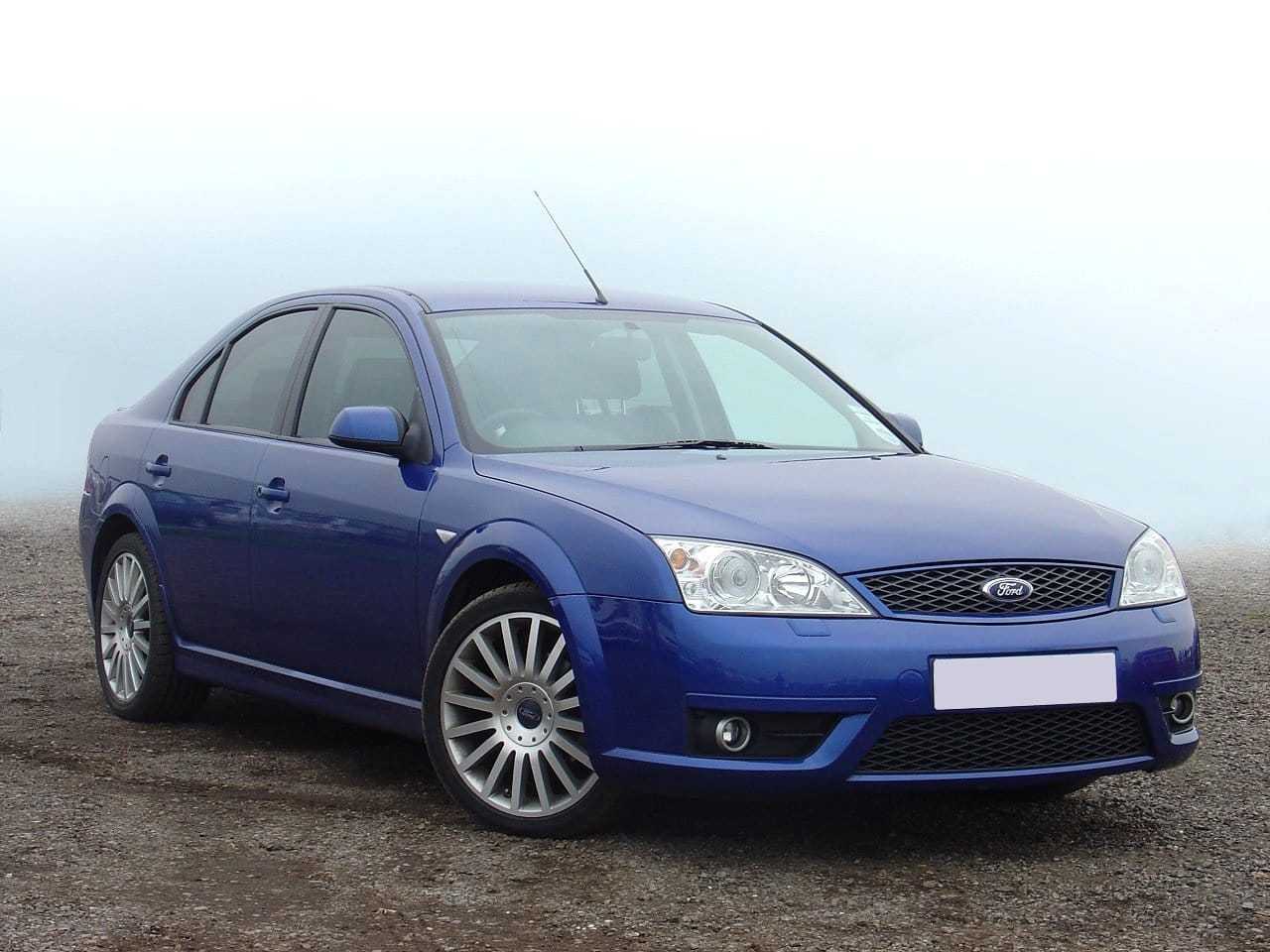
At a glance
- Years
- 2002–2007 (ST200: 1999–2000)
- Body styles
- Four-door saloon, five-door hatchback, estate
- Drivetrain
- Front engine, front-wheel drive
- Engines
- ST220: 2,967cc Duratec 30 V6, 24 valves; ST200: 2,544cc Duratec 25 V6
- Power
- ST220 223 bhp; ST200 202 bhp
- Top speed
- ST220 around 150 mph; ST200 143 mph
- Trim levels
- ST220 (2002), ST220 facelift (2005), ST TDCi (2.2 diesel, 2004); earlier ST24 and ST200
- Production
- Not published by Ford; UK numbers were small, and the estate the scarcest body
- Assembly
- Genk, Belgium
- Designer
- Ford of Europe; the ST programme from Ford's Special Vehicle Engineering
- Values
- Usable ST220s £2,500-£5,000; good cars £5,000-£8,000; the best low-mileage and facelift cars £9,000-£12,000; a good ST200 £4,000-£7,000
- The gearbox
- A six-speed manual, the first in a Mondeo, and the only transmission the ST220 came with
- The seats
- Recaro sports seats in every ST200 and ST220, the single most expensive thing to put right when worn
- Low-emission zones
- The petrol ST220 is Euro 4 and clears the London ULEZ; the ST TDCi diesel does not
The models
The fast Mondeo arrived late and left quietly, which is a large part of why it is interesting now. Ford had been building quick versions of its family saloons since the Lotus Cortina, and by the end of the 1990s the line ran from the RS Escorts through the Sierra RS Cosworth to the Escort Cosworth. The Mondeo, the car that replaced the Sierra in 1993, got its turn in 1999 with the ST200 and then properly in 2002 with the Mondeo ST220: a 3.0-litre V6, a six-speed gearbox, Recaro seats and a chassis the road testers of the day rated the best of any front-wheel-drive car its size. Ford never built another. The next fast Mondeo was a diesel, and after that there was no Mondeo at all.
That makes the ST220 the last of a long line, and the one that most people could afford new. It was a Ford company car with a performance badge, sold to reps and sales managers, driven hard, crashed, neglected and scrapped in the way all Mondeos were. The survivors are now a small fraction of the cars built, the ordinary Mk3 Mondeo has all but vanished from British roads, and a sound ST220 has become collectable by the usual route: nobody noticed until there were few left.
From the ST24 to the ST200
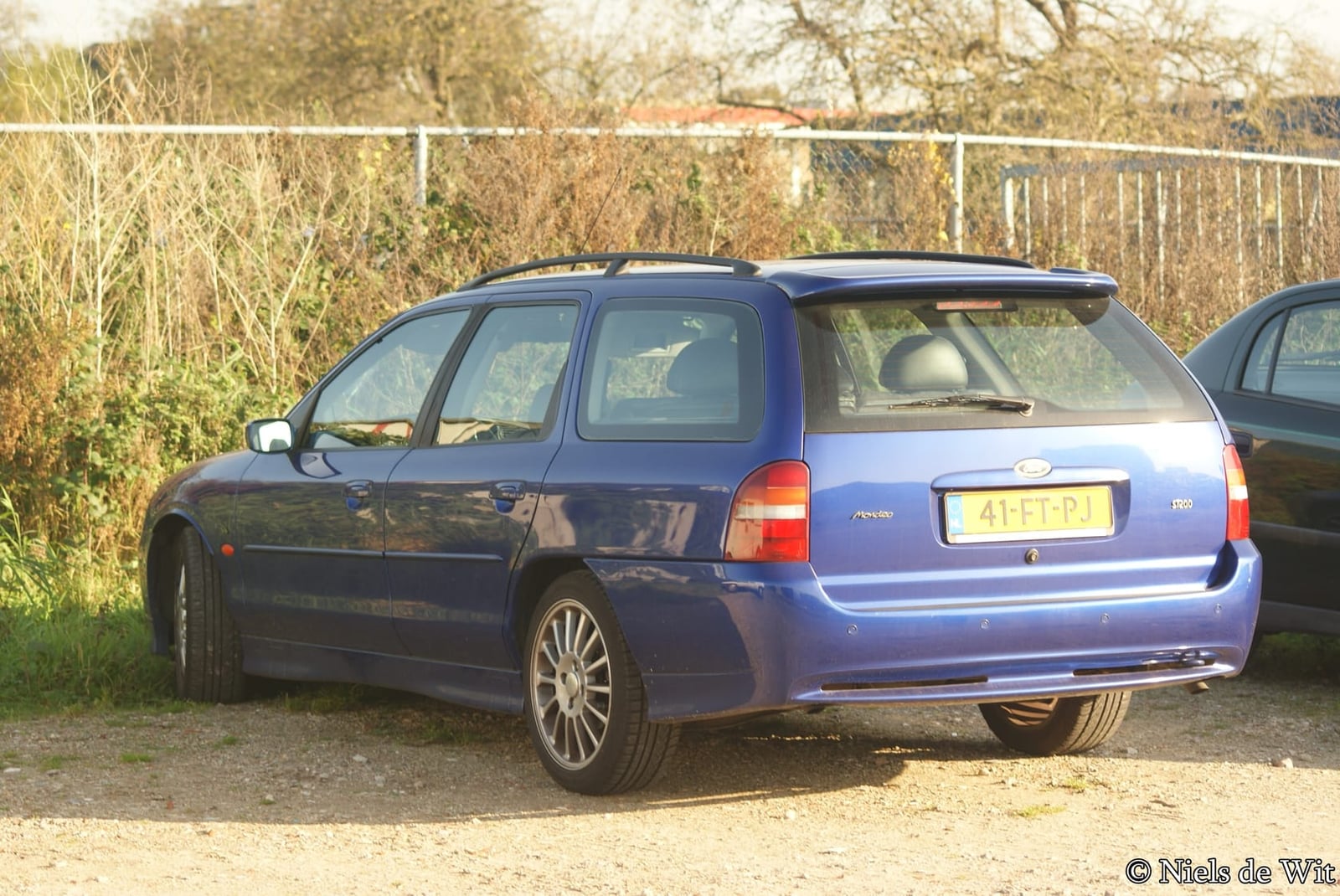
The first performance Mondeo was the ST24 of 1997, a Mk2 (the heavily revised car of late 1996) with the 2.5-litre Duratec V6 in its standard 168 bhp tune, a body kit and better seats. It was a warm car rather than a hot one. The ST200 that followed in 1999 was the real thing, developed with Ford’s Special Vehicle Engineering arm: the V6 reworked to 202 bhp with new cams, manifolds and a freer exhaust, a five-speed gearbox, Recaro seats, 17-inch wheels and a deeper body kit, sold in the UK in Imperial Blue. It was available as a hatchback, a saloon and an estate, and it was quick, with 0-60 mph in about 7.5 seconds and 143 mph flat out.
The ST200 lasted only until the Mk2 was replaced in late 2000, and sold in small numbers, with the estate the scarcest of the three. It has the rawer character of the two fast Mondeos, a slightly peaky engine and the older car’s lighter feel, and it is the one with the worst reputation for the pre-catalyst failures that afflicted the 2.5 V6, which matters when buying (see below). Values overlap the ST220’s, with the best estates above a good ST220 hatch.

The ST220: a 3.0 V6, six speeds and Recaros
The Mk3 Mondeo of 2000 was a much better car than the Mk2, bigger, stiffer and with a chassis that was praised from the day it was launched. The ST220 arrived in the spring of 2002 to put an engine under that reputation. The 2,967cc Duratec 30 V6 made 223 bhp at 6,150 rpm, driving the front wheels through a six-speed manual gearbox, the first six-speed in a Mondeo and the only transmission offered. Ford quoted 0-62 mph in 6.8 seconds and a top speed of around 150 mph, which put it ahead of the Vauxhall Vectra GSi and level with far more expensive German saloons.
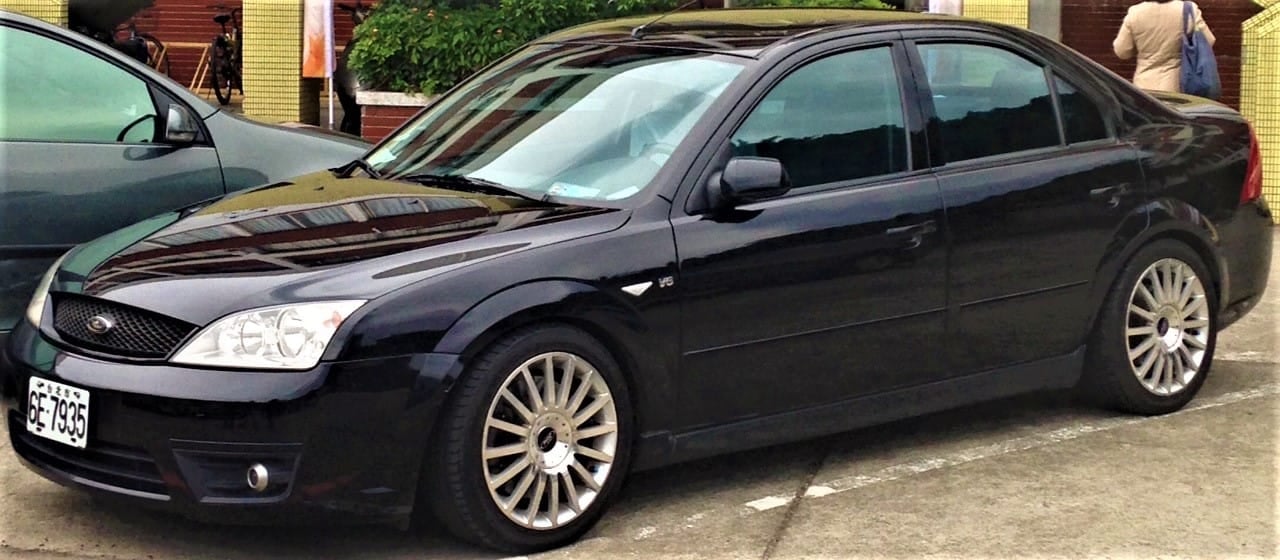
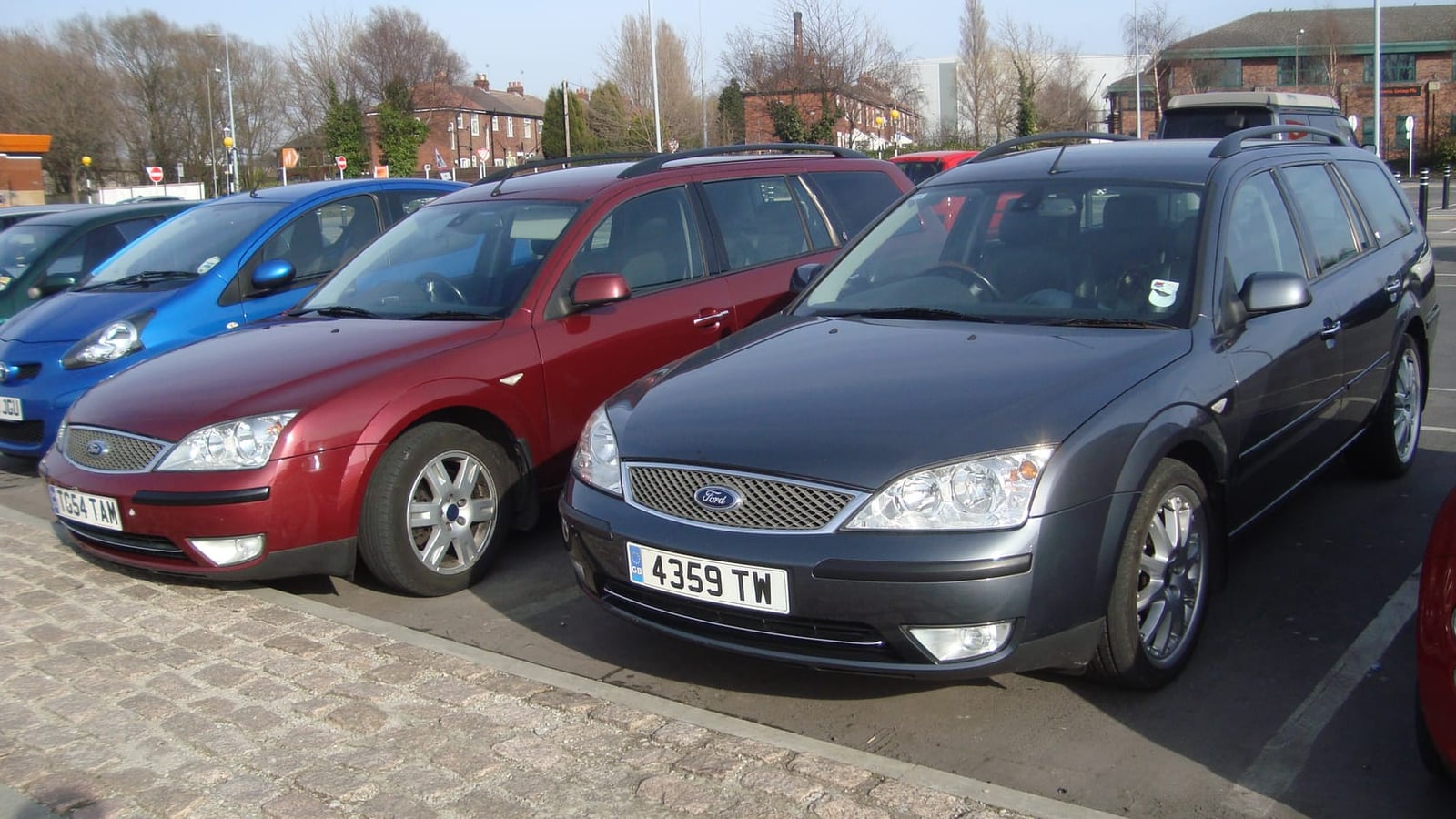
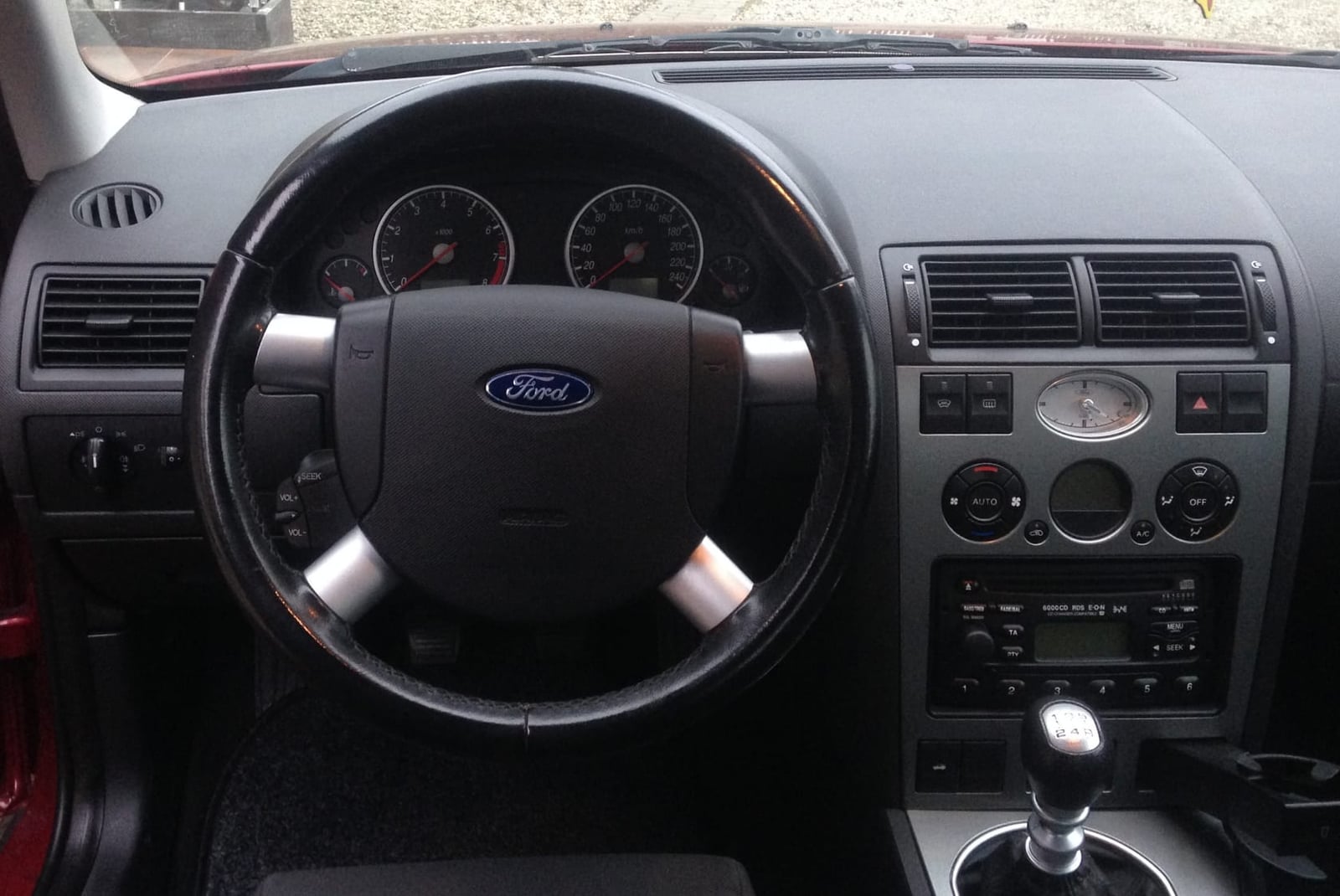
The rest of the package was thorough. The suspension was lowered and stiffened, the brakes enlarged, and the car sat on 18-inch multi-spoke alloys under a unique front bumper, side skirts, a rear apron and twin exhausts. Inside were Recaro leather-trimmed sports seats, white-faced dials on the early cars, and alloy-effect trim. All three bodies were offered: the five-door hatchback, which sold in the greatest numbers in Britain, the four-door saloon and the estate, the last of these the scarcest new and the most sought after now.
Two later changes matter to a buyer. In 2004 the ST TDCi joined the range: the same body, wheels and Recaros around the 2.2-litre Duratorq diesel with 153 bhp and a great deal of torque, the choice of high-mileage drivers then and a far cheaper car to run now, though not one that can enter a low-emission zone without paying. And the whole Mondeo range was revised twice, in 2003 and again in 2005, each time with a new nose, lights and interior details; the late ST220s of 2005 to 2007 are the most developed cars and, being the youngest, the ones most likely to have survived in good order.

What it is like to drive and own
The ST220 is a big, heavy, front-wheel-drive saloon, and the remarkable thing is how little that matters. The Mk3’s chassis was Ford’s best of the period, and the ST version steers with real precision, rides better than its 18-inch wheels suggest and resists understeer far longer than a V6 over the front axle has any right to. The engine is smooth rather than dramatic, with a hard edge above 5,000 rpm, and the gearbox is slick if a little long in its throw. It is a car for covering a hundred miles of A-road quickly and arriving unruffled, which is exactly what it was built for.
Ownership is ordinary-car ownership with a few fast-car bills. Fuel economy sits in the mid-twenties, the 18-inch tyres are not cheap, and because the car was registered after March 2001 its tax is set by its carbon dioxide figure, which puts it in one of the highest bands, several hundred pounds a year. Against that, it is a Mondeo: parts are plentiful and inexpensive, any garage can work on it, and the owners’ forums have documented every fault it has. The petrol car meets Euro 4 and clears the London ULEZ and the zones modelled on it; the ST TDCi does not. Neither qualifies for historic vehicle tax or the MOT exemption, which need a car 40 years old; the first ST200s get there at the end of the 2030s.

The Mondeo that was everywhere
Part of the ST220’s appeal now is the disappearance of the car it was based on. The Mk3 Mondeo was one of the best-selling cars in Britain for most of its life, the default company car, the police force’s patrol car and the minicab of every town. Hundreds of thousands were sold here, and almost all of them have gone, through scrappage schemes, high mileage and a used market that valued a five-year-old Mondeo at next to nothing.
Survivors of any Mk3 are now scarce enough to turn heads at shows, and the ST220, which was always a small slice of the range, is the version people kept. That is the pattern every car of this age follows on its way to classic status, and it is where the ST220 sits in 2026: past the bottom of its depreciation, with the good cars being gathered up by enthusiasts and the tired ones still cheap enough to tempt.

Buying guide: what to look for
Start underneath and at the back. Mk3 Mondeos rust at the rear wheel arches, where the inner and outer panels meet, at the lower edges of the doors and the tailgate or boot lid, and along the sills, which on an ST are hidden behind plastic skirts that hold water and dirt against the metal. Lift the skirts’ edges and press. The front wings rot at their bottoms too. None of it is structural in the way a 1970s Ford’s rust is, but an ST with rotten arches and sills is worth a fraction of a clean one, because the cost of proper repair outstrips the car.
The V6 is strong and needs only regular oil. Its known faults are leaking cam cover gaskets, inlet-manifold runner flaps that stick and bring on a warning light, coil packs, and on the ST200’s 2.5 the pre-catalyst converters, which can break up and feed debris into the engine; a history of catalyst replacement on an ST200 is a good sign, not a bad one. Spark plugs on the rear bank are a labour-heavy job, so check when they were last done. The clutch and dual-mass flywheel wear, and judder or a rattle at idle means both are due. The six-speed gearbox is durable; a reluctant second gear is the common complaint.
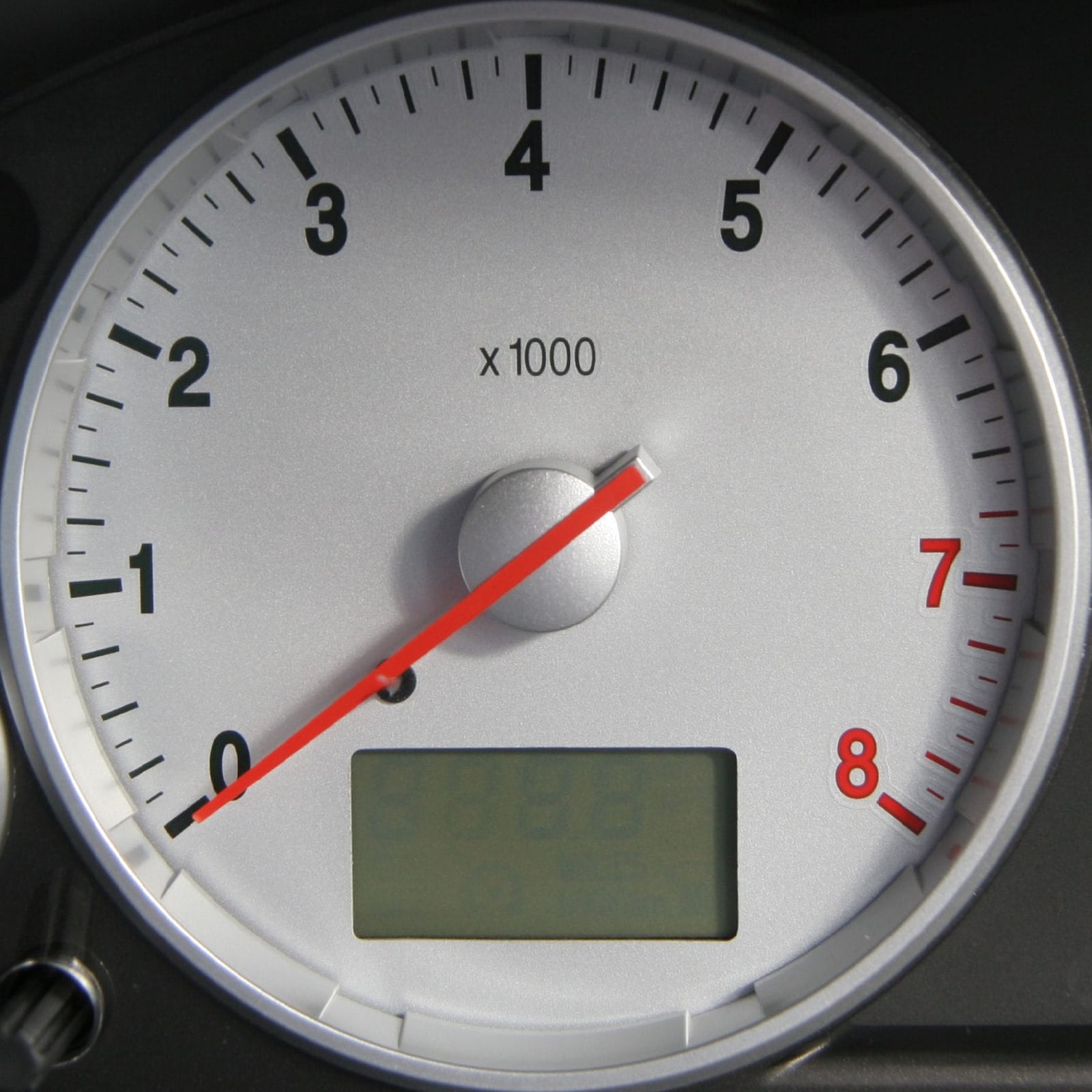
The suspension is where a high-mileage car shows its age: front lower arm bushes, rear subframe and trailing-arm bushes, drop links and dampers. The 18-inch wheels crack and kerb, and the corroded power-steering pipes of the Mk3 are a well-known leak. Inside, the Recaro bolsters wear through on the driver’s side and are expensive to retrim, the seat heaters fail, and the early cars’ instrument displays fade. Check every electrical function, the key and ignition, and the heater blower.
Then stand back and look at the whole car. A lowered ST on aftermarket wheels with a loud exhaust and a remapped engine has usually been driven accordingly, and is worth much less than a standard one, however tidy the photographs. The cars to pay for are original, with a full history, low to moderate mileage and the Recaros intact. A facelift car adds a little; an estate adds more.

Current value and where it sits
The fast Mondeo is still cheap, which is the case for it. Usable ST220s with history change hands for around £2,500 to £5,000, good ones for £5,000 to £8,000, and the best low-mileage cars, particularly facelift examples and estates, for £9,000 to £12,000. A good ST200 sits around £4,000 to £7,000 and the rare ST200 estate above that. The auction record for Mondeos of every kind, 105 recorded sales to a median under £2,000, shows where the ordinary cars are; the STs live in the top tenth of that range and above it. Prices for the best cars have been rising for several years as the supply of clean ones shrinks, and the ST TDCi, cheaper and now penalised by the clean-air zones, trails well behind.
Against the other fast Fords the ST220 is the bargain. It costs a fraction of a Sierra RS Cosworth or an Escort RS Cosworth, it is the only one you can use every day without worrying about theft, and it is the last car of its kind Ford built. For where it sits among the performance Fords as a whole, and which one suits a given budget, see the fast Ford buying guide.

The Mondeo ST220 timeline
- 1997The ST24 opens the line: a Mk2 with the 2.5 Duratec V6 in standard 168 bhp tune, a body kit and better seats.
- 1999The ST200 is the real thing, developed with Special Vehicle Engineering: 202 bhp, new cams and manifolds, Recaros, 17-inch wheels and Imperial Blue paint.
- 2000ST200 production ends with the Mk2, having sold in small numbers, the estate the scarcest of the three bodies.
- Spring 2002The ST220 arrives: 2,967cc Duratec 30 V6 at 223 bhp, a six-speed manual, lowered and stiffened suspension, 18-inch alloys and Recaro leather.
- 2003The first Mondeo range revision brings a new nose, lights and interior details.
- 2004The ST TDCi joins with the 2.2 Duratorq diesel at 153 bhp, cheaper to run but unable to enter a low-emission zone without paying.
- 2005A second revision produces the most developed ST220s, and the ones most likely to have survived well.
- 2007Production ends; the next fast Mondeo is a diesel, and after that there is no Mondeo at all.
Before you buy a Mondeo ST220
Rust, underneath and at the back
- Rear wheel arches, where the inner and outer panels meet
- Lower edges of the doors and the tailgate or boot lid
- The sills, hidden behind plastic skirts that hold water and dirt: lift the skirts' edges and press
- Front wing bottoms; none of it is structural in a 1970s way, but repair costs outstrip the car
Engine and transmission
- Leaking cam cover gaskets, sticking inlet-manifold runner flaps and coil packs are the known V6 faults
- On an ST200's 2.5, pre-catalyst converters can break up and feed debris into the engine; a catalyst replacement in the history is a good sign
- Rear-bank spark plugs are labour-heavy, so check when they were last done
- Clutch and dual-mass flywheel wear together; judder or an idle rattle means both are due
Suspension, wheels and interior
- Front lower arm bushes, rear subframe and trailing-arm bushes, drop links and dampers
- The 18-inch wheels crack and kerb, and the Mk3's power-steering pipes corrode and leak
- Recaro bolsters wear through on the driver's side and seat heaters fail
- Early cars' instrument displays fade; check every electrical function, the key and the heater blower
Related
The ST220 closes a line that runs back through the Sierra it replaced and the Escorts before that. Its nearest rival in period was Vauxhall’s Vectra GSi, and its nearest relative in spirit is the earlier, rarer ST200 covered above. For the decade that produced the ST200, see British classic cars of the 1990s.
More photos
Frequently asked questions
Is the Ford Mondeo ST220 a classic?
How fast is a Mondeo ST220?
What is the difference between the Mondeo ST200 and ST220?
How much is a Ford Mondeo ST220 worth?
Is the Mondeo ST220 ULEZ compliant?
What are the common problems with a Mondeo ST220?
Related across themes


More from Ford


Recently added

Bentley S-series: the quiet twin with the beautiful secrets (1955–1965)

Rolls-Royce Silver Spirit and Silver Spur: the last Crewe bargain (1980–1999)

Rolls-Royce Corniche: the coachbuilt survivor that outlived its makers (1971–1995)
