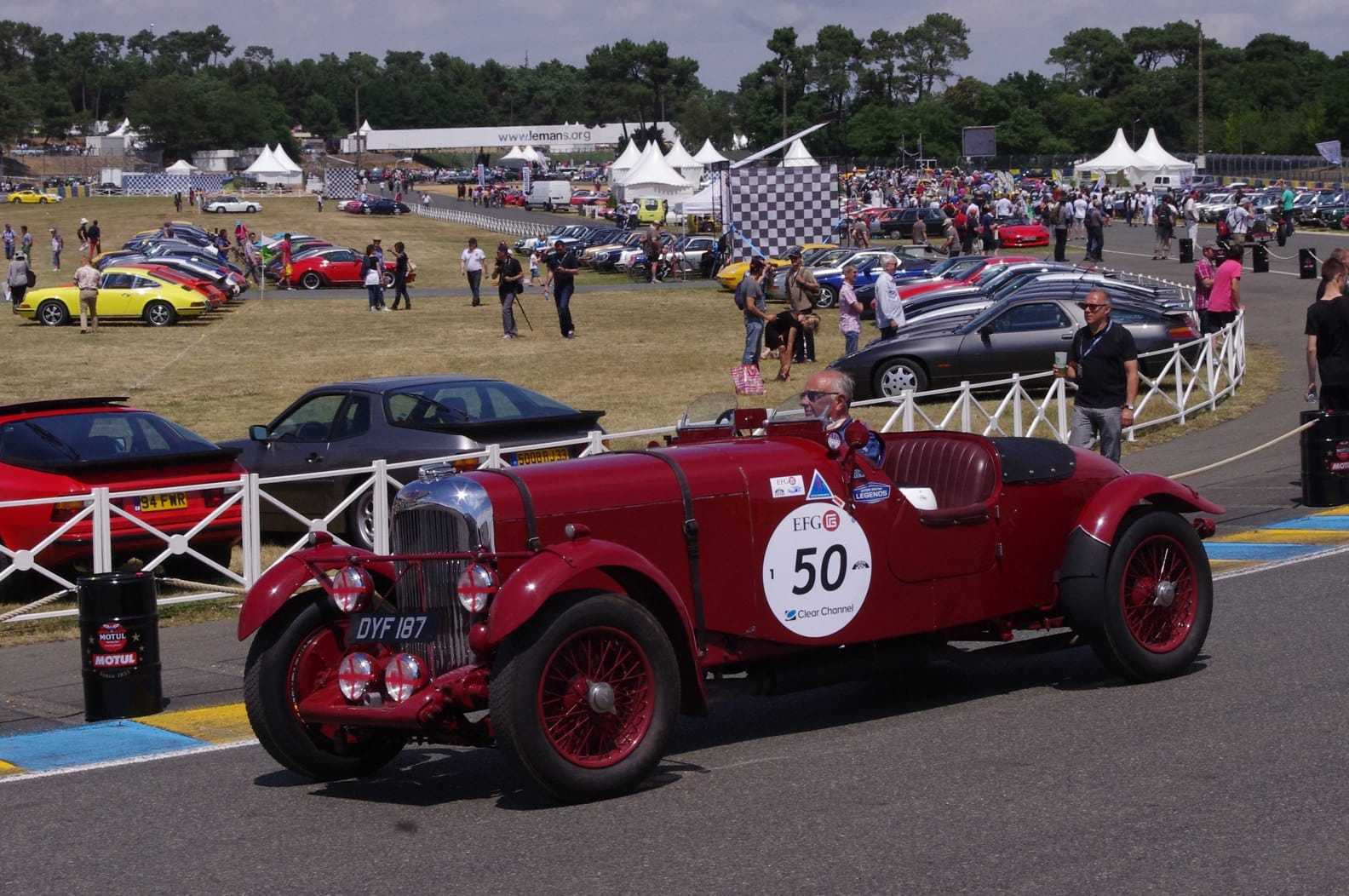
Few marques pack more story into fewer cars. Lagonda was founded in a Staines greenhouse by Wilbur Gunn, an American former opera singer, won Le Mans outright in 1935 in the same week its finances collapsed, hired W.O. Bentley for his second great act, and ended its independent life as the dowry that gave Aston Martin its engine. The classic Lagonda cars trade today at the collector market’s top table, and the story explains why.
From the greenhouse to the vintage years
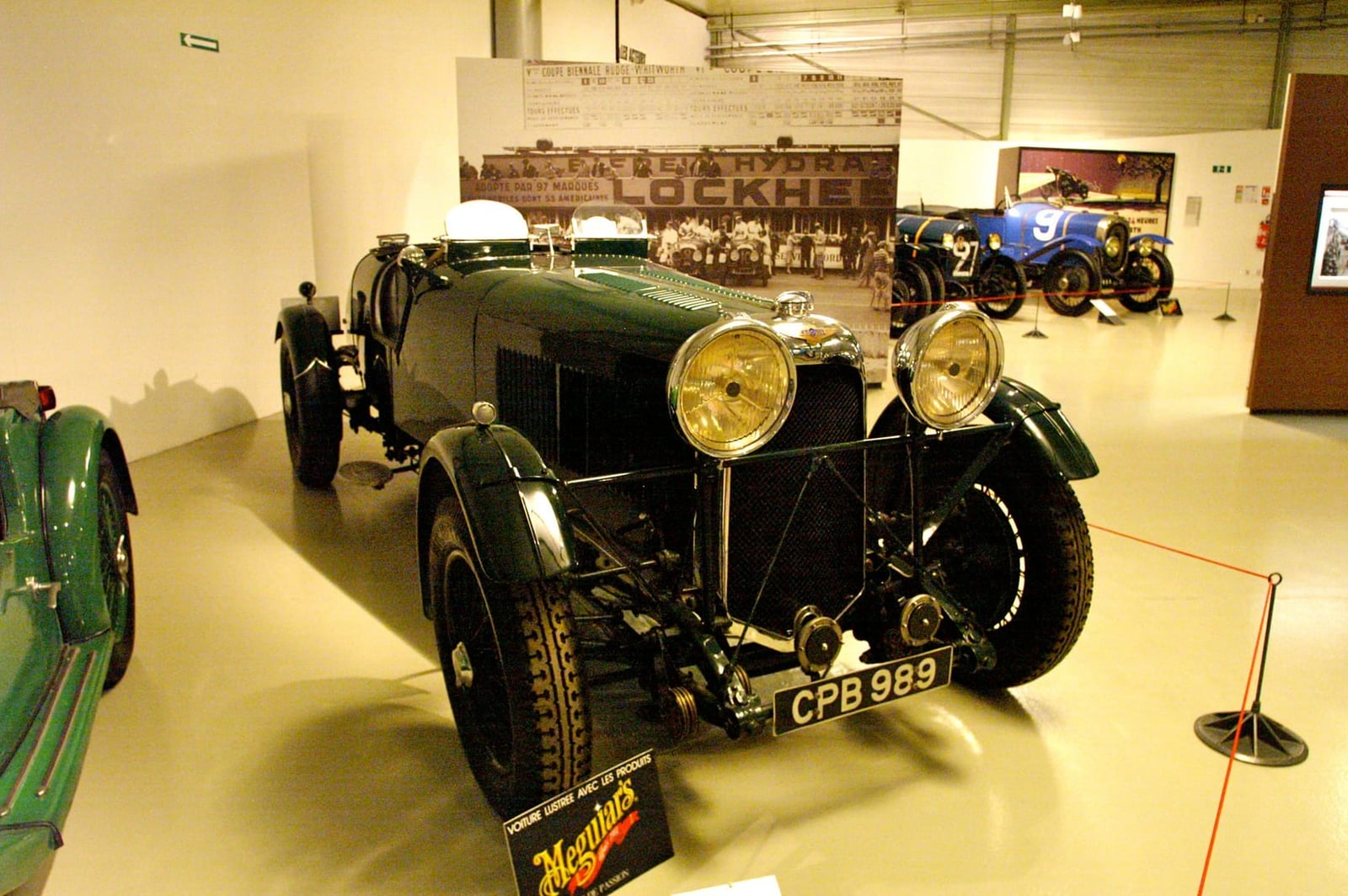
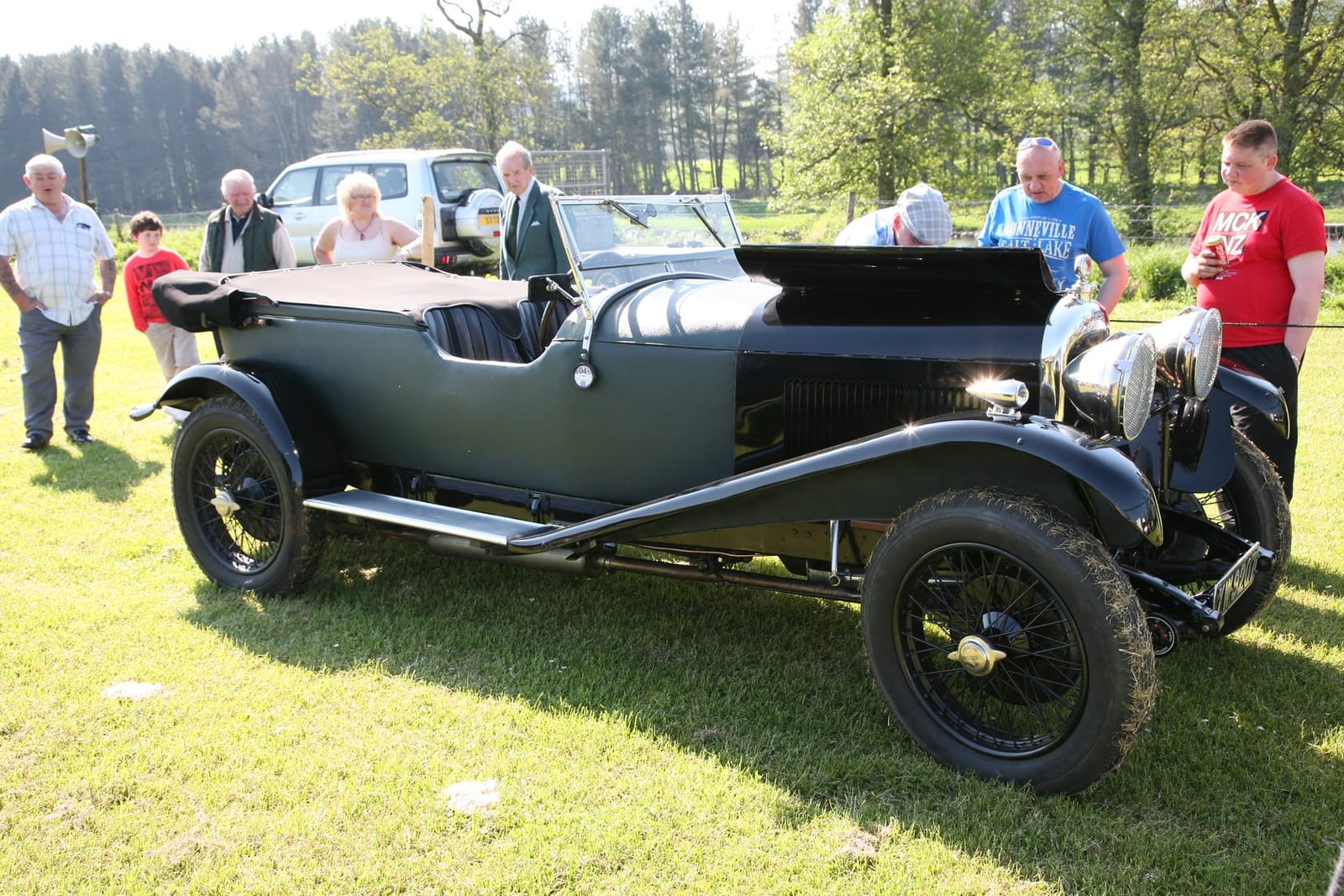
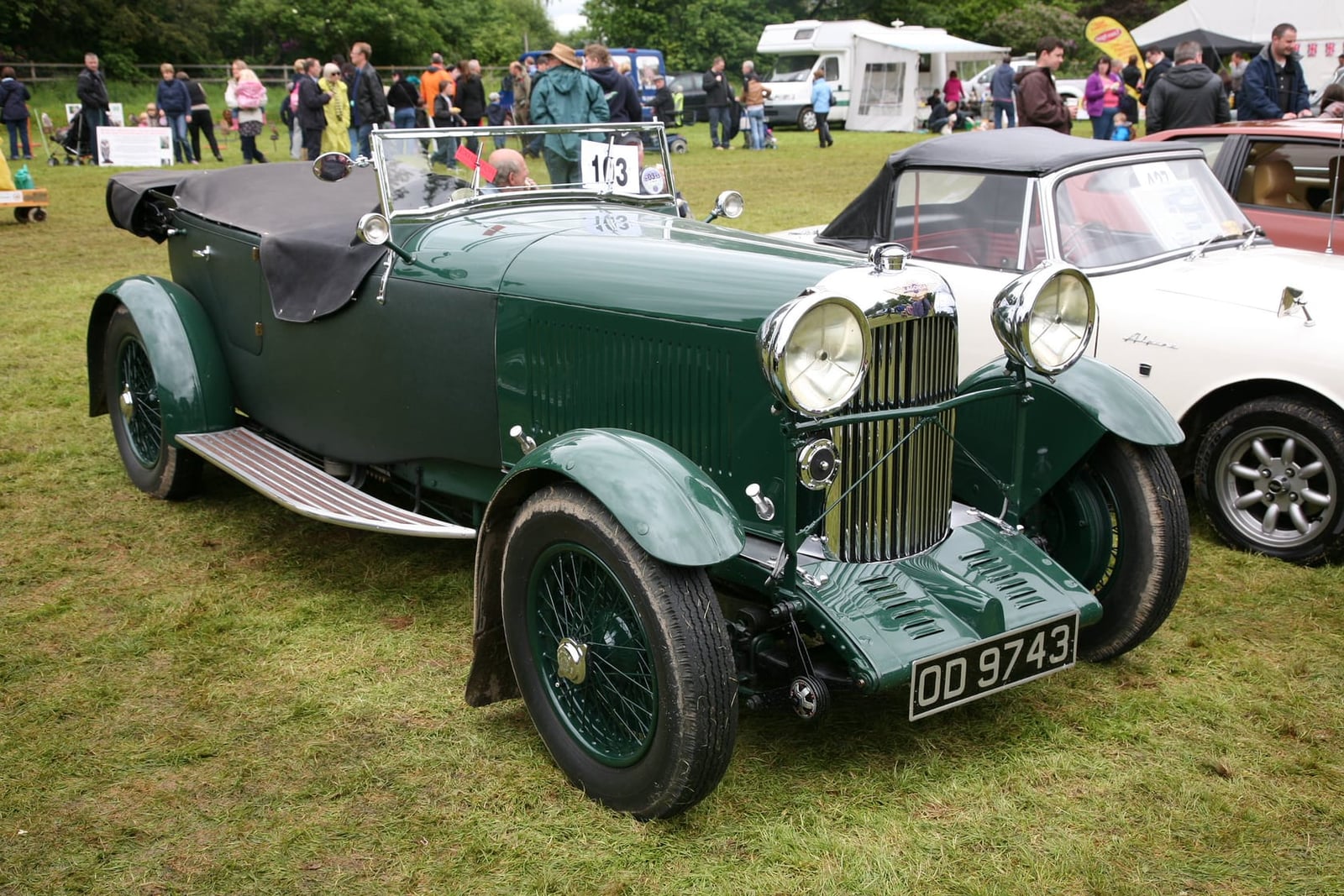
Gunn’s firm graduated from motorcycles to light cars before the Great War and found its stride in the twenties: the 2 Litre with its twin-cam four gave Lagonda genuine sporting credibility, the 3 Litre added muscle, and the cars earned a reputation for rugged, handsome engineering a cut above their price. By the early thirties the range ran from the brisk 16/80 sixes to the M45, whose 4.5-litre Meadows six made it one of the fastest British cars money could buy.
Lagonda at auction
What a classic Lagonda sells for at auction
- Median sale, 2025
- £43,700 Down from £67,500 in 2021
- Sales in 2025
- 23 25 in 2021, the most we have recorded
- Sold when offered
- 71.1% Of the cars put up for auction since 1996
- The record
- £1.6m LG45 Rapide, Bonhams, September 2014
1935: the Le Mans win and the rescue
The marque’s finest hour and darkest week arrived together: in June 1935 the M45 Rapide of John Hindmarsh and Luis Fontes won the Le Mans 24 Hours outright, and within days the company fell into receivership. Solicitor Alan Good outbid Rolls-Royce for the remains, and his masterstroke was hiring W.O. Bentley, newly free of Rolls-Royce, as technical director. The rescued company refined the M45 into the LG45 and LG6, cars that blended Bentley’s refinement with Staines muscle.

W.O. Bentley and the V12 masterpiece
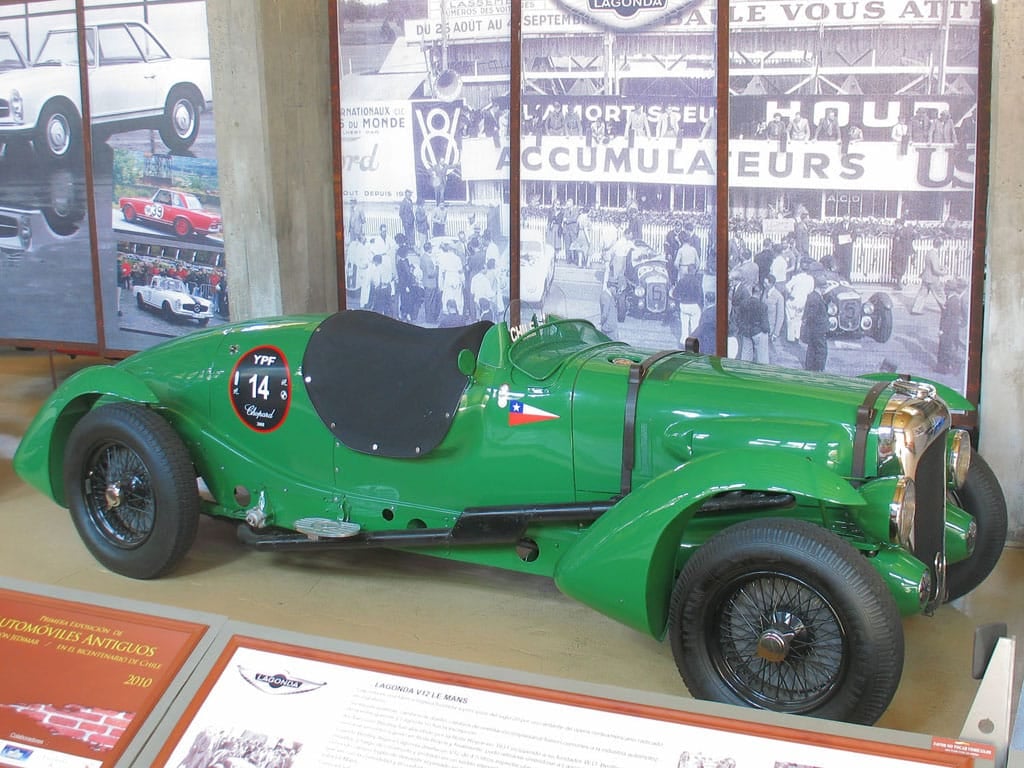
Bentley’s ambition crowned the thirties: the 4.5-litre Lagonda V12 of 1937, silky, powerful and advanced, stands with the era’s greatest engines, and many judges call it W.O.’s finest work. The V12 saloons and dropheads challenged the best of Rolls-Royce and Bentley trade, and in 1939 two streamlined V12s ran Le Mans on the model’s first serious attempt, finishing third and fourth with a win widely expected in 1940. The war took that future, and the V12 remains the marque’s great might-have-been.

The David Brown years and the Aston dowry
Post-war, Bentley designed Lagonda a modern 2.6-litre twin-cam six, and that engine changed British motoring history: David Brown bought Lagonda in 1947, weeks after buying Aston Martin, substantially to get it. The six powered the Aston Martin DB2 and its successors while Lagonda itself sold the graceful 2.6 and 3 Litre saloons and dropheads through the fifties, with the 1961–64 Rapide four-door as the standalone marque’s farewell. The badge slept until the wedge-era Lagonda revived it at Newport Pagnell a decade later.

Values: history by the yard
Three hundred and fifty-five measured sales at a £63,000 median make Lagonda a serious collector market: David Brown 2.6 and 3 Litres from the £30,000s, vintage twin-cam cars £60,000 to £120,000, M45s, LG45s and Rapides beyond, and the V12s deep into six figures with Le Mans association multiplying everything. The Lagonda Club’s records anchor provenance, the cars tour as hard as any pre-war machinery in Britain, and the marque’s double legacy, its own laurels and Aston Martin’s engine, keeps the knowing money attentive.
More photos