Jaguar XK8 and XKR: the V8 that replaced a legend (1996–2006)
The XK8 gave Jaguar its first V8, replaced the twenty-year-old XJS and put the XK name back on a grand tourer, with the supercharged XKR adding Bond-film fame. A guide to the X100 generation, the Nikasil question, buying checks and today's remarkable values.
Built 1996–2006 1,375 recorded sales
At a glance
- Years
- 1996–2006
- Body styles
- Two-door coupe and convertible
- Drivetrain
- Front engine, rear-wheel drive
- Engines
- 3996cc, then 4196cc AJ-V8; supercharged in the XKR
- Power
- 290-300 bhp (XK8); 370-400 bhp (XKR)
- Top speed
- 155 mph (limited)
- Trim levels
- XK8, XKR, 4.2 from 2002, run-out S editions
- Production
- About 90,000 across the generation
- Assembly
- Browns Lane, Coventry
- Designer
- Geoff Lawson's studio
- Values
- Usable cars from around £5,000; good examples £8,000-£18,000; the best XKRs and S editions beyond £25,000
- The first
- The AJ-V8 was only the fourth all-new engine in Jaguar's history
- The fame
- Bond drove an XKR against the villain's Vanquish in Die Another Day
The models
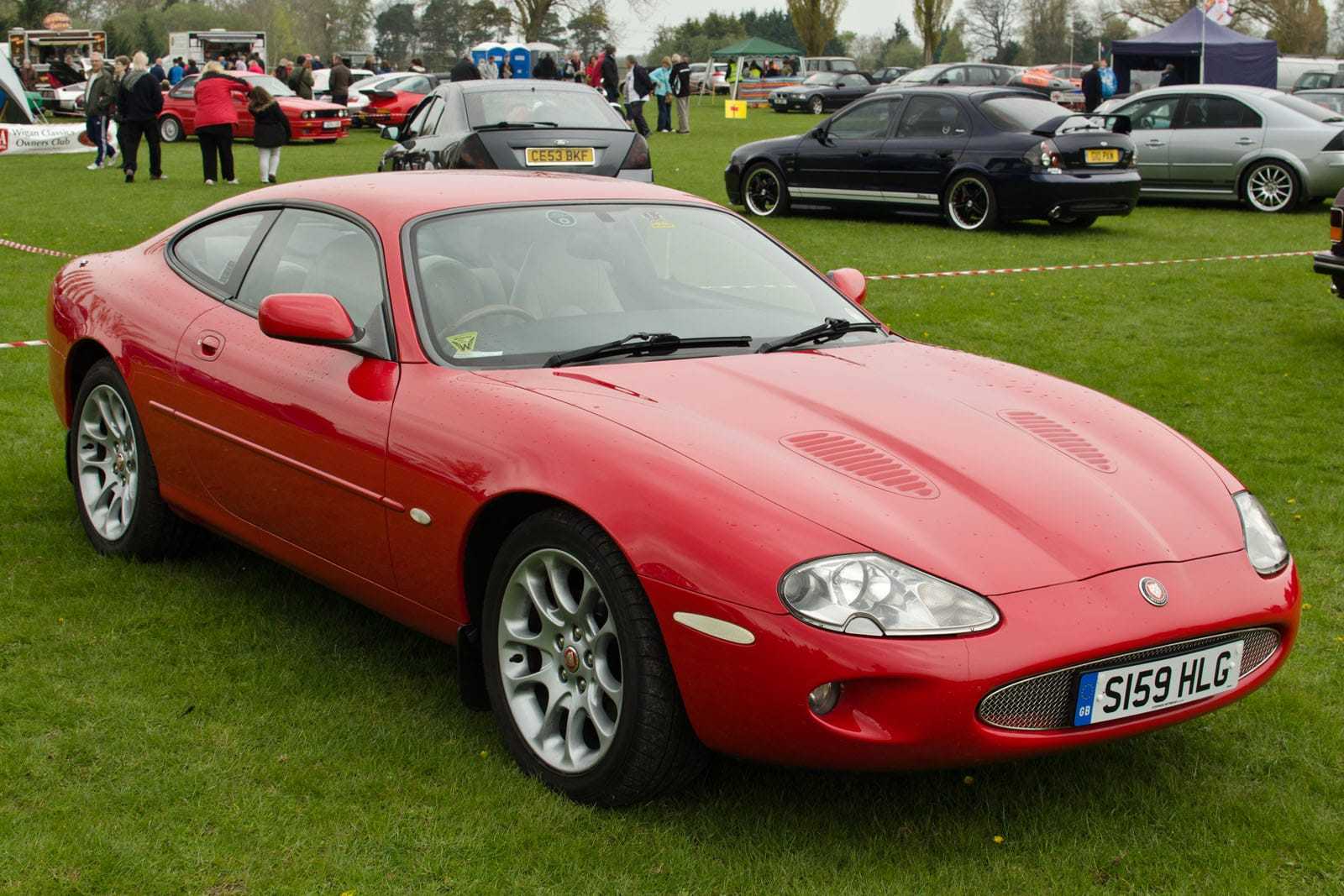
Replacing a twenty-year legend takes nerve, and Jaguar bet the company’s sports car future on a V8 it had never built before. The XK8 of 1996 retired the XJS with the AJ-V8, only the fourth all-new engine in the company’s history, wrapped in a shape that nodded to the E-Type without imitating it. Ten years and roughly 90,000 cars later, the Jaguar XK8 and its supercharged XKR sister stand as the great value grand tourers of the whole British market, and that value phase is now visibly ending.
Replacing the unreplaceable XJS
The X100 programme emerged from a long and winding road: the cancelled XJ41 F-Type project of the eighties fed both this car and, via Bloxham, the Aston Martin DB7, and Geoff Lawson’s studio drew the survivor. Launched at Geneva in 1996 on the XJS’s matured platform, the XK8 brought the 4.0-litre AJ-V8 at 290 bhp, a five-speed automatic and a cabin of hide and burr walnut, in coupe and convertible forms. The reception recalled 1961: orders outran supply, the American market embraced the car immediately, and the XK name, dormant since the XK150 bowed out, was back where it belonged on the fastest Jaguar of its day.

XKR: the supercharged headline
Two years in, Jaguar answered the obvious question with an Eaton supercharger: the 1998 XKR made 370 bhp, gained bonnet louvres and firmer suspension, and became the fastest production Jaguar of its day. The 2002 revision enlarged both engines to 4.2 litres, 300 and 400 bhp, with a six-speed automatic, and the run-out S editions closed the generation in 2006. Cinema did the rest: Die Another Day’s ice battle armed a green XKR roadster against Bond’s Vanquish, missiles behind the grille and a gatling through the roof, fixing the car in a generation’s memory the way the franchise has always anointed its machinery, and the surviving film cars still headline show stands today.

The Nikasil chapter, honestly told
The generation’s one notoriety belongs to its first years: 4.0 engines built before mid-2000 used Nikasil cylinder linings that high-sulphur nineties petrol could wear prematurely, and Jaguar replaced affected engines under warranty in period. Modern fuel ended the cause decades ago, so surviving early cars generally either had the work done or never suffered, but the buying ritual remains: compression figures and history paperwork on pre-2000 cars. Later 4.0s and every 4.2 are untouched by the issue, and the scare’s long shadow has kept early prices kinder than the cars deserve.
Living with an X100
Ownership is friendlier than the badge suggests: the AJ-V8 is durable with regular servicing, consumables cost saloon-Jaguar money rather than supercar money, and the specialist and club network built around the model is deep, active and generous with knowledge. The practical realities are a usable boot, genuine 2+2 seating in the coupe, thirst in the low twenties driven gently, and modern-era conveniences, air conditioning, cruise, decent stereos, that make the X100 the rare classic requiring no period allowances at all. Many owners run them as only cars, which almost nothing else on this site can claim, and the daily-usability argument is quietly central to the model’s appeal: the same money buys older metal that works harder to live with.
What an XK8 is like to drive
The X100 is a gentleman’s express in the classic Jaguar sense: the V8 delivers silken, muscular pace, the ride breathes with the road in a way modern sports cars have abandoned, and the cabin cossets four at a push and two in luxury. The XKR adds urgency, a supercharger whine and genuine 400-horsepower performance, while the XK8 cruises with the composure of its XK120 forebears’ name. These are cars for distance, and sorted examples still dispatch a motorway continent as gracefully as anything built since. Coupe or convertible changes the character less than expected, because the shell was engineered for openness from the start; the choice is aesthetic, and the market’s convertible premium reflects sunshine rather than any dynamic verdict.

Buying an XK8 or XKR today
Condition rules a market this affordable: corrosion in sills, arches, floors and subframe mountings decides more than specification, timing-chain tensioner history matters on earlier engines, and hood condition and electronics want testing on convertibles. Service history with specialists is worth every premium, because deferred maintenance on a £6,000 car costs the same as on a £26,000 one, and the market has learned to price folders of invoices accordingly. Specification matters less than condition at every level of the market, with one exception: honest manual-transmission cars, rare from new, find buyers instantly. At 1,375 measured sales and a £7,900 median, running cars start near £5,000, good examples hold £8,000 to £18,000, and the best XKRs and S editions push past £25,000 with the direction upward. The last great Jaguar bargain is on the move.

More photos

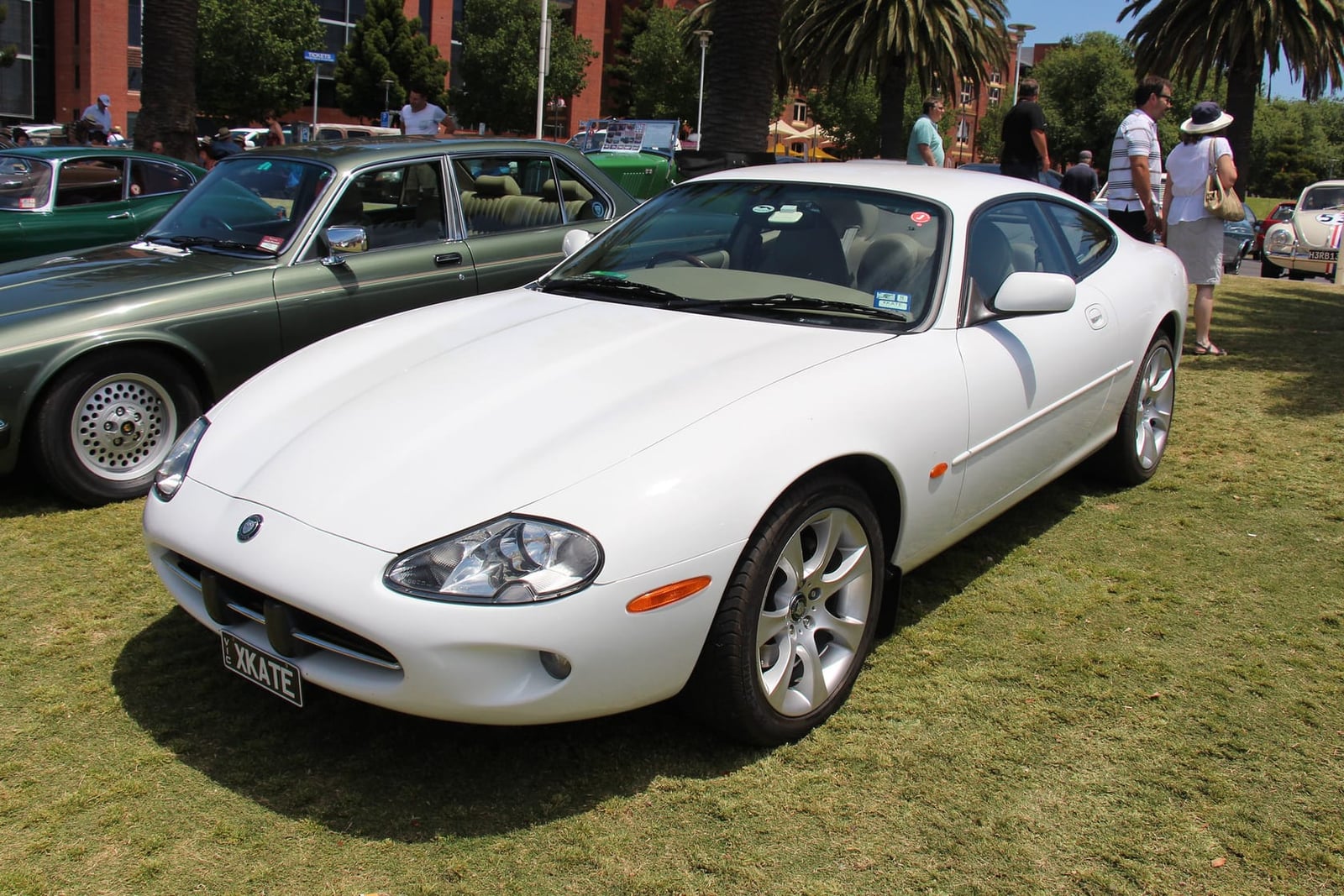
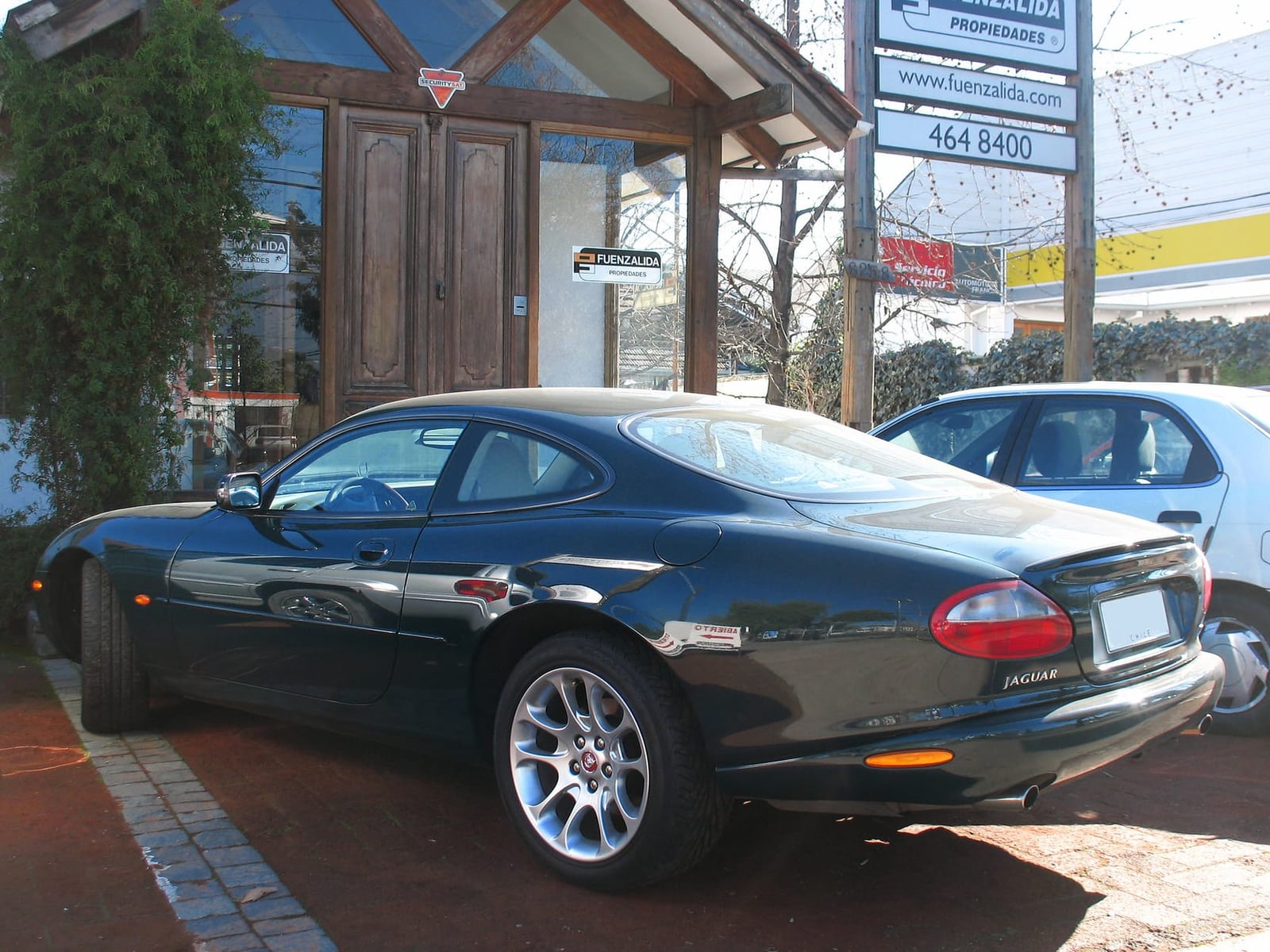
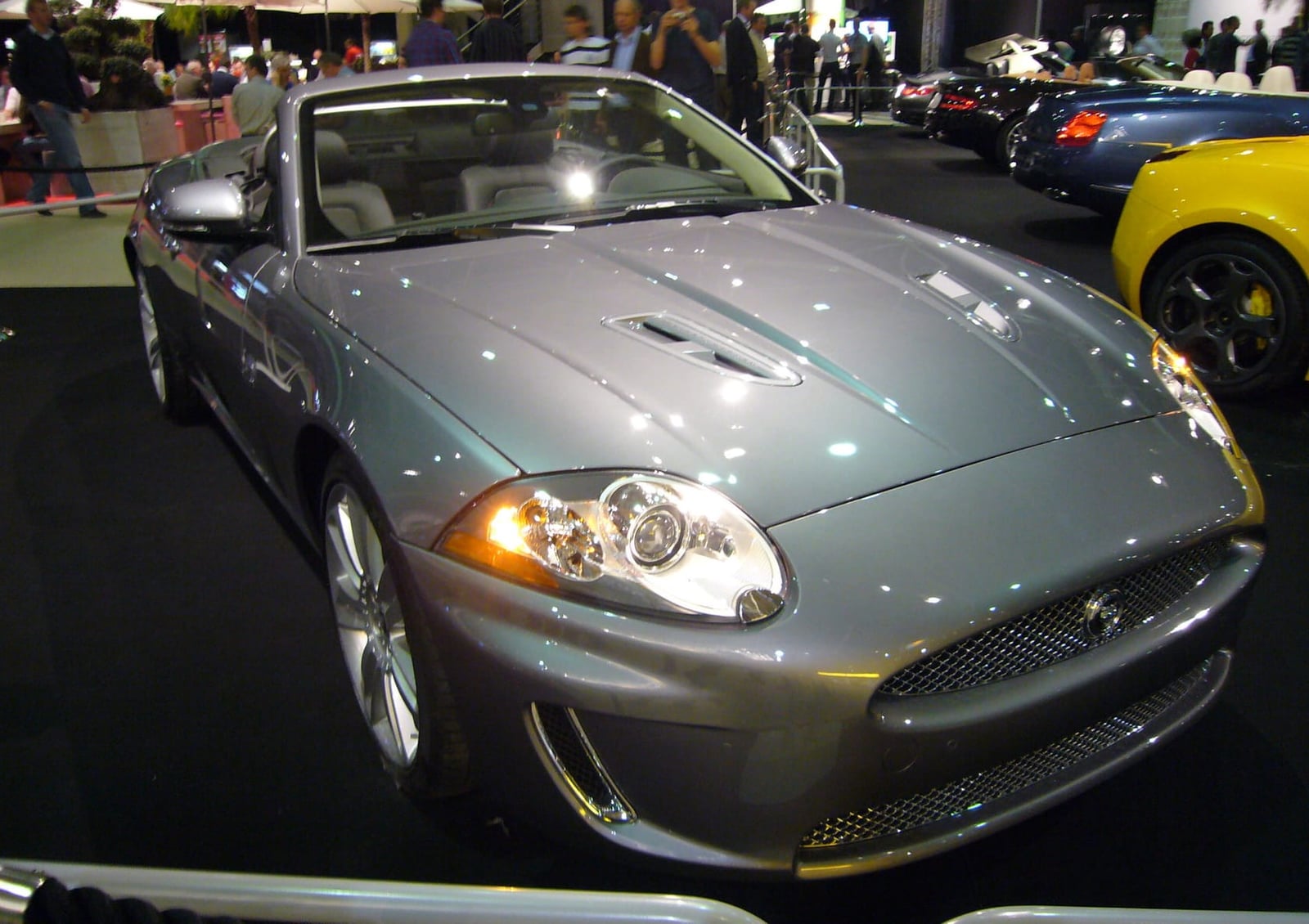
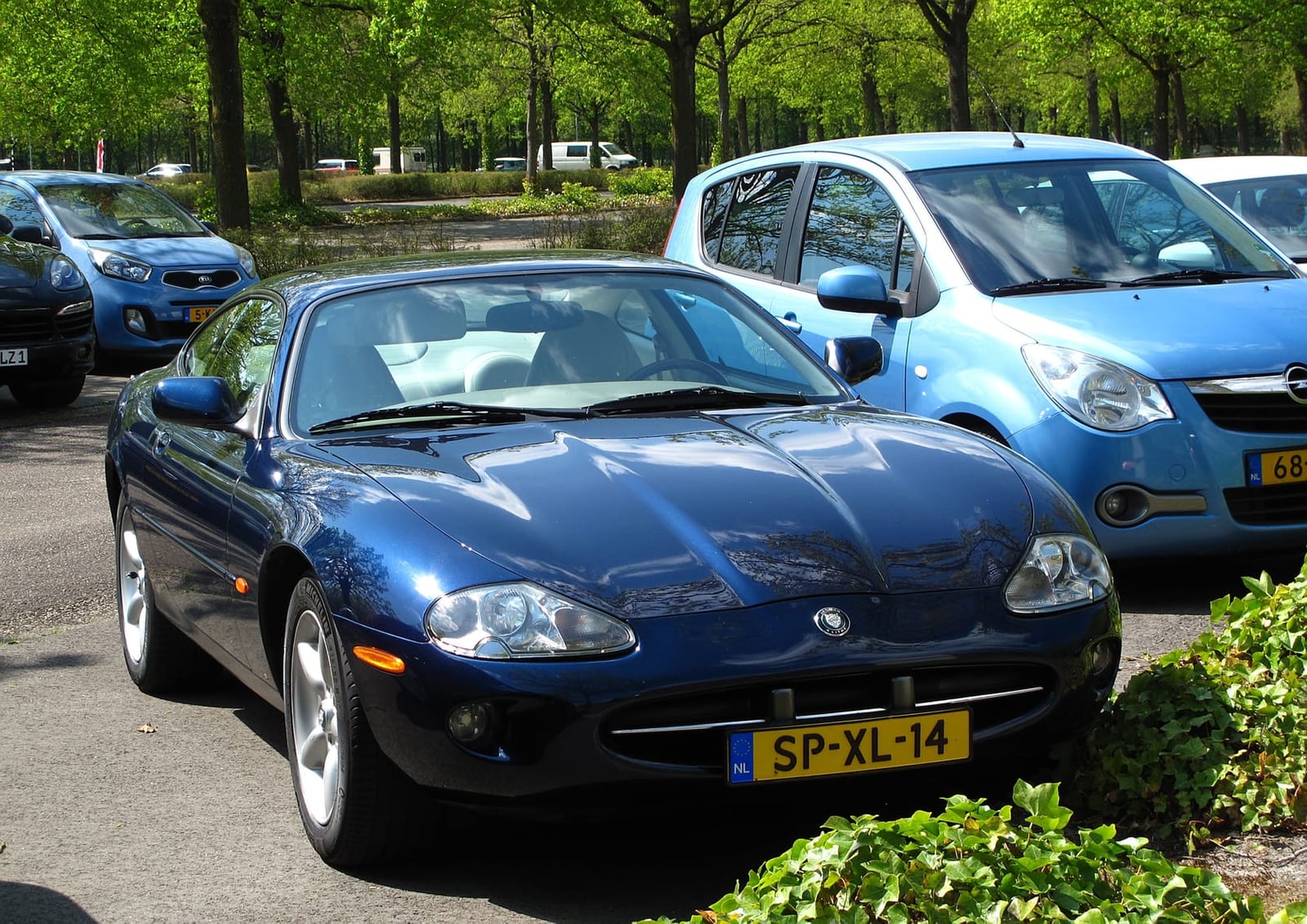
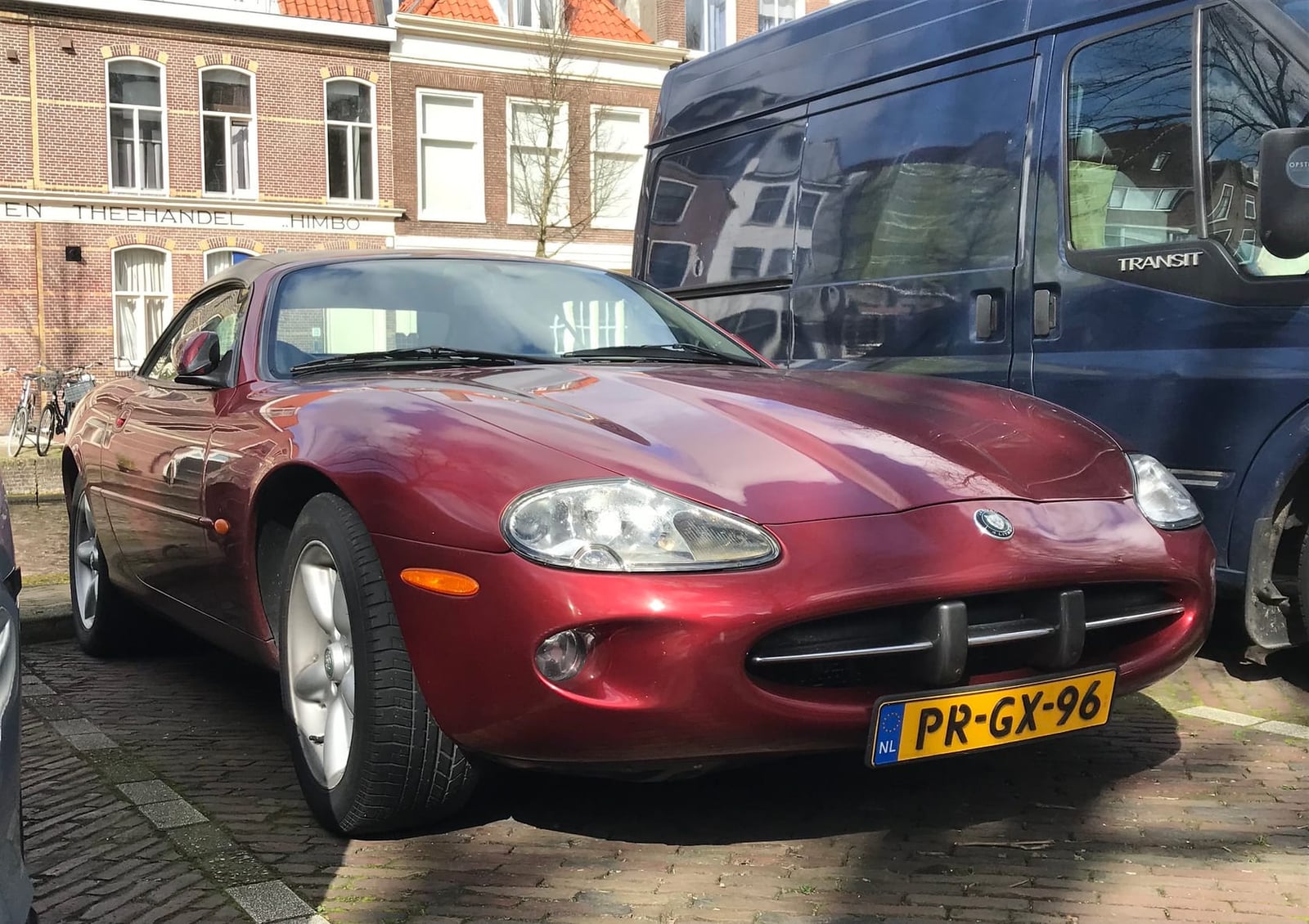
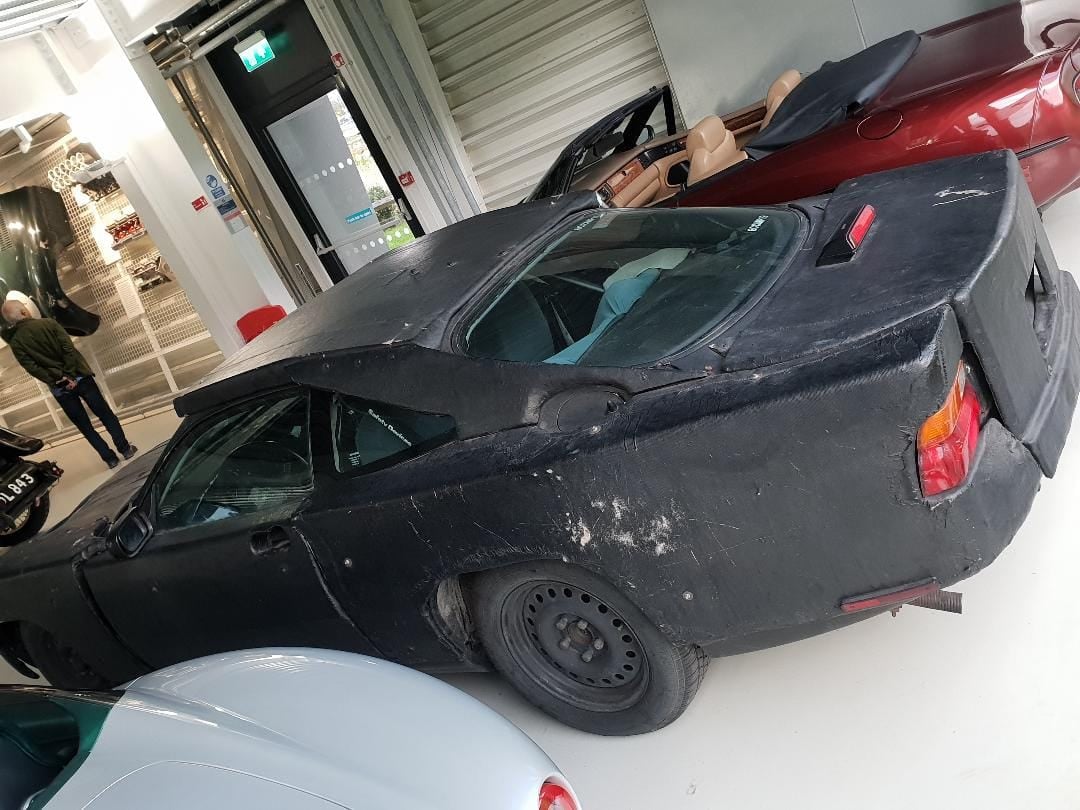
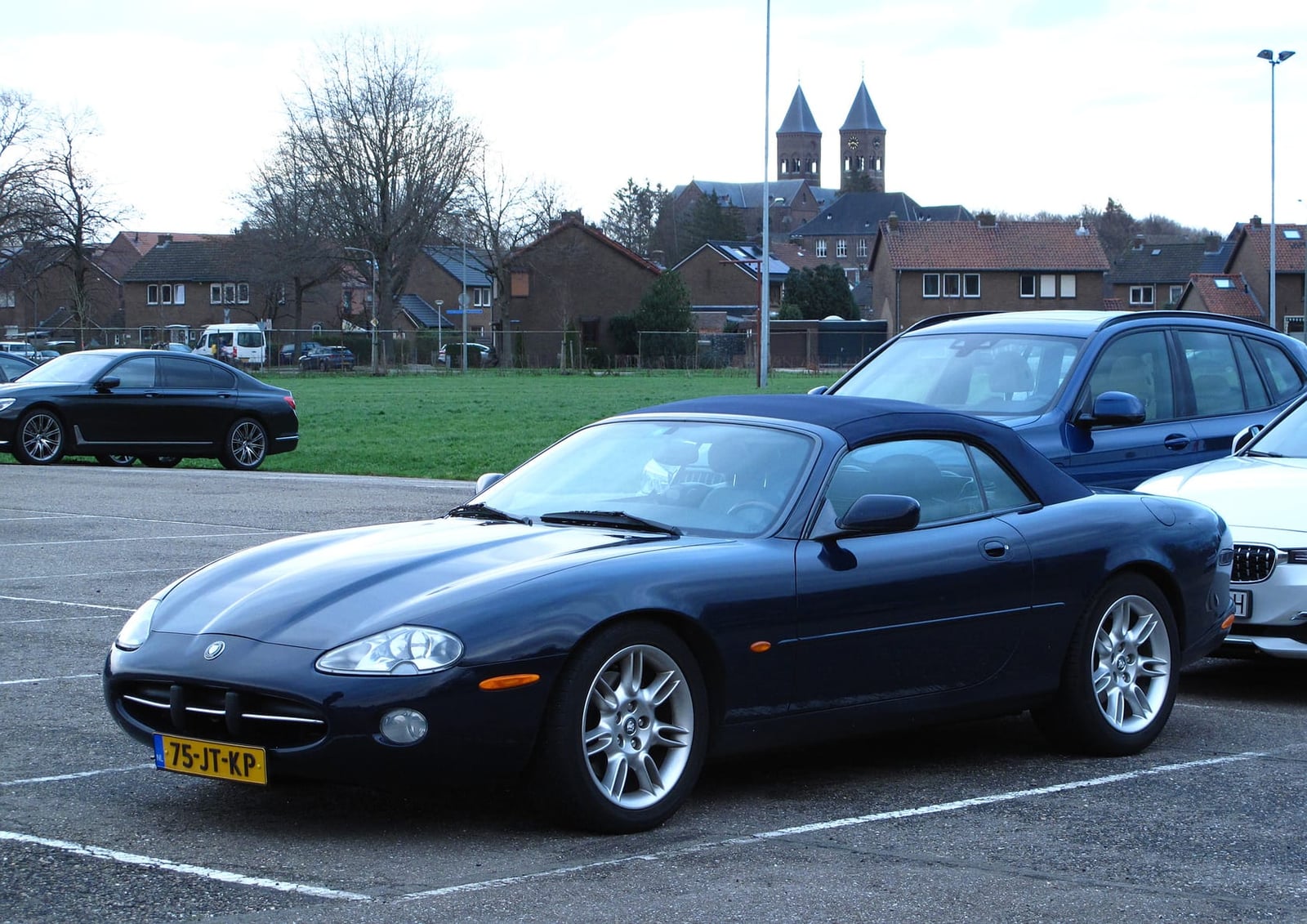
Key dates for the XK8 & XKR
- 1996Launched at Geneva on the XJS's matured platform: the 4.0-litre AJ-V8 at 290 bhp, a five-speed automatic, and the XK name back on the fastest Jaguar of its day.
- 1998The XKR adds an Eaton supercharger for 370 bhp, bonnet louvres and firmer suspension, becoming the fastest production Jaguar of its day.
- 2000Nikasil cylinder linings are phased out mid-year, ending the generation's one notoriety.
- 2002Both engines grow to 4.2 litres, at 300 and 400 bhp, with a six-speed automatic.
- 2002Die Another Day arms a green XKR roadster against Bond's Vanquish, fixing the car in a generation's memory.
- 2006Run-out S editions close the generation at about 90,000 cars.
XK8 & XKR: what to check before you buy
Condition, which rules
- Sills, arches, floors and subframe mountings
- Service history with specialists is worth every premium; the market prices folders of invoices
- Deferred maintenance costs the same on a cheap car as on an expensive one
- Hood condition and electronics want testing on convertibles
Engine
- Pre-2000 4.0 cars: compression figures and history paperwork, because of the Nikasil linings
- Later 4.0s and every 4.2 are untouched by the issue
- Timing-chain tensioner history on the earlier engines
- Modern fuel ended the Nikasil cause decades ago, so the scare has kept early prices kinder than the cars deserve
Specification
- Specification matters less than condition at every level of this market
- Honest manual-transmission cars, rare from new, find buyers instantly
- Coupe or convertible changes the character less than expected; the premium reflects sunshine, not dynamics
- The best XKRs and run-out S editions lead the market
What the Jaguar XK8 sells for at auction
In 2025 the median Jaguar XK8 sold for £6,260 across 193 sales, 16% down on 2024. In real terms, typical Jaguar XK8 prices were down about 39% over the five years to 2025, once inflation is accounted for.
| Variant | Sold | Typical range | Median |
|---|---|---|---|
| XK8 Convertible | 630 | £5,615 - £11,311 | £7,935 |
| XKR | 433 | £6,900 - £15,032 | £10,351 |
| XK8 Coupe | 234 | £3,058 - £7,644 | £4,564 |
Show the year-by-year mediansHide the year-by-year medians
| Year | Sold | Median | In 2025 money |
|---|---|---|---|
| 2026 (so far) | 128 | £6,694 | |
| 2025 | 193 | £6,260 | £6,260 |
| 2024 | 170 | £7,419 | £7,704 |
| 2023 | 155 | £8,776 | £9,417 |
| 2022 | 147 | £10,386 | £11,894 |
| 2021 | 120 | £9,587 | £11,855 |
| 2020 | 51 | £8,100 | £10,264 |
| 2019 | 71 | £7,168 | £9,176 |
| 2018 | 58 | £7,607 | £9,903 |
| 2017 | 62 | £8,064 | £10,741 |
| 2016 | 45 | £9,020 | £12,324 |
| 2015 | 43 | £7,823 | £10,796 |
| 2014 | 54 | £7,647 | £10,595 |
| 2013 | 48 | £7,229 | £10,159 |
| 2012 | 16 | £8,413 | £12,094 |
| 2011 | 3 | £9,752 | £14,378 |
| 2009 | 5 | £10,120 | £15,888 |
| 2008 | 3 | £17,438 | £27,917 |
- £9,738XK8 Convertible
- £2,250XK8 Coupe
- £12,855XK8 Convertible
- £7,927XKR
- £12,485XKR
Strong evidence. 1,375 recorded sales and a dozen or more a year: the median and the range are well founded. Based on 1,375 sold results from public classic car auctions (2007 to 10 August 2026). Sold prices, not asking prices, and not a valuation: condition, history and specification vary from car to car. Inflation-adjusted figures use the ONS CPIH index, in 2025 money.