Daimler Conquest: the old guard's last graceful stand (1953–1958)
The Daimler Conquest was the grand old marque's mid-1950s bid for the professional classes, a dignified 2.4-litre saloon with Daimler's silken preselector transmission, plus the quicker Century and a startling roadster. A guide to the range, the famous name, what to check when buying, and what a Conquest costs today.
Built 1953–1958 53 recorded sales
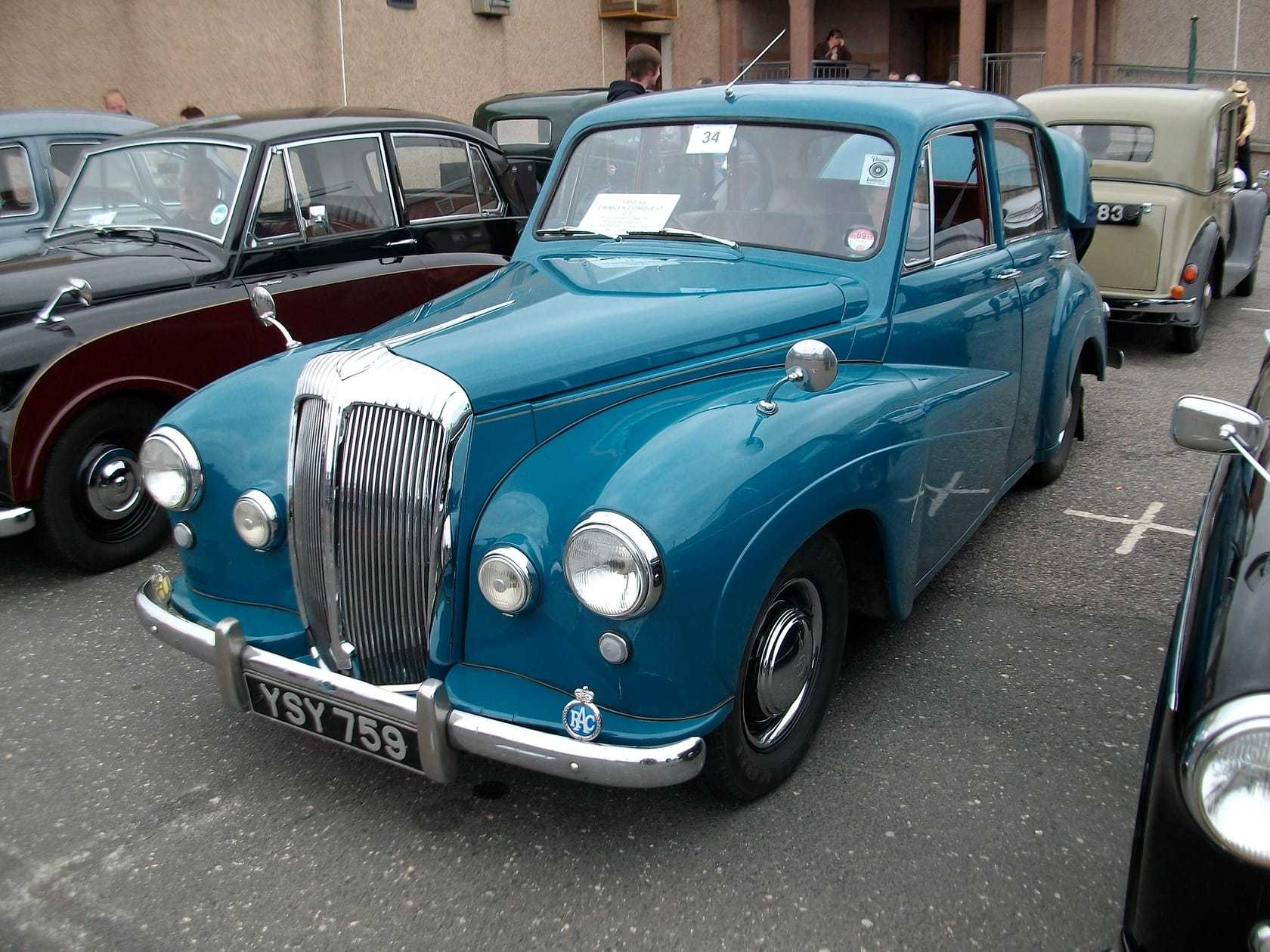
At a glance
- Years
- 1953–1958
- Body styles
- Four-door saloon; drophead coupe; two-seat roadster
- Drivetrain
- Front engine, rear-wheel drive
- Engines
- 2433cc straight-six
- Power
- 75 bhp; 100 bhp (Century)
- Trim levels
- Conquest, Conquest Century, Conquest Roadster
- Production
- Around 9,000 saloons; roadsters and dropheads in the low hundreds
- Assembly
- Coventry, England
- Designer
- Daimler in-house
- Values
- Usable from around £7,000; good cars £9,000-£15,000; open cars well beyond
- The transmission
- Fluid flywheel and Wilson preselector gearbox, Daimler's silken signature
- The name
- Popularly tied to its £1,066 launch price, Conquest as in 1066
The models
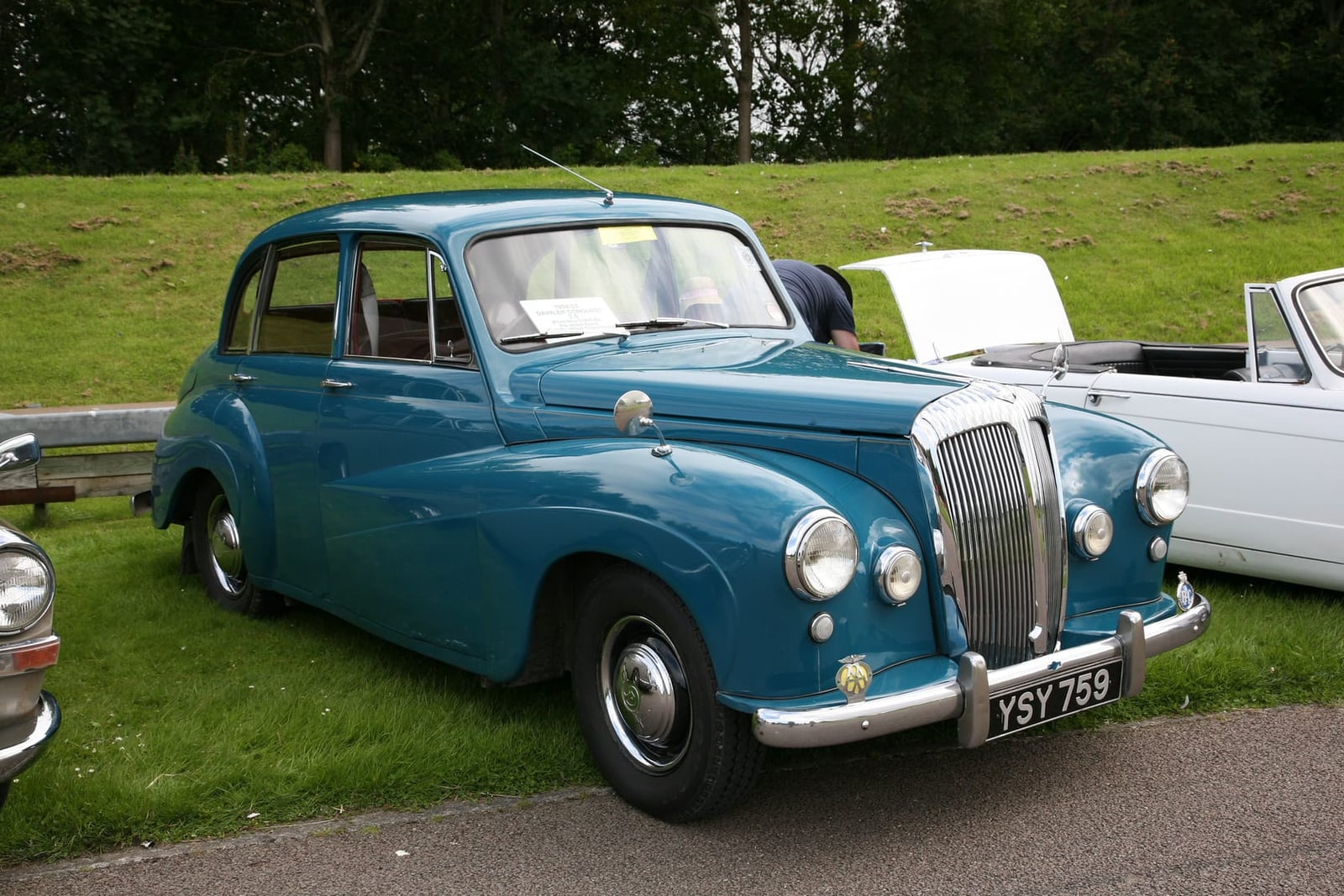
Before Daimler meant a fancier Jaguar, it meant the oldest name in the British motor industry, builder of royal limousines and possessor of the most dignified transmission ever fitted to a car. The Conquest of 1953 was that grand old firm reaching for the professional classes, a compact, beautifully finished 2.4-litre saloon priced, famously, at £1,066, and it stands today as the last complete expression of the independent Daimler.
A Daimler for the doctor’s driveway
The Conquest’s brief was plain: bring Daimler quality to buyers a rung below the limousine trade, the doctors, solicitors and bank managers of the early 1950s. The car delivered it with a stiff chassis, coachbuilt-feeling cabin of leather and walnut, and a 2433cc six of unstressed smoothness. At 75 bhp the standard car was dignified rather than brisk, which the market noticed, and Daimler answered quickly with the car that defines the range today.

The Century, and the startling roadster
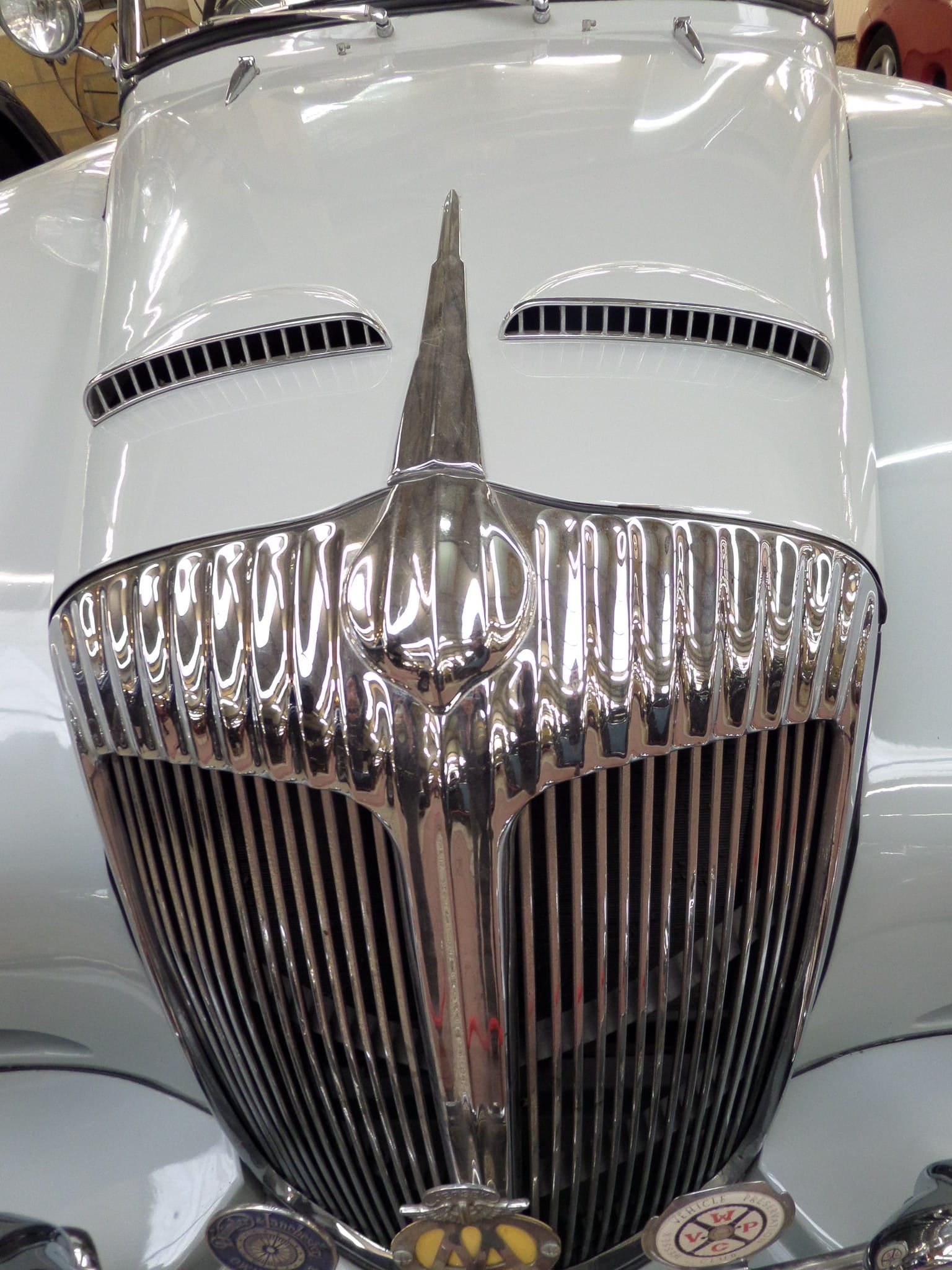
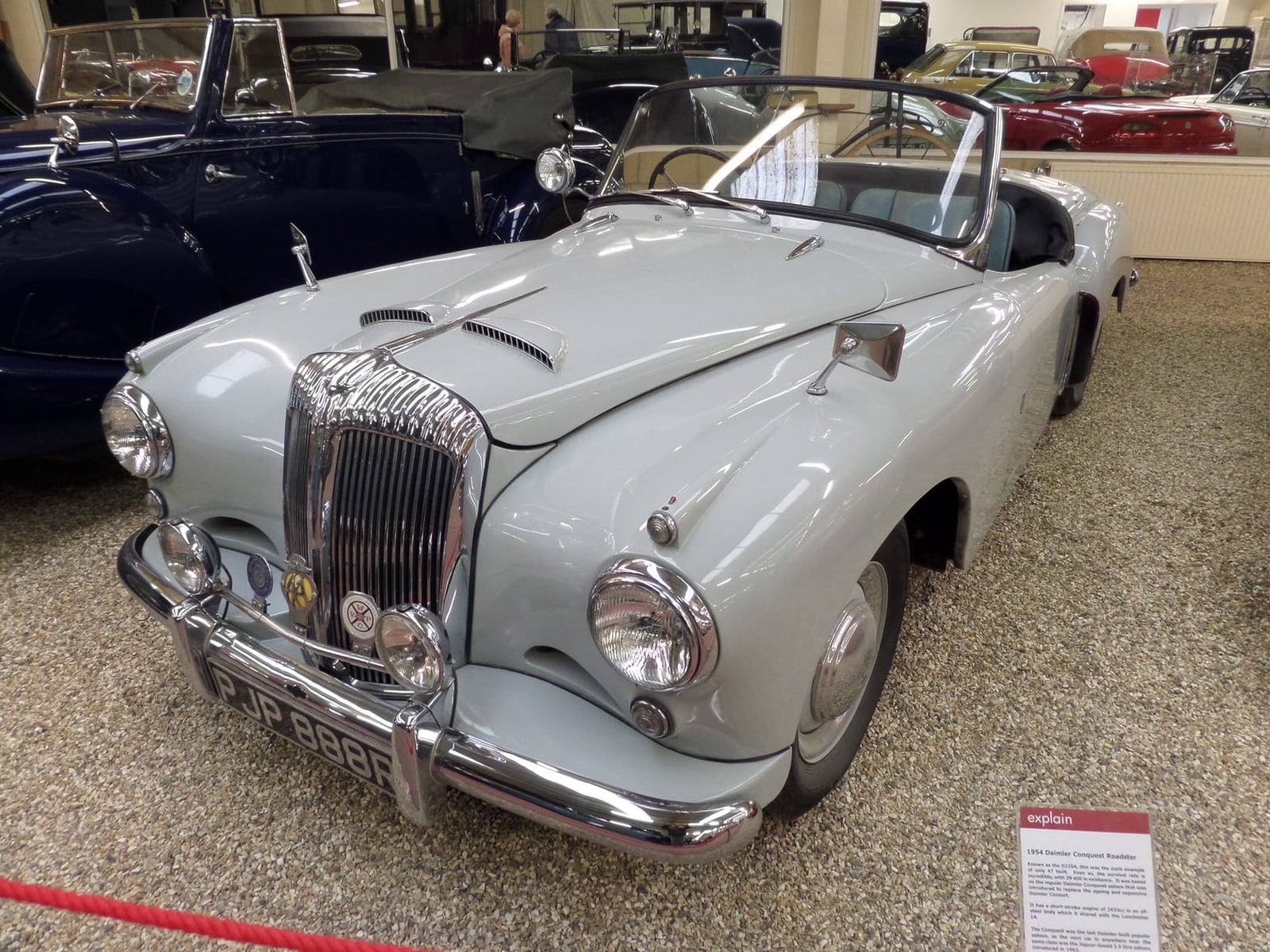
The 1954 Conquest Century took the six to 100 bhp, the name doing the arithmetic, with an alloy head and twin carburettors, and turned a stately saloon into a genuinely capable 90 mph car; period Centuries even acquitted themselves in saloon racing’s early days. Then came the range’s great surprise: the Conquest Roadster, a two-seat sports Daimler with flowing glassfibre-era styling in aluminium, built in tiny numbers and as unexpected then as it seems now. A handful of drophead coupes completed a range broader than Daimler had offered in a generation.

Racing, royalty and the Conquest’s odd celebrity
The Conquest earned stranger footnotes than its sober brief suggests. Centuries ran with surprising credit in the earliest years of British saloon-car racing, hustled around Silverstone by drivers who discovered the preselector let them keep both hands on the wheel through corners, and the roadster gave Daimler a motor show sensation in an era when the marque badly needed one. Lady Docker’s famous show Daimlers, gold-plated and zebra-trimmed, belong to the same corporate moment: a proud old company trying everything, gracefully and otherwise, to stay in the public eye as the world changed around it.

The preselector: Daimler’s silken signature
No Conquest experience matters more than the transmission. Daimler’s fluid flywheel and Wilson preselector gearbox have no clutch pedal in the conventional sense: the driver preselects the next ratio on a column quadrant, then commits it with the change pedal at any moment of their choosing. The result, mastered in a mile and savoured forever, is gear changes of oiled-silk smoothness that suit the car’s whole character. A healthy preselector is durable and well-understood by the marque’s specialists; an abused one is the costliest thing on the car, which makes its condition the first question of any inspection.


The Conquest against its rivals
In its day the Daimler Conquest fought the upper-middle market against the Rover 75 and 90, the Wolseley 6/90 and, from 1955, the compact Jaguars built across the same city. Against them the Daimler sold craftsmanship and that unique transmission rather than pace or price, and the strategy held until Jaguar’s 2.4 rewrote the class with twice the performance for similar money. Daimler’s own Lanchester marque offered gentler versions of the same recipe until it faded in 1956, and the Conquest itself bowed out in 1958, the last mid-sized car of the independent era.
For today’s buyer the same comparison works in the Conquest’s favour: a Rover P4 of equal condition costs more, a Mk 1 Jaguar far more, and neither carries the preselector’s charm nor the scarcity value of the fluted grille. As unfashionable 1950s quality goes, the Daimler Conquest may be the segment’s best-kept secret.

What a Conquest is like to own
The Conquest rewards the owner who values craftsmanship over speed. The six is understressed and long-lived, parts support through the Daimler enthusiast world is better than the marque’s obscurity suggests, and the driving experience, upright, quiet, unhurried and faintly ceremonial, has no modern equivalent at any price. The checks are period-typical: chassis and body rot where they meet, trim completeness matters because walnut and leather cost real money, and the preselector deserves specialist assessment. Values stay gentle, from around £7,000 usable to £15,000 for fine Centuries, with the open cars in their own market above. Join the Daimler enthusiast community before buying rather than after: the marque’s specialists are few, know every surviving car, and their considered pre-purchase opinion on any preselector costs little and reliably saves a great deal more. Among the cars of the 1950s, nothing offers more dignity per pound, and few cars of any era offer a stranger, sweeter story.


More photos
Conquest: the short history
- 1953Launched at £1,066, the name doing the arithmetic: Daimler quality for the doctors, solicitors and bank managers a rung below the limousine trade.
- 1954The Century takes the six to 100 bhp with an alloy head and twin carburettors; Centuries acquit themselves in saloon racing's early days.
- 1955The two-seat Conquest Roadster startles the motor show circuit; a handful of drophead coupes complete the range.
- 1956The gentler Lanchester marque fades; Jaguar's 2.4 rewrites the class with twice the performance for similar money.
- 1958The Conquest bows out, the last mid-sized car of the independent era, at around 9,000 saloons.
Conquest: what to check before you buy
The preselector, first question
- A healthy fluid flywheel and Wilson box is durable and well understood by the specialists
- An abused one is the costliest thing on the car
- Specialist assessment of the transmission before money moves
- Mastering the change pedal takes a mile; savouring it lasts forever
Body and chassis
- Rot where chassis and body meet
- Period-typical inspection throughout
- Open cars, roadster and drophead, are built in the low hundreds and need provenance
- The stiff chassis rewards a proper underneath look
Trim and version
- Walnut and leather cost real money, so completeness matters
- The 100 bhp Century is the range's defining car
- The Roadster is the range's great surprise and its collector summit
- Daimler enthusiast-world support is better than the obscurity suggests
What the Daimler Conquest sells for at auction
In real terms, typical Daimler Conquest prices were down about 36% over the five years to 2025, once inflation is accounted for.
Show the year-by-year mediansHide the year-by-year medians
| Year | Sold | Median | In 2025 money |
|---|---|---|---|
| 2026 (so far) | 3 | £2,700 | |
| 2025 | 7 | £3,654 | £3,654 |
| 2024 | 5 | £2,250 | £2,336 |
| 2022 | 4 | £3,740 | £4,283 |
| 2021 | 4 | £3,796 | £4,693 |
| 2020 | 3 | £4,500 | £5,702 |
| 2018 | 3 | £10,522 | £13,698 |
| 2017 | 4 | £23,974 | £31,935 |
| 2015 | 3 | £5,600 | £7,728 |
| 2012 | 3 | £16,250 | £23,359 |
| 2009 | 3 | £17,438 | £27,377 |
- £2,700Conquest
- £3,175Conquest
- £338Conquest
- £4,900Conquest
- £3,654Conquest
Thin evidence. Only 53 recorded sales: read the figures as a sketch of the market, not a price. Based on 53 sold results from public classic car auctions (2004 to 10 August 2026). Sold prices, not asking prices, and not a valuation: condition, history and specification vary from car to car. Inflation-adjusted figures use the ONS CPIH index, in 2025 money.
Frequently asked questions
Why is it called the Daimler Conquest?
What is a Daimler Conquest Century?
How does the Daimler Conquest gearbox work?
Is a Daimler Conquest a Jaguar?
How much is a Daimler Conquest worth?
What is the most expensive Daimler Conquest ever sold at auction?
How often does a Daimler Conquest come up for sale?
Related across themes


More from Jaguar


Recently added

Bentley S-series: the quiet twin with the beautiful secrets (1955–1965)

Rolls-Royce Silver Spirit and Silver Spur: the last Crewe bargain (1980–1999)

Rolls-Royce Corniche: the coachbuilt survivor that outlived its makers (1971–1995)
