Jaguar XK140: the XK120 finished properly (1954–1957)
The Jaguar XK140 took the sensational XK120 and fixed everything owners had grumbled about, rack-and-pinion steering, cabin room, cooling, without losing the looks or the pace. A guide to the roadster, drophead and fixed head coupe, the SE upgrades, what year XK to avoid and why, and what to check before buying one.
Built 1954–1957
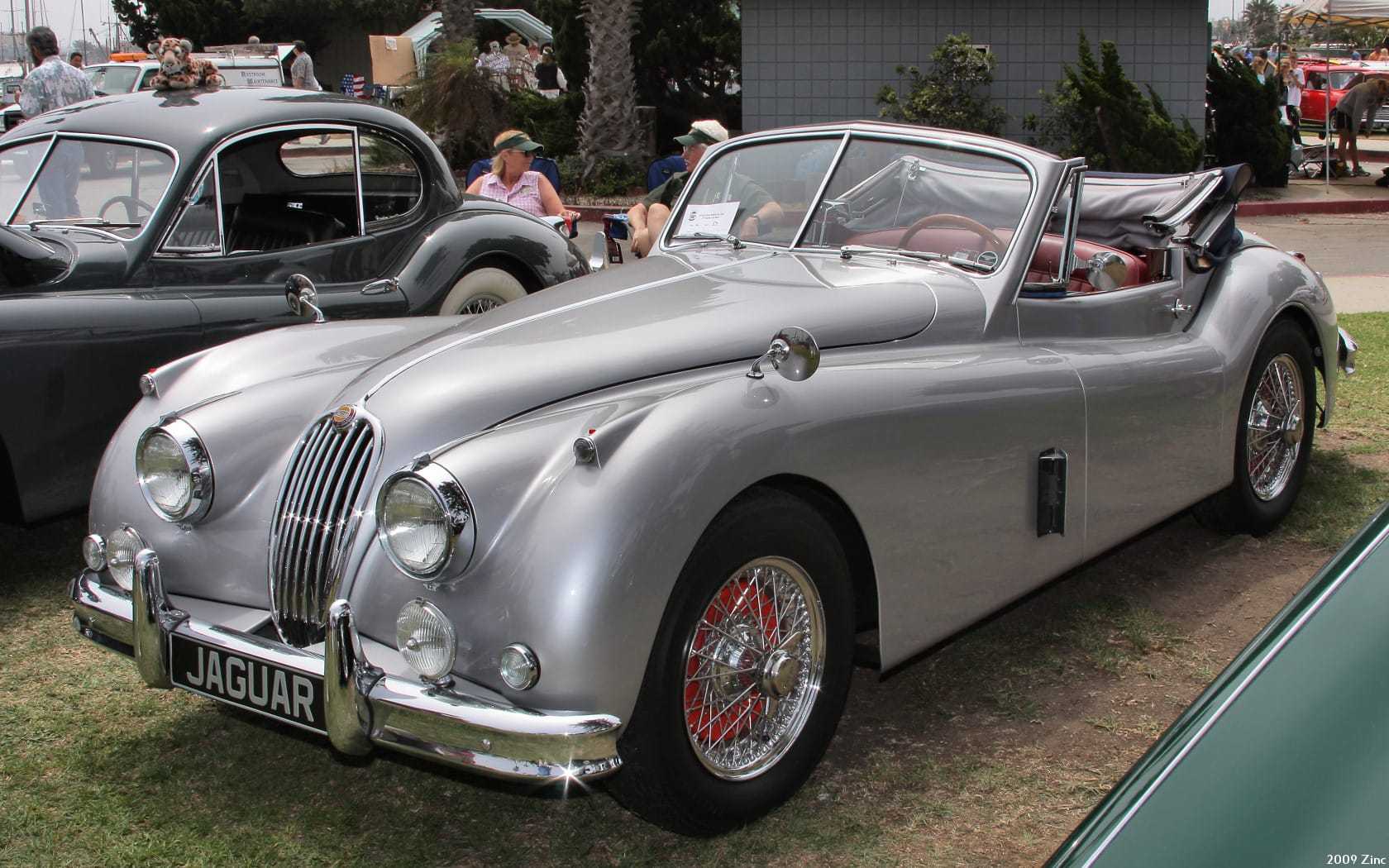
At a glance
- Years
- 1954–1957
- Body styles
- Open two-seater (roadster), drophead coupe, fixed head coupe
- Drivetrain
- Front engine, rear-wheel drive
- Engines
- 3.4-litre XK twin-cam straight-six
- Power
- 190 bhp; 210 bhp with the SE C-type head
- Trim levels
- Standard, SE (Special Equipment)
- Production
- Around 8,900, the great majority exported
- Assembly
- Coventry, England
- Designer
- Evolution of the Lyons-styled XK120
- Values
- Usable from around £40,000; good cars £60,000-£100,000; SE roadsters beyond
- The fix
- Rack-and-pinion steering and three more inches of cabin, the XK120's two real flaws answered
- Spotting one
- Heavier bumpers and a seven-slat grille against the 120's delicate face
The models
The Jaguar XK140 is the XK120 its owners had been asking for all along: the sensational original with its two genuine flaws, heavy steering and a cramped cockpit, engineered away, and nothing that mattered touched. Built from 1954 to 1957, it is the middle child of the XK family and, whisper it among the purists, the best of them to actually drive.
What changed, and why it worked
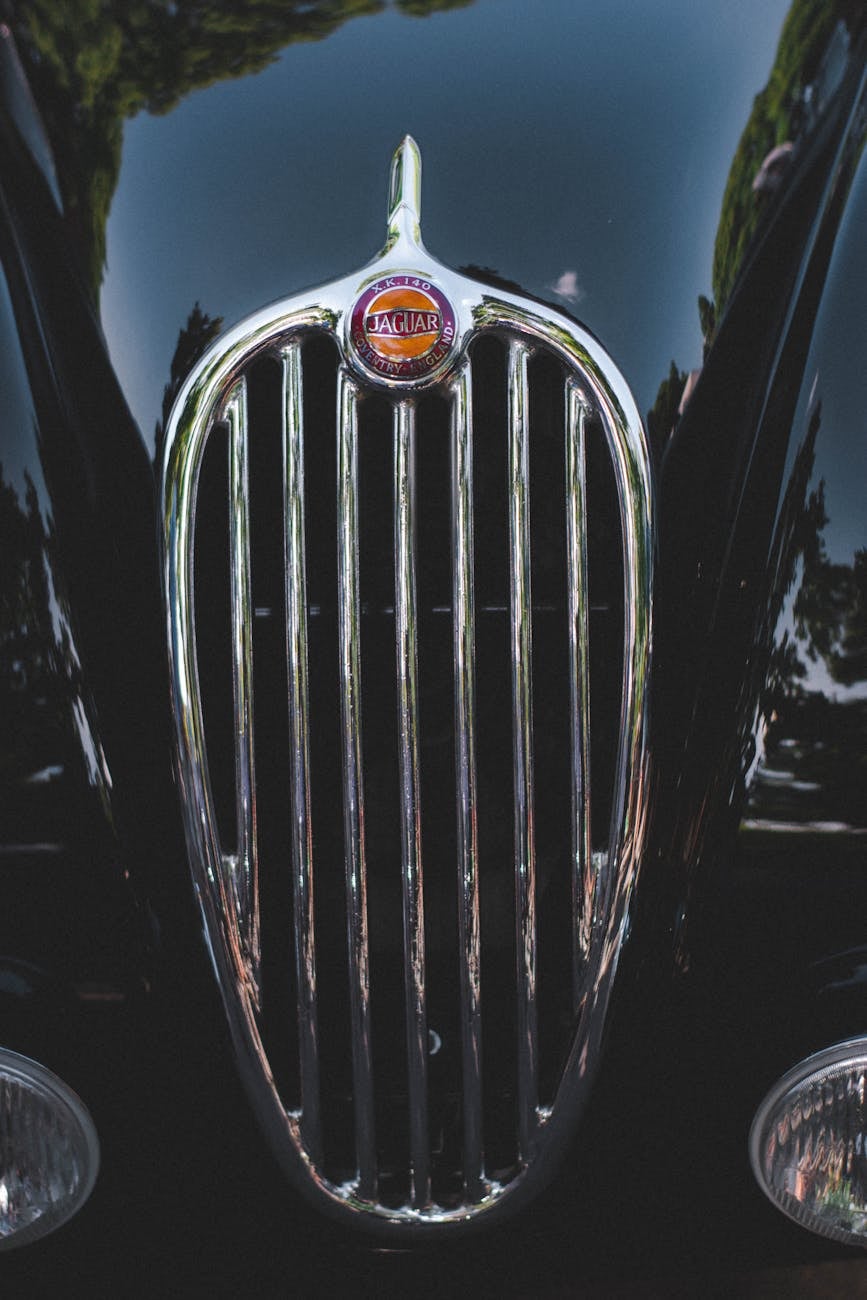
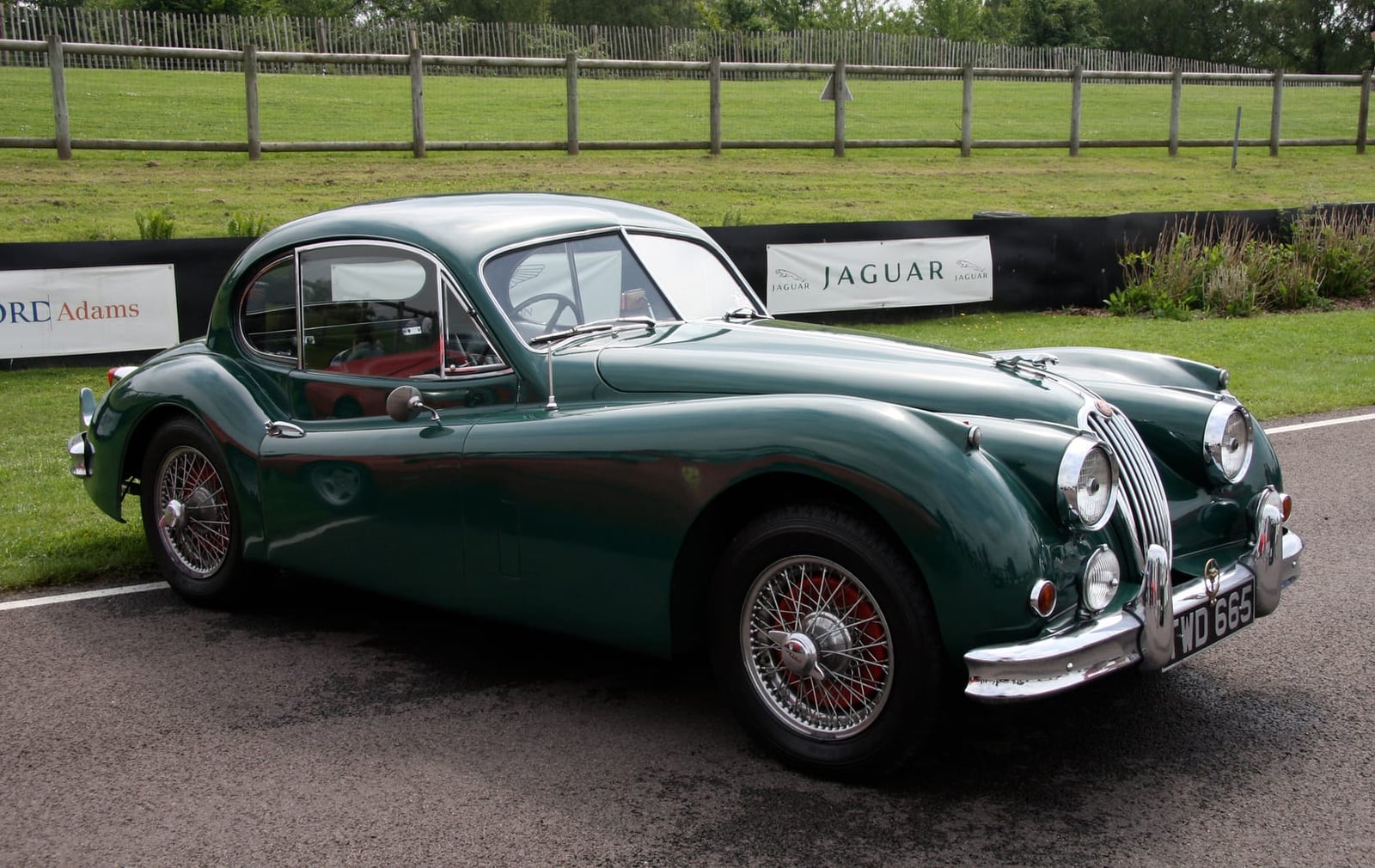
Jaguar moved the 3.4-litre XK engine three inches forward, which sounds like nothing and transformed the car: real legroom at last, and space behind the seats of the closed cars for luggage or brave children. The steering became rack-and-pinion, borrowed in principle from the C-type racers, replacing the 120’s heavy recirculating-ball arrangement, and it remains the single biggest reason the 140 feels a generation more modern than its looks. Power rose to 190 bhp, cooling improved, and the bumpers grew into proper armour for a car that lived on real streets. The price of progress was subtle: a heavier one-piece grille and those bumpers thickened the 120’s jewel-like face a little, which is the whole case against the 140 and, at today’s prices, the buyer’s opportunity.

Roadster, drophead, fixed head
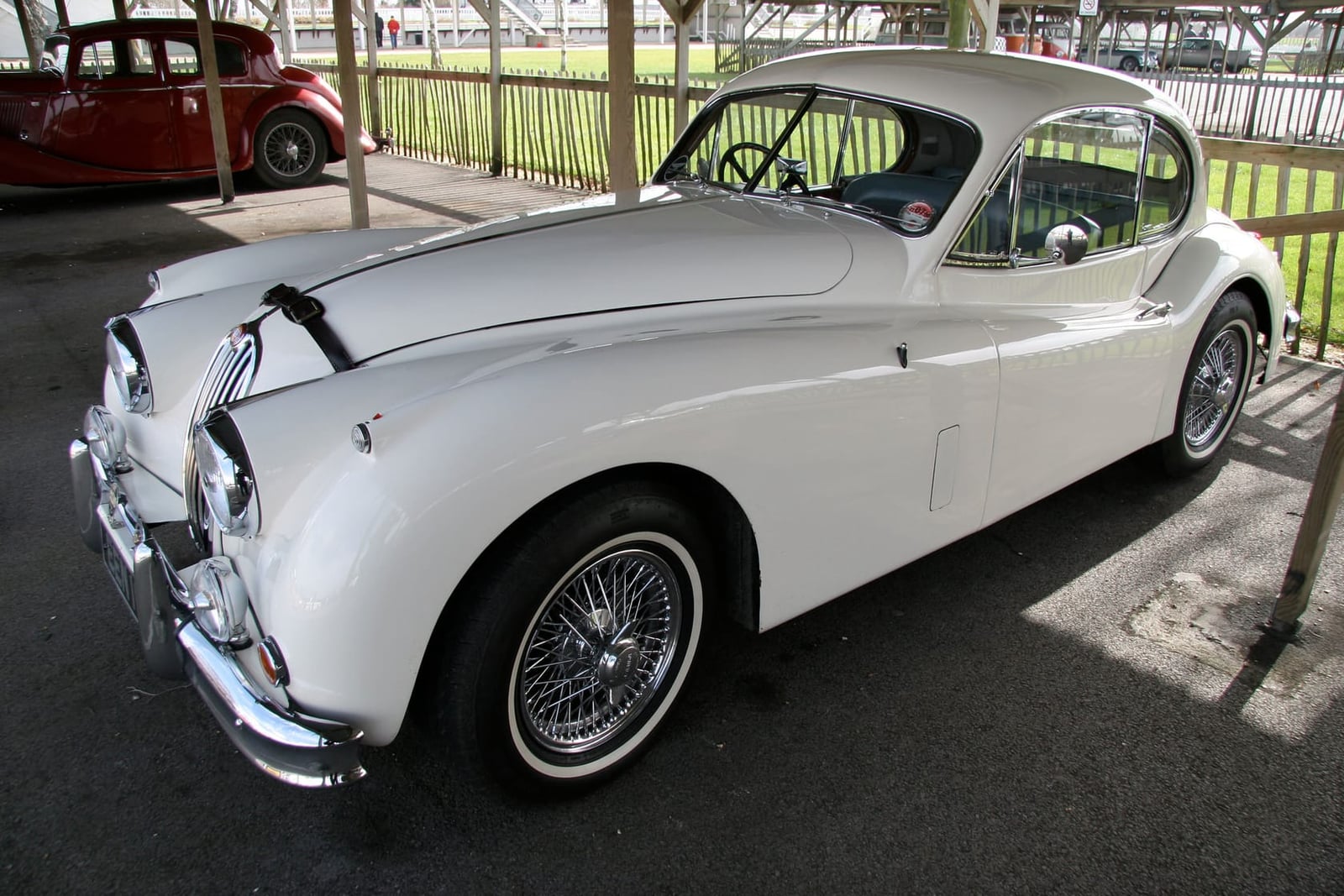
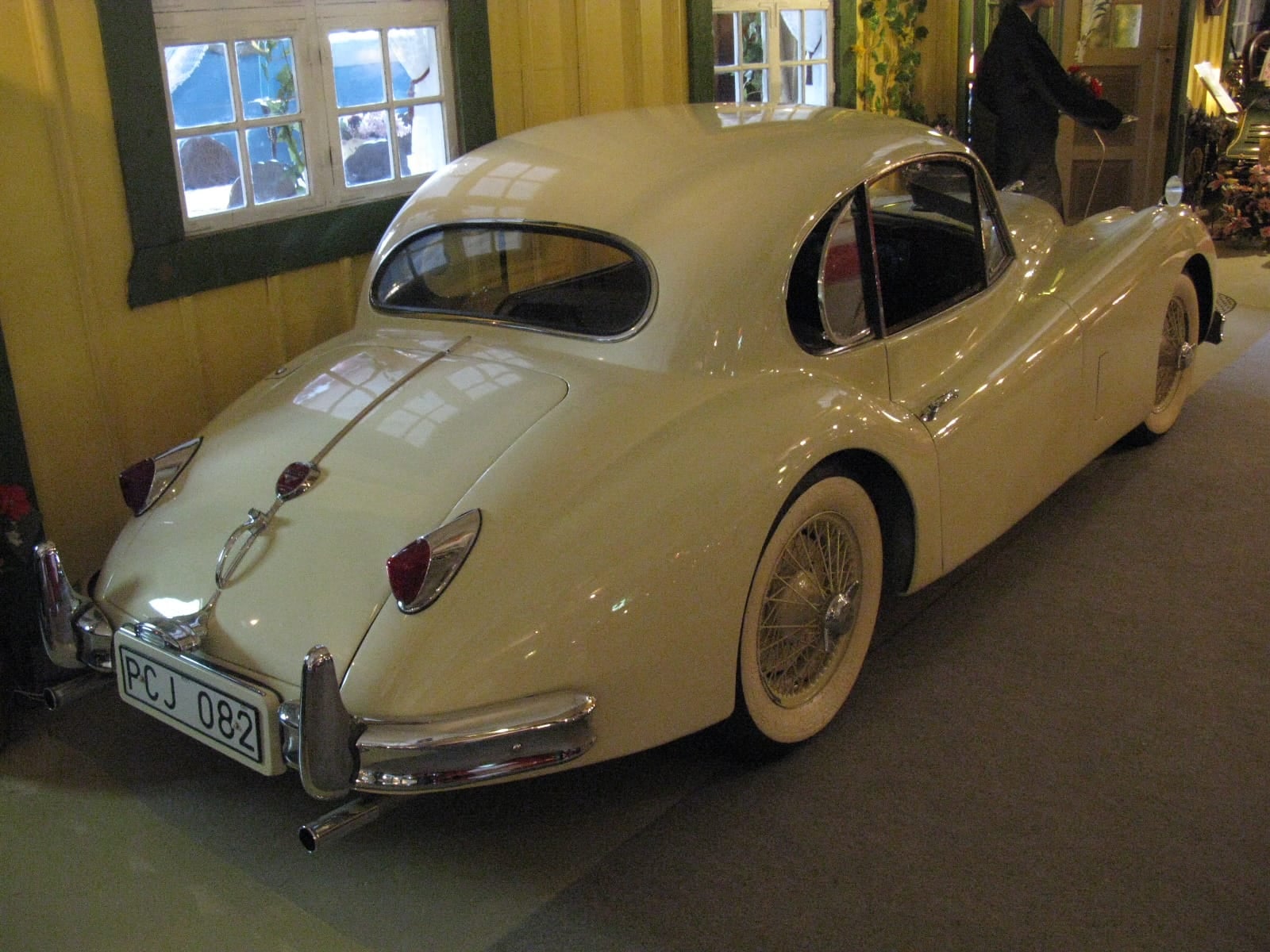
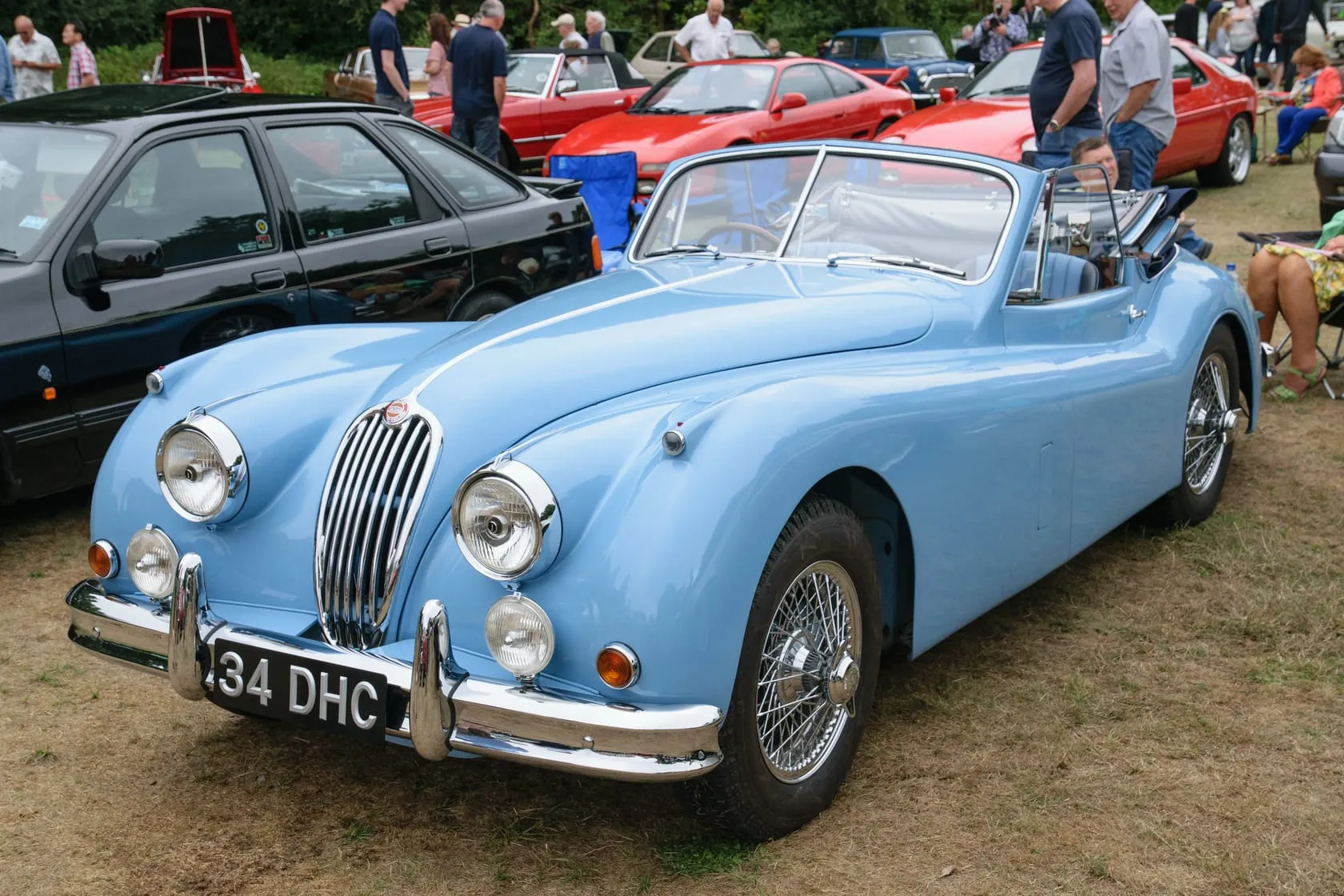
The open two-seater kept the sporting purity, side screens and all, and tops the market now as it always has. The drophead coupe added a proper lined convertible hood and wind-up windows, the civilised middle way. The fixed head coupe, its roofline stretched gracefully over that extra cabin space, is the value entry and arguably the best-looking closed XK of all. Around 8,900 cars were built across the three styles, the great majority left-hand drive for America, which makes honest UK-supplied right-hand-drive cars the scarce prize.

SE and the C-type head
The Special Equipment package is the specification to hunt: the C-type cylinder head, developed on the Le Mans-winning racers, took power to around 210 bhp and suits the car’s long-legged character perfectly. Wire wheels and twin exhausts usually came with it. SE cars dominate survivors, but a premium invites imitation, so the head’s provenance deserves the same scrutiny as the chassis number on any car traded as a genuine 210 bhp example.

What an XK140 is like to drive
The 140 is the XK that flatters. The rack-and-pinion steering gives it precision the 120 never had, the torquey 3.4 pulls from nothing with that unmistakable twin-cam snarl, and the ride suits British roads better than most of its 1950s exotica rivals. It is a genuine 100 mph-plus grand tourer that a competent owner can drive hard today, and the overdrive-equipped cars cruise motorways with surprising composure. Drum brakes are the period limit: they work, with planning, and they are the strongest argument the XK150 makes for itself.

The middle child’s market
The XK140 has spent decades as the family’s value pick, priced below the XK120 that made the legend and level with or below the disc-braked 150, and the logic has never quite been fair. The 120’s premium rewards purity and firsts; the 140 answers with the better steering, the roomier cabin and the same engine with more power, which is why owners who drive their cars so often end up in one. The full record, 451 recorded sales by body, why the drophead uniquely outsells the roadster here, and what the market has done since 2017, is on the page covering Jaguar XK140 values; the 140 remains the family’s strongest answer to the only question that matters at this level: which one would you actually use?

Buying a Jaguar XK140 today
Documentation carries unusual weight on these cars because so many crossed the Atlantic twice: exported new, repatriated decades later, and restored somewhere along the way to standards that vary from concours to cosmetic.
Structure first, always: sills, floors, chassis outriggers and the front-wing inner structure rot expensively, and at six-figure restoration costs a sound car is worth almost any premium over a project. Matching numbers matter to value; so does body-style honesty, since more than one fixed head has become a “roadster” over the decades. Mechanical parts supply is outstanding for the XK engine, the specialist network is deep on both sides of the Atlantic, and there is nothing on the car a good marque restorer has not rebuilt a hundred times. Values run from around £40,000 usable to £100,000 for the best, roadsters on top, with the Jaguar silo’s usual rule in full force: buy the history file as much as the car. For the wider era, see the sports cars of the 1950s, where the XK140 still sets the standard the others are measured against.

More photos
The XK140 timeline
- 1954Launched with the XK engine moved three inches forward for real legroom, rack-and-pinion steering in place of recirculating ball, 190 bhp and improved cooling.
- 1954Three body styles from the start: open two-seater with side screens, drophead coupe with a lined hood and wind-up windows, and a fixed head coupe with a stretched roofline.
- 1955The Special Equipment package brings the C-type cylinder head at around 210 bhp, usually with wire wheels and twin exhausts.
- 1957Production ends at around 8,900 cars, the great majority exported; the disc-braked XK150 follows.
What to check on an XK140
Structure
- Sills, floors, footwells and valances, as on any steel-bodied XK
- Aluminium doors, bonnet and boot corrode in their own way
- Restoration is priced at XK rates whatever the car cost to buy
- Honest UK-supplied right-hand-drive cars are the scarce prize and worth the search
Specification
- The SE package with the C-type head is the specification to hunt
- A premium invites imitation: the head's provenance deserves the same scrutiny as the chassis number
- Wire wheels and twin exhausts usually came with SE, so their absence is a question
- Overdrive cars cruise motorways with surprising composure
Body style and use
- The roadster keeps the sporting purity and tops the market
- The drophead is the civilised middle way, and uniquely here outsells the roadster in the record
- The fixed head is the value entry and arguably the best-looking closed XK of all
- Drum brakes are the honest period limit; plan for them rather than expecting disc feel
Frequently asked questions
What is the difference between the Jaguar XK120 and XK140?
What does SE mean on a Jaguar XK140?
What year Jaguar XK should I avoid?
How many Jaguar XK140s were built?
Related across themes


More from Jaguar


Recently added

Bentley S-series: the quiet twin with the beautiful secrets (1955–1965)

Rolls-Royce Silver Spirit and Silver Spur: the last Crewe bargain (1980–1999)

Rolls-Royce Corniche: the coachbuilt survivor that outlived its makers (1971–1995)
