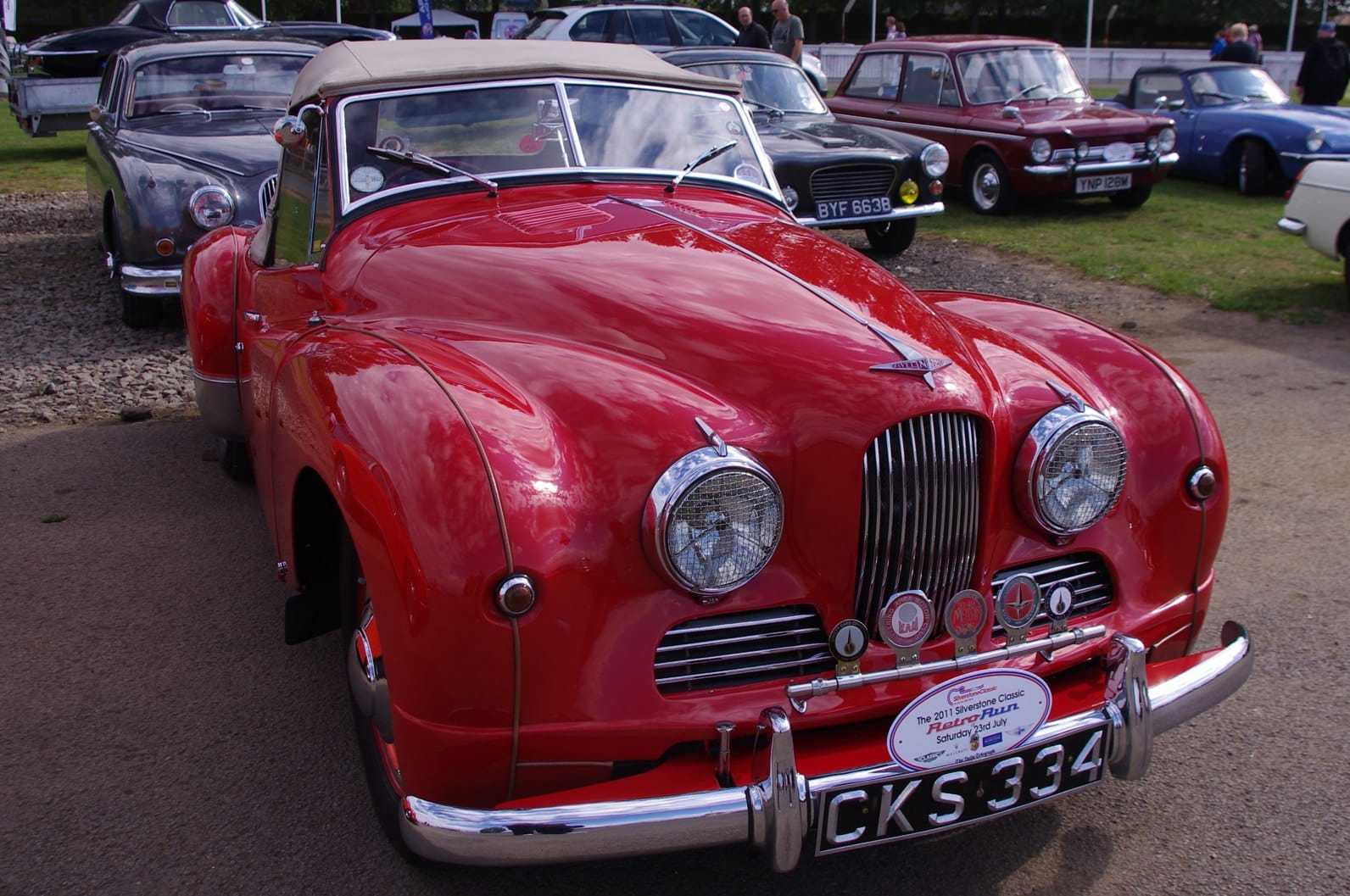
Yorkshire’s proudest automotive underdog spent forty years building slow, unburstable flat-twins and then, with the war barely over, produced one of the most advanced family saloons on earth. Jowett of Bradford made the Javelin, took the Jupiter to three consecutive Le Mans class wins, and collapsed in 1954 through no fault of either car. The classic Jowetts remain the best story-per-pound purchase in the British hobby, kept alive by clubs whose devotion outlasted the company four times over.
Twins from Idle: the first forty years
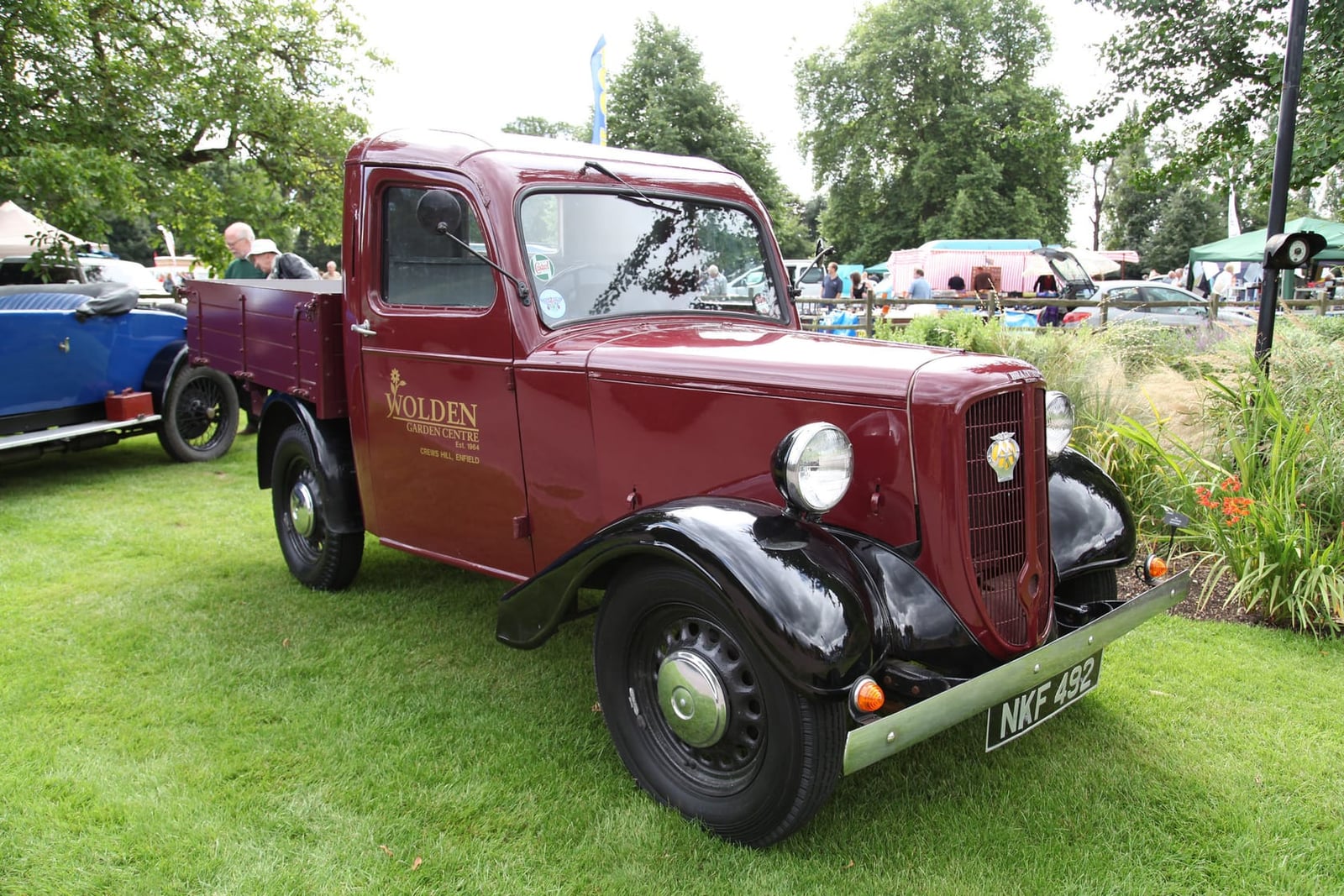
Brothers Benjamin and William Jowett began building their flat-twin light cars at Idle, Bradford, before the Great War, and the formula barely changed for decades: modest power, immense pulling ability and proverbial durability, sold with slogans about pulling like an elephant. Two Jowetts made the first motorised crossing of Africa in 1926, the Kestrel and Long Four added variety in the thirties, and the flat-twin lived on after 1945 in the Bradford van and estate, the humble workhorse whose profits funded something extraordinary.
Jowett at auction
What a classic Jowett sells for at auction
- Median sale, 2025
- £3,800 Down from £9,902 in 2021
- Sales in 2025
- 12 The most we have recorded in a year
- Sold when offered
- 66.4% Of the cars put up for auction since 2004
- The record
- £46,333 Jupiter, Bring A Trailer, June 2023
The Javelin: Bradford leaps a generation
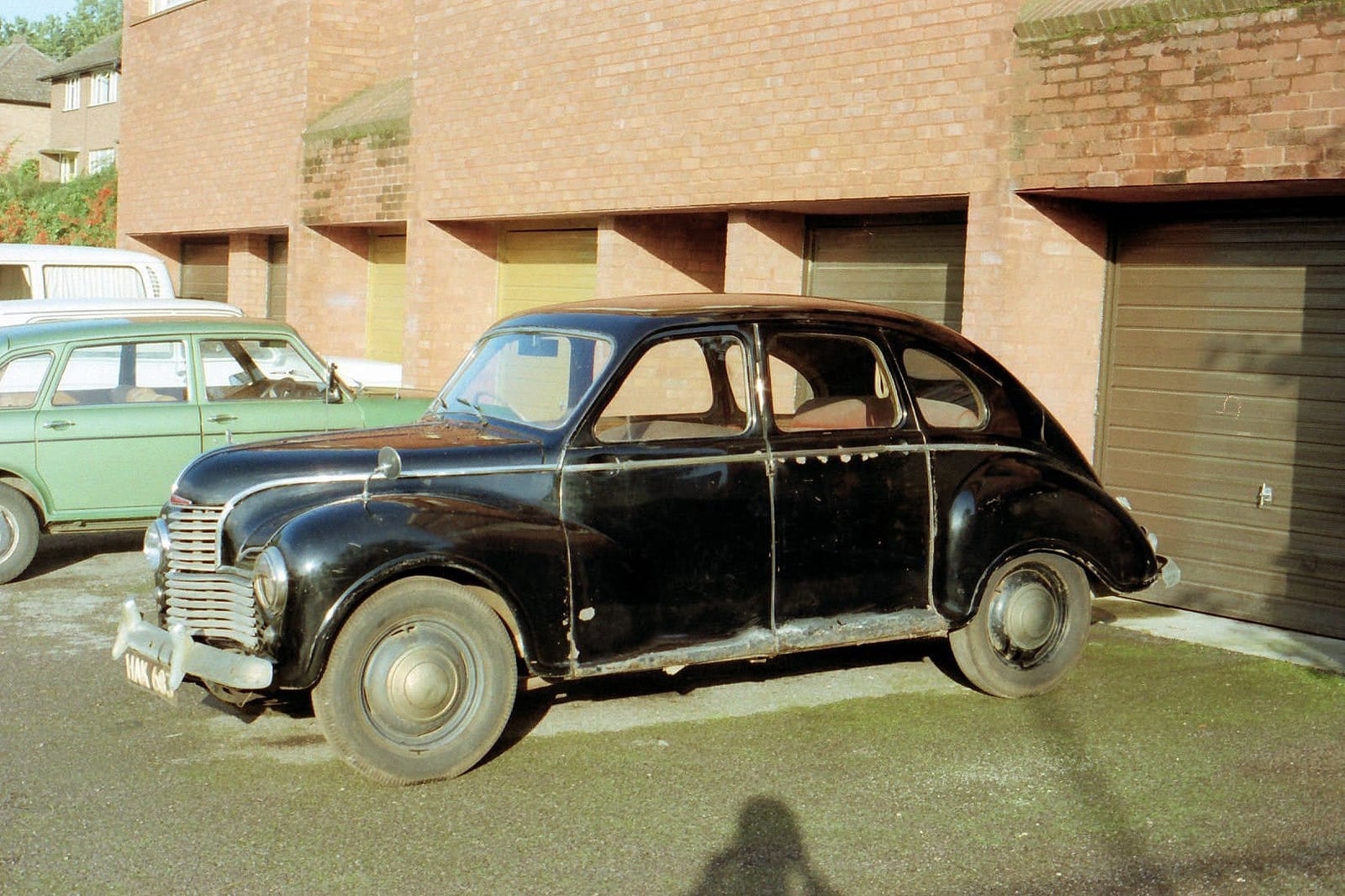
Gerald Palmer’s Javelin of 1947 seemed to arrive from another company entirely: a fastback aerodynamic saloon with a 1.5-litre flat-four slung ahead of the front axle, torsion-bar independent suspension, a flat floor, six-seat space and honest 80 mph pace. It won its class on the 1949 Monte Carlo Rally and embarrassed supposedly grander cars everywhere, around 23,000 finding buyers in the export-hungry years. British family saloons this advanced would not be normal for another decade, a fact the Javelin’s owners have never tired of mentioning, and it stands with the most forward-looking cars of the 1940s from any maker.

Jupiter: the Le Mans class winner
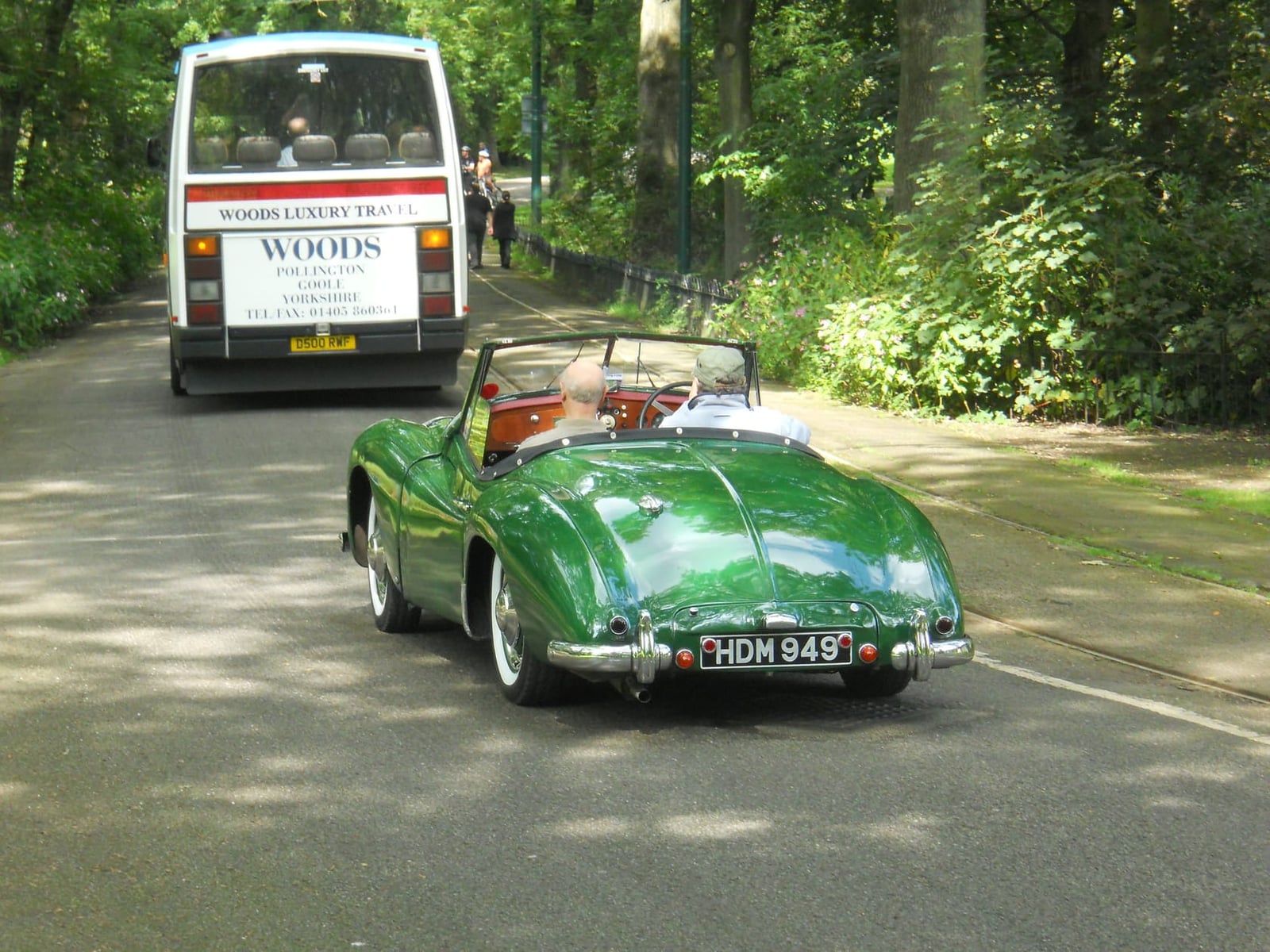
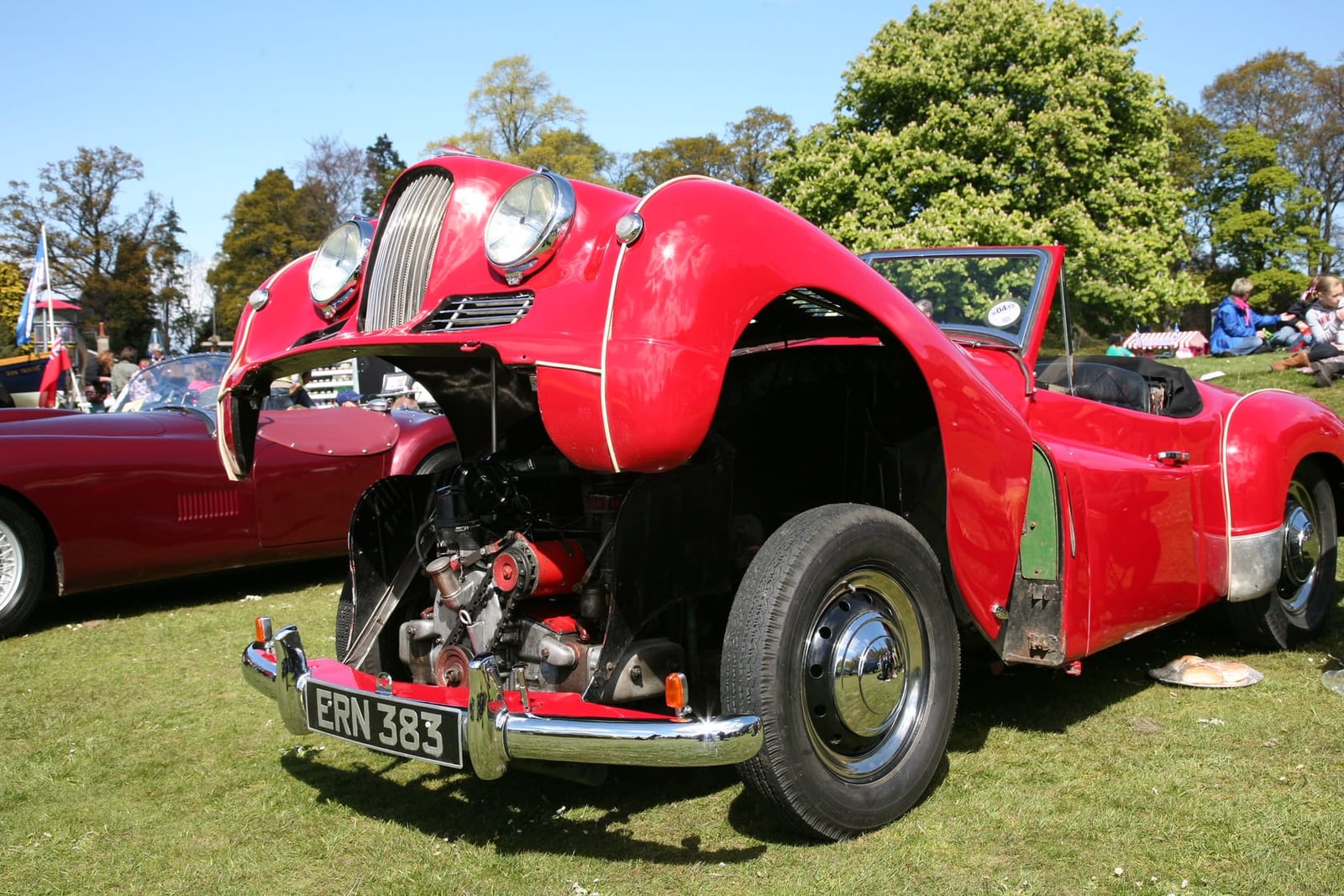
The sports car doubled the audacity: the Jupiter of 1950 wrapped the flat-four in a tubular chassis designed with input from Auto Union’s Eberan von Eberhorst, and the works cars won the 1.5-litre class at Le Mans in 1950, 1951 and 1952, three straight years, adding Monte and Watkins Glen class honours for good measure. Around 900 Jupiters were built, many wearing coachbuilt bodies, and the model remains one of the most affordable cars in existence with a genuine Le Mans winner’s pedigree.

What a Jowett is like
Jowett ownership runs on club oxygen: the Jowett Car Club, among the oldest one-make clubs in the world, and the Jupiter Owners Auto Club maintain spares manufacture, records and expertise that make these orphans easier to run than many supported marques. The flat-four asks informed care, cooling and crankshaft history being the traditional questions, the twins ask almost nothing, and all of them travel in a cloud of goodwill at every event they attend. Rust and completeness are the buying checks; the clubs are the answer to everything else.

Values: the underdog dividend
Seventy-three measured sales at a £5,900 median price the whole story within reach: Javelins from £4,000 to around £12,000, Bradfords and pre-war twins in the same territory, and Jupiters £18,000 to £35,000 with competition history beyond. Against anything else carrying three Le Mans class wins the Jupiter is the bargain of the sport, and the Javelin remains what it always was: the cleverest car its money could buy, now twice over.
More photos