MGF and MG TF: the mid-engined comeback (1995–2011)
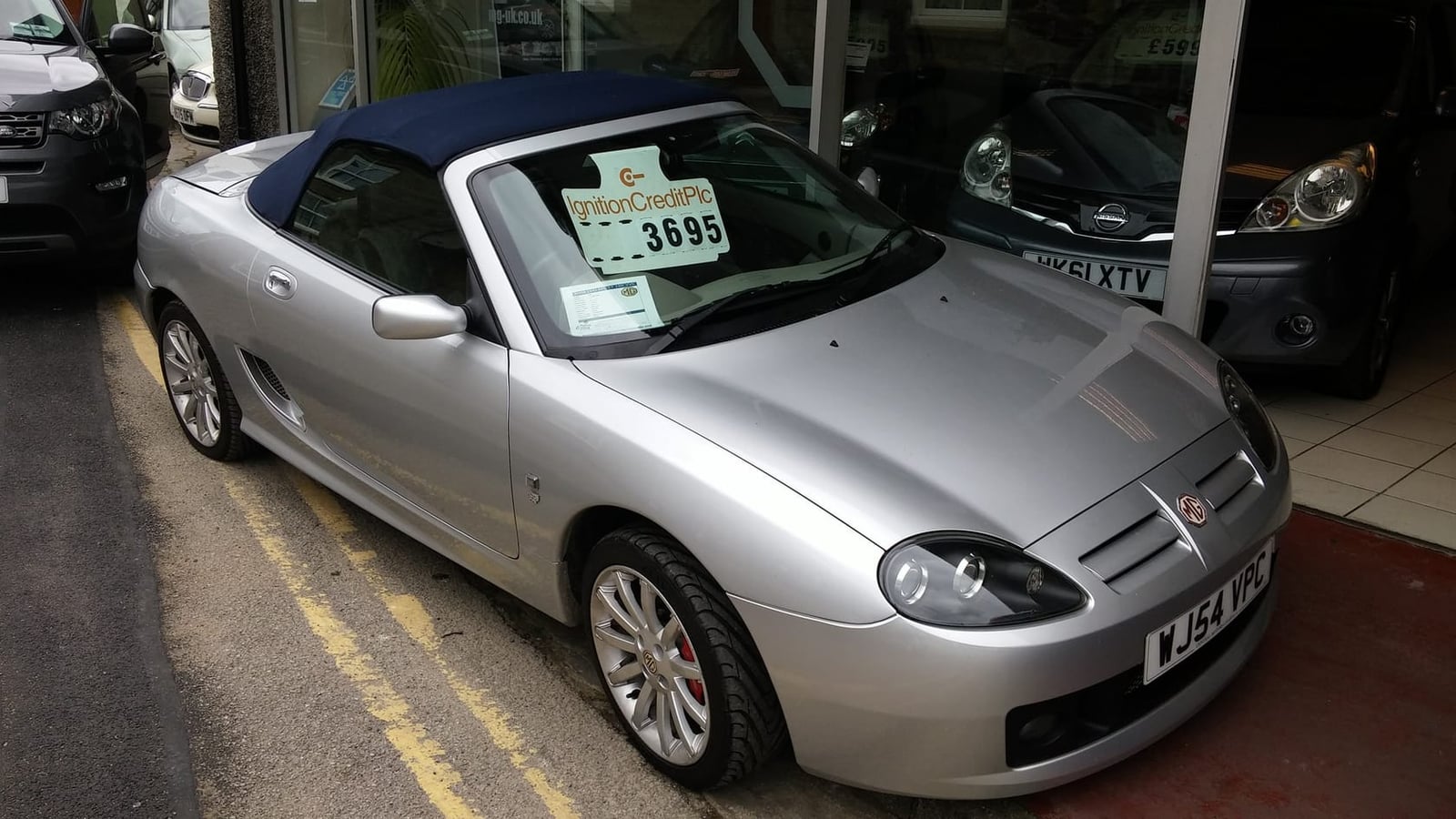
The MGF put MG back into sports car production for the first time since the MGB died, mid-engined on Hydragas with the K-series twin-cam, and the TF carried the line to the last MG built at Longbridge. A guide to the 1995–2011 roadsters, the Hydragas suspension and the K-series head gasket, the TF editions, and what to check before buying.
Built 1995–2011
At a glance
- Years
- 1995–2011
- Body styles
- Two-seat mid-engined roadster
- Drivetrain
- Mid engine, rear-wheel drive
- Engines
- 1588cc and 1796cc K-series; 1.8 VVC in faster variants
- Power
- 111-160 bhp by variant
- Top speed
- Around 116-137 mph
- Trim levels
- 1.8i, VVC, Trophy 160; TF 115/135/160; LE500
- Production
- About 77,000 MGF and 39,000 TF
- Assembly
- Longbridge, Birmingham
- Designer
- Gerry McGovern's studio
- Values
- Running cars from around £1,000; good examples £2,500-£6,000; Trophy 160s and the best low-mileage cars beyond £9,000
- The comeback
- The first all-new MG sports car since the MGB, and mid-engined at that
- The ending
- The Longbridge-built TF LE500 of 2008–11 was the last MG made in Britain
The models
Thirty-three years separated the MGB’s launch from its true successor, and when the successor came it put the engine in the middle. The MGF of 1995 revived MG sports car production with a mid-mounted K-series twin-cam riding on Hydragas spheres, became Britain’s best-selling roadster, and evolved into the TF that ended, twice, as the last MG built in Britain. The MGF and TF are today’s cheapest genuine classics with real engineering interest, and the scrapyards, working through the neglected majority year by year, are busy correcting that from underneath.
The comeback: PR3 to MGF
The project code was PR3 and the ambition was survival: Rover Group needed proof that MG meant more than badged Metros, and the engineers hid their mid-engined prototype chassis under Metro van bodywork, the famous mules, while Gerry McGovern’s studio drew the production shape. Launched at Geneva in 1995 at under £16,000, the MGF beat the MX-5 on sophistication if not simplicity, took the class sales lead at home almost immediately, and answered a decade of doubt about whether the octagon still meant sports cars at all. Around 77,000 were built to 2002, Britain’s best-selling roadster for much of that run.

Hydragas and the K-series: the recipe
The engineering was cleverer than the price suggested: interconnected Hydragas suspension, the last act of the Moulton lineage, gave a ride no rival matched, the all-alloy 1.8 K-series delivered 118 bhp or 143 in VVC form, and mid-engined balance made the chassis a genuine delight. The 2001 Trophy 160 sharpened everything to 160 bhp with AP Racing front brakes, firmer settings and bold colours as the MGF’s genuine performance farewell. The K-series head gasket earned its notoriety and its industry of fixes; the Hydragas spheres, no longer made new, earned a specialist refurbishment scene that keeps the magic-carpet ride alive.

TF: the second act and the last MG
MG Rover relaunched the car as the TF in 2002, coil springs replacing Hydragas, the shell stiffened, the nose sharpened, and the name borrowed from the fifties T-series with cheerful confidence. The collapse of April 2005 stopped Longbridge and stranded the line, but Chinese ownership restarted it in 2008 for the TF LE500 and 135, a few thousand final cars to 2011 that hold a melancholy distinction: the last MGs built in Britain. Around 39,000 TFs of all eras joined the 77,000 MGFs, and the family now spans the whole end of the British-owned industry.

Editions, specials and the collector map
The family bred limited editions with MG’s traditional enthusiasm: the 75th Anniversary and Abingdon cars dressed the MGF’s middle years, the 2001 Trophy 160 gave it a genuine performance send-off, and the TF answered with Cool Blue, Sunstorm, Spark and the 80th Anniversary among others, before the Longbridge restart’s LE500 closed the book as a numbered farewell. None were mechanically exotic, but the editions now map the collector market neatly: Trophy 160s lead on performance credentials, LE500s on last-of-line sentiment, Anniversaries on originality, and honest early 1995–96 MGFs on the simple fact that first-year cars are vanishing fastest. For a family this young the hierarchy is unusually settled, and it rewards buying the edition story as much as the car.
What they are like to drive
Mid-engined balance defines both: the steering is light and honest, the tail grips beyond the power’s ability to trouble it, and the K-series thrives on revs with a crisp twin-cam edge, VVC and Trophy cars adding real pace. The MGF’s Hydragas ride remains unique, supple in a way no coil-sprung rival managed, while the TF trades some suppleness for sharper turn-in. Neither is fast by modern standards; both are properly, affordably fun, which was always the octagon’s core promise, and the mid-engined layout gives them a poise the front-engined MGs never had. A good VVC on a B-road remains one of the great underrated British driving experiences, not least because it costs less than a set of alloy wheels for most rivals.

Buying an MGF or TF today
The checklist is settled lore: head gasket history or evidence of the uprated fix, cooling system health proven on a long warm test drive, sills and rear subframes inspected for rot, Hydragas ride height on MGFs, hood condition everywhere. Cared-for cars are plentiful and cheap; neglected ones are cheaper and never worth it, because even at these values a head gasket and sills bill exceeds the whole purchase. Clubs and specialists cover the family superbly, parts remain easy through the K-series industry, insurance is pocket money, and the Trophy 160, LE500 and honest low-mileage early cars are the collector picks with the widest headroom. The family is the hobby’s gentlest entry ticket, with survivor numbers falling fast enough that the usual MG story is already beginning again; the full record, 369 recorded sales split between MGF and TF, and what a four-figure median does to a car’s odds of surviving, is on the page covering MGF and TF values.
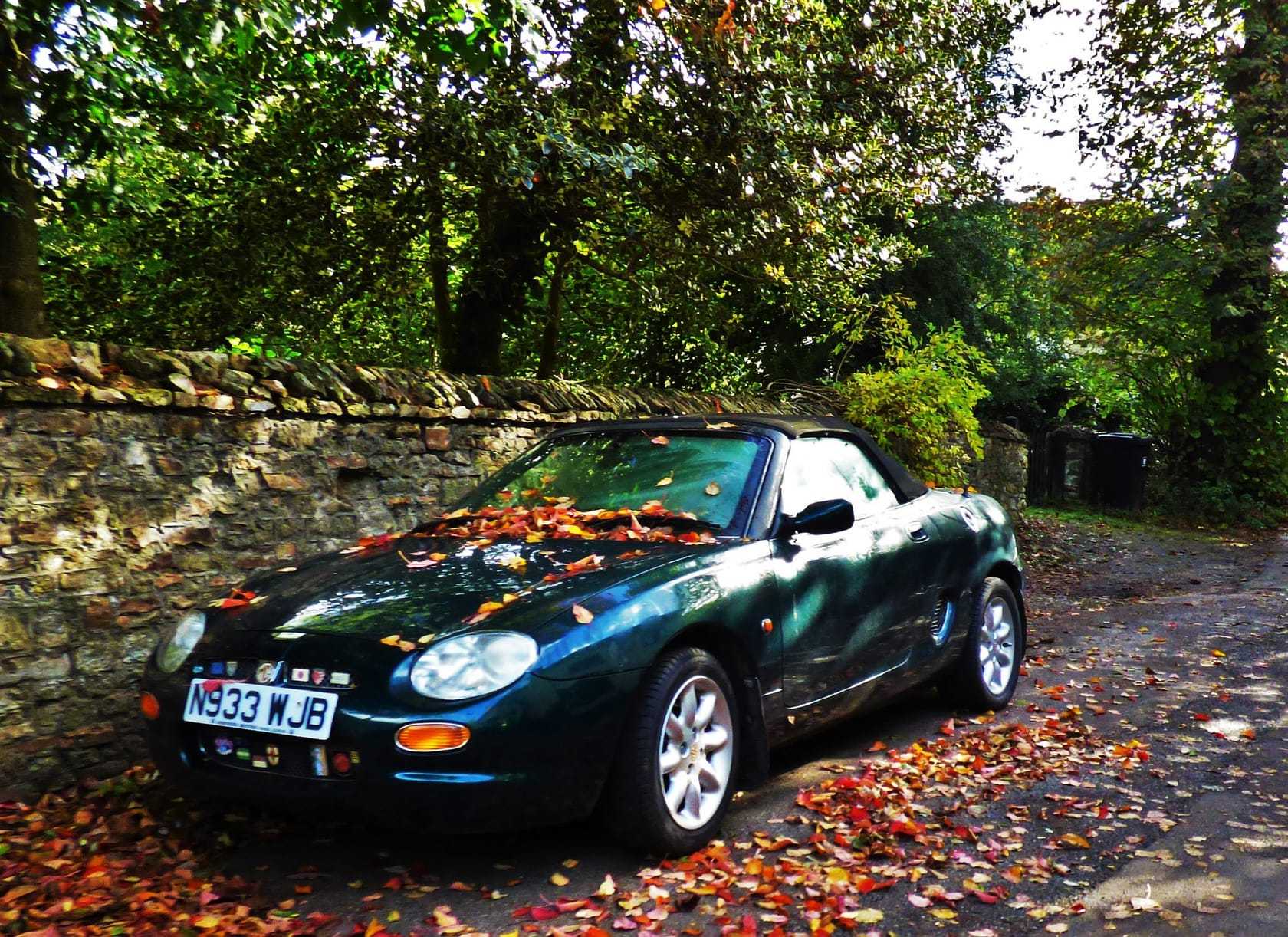
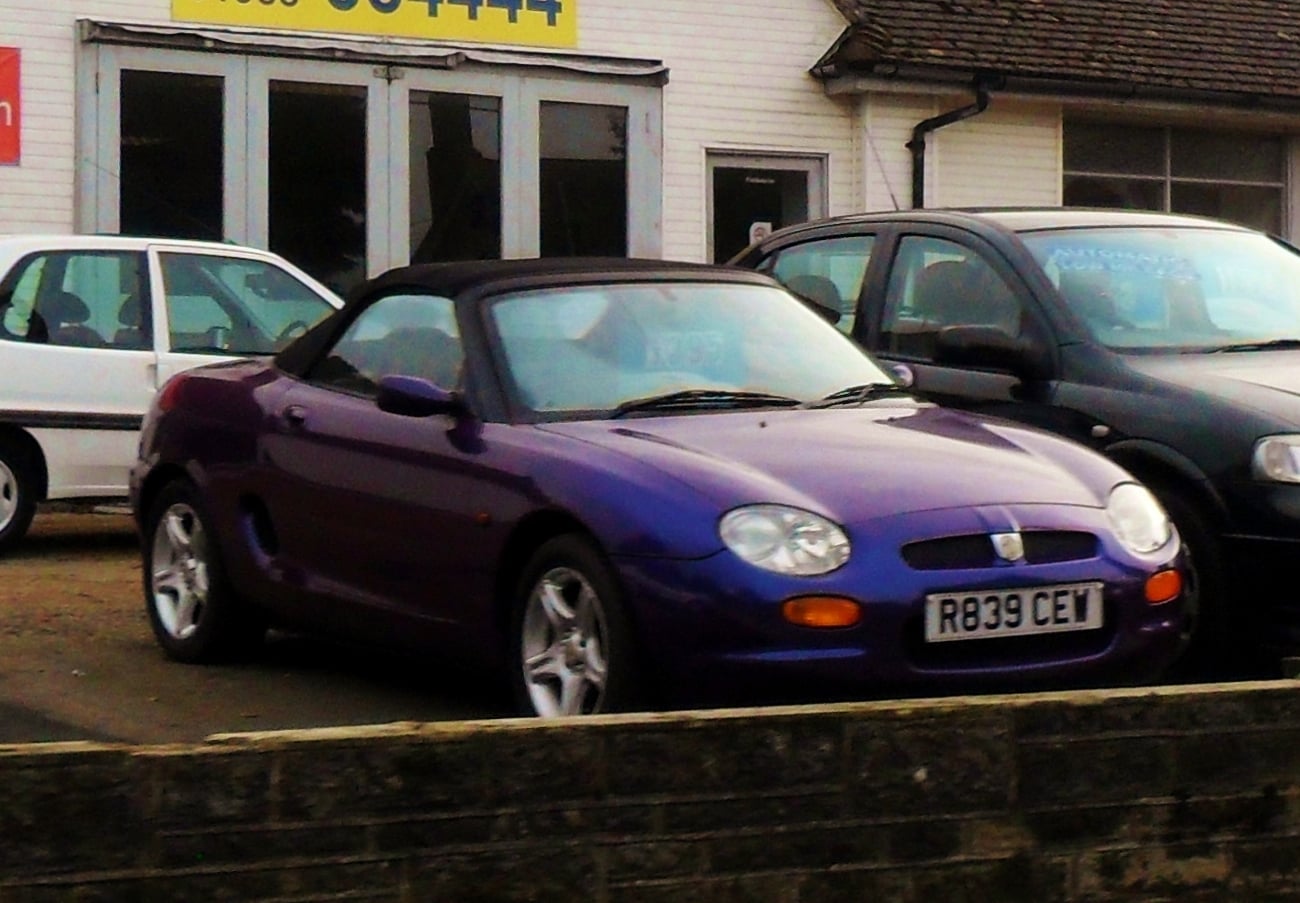
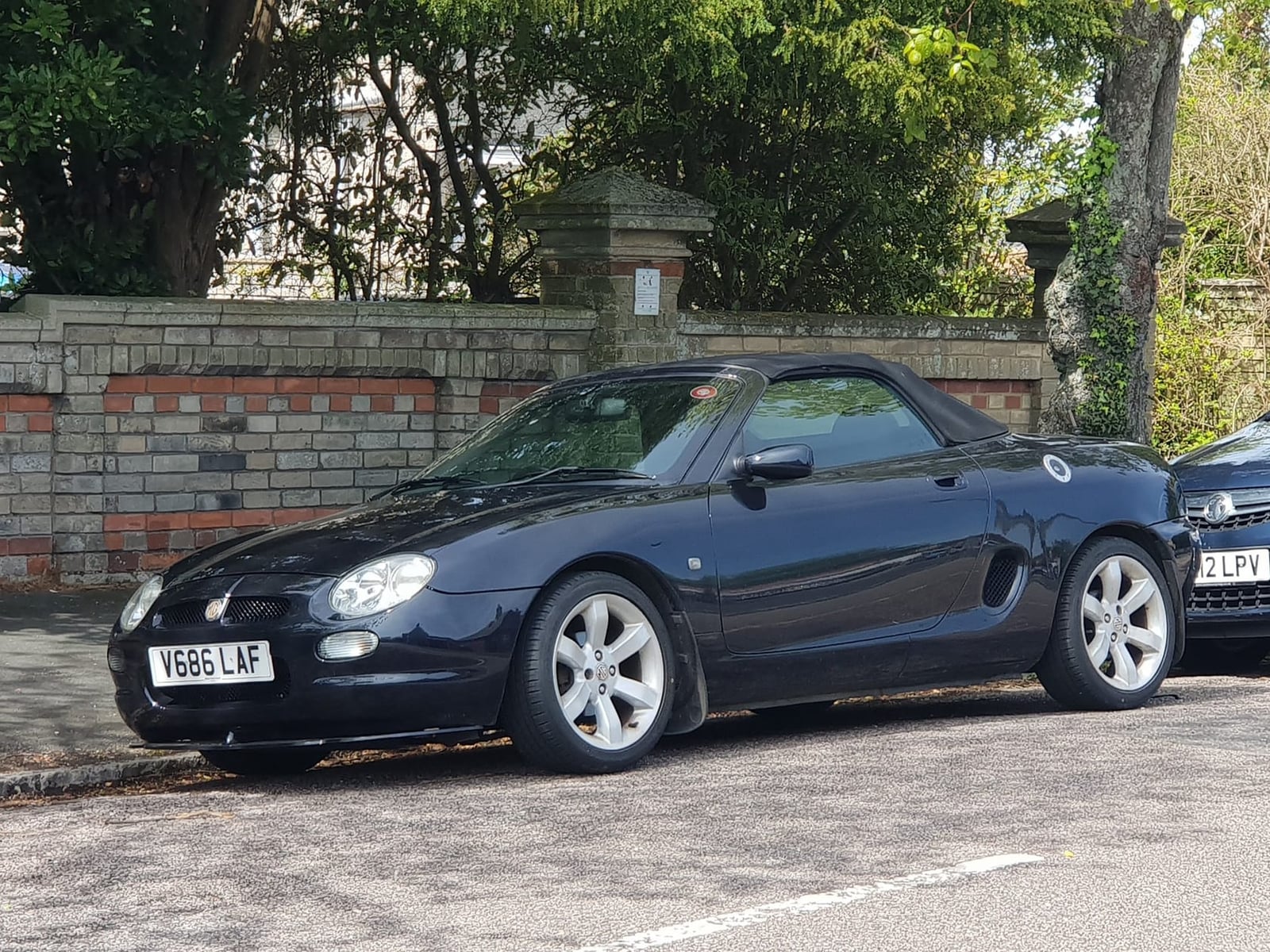
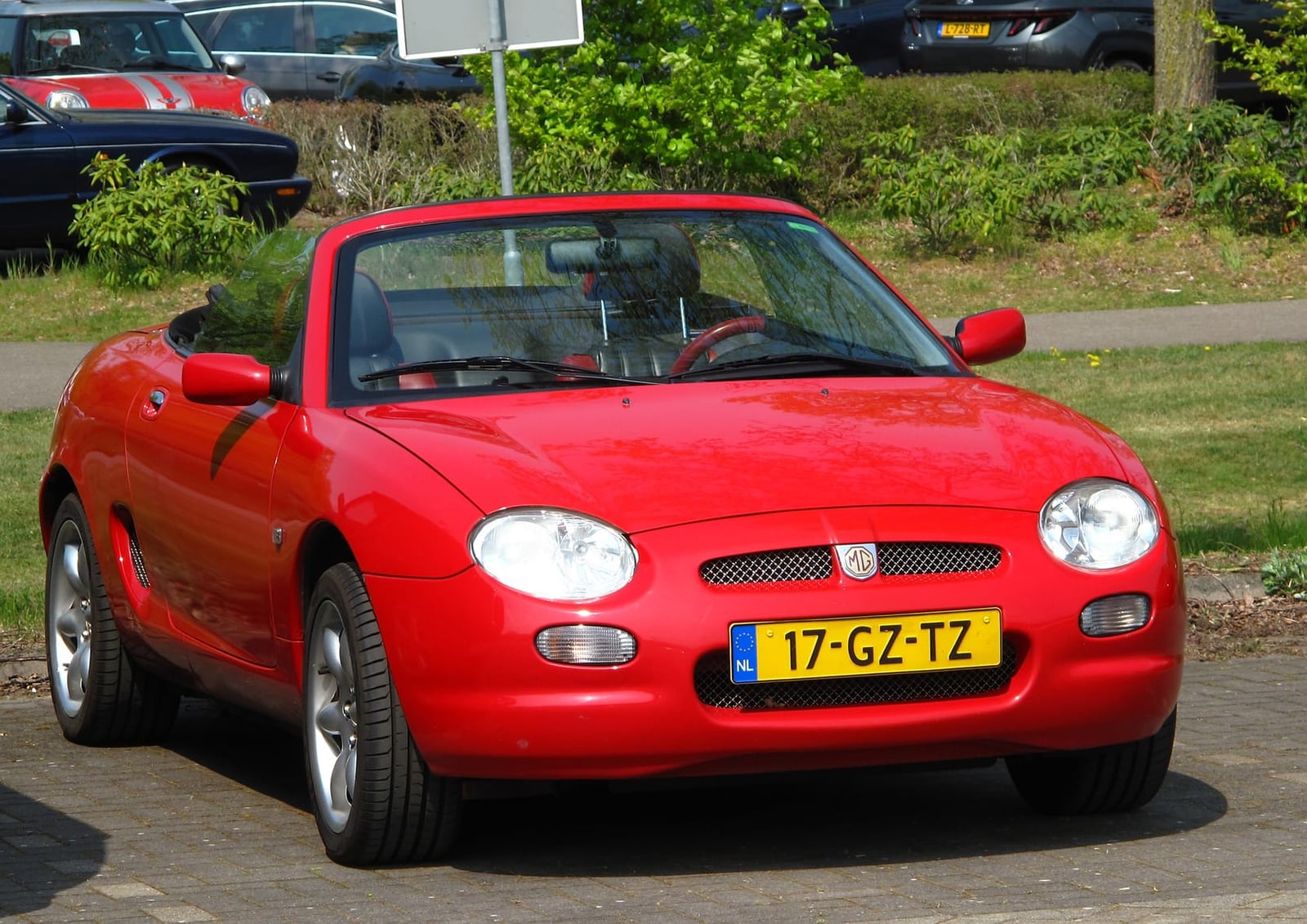
More photos
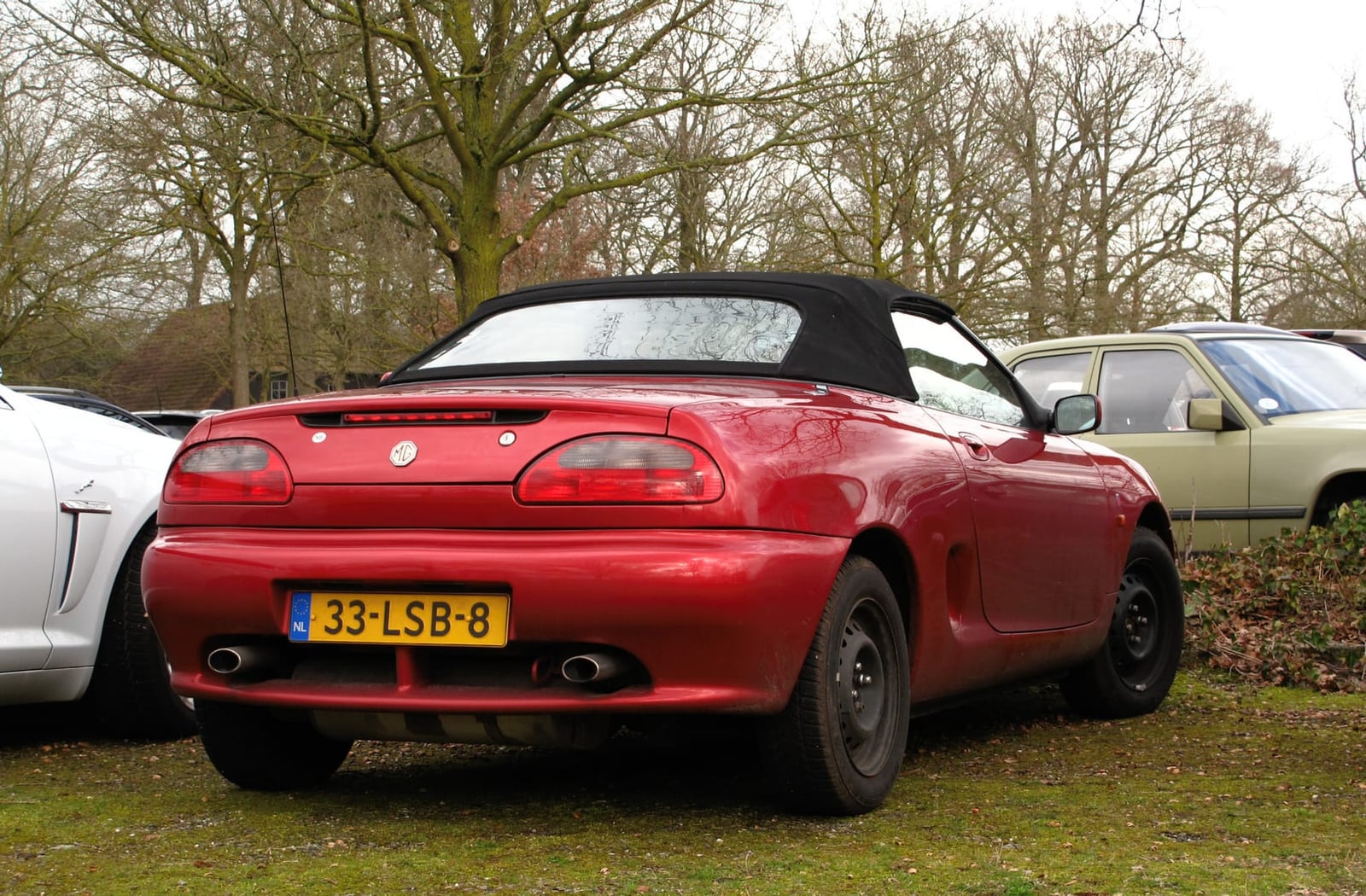
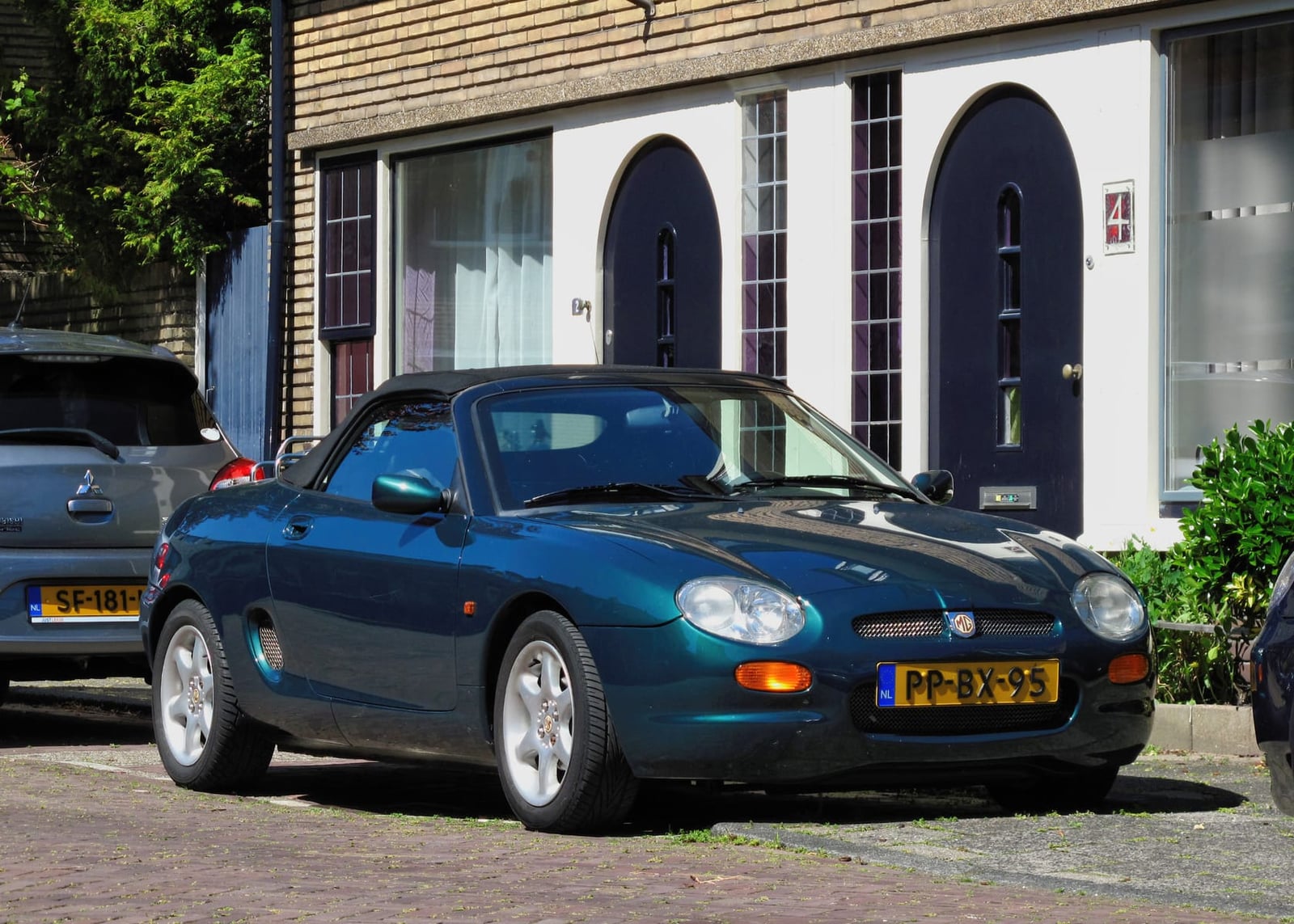
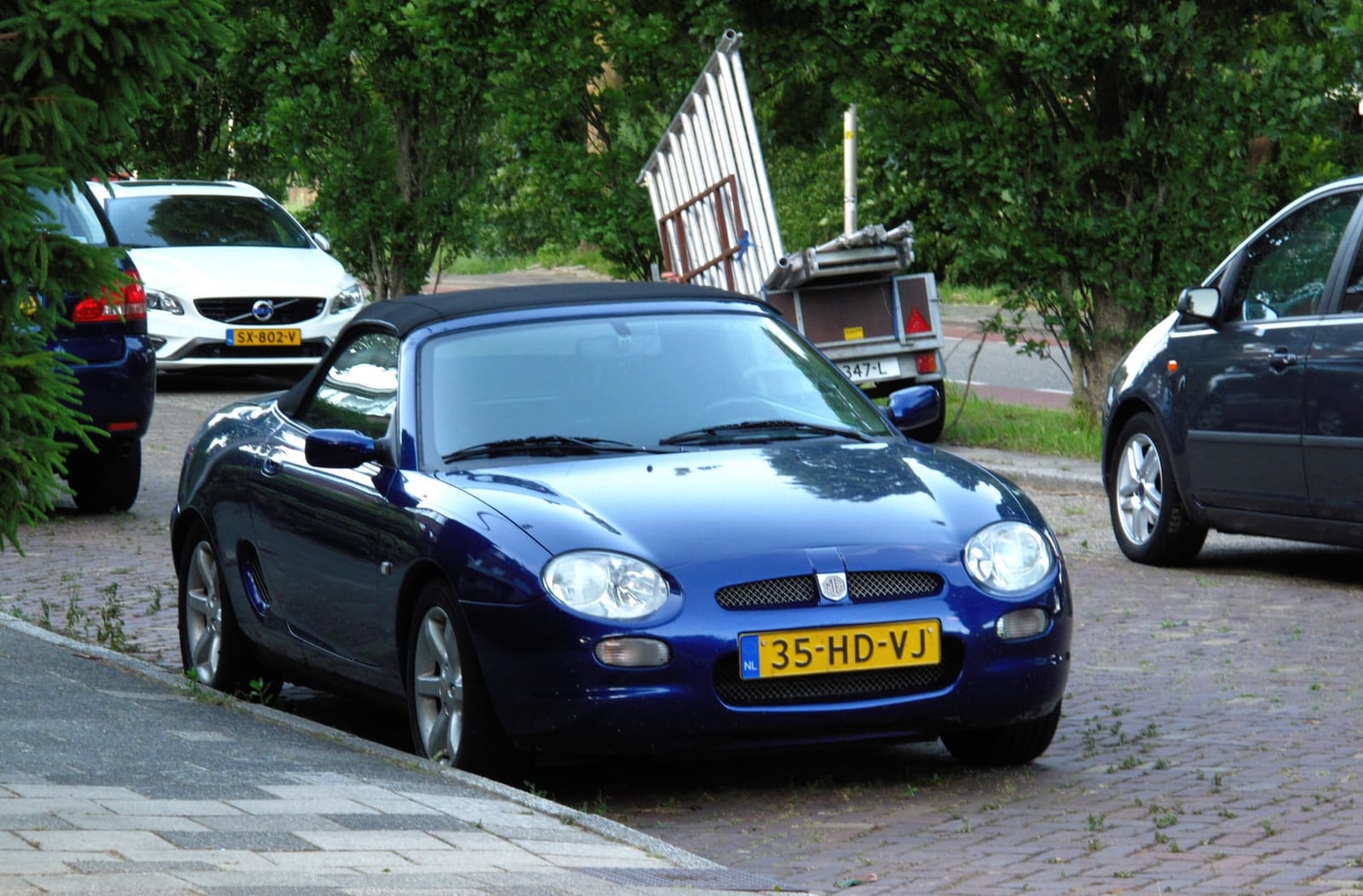
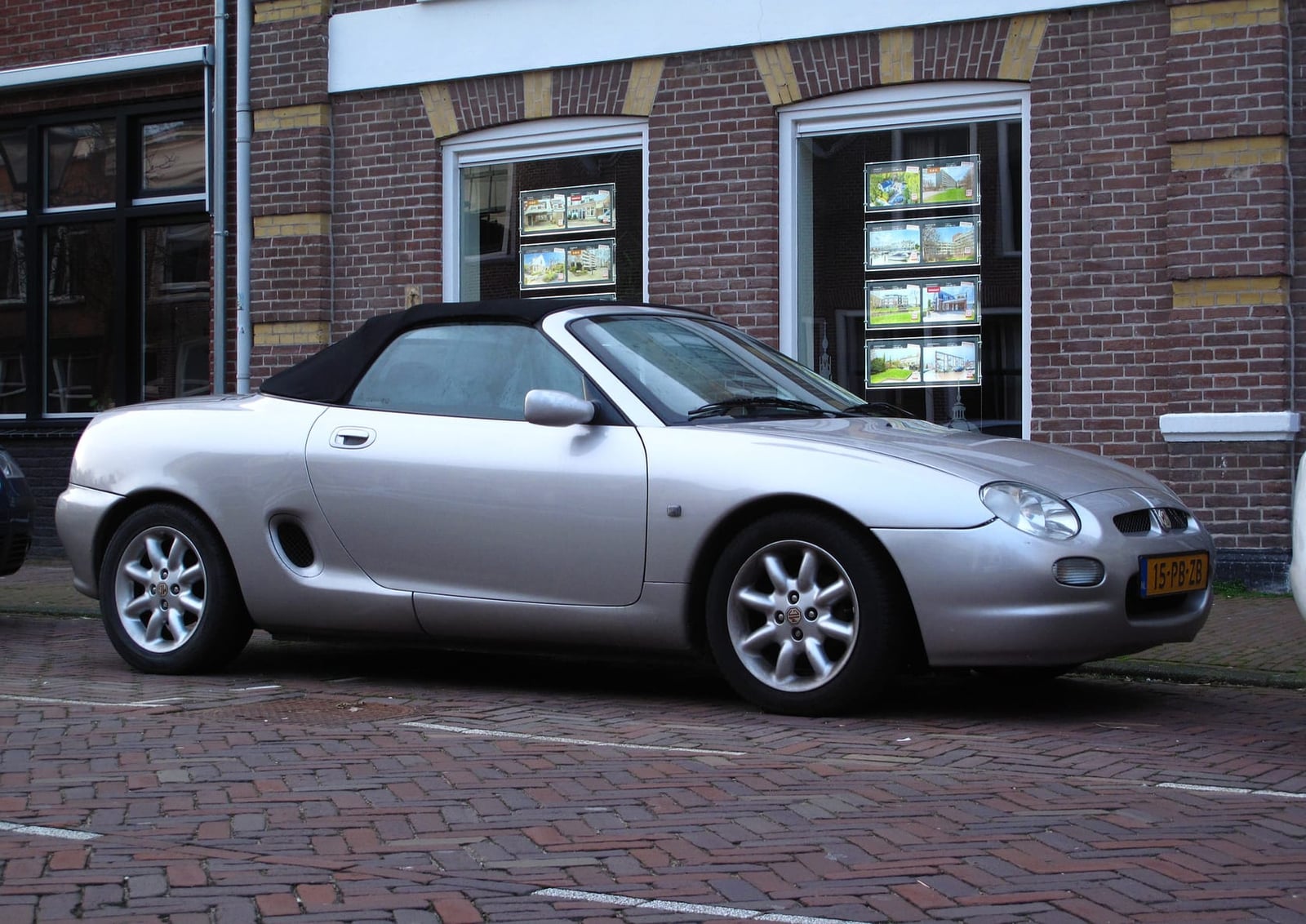
The MGF & TF in dates
- 1995Project PR3 launches at Geneva under £16,000: a mid-mounted K-series twin-cam on interconnected Hydragas, developed under Metro van bodywork on the famous mules.
- 1996It takes the class sales lead at home, beating the MX-5 on sophistication if not simplicity.
- 2001The Trophy 160 sharpens everything to 160 bhp with AP Racing front brakes, firmer settings and bold colours, the MGF's performance farewell.
- 2002The TF replaces it: coil springs in place of Hydragas, a stiffened shell and a sharper nose, borrowing the fifties T-series name.
- April 2005MG Rover collapses and Longbridge stops, stranding the line.
- 2008Chinese ownership restarts production for the TF LE500 and 135.
- 2011The last MGs built in Britain leave Longbridge; about 77,000 MGFs and 39,000 TFs were made in all.
Before you buy an MGF & TF
The head gasket, which is the settled lore
- Head gasket history, or documented evidence of the uprated fix
- Cooling system health proven on a long warm test drive, not a five-minute one
- Any coolant loss without an explanation is the answer, not a question
- Even at these values, a gasket and sills bill exceeds the whole purchase price
Structure and suspension
- Sills and rear subframes, inspected properly rather than glanced at
- Hydragas ride height on MGFs, since the spheres are no longer made new
- Hood condition on every car in the family
- TF coil springs sidestep the sphere problem but trade away the ride
Which one
- Trophy 160s lead on performance credentials
- LE500s lead on last-of-line sentiment
- Anniversary editions lead on originality
- Honest 1995 and 1996 MGFs matter because first-year cars are vanishing fastest
Frequently asked questions
Should you buy an MGF or TF?
What is the difference between the MGF and the MG TF?
Do all MGF and TF engines suffer head gasket failure?
Why did MG TF production end twice?
Related across themes

More from MG

MG Maestro: the hot hatchback with the talking dashboard, and the Tickford Turbo that outran them all (1983–1991)

MG MGB: over half a million built, and still the easiest classic to own (1962–1980)

MG MGB GT: Pininfarina looks and a hatchback, for roadster money (1965–1980)


