MG MGC: an MGB with a straight-six, and a reputation it never deserved (1967–1969)
The MG MGC was the MGB given a 3.0-litre straight-six, conceived as a replacement for the big Austin-Healey 3000 and damned in period for nose-heavy handling. A guide to the redesigned six-cylinder engine, the truth about the handling reputation, the roadster and GT, what to look for when buying, and why a sorted MGC is now a sought-after grand tourer.
Built 1967–1969

At a glance
- Years
- 1967–1969
- Body styles
- Two-door roadster or fastback GT coupe
- Drivetrain
- Front engine, rear-wheel drive
- Engines
- 2912cc C-series straight-six, twin SU carburettors
- Power
- 145 bhp
- Top speed
- Around 120 mph
- Trim levels
- Roadster, GT; University Motors Specials
- Production
- About 9,000 (roughly even roadster and GT split)
- Assembly
- Abingdon, Oxfordshire
- Designer
- MG and BMC (project ADO 52)
- Values
- Project £6,000-£9,000; good £12,000-£18,000; excellent £25,000-£32,000+ (roadsters ahead of GTs)
- The idea
- A six-cylinder MGB, conceived to replace the Austin-Healey 3000
- Tell-tales
- Bonnet power bulge and 15-inch wheels distinguish it from an MGB
The models
Few cars MG ever built were as misjudged as the MGC, the MGB given two extra cylinders. From the outside it looks almost exactly like an MGB, but under that bulging bonnet sits a 3.0-litre straight-six, and the car was meant to be a fast, long-legged grand tourer to replace the big Austin-Healey 3000. The motoring press of the day gave it a kicking, but time has been kinder, and a good one is now a sought-after and still relatively affordable six-cylinder classic.
The MGC is part of the classic MG range, the six-cylinder member of the family, built for just two years and now appreciated for exactly the qualities that were once held against it.
A six-cylinder MGB
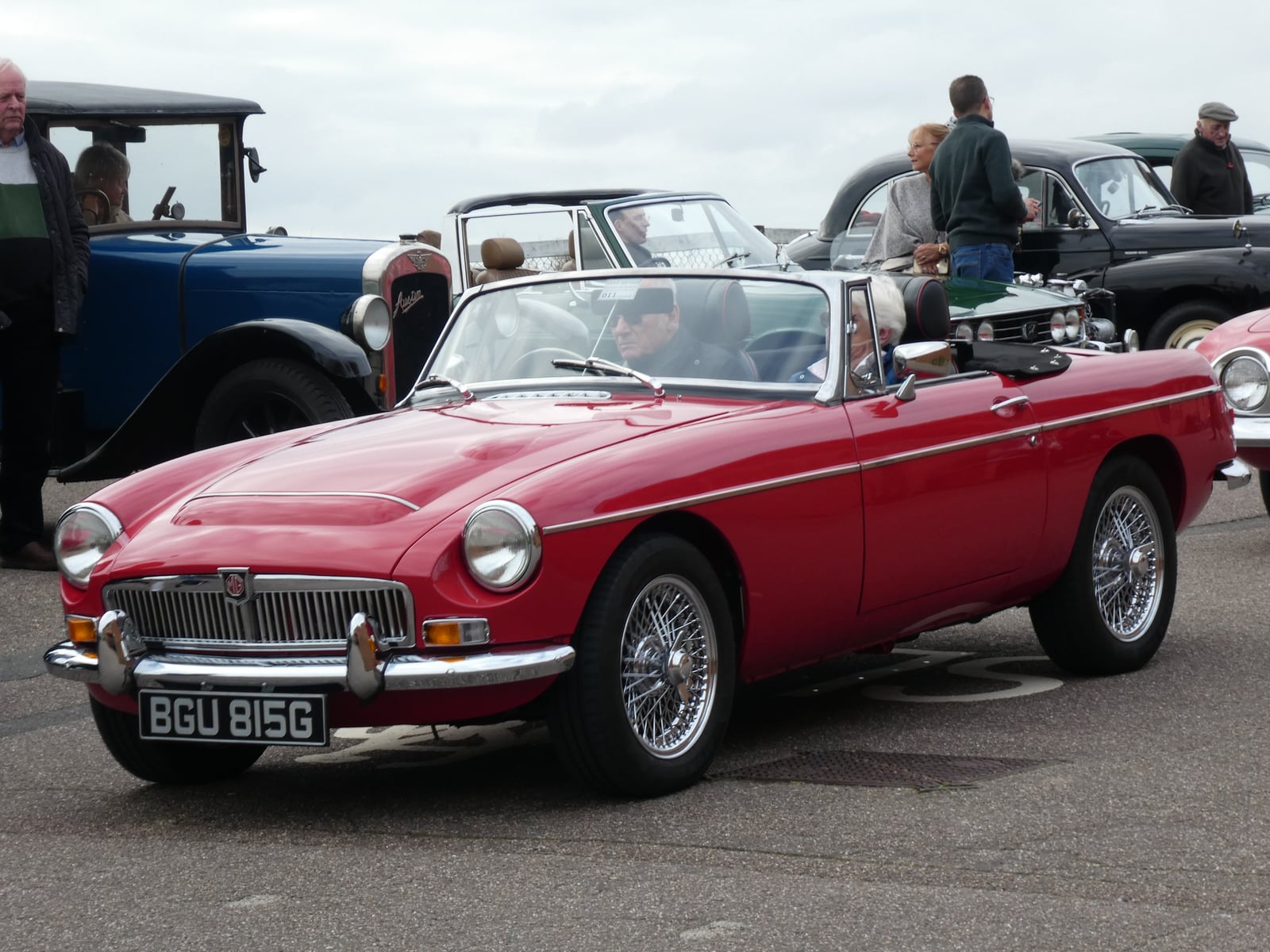
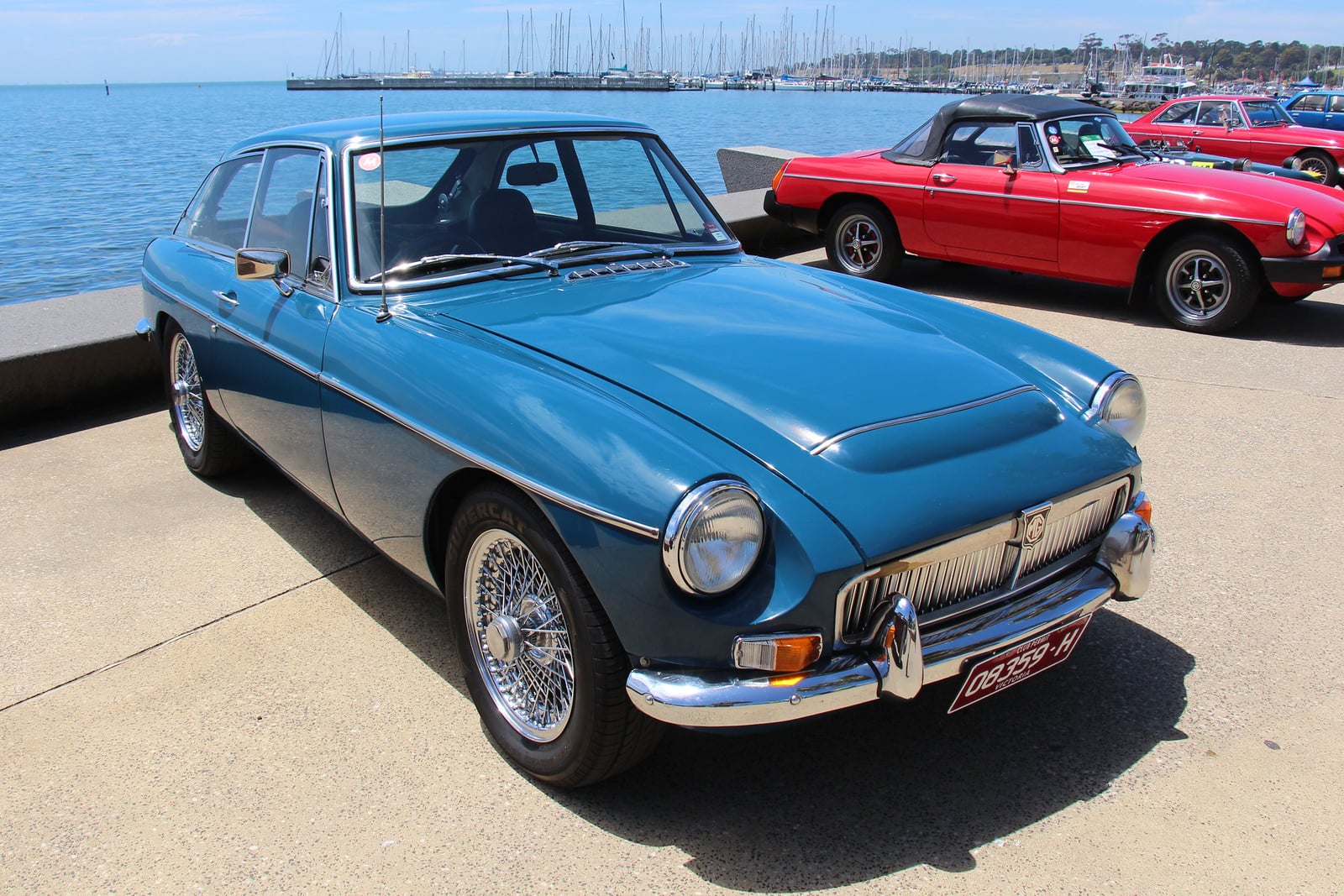
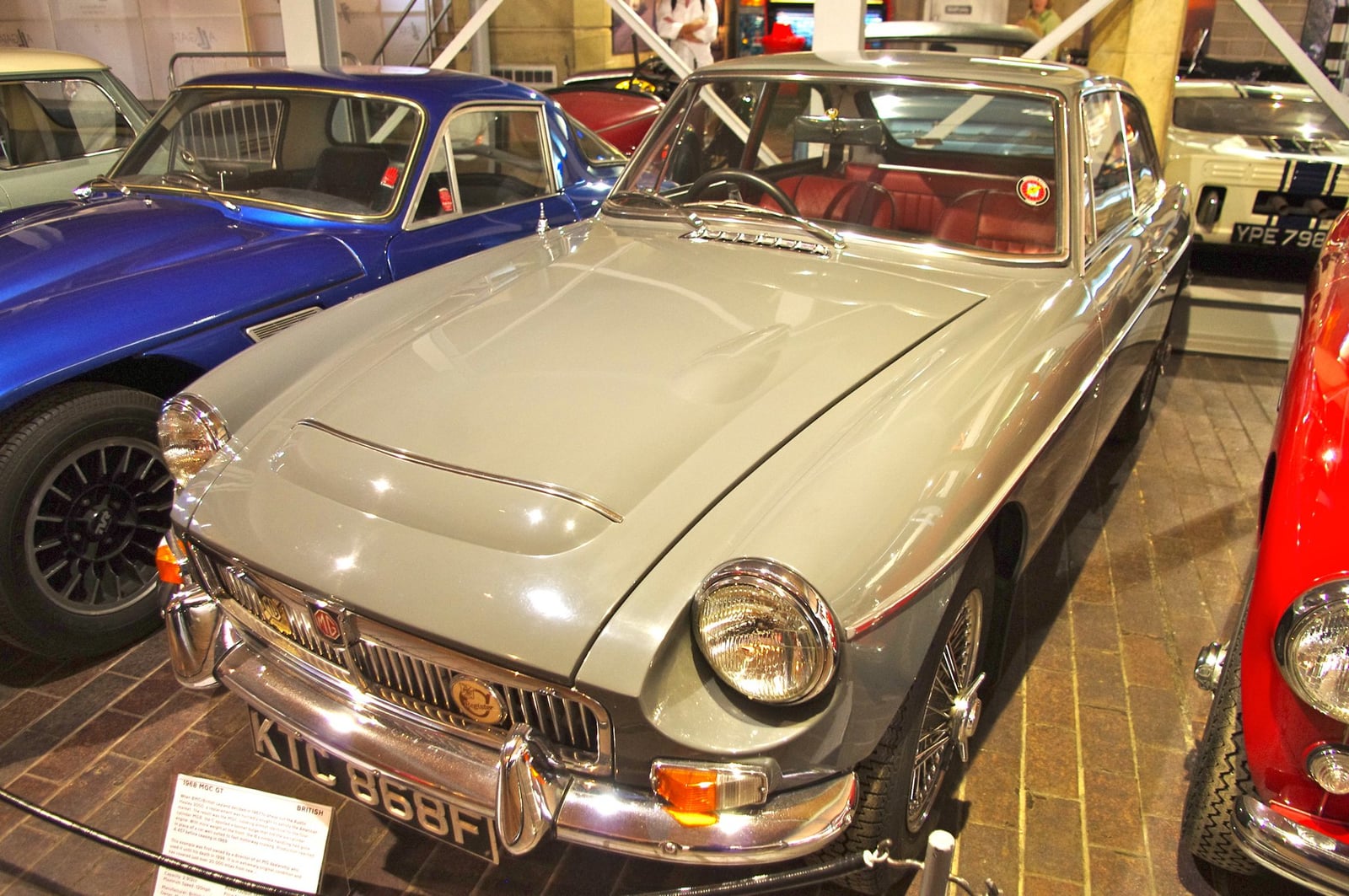
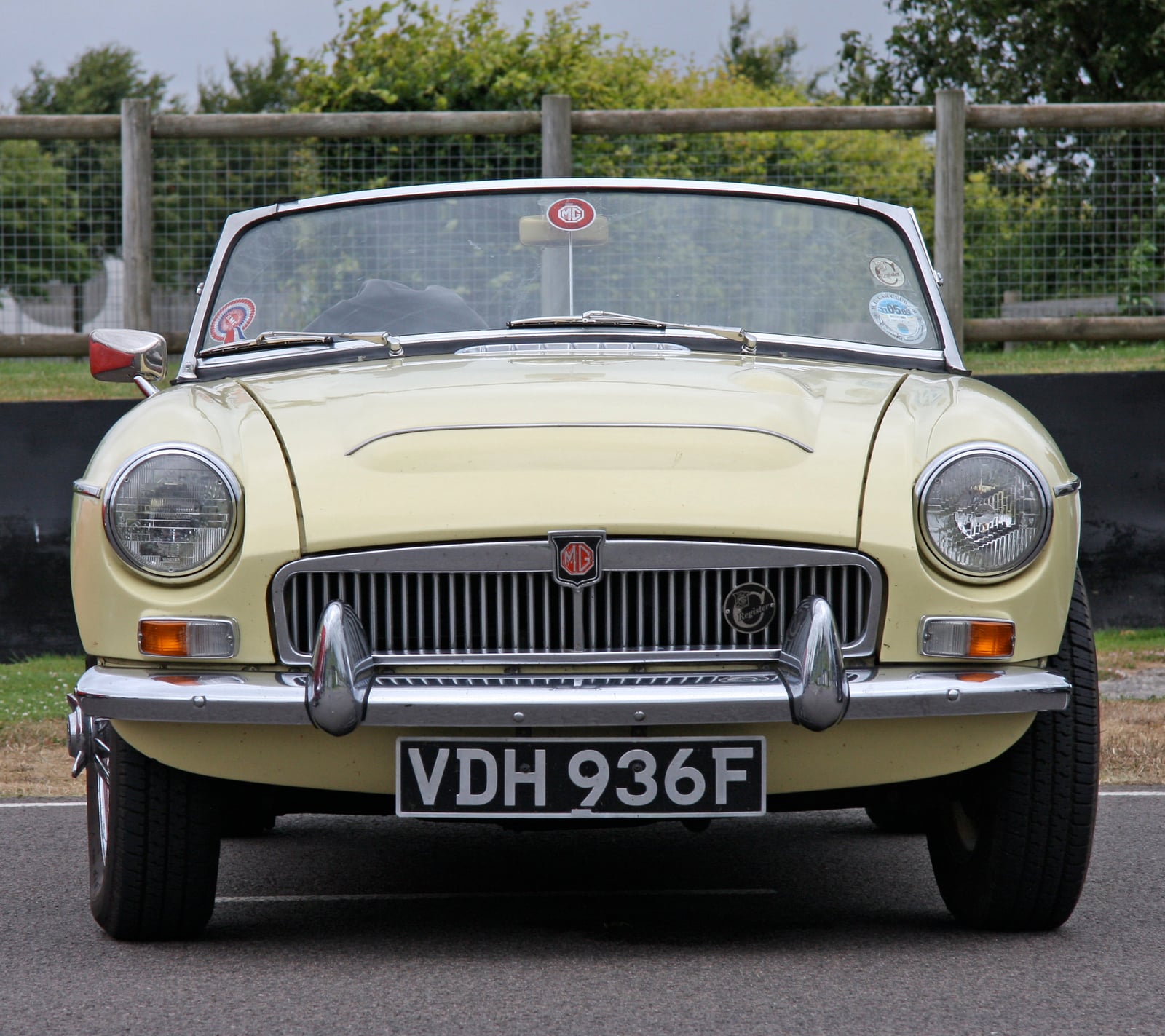
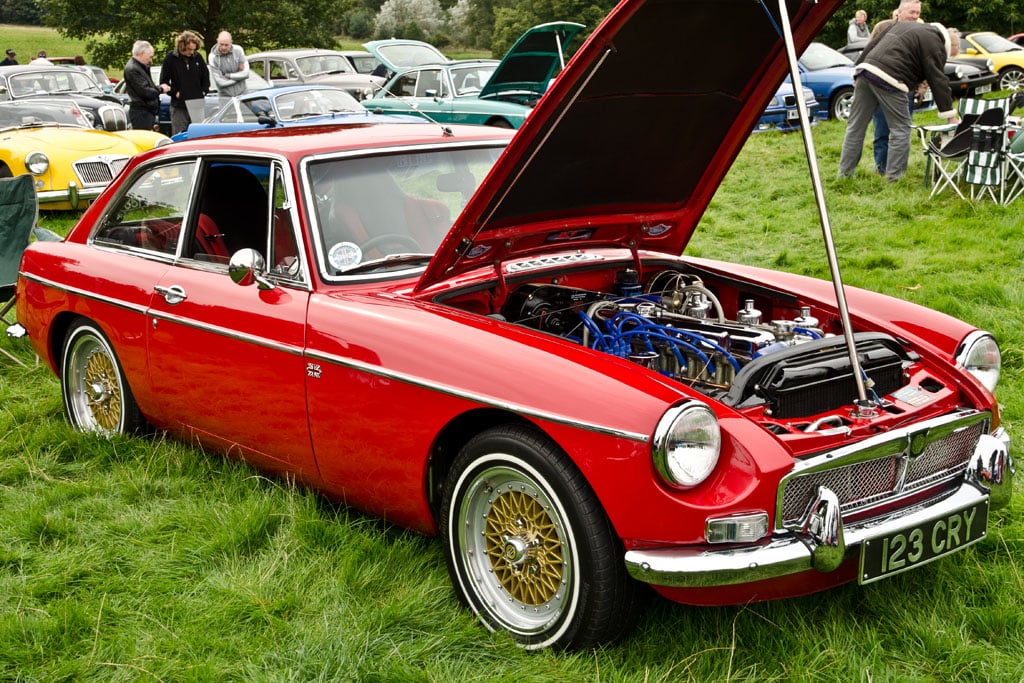
The car arrived in 1967, built on the MGB’s bodyshell so closely that most people cannot tell the two apart at a glance. The giveaways are a bonnet with a prominent power bulge, needed to clear the taller engine and a relocated radiator, and 15-inch wheels in place of the MGB’s 14-inch ones. It was conceived under BMC partly as a replacement for the Austin-Healey 3000, which American safety rules were about to kill off, and it came as both a roadster and the fastback GT.
To carry the weight of the big six, MG gave it a bespoke front suspension using longitudinal torsion bars, quite different from the MGB’s coil springs. It is a durable set-up, but it is one of the things that makes the MGC its own car rather than just an MGB with a bigger engine.

The engine, and the handling reputation
The single most common mistake about the car is to call its engine the old Austin-Healey 3000 unit. It is not. The MGC uses a 2912cc C-series straight-six that is closely related to that engine but significantly redesigned, with seven main bearings instead of four and properly spaced bores with coolant between the cylinders. BMC set out to make it much lighter and largely failed, saving only around 20 kg, so it remains a heavy iron six producing 145 bhp.
That weight is the root of the car’s reputation. With about 56 per cent of its mass over the front wheels, the car understeers and feels nose-led, and the press of 1967 savaged it for heavy steering and a lack of agility. What is now widely understood is that the press demonstrator cars went out with badly underinflated front tyres, which exaggerated the problem and fixed an unfair reputation in print. Set the pressures correctly, fit good dampers and fresh bushes, and a sorted MGC is a smooth, torquey, relaxed grand tourer. It was never meant to be a corner-carver; it was meant to cover long distances quickly and comfortably, and at that it succeeds.

Roadster, GT and the University Motors Specials
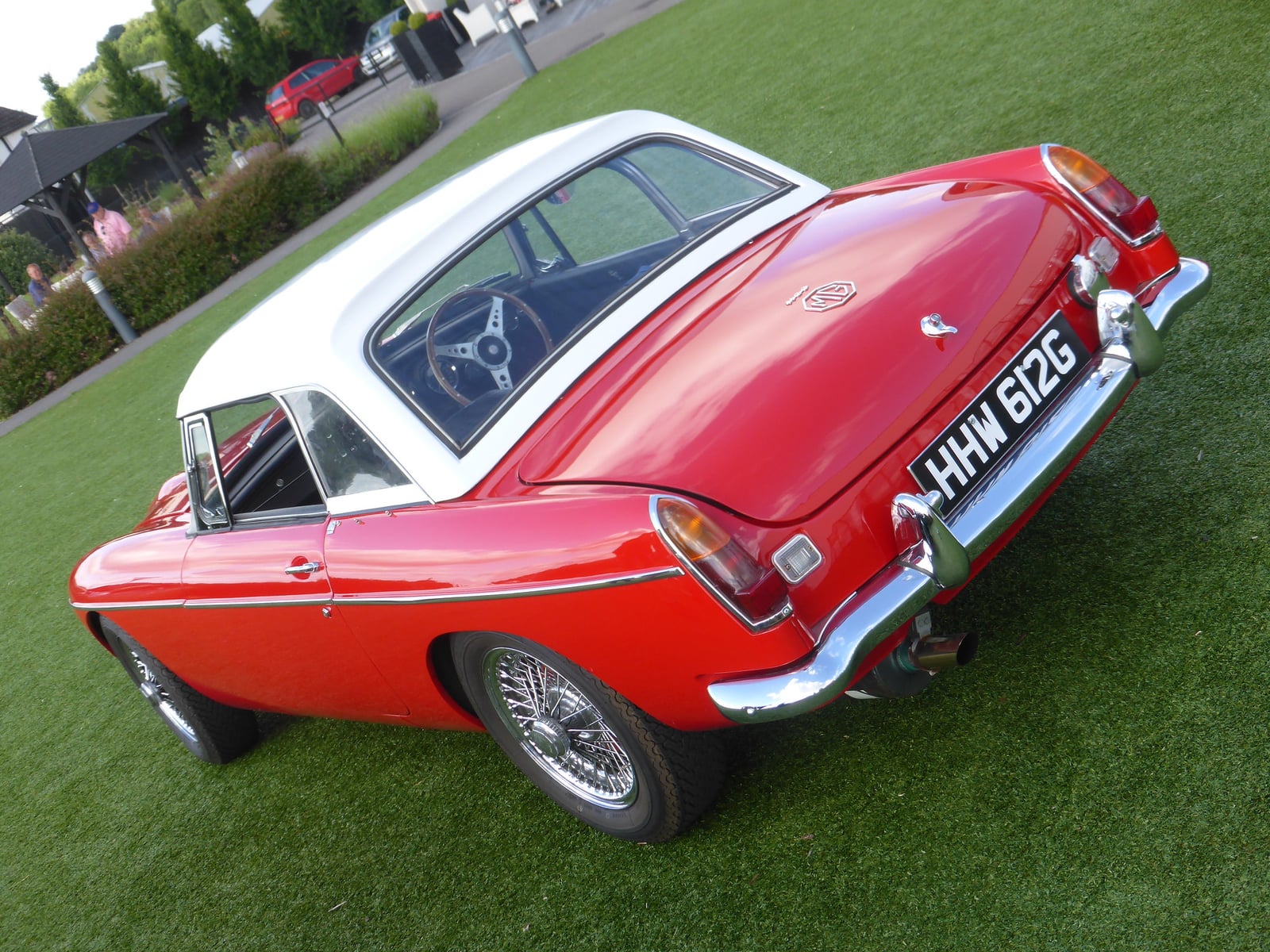
It came as an open roadster and as the Pininfarina-roofed GT, mechanically identical and built in roughly equal numbers, about 9,000 in total across the two years. The GT is the natural long-distance cruiser; the roadster is usually the more sought-after and valuable today.
There is also a footnote worth knowing. When production ended, the London distributor University Motors bought up unsold cars and re-marketed a number of them as University Motors MG Specials, some with Downton Engineering tuning and various cosmetic touches. No two were quite alike, and genuine examples are now especially collectable.

What it is like to own
A good MGC is a lovely thing to cover ground in. The straight-six is smooth and immensely torquey, pulling lazily from low revs, and with overdrive it is a genuinely relaxed high-speed tourer good for around 120 mph. It is heavier in the steering than an MGB and happiest on open roads rather than tight lanes, but that suits its grand-touring character. It shares the MGB’s simplicity and much of its parts supply, so it is no harder to live with day to day than its four-cylinder sibling.

Buying guide: what to look for
It rusts in all the same places as the MGB, so the sills, floors, wheel arches, boot floor and battery boxes are the priorities, and the sills are structural. Sagging doors and uneven gaps point to sill rot.
Then there are the MGC-specific checks. Inspect the box sections under the floor that carry the torsion bars, because these corrode and are not currently reproduced, making rot here a serious problem. Check the condition and cooling of the six, which sits in a tight, hot engine bay, and be aware that the original aluminium bonnet is rare and expensive to replace. Parts supply is good overall thanks to MGB commonality, but C-specific items, the engine, the front suspension and some trim, are scarcer and dearer, so budget accordingly.

Where the MGC sits in the market
The MGC has shed its old bargain status without losing the bargain argument: roadsters lead GTs, the best cars and genuine University Motors Specials sit above the ordinary range, and it is still widely seen as undervalued next to the cars it sits between. The full record, 261 recorded sales by body, what the UMS and GTS cars make, and what the market has done since its 2017 peak, is on the page covering MGC values.
In the wider story the MGC is the six-cylinder MG that was unfairly judged, the intended heir to the Austin-Healey 3000 and a cheaper six-cylinder alternative to the Jaguar E-Type 2+2. MG’s other route to more performance was the lighter, better-balanced MGB GT V8, which made similar pace without the nose-heavy handling. For the wider period it belongs to, see British classic cars of the 1960s.
Owners’ clubs and parts
The MG Car Club and the MG Owners’ Club both cover the MGC, with technical support, dating and a dedicated following. Parts supply benefits hugely from MGB commonality, with body panels and much mechanical kit shared, but the C-specific engine, front suspension and trim parts are harder to find and more expensive, so factor that into any restoration.
MGC: the short history
- 1967Launched on the MGB shell with a power-bulged bonnet and 15-inch wheels, conceived partly to replace the Austin-Healey 3000 that American safety rules were about to kill.
- 1967A bespoke front suspension using longitudinal torsion bars carries the big six, quite different from the MGB's coil springs.
- 1967Press demonstrators go out on badly underinflated front tyres, exaggerating the understeer and fixing an unfair reputation in print.
- 1969Production ends after about 9,000 cars, roughly evenly split between roadster and GT.
- 1969London distributor University Motors buys the unsold cars and re-markets a number as University Motors MG Specials, some with Downton Engineering tuning.
The MGC viewing checklist
MGC-specific rot
- The box sections under the floor that carry the torsion bars, which are not currently reproduced
- Rot there is a serious problem, not a repair job
- The original aluminium bonnet is rare and expensive to replace
- Cooling on the six, which sits in a tight, hot engine bay
Shared MGB rot
- Sills, which are structural, with sagging doors and uneven gaps as the warning
- Floors and wheel arches
- Boot floor and battery boxes
- MGB commonality means the panels themselves are available
Identity and specification
- Its engine is a redesigned 2,912cc C-series with seven main bearings, not the old Austin-Healey 3000 unit
- The power bulge and 15-inch wheels are the giveaways against an MGB
- Genuine University Motors Specials are especially collectable and need documenting
- Overdrive transforms the car's grand-touring character and is worth seeking
Related
The MGC is one of the classic MGs, the six-cylinder version of the MGB. For a lighter route to performance, see the MGB GT V8, and for the wider period it belongs to, see British classic cars of the 1960s.
More photos
Frequently asked questions
Does the MGC handle as badly as its reputation suggests?
Does the MGC use the Austin-Healey 3000 engine?
What is the difference between the MGC and the MGB?
Related across themes


More from MG

MG T-Series: the traditional sports car from TA to TF (1936–1955)

MGF and MG TF: the mid-engined comeback (1995–2011)

MG Maestro: the hot hatchback with the talking dashboard, and the Tickford Turbo that outran them all (1983–1991)


