MG T-Series: the traditional sports car from TA to TF (1936–1955)
The MG T-Series, from the pre-war TA and TB through the TC that opened America to the TD and TF, was the classic folded-body British sports car on an ash frame. A guide to the T-types, what separates them, what one is like to own, and what to look for when buying.
Built 1936–1955

At a glance
- Years
- 1936–1955
- Body styles
- Two-seat open sports
- Drivetrain
- Front engine, rear-wheel drive
- Engines
- 1250cc XPAG four; 1292cc (TA) and 1466cc (late TF)
- Power
- Around 50 bhp to 63 bhp
- Top speed
- Around 75 mph to 85 mph
- Trim levels
- TA, TB, TC, TD, TF
- Production
- Around 52,000 across all T-types
- Assembly
- Abingdon
- Designer
- MG, under Cecil Kimber's era
- Values
- Usable from around £15,000; good cars £20,000-£35,000; the best TCs and TFs beyond
- The American market
- The post-war TC opened the United States to the British sports car
- Construction
- A folded body on an ash frame to the very end, in 1955
The models
The MG T-Series is the British sports car of popular imagination: a small, open, wire-wheeled two-seater with a long bonnet, a folded body on a wooden frame and just enough power to be fun. Built from 1936 to 1955, it ran from the pre-war TA through the TC that conquered America to the TD and TF, and it is where the affordable MG sports car grew up.
The TA and TB: the pre-war T-types
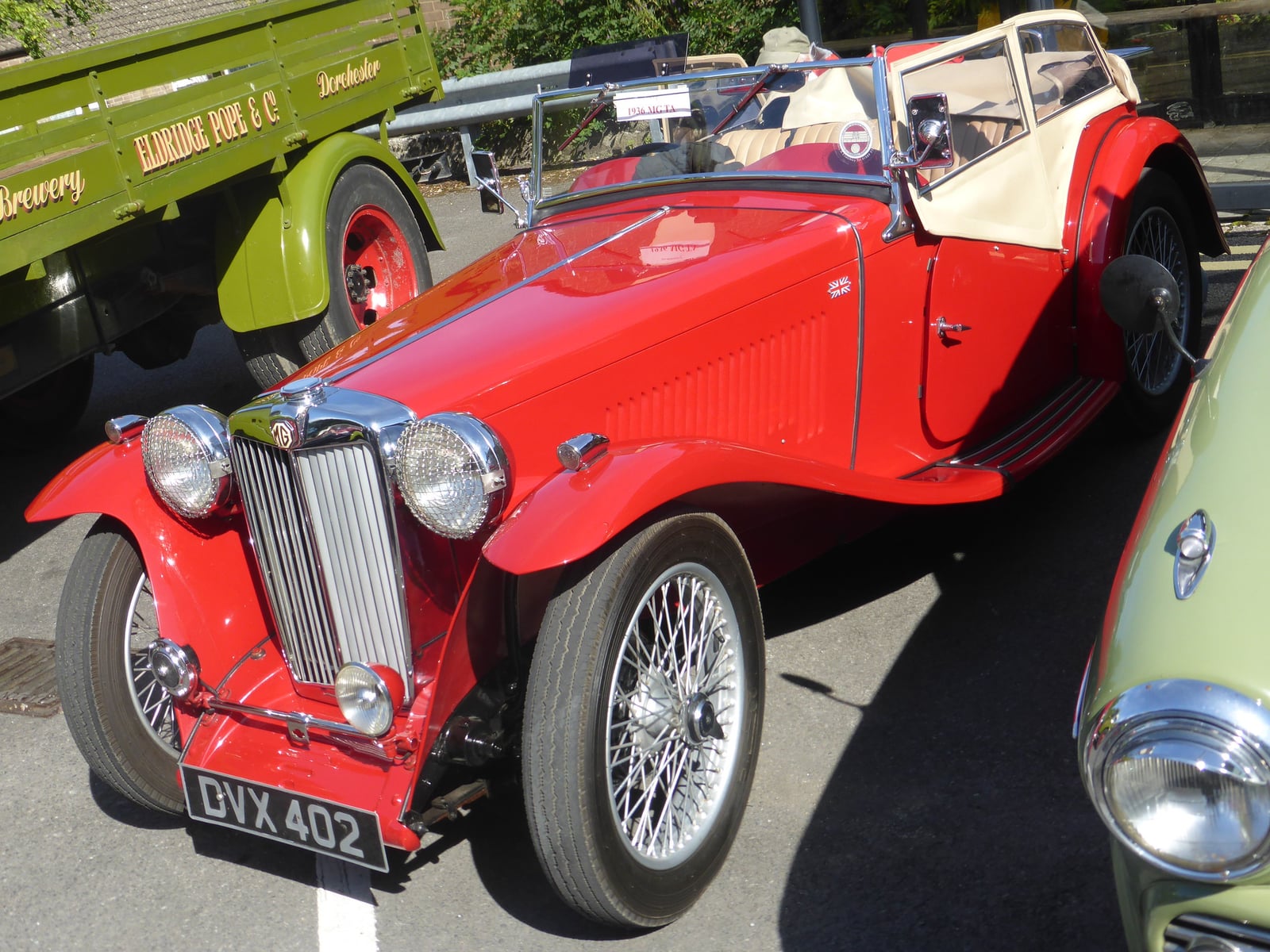
The T-Series began in 1936 with the TA, which replaced the earlier overhead-cam Midgets with a larger, more usable car powered by a pushrod four. Traditionalists grumbled at the change, but the TA was faster, more refined and easier to live with, and it set the template the whole series followed. A handful were bodied as the elegant TA Tickford drophead coupe, coachbuilt cars that are now among the most valuable T-types at auction. The TB of 1939 brought the 1250cc XPAG engine that would serve MG for years, but it arrived just as war broke out and only a few hundred were built before production stopped.
These pre-war cars established the formula: light, simple, affordable and genuinely sporting, the 1930s idea of a sports car the ordinary enthusiast could buy and enjoy.

The TC and America
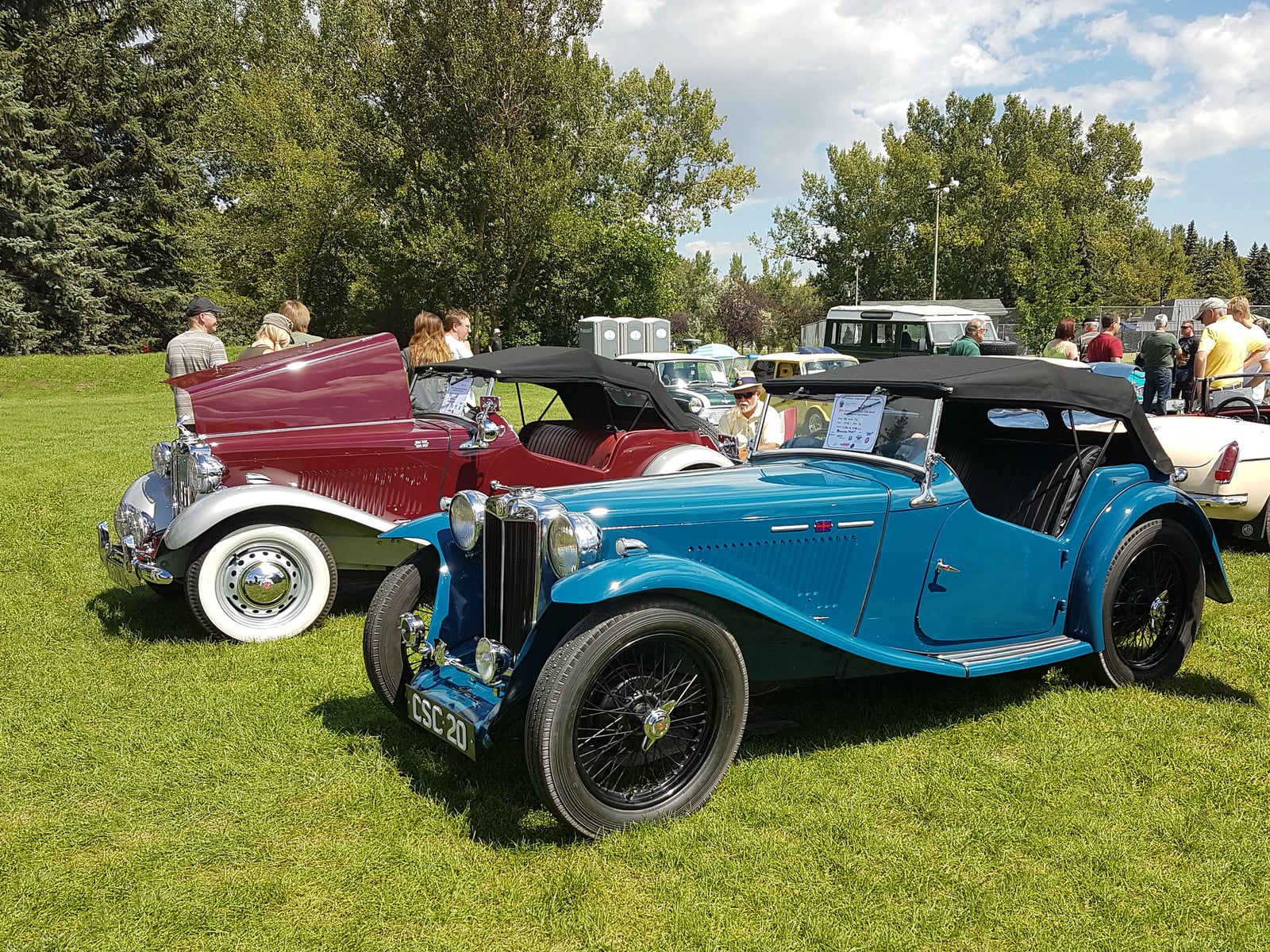
When production restarted after the war, MG reached for the car it could build quickest, and the TC (1945–49) was the result, essentially the pre-war TB carried over with detail changes. It looked old-fashioned even when new, but timing made it one of the most significant British cars of its era. American servicemen who had discovered small British sports cars while stationed in Britain wanted them back home, and the TC, exported hard under the post-war drive covered on the 1940s page, opened the United States to the breed.
Around 10,000 TCs were built, many sold abroad, and the car created the appetite that the rest of the range, and a generation of British sports cars, went on to satisfy. It is the purist’s T-type and the one that changed the most history.

The TD and TF
The TD (1950–53) modernised the formula without abandoning it. A new chassis brought independent front suspension and rack-and-pinion steering, the body grew a little wider and easier to use, and disc wheels replaced the wires. It was the best-selling T-type by a wide margin, and the one that made the traditional MG genuinely pleasant to drive on post-war roads. A higher-compression TD Mk II (with twin fuel pumps and firmer suspension) sat above the standard car, and is worth seeking out.
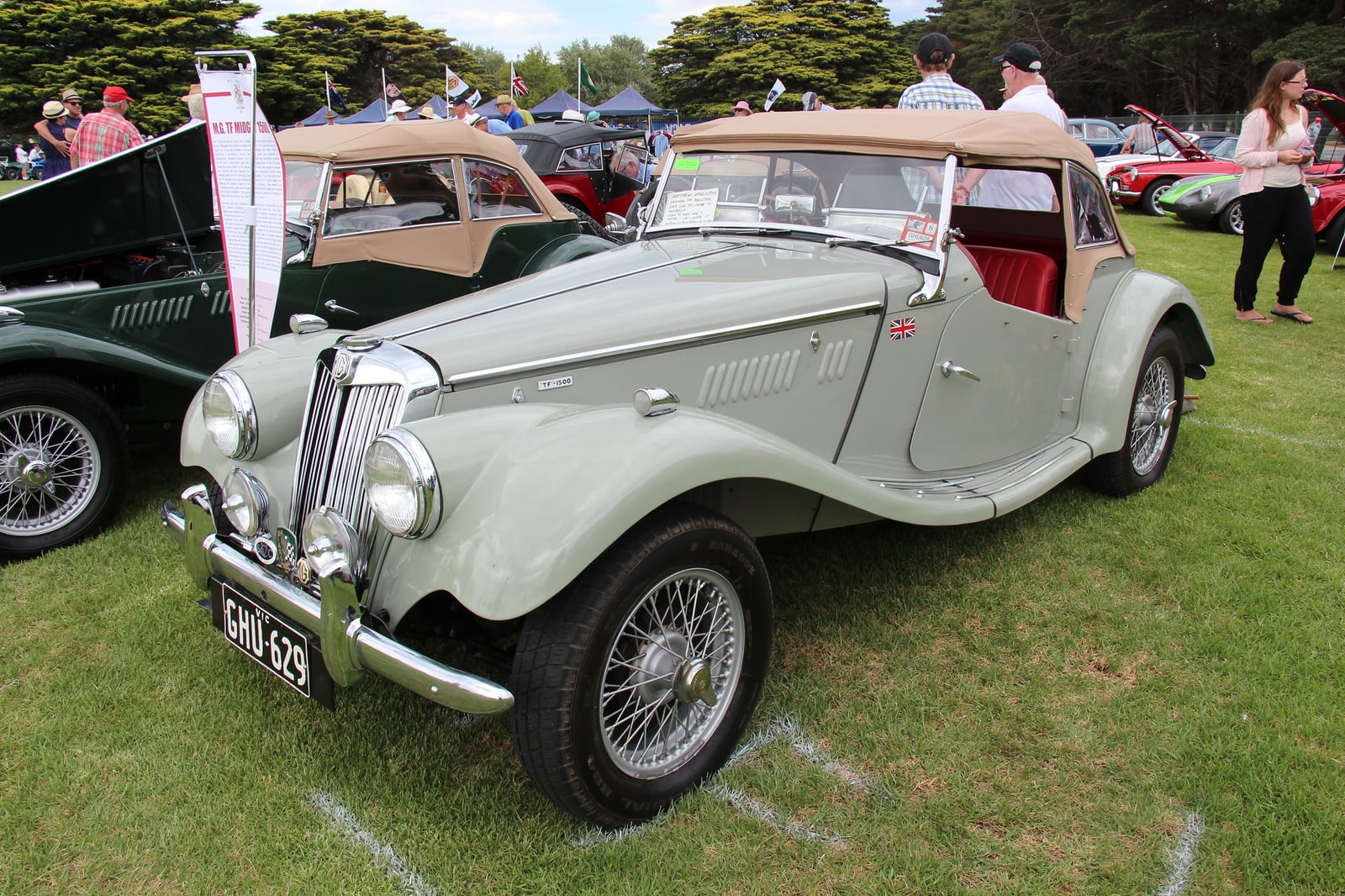
The TF (1953–55) restyled the TD with faired-in headlamps, a sloping radiator and a lower bonnet line, and gained the larger 1466cc engine in its final form, the TF 1500 that collectors now prize most. It was the last of the line, and by the time it ended in 1955 the breed had been overtaken by the modern, full-width MGA, which replaced the folded-body tradition entirely. The TF is now valued precisely because it was the end of an era.

What it is like to own
A T-type is a pre-war kind of car to drive even in its post-war forms: modest power, a direct connection to the road, and a character that rewards a gentle, unhurried technique. It is small, simple and superbly supported, with strong club and specialist networks and good parts availability, so keeping one running is straightforward. The TD and TF are the easier cars to use regularly; the TC asks a little more of its driver.
Much of ownership is the ordinary, enjoyable business of running a classic car, and every T-type is comfortably within historic vehicle status. Few cars draw a warmer welcome at events.

Buying guide: what to look for
The wooden body frame is the thing to understand on these cars. Under the folded-steel and aluminium panels sits an ash frame that can rot or weaken, and its condition, along with the chassis and the integrity of the body mountings, matters far more than mileage. Check carefully for past bodgery and for cars that have been apart and reassembled poorly.
Mechanically the XPAG engine and the simple running gear are tough and well-understood, and parts are available, so a sound body and an honest history are what separate a good car from an expensive one. Confirm which T-type a car actually is, as the differences affect both driving character and value.

Where the T-Series sits
A usable T-type starts around £15,000, a good one sits roughly £20,000 to £35,000, and the best TCs and tidy TFs climb beyond. The full record, 1,451 recorded sales across the TA, TB, TC, TD and TF, the order the market puts them in and a decade of falling prices, is on the page covering MG T-Series values. The T-Series is where the affordable MG sports car came of age, the bridge from the pre-war Midgets to the modern MGA, and the car that carried the marque’s character across the war and out into the world.

More photos
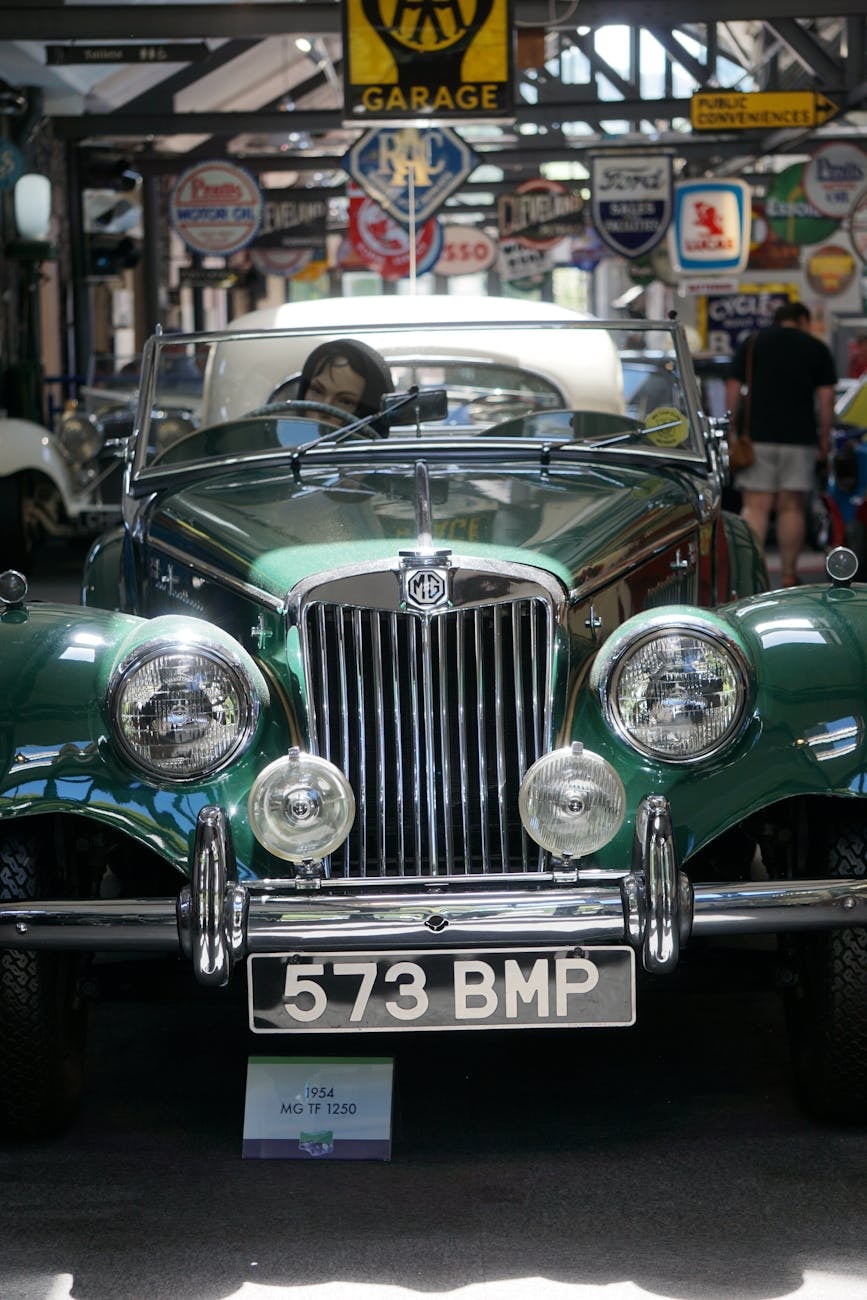
How the T-Series changed
- 1936The TA replaces the overhead-cam Midgets with a larger, more usable car on a pushrod four; traditionalists grumble and the template holds for nineteen years.
- 1938A handful are bodied as the coachbuilt TA Tickford drophead coupe, now among the most valuable T-types at auction.
- 1939The TB introduces the 1,250cc XPAG engine, but war stops production after a few hundred cars.
- 1945The TC restarts production as essentially a carried-over TB, and exports open the United States to the British sports car.
- 1950The TD modernises the formula with a new chassis, independent front suspension, rack-and-pinion steering and disc wheels, and outsells every other T-type.
- 1952The higher-compression TD Mk II adds twin fuel pumps and firmer suspension.
- 1953The TF restyles the TD with faired-in headlamps, a sloping radiator and a lower bonnet line.
- 1955The TF 1500 closes the line at around 52,000 T-types in all; the full-width MGA ends the folded-body tradition.
T-Series: what to check before you buy
The wooden frame, first
- The ash frame under the folded-steel and aluminium panels can rot or weaken
- Its condition matters far more than mileage
- Check for past bodgery and for cars taken apart and reassembled poorly
- The chassis and the integrity of the body mountings belong in the same inspection
Mechanical, which is the easy part
- The XPAG engine and simple running gear are tough and well understood
- Parts are available, so a sound body and an honest history separate a good car from an expensive one
- TD and TF cars are the easier ones to use regularly
- The TC is the purist's choice and asks more of its driver
Identity and version
- Confirm which T-type a car actually is; the differences affect both character and value
- TA Tickford dropheads are coachbuilt rarities at the top of the market
- The TD Mk II is worth seeking out over a standard TD
- The final TF 1500, with the larger 1,466cc engine, is the one collectors prize most
Frequently asked questions
What is the MG T-Series?
What is the difference between the MG TC, TD and TF?
Why is the MG TC so important?
Which MG came before and after the T-Series?
Related across themes

More from MG

MGF and MG TF: the mid-engined comeback (1995–2011)

MG Maestro: the hot hatchback with the talking dashboard, and the Tickford Turbo that outran them all (1983–1991)

MG MGB: over half a million built, and still the easiest classic to own (1962–1980)


