Aston Martin DB7: the car that rescued the badge (1994–2004)
The DB7 revived the DB name, outsold every Aston before it and carried the company from cottage industry to modern era, first with a supercharged six and then the V12 Vantage. A guide to the 1994–2004 family, the Zagato rarities, and what to check before buying one.
Built 1994–2004 665 recorded sales
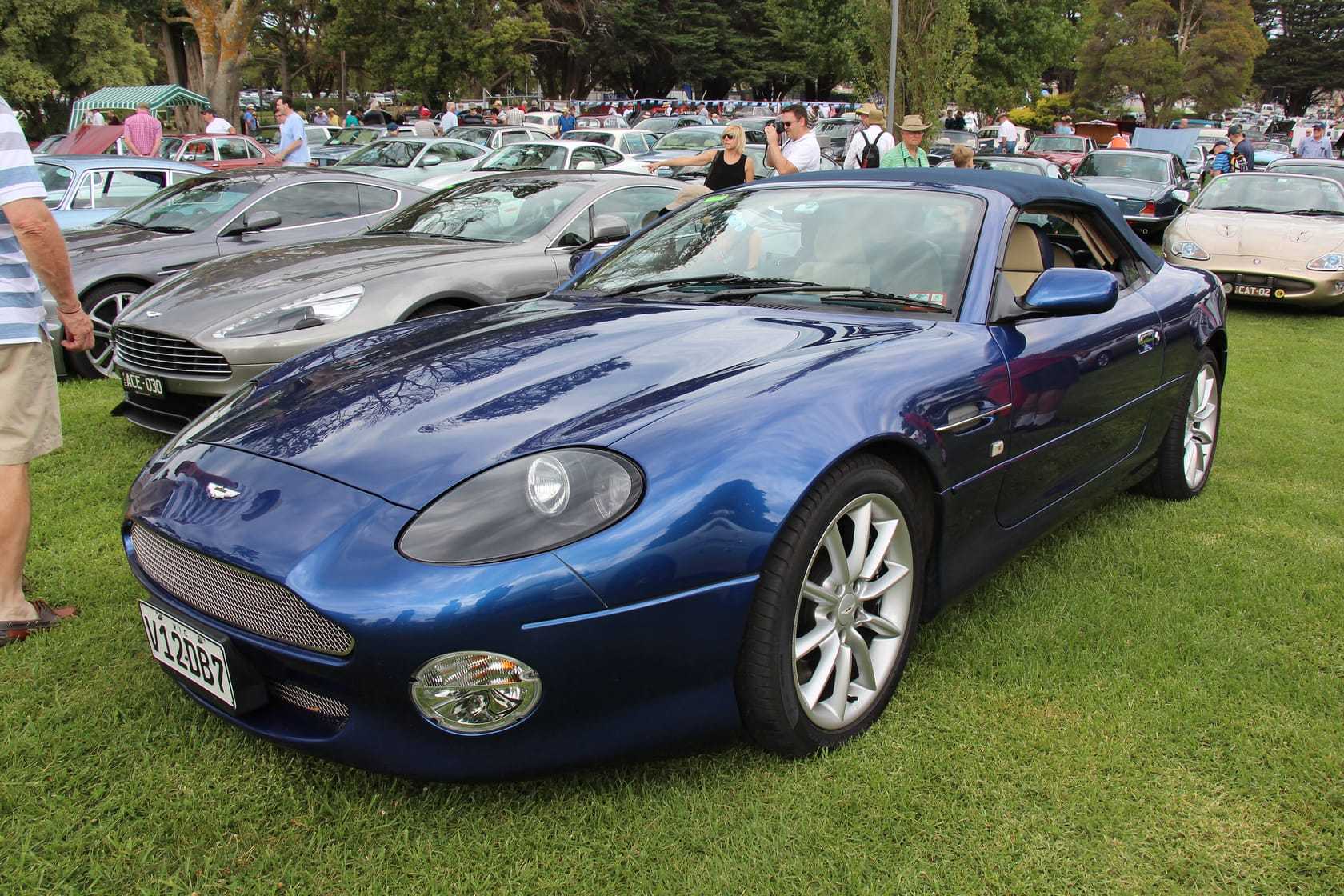
At a glance
- Years
- 1994–2004
- Body styles
- Two-door coupe and Volante convertible
- Drivetrain
- Front engine, rear-wheel drive
- Engines
- 3228cc supercharged six; 5935cc V12
- Power
- 335 bhp (i6); 420 bhp (Vantage); 435 bhp (GT)
- Top speed
- Around 157-185 mph by variant
- Trim levels
- i6, Vantage, GT and GTA, Zagato, DB AR1
- Production
- About 7,000, the most-produced Aston to that point
- Assembly
- Bloxham (the former JaguarSport works)
- Designer
- Ian Callum
- Values
- Usable i6 cars from around £18,000; good Vantages £25,000-£45,000; GTs and Zagatos far beyond
- The record
- Around 7,000 built, more than every previous DB model combined
- The revival
- The first new DB since 1972 and the car that funded the modern company
The models
Without this car there is no modern Aston Martin. The DB7 of 1994 revived a DB line dormant since 1972, drew on Jaguar bones and Ford money, and sold roughly 7,000 copies, more than every previous DB combined, funding the company’s long-delayed leap from cottage industry to modern going concern. The Aston Martin DB7 spent a decade as the beautiful bargain of the badge, and its market is now waking up to what the history books already say.
The rescue: Geneva 1993
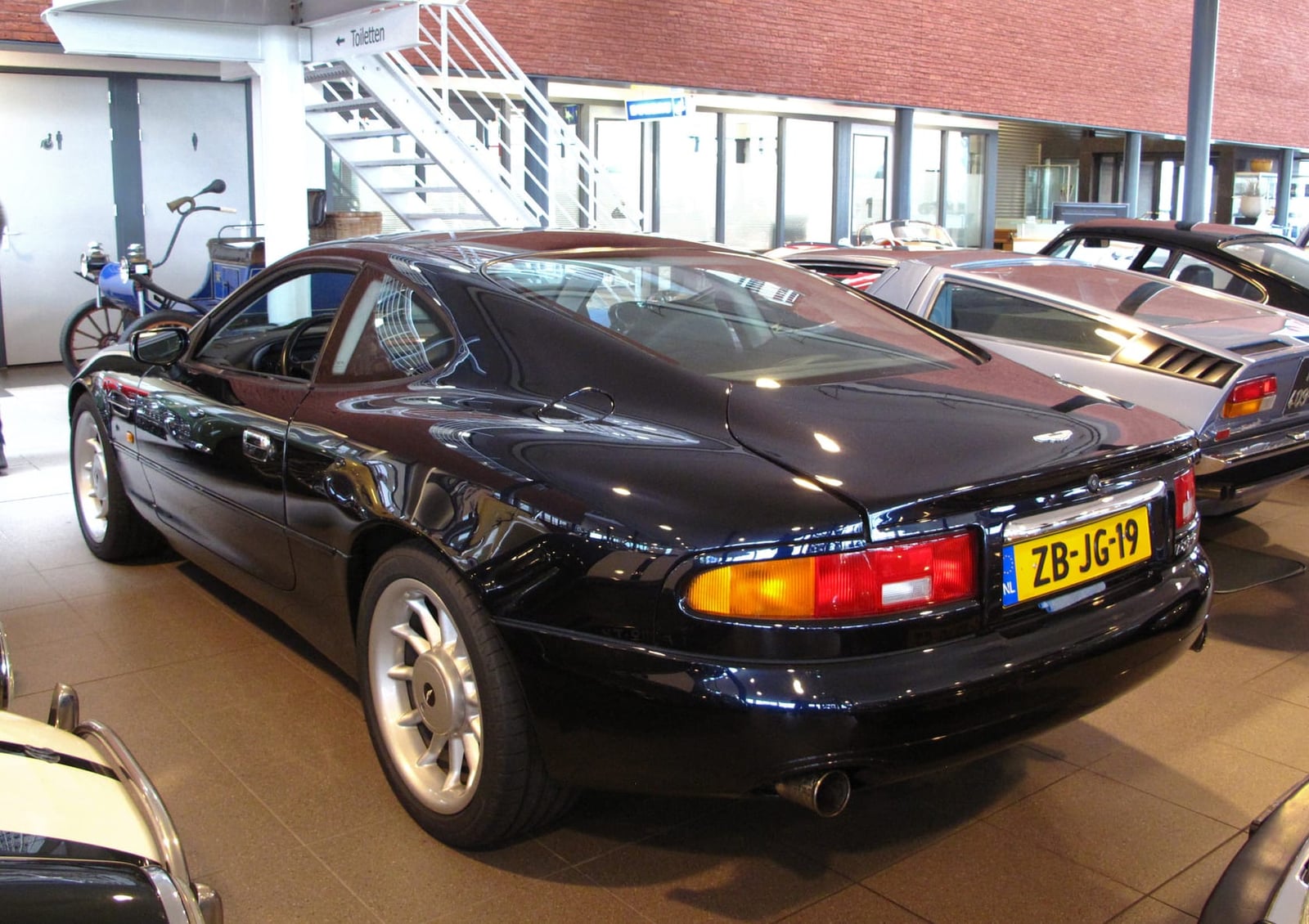
The DB7 was salvage turned triumph: Ian Callum reworked the cancelled Jaguar XJ41 programme, itself descended from XJS foundations, into a shape so right that the 1993 Geneva reveal filled the order book before a customer had driven one. Production began at Bloxham in 1994, the former JaguarSport works rather than Newport Pagnell, with a 3.2-litre supercharged six making 335 bhp, and the £78,500 price undercut the hand-built V8 line by half. Purists sniffed at the shared parentage; the sales charts answered them permanently.

i6 to Vantage: the two hearts
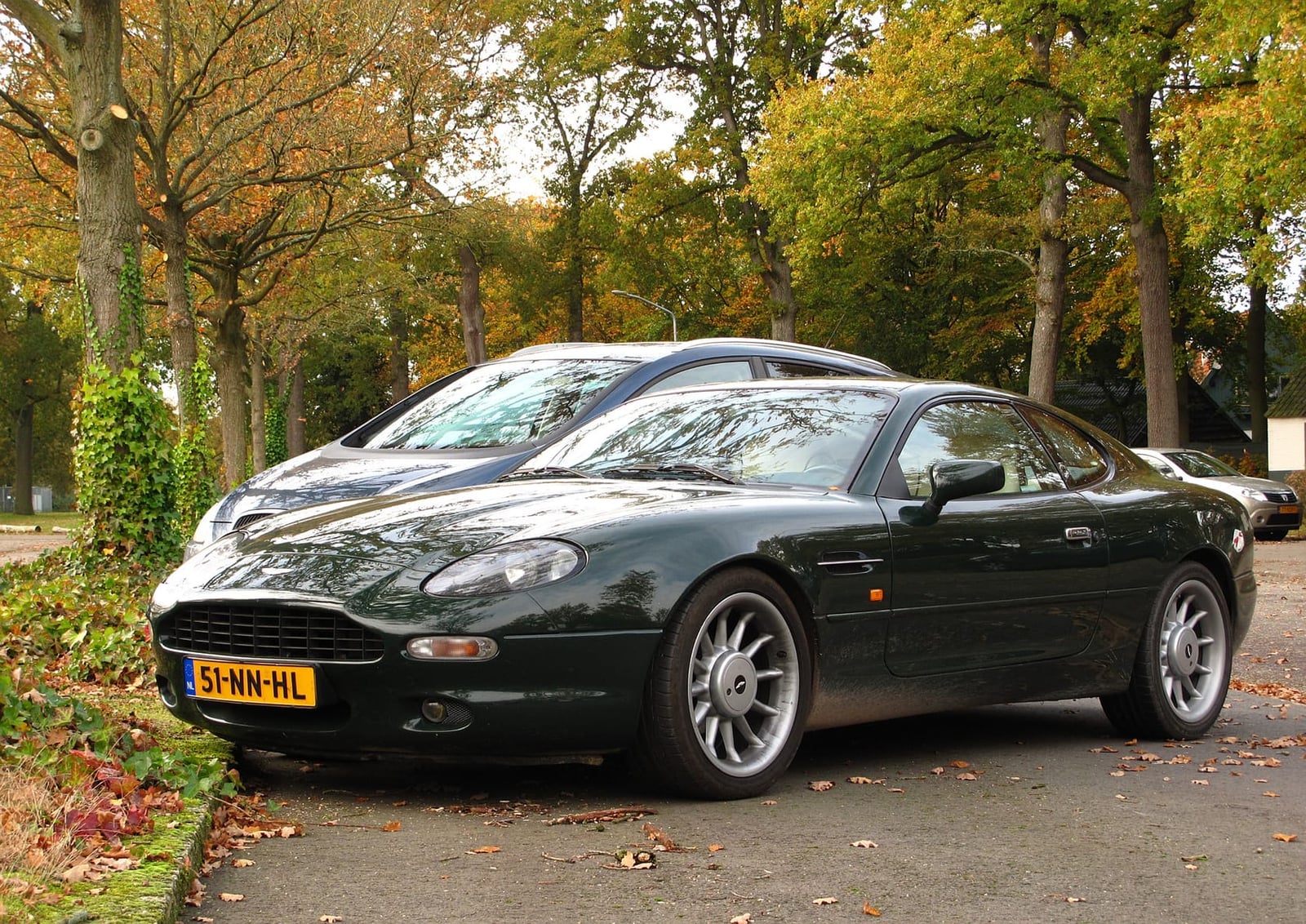
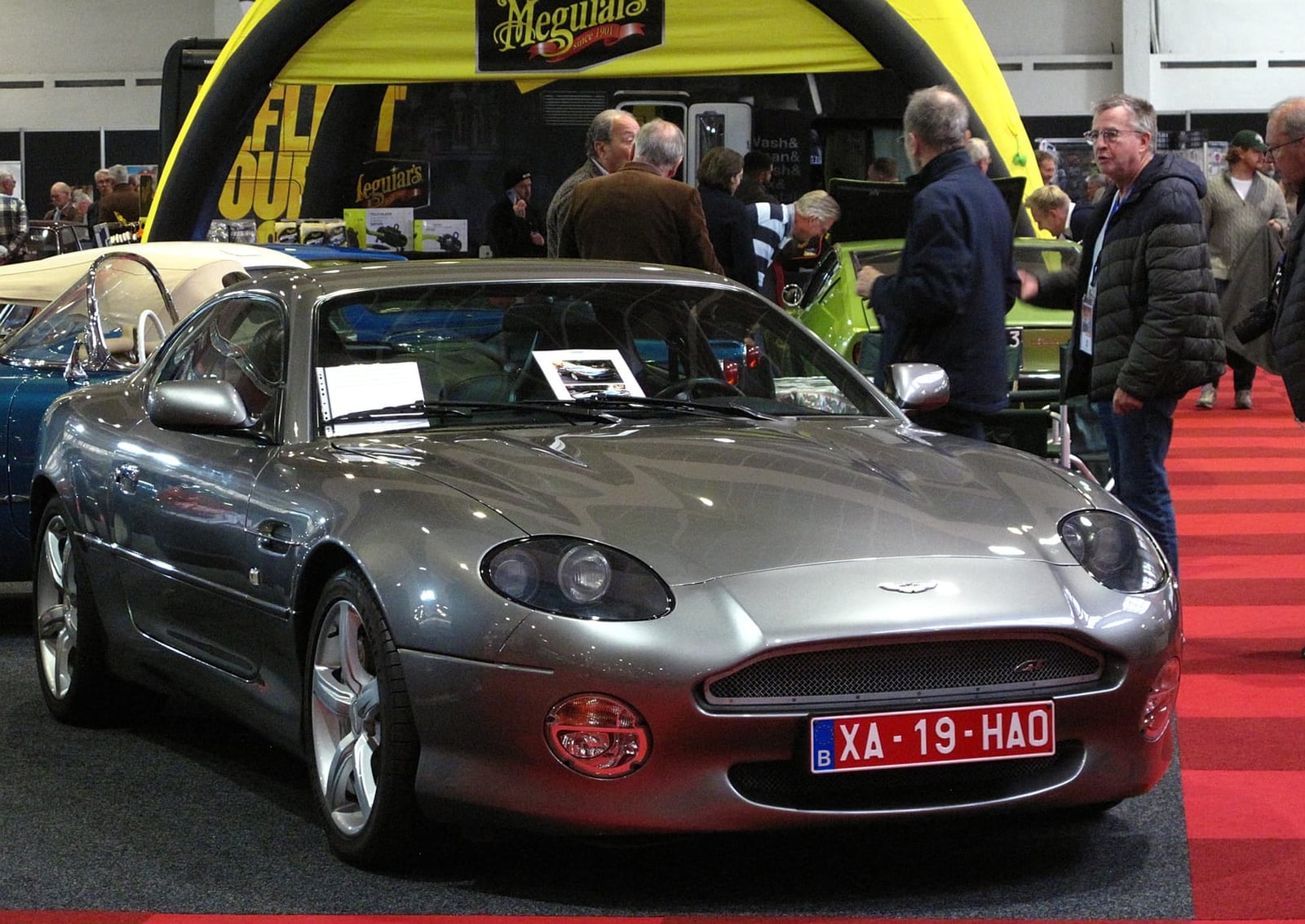
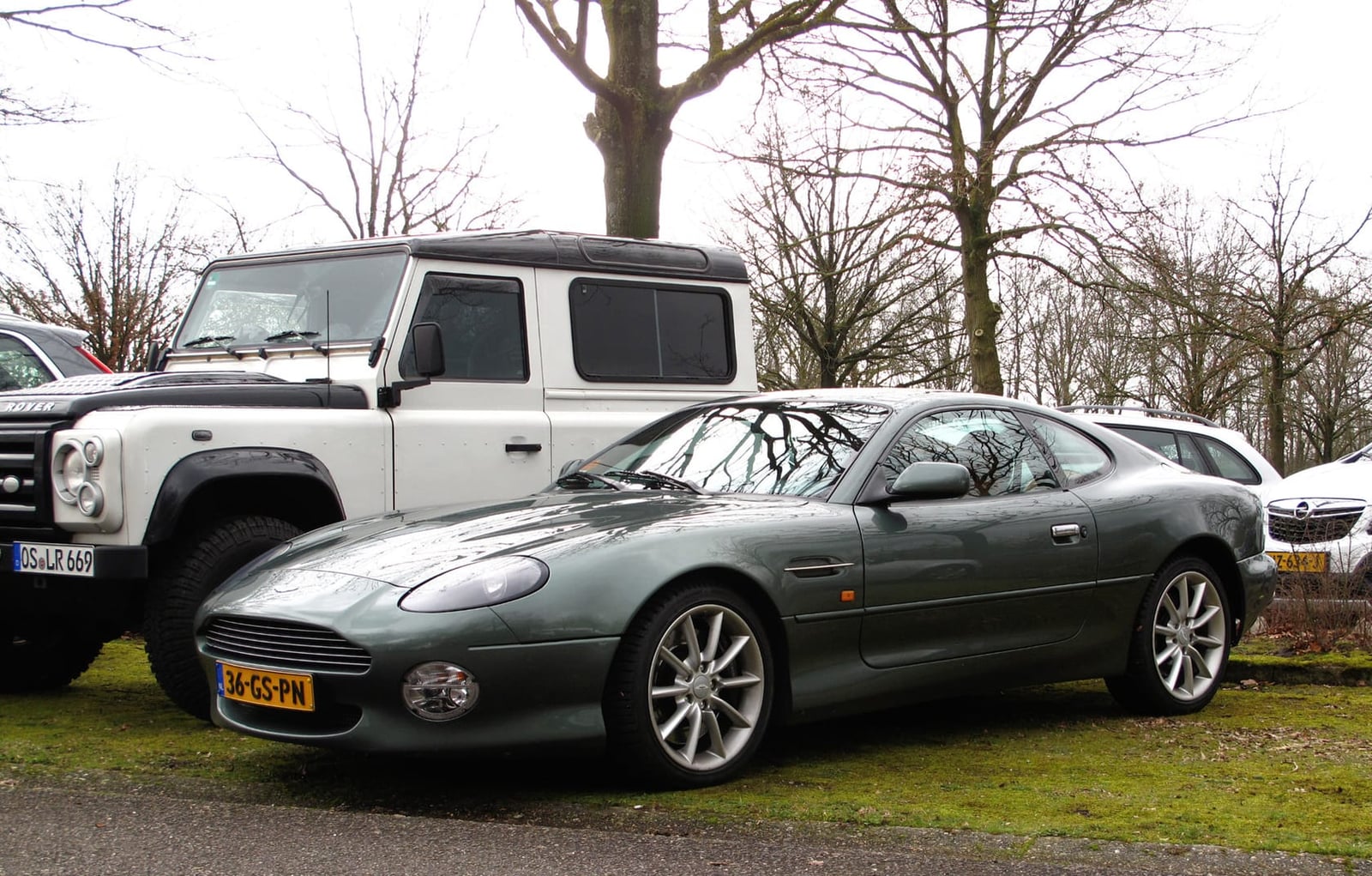
The family divides at 1999: the supercharged i6 cars, around 2,500 built, carry the original concept, and the DB7 Vantage brought the new 5.9-litre V12 at 420 bhp with some 4,500 built through 2003, restyled, faster and grander. The 2002 GT sharpened the V12 to 435 bhp with chassis work that made it the line’s driver favourite, while Volante convertibles ran throughout. The i6 is today’s rarity sleeper, the Vantage the default buy, the GT the standard line’s collector peak, and every one wears the shape that made the whole era possible.

Zagato and AR1: the farewell specials
The line closed with a flourish: Zagato’s 2003 DB7 Zagato put a double-bubble roof and shortened chassis under 99 sold-out cars, echoing the DB5’s era of coachbuilt specials, and the roofless DB AR1, 99 more, took the farewell to America. Both trade in another register from the standard cars and complete the family the way Aston’s great runs have always ended, with Italian tailoring. The Lagonda had proved the company could shock; the Zagato pair proved the DB7 could carry couture.

The Ford years and the Bloxham works
The DB7 was the flagship product of Aston’s Ford era, and the arrangement worked better than purists feared: Ford money paid for proper development and quality control, Jaguar hardware gave the car durable bones, and the Bloxham factory, purpose-adapted from the JaguarSport XJ220 works, built at rates Newport Pagnell could never have managed while the old works carried on hand-building the V8 line alongside. The partnership’s fingerprints show in the switchgear and run deep in the engineering, and the same corporate family tree produced the Jaguar XK8 that followed it out of the shared programme’s ashes. When production ended in 2004 the DB9 moved to the new Gaydon plant, and Bloxham’s decade stands as the bridge over which the whole company walked to survival.
What a DB7 is like to drive
The DB7 is a grand tourer in the old sense: long-legged, composed and glamorous rather than savage, the i6 keen and characterful with its supercharger whine, the V12 effortless and sonorous with real pace when pressed and a soundtrack that justifies the badge by itself. Manual cars are the rarities and the enthusiast picks; the automatics suit the car’s cruising nature perfectly well. The cabin mixes hide and veneer with period Ford switchgear, the ride favours distance over track days, and the whole car feels exactly like what it is, the bridge between hand-built Astons and the modern era. Sorted examples cover continents gladly, which is precisely what Callum’s shape always advertised.

Buying a DB7 today
Age has made the checks conventional: corrosion in sills, arches and subframes, service history with the marque specialists, cooling and supercharger health on sixes, schedule discipline on V12s, hood operation on Volantes and electronics throughout. Parts flow well, the owners club knows the survivors, and originality against factory records matters increasingly as values firm. The cheapest cars carry deferred bills; the documented ones carry premiums that repay themselves at resale, and the difference between the two, typically a few thousand pounds at purchase, is far smaller than the cost of closing the gap afterwards. Buy condition and history over specification, and the DB7 is among the most usable classics Aston ever built.
Where the DB7 sits in the market
This is the accessible DB by a wide margin, and the gap below every other DB model is the story: the supercharged six is the way in, the V12 Vantage costs about 40% more, and the Zagato pair sit in six figures on 99 cars. The car that rescued the badge has spent twenty years as the overlooked one and, on the evidence of the sale rooms, still is. The full record, 665 recorded sales with seven badges from £16,080 to £214,398 and eight straight years of decline, is on the page covering what a DB7 sells for.
More photos

The DB7 in dates
- 1993Ian Callum reworks the cancelled Jaguar XJ41 programme into a shape so right that the Geneva reveal fills the order book.
- 1994Production begins at Bloxham, the former JaguarSport works, with a 3.2-litre supercharged six at 335 bhp for £78,500, half the hand-built V8 line.
- 1999The DB7 Vantage brings the 5.9-litre V12 at 420 bhp, restyled, faster and grander; around 4,500 are built to 2003.
- 2002The GT sharpens the V12 to 435 bhp with chassis work that makes it the line's driver favourite.
- 2003Zagato's double-bubble DB7 Zagato sells out at 99 cars; the roofless DB AR1 takes 99 more to America.
- 2004Production ends at about 7,000 cars, more than every previous DB combined; the DB9 moves to the new Gaydon plant.
Before you buy a DB7
Age-related basics
- Corrosion in sills, arches and subframes
- Service history with the marque specialists, not general garages
- Hood operation on Volantes
- Electronics throughout, which is where deferred maintenance hides
By engine
- i6: cooling and supercharger health, and the whine should be the supercharger's own
- V12: schedule discipline above all, because the service intervals are not advisory
- Manual cars are the rarities and the enthusiast picks; automatics suit the car's nature
- Around 2,500 sixes were built against some 4,500 V12 Vantages
Value strategy
- Buy condition and history over specification
- The cheapest cars carry deferred bills that cost more than the discount
- Originality against the factory records matters increasingly as values firm
- GT and Zagato cars are separate markets, and the Zagato pair sit in six figures on 99 cars each
What the Aston Martin DB7 sells for at auction
In 2025 the median Aston Martin DB7 sold for £16,556 across 71 sales, 21% down on 2024. In real terms, typical Aston Martin DB7 prices were down about 37% over the five years to 2025, once inflation is accounted for.
| Variant | Sold | Typical range | Median |
|---|---|---|---|
| DB7 Vantage Volante | 189 | £20,812 - £31,853 | £25,996 |
| DB7 Vantage | 180 | £17,534 - £28,592 | £22,834 |
| DB7 | 165 | £12,375 - £20,250 | £16,080 |
| DB7 Volante | 78 | £19,256 - £27,350 | £22,750 |
| DB7 GT | 23 | £35,638 - £55,690 | £45,280 |
| DB7 Zagato | 16 | £161,229 - £284,520 | £214,398 |
| DB7 GTA | 14 | £23,532 - £39,597 | £32,909 |
Show the year-by-year mediansHide the year-by-year medians
| Year | Sold | Median | In 2025 money |
|---|---|---|---|
| 2026 (so far) | 64 | £18,056 | |
| 2025 | 71 | £16,556 | £16,556 |
| 2024 | 67 | £21,059 | £21,867 |
| 2023 | 63 | £21,440 | £23,007 |
| 2022 | 75 | £22,627 | £25,913 |
| 2021 | 51 | £22,525 | £27,853 |
| 2020 | 39 | £20,864 | £26,439 |
| 2019 | 35 | £23,408 | £29,966 |
| 2018 | 33 | £26,400 | £34,370 |
| 2017 | 36 | £32,335 | £43,072 |
| 2016 | 29 | £30,404 | £41,542 |
| 2015 | 27 | £26,130 | £36,059 |
| 2014 | 16 | £24,486 | £33,927 |
| 2013 | 15 | £24,486 | £34,410 |
| 2012 | 11 | £19,500 | £28,031 |
| 2011 | 13 | £25,878 | £38,153 |
| 2010 | 5 | £21,505 | £32,938 |
| 2009 | 7 | £23,625 | £37,090 |
| 2006 | 4 | £53,750 | £91,124 |
- £26,532DB7 Vantage Volante
- £14,571DB7 Vantage
- £13,936DB7 Vantage
- £11,647DB7 Vantage Volante
- £21,001DB7 Vantage
Strong evidence. 665 recorded sales and a dozen or more a year: the median and the range are well founded. Based on 665 sold results from public classic car auctions (2003 to 10 August 2026). Sold prices, not asking prices, and not a valuation: condition, history and specification vary from car to car. Inflation-adjusted figures use the ONS CPIH index, in 2025 money.