Aston Martin DB6: the grown-up Aston the market finally noticed (1965–1971)
The DB6 stretched the sainted DB line into its most usable form, four real seats, a Kamm tail and the first Volante badge, and spent decades in its siblings' shadow before collectors caught on. A guide to the Mk1 and Mk2, the Volantes, and what to check before buying.
Built 1965–1971 367 recorded sales
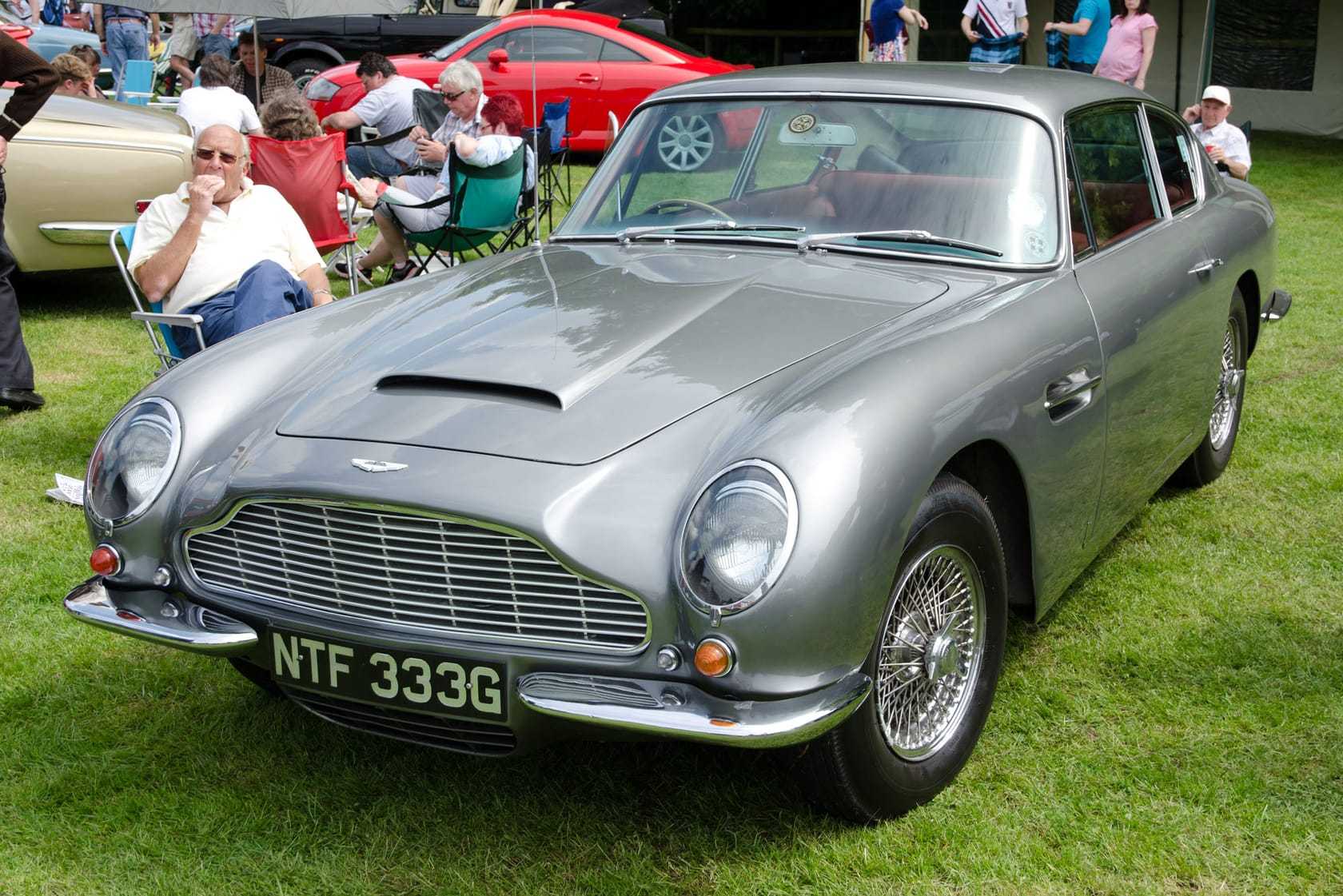
At a glance
- Years
- 1965–1971
- Body styles
- Two-door 2+2 saloon; Volante convertible; rare shooting brakes
- Drivetrain
- Front engine, rear-wheel drive
- Engines
- 3995cc Tadek Marek twin-cam six (Vantage option)
- Power
- 282 bhp (325 bhp Vantage, claimed)
- Top speed
- Around 148 mph
- Trim levels
- Mk1, Mk2 (1969); Vantage engines; Volante; short-chassis Volante
- Production
- 1,575 saloons and 178 DB6 Volantes, plus 37 short-chassis Volantes
- Assembly
- Newport Pagnell, Buckinghamshire
- Designer
- Newport Pagnell development of the Touring line; Kamm tail in-house
- Values
- Saloons from around £140,000; good cars £160,000-£250,000; Volantes and Vantages well beyond
- The practical one
- A longer wheelbase and real rear seats made the DB6 the usable DB
- The badge debut
- Volante, the marque's convertible name ever since, first appeared here
The models
For half a century the collector market made the Aston Martin DB6 pay for how closely it resembles the DB5, and for the practical virtues, the space and the usability, that should have counted in its favour. The 1965 stretching of the sainted line added four inches of wheelbase, real rear seats and a Kamm tail that worked better than it looked to period critics, and the car spent decades priced in its predecessor’s shadow. Collectors have since done the arithmetic: most of the same hand-built Aston Martin for a third of the money, in its most usable form.
The grown-up brief
The DB6’s job was keeping DB customers as their families arrived: the wheelbase grew by nearly four inches, the roofline rose subtly, and the rear gained seats a child could genuinely occupy, all without surrendering the Touring-derived line or Marek’s 3,995cc six with its 282 horsepower, 325 claimed in Vantage tune. Quarter bumpers and detail changes updated the face; underneath, the running gear carried over from the DB5 nearly whole. It was evolution aimed at usefulness, and 1,575 saloons made it the best-selling of the classic DB line.
The Kamm tail argument
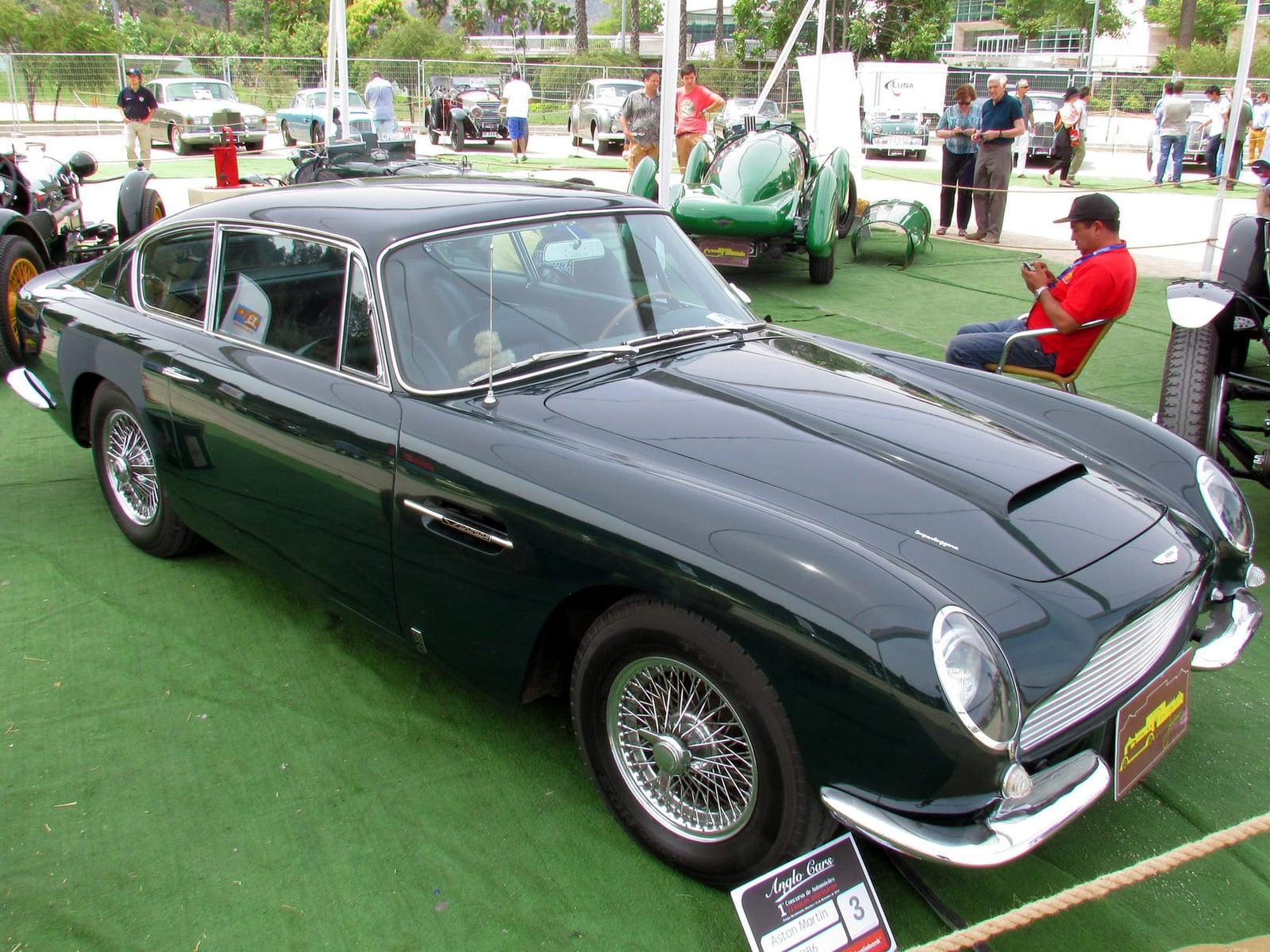
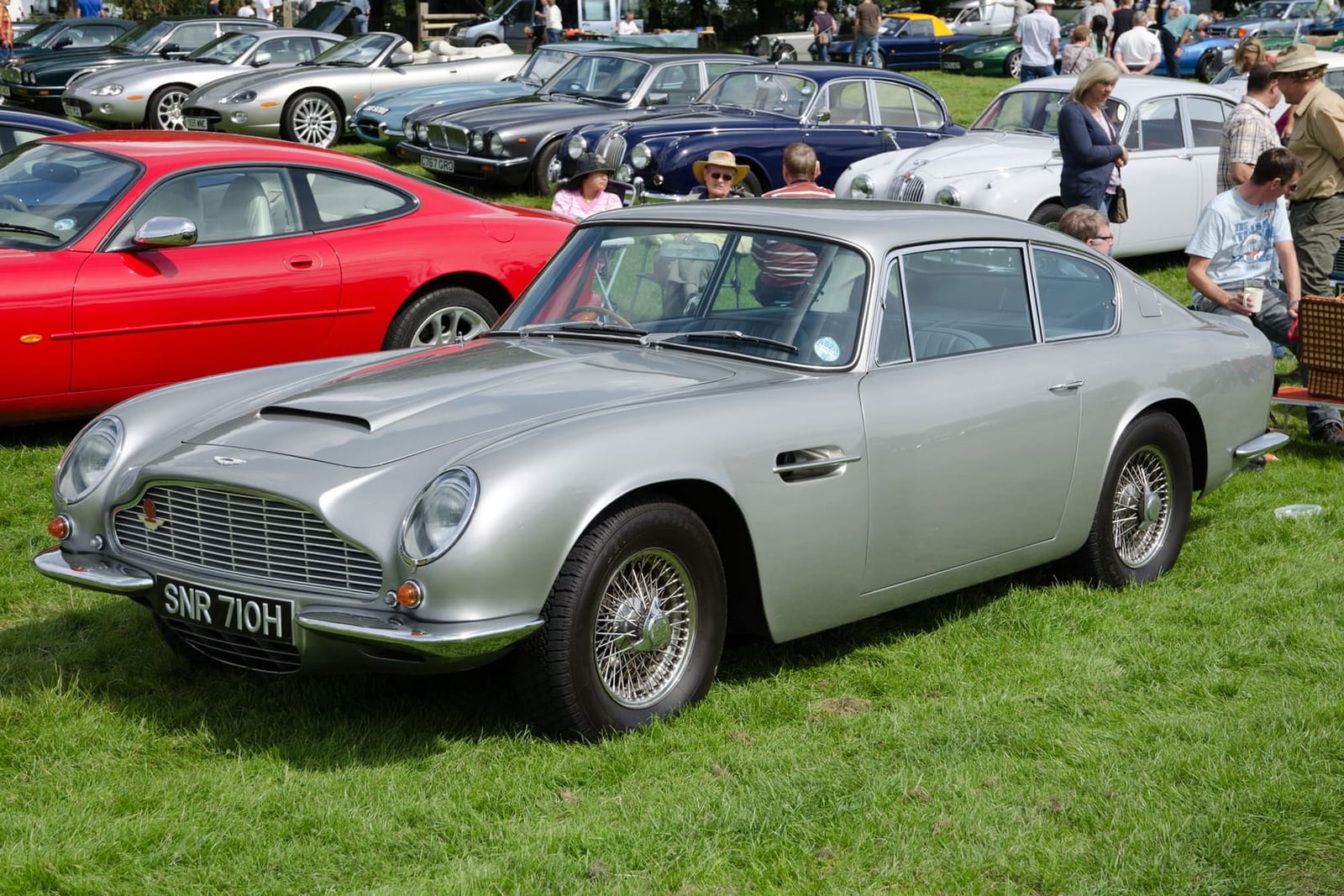
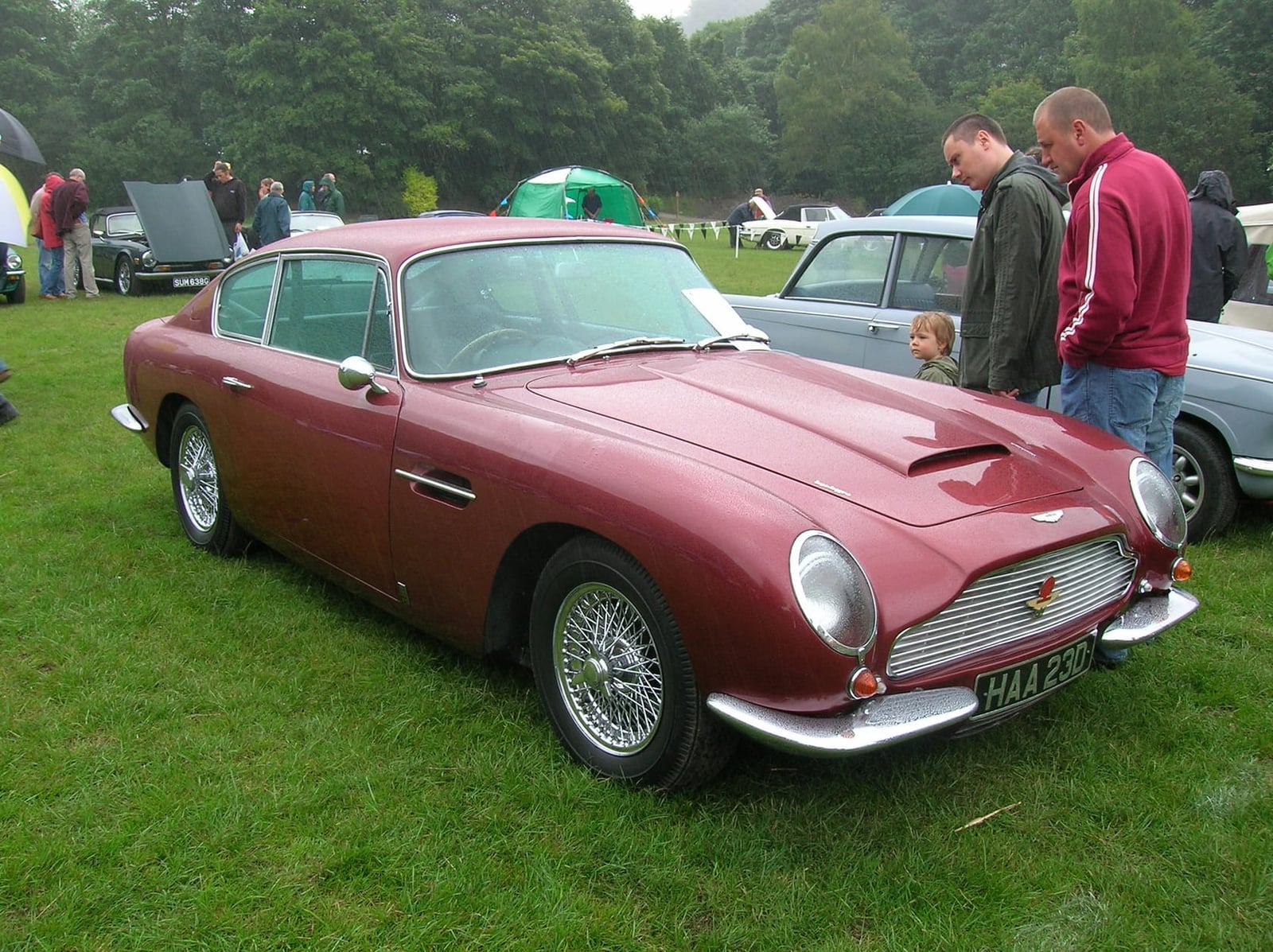
The DB6’s signature divided opinion at launch and settled it at speed: the upswept Kamm-style tail with its integral spoiler cut rear lift dramatically, steadying the car at its 148 mph maximum in a way DB5 drivers noticed immediately. Styling critics mourned Touring’s unbroken line; engineers pointed at the stopwatch and stability. Time has ruled decisively for the tail: it previewed the aerodynamic decades that lay ahead, and today it reads as the DB6’s identity rather than its compromise, the visual cue that separates the practical DB from its brothers.

Volante: a badge is born
The era also christened the marque’s most enduring badge: Volante, first applied to 37 open cars built on remaining DB5-specification short chassis, the prized short-chassis Volantes, then to 178 DB6-based convertibles. Every open Aston Martin since has carried the name, which gives these founding cars a resonance beyond their numbers and prices the short-chassis rarities in a league of their own. A handful of shooting brakes completed the coachbuilt margins, and the 1969 Mk2 closed the line with flared arches, power steering and rare optional fuel injection.

What a DB6 is like to drive
The DB6 is the classic DB experience at its most companionable and least demanding: the same hard-edged Marek surge and triple-carb soundtrack, steering lightened usefully on Mk2s, and a longer wheelbase that trades the last degree of agility for touring stability the family versions never had. Four up, luggage aboard, it will still cross countries at speeds its siblings would recognise, with the Kamm tail keeping the platform planted. Among 1960s grand tourers it remains one of the most complete packages, which was always the point of those four inches.

Living with a DB6
The practical DB is practical to own by the family’s standards: the same specialist ecosystem that serves the DB4 and DB5 serves the DB6 at identical labour rates but against a lower car value, which makes sorted examples better buys than projects by a wide margin. The Marek six is well understood, parts supply through the heritage operation and the specialists is strong, and the four-seat cabin makes the DB6 the classic Aston most often actually driven, to Goodwood, across France, with the family aboard. The owners club’s DB6 register is active, survivors are individually known, and honest use is increasingly the market’s favourite provenance.
Buying a DB6 today
The disciplines are the family’s own: factory records and matching numbers before anything else, the Superleggera-derived structure assessed by the marque specialists (tube corrosion hides invisibly beneath flawless aluminium panels), and a history file substantial enough to justify the money changing hands. DB6-specific points: verify Mk1 versus Mk2 specification, treat surviving fuel-injection cars as specialist purchases, and price Volantes against their own separate market. Restoration economics favour the DB6 buyer, the work costs DB5 money while the car does not, so a properly restored example at market price is the value play of the whole classic DB line.
Where the DB6 sits in the market
The DB6 remains roughly a third of DB5 money for a car separated by four inches and a tail, which is the reappraisal story in one line: the sensible sibling got the best of the family estate. The coupe is the way in, the Vantage adds a documented premium, and the Volante is a different market at nearly three times a coupe. The full record, 367 recorded sales with no cheap end at all, three quarters of every sale a six-figure one, is on the page covering what a DB6 sells for.
More photos
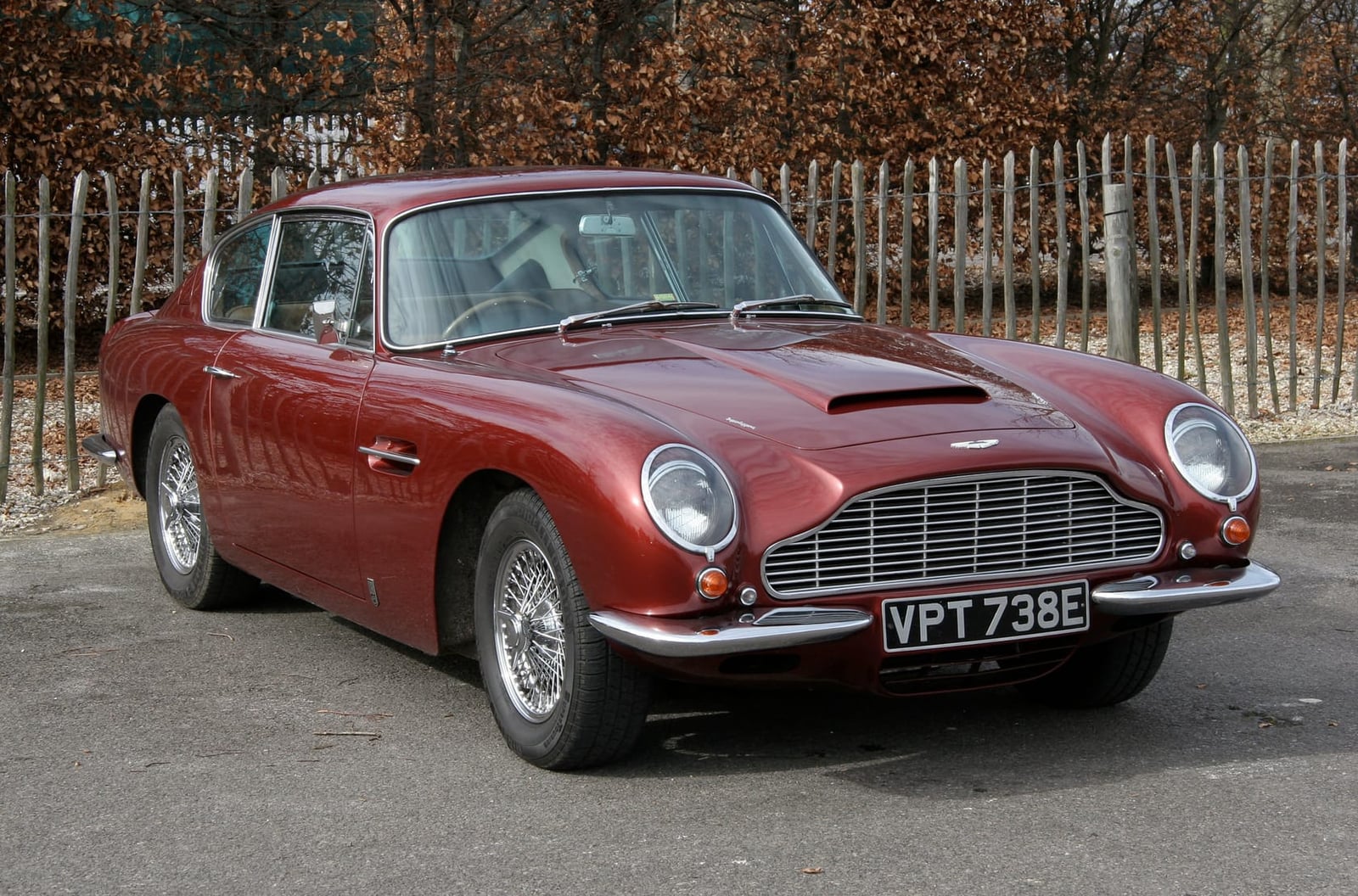
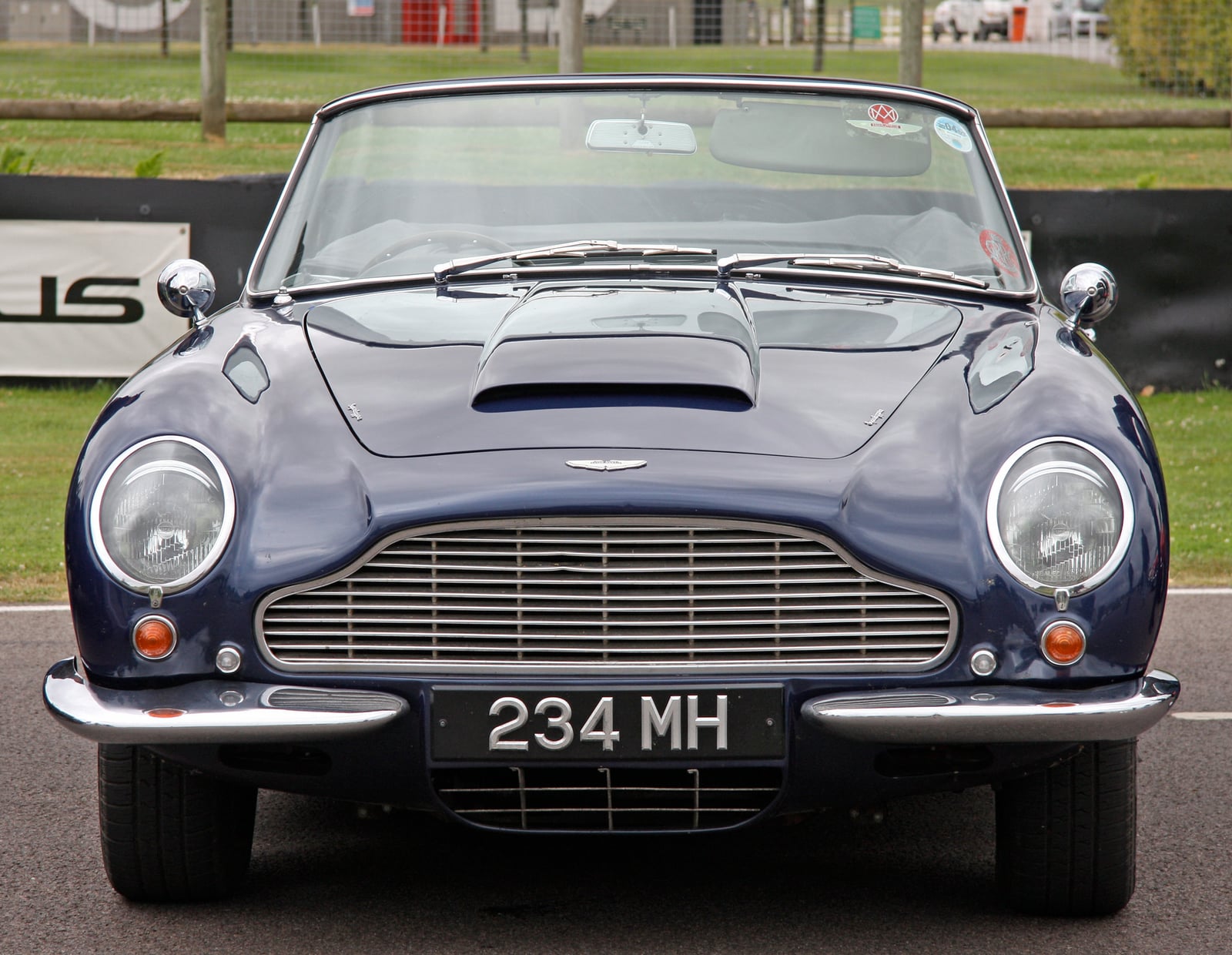
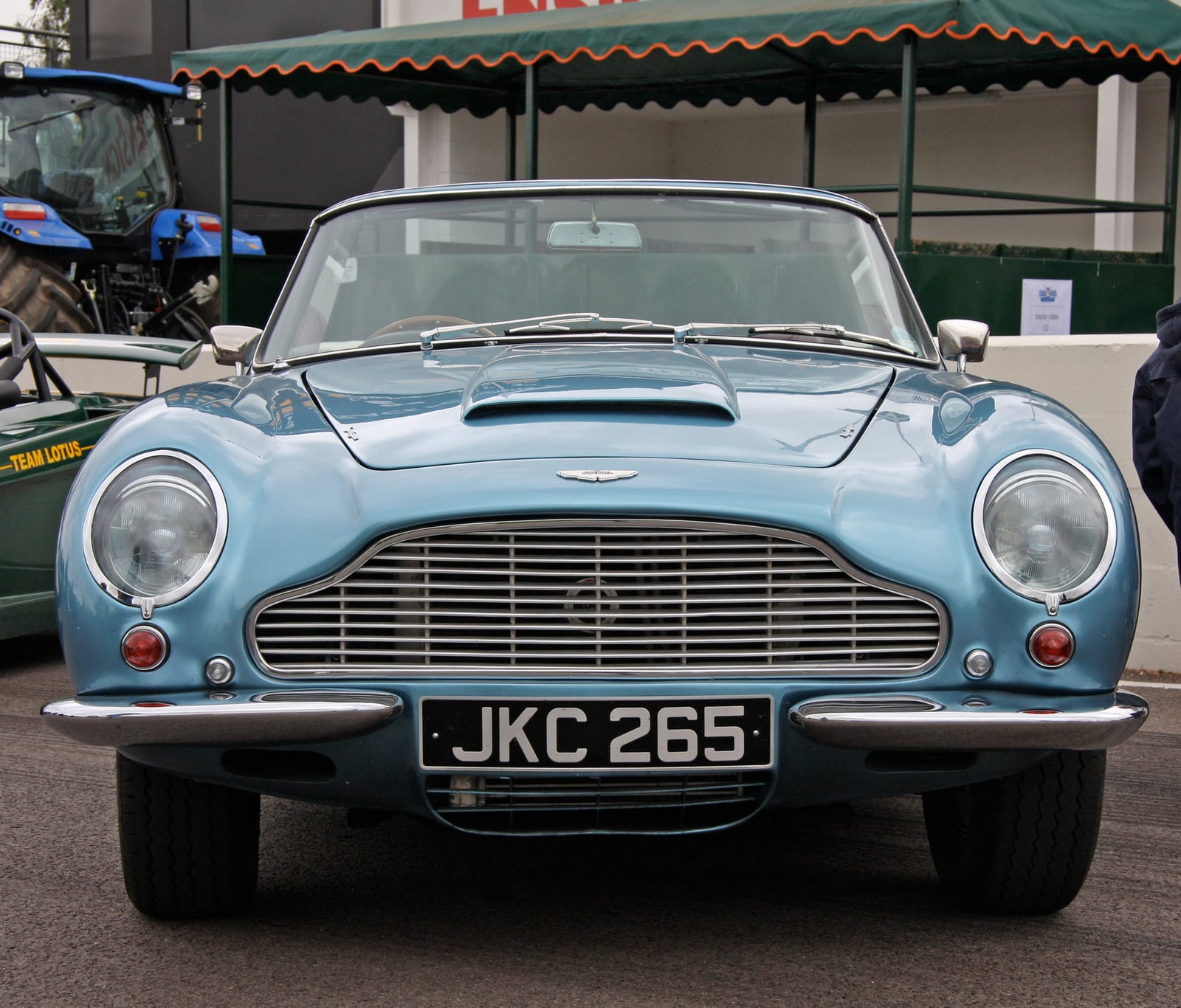
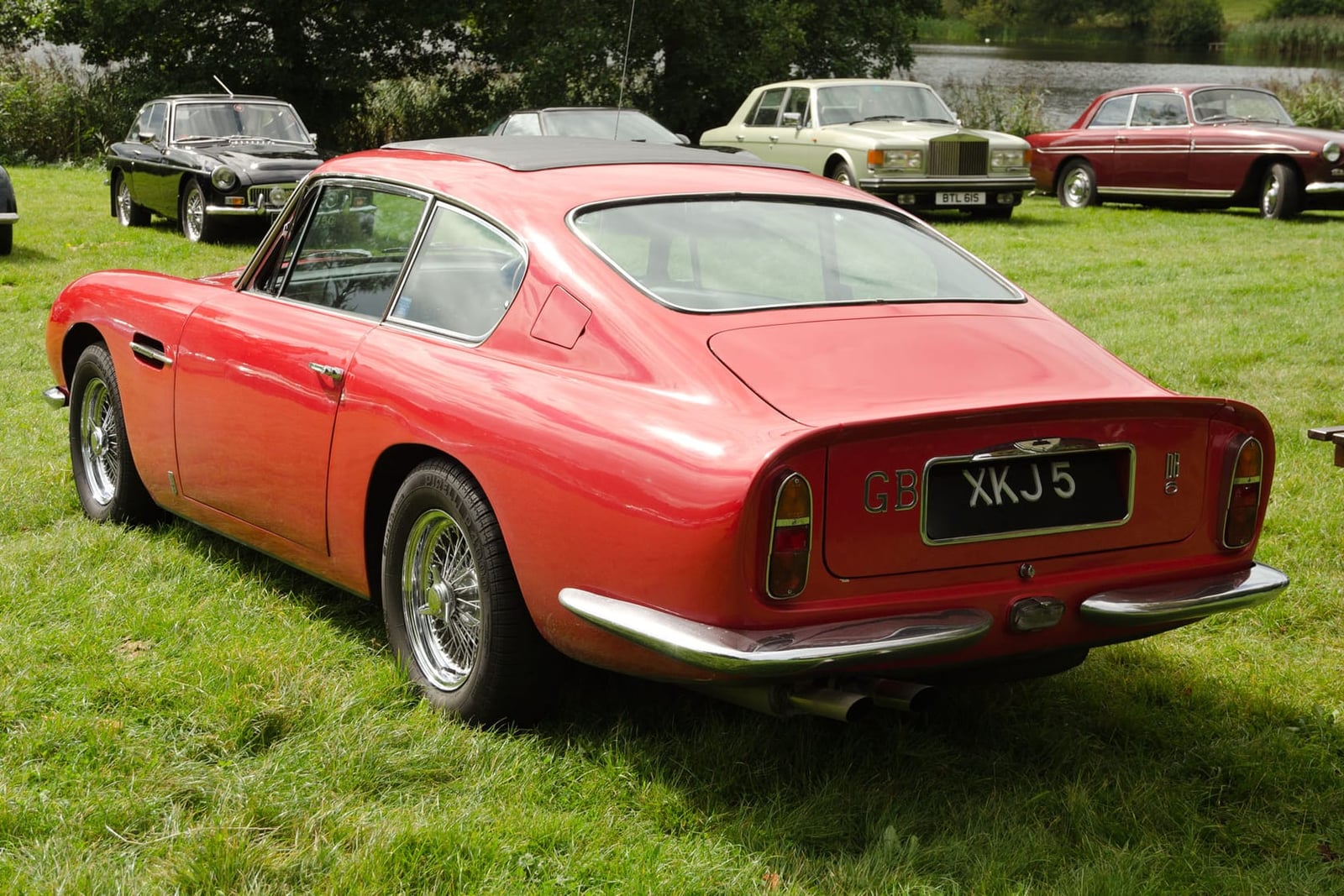
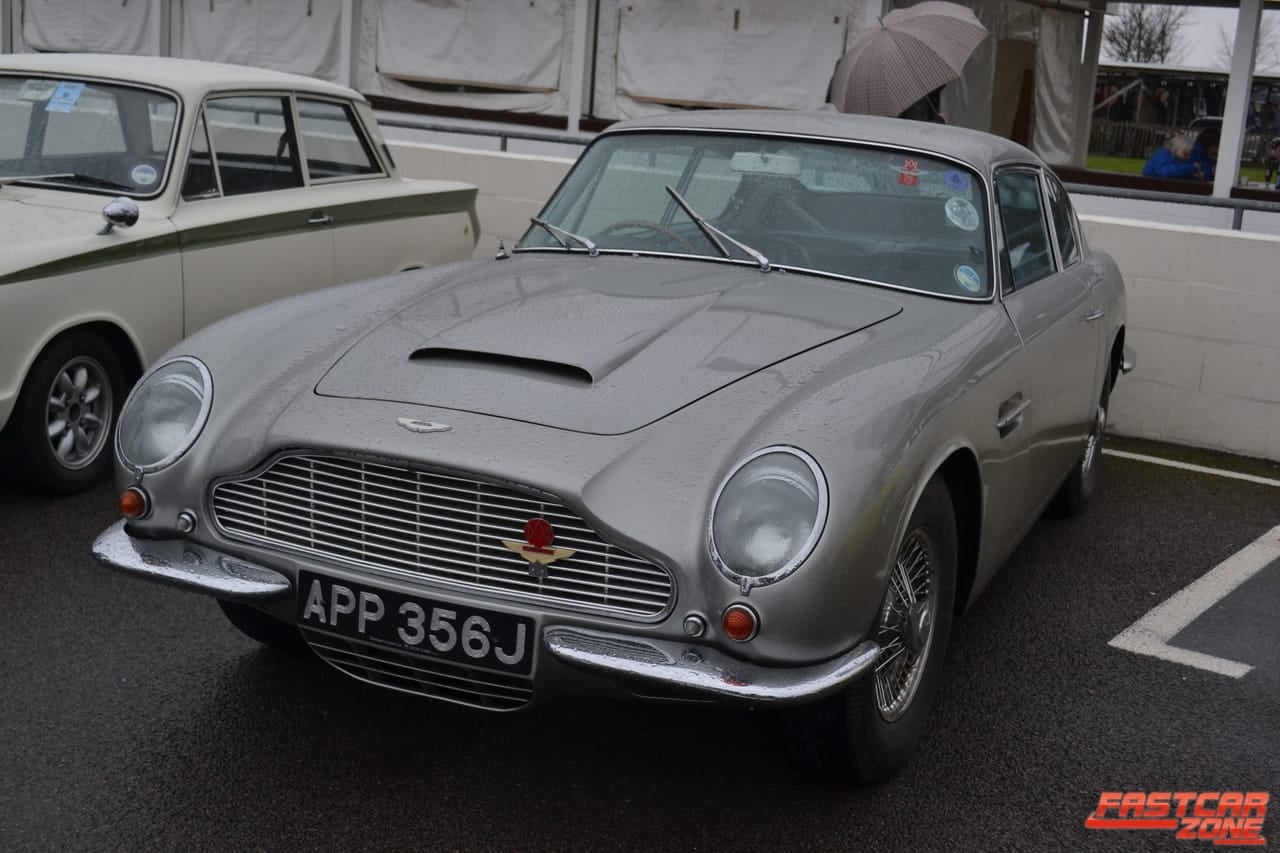
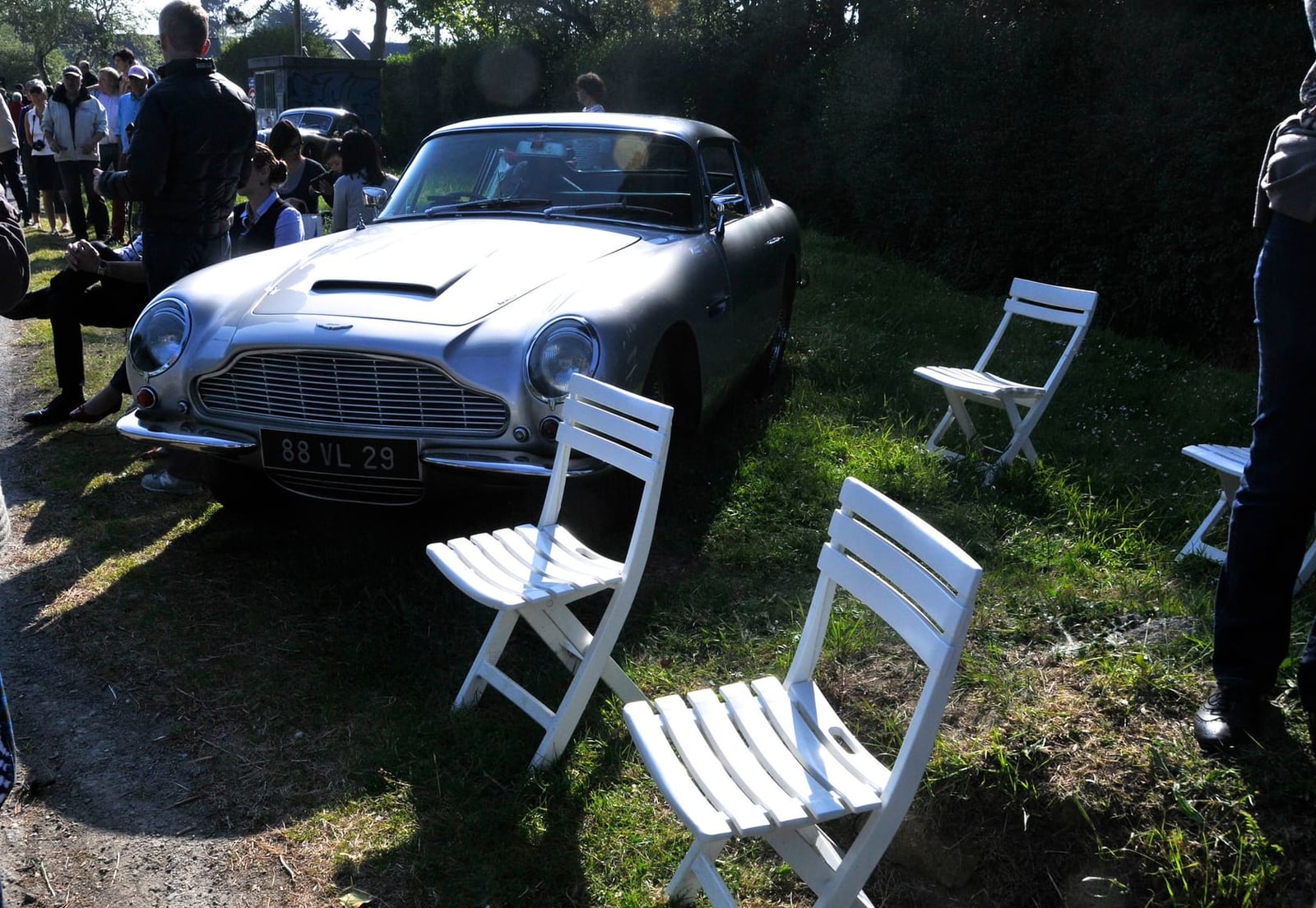
DB6: what changed and when
- 1965The wheelbase grows by nearly four inches, the roofline rises and the rear gains usable seats, with the Kamm tail replacing Touring's unbroken line.
- 1965The Volante name debuts on 37 open cars built on remaining DB5-specification short chassis, the prized short-chassis Volantes.
- 1966The DB6 Volante proper follows, eventually at 178 cars, founding a badge every open Aston has carried since.
- 1969The Mk2 closes the line with flared arches, power steering and rare optional fuel injection.
- 1971Production ends at 1,575 saloons, the best-selling of the classic DB line.
What to check on a DB6
Paperwork and structure
- Factory records and matching numbers before anything else
- Superleggera-derived tube corrosion hides invisibly beneath flawless aluminium
- Assessment by the marque specialists, at the same rates the DB5 pays
- A history file substantial enough to justify the money changing hands
Specification
- Verify Mk1 versus Mk2: flared arches, power steering and the optional injection separate them
- Vantage tune claims 325 bhp and adds a documented premium
- Treat surviving fuel-injection cars as specialist purchases
- Price Volantes against their own separate market, at nearly three times a coupe
Buying strategy
- Sorted examples beat projects by a wide margin, because the work costs DB5 money
- A properly restored car at market price is the value play of the classic DB line
- The owners club DB6 register is active and survivors are individually known
- Honest use is increasingly the market's favourite provenance on this car
What the Aston Martin DB6 sells for at auction
In 2025 the median Aston Martin DB6 sold for £178,250 across 11 sales, 9% down on 2024. In real terms, typical Aston Martin DB6 prices were down about 42% over the five years to 2025, once inflation is accounted for.
| Variant | Sold | Typical range | Median |
|---|---|---|---|
| DB6 | 168 | £95,625 - £192,752 | £155,750 |
| DB6 Vantage | 117 | £155,000 - £252,434 | £197,500 |
| DB6 Mk II | 43 | £137,000 - £201,492 | £170,200 |
| DB6 Volante | 25 | £330,366 - £561,500 | £425,500 |
| DB6 Vantage Volante | 11 | £344,875 - £642,245 | £432,500 |
Show the year-by-year mediansHide the year-by-year medians
| Year | Sold | Median | In 2025 money |
|---|---|---|---|
| 2026 (so far) | 7 | £212,722 | |
| 2025 | 11 | £178,250 | £178,250 |
| 2024 | 24 | £194,974 | £202,456 |
| 2023 | 37 | £172,500 | £185,109 |
| 2022 | 20 | £172,600 | £197,666 |
| 2021 | 40 | £185,772 | £229,719 |
| 2020 | 9 | £240,750 | £305,083 |
| 2019 | 6 | £303,414 | £388,414 |
| 2018 | 11 | £214,313 | £279,011 |
| 2017 | 15 | £247,500 | £329,681 |
| 2016 | 16 | £240,272 | £328,292 |
| 2015 | 20 | £281,375 | £388,298 |
| 2014 | 22 | £194,700 | £269,765 |
| 2013 | 20 | £167,070 | £234,783 |
| 2012 | 20 | £152,700 | £219,506 |
| 2011 | 26 | £123,750 | £182,452 |
| 2010 | 13 | £98,808 | £151,337 |
| 2009 | 12 | £81,924 | £128,619 |
| 2008 | 6 | £62,566 | £100,164 |
| 2007 | 14 | £67,269 | £111,442 |
| 2006 | 5 | £61,381 | £104,061 |
| 2005 | 7 | £47,164 | £81,973 |
- £432,500DB6 Vantage Volante
- £251,996DB6
- £212,722DB6
- £243,563DB6
- £165,700DB6
Strong evidence. 367 recorded sales and a dozen or more a year: the median and the range are well founded. Based on 367 sold results from public classic car auctions (2002 to 10 August 2026). Sold prices, not asking prices, and not a valuation: condition, history and specification vary from car to car. Inflation-adjusted figures use the ONS CPIH index, in 2025 money.
Frequently asked questions
What is the difference between the Aston Martin DB5 and DB6?
What does Volante mean on an Aston Martin?
Is the Aston Martin DB6 a four-seater?
What is a DB6 Mk2?
How much does an Aston Martin DB6 sell for?
What is the most expensive Aston Martin DB6 ever sold at auction?
How often does an Aston Martin DB6 come up for sale?
Related across themes
More from Aston Martin


Recently added

Land Rover Defender vs Series III: leaf springs or coils, and what three to one at auction is really buying

Ford Capri vs Escort Mk2: the same engines in two different bodies, and the plain saloon now costs more

Jaguar E-Type vs Austin-Healey 3000: the two big British sixes, and what the auction record says about each
