Aston Martin DB4: the car that made Newport Pagnell immortal (1958–1963)
The DB4 brought Touring of Milan's Superleggera construction and Tadek Marek's new six together into the first of the great Newport Pagnell Astons, and its GT and Zagato versions became some of the most valuable British cars ever made. A guide to the whole DB4 family, and what to check before buying.
Built 1958–1963 264 recorded sales
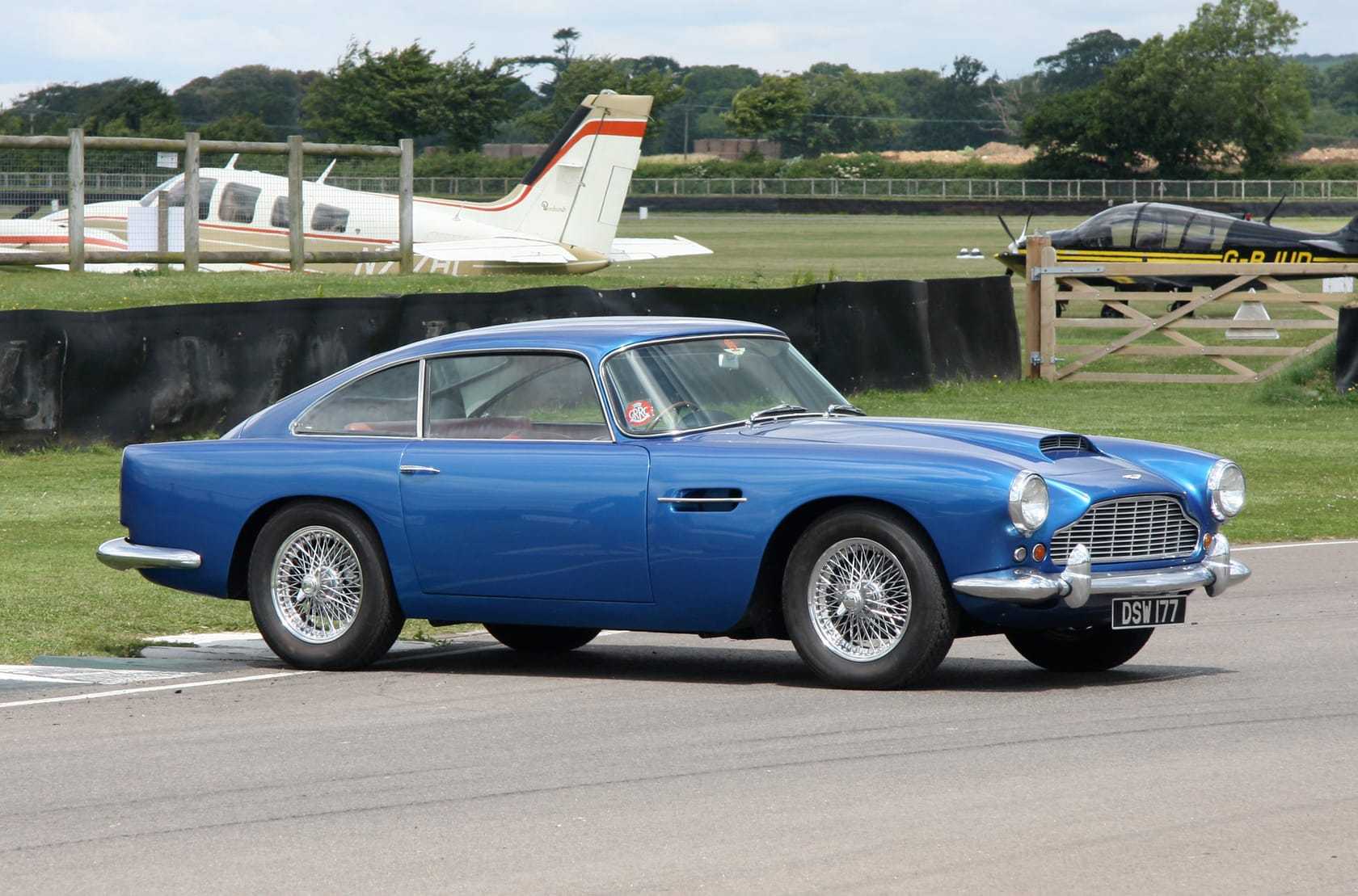
At a glance
- Years
- 1958–1963
- Body styles
- Two-door saloon, convertible; GT and Zagato lightweights
- Drivetrain
- Front engine, rear-wheel drive; Superleggera tube-framed body
- Engines
- 3670cc Tadek Marek twin-cam six (GT with twin-plug head)
- Power
- 240 bhp (saloon) to 302 bhp (GT)
- Top speed
- Around 140 mph (saloon); more in GT tune
- Trim levels
- Series 1-5, Vantage engines, Convertible; DB4 GT; GT Zagato
- Production
- 1,110 saloons, 70 convertibles, 75 GTs, 19 Zagatos
- Assembly
- Newport Pagnell, Buckinghamshire
- Designer
- Touring of Milan (body); Tadek Marek (engine); Harold Beach (chassis)
- Values
- Saloons from around £200,000; Series and Vantage cars £250,000-£400,000; GTs and Zagatos in the millions
- The claim
- Billed as the first production car to do 0-100-0 mph in under 30 seconds
- The summit
- The 19 GT Zagatos rank among the most valuable British cars ever sold
The models
Every great dynasty has its founding masterpiece, and for the classic era of Aston Martin that masterpiece is unarguably the DB4 of 1958: Touring of Milan’s Superleggera coachwork over Tadek Marek’s new twin-cam six, billed as the first production car to sprint to 100 mph and stop again inside thirty seconds, and drawn so surely that its shape carried the marque for a decade. The Aston Martin DB4’s family tree, saloon to GT to the 19 Zagatos, now spans from serious money to some of the highest prices ever paid for British cars.
Milan meets Newport Pagnell
The DB4 was a deliberate leap: a new platform chassis by Harold Beach, a new all-alloy 3.7-litre twin-cam six by Tadek Marek, disc brakes all round, and a body built under Touring’s Superleggera patent, aluminium panels over a lattice of light steel tubes, styled by Touring into the definitive Aston line. Launched in 1958 and built at the new Newport Pagnell works, it cost as much as a good house and moved like nothing else British: 240 bhp, around 140 mph, and the famous 0-100-0 boast that period testing substantially upheld.

Five series, one direction
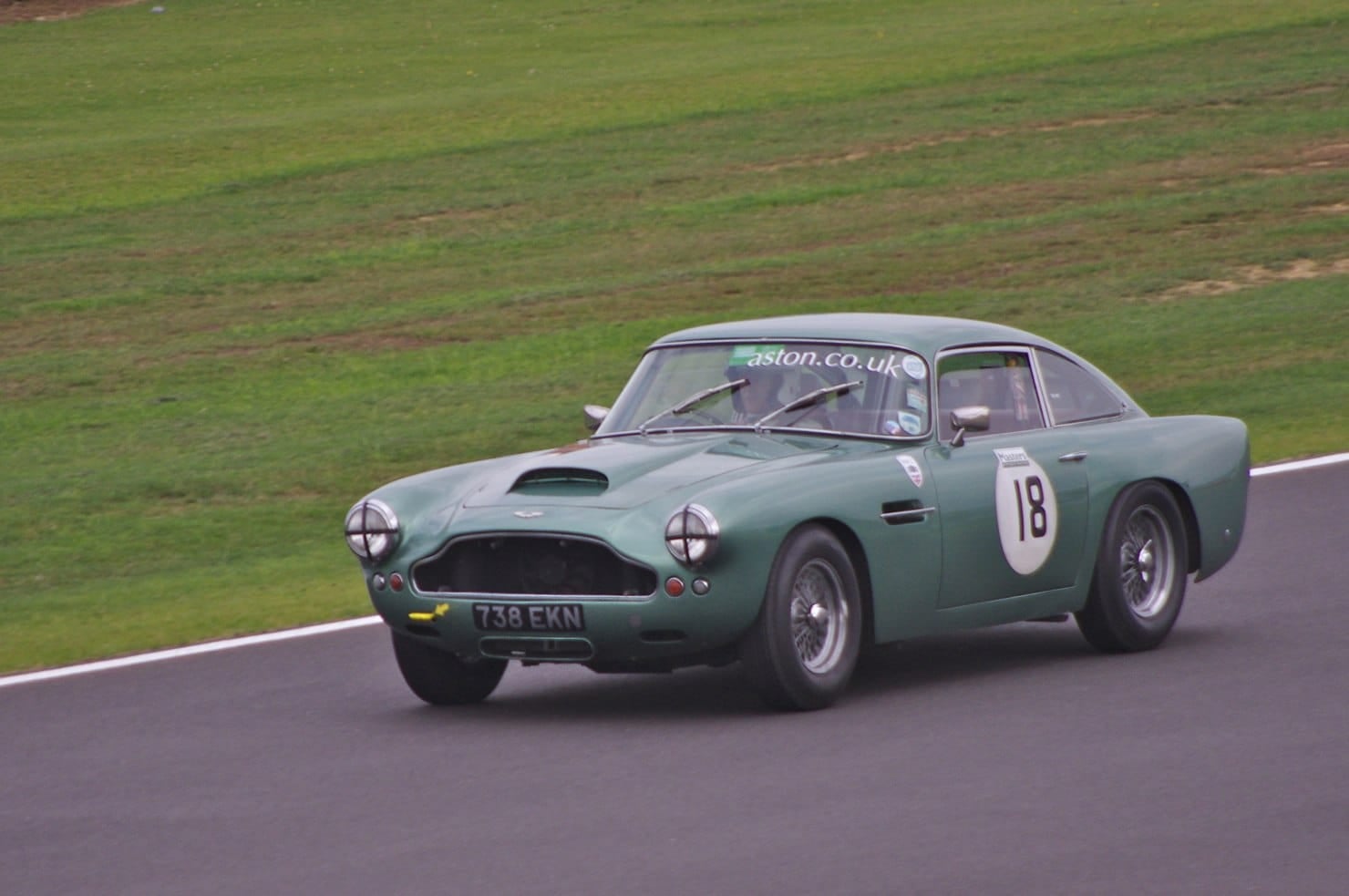
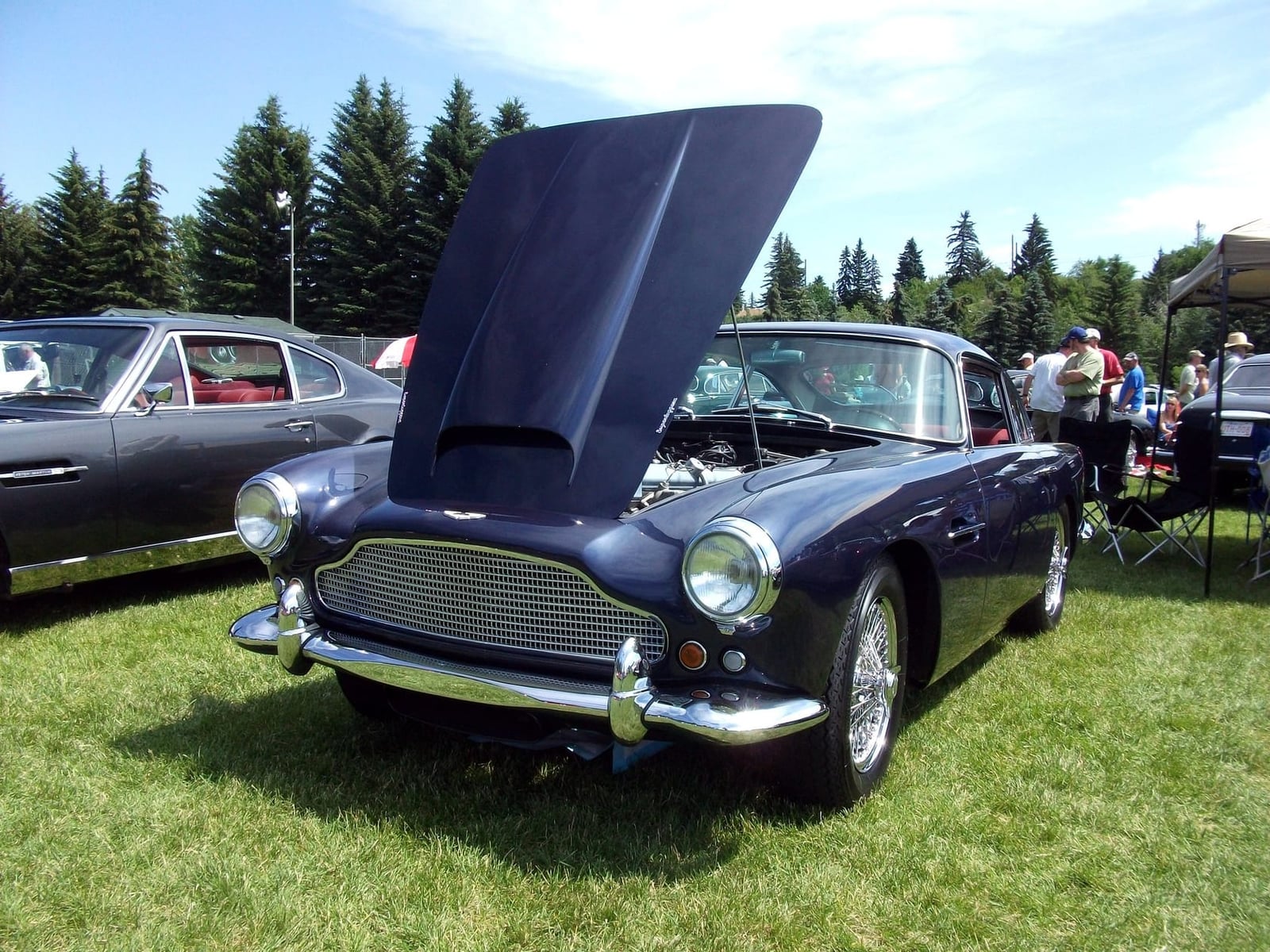
Development of the car ran through five distinct series to 1963, with each successive step polishing the recipe rather than reinventing it: window frames and tail light treatments evolved, an elegant convertible joined at 70 cars, the optional Vantage engine added triple SUs and faired headlamps, and the final Series 5 grew slightly in length and height, previewing the DB5 it would become. In all, some 1,110 saloons were hand-built at the works, each one absorbing many hundreds of craftsman hours, and the series distinctions matter enough to collectors that factory records settle every serious negotiation.

GT and Zagato: the summit
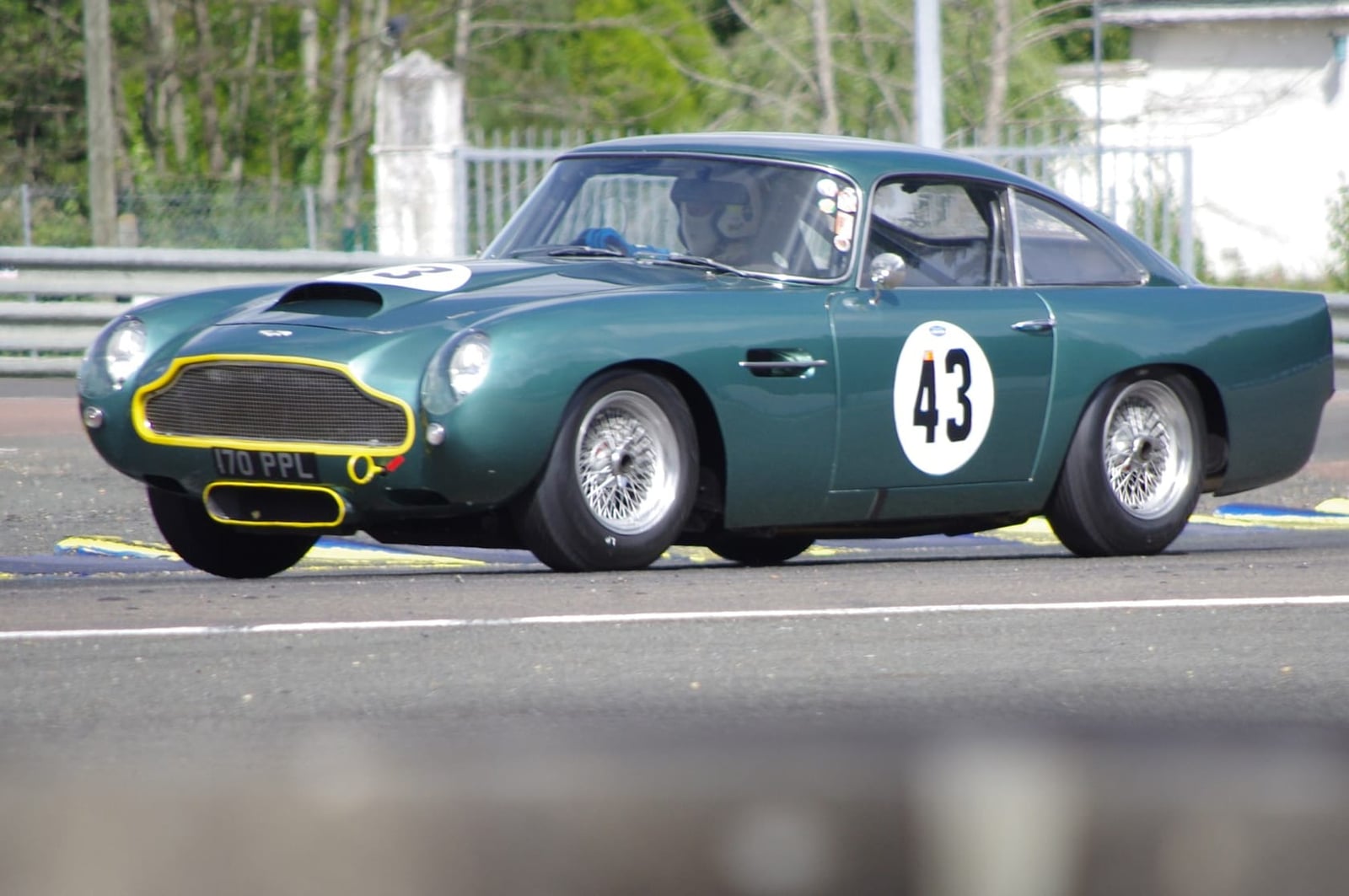
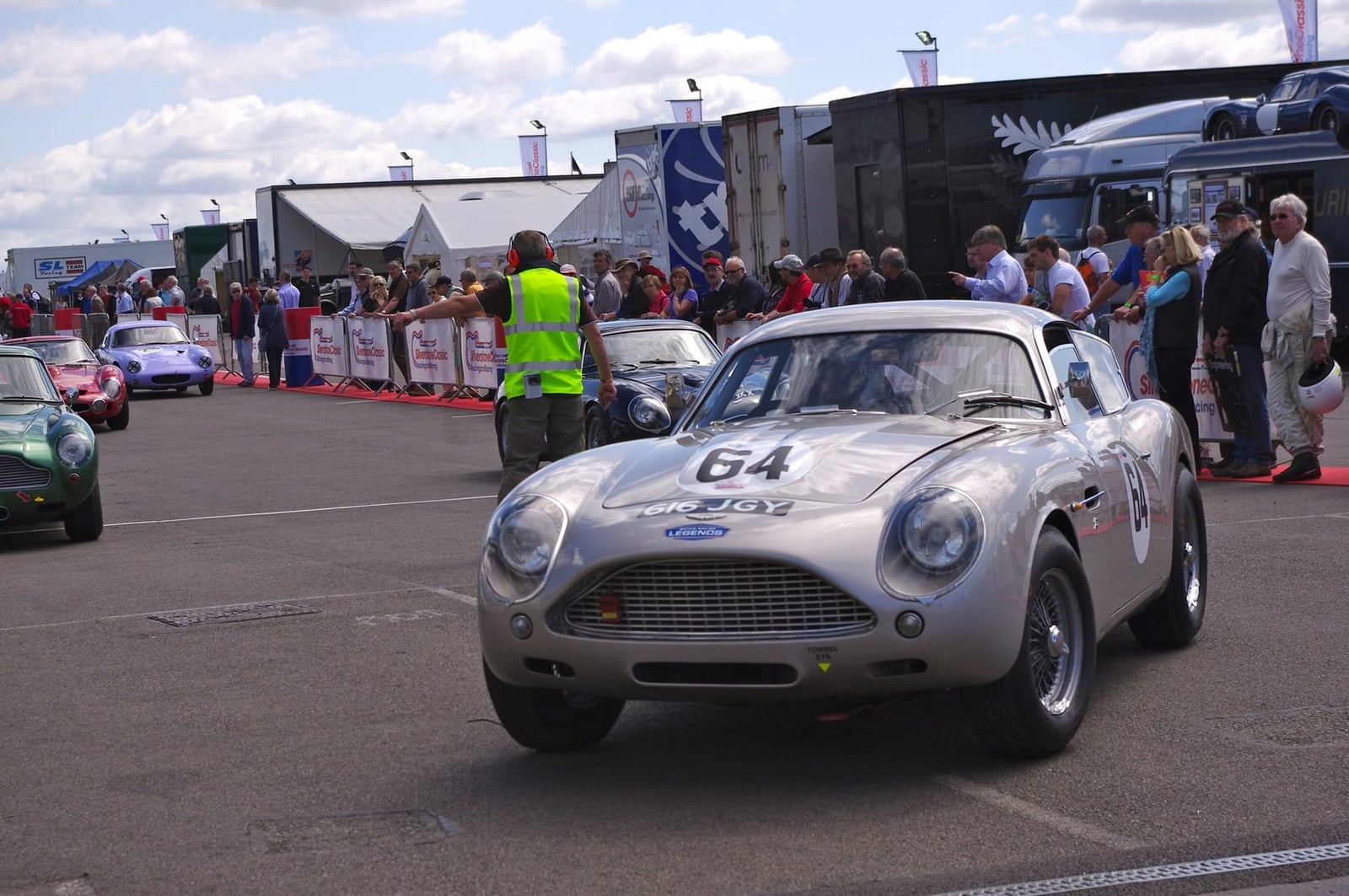
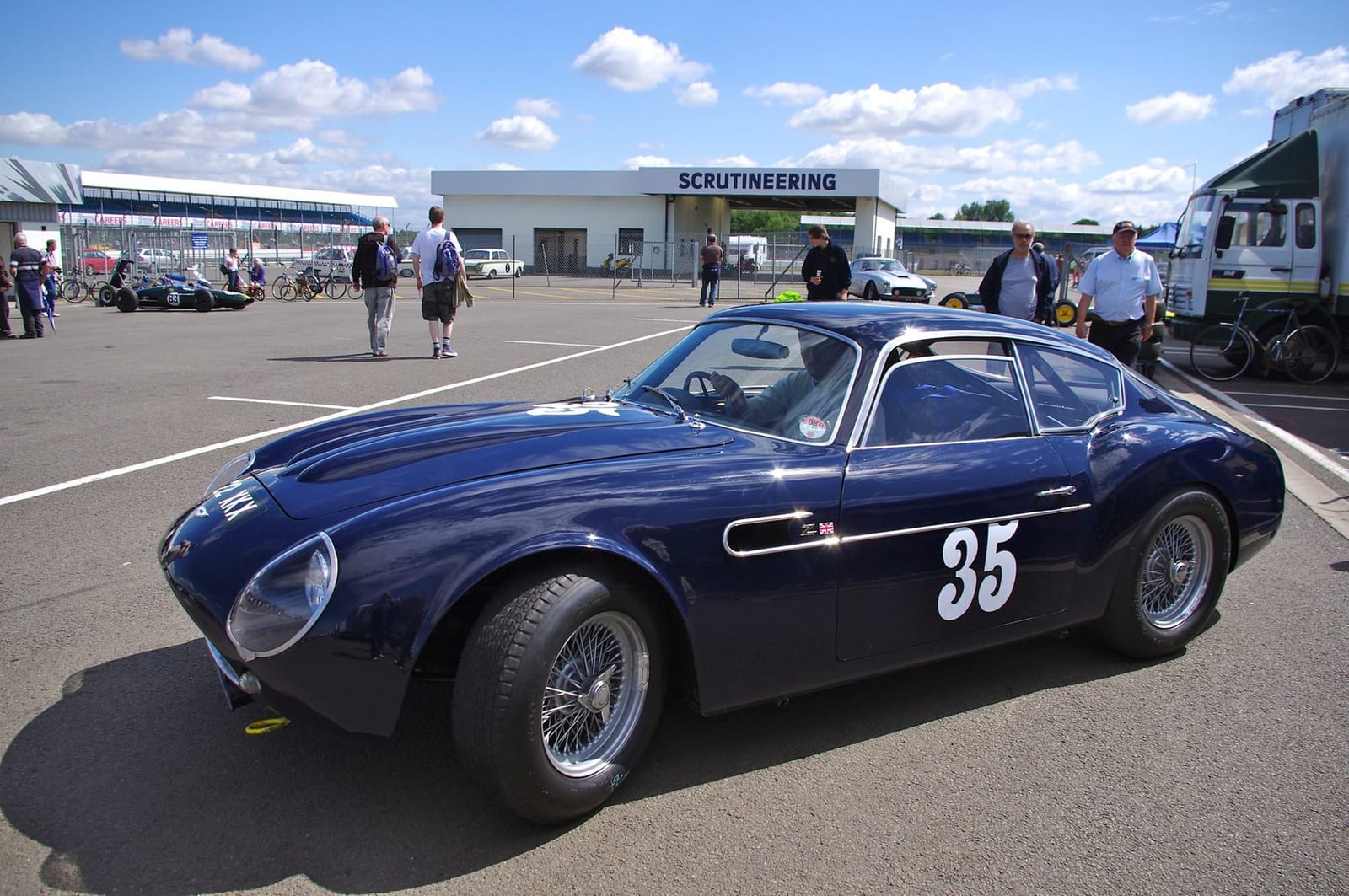
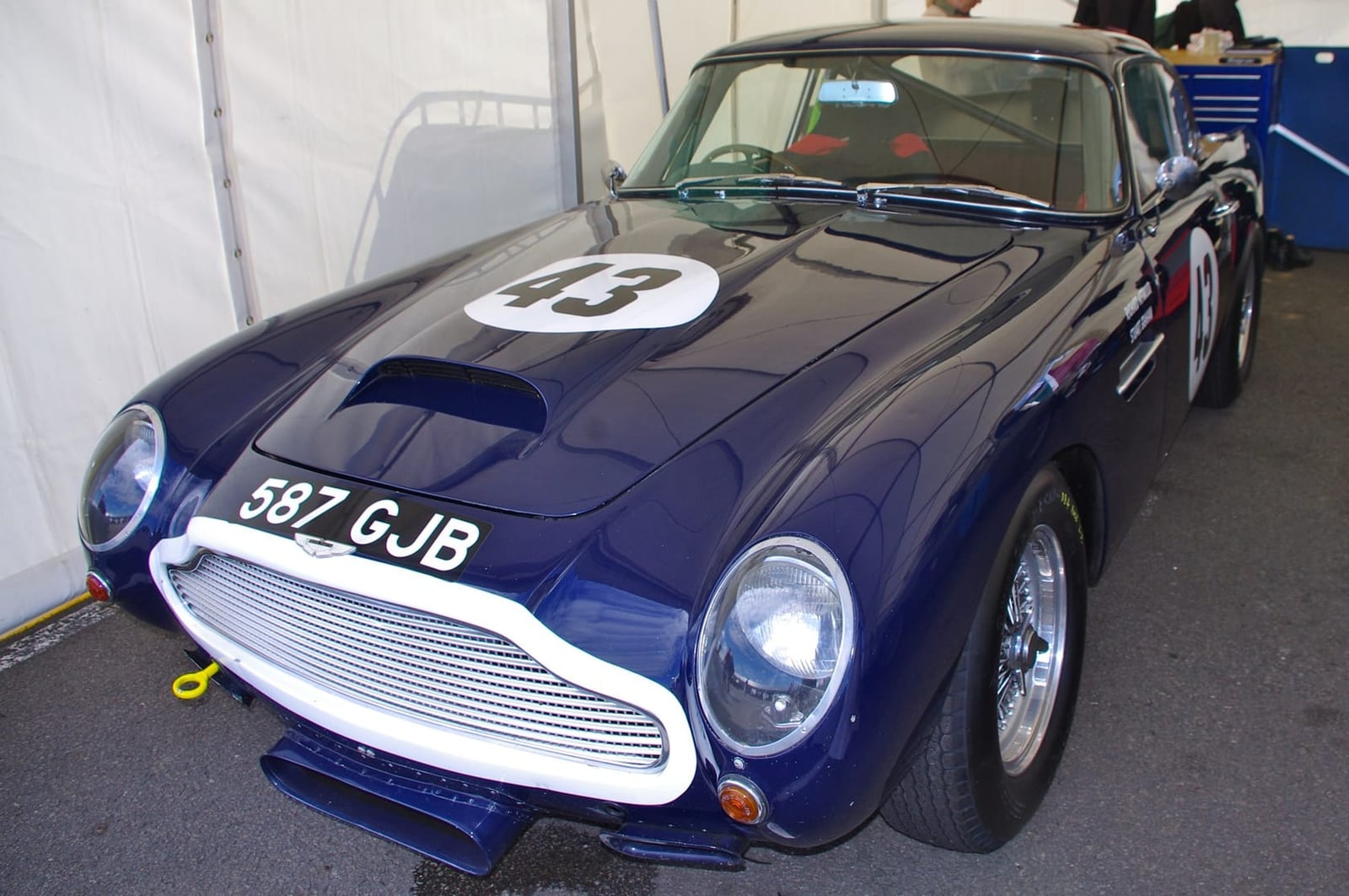
In 1959 the racing department distilled the car: the DB4 GT shortened the wheelbase, faired the lamps and fitted a twin-plug 302 bhp engine, producing 75 road-legal racers aimed squarely at Ferrari’s 250 GT. Then Zagato of Milan lightened the GT further into the DB4 GT Zagato, 19 cars of fierce beauty that raced in period and have since become some of the most valuable British cars ever sold, changing hands around ten million pounds. Factory continuation runs of both, built decades later, only confirmed the originals’ standing at the summit of the entire market.

What a DB4 is like to drive
The DB4 still feels today like the leap it was in 1958: Marek’s six pulls with a hard, cammy urgency that no rival six of the day approached, the chassis steers accurately through a big wood-rimmed wheel, and the disc brakes gave period drivers confidence their contemporaries lacked. It is a physical, fast, beautifully balanced grand tourer that rewards commitment, happiest on fast A-roads where the E-Type’s later arrival would frame the great sixties rivalry. Few cars of any era carry their myth so lightly at speed.

Living with the legend
DB4 ownership is a managed relationship with a specialist ecosystem: the marque’s recognised restorers and engine builders hold the pattern knowledge Superleggera work demands, the heritage operation supplies records and remanufactured parts, and the owners club connects a survivor population that is individually documented. Running one is more practical than the values suggest, the Marek six is long-lived with correct maintenance, parts supply is genuinely good, and DB4s tour, rally and race worldwide, but every significant job is priced at coachbuilt rates, which is why the file of past invoices matters nearly as much as the paint. Cars in regular use are increasingly prized over static collection pieces.
Buying a DB4 today
At DB4 money the purchase is first and last a provenance exercise: matching numbers confirmed against the factory build records, continuous documented ownership history, and restoration carried out by the recognised marque specialists, whose workmanship the market prices directly into every value band. Superleggera structure demands expert assessment, tube-frame corrosion hides beneath perfect aluminium, and correct series specification affects value materially. GTs and Zagatos are a registry world of their own. The club, the heritage operation and the specialist houses know every surviving car; buy nothing at this level without their paper trail.
Where the DB4 sits in the market
This is the dearest car on the site, priced above its own DB6 successor and within sight of the sainted DB5, and the market increasingly treats the three less as separate models than as one ascending family with the DB4 as its source. Matching numbers and factory-verified specification move every band. The full record, 264 recorded sales with the GT at five times a standard car and a Vantage premium that does not appear at all, is on the page covering what a DB4 sells for.
More photos
Key dates for the DB4
- 1958Launched at the new Newport Pagnell works: Harold Beach's platform chassis, Marek's all-alloy 3.7 twin-cam six, disc brakes all round and Touring's Superleggera body.
- 1959The racing department shortens the wheelbase, fairs the lamps and fits a twin-plug 302 bhp engine to create the DB4 GT, aimed squarely at Ferrari's 250 GT.
- 1960Zagato of Milan lightens the GT further into the DB4 GT Zagato: 19 cars that raced in period and now change hands around ten million pounds.
- 1961The convertible joins the range, eventually at 70 cars; the optional Vantage engine adds triple SUs and faired headlamps.
- 1962The Series 5 grows slightly in length and height, previewing the DB5 it would become.
- 1963Production ends at 1,110 saloons, 70 convertibles, 75 GTs and 19 Zagatos.
Before you buy a DB4
Provenance, first and last
- Matching numbers confirmed against the factory build records, without exception
- Continuous documented ownership history
- Restoration by the recognised marque specialists, whose workmanship the market prices directly
- The club, the heritage operation and the specialist houses know every surviving car
Structure
- Superleggera tube-frame corrosion hides beneath perfect aluminium panels
- Expert assessment of the frame is worth its fee many times over
- Correct series specification affects value materially; five series were built
- GTs and Zagatos are a registry world of their own, and are checked accordingly
Mechanical and history file
- The Marek six is long-lived with correct maintenance, and parts supply is good
- Every significant job is priced at coachbuilt rates, so past invoices are part of the value
- Cars in regular use are increasingly prized over static collection pieces
- Vantage specification should be documented rather than assumed
What the Aston Martin DB4 sells for at auction
In 2025 the median Aston Martin DB4 sold for £333,684 across 14 sales, 40% up on 2024. In real terms, typical Aston Martin DB4 prices were down about 17% over the five years to 2025, once inflation is accounted for.
| Variant | Sold | Typical range | Median |
|---|---|---|---|
| DB4 | 182 | £168,200 - £333,421 | £251,954 |
| DB4 Vantage | 32 | £205,248 - £418,906 | £246,400 |
| DB4GT | 21 | £841,174 - £2,366,392 | £1,295,112 |
| DB4 Convertible | 14 | £305,188 - £915,145 | £644,970 |
| DB4 Convertible Vantage | 7 | £469,350 - £851,584 | £611,900 |
Show the year-by-year mediansHide the year-by-year medians
| Year | Sold | Median | In 2025 money |
|---|---|---|---|
| 2026 (so far) | 5 | £225,085 | |
| 2025 | 14 | £333,684 | £333,684 |
| 2024 | 14 | £238,928 | £248,096 |
| 2023 | 12 | £284,762 | £305,577 |
| 2022 | 18 | £296,173 | £339,186 |
| 2021 | 28 | £332,338 | £410,955 |
| 2020 | 4 | £318,529 | £403,646 |
| 2019 | 16 | £436,049 | £558,207 |
| 2018 | 6 | £541,348 | £704,774 |
| 2017 | 12 | £326,900 | £435,446 |
| 2016 | 10 | £449,986 | £614,832 |
| 2015 | 14 | £365,260 | £504,059 |
| 2014 | 12 | £316,686 | £438,782 |
| 2013 | 12 | £273,852 | £384,843 |
| 2012 | 14 | £227,532 | £327,077 |
| 2011 | 23 | £188,500 | £277,917 |
| 2010 | 16 | £190,658 | £292,018 |
| 2009 | 9 | £110,000 | £172,696 |
| 2008 | 8 | £120,875 | £193,512 |
| 2007 | 8 | £131,078 | £217,153 |
| 2006 | 3 | £144,500 | £244,975 |
| 2004 | 3 | £41,624 | £73,832 |
- £250,200DB4
- £210,611DB4
- £205,701DB4
- £330,924DB4
- £225,085DB4
Strong evidence. 264 recorded sales and a dozen or more a year: the median and the range are well founded. Based on 264 sold results from public classic car auctions (2002 to 10 August 2026). Sold prices, not asking prices, and not a valuation: condition, history and specification vary from car to car. Inflation-adjusted figures use the ONS CPIH index, in 2025 money.
Frequently asked questions
What is Superleggera construction on the Aston Martin DB4?
What is the difference between the DB4 series?
How rare is the Aston Martin DB4 GT?
Did the Aston Martin DB4 really do 0 to 100 to 0 in under 30 seconds?
How much does an Aston Martin DB4 sell for?
What is the most expensive Aston Martin DB4 ever sold at auction?
How often does an Aston Martin DB4 come up for sale?
Related across themes
Recently added

Jaguar E-Type vs Austin-Healey 3000: the two big British sixes, and what the auction record says about each

Aston Martin: power, beauty and perpetual peril from Newport Pagnell

Mini Cooper vs Austin-Healey Sprite: two A-series icons, two kinds of fun
