TVR Grantura and Vixen: where Blackpool learned to build sports cars (1958–1973)
The Grantura was TVR's first real production car, a stubby glassfibre coupe that taught Blackpool its trade, and the Vixen that grew from it carried the recipe to 1973. A guide to both families, the marks and engines, buying checks and values.
Built 1958–1973 35 recorded sales
At a glance
- Years
- 1958–1967 (Grantura); 1967–1973 (Vixen)
- Body styles
- Two-seat glassfibre coupe
- Drivetrain
- Front engine, rear-wheel drive; tubular backbone chassis
- Engines
- Coventry Climax, Ford sidevalve, BMC and MGB units (Grantura); Ford Kent crossflow (Vixen)
- Power
- Around 40-95 bhp by specification
- Top speed
- Around 85-110 mph
- Trim levels
- Grantura Mk I, II, IIA, III, IV/1800S; Vixen S1-S4 and 1300
- Production
- Around 800 Granturas; around 750 Vixens
- Assembly
- Blackpool, Lancashire (Hoo Hill, then Bristol Avenue)
- Designer
- Trevor Wilkinson and the early Blackpool works
- Values
- Projects from around £8,000; usable cars £14,000-£20,000; Climax cars and the best beyond
- The role
- The first production TVR: every Blackpool car descends from this shape
- The sibling
- The Vixen is the Grantura matured, with Ford crossflow power
The models
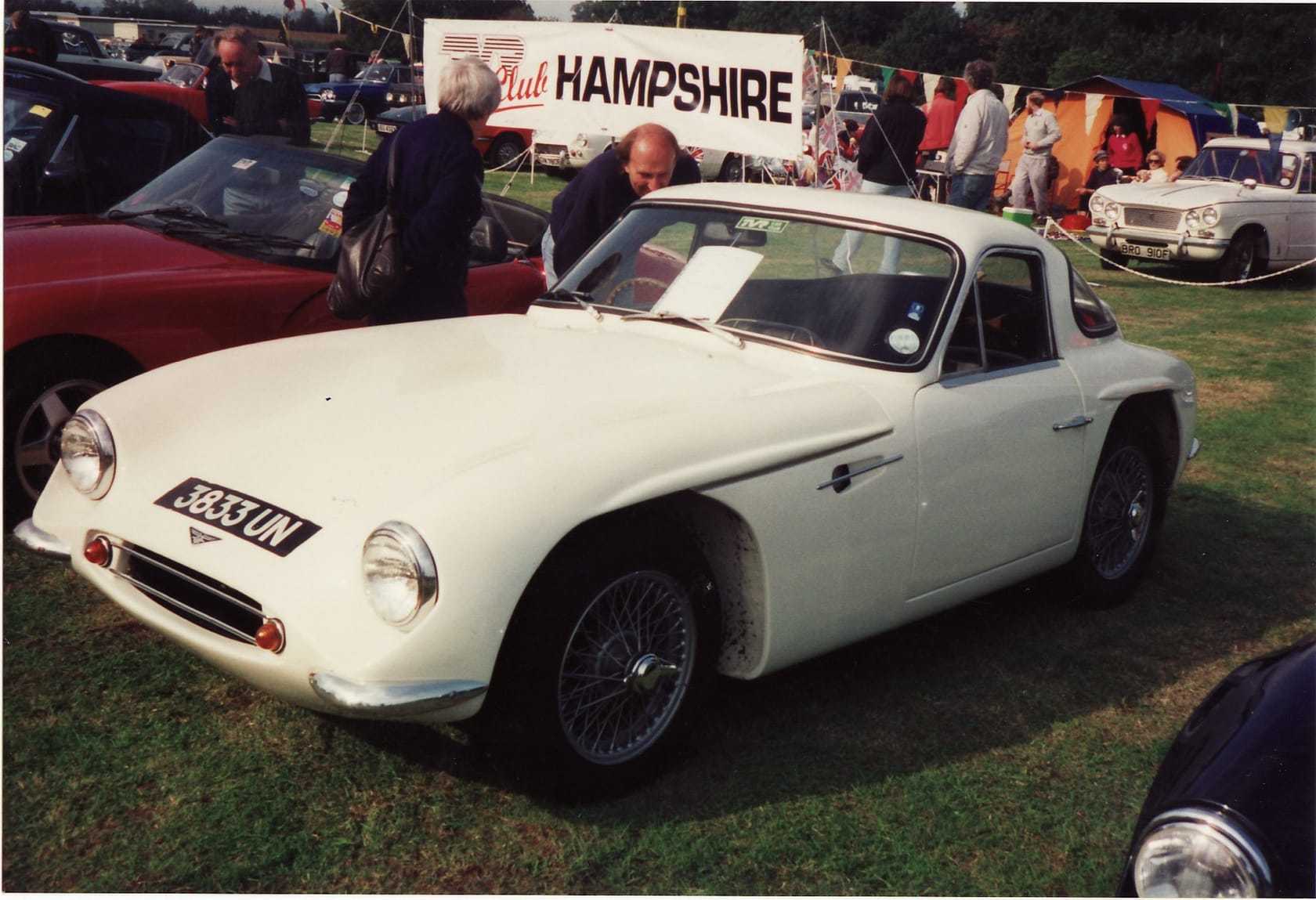
In 1958, in a backstreet works at Hoo Hill, Blackpool, TVR put its first real production car on sale: the TVR Grantura, a stubby hand-built glassfibre coupe offered with whatever engine the customer fancied, Ford sidevalve to Coventry Climax. The Vixen that evolved from it carried the same recipe forward to 1973, and between them they wrote the Blackpool formula, the light tube chassis, the glassfibre curves, the borrowed power, that every later TVR followed at increasing volume.
Hoo Hill: the first production TVR
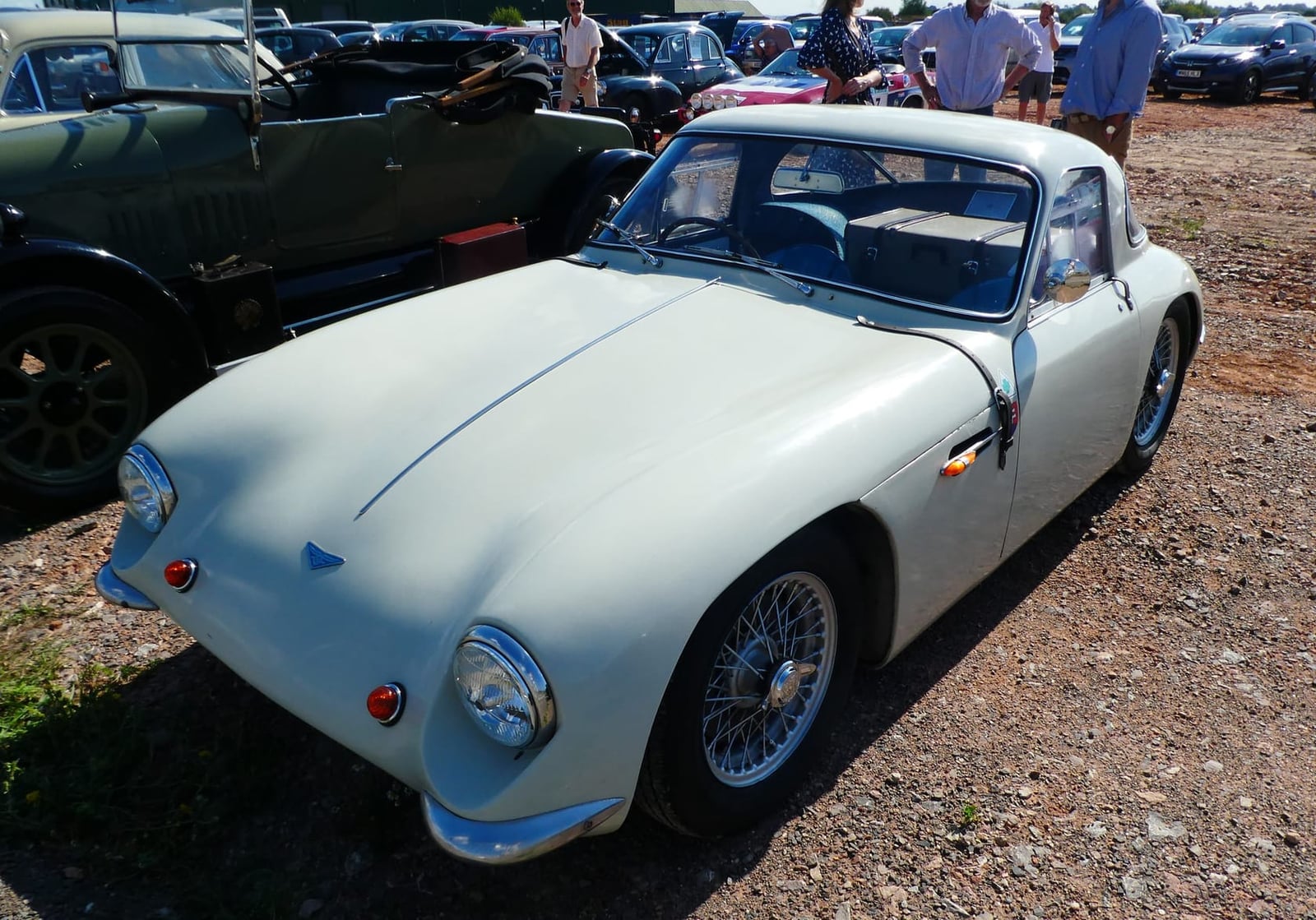
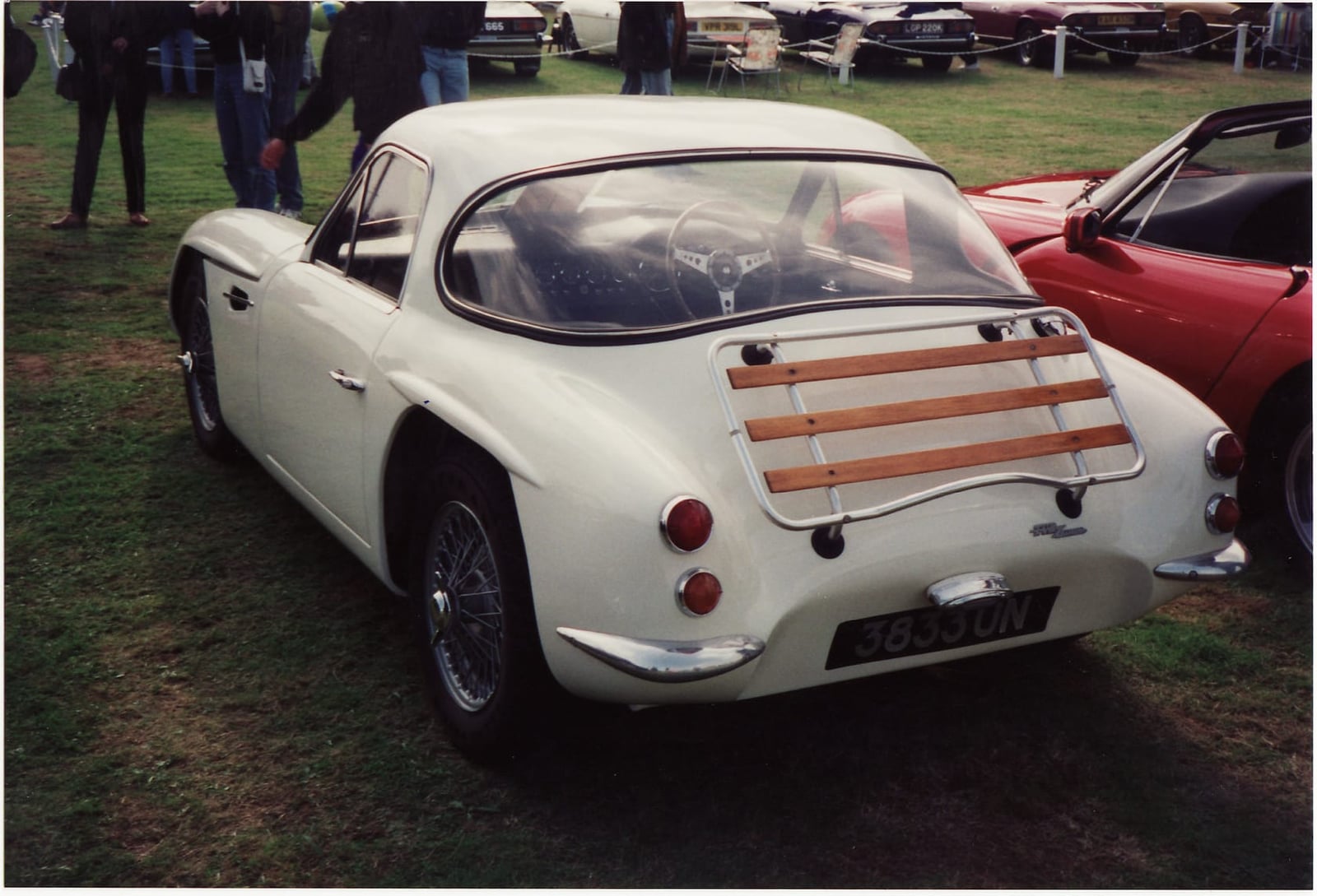
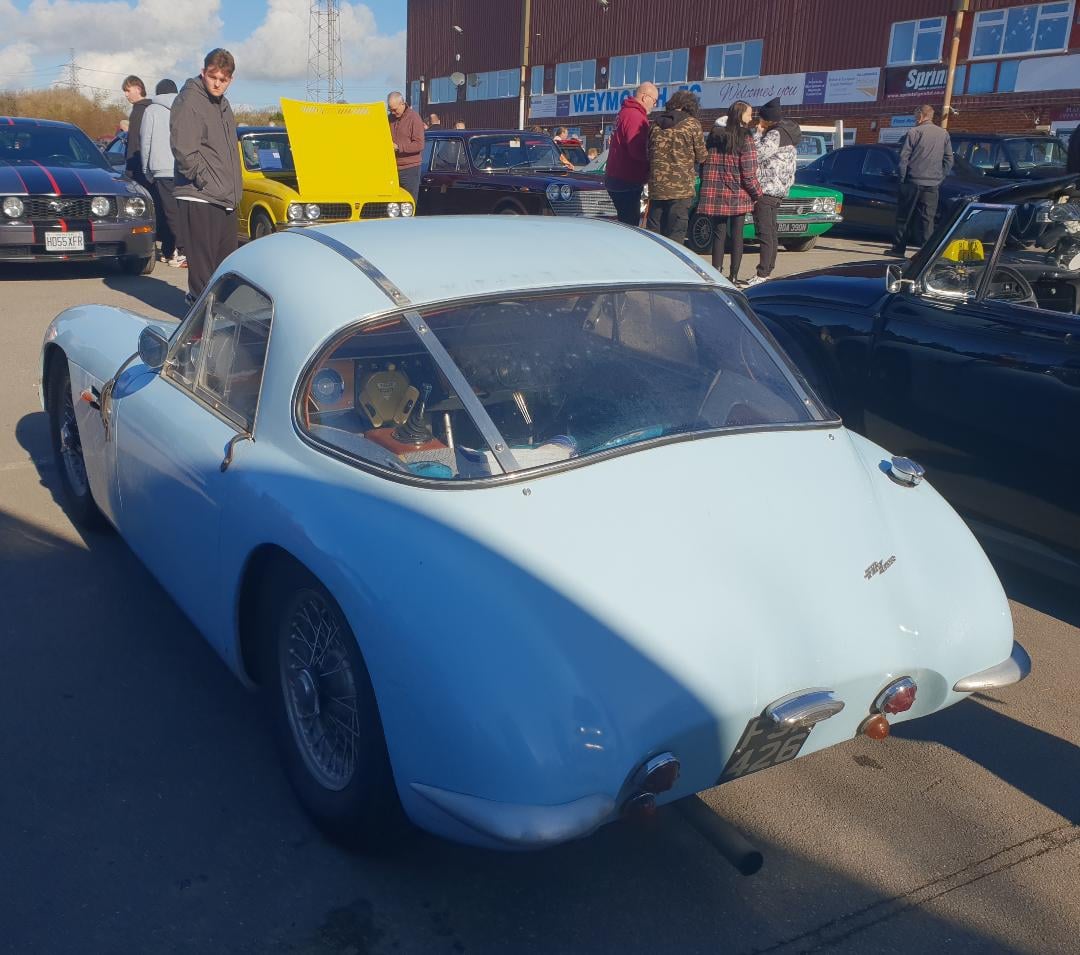
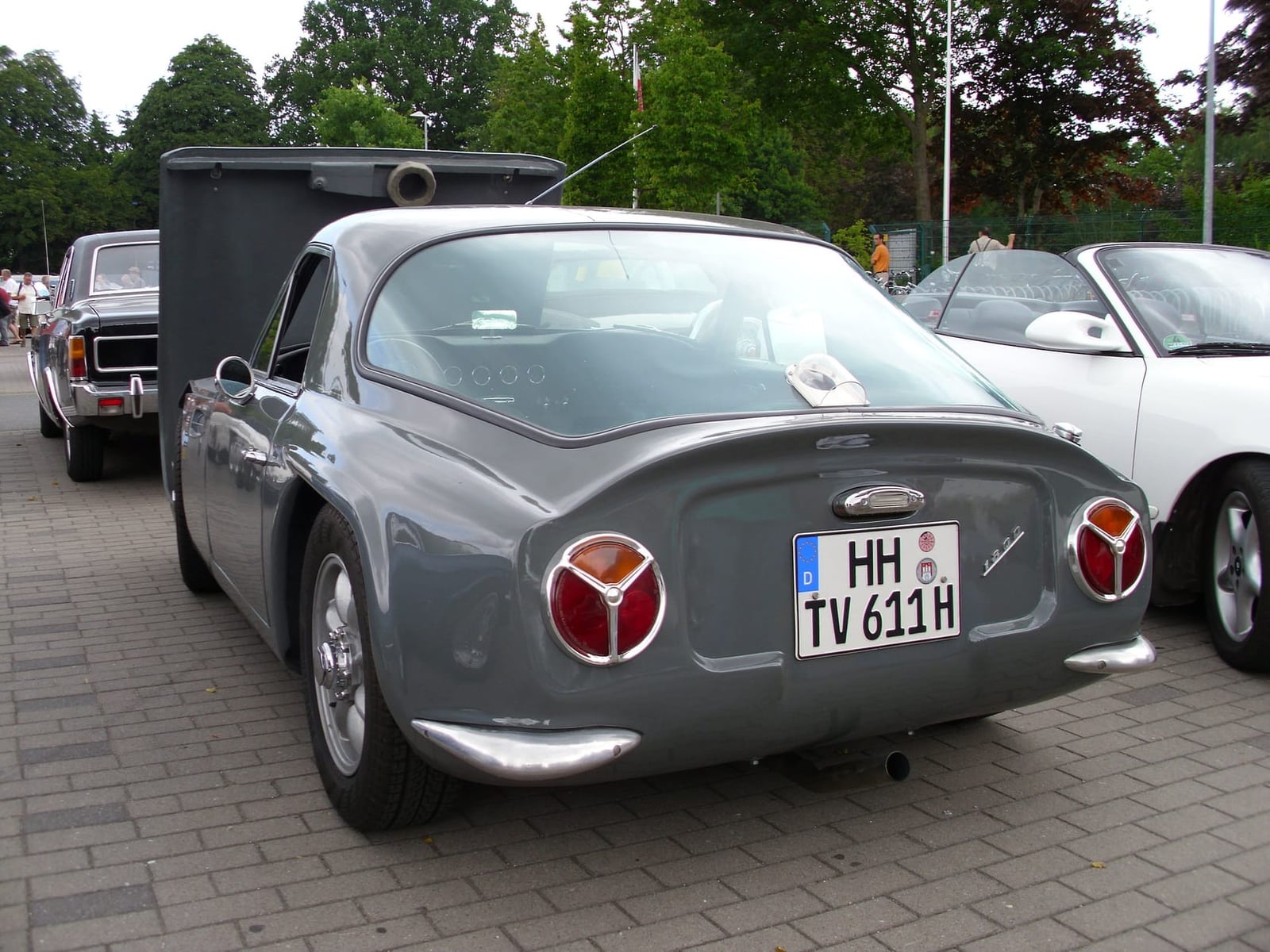
Trevor Wilkinson had built one-off specials for a decade before the Grantura made TVR a manufacturer: a multi-tubular chassis with a stiff backbone, all-independent suspension by Volkswagen-derived trailing arms in the earliest cars, and a hand-laid glassfibre body whose foreshortened Manx tail became a Blackpool signature. Engines were the customer’s choice, Coventry Climax FWA for the racers, Ford sidevalve for the frugal, BMC B-series for the practical, and the little coupe weighed so little that all of them felt lively. Around 800 were built across four marks to 1967.

Marks I to IV: the recipe refined
The Grantura grew up mark by mark: the Mk II and IIA tidied the running gear, the 1962 Mk III brought John Thurner’s redesigned chassis with proper wishbone suspension, and the Mk IV and 1800S standardised on the MGB’s 1798cc engine with a claimed 95 bhp, Blackpool build quality improving with each step. Racing hardened the breed throughout, Granturas running club events, internationals and Sebring class assaults, and the marque survived the corporate chaos of the mid-sixties, including the collapse that followed the Griffith adventure, with the Grantura’s steady sales as its keel.

Vixen: the Grantura grows up
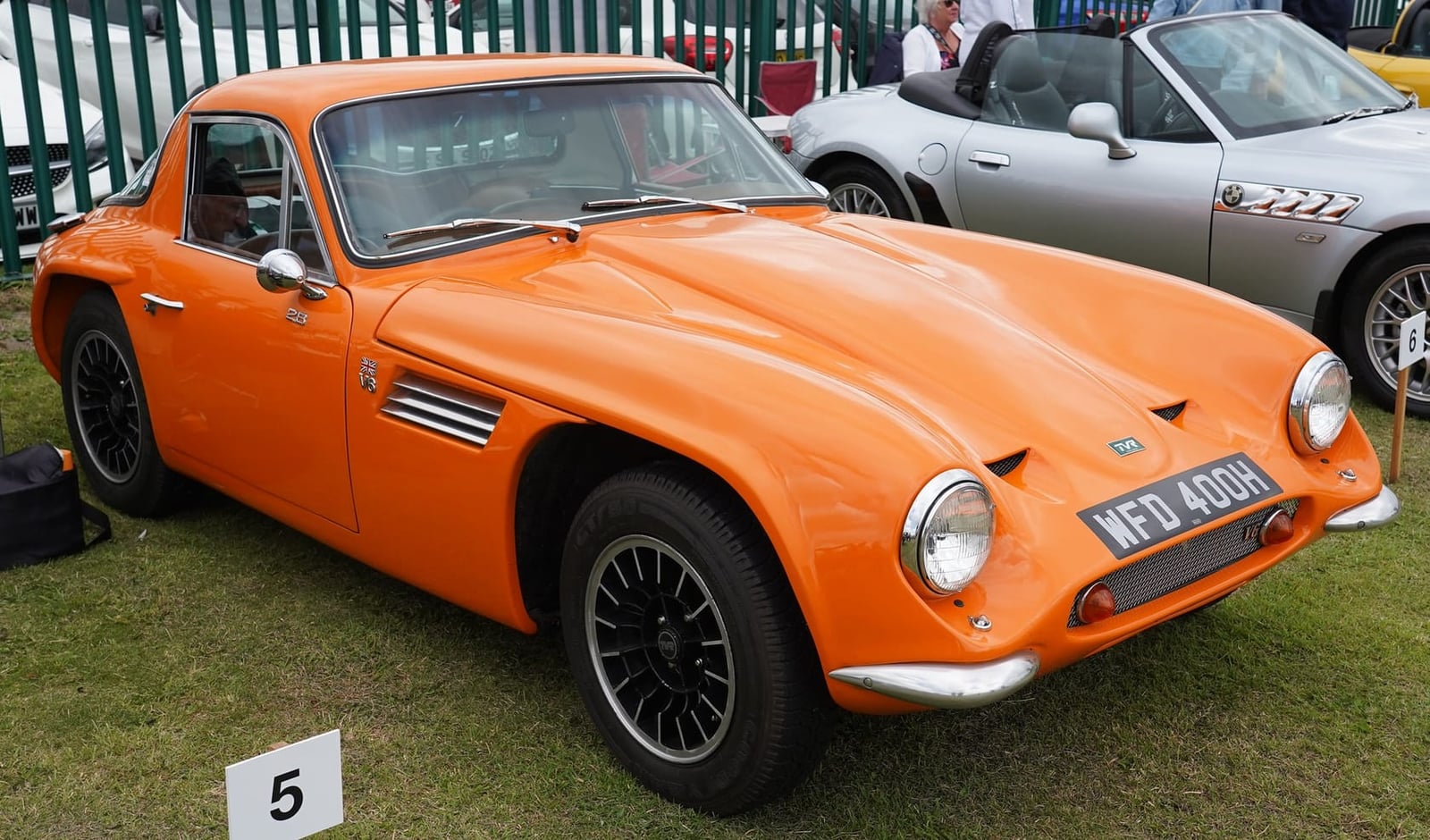
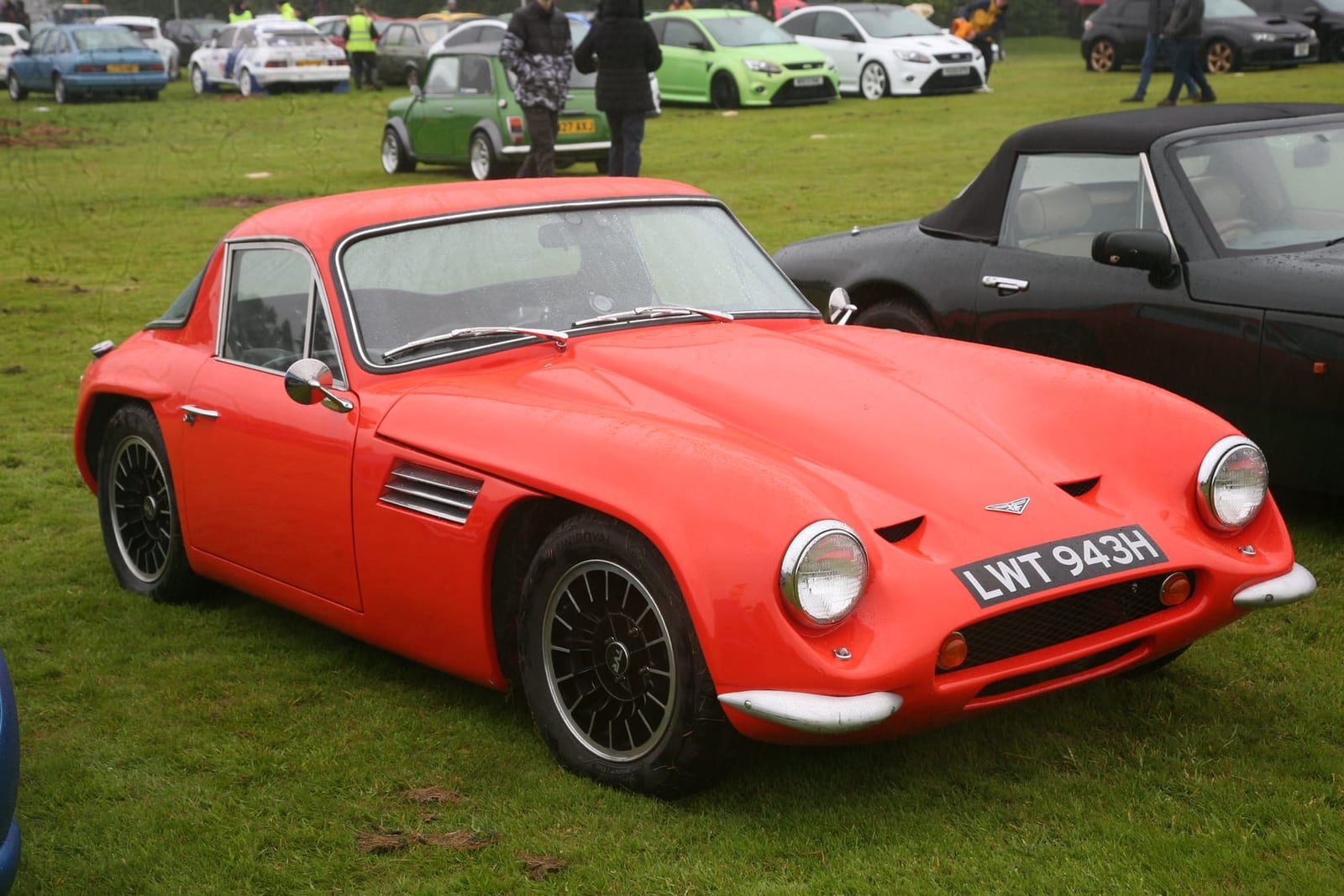
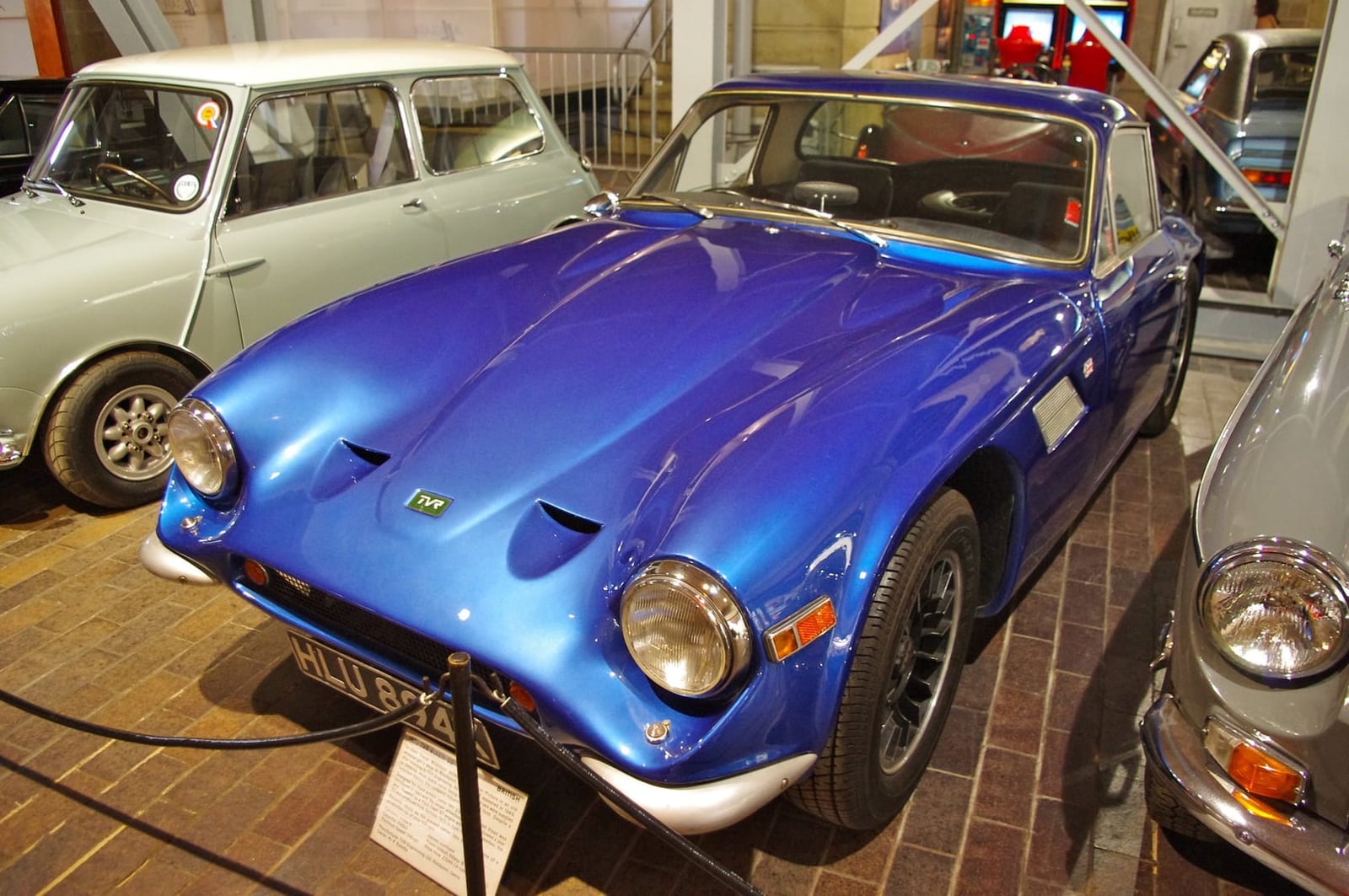
The 1967 Vixen was the Grantura made sensible: Ford’s 1600 Kent crossflow engine brought 86 reliable, tunable horsepower and dealer-friendly parts, a bonnet scoop and detail restyle freshened the shape, and from the S2 a longer wheelbase civilised the cabin and the ride. Under Martin Lilley’s new ownership build quality climbed again, and roughly 750 Vixens through S4 (plus the economy 1300) carried Blackpool to 1973, when the M-series took the formula over. Grantura and Vixen are one continuous story, and the club world treats the families as siblings.

Surviving the sixties
The Grantura’s steadiness mattered because the company around it was anything but steady: TVR passed through repeated financial crises and changes of hand in the early sixties, including the turmoil that followed the American Griffith adventure, and the little coupe’s unglamorous weekly sales were often the only thing keeping the works open. When Arthur and Martin Lilley took control at the end of 1965, the Grantura 1800S was the foundation they rebuilt on, and the disciplines learned surviving that decade, simple donors, one adaptable shell, cautious volumes, steered Blackpool for the rest of its independent life. The marque’s later glories all trace back to this car refusing to die.
What they are like to drive
Tiny, talkative and lighter than almost anything comparable from the period: a Grantura or Vixen weighs in around 700 kilograms, so even the most modest engine option delivers real urgency, and the short wheelbase and quick steering make darting agility the whole of the character. The driving position is snug and the pedals offset, in proper specials-builder fashion. Early swing-axle cars demand respect at the limit; Mk III onward the chassis is genuinely capable, and MGB or crossflow torque suits the weight perfectly. The cabin is snug, the glassfibre drums, the view over the curved wings is pure sports car, and the 1950s specials-builder spirit survives in every mile.

Buying a Grantura or Vixen today
Chassis first, always and without exception: the tubular frame rusts unseen under glassfibre that never will, so inspect the outriggers, suspension mounts and backbone thoroughly, and prize documented frame restoration far above any cosmetic history. Engines follow their donor networks, Climax rare and specialist, MG and Ford cheap and everywhere. Glassfibre repairs show in ripple and gel cracks; hand-built variation means panel fit was never showroom-perfect, so originality beats symmetry. The TVR Car Club’s registers know most survivors, and Climax cars and period racers deserve provenance checks before their premiums.
Values: the founder’s market
Thirty-five measured sales at a £17,200 median price the founding family honestly: projects from £8,000, usable cars £14,000 to £20,000, Climax and competition cars beyond £25,000, Vixens tracking slightly under equivalent Granturas. For the first chapter of the whole Blackpool story, with historic-racing access and club support far larger than production numbers suggest, that remains gentle money, and the marque’s growing classic profile has begun pulling the early cars up behind it.
More photos
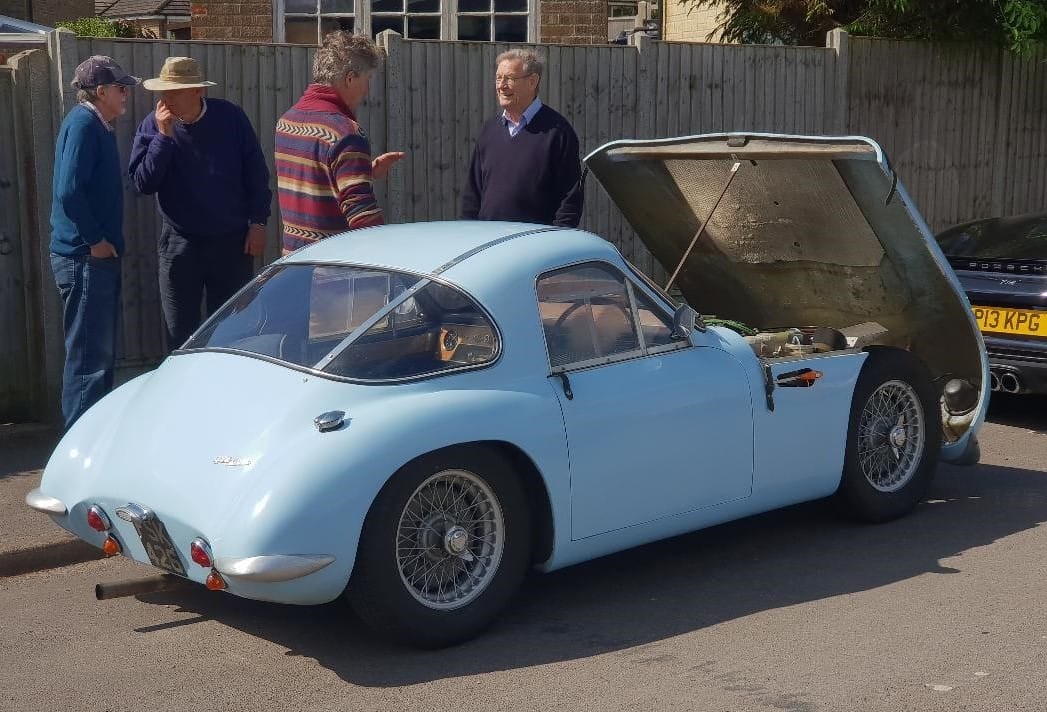
Key dates for the Grantura / Vixen
- 1958The Grantura makes TVR a manufacturer: a multi-tubular backbone chassis, a hand-laid glassfibre body with a foreshortened Manx tail, and whatever engine the customer fancied.
- 1962The Mk III brings John Thurner's redesigned chassis with proper wishbone suspension in place of the earlier trailing arms.
- 1965Arthur and Martin Lilley take control after a decade of financial crises; the Grantura 1800S is the foundation they rebuild on.
- 1967The Vixen arrives with Ford's 1600 Kent crossflow: 86 reliable, tunable horsepower and dealer-friendly parts.
- 1968 onwardsFrom the S2 a longer wheelbase civilises the cabin and the ride, and build quality climbs again.
- 1973Vixen production ends at around 750 cars; the M-series takes the formula over.
Before you buy a Grantura / Vixen
Chassis, always and without exception
- The tubular frame rusts unseen beneath glassfibre that never will
- Inspect the outriggers, suspension mounts and backbone thoroughly
- Documented frame restoration is worth far more than any cosmetic history
- Glassfibre repairs show in ripple and gel cracks, so read the surface
Engine, by donor
- Coventry Climax cars are rare and specialist, and deserve a provenance check before their premium
- MGB B-series and Ford crossflow parts are cheap and everywhere
- Ford sidevalve cars are the frugal early option and the slowest
- The Vixen's crossflow is the tunable one, with the deepest parts supply of the family
Identity and originality
- The TVR Car Club registers know most survivors
- Period racers deserve provenance checks before their premiums
- Hand-built variation is normal, so originality beats symmetry
- Mk I through Mk IV and Vixen S1 through S4 differ substantially; confirm which car you are looking at
What the Grantura & Vixen sells for at auction
| Variant | Sold | Typical range | Median |
|---|---|---|---|
| Vixen | 21 | £14,172 - £20,695 | £15,750 |
| Grantura | 14 | £9,641 - £25,290 | £20,224 |
Show the year-by-year mediansHide the year-by-year medians
| Year | Sold | Median | In 2025 money |
|---|---|---|---|
| 2026 (so far) | 7 | £13,824 | |
| 2025 | 3 | £14,878 | £14,878 |
| 2024 | 3 | £6,750 | £7,009 |
| 2018 | 4 | £15,384 | £20,028 |
| 2017 | 3 | £17,475 | £23,278 |
| 2015 | 3 | £18,597 | £25,664 |
- £3,696Grantura
- £25,764Vixen
- £25,355Grantura
- £13,824Vixen
- £3,456Grantura
Thin evidence. Only 35 recorded sales: read the figures as a sketch of the market, not a price. Based on 35 sold results from public classic car auctions (2001 to 10 August 2026). Sold prices, not asking prices, and not a valuation: condition, history and specification vary from car to car. Inflation-adjusted figures use the ONS CPIH index, in 2025 money.
Frequently asked questions
What is the difference between a TVR Grantura and a Vixen?
What engine does the TVR Grantura have?
How many TVR Granturas were built?
Was the TVR Grantura raced?
How much is a TVR Grantura worth?
What is the most expensive Grantura & Vixen ever sold at auction?
How often does a Grantura & Vixen come up for sale?
Related across themes
Recently added

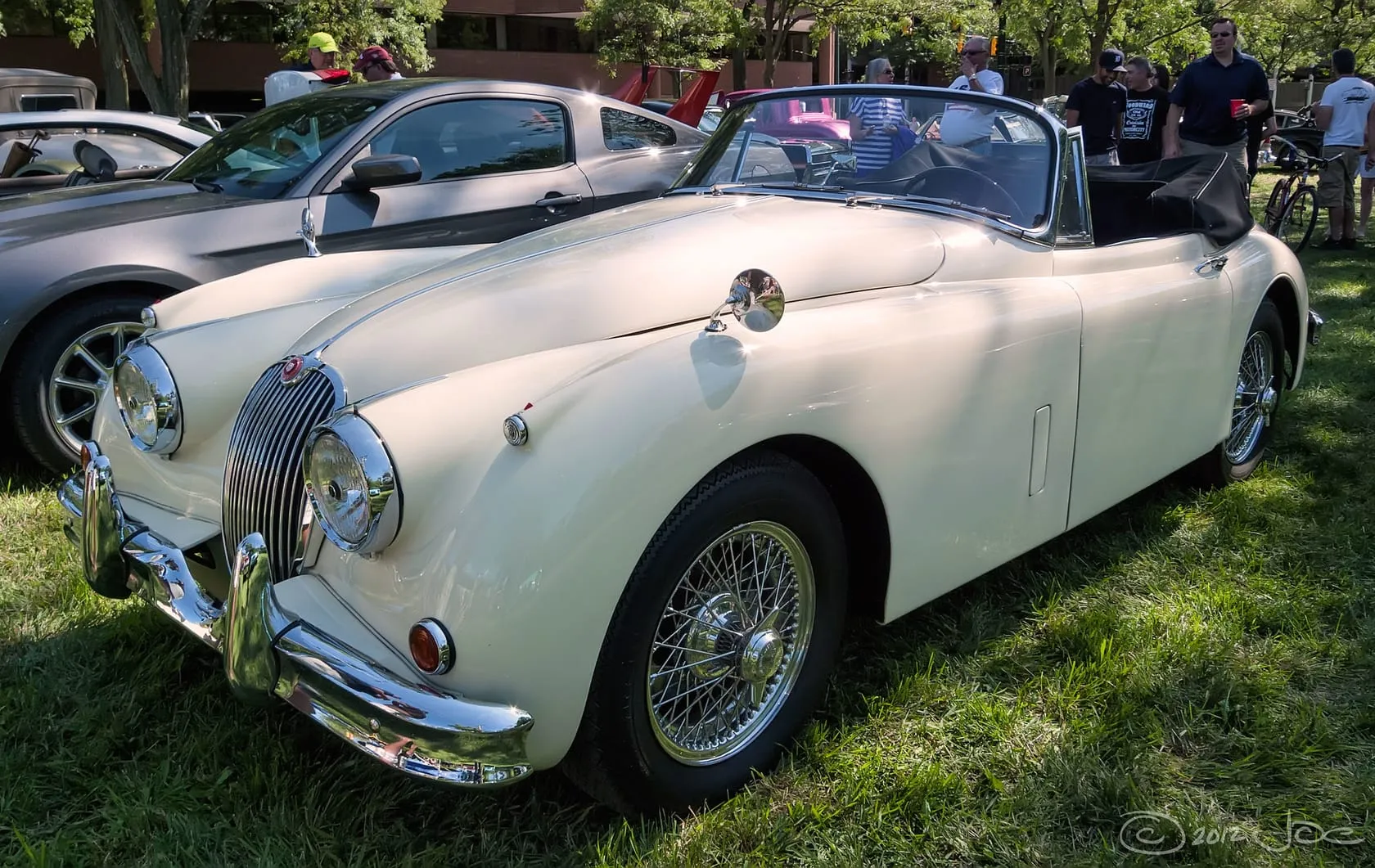
Jaguar XK140 values: the one XK where the drophead beats the roadster, and the cheapest of the three at the median

Preparing a classic for the MOT: what fails most, what the test checks on an old car, and the exempt-car question

Ford Cortina values: the Lotus at three times a saloon, the Mk1 GT and 1600E next, and the ordinary Cortina at hatchback money
