TVR M-series: the cars that kept Blackpool alive (1972–1979)
The M-series was TVR's steady decade, the 1600M, 2500M and 3000M with the Taimar hatchback, built soundly under Martin Lilley and sold worldwide while the company found its feet. A guide to the seventies family, the Turbo, buying checks and values.
Built 1972–1979 66 recorded sales
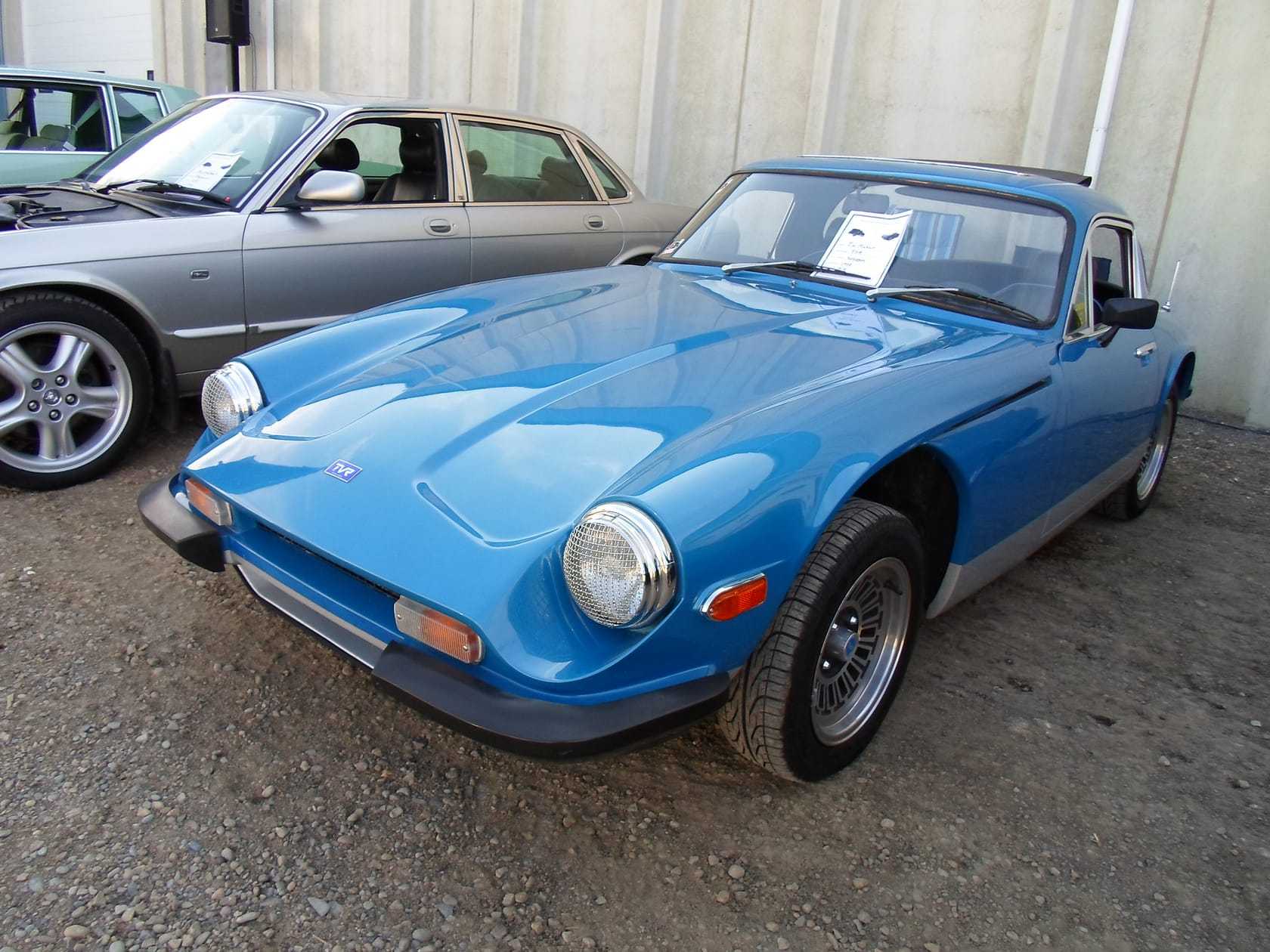
At a glance
- Years
- 1972–1979
- Body styles
- Two-seat coupe; Taimar hatchback; late convertible
- Drivetrain
- Front engine, rear-wheel drive; tubular backbone chassis
- Engines
- Ford 1.6 crossflow; Triumph 2.5 six; Ford 3.0 Essex V6 (plus Turbo)
- Power
- Around 86-230 bhp (Turbo)
- Top speed
- Around 105-139 mph
- Trim levels
- 1600M, 2500M, 3000M, Taimar; factory Turbo options
- Production
- About 2,500 across the family
- Assembly
- Blackpool, Lancashire
- Designer
- Blackpool under Martin Lilley
- Values
- Projects from around £7,000; usable cars £12,000-£18,000; Taimars and Turbos beyond
- The role
- The steady decade: sound cars, sound money, and TVR's survival secured
- The rarity
- Factory Turbo versions, around 63 built, are the seventies TVR unicorns
The models
Between the sixties terror and the eighties wedges sits the quietly heroic decade that saved TVR outright: the M-series years. From 1972 Martin Lilley’s Blackpool built the 1600M, 2500M and 3000M on one strengthened chassis, added the practical Taimar hatchback and a wild factory Turbo, and sold about 2,500 cars around the world with a reliability the marque had never managed before. The M-series cars remain the affordable, usable door into classic TVR, and the TVR 3000M their definitive expression.
Lilley steadies the ship
Martin Lilley bought TVR at the end of 1965 with the company in its habitual crisis, and the M-series was his answer: take the proven backbone-chassis, glassfibre-body formula of the Grantura line, strengthen the frame, stretch the nose, and build it properly. Launched from 1972, the family offered three engines in one shell, Ford’s 1.6 crossflow in the 1600M, Triumph’s smooth 2.5 six in the 2500M, and Ford’s 3.0 Essex V6 in the 3000M, with build quality and dealer support the marque had never sustained. The advertising’s boast, proud of what you have achieved, was for once simple truth.

Three engines, one survivor plan
Each badge had its market. The 2500M’s Triumph six carried American emissions approval, making it the US best-seller and the family’s volume car at around 950 built; its engine ties it to the Triumph 2000 saloon world and its parts supply. The 3000M’s 138 bhp V6 made it the UK driver’s choice, and the modest 1600M kept insurance brokers calm. Around 2,500 M-series cars in all kept Blackpool’s lights on through the oil crisis and the three-day week, profitable stability the company had never known, and the platform’s soundness funded everything TVR did next.
Taimar: the useful TVR
In 1976 Blackpool solved its own impracticality: the Taimar took the 3000M and added a proper opening hatchback, turning the glassfibre tail into real luggage access, and a factory convertible followed as the marque’s first open car in years. Rarer and stranger was the factory Turbo: about 63 blown Essex V6 cars across 3000M, Taimar and convertible forms, with around 230 bhp and pace that embarrassed supercars, the fastest and now most collected TVRs of their decade. The Taimar’s practicality and the Turbo’s ferocity bracketed the M-series range perfectly.

Which M: badge, hatch or Turbo
The family sorts cleanly by temperament. The 3000M is the UK enthusiast’s default, punchy, characterful and the best supported; the 2500M is the tourer’s car, its Triumph six smooth and unstressed, and repatriated American examples often anchor the value end of the market; the 1600M is the rarity bought for economy in period and for completeness now. The Taimar adds the opening hatch and a worthwhile premium; the late factory convertibles add scarcity; and the Turbos, around 63 across the V6 family, sit apart as the decade’s collector pieces, worth provenance verification before their premiums. Whatever the badge, chassis condition and history should outrank specification in every negotiation.
What an M-series is like to drive
The M-series drives exactly like the sensible TVR it was built to be, which by any other maker’s standard of the day still means genuinely vivid: around a tonne of car, direct steering, a stiff backbone chassis, and engines whose easy torque suits the modest weight, the Essex V6 punchy and characterful, the Triumph six smooth, unstressed and long-legged on a motorway. The cabin is snug but genuinely habitable, the ride firm without cruelty, and long journeys are realistic in a way the sixties cars never offered. Against 1970s rivals the M-series splits the difference between kit-car rawness and grand touring, which was precisely its commercial genius.

Buying an M-series today
The chassis rules, as with every TVR: outriggers and backbone tubes rust beneath rot-proof glassfibre, so documented frame repair or replacement is worth more than any paint. Engines follow their donors, Essex V6 and Triumph six both well supported, crossflow ubiquitous; Turbos deserve provenance verification given their value. US-repatriated 2500Ms are often the value buys, worth checking for conversion quality. The club’s registers cover the family well, and honest projects still surface at approachable money.
Values: the steady decade, steadily priced
Sixty-six measured sales at a £15,900 median keep the M-series honest: projects from £7,000, usable cars £12,000 to £18,000, Taimars a step above, factory Turbos past £25,000 on the rare occasions they trade. That is modest money for hand-built seventies sports cars with this much character and club support, and as the nineties TVRs climb, the steady decade behind them has quietly begun to follow.
More photos
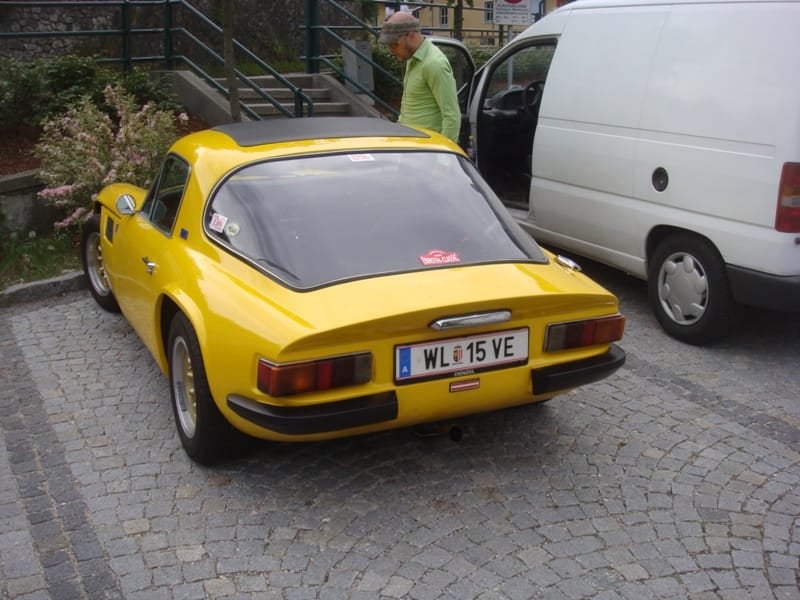
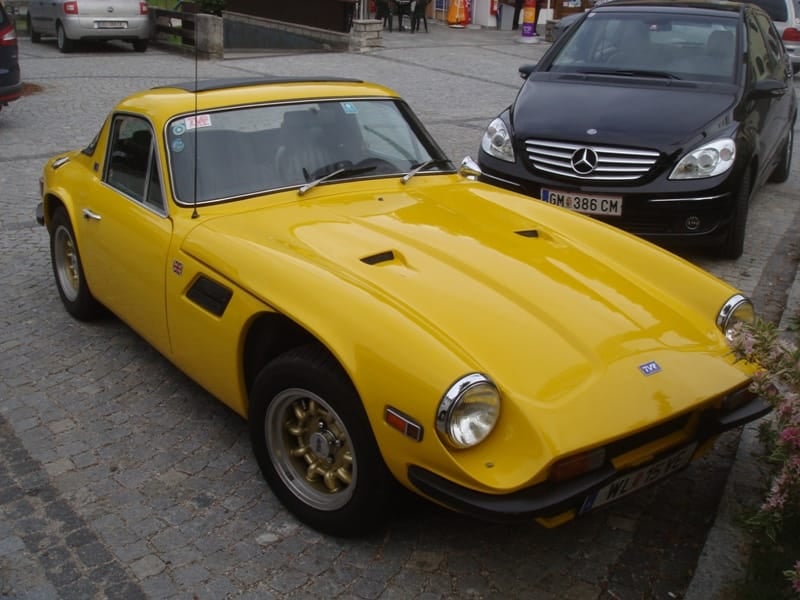
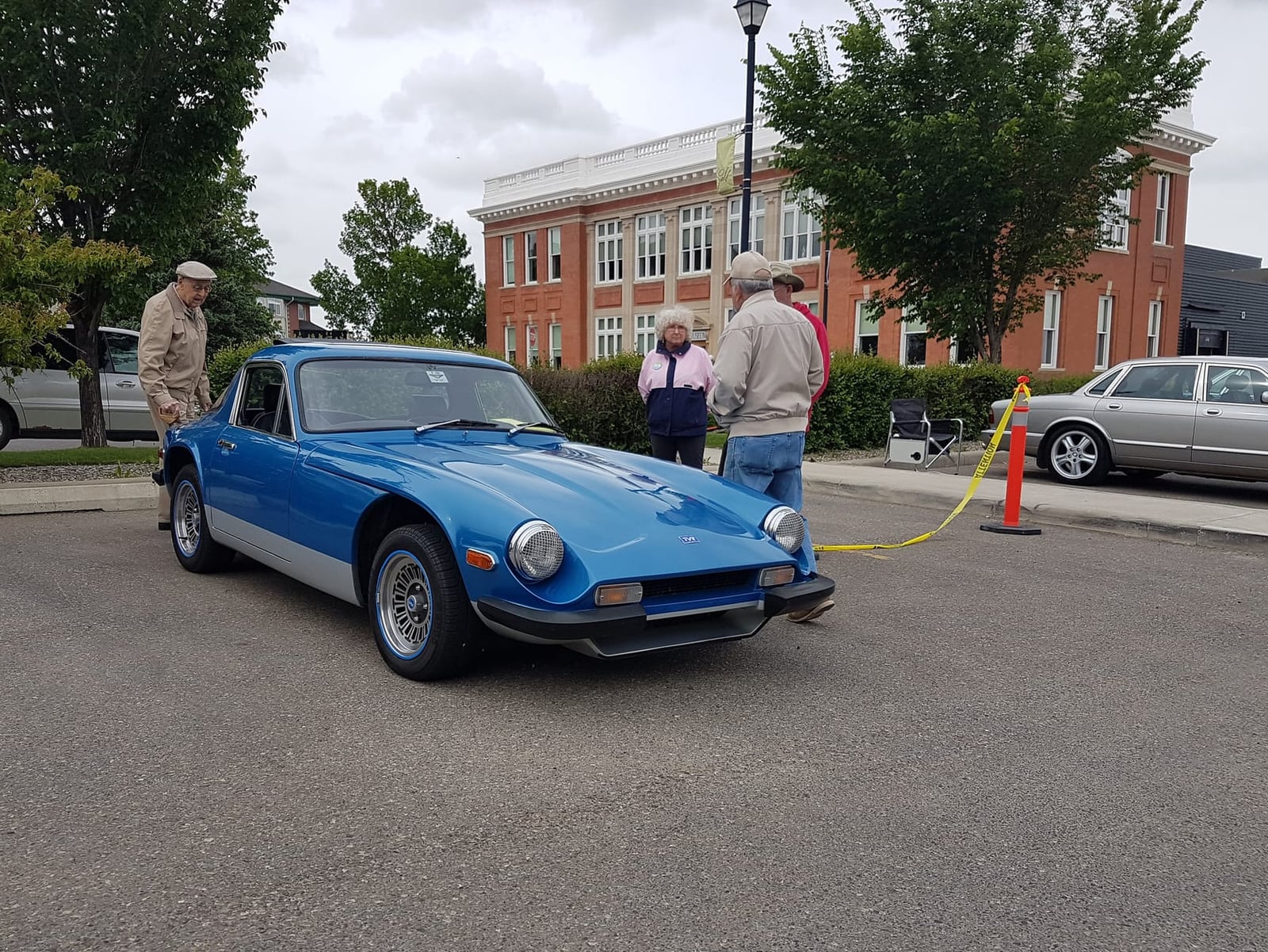
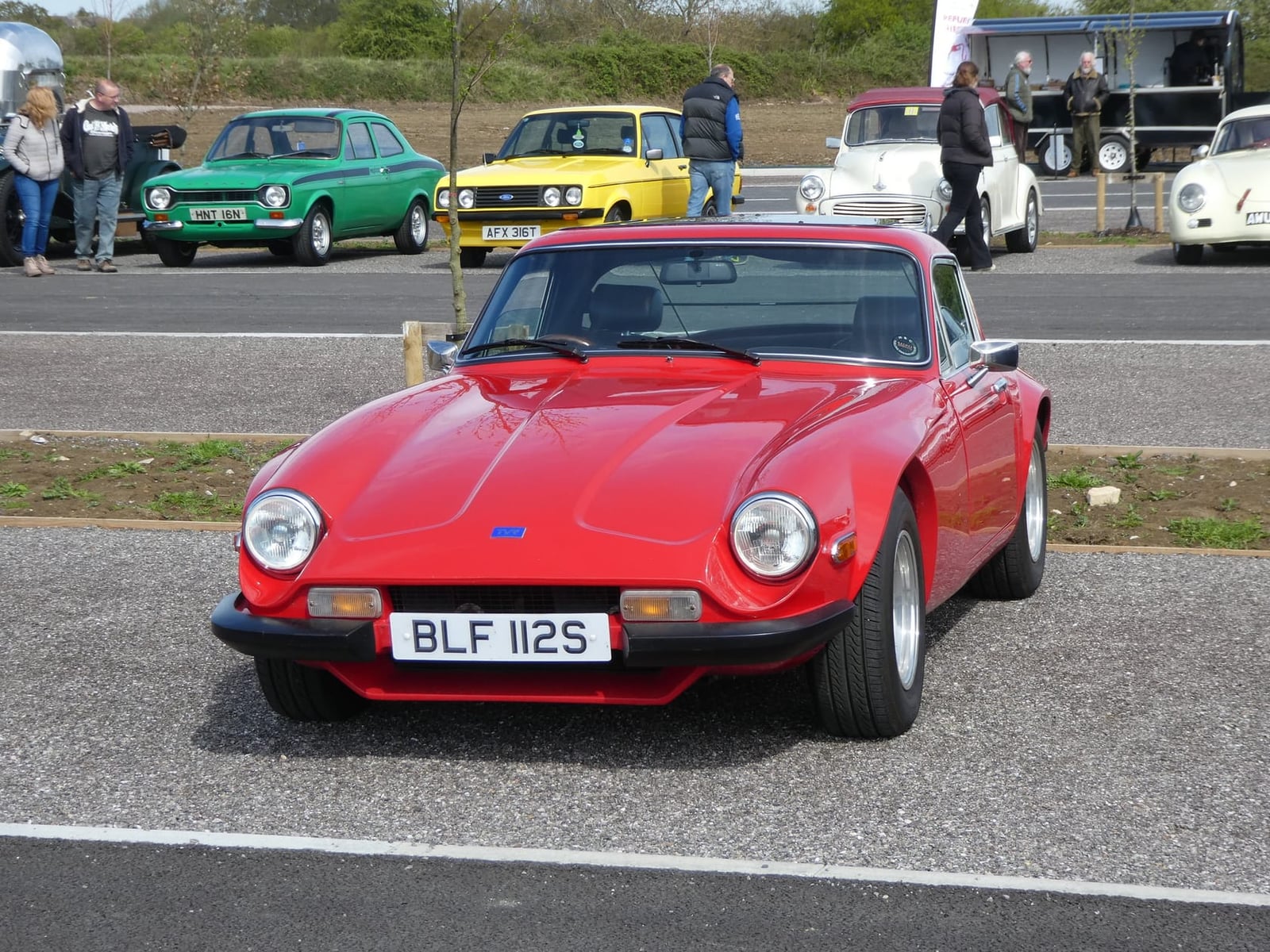
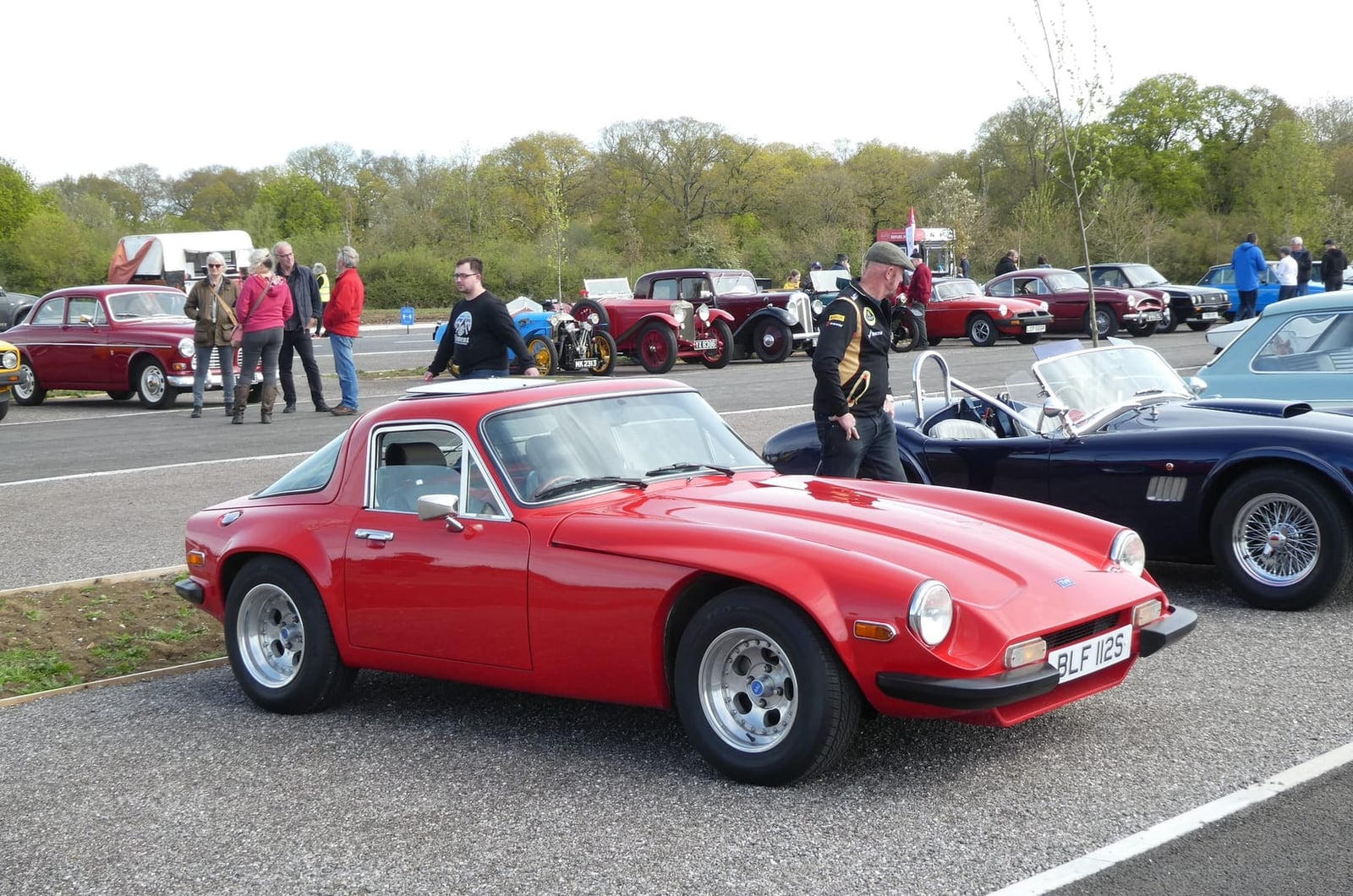
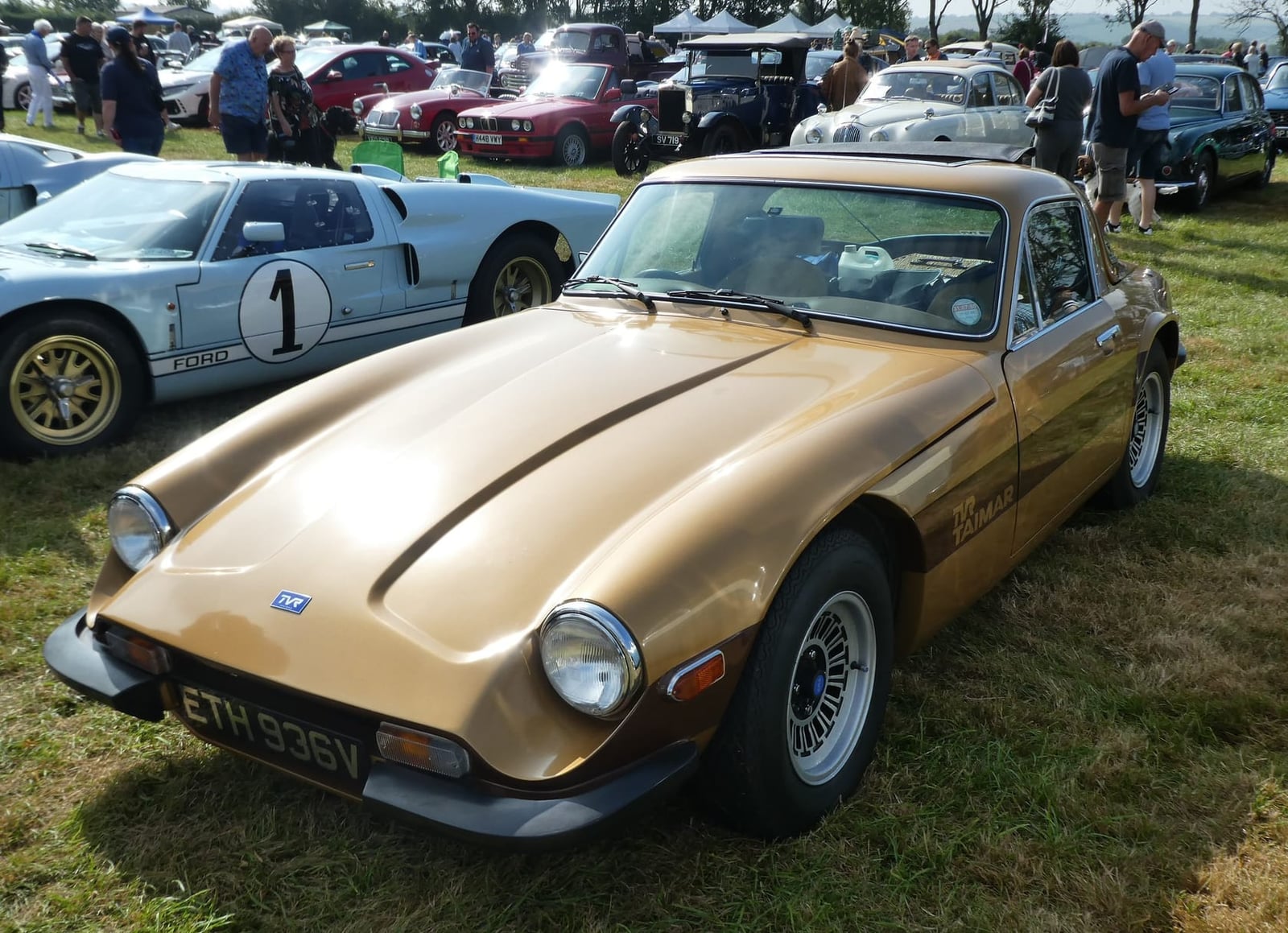
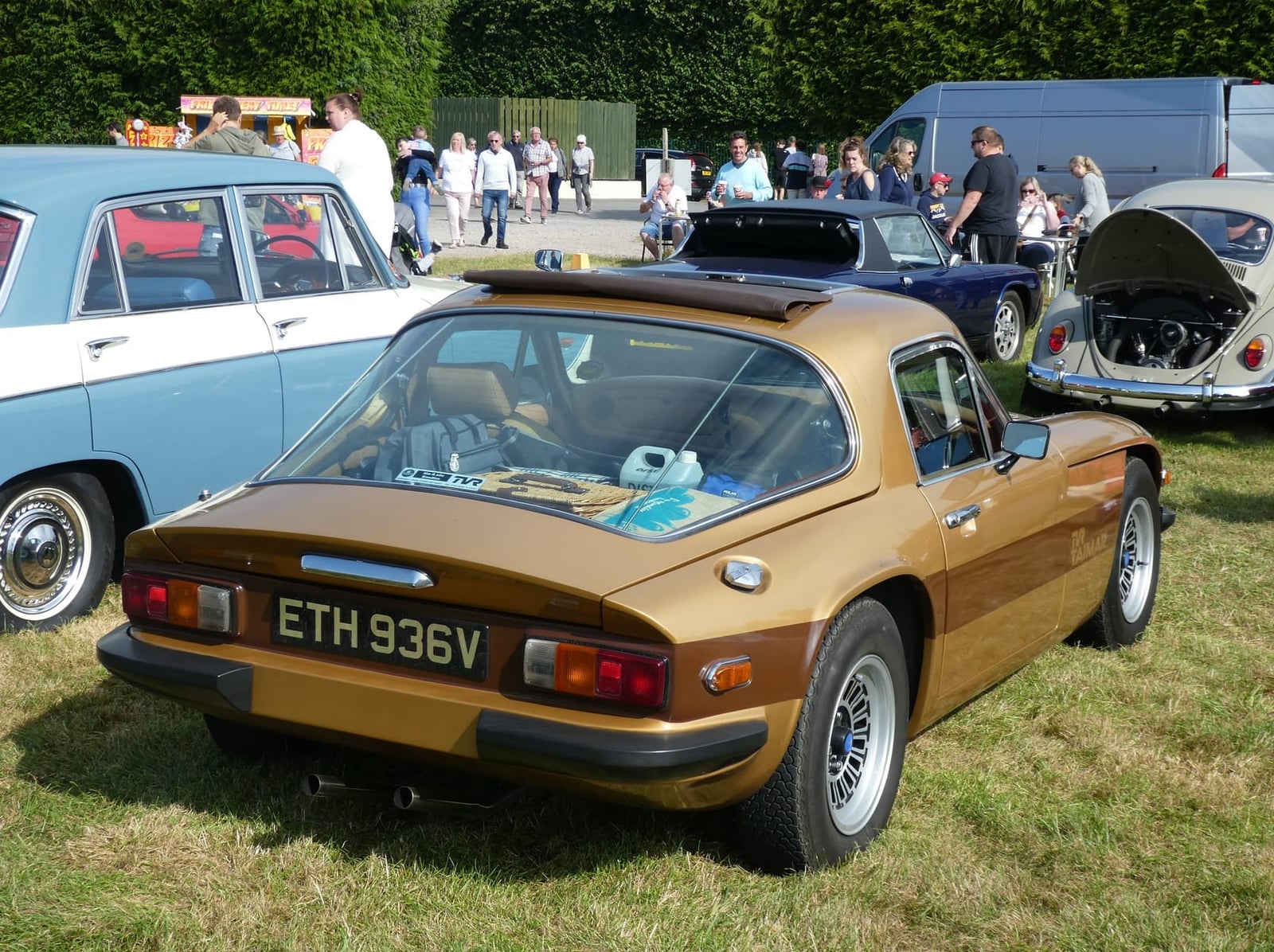
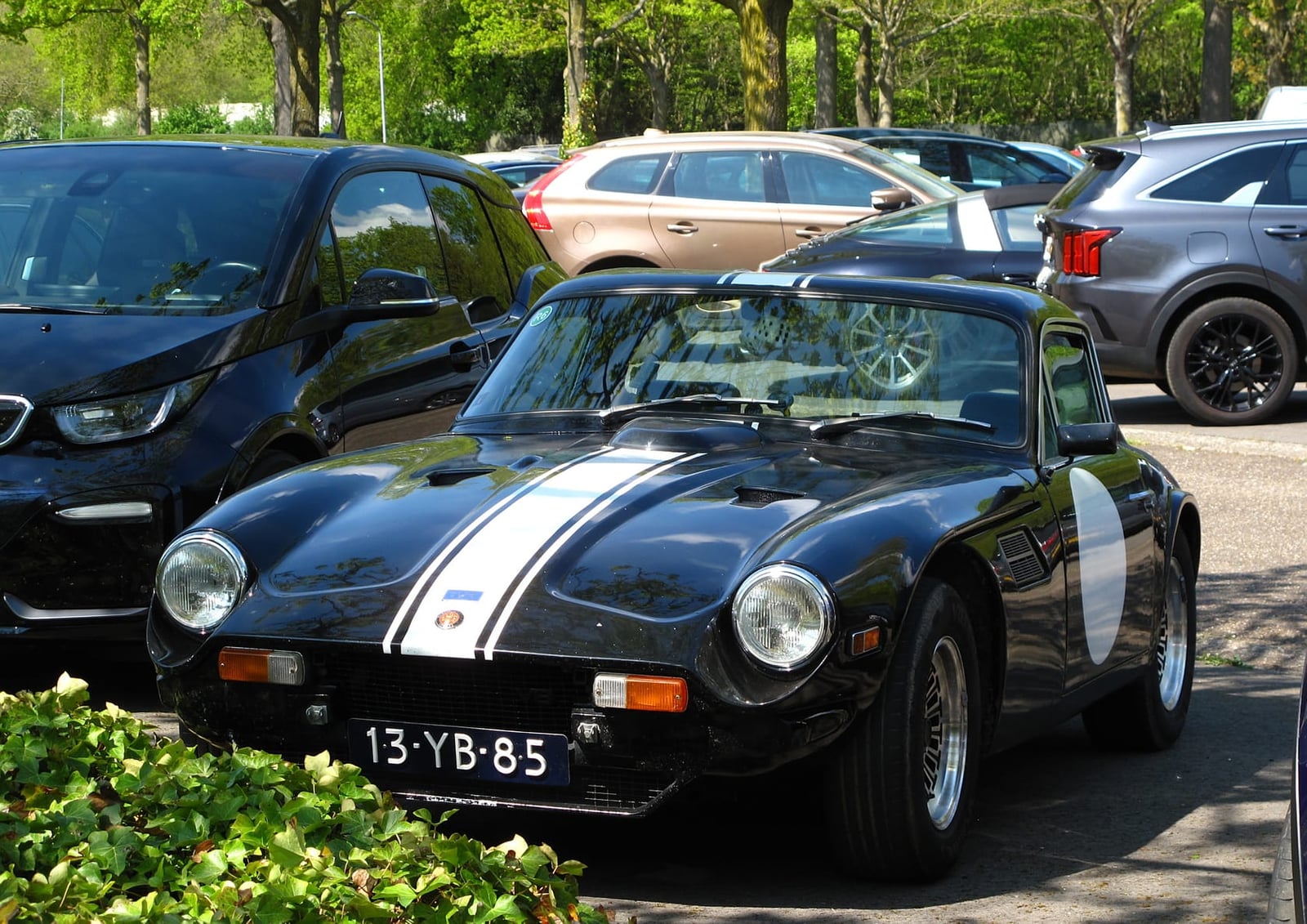
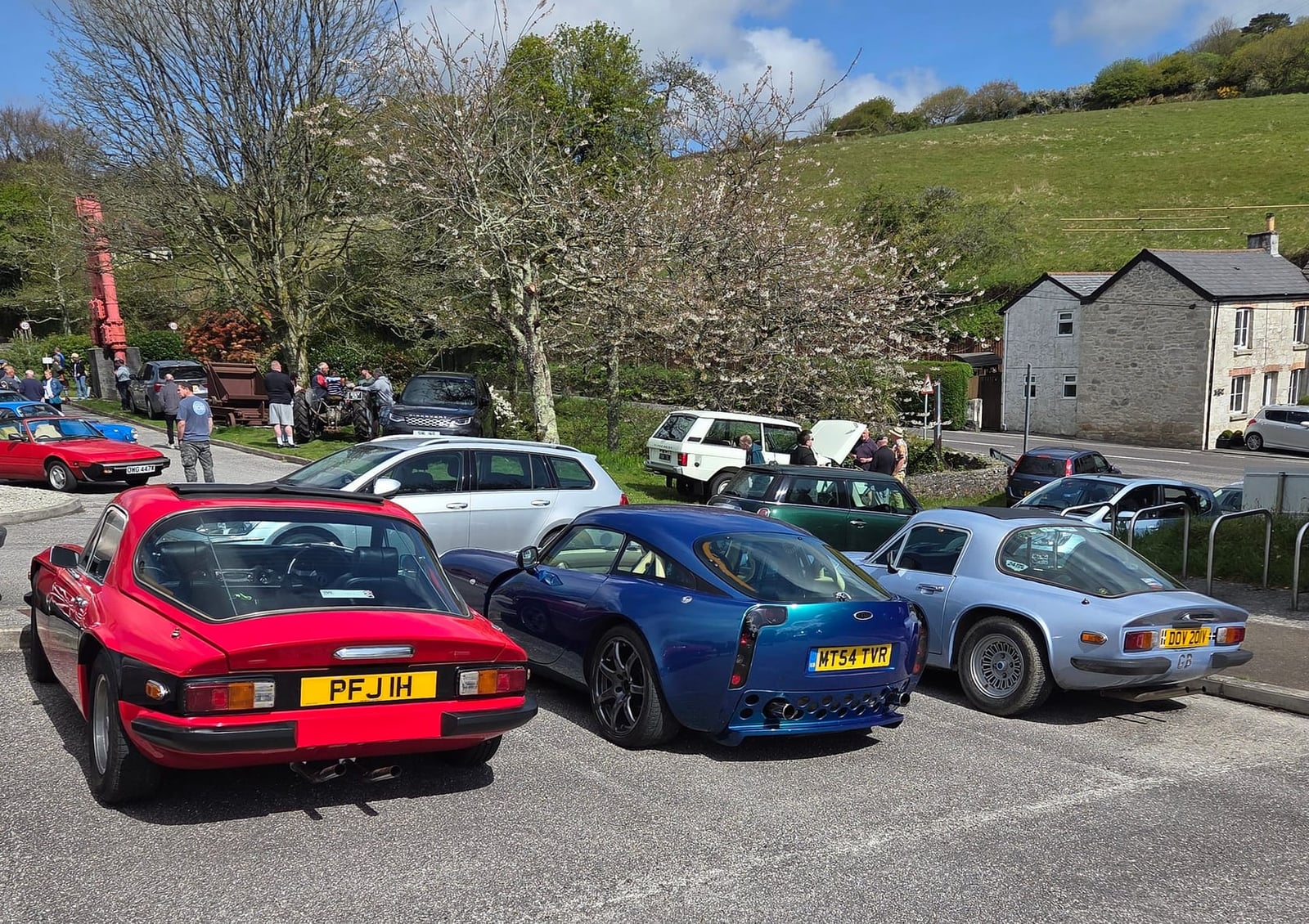
M-series: what changed and when
- 1972The M-series launches on a strengthened, stretched version of the Grantura formula, with build quality and dealer support the marque had never sustained.
- 1972 onwardsThree engines share one shell: the 1.6 crossflow 1600M, the Triumph-six 2500M with American emissions approval, and the 138 bhp Essex V6 3000M.
- 1976The Taimar adds a proper opening hatchback, turning the glassfibre tail into real luggage access.
- 1976 onwardsAbout 63 factory Turbo cars are built across 3000M, Taimar and convertible forms, with around 230 bhp.
- 1978A factory convertible follows, the marque's first open car in years.
- 1979Production ends at about 2,500 cars, having funded everything TVR did next.
What to check on a M-series
Chassis, which rules
- Outriggers and backbone tubes rust beneath glassfibre that never will
- Documented frame repair or replacement is worth more than any paint
- Chassis condition should outrank specification in every negotiation
- The club registers cover the family well and know most survivors
Engine, by donor
- Essex V6: punchy, characterful and the best-supported choice in Britain
- Triumph 2.5 six: smooth, unstressed and long-legged, sharing parts with the Triumph 2000 saloon world
- Ford 1.6 crossflow: ubiquitous parts, the rarity now bought for completeness
- Turbos are blown Essex V6s and deserve provenance verification given their value
Body style and origin
- The Taimar's opening hatch carries a worthwhile premium
- Late factory convertibles add scarcity
- US-repatriated 2500Ms are often the value buys, if the conversion was done well
- Around 63 factory Turbos exist across all three body styles, so verify before paying
What the M-series & Taimar sells for at auction
In 2025 the median M-series & Taimar sold for £13,769 across 9 sales, 7% down on 2024. In real terms, typical M-series & Taimar prices were down about 42% over the five years to 2025, once inflation is accounted for.
| Variant | Sold | Typical range | Median |
|---|---|---|---|
| 2500M | 41 | £15,120 - £22,791 | £18,828 |
| Taimar | 13 | £8,400 - £17,490 | £10,580 |
| 3000M | 8 | £11,488 - £16,172 | £14,133 |
Show the year-by-year mediansHide the year-by-year medians
| Year | Sold | Median | In 2025 money |
|---|---|---|---|
| 2026 (so far) | 3 | £23,373 | |
| 2025 | 9 | £13,769 | £13,769 |
| 2024 | 8 | £14,772 | £15,339 |
| 2023 | 7 | £25,709 | £27,588 |
| 2022 | 8 | £17,458 | £19,993 |
| 2021 | 9 | £20,134 | £24,897 |
| 2020 | 5 | £18,758 | £23,770 |
| 2018 | 6 | £15,564 | £20,263 |
| 2017 | 3 | £20,513 | £27,324 |
| 2016 | 3 | £12,150 | £16,601 |
- £23,3732500M
- £26,6503000M
- £9,5003000M
- £15,8753000M
- £15,7772500M
Reasonable evidence. 66 recorded sales: enough for the range to mean something, though a few unusual cars can still move a single year's median. Based on 66 sold results from public classic car auctions (2012 to 10 August 2026). Sold prices, not asking prices, and not a valuation: condition, history and specification vary from car to car. Inflation-adjusted figures use the ONS CPIH index, in 2025 money.
Frequently asked questions
What is a TVR Taimar?
What engines does the TVR M-series have?
Is the TVR 2500M better than the 3000M?
How many TVR M-series were built?
How much is a TVR M-series worth?
What is the most expensive M-series & Taimar ever sold at auction?
How often does an M-series & Taimar come up for sale?
Related across themes
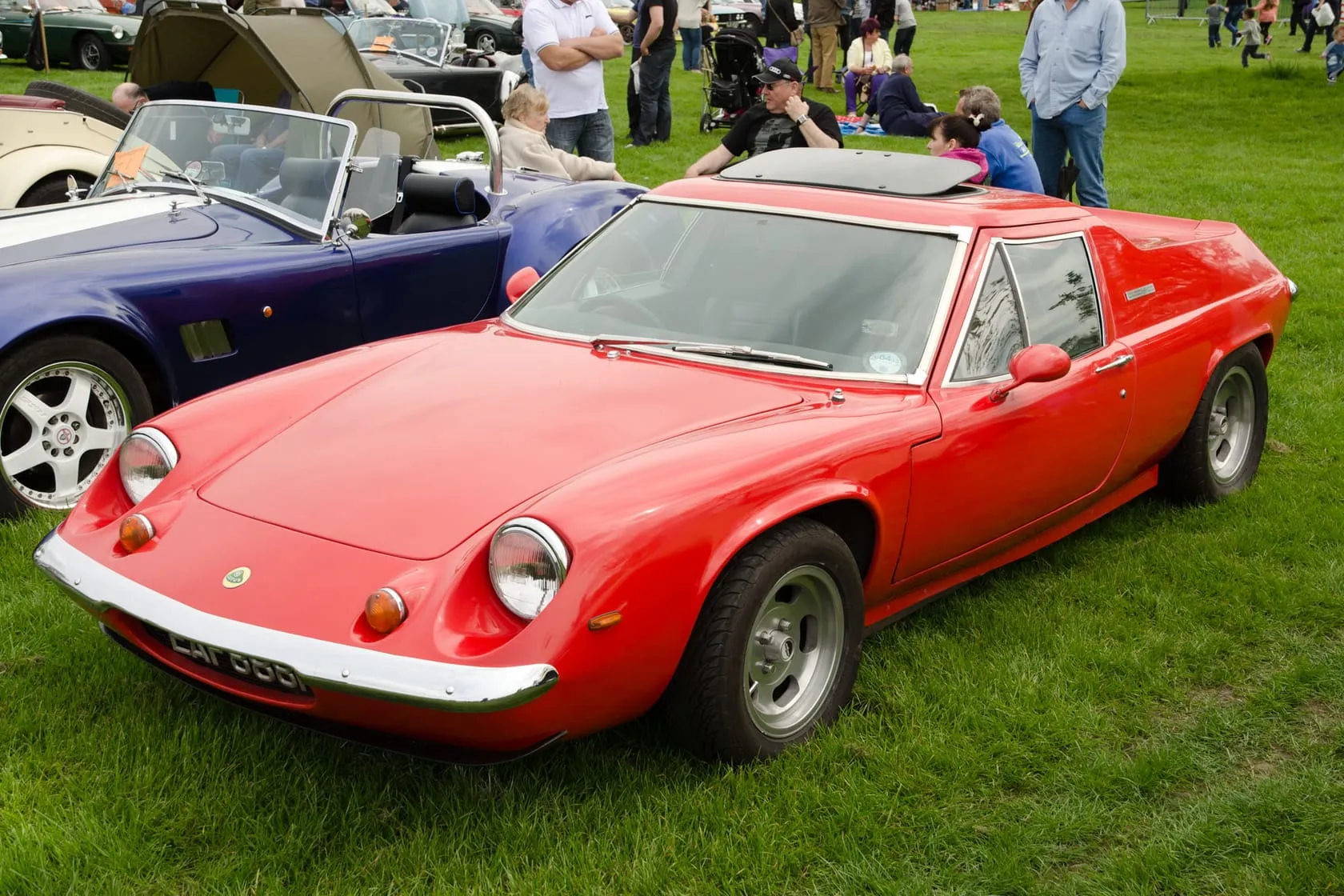
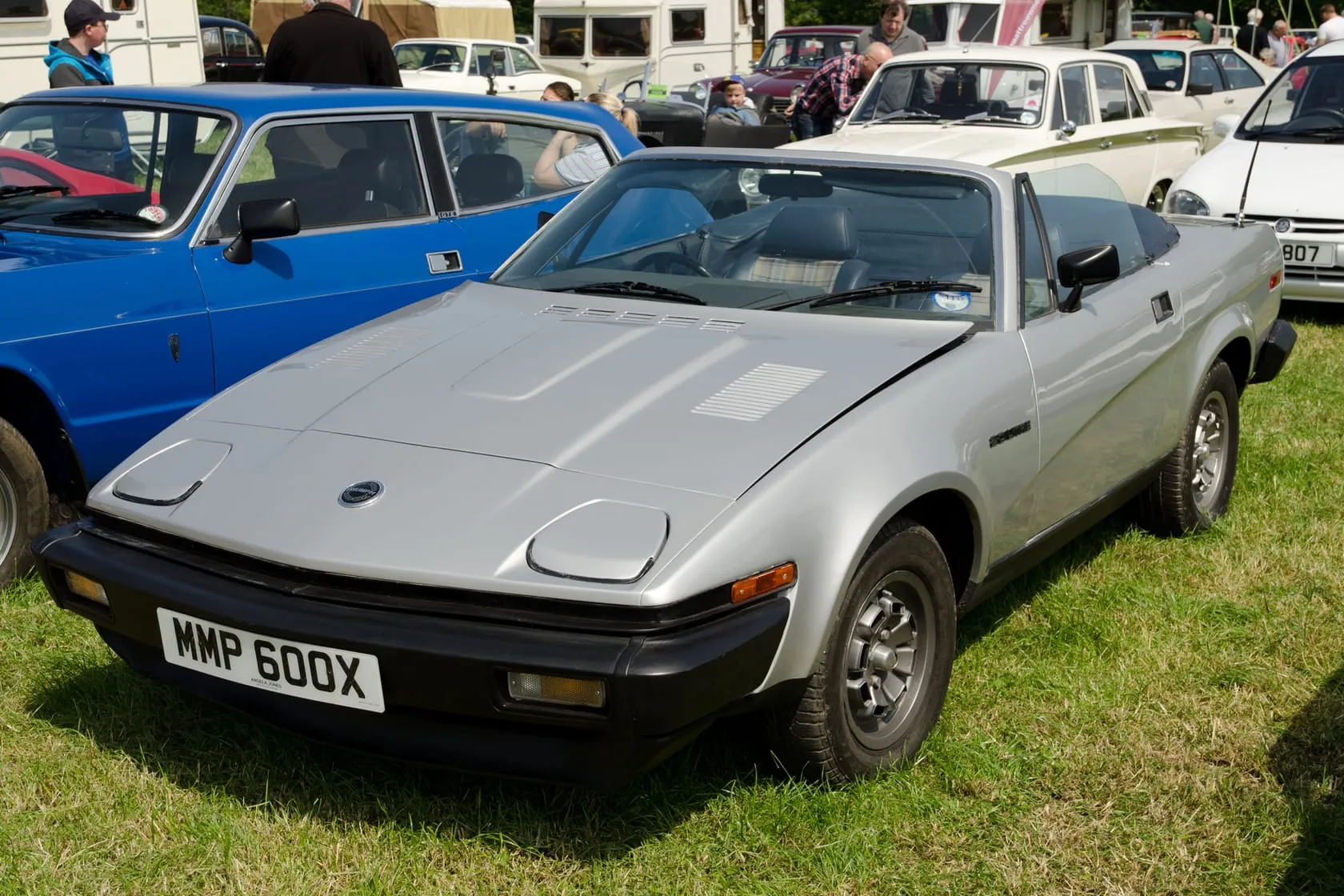
More from TVR


Recently added

MGB vs Triumph TR6: the two British roadsters everybody cross-shops, compared on the numbers

MGC values: roadster over GT, double the MGB, half the Healey, and the GTS in a class of its own

Land Rover Series I values: the 80-inch premium, the factory Reborn cars, and a market off its 2021 peak
